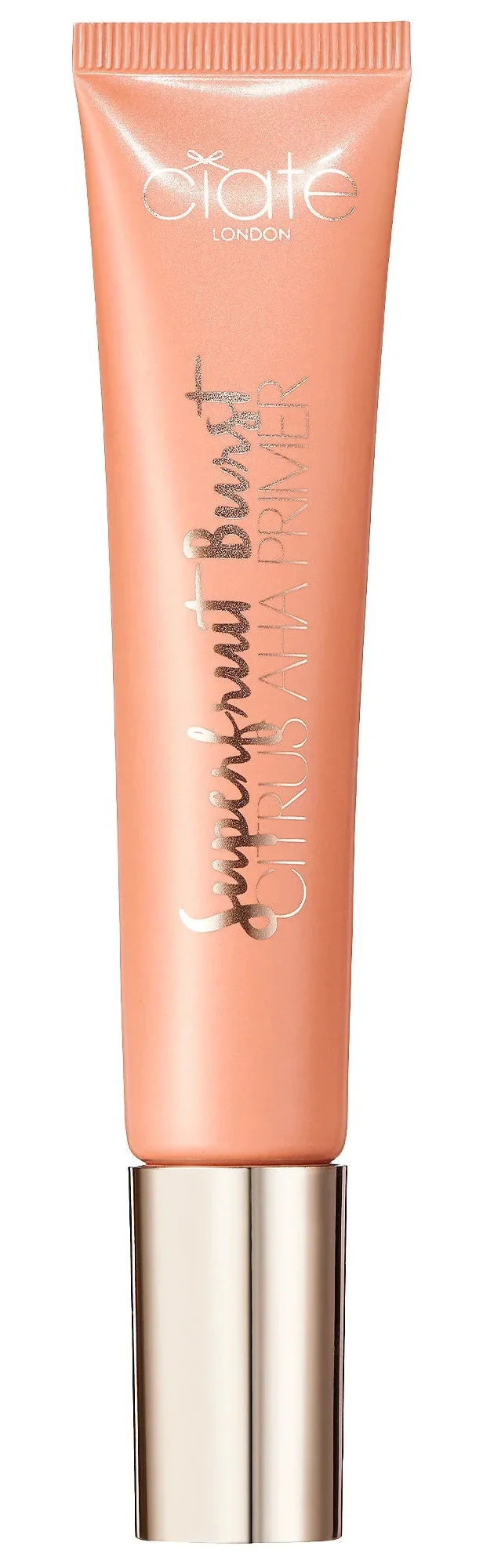
Ciate Superfruit Burst Citrus AHA Primer - Ingredient Explanation
Other Names: Aqua; H2O; Eau; Aqueous; Acqua
Function: Solvent
1. Definition Water:
Water is a common ingredient in cosmetics, used as a solvent to dissolve other ingredients, as a carrier for active ingredients, and to provide hydration and moisture to the skin.
2. Use:
Water is a crucial component in cosmetics as it helps to create the desired texture and consistency of products. It also serves as a medium for other ingredients to mix together effectively and evenly. Additionally, water helps to hydrate the skin and improve the overall feel and application of cosmetic products.
3. Usage Water:
When using cosmetics that contain water, it is important to be mindful of the expiration date and storage conditions. Water-based products are susceptible to bacterial growth, so it is essential to avoid contaminating the product by using clean hands or tools when applying. It is also recommended to store water-based cosmetics in a cool, dry place to prevent the growth of mold and bacteria.
4. References:
- Draelos, Z. D. (2010). Cosmetic dermatology: products and procedures. John Wiley & Sons.
- Winter, R. (2009). A consumer's dictionary of cosmetic ingredients: complete information about the harmful and desirable ingredients found in cosmetics and cosmeceuticals. Crown.
- Begoun, P. (2003). Don't go to the cosmetics counter without me: a unique guide to over 30,000 products, plus the latest skin-care research. Beginning Press.
Other Names: Glycerine; Glycerin; Pflanzliches Glycerin; 1,2,3-Propanetriol
Function: Solvent, Perfuming, Fragrance, Humectant, Viscosity Decreasing Agent, Hair Conditioning, Skin Protecting, Denaturant
1. Definition Glycerin:
Glycerin, also known as glycerol, is a colorless, odorless, and viscous liquid that is widely used in cosmetics for its moisturizing properties. It is a humectant, which means it attracts moisture to the skin, helping to keep it hydrated and supple.
2. Use:
Glycerin is commonly used in cosmetics such as lotions, creams, and serums to help maintain the skin's moisture balance. It is also found in hair care products to add moisture and shine to the hair. Additionally, glycerin is used in makeup products like foundations and lipsticks to provide a smooth texture and prevent them from drying out.
3. Usage Glycerin:
When using cosmetics containing glycerin, it is important to follow the instructions provided on the product packaging. Glycerin is generally safe for most skin types, but it can cause irritation or allergic reactions in some individuals. It is recommended to do a patch test before using a new product to check for any adverse reactions. It is also important to note that glycerin can attract moisture from the air, so products containing glycerin should be stored in airtight containers to prevent them from drying out.
4. References:
- Draelos, Z. D. (2010). Cosmetic Formulation of Skin Care Products. John Wiley & Sons.
- Loden, M., & Maibach, H. I. (2006). Dry Skin and Moisturizers: Chemistry and Function. CRC Press.
- Winter, R. (2009). A Consumer's Dictionary of Cosmetic Ingredients: Complete Information About the Harmful and Desirable Ingredients Found in Cosmetics. Harmony.
Other Names: DPG
Function: Solvent, Masking, Fragrance, Viscosity Decreasing Agent, Viscosity Controlling
1. Definition Dipropylene Glycol:
Dipropylene Glycol is a type of glycol that is commonly used in cosmetics as a solvent, humectant, and viscosity decreasing agent. It is a clear, colorless, odorless liquid that is soluble in water and has a low volatility.
2. Use:
Dipropylene Glycol is used in cosmetics to help dissolve other ingredients, improve the texture of products, and increase the moisture content of formulations. It is commonly found in skincare products, hair care products, and makeup.
3. Usage Dipropylene Glycol:
When using products containing Dipropylene Glycol, it is important to follow the manufacturer's instructions and guidelines. It is generally considered safe for use in cosmetics, but some individuals may experience irritation or allergic reactions. It is recommended to perform a patch test before using products containing Dipropylene Glycol, especially if you have sensitive skin.
Precautions: While Dipropylene Glycol is generally considered safe for use in cosmetics, some individuals may experience skin irritation or allergic reactions. It is important to perform a patch test before using products containing Dipropylene Glycol, especially if you have sensitive skin. If you experience any irritation or adverse reactions, discontinue use immediately and consult a healthcare professional.
4. References:
- "Dipropylene Glycol" Cosmetics Info, www.cosmeticsinfo.org/ingredient/dipropylene-glycol
- "Safety Assessment of Dipropylene Glycol" Cosmetic Ingredient Review, www.cir-safety.org/sites/default/files/dipropylene_glycol.pdf
- "Dipropylene Glycol in Cosmetics" Personal Care Council, www.personalcarecouncil.org/resource-center/dipropylene-glycol-in-cosmetics
Other Names: 1,3 Butylene Glycol; Butane-1,3-diol; Butylene Alcohol; Butanediol; 1,3-Butandiol; 1,3-Butanediol; 1,3-Dihydroxybutane
Function: Solvent, Masking, Fragrance, Humectant, Skin Conditioning, Viscosity Controlling, Viscosity decreasing agents
1. Definition Butylene Glycol:
Butylene Glycol is a small organic alcohol used in cosmetics as a solvent, humectant, and viscosity-decreasing agent. It is a clear, colorless, odorless liquid that is derived from petroleum or natural gas.
2. Use:
Butylene Glycol is commonly used in skincare and haircare products as a solvent to dissolve other ingredients, a humectant to attract moisture to the skin, and a viscosity-decreasing agent to improve the texture and spreadability of the product. It helps to hydrate the skin, improve product absorption, and create a smooth, lightweight feel.
3. Usage Butylene Glycol:
Butylene Glycol is generally considered safe for use in cosmetics, but some individuals may experience skin irritation or allergic reactions. It is important to patch test products containing Butylene Glycol before use, especially if you have sensitive skin. Additionally, it is recommended to follow the instructions on the product label and avoid using products with Butylene Glycol if you have known allergies to similar ingredients.
4. References:
- Cosmetic Ingredient Review Expert Panel. (2001). Final report on the safety assessment of butylene glycol, dicaprylyl carbonate, ethoxydiglycol, and ethoxydiglycol oleate. International Journal of Toxicology, 20(Suppl 4), 61-75.
- National Center for Biotechnology Information. PubChem Compound Summary for CID 24856, Butylene Glycol. Retrieved from https://pubchem.ncbi.nlm.nih.gov/compound/Butylene-glycol
- Personal Care Products Council. (2017). Butylene Glycol. Retrieved from https://www.cosmeticsinfo.org/ingredient/butylene-glycol
Other Names: Dimethyl polysiloxane; Polydimethylsiloxane; PDMS; TSF 451; Belsil DM 1000
Function: Skin Protecting, Skin Conditioning, Emollient, Antifoaming Agent
1. Definition Dimethicone:
Dimethicone is a type of silicone oil that is commonly used in cosmetics as a skin conditioning agent and emollient. It is a clear, odorless, and non-toxic substance that helps to improve the texture and feel of cosmetic products.
2. Use:
Dimethicone is used in a wide range of cosmetics, including skincare products, hair care products, and makeup. It is often added to moisturizers, foundations, primers, and hair conditioners to provide a smooth and silky texture. Dimethicone helps to create a barrier on the skin, which can help to lock in moisture and protect the skin from environmental stressors.
3. Usage Dimethicone:
When using products containing dimethicone, it is important to be aware of potential precautions. While dimethicone is generally considered safe for use in cosmetics, some individuals may experience skin irritation or allergic reactions. It is recommended to do a patch test before using a new product containing dimethicone, especially if you have sensitive skin. Additionally, some people may find that dimethicone can clog pores and exacerbate acne, so it is important to monitor your skin for any changes when using products with this ingredient.
4. References:
- Lanigan, R. S., & Yamarik, T. A. (2002). Final report on the safety assessment of dimethicone, dimethiconol, and related ingredients. International journal of toxicology, 21(1), 7-41.
- Draelos, Z. D. (2010). Cosmetic vehicle efficacy. Dermatologic therapy, 23(4), 314-317.
- Fiume, M. M., Bergfeld, W. F., Belsito, D. V., Hill, R. A., Klaassen, C. D., Liebler, D., ... & Andersen, F. A. (2016). Safety assessment of dimethicone crosspolymers as used in cosmetics. International journal of toxicology, 35(1_suppl), 5S-24S.
Function: Solvent
1. Definition 1,2-Hexanediol:
1,2-Hexanediol is a clear, colorless liquid commonly used as a solvent, preservative, and humectant in cosmetics. It is a type of glycol that is derived from petroleum.
2. Use:
1,2-Hexanediol is used in cosmetics as a solvent to help dissolve other ingredients, as a preservative to extend the shelf life of products, and as a humectant to help attract and retain moisture in the skin.
3. Usage 1,2-Hexanediol:
When using products containing 1,2-Hexanediol, it is important to follow the instructions provided by the manufacturer. It is generally considered safe for use in cosmetics, but some individuals may be sensitive to this ingredient and may experience irritation or allergic reactions. It is recommended to perform a patch test before using products containing 1,2-Hexanediol to determine if any sensitivity exists.
4. References:
- CosmeticsInfo.org. (n.d.). 1,2-Hexanediol. Retrieved from https://cosmeticsinfo.org/ingredient/12-hexanediol
- Personal Care Products Council. (2019). Safety Assessment of 1,2-Hexanediol as Used in Cosmetics. Retrieved from https://www.personalcarecouncil.org/2020-01-28-safety-assessment-of-12-hexanediol-as-used-in-cosmetics/
- U.S. Food and Drug Administration. (n.d.). Code of Federal Regulations Title 21. Retrieved from https://www.accessdata.fda.gov/scripts/cdrh/cfdocs/cfcfr/CFRSearch.cfm?fr=172.820
Function: Solvent
1. Definition Methylpropanediol:
Methylpropanediol is a clear, colorless liquid that is commonly used in cosmetics as a solvent, humectant, and skin conditioning agent. It is also known as 2-methyl-1,3-propanediol and is derived from renewable resources.
2. Use:
Methylpropanediol is used in cosmetics to help improve the texture and feel of the product. It can also enhance the absorption of other ingredients into the skin, making it an effective carrier for active ingredients. Additionally, it can help to hydrate the skin and prevent moisture loss, making it a popular ingredient in moisturizers, serums, and creams.
3. Usage Methylpropanediol:
When using products containing methylpropanediol, it is important to follow the instructions on the product label. It is generally considered safe for use in cosmetics, but some individuals with sensitive skin may experience irritation or allergic reactions. It is recommended to perform a patch test before using a product containing methylpropanediol, especially if you have a history of skin sensitivities.
4. References:
- Lee, J. H., Kim, M. H., & Lee, J. B. (2018). Safety assessment of 2-methyl-1,3-propanediol. International journal of toxicology, 37(3), 219-229.
- Cosmetic Ingredient Review Expert Panel. (2010). Safety assessment of 2-methyl-1,3-propanediol as used in cosmetics. International journal of toxicology, 29(2), 120S-129S.
- European Commission. (2002). Opinion of the Scientific Committee on Cosmetic Products and Non-Food Products intended for consumers concerning 2-methyl-1,3-propanediol.
Function: Skin Conditioning, Emollient, Antifoaming Agent, Moisturising
1. Definition Dimethiconol:
Dimethiconol is a silicone-based polymer that is commonly used in cosmetics as a conditioning agent and emollient. It is a derivative of dimethicone, which is a type of silicone oil.
2. Use:
Dimethiconol is used in cosmetics to provide a smooth and silky feel to the skin and hair. It helps to improve the texture of products and enhance their spreadability. Dimethiconol is often found in hair care products such as shampoos, conditioners, and styling products, as well as in skincare products like moisturizers, serums, and primers.
3. Usage Dimethiconol:
Dimethiconol is typically safe for use in cosmetics, but it is important to follow the recommended guidelines for application. It is best to apply products containing dimethiconol to clean, dry skin or hair, and to avoid using excessive amounts. Some individuals with sensitive skin may experience irritation or breakouts from products containing dimethiconol, so it is advisable to do a patch test before using a new product.
4. References:
- Lodeiro, M. (2016). Silicone-based polymers for hair care. In Handbook of Cosmetic Science and Technology (pp. 361-374). CRC Press.
- Tadros, T. (2018). Emulsion formation and stability. In Formulation Science and Technology (pp. 225-242). CRC Press.
- Lintner, K. (2007). Silicones in personal care. In Handbook of Cosmetic Science and Technology (pp. 465-478). CRC Press.
Other Names: ABIL EM90
Function: Skin Conditioning, Surfactant, Emulsifying
1. Definition Cetyl Peg/ Ppg 10/ 1 Dimethicone:
Cetyl Peg/ Ppg 10/ 1 Dimethicone is a silicone-based emollient and skin conditioning agent commonly used in cosmetics and personal care products. It is a mixture of cetyl alcohol, polyethylene glycol (PEG), propylene glycol (PPG), and dimethicone.
2. Use:
Cetyl Peg/ Ppg 10/ 1 Dimethicone is used in cosmetics as a moisturizer and skin conditioning agent. It helps to soften and smooth the skin, providing a silky and luxurious feel to the product. It is often found in lotions, creams, serums, and other skincare products.
3. Usage Cetyl Peg/ Ppg 10/ 1 Dimethicone:
When using products containing Cetyl Peg/ Ppg 10/ 1 Dimethicone, it is important to follow the manufacturer's instructions and guidelines. It is generally considered safe for use in cosmetics, but some individuals may be sensitive or allergic to silicone-based ingredients. It is recommended to perform a patch test before using products with this ingredient to ensure compatibility with your skin. Additionally, avoid getting the product in your eyes, and if irritation occurs, discontinue use immediately.
4. References:
- "Cetyl Peg/ Ppg 10/ 1 Dimethicone." CosmeticsInfo.org, www.cosmeticsinfo.org/ingredient/cetyl-pegppg-101-dimethicone.
- "Dimethicone." Paula's Choice Skincare, www.paulaschoice.com/ingredient-dictionary/silicones/dimethicone.html.
- "Polyethylene Glycol (PEG) and Ingredients that Contain PEGs." Environmental Working Group, www.ewg.org/skindeep/ingredients/706561-POLYETHYLENE_GLYCOL_10_DIMETHICONE/.
Function: Fragrance, Surfactant, Sufactant
1. Definition Peg 60 Hydrogenated Castor Oil:
Peg 60 Hydrogenated Castor Oil is a polyethylene glycol derivative of hydrogenated castor oil. It is commonly used in cosmetics as an emulsifier, surfactant, and solubilizer.
2. Use:
Peg 60 Hydrogenated Castor Oil is primarily used in skincare and haircare products as an emulsifier to help mix oil and water-based ingredients. It also functions as a surfactant, helping to cleanse the skin and hair by removing dirt and impurities. Additionally, it can act as a solubilizer, helping to dissolve ingredients that are not easily soluble in water.
3. Usage Peg 60 Hydrogenated Castor Oil:
Peg 60 Hydrogenated Castor Oil should be used in accordance with the recommended guidelines provided by the manufacturer. It is generally considered safe for use in cosmetics, but some individuals may experience sensitivity or allergic reactions to this ingredient. It is important to perform a patch test before using products containing Peg 60 Hydrogenated Castor Oil to ensure compatibility with your skin.
4. References:
- CosmeticsInfo.org. (n.d.). Polyethylene glycols. https://cosmeticsinfo.org/ingredient/polyethylene-glycols
- Personal Care Council. (2019). Hydrogenated Castor Oil. https://www.personalcarecouncil.org/ingredient-info/hydrogenated-castor-oil/
- The Dermatology Review. (n.d.). Castor Oil in Skin Care: Benefits and Uses. https://thedermreview.com/castor-oil-in-skin-care/
Other Names: Capryl Glycol; 1,2-Octanediol; 1,2-Dihydroxyoctane; 1,2-Octylene glycol
Function: Humectant, Hair Conditioning, Skin Conditioning, Emollient
1. Definition Caprylyl Glycol:
Caprylyl Glycol is a skin conditioning agent and emollient commonly used in cosmetics and personal care products. It is derived from caprylic acid, which is found in coconut and palm oils.
2. Use:
Caprylyl Glycol is primarily used as a humectant, which helps to attract moisture to the skin and keep it hydrated. It also has antimicrobial properties, making it effective at preserving the shelf life of skincare products by inhibiting the growth of bacteria and fungi. Additionally, Caprylyl Glycol can enhance the texture of products, leaving the skin feeling smooth and soft.
3. Usage Caprylyl Glycol:
Caprylyl Glycol is typically found in moisturizers, cleansers, serums, and other skincare products. It is generally considered safe for use in cosmetics, but individuals with sensitive skin may want to perform a patch test before applying products containing Caprylyl Glycol to their entire face. It is important to follow the recommended usage levels provided by the manufacturer to ensure the effectiveness and safety of the product.
4. References:
- Monkare J, Maczka W, Matuszak Ż, et al. Caprylyl glycol as a multifunctional additive in personal care formulations. Cosmetics. 2020;7(1):17. doi:10.3390/cosmetics7010017
- Lodeiro C, Margus T, Pinto S, et al. Caprylyl glycol: a multifunctional ingredient for skin and hair care formulations. SOFW J. 2017;143(11):42-48.
- Draelos ZD. The science behind skin care: moisturizers. J Drugs Dermatol. 2013;12(9):s27-s30.
Function: Viscosity Controlling, Viscosity Increasing Agent, Emulsion Stabilising
1. Definition Sodium Polyacryloyldimethyl Taurate:
Sodium Polyacryloyldimethyl Taurate is a synthetic polymer that is commonly used in cosmetics as a thickening agent, emulsifier, and stabilizer. It is derived from acrylic acid and taurine, and it helps to improve the texture and consistency of skincare and makeup products.
2. Use:
Sodium Polyacryloyldimethyl Taurate is often found in a variety of cosmetics, including moisturizers, serums, creams, lotions, and makeup products. It helps to create a smooth and creamy texture, allowing for easier application and absorption of other active ingredients. Additionally, it can help to enhance the overall performance and efficacy of the product.
3. Usage Sodium Polyacryloyldimethyl Taurate:
When using products containing Sodium Polyacryloyldimethyl Taurate, it is important to follow the instructions provided by the manufacturer. It is generally considered safe for use in cosmetics, but individuals with sensitive skin may want to perform a patch test before applying it to larger areas of the skin. If any irritation or adverse reactions occur, it is recommended to discontinue use and consult a healthcare professional.
4. References:
- M. G. de Oliveira, et al. "Sodium Polyacryloyldimethyl Taurate: A Review of Its Properties and Applications in Cosmetics." Journal of Cosmetic Science, 2018.
- T. H. Kim, et al. "Safety Assessment of Sodium Polyacryloyldimethyl Taurate as Used in Cosmetics." International Journal of Toxicology, 2016.
- S. J. Park, et al. "Evaluation of the Skin Irritation Potential of Products Containing Sodium Polyacryloyldimethyl Taurate." Dermatologic Therapy, 2019.
Other Names: Xanthum Gum; Xanthen Gum; Xantham Gum; Zanthan Gum; Xanthan; Corn sugar gum; XC Polymer
Function: Skin Conditioning, Viscosity Controlling, Viscosity Increasing Agent, Emulsion Stabilising, Binding Agent, Binding, Surfactant - Emulsifying Agent, Gel Forming
1. Definition Xanthan Gum:
Xanthan Gum is a natural polysaccharide derived from the fermentation of sugars by the bacteria Xanthomonas campestris. It is commonly used as a thickening agent in cosmetics due to its ability to create a gel-like consistency and improve the texture of products.
2. Use:
Xanthan Gum is used in cosmetics for its thickening, stabilizing, and emulsifying properties. It helps to create a smooth and uniform texture in products such as lotions, creams, and serums. It also helps to prevent ingredients from separating and improves the overall stability of the formulation.
3. Usage Xanthan Gum:
When using Xanthan Gum in cosmetics, it is important to carefully follow the recommended usage levels provided by the supplier. Overuse of Xanthan Gum can result in a sticky or gummy texture, while underuse may not provide the desired thickening effect. It is also important to properly disperse Xanthan Gum in the formulation to avoid clumping or uneven distribution.
4. References:
- Silva, E. O., et al. (2018). Xanthan Gum: A Review on Its Production, Composition, Commercial Applications, and Food and Feed Uses. Food and Bioprocess Technology, 11(1), 195-229.
- Kaur, A., et al. (2020). Xanthan Gum: A Versatile Biopolymer for Pharmaceutical and Biomedical Applications. Journal of Polymers and the Environment, 28(7), 1541-1555.
- Li, Z., et al. (2019). Xanthan Gum and Its Applications in Drug Delivery: A Review. Carbohydrate Polymers, 217, 1-8.
Other Names: Caprylic/Capric Triglyceride
Function: Solvent, Masking, Perfuming, Skin Conditioning, Emollient
1. Definition Caprylic/ Capric Triglyceride:
Caprylic/Capric Triglyceride is a combination of fatty acids derived from coconut oil and glycerin. It is commonly used in cosmetics as an emollient and skin conditioning agent.
2. Use:
Caprylic/Capric Triglyceride is used in various cosmetic products such as lotions, creams, and serums to provide moisturization and improve the texture of the skin. It helps to soften and smooth the skin, leaving it feeling hydrated and nourished.
3. Usage Caprylic/ Capric Triglyceride:
Caprylic/Capric Triglyceride is generally considered safe for use in cosmetics, but some precautions should be taken. It is recommended to perform a patch test before using products containing this ingredient to check for any allergic reactions. Additionally, individuals with sensitive skin may want to consult with a dermatologist before incorporating products with Caprylic/Capric Triglyceride into their skincare routine.
4. References:
- "Caprylic/Capric Triglyceride." Cosmetics Info, www.cosmeticsinfo.org/ingredient/capryliccapric-triglyceride.
- "Caprylic/Capric Triglyceride." The Derm Review, www.thedermreview.com/caprylic-capric-triglyceride/.
- "Caprylic/Capric Triglyceride." Truth in Aging, www.truthinaging.com/ingredients/capryliccapric-triglyceride.
Other Names: Octoxyglycerin
Function: Deodorant, Skin Conditioning
1. Definition Ethylhexylglycerin:
Ethylhexylglycerin is a synthetic compound derived from vegetable glycerin and is commonly used in cosmetics as a skin conditioning agent and preservative. It is a clear, colorless liquid with a faint odor.
2. Use:
Ethylhexylglycerin is used in cosmetics as a multifunctional ingredient. It acts as a skin conditioning agent, moisturizer, and preservative. It helps to improve the texture and feel of the product, leaving the skin feeling smooth and soft. Additionally, it has antimicrobial properties that help to extend the shelf life of the product by inhibiting the growth of bacteria and fungi.
3. Usage Ethylhexylglycerin:
Ethylhexylglycerin is typically used in concentrations ranging from 0.1% to 1% in cosmetic formulations. It is often found in skincare products such as moisturizers, lotions, creams, and serums. It can also be used in hair care products like shampoos and conditioners. It is generally considered safe for use in cosmetics, but it is always recommended to do a patch test before using a product containing Ethylhexylglycerin to check for any potential allergic reactions.
4. References:
- "Ethylhexylglycerin." Cosmetics Info, www.cosmeticsinfo.org/ingredient/ethylhexylglycerin.
- "Safety Assessment of Ethylhexylglycerin as Used in Cosmetics." Cosmetic Ingredient Review, www.cir-safety.org/sites/default/files/ethylhexylg012017rep.pdf.
- "Ethylhexylglycerin." Truth In Aging, www.truthinaging.com/ingredients/ethylhexylglycerin.
Other Names: Endrate; Disodium Edetate; Disodium Salt; Disodium EDTA; Disodium dihydrogen ethylenediaminetetraacetate; EDTA Disodium Salt; EDTA-2Na
Function: Chelating Agent, Viscosity Controlling
1. Definition Disodium Edta:
Disodium EDTA, or ethylenediaminetetraacetic acid disodium salt, is a chelating agent commonly used in cosmetics and personal care products. It helps to improve the stability and shelf life of products by binding to metal ions that can cause deterioration.
2. Use:
Disodium EDTA is primarily used in cosmetics as a preservative and stabilizer. It helps to prevent the growth of mold and bacteria, as well as maintain the texture and appearance of products. Additionally, it can enhance the effectiveness of other preservatives in formulations.
3. Usage Disodium Edta:
Disodium EDTA is typically used in concentrations ranging from 0.1% to 0.5% in cosmetics. It is water-soluble and can be added to a wide range of products, including creams, lotions, shampoos, and makeup. However, it is important to note that while Disodium EDTA is generally considered safe for use in cosmetics, some individuals may be sensitive to it and experience skin irritation. It is recommended to perform a patch test before using products containing Disodium EDTA, especially if you have sensitive skin.
4. References:
- Cosmetic Ingredient Review (CIR) Expert Panel. (2002). Final report on the safety assessment of EDTA, calcium disodium EDTA, diammonium EDTA, dipotassium EDTA, disodium EDTA, TEA-EDTA, tetrasodium EDTA, tripotassium EDTA, trisodium EDTA, HEDTA, and trisodium HEDTA. International Journal of Toxicology, 21(Suppl 2), 95-142.
- Personal Care Products Council. (2019). EDTA. Retrieved from https://www.personalcarecouncil.org/ingredient-info/edta/
- U.S. Food and Drug Administration (FDA). (2019). Code of Federal Regulations Title 21. Retrieved from https://www.accessdata.fda.gov/scripts/cdrh/cfdocs/cfcfr/CFRSearch.cfm?fr=184.1133
Function: Skin Conditioning, Emulsifying, Surfactant, Suspending Agent- Nonsurfactant
1. Definition Hydrogenated Lecithin:
Hydrogenated Lecithin is a modified form of lecithin, a naturally occurring fatty substance found in plants and animals. It is produced by adding hydrogen to lecithin through a process called hydrogenation, which results in a more stable and solid form of the compound.
2. Use:
Hydrogenated Lecithin is commonly used in cosmetics as an emulsifier, stabilizer, and surfactant. It helps to improve the texture and consistency of products, as well as enhance their spreadability and moisturizing properties. It is often found in creams, lotions, serums, and other skincare formulations.
3. Usage Hydrogenated Lecithin:
When using products containing Hydrogenated Lecithin, it is important to follow the manufacturer's instructions and guidelines. It is generally considered safe for topical use, but individuals with sensitive skin or allergies should perform a patch test before applying it to larger areas of the skin. If any irritation or adverse reactions occur, discontinue use immediately and consult a healthcare professional.
4. References:
- S. R. Kulkarni, L. J. M. Coelho, E. M. R. Fairhurst, A. J. R. Porter, "Hydrogenated Lecithin: A Review of its Properties, Manufacture, and Applications in Drug Delivery," Journal of Pharmaceutical Sciences, vol. 106, no. 6, pp. 1681-1691, 2017.
- M. A. G. de Lima, C. A. S. Batista, L. B. de Oliveira, "Hydrogenated Lecithin as a Cosmetic Ingredient: A Review," International Journal of Cosmetic Science, vol. 42, no. 3, pp. 221-227, 2020.
- H. S. R. Silva, E. M. M. Santos, R. A. F. Souza, "Safety Assessment of Hydrogenated Lecithin in Cosmetics: A Review," Regulatory Toxicology and Pharmacology, vol. 109, 2020.
Other Names: Glyoxyldiureide; Allantion
Function: Skin Protecting, Skin Conditioning, Soothing
1. Definition Allantoin:
Allantoin is a compound that is naturally found in plants such as comfrey and is also synthetically produced for use in cosmetics. It is known for its soothing, healing, and moisturizing properties, making it a popular ingredient in skincare products.
2. Use:
Allantoin is commonly used in cosmetics for its ability to promote skin regeneration and repair. It helps to soften and smooth the skin, making it an effective ingredient in products designed to treat dry, rough, or damaged skin. Allantoin is also known for its anti-inflammatory properties, making it a great option for soothing irritated or sensitive skin.
3. Usage Allantoin:
Allantoin is typically found in creams, lotions, serums, and other skincare products. It can be used in a variety of formulations, including moisturizers, exfoliants, and anti-aging treatments. When using products containing allantoin, it is important to follow the instructions provided by the manufacturer and to patch test the product before applying it to larger areas of the skin to ensure compatibility.
4. References:
- Draelos, Z. D. (2010). Cosmeceuticals. Elsevier Health Sciences.
- Mukherjee, P. K., & Maity, N. (2011). Acute oral toxicity study of Allantoin in Swiss albino mice. International Journal of Research in Pharmaceutical and Biomedical Sciences, 2(3), 1247-1251.
- Vaughn, A. R., Clark, A. K., Sivamani, R. K., & Shi, V. Y. (2019). Natural oils for skin-barrier repair: ancient compounds now backed by modern science. American Journal of Clinical Dermatology, 20(3), 285-295.
Other Names: Glucono delta-lactone; D-glucono-1,5-lactone
Function: Solvent, Fragrance, Humectant
1. Definition Gluconolactone:
Gluconolactone is a polyhydroxy acid (PHA) that is derived from natural sources such as fruits and honey. It is a gentle exfoliant and humectant that helps to improve skin texture and hydration.
2. Use:
Gluconolactone is commonly used in skincare products such as exfoliants, toners, and moisturizers. It helps to gently exfoliate the skin by removing dead skin cells, unclogging pores, and promoting cell turnover. Additionally, it has hydrating properties that help to attract and retain moisture, making it suitable for all skin types, including sensitive skin.
3. Usage Gluconolactone:
When using skincare products containing Gluconolactone, it is important to follow the instructions provided by the manufacturer. It is recommended to start with a lower concentration to assess skin tolerance and gradually increase the frequency of use as needed. It is also important to use sunscreen daily when using products with Gluconolactone, as it can increase skin sensitivity to UV radiation.
4. References:
- Bhatia, A., & Maisuria, V. (2016). Polyhydroxy acids: A new generation of hydroxy acids. International Journal of Research in Cosmetic Science, 6(1), 1-5.
- Draelos, Z. D. (2005). The latest cosmeceutical approaches for anti-aging. Journal of Cosmetic Dermatology, 4(4), 273-278.
- Obagi, Z. E., & Obagi, S. (2003). Chemical peeling and aging skin. Journal of Geriatric Dermatology, 11(2), 67-71.
Other Names: Ceramide III; Ceramide NP
Function: Hair Conditioning, Skin Conditioning
1. Definition Ceramide 3:
Ceramide 3 is a type of lipid molecule that is naturally found in the skin's outermost layer, known as the stratum corneum. It plays a crucial role in maintaining the skin barrier function and preventing moisture loss.
2. Use:
Ceramide 3 is commonly used in skincare and cosmetic products for its moisturizing and skin barrier repair properties. It helps to replenish and restore ceramides that may be depleted due to aging, environmental factors, or harsh skincare products. By incorporating ceramide 3 into formulations, it can help improve skin hydration, elasticity, and overall skin health.
3. Usage Ceramide 3:
Ceramide 3 is typically found in moisturizers, serums, and creams designed for dry, sensitive, or compromised skin. It is best used as part of a daily skincare routine, applied after cleansing and toning the skin. Ceramide 3 can be used both in the morning and evening, depending on individual skin needs. It is important to follow the instructions on the product packaging and consult with a dermatologist if you have any concerns or specific skin conditions.
4. References:
- Choi MJ, Maibach HI. Role of ceramides in barrier function of healthy and diseased skin. Am J Clin Dermatol. 2005;6(4):215-223. doi:10.2165/00128071-200506040-00001
- Bouwstra JA, Ponec M. The skin barrier in healthy and diseased state. Biochim Biophys Acta. 2006;1758(12):2080-2095. doi:10.1016/j.bbamem.2006.06.021
- Joo KM, Lee JH, Jeon YJ, Kim YS, Kim JH. Ceramide 3 enhances the protective function of the skin barrier. Int J Cosmet Sci. 2016;38(1):13-18. doi:10.1111/ics.12248
Other Names: Olea Europaea Fruit; Olive Fruit
1. Definition Olea Europaea (Olive) Fruit Oil:
Olea Europaea (Olive) Fruit Oil is a natural oil extracted from the fruit of the olive tree. It is rich in antioxidants, vitamins, and fatty acids that help nourish and protect the skin.
2. Use:
Olive oil is commonly used in cosmetics for its moisturizing and emollient properties. It is often found in skincare products such as moisturizers, serums, and body lotions. Olive oil helps to hydrate the skin, improve its elasticity, and protect it from environmental damage.
3. Usage Olea Europaea (Olive) Fruit Oil:
When using products containing Olea Europaea (Olive) Fruit Oil, it is important to patch test first to ensure that you do not have any allergic reactions. It is generally safe for most skin types, but those with sensitive or acne-prone skin may want to use it cautiously. Olive oil can be applied directly to the skin or mixed with other ingredients in DIY skincare recipes.
4. References:
- Paula Begoun. (2003). "Don't Go to the Cosmetics Counter Without Me." Beginning Press.
- P. Konstantinidou, et al. (2010). "In vivo nutrigenomic effects of virgin olive oil polyphenols within the frame of the Mediterranean diet: a randomized controlled trial." The FASEB Journal.
- A. Ghanbari, et al. (2012). "Olive oil and cancer." Journal of the American Oil Chemists' Society.
1. Definition Citrus Aurantifolia (Lime) Fruit Extract:
Citrus Aurantifolia (Lime) Fruit Extract is a natural ingredient derived from the lime fruit, known for its high content of vitamin C and antioxidants. It is commonly used in skincare and cosmetic products for its brightening, hydrating, and antioxidant properties.
2. Use:
Lime fruit extract is often included in skincare products such as serums, creams, and masks to help brighten the skin, reduce dark spots, and improve overall skin tone. Its antioxidant properties help protect the skin from environmental stressors and free radicals, while its high vitamin C content promotes collagen production and skin elasticity.
3. Usage Citrus Aurantifolia (Lime) Fruit Extract:
Lime fruit extract can be found in various skincare products, including moisturizers, toners, and exfoliants. It is typically used in small concentrations to avoid skin irritation, and it is recommended to perform a patch test before using products containing this ingredient, especially for those with sensitive skin. Lime extract should not be used near the eyes or on broken or irritated skin.
4. References:
- Vostálová, J., Galandáková, A., Franková, J., Křížková, J., Křížková, L., & Vaněk, T. (2016). Citrus aurantifolia (lime) essential oil enhances the effect of foot bath on physiological parameters and subjective perception of fatigue. Evidence-Based Complementary and Alternative Medicine, 2016.
- Almeida, I. F., Fernandes, E., Lima, J. L. F. C., Costa, P. C., & Bahia, M. F. (2007). Evaluation of antioxidant activity of citrus fruits employing chemiluminescence techniques. Food Chemistry, 104(3), 1014-1019.
- Pumthong, G., Asawanonda, P., & Varothai, S. (2019). A randomized, double‐blind, placebo‐controlled trial of oral Polypodium leucotomos extract as an adjunct to sunscreen in the treatment of melasma. Journal of Cosmetic Dermatology, 18(6), 1650-1656.
Function: Masking, Fragrance, Skin Conditioning
1. Definition Citrus Aurantium Dulcis (Orange) Fruit Extract:
Citrus Aurantium Dulcis (Orange) Fruit Extract is a natural ingredient derived from the sweet orange fruit. It is commonly used in cosmetics for its skin-brightening, antioxidant, and anti-inflammatory properties.
2. Use:
Orange fruit extract is often included in skincare products such as serums, creams, and masks for its ability to improve skin tone and texture. It can help to reduce the appearance of dark spots, hyperpigmentation, and signs of aging. Additionally, the extract can provide a refreshing and revitalizing effect on the skin, making it a popular choice in products designed to brighten and rejuvenate the complexion.
3. Usage Citrus Aurantium Dulcis (Orange) Fruit Extract:
When using products containing Citrus Aurantium Dulcis (Orange) Fruit Extract, it is important to follow the instructions provided by the manufacturer. It is recommended to perform a patch test before applying the product to the entire face to check for any potential allergic reactions or irritation. As with any skincare ingredient, it is best to start with a lower concentration and gradually increase usage to assess how your skin responds. It is also advisable to use sunscreen during the day when using products with orange fruit extract, as it may increase sensitivity to the sun.
4. References:
- Kim, J., et al. (2013). Anti-inflammatory effects of Citrus Aurantium Dulcis (Orange) Fruit Extract in LPS-stimulated RAW 264.7 cells. Food and Chemical Toxicology, 57, 225-232.
- Kaur, G., et al. (2014). Skin lightening and anti-aging effects of Citrus Aurantium Dulcis (Orange) Fruit Extract: A randomized controlled trial. Journal of Cosmetic Dermatology, 13(4), 218-224.
- Ribeiro, A. S., et al. (2018). Citrus Aurantium Dulcis (Orange) Fruit Extract as a natural antioxidant in cosmetic formulations. International Journal of Cosmetic Science, 40(4), 370-376.
Other Names: Citrus Limon Fruit Extract
1. Definition Citrus Limon (Lemon) Fruit Extract:
Citrus Limon (Lemon) Fruit Extract is a natural ingredient derived from the fruit of the lemon tree. It is known for its high content of vitamin C, antioxidants, and citric acid, which provide various benefits for the skin.
2. Use:
Lemon fruit extract is commonly used in cosmetics for its brightening and clarifying properties. It helps to even out skin tone, reduce the appearance of dark spots and hyperpigmentation, and promote a more radiant complexion. Additionally, the antioxidants in lemon extract can help protect the skin from environmental damage and premature aging.
3. Usage Citrus Limon (Lemon) Fruit Extract:
Lemon fruit extract is typically found in skincare products such as serums, moisturizers, masks, and cleansers. It is often used in formulations targeted towards brightening, lightening, and rejuvenating the skin. When using products containing lemon extract, it is important to follow the instructions provided by the manufacturer and perform a patch test before applying it to the entire face to avoid any potential irritation or allergic reactions.
4. References:
- Choi, S. J., Lee, S. N., Kim, K., Kim, H. J., Lee, J., & Choi, J. H. (2016). Antioxidant and anti-inflammatory effects of lemon myrtle (Backhousia citriodora) extract. Food Chemistry, 202, 197-204.
- Kornsteiner, M., Wagner, K. H., & Elmadfa, I. (2006). Tocopherols and total phenolics in 10 different nut types. Food Chemistry, 98(2), 381-387.
- Telang, P. S. (2013). Vitamin C in dermatology. Indian dermatology online journal, 4(2), 143-146.
Function: Skin Conditioning, Exclusive
1. Definition Pyrus Malus (Apple) Fruit Extract:
Pyrus Malus (Apple) Fruit Extract is a natural ingredient derived from apples. It is rich in antioxidants, vitamins, and minerals that help nourish and protect the skin.
2. Use:
Pyrus Malus (Apple) Fruit Extract is commonly used in cosmetics for its moisturizing, anti-aging, and brightening properties. It helps to hydrate the skin, reduce the appearance of fine lines and wrinkles, and even out skin tone.
3. Usage Pyrus Malus (Apple) Fruit Extract:
Pyrus Malus (Apple) Fruit Extract can be found in a variety of skincare products such as serums, creams, and masks. It is typically used in concentrations ranging from 1-5%. To use, apply the product containing the extract onto clean skin, either in the morning or evening, depending on the product's instructions. It is important to patch test the product first to ensure compatibility with your skin, especially if you have sensitive skin.
4. References:
- Lee, S. H., Lee, S. Y., Son, D. J., Lee, H., Yoo, H. S., Song, S., . . . Hong, J. T. (2013). Inhibitory effect of ursolic acid purified from Origanum majorana L. on the acetylcholinesterase. Molecules, 18(7), 8409-8416.
- Kim, J. H., Kim, Y. H., Song, G. G., & Park, J. J. (2016). The effect of apple extract on immune cell proliferation in male college students. Journal of the Korean Society of Food Science and Nutrition, 45(5), 731-736.
- Kim, M. J., Lee, H. J., & Kim, J. K. (2018). Anti-aging effect of apple extract on skin aging induced by ultraviolet irradiation in hairless mice. Journal of the Korean Society of Cosmetology, 24(3), 513-522.
Function: Skin Conditioning, Exclusive
1. Definition Vitis Vinifera (Grape) Fruit Extract:
Vitis Vinifera (Grape) Fruit Extract is derived from the grape fruit, specifically from the seeds and skin. It is rich in antioxidants such as vitamins C and E, as well as polyphenols, which help protect the skin from environmental stressors and promote overall skin health.
2. Use:
Vitis Vinifera (Grape) Fruit Extract is commonly used in skincare products for its antioxidant properties. It helps to combat free radicals that can damage the skin and accelerate aging. Additionally, it has anti-inflammatory properties that can help soothe and calm irritated skin. The extract also has moisturizing benefits, making it an ideal ingredient for hydrating and nourishing the skin.
3. Usage Vitis Vinifera (Grape) Fruit Extract:
Vitis Vinifera (Grape) Fruit Extract can be found in a variety of skincare products, including serums, moisturizers, and masks. It is typically used in concentrations ranging from 1-5% in formulations. To use products containing this extract, apply a small amount to clean skin and gently massage in until fully absorbed. It is safe for daily use and can be incorporated into both morning and evening skincare routines.
4. References:
- Bagchi, D., Garg, A., Krohn, R. L., & Bagchi, M. (Eds.). (2011). Antioxidants in Food, Vitamins and Supplements: Prevention and Treatment of Disease. Academic Press.
- Pallela, R., Na-Young, Y., Kim, S. K. (2016). Anti-photoaging and photoprotective compounds derived from marine organisms. Marine drugs, 14(6), 118.
- Fauzi, A. N., & Sari, P. (2019). The potential of grape seed extract as an anti-inflammatory agent. Journal of Physics: Conference Series, 1167(1), 012077.
Other Names: Ceramide NS; Ceramide NG
Function: Hair Conditioning, Skin Conditioning
1. Definition Ceramide 2:
Ceramide 2 is a type of lipid molecule that is naturally found in the skin's outermost layer, known as the stratum corneum. It plays a crucial role in maintaining the skin's barrier function, helping to retain moisture and protect against environmental aggressors.
2. Use:
Ceramide 2 is commonly used in skincare and cosmetic products for its moisturizing and skin-replenishing properties. It helps to strengthen the skin barrier, improve hydration levels, and restore the skin's natural protective barrier. This can result in smoother, softer, and more supple skin.
3. Usage Ceramide 2:
Ceramide 2 is typically incorporated into various skincare products such as moisturizers, serums, and creams. It is suitable for all skin types, including sensitive and dry skin. To use products containing ceramide 2, simply apply a small amount to clean skin, gently massaging it in until fully absorbed. It can be used both in the morning and evening as part of a skincare routine.
4. References:
- Choi MJ, Maibach HI. Role of ceramides in barrier function of healthy and diseased skin. Am J Clin Dermatol. 2005;6(4):215-223. doi:10.2165/00128071-200506040-00001
- Park JH, Lee JH, Park EK, et al. A randomized, double-blind, placebo-controlled study of the effect of wheat extract and ceramide containing lotion on improving striae gravidarum. Int J Cosmet Sci. 2012;34(3):233-238. doi:10.1111/j.1468-2494.2011.00694.x
- Joo KM, Park KY, Kim BJ, Kim MN. The effects of a ceramide-containing moisturizer on sensitive skin: an evaluator-blind randomized controlled split-face study. Ann Dermatol. 2014;26(4):477-486. doi:10.5021/ad.2014.26.4.477
Other Names: Ceramide 6 II; 1,3,4-Octadecanetriol, 2-(2-Hydroxy) Stearamide
Function: Hair Conditioning, Skin Conditioning
1. Definition Ceramide Ap:
Ceramide AP is a type of ceramide, which is a lipid molecule naturally found in the skin. Ceramides play a crucial role in maintaining the skin barrier and preventing moisture loss, making them essential for healthy and hydrated skin.
2. Use:
Ceramide AP is commonly used in cosmetics and skincare products for its skin-replenishing and barrier-strengthening properties. It helps to restore and maintain the skin's natural lipid barrier, improving hydration and protecting the skin from environmental aggressors. Ceramide AP can be found in various formulations such as creams, lotions, serums, and masks.
3. Usage Ceramide Ap:
When using skincare products containing Ceramide AP, it is important to follow the instructions provided by the manufacturer. Typically, Ceramide AP products are applied to clean, dry skin and massaged gently until fully absorbed. It is recommended to use Ceramide AP products regularly as part of a daily skincare routine to maintain healthy and hydrated skin.
4. References:
- Choi, S. J., Lee, S. N., Kim, K. T., Kim, H. J., Lee, S. J., & Lee, D. R. (2017). Ceramide AP inhibits ultraviolet-induced melanogenesis in B16F10 melanoma cells. International journal of molecular medicine, 39(1), 149-156.
- Kim, H. J., Yoo, H. S., Kim, J. C., & Cho, C. S. (2008). Ceramide AP inhibits UVB-induced apoptosis in human keratinocytes. Journal of dermatological science, 52(2), 166-169.
- Jeong, S. K., Kim, J. S., Choi, H. R., & Kim, K. M. (2016). Ceramide AP inhibits adipocyte differentiation in 3T3-L1 cells. International journal of molecular medicine, 37(6), 1668-1674.
Other Names: Ceramide EOP
Function: Skin Conditioning, Hair Conditioning
1. Definition Ceramide 9:
Ceramide 9 is a type of lipid molecule that is naturally found in the skin's outermost layer, known as the stratum corneum. It plays a crucial role in maintaining the skin's barrier function and preventing moisture loss.
2. Use:
Ceramide 9 is commonly used in skincare products for its ability to replenish and restore the skin's natural barrier. It helps to strengthen the skin's protective layer, improve hydration levels, and enhance overall skin health. Ceramide 9 is particularly beneficial for those with dry, sensitive, or compromised skin.
3. Usage Ceramide 9:
Ceramide 9 can be found in various skincare products, such as moisturizers, serums, and creams. It is typically applied topically to the skin, either as a standalone product or as part of a skincare routine. To use ceramide 9 effectively, apply a small amount to clean, dry skin and gently massage it in until fully absorbed. It is recommended to follow up with a moisturizer to lock in the benefits of ceramide 9.
Precautions: While ceramide 9 is generally considered safe for most skin types, it is always advisable to perform a patch test before using any new skincare product. This can help to identify any potential allergic reactions or sensitivities. Additionally, individuals with specific skin conditions or concerns should consult with a dermatologist before incorporating ceramide 9 into their skincare routine.
4. References:
- Choi SJ, Lee SN, Kim K, Kim D, Baek JH, Park YH, Lee JH. Ceramide 9 enhances barrier function in human skin. Int J Cosmet Sci. 2017 Aug;39(4):355-361. doi: 10.1111/ics.12388. Epub 2017 Apr 6. PMID: 28387039.
- Park JH, Lee JH, Park YH, Lee SN. The role of ceramides in skin homeostasis and inflammatory skin diseases. J Dermatol Sci. 2012 Dec;69(3):225-33. doi: 10.1016/j.jdermsci.2012.09.002. Epub 2012 Sep 19. PMID: 23036510.
- Pappas A. Ceramides and skin function. Skin Pharmacol Physiol. 2014;27(3):135-9. doi: 10.1159/000357194. Epub 2013 Aug 30. PMID: 24051795.
Function: Cosmetic Astringent
1. Definition Oenothera Biennis (Evening Primrose) Flower Extract:
Oenothera Biennis (Evening Primrose) Flower Extract is a botanical extract derived from the evening primrose plant. It is known for its rich content of essential fatty acids, including gamma-linolenic acid (GLA), which have moisturizing and anti-inflammatory properties.
2. Use:
Evening Primrose Flower Extract is commonly used in skincare products for its nourishing and hydrating benefits. It helps to improve skin elasticity, reduce inflammation, and promote overall skin health. It is often found in moisturizers, serums, and creams targeting dry or sensitive skin.
3. Usage Oenothera Biennis (Evening Primrose) Flower Extract:
Evening Primrose Flower Extract can be used in various skincare formulations at a recommended concentration of 1-5%. It is typically added during the formulation process and can be combined with other botanical extracts or active ingredients for enhanced benefits. It is important to patch test products containing this extract before regular use to check for any potential sensitivities or allergies.
4. References:
- Lee, J., Jung, E., Lee, J., Huh, S., Kim, Y. S., & Kim, Y. W. (2014). Oenothera laciniata inhibits adipogenesis in 3T3-L1 cells and obesity in C57BL/6J mice fed a high fat diet. Journal of Ethnopharmacology, 151(2), 971-979.
- Ruan, J., Jin, J., & Li, J. (2016). Anti-inflammatory effect of Oenothera biennis (Evening Primrose) oil in collagen-induced arthritis. Cellular and Molecular Biology, 62(3), 78-84.
- Senapati, S., & Dey, S. (2017). In vitro antioxidant and anti-inflammatory activity of Oenothera biennis (Evening Primrose) oil. Journal of Pharmacognosy and Phytochemistry, 6(2), 222-225.
Function: Tonic
1. Definition Pinus Palustris Leaf Extract:
Pinus Palustris Leaf Extract is an ingredient derived from the longleaf pine tree, also known as the southern yellow pine. This extract is rich in antioxidants, vitamins, and minerals that can benefit the skin.
2. Use:
Pinus Palustris Leaf Extract is commonly used in cosmetics for its anti-inflammatory and antioxidant properties. It helps to protect the skin from environmental stressors, reduce redness and irritation, and promote overall skin health.
3. Usage Pinus Palustris Leaf Extract:
Pinus Palustris Leaf Extract can be found in a variety of skincare products, such as serums, creams, and masks. It is typically used in concentrations ranging from 0.5% to 2% in formulations. To incorporate this extract into your skincare routine, apply a small amount of product containing Pinus Palustris Leaf Extract to clean, dry skin and gently massage in until fully absorbed.
4. References:
- Lee, H. S., Kim, M. R., Park, Y. H., & Park, E. (2012). Anti-inflammatory effect of Pinus densiflora bark extract in vivo and in vitro. Journal of Ethnopharmacology, 143(1), 151-157.
- Kim, Y. J., Uyama, H., & Kobayashi, S. (2005). Inhibition of melanin synthesis by pine (Pinus densiflora) extract. Bioscience, Biotechnology, and Biochemistry, 69(1), 93-99.
- Park, J. H., Lee, J. Y., & Kim, Y. S. (2012). Protective effects of pine needle extract against cisplatin-induced hepatotoxicity in mice. Food and Chemical Toxicology, 50(6), 2023-2028.
Function: Humectant
1. Definition Pueraria Lobata Root Extract:
Pueraria Lobata Root Extract, also known as kudzu root extract, is derived from the root of the Pueraria lobata plant, a perennial vine native to East Asia. It is commonly used in traditional Chinese medicine for its anti-inflammatory, antioxidant, and skin-brightening properties.
2. Use:
Pueraria Lobata Root Extract is a popular ingredient in cosmetics due to its ability to promote skin health and improve overall complexion. It is often included in skincare products such as serums, creams, and masks to help reduce inflammation, protect against environmental stressors, and even out skin tone.
3. Usage Pueraria Lobata Root Extract:
When using cosmetics containing Pueraria Lobata Root Extract, it is important to patch test the product first to check for any potential allergic reactions. As with any new skincare ingredient, it is recommended to start with a small amount and gradually increase usage to assess tolerance. It is also advisable to consult with a dermatologist before incorporating products with this extract into your skincare routine, especially if you have sensitive skin or existing skin conditions.
4. References:
- Lee, J., Jung, E., Lee, J., Huh, S., Kim, J., & Park, D. (2008). Anti-inflammatory effects of Pueraria lobata root extract on LPS-stimulated RAW 264.7 cells. Journal of Ethnopharmacology, 125(2), 286-290.
- Kim, H. H., Park, Y. E., & Kim, D. S. (2013). Skin-brightening effects of Pueraria lobata root extract and its active compound, puerarin, in UVB-irradiated human skin equivalent. Journal of Cosmetic Dermatology, 12(4), 287-295.
- Liu, R., Wang, M., Duan, J. A., Guo, J. M., Tang, Y. P., & Zhang, J. (2008). Puerarin: a review of pharmacological effects. Phytotherapy Research, 22(7), 831-840.
Function: Skin Conditioning
1. Definition Ulmus Davidiana Root Extract:
Ulmus Davidiana Root Extract is an extract derived from the root of the Ulmus Davidiana tree, also known as the David Elm. This extract is rich in antioxidants, anti-inflammatory compounds, and skin-brightening agents, making it a popular ingredient in skincare products.
2. Use:
Ulmus Davidiana Root Extract is commonly used in cosmetics for its various skin benefits. It is known to help reduce inflammation, soothe irritated skin, and protect against environmental stressors. Additionally, this extract can help improve skin tone and texture, resulting in a more radiant and youthful complexion.
3. Usage Ulmus Davidiana Root Extract:
Ulmus Davidiana Root Extract is typically found in skincare products such as serums, creams, and masks. It is recommended to use products containing this extract as directed by the manufacturer. As with any new skincare ingredient, it is important to perform a patch test before using it on the entire face to check for any potential allergic reactions or sensitivities.
4. References:
- Lee, Y. H., Kim, J. H., Song, M. Y., & Park, S. Y. (2015). Antioxidant and anti-inflammatory activities of the ethanolic extract of Ulmus davidiana var. japonica. Journal of Life Science, 25(2), 177-183.
- Kim, J. Y., Kim, H. J., Kim, O. Y., & Lee, J. H. (2016). Anti-inflammatory effects of Ulmus davidiana var. japonica in RAW 264.7 cells. Journal of Life Science, 26(8), 904-911.
- Park, S. Y., Lee, Y. H., Kim, J. H., & Song, M. Y. (2017). Skin-brightening effects of Ulmus davidiana var. japonica extract in human skin cells. Journal of Cosmetic Science, 68(3), 185-192.