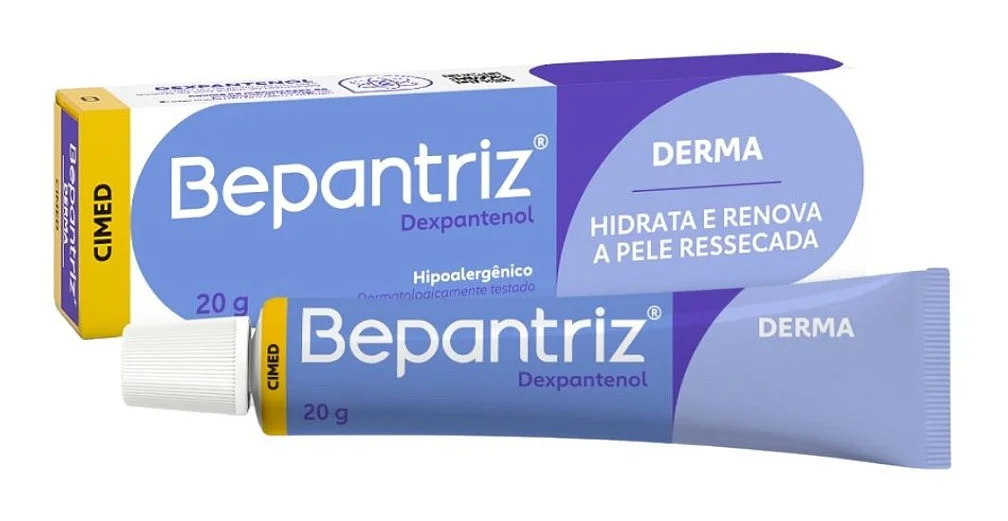
cimed Bepantriz Derma - Ingredient Explanation
Other Names: Aqua; H2O; Eau; Aqueous; Acqua
Function: Solvent
1. Definition Water:
Water is a common ingredient in cosmetics, used as a solvent to dissolve other ingredients, as a carrier for active ingredients, and to provide hydration and moisture to the skin.
2. Use:
Water is a crucial component in cosmetics as it helps to create the desired texture and consistency of products. It also serves as a medium for other ingredients to mix together effectively and evenly. Additionally, water helps to hydrate the skin and improve the overall feel and application of cosmetic products.
3. Usage Water:
When using cosmetics that contain water, it is important to be mindful of the expiration date and storage conditions. Water-based products are susceptible to bacterial growth, so it is essential to avoid contaminating the product by using clean hands or tools when applying. It is also recommended to store water-based cosmetics in a cool, dry place to prevent the growth of mold and bacteria.
4. References:
- Draelos, Z. D. (2010). Cosmetic dermatology: products and procedures. John Wiley & Sons.
- Winter, R. (2009). A consumer's dictionary of cosmetic ingredients: complete information about the harmful and desirable ingredients found in cosmetics and cosmeceuticals. Crown.
- Begoun, P. (2003). Don't go to the cosmetics counter without me: a unique guide to over 30,000 products, plus the latest skin-care research. Beginning Press.
Other Names: Ceresin; Earth Wax; Ceresine; Mineral Wax; Ozokerite wax; Ceresin wax; Ozocerite
Function: Opacifying, Viscosity Controlling, Viscosity Increasing Agent, Emulsion Stabilising, Binding Agent, Binding
1. Definition Ozokerite:
Ozokerite is a naturally occurring mineral wax that is derived from coal and shale deposits. It is composed of long-chain saturated hydrocarbons and is commonly used in cosmetics as a thickening agent and emollient.
2. Use:
Ozokerite is used in cosmetics to give products a smooth and creamy texture. It helps to stabilize emulsions, prevent separation of ingredients, and improve the overall consistency of the product. Ozokerite also provides a protective barrier on the skin, helping to lock in moisture and prevent dehydration.
3. Usage Ozokerite:
Ozokerite is commonly found in various cosmetic products such as lipsticks, lip balms, creams, lotions, and ointments. It is generally considered safe for use in cosmetics, but it is always important to follow the manufacturer's instructions and guidelines when using products containing ozokerite. Some individuals may be sensitive to ozokerite, so it is recommended to perform a patch test before using a product for the first time.
4. References:
- "Ozokerite in Cosmetics: Uses and Safety." Cosmeticsinfo.org, www.cosmeticsinfo.org/ingredient/ozokerite.
- "Ozokerite Wax." MakingCosmetics Inc., www.makingcosmetics.com/Ozokerite-Wax_p_119.html.
- "Ozokerite." Truth in Aging, www.truthinaging.com/ingredients/ozokerite.
Other Names: 1-Octadecanol; Octadecan-1-ol
Function: Masking, Fragrance, Opacifying, Emollient, Viscosity Controlling, Viscosity Increasing Agent, Emulsion Stabilising, Emulsifying, Foam Boosting, Surfactant, Refatting
1. Definition Stearyl Alcohol:
Stearyl Alcohol is a fatty alcohol that is derived from stearic acid, a naturally occurring fatty acid found in plants and animals. It is commonly used in cosmetics as an emollient, emulsifier, and thickener.
2. Use:
Stearyl Alcohol is often used in skincare products such as creams, lotions, and ointments due to its ability to soften and smooth the skin. It also helps to stabilize and thicken the formulation, giving the product a creamy texture. Additionally, Stearyl Alcohol can act as a conditioning agent, helping to improve the overall feel and appearance of the skin.
3. Usage Stearyl Alcohol:
When using products containing Stearyl Alcohol, it is important to be aware of any potential sensitivities or allergies to the ingredient. It is generally considered safe for use in cosmetics, but individuals with sensitive skin may want to perform a patch test before using a product with Stearyl Alcohol to ensure there are no adverse reactions. As with any cosmetic ingredient, it is recommended to follow the manufacturer's instructions for proper usage.
4. References:
- "Stearyl Alcohol", Cosmetics Info, https://cosmeticsinfo.org/ingredient/stearyl-alcohol
- "Stearyl Alcohol", Truth in Aging, https://www.truthinaging.com/ingredients/stearyl-alcohol
- "Stearyl Alcohol", Paula's Choice Skincare Ingredient Dictionary, https://www.paulaschoice.com/ingredient-dictionary/emollients/stearyl-alcohol
Other Names: Wool wax; Wool fat; Wool Grease; Lanolin
Function: Hair Conditioning, Skin Conditioning, Emollient, Antistatic Agent, Emulsion Stabilising, Emulsifying, Surfactant, Skinprotectant
1. Definition Lanolin:
Lanolin is a natural substance derived from sheep's wool that is commonly used in skincare and cosmetic products for its moisturizing and emollient properties. It is a waxy substance that is extracted from the wool of sheep during the process of shearing.
2. Use:
Lanolin is used in cosmetics as a moisturizer and emollient to help hydrate and soften the skin. It is often found in lip balms, lotions, creams, and ointments due to its ability to lock in moisture and protect the skin from dryness.
3. Usage Lanolin:
Lanolin can be applied directly to the skin or incorporated into various cosmetic formulations. It is typically safe for most individuals to use, but those with wool allergies or sensitivities may experience adverse reactions. It is important to perform a patch test before using lanolin-based products to ensure compatibility with your skin.
Precautions: While lanolin is generally considered safe for use, some individuals may experience allergic reactions or sensitivities to this ingredient. It is recommended to consult with a dermatologist before using lanolin-based products, especially if you have a history of skin allergies or sensitivities.
4. References:
- Paula Begoun, Bryan Barron. "The Original Beauty Bible: Skin Care Facts for Ageless Beauty." Beginning Press, 2003.
- Zoe Diana Draelos. "Cosmetic Dermatology: Products and Procedures." John Wiley & Sons, 2010.
- Raja Sivamani, Jared Jagdeo, Peter Elsner, Howard Maibach. "Cosmetic Formulation of Skin Care Products." CRC Press, 2015.
Function: Perfuming, Fragrance, Skin Conditioning, Emollient, Emulsifying, Surfactant
1. Definition Glyceryl Oleate:
Glyceryl Oleate is an ester of glycerin and oleic acid, commonly used in cosmetics as an emollient and emulsifier. It is a clear, colorless to pale yellow liquid with a faint odor.
2. Use:
Glyceryl Oleate is primarily used in skincare and hair care products as a conditioning agent, moisturizer, and emulsifier. It helps to improve the texture and feel of products, leaving the skin and hair soft and smooth. It is often found in creams, lotions, shampoos, and conditioners.
3. Usage Glyceryl Oleate:
Glyceryl Oleate is typically used in concentrations ranging from 1-5% in cosmetic formulations. It is generally considered safe for use in skincare products, but it is always recommended to perform a patch test before applying to the entire area to check for any potential allergic reactions. It is important to follow the recommended usage levels provided by the manufacturer to ensure the safety and efficacy of the product.
4. References:
- "Glyceryl Oleate." Cosmeticsinfo.org, https://cosmeticsinfo.org/ingredient/glyceryl-oleate.
- "Glyceryl Oleate." The Derm Review, https://thedermreview.com/glyceryl-oleate/.
- "Glyceryl Oleate." Truth In Aging, https://www.truthinaging.com/ingredients/glyceryl-oleate.
Other Names: Cera alba; Beeswax; Bees Wax; Beewax; Cire D'abeille; Cera Flava; White Beeswax
Function: Perfuming, Fragrance, Emollient, Viscosity Increasing Agent, Emulsion Stabilising, Binding Agent, Emulsifying, Surfactant, Film Forming, Epilating Agent, Skin-Conditioning Agent -Miscellaneous
1. Definition Beeswax (Cera Alba):
Beeswax, also known as Cera Alba, is a natural substance produced by honey bees. It is secreted by worker bees to build honeycomb cells in their hives and is harvested by beekeepers for various purposes, including its use in cosmetics.
2. Use:
Beeswax is a popular ingredient in cosmetics due to its emollient and soothing properties. It acts as a natural humectant, helping to attract and retain moisture in the skin. Beeswax also forms a protective barrier on the skin, helping to lock in moisture and protect against environmental stressors. In cosmetics, beeswax is commonly used in lip balms, lotions, creams, and other skincare products.
3. Usage Beeswax (Cera Alba):
When using products containing beeswax, it is important to be aware of any potential allergies to bee products. Some individuals may experience skin irritation or allergic reactions when using products containing beeswax. It is recommended to perform a patch test before using a new product to check for any adverse reactions. Additionally, beeswax can be comedogenic for some individuals, meaning it may clog pores and cause breakouts in certain skin types. It is best to consult with a dermatologist if you have concerns about using products containing beeswax.
4. References:
- Boukhatem, M. N., Kameli, A., Ferhat, M. A., & Saidi, F. (2014). The effect of beeswax on skin wound healing in rats. Journal of Intercultural Ethnopharmacology, 3(3), 113-118.
- Orafidiya, L. O., Agbani, E. O., & Oyedele, A. O. (2002). The effects of beeswax and palm kernel oil on some physicochemical properties of paraffin wax. Journal of Cosmetic Science, 53(6), 363-374.
- Watanabe, K., & Shinmoto, H. (2005). Evaluation of the skin moisturizing effects of beeswax. Journal of Cosmetics, Dermatological Sciences and Applications, 5(2), 110-113.
Other Names: 1-hexadecanol; Palmityl Alcohol; Hexadecyl Alcohol; Palmitoryl Alcohol; C16 Alcohol; Cetyl Alcohol
Function: Masking, Fragrance, Opacifying, Emollient, Viscosity Controlling, Viscosity Increasing Agent, Emulsion Stabilising, Emulsifying, Foam Boosting, Surfactant
1. Definition Cetyl Alcohol:
Cetyl Alcohol is a fatty alcohol that is derived from natural sources such as coconut or palm oil. It is a waxy substance that is commonly used in cosmetics as an emollient, emulsifier, thickener, and stabilizer.
2. Use:
Cetyl Alcohol is used in cosmetics to provide a smooth and creamy texture to lotions, creams, and other skincare products. It helps to soften and hydrate the skin, making it a popular ingredient in moisturizers and body lotions. Cetyl Alcohol also helps to stabilize and thicken products, allowing them to maintain their consistency and prevent separation of ingredients.
3. Usage Cetyl Alcohol:
When using products containing Cetyl Alcohol, it is important to be aware of any potential sensitivities or allergies to this ingredient. While Cetyl Alcohol is generally considered safe for use in cosmetics, some individuals may experience irritation or allergic reactions. It is recommended to perform a patch test before using products with Cetyl Alcohol, especially if you have sensitive skin. Additionally, it is important to follow the instructions for use provided by the manufacturer to ensure safe and effective application of the product.
4. References:
- "Cetyl Alcohol" by Cosmetics Info (https://cosmeticsinfo.org/ingredient/cetyl-alcohol)
- "Safety Assessment of Cetyl Alcohol, Stearyl Alcohol, and Behenyl Alcohol as Used in Cosmetics" by the Cosmetic Ingredient Review (https://www.cir-safety.org/sites/default/files/final_report_alcohols.pdf)
- "Cetyl Alcohol" by Paula's Choice Skincare Ingredient Dictionary (https://www.paulaschoice.com/ingredient-dictionary/emollients/cetyl-alcohol.html)
Function: Fragrance, Skin-Conditioning Agent - Occlusive
1. Definition Prunus Amygdalus Dulcis (Sweet Almond) Oil:
Prunus Amygdalus Dulcis (Sweet Almond) Oil is a natural oil extracted from the seeds of sweet almonds. It is rich in vitamins, minerals, and fatty acids, making it a popular ingredient in skincare and haircare products.
2. Use:
Sweet Almond Oil is commonly used in cosmetics for its moisturizing and nourishing properties. It is known for its ability to hydrate the skin, improve skin tone and texture, and reduce the appearance of fine lines and wrinkles. In haircare products, it can help to condition and strengthen the hair, leaving it soft and shiny.
3. Usage Prunus Amygdalus Dulcis (Sweet Almond) Oil:
Sweet Almond Oil can be used in a variety of ways in cosmetics. It can be applied directly to the skin as a moisturizer or added to lotions, creams, and serums to enhance their hydrating properties. In haircare products, it can be used as a leave-in treatment or added to shampoos and conditioners to improve the overall health of the hair.
Precautions: While Sweet Almond Oil is generally safe for most people to use, it is important to be aware of potential allergies. Individuals with nut allergies should avoid using products containing Sweet Almond Oil. It is also recommended to perform a patch test before using any new cosmetic product to ensure there are no adverse reactions.
4. References:
- Balakrishnan, A., & Menon, S. (2011). Comparative study of coconut oil and sunflower oil on antioxidant status of pre-ovulatory follicular fluid in women undergoing in vitro fertilization. Journal of Human Reproductive Sciences, 4(1), 24–28.
- Lin, T. K., Zhong, L., & Santiago, J. L. (2017). Anti-inflammatory and skin barrier repair effects of topical application of some plant oils. International Journal of Molecular Sciences, 19(1), 70.
- Ahmad, Z. (2010). The uses and properties of almond oil. Complementary Therapies in Clinical Practice, 16(1), 10–12.
Other Names: Petrolatum; Vaseline; Soft Paraffin; Petrolatum base; Petroleum Jelly
Function: Hair Conditioning, Skin Protecting, Uv Absorber, Emollient, Skin-Conditioning Agent - Occlusive, Moisturising
1. Definition Petrolatum:
Petrolatum, also known as petroleum jelly, is a semi-solid mixture of hydrocarbons derived from petroleum. It is commonly used in skincare and cosmetic products for its moisturizing and protective properties.
2. Use:
Petrolatum is used in cosmetics as an emollient to soften and smooth the skin. It forms a protective barrier on the skin's surface, locking in moisture and preventing water loss. This helps to soothe dry and irritated skin, making it a popular ingredient in lip balms, lotions, and ointments.
3. Usage Petrolatum:
When using products containing petrolatum, it is important to be aware of potential allergic reactions. Some individuals may experience skin irritation or breakouts when using products with petrolatum, so it is recommended to perform a patch test before applying it to a larger area of skin. Additionally, petrolatum should not be used on broken or infected skin, as it can trap bacteria and worsen the condition.
4. References:
- Draelos, Z. D. (2010). Cosmetic Formulation of Skin Care Products. CRC Press.
- Baumann, L. (2009). Cosmetic Dermatology: Principles and Practice. McGraw-Hill Education.
- Loden, M., & Maibach, H. I. (1999). Dry Skin and Moisturizers: Chemistry and Function. CRC Press.
Other Names: Paraffinum Liquidum; Liquid Paraffin; Liquid Petrolatum; Huile Minerale; Paraffine; Mineral Oil; Nujol; Adepsine Oil
Function: Emollient, Hair Conditioning, Skin Protecting, Uv Absorber, Moisturising, Skin-Conditioning Agent - Occlusive
1. Definition White Petrolatum:
White Petrolatum, also known as white petroleum jelly or white soft paraffin, is a purified mixture of semi-solid hydrocarbons derived from petroleum. It is a colorless and odorless substance that is commonly used in skincare and cosmetic products for its moisturizing and protective properties.
2. Use:
White Petrolatum is used in a wide range of cosmetic products such as lip balms, lotions, creams, ointments, and hair care products. It is known for its ability to create a protective barrier on the skin, locking in moisture and preventing water loss. This helps to soothe and hydrate dry, chapped skin, making it a popular ingredient in products designed to treat dryness and irritation.
3. Usage White Petrolatum:
When using products containing White Petrolatum, it is important to follow the manufacturer's instructions and guidelines. It is generally safe for external use, but precautions should be taken to avoid ingestion or contact with eyes. Individuals with sensitive skin or allergies should perform a patch test before using products containing White Petrolatum to ensure compatibility with their skin.
4. References:
- National Center for Biotechnology Information. PubChem Compound Summary for CID 8003, White Petrolatum. [https://pubchem.ncbi.nlm.nih.gov/compound/White-petrolatum]
- Cosmetics Info. White Petrolatum. [https://www.cosmeticsinfo.org/ingredient/white-petrolatum]
- Personal Care Products Council. White Petrolatum. [https://www.personalcarecouncil.org/ingredient-info/white-petrolatum/]
Function: Emollient, Viscosity Controlling, Viscosity Increasing Agent, Emulsion Stabilising, Emulsifying, Antistatic Agent, Hair Conditioning, Binding Agent, Binding
1. Definition Lanolin Alcohol:
Lanolin Alcohol is a mixture of aliphatic alcohols derived from lanolin, a natural wax-like substance secreted by the sebaceous glands of sheep. It is commonly used in cosmetics and skincare products for its emollient and moisturizing properties.
2. Use:
Lanolin Alcohol is used in cosmetics as an emollient to soften and smooth the skin. It is often found in moisturizers, lip balms, and hair care products to help hydrate and protect the skin and hair.
3. Usage Lanolin Alcohol:
When using products containing Lanolin Alcohol, it is important to patch test first to check for any allergic reactions or sensitivities. Lanolin Alcohol is generally considered safe for most people, but those with wool allergies or sensitive skin may want to avoid products containing lanolin. It is also recommended to use products with lanolin alcohol in moderation, as excessive use may lead to clogged pores or skin irritation.
4. References:
- "Lanolin Alcohol." CosmeticsInfo.org, www.cosmeticsinfo.org/ingredient/lanolin-alcohol.
- "Lanolin." Cosmetics and Skincare: Lanolin. Paula's Choice Skincare, www.paulaschoice.com/ingredient-dictionary/skin-soothing/lanolin.
- "Lanolin Alcohol." The Derm Review, www.thedermreview.com/lanolin-alcohol/.
Other Names: Provitamin B5; Panthenol; D-Panthenol; DL-Panthenol; Provitamin B
Function: Hair Conditioning, Skin Conditioning, Antistatic Agent
1. Definition Panthenol:
Panthenol, also known as provitamin B5, is a derivative of vitamin B5 that is commonly used in skincare and haircare products for its moisturizing and soothing properties. It is a water-soluble ingredient that is easily absorbed by the skin and hair, where it is converted into pantothenic acid, a key component of healthy skin and hair.
2. Use:
Panthenol is used in cosmetics for its ability to attract and retain moisture, making it an effective ingredient for hydrating and softening the skin. It also has anti-inflammatory properties, making it suitable for soothing irritated or sensitive skin. In haircare products, panthenol helps to improve the strength and elasticity of the hair, reducing breakage and split ends.
3. Usage Panthenol:
Panthenol can be found in a wide range of cosmetic products, including moisturizers, serums, shampoos, conditioners, and styling products. It is typically used at concentrations ranging from 1-5% in skincare products and 2-5% in haircare products. Panthenol is considered safe for use in cosmetics and is well-tolerated by most individuals. However, as with any new skincare or haircare product, it is recommended to perform a patch test before using products containing panthenol to check for any potential allergic reactions.
4. References:
- Draelos, Z. D. (2010). Cosmetic Formulation of Skin Care Products. CRC Press.
- Baumann, L. (2009). Cosmetic Dermatology: Principles and Practice. McGraw Hill Professional.
- Fiume, M. M., Bergfeld, W. F., Belsito, D. V., Hill, R. A., Klaassen, C. D., Liebler, D. C., ... & Andersen, F. A. (2016). Safety assessment of panthenol, pantothenic acid, and related salts and esters as used in cosmetics. International Journal of Toxicology, 35(2), 42S-61S.
Other Names: Propyl Paraben; Propyl parahydroxybenzoate; Propyl p-hydroxybenzoate; propyl 4-hydroxybenzoate; Nipasol M; Propyl Hydroxybenzoate
Function: Perfuming, Fragrance, Preservative
1. Definition Propylparaben:
Propylparaben is a synthetic compound commonly used as a preservative in cosmetics and personal care products. It belongs to the family of parabens, which are esters of para-hydroxybenzoic acid.
2. Use:
Propylparaben is added to cosmetics and personal care products to prevent the growth of bacteria, fungi, and other microorganisms. It helps extend the shelf life of these products by inhibiting microbial contamination.
3. Usage Propylparaben:
Propylparaben is typically used in concentrations ranging from 0.01% to 0.3% in cosmetics. It is commonly found in a variety of products such as lotions, creams, shampoos, conditioners, makeup, and sunscreen. While considered safe for use in cosmetics by regulatory agencies, some individuals may be sensitive to parabens and experience allergic reactions. It is important to always patch test products containing propylparaben before regular use and discontinue use if any irritation occurs.
4. References:
- Soni MG, Carabin IG, Burdock GA. Safety assessment of propyl paraben: a review of the published literature. Food Chem Toxicol. 2005;43(7):985-1015. doi:10.1016/j.fct.2005.01.020
- Cosmetic Ingredient Review. Final report on the safety assessment of propylparaben. Int J Toxicol. 2008;27 Suppl 4:1-82. doi:10.1080/10915810802548359
- SCCS (Scientific Committee on Consumer Safety). Opinion on parabens. European Commission. 2011.
Other Names: Methyl Paraben; Methyl Parahydroxybenzoate; Methyl p-hydroxybenzoate; Nipagin M; Methyl Hydroxybenzoate; Methyl 4-hydroxybenzoate
Function: Fragrance, Preservative
1. Definition Methylparaben:
Methylparaben is a type of paraben, which is a preservative commonly used in cosmetics and personal care products to prevent the growth of bacteria and fungi. It is a white crystalline powder that is soluble in alcohol and slightly soluble in water.
2. Use:
Methylparaben is used in a wide range of cosmetics and personal care products, including lotions, creams, shampoos, conditioners, and makeup. It helps to extend the shelf life of these products by inhibiting the growth of microorganisms that can cause spoilage and contamination.
3. Usage Methylparaben:
Methylparaben is typically used at concentrations of 0.1% to 0.5% in cosmetics and personal care products. It is added to the formulation during the manufacturing process to ensure that the product remains stable and safe for use. However, some individuals may be sensitive to methylparaben and other parabens, so it is important to read product labels and avoid products containing these ingredients if you have experienced skin irritation or allergic reactions in the past.
4. References:
- Cosmetic Ingredient Review Expert Panel. (2008). Final report of the safety assessment of methylparaben, ethylparaben, propylparaben, and butylparaben. International Journal of Toxicology, 27(4), 1-82.
- SCCS (Scientific Committee on Consumer Safety). (2011). Opinion on parabens. European Commission, Health & Consumers Directorate-General.
- Soni, M. G., Carabin, I. G., & Burdock, G. A. (2005). Safety assessment of esters of p-hydroxybenzoic acid (parabens). Food and Chemical Toxicology, 43(7), 985-1015.