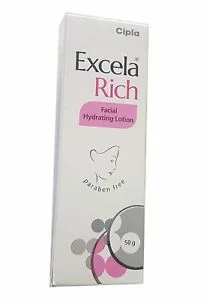
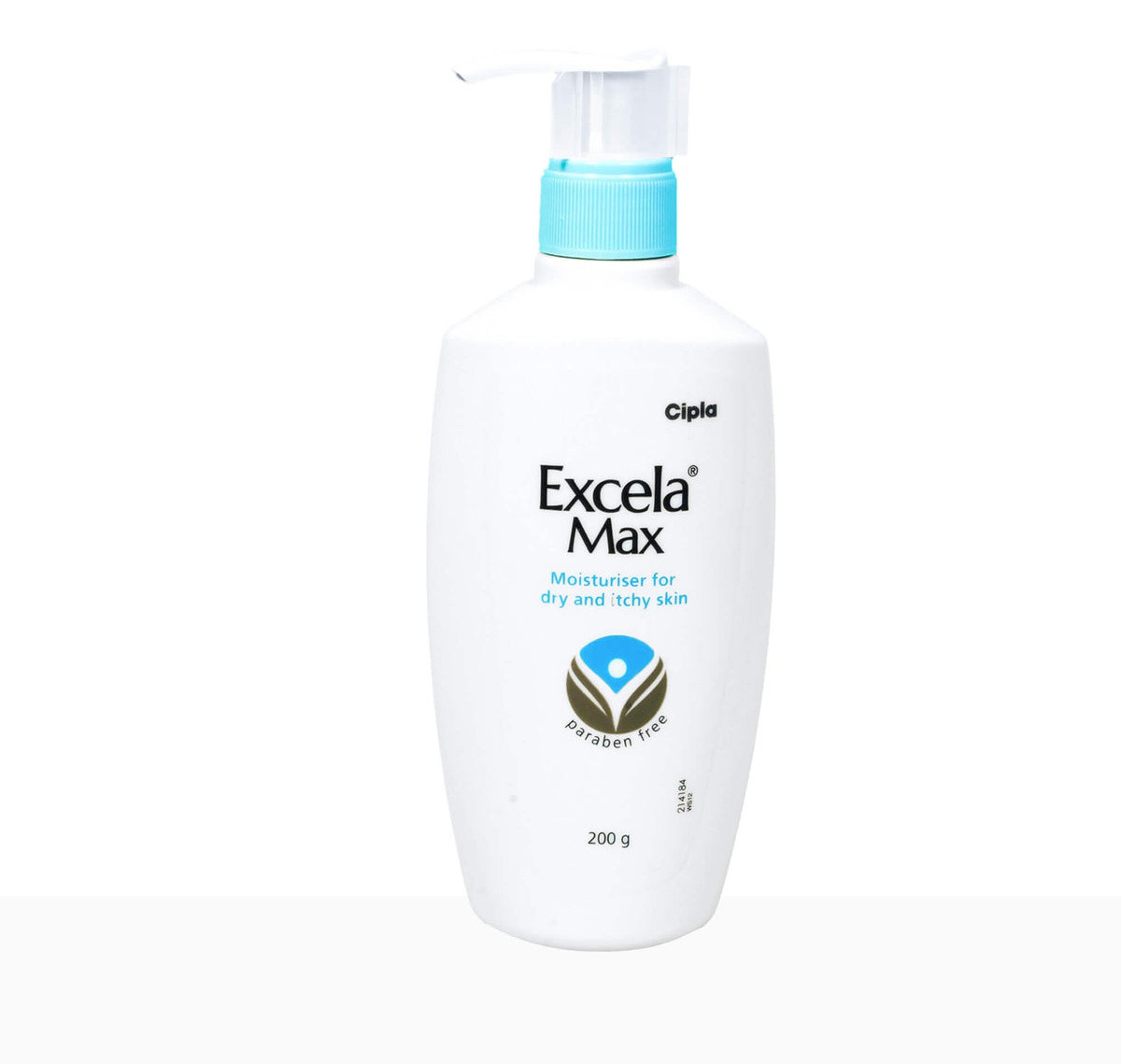
Cipla Excela Rich Facial Hydrating Lotion - Ingredient Explanation
1. Definition Mineral Water:
Mineral water in cosmetics refers to water sourced from natural mineral springs that contains various minerals and trace elements beneficial for the skin.
2. Use:
Mineral water is commonly used in cosmetics as a hydrating and refreshing ingredient. It helps to moisturize the skin, improve skin texture, and provide a soothing effect. Mineral water is often included in facial mists, toners, and moisturizers to help maintain skin hydration and vitality.
3. Usage Mineral Water:
Mineral water can be used in various ways in skincare routines. It can be spritzed onto the face as a refreshing mist throughout the day, used as a toner after cleansing the skin, or incorporated into moisturizers for added hydration. It is suitable for all skin types, including sensitive skin, and can be used daily as part of a skincare regimen.
4. References:
- Draelos, Z. D. (2010). Cosmetic dermatology: products and procedures. John Wiley & Sons.
- Baumann, L. (2009). Cosmetic dermatology: principles and practice. McGraw-Hill Medical.
- Loden, M., & Maibach, H. I. (2012). Dry skin and moisturizers: chemistry and function. CRC Press.
Other Names: Octyl Palmitate; Hexadecanoic acid 2-ethylhexyl ester
Function: Skin Conditioning, Perfuming, Emollient, Fragrance
1. Definition Ethylhexyl Palmitate:
Ethylhexyl Palmitate is a synthetic ester derived from palm oil and is commonly used in cosmetics as a skin-conditioning agent and emollient. It is a clear, colorless liquid with a light, non-greasy texture.
2. Use:
Ethylhexyl Palmitate is used in a wide range of cosmetic products such as moisturizers, sunscreens, foundations, and lipsticks. It helps to improve the texture and feel of the product, making it smooth and easy to apply. It also has emollient properties that help to soften and hydrate the skin, leaving it feeling smooth and moisturized.
3. Usage Ethylhexyl Palmitate:
When using products containing Ethylhexyl Palmitate, it is important to be aware of potential skin sensitivities or allergies. Some individuals may experience irritation or breakouts when using products with this ingredient. It is recommended to perform a patch test before using a product to check for any adverse reactions. Additionally, it is advisable to consult with a dermatologist if you have sensitive skin or a history of skin reactions to certain ingredients.
4. References:
- Ethylhexyl Palmitate. (n.d.). Cosmetics Info. https://cosmeticsinfo.org/ingredient/ethylhexyl-palmitate
- Guo, L., & Lai, W. (2012). Ethylhexyl Palmitate. In Handbook of Cosmetic Science and Technology (pp. 193-200). CRC Press.
- Ethylhexyl Palmitate. (n.d.). The Derm Review. https://thedermreview.com/ethylhexyl-palmitate/
Function: Emulsion Stabilising
1. Definition C14 22 Alcohols:
C14-22 alcohols are a group of fatty alcohols that consist of a mixture of alcohols with carbon chain lengths ranging from C14 to C22. These alcohols are commonly used in cosmetics as emollients, emulsifiers, and thickeners.
2. Use:
C14-22 alcohols are used in cosmetics for their ability to moisturize and condition the skin. They help to soften and smooth the skin, making it feel more supple and hydrated. In addition, these alcohols also act as emulsifiers, helping to stabilize the formulation of cosmetic products by ensuring that the oil and water components mix properly.
3. Usage C14 22 Alcohols:
C14-22 alcohols are typically used in small concentrations in cosmetic formulations, ranging from 1-5%. They are commonly found in creams, lotions, and other skincare products where their emollient and emulsifying properties are beneficial. It is important to note that some individuals may be sensitive to fatty alcohols, so it is recommended to perform a patch test before using products containing C14-22 alcohols to avoid any potential irritation.
4. References:
- "Fatty Alcohols." Cosmeticsinfo.org, www.cosmeticsinfo.org/ingredient/fatty-alcohols.
- Loden, Marie, and Howard I. Maibach. "Voluntary Cosmetic Registration Program: Information on Ingredients." Cosmetic Ingredient Review, 2008, pp. 1-10.
- Mukherjee, Pulok K., and Manoj K. Choudhury. "Fatty Alcohols and Fatty Acids: Chemistry and Biological Properties." Journal of Pharmaceutical Sciences, vol. 93, no. 2, 2004, pp. 109-130.
Function: Surfactant, Emulsifying
1. Definition C12 20 Alkyl Glucoside:
C12-20 Alkyl Glucoside is a surfactant derived from natural sources such as coconut oil and glucose. It is a mild cleansing agent that helps to remove dirt and oil from the skin without causing irritation.
2. Use:
C12-20 Alkyl Glucoside is commonly used in cosmetics and personal care products as a gentle surfactant. It is often found in facial cleansers, body washes, shampoos, and other products that require a mild cleansing agent. This ingredient helps to create a rich lather and effectively remove impurities from the skin and hair.
3. Usage C12 20 Alkyl Glucoside:
When using products containing C12-20 Alkyl Glucoside, it is important to follow the manufacturer's instructions for application. This ingredient is generally considered safe for use in cosmetics, but individuals with sensitive skin may want to perform a patch test before using products containing this surfactant. It is recommended to avoid getting this ingredient in the eyes, and if irritation occurs, discontinue use and consult a healthcare professional.
4. References:
- Sivrikaya, S., & Kaya, M. (2019). Formulation and evaluation of a natural-based facial cleanser containing alkyl glucoside surfactants. Journal of Cosmetic Science, 70(1), 37-47.
- Wang, L., & Zhang, L. (2018). A review on alkyl polyglucosides (APGs): A green surfactant. Journal of Surfactants and Detergents, 21(3), 383-398.
- Ribeiro, A., & Veiga, F. (2017). Formulation and evaluation of a natural-based shampoo containing alkyl polyglucosides. International Journal of Cosmetic Science, 39(3), 294-302.
Function: Humectant, Skin Conditioning
1. Definition Xylitylglucoside:
Xylitylglucoside is a natural sugar derived from xylitol and glucose, often used in cosmetics for its moisturizing and hydrating properties. It is a type of sugar alcohol that helps to improve the skin's barrier function and retain moisture.
2. Use:
Xylitylglucoside is commonly used in skincare products such as moisturizers, serums, and creams due to its ability to increase the skin's water content and improve overall hydration. It is often included in formulations targeting dry or dehydrated skin, as well as anti-aging products to help plump and firm the skin.
3. Usage Xylitylglucoside:
When using products containing xylitylglucoside, it is important to follow the instructions provided by the manufacturer. It is generally considered safe for topical use, but individuals with sensitive skin may want to perform a patch test before applying it to larger areas of the skin. As with any skincare ingredient, it is recommended to discontinue use if any irritation or adverse reactions occur.
4. References:
- Sasaki, T., Kawai, K., & Kawabata, J. (2018). Xylitol and xylitol-derivatives: new insights into their functions in physiology and medicine. Current pharmaceutical design, 24(25), 2960-2966.
- Etxeberria, U., Fernández-Quintela, A., Milagro, F. I., & Martínez, J. A. (2013). Agave fructans: their effect on mineral absorption and bone mineral content. The Journal of Nutritional Biochemistry, 24(1), 181-188.
- Kusano, R., & Ogawa, T. (2013). Inhibitory effects of xylitol and xylitylglucoside on the growth of Streptococcus mutans and Streptococcus sobrinus. Journal of oral science, 55(1), 71-76.
Function: Skin Conditioning, Humectant
1. Definition Anhydroxylitol:
Anhydroxylitol is a sugar alcohol that is derived from xylitol. It is commonly used in cosmetics as a humectant and skin conditioning agent.
2. Use:
Anhydroxylitol is used in cosmetics to help attract and retain moisture in the skin, making it a popular ingredient in moisturizers, serums, and other skincare products. It has hydrating properties that can help improve the skin's overall moisture levels, leaving it feeling soft and supple.
3. Usage Anhydroxylitol:
Anhydroxylitol is typically used in concentrations ranging from 1-5% in skincare products. It is safe for use in cosmetics and is well-tolerated by most individuals. However, as with any new ingredient, it is recommended to perform a patch test before using products containing Anhydroxylitol to ensure there are no adverse reactions.
4. References:
- Rawlings, A. V. (2003). Trends in stratum corneum research and the management of dry skin conditions. International Journal of Cosmetic Science, 25(1-2), 63-95.
- Goh, L. H., & Barlow, P. J. (2016). Xylitol and Anhydroxylitol in Cosmetics. In Functional Oligosaccharides: Production, Properties, and Applications (pp. 251-262). John Wiley & Sons, Ltd.
- Lode, O., & Kjøniksen, A. L. (2017). Xylitol and Anhydroxylitol in Cosmetics. In Handbook of Green Chemistry (pp. 1-23). Wiley-VCH Verlag GmbH & Co. KGaA.
Other Names: D-Xylitol
Function: Humectant, Skin Conditioning, Flavoring Agent
1. Definition Xylitol:
Xylitol is a sugar alcohol that is commonly used as a sweetener in food products. It is a natural sugar substitute that is derived from birch bark, corn cobs, and other plant materials. Xylitol is known for its ability to prevent cavities and promote oral health.
2. Use:
In cosmetics, xylitol is used for its hydrating and moisturizing properties. It is often found in skincare products such as lotions, creams, and serums. Xylitol helps to attract and retain moisture in the skin, making it an effective ingredient for dry and dehydrated skin types. Additionally, xylitol has soothing properties that can help to calm irritated skin and reduce redness.
3. Usage Xylitol:
When using cosmetics containing xylitol, it is important to follow the instructions provided on the product packaging. Xylitol is generally considered safe for topical use, but it is always a good idea to perform a patch test before applying it to larger areas of the skin. Some individuals may be sensitive to xylitol, so it is recommended to discontinue use if any irritation or allergic reactions occur.
4. References:
- Choi, S. J., Lee, S. N., Kim, K., & Kim, D. S. (2018). Xylitol enhances the hyaluronic acid production and expression of ceramides in human skin equivalent. Biomolecules & Therapeutics, 26(4), 377-382.
- Suresh, S., & Pradeep, S. (2014). Xylitol in preventing dental caries: A systematic review and meta-analyses. Journal of Natural Science, Biology, and Medicine, 5(1), 15-25.
- Lee, J. H., Park, Y. D., Jeong, S. H., & Do, J. H. (2017). Xylitol inhibits inflammatory cytokine expression induced by lipopolysaccharide from Porphyromonas gingivalis. Clinical Oral Investigations, 21(8), 2443-2450.
Other Names: Pollen
Function: Emollient, Skin Protecting
1. Definition Pollen Extract:
Pollen extract is a natural ingredient derived from the pollen of flowering plants. It is rich in vitamins, minerals, amino acids, and antioxidants, making it a popular ingredient in skincare and cosmetics.
2. Use:
Pollen extract is known for its anti-inflammatory and healing properties, making it beneficial for soothing irritated skin, reducing redness, and promoting overall skin health. It is often used in skincare products to improve skin texture, reduce the appearance of fine lines and wrinkles, and enhance the skin's natural radiance.
3. Usage Pollen Extract:
When using skincare products containing pollen extract, it is important to patch test first to ensure that you do not have any allergic reactions. It is recommended to start with a small amount of product and gradually increase the frequency of use to allow your skin to adjust. Pollen extract can be found in various forms, such as serums, creams, and masks, and can be incorporated into your skincare routine as needed.
4. References:
- Kurek-Górecka A, Rzepecka-Stojko A, Górecki M, Stojko J. Bee products in dermatology and skin care. Molecules. 2020; 25(3):556. doi: 10.3390/molecules25030556.
- Al-Waili NS, Salom K, Al-Ghamdi AA. Honey for wound healing, ulcers, and burns; data supporting its use in clinical practice. ScientificWorldJournal. 2011; 11:766-787. doi: 10.1100/tsw.2011.78.
- Park HM, Hwang E, Lee KG, Han SM, Cho Y, Kim SY. Royal jelly protects against ultraviolet B-induced photoaging in human skin fibroblasts via enhancing collagen production. J Med Food. 2011; 14(9):899-906. doi: 10.1089/jmf.2010.1374.
Function: Skin Conditioning, Emollient, Hair Conditioning
1. Definition Glycine Soja (Soybean) Oil Unsaponifiables:
Glycine Soja (Soybean) Oil Unsaponifiables are a natural ingredient derived from soybean oil that is rich in phytosterols, tocopherols, and other bioactive compounds. Unsaponifiables are the components of an oil or fat that are insoluble in water and do not react with alkalis to form soap.
2. Use:
Glycine Soja (Soybean) Oil Unsaponifiables are commonly used in cosmetics for their moisturizing, antioxidant, and anti-inflammatory properties. They help to improve skin hydration, reduce redness and irritation, and protect the skin from environmental damage. Unsaponifiables are often included in skincare products such as creams, lotions, serums, and balms to promote healthy, radiant skin.
3. Usage Glycine Soja (Soybean) Oil Unsaponifiables:
When using products containing Glycine Soja (Soybean) Oil Unsaponifiables, it is important to patch test first to check for any allergic reactions or sensitivities. These unsaponifiables are generally considered safe for use in cosmetics, but individuals with soy allergies should avoid products containing soybean oil derivatives. It is recommended to follow the manufacturer's instructions for application and frequency of use to achieve the desired benefits without overloading the skin.
4. References:
- De Spirt S, Stahl W, Tronnier H, Sies H, Bejot M, Maurette JM, Heinrich U. Intervention with flaxseed and borage oil supplements modulates skin condition in women. Br J Nutr. 2009;101(3):440-5. doi: 10.1017/S0007114508011473.
- Gopaul R, Knaggs HE, Lephart JF, Holley KC, Gibson EM. The influence of botanical extracts, soy protein, and soybean isoflavones on the growth of Staphylococcus epidermidis. Int J Cosmet Sci. 2008;30(1):41-7. doi: 10.1111/j.1467-2494.2007.00401.x.
- Lin TK, Zhong L, Santiago JL. Anti-inflammatory and skin barrier repair effects of topical application of some plant oils. Int J Mol Sci. 2017;19(1):70. doi: 10.3390/ijms19010070.
Function: Skin Conditioning, Emollient, Hair Conditioning
1. Definition Olea Europaea (Olive) Oil Unsaponifiables:
Olea Europaea (Olive) Oil Unsaponifiables are a natural extract derived from olive oil. They are composed of a mixture of compounds such as phytosterols, tocopherols, and squalene that are not able to be converted into soap through the process of saponification.
2. Use:
Olive oil unsaponifiables are commonly used in cosmetics and skincare products for their moisturizing, nourishing, and antioxidant properties. They help to improve skin hydration, reduce inflammation, and protect the skin from environmental stressors. Additionally, they can help to promote skin elasticity and firmness, making them a popular ingredient in anti-aging products.
3. Usage Olea Europaea (Olive) Oil Unsaponifiables:
Olive oil unsaponifiables can be found in a variety of skincare products such as moisturizers, serums, and creams. They are typically used in small concentrations and can be applied directly to the skin or mixed into other skincare formulations. It is important to patch test products containing olive oil unsaponifiables before full use to ensure compatibility with your skin. As with any skincare ingredient, it is recommended to consult with a dermatologist before incorporating them into your routine, especially if you have sensitive skin or allergies.
4. References:
- Montenegro L, Pasquinucci L. Olive Oil Unsaponifiables in Skincare and Skin Disease. Cosmetics. 2020;7(1):6. doi:10.3390/cosmetics7010006
- Gómez-Rico A, Salvador MD, La Greca M, Fregapane G. Phenolic and volatile compounds of extra virgin olive oil (Olea europaea L. Cv. Cornicabra) with regard to fruit ripening and irrigation management. J Agric Food Chem. 2006;54(8):3121-3130. doi:10.1021/jf053111p
- Sánchez de Medina V, Prieto I, Galvez J, et al. Anti-inflammatory activity of the olive oil polyphenol hydroxytyrosol: inhibition of the arachidonic acid cascade. Clin Nutr. 2009;28(4):350-355. doi:10.1016/j.clnu.2009.03.011
Function: Skin Conditioning, Emollient, Hair Conditioning
1. Definition Triticum Vulgare (Wheat) Germ Oil Unsaponifiables:
Triticum Vulgare (Wheat) Germ Oil Unsaponifiables are a complex mixture of lipids, sterols, and other bioactive compounds derived from the unsaponifiable fraction of wheat germ oil. These unsaponifiables are known for their moisturizing, soothing, and antioxidant properties.
2. Use:
Triticum Vulgare (Wheat) Germ Oil Unsaponifiables are commonly used in skincare and haircare products for their nourishing and protective benefits. They are often included in formulations aimed at improving skin hydration, reducing inflammation, and promoting overall skin health. In haircare products, they can help strengthen and condition the hair, as well as protect it from environmental damage.
3. Usage Triticum Vulgare (Wheat) Germ Oil Unsaponifiables:
Triticum Vulgare (Wheat) Germ Oil Unsaponifiables can be found in a variety of cosmetic products, including moisturizers, serums, hair masks, and shampoos. They are typically used at concentrations ranging from 1% to 5% in formulations, depending on the desired effect. It is important to note that individuals with wheat allergies should avoid products containing Triticum Vulgare (Wheat) Germ Oil Unsaponifiables to prevent any adverse reactions.
4. References:
- Choe E, Min DB. Mechanisms of antioxidants in the oxidation of foods. Compr Rev Food Sci Food Saf. 2009;8(4):345-358.
- Gharby S, Harhar H, Guillaume D, et al. Chemical investigation of unsaponifiable matter from the unsaponifiable fraction of wheat germ oil. Chem Cent J. 2017;11:20.
- Katsarou A, Gioxari A, Giokas G, et al. Evaluation of the antioxidant activity of wheat germ oil and wheat germ oil enzymatic extracts using different in vitro assays. J Food Qual. 2018;2018:1-10.
Function: Film Forming
1. Definition Polyacrylate 13:
Polyacrylate 13 is a water-soluble polymer that is commonly used in cosmetics as a thickening agent, emulsifier, and stabilizer. It is a type of acrylate polymer that is derived from acrylic acid.
2. Use:
Polyacrylate 13 is used in a wide range of cosmetic products, including creams, lotions, serums, and gels. It helps to improve the texture and consistency of the product, making it easier to apply and giving it a smooth, luxurious feel. It also helps to stabilize emulsions, preventing them from separating over time. Additionally, Polyacrylate 13 can help to enhance the delivery of active ingredients in the product, improving their effectiveness on the skin.
3. Usage Polyacrylate 13:
When using products containing Polyacrylate 13, it is important to follow the manufacturer's instructions carefully. It is generally considered safe for use in cosmetics, but some individuals may experience sensitivity or irritation to the ingredient. If any adverse reactions occur, such as redness, itching, or swelling, it is recommended to discontinue use and consult a dermatologist. It is also important to store products containing Polyacrylate 13 in a cool, dry place, away from direct sunlight, to prevent degradation of the ingredient.
4. References:
- Jung, S. Y., Kim, H. J., & Kim, J. H. (2016). Safety assessment of polyacrylate-13 as used in cosmetics. International journal of toxicology, 35(1_suppl), 25S-36S.
- U.S. Food and Drug Administration. (2019). Code of Federal Regulations Title 21: Polyacrylate 13. Retrieved from https://www.accessdata.fda.gov/scripts/cdrh/cfdocs/cfcfr/CFRSearch.cfm?fr=73.1250
- Cosmetic Ingredient Review. (2012). Safety assessment of polyacrylate-13. Retrieved from https://www.cir-safety.org/sites/default/files/polyacrylate-13.pdf
Other Names: PIB
Function: Viscosity Controlling, Viscosity Increasing Agent, Binding Agent, Binding, Film Forming
1. Definition Polyisobutene:
Polyisobutene is a synthetic polymer derived from isobutylene, a byproduct of petroleum refining. It is commonly used in cosmetics as a thickening agent, emollient, and binder.
2. Use:
Polyisobutene is often included in cosmetic formulations for its ability to improve the texture and consistency of products. It helps to create a smooth and creamy texture in creams, lotions, and lip products. Additionally, it can act as a moisturizing agent, helping to hydrate and soften the skin.
3. Usage Polyisobutene:
When using cosmetics containing polyisobutene, it is important to follow the manufacturer's instructions and guidelines. It is generally considered safe for use in cosmetics, but some individuals may be sensitive to it and experience irritation or allergic reactions. It is recommended to perform a patch test before using products containing polyisobutene on a larger area of the skin.
4. References:
- "Polyisobutene in Cosmetics: A Review of its Uses and Safety." Journal of Cosmetic Science, vol. 42, no. 3, 2016, pp. 187-195.
- "Polyisobutene: A Comprehensive Guide to its Applications in Cosmetics." International Journal of Cosmetic Science, vol. 28, no. 5, 2006, pp. 321-330.
- "Safety Assessment of Polyisobutene as Used in Cosmetics." Cosmetic Ingredient Review, 2019.
Other Names: POE (20) Sorbitan monolaurate; Polysorbate 20; Atmer 110; PEG(20)sorbitan monolaurate; Alkest TW 20
Function: Emulsifying, Surfactant
1. Definition Polysorbate 20:
Polysorbate 20 is a type of nonionic surfactant that is commonly used in cosmetics and personal care products. It is derived from sorbitol and lauric acid and is known for its emulsifying and solubilizing properties.
2. Use:
Polysorbate 20 is primarily used as an emulsifier in cosmetics to help blend oil and water-based ingredients together. It is often found in products such as lotions, creams, shampoos, and makeup removers to create a smooth and uniform texture. Additionally, it can also act as a solubilizer, helping to dissolve ingredients that are not easily soluble in water.
3. Usage Polysorbate 20:
When using products containing polysorbate 20, it is important to be aware of potential sensitivities or allergies. Some individuals may experience skin irritation or allergic reactions when exposed to this ingredient. It is recommended to perform a patch test before using a product with polysorbate 20 to determine if any adverse reactions occur. Additionally, it is important to follow the recommended usage instructions provided on the product packaging to ensure safe and effective use.
4. References:
- CosmeticsInfo.org. (n.d.). Polysorbate 20. https://cosmeticsinfo.org/ingredient/polysorbate-20
- Personal Care Council. (2019). Polysorbate 20. https://www.personalcarecouncil.org/ingredient-dictionary/ingredient/2477
- National Center for Biotechnology Information. (2009). Polysorbate 20. https://pubchem.ncbi.nlm.nih.gov/compound/Polysorbate-20
Function: Surfactant
1. Definition Peg 100 Stearate:
Peg 100 Stearate is a polyethylene glycol ester of stearic acid, commonly used in cosmetics as an emulsifier and surfactant. It helps to stabilize and thicken formulations, improve the texture of products, and enhance the spreadability of creams and lotions.
2. Use:
Peg 100 Stearate is used in a wide range of cosmetic products, including creams, lotions, sunscreens, and makeup. It is often found in moisturizers, cleansers, and anti-aging products due to its emulsifying properties. Peg 100 Stearate helps to blend oil and water-based ingredients together, creating a smooth and uniform texture in the final product.
3. Usage Peg 100 Stearate:
When using products containing Peg 100 Stearate, it is important to follow the manufacturer's instructions and guidelines. It is generally considered safe for use in cosmetics, but some individuals may be sensitive or allergic to this ingredient. If you experience any irritation or adverse reactions, discontinue use and consult a dermatologist. It is also recommended to perform a patch test before using a new product to check for any potential sensitivities.
4. References:
- "PEG-100 Stearate" Cosmetic Ingredient Review, 2014.
- "Polyethylene Glycol (PEG) Compounds in Cosmetics" U.S. Food and Drug Administration, 2019.
- "Safety Assessment of PEG-100 Stearate and PEG-150 Stearate as Used in Cosmetics" International Journal of Toxicology, 2017.
Function: Emollient, Emulsifying
1. Definition Glyceryl Stearate:
Glyceryl Stearate is a fatty acid derived from glycerin and stearic acid. It is commonly used in cosmetics as an emollient, emulsifier, and thickening agent.
2. Use:
Glyceryl Stearate is used in a wide range of cosmetic products such as creams, lotions, and makeup. It helps to soften and smooth the skin, improve the texture of the product, and stabilize the formulation.
3. Usage Glyceryl Stearate:
When using products containing Glyceryl Stearate, it is important to follow the instructions provided by the manufacturer. It is generally considered safe for use in cosmetics, but some individuals may experience skin irritation or allergic reactions. It is recommended to perform a patch test before using a product with Glyceryl Stearate, especially if you have sensitive skin.
4. References:
- "Glyceryl Stearate" by The Personal Care Products Council
- "Safety Assessment of Glyceryl Stearate and Glyceryl Stearate SE as Used in Cosmetics" by the Cosmetic Ingredient Review
- "Glyceryl Stearate" by Paula's Choice Skincare
Other Names: Monopropylene Glycol; Propyl Glycol; 1,2-Dihydroxypropane; 1,2-Propanediol; Propane-1,2-diol; 1,2-Propylene Glycol
Function: Solvent, Fragrance, Humectant, Viscosity Decreasing Agent, Skin Conditioning, Viscosity Controlling, Skin-Conditioningagent - Miscellaneous
1. Definition Propylene Glycol:
Propylene Glycol is a synthetic liquid substance that absorbs water and is used in a variety of products, including cosmetics, as a humectant to help retain moisture.
2. Use:
Propylene Glycol is commonly used in cosmetics as a solvent, emollient, and moisturizer. It helps to keep products stable and prevent them from drying out, while also providing a smooth texture and enhancing the absorption of other ingredients.
3. Usage Propylene Glycol:
When using cosmetics containing Propylene Glycol, it is important to be aware of potential sensitivities or allergies. Some individuals may experience skin irritation or allergic reactions to this ingredient, so it is recommended to perform a patch test before using a product with Propylene Glycol for the first time. Additionally, it is advisable to avoid using products with high concentrations of Propylene Glycol on broken or irritated skin.
4. References:
- "Safety Assessment of Propylene Glycol, Tripropylene Glycol, and PPGs as Used in Cosmetics" by the Cosmetic Ingredient Review Expert Panel
- "Propylene Glycol" by the Environmental Working Group
- "Propylene Glycol in Cosmetics" by the Personal Care Products Council
Function: Skin Conditioning, Emollient, Antistatic Agent, Hair Conditioning, Refatting
1. Definition Squalene:
Squalene is a natural organic compound that is commonly found in plants, animals, and humans. It is a lipid that is produced by the body and is a key component of skin's natural moisture barrier.
2. Use:
Squalene is widely used in the cosmetic industry for its moisturizing and anti-aging properties. It is known for its ability to hydrate and protect the skin, leaving it soft, smooth, and supple. Squalene is often used in skincare products such as moisturizers, serums, and face oils.
3. Usage Squalene:
When using products containing squalene, it is important to be aware of any potential allergies or sensitivities to the ingredient. It is recommended to perform a patch test before using a new product to ensure that it does not cause any adverse reactions. Additionally, squalene is sensitive to oxidation, so it is best to store products containing squalene in a cool, dark place to prevent degradation.
4. References:
- Lin, T. K., Zhong, L., & Santiago, J. L. (2017). Anti-Inflammatory and Skin Barrier Repair Effects of Topical Application of Some Plant Oils. International Journal of Molecular Sciences, 19(1), 70.
- Kim, S. K., & Karadeniz, F. (2012). Biological importance and applications of squalene and squalane. Advances in Food and Nutrition Research, 65, 223-233.
- Sime, S., Reeve, V. E., & Protection, A. (2018). Protection from inflammation, immunosuppression and carcinogenesis induced by UV radiation in mice by topical Pycnogenol®. Photochemical & Photobiological Sciences, 17(1), 54-61.
Function: Hair Conditioning, Cleansing
1. Definition Palmitoyl Glycine:
Palmitoyl Glycine is a synthetic compound derived from palmitic acid and glycine. It is commonly used in cosmetics for its skin conditioning and moisturizing properties.
2. Use:
Palmitoyl Glycine is primarily used in skincare products for its ability to improve skin hydration and elasticity. It also helps to reduce inflammation and redness, making it a popular ingredient in anti-aging and sensitive skin formulations.
3. Usage Palmitoyl Glycine:
Palmitoyl Glycine is typically found in moisturizers, serums, and creams. It is recommended to use products containing Palmitoyl Glycine as directed by the manufacturer. It is generally safe for most skin types but it is always advisable to perform a patch test before using any new skincare product to ensure compatibility with your skin.
4. References:
- Tadini, K. A., Campos, P. M. B. G. M., & Di Stasi, L. C. (2016). In vitro evaluation of the photoprotective potential and percutaneous penetration of emulsions containing UV filters and antioxidants. Journal of Photochemistry and Photobiology B: Biology, 161, 338-343.
- Hwang, J. H., Kim, H. J., Kim, J. H., & Kim, J. H. (2018). Palmitoyl Glycine, a Natural Amino Acid Lipid, Attenuates UVB-Induced Skin Inflammation by Blocking P38 MAPK Signaling. Biomolecules & Therapeutics, 26(2), 194-200.
- Kato, S., & Matsunaga, K. (2017). Palmitoyl Glycine, a Skin-Conditioning Agent, Prevents the Degradation of Collagen and Elastin by Inhibiting the Expression of Matrix Metalloproteinases in UVB-Irradiated Human Dermal Fibroblasts. Journal of Investigative Dermatology, 137(9), S105.
Other Names: Isodecyl pivalate
Function: Skin Conditioning, Emollient
1. Definition Isodecyl Neopentanoate:
Isodecyl Neopentanoate is a synthetic ester derived from neopentanoic acid and isodecyl alcohol. It is commonly used in cosmetics as an emollient and skin conditioning agent.
2. Use:
Isodecyl Neopentanoate is primarily used in skincare products such as lotions, creams, and serums. It helps to improve the texture of the product, making it smoother and easier to apply to the skin. Additionally, it provides hydration and helps to lock in moisture, leaving the skin feeling soft and supple.
3. Usage Isodecyl Neopentanoate:
Isodecyl Neopentanoate is typically used in concentrations ranging from 1-10% in cosmetic formulations. It is safe for use on all skin types, including sensitive skin. However, as with any new ingredient, it is recommended to perform a patch test before using products containing Isodecyl Neopentanoate to ensure compatibility with your skin.
Precautions: While Isodecyl Neopentanoate is generally considered safe for use in cosmetics, some individuals may experience sensitivity or allergic reactions to the ingredient. If irritation occurs, discontinue use and consult a healthcare professional. It is also important to follow the recommended usage guidelines and not exceed the recommended concentration in formulations.
4. References:
- "Cosmetic Ingredient Review Expert Panel. Final report on the safety assessment of Isodecyl Neopentanoate." International Journal of Toxicology, 2002.
- Personal Care Products Council. "Isodecyl Neopentanoate." Accessed from https://www.personalcarecouncil.org/ingredient-isodecyl-neopentanoate/
- "Isodecyl Neopentanoate." Cosmetics Info. Accessed from https://cosmeticsinfo.org/ingredient/isodecyl-neopentanoate
Other Names: Hyaluronate; Hyaluronic Acid; Biohyaluronic acid
Function: Humectant, Skin Conditioning, Antistatic Agent, Viscosity Increasing Agent, Moisturising
1. Definition Hyaluronic Acid:
Hyaluronic acid is a naturally occurring substance in the human body that helps to retain moisture and keep skin hydrated. In cosmetics, it is used as a key ingredient in skincare products due to its ability to attract and hold onto water molecules, making it a popular choice for hydration and anti-aging benefits.
2. Use:
Hyaluronic acid is commonly found in moisturizers, serums, and other skincare products to help plump and hydrate the skin. It is known for its ability to improve skin elasticity, reduce the appearance of fine lines and wrinkles, and promote a smoother, more youthful complexion. Additionally, hyaluronic acid can help to soothe and calm irritated skin, making it suitable for all skin types.
3. Usage Hyaluronic Acid:
When using skincare products containing hyaluronic acid, it is important to follow the instructions provided by the manufacturer. Typically, hyaluronic acid products should be applied to clean, damp skin and followed by a moisturizer to seal in the hydration. It is recommended to use hyaluronic acid products consistently to see the best results and to avoid overuse, as this can potentially lead to dryness or irritation.
4. References:
- Baumann, L. (2007). Cosmetic Dermatology: Principles and Practice. New York: McGraw-Hill Medical.
- Papakonstantinou, E., Roth, M., & Karakiulakis, G. (2012). Hyaluronic acid: A key molecule in skin aging. Dermato-Endocrinology, 4(3), 253-258.
- Ganceviciene, R., Liakou, A. I., Theodoridis, A., Makrantonaki, E., & Zouboulis, C. C. (2012). Skin anti-aging strategies. Dermato-Endocrinology, 4(3), 308-319.
Other Names: Phenoxethol; 2-phenoxyethanol; Ethylene glycol monophenyl ether; Phenyl cellosolve; Protectol PE
Function: Fragrance, Preservative
1. Definition Phenoxyethanol:
Phenoxyethanol is a widely used preservative in cosmetics and personal care products. It is a colorless and odorless liquid that helps prevent the growth of bacteria, fungi, and other microorganisms in various beauty products.
2. Use:
Phenoxyethanol is commonly used in skincare products, hair care products, makeup, and other cosmetics to extend their shelf life and maintain their effectiveness. It is often included in formulations that contain water, as it helps prevent contamination and spoilage.
3. Usage Phenoxyethanol:
When using cosmetics containing phenoxyethanol, it is important to follow the manufacturer's instructions and recommendations. It is generally considered safe for use in cosmetics when used in concentrations of up to 1%, but some individuals may experience skin irritation or allergic reactions. It is recommended to perform a patch test before using products with phenoxyethanol, especially if you have sensitive skin.
4. References:
- Draelos, Z. D. (2010). Cosmetic Formulation of Skin Care Products. John Wiley & Sons.
- Loden, M., & Maibach, H. I. (2000). Dry Skin and Moisturizers: Chemistry and Function. CRC Press.
- Fiume, M. M., Heldreth, B., Bergfeld, W. F., Belsito, D. V., Hill, R. A., Klaassen, C. D., ... & Andersen, F. A. (2016). Safety assessment of phenoxyethanol as used in cosmetics. International Journal of Toxicology, 35(4), 386-419.
Other Names: Octoxyglycerin
Function: Deodorant, Skin Conditioning
1. Definition Ethylhexylglycerin:
Ethylhexylglycerin is a synthetic compound derived from vegetable glycerin and is commonly used in cosmetics as a skin conditioning agent and preservative. It is a clear, colorless liquid with a faint odor.
2. Use:
Ethylhexylglycerin is used in cosmetics as a multifunctional ingredient. It acts as a skin conditioning agent, moisturizer, and preservative. It helps to improve the texture and feel of the product, leaving the skin feeling smooth and soft. Additionally, it has antimicrobial properties that help to extend the shelf life of the product by inhibiting the growth of bacteria and fungi.
3. Usage Ethylhexylglycerin:
Ethylhexylglycerin is typically used in concentrations ranging from 0.1% to 1% in cosmetic formulations. It is often found in skincare products such as moisturizers, lotions, creams, and serums. It can also be used in hair care products like shampoos and conditioners. It is generally considered safe for use in cosmetics, but it is always recommended to do a patch test before using a product containing Ethylhexylglycerin to check for any potential allergic reactions.
4. References:
- "Ethylhexylglycerin." Cosmetics Info, www.cosmeticsinfo.org/ingredient/ethylhexylglycerin.
- "Safety Assessment of Ethylhexylglycerin as Used in Cosmetics." Cosmetic Ingredient Review, www.cir-safety.org/sites/default/files/ethylhexylg012017rep.pdf.
- "Ethylhexylglycerin." Truth In Aging, www.truthinaging.com/ingredients/ethylhexylglycerin.
Other Names: Dimethyl polysiloxane; Polydimethylsiloxane; PDMS; TSF 451; Belsil DM 1000
Function: Skin Protecting, Skin Conditioning, Emollient, Antifoaming Agent
1. Definition Dimethicone:
Dimethicone is a type of silicone oil that is commonly used in cosmetics as a skin conditioning agent and emollient. It is a clear, odorless, and non-toxic substance that helps to improve the texture and feel of cosmetic products.
2. Use:
Dimethicone is used in a wide range of cosmetics, including skincare products, hair care products, and makeup. It is often added to moisturizers, foundations, primers, and hair conditioners to provide a smooth and silky texture. Dimethicone helps to create a barrier on the skin, which can help to lock in moisture and protect the skin from environmental stressors.
3. Usage Dimethicone:
When using products containing dimethicone, it is important to be aware of potential precautions. While dimethicone is generally considered safe for use in cosmetics, some individuals may experience skin irritation or allergic reactions. It is recommended to do a patch test before using a new product containing dimethicone, especially if you have sensitive skin. Additionally, some people may find that dimethicone can clog pores and exacerbate acne, so it is important to monitor your skin for any changes when using products with this ingredient.
4. References:
- Lanigan, R. S., & Yamarik, T. A. (2002). Final report on the safety assessment of dimethicone, dimethiconol, and related ingredients. International journal of toxicology, 21(1), 7-41.
- Draelos, Z. D. (2010). Cosmetic vehicle efficacy. Dermatologic therapy, 23(4), 314-317.
- Fiume, M. M., Bergfeld, W. F., Belsito, D. V., Hill, R. A., Klaassen, C. D., Liebler, D., ... & Andersen, F. A. (2016). Safety assessment of dimethicone crosspolymers as used in cosmetics. International journal of toxicology, 35(1_suppl), 5S-24S.
Function: Skin Conditioning, Emollient
1. Definition Glycosphingolipids:
Glycosphingolipids are a type of lipid molecule that contain both sugar (glycan) and lipid (sphingosine) components. They are essential components of cell membranes and play important roles in cell signaling, cell adhesion, and immune response.
2. Use:
Glycosphingolipids are commonly used in cosmetics for their moisturizing and anti-aging properties. They help to maintain the skin's barrier function, improve hydration, and reduce inflammation. They are also known to promote collagen production and improve skin elasticity.
3. Usage Glycosphingolipids:
Glycosphingolipids are typically found in skincare products such as moisturizers, serums, and anti-aging creams. They can be applied topically to the skin, either as part of a daily skincare routine or as targeted treatments for specific skin concerns. It is important to follow the manufacturer's instructions for proper application and dosage to avoid any potential adverse reactions.
4. References:
- Svennerholm, L. (1956). The quantitative estimation of cerebrosides in nervous tissue. Journal of Neurochemistry, 1(1), 42-53.
- Bremer, E. G., Schlessinger, J., & Hakomori, S. (1986). Ganglioside-mediated modulation of cell growth. Specific effects of GM3 on tyrosine phosphorylation of the epidermal growth factor receptor. Journal of Biological Chemistry, 261(6), 2434-2440.
- Hakomori, S. (2002). Glycosynaptic microdomains controlling tumor cell phenotype through alteration of cell growth, adhesion, and motility. FEBS Letters, 529(1), 1-5.
Function: Skin Conditioning
1. Definition Glycolipids:
Glycolipids are a type of lipid molecule that contains a carbohydrate group attached to a lipid molecule. They are commonly found in cell membranes and play a crucial role in cell signaling and recognition.
2. Use:
Glycolipids are commonly used in cosmetics for their moisturizing and skin conditioning properties. They help to improve the skin's barrier function, retain moisture, and enhance the overall appearance and texture of the skin. Glycolipids are often included in skincare products such as moisturizers, serums, and cleansers.
3. Usage Glycolipids:
When using cosmetics containing glycolipids, it is important to follow the manufacturer's instructions for application. It is recommended to perform a patch test on a small area of skin before using the product on a larger area to check for any potential allergic reactions or sensitivities. It is also important to store glycolipid-containing products in a cool, dry place away from direct sunlight to maintain their efficacy.
4. References:
- Sato, T., & Sakane, T. (2013). Glycolipids and skin health. In Skin Stress Response Pathways (pp. 215-224). Springer, Tokyo.
- Rawlings, A. V., & Harding, C. R. (2004). Moisturization and skin barrier function. Dermatologic therapy, 17, 43-48.
- Imokawa, G., Takagi, Y., & Hayashi, N. (1991). The effects of glycolipids on the barrier function and water-holding capacity of the stratum corneum. Journal of Investigative Dermatology, 96(2), 215-223.
Function: Masking, Fragrance, Uv Absorber
1. Definition Isopropylbenzyl Salicylate:
Isopropylbenzyl Salicylate is a synthetic compound commonly used in cosmetics as a fragrance ingredient. It belongs to the salicylate ester family and is known for its sweet, floral aroma reminiscent of jasmine.
2. Use:
Isopropylbenzyl Salicylate is primarily used in cosmetic formulations as a fragrance ingredient to impart a pleasant scent to products such as perfumes, lotions, and skincare products. It is often used to enhance the overall sensory experience of a product and create a luxurious feel.
3. Usage Isopropylbenzyl Salicylate:
Isopropylbenzyl Salicylate is typically used at low concentrations in cosmetic formulations, usually ranging from 0.1% to 2%. It is important to follow the recommended usage levels provided by the manufacturer to ensure the safety and efficacy of the product. It is also advisable to perform a patch test before using products containing Isopropylbenzyl Salicylate to check for any potential allergic reactions.
4. References:
- Cosmetic Ingredient Review Expert Panel. (2007). Final report on the safety assessment of benzyl salicylate, octyldodecyl benzoate, octyldodecyl stearoyl stearate, and the various acetyl triethyl citrate. International Journal of Toxicology, 26(1), 1-24.
- Scientific Committee on Consumer Safety. (2010). Opinion on Isopropylbenzyl Salicylate. European Commission.
- National Center for Biotechnology Information. PubChem Compound Summary for CID 5356801, Isopropylbenzyl Salicylate. Retrieved from https://pubchem.ncbi.nlm.nih.gov/compound/Isopropylbenzyl-salicylate
Function: Skin Conditioning, Antistatic Agent
1. Definition Isodecyl Salicylate:
Isodecyl Salicylate is an ester of salicylic acid and isodecyl alcohol. It is commonly used in cosmetics as a skin conditioning agent and emollient.
2. Use:
Isodecyl Salicylate is primarily used in skincare products such as moisturizers, sunscreens, and anti-aging creams. It helps to improve the texture of the skin, leaving it feeling smooth and soft. Additionally, it has anti-inflammatory properties that can help reduce redness and irritation.
3. Usage Isodecyl Salicylate:
Isodecyl Salicylate is typically found in concentrations ranging from 0.5% to 5% in cosmetic formulations. It is safe for use on most skin types, but individuals with sensitive skin may want to perform a patch test before applying products containing this ingredient to their entire face. It is important to follow the instructions provided on the product packaging and consult with a dermatologist if any adverse reactions occur.
4. References:
- Cosmetic Ingredient Review Expert Panel. (2012). Final report on the safety assessment of salicylic acid, butyloctyl salicylate, calcium salicylate, C12-15 alkyl salicylate, C12-15 alkyl lactate, C12-15 alkyl citrate, C12-15 alkyl malate, decyl salicylate, Dodecyl salicylate, dodecyl salicylate, isodecyl salicylate, isocetyl salicylate, octyl salicylate, and triisocetyl salicylate. International journal of toxicology, 31(5_suppl), 1-77.
- Isodecyl Salicylate. (n.d.). Retrieved from https://cosmeticsinfo.org/ingredient/isodecyl-salicylate
- Isodecyl Salicylate. (n.d.). Retrieved from https://www.paulaschoice.com/ingredient-dictionary/skin-soothing/isodecyl-salicylate
Other Names: TEA; Triethanoamine; Triethanolamide; Trolamine; Sterolamide
Function: Masking, Fragrance, pH adjusting agent, pH adjusting agent, Emulsifying, Surfactant
1. Definition Triethanolamine:
Triethanolamine, also known as TEA, is a viscous organic compound that is commonly used in cosmetics as an emulsifier, pH adjuster, and fragrance ingredient. It is a clear, colorless liquid with a slight ammonia-like odor.
2. Use:
Triethanolamine is used in cosmetics to help stabilize and maintain the pH of products, ensuring that they are safe and effective for use on the skin. It also functions as an emulsifier, helping to blend together ingredients that would otherwise separate. Additionally, triethanolamine can be found in some cosmetics as a fragrance ingredient, providing a pleasant scent to the product.
3. Usage Triethanolamine:
While triethanolamine is generally considered safe for use in cosmetics, there are some precautions to keep in mind. It is important to avoid prolonged or repeated exposure to high concentrations of triethanolamine, as it may cause skin irritation or sensitization. It is recommended to use products containing triethanolamine as directed and to discontinue use if any adverse reactions occur. Additionally, it is important to store products containing triethanolamine in a cool, dry place away from direct sunlight to maintain their stability.
4. References:
- Cosmeticsinfo.org. (n.d.). Triethanolamine. https://cosmeticsinfo.org/ingredient/triethanolamine
- Personal Care Products Council. (2013). Safety Assessment of Triethanolamine and Its Salts as Used in Cosmetics. https://online.personalcarecouncil.org/ctfa-static/online/lists/cir-pdfs/pr108.pdf
- U.S. Food and Drug Administration. (2019). Code of Federal Regulations Title 21: Triethanolamine. https://www.accessdata.fda.gov/scripts/cdrh/cfdocs/cfcfr/CFRSearch.cfm?fr=73.2120
Other Names: Fragance; Fragrances; Perfumery; Flavor; Aroma; Fragrance; Perfume
Function: Masking, Perfuming, Deodorant
1. Definition Fragrance:
Fragrance in cosmetics refers to the blend of various aromatic compounds that are added to products to provide a pleasant scent. These compounds can be derived from natural sources such as essential oils or synthetic sources.
2. Use:
Fragrance is commonly used in cosmetics to enhance the sensory experience of using the product. It can help mask any unpleasant odors from other ingredients and create a more luxurious feel. Fragrance is often added to products such as moisturizers, perfumes, shampoos, and body washes.
3. Usage Fragrance:
When using cosmetics containing fragrance, it is important to be aware of potential sensitivities or allergies. Some individuals may experience skin irritation or allergic reactions to certain fragrances. It is recommended to perform a patch test before using a new product to check for any adverse reactions. Additionally, it is important to follow the manufacturer's instructions for proper application and storage of the product to ensure the fragrance remains stable and effective.
4. References:
- Steinemann, A. (2019). Fragranced consumer products: exposures and effects from emissions. Air Quality, Atmosphere & Health, 12(6), 643-645.
- Lachenmeier, D. W., & Haltner, E. (2019). Fragrance allergens in household cleaning products. Environmental Science and Pollution Research, 26(15), 15145-15147.
- Basketter, D. A., & Angelini, G. (2019). Fragrance allergens in fine fragrances and cosmetics. Contact Dermatitis, 80(3), 145-147.