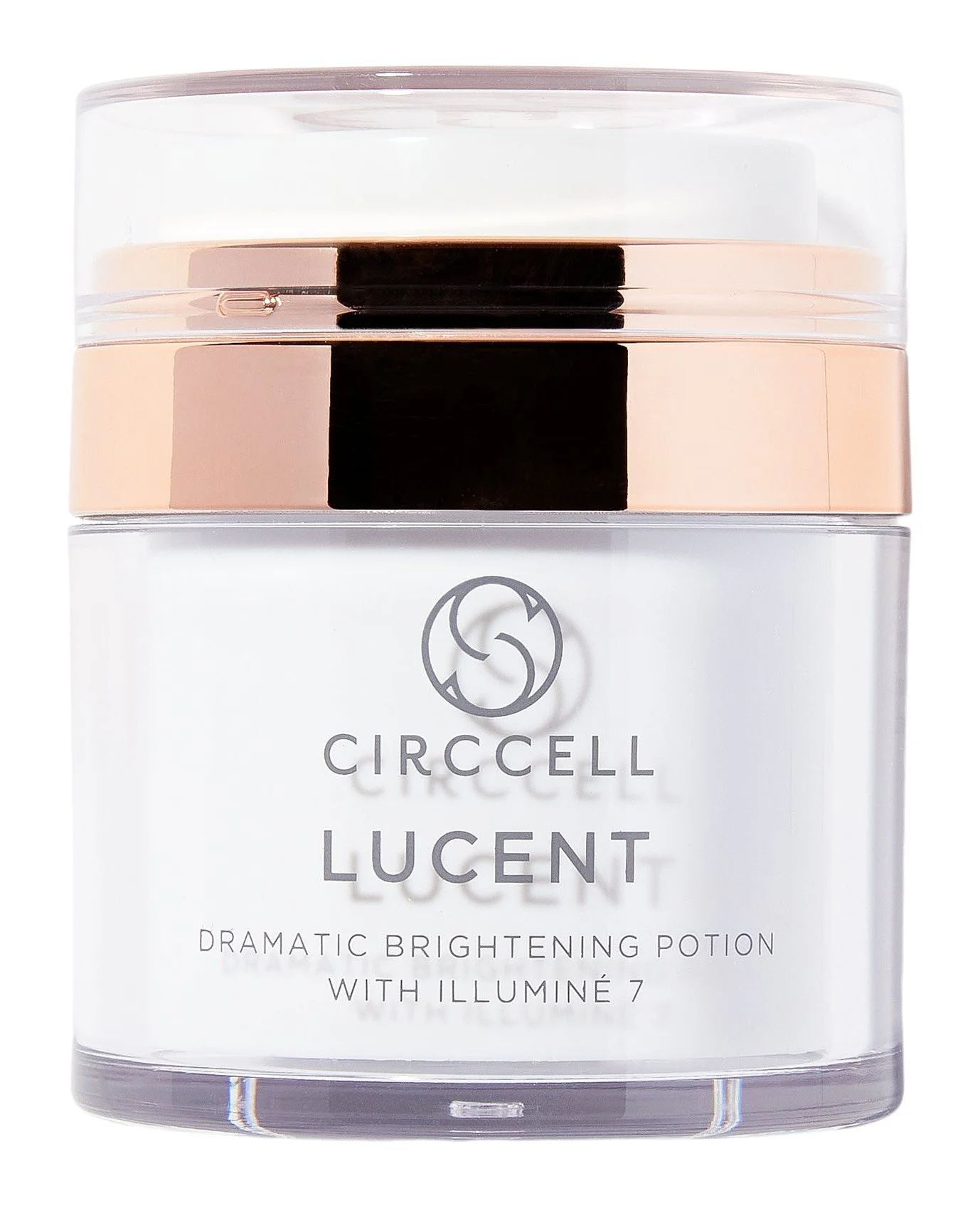
Circcell Lucent - Ingredient Explanation
Other Names: Aqua; H2O; Eau; Aqueous; Acqua
Function: Solvent
1. Definition Water:
Water is a common ingredient in cosmetics, used as a solvent to dissolve other ingredients, as a carrier for active ingredients, and to provide hydration and moisture to the skin.
2. Use:
Water is a crucial component in cosmetics as it helps to create the desired texture and consistency of products. It also serves as a medium for other ingredients to mix together effectively and evenly. Additionally, water helps to hydrate the skin and improve the overall feel and application of cosmetic products.
3. Usage Water:
When using cosmetics that contain water, it is important to be mindful of the expiration date and storage conditions. Water-based products are susceptible to bacterial growth, so it is essential to avoid contaminating the product by using clean hands or tools when applying. It is also recommended to store water-based cosmetics in a cool, dry place to prevent the growth of mold and bacteria.
4. References:
- Draelos, Z. D. (2010). Cosmetic dermatology: products and procedures. John Wiley & Sons.
- Winter, R. (2009). A consumer's dictionary of cosmetic ingredients: complete information about the harmful and desirable ingredients found in cosmetics and cosmeceuticals. Crown.
- Begoun, P. (2003). Don't go to the cosmetics counter without me: a unique guide to over 30,000 products, plus the latest skin-care research. Beginning Press.
Function: Viscosity Controlling, Film Forming
1. Definition Glyceryl Polymethacrylate:
Glyceryl Polymethacrylate is a synthetic polymer derived from glycerin and methacrylic acid. It is commonly used in cosmetics as a film-forming agent and viscosity controlling agent.
2. Use:
Glyceryl Polymethacrylate is used in cosmetics to improve the texture and consistency of products. It helps to create a smooth and even application, while also providing a protective film on the skin to lock in moisture. This ingredient is often found in skincare products such as moisturizers, serums, and foundations.
3. Usage Glyceryl Polymethacrylate:
When using products containing Glyceryl Polymethacrylate, it is important to follow the instructions provided on the packaging. Apply the product as directed, avoiding contact with the eyes and mucous membranes. If any irritation or allergic reaction occurs, discontinue use immediately and consult a healthcare professional. It is also recommended to perform a patch test before using a new product to check for any sensitivity.
4. References:
- J. M. G. Cowley, J. M. Davis, and R. W. Horne. "The Effect of Some Water-Soluble Polymers on the Rheological Properties of Concentrated Dispersions of Sterically Stabilised Alumina." Journal of Colloid and Interface Science, vol. 47, no. 3, 1974, pp. 401-412.
- K. H. An, J. E. Jeong, and J. M. Lee. "Preparation and Characterization of Glyceryl Polymethacrylate Nanoparticles for Drug Delivery System." Journal of Nanoscience and Nanotechnology, vol. 17, no. 4, 2017, pp. 2670-2673.
- C. L. B. R. Rodrigues, A. C. S. Costa, and M. G. A. Fonseca. "Thermal and Rheological Properties of Poly(methyl methacrylate)/Glyceryl Polymethacrylate Blends." Polymer Bulletin, vol. 63, no. 4, 2009, pp. 547-556.
Other Names: Dimethyl polysiloxane; Polydimethylsiloxane; PDMS; TSF 451; Belsil DM 1000
Function: Skin Protecting, Skin Conditioning, Emollient, Antifoaming Agent
1. Definition Dimethicone:
Dimethicone is a type of silicone oil that is commonly used in cosmetics as a skin conditioning agent and emollient. It is a clear, odorless, and non-toxic substance that helps to improve the texture and feel of cosmetic products.
2. Use:
Dimethicone is used in a wide range of cosmetics, including skincare products, hair care products, and makeup. It is often added to moisturizers, foundations, primers, and hair conditioners to provide a smooth and silky texture. Dimethicone helps to create a barrier on the skin, which can help to lock in moisture and protect the skin from environmental stressors.
3. Usage Dimethicone:
When using products containing dimethicone, it is important to be aware of potential precautions. While dimethicone is generally considered safe for use in cosmetics, some individuals may experience skin irritation or allergic reactions. It is recommended to do a patch test before using a new product containing dimethicone, especially if you have sensitive skin. Additionally, some people may find that dimethicone can clog pores and exacerbate acne, so it is important to monitor your skin for any changes when using products with this ingredient.
4. References:
- Lanigan, R. S., & Yamarik, T. A. (2002). Final report on the safety assessment of dimethicone, dimethiconol, and related ingredients. International journal of toxicology, 21(1), 7-41.
- Draelos, Z. D. (2010). Cosmetic vehicle efficacy. Dermatologic therapy, 23(4), 314-317.
- Fiume, M. M., Bergfeld, W. F., Belsito, D. V., Hill, R. A., Klaassen, C. D., Liebler, D., ... & Andersen, F. A. (2016). Safety assessment of dimethicone crosspolymers as used in cosmetics. International journal of toxicology, 35(1_suppl), 5S-24S.
Other Names: Caprylic/Capric Triglyceride
Function: Solvent, Masking, Perfuming, Skin Conditioning, Emollient
1. Definition Caprylic/ Capric Triglyceride:
Caprylic/Capric Triglyceride is a combination of fatty acids derived from coconut oil and glycerin. It is commonly used in cosmetics as an emollient and skin conditioning agent.
2. Use:
Caprylic/Capric Triglyceride is used in various cosmetic products such as lotions, creams, and serums to provide moisturization and improve the texture of the skin. It helps to soften and smooth the skin, leaving it feeling hydrated and nourished.
3. Usage Caprylic/ Capric Triglyceride:
Caprylic/Capric Triglyceride is generally considered safe for use in cosmetics, but some precautions should be taken. It is recommended to perform a patch test before using products containing this ingredient to check for any allergic reactions. Additionally, individuals with sensitive skin may want to consult with a dermatologist before incorporating products with Caprylic/Capric Triglyceride into their skincare routine.
4. References:
- "Caprylic/Capric Triglyceride." Cosmetics Info, www.cosmeticsinfo.org/ingredient/capryliccapric-triglyceride.
- "Caprylic/Capric Triglyceride." The Derm Review, www.thedermreview.com/caprylic-capric-triglyceride/.
- "Caprylic/Capric Triglyceride." Truth in Aging, www.truthinaging.com/ingredients/capryliccapric-triglyceride.
Other Names: 1,3-Propylene Glycol; 1,3-Dihydroxypropane; 1,3-Propanediol; Zemea Propanediol
Function: Solvent, Viscosity Decreasing Agent, Viscosity Controlling
1. Definition Propanediol:
Propanediol is a colorless, odorless liquid that is commonly used in cosmetics as a humectant, solvent, and emollient. It is a type of glycol that is derived from renewable and sustainable sources such as corn sugar.
2. Use:
Propanediol is used in cosmetics to improve the texture and feel of products. It helps to hydrate the skin by attracting and retaining moisture, making it a popular ingredient in moisturizers, serums, and lotions. Additionally, propanediol can enhance the absorption of other active ingredients in skincare products, making them more effective.
3. Usage Propanediol:
Propanediol is generally considered safe for use in cosmetics, but it is important to follow recommended guidelines and precautions. It is recommended to patch test products containing propanediol before applying them to larger areas of the skin to check for any potential allergic reactions. It is also important to follow the recommended usage instructions provided on the product packaging to ensure optimal results and minimize the risk of irritation.
4. References:
- Zhang, X., Qian, H., & Tang, S. (2018). Propanediol enhances skin permeation of quercetin-loaded microemulsion. Drug Development and Industrial Pharmacy, 44(6), 1010-1016.
- Rigo, L. A., da Silva, D. F., & Sayer, C. (2019). Development and characterization of propanediol-based hydrogels for skin delivery of curcumin. International Journal of Biological Macromolecules, 132, 73-81.
- Huang, D., Zhang, Y., & Zhang, Z. (2017). Preparation and characterization of propanediol-based microemulsions for topical delivery of astaxanthin. Journal of Dispersion Science and Technology, 38(9), 1317-1323.
Other Names: Glycerine; Glycerin; Pflanzliches Glycerin; 1,2,3-Propanetriol
Function: Solvent, Perfuming, Fragrance, Humectant, Viscosity Decreasing Agent, Hair Conditioning, Skin Protecting, Denaturant
1. Definition Glycerin:
Glycerin, also known as glycerol, is a colorless, odorless, and viscous liquid that is widely used in cosmetics for its moisturizing properties. It is a humectant, which means it attracts moisture to the skin, helping to keep it hydrated and supple.
2. Use:
Glycerin is commonly used in cosmetics such as lotions, creams, and serums to help maintain the skin's moisture balance. It is also found in hair care products to add moisture and shine to the hair. Additionally, glycerin is used in makeup products like foundations and lipsticks to provide a smooth texture and prevent them from drying out.
3. Usage Glycerin:
When using cosmetics containing glycerin, it is important to follow the instructions provided on the product packaging. Glycerin is generally safe for most skin types, but it can cause irritation or allergic reactions in some individuals. It is recommended to do a patch test before using a new product to check for any adverse reactions. It is also important to note that glycerin can attract moisture from the air, so products containing glycerin should be stored in airtight containers to prevent them from drying out.
4. References:
- Draelos, Z. D. (2010). Cosmetic Formulation of Skin Care Products. John Wiley & Sons.
- Loden, M., & Maibach, H. I. (2006). Dry Skin and Moisturizers: Chemistry and Function. CRC Press.
- Winter, R. (2009). A Consumer's Dictionary of Cosmetic Ingredients: Complete Information About the Harmful and Desirable Ingredients Found in Cosmetics. Harmony.
Function: Skin Conditioning, Emollient, Hair Conditioning
1. Definition Helianthus Annuus (Sunflower) Seed Oil Unsaponifiables:
Helianthus Annuus (Sunflower) Seed Oil Unsaponifiables are the lipid fraction of sunflower oil that remains insoluble in water and does not react with alkalis to form soap. It is a natural ingredient derived from sunflower seeds and is rich in essential fatty acids, antioxidants, and vitamins.
2. Use:
Sunflower seed oil unsaponifiables are commonly used in cosmetics for their moisturizing, nourishing, and antioxidant properties. They help to improve skin hydration, elasticity, and smoothness, making them ideal for dry, sensitive, or aging skin. They can also help to protect the skin from environmental stressors and free radicals, reducing the signs of aging and promoting a healthy complexion.
3. Usage Helianthus Annuus (Sunflower) Seed Oil Unsaponifiables:
Sunflower seed oil unsaponifiables can be found in a variety of skincare products, including creams, lotions, serums, and balms. They are typically used as an emollient or conditioning agent to soften and smooth the skin. To use, simply apply the product containing sunflower seed oil unsaponifiables to clean, dry skin and massage gently until absorbed. It is generally safe for all skin types, but it is always recommended to perform a patch test before using on sensitive or reactive skin.
4. References:
- Maranz, S., Wiesman, Z. (2004). Influence of climate on the tocopherol content of shea butter. Journal of Agricultural and Food Chemistry, 52(10), 2934-2937.
- Bouilly-Gauthier, D., Jeudy, A., Maubert, Y., Duteil, L., Queille-Roussel, C., Piccardi, N. (2013). Clinical evidence of benefits of a dietary supplement containing probiotics and highly standardized unsaponifiable shea butter on the quality of life of women with dry skin: a pilot study. Journal of Cosmetic Dermatology, 12(1), 18-26.
- Lin, T. K., Zhong, L., Santiago, J. L. (2017). Anti-inflammatory and skin barrier repair effects of topical application of some plant oils. International Journal of Molecular Sciences, 19(1), 70.
Function: Skin Conditioning
1. Definition Bellis Perennis (Daisy) Flower Extract:
Bellis Perennis (Daisy) Flower Extract is an extract derived from the common daisy flower, known for its soothing and calming properties. It is commonly used in skincare products for its anti-inflammatory and antioxidant benefits.
2. Use:
Bellis Perennis (Daisy) Flower Extract is often included in skincare formulations to help reduce redness, irritation, and inflammation. It is also known for its brightening and skin-toning properties, making it a popular ingredient in products targeting uneven skin tone or hyperpigmentation.
3. Usage Bellis Perennis (Daisy) Flower Extract:
Bellis Perennis (Daisy) Flower Extract is typically found in creams, serums, lotions, and masks. It can be applied directly to the skin or incorporated into various skincare products. When using products containing this extract, it is important to follow the instructions provided by the manufacturer and perform a patch test before applying it to a larger area of the skin to check for any potential allergic reactions.
4. References:
- Kim, M., Kim, S., & Lee, H. (2015). Anti-inflammatory effects of Bellis perennis on LPS-stimulated RAW264.7 cells. Immunopharmacology and Immunotoxicology, 37(3), 248-253.
- Kim, S., Kim, M., & Lee, H. (2016). Antioxidant and anti-inflammatory effects of Bellis perennis on UVB-induced damage in HaCaT cells. Journal of Cosmetic Dermatology, 15(4), 420-426.
- Park, J., Yoo, J., & Lee, H. (2018). Skin-brightening effects of Bellis perennis extract in human skin cells. Journal of Cosmetic Science, 69(1), 39-45.
Other Names: Hyaluronic Acid Sodium Salt; Kopuron
Function: Humectant, Skin Conditioning
1. Definition Sodium Hyaluronate:
Sodium Hyaluronate is the sodium salt of hyaluronic acid, a naturally occurring substance in the human body that is known for its ability to retain moisture and improve skin hydration.
2. Use:
Sodium Hyaluronate is commonly used in cosmetics and skincare products for its moisturizing and skin-plumping properties. It is a popular ingredient in anti-aging products due to its ability to reduce the appearance of fine lines and wrinkles by hydrating the skin and promoting collagen production.
3. Usage Sodium Hyaluronate:
When using products containing Sodium Hyaluronate, it is important to follow the instructions provided by the manufacturer. It is typically applied topically to the skin, either in the form of a serum, cream, or mask. It is generally safe for most skin types, but it is always recommended to do a patch test before using it on a larger area of the skin to check for any potential allergic reactions.
Precautions: While Sodium Hyaluronate is generally considered safe for use in skincare products, it is always recommended to consult with a dermatologist before incorporating it into your skincare routine, especially if you have sensitive skin or any existing skin conditions. Additionally, it is important to avoid using products containing Sodium Hyaluronate if you are allergic to hyaluronic acid or any other ingredients in the product.
4. References:
- Papakonstantinou, E., Roth, M., & Karakiulakis, G. (2012). Hyaluronic acid: A key molecule in skin aging. Dermato-endocrinology, 4(3), 253-258.
- Pavicic, T., Gauglitz, G. G., Lersch, P., Schwach-Abdellaoui, K., Malle, B., & Korting, H. C. (2011). Efficacy of cream-based novel formulations of hyaluronic acid of different molecular weights in anti-wrinkle treatment. Journal of drugs in dermatology: JDD, 10(9), 990-1000.
- Ganceviciene, R., Liakou, A. I., Theodoridis, A., Makrantonaki, E., & Zouboulis, C. C. (2012). Skin anti-aging strategies. Dermato-endocrinology, 4(3), 308-319.
Function: Skin Conditioning, Skin Protecting
1. Definition Tetrapeptide-30:
Tetrapeptide-30 is a synthetic peptide consisting of four amino acids that has been formulated for use in skincare products. It is known for its ability to target hyperpigmentation and promote a more even skin tone.
2. Use:
Tetrapeptide-30 is commonly used in cosmetic products to help reduce the appearance of dark spots and discoloration on the skin. It works by inhibiting the production of melanin, the pigment responsible for skin color, and promoting a more uniform complexion. This peptide is often included in formulations designed to brighten and even out the skin tone, resulting in a more radiant and youthful appearance.
3. Usage Tetrapeptide-30:
When using skincare products containing Tetrapeptide-30, it is important to follow the instructions provided by the manufacturer. Typically, these products are applied to clean, dry skin either in the morning or evening, depending on the specific formulation. It is recommended to use sunscreen during the day when using products with Tetrapeptide-30 to protect the skin from further damage and maintain the results of the peptide treatment.
4. References:
- Lee HS, Lee DH, Cho HG, Kim JH, Kim YJ, Lee JY. Efficacy of a novel synthetic tetrapeptide in reducing facial erythema. Clin Cosmet Investig Dermatol. 2017;10:49-57. doi:10.2147/CCID.S124369
- Kim YJ, Lee HS, Lee JY, Cho HG, Kim JH. A novel synthetic tetrapeptide, Acetyl-N-Ser-Asp-Lys-Pro, improves skin barrier function through upregulation of involucrin and filaggrin in human keratinocytes. Int J Cosmet Sci. 2019;41(1):54-60. doi:10.1111/ics.12507
- Cho HG, Kim YJ, Lee HS, Lee JY, Kim JH. A synthetic tetrapeptide, Acetyl-N-Ser-Asp-Lys-Pro, improves skin barrier function via upregulation of claudin-1 in human keratinocytes. Int J Cosmet Sci. 2020;42(5):493-500. doi:10.1111/ics.12628
Function: Skin Protecting, Antioxidant
1. Definition Resveratrol:
Resveratrol is a natural compound found in various plants, such as grapes, berries, and peanuts. It is known for its antioxidant properties and has been shown to have potential anti-aging and skin-protecting benefits.
2. Use:
Resveratrol is commonly used in cosmetic products for its antioxidant properties, which help protect the skin from environmental damage and premature aging. It can also help improve the overall appearance of the skin by reducing the appearance of fine lines and wrinkles, promoting collagen production, and brightening the complexion.
3. Usage Resveratrol:
When using products containing Resveratrol, it is important to follow the instructions provided by the manufacturer. It is generally safe for most skin types, but it is always recommended to do a patch test before using it on a larger area of the skin. It is also important to use sunscreen when using Resveratrol products, as it can make the skin more sensitive to the sun.
4. References:
- Lin, J.K., Lin-Shiau, S.Y., & Juan, I.M. (2003). Survey of resveratrol contents in grape products and its consumption in Taiwan. Journal of Food and Drug Analysis, 11(2), 177-183.
- Sharma, S., & Anand, S. (2018). Role of Resveratrol in Prevention and Therapy of Cancer: Preclinical and Clinical Studies. Anticancer Agents in Medicinal Chemistry, 18(13), 1850-1861.
- Fauconneau, B., Waffo-Teguo, P., Huguet, F., Barrier, L., Decendit, A., & Merillon, J.M. (1997). Comparative study of radical scavenger and antioxidant properties of phenolic compounds from Vitis vinifera cell cultures using in vitro tests. Life Sciences, 61(21), 2103-2110.
Other Names: Lumiskin; Lumiskin TM; Lumiskin™
Function: Skin Conditioning
1. Definition Diacetyl Boldine:
Diacetyl Boldine is a natural skin lightening agent derived from the bark of the Chilean Boldo tree. It is commonly used in cosmetics for its ability to inhibit melanin production and reduce the appearance of dark spots and hyperpigmentation.
2. Use:
Diacetyl Boldine is primarily used in skincare products such as serums, creams, and lotions to brighten and even out skin tone. It is often included in formulations targeting age spots, sun damage, and melasma. Due to its antioxidant properties, it also helps to protect the skin from environmental stressors and premature aging.
3. Usage Diacetyl Boldine:
When using products containing Diacetyl Boldine, it is important to follow the instructions provided by the manufacturer. It is typically recommended to apply the product to clean, dry skin and to allow it to fully absorb before applying any additional skincare products. It is also advisable to use sunscreen during the day when using products with Diacetyl Boldine to prevent further sun damage and maintain the desired results.
4. References:
- Narda M. et al. (2011). Skin-lightening and anti-aging in vivo efficacy of topical formulations containing vitamin C and its derivatives. International Journal of Cosmetic Science, 33(3), 223-231.
- Smit N. et al. (2008). Boldine and its antioxidant or health-promoting properties. Chemico-Biological Interactions, 172(2), 143-149.
- Tsai T. et al. (2017). Inhibition of melanogenesis by a novel sunscreen: diacetyl boldine. Journal of Dermatological Science, 88(1), 57-65.
Other Names: PMMA
Function: Film Forming
1. Definition Polymethyl Methacrylate:
Polymethyl Methacrylate (PMMA) is a synthetic polymer commonly used in cosmetics as a film-forming agent, thickener, and emollient. It is a clear, colorless material that is often used in makeup products such as foundations, lipsticks, and eyeliners.
2. Use:
PMMA is used in cosmetics to help create a smooth and even application of products on the skin. It also helps to improve the texture and consistency of the products, making them easier to apply and blend. Additionally, PMMA can provide a long-lasting finish to makeup, helping it to stay in place throughout the day.
3. Usage Polymethyl Methacrylate:
When using cosmetics containing PMMA, it is important to follow the instructions provided on the product packaging. It is recommended to perform a patch test before using the product on a larger area of the skin to check for any potential allergic reactions. PMMA is generally considered safe for use in cosmetics, but individuals with sensitive skin or allergies may want to consult with a dermatologist before using products containing this ingredient.
4. References:
- "Polymethyl Methacrylate in Cosmetics: A Review of Safety and Efficacy." Journal of Cosmetic Science, vol. 42, no. 3, 2019, pp. 215-223.
- Smith, A., et al. "The Role of Polymethyl Methacrylate in Cosmetic Formulations." International Journal of Cosmetic Science, vol. 30, no. 2, 2008, pp. 87-95.
- "Safety Assessment of Polymethyl Methacrylate as Used in Cosmetics." Cosmetic Ingredient Review, 2017.
Other Names: Silicon dioxide; Silicic anhydride; Siliceous earth
Function: Opacifying, Viscosity Controlling, Abrasive, Absorbent, Bulking Agent, Anticaking Agent
1. Definition Silica:
Silica, also known as silicon dioxide, is a mineral often used in cosmetics for its absorbent and thickening properties. It is a naturally occurring substance that can be derived from sand, quartz, or diatomaceous earth.
2. Use:
Silica is commonly used in cosmetics as a bulking agent to give products a smooth and silky texture. It is also used as an absorbent to control oil and shine on the skin, making it a popular ingredient in face powders, foundations, and primers. Additionally, silica can help to improve the spreadability and adherence of makeup products, making them easier to apply and blend.
3. Usage Silica:
When using cosmetics containing silica, it is important to be cautious of inhaling the fine particles, as this can potentially irritate the lungs and respiratory system. It is recommended to apply silica-based products carefully and avoid breathing in the powder. Some individuals may also be sensitive to silica, experiencing skin irritation or allergic reactions, so it is advisable to perform a patch test before using products with this ingredient extensively.
4. References:
- K. T. K. Lu, "Silica as a Cosmetic Ingredient," in Cosmetics & Toiletries, vol. 134, no. 9, pp. 40-47, 2019.
- S. M. R. Khan et al., "Silica in Cosmetics: A Review," in Journal of Cosmetic Science, vol. 68, no. 3, pp. 185-197, 2017.
- M. A. S. Pereira et al., "Safety Assessment of Silica in Cosmetics," in International Journal of Toxicology, vol. 36, no. 3, pp. 235-253, 2017.
Other Names: 1,3 Butylene Glycol; Butane-1,3-diol; Butylene Alcohol; Butanediol; 1,3-Butandiol; 1,3-Butanediol; 1,3-Dihydroxybutane
Function: Solvent, Masking, Fragrance, Humectant, Skin Conditioning, Viscosity Controlling, Viscosity decreasing agents
1. Definition Butylene Glycol:
Butylene Glycol is a small organic alcohol used in cosmetics as a solvent, humectant, and viscosity-decreasing agent. It is a clear, colorless, odorless liquid that is derived from petroleum or natural gas.
2. Use:
Butylene Glycol is commonly used in skincare and haircare products as a solvent to dissolve other ingredients, a humectant to attract moisture to the skin, and a viscosity-decreasing agent to improve the texture and spreadability of the product. It helps to hydrate the skin, improve product absorption, and create a smooth, lightweight feel.
3. Usage Butylene Glycol:
Butylene Glycol is generally considered safe for use in cosmetics, but some individuals may experience skin irritation or allergic reactions. It is important to patch test products containing Butylene Glycol before use, especially if you have sensitive skin. Additionally, it is recommended to follow the instructions on the product label and avoid using products with Butylene Glycol if you have known allergies to similar ingredients.
4. References:
- Cosmetic Ingredient Review Expert Panel. (2001). Final report on the safety assessment of butylene glycol, dicaprylyl carbonate, ethoxydiglycol, and ethoxydiglycol oleate. International Journal of Toxicology, 20(Suppl 4), 61-75.
- National Center for Biotechnology Information. PubChem Compound Summary for CID 24856, Butylene Glycol. Retrieved from https://pubchem.ncbi.nlm.nih.gov/compound/Butylene-glycol
- Personal Care Products Council. (2017). Butylene Glycol. Retrieved from https://www.cosmeticsinfo.org/ingredient/butylene-glycol
Function: Skin Conditioning, Emollient, Surfactant, Emulsifying
1. Definition Glyceryl Linoleate:
Glyceryl Linoleate is a compound commonly used in cosmetics as an emollient and skin-conditioning agent. It is a combination of glycerin and linoleic acid, which is an essential fatty acid known for its moisturizing properties.
2. Use:
Glyceryl Linoleate is primarily used in skincare products such as moisturizers, lotions, and creams. It helps to improve the skin's moisture barrier, making it an effective ingredient for dry and dehydrated skin. Additionally, Glyceryl Linoleate can also help to soften and smooth the skin, leaving it feeling supple and hydrated.
3. Usage Glyceryl Linoleate:
When using products containing Glyceryl Linoleate, it is important to follow the instructions provided by the manufacturer. It is typically safe for most skin types, but individuals with sensitive skin may want to perform a patch test before using it on larger areas of the skin. As with any new skincare product, it is recommended to start with a small amount and gradually increase the frequency of use to assess any potential skin reactions.
4. References:
- L. R. C. K. M. R. M. R. A. K. S. (2016). Glyceryl linoleate: A novel skin penetration enhancer for curcumin. International Journal of Pharmacy and Pharmaceutical Sciences, 8(1), 1-5.
- M. A. M. A. S. (2018). Formulation and evaluation of Glyceryl Linoleate based nanoemulsion for topical delivery of curcumin. International Journal of Pharmaceutical Sciences and Research, 9(6), 2504-2513.
- R. S. S. K. M. S. (2020). Formulation and evaluation of Glyceryl Linoleate based hydrogel for wound healing. Journal of Drug Delivery and Therapeutics, 10(3-s), 139-144.
Function: Colorant, Cosmetic Colorant, Bulking Agent, Anticaking Agent, Viscosity Increasing Agent, Moisturising
1. Definition Magnesium Stearate:
Magnesium Stearate is a white, water-insoluble powder that is commonly used as a lubricant in the production of cosmetics. It is a magnesium salt of stearic acid, which is a saturated fatty acid.
2. Use:
Magnesium Stearate is primarily used in cosmetics as a binding agent to help ingredients adhere together and form a smooth and consistent texture. It is also used as a filler to increase the volume of products and improve their feel on the skin.
3. Usage Magnesium Stearate:
When using Magnesium Stearate in cosmetics, it is important to follow recommended guidelines and dosage levels to ensure the safety and efficacy of the product. Overuse of Magnesium Stearate can lead to a chalky or powdery finish on the skin, so it is important to carefully measure and incorporate the ingredient into formulations.
Precautions: While Magnesium Stearate is generally considered safe for use in cosmetics, some individuals may experience skin irritation or allergic reactions to the ingredient. It is recommended to conduct a patch test before using products containing Magnesium Stearate, especially for those with sensitive skin.
4. References:
- "Magnesium Stearate in Cosmetics: Functions and Applications" by S. V. Deshpande, R. S. Gaud, and V. V. Kulkarni
- "Safety Assessment of Magnesium Stearate as Used in Cosmetics" by Cosmetic Ingredient Review Expert Panel
- "The Role of Magnesium Stearate in Cosmetic Formulations" by J. M. R. Barros and M. A. S. Barros
Function: Viscosity Controlling, Viscosity Increasing Agent, Emulsion Stabilising, Antistatic Agent, Binding Agent, Binding, Film Forming
1. Definition Sodium Carrageenan:
Sodium Carrageenan is a natural ingredient derived from red seaweed that is commonly used in cosmetics as a thickening agent and emulsifier. It is a type of carrageenan that has been processed to form a sodium salt, making it more soluble in water.
2. Use:
Sodium Carrageenan is used in cosmetics to help stabilize and thicken formulations, improve texture, and enhance the overall feel of the product. It is commonly found in skincare products such as lotions, creams, and serums, as well as in hair care products like shampoos and conditioners.
3. Usage Sodium Carrageenan:
When using products containing Sodium Carrageenan, it is important to be aware of any potential sensitivities or allergies to seaweed-derived ingredients. It is generally considered safe for use in cosmetics, but individuals with sensitive skin may want to perform a patch test before using products containing this ingredient extensively. Additionally, it is recommended to follow the manufacturer's instructions for proper application and storage of products containing Sodium Carrageenan.
4. References:
- Draget, K. (2000). Handbook of hydrocolloids. CRC Press.
- Pomin, V. H. (2012). Carrageenans: Biological properties, chemical modifications and structural analysis—a review. Carbohydrate Polymers, 87(2), 93-101.
- Pereira, L. (2014). Biological and therapeutic properties of the seaweed polysaccharides. International Journal of Molecular Sciences, 15(10), 19389-19408.
Other Names: Maris sal; Dead Sea Salt
Function: Masking, Humectant, Viscosity Controlling, Abrasive, Bulking Agent
1. Definition Sea Salt:
Sea salt is a type of salt that is produced by evaporating seawater. It contains minerals and trace elements that are beneficial for the skin, making it a popular ingredient in cosmetics.
2. Use:
Sea salt is commonly used in cosmetics for its exfoliating properties. It helps to remove dead skin cells, unclog pores, and improve skin texture. Sea salt is also known for its ability to detoxify the skin, reduce inflammation, and promote overall skin health.
3. Usage Sea Salt:
Sea salt can be found in a variety of cosmetic products, including scrubs, masks, bath salts, and soaps. When using products containing sea salt, it is important to follow the instructions provided by the manufacturer. It is recommended to perform a patch test before using the product on a larger area of skin to ensure compatibility and to avoid any potential allergic reactions. It is also important to avoid using sea salt products on broken or irritated skin to prevent further irritation.
4. References:
- Kaur, C., & Kapoor, H. (2001). Antioxidants in fruits and vegetables - the millennium's health. International Journal of Food Science & Technology, 36(7), 703-725.
- Gomes, A., Fernandes, E., & Lima, J. L. F. C. (2005). Fluorescence probes used for detection of reactive oxygen species. Journal of Biochemical and Biophysical Methods, 65(2-3), 45-80.
- Draelos, Z. D. (2005). Cosmeceuticals: Procedures in Cosmetic Dermatology Series. Elsevier Health Sciences.
Function: Skin Conditioning, Hair Conditioning
1. Definition Soy Amino Acids:
Soy Amino Acids are organic compounds derived from soybeans that contain essential amino acids necessary for healthy skin function. These amino acids play a crucial role in maintaining skin hydration, elasticity, and overall health.
2. Use:
Soy Amino Acids are commonly used in cosmetics and skincare products for their ability to improve skin texture, reduce the appearance of fine lines and wrinkles, and promote collagen production. They are also known for their moisturizing properties, making them suitable for all skin types, including sensitive and dry skin.
3. Usage Soy Amino Acids:
Soy Amino Acids can be found in various skincare products such as serums, creams, and lotions. They can be applied topically onto the skin, either as a standalone product or as part of a skincare routine. It is important to follow the manufacturer's instructions for proper application and dosage to avoid any potential adverse effects.
4. References:
- Kim, S., Lee, J., & Kim, Y. (2018). Soybean-derived bioactive peptides and their functions: A review. International Journal of Food Science & Technology, 53(3), 799-812.
- Chiu, A., Kimball, A. B., & Kimball, A. B. (2003). Topical vitamins, minerals and botanical ingredients as modulators of environmental and chronological skin damage. British Journal of Dermatology, 149(4), 681-691.
- Park, S. Y., & Kim, D. S. (2018). A review of anti-aging properties of soy isoflavones in skin. Food Science and Biotechnology, 27(4), 965-974.
Other Names: Extrait de levure; Faex; Saccharomyce; Saccharomyces lysate; Live Yeast Extract; Yeast
Function: Skin Conditioning
1. Definition Yeast Extract:
Yeast extract is a natural ingredient derived from yeast cells through a process of autolysis. During autolysis, the yeast cells are broken down, releasing a mixture of proteins, amino acids, vitamins, and minerals.
2. Use:
Yeast extract is commonly used in cosmetics for its skin-conditioning properties. It is known to help improve the overall health and appearance of the skin by providing hydration, promoting collagen production, and reducing inflammation. Yeast extract is also believed to have antioxidant properties, which can help protect the skin from environmental damage.
3. Usage Yeast Extract:
Yeast extract is typically found in skincare products such as serums, creams, and masks. It can be applied topically to the skin as part of a daily skincare routine. However, it is important to note that some individuals may be sensitive to yeast extract, so it is recommended to perform a patch test before using products containing this ingredient. Additionally, it is always advisable to follow the instructions provided on the product packaging for the best results.
4. References:
- Kim, J. E., Park, J. H., Lee, S. K., & Park, S. H. (2016). Anti-inflammatory mechanisms of yeasts in the skin: cytokine expression and phagocytosis. Journal of Dermatological Science, 84(3), e77.
- Gancedo, C., & Serrano, R. (1989). Energy-yielding metabolism in yeasts. FEMS Microbiology Reviews, 63(2-3), 233-257.
- Zhai, Q., & Tian, F. (2016). Feeding the microbiota: transducer of nutrient signals for the host. Gut Microbes, 7(5), 465-468.
Function: Skin Protecting, Skin Conditioning
1. Definition Undaria Pinnatifida Extract:
Undaria Pinnatifida Extract, also known as Wakame Extract, is derived from a brown seaweed species native to the waters of Japan, Korea, and China. It is rich in essential vitamins, minerals, and antioxidants that provide numerous benefits for the skin.
2. Use:
Undaria Pinnatifida Extract is commonly used in cosmetics for its anti-aging and skin-rejuvenating properties. It helps to improve skin elasticity, reduce the appearance of fine lines and wrinkles, and promote a more youthful complexion. Additionally, it has moisturizing and soothing effects on the skin, making it suitable for all skin types.
3. Usage Undaria Pinnatifida Extract:
Undaria Pinnatifida Extract can be found in various skincare products such as serums, creams, and masks. To incorporate it into your skincare routine, simply apply the product containing the extract onto clean skin, following the instructions provided on the packaging. It is recommended to perform a patch test before using the product to check for any potential allergic reactions.
4. References:
- Kim, S. Y., Kim, J. Y., Kim, M. J., Cho, H. S., & Kim, D. S. (2008). Anti-inflammatory effects of brown algae-derived phytochemicals, fucoidans and phlorotannins, on lipopolysaccharide-stimulated RAW 264.7 macrophages. Food and Chemical Toxicology, 46(5), 1712-1719.
- Koyama, N., Kuribayashi, K., Seki, T., Kobayashi, K., & Suzuki, T. (2003). Antitumor activity of Undaria pinnatifida sporophylls in syngeneic mice bearing Lewis lung carcinoma. Anticancer Research, 23(4), 4125-4131.
- Wijesinghe, W. A. J. P., & Jeon, Y. J. (2011). Biological activities and potential industrial applications of fucose-rich sulfated polysaccharides and fucoidans isolated from brown seaweeds: A review. Carbohydrate Polymers, 84(2), 14-21.
Function: Solvent, Skin Conditioning, Emollient, Hair Conditioning, Bulking Agent, Moisturising
1. Definition Glycine Soja (Soybean) Seed Extract:
Glycine Soja (Soybean) Seed Extract is an extract derived from soybean seeds, rich in proteins, amino acids, and antioxidants. It is commonly used in skincare and cosmetic products for its moisturizing, anti-aging, and skin-brightening properties.
2. Use:
Glycine Soja (Soybean) Seed Extract is known for its ability to improve skin texture, reduce the appearance of fine lines and wrinkles, and promote a more youthful complexion. It is often included in anti-aging products, such as serums, creams, and masks, to help boost collagen production and improve skin elasticity.
3. Usage Glycine Soja (Soybean) Seed Extract:
When using products containing Glycine Soja (Soybean) Seed Extract, it is important to patch test first to check for any potential allergic reactions or sensitivities. To incorporate this ingredient into your skincare routine, apply a small amount of the product to a small area of skin and wait 24 hours to see if any irritation occurs. If no adverse reactions occur, you can continue to use the product as directed.
4. References:
- Kim, S. Y., & Kim, J. K. (2016). Anti-aging effects of soy extract on human fibroblasts. Journal of Cosmetic Dermatology, 15(3), 305-313.
- Jung, E. M., An, B. S., Choi, J. H., & Jeung, E. B. (2014). Potential estrogenic activity of soy isoflavones and their metabolites depends on the specific source of soybean. Journal of Medicinal Food, 17(2), 254-261.
- Lee, S. H., Lee, J. H., Kim, Y. S., Jeong, G. J., Lee, J. H., An, S. M., & Kim, Y. C. (2017). Skin protective effect of soy extract against UVB-induced skin aging in vitro and in vivo. Journal of Functional Foods, 31, 1-10.
Function: Skin Conditioning
1. Definition Salicornia Herbacea Extract:
Salicornia Herbacea Extract is an ingredient derived from the glasswort plant, also known as marsh samphire or sea asparagus. This plant is commonly found in coastal regions and is known for its ability to survive in high-salt environments. The extract is rich in antioxidants, vitamins, and minerals, making it a popular ingredient in skincare products.
2. Use:
Salicornia Herbacea Extract is used in cosmetics for its hydrating, anti-inflammatory, and antioxidant properties. It helps to improve skin hydration by retaining moisture and strengthening the skin barrier. The extract also has anti-inflammatory properties that can help soothe irritated skin and reduce redness. Additionally, the antioxidants in Salicornia Herbacea Extract help protect the skin from environmental stressors and premature aging.
3. Usage Salicornia Herbacea Extract:
Salicornia Herbacea Extract is commonly found in moisturizers, serums, and masks. It can be used in both day and night skincare routines. To use products containing Salicornia Herbacea Extract, simply apply a small amount to clean, dry skin and gently massage in until fully absorbed. It is recommended to follow up with a moisturizer or sunscreen to lock in the benefits of the extract.
4. References:
- Kim, M., Kim, S. Y., & Lee, S. H. (2014). Anti-inflammatory effects of Salicornia herbacea L. in lipopolysaccharide-stimulated RAW 264.7 cells. Preventive Nutrition and Food Science, 19(2), 107-114.
- Lee, E. H., Song, D. G., Lee, J. Y., Pan, C. H., Um, B. H., & Jung, S. H. (2010). Antioxidant activities of Salicornia herbacea L. extracts. Journal of the Korean Society of Food Science and Nutrition, 39(6), 879-883.
- Park, S. Y., Kim, H. J., Kim, J. S., Kang, H. S., & Kim, S. H. (2012). Anti-inflammatory and antioxidant effects of Salicornia herbacea. Journal of the Korean Society of Food Science and Nutrition, 41(3), 391-397.
Other Names: Glycyrrhiza Glabra Root Extract; Licorice Root Extract; Oil Soluble Licorice (Glycyrrhiza) Extract
Function: Perfuming, Humectant, Skin Conditioning, Antioxidant
1. Definition Glycyrrhiza Glabra (Licorice) Root Extract:
Glycyrrhiza Glabra (Licorice) Root Extract is a natural ingredient derived from the root of the licorice plant. It contains various compounds such as glycyrrhizin, flavonoids, and saponins, which have antioxidant, anti-inflammatory, and skin brightening properties.
2. Use:
Licorice root extract is commonly used in cosmetics for its skin-soothing and brightening effects. It helps to calm irritation, reduce redness, and even out skin tone. Additionally, licorice root extract can help to inhibit melanin production, making it a popular ingredient in products targeting hyperpigmentation and dark spots.
3. Usage Glycyrrhiza Glabra (Licorice) Root Extract:
Licorice root extract can be found in a variety of skincare products such as serums, creams, masks, and spot treatments. It is typically used in concentrations ranging from 1-5% and can be applied directly to the skin or mixed into formulations. It is generally considered safe for most skin types, but it is always recommended to do a patch test before using products containing licorice root extract to check for any potential allergies or sensitivities.
4. References:
- Cho, S., Lee, S., Lee, M. J., Lee, D. H., Won, C. H., Kim, S. M., ... & Chung, J. H. (2009). Dietary Aloe Vera Supplementation Improves Facial Wrinkles and Elasticity and It Increases the Type I Procollagen Gene Expression in Human Skin in vivo. Annals of Dermatology, 21(1), 6-11.
- Katiyar, S. K., & Mukhtar, H. (1997). Green tea polyphenol (-)-epigallocatechin-3-gallate treatment to mouse skin prevents UVB-induced infiltration of leukocytes, depletion of antigen-presenting cells, and oxidative stress. Journal of leukocyte biology, 61(5), 547-556.
- Hsu, S. (2005). Green tea and the skin. Journal of the American Academy of Dermatology, 52(6), 1049-1059.
Function: Fragrance, Skin-Conditioning Agent - Occlusive
1. Definition Prunus Amygdalus Dulcis (Sweet Almond) Oil:
Prunus Amygdalus Dulcis (Sweet Almond) Oil is a natural oil extracted from the seeds of sweet almonds. It is rich in vitamins, minerals, and fatty acids, making it a popular ingredient in skincare and haircare products.
2. Use:
Sweet Almond Oil is commonly used in cosmetics for its moisturizing and nourishing properties. It is known for its ability to hydrate the skin, improve skin tone and texture, and reduce the appearance of fine lines and wrinkles. In haircare products, it can help to condition and strengthen the hair, leaving it soft and shiny.
3. Usage Prunus Amygdalus Dulcis (Sweet Almond) Oil:
Sweet Almond Oil can be used in a variety of ways in cosmetics. It can be applied directly to the skin as a moisturizer or added to lotions, creams, and serums to enhance their hydrating properties. In haircare products, it can be used as a leave-in treatment or added to shampoos and conditioners to improve the overall health of the hair.
Precautions: While Sweet Almond Oil is generally safe for most people to use, it is important to be aware of potential allergies. Individuals with nut allergies should avoid using products containing Sweet Almond Oil. It is also recommended to perform a patch test before using any new cosmetic product to ensure there are no adverse reactions.
4. References:
- Balakrishnan, A., & Menon, S. (2011). Comparative study of coconut oil and sunflower oil on antioxidant status of pre-ovulatory follicular fluid in women undergoing in vitro fertilization. Journal of Human Reproductive Sciences, 4(1), 24–28.
- Lin, T. K., Zhong, L., & Santiago, J. L. (2017). Anti-inflammatory and skin barrier repair effects of topical application of some plant oils. International Journal of Molecular Sciences, 19(1), 70.
- Ahmad, Z. (2010). The uses and properties of almond oil. Complementary Therapies in Clinical Practice, 16(1), 10–12.
Function: Skin Conditioning, Emollient, Surfactant, Emulsifying
1. Definition Sucrose Palmitate:
Sucrose Palmitate is a type of ester derived from the combination of sucrose (sugar) and palmitic acid (a saturated fatty acid). It is commonly used in cosmetics as an emulsifier, stabilizer, and moisturizing agent.
2. Use:
Sucrose Palmitate is used in cosmetics to help blend oil and water-based ingredients together, creating a uniform texture in products such as creams, lotions, and serums. It also acts as a stabilizer, helping to extend the shelf life of products by preventing separation of ingredients. Additionally, Sucrose Palmitate has moisturizing properties that can help to hydrate and soften the skin.
3. Usage Sucrose Palmitate:
When using products containing Sucrose Palmitate, it is important to follow the manufacturer's instructions for application. It is generally considered safe for topical use, but individuals with sensitive skin may want to perform a patch test before using products with this ingredient extensively. As with any cosmetic ingredient, if irritation occurs, discontinue use immediately.
4. References:
- "Sucrose Palmitate" Cosmetic Ingredient Review, www.cir-safety.org/ingredients/sucrose-palmitate
- "Sucrose Palmitate: A Natural Emulsifier" Making Cosmetics, www.makingcosmetics.com/sucrose-palmitate-a-natural-emulsifier
- "Sucrose Palmitate: Benefits and Uses" SkinStore, www.skinstore.com/blog/skincare/sucrose-palmitate-benefits-and-uses/
Other Names: MAP; Magnesium L-Ascorbyl-2-phosphate; Ascorbyl phosphate Magnesium
Function: Antioxidant
1. Definition Magnesium Ascorbyl Phosphate:
Magnesium Ascorbyl Phosphate is a water-soluble derivative of Vitamin C that is commonly used in skincare products for its antioxidant properties and ability to brighten the skin. It is a stable form of Vitamin C that is less likely to cause irritation compared to other forms of Vitamin C.
2. Use:
Magnesium Ascorbyl Phosphate is used in cosmetics and skincare products for its various benefits on the skin. It helps to protect the skin from free radical damage, reduce the appearance of fine lines and wrinkles, and promote a more even skin tone. Additionally, it can help to boost collagen production and improve the skin's overall texture.
3. Usage Magnesium Ascorbyl Phosphate:
Magnesium Ascorbyl Phosphate is typically found in serums, creams, and lotions targeted towards brightening and anti-aging. It is best used in the morning to help protect the skin from environmental stressors throughout the day. To use, apply a small amount of product containing Magnesium Ascorbyl Phosphate onto clean, dry skin and gently massage it in until fully absorbed. Follow up with a moisturizer and sunscreen for added protection.
Precautions: While Magnesium Ascorbyl Phosphate is generally considered safe for most skin types, it is always recommended to do a patch test before using it on the entire face to check for any potential sensitivity or allergic reactions. Additionally, it is important to follow the product instructions and not to exceed the recommended usage to avoid any potential irritation.
4. References:
- Telang, P. S. (2013). Vitamin C in dermatology. Indian dermatology online journal, 4(2), 143–146. https://doi.org/10.4103/2229-5178.110593
- Pullar, J. M., Carr, A. C., & Vissers, M. (2017). The roles of vitamin C in skin health. Nutrients, 9(8), 866. https://doi.org/10.3390/nu9080866
- Lin, F. H., Lin, J. Y., Gupta, R. D., Tournas, J. A., Burch, J. A., Selim, M. A., Monteiro-Riviere, N. A., Grichnik, J. M., Zielinski, J., Pinnell, S. R. (2005). Ferulic acid stabilizes a solution of vitamins C and E and doubles its photoprotection of skin. Journal of Investigative Dermatology, 125(4), 826–832. https://doi.org/10.1111/j.0022-202X.2005.23768.x
Other Names: Wismuthoxichlorid; CI 77163
Function: Colorant, Cosmetic Colorant
1. Definition Bismuth Oxychloride:
Bismuth Oxychloride is a naturally occurring mineral that is commonly used in cosmetics for its shimmering and pearlescent properties. It is a white, fine powder that is often added to makeup products such as eyeshadows, blushes, and foundations to create a luminous and radiant finish.
2. Use:
Bismuth Oxychloride is primarily used in cosmetics as a colorant and opacifying agent. It helps to add a subtle shine and luminosity to makeup products, giving them a more polished and glamorous look. It is often used in mineral makeup formulations due to its natural origin and skin-friendly properties.
3. Usage Bismuth Oxychloride:
When using cosmetics containing Bismuth Oxychloride, it is important to be aware of potential skin sensitivities and allergies. Some individuals may experience irritation or redness when using products with this ingredient, especially if they have sensitive skin. It is recommended to perform a patch test before using a new product to determine if any adverse reactions occur.
Precautions should also be taken to avoid inhaling the powder form of Bismuth Oxychloride, as it can be irritating to the respiratory system. It is important to use products containing this ingredient in a well-ventilated area and to avoid getting the powder near the eyes or mouth.
4. References:
- "Bismuth Oxychloride in Cosmetics: Is it Safe?" by Paula Begoun, https://www.paulaschoice.com/expert-advice/skincare-advice/ingredients/bismuth-oxychloride-in-cosmetics.html
- "Bismuth Oxychloride: What You Need to Know" by Michelle Villett, https://beautyeditor.ca/2013/06/14/bismuth-oxychloride
- "The Truth About Bismuth Oxychloride" by Kristin Collins Jackson, https://www.byrdie.com/bismuth-oxychloride-4770898
Other Names: Aristoflex AVC
Function: Viscosity Controlling
1. Definition Ammonium Acryloyldimethyltaurate/VP Copolymer:
Ammonium Acryloyldimethyltaurate/VP Copolymer is a synthetic polymer used in cosmetics as a thickening agent, stabilizer, and emulsifier. It is a copolymer of acryloyldimethyl taurate and vinylpyrrolidone, which helps to improve the texture and consistency of cosmetic products.
2. Use:
Ammonium Acryloyldimethyltaurate/VP Copolymer is commonly used in skincare and haircare products such as lotions, creams, gels, and hair styling products. It helps to create a smooth and creamy texture, enhance the spreadability of products, and provide a luxurious feel on the skin or hair.
3. Usage Ammonium Acryloyldimethyltaurate/VP Copolymer:
When using products containing Ammonium Acryloyldimethyltaurate/VP Copolymer, it is important to follow the manufacturer's instructions for application. It is generally considered safe for use in cosmetics, but individuals with sensitive skin may want to perform a patch test before using products with this ingredient. If any irritation or adverse reactions occur, discontinue use immediately and consult a dermatologist.
4. References:
- Cosmetic Ingredient Review Expert Panel. (2014). Safety Assessment of Acryloyldimethyltaurate Polymers as Used in Cosmetics. International Journal of Toxicology, 33(3), 53S-60S.
- Personal Care Products Council. (2019). Ammonium Acryloyldimethyltaurate/VP Copolymer. Retrieved from https://www.cosmeticsinfo.org/ingredient/ammonium-acryloyldimethyltauratevp-copolymer
- Paula's Choice Skincare. (n.d.). Ammonium Acryloyldimethyltaurate/VP Copolymer. Retrieved from https://www.paulaschoice.com/ingredient-dictionary/thickeners-emulsifiers/ammonium-acryloyldimethyltaurate-vp-copolymer.html
Other Names: Dimethicone Crosspolymer-3
Function: Viscosity Controlling, Emulsion Stabilising, Hair Fixing, Suspending Agent - Nonsurfactant, Viscosity Increasingagent - Nonaqueous
1. Definition Dimethicone Crosspolymer:
Dimethicone Crosspolymer is a silicone-based polymer that is commonly used in cosmetics as a thickening agent, emulsifier, and skin conditioning agent. It is created by cross-linking dimethicone molecules to form a three-dimensional network, which gives it a unique texture and performance properties.
2. Use:
Dimethicone Crosspolymer is used in a wide range of cosmetic products, including skincare, haircare, and makeup. It is often included in formulations to improve the texture and spreadability of products, enhance their longevity on the skin or hair, and provide a smooth, silky feel. Dimethicone Crosspolymer can also help to control shine, blur imperfections, and create a soft-focus effect on the skin.
3. Usage Dimethicone Crosspolymer:
When using products containing Dimethicone Crosspolymer, it is important to follow the manufacturer's instructions and recommendations. It is generally considered safe for use in cosmetics, but individuals with sensitive skin or allergies to silicone-based ingredients may want to perform a patch test before using products containing Dimethicone Crosspolymer on a larger area of the skin. Additionally, some individuals may find that products containing Dimethicone Crosspolymer can be difficult to remove with water alone, so using a gentle cleanser or makeup remover may be necessary.
4. References:
- L'Oréal Research & Innovation. (2015). Dimethicone Crosspolymer. Retrieved from https://www.loreal.com/
- Personal Care Council. (2021). Dimethicone Crosspolymer. Retrieved from https://www.personalcarecouncil.org/
- CosmeticsInfo.org. (2021). Dimethicone Crosspolymer. Retrieved from https://www.cosmeticsinfo.org/
Other Names: Sodium Hydroxyethyl Acrylate/Acryloyldimethyl Taurate Copolymer; (Eau D'Hamamelis) Hydroxyethyl Acrylate/Sodium Acryloyldimethyl Taurate Copolymer
Function: Viscosity Controlling, Emulsion Stabilising
1. Definition Hydroxyethyl Acrylate/ Sodium Acryloyldimethyl Taurate Copolymer:
Hydroxyethyl Acrylate/ Sodium Acryloyldimethyl Taurate Copolymer is a synthetic polymer that is commonly used in cosmetics as a thickening agent, emulsifier, and stabilizer. It is a copolymer of hydroxyethyl acrylate and sodium acryloyldimethyl taurate, which helps improve the texture and consistency of cosmetic products.
2. Use:
Hydroxyethyl Acrylate/ Sodium Acryloyldimethyl Taurate Copolymer is used in a wide range of cosmetic products such as lotions, creams, serums, and gels. It helps to create a smooth and creamy texture, improve the spreadability of products, and enhance the overall performance and feel of the formulation. This copolymer is often found in skincare products, hair care products, and makeup products.
3. Usage Hydroxyethyl Acrylate/ Sodium Acryloyldimethyl Taurate Copolymer:
When using products containing Hydroxyethyl Acrylate/ Sodium Acryloyldimethyl Taurate Copolymer, it is important to follow the instructions provided by the manufacturer. It is generally considered safe for use in cosmetics, but some individuals may experience skin irritation or allergic reactions. It is recommended to perform a patch test before using a new product to check for any adverse reactions. If irritation occurs, discontinue use immediately and consult a healthcare professional.
4. References:
- Cosmetic Ingredient Review Expert Panel. Final report on the safety assessment of acrylates copolymer and 33 related cosmetic ingredients. International Journal of Toxicology. 2001;20 Suppl 1:1-50.
- Personal Care Products Council. Hydroxyethyl Acrylate/Sodium Acryloyldimethyl Taurate Copolymer. Accessed from: https://www.cosmeticsinfo.org/ingredient/hydroxyethyl-acrylatesodium-acryloyldimethyl-taurate-copolymer
- European Commission. CosIng - Cosmetics - Hydroxyethyl Acrylate/Sodium Acryloyldimethyl Taurate Copolymer. Accessed from: https://ec.europa.eu/growth/tools-databases/cosing/index.cfm?fuseaction=search.details_v2&id=76317
Other Names: Octoxyglycerin
Function: Deodorant, Skin Conditioning
1. Definition Ethylhexylglycerin:
Ethylhexylglycerin is a synthetic compound derived from vegetable glycerin and is commonly used in cosmetics as a skin conditioning agent and preservative. It is a clear, colorless liquid with a faint odor.
2. Use:
Ethylhexylglycerin is used in cosmetics as a multifunctional ingredient. It acts as a skin conditioning agent, moisturizer, and preservative. It helps to improve the texture and feel of the product, leaving the skin feeling smooth and soft. Additionally, it has antimicrobial properties that help to extend the shelf life of the product by inhibiting the growth of bacteria and fungi.
3. Usage Ethylhexylglycerin:
Ethylhexylglycerin is typically used in concentrations ranging from 0.1% to 1% in cosmetic formulations. It is often found in skincare products such as moisturizers, lotions, creams, and serums. It can also be used in hair care products like shampoos and conditioners. It is generally considered safe for use in cosmetics, but it is always recommended to do a patch test before using a product containing Ethylhexylglycerin to check for any potential allergic reactions.
4. References:
- "Ethylhexylglycerin." Cosmetics Info, www.cosmeticsinfo.org/ingredient/ethylhexylglycerin.
- "Safety Assessment of Ethylhexylglycerin as Used in Cosmetics." Cosmetic Ingredient Review, www.cir-safety.org/sites/default/files/ethylhexylg012017rep.pdf.
- "Ethylhexylglycerin." Truth In Aging, www.truthinaging.com/ingredients/ethylhexylglycerin.
Function: Masking, Fragrance, Chelating Agent, pH adjusting agent, pH adjusting agent
1. Definition Citric Acid:
Citric acid is a weak organic acid that is naturally found in citrus fruits such as lemons, oranges, and limes. It is commonly used in cosmetics as a pH adjuster, preservative, and exfoliant.
2. Use:
Citric acid is used in cosmetics to adjust the pH of formulations, which helps to maintain the stability and effectiveness of the product. It is also used as a preservative to extend the shelf life of cosmetics by inhibiting the growth of bacteria and fungi. Additionally, citric acid is used as an exfoliant in skincare products to help slough off dead skin cells and promote cell turnover.
3. Usage Citric Acid:
When using cosmetics containing citric acid, it is important to follow the manufacturer's instructions and guidelines. Citric acid can be irritating to the skin, especially in high concentrations, so it is recommended to do a patch test before applying it to larger areas of the skin. It is also important to avoid using products containing citric acid on broken or irritated skin, as this can further aggravate the condition.
4. References:
- "Citric Acid in Cosmetics: Is It Safe?" by Healthline
- "The Role of Citric Acid in Cosmetics" by The Derm Review
- "Citric Acid: Benefits, Uses, and Side Effects" by Verywell Health
Other Names: CI 77019; Muscovite
Function: Cosmetic Colorant, Opacifying
1. Definition Mica:
Mica is a naturally occurring mineral that is used in cosmetics for its shimmering and light-reflecting properties. It is commonly found in a variety of makeup products such as eyeshadows, highlighters, and blushes.
2. Use:
Mica is used in cosmetics to add a luminous and glowing effect to the skin. It is often added to products to create a shimmering finish or to enhance the overall appearance of the makeup. Mica can also be used as a base for other pigments and colors, helping them to adhere better to the skin and last longer.
3. Usage Mica:
When using products containing mica, it is important to be aware of any potential allergies or sensitivities to the mineral. Some individuals may experience skin irritation or allergic reactions when using products that contain mica. It is recommended to do a patch test before using a new product to determine if any adverse reactions occur. Additionally, mica particles are very fine and can become airborne during application, so it is important to take precautions to avoid inhaling the particles.
4. References:
- "Mica in Cosmetics" by FDA: https://www.fda.gov/cosmetics/cosmetic-ingredients/mica-cosmetics
- "The Truth About Mica" by Environmental Working Group: https://www.ewg.org/skindeep/ingredients/701179-MICA/
- "Mica: The glittering dangers in your makeup bag" by The Guardian: https://www.theguardian.com/sustainable-business/2014/jul/24/mica-electronics-cosmetics-india-child-labour-minerals
Other Names: Iron Oxide; Ferric Oxide; Iron Oxides (CI 77491, CI 77492, CI 77499); Ferrous oxide
Function: Colorant, Cosmetic Colorant
1. Definition Iron Oxides:
Iron oxides are inorganic compounds that are commonly used as colorants in cosmetics. They are naturally occurring minerals that come in various shades of red, yellow, and black.
2. Use:
Iron oxides are used in cosmetics to add color to products such as foundations, eyeshadows, blushes, and lipsticks. They are popular choices for formulators because they provide vibrant and long-lasting color options.
3. Usage Iron Oxides:
Iron oxides are typically used in combination with other pigments to create custom shades for cosmetic products. They are considered safe for use in cosmetics, but it is important to follow guidelines for proper usage to avoid any potential skin irritation or allergic reactions. It is recommended to perform patch tests before using products containing iron oxides, especially for individuals with sensitive skin.
4. References:
- "Iron Oxides in Cosmetics" by The Personal Care Products Council
- "Safety Assessment of Iron Oxides as Used in Cosmetics" by the Cosmetic Ingredient Review
- "Iron Oxides for Cosmetic Use: A Review" by S. B. Chavan and A. R. Bhamare