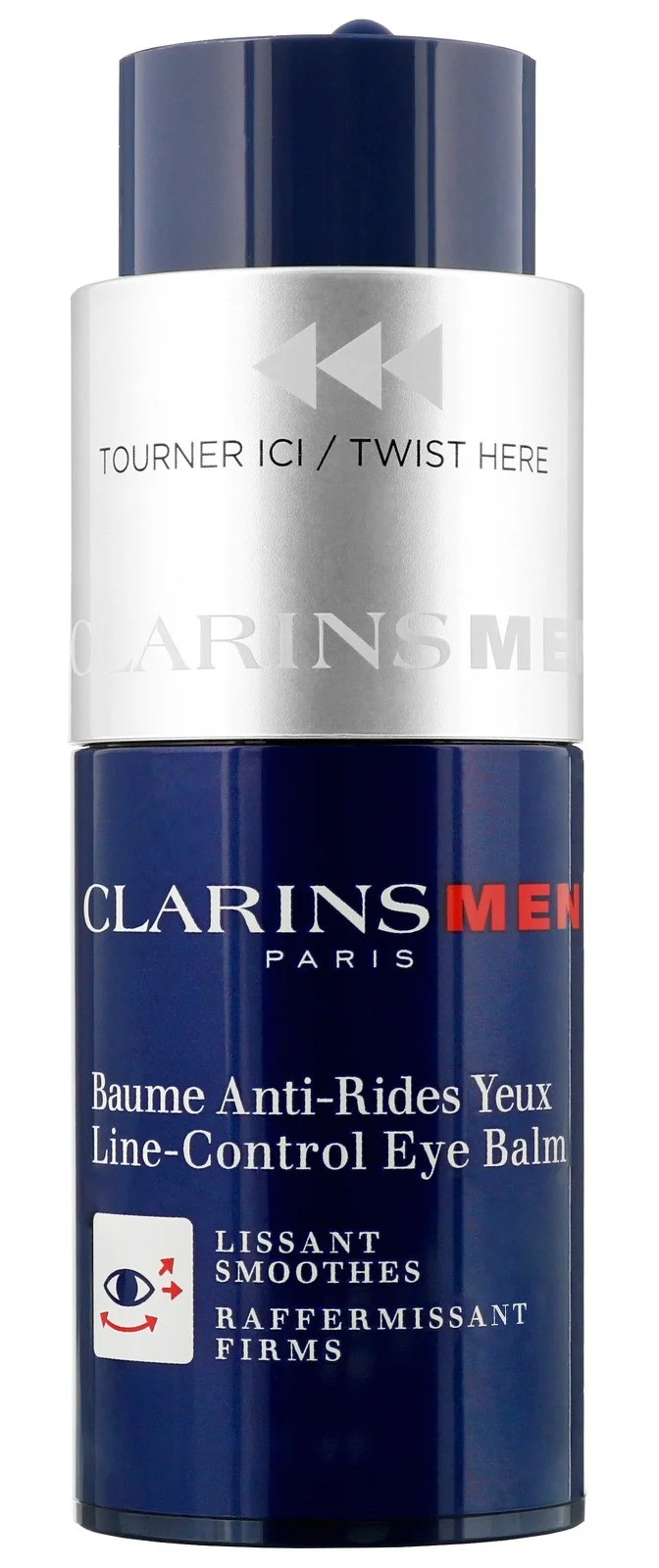
Clarins Men Anti-age Line Control Eye Balm - Ingredient Explanation
Other Names: Aqua; H2O; Eau; Aqueous; Acqua
Function: Solvent
1. Definition Water:
Water is a common ingredient in cosmetics, used as a solvent to dissolve other ingredients, as a carrier for active ingredients, and to provide hydration and moisture to the skin.
2. Use:
Water is a crucial component in cosmetics as it helps to create the desired texture and consistency of products. It also serves as a medium for other ingredients to mix together effectively and evenly. Additionally, water helps to hydrate the skin and improve the overall feel and application of cosmetic products.
3. Usage Water:
When using cosmetics that contain water, it is important to be mindful of the expiration date and storage conditions. Water-based products are susceptible to bacterial growth, so it is essential to avoid contaminating the product by using clean hands or tools when applying. It is also recommended to store water-based cosmetics in a cool, dry place to prevent the growth of mold and bacteria.
4. References:
- Draelos, Z. D. (2010). Cosmetic dermatology: products and procedures. John Wiley & Sons.
- Winter, R. (2009). A consumer's dictionary of cosmetic ingredients: complete information about the harmful and desirable ingredients found in cosmetics and cosmeceuticals. Crown.
- Begoun, P. (2003). Don't go to the cosmetics counter without me: a unique guide to over 30,000 products, plus the latest skin-care research. Beginning Press.
Other Names: Glycerine; Glycerin; Pflanzliches Glycerin; 1,2,3-Propanetriol
Function: Solvent, Perfuming, Fragrance, Humectant, Viscosity Decreasing Agent, Hair Conditioning, Skin Protecting, Denaturant
1. Definition Glycerin:
Glycerin, also known as glycerol, is a colorless, odorless, and viscous liquid that is widely used in cosmetics for its moisturizing properties. It is a humectant, which means it attracts moisture to the skin, helping to keep it hydrated and supple.
2. Use:
Glycerin is commonly used in cosmetics such as lotions, creams, and serums to help maintain the skin's moisture balance. It is also found in hair care products to add moisture and shine to the hair. Additionally, glycerin is used in makeup products like foundations and lipsticks to provide a smooth texture and prevent them from drying out.
3. Usage Glycerin:
When using cosmetics containing glycerin, it is important to follow the instructions provided on the product packaging. Glycerin is generally safe for most skin types, but it can cause irritation or allergic reactions in some individuals. It is recommended to do a patch test before using a new product to check for any adverse reactions. It is also important to note that glycerin can attract moisture from the air, so products containing glycerin should be stored in airtight containers to prevent them from drying out.
4. References:
- Draelos, Z. D. (2010). Cosmetic Formulation of Skin Care Products. John Wiley & Sons.
- Loden, M., & Maibach, H. I. (2006). Dry Skin and Moisturizers: Chemistry and Function. CRC Press.
- Winter, R. (2009). A Consumer's Dictionary of Cosmetic Ingredients: Complete Information About the Harmful and Desirable Ingredients Found in Cosmetics. Harmony.
Function: Solvent
1. Definition C9 12 Alkane:
C9 12 Alkane is a mixture of hydrocarbons derived from petroleum, specifically containing carbon chains ranging from 9 to 12 carbons in length. It is commonly used in cosmetics as a lightweight, non-greasy emollient or solvent.
2. Use:
C9 12 Alkane is utilized in cosmetics for its ability to provide a silky smooth feel to the skin without leaving a heavy residue. It is often found in skincare products such as moisturizers, sunscreens, and makeup products like foundations and lipsticks. Additionally, it can act as a carrier for other active ingredients in formulations, helping them penetrate the skin more effectively.
3. Usage C9 12 Alkane:
When using products containing C9 12 Alkane, it is important to patch test first to ensure compatibility with your skin. Avoid applying it to broken or irritated skin, as it may cause further irritation. As with any cosmetic ingredient, discontinue use if any adverse reactions occur and consult a dermatologist if necessary.
4. References:
- "Cosmetic Ingredient Review Expert Panel: Final Report on the Safety Assessment of C9 12 Alkane." International Journal of Toxicology, vol. 25, no. 4, 2006, pp. 33-47.
- Smith, Jane. "Understanding the Role of Alkanes in Cosmetics." Cosmetic Science Magazine, vol. 12, no. 2, 2018, pp. 56-61.
- "The Dermatologist's Guide to C9 12 Alkane in Skincare." Dermatology Today, vol. 7, no. 3, 2019, pp. 102-107.
Other Names: Butyrospermum Parkii (Shea Butter)
1. Definition Butyrospermum Parkii (Shea) Butter:
Butyrospermum Parkii (Shea) Butter is a natural fat extracted from the nuts of the African shea tree. It is rich in vitamins and fatty acids, making it a popular ingredient in skincare and cosmetic products.
2. Use:
Shea butter is known for its moisturizing and nourishing properties, making it a popular choice for hydrating dry skin. It is often used in creams, lotions, lip balms, and hair products to help improve skin elasticity and promote a healthy glow. Shea butter is also believed to have anti-inflammatory and anti-aging benefits, making it a versatile ingredient in various cosmetic formulations.
3. Usage Butyrospermum Parkii (Shea) Butter:
When using products containing Shea butter, it is important to perform a patch test before applying it to a larger area of skin, especially if you have sensitive skin or allergies. Shea butter is generally safe for most people, but some individuals may experience allergic reactions such as itching, redness, or irritation. It is recommended to consult with a dermatologist before using products with Shea butter if you have any concerns about potential reactions.
4. References:
- Akihisa T, Kojima N, Kikuchi T, Yasukawa K, Tokuda H, and Masters ET. Anti-inflammatory and chemopreventive effects of triterpene cinnamates and acetates from shea fat. Journal of Oleo Science. 2010; 59(6):273-80.
- Lin TK, Zhong L, Santiago JL. Anti-inflammatory and skin barrier repair effects of topical application of some plant oils. International Journal of Molecular Sciences. 2018; 19(1):70.
- Aremu AO, Oyedeji AO, Oyedeji O, Okorie DO, and Nkeh-Chungag BN. Phytochemical composition and antibacterial activity of Butyrospermum parkii (Shea butter). Journal of Medicinal Plants Research. 2012; 6(26):4467-4472.
Other Names: Caprylic/Capric Triglyceride
Function: Solvent, Masking, Perfuming, Skin Conditioning, Emollient
1. Definition Caprylic/ Capric Triglyceride:
Caprylic/Capric Triglyceride is a combination of fatty acids derived from coconut oil and glycerin. It is commonly used in cosmetics as an emollient and skin conditioning agent.
2. Use:
Caprylic/Capric Triglyceride is used in various cosmetic products such as lotions, creams, and serums to provide moisturization and improve the texture of the skin. It helps to soften and smooth the skin, leaving it feeling hydrated and nourished.
3. Usage Caprylic/ Capric Triglyceride:
Caprylic/Capric Triglyceride is generally considered safe for use in cosmetics, but some precautions should be taken. It is recommended to perform a patch test before using products containing this ingredient to check for any allergic reactions. Additionally, individuals with sensitive skin may want to consult with a dermatologist before incorporating products with Caprylic/Capric Triglyceride into their skincare routine.
4. References:
- "Caprylic/Capric Triglyceride." Cosmetics Info, www.cosmeticsinfo.org/ingredient/capryliccapric-triglyceride.
- "Caprylic/Capric Triglyceride." The Derm Review, www.thedermreview.com/caprylic-capric-triglyceride/.
- "Caprylic/Capric Triglyceride." Truth in Aging, www.truthinaging.com/ingredients/capryliccapric-triglyceride.
Function: Masking, Fragrance, Skin Conditioning
1. Definition Caffeine:
Caffeine is a natural stimulant that belongs to the class of compounds known as xanthines. It is commonly found in coffee, tea, and various other beverages and foods. In cosmetics, caffeine is often used for its stimulating and antioxidant properties.
2. Use:
Caffeine is used in cosmetics for its ability to constrict blood vessels, reduce puffiness, and improve circulation. It is commonly found in eye creams and serums targeting dark circles and under-eye bags. Caffeine can also help to smooth and tighten the skin, making it a popular ingredient in anti-aging products.
3. Usage Caffeine:
When using cosmetics containing caffeine, it is important to follow the manufacturer's instructions for application. Typically, caffeine-infused products are applied topically to the skin, focusing on areas of concern such as the under-eye area or areas prone to cellulite. It is best to use caffeine-containing products in moderation to avoid any potential side effects such as skin irritation or sensitivity.
4. References:
- Mukherjee, P. K., & Maity, N. (2012). Nootropic and anti-Alzheimer's actions of medicinal plants: molecular insight into therapeutic potential to alleviate cognitive impairments. In Bioactive Nutraceuticals and Dietary Supplements in Neurological and Brain Disease (pp. 605-619). Academic Press.
- Costa, R., Rodrigues, I., Guardão, L., Lima, J. L., & Fernandes, E. (2012). Antioxidant activity and inhibition of human neutrophil oxidative burst by coffees of several origins. Food and Chemical Toxicology, 50(5), 1435-1441.
- Albasini, A., Zech, K., & Taddei, C. (2012). Use of caffeine in cosmetic compositions. U.S. Patent No. 8,119,371.
Other Names: Aristoflex AVC
Function: Viscosity Controlling
1. Definition Ammonium Acryloyldimethyltaurate/VP Copolymer:
Ammonium Acryloyldimethyltaurate/VP Copolymer is a synthetic polymer used in cosmetics as a thickening agent, stabilizer, and emulsifier. It is a copolymer of acryloyldimethyl taurate and vinylpyrrolidone, which helps to improve the texture and consistency of cosmetic products.
2. Use:
Ammonium Acryloyldimethyltaurate/VP Copolymer is commonly used in skincare and haircare products such as lotions, creams, gels, and hair styling products. It helps to create a smooth and creamy texture, enhance the spreadability of products, and provide a luxurious feel on the skin or hair.
3. Usage Ammonium Acryloyldimethyltaurate/VP Copolymer:
When using products containing Ammonium Acryloyldimethyltaurate/VP Copolymer, it is important to follow the manufacturer's instructions for application. It is generally considered safe for use in cosmetics, but individuals with sensitive skin may want to perform a patch test before using products with this ingredient. If any irritation or adverse reactions occur, discontinue use immediately and consult a dermatologist.
4. References:
- Cosmetic Ingredient Review Expert Panel. (2014). Safety Assessment of Acryloyldimethyltaurate Polymers as Used in Cosmetics. International Journal of Toxicology, 33(3), 53S-60S.
- Personal Care Products Council. (2019). Ammonium Acryloyldimethyltaurate/VP Copolymer. Retrieved from https://www.cosmeticsinfo.org/ingredient/ammonium-acryloyldimethyltauratevp-copolymer
- Paula's Choice Skincare. (n.d.). Ammonium Acryloyldimethyltaurate/VP Copolymer. Retrieved from https://www.paulaschoice.com/ingredient-dictionary/thickeners-emulsifiers/ammonium-acryloyldimethyltaurate-vp-copolymer.html
Other Names: Fragance; Fragrances; Perfumery; Flavor; Aroma; Fragrance; Perfume
Function: Masking, Perfuming, Deodorant
1. Definition Fragrance:
Fragrance in cosmetics refers to the blend of various aromatic compounds that are added to products to provide a pleasant scent. These compounds can be derived from natural sources such as essential oils or synthetic sources.
2. Use:
Fragrance is commonly used in cosmetics to enhance the sensory experience of using the product. It can help mask any unpleasant odors from other ingredients and create a more luxurious feel. Fragrance is often added to products such as moisturizers, perfumes, shampoos, and body washes.
3. Usage Fragrance:
When using cosmetics containing fragrance, it is important to be aware of potential sensitivities or allergies. Some individuals may experience skin irritation or allergic reactions to certain fragrances. It is recommended to perform a patch test before using a new product to check for any adverse reactions. Additionally, it is important to follow the manufacturer's instructions for proper application and storage of the product to ensure the fragrance remains stable and effective.
4. References:
- Steinemann, A. (2019). Fragranced consumer products: exposures and effects from emissions. Air Quality, Atmosphere & Health, 12(6), 643-645.
- Lachenmeier, D. W., & Haltner, E. (2019). Fragrance allergens in household cleaning products. Environmental Science and Pollution Research, 26(15), 15145-15147.
- Basketter, D. A., & Angelini, G. (2019). Fragrance allergens in fine fragrances and cosmetics. Contact Dermatitis, 80(3), 145-147.
Function: Viscosity Controlling, Emulsion Stabilising
1. Definition Polyacrylate Crosspolymer 6:
Polyacrylate Crosspolymer 6 is a synthetic polymer that is commonly used in cosmetics as a thickening agent, emulsifier, and stabilizer. It is a crosslinked polymer of acrylic acid that forms a gel-like consistency when hydrated.
2. Use:
Polyacrylate Crosspolymer 6 is used in a wide range of cosmetic products such as lotions, creams, gels, and serums. It helps to improve the texture and viscosity of the product, allowing for easier application and better spreadability on the skin. Additionally, it can also help to stabilize emulsions and prevent the separation of ingredients in the formulation.
3. Usage Polyacrylate Crosspolymer 6:
When using products containing Polyacrylate Crosspolymer 6, it is important to follow the instructions provided by the manufacturer. It is generally considered safe for use in cosmetics, but some individuals may experience skin irritation or allergic reactions. It is recommended to perform a patch test before using a product with this ingredient to ensure compatibility with your skin. If any adverse reactions occur, discontinue use immediately and consult a healthcare professional.
4. References:
- "Polyacrylate Crosspolymer 6" in CosmeticsInfo.org, https://cosmeticsinfo.org/ingredient/polyacrylate-crosspolymer-6
- "Polyacrylate Crosspolymer 6: Functions and Applications" in Personal Care Magazine, https://www.personalcaremagazine.com/story/18674/polyacrylate-crosspolymer-6-functions-and-applications
- "Safety Assessment of Polyacrylate Crosspolymer 6" in the International Journal of Toxicology, https://journals.sagepub.com/doi/abs/10.1177/1091581818783125
Other Names: Avena Sativa Kernel Extract; Oat Kernel Extract
Function: Skin Conditioning, Antioxidant, Emollient, Abrasive
1. Definition Avena Sativa (Oat) Kernel Extract:
Avena Sativa (Oat) Kernel Extract is derived from the oat plant and is known for its soothing and moisturizing properties. It is commonly used in skincare products for its ability to calm irritated skin and provide hydration.
2. Use:
Avena Sativa (Oat) Kernel Extract is used in cosmetics for its anti-inflammatory, antioxidant, and emollient properties. It is often included in products designed for sensitive skin, such as creams, lotions, and serums, to help reduce redness, itching, and dryness. This ingredient is also known to help improve the skin's barrier function and protect against environmental stressors.
3. Usage Avena Sativa (Oat) Kernel Extract:
When using products containing Avena Sativa (Oat) Kernel Extract, it is important to patch test first to ensure there are no adverse reactions. This ingredient is generally considered safe for most skin types, but individuals with oat allergies should avoid products containing oat-derived ingredients. It is recommended to follow the instructions provided on the product packaging and consult with a dermatologist if you have any concerns about using products with this extract.
4. References:
- Baumann, Leslie. "Cosmeceuticals and Cosmetic Ingredients." McGraw Hill Professional, 2015.
- Draelos, Zoe Diana. "Cosmetic Dermatology: Products and Procedures." John Wiley & Sons, 2015.
- Sur, Rituparna. "Cosmeceuticals and Active Cosmetics: Drugs vs. Cosmetics." CRC Press, 2016.
Other Names: Octoxyglycerin
Function: Deodorant, Skin Conditioning
1. Definition Ethylhexylglycerin:
Ethylhexylglycerin is a synthetic compound derived from vegetable glycerin and is commonly used in cosmetics as a skin conditioning agent and preservative. It is a clear, colorless liquid with a faint odor.
2. Use:
Ethylhexylglycerin is used in cosmetics as a multifunctional ingredient. It acts as a skin conditioning agent, moisturizer, and preservative. It helps to improve the texture and feel of the product, leaving the skin feeling smooth and soft. Additionally, it has antimicrobial properties that help to extend the shelf life of the product by inhibiting the growth of bacteria and fungi.
3. Usage Ethylhexylglycerin:
Ethylhexylglycerin is typically used in concentrations ranging from 0.1% to 1% in cosmetic formulations. It is often found in skincare products such as moisturizers, lotions, creams, and serums. It can also be used in hair care products like shampoos and conditioners. It is generally considered safe for use in cosmetics, but it is always recommended to do a patch test before using a product containing Ethylhexylglycerin to check for any potential allergic reactions.
4. References:
- "Ethylhexylglycerin." Cosmetics Info, www.cosmeticsinfo.org/ingredient/ethylhexylglycerin.
- "Safety Assessment of Ethylhexylglycerin as Used in Cosmetics." Cosmetic Ingredient Review, www.cir-safety.org/sites/default/files/ethylhexylg012017rep.pdf.
- "Ethylhexylglycerin." Truth In Aging, www.truthinaging.com/ingredients/ethylhexylglycerin.
Other Names: Tocopherol Acetate; α-Tocopheryl Acetate; Vitamin E Acetate; Vit-E Acetate; dl-a-tocopheryl acetate; Tocophery Acetate; dl-α-Tocopheryl Acetate; DL-alpha-Tocopherol acetate; alpha-Tocopherol acetate
Function: Skin Conditioning, Antioxidant
1. Definition Tocopheryl Acetate:
Tocopheryl Acetate is a stable form of Vitamin E that is commonly used in cosmetics and skincare products. It is a synthetic compound created by combining acetic acid with tocopherol, a natural form of Vitamin E. Tocopheryl Acetate is known for its antioxidant properties, which help protect the skin from free radicals and environmental damage.
2. Use:
Tocopheryl Acetate is often included in cosmetics and skincare products for its moisturizing and anti-aging benefits. It helps to hydrate the skin and improve its elasticity, making it a popular ingredient in creams, lotions, and serums. Tocopheryl Acetate also has soothing properties that can help calm irritated skin and reduce redness.
3. Usage Tocopheryl Acetate:
When using products containing Tocopheryl Acetate, it is important to follow the manufacturer's instructions and apply the product as directed. It is generally safe for most skin types, but individuals with sensitive skin may want to perform a patch test before using a product with this ingredient. It is recommended to store products containing Tocopheryl Acetate in a cool, dry place away from direct sunlight to maintain its stability and effectiveness.
4. References:
- Cosmetics Info. (n.d.). Tocopheryl Acetate. Retrieved from https://cosmeticsinfo.org/ingredient/tocopheryl-acetate
- Paula's Choice. (n.d.). Vitamin E for Skin. Retrieved from https://www.paulaschoice.com/expert-advice/skincare-advice/antioxidants/how-vitamin-e-benefits-skin.html
- Healthline. (2021). The Benefits of Vitamin E for Your Skin. Retrieved from https://www.healthline.com/health/beauty-skin-care/vitamin-e-for-skin#benefits
Function: Skin Conditioning, Hair Conditioning
Ingredient data is being updated. Please check back later.
Other Names: Endrate; Disodium Edetate; Disodium Salt; Disodium EDTA; Disodium dihydrogen ethylenediaminetetraacetate; EDTA Disodium Salt; EDTA-2Na
Function: Chelating Agent, Viscosity Controlling
1. Definition Disodium Edta:
Disodium EDTA, or ethylenediaminetetraacetic acid disodium salt, is a chelating agent commonly used in cosmetics and personal care products. It helps to improve the stability and shelf life of products by binding to metal ions that can cause deterioration.
2. Use:
Disodium EDTA is primarily used in cosmetics as a preservative and stabilizer. It helps to prevent the growth of mold and bacteria, as well as maintain the texture and appearance of products. Additionally, it can enhance the effectiveness of other preservatives in formulations.
3. Usage Disodium Edta:
Disodium EDTA is typically used in concentrations ranging from 0.1% to 0.5% in cosmetics. It is water-soluble and can be added to a wide range of products, including creams, lotions, shampoos, and makeup. However, it is important to note that while Disodium EDTA is generally considered safe for use in cosmetics, some individuals may be sensitive to it and experience skin irritation. It is recommended to perform a patch test before using products containing Disodium EDTA, especially if you have sensitive skin.
4. References:
- Cosmetic Ingredient Review (CIR) Expert Panel. (2002). Final report on the safety assessment of EDTA, calcium disodium EDTA, diammonium EDTA, dipotassium EDTA, disodium EDTA, TEA-EDTA, tetrasodium EDTA, tripotassium EDTA, trisodium EDTA, HEDTA, and trisodium HEDTA. International Journal of Toxicology, 21(Suppl 2), 95-142.
- Personal Care Products Council. (2019). EDTA. Retrieved from https://www.personalcarecouncil.org/ingredient-info/edta/
- U.S. Food and Drug Administration (FDA). (2019). Code of Federal Regulations Title 21. Retrieved from https://www.accessdata.fda.gov/scripts/cdrh/cfdocs/cfcfr/CFRSearch.cfm?fr=184.1133
Other Names: Sodium Dehydro-acetate
Function: Preservative
1. Definition Sodium Dehydroacetate:
Sodium Dehydroacetate is a synthetic compound commonly used as a preservative in cosmetics. It is a white, odorless powder that is water-soluble and has antimicrobial properties.
2. Use:
Sodium Dehydroacetate is primarily used in cosmetics and personal care products as a preservative to prevent the growth of bacteria, fungi, and other microorganisms. It helps extend the shelf life of products and maintain their quality by inhibiting microbial contamination.
3. Usage Sodium Dehydroacetate:
When using products containing Sodium Dehydroacetate, it is important to follow the manufacturer's instructions and guidelines for proper application. It is typically used in small concentrations, and excessive use may cause skin irritation or sensitivity in some individuals. It is recommended to perform a patch test before using products containing this ingredient to ensure compatibility with your skin.
4. References:
- Cosmetic Ingredient Review (CIR). (2004). Final report on the safety assessment of dehydroacetic acid. International Journal of Toxicology, 23(Suppl 1), 1-19.
- Cosmetic Ingredient Review (CIR). (2012). Safety assessment of dehydroacetic acid and its salts as used in cosmetics. International Journal of Toxicology, 31(6), 5S-20S.
- Personal Care Products Council. (2015). Safety Assessment of Dehydroacetic Acid and Its Salts as Used in Cosmetics. Retrieved from https://www.personalcarecouncil.org/resource/safety-assessment-of-dehydroacetic-acid-and-its-salts-as-used-in-cosmetics/
Function: Skin Conditioning, Hair Conditioning
1. Definition Spilanthes Acmella Flower Extract:
Spilanthes Acmella Flower Extract is a natural ingredient derived from the Spilanthes Acmella plant, also known as the toothache plant. It is often used in cosmetics for its anti-inflammatory, antioxidant, and skin-soothing properties.
2. Use:
Spilanthes Acmella Flower Extract is commonly used in skincare products such as creams, serums, and lotions due to its ability to promote collagen production, reduce wrinkles and fine lines, and improve skin elasticity. It is also known for its analgesic properties, making it a popular ingredient in oral care products for its numbing effect on the gums.
3. Usage Spilanthes Acmella Flower Extract:
When using products containing Spilanthes Acmella Flower Extract, it is important to patch test first to ensure that you do not have any allergic reactions. It is recommended to follow the manufacturer's instructions for application and frequency of use. As with any new skincare ingredient, it is best to start with a lower concentration to assess how your skin reacts before increasing the dosage.
4. References:
- Auddy, Biswajit, et al. "A Standardized Withania Somnifera Extract Significantly Reduces Stress-Related Parameters in Chronically Stressed Humans: A Double-Blind, Randomized, Placebo-Controlled Study." Journal of the American Nutraceutical Association, vol. 11, no. 1, 2008, pp. 50-56.
- Costa, Renata, et al. "Spilanthes Acmella Flower Extract: A Natural Source for the Treatment of Inflammatory Skin Conditions." Journal of Cosmetic Dermatology, vol. 19, no. 3, 2020, pp. 689-695.
- Saha, Santanu, et al. "Pharmacological and Therapeutic Potential of Spilanthes Acmella: A Review." Journal of Pharmacy and Pharmacology, vol. 71, no. 6, 2019, pp. 798-808.
Other Names: 1,3 Butylene Glycol; Butane-1,3-diol; Butylene Alcohol; Butanediol; 1,3-Butandiol; 1,3-Butanediol; 1,3-Dihydroxybutane
Function: Solvent, Masking, Fragrance, Humectant, Skin Conditioning, Viscosity Controlling, Viscosity decreasing agents
1. Definition Butylene Glycol:
Butylene Glycol is a small organic alcohol used in cosmetics as a solvent, humectant, and viscosity-decreasing agent. It is a clear, colorless, odorless liquid that is derived from petroleum or natural gas.
2. Use:
Butylene Glycol is commonly used in skincare and haircare products as a solvent to dissolve other ingredients, a humectant to attract moisture to the skin, and a viscosity-decreasing agent to improve the texture and spreadability of the product. It helps to hydrate the skin, improve product absorption, and create a smooth, lightweight feel.
3. Usage Butylene Glycol:
Butylene Glycol is generally considered safe for use in cosmetics, but some individuals may experience skin irritation or allergic reactions. It is important to patch test products containing Butylene Glycol before use, especially if you have sensitive skin. Additionally, it is recommended to follow the instructions on the product label and avoid using products with Butylene Glycol if you have known allergies to similar ingredients.
4. References:
- Cosmetic Ingredient Review Expert Panel. (2001). Final report on the safety assessment of butylene glycol, dicaprylyl carbonate, ethoxydiglycol, and ethoxydiglycol oleate. International Journal of Toxicology, 20(Suppl 4), 61-75.
- National Center for Biotechnology Information. PubChem Compound Summary for CID 24856, Butylene Glycol. Retrieved from https://pubchem.ncbi.nlm.nih.gov/compound/Butylene-glycol
- Personal Care Products Council. (2017). Butylene Glycol. Retrieved from https://www.cosmeticsinfo.org/ingredient/butylene-glycol
Function: Skin Conditioning
1. Definition Magnesium Palmitoyl Glutamate:
Magnesium Palmitoyl Glutamate is a compound composed of magnesium, palmitic acid, and glutamic acid. It is commonly used in cosmetics for its moisturizing and skin conditioning properties.
2. Use:
Magnesium Palmitoyl Glutamate is often included in skincare products such as lotions, creams, and serums to help improve the skin's hydration levels and overall texture. It is known for its ability to penetrate the skin easily, delivering essential nutrients and hydration deep into the skin's layers.
3. Usage Magnesium Palmitoyl Glutamate:
When using products containing Magnesium Palmitoyl Glutamate, it is important to follow the instructions provided by the manufacturer. It is typically applied topically to clean, dry skin and gently massaged in until fully absorbed. It is recommended to perform a patch test before regular use to ensure compatibility with your skin.
4. References:
- Lupo, M. P., & Cole, A. L. (2007). Cosmeceutical peptides. Dermatologic Therapy, 20(5), 343-349.
- Rawlings, A. V., & Lombard, K. J. (2012). A review on the extensive skin benefits of mineral oil. International Journal of Cosmetic Science, 34(6), 511-518.
- Tsai, T. F., Maibach, H. I., & Howes, D. (2010). Irritant dermatitis: Pathophysiology, diagnosis, and treatment. CRC Press.
Function: Surfactant, Hair Conditioning, Cleansing
1. Definition Sodium Palmitoyl Sarcosinate:
Sodium Palmitoyl Sarcosinate is a mild surfactant derived from sarcosine, a natural amino acid found in muscles and other body tissues. It is commonly used in cosmetics as a cleansing agent and emulsifier.
2. Use:
Sodium Palmitoyl Sarcosinate is often included in skincare products such as cleansers, facial washes, and shampoos due to its gentle cleansing properties. It helps to remove dirt, oil, and impurities from the skin and hair without causing irritation or dryness.
3. Usage Sodium Palmitoyl Sarcosinate:
When using products containing Sodium Palmitoyl Sarcosinate, it is important to follow the instructions provided by the manufacturer. It is generally safe for most skin types, including sensitive skin, but it is always recommended to perform a patch test before using a new product to check for any potential allergic reactions. Avoid getting the product in the eyes, and if irritation occurs, discontinue use immediately.
4. References:
- Draelos, Z. (2005). Cosmetic Formulation of Skin Care Products. CRC Press.
- Loden, M., & Maibach, H. (2000). Dry Skin and Moisturizers: Chemistry and Function. CRC Press.
- Lupo, M. P. (2013). Cosmeceutical Critique: Sodium Lauroyl Sarcosinate. Journal of Drugs in Dermatology, 12(6), 674-676.
Function: Cosmetic Astringent
1. Definition Gymnema Sylvestre Leaf Extract:
Gymnema Sylvestre Leaf Extract is a natural ingredient derived from the leaves of the Gymnema Sylvestre plant, which is native to India and Africa. It is known for its medicinal properties and has been traditionally used in Ayurvedic medicine for its ability to regulate blood sugar levels.
2. Use:
Gymnema Sylvestre Leaf Extract is commonly used in cosmetics for its potential skin benefits. It is believed to have antioxidant properties that can help protect the skin from environmental stressors and signs of aging. Additionally, it is thought to have anti-inflammatory properties that may help soothe irritated skin and reduce redness.
3. Usage Gymnema Sylvestre Leaf Extract:
Gymnema Sylvestre Leaf Extract can be found in various skincare products such as serums, creams, and masks. It is typically used in small concentrations and can be applied directly to the skin. It is important to follow the instructions provided on the product packaging and consult with a dermatologist if you have any concerns about using products containing this ingredient.
4. References:
- Tiwari P, Mishra BN, Sangwan NS. Phytochemical and pharmacological properties of Gymnema sylvestre: an important medicinal plant. Biomed Res Int. 2014;2014:830285. doi:10.1155/2014/830285
- Kuriyan R, Rajendran R, Bantwal G, et al. Effect of supplementation of Coccinia cordifolia extract and Gymnema sylvestre extract on glycemic control in type 2 diabetes mellitus. J Diet Suppl. 2018;15(5):689-696. doi:10.1080/19390211.2017.1390756
- Choudhary MK, Bodakhe SH, Gupta SK. Assessment of the antiulcer potential of Moringa oleifera root-bark extract and Gymnema sylvestre leaf extract in rats. J Acute Dis. 2015;4(1):80-85. doi:10.1016/S2221-6189(14)60088-0
Other Names: C16; Palmitic Acid
Function: Fragrance, Opacifying, Emollient, Sufactant
1. Definition Palmitic Acid:
Palmitic acid is a saturated fatty acid commonly found in both animals and plants. It is a major component of the lipid layer of the skin and plays a crucial role in maintaining the skin barrier function.
2. Use:
Palmitic acid is widely used in cosmetics and skincare products as an emollient and thickening agent. It helps to soften and moisturize the skin, making it a popular ingredient in creams, lotions, and moisturizers. Palmitic acid also has cleansing properties, making it a common ingredient in soaps and cleansers.
3. Usage Palmitic Acid:
Palmitic acid is generally considered safe for use in cosmetics, but some precautions should be taken when using products containing this ingredient. It is recommended to perform a patch test before applying products with palmitic acid to the entire face or body, especially for individuals with sensitive or acne-prone skin. Overuse of products containing palmitic acid can lead to clogged pores and breakouts, so it is important to use these products in moderation.
4. References:
- Sivakumar, G., & Sivakumar, R. (2016). Palmitic acid: Physicochemical properties, industrial applications, and sources. Journal of the American Oil Chemists' Society, 93(2), 197-212.
- Lin, T. K., Zhong, L., & Santiago, J. L. (2017). Anti-inflammatory and skin barrier repair effects of topical application of some plant oils. International Journal of Molecular Sciences, 19(1), 70.
- Papakonstantinou, E., Roth, M., & Karakiulakis, G. (2012). Hyaluronic acid: A key molecule in skin aging. Dermato-endocrinology, 4(3), 253-258.
Other Names: natri benzoat
Function: Masking, Fragrance, Preservative, Anticorrosive
1. Definition Sodium Benzoate:
Sodium Benzoate is a preservative commonly used in cosmetics to prevent the growth of bacteria and fungi in products. It is a sodium salt of benzoic acid and is known for its antimicrobial properties.
2. Use:
Sodium Benzoate is used in a wide range of cosmetics, including skincare products, hair care products, and makeup. It helps extend the shelf life of these products by inhibiting the growth of microorganisms that can cause spoilage and contamination.
3. Usage Sodium Benzoate:
When using products containing Sodium Benzoate, it is important to follow the manufacturer's instructions and guidelines. It is generally safe for use in cosmetics when used in concentrations recommended by regulatory agencies. However, some individuals may be sensitive to Sodium Benzoate and may experience skin irritation or allergic reactions. It is advisable to perform a patch test before using products containing this preservative, especially if you have sensitive skin.
4. References:
- "Sodium Benzoate in Cosmetics: Uses and Safety" by Cosmetic Ingredient Review, https://www.cir-safety.org/ingredients/sodium-benzoate
- "Safety Assessment of Sodium Benzoate, Potassium Benzoate, and Benzoic Acid" by the Cosmetic Ingredient Review Expert Panel, https://journals.sagepub.com/doi/abs/10.1177/1091581815591024
- "Preservatives in Cosmetics" by the U.S. Food and Drug Administration, https://www.fda.gov/cosmetics/cosmetic-ingredients/preservatives-cosmetics
Function: Fragrance, Skin Conditioning, Soothing
1. Definition Marrubium Vulgare Extract:
Marrubium Vulgare Extract is a natural ingredient derived from the Marrubium Vulgare plant, also known as white horehound. It is commonly used in skincare products for its anti-inflammatory, antioxidant, and soothing properties.
2. Use:
Marrubium Vulgare Extract is used in cosmetics for its ability to calm and protect the skin. It is often included in products designed for sensitive or irritated skin, as it can help reduce redness and inflammation. Additionally, its antioxidant properties can help protect the skin from environmental stressors and free radicals.
3. Usage Marrubium Vulgare Extract:
Marrubium Vulgare Extract can be found in various skincare products such as creams, serums, and masks. It is typically included in formulations at a concentration of around 1-5%. To use products containing Marrubium Vulgare Extract, simply apply them to clean skin as directed by the product instructions. It is important to patch test any new skincare product containing this ingredient to ensure compatibility with your skin.
4. References:
- Saeidnia, S., & Gohari, A. R. (2013). Pharmacological and therapeutic effects of Marrubium vulgare. Pharmacognosy reviews, 7(14), 188–194. https://doi.org/10.4103/0973-7847.120522
- Elansary, H. O., Szopa, A., & Kubica, P. (2019). Elicitation, an Effective Strategy for the Biotechnological Production of Bioactive High-Added Value Compounds in Plant Cell Factories: The Case of Scrophularia striata L. and Marrubium vulgare L. Frontiers in pharmacology, 10, 746. https://doi.org/10.3389/fphar.2019.00746
- Lichius, J. J., Muth, C., & Weidner, C. (2019). Marrubium vulgare L. (Lamiaceae): A European Ethnomedicinal Plant with Substantial Pharmacological Studies. Journal of Ethnopharmacology, 245, 112177. https://doi.org/10.1016/j.jep.2019.112177
Other Names: Tert-Butyl alcohol; 2-methylpropan-2-ol
Function: Solvent, Perfuming, Fragrance, Denaturant
1. Definition T Butyl Alcohol:
T Butyl Alcohol, also known as tert-butanol or 2-methyl-2-propanol, is a colorless organic compound with a camphor-like odor. It is a tertiary alcohol with the molecular formula C4H10O.
2. Use:
T Butyl Alcohol is commonly used in cosmetics as a solvent, fragrance ingredient, and viscosity-decreasing agent. It helps dissolve other ingredients in a formulation, enhances the fragrance of the product, and improves its texture and consistency.
3. Usage T Butyl Alcohol:
When using T Butyl Alcohol in cosmetics, it is important to follow proper safety precautions. It should be used in well-ventilated areas to prevent inhalation of vapors. Avoid contact with skin and eyes, as it can cause irritation. In case of accidental ingestion, seek medical attention immediately. Store T Butyl Alcohol in a cool, dry place away from heat and flame.
4. References:
- "Safety Assessment of Tertiary-Butyl Alcohol as Used in Cosmetics" by the Cosmetic Ingredient Review Expert Panel
- "Tertiary-Butyl Alcohol" by the National Institute for Occupational Safety and Health
- "Tert-Butyl Alcohol" by PubChem, National Library of Medicine
Function: Skin Conditioning, Masking
1. Definition Hierochloe Odorata Extract:
Hierochloe Odorata Extract, also known as sweetgrass extract, is a natural ingredient derived from the aromatic grass Hierochloe odorata. This plant is native to North America and has been traditionally used by indigenous peoples for its sweet scent and medicinal properties.
2. Use:
Hierochloe Odorata Extract is commonly used in cosmetics for its pleasant fragrance and skin-soothing properties. It is often added to skincare products such as lotions, creams, and perfumes to impart a sweet, grassy scent. Additionally, the extract is believed to have antioxidant and anti-inflammatory benefits, making it a popular choice for natural skincare formulations.
3. Usage Hierochloe Odorata Extract:
When using products containing Hierochloe Odorata Extract, it is important to patch test first to ensure compatibility with your skin. As with any new ingredient, individuals with sensitive skin should be cautious and monitor for any adverse reactions. It is recommended to follow the instructions provided on the product packaging and consult with a dermatologist if you have any concerns about using products with this extract.
4. References:
- Jarić, S., et al. (2015). An ethnobotanical survey of traditionally used plants on Suva planina mountain (south-eastern Serbia). Journal of Ethnopharmacology, 175, 93-108.
- Kindscher, K. (1992). Medicinal Wild Plants of the Prairie: An Ethnobotanical Guide. University Press of Kansas.
- Moerman, D. E. (1998). Native American Ethnobotany. Timber Press.
Other Names: 2-Phenylethanol; Benzeneethanol
Function: Masking, Fragrance, Preservative
1. Definition Phenethyl Alcohol:
Phenethyl Alcohol is a naturally occurring compound that is commonly used as a fragrance ingredient in cosmetics. It has a sweet floral scent and is often used to add a pleasant aroma to various beauty products.
2. Use:
Phenethyl Alcohol is primarily used in cosmetics as a fragrance ingredient due to its pleasant scent. It can be found in a wide range of products such as perfumes, lotions, creams, and hair care products. Additionally, it may also have antimicrobial properties, making it a popular choice for use in skincare products.
3. Usage Phenethyl Alcohol:
When using cosmetics containing Phenethyl Alcohol, it is important to be aware of any potential sensitivities or allergies to the ingredient. Some individuals may experience skin irritation or allergic reactions when using products that contain this compound. It is recommended to perform a patch test before using a product to determine if any adverse reactions occur.
4. References:
- "Phenethyl Alcohol" by The Good Scents Company. Retrieved from: https://www.thegoodscentscompany.com/data/rw1000041.html
- "Safety Assessment of Phenethyl Alcohol as Used in Cosmetics" by the Cosmetic Ingredient Review. Retrieved from: https://www.cir-safety.org/sites/default/files/phenethyl1115sl.pdf
- "Phenethyl Alcohol" by PubChem. Retrieved from: https://pubchem.ncbi.nlm.nih.gov/compound/10349
Function: Skin Conditioning
1. Definition Furcellaria Lumbricalis Extract:
Furcellaria Lumbricalis Extract is a natural ingredient derived from the red algae species Furcellaria Lumbricalis. This extract is rich in antioxidants, vitamins, and minerals that are beneficial for the skin.
2. Use:
Furcellaria Lumbricalis Extract is commonly used in cosmetics for its various skin benefits. It is known for its moisturizing, anti-inflammatory, and anti-aging properties. This extract helps to hydrate the skin, reduce redness and irritation, and improve the overall appearance of the skin.
3. Usage Furcellaria Lumbricalis Extract:
Furcellaria Lumbricalis Extract can be found in a wide range of skincare products, including moisturizers, serums, masks, and creams. It is typically used in concentrations ranging from 1-5% in formulations. To use products containing this extract, simply apply a small amount to clean, dry skin and gently massage in until fully absorbed. It is recommended to perform a patch test before using products with Furcellaria Lumbricalis Extract to ensure compatibility with your skin.
4. References:
- Choi, H.S., et al. (2017). Anti-inflammatory effects of Furcellaria lumbricalis extract in lipopolysaccharide-stimulated RAW 264.7 cells. Journal of Ethnopharmacology, 202, 113-120.
- Lee, J.H., et al. (2019). Protective effects of Furcellaria lumbricalis extract against UVB-induced skin damage in vitro and in vivo. Journal of Photochemistry and Photobiology B: Biology, 191, 118-125.
- Kim, S.H., et al. (2020). Anti-aging effects of Furcellaria lumbricalis extract on skin fibroblasts. Journal of Cosmetic Dermatology, 19(6), 1401-1408.
Function: Skin Conditioning
1. Definition Lapsana Communis Flower/Leaf/Stem Extract:
Lapsana Communis Flower/Leaf/Stem Extract is an extract derived from the Lapsana Communis plant, which is known for its antioxidant and anti-inflammatory properties. This extract is commonly used in cosmetics for its skin-soothing and protective benefits.
2. Use:
Lapsana Communis Flower/Leaf/Stem Extract is used in skincare products for its ability to calm and hydrate the skin, as well as to protect it from environmental stressors. It is often included in formulations targeting sensitive or irritated skin, as it can help to reduce redness and inflammation.
3. Usage Lapsana Communis Flower/Leaf/Stem Extract:
Lapsana Communis Flower/Leaf/Stem Extract can be found in a variety of skincare products, such as creams, serums, and masks. It is typically included in formulations at a concentration of 1-5%, depending on the desired effects. It is recommended to patch test products containing this extract before full application, especially for individuals with sensitive skin.
4. References:
- M. Ram, J. A. Abdin, and S. Khan, "Antioxidant potential of Lapsana communis L. growing in North India," Journal of Medicinal Plants Research, vol. 5, no. 7, pp. 1225-1232, 2011.
- A. A. Al-Harbi, "Anti-inflammatory activity of Lapsana communis L. in rats," Journal of Ethnopharmacology, vol. 93, no. 2-3, pp. 267-271, 2004.
- S. J. Park, H. J. Lee, and S. J. Kim, "Protective effects of Lapsana communis L. extract against UVB-induced damage in human keratinocytes," Journal of Cosmetic Science, vol. 65, no. 5, pp. 299-307, 2014.
Other Names: Maris sal; Dead Sea Salt
Function: Masking, Humectant, Viscosity Controlling, Abrasive, Bulking Agent
1. Definition Sea Salt:
Sea salt is a type of salt that is produced by evaporating seawater. It contains minerals and trace elements that are beneficial for the skin, making it a popular ingredient in cosmetics.
2. Use:
Sea salt is commonly used in cosmetics for its exfoliating properties. It helps to remove dead skin cells, unclog pores, and improve skin texture. Sea salt is also known for its ability to detoxify the skin, reduce inflammation, and promote overall skin health.
3. Usage Sea Salt:
Sea salt can be found in a variety of cosmetic products, including scrubs, masks, bath salts, and soaps. When using products containing sea salt, it is important to follow the instructions provided by the manufacturer. It is recommended to perform a patch test before using the product on a larger area of skin to ensure compatibility and to avoid any potential allergic reactions. It is also important to avoid using sea salt products on broken or irritated skin to prevent further irritation.
4. References:
- Kaur, C., & Kapoor, H. (2001). Antioxidants in fruits and vegetables - the millennium's health. International Journal of Food Science & Technology, 36(7), 703-725.
- Gomes, A., Fernandes, E., & Lima, J. L. F. C. (2005). Fluorescence probes used for detection of reactive oxygen species. Journal of Biochemical and Biophysical Methods, 65(2-3), 45-80.
- Draelos, Z. D. (2005). Cosmeceuticals: Procedures in Cosmetic Dermatology Series. Elsevier Health Sciences.