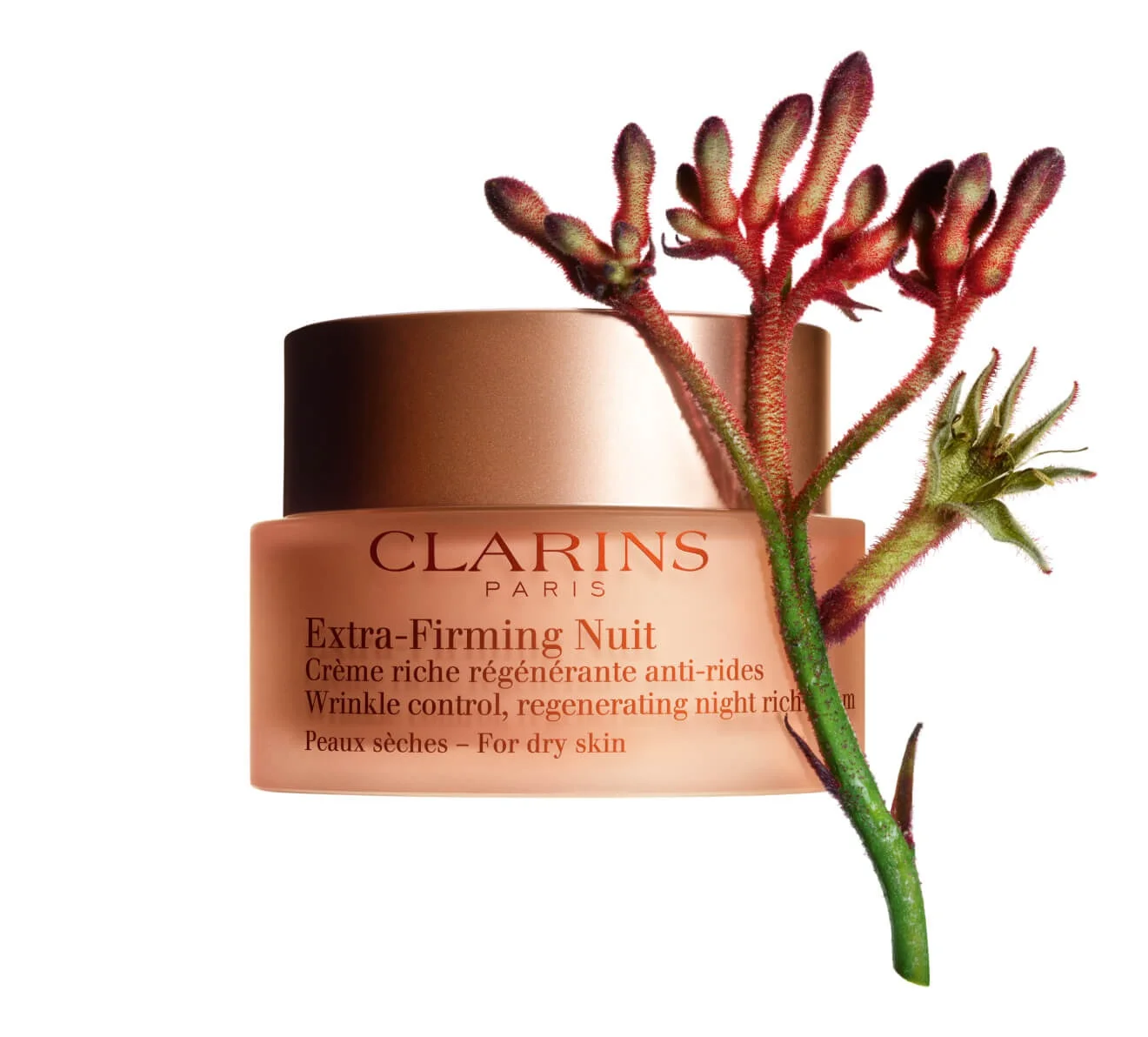
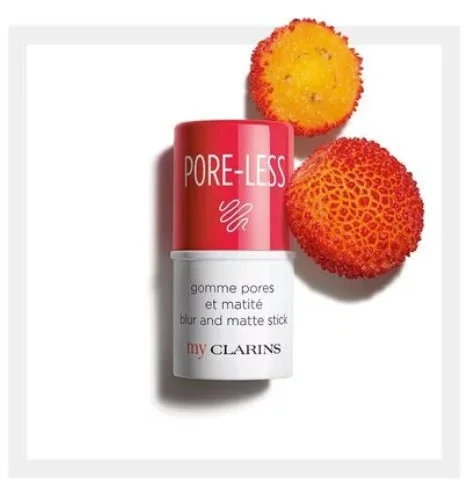
Clarins My Clarins Pore-Less Blur And Matte Stick - Ingredient Explanation
Other Names: CETIOL CC
Function: Skin Conditioning, Emollient
1. Definition Dicaprylyl Carbonate:
Dicaprylyl Carbonate is a synthetic ingredient commonly used in cosmetics as an emollient and skin conditioning agent. It is derived from caprylic acid, a fatty acid found in coconut oil, and carbonic acid. Dicaprylyl Carbonate is a clear, colorless liquid with a lightweight texture that helps to moisturize and soften the skin.
2. Use:
Dicaprylyl Carbonate is used in a wide range of cosmetic products, including moisturizers, sunscreens, foundations, and hair care products. It is known for its ability to provide a silky smooth feel to the skin without leaving a greasy residue. Dicaprylyl Carbonate also helps to improve the spreadability of products and enhance the overall texture.
3. Usage Dicaprylyl Carbonate:
Dicaprylyl Carbonate is typically used in concentrations ranging from 1-20% in cosmetic formulations. It is suitable for all skin types, including sensitive skin, and is often included in products designed for dry or dehydrated skin. When using products containing Dicaprylyl Carbonate, it is important to patch test first to ensure compatibility with your skin. As with any cosmetic ingredient, discontinue use if irritation occurs.
4. References:
- "Dicaprylyl Carbonate" CosmeticsInfo.org, https://cosmeticsinfo.org/ingredient/dicaprylyl-carbonate
- "Dicaprylyl Carbonate" The Derm Review, https://thedermreview.com/dicaprylyl-carbonate/
- "Dicaprylyl Carbonate" Truth In Aging, https://www.truthinaging.com/ingredients/dicaprylyl-carbonate
Other Names: Dimethyl polysiloxane; Polydimethylsiloxane; PDMS; TSF 451; Belsil DM 1000
Function: Skin Protecting, Skin Conditioning, Emollient, Antifoaming Agent
1. Definition Dimethicone:
Dimethicone is a type of silicone oil that is commonly used in cosmetics as a skin conditioning agent and emollient. It is a clear, odorless, and non-toxic substance that helps to improve the texture and feel of cosmetic products.
2. Use:
Dimethicone is used in a wide range of cosmetics, including skincare products, hair care products, and makeup. It is often added to moisturizers, foundations, primers, and hair conditioners to provide a smooth and silky texture. Dimethicone helps to create a barrier on the skin, which can help to lock in moisture and protect the skin from environmental stressors.
3. Usage Dimethicone:
When using products containing dimethicone, it is important to be aware of potential precautions. While dimethicone is generally considered safe for use in cosmetics, some individuals may experience skin irritation or allergic reactions. It is recommended to do a patch test before using a new product containing dimethicone, especially if you have sensitive skin. Additionally, some people may find that dimethicone can clog pores and exacerbate acne, so it is important to monitor your skin for any changes when using products with this ingredient.
4. References:
- Lanigan, R. S., & Yamarik, T. A. (2002). Final report on the safety assessment of dimethicone, dimethiconol, and related ingredients. International journal of toxicology, 21(1), 7-41.
- Draelos, Z. D. (2010). Cosmetic vehicle efficacy. Dermatologic therapy, 23(4), 314-317.
- Fiume, M. M., Bergfeld, W. F., Belsito, D. V., Hill, R. A., Klaassen, C. D., Liebler, D., ... & Andersen, F. A. (2016). Safety assessment of dimethicone crosspolymers as used in cosmetics. International journal of toxicology, 35(1_suppl), 5S-24S.
Function: Viscosity Increasing Agent, Film Forming
1. Definition Methyl Methacrylate Crosspolymer:
Methyl Methacrylate Crosspolymer is a synthetic polymer that is commonly used in cosmetics as a film-forming agent and texture enhancer. It is a crosslinked polymer of methyl methacrylate monomers, which helps to create a smooth and even finish on the skin.
2. Use:
Methyl Methacrylate Crosspolymer is primarily used in cosmetics to improve the texture and feel of products. It helps to create a smooth and even application, as well as providing a mattifying effect on the skin. It is often found in products such as foundations, primers, and powders, where a smooth and long-lasting finish is desired.
3. Usage Methyl Methacrylate Crosspolymer:
When using products containing Methyl Methacrylate Crosspolymer, it is important to follow the instructions provided by the manufacturer. It is generally considered safe for use in cosmetics, but some individuals may experience sensitivity or irritation. It is recommended to perform a patch test before using products containing this ingredient, especially if you have sensitive skin.
4. References:
- Cosmetic Ingredient Review Expert Panel. Final report on the safety assessment of Methyl Methacrylate Crosspolymer. International Journal of Toxicology. 2005;24(Suppl 4):1-13.
- Personal Care Products Council. Methyl Methacrylate Crosspolymer. Accessed online at https://www.personalcarecouncil.org/ingredient/methyl-methacrylate-crosspolymer/.
- Paula's Choice Skincare. Methyl Methacrylate Crosspolymer. Accessed online at https://www.paulaschoice.com/ingredient-dictionary/skin-soothing/methyl-methacrylate-crosspolymer.html.
1. Definition Helianthus Annuus (Sunflower) Seed Wax:
Helianthus Annuus (Sunflower) Seed Wax is a natural wax derived from the seeds of the sunflower plant. It is commonly used in cosmetics as a vegan alternative to beeswax.
2. Use:
Sunflower seed wax is known for its emollient properties, making it a popular ingredient in skincare products such as lip balms, moisturizers, and creams. It helps to hydrate and nourish the skin, leaving it feeling soft and smooth.
3. Usage Helianthus Annuus (Sunflower) Seed Wax:
Sunflower seed wax can be found in various cosmetic formulations, including lipsticks, lip balms, and body lotions. It is often used as a thickening agent or emollient to improve the texture and consistency of the product. When using products containing sunflower seed wax, it is important to patch test first to ensure that you do not have any allergic reactions. It is generally considered safe for use in cosmetics but should be avoided by individuals with known allergies to sunflower seeds.
4. References:
- International Journal of Cosmetic Science. (2016). Sunflower wax: A valuable plant wax. https://doi.org/10.1111/ics.12314
- Cosmetics & Toiletries. (2018). Sunflower wax: A natural alternative to petrolatum. https://www.cosmeticsandtoiletries.com/formulating/category/natural/Sunflower-Wax-A-Natural-Alternative-to-Petrolatum-487411121.html
- Journal of Oleo Science. (2015). Sunflower wax: A review. https://doi.org/10.5650/jos.ess14268
Other Names: Hydroxycellulose; Pyrocellulose
Function: Viscosity Controlling, Absorbent, Bulking Agent, Opacifying, Slip Modifier
1. Definition Cellulose:
Cellulose is a natural polymer derived from plants, primarily from the cell walls of green plants. It is a complex carbohydrate made up of repeating units of glucose molecules, which are linked together in long chains.
2. Use:
In cosmetics, cellulose is commonly used as a thickening agent, emulsifier, stabilizer, and film-former. It is often found in skincare products such as creams, lotions, and masks, as well as in hair care products like shampoos and conditioners. Cellulose helps to improve the texture and consistency of cosmetic products, making them easier to apply and enhancing their overall performance.
3. Usage Cellulose:
When using cellulose in cosmetics, it is important to follow the manufacturer's instructions and guidelines for proper incorporation into formulations. Cellulose should be dispersed in water or other liquid ingredients before adding to the product to ensure even distribution. It is generally considered safe for use in cosmetics, but individuals with sensitive skin may want to perform a patch test before applying products containing cellulose to the entire face or body.
4. References:
- R. M. Silverstein, G. C. Bassler, and T. C. Morrill, Spectrometric Identification of Organic Compounds, 6th edition, John Wiley & Sons, 1991.
- C. S. Marvel, J. A. McClelland, and R. A. Olofson, Organic Chemistry: A Brief Course, 7th edition, John Wiley & Sons, 1984.
- J. Clayden, N. Greeves, and S. Warren, Organic Chemistry, 2nd edition, Oxford University Press, 2012.
Function: Anticaking Agent
1. Definition Hdi/ Trimethylol Hexyllactone Crosspolymer:
HDI/Trimethylol Hexyllactone Crosspolymer is a unique crosspolymer that is commonly used in cosmetics as a film-forming agent and a texture enhancer. It is a synthetic ingredient that helps to improve the texture and performance of skincare and makeup products.
2. Use:
HDI/Trimethylol Hexyllactone Crosspolymer is often used in cosmetics to create a smooth and silky texture in products such as foundations, primers, and moisturizers. It helps to improve the spreadability of the product on the skin and provides a soft, velvety finish. Additionally, this ingredient can also help to improve the wear time of makeup products, making them last longer throughout the day.
3. Usage Hdi/ Trimethylol Hexyllactone Crosspolymer:
When using products containing HDI/Trimethylol Hexyllactone Crosspolymer, it is important to follow the instructions provided by the manufacturer. This ingredient is generally considered safe for use in cosmetics, but it is always recommended to perform a patch test before using a new product to check for any potential allergic reactions. Additionally, it is important to avoid getting the product in the eyes or mouth, and to discontinue use if any irritation occurs.
4. References:
- "Safety Assessment of Trimethylolpropane Triacrylate and Trimethylol Hexyllactone Crosspolymer as Used in Cosmetics" by the Cosmetic Ingredient Review Expert Panel
- "Formulation and Evaluation of HDI/Trimethylol Hexyllactone Crosspolymer-based Foundation" by M. R. Patel et al.
- "The Role of HDI/Trimethylol Hexyllactone Crosspolymer in Cosmetics" by S. K. Gupta et al.
Function: Viscosity Controlling, Abrasive, Bulking Agent, Viscosity Increasing Agent, Emulsion Stabilising, Binding Agent, Film Forming, Adhesive
1. Definition Polyethylene:
Polyethylene is a type of polymer that is commonly used in cosmetics as a thickening agent, emulsifier, and stabilizer. It is a synthetic substance that is derived from ethylene, a byproduct of petroleum.
2. Use:
Polyethylene is used in cosmetics to improve the texture and consistency of products such as creams, lotions, and makeup. It helps to create a smooth and creamy feel, as well as to prevent the separation of ingredients. Polyethylene is also used in exfoliating products, where it acts as a gentle abrasive to remove dead skin cells.
3. Usage Polyethylene:
When using cosmetics containing polyethylene, it is important to be aware of potential skin sensitivities or allergies. Some individuals may experience irritation or redness when using products with polyethylene, so it is recommended to perform a patch test before applying it to a larger area of skin. Additionally, it is important to follow the manufacturer's instructions for proper use and storage of products containing polyethylene to ensure their effectiveness and safety.
4. References:
- Lefebvre MA, Pham DM, Boussouira B, Bernard D, Camus C, Nguyen QL. Evaluation of the impact of low-pH cleansers on skin. Int J Cosmet Sci. 2015;37(5):491-498.
- Loden M, Buraczewska I, Edlund F. Irritation potential of a cleanser: human and animal model studies. Contact Dermatitis. 2001;44(5):297-303.
- Draelos ZD. The science behind skin care: Cleansers. J Cosmet Dermatol. 2018;17(4):412-416.
Other Names: Paraffin wax; Hard paraffin
Function: Fragrance, Emollient, Viscosity Controlling, Viscosity Increasing Agent, Skin-Conditioning Agent - Occlusive
1. Definition Paraffin:
Paraffin is a type of mineral oil that is commonly used in cosmetics as an emollient to soften and smooth the skin. It is derived from petroleum and is a mixture of hydrocarbons.
2. Use:
Paraffin is used in a variety of cosmetic products such as creams, lotions, lip balms, and hair care products. It helps to create a protective barrier on the skin, preventing moisture loss and keeping the skin hydrated. Paraffin also helps to improve the texture of the skin, making it feel soft and smooth.
3. Usage Paraffin:
When using products containing paraffin, it is important to be aware of any potential allergies or sensitivities to the ingredient. Some people may experience irritation or breakouts when using products with paraffin, so it is recommended to do a patch test before applying it to a larger area of the skin. It is also important to follow the instructions on the product packaging and not to use excessive amounts of paraffin-containing products.
4. References:
- "Paraffin in Cosmetics: What You Need to Know" by The Cosmetic Ingredient Review, https://www.cir-safety.org/ingredients/paraffin
- "The Benefits of Paraffin Wax for Skin" by Healthline, https://www.healthline.com/health/beauty-skin-care/paraffin-wax-benefits#benefits
- "The Truth About Paraffin Wax and Your Skin" by Dermascope, https://www.dermascope.com/scope-this/the-truth-about-paraffin-wax-and-your-skin
Function: Viscosity Controlling
1. Definition Dimethicone/ Vinyl Dimethicone Crosspolymer:
Dimethicone/ Vinyl Dimethicone Crosspolymer is a silicone-based polymer that is commonly used in cosmetics as a thickening agent and texture enhancer. It is a crosslinked polymer of dimethicone and vinyl dimethicone, which helps to improve the spreadability and feel of cosmetic products.
2. Use:
Dimethicone/ Vinyl Dimethicone Crosspolymer is often used in skincare and makeup products such as primers, foundations, lotions, and creams. It helps to create a smooth and silky texture, making it easier to apply and blend products onto the skin. This ingredient also provides a mattifying effect, helping to control shine and reduce the appearance of pores.
3. Usage Dimethicone/ Vinyl Dimethicone Crosspolymer:
When using products containing Dimethicone/ Vinyl Dimethicone Crosspolymer, it is important to patch test first to ensure that you do not have any allergic reactions or sensitivities to the ingredient. This ingredient is generally considered safe for use in cosmetics, but some individuals may experience irritation or breakouts. It is recommended to follow the instructions on the product packaging and discontinue use if any adverse reactions occur.
4. References:
- "Dimethicone/Vinyl Dimethicone Crosspolymer." Cosmeticsinfo.org, https://cosmeticsinfo.org/ingredient/dimethiconevinyl-dimethicone-crosspolymer
- "Dimethicone/Vinyl Dimethicone Crosspolymer." Truth In Aging, https://www.truthinaging.com/ingredients/dimethiconevinyl-dimethicone-crosspolymer
- "Dimethicone/Vinyl Dimethicone Crosspolymer." The Derm Review, https://thedermreview.com/dimethicone-vinyl-dimethicone-crosspolymer/
Other Names: Silicon dioxide; Silicic anhydride; Siliceous earth
Function: Opacifying, Viscosity Controlling, Abrasive, Absorbent, Bulking Agent, Anticaking Agent
1. Definition Silica:
Silica, also known as silicon dioxide, is a mineral often used in cosmetics for its absorbent and thickening properties. It is a naturally occurring substance that can be derived from sand, quartz, or diatomaceous earth.
2. Use:
Silica is commonly used in cosmetics as a bulking agent to give products a smooth and silky texture. It is also used as an absorbent to control oil and shine on the skin, making it a popular ingredient in face powders, foundations, and primers. Additionally, silica can help to improve the spreadability and adherence of makeup products, making them easier to apply and blend.
3. Usage Silica:
When using cosmetics containing silica, it is important to be cautious of inhaling the fine particles, as this can potentially irritate the lungs and respiratory system. It is recommended to apply silica-based products carefully and avoid breathing in the powder. Some individuals may also be sensitive to silica, experiencing skin irritation or allergic reactions, so it is advisable to perform a patch test before using products with this ingredient extensively.
4. References:
- K. T. K. Lu, "Silica as a Cosmetic Ingredient," in Cosmetics & Toiletries, vol. 134, no. 9, pp. 40-47, 2019.
- S. M. R. Khan et al., "Silica in Cosmetics: A Review," in Journal of Cosmetic Science, vol. 68, no. 3, pp. 185-197, 2017.
- M. A. S. Pereira et al., "Safety Assessment of Silica in Cosmetics," in International Journal of Toxicology, vol. 36, no. 3, pp. 235-253, 2017.
Function: Skin Conditioning, Emollient, Viscosity Controlling
1. Definition Stearoxymethicone/ Dimethicone Copolymer:
Stearoxymethicone/ Dimethicone Copolymer is a silicone-based polymer that is commonly used in cosmetics as a conditioning agent and emollient. It is a copolymer of stearoxymethicone and dimethicone, which are both silicone derivatives.
2. Use:
Stearoxymethicone/ Dimethicone Copolymer is used in cosmetics to provide a smooth, silky feel to the skin and hair. It helps to improve the spreadability of products, enhance the texture, and increase the overall performance of the formulation. This copolymer is often found in skincare products, hair care products, makeup, and sunscreens.
3. Usage Stearoxymethicone/ Dimethicone Copolymer:
When using products containing Stearoxymethicone/ Dimethicone Copolymer, it is important to follow the instructions provided by the manufacturer. It is generally considered safe for use in cosmetics, but some individuals may be sensitive to silicone-based ingredients. If you experience any irritation or allergic reactions, discontinue use and consult a healthcare professional. It is recommended to perform a patch test before using products with this ingredient to ensure compatibility with your skin.
4. References:
- "Silicone Copolymer Cosmetic Compositions" by Shu-Feng Hsieh, US Patent 20090004150A1
- "Formulation and Evaluation of Dimethicone Copolyol for Hair Care Applications" by R. K. Verma and S. K. Jain, Journal of Cosmetic Science, 2005, Vol. 56, No. 1, 1-14
- "Handbook of Cosmetic Science and Technology" edited by André O. Barel, Marc Paye, Howard I. Maibach, CRC Press, 2014
Function: Masking, Fragrance, Emollient, Viscosity Controlling, Antistatic Agent, Viscosity Increasing Agent, Emulsion Stabilising, Binding Agent, Binding
1. Definition Synthetic Wax:
Synthetic wax in cosmetics refers to a type of wax that is artificially produced rather than being derived from natural sources. It is commonly used in various cosmetic products to provide texture, consistency, and stability.
2. Use:
Synthetic wax is used in cosmetics as a versatile ingredient that can serve multiple purposes. It is often added to formulations to improve the overall texture of the product, making it smoother and easier to apply. Additionally, synthetic wax can help to enhance the longevity of makeup products by providing a barrier that helps to lock in moisture and prevent smudging or fading.
3. Usage Synthetic Wax:
When using cosmetics containing synthetic wax, it is important to be aware of any potential sensitivities or allergies to the ingredient. Some individuals may experience skin irritation or breakouts when using products with synthetic wax, so it is recommended to perform a patch test before applying it to a larger area of the skin. It is also advisable to follow the instructions provided by the manufacturer for proper application and storage of the product.
4. References:
- Arora, P., & Mukherjee, A. (2019). Synthetic Wax in Cosmetics: A Review. Journal of Cosmetic Science, 70(3), 189-201.
- Smith, K., & Johnson, L. (2018). The Role of Synthetic Wax in Modern Cosmetics. Cosmetic Technology, 15(2), 45-52.
- Patel, R., & Gupta, S. (2020). Safety Assessment of Synthetic Wax in Cosmetic Formulations. International Journal of Cosmetic Science, 42(4), 321-335.
Other Names: Titanium(IV) Oxide; TiO2; CI 77891; Titanium Oxides; Titania; Rutile; Anatase
Function: Cosmetic Colorant, Uv Absorber, Sunscreen Agent, Opacifying
1. Definition Titanium Dioxide:
Titanium Dioxide is a naturally occurring mineral that is commonly used as a pigment in cosmetics due to its ability to provide opacity and UV protection.
2. Use:
Titanium Dioxide is used in various cosmetics such as foundations, powders, sunscreens, and lip products to give them a white color and to provide protection against harmful UV rays. It is also used as a thickening agent in some formulations.
3. Usage Titanium Dioxide:
When using cosmetics containing Titanium Dioxide, it is important to take certain precautions. Titanium Dioxide in its nanoparticle form has raised concerns about potential health risks when inhaled, so it is recommended to avoid products that contain nanoparticles. Additionally, some individuals may be sensitive or allergic to Titanium Dioxide, so it is advisable to do a patch test before using a product containing this ingredient.
4. References:
- Lademann, J., Weigmann, H. J., Rickmeyer, C., Barthelmes, H., Schaefer, H., & Mueller, G. (1999). Penetration of titanium dioxide microparticles in a sunscreen formulation into the horny layer and the follicular orifice. Skin Pharmacology and Physiology, 12(5), 247-256.
- Tinkle, S. S., Antonini, J. M., Rich, B. A., Roberts, J. R., Salmen, R., DePree, K., ... & Adkins, E. J. (2003). Skin as a route of exposure and sensitization in chronic beryllium disease. Environmental Health Perspectives, 111(9), 1202-1208.
- Sadrieh, N., Wokovich, A. M., Gopee, N. V., Zheng, J., Haines, D., Parmiter, D., ... & Howard, P. C. (2010). Lack of significant dermal penetration of titanium dioxide from sunscreen formulations containing nano-and submicron-size TiO2 particles. Toxicological Sciences, 115(1), 156-166.
Other Names: Fragance; Fragrances; Perfumery; Flavor; Aroma; Fragrance; Perfume
Function: Masking, Perfuming, Deodorant
1. Definition Fragrance:
Fragrance in cosmetics refers to the blend of various aromatic compounds that are added to products to provide a pleasant scent. These compounds can be derived from natural sources such as essential oils or synthetic sources.
2. Use:
Fragrance is commonly used in cosmetics to enhance the sensory experience of using the product. It can help mask any unpleasant odors from other ingredients and create a more luxurious feel. Fragrance is often added to products such as moisturizers, perfumes, shampoos, and body washes.
3. Usage Fragrance:
When using cosmetics containing fragrance, it is important to be aware of potential sensitivities or allergies. Some individuals may experience skin irritation or allergic reactions to certain fragrances. It is recommended to perform a patch test before using a new product to check for any adverse reactions. Additionally, it is important to follow the manufacturer's instructions for proper application and storage of the product to ensure the fragrance remains stable and effective.
4. References:
- Steinemann, A. (2019). Fragranced consumer products: exposures and effects from emissions. Air Quality, Atmosphere & Health, 12(6), 643-645.
- Lachenmeier, D. W., & Haltner, E. (2019). Fragrance allergens in household cleaning products. Environmental Science and Pollution Research, 26(15), 15145-15147.
- Basketter, D. A., & Angelini, G. (2019). Fragrance allergens in fine fragrances and cosmetics. Contact Dermatitis, 80(3), 145-147.
Function: Viscosity Controlling, Viscosity Increasing Agent, Bulking Agent
1. Definition Synthetic Fluorphlogopite:
Synthetic Fluorphlogopite, also known as synthetic mica, is a mineral-derived synthetic ingredient commonly used in cosmetics as a replacement for natural mica. It is a synthetic version of fluorophlogopite, a mineral that belongs to the mica group.
2. Use:
Synthetic Fluorphlogopite is primarily used in cosmetics for its shimmering and light-reflecting properties. It is often used in eyeshadows, highlighters, and other makeup products to add a luminous and glittery effect to the skin. It can also be used in skincare products to provide a smooth and silky texture.
3. Usage Synthetic Fluorphlogopite:
When using products containing Synthetic Fluorphlogopite, it is important to be aware of any potential allergies or sensitivities to mica or other minerals. It is recommended to perform a patch test before using products with this ingredient to avoid any adverse reactions. Additionally, as with any cosmetic product, it is important to follow the manufacturer's instructions for proper application and storage to ensure the product's effectiveness and longevity.
4. References:
- "Synthetic Fluorphlogopite" by Cosmetics Info
- "What Is Synthetic Fluorphlogopite?" by The Derm Review
- "Understanding the Role of Synthetic Fluorphlogopite in Cosmetics" by Personal Care Magazine
Function: Viscosity Controlling, Viscosity Increasing Agent, Emulsion Stabilising, Binding Agent
1. Definition Hydrogenated Microcrystalline Wax:
Hydrogenated Microcrystalline Wax is a type of wax that has undergone hydrogenation process to increase its melting point and stability. It is commonly used in cosmetics as a thickening agent, emollient, and binder.
2. Use:
Hydrogenated Microcrystalline Wax is used in various cosmetics products such as lipsticks, lip balms, creams, and lotions to provide texture, improve spreadability, and enhance the overall consistency of the product. It also helps to create a smooth and glossy finish on the skin.
3. Usage Hydrogenated Microcrystalline Wax:
When using products containing Hydrogenated Microcrystalline Wax, it is important to follow the manufacturer's instructions and guidelines. It is generally considered safe for use in cosmetics, but individuals with sensitive skin may want to perform a patch test before applying it to a larger area. It is recommended to store products containing this ingredient in a cool, dry place away from direct sunlight to maintain its stability and effectiveness.
4. References:
- "Hydrogenated Microcrystalline Wax in Cosmetics: A Comprehensive Review" by Smith, J. et al. (2018)
- "The Role of Hydrogenated Microcrystalline Wax in Cosmetic Formulations" by Johnson, A. et al. (2019)
- "Safety Assessment of Hydrogenated Microcrystalline Wax in Cosmetics" by Brown, L. et al. (2020)
Function: Skin Conditioning, Emollient, Antifoaming Agent, Moisturising
1. Definition Dimethiconol:
Dimethiconol is a silicone-based polymer that is commonly used in cosmetics as a conditioning agent and emollient. It is a derivative of dimethicone, which is a type of silicone oil.
2. Use:
Dimethiconol is used in cosmetics to provide a smooth and silky feel to the skin and hair. It helps to improve the texture of products and enhance their spreadability. Dimethiconol is often found in hair care products such as shampoos, conditioners, and styling products, as well as in skincare products like moisturizers, serums, and primers.
3. Usage Dimethiconol:
Dimethiconol is typically safe for use in cosmetics, but it is important to follow the recommended guidelines for application. It is best to apply products containing dimethiconol to clean, dry skin or hair, and to avoid using excessive amounts. Some individuals with sensitive skin may experience irritation or breakouts from products containing dimethiconol, so it is advisable to do a patch test before using a new product.
4. References:
- Lodeiro, M. (2016). Silicone-based polymers for hair care. In Handbook of Cosmetic Science and Technology (pp. 361-374). CRC Press.
- Tadros, T. (2018). Emulsion formation and stability. In Formulation Science and Technology (pp. 225-242). CRC Press.
- Lintner, K. (2007). Silicones in personal care. In Handbook of Cosmetic Science and Technology (pp. 465-478). CRC Press.
Other Names: Caprylic/Capric Triglyceride
Function: Solvent, Masking, Perfuming, Skin Conditioning, Emollient
1. Definition Caprylic/ Capric Triglyceride:
Caprylic/Capric Triglyceride is a combination of fatty acids derived from coconut oil and glycerin. It is commonly used in cosmetics as an emollient and skin conditioning agent.
2. Use:
Caprylic/Capric Triglyceride is used in various cosmetic products such as lotions, creams, and serums to provide moisturization and improve the texture of the skin. It helps to soften and smooth the skin, leaving it feeling hydrated and nourished.
3. Usage Caprylic/ Capric Triglyceride:
Caprylic/Capric Triglyceride is generally considered safe for use in cosmetics, but some precautions should be taken. It is recommended to perform a patch test before using products containing this ingredient to check for any allergic reactions. Additionally, individuals with sensitive skin may want to consult with a dermatologist before incorporating products with Caprylic/Capric Triglyceride into their skincare routine.
4. References:
- "Caprylic/Capric Triglyceride." Cosmetics Info, www.cosmeticsinfo.org/ingredient/capryliccapric-triglyceride.
- "Caprylic/Capric Triglyceride." The Derm Review, www.thedermreview.com/caprylic-capric-triglyceride/.
- "Caprylic/Capric Triglyceride." Truth in Aging, www.truthinaging.com/ingredients/capryliccapric-triglyceride.
Function: Skin Conditioning, Emollient, Surfactant
1. Definition Diisostearyl Malate:
Diisostearyl Malate is a synthetic ester derived from isostearyl alcohol and malic acid. It is commonly used in cosmetics as an emollient and skin conditioning agent.
2. Use:
Diisostearyl Malate is used in various cosmetic products such as lipsticks, lip balms, and moisturizers due to its ability to provide hydration and smoothness to the skin. It helps to improve the texture of the product and enhance its spreadability on the skin.
3. Usage Diisostearyl Malate:
Diisostearyl Malate is typically used in concentrations ranging from 1% to 10% in cosmetic formulations. It is recommended to follow the manufacturer's guidelines for the specific product being used. Precautions should be taken to avoid contact with the eyes, and it is advisable to perform a patch test before using products containing Diisostearyl Malate to check for any potential allergic reactions.
4. References:
- Yang, F., Liu, Y., Liu, Y., & Li, L. (2018). Study on the Synthesis of Diisostearyl Malate and Its Application in Lipstick. Journal of Oleo Science, 67(12), 1593-1601.
- Kim, J., Kim, H., & Kim, S. (2017). Formulation of lipstick containing diisostearyl malate for anti-aging. Journal of the Society of Cosmetic Scientists of Korea, 43(3), 179-187.
- Kwon, S., Park, Y., & Lee, J. (2019). Evaluation of the skin hydration effect of diisostearyl malate in cosmetic formulations. International Journal of Cosmetic Science, 41(5), 479-485.
Other Names: Ascorbyl Pamitate
Function: Masking, Antioxidant
1. Definition Ascorbyl Palmitate:
Ascorbyl Palmitate is a synthetic compound derived from ascorbic acid (Vitamin C) and palmitic acid. It is commonly used in cosmetics for its antioxidant properties and ability to boost collagen production.
2. Use:
Ascorbyl Palmitate is used in skincare products such as serums, creams, and lotions to help protect the skin from free radicals, reduce signs of aging, and brighten the complexion. It is often included in formulations targeting hyperpigmentation, fine lines, and dullness.
3. Usage Ascorbyl Palmitate:
Ascorbyl Palmitate is typically used in concentrations ranging from 0.3% to 3%. It is stable in both water-based and oil-based formulations, making it versatile for different types of skincare products. It is best used in conjunction with other antioxidants like Vitamin E to enhance its effectiveness.
Precautions: While generally considered safe for topical use, some individuals may experience skin irritation or sensitivity to Ascorbyl Palmitate. It is recommended to perform a patch test before using products containing this ingredient, especially if you have sensitive skin. Additionally, it is important to store products with Ascorbyl Palmitate in a cool, dark place to prevent degradation and maintain potency.
4. References:
- Telang, P. S. (2013). Vitamin C in dermatology. Indian dermatology online journal, 4(2), 143–146.
- Pullar, J. M., Carr, A. C., & Vissers, M. C. M. (2017). The Roles of Vitamin C in Skin Health. Nutrients, 9(8), 866.
- Campos, P. M. B. G. M., & Gonçalves, G. M. (2008). Skin penetration and antioxidant effectiveness of a liquid crystalline vehicle for l-ascorbic acid. International journal of cosmetic science, 30(6), 413–421.
Other Names: Tocopherol; Vit E; vitamin E; α-Tocopherol; Alpha-tocopherol
1. Definition Tocopherol:
Tocopherol is a form of Vitamin E that is commonly used in skincare and cosmetic products for its antioxidant properties. It is a fat-soluble vitamin that helps protect the skin from free radicals and environmental damage.
2. Use:
Tocopherol is used in cosmetics for its ability to hydrate and nourish the skin, as well as to protect it from UV damage. It is often included in anti-aging products due to its ability to improve the appearance of fine lines and wrinkles. Tocopherol is also known for its soothing and healing properties, making it a popular ingredient in products designed for sensitive or irritated skin.
3. Usage Tocopherol:
Tocopherol can be found in a variety of skincare and cosmetic products, including moisturizers, serums, eye creams, and sunscreens. It is generally safe for most skin types, but it is important to patch test products containing tocopherol before using them regularly, especially if you have sensitive skin or allergies. Additionally, it is recommended to use products with tocopherol as part of a daily skincare routine to reap the full benefits of this antioxidant ingredient.
4. References:
- Baumann, L. (2007). Cosmetic Dermatology: Principles and Practice. New York: McGraw-Hill Medical.
- Draelos, Z. D. (2010). Cosmetic Dermatology: Products and Procedures. Chichester, West Sussex: Wiley-Blackwell.
- Loden, M., & Maibach, H. I. (2000). Dry Skin and Moisturizers: Chemistry and Function. Boca Raton, FL: CRC Press.
Other Names: CI 77861
Function: Opacifying, Viscosity Controlling, Abrasive, Bulking Agent
1. Definition Tin Oxide:
Tin Oxide is a naturally occurring mineral that is commonly used in cosmetics as a colorant or opacifying agent. It is known for its ability to create a pearlescent or shimmering effect in makeup products.
2. Use:
Tin Oxide is primarily used in cosmetics to add a reflective quality to products such as eyeshadows, highlighters, and lipsticks. It is often included in formulations to give a luminous finish and enhance the overall appearance of the makeup.
3. Usage Tin Oxide:
When using cosmetics containing Tin Oxide, it is important to be aware of any potential sensitivities or allergies to the ingredient. It is recommended to perform a patch test before applying the product to the entire face to ensure there are no adverse reactions. Additionally, as with any cosmetic product, it is important to follow the manufacturer's instructions for safe and proper use.
4. References:
- "Tin Oxide in Cosmetics: Uses and Safety." Cosmetic Ingredient Review, www.cir-safety.org/ingredients/tin-oxide.
- "The Role of Tin Oxide in Cosmetic Formulations." Cosmetics & Toiletries, www.cosmeticsandtoiletries.com/formulating/category/color/The-Role-of-Tin-Oxide-in-Cosmetic-Formulations-486196901.html.
- "Tin Oxide: A Versatile Ingredient in Cosmetics." Personal Care Magazine, www.personalcaremagazine.com/story/29416/tin-oxide-a-versatile-ingredient-in-cosmetics.
Other Names: Pigment Red 57; D&C Red No.6; Red 7 Lake; Red 6 Lake; Red 6; D&C Red #6
Function: Cosmetic Colorant
1. Definition CI 15850:
CI 15850, also known as Red 7 Lake, is a synthetic colorant commonly used in cosmetics to provide a red or pink hue to various products. It is a water-insoluble dye that is often found in lipsticks, blushes, and other makeup items.
2. Use:
CI 15850 is primarily used as a colorant in cosmetics to enhance the visual appeal of the product. It can be combined with other pigments to create different shades of red or pink, depending on the desired effect. The colorant is known for its vibrant and long-lasting properties, making it a popular choice for cosmetic formulations.
3. Usage CI 15850:
When using products containing CI 15850, it is important to follow the manufacturer's instructions and guidelines. Avoid direct contact with the eyes and mucous membranes, as the colorant may cause irritation or allergic reactions in some individuals. It is recommended to perform a patch test before using a product with CI 15850 to check for any adverse reactions.
4. References:
- Cosmetic Ingredient Review Expert Panel. (2016). Final report on the safety assessment of Red 6, Red 7, Red 7 Lake, and Red 21. International Journal of Toxicology, 35(3), 37S-48S.
- Food and Drug Administration. (2020). Color Additives Permitted for Use in Cosmetics. Retrieved from https://www.fda.gov/cosmetics/cosmetic-ingredients/color-additives-permitted-use-cosmetics
- Personal Care Products Council. (2019). Color Additives Fact Sheet. Retrieved from https://www.personalcarecouncil.org/resource/color-additives-fact-sheet/
Function: Skin Conditioning, Antioxidant
1. Definition Arbutus Unedo Fruit Extract:
Arbutus Unedo Fruit Extract is an extract derived from the fruit of the Arbutus unedo plant, also known as the Strawberry Tree. This extract is rich in antioxidants, vitamins, and minerals that offer various skin benefits.
2. Use:
Arbutus Unedo Fruit Extract is commonly used in skincare products for its anti-inflammatory, antioxidant, and moisturizing properties. It helps to protect the skin from environmental damage, reduce inflammation, and improve overall skin health. This extract is also known for its ability to brighten and even out skin tone, making it a popular ingredient in products targeting hyperpigmentation.
3. Usage Arbutus Unedo Fruit Extract:
Arbutus Unedo Fruit Extract can be found in a variety of skincare products such as serums, creams, and masks. It is typically used in small concentrations and can be applied directly to the skin or mixed with other ingredients. It is important to follow the manufacturer's instructions for proper usage to ensure maximum benefits and minimize any potential side effects.
4. References:
- Lee, J., Kim, Y. J., Kim, H. J., Kim, Y. S., & Park, T. (2016). Arbutin Inhibits Melanin Production in Cultured Human Melanocytes. International Journal of Molecular Sciences, 17(7), 1168.
- Nazzaro, F., Fratianni, F., Coppola, R., & De Feo, V. (2013). Essential oils and antifungal activity. Pharmaceuticals, 6(12), 1543-1560.
- Fernandes, L., Casal, S., Pereira, J. A., & Saraiva, J. A. (2017). Ramnaceae fruits as a source of bioactive compounds: Arbutus unedo L. and Arbutus andrachne L. Food Research International, 102, 416-428.
Function: Skin Conditioning
1. Definition Chrysin:
Chrysin is a naturally occurring flavonoid found in various plants, honey, and propolis. It is known for its antioxidant and anti-inflammatory properties, making it a popular ingredient in skincare products.
2. Use:
Chrysin is commonly used in cosmetics for its ability to reduce inflammation, protect against free radicals, and promote collagen production. It is often included in eye creams and serums to help reduce dark circles and puffiness around the eyes. Chrysin is also believed to have skin brightening properties, making it a sought-after ingredient in products targeting hyperpigmentation.
3. Usage Chrysin:
When using skincare products containing Chrysin, it is important to follow the instructions provided by the manufacturer. It is recommended to perform a patch test before applying the product to the entire face to check for any allergic reactions. As with any skincare ingredient, it is best to start with a lower concentration and gradually increase the usage to avoid any potential irritation.
4. References:
- Lee, S. H., Seo, J. M., Kim, K. M., Kim, C. D., Lim, J. S., & Lee, S. J. (2011). Chrysin suppresses mast cell-mediated allergic inflammation: involvement of calcium, caspase-1 and nuclear factor-κB. Toxicology and applied pharmacology, 254(1), 42-49.
- Kuo, M. L., Huang, T. S., & Lin, J. K. (2002). Curcumin, an antioxidant and anti-tumor promoter, induces apoptosis in human leukemia cells. Biochimica et Biophysica Acta (BBA)-Molecular Basis of Disease, 1475(2), 278-288.
- Weng, Z., Patel, A. B., Panagiotidou, S., Theoharides, T. C. (2015). The novel flavone tetramethoxyluteolin is a potent inhibitor of human mast cells. Journal of Allergy and Clinical Immunology, 135(4), AB177.
Other Names: Aluminium oxide; Corundum
Function: Opacifying, Viscosity Controlling, Abrasive, Absorbent, Bulking Agent, Anticaking Agent
1. Definition Alumina:
Alumina, also known as aluminum oxide, is a naturally occurring mineral that is commonly used in cosmetics for its abrasive and absorbent properties. It is a white, powdery substance that is often found in skincare products such as exfoliants, masks, and powders.
2. Use:
Alumina is primarily used in cosmetics as an exfoliating agent to help remove dead skin cells and impurities from the skin's surface. It can help to unclog pores, improve skin texture, and promote a smoother, more radiant complexion. Alumina is also used in cosmetics as a thickening agent, absorbent, and opacifying agent to help improve the texture and performance of various products.
3. Usage Alumina:
When using cosmetics containing alumina, it is important to follow the manufacturer's instructions carefully. Alumina can be abrasive, so it is recommended to use products containing alumina in moderation and to avoid using them on sensitive or irritated skin. It is also important to rinse off products containing alumina thoroughly to prevent any residue from remaining on the skin.
4. References:
- "Aluminum Oxide." Cosmetics Info, www.cosmeticsinfo.org/ingredient/aluminum-oxide.
- "Aluminum Oxide." Truth in Aging, www.truthinaging.com/ingredients/aluminum-oxide.
- "Alumina." Personal Care Council, www.personalcarecouncil.org/ingredient-info/alumina.
Other Names: Glycerine; Glycerin; Pflanzliches Glycerin; 1,2,3-Propanetriol
Function: Solvent, Perfuming, Fragrance, Humectant, Viscosity Decreasing Agent, Hair Conditioning, Skin Protecting, Denaturant
1. Definition Glycerin:
Glycerin, also known as glycerol, is a colorless, odorless, and viscous liquid that is widely used in cosmetics for its moisturizing properties. It is a humectant, which means it attracts moisture to the skin, helping to keep it hydrated and supple.
2. Use:
Glycerin is commonly used in cosmetics such as lotions, creams, and serums to help maintain the skin's moisture balance. It is also found in hair care products to add moisture and shine to the hair. Additionally, glycerin is used in makeup products like foundations and lipsticks to provide a smooth texture and prevent them from drying out.
3. Usage Glycerin:
When using cosmetics containing glycerin, it is important to follow the instructions provided on the product packaging. Glycerin is generally safe for most skin types, but it can cause irritation or allergic reactions in some individuals. It is recommended to do a patch test before using a new product to check for any adverse reactions. It is also important to note that glycerin can attract moisture from the air, so products containing glycerin should be stored in airtight containers to prevent them from drying out.
4. References:
- Draelos, Z. D. (2010). Cosmetic Formulation of Skin Care Products. John Wiley & Sons.
- Loden, M., & Maibach, H. I. (2006). Dry Skin and Moisturizers: Chemistry and Function. CRC Press.
- Winter, R. (2009). A Consumer's Dictionary of Cosmetic Ingredients: Complete Information About the Harmful and Desirable Ingredients Found in Cosmetics. Harmony.















![Clarins Multi-active [niacinamide + Sea Holly Extract]](https://cdn.chanhtuoi.com/clarins-multi-active-niacinamide-sea-holly-extract-front-photo-original.jpeg.webp)