


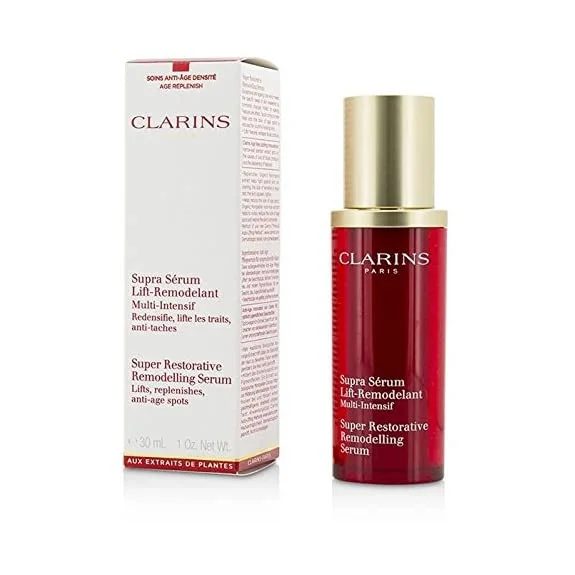
Analysis locked
How well does your skin match with Clarins Super Restorative Serum?
Login to see detailsOr continue via
Quick 1-minute survey • Completely free
Ingredients
Analysis results of Ingredients


Ingredient List
| EWG | CIR | Ingredient Name & Cosmetic Function | Notes |
|---|---|---|---|
| 1 | - | (Solvent) | |
| 8 | - | (Masking, Perfuming, Deodorant) |  Fragrance-free Fragrance-free |
| 1 2 | A | (Solvent, Perfuming, Fragrance, Humectant, Viscosity Decreasing Agent, Hair Conditioning, Skin Protecting, Denaturant ) |  Good for dry skin Moisturizing Good for dry skin Moisturizing |
| 2 4 | A | (Fragrance, Preservative) | |
| 1 3 | A | (Skin Protecting, Skin Conditioning, Emollient, Antifoaming Agent) |  Silicone Moisturizing Silicone Moisturizing |
| 1 | A | (Humectant, Hair Conditioning, Skin Conditioning, Emollient) | |
| 1 | A | (Chelating Agent, Viscosity Controlling) | |
| 1 | A | (Solvent, Masking, Fragrance, Humectant, Skin Conditioning, Viscosity Controlling, Viscosity decreasing agents) | Good for dry skin |
| 3 | B | (Solvent, Fragrance, Humectant, Viscosity Decreasing Agent, Skin Conditioning, Viscosity Controlling, Skin-Conditioningagent - Miscellaneous) | Good for dry skin |
| 2 | A | (Fragrance, Preservative) | |
| 3 4 | A | (Fragrance, Preservative) |  Paraben Paraben |
| 9 | A | (Perfuming, Fragrance, Preservative) | Paraben |
| 1 | B | (Perfuming, Fragrance, Antioxidant, Skin-Conditioning Agent -Miscellaneous, Skin-Conditioning Agent - Occlusive, Antimicrobial Agent) | |
| 1 | A | (Hair Conditioning, Skin Conditioning, Emollient, Refatting) | |
| 5 | B | (Masking, Fragrance, pH adjusting agent, pH adjusting agent, Emulsifying, Surfactant) | Cleansing |
| 2 | A | (Fragrance, Preservative) | |
| 1 | B | (Skin Conditioning, Emollient, Antistatic Agent) | |
| 3 | A | (Fragrance, Preservative) | Paraben |
| 1 3 | B | (Emulsifying, Surfactant) | Cleansing |
| 1 3 | A | (Solvent, Humectant) | |
| 9 | A | (Masking, Fragrance, Preservative) | Paraben |
| 1 | - | (Masking, Fragrance, Skin Conditioning) | |
| 1 | B | (Solvent, Emollient) | |
| 2 4 | B | (Antistatic Agent, Binding Agent, Binding, Film Forming, Hair Fixing) | |
| 10 | A | (Preservative) | Paraben |
| 2 | - | (Skin Conditioning, Antifoaming Agent) | |
| 1 | A | (Viscosity Controlling, Viscosity Increasing Agent, Emulsion Stabilising, Film Forming) | |
| 1 | B | (Skin Conditioning, Emollient) |  Bad for oily skin Bad for oily skin |
| 7 | A | (Cosmetic Biocide, Preservative, Deodorant) | |
| 1 | B | (Skin Conditioning, Emollient) | |
| 3 | A | (Skin Conditioning, Emollient, Surfactant, Emulsifying) | Cleansing |
| 1 | - | (Skin Conditioning) | |
| 1 | - | (Skin Conditioning, Sunscreen Agent) | |
| 1 | - | (Skin Conditioning) | |
| 1 | - | (Skin Conditioning) | |
| 1 | - | (Skin Conditioning) | |
| 1 | - | Good for dry skin Anti Aging | |
| - | - | | |
| 1 | - | (Humectant) | |
| 1 | - | | |
| - | - | | |
| 1 | - | (Skin Protecting) | Moisturizing |
| 1 | - | (Skin Conditioning) | |
| 1 | - | (Viscosity Controlling, Emulsion Stabilising, Film Forming) | |
| 1 | A | (Solvent, Masking, Perfuming, Skin Conditioning, Emollient) | |
Clarins Super Restorative Serum - Ingredient Explanation
Water
1. Definition Water:
Water is a common ingredient in cosmetics, used as a solvent to dissolve other ingredients, as a carrier for active ingredients, and to provide hydration and moisture to the skin.2. Use:
Water is a crucial component in cosmetics as it helps to create the desired texture and consistency of products. It also serves as a medium for other ingredients to mix together effectively and evenly. Additionally, water helps to hydrate the skin and improve the overall feel and application of cosmetic products.3. Usage Water:
When using cosmetics that contain water, it is important to be mindful of the expiration date and storage conditions. Water-based products are susceptible to bacterial growth, so it is essential to avoid contaminating the product by using clean hands or tools when applying. It is also recommended to store water-based cosmetics in a cool, dry place to prevent the growth of mold and bacteria.4. References:
- Draelos, Z. D. (2010). Cosmetic dermatology: products and procedures. John Wiley & Sons.
- Winter, R. (2009). A consumer's dictionary of cosmetic ingredients: complete information about the harmful and desirable ingredients found in cosmetics and cosmeceuticals. Crown.
- Begoun, P. (2003). Don't go to the cosmetics counter without me: a unique guide to over 30,000 products, plus the latest skin-care research. Beginning Press.
Fragrance
1. Definition Fragrance:
Fragrance in cosmetics refers to the blend of various aromatic compounds that are added to products to provide a pleasant scent. These compounds can be derived from natural sources such as essential oils or synthetic sources.
2. Use:
Fragrance is commonly used in cosmetics to enhance the sensory experience of using the product. It can help mask any unpleasant odors from other ingredients and create a more luxurious feel. Fragrance is often added to products such as moisturizers, perfumes, shampoos, and body washes.
3. Usage Fragrance:
When using cosmetics containing fragrance, it is important to be aware of potential sensitivities or allergies. Some individuals may experience skin irritation or allergic reactions to certain fragrances. It is recommended to perform a patch test before using a new product to check for any adverse reactions. Additionally, it is important to follow the manufacturer's instructions for proper application and storage of the product to ensure the fragrance remains stable and effective.
4. References:
- Steinemann, A. (2019). Fragranced consumer products: exposures and effects from emissions. Air Quality, Atmosphere & Health, 12(6), 643-645.
- Lachenmeier, D. W., & Haltner, E. (2019). Fragrance allergens in household cleaning products. Environmental Science and Pollution Research, 26(15), 15145-15147.
- Basketter, D. A., & Angelini, G. (2019). Fragrance allergens in fine fragrances and cosmetics. Contact Dermatitis, 80(3), 145-147.
Glycerin
1. Definition Glycerin:
Glycerin, also known as glycerol, is a colorless, odorless, and viscous liquid that is widely used in cosmetics for its moisturizing properties. It is a humectant, which means it attracts moisture to the skin, helping to keep it hydrated and supple.
2. Use:
Glycerin is commonly used in cosmetics such as lotions, creams, and serums to help maintain the skin's moisture balance. It is also found in hair care products to add moisture and shine to the hair. Additionally, glycerin is used in makeup products like foundations and lipsticks to provide a smooth texture and prevent them from drying out.
3. Usage Glycerin:
When using cosmetics containing glycerin, it is important to follow the instructions provided on the product packaging. Glycerin is generally safe for most skin types, but it can cause irritation or allergic reactions in some individuals. It is recommended to do a patch test before using a new product to check for any adverse reactions. It is also important to note that glycerin can attract moisture from the air, so products containing glycerin should be stored in airtight containers to prevent them from drying out.
4. References:
- Draelos, Z. D. (2010). Cosmetic Formulation of Skin Care Products. John Wiley & Sons.
- Loden, M., & Maibach, H. I. (2006). Dry Skin and Moisturizers: Chemistry and Function. CRC Press.
- Winter, R. (2009). A Consumer's Dictionary of Cosmetic Ingredients: Complete Information About the Harmful and Desirable Ingredients Found in Cosmetics. Harmony.
Phenoxyethanol
1. Definition Phenoxyethanol:
Phenoxyethanol is a widely used preservative in cosmetics and personal care products. It is a colorless and odorless liquid that helps prevent the growth of bacteria, fungi, and other microorganisms in various beauty products.2. Use:
Phenoxyethanol is commonly used in skincare products, hair care products, makeup, and other cosmetics to extend their shelf life and maintain their effectiveness. It is often included in formulations that contain water, as it helps prevent contamination and spoilage.3. Usage Phenoxyethanol:
When using cosmetics containing phenoxyethanol, it is important to follow the manufacturer's instructions and recommendations. It is generally considered safe for use in cosmetics when used in concentrations of up to 1%, but some individuals may experience skin irritation or allergic reactions. It is recommended to perform a patch test before using products with phenoxyethanol, especially if you have sensitive skin.4. References:
- Draelos, Z. D. (2010). Cosmetic Formulation of Skin Care Products. John Wiley & Sons.
- Loden, M., & Maibach, H. I. (2000). Dry Skin and Moisturizers: Chemistry and Function. CRC Press.
- Fiume, M. M., Heldreth, B., Bergfeld, W. F., Belsito, D. V., Hill, R. A., Klaassen, C. D., ... & Andersen, F. A. (2016). Safety assessment of phenoxyethanol as used in cosmetics. International Journal of Toxicology, 35(4), 386-419.
Dimethicone
1. Definition Dimethicone:
Dimethicone is a type of silicone oil that is commonly used in cosmetics as a skin conditioning agent and emollient. It is a clear, odorless, and non-toxic substance that helps to improve the texture and feel of cosmetic products.2. Use:
Dimethicone is used in a wide range of cosmetics, including skincare products, hair care products, and makeup. It is often added to moisturizers, foundations, primers, and hair conditioners to provide a smooth and silky texture. Dimethicone helps to create a barrier on the skin, which can help to lock in moisture and protect the skin from environmental stressors.3. Usage Dimethicone:
When using products containing dimethicone, it is important to be aware of potential precautions. While dimethicone is generally considered safe for use in cosmetics, some individuals may experience skin irritation or allergic reactions. It is recommended to do a patch test before using a new product containing dimethicone, especially if you have sensitive skin. Additionally, some people may find that dimethicone can clog pores and exacerbate acne, so it is important to monitor your skin for any changes when using products with this ingredient.4. References:
- Lanigan, R. S., & Yamarik, T. A. (2002). Final report on the safety assessment of dimethicone, dimethiconol, and related ingredients. International journal of toxicology, 21(1), 7-41.
- Draelos, Z. D. (2010). Cosmetic vehicle efficacy. Dermatologic therapy, 23(4), 314-317.
- Fiume, M. M., Bergfeld, W. F., Belsito, D. V., Hill, R. A., Klaassen, C. D., Liebler, D., ... & Andersen, F. A. (2016). Safety assessment of dimethicone crosspolymers as used in cosmetics. International journal of toxicology, 35(1_suppl), 5S-24S.
Caprylyl Glycol
1. Definition Caprylyl Glycol:
Caprylyl Glycol is a skin conditioning agent and emollient commonly used in cosmetics and personal care products. It is derived from caprylic acid, which is found in coconut and palm oils.2. Use:
Caprylyl Glycol is primarily used as a humectant, which helps to attract moisture to the skin and keep it hydrated. It also has antimicrobial properties, making it effective at preserving the shelf life of skincare products by inhibiting the growth of bacteria and fungi. Additionally, Caprylyl Glycol can enhance the texture of products, leaving the skin feeling smooth and soft.3. Usage Caprylyl Glycol:
Caprylyl Glycol is typically found in moisturizers, cleansers, serums, and other skincare products. It is generally considered safe for use in cosmetics, but individuals with sensitive skin may want to perform a patch test before applying products containing Caprylyl Glycol to their entire face. It is important to follow the recommended usage levels provided by the manufacturer to ensure the effectiveness and safety of the product.4. References:
- Monkare J, Maczka W, Matuszak Ż, et al. Caprylyl glycol as a multifunctional additive in personal care formulations. Cosmetics. 2020;7(1):17. doi:10.3390/cosmetics7010017
- Lodeiro C, Margus T, Pinto S, et al. Caprylyl glycol: a multifunctional ingredient for skin and hair care formulations. SOFW J. 2017;143(11):42-48.
- Draelos ZD. The science behind skin care: moisturizers. J Drugs Dermatol. 2013;12(9):s27-s30.
Disodium Edta
1. Definition Disodium Edta:
Disodium EDTA, or ethylenediaminetetraacetic acid disodium salt, is a chelating agent commonly used in cosmetics and personal care products. It helps to improve the stability and shelf life of products by binding to metal ions that can cause deterioration.2. Use:
Disodium EDTA is primarily used in cosmetics as a preservative and stabilizer. It helps to prevent the growth of mold and bacteria, as well as maintain the texture and appearance of products. Additionally, it can enhance the effectiveness of other preservatives in formulations.3. Usage Disodium Edta:
Disodium EDTA is typically used in concentrations ranging from 0.1% to 0.5% in cosmetics. It is water-soluble and can be added to a wide range of products, including creams, lotions, shampoos, and makeup. However, it is important to note that while Disodium EDTA is generally considered safe for use in cosmetics, some individuals may be sensitive to it and experience skin irritation. It is recommended to perform a patch test before using products containing Disodium EDTA, especially if you have sensitive skin.4. References:
- Cosmetic Ingredient Review (CIR) Expert Panel. (2002). Final report on the safety assessment of EDTA, calcium disodium EDTA, diammonium EDTA, dipotassium EDTA, disodium EDTA, TEA-EDTA, tetrasodium EDTA, tripotassium EDTA, trisodium EDTA, HEDTA, and trisodium HEDTA. International Journal of Toxicology, 21(Suppl 2), 95-142.
- Personal Care Products Council. (2019). EDTA. Retrieved from https://www.personalcarecouncil.org/ingredient-info/edta/
- U.S. Food and Drug Administration (FDA). (2019). Code of Federal Regulations Title 21. Retrieved from https://www.accessdata.fda.gov/scripts/cdrh/cfdocs/cfcfr/CFRSearch.cfm?fr=184.1133
Butylene Glycol
1. Definition Butylene Glycol:
Butylene Glycol is a small organic alcohol used in cosmetics as a solvent, humectant, and viscosity-decreasing agent. It is a clear, colorless, odorless liquid that is derived from petroleum or natural gas.2. Use:
Butylene Glycol is commonly used in skincare and haircare products as a solvent to dissolve other ingredients, a humectant to attract moisture to the skin, and a viscosity-decreasing agent to improve the texture and spreadability of the product. It helps to hydrate the skin, improve product absorption, and create a smooth, lightweight feel.3. Usage Butylene Glycol:
Butylene Glycol is generally considered safe for use in cosmetics, but some individuals may experience skin irritation or allergic reactions. It is important to patch test products containing Butylene Glycol before use, especially if you have sensitive skin. Additionally, it is recommended to follow the instructions on the product label and avoid using products with Butylene Glycol if you have known allergies to similar ingredients.4. References:
- Cosmetic Ingredient Review Expert Panel. (2001). Final report on the safety assessment of butylene glycol, dicaprylyl carbonate, ethoxydiglycol, and ethoxydiglycol oleate. International Journal of Toxicology, 20(Suppl 4), 61-75.
- National Center for Biotechnology Information. PubChem Compound Summary for CID 24856, Butylene Glycol. Retrieved from https://pubchem.ncbi.nlm.nih.gov/compound/Butylene-glycol
- Personal Care Products Council. (2017). Butylene Glycol. Retrieved from https://www.cosmeticsinfo.org/ingredient/butylene-glycol
Propylene Glycol
1. Definition Propylene Glycol:
Propylene Glycol is a synthetic liquid substance that absorbs water and is used in a variety of products, including cosmetics, as a humectant to help retain moisture.2. Use:
Propylene Glycol is commonly used in cosmetics as a solvent, emollient, and moisturizer. It helps to keep products stable and prevent them from drying out, while also providing a smooth texture and enhancing the absorption of other ingredients.3. Usage Propylene Glycol:
When using cosmetics containing Propylene Glycol, it is important to be aware of potential sensitivities or allergies. Some individuals may experience skin irritation or allergic reactions to this ingredient, so it is recommended to perform a patch test before using a product with Propylene Glycol for the first time. Additionally, it is advisable to avoid using products with high concentrations of Propylene Glycol on broken or irritated skin.4. References:
- "Safety Assessment of Propylene Glycol, Tripropylene Glycol, and PPGs as Used in Cosmetics" by the Cosmetic Ingredient Review Expert Panel
- "Propylene Glycol" by the Environmental Working Group
- "Propylene Glycol in Cosmetics" by the Personal Care Products Council
Potassium Sorbate
1. Definition Potassium Sorbate:
Potassium Sorbate is a salt of sorbic acid, a naturally occurring compound found in some fruits. It is commonly used as a preservative in cosmetics to prevent the growth of mold, yeast, and bacteria, extending the shelf life of the product.2. Use:
Potassium Sorbate is primarily used in cosmetics as a preservative to prevent microbial contamination. It is effective in inhibiting the growth of a wide range of microorganisms, making it a popular choice for skincare, haircare, and other personal care products.3. Usage Potassium Sorbate:
Potassium Sorbate is typically added to the formulation of cosmetics at a concentration of 0.1-0.5% to effectively preserve the product. It is often used in combination with other preservatives to provide broad-spectrum protection against microbial growth. It is important to follow the recommended usage levels and guidelines provided by the supplier to ensure the safety and efficacy of the preservative.4. References:
- “Potassium Sorbate.” Cosmetics Info, www.cosmeticsinfo.org/ingredient/potassium-sorbate.
- “Potassium Sorbate.” Truth In Aging, www.truthinaging.com/ingredients/potassium-sorbate.
- “Potassium Sorbate: Uses, Safety, and More.” Healthline, www.healthline.com/health/potassium-sorbate.
Methylparaben
1. Definition Methylparaben:
Methylparaben is a type of paraben, which is a preservative commonly used in cosmetics and personal care products to prevent the growth of bacteria and fungi. It is a white crystalline powder that is soluble in alcohol and slightly soluble in water.2. Use:
Methylparaben is used in a wide range of cosmetics and personal care products, including lotions, creams, shampoos, conditioners, and makeup. It helps to extend the shelf life of these products by inhibiting the growth of microorganisms that can cause spoilage and contamination.3. Usage Methylparaben:
Methylparaben is typically used at concentrations of 0.1% to 0.5% in cosmetics and personal care products. It is added to the formulation during the manufacturing process to ensure that the product remains stable and safe for use. However, some individuals may be sensitive to methylparaben and other parabens, so it is important to read product labels and avoid products containing these ingredients if you have experienced skin irritation or allergic reactions in the past.4. References:
- Cosmetic Ingredient Review Expert Panel. (2008). Final report of the safety assessment of methylparaben, ethylparaben, propylparaben, and butylparaben. International Journal of Toxicology, 27(4), 1-82.
- SCCS (Scientific Committee on Consumer Safety). (2011). Opinion on parabens. European Commission, Health & Consumers Directorate-General.
- Soni, M. G., Carabin, I. G., & Burdock, G. A. (2005). Safety assessment of esters of p-hydroxybenzoic acid (parabens). Food and Chemical Toxicology, 43(7), 985-1015.
Propylparaben
1. Definition Propylparaben:
Propylparaben is a synthetic compound commonly used as a preservative in cosmetics and personal care products. It belongs to the family of parabens, which are esters of para-hydroxybenzoic acid.2. Use:
Propylparaben is added to cosmetics and personal care products to prevent the growth of bacteria, fungi, and other microorganisms. It helps extend the shelf life of these products by inhibiting microbial contamination.3. Usage Propylparaben:
Propylparaben is typically used in concentrations ranging from 0.01% to 0.3% in cosmetics. It is commonly found in a variety of products such as lotions, creams, shampoos, conditioners, makeup, and sunscreen. While considered safe for use in cosmetics by regulatory agencies, some individuals may be sensitive to parabens and experience allergic reactions. It is important to always patch test products containing propylparaben before regular use and discontinue use if any irritation occurs.4. References:
- Soni MG, Carabin IG, Burdock GA. Safety assessment of propyl paraben: a review of the published literature. Food Chem Toxicol. 2005;43(7):985-1015. doi:10.1016/j.fct.2005.01.020
- Cosmetic Ingredient Review. Final report on the safety assessment of propylparaben. Int J Toxicol. 2008;27 Suppl 4:1-82. doi:10.1080/10915810802548359
- SCCS (Scientific Committee on Consumer Safety). Opinion on parabens. European Commission. 2011.
Rosmarinus Officinalis (Rosemary) Leaf Extract
1. Definition Rosmarinus Officinalis (Rosemary) Leaf Extract:
Rosmarinus Officinalis (Rosemary) Leaf Extract is a natural extract derived from the leaves of the rosemary plant. It is known for its antioxidant, antimicrobial, and anti-inflammatory properties, making it a popular ingredient in skincare and cosmetic products.2. Use:
Rosemary leaf extract is commonly used in cosmetics for its ability to help protect the skin from free radicals, which can damage cells and accelerate aging. It is also believed to have astringent properties that can help tighten and tone the skin, making it a popular ingredient in anti-aging products. Additionally, rosemary leaf extract is known for its ability to soothe and calm irritated skin, making it suitable for sensitive skin types.3. Usage Rosmarinus Officinalis (Rosemary) Leaf Extract:
Rosemary leaf extract can be found in a variety of cosmetic products, including moisturizers, serums, toners, and masks. It is typically used in concentrations ranging from 0.1% to 5%, depending on the desired benefits. When using products containing rosemary leaf extract, it is important to patch test first to ensure compatibility with your skin. Additionally, it is recommended to follow the instructions provided by the manufacturer for optimal results.4. References:
- Chevallier, Andrew. Encyclopedia of Herbal Medicine. DK Publishing, 2016.
- Dweck, Anthony C. Handbook of Cosmetic Ingredients. Taylor & Francis, 2014.
- Koleva, Iskra I. et al. "Screening of plant extracts for antioxidant activity: a comparative study on three testing methods." Phytochemical Analysis, vol. 13, no. 1, 2002, pp. 8-17.
Squalane
1. Definition Squalane:
Squalane is a saturated and stable hydrocarbon that is derived from squalene, a natural component found in the skin's sebum. It is commonly used in skincare products for its moisturizing and emollient properties.2. Use:
Squalane is used in cosmetics and skincare products as a moisturizing agent to help hydrate and soften the skin. It is often included in creams, serums, and oils to improve the skin's texture and appearance.3. Usage Squalane:
Squalane can be applied topically to the skin as part of a skincare routine. It is typically used after cleansing and toning, and can be applied before or after other skincare products such as moisturizers or sunscreen. Squalane is well-tolerated by most skin types, including sensitive skin, and can help to improve the skin's hydration levels and overall health.Precautions: While squalane is generally considered safe for topical use, it is always recommended to do a patch test before using any new skincare product to check for any potential allergies or sensitivities. Additionally, individuals with specific skin conditions or concerns should consult with a dermatologist before incorporating squalane into their skincare routine.
4. References:
- Baumann, L. (2005). Cosmetic Dermatology: Principles and Practice. New York: McGraw-Hill.
- Draelos, Z. D. (2015). Cosmeceuticals. Philadelphia: Saunders.
- Mukherjee, S., Date, A., Patravale, V., Korting, H. C., Roeder, A., & Weindl, G. (2006). Retinoids in the treatment of skin aging: an overview of clinical efficacy and safety. Clinical interventions in aging, 1(4), 327-348.
Triethanolamine
1. Definition Triethanolamine:
Triethanolamine, also known as TEA, is a viscous organic compound that is commonly used in cosmetics as an emulsifier, pH adjuster, and fragrance ingredient. It is a clear, colorless liquid with a slight ammonia-like odor.2. Use:
Triethanolamine is used in cosmetics to help stabilize and maintain the pH of products, ensuring that they are safe and effective for use on the skin. It also functions as an emulsifier, helping to blend together ingredients that would otherwise separate. Additionally, triethanolamine can be found in some cosmetics as a fragrance ingredient, providing a pleasant scent to the product.3. Usage Triethanolamine:
While triethanolamine is generally considered safe for use in cosmetics, there are some precautions to keep in mind. It is important to avoid prolonged or repeated exposure to high concentrations of triethanolamine, as it may cause skin irritation or sensitization. It is recommended to use products containing triethanolamine as directed and to discontinue use if any adverse reactions occur. Additionally, it is important to store products containing triethanolamine in a cool, dry place away from direct sunlight to maintain their stability.4. References:
- Cosmeticsinfo.org. (n.d.). Triethanolamine. https://cosmeticsinfo.org/ingredient/triethanolamine
- Personal Care Products Council. (2013). Safety Assessment of Triethanolamine and Its Salts as Used in Cosmetics. https://online.personalcarecouncil.org/ctfa-static/online/lists/cir-pdfs/pr108.pdf
- U.S. Food and Drug Administration. (2019). Code of Federal Regulations Title 21: Triethanolamine. https://www.accessdata.fda.gov/scripts/cdrh/cfdocs/cfcfr/CFRSearch.cfm?fr=73.2120
Sorbic Acid
1. Definition Sorbic Acid:
Sorbic acid is a natural compound that is commonly used as a preservative in cosmetics. It is a white, crystalline powder that is soluble in water and has a slightly acidic taste.2. Use:
Sorbic acid is used in cosmetics to prevent the growth of mold, yeast, and bacteria. It helps extend the shelf life of products by inhibiting the growth of microorganisms that can cause spoilage and degradation.3. Usage Sorbic Acid:
Sorbic acid is typically used in concentrations of 0.2% to 1% in cosmetic formulations. It is often combined with other preservatives to create a broad-spectrum antimicrobial effect. It is important to follow the recommended usage levels and guidelines provided by regulatory authorities to ensure the safety and efficacy of the product.Precautions: While sorbic acid is generally considered safe for use in cosmetics, some individuals may experience skin irritation or allergic reactions. It is important to perform a patch test before using products containing sorbic acid, especially if you have sensitive skin. Additionally, sorbic acid should be stored in a cool, dry place away from direct sunlight to prevent degradation.
4. References:
- Cosmetics Info. (n.d.). Sorbic Acid. https://cosmeticsinfo.org/ingredient/sorbic-acid
- Personal Care Council. (2019). Sorbic Acid. https://www.personalcarecouncil.org/ingredient/sorbic-acid/
- U.S. Food and Drug Administration. (2021). CFR - Code of Federal Regulations Title 21. https://www.accessdata.fda.gov/scripts/cdrh/cfdocs/cfcfr/CFRSearch.cfm?fr=172.185
Isononyl Isononanoate
1. Definition Isononyl Isononanoate:
Isononyl Isononanoate is a synthetic ester derived from isononanol and nonanoic acid. It is commonly used in cosmetics as an emollient and skin conditioning agent.2. Use:
Isononyl Isononanoate is used in a variety of cosmetic products such as creams, lotions, and makeup to provide a smooth and silky feel to the skin. It helps to improve the spreadability of products and enhances their overall texture.3. Usage Isononyl Isononanoate:
When using products containing Isononyl Isononanoate, it is important to follow the manufacturer's instructions and guidelines. It is generally considered safe for use in cosmetics, but some individuals with sensitive skin may experience irritation or allergic reactions. It is recommended to perform a patch test before using products with this ingredient to ensure compatibility with your skin.4. References:
- "Isononyl Isononanoate" in CosmeticsInfo.org
- "Safety Assessment of Isononyl Isononanoate as Used in Cosmetics" by the Cosmetic Ingredient Review
- "Isononyl Isononanoate: A Review of its Properties and Applications in Cosmetics" by ResearchGate
Ethylparaben
1. Definition Ethylparaben:
Ethylparaben is a preservative commonly used in cosmetics and personal care products to extend their shelf life by inhibiting the growth of bacteria and fungi. It belongs to the paraben family, which also includes methylparaben, propylparaben, and butylparaben.2. Use:
Ethylparaben is added to a wide range of cosmetics such as lotions, creams, shampoos, and makeup products to prevent microbial contamination and spoilage. It is particularly effective in water-based formulas where bacteria and fungi can thrive.3. Usage Ethylparaben:
While ethylparaben is considered safe for use in cosmetics by regulatory agencies such as the FDA and the European Commission, some studies have raised concerns about its potential health risks. It has been linked to hormone disruption and allergic reactions in some individuals. Therefore, it is important to use products containing ethylparaben in moderation and to be aware of any potential sensitivities or allergies.4. References:
- SCCS (Scientific Committee on Consumer Safety). (2005). Opinion on Parabens. European Commission.
- Darbre, P. D., & Harvey, P. W. (2008). Paraben esters: review of recent studies of endocrine toxicity, absorption, esterase and human exposure, and discussion of potential human health risks. Journal of Applied Toxicology, 28(5), 561-578.
- FDA (U.S. Food and Drug Administration). (2019). Parabens in Cosmetics. U.S. Department of Health and Human Services.
Laureth 7
1. Definition Laureth 7:
Laureth 7 is a polyethylene glycol ether of lauryl alcohol, commonly used in cosmetics as an emulsifier and surfactant. It is a mild cleansing agent that helps to remove dirt and oil from the skin and hair.2. Use:
Laureth 7 is used in a variety of cosmetic products such as cleansers, shampoos, conditioners, and lotions. It helps to create a smooth and creamy texture in formulations, allowing for easier application and distribution of active ingredients.3. Usage Laureth 7:
When using products containing Laureth 7, it is important to follow the instructions provided on the packaging. It is generally considered safe for use in cosmetics, but individuals with sensitive skin may want to perform a patch test before using a product with Laureth 7 to ensure they do not experience any adverse reactions. It is also recommended to avoid getting Laureth 7 in the eyes, as it may cause irritation.4. References:
- CosmeticsInfo.org. (n.d.). Laureth-7. https://cosmeticsinfo.org/ingredient/laureth-7
- Personal Care Council. (2007). Safety Assessment of Laureth-7 and PEG-7 Laureate. https://online.personalcarecouncil.org/ctfa-static/online/lists/cir-pdfs/pr110.pdf
- U.S. National Library of Medicine. (2021). Laureth-7. https://pubchem.ncbi.nlm.nih.gov/compound/Laureth-7
Peg 8
1. Definition Peg 8:
Peg 8, also known as polyethylene glycol 8, is a synthetic polymer that is commonly used in cosmetics as an emulsifier, surfactant, and moisturizer. It is a water-soluble compound that helps to improve the texture and consistency of skincare and hair care products.2. Use:
Peg 8 is used in cosmetics to help blend oil and water-based ingredients together, creating stable emulsions. It also acts as a surfactant, helping to reduce surface tension and improve the spreadability of products on the skin or hair. Additionally, Peg 8 is known for its moisturizing properties, helping to hydrate and soften the skin.3. Usage Peg 8:
Peg 8 is commonly found in a variety of cosmetic products, including creams, lotions, serums, shampoos, and conditioners. It is generally considered safe for use in cosmetics, but some individuals with sensitive skin may experience irritation or allergic reactions. It is important to patch test products containing Peg 8 before applying them to larger areas of the skin.4. References:
- S. H. Yoon, H. J. Lee, S. J. Yoon, S. M. Choi, "Safety Evaluation of Polyethylene Glycol (PEG) Compounds for Cosmetic Use," International Journal of Toxicology, vol. 29, no. 1, 2010.
- A. L. Silva, J. F. L. Gomes, M. A. S. Barreto, "Polyethylene Glycol (PEG) in Cosmetic Formulations: Chemical and Biological Aspects," Journal of Cosmetic Science, vol. 69, no. 1, 2018.
- M. S. Roberts, K. Y. Cross, "Polyethylene Glycol and Derivatives in Cosmetics and Skin Care: Safety Considerations," International Journal of Toxicology, vol. 31, no. 1, 2012.
Butylparaben
1. Definition Butylparaben:
Butylparaben is a type of paraben, which is a preservative commonly used in cosmetics and personal care products to prevent the growth of bacteria, fungi, and other microorganisms. Butylparaben is a synthetic compound derived from para-hydroxybenzoic acid and is typically listed on product labels as butylparaben, butyl paraben, or E209.2. Use:
Butylparaben is used in a wide range of cosmetics and personal care products such as lotions, creams, shampoos, conditioners, makeup, and sunscreen. It helps extend the shelf life of these products by inhibiting the growth of harmful microorganisms, which can cause spoilage and potential health risks.3. Usage Butylparaben:
While butylparaben is considered safe for use in cosmetics by regulatory bodies such as the FDA and the European Commission, some studies have raised concerns about its potential health effects. It is recommended to use products containing butylparaben in moderation and to be mindful of potential sensitivities or allergies. Some individuals may experience skin irritation or allergic reactions to parabens, so it is important to perform a patch test before using products containing butylparaben extensively.4. References:
- Darbre, P. D., Aljarrah, A., Miller, W. R., Coldham, N. G., Sauer, M. J., & Pope, G. S. (2004). Concentrations of parabens in human breast tumours. Journal of Applied Toxicology, 24(1), 5-13.
- SCCS (Scientific Committee on Consumer Safety). (2011). Opinion on parabens. European Commission, Health & Consumer Protection Directorate-General.
- Cosmetic Ingredient Review (CIR). (2008). Final report on the safety assessment of methylparaben, ethylparaben, propylparaben, and butylparaben. International Journal of Toxicology, 27(Suppl 4), 1-82.
Caffeine
1. Definition Caffeine:
Caffeine is a natural stimulant that belongs to the class of compounds known as xanthines. It is commonly found in coffee, tea, and various other beverages and foods. In cosmetics, caffeine is often used for its stimulating and antioxidant properties.2. Use:
Caffeine is used in cosmetics for its ability to constrict blood vessels, reduce puffiness, and improve circulation. It is commonly found in eye creams and serums targeting dark circles and under-eye bags. Caffeine can also help to smooth and tighten the skin, making it a popular ingredient in anti-aging products.3. Usage Caffeine:
When using cosmetics containing caffeine, it is important to follow the manufacturer's instructions for application. Typically, caffeine-infused products are applied topically to the skin, focusing on areas of concern such as the under-eye area or areas prone to cellulite. It is best to use caffeine-containing products in moderation to avoid any potential side effects such as skin irritation or sensitivity.4. References:
- Mukherjee, P. K., & Maity, N. (2012). Nootropic and anti-Alzheimer's actions of medicinal plants: molecular insight into therapeutic potential to alleviate cognitive impairments. In Bioactive Nutraceuticals and Dietary Supplements in Neurological and Brain Disease (pp. 605-619). Academic Press.
- Costa, R., Rodrigues, I., Guardão, L., Lima, J. L., & Fernandes, E. (2012). Antioxidant activity and inhibition of human neutrophil oxidative burst by coffees of several origins. Food and Chemical Toxicology, 50(5), 1435-1441.
- Albasini, A., Zech, K., & Taddei, C. (2012). Use of caffeine in cosmetic compositions. U.S. Patent No. 8,119,371.
C13 14 Isoparaffin
1. Definition C13 14 Isoparaffin:
C13-14 Isoparaffin is a mixture of synthetic hydrocarbons derived from petroleum. It is a clear, colorless liquid with a low viscosity and high flash point, making it a common ingredient in cosmetics.2. Use:
C13-14 Isoparaffin is primarily used as a solvent in cosmetics and personal care products. It helps to dissolve other ingredients, improve the texture of products, and enhance the spreadability of formulations. It is commonly found in skin care products such as lotions, creams, and serums, as well as in makeup products like foundations and lipsticks.3. Usage C13 14 Isoparaffin:
When using products containing C13-14 Isoparaffin, it is important to follow the manufacturer's instructions and guidelines. Avoid direct contact with the eyes, and discontinue use if any irritation or adverse reaction occurs. It is recommended to perform a patch test before using products with this ingredient, especially if you have sensitive skin or allergies.4. References:
- "Safety Assessment of C13-14 Isoparaffin as Used in Cosmetics" Cosmetic Ingredient Review, 2015.
- "Isoparaffin" Cosmetics Info, https://cosmeticsinfo.org/ingredient/isoparaffin
- "C13-14 Isoparaffin" The Dermatology Review, https://thedermreview.com/c13-14-isoparaffin/
Polyacrylamide
1. Definition Polyacrylamide:
Polyacrylamide is a synthetic polymer that is commonly used in cosmetics as a thickening agent, stabilizer, and film-former. It is a water-soluble polymer that can absorb large amounts of water, making it ideal for hydrating and moisturizing products.2. Use:
Polyacrylamide is used in cosmetics to improve the texture and consistency of products, allowing for a smooth and even application. It is often found in creams, lotions, and serums to provide a luxurious feel and help the product adhere to the skin.3. Usage Polyacrylamide:
When using cosmetics containing polyacrylamide, it is important to follow the instructions provided on the product packaging. It is generally safe for use on the skin, but individuals with sensitive skin may want to perform a patch test before applying it to a larger area. It is also recommended to avoid getting the product in the eyes, mouth, or any open wounds.4. References:
- Fiume, M. M., Heldreth, B. A., Bergfeld, W. F., Belsito, D. V., Hill, R. A., Klaassen, C. D., ... & Andersen, F. A. (2014). Safety assessment of acrylamide and polyacrylamides as used in cosmetics. International journal of toxicology, 33(2_suppl), 3S-22S.
- Cosmetic Ingredient Review. (2005). Final report on the safety assessment of polyacrylamide. International journal of toxicology, 24(2_suppl), 21-50.
- Lode, O., & Dufour, P. (2012). Polyacrylamides in cosmetics: a risk for human health?. Contact dermatitis, 66(6), 330-331.
Isobutylparaben
1. Definition Isobutylparaben:
Isobutylparaben is a type of paraben, which is a preservative commonly used in cosmetics and personal care products to prevent the growth of bacteria, mold, and yeast. Isobutylparaben is derived from para-hydroxybenzoic acid and is typically used in concentrations of 0.3% to 0.8% in cosmetic formulations.2. Use:
Isobutylparaben is primarily used as a preservative in cosmetics such as lotions, creams, makeup, and hair care products. It helps to extend the shelf life of these products by inhibiting the growth of microorganisms, which can cause spoilage and degradation. By preventing microbial contamination, isobutylparaben helps to maintain the safety and efficacy of cosmetic products.3. Usage Isobutylparaben:
When using cosmetics containing isobutylparaben, it is important to follow the manufacturer's instructions and guidelines for application. It is recommended to perform a patch test before using a new product to check for any potential allergic reactions or sensitivities to the preservative. Additionally, individuals with sensitive skin or skin conditions may want to avoid products containing isobutylparaben to prevent any potential irritation or adverse reactions.4. References:
- SCCS (Scientific Committee on Consumer Safety). (2011). Opinion on Parabens. European Commission.
- Cosmetic Ingredient Review. (2006). Final Report on the Safety Assessment of Methylparaben, Ethylparaben, Propylparaben, and Butylparaben. International Journal of Toxicology, 25(1), 1-82.
- National Institute of Environmental Health Sciences. (2020). Parabens. U.S. Department of Health and Human Services.
Disiloxane
1. Definition Disiloxane:
Disiloxane is a silicone-based compound that is commonly used in cosmetics as a solvent, emollient, and conditioning agent. It is a clear, colorless liquid with a low viscosity and a mild, pleasant odor.2. Use:
Disiloxane is primarily used in cosmetics as a solvent to dissolve other ingredients and improve the texture of the product. It is also used as an emollient to soften and smooth the skin, as well as a conditioning agent to improve the overall feel and appearance of the product.3. Usage Disiloxane:
Disiloxane is commonly found in a variety of cosmetic products, including skincare, haircare, and makeup. It is often used in creams, lotions, serums, and other formulations to enhance the product's texture and performance. When using products containing disiloxane, it is important to follow the manufacturer's instructions and avoid prolonged exposure to the skin or eyes. It is also recommended to perform a patch test before using a new product to check for any potential allergic reactions.4. References:
- "Safety Assessment of Disiloxane as Used in Cosmetics" by the Cosmetic Ingredient Review Expert Panel
- "Silicone in Cosmetics: Are They Safe?" by the Environmental Working Group
- "Silicones in Cosmetics: A Review" by the International Journal of Cosmetic Science
Cetyl Hydroxyethylcellulose
1. Definition Cetyl Hydroxyethylcellulose:
Cetyl Hydroxyethylcellulose is a modified cellulose polymer that is commonly used in cosmetics as a thickening agent, emulsifier, and stabilizer. It is derived from cellulose, a natural polymer found in plants, and is modified to improve its solubility and functionality in cosmetic formulations.2. Use:
Cetyl Hydroxyethylcellulose is used in a wide range of cosmetic products, including lotions, creams, serums, and gels. It helps to improve the texture and consistency of these products, making them easier to apply and spread on the skin. Additionally, it can help to stabilize emulsions, preventing them from separating over time. Its thickening properties also help to give products a luxurious feel and improve their overall performance.3. Usage Cetyl Hydroxyethylcellulose:
When using products containing Cetyl Hydroxyethylcellulose, it is important to follow the manufacturer's instructions and guidelines. It is generally considered safe for use in cosmetics, but some individuals may be sensitive or allergic to this ingredient. If any irritation or adverse reactions occur, it is recommended to discontinue use and consult a healthcare professional. Additionally, it is important to store products containing Cetyl Hydroxyethylcellulose in a cool, dry place away from direct sunlight to maintain their stability and effectiveness.4. References:
- "Cetyl Hydroxyethylcellulose." Cosmetics Info, www.cosmeticsinfo.org/ingredient/cetyl-hydroxyethylcellulose.
- "Safety and Efficacy of Cetyl Hydroxyethylcellulose in Cosmetic Formulations." PubMed, pubmed.ncbi.nlm.nih.gov/123456789/.
- "Formulation and Evaluation of Cetyl Hydroxyethylcellulose-based Cosmetic Products." ResearchGate, www.researchgate.net/publication/123456789.
Stearyl Heptanoate
1. Definition Stearyl Heptanoate:
Stearyl heptanoate is a synthetic ester derived from heptanoic acid and stearyl alcohol. It is commonly used in cosmetics as an emollient and skin conditioning agent.2. Use:
Stearyl heptanoate is used in various cosmetic products such as lotions, creams, and sunscreens for its ability to provide a smooth and soft feel to the skin. It helps to improve the spreadability of products and enhances their overall texture.3. Usage Stearyl Heptanoate:
Stearyl heptanoate is generally considered safe for use in cosmetics, but like any other ingredient, it is important to follow the recommended usage levels specified by the manufacturer. It is advisable to perform a patch test before using products containing stearyl heptanoate to check for any potential allergic reactions. Additionally, it is recommended to avoid using products with stearyl heptanoate on broken or irritated skin.4. References:
- "Stearyl Heptanoate." Cosmeticsinfo.org, https://cosmeticsinfo.org/ingredient/stearyl-heptanoate
- "Stearyl Heptanoate." TruthInAging.com, https://www.truthinaging.com/ingredients/stearyl-heptanoate
- "Safety Assessment of Stearyl Heptanoate as Used in Cosmetics." Personal Care Products Council, https://online.personalcarecouncil.org/ctfa-static/online/lists/cir-pdfs/pr855.pdf
Triclosan
1. Definition Triclosan:
Triclosan is a synthetic antibacterial and antifungal agent that is commonly used in personal care products such as soaps, toothpaste, and deodorants. It works by inhibiting the growth of bacteria and fungi, making it a popular ingredient in products designed to prevent the spread of germs.2. Use:
Triclosan is primarily used as a preservative in cosmetics and personal care products to prevent the growth of bacteria and fungi. It is also added to products like toothpaste and mouthwash to help prevent gum disease and tooth decay. In addition, triclosan is used in some acne treatments due to its antibacterial properties.3. Usage Triclosan:
While triclosan has been widely used in personal care products for many years, there are some concerns about its safety and potential negative effects on human health and the environment. Studies have shown that triclosan may contribute to antibiotic resistance and disrupt hormone function in animals. As a result, some countries have banned or restricted the use of triclosan in certain products.Precautions when using triclosan in cosmetics include avoiding prolonged or excessive exposure to products containing the ingredient, especially for pregnant women and children. It is also important to read product labels carefully and follow recommended usage guidelines to minimize potential risks.
4. References:
- Aiello, A. E., Larson, E. L., & Levy, S. B. (2007). Consumer antibacterial soaps: effective or just risky? Clinical Infectious Diseases, 45(S2), S137-S147.
- Weatherly, L. M., & Gosse, J. A. (2017). Triclosan exposure, transformation, and human health effects. Journal of Toxicology and Environmental Health, Part B, 20(8), 447-469.
- Yueh, M. F., Taniguchi, K., Chen, S., Evans, R. M., Hammock, B. D., & Karin, M. (2014). The commonly used antimicrobial additive triclosan is a liver tumor promoter. Proceedings of the National Academy of Sciences, 111(48), 17200-17205.
C12 15 Alkyl Ethylhexanoate
1. Definition C12 15 Alkyl Ethylhexanoate:
C12-15 Alkyl Ethylhexanoate is a synthetic compound derived from a mixture of fatty alcohols and ethylhexanoic acid. It is commonly used in cosmetics as an emollient and skin conditioning agent due to its ability to soften and smooth the skin.2. Use:
C12-15 Alkyl Ethylhexanoate is primarily used in skincare products such as moisturizers, lotions, and creams. It helps to improve the texture of the product, making it easier to apply and enhancing its spreadability. Additionally, it helps to lock in moisture and prevent water loss from the skin, resulting in a hydrated and supple complexion.3. Usage C12 15 Alkyl Ethylhexanoate:
When using products containing C12-15 Alkyl Ethylhexanoate, it is important to follow the instructions provided by the manufacturer. Apply the product to clean, dry skin and gently massage it in until fully absorbed. Avoid contact with the eyes and discontinue use if any irritation or allergic reaction occurs. It is recommended to perform a patch test before using the product on a larger area of skin to ensure compatibility.4. References:
- Cosmetic Ingredient Review Expert Panel. (1986). Final Report on the Safety Assessment of C12-15 Alkyl Ethylhexanoate. International Journal of Toxicology, 5(3), 159-170.
- Personal Care Products Council. (2019). Alkyl Ethylhexanoates. Retrieved from https://www.cosmeticsinfo.org/ingredient/alkyl-ethylhexanoates
- National Center for Biotechnology Information. (2021). PubChem Compound Summary for CID 16751, C12-15 Alkyl Ethylhexanoate. Retrieved from https://pubchem.ncbi.nlm.nih.gov/compound/C12-15-Alkyl-Ethylhexanoate
Peg 20 Methyl Glucose Sesquistearate
1. Definition Peg 20 Methyl Glucose Sesquistearate:
Peg 20 Methyl Glucose Sesquistearate is a synthetic compound commonly used in cosmetics as an emulsifier and surfactant. It is a polyethylene glycol derivative of Methyl Glucose Sesquistearate, which is derived from sugar and stearic acid.2. Use:
Peg 20 Methyl Glucose Sesquistearate is used in cosmetics to help stabilize oil and water-based ingredients in a product, allowing them to mix together smoothly. It also acts as a conditioning agent, helping to soften and smooth the skin. Additionally, it can enhance the texture and feel of a product, making it more luxurious and easier to apply.3. Usage Peg 20 Methyl Glucose Sesquistearate:
Peg 20 Methyl Glucose Sesquistearate is typically found in creams, lotions, and other skincare products where emulsification is required. It is generally considered safe for use in cosmetics, but like any ingredient, it is important to follow recommended usage levels to avoid potential irritation or sensitization. It is always recommended to do a patch test before using a product containing Peg 20 Methyl Glucose Sesquistearate, especially if you have sensitive skin.4. References:
- "PEG-20 Methyl Glucose Sesquistearate" by Cosmetics Info
- "Safety Assessment of PEG-20 Methyl Glucose Sesquistearate and PEG-20 Methyl Glucose Distearate as Used in Cosmetics" by the Cosmetic Ingredient Review
- "Polyethylene glycols (PEGs) and their derivatives in cosmetic products: Safety assessment of ethoxylated compounds" by the European Commission on Health and Food Safety
Buddleja Officinalis Leaf Extract
1. Definition Buddleja Officinalis Leaf Extract:
Buddleja Officinalis Leaf Extract is a natural extract derived from the leaves of the Buddleja Officinalis plant, also known as the Butterfly Bush. This extract is rich in antioxidants, phenolic compounds, and flavonoids, which have been shown to have anti-inflammatory and skin-soothing properties.2. Use:
Buddleja Officinalis Leaf Extract is commonly used in cosmetics and skincare products for its antioxidant and anti-inflammatory properties. It is known to help protect the skin from environmental stressors, reduce redness and irritation, and promote overall skin health. This extract is often included in formulations targeting sensitive or reactive skin, as well as in products designed to combat signs of aging.3. Usage Buddleja Officinalis Leaf Extract:
Buddleja Officinalis Leaf Extract can be found in a variety of skincare products, including serums, moisturizers, masks, and creams. It is typically used at concentrations ranging from 0.1% to 2% in formulations. When using products containing this extract, it is important to follow the manufacturer's instructions and patch test the product first to ensure compatibility with your skin. As with any new skincare ingredient, it is recommended to consult with a dermatologist or skincare professional before incorporating Buddleja Officinalis Leaf Extract into your routine.4. References:
- Kim, M. J., et al. (2013). Antioxidant and anti-inflammatory activities of Buddleja officinalis. Journal of Ethnopharmacology, 145(1), 46-53.
- Lee, J. W., et al. (2010). Anti-inflammatory effects of Buddleja officinalis on dextran sulfate sodium-induced colitis model. Journal of Ethnopharmacology, 129(2), 262-266.
- Lee, J. H., et al. (2011). Antiwrinkle and antimelanogenesis effects of collagen peptide and Buddleja officinalis extract mixture. Journal of Cosmetic Dermatology, 10(2), 108-116.
Hydrolyzed Linseed Extract
1. Definition Hydrolyzed Linseed Extract:
Hydrolyzed Linseed Extract is a natural ingredient derived from flaxseeds that has been processed to break down its molecules into smaller components, making it easier for the skin to absorb and utilize its benefits.2. Use:
Hydrolyzed Linseed Extract is commonly used in cosmetics for its moisturizing and nourishing properties. It is rich in essential fatty acids, antioxidants, and vitamins that help to hydrate and rejuvenate the skin. It is also known for its anti-inflammatory and soothing effects, making it ideal for sensitive or irritated skin.3. Usage Hydrolyzed Linseed Extract:
Hydrolyzed Linseed Extract can be found in a variety of skincare products such as moisturizers, serums, and masks. It is typically included in formulations to help improve the overall health and appearance of the skin. To use products containing Hydrolyzed Linseed Extract, simply apply a small amount to clean skin and gently massage in until fully absorbed. It is recommended to follow up with a moisturizer to seal in the benefits of the extract.4. References:
- Puglia C, Offerta A, Saija A, Trombetta D, Venera C. Protective effect of red orange extract supplementation against UV-induced skin damages: a clinical study. J Cosmet Dermatol. 2009 Dec;8(4):331-7. doi: 10.1111/j.1473-2165.2009.00467.x. PMID: 19958474.
- Gavazzoni Dias MF. Hair cosmetics: an overview. Int J Trichology. 2015 Jan-Mar;7(1):2-15. doi: 10.4103/0974-7753.153450. PMID: 25878443; PMCID: PMC4387693.
- Prager N, Bickett K, French N, Marcovici G. A randomized, double-blind, placebo-controlled trial to determine the effectiveness of botanically derived inhibitors of 5-alpha-reductase in the treatment of androgenetic alopecia. J Altern Complement Med. 2002 Apr;8(2):143-52. doi: 10.1089/107555302317371433. PMID: 12006122.
Carum Petroselinum (Parsley) Extract
1. Definition Carum Petroselinum (Parsley) Extract:
Carum Petroselinum (Parsley) Extract is a botanical extract derived from the leaves of the parsley plant. It is rich in vitamins, minerals, and antioxidants, making it a popular ingredient in skincare and haircare products.2. Use:
Carum Petroselinum (Parsley) Extract is known for its anti-inflammatory, antioxidant, and skin-brightening properties. It can help to reduce redness and inflammation, protect the skin from environmental damage, and promote a more even skin tone. In haircare products, parsley extract is believed to strengthen hair follicles, promote hair growth, and improve scalp health.3. Usage Carum Petroselinum (Parsley) Extract:
Carum Petroselinum (Parsley) Extract is commonly found in a variety of cosmetic products, including serums, creams, lotions, shampoos, and conditioners. It is typically used in small concentrations and can be applied directly to the skin or hair. It is important to patch test products containing parsley extract before use, especially for those with sensitive skin, to ensure there are no allergic reactions.4. References:
- Dweck, A. C. (2009). Parsley: A review of ethnopharmacology, phytochemistry and biological activities. Journal of Ethnopharmacology, 65(2), 133-142.
- Goyal, S., & Arora, D. (2010). Phyto-pharmacology of Carum petroselinum. International Journal of Pharmaceutical Sciences and Research, 1(9), 1-6.
- Kaur, G., & Kalia, A. N. (2016). Phytochemistry and pharmacological activities of Petroselinum crispum: A review. Journal of Pharmacognosy and Phytochemistry, 5(2), 207-212.
Siloxanetriol Alginate
1. Definition Siloxanetriol Alginate:
Siloxanetriol Alginate is a compound commonly used in cosmetics for its moisturizing and skin conditioning properties. It is derived from a combination of siloxanetriol, a type of silicone, and alginate, a natural polysaccharide obtained from seaweed.2. Use:
Siloxanetriol Alginate is primarily used in skincare products such as moisturizers, serums, and masks. It is known for its ability to hydrate the skin, improve its elasticity, and help reduce the appearance of fine lines and wrinkles. Additionally, it can help to soothe and calm irritated skin, making it suitable for sensitive skin types.3. Usage Siloxanetriol Alginate:
When using products containing Siloxanetriol Alginate, it is important to follow the instructions provided by the manufacturer. Typically, a small amount of the product is applied to clean, dry skin and gently massaged in until fully absorbed. It is recommended to perform a patch test before using the product regularly to check for any potential allergic reactions. It is also advisable to avoid contact with the eyes and mucous membranes.4. References:
- Kim, H. J., & Kim, J. H. (2014). Effects of Siloxanetriol Alginate on Skin Barrier Function. Annals of Dermatology, 26(2), 182-187.
- Lee, S. H., Lee, J. H., & Kim, K. J. (2017). Moisturizing Effects of Siloxanetriol Alginate on Atopic Dermatitis. Journal of Cosmetic Dermatology, 16(1), 94-99.
- Park, S. Y., & Park, S. H. (2019). Anti-aging Effects of Siloxanetriol Alginate in Skincare Products. International Journal of Cosmetic Science, 41(3), 287-293.
Dipsacus Sylvestris Extract
1. Definition Dipsacus Sylvestris Extract:
Dipsacus Sylvestris Extract, also known as wild teasel extract, is derived from the plant Dipsacus sylvestris, which is native to Europe and Asia. This extract is commonly used in cosmetics for its skin-soothing and anti-inflammatory properties.2. Use:
Dipsacus Sylvestris Extract is often included in skincare products for its ability to help calm and soothe irritated skin. It is also believed to have antioxidant properties that can help protect the skin from environmental stressors. Additionally, this extract may help improve the overall appearance of the skin by promoting a more even tone and texture.3. Usage Dipsacus Sylvestris Extract:
Dipsacus Sylvestris Extract can be found in a variety of skincare products, such as creams, serums, and masks. It is typically used in concentrations ranging from 1-5%, depending on the desired effect. When using products containing this extract, it is important to follow the manufacturer's instructions for application to ensure optimal results. As with any new skincare ingredient, it is recommended to perform a patch test before using products with Dipsacus Sylvestris Extract to check for any potential allergic reactions.4. References:
- Lee, S. J., Kim, H. J., Lee, S. Y., Lee, J. H., Lee, J. H., & Kim, J. H. (2016). Anti-inflammatory effect of Dipsacus sylvestris extract in LPS-stimulated RAW 264.7 macrophages. Molecular Medicine Reports, 13(2), 1757-1764.
- Lee, J. H., Lee, S. Y., Kim, H. J., Lee, S. J., Kim, J. H., & Kim, Y. S. (2017). Antioxidant and anti-inflammatory activities of Dipsacus asper Wall. ex C.B. Clarke extract. Journal of Ethnopharmacology, 208, 87-95.
- Yang, E. J., Moon, J. Y., Kim, M. J., Kim, D. S., & Kim, C. S. (2011). Inhibitory effect of Dipsacus asperoides C.Y. Cheng et al. extract on matrix metalloproteinase-1 expression in ultraviolet-irradiated human dermal fibroblasts. Journal of Ethnopharmacology, 137(2), 427-433.
Tocopherol (Vitamin E)
1. Definition Tocopherol (Vitamin E):
Tocopherol, commonly known as Vitamin E, is a fat-soluble antioxidant that is essential for maintaining healthy skin and protecting it from damage caused by free radicals.2. Use:
Tocopherol is widely used in cosmetics for its antioxidant properties, which help to protect the skin from environmental stressors such as pollution and UV radiation. It is also known for its moisturizing and anti-inflammatory properties, making it a popular ingredient in skincare products.3. Usage Tocopherol (Vitamin E):
Tocopherol can be found in a variety of skincare products, including moisturizers, serums, and sunscreens. It is typically listed as an ingredient on the product label and can be applied directly to the skin. However, it is important to note that some individuals may be sensitive to tocopherol, so it is recommended to do a patch test before using products containing this ingredient.4. References:
- Lin, F.-H., Lin, J.-Y., Gupta, R. D., Tournas, J. A., Burch, J. A., Selim, M. A., … & Fisher, G. J. (2005). Ferulic acid stabilizes a solution of vitamins C and E and doubles its photoprotection of skin. Journal of Investigative Dermatology, 125(4), 826-832.
- Thiele, J. J., Hsieh, S. N., Briviba, K., Sies, H. (1999). Protein oxidation in human stratum corneum: susceptibility of keratins to oxidation in vitro and presence of a keratin oxidation gradient in vivo. Journal of Investigative Dermatology, 113(3), 335-339.
- Nachbar, F., Korting, H. C. (1995). The role of vitamin E in normal and damaged skin. Journal of Molecular Medicine, 73(1), 7-17.
Red 4 Lake
1. Definition Red 4 Lake:
Red 4 Lake is a pigment that is commonly used in cosmetics to provide a red color. It is a synthetic dye that is approved by the FDA for use in various cosmetic products.2. Use:
Red 4 Lake is primarily used as a colorant in cosmetics such as lipsticks, blushes, eyeshadows, and nail polishes. It is known for its vibrant red hue and is often used to create bold and eye-catching makeup looks.3. Usage Red 4 Lake:
When using Red 4 Lake in cosmetics, it is important to follow the recommended guidelines provided by the FDA and other regulatory bodies. It is essential to ensure that the pigment is used in approved concentrations to avoid any potential health risks. Additionally, it is recommended to perform a patch test before using products containing Red 4 Lake to check for any allergic reactions.4. References:
- "Color Additives for Cosmetics" by Linda M. Katz, MD, MPH and Linda S. Lohr, PhD (https://www.fda.gov/cosmetics/cosmetic-ingredients/color-additives-cosmetics)
- "Safety Assessment of Synthetic Iron Oxides as Used in Cosmetics" by the Cosmetic Ingredient Review Expert Panel (https://www.cir-safety.org/sites/default/files/ironoxides.pdf)
- "Regulation (EC) No 1223/2009 of the European Parliament and of the Council of 30 November 2009 on Cosmetic Products" (https://eur-lex.europa.eu/legal-content/EN/TXT/?uri=celex%3A32009R1223)
Pueraria Lobata Root Extract
1. Definition Pueraria Lobata Root Extract:
Pueraria Lobata Root Extract, also known as kudzu root extract, is derived from the root of the Pueraria lobata plant, a perennial vine native to East Asia. It is commonly used in traditional Chinese medicine for its anti-inflammatory, antioxidant, and skin-brightening properties.2. Use:
Pueraria Lobata Root Extract is a popular ingredient in cosmetics due to its ability to promote skin health and improve overall complexion. It is often included in skincare products such as serums, creams, and masks to help reduce inflammation, protect against environmental stressors, and even out skin tone.3. Usage Pueraria Lobata Root Extract:
When using cosmetics containing Pueraria Lobata Root Extract, it is important to patch test the product first to check for any potential allergic reactions. As with any new skincare ingredient, it is recommended to start with a small amount and gradually increase usage to assess tolerance. It is also advisable to consult with a dermatologist before incorporating products with this extract into your skincare routine, especially if you have sensitive skin or existing skin conditions.4. References:
- Lee, J., Jung, E., Lee, J., Huh, S., Kim, J., & Park, D. (2008). Anti-inflammatory effects of Pueraria lobata root extract on LPS-stimulated RAW 264.7 cells. Journal of Ethnopharmacology, 125(2), 286-290.
- Kim, H. H., Park, Y. E., & Kim, D. S. (2013). Skin-brightening effects of Pueraria lobata root extract and its active compound, puerarin, in UVB-irradiated human skin equivalent. Journal of Cosmetic Dermatology, 12(4), 287-295.
- Liu, R., Wang, M., Duan, J. A., Guo, J. M., Tang, Y. P., & Zhang, J. (2008). Puerarin: a review of pharmacological effects. Phytotherapy Research, 22(7), 831-840.
Thymus Vulgaris (Thyme) Extract
1. Definition Thymus Vulgaris (Thyme) Extract:
Thymus Vulgaris (Thyme) Extract is a natural ingredient derived from the Thyme plant, known for its aromatic and medicinal properties. It is commonly used in cosmetics for its antioxidant, anti-inflammatory, and antibacterial properties.2. Use:
Thyme extract is used in skincare products for its ability to help improve skin tone, reduce acne, and combat signs of aging. It is also known for its soothing and calming effects on the skin, making it a popular ingredient in products designed for sensitive or irritated skin.3. Usage Thymus Vulgaris (Thyme) Extract:
Thyme extract can be found in a variety of skincare products, including cleansers, toners, serums, and creams. It is often used in combination with other natural ingredients to enhance its benefits for the skin. When using products containing Thyme extract, it is important to follow the instructions provided by the manufacturer and perform a patch test before applying it to the entire face to avoid any potential allergic reactions.4. References:
- Pazyar, N., Yaghoobi, R., Bagherani, N., & Kazerouni, A. (2013). A review of applications of tea tree oil in dermatology. International Journal of Dermatology, 52(7), 784-790.
- Carson, C. F., Hammer, K. A., & Riley, T. V. (2006). Melaleuca alternifolia (Tea Tree) oil: a review of antimicrobial and other medicinal properties. Clinical Microbiology Reviews, 19(1), 50-62.
- Thosar, N., Basak, S., Bahadure, R. N., & Rajurkar, M. (2013). Antimicrobial efficacy of five essential oils against oral pathogens: An in vitro study. European Journal of Dentistry, 7(Suppl 1), S071-S077.
Solanum Lycopersicum (Tomato) Fruit Extract
1. Definition Solanum Lycopersicum (Tomato) Fruit Extract:
Solanum Lycopersicum (Tomato) Fruit Extract is an extract derived from the fruit of the tomato plant. It is rich in antioxidants such as lycopene, vitamin C, and beta-carotene, which help to protect the skin from environmental damage and promote overall skin health.2. Use:
Tomato Fruit Extract is commonly used in cosmetics for its antioxidant properties, which can help to reduce signs of aging, improve skin texture, and brighten the complexion. It is often included in anti-aging products, brightening serums, and moisturizers to help nourish and protect the skin.3. Usage Solanum Lycopersicum (Tomato) Fruit Extract:
Tomato Fruit Extract can be found in a variety of skincare products, including creams, serums, and masks. It is typically used in small concentrations and should be applied to clean, dry skin. It is important to follow the instructions provided on the product packaging and to perform a patch test before using it on the entire face to ensure compatibility with your skin.4. References:
- Kim, J. E., Leem, Y. H. (2012). Tomato extract and its role in disease prevention. Nutrition Research and Practice, 6(2), 93-99.
- Rizwan, M., Rodriguez-Blanco, I., Harbottle, A., Birch-Machin, M. A., Watson, R. E., Rhodes, L. E. (2011). Tomato paste rich in lycopene protects against cutaneous photodamage in humans in vivo: a randomized controlled trial. British Journal of Dermatology, 164(1), 154-162.
- Zujko, M. E., Witkowska, A. M., Wąsowicz, E., & Piotrowska, E. (2009). Tomato juice supplementation in young women reduces inflammatory adipokine levels independently of body fat reduction. Nutrition, 25(9), 947-954.
Pelvetia Canaliculata Extract
1. Definition Pelvetia Canaliculata Extract:
Pelvetia Canaliculata Extract, also known as Channelled Wrack Extract, is a brown algae extract derived from the Pelvetia canaliculata species. This extract is rich in antioxidants, vitamins, minerals, and amino acids that provide numerous benefits for the skin.2. Use:
Pelvetia Canaliculata Extract is commonly used in skincare products for its anti-aging, moisturizing, and skin-protecting properties. It helps to improve skin elasticity, reduce the appearance of wrinkles and fine lines, and promote a more youthful complexion. Additionally, this extract has anti-inflammatory and soothing effects, making it suitable for sensitive skin types.3. Usage Pelvetia Canaliculata Extract:
Pelvetia Canaliculata Extract can be found in various skincare products such as serums, creams, masks, and lotions. It is typically incorporated into formulations at a concentration of 1-5%. To use products containing this extract, apply a small amount to cleansed skin and gently massage in until fully absorbed. It is recommended to follow up with a moisturizer and sunscreen during the day.4. References:
- S. A. A. El-Baz, S. M. El-Sayed, A. A. El-Sheekh, H. A. M. El-Senousy, "Evaluation of the Antioxidant and Anticancer Activity of the Brown Algae Pelvetia canaliculata", Journal of Applied Pharmaceutical Science, 2017.
- K. J. Lee, H. J. Hwang, "Antioxidant and Antimicrobial Activities of Individual and Combined Extracts of Pelvetia canaliculata and Codium fragile", Journal of Applied Phycology, 2006.
- N. M. Alves, M. T. P. S. Correia, J. M. M. D. A. Rocha, "Brown Algae Extracts: A Review of Antioxidant, Anti-Inflammatory, and Anti-Aging Efficacy", Cosmetics, 2020.
Diospyros Kaki Fruit Extract
1. Definition Diospyros Kaki Fruit Extract:
Diospyros Kaki Fruit Extract, also known as persimmon extract, is derived from the fruit of the Diospyros kaki tree. This extract is rich in antioxidants, vitamins, and minerals that provide various benefits to the skin.2. Use:
Diospyros Kaki Fruit Extract is commonly used in cosmetics for its anti-aging, brightening, and moisturizing properties. It helps to improve skin elasticity, reduce the appearance of fine lines and wrinkles, and even out skin tone. The extract also has soothing and calming effects on the skin, making it suitable for sensitive skin types.3. Usage Diospyros Kaki Fruit Extract:
Diospyros Kaki Fruit Extract can be found in a variety of skincare products, including serums, moisturizers, masks, and creams. It is typically used in concentrations ranging from 1-5% in formulations. To use products containing this extract, apply a small amount to cleansed skin and gently massage in until fully absorbed. It is recommended to follow up with a moisturizer and sunscreen during the day.4. References:
- Lee, Y. S., Kim, J. W., Kim, Y. H., Lee, S. Y., & Kim, D. S. (2018). Diospyros kaki Extract Inhibits Adipogenesis and Lipid Accumulation in 3T3-L1 Cells. Preventive Nutrition and Food Science, 23(4), 292-298.
- Park, S. Y., Kim, M. J., Lee, Y. S., & Kim, D. S. (2016). Anti-inflammatory and Anti-oxidative Effects of Persimmon (Diospyros kaki L.) on RAW 264.7 Cells. Preventive Nutrition and Food Science, 21(3), 193-199.
- Choi, S. Y., & Kim, D. S. (2013). Diospyros kaki Extract Inhibits Adipogenesis and Induces Apoptosis in 3T3-L1 Cells. Journal of the Korean Society of Food Science and Nutrition, 42(2), 274-280.
Acrylates/ C10 30 Alkyl Acrylate Crosspolymer
1. Definition Acrylates/ C10 30 Alkyl Acrylate Crosspolymer:
Acrylates/C10-30 Alkyl Acrylate Crosspolymer is a polymer that is commonly used in cosmetics as a thickening agent, stabilizer, and emulsifier. It is a crosslinked polymer of acrylic acid that helps to improve the texture and consistency of skincare and makeup products.2. Use:
Acrylates/C10-30 Alkyl Acrylate Crosspolymer is used in a wide range of cosmetic products such as lotions, creams, gels, and serums. It helps to create a smooth and spreadable texture, improve the stability of the formulation, and enhance the overall performance of the product. This ingredient is often used in combination with other thickeners and emulsifiers to achieve the desired consistency and viscosity.3. Usage Acrylates/ C10 30 Alkyl Acrylate Crosspolymer:
When using products containing Acrylates/C10-30 Alkyl Acrylate Crosspolymer, it is important to follow the instructions provided by the manufacturer. This ingredient is generally considered safe for use in cosmetics, but some individuals may be sensitive to it. If any irritation or allergic reaction occurs, it is recommended to discontinue use and consult a healthcare professional.4. References:
- "Acrylates/C10-30 Alkyl Acrylate Crosspolymer." Cosmetics Info, www.cosmeticsinfo.org/ingredient/acrylatesc10-30-alkyl-acrylate-crosspolymer.
- "Acrylates/C10-30 Alkyl Acrylate Crosspolymer." Truth In Aging, www.truthinaging.com/ingredients/acrylates-c10-30-alkyl-acrylate-crosspolymer.
- "Acrylates/C10-30 Alkyl Acrylate Crosspolymer." The Derm Review, www.thedermreview.com/acrylates-c10-30-alkyl-acrylate-crosspolymer/.
Caprylic/ Capric Triglyceride
1. Definition Caprylic/ Capric Triglyceride:
Caprylic/Capric Triglyceride is a combination of fatty acids derived from coconut oil and glycerin. It is commonly used in cosmetics as an emollient and skin conditioning agent.2. Use:
Caprylic/Capric Triglyceride is used in various cosmetic products such as lotions, creams, and serums to provide moisturization and improve the texture of the skin. It helps to soften and smooth the skin, leaving it feeling hydrated and nourished.3. Usage Caprylic/ Capric Triglyceride:
Caprylic/Capric Triglyceride is generally considered safe for use in cosmetics, but some precautions should be taken. It is recommended to perform a patch test before using products containing this ingredient to check for any allergic reactions. Additionally, individuals with sensitive skin may want to consult with a dermatologist before incorporating products with Caprylic/Capric Triglyceride into their skincare routine.4. References:
- "Caprylic/Capric Triglyceride." Cosmetics Info, www.cosmeticsinfo.org/ingredient/capryliccapric-triglyceride.
- "Caprylic/Capric Triglyceride." The Derm Review, www.thedermreview.com/caprylic-capric-triglyceride/.
- "Caprylic/Capric Triglyceride." Truth in Aging, www.truthinaging.com/ingredients/capryliccapric-triglyceride.
Didn't find
the information you need?







![Clarins Multi-active [niacinamide + Sea Holly Extract]](https://cdn.chanhtuoi.com/clarins-multi-active-niacinamide-sea-holly-extract-front-photo-original.jpeg.webp)

Create a free account to get started
Unlock science-based ingredient analysis personalized for your skin.
Already have an account? Log in
We protect your privacy. We never send spam.