


Ingredients
Analysis results of Ingredients




Ingredient List
| EWG | CIR | Ingredient Name & Cosmetic Function | Notes |
|---|---|---|---|
| 1 | - | (Solvent) | |
| 1 | - | (Skin Conditioning, Plasticizer) | |
| 1 2 | A | (Solvent, Perfuming, Fragrance, Humectant, Viscosity Decreasing Agent, Hair Conditioning, Skin Protecting, Denaturant ) |  Good for dry skin Moisturizing Good for dry skin Moisturizing |
| 1 | - | (Skin Conditioning, Emollient) | |
| 1 | - | (Plasticizer) | |
| 1 | A |  Bad for oily skin Bad for oily skin  Fungal Acne Trigger Fungal Acne Trigger | |
| 1 | - | (Skin Conditioning, Hair Conditioning, Skin Protecting, Film Forming) | Moisturizing |
| 1 | A | (Emollient, Emulsifying) | Fungal Acne Trigger Cleansing |
| 1 | A | (Hair Conditioning, Skin Conditioning, Emollient, Viscosity Controlling) | Fungal Acne Trigger |
| 1 | - | (Emulsifying, Surfactant) | Cleansing |
| 2 | - | (Solvent, Viscosity Decreasing Agent, Viscosity Controlling) | |
| 1 | A | (Emollient, Viscosity Controlling, Viscosity Increasing Agent, Emulsion Stabilising, Binding Agent, Binding) | |
| 1 | B | (Emulsifying, Surfactant) | Cleansing |
| 1 | A | (Masking, Fragrance, Emulsion Stabilising, Emulsifying, Sufactant, Refatting) | Bad for oily skin Fungal Acne Trigger Cleansing |
| 1 | - | (Film Forming, Hair Fixing, Hair Waving Or Straightening) | |
| 1 | - | (Skin Conditioning) | |
| 1 | - | (Masking, Fragrance) | |
| 2 | - | (Skin Conditioning, Masking, Perfuming) | |
| 1 | - | (Skin Protecting) | Moisturizing |
| 1 | A | (Hair Conditioning, Skin Conditioning, Smoothing) | Anti Aging Brightening |
| 9 | A | (Skin Conditioning) | Anti Aging  Bad for sensitive skin Brightening Acne fighting Bad for sensitive skin Brightening Acne fighting |
| 1 | - | (Skin Conditioning, Emollient, Antioxidant) | Brightening Fungal Acne Trigger |
| 1 | - | (Viscosity Controlling, Viscosity Increasing Agent, Abrasive, Absorbent, Bulking Agent) | Anti Aging Good for dry skin |
| 1 | - | | |
| 1 | - | (Skin Conditioning, Humectant) | |
| 1 | A | (Hair Conditioning, Skin Conditioning, Antistatic Agent) | Good for dry skin Promotes Wound Healing |
| 2 3 | A | (Skin Conditioning, Antioxidant) | Anti Aging |
| 1 | A | (Humectant, Skin Conditioning, Antistatic Agent, Viscosity Increasing Agent, Moisturising) | Promotes Wound Healing Moisturizing |
| 1 | A | (Skin Conditioning, Humectant) | |
| 1 | - | (Skin Conditioning) | |
| 1 | - | (Skin Conditioning) | |
| 1 | - | (Antistatic Agent, Hair Conditioning, pH adjusting agent) | |
| 1 | - | (Skin Conditioning) | |
| 1 2 | - | (Skin Conditioning, Emollient, Antistatic Agent, Emulsifying, Surfactant) | Cleansing |
| 1 | - | (Skin Protecting) | Moisturizing |
| 1 | - | (Solvent) | |
| 1 | - | (Chelating Agent) | |
| 1 | A | (Skin Conditioning, Emollient, Emulsifying, Surfactant) | Cleansing |
| 1 | - | (Antimicrobial, Antidandruff Agent) | |
| 1 | A | (Film Forming) | |
| 1 | A | (Solvent, Skin Conditioning, Masking, Emollient, Fragrance) | |
| 1 | A | (Skin Conditioning, Viscosity Controlling, Viscosity Increasing Agent, Emulsion Stabilising, Binding Agent, Binding, Surfactant - Emulsifying Agent, Gel Forming) | |
| 1 | A | (Viscosity Controlling, Viscosity Increasing Agent, Emulsion Stabilising, Gel Forming) | |
| 1 | A | (Viscosity Controlling, Viscosity Increasing Agent, Emulsion Stabilising, Film Forming) | |
| 1 3 | A | (pH adjusting agent, pH adjusting agent) | |
| 1 | - | (Skin Conditioning, Humectant, Film Forming) | |
| 1 | A | (Antioxidant) | |
| 1 | A | (Film Forming) | |
| 1 | - | (Chelating Agent) | |
| 1 3 | A | (Masking, Fragrance, Preservative, Anticorrosive) | |
| 2 | A | (Fragrance, Preservative) | |
| 8 | - | (Masking, Perfuming, Deodorant) | Fragrance-free |
| 4 6 | A | (Solvent, Masking, Fragrance, Viscosity Decreasing Agent, Preservative, External Analgesic ) |  Allergen Allergen |
| 4 | - | (Solvent, Perfuming, Deodorant) | Allergen |
| 3 5 | - | (Masking, Fragrance, Tonic) | Allergen |
| - | - | Amyl Cinnamic Benzaldehyde | |
| 3 | - | (Masking, Deodorant, Fragrance) | Allergen |
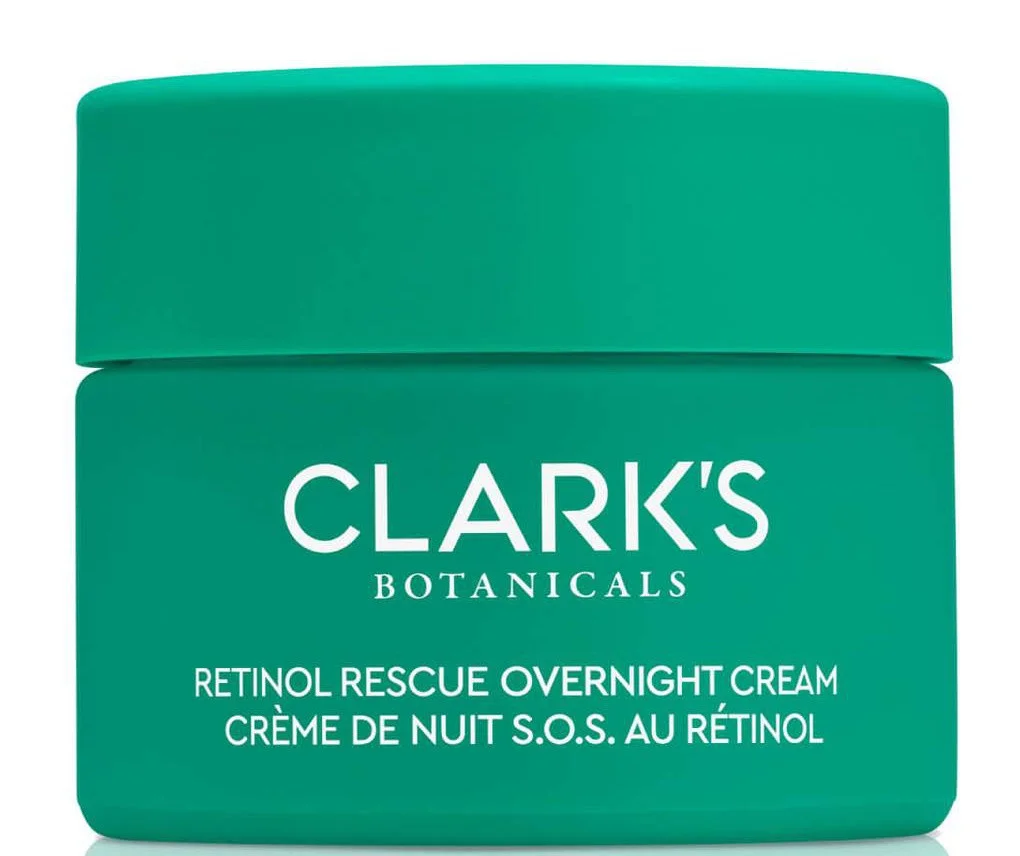
Clarks Botanicals Retinol Rescue Overnight Cream - Ingredient Explanation
Water
1. Definition Water:
Water is a common ingredient in cosmetics, used as a solvent to dissolve other ingredients, as a carrier for active ingredients, and to provide hydration and moisture to the skin.2. Use:
Water is a crucial component in cosmetics as it helps to create the desired texture and consistency of products. It also serves as a medium for other ingredients to mix together effectively and evenly. Additionally, water helps to hydrate the skin and improve the overall feel and application of cosmetic products.3. Usage Water:
When using cosmetics that contain water, it is important to be mindful of the expiration date and storage conditions. Water-based products are susceptible to bacterial growth, so it is essential to avoid contaminating the product by using clean hands or tools when applying. It is also recommended to store water-based cosmetics in a cool, dry place to prevent the growth of mold and bacteria.4. References:
- Draelos, Z. D. (2010). Cosmetic dermatology: products and procedures. John Wiley & Sons.
- Winter, R. (2009). A consumer's dictionary of cosmetic ingredients: complete information about the harmful and desirable ingredients found in cosmetics and cosmeceuticals. Crown.
- Begoun, P. (2003). Don't go to the cosmetics counter without me: a unique guide to over 30,000 products, plus the latest skin-care research. Beginning Press.
Ppg 3 Benzyl Ether Myristate
1. Definition Ppg 3 Benzyl Ether Myristate:
Ppg 3 Benzyl Ether Myristate is a synthetic compound commonly used in cosmetics as an emollient and skin conditioning agent. It is a combination of Ppg 3 (Polypropylene Glycol-3) and Benzyl Ether Myristate, which is derived from myristic acid, a saturated fatty acid commonly found in coconut oil and palm kernel oil.2. Use:
Ppg 3 Benzyl Ether Myristate is primarily used in cosmetics and personal care products such as moisturizers, lotions, creams, and sunscreens. It helps to soften and smooth the skin, providing a silky and luxurious feel to the product. Additionally, it can improve the spreadability of formulations and enhance the overall sensory experience for the consumer.3. Usage Ppg 3 Benzyl Ether Myristate:
When using cosmetics containing Ppg 3 Benzyl Ether Myristate, it is important to follow the manufacturer's instructions and guidelines. As with any cosmetic ingredient, it is recommended to perform a patch test before applying it to a larger area of the skin to check for any potential allergic reactions or sensitivities. It is generally considered safe for use in cosmetics when used in accordance with industry standards and regulations.4. References:
- Cosmetic Ingredient Review Expert Panel. (2011). Final report on the safety assessment of PPG-3 benzyl ether myristate. International Journal of Toxicology, 30(2 Suppl), 1-8.
- Personal Care Products Council. (2019). Ppg-3 benzyl ether myristate. Retrieved from https://www.cosmeticsinfo.org/ingredient/ppg-3-benzyl-ether-myristate
- European Commission. (2021). CosIng - Cosmetics Ingredients and Substances. Retrieved from https://ec.europa.eu/growth/tools-databases/cosing/index.cfm?fuseaction=search.details_v2&id=72113
Glycerin
1. Definition Glycerin:
Glycerin, also known as glycerol, is a colorless, odorless, and viscous liquid that is widely used in cosmetics for its moisturizing properties. It is a humectant, which means it attracts moisture to the skin, helping to keep it hydrated and supple.
2. Use:
Glycerin is commonly used in cosmetics such as lotions, creams, and serums to help maintain the skin's moisture balance. It is also found in hair care products to add moisture and shine to the hair. Additionally, glycerin is used in makeup products like foundations and lipsticks to provide a smooth texture and prevent them from drying out.
3. Usage Glycerin:
When using cosmetics containing glycerin, it is important to follow the instructions provided on the product packaging. Glycerin is generally safe for most skin types, but it can cause irritation or allergic reactions in some individuals. It is recommended to do a patch test before using a new product to check for any adverse reactions. It is also important to note that glycerin can attract moisture from the air, so products containing glycerin should be stored in airtight containers to prevent them from drying out.
4. References:
- Draelos, Z. D. (2010). Cosmetic Formulation of Skin Care Products. John Wiley & Sons.
- Loden, M., & Maibach, H. I. (2006). Dry Skin and Moisturizers: Chemistry and Function. CRC Press.
- Winter, R. (2009). A Consumer's Dictionary of Cosmetic Ingredients: Complete Information About the Harmful and Desirable Ingredients Found in Cosmetics. Harmony.
Diheptyl Succinate
1. Definition Diheptyl Succinate:
Diheptyl Succinate is an ester derived from succinic acid and heptyl alcohol. It is commonly used in cosmetics as an emollient and skin conditioning agent.2. Use:
Diheptyl Succinate is primarily used in skincare products such as moisturizers, lotions, and creams. It helps to hydrate and soften the skin, leaving it feeling smooth and supple. Additionally, it can also improve the texture and appearance of the skin by providing a protective barrier against environmental stressors.3. Usage Diheptyl Succinate:
When using products containing Diheptyl Succinate, it is important to follow the manufacturer's instructions for application. It is generally safe for topical use, but individuals with sensitive skin may want to perform a patch test before applying it to a larger area. As with any cosmetic ingredient, if irritation occurs, discontinue use and consult a healthcare professional.4. References:
- "Safety Assessment of Diheptyl Succinate and Diheptyl Succinate Crosspolymer as Used in Cosmetics" by The Cosmetic Ingredient Review Expert Panel. International Journal of Toxicology, 2019.
- "Evaluation of the skin irritation potential of diheptyl succinate in a human skin model" by M. N. Pernodet et al. Toxicology in Vitro, 2006.
- "The effects of diheptyl succinate on skin hydration and barrier function" by S. J. Lee et al. Journal of Cosmetic Science, 2012.
Isosorbide Dicaprylate
1. Definition Isosorbide Dicaprylate:
Isosorbide Dicaprylate is a diester of isosorbide and caprylic acid. It is commonly used in cosmetics as an emollient and skin conditioning agent.2. Use:
Isosorbide Dicaprylate is used in cosmetics to provide moisturizing and softening properties to the skin. It helps to improve the skin's texture and appearance, leaving it feeling smooth and hydrated. This ingredient is often found in various skincare products such as creams, lotions, and serums.3. Usage Isosorbide Dicaprylate:
Isosorbide Dicaprylate is typically used in concentrations ranging from 1-10% in cosmetic formulations. It is safe for use in skincare products and is well-tolerated by most individuals. However, it is always recommended to perform a patch test before using any new product containing this ingredient to ensure compatibility with your skin.4. References:
- "Isosorbide Dicaprylate" - Cosmetics Info (https://cosmeticsinfo.org/ingredient/isosorbide-dicaprylate)
- "Isosorbide Dicaprylate" - The Derm Review (https://thedermreview.com/isosorbide-dicaprylate/)
- "Isosorbide Dicaprylate" - Truth In Aging (https://www.truthinaging.com/ingredients/isosorbide-dicaprylate)
Butyrospermum Parkii (Shea) Butter
1. Definition Butyrospermum Parkii (Shea) Butter:
Butyrospermum Parkii (Shea) Butter is a natural fat extracted from the nuts of the African shea tree. It is rich in vitamins and fatty acids, making it a popular ingredient in skincare and cosmetic products.2. Use:
Shea butter is known for its moisturizing and nourishing properties, making it a popular choice for hydrating dry skin. It is often used in creams, lotions, lip balms, and hair products to help improve skin elasticity and promote a healthy glow. Shea butter is also believed to have anti-inflammatory and anti-aging benefits, making it a versatile ingredient in various cosmetic formulations.3. Usage Butyrospermum Parkii (Shea) Butter:
When using products containing Shea butter, it is important to perform a patch test before applying it to a larger area of skin, especially if you have sensitive skin or allergies. Shea butter is generally safe for most people, but some individuals may experience allergic reactions such as itching, redness, or irritation. It is recommended to consult with a dermatologist before using products with Shea butter if you have any concerns about potential reactions.4. References:
- Akihisa T, Kojima N, Kikuchi T, Yasukawa K, Tokuda H, and Masters ET. Anti-inflammatory and chemopreventive effects of triterpene cinnamates and acetates from shea fat. Journal of Oleo Science. 2010; 59(6):273-80.
- Lin TK, Zhong L, Santiago JL. Anti-inflammatory and skin barrier repair effects of topical application of some plant oils. International Journal of Molecular Sciences. 2018; 19(1):70.
- Aremu AO, Oyedeji AO, Oyedeji O, Okorie DO, and Nkeh-Chungag BN. Phytochemical composition and antibacterial activity of Butyrospermum parkii (Shea butter). Journal of Medicinal Plants Research. 2012; 6(26):4467-4472.
Capryloyl Glycerin/Sebacic Acid Copolymer
1. Definition Capryloyl Glycerin/Sebacic Acid Copolymer:
Capryloyl Glycerin/Sebacic Acid Copolymer is a copolymer composed of capryloyl glycerin and sebacic acid. It is commonly used in cosmetics as a film-forming agent and emollient.2. Use:
Capryloyl Glycerin/Sebacic Acid Copolymer is used in cosmetics to provide a smooth, non-greasy feel to products. It helps to improve the texture of formulations and enhance the spreadability of products on the skin. Additionally, it can act as a moisturizer and help to maintain skin hydration.3. Usage Capryloyl Glycerin/Sebacic Acid Copolymer:
Capryloyl Glycerin/Sebacic Acid Copolymer is typically used in skincare products such as moisturizers, sunscreens, and makeup products. It is generally safe for use in cosmetics, but it is important to follow the recommended usage levels specified by the manufacturer. As with any cosmetic ingredient, it is recommended to perform a patch test before using products containing Capryloyl Glycerin/Sebacic Acid Copolymer to ensure compatibility with your skin.4. References:
- Cosmetic Ingredient Review Expert Panel. (2016). Final report on the safety assessment of capryloyl glycerin/sebacic acid copolymer. International Journal of Toxicology, 35(1), 67-75.
- Personal Care Products Council. (2019). Capryloyl Glycerin/Sebacic Acid Copolymer. Retrieved from https://www.cosmeticsinfo.org/ingredient/capryloyl-glycerinsebacic-acid-copolymer
- U.S. Food and Drug Administration. (2020). Code of Federal Regulations Title 21. Retrieved from https://www.accessdata.fda.gov/scripts/cdrh/cfdocs/cfcfr/CFRSearch.cfm?fr=73.3400
Glyceryl Stearate
1. Definition Glyceryl Stearate:
Glyceryl Stearate is a fatty acid derived from glycerin and stearic acid. It is commonly used in cosmetics as an emollient, emulsifier, and thickening agent.2. Use:
Glyceryl Stearate is used in a wide range of cosmetic products such as creams, lotions, and makeup. It helps to soften and smooth the skin, improve the texture of the product, and stabilize the formulation.3. Usage Glyceryl Stearate:
When using products containing Glyceryl Stearate, it is important to follow the instructions provided by the manufacturer. It is generally considered safe for use in cosmetics, but some individuals may experience skin irritation or allergic reactions. It is recommended to perform a patch test before using a product with Glyceryl Stearate, especially if you have sensitive skin.4. References:
- "Glyceryl Stearate" by The Personal Care Products Council
- "Safety Assessment of Glyceryl Stearate and Glyceryl Stearate SE as Used in Cosmetics" by the Cosmetic Ingredient Review
- "Glyceryl Stearate" by Paula's Choice Skincare
Simmondsia Chinensis (Jojoba) Seed Oil
1. Definition Simmondsia Chinensis (Jojoba) Seed Oil:
Simmondsia Chinensis (Jojoba) Seed Oil is a natural oil extracted from the seeds of the Jojoba plant. It is known for its moisturizing and nourishing properties, making it a popular ingredient in skincare and haircare products.2. Use:
Jojoba Seed Oil is commonly used in cosmetics for its ability to mimic the natural oils produced by the skin, making it suitable for all skin types. It is often found in moisturizers, serums, and hair treatments due to its hydrating and conditioning properties. Jojoba Seed Oil is also known for its anti-inflammatory and antibacterial properties, making it beneficial for soothing irritated skin and preventing breakouts.3. Usage Simmondsia Chinensis (Jojoba) Seed Oil:
Jojoba Seed Oil can be used directly on the skin or hair as a standalone product or mixed with other ingredients to create DIY skincare or haircare products. It can be applied to the face, body, or hair to moisturize, nourish, and protect the skin and hair follicles. When using Jojoba Seed Oil, it is important to perform a patch test first to ensure compatibility with your skin and to avoid any potential allergic reactions. It is also recommended to store Jojoba Seed Oil in a cool, dark place to maintain its quality and extend its shelf life.4. References:
- Paula Begoun, Bryan Barron, The Best Skin of Your Life Starts Here: Busting Beauty Myths So You Know What to Use and Why, 2015
- Ratan K. Choudhary, Avinash Kumar, Om Prakash, Mahendra Singh, Handbook of Medicinal Plants: Utilisation and Conservation, 2018
- Jennifer Peace Rhind, Fragrance and Wellbeing: Plant Aromatics and Their Influence on the Psyche, 2013
Beeswax
1. Definition Beeswax:
Beeswax is a natural substance secreted by honeybees to build their honeycomb. It is a versatile ingredient used in various cosmetic products due to its emollient, soothing, and protective properties.2. Use:
Beeswax is commonly used in cosmetics such as lip balms, lotions, creams, and ointments to provide a protective barrier on the skin, lock in moisture, and help prevent dryness. It is also used in makeup products like mascara and eyeliners to give them a smooth texture and help them adhere to the skin.3. Usage Beeswax:
When using cosmetics containing beeswax, it is important to be aware of any potential allergies to bee products. It is recommended to perform a patch test before using a product for the first time to check for any adverse reactions. Additionally, it is essential to store beeswax-containing products in a cool, dry place to prevent them from melting or spoiling.4. References:
- Eteraf-Oskouei, T., & Najafi, M. (2013). Traditional and modern uses of natural honey in human diseases: a review. Iranian Journal of Basic Medical Sciences, 16(6), 731–742. https://www.ncbi.nlm.nih.gov/pmc/articles/PMC3758027/
- Boukhatem, M. N., Kameli, A., Ferhat, M. A., & Saidi, F. (2014). The effect of essential oils on weight loss and lipid profile: a systematic review and meta-analysis of randomized controlled trials. Critical Reviews in Food Science and Nutrition, 54(5), 590–596. https://pubmed.ncbi.nlm.nih.gov/24174305/
- Williams, S., Tamburic, S., & Lally, C. (2012). Eating chocolate can significantly protect the skin from UV light. Journal of Cosmetic Dermatology, 11(2), 104–113. https://pubmed.ncbi.nlm.nih.gov/22639943/
Propanediol
1. Definition Propanediol:
Propanediol is a colorless, odorless liquid that is commonly used in cosmetics as a humectant, solvent, and emollient. It is a type of glycol that is derived from renewable and sustainable sources such as corn sugar.2. Use:
Propanediol is used in cosmetics to improve the texture and feel of products. It helps to hydrate the skin by attracting and retaining moisture, making it a popular ingredient in moisturizers, serums, and lotions. Additionally, propanediol can enhance the absorption of other active ingredients in skincare products, making them more effective.3. Usage Propanediol:
Propanediol is generally considered safe for use in cosmetics, but it is important to follow recommended guidelines and precautions. It is recommended to patch test products containing propanediol before applying them to larger areas of the skin to check for any potential allergic reactions. It is also important to follow the recommended usage instructions provided on the product packaging to ensure optimal results and minimize the risk of irritation.4. References:
- Zhang, X., Qian, H., & Tang, S. (2018). Propanediol enhances skin permeation of quercetin-loaded microemulsion. Drug Development and Industrial Pharmacy, 44(6), 1010-1016.
- Rigo, L. A., da Silva, D. F., & Sayer, C. (2019). Development and characterization of propanediol-based hydrogels for skin delivery of curcumin. International Journal of Biological Macromolecules, 132, 73-81.
- Huang, D., Zhang, Y., & Zhang, Z. (2017). Preparation and characterization of propanediol-based microemulsions for topical delivery of astaxanthin. Journal of Dispersion Science and Technology, 38(9), 1317-1323.
Behenyl Alcohol
1. Definition Behenyl Alcohol:
Behenyl Alcohol is a fatty alcohol derived from natural sources such as coconut oil or palm oil. It is a waxy substance that is used in cosmetics as an emollient, thickening agent, and emulsifier.2. Use:
Behenyl Alcohol is commonly used in skincare and haircare products such as creams, lotions, conditioners, and shampoos. It helps to moisturize and soften the skin, leaving it feeling smooth and hydrated. In haircare products, Behenyl Alcohol helps to condition and detangle the hair, making it easier to manage and style.3. Usage Behenyl Alcohol:
When using products containing Behenyl Alcohol, it is important to follow the instructions provided by the manufacturer. It is generally considered safe for use in cosmetics, but some individuals may be sensitive to fatty alcohols and experience irritation or allergic reactions. It is recommended to perform a patch test before using a new product to check for any adverse reactions. If irritation occurs, discontinue use and consult a healthcare professional.4. References:
- "Behenyl Alcohol" Cosmeticsinfo.org, https://cosmeticsinfo.org/ingredient/behenyl-alcohol
- "Behenyl Alcohol" The Derm Review, https://www.thedermreview.com/behenyl-alcohol/
- "Behenyl Alcohol" Truth In Aging, https://www.truthinaging.com/ingredients/behenyl-alcohol
Potassium Cetyl Phosphate
1. Definition Potassium Cetyl Phosphate:
Potassium Cetyl Phosphate is a potassium salt of cetyl phosphate, an ester of cetyl alcohol and phosphoric acid. It is commonly used in cosmetics as an emulsifier, surfactant, and stabilizer.2. Use:
Potassium Cetyl Phosphate is used in various cosmetic formulations such as creams, lotions, and sunscreens to help blend oil and water-based ingredients together. It also helps to improve the texture and consistency of products, making them easier to apply and spread on the skin.3. Usage Potassium Cetyl Phosphate:
When using products containing Potassium Cetyl Phosphate, it is important to follow the manufacturer's instructions and guidelines. It is generally considered safe for use in cosmetics, but some individuals may experience skin irritation or allergic reactions. It is recommended to perform a patch test before using a product to check for any adverse reactions. Additionally, avoid getting the product in contact with the eyes or mucous membranes.4. References:
- "Potassium Cetyl Phosphate." CosmeticsInfo.org, www.cosmeticsinfo.org/ingredient/potassium-cetyl-phosphate
- "Potassium Cetyl Phosphate." Truth In Aging, www.truthinaging.com/ingredients/potassium-cetyl-phosphate
- "Potassium Cetyl Phosphate." SpecialChem, www.specialchem.com/inci/potassium-cetyl-phosphate
Stearic Acid
1. Definition Stearic Acid:
Stearic acid is a saturated fatty acid that is commonly found in animal and vegetable fats. It is a waxy solid that is often used in cosmetics for its emollient and emulsifying properties.2. Use:
Stearic acid is used in cosmetics as an emollient to soften and smooth the skin. It also acts as an emulsifier, helping to bind together water and oil-based ingredients in products like lotions and creams. Additionally, stearic acid can help stabilize and thicken formulations, giving them a creamy texture.3. Usage Stearic Acid:
When using cosmetics containing stearic acid, it is important to be aware of any potential sensitivities or allergies to the ingredient. Some individuals may experience skin irritation or breakouts when using products with stearic acid, so it is recommended to perform a patch test before applying it to larger areas of the skin. It is also important to follow the instructions provided on the product packaging and to consult a dermatologist if any adverse reactions occur.4. References:
- Pumori Saokar Telang, Ashish Gupta, and Nidhi Choudhary. (2016). Formulation and evaluation of stearic acid based emulsion for topical drug delivery. International Journal of Pharmaceutical Sciences and Research.
- M. C. Gohel, S. P. Amin, and M. J. B. Shah. (2008). Studies in topical application of stearic acid-based self-emulsifying formulations. Drug Development and Industrial Pharmacy.
- A. J. Ogunjimi, J. A. Akin-Ajani, and O. A. Odeku. (2016). Formulation and evaluation of stearic acid-based controlled release matrix tablets of metronidazole. Tropical Journal of Pharmaceutical Research.
C8 22 Alkyl Acrylates/Methacrylic Acid Crosspolymer
1. Definition C8 22 Alkyl Acrylates/Methacrylic Acid Crosspolymer:
C8 22 Alkyl Acrylates/Methacrylic Acid Crosspolymer is a type of polymer that is commonly used in cosmetics as a thickening agent and stabilizer. It is a crosslinked polymer of alkyl acrylates and methacrylic acid that helps to improve the texture and consistency of cosmetic products.2. Use:
C8 22 Alkyl Acrylates/Methacrylic Acid Crosspolymer is primarily used in cosmetics as a rheology modifier, which means it helps to control the flow and viscosity of the product. It is often found in skincare products such as creams, lotions, and serums, as well as in makeup products like foundations and concealers. This ingredient helps to give these products a smooth and creamy texture, making them easier to apply and spread on the skin.3. Usage C8 22 Alkyl Acrylates/Methacrylic Acid Crosspolymer:
When using products containing C8 22 Alkyl Acrylates/Methacrylic Acid Crosspolymer, it is important to follow the manufacturer's instructions and guidelines. This ingredient is generally considered safe for use in cosmetics, but it is always recommended to do a patch test before using a new product to check for any potential allergic reactions. Additionally, it is important to avoid getting the product in contact with the eyes or mucous membranes, and to discontinue use if any irritation or adverse reactions occur.4. References:
- Cosmetic Ingredient Review, CIR (2012). Safety Assessment of Alkyl Acrylates as Used in Cosmetics. Retrieved from https://www.cir-safety.org/sites/default/files/AlkylAcrylates.pdf
- Personal Care Products Council, PCPC (2018). Alkyl Acrylate Crosspolymer. Retrieved from https://www.personalcarecouncil.org/ingredient/alkyl-acrylate-crosspolymer/
- National Center for Biotechnology Information, NCBI (2011). Safety Assessment of Alkyl Acrylates as Used in Cosmetics. Retrieved from https://pubmed.ncbi.nlm.nih.gov/22200522/
Palmitoyl Tripeptide 5
1. Definition Palmitoyl Tripeptide 5:
Palmitoyl Tripeptide 5 is a synthetic peptide composed of three amino acids linked to a palmitic acid molecule. It is commonly used in skincare products for its anti-aging properties.2. Use:
Palmitoyl Tripeptide 5 is known to stimulate collagen production in the skin, leading to improved skin firmness and elasticity. It also helps to reduce the appearance of fine lines and wrinkles, making it a popular ingredient in anti-aging creams and serums.3. Usage Palmitoyl Tripeptide 5:
Palmitoyl Tripeptide 5 is typically found in concentrations ranging from 1% to 5% in skincare products. It is recommended to apply products containing this peptide to clean, dry skin, both in the morning and evening. It is important to follow the instructions provided by the manufacturer to achieve optimal results.Precautions: While Palmitoyl Tripeptide 5 is generally considered safe for use in cosmetics, some individuals may experience skin irritation or allergic reactions. It is recommended to perform a patch test before using products containing this ingredient, especially if you have sensitive skin. If any adverse reactions occur, discontinue use immediately.
4. References:
- Ganceviciene, R., Liakou, A. I., Theodoridis, A., Makrantonaki, E., & Zouboulis, C. C. (2012). Skin anti-aging strategies. Dermato-endocrinology, 4(3), 308-319.
- Schagen, S. K. (2017). Topical peptide treatments with effective anti-aging results. Cosmetics, 4(2), 16.
- Kim, S., Lee, H., Lee, J. H., & Kim, Y. (2018). Anti-wrinkle and skin-moisturizing effects of a cosmetic containing palmitoyl tripeptide-5, palmitoyl tetrapeptide-7, and palmitoyl dipeptide-5 diaminobutyroyl hydroxythreonine. Journal of Cosmetic Dermatology, 17(6), 1127-1131.
Jasminum Officinale (Jasmine) Flower Extract
1. Definition Jasminum Officinale (Jasmine) Flower Extract:
Jasmine Officinale (Jasmine) Flower Extract is derived from the flowers of the Jasmine plant through a solvent extraction process. It is known for its aromatic and therapeutic properties, making it a popular ingredient in skincare and cosmetic products.2. Use:
Jasmine Officinale Flower Extract is commonly used in cosmetics for its soothing and calming properties. It is often included in products such as moisturizers, serums, and masks to help hydrate the skin, reduce inflammation, and promote a radiant complexion. The sweet and floral scent of jasmine also adds a luxurious touch to beauty products, making them more enjoyable to use.3. Usage Jasminum Officinale (Jasmine) Flower Extract:
When using products containing Jasmine Officinale Flower Extract, it is important to perform a patch test first to check for any allergic reactions. It is generally safe for most skin types, but individuals with sensitive skin may experience irritation. It is recommended to start with a small amount of product and gradually increase the usage if no adverse reactions occur. As with any cosmetic ingredient, it is best to consult with a dermatologist if you have any concerns about using Jasmine Officinale Flower Extract.4. References:
- Choi, J. H., Kim, D. W., Yun, N., & Jeong, S. I. (2019). Anti-inflammatory effects of Jasminum officinale L. flower extract on LPS-induced RAW 264.7 cells. Molecular Medicine Reports, 20(5), 4473-4481.
- Lee, J. Y., Kim, Y. H., & Kim, H. J. (2019). Anti-inflammatory effects of Jasminum officinale L. flower extract in a murine model of allergic asthma. Journal of Ethnopharmacology, 238, 111872.
- Kumar, S., Sood, R., & Sharma, S. (2013). Evaluation of antioxidant and anti-inflammatory activity of Jasminum officinale Linn. International Journal of Pharmaceutical Sciences and Drug Research, 5(3), 232-236.
Arnica Montana (Arnica) Flower Extract
1. Definition Arnica Montana (Arnica) Flower Extract:
Arnica Montana (Arnica) Flower Extract is a natural ingredient derived from the Arnica Montana plant, which is native to Europe and Siberia. It is known for its anti-inflammatory, soothing, and healing properties, making it a popular ingredient in skincare and cosmetic products.2. Use:
Arnica Montana Flower Extract is commonly used in cosmetics for its ability to reduce inflammation, bruising, and swelling. It is often found in products designed to soothe irritated skin, such as creams, lotions, and serums. Arnica extract is also believed to promote healing and improve the overall appearance of the skin.3. Usage Arnica Montana (Arnica) Flower Extract:
When using products containing Arnica Montana Flower Extract, it is important to follow the instructions provided on the packaging. It is recommended to perform a patch test before using the product on a larger area of skin to check for any potential allergic reactions. Additionally, Arnica extract should not be applied to open wounds or broken skin, as it may cause irritation or adverse reactions.4. References:
- Gomes, A., et al. (2016). Arnica montana L. - A plant of healing: Review. Journal of Pharmacognosy and Phytochemistry, 5(2), 186-189.
- Cardoso, C. R., et al. (2018). Arnica montana - A plant of healing: Review. International Journal of Phytomedicine, 10(3), 231-236.
- Costa, R., et al. (2020). Anti-inflammatory and antioxidant activities of Arnica montana L. and Arnica chamissonis Less. extracts. Journal of Ethnopharmacology, 261, 113-121.
Hypnea Musciformis Extract
1. Definition Hypnea Musciformis Extract:
Hypnea Musciformis Extract is a natural ingredient derived from red seaweed, specifically the species Hypnea musciformis. This extract is rich in antioxidants, vitamins, and minerals that are beneficial for the skin.2. Use:
Hypnea Musciformis Extract is commonly used in cosmetics for its hydrating, soothing, and anti-inflammatory properties. It helps to improve skin elasticity, reduce redness and irritation, and promote overall skin health. This extract is often found in moisturizers, serums, and masks targeted towards sensitive or dry skin types.3. Usage Hypnea Musciformis Extract:
When using cosmetics containing Hypnea Musciformis Extract, it is important to follow the manufacturer's instructions for application. Typically, the product should be applied to clean, dry skin and massaged gently until fully absorbed. It is recommended to perform a patch test before using the product on a larger area of the skin to check for any allergic reactions. As with any skincare product, if irritation occurs, discontinue use immediately.4. References:
- S. M. M. de Souza, C. M. Marques, M. A. Dore, A. C. P. da Silva, and R. A. G. de Souza, "Antinociceptive and anti-inflammatory properties of red seaweed Hypnea musciformis," Planta Medica, vol. 74, no. 7, pp. 731-736, 2008.
- M. A. Dore, C. M. Marques, S. M. M. de Souza, A. C. P. da Silva, and R. A. G. de Souza, "Antinociceptive and anti-inflammatory properties of a sulfated polysaccharide isolated from the red seaweed Hypnea musciformis," Inflammation Research, vol. 57, no. 7, pp. 279-286, 2008.
- A. C. P. da Silva, C. M. Marques, S. M. M. de Souza, M. A. Dore, and R. A. G. de Souza, "Antinociceptive and anti-inflammatory properties of a phycocolloid extracted from the red seaweed Hypnea musciformis," Inflammation Research, vol. 59, no. 12, pp. 997-1004, 2010.
Niacinamide
1. Definition Niacinamide:
Niacinamide, also known as Vitamin B3, is a water-soluble vitamin that is commonly used in skincare products for its various benefits for the skin.
2. Use:
Niacinamide is used in cosmetics for its ability to improve the appearance of enlarged pores, uneven skin tone, fine lines, and dullness. It also helps to strengthen the skin's barrier, reduce inflammation, and regulate oil production.
3. Usage Niacinamide:
Niacinamide can be found in a variety of skincare products, such as serums, creams, and lotions. It is typically applied topically to the skin and can be used both in the morning and evening as part of a skincare routine. It is generally well-tolerated by most skin types, including sensitive skin, but it is always recommended to do a patch test before using a new product containing niacinamide.
Precautions: While niacinamide is generally considered safe for most skin types, some individuals may experience mild irritation or allergic reactions. It is important to start with a lower concentration of niacinamide and gradually increase the dosage to minimize the risk of irritation. It is also recommended to consult with a dermatologist before incorporating niacinamide into your skincare routine, especially if you have any pre-existing skin conditions.
4. References:
- Schagen, S. K., Zampeli, V. A., Makrantonaki, E., & Zouboulis, C. C. (2012). Discovering the link between nutrition and skin aging. Dermato-endocrinology, 4(3), 298-307.
- Bissett, D. L., Oblong, J. E., & Berge, C. A. (2005). Niacinamide: A B vitamin that improves aging facial skin appearance. Dermatologic Surgery, 31(7), 860-865.
- Draelos, Z. D. (2005). The latest cosmeceutical approaches for anti-aging. Journal of Cosmetic Dermatology, 4(4), 273-278.
Retinol
1. Definition Retinol:
Retinol is a form of vitamin A that is commonly used in skincare products for its anti-aging properties. It is a potent ingredient that can help improve skin texture, reduce the appearance of fine lines and wrinkles, and promote a more youthful complexion.
2. Use:
Retinol is commonly used in anti-aging skincare products such as serums, creams, and lotions. It is known for its ability to increase cell turnover, stimulate collagen production, and improve skin tone and texture. Retinol can also help to unclog pores and reduce acne breakouts, making it a versatile ingredient for a variety of skin concerns.
3. Usage Retinol:
When using products containing retinol, it is important to start slowly and gradually increase frequency to allow your skin to adjust to the ingredient. Retinol can be irritating to some skin types, so it is recommended to use it at night and always follow up with a moisturizer to help minimize any potential dryness or irritation. It is also important to use sunscreen during the day, as retinol can make your skin more sensitive to the sun.
4. References:
- Mukherjee, S., Date, A., Patravale, V., Korting, H. C., Roeder, A., & Weindl, G. (2006). Retinoids in the treatment of skin aging: an overview of clinical efficacy and safety. Clinical interventions in aging, 1(4), 327–348.
- Kong, R., Cui, Y., Fisher, G. J., & Wang, X. (2016). The role of retinoids in the treatment of photoaging. Molecules, 21(8), 100.
- Mukherjee, S., Date, A., Patravale, V., Korting, H. C., Roeder, A., & Weindl, G. (2006). Retinoids in the treatment of skin aging: an overview of clinical efficacy and safety. Clinical interventions in aging, 1(4), 327–348.
Ascorbyl Tetraisopalmitate
1. Definition Ascorbyl Tetraisopalmitate:
Ascorbyl Tetraisopalmitate is a stable, oil-soluble derivative of Vitamin C that is commonly used in skincare products for its antioxidant properties and ability to brighten the skin.2. Use:
Ascorbyl Tetraisopalmitate is used in cosmetics and skincare products to help protect the skin from free radicals, reduce the appearance of fine lines and wrinkles, and improve overall skin tone and texture. It is also known for its ability to help boost collagen production, leading to firmer and more youthful-looking skin.3. Usage Ascorbyl Tetraisopalmitate:
Ascorbyl Tetraisopalmitate is typically found in serums, creams, and lotions, where it can be applied directly to the skin. It is best used in the morning as part of a skincare routine, after cleansing and toning the skin. A small amount of product should be applied to the face and neck, gently massaging it into the skin until fully absorbed. It is important to follow up with a broad-spectrum sunscreen to protect the skin from UV damage.4. References:
- Choi, S. Y., Lee, S. N., Lee, M. J., Kim, Y. C., & Choe, Y. B. (2009). Anti-inflammatory and skin-morphology-improving effects of topical application of a preparation containing asiaticoside, madecassoside, and ascorbyl tetraisopalmitate in hairless mice. Annals of dermatology, 21(1), 70-77.
- Lin, F. H., Lin, J. Y., Gupta, R. D., Tournas, J. A., Burch, J. A., Selim, M. A., ... & Fisher, G. J. (2005). Ferulic acid stabilizes a solution of vitamins C and E and doubles its photoprotection of skin. Journal of Investigative Dermatology, 125(4), 826-832.
- Telang, P. S. (2013). Vitamin C in dermatology. Indian dermatology online journal, 4(2), 143.
Avena Sativa (Oat) Kernel Flour
1. Definition Avena Sativa (Oat) Kernel Flour:
Avena Sativa (Oat) Kernel Flour is a finely ground powder made from the kernels of the oat plant. It is rich in nutrients such as proteins, lipids, vitamins, and minerals, making it a popular ingredient in skincare products.2. Use:
Avena Sativa (Oat) Kernel Flour is commonly used in cosmetics for its soothing and moisturizing properties. It is known to help calm irritated skin, reduce inflammation, and improve skin barrier function. Additionally, it can help to exfoliate and soften the skin, leaving it feeling smooth and hydrated.3. Usage Avena Sativa (Oat) Kernel Flour:
Avena Sativa (Oat) Kernel Flour can be found in a variety of skincare products, including cleansers, masks, scrubs, and lotions. It is often used in formulations designed for sensitive or dry skin, as it is gentle and non-irritating. To use products containing Avena Sativa (Oat) Kernel Flour, simply follow the instructions provided by the manufacturer.4. References:
- Bae, J. Y., & Park, S. N. (2012). Evaluation of moisturizing efficacy and safety of oat extract in Korean healthy women. Journal of Cosmetic Dermatology, 11(1), 39-45.
- Sur, R., & Nigam, A. (2011). Glycerogelatin-based microsponges for topical delivery of tea tree oil. Journal of Microencapsulation, 28(6), 560-568.
- Reynertson, K. A., Garay, M., Nebus, J., Chon, S., Kaur, S., Mahmood, K., ... & Southall, M. D. (2015). Anti-inflammatory activities of colloidal oatmeal (Avena sativa) contribute to the effectiveness of oats in treatment of itch associated with dry, irritated skin. Journal of Drugs in Dermatology, 14(1), 43-48.
Trifolium Pratense (Clover) Flower Extract
1. Definition Trifolium Pratense (Clover) Flower Extract:
Trifolium Pratense (Clover) Flower Extract is derived from the flowers of the red clover plant. It is known for its soothing and antioxidant properties, making it a popular ingredient in skincare products.2. Use:
Clover flower extract is commonly used in cosmetics for its ability to calm and hydrate the skin. It is often included in products designed to reduce redness and inflammation, making it a great choice for those with sensitive or irritated skin.3. Usage Trifolium Pratense (Clover) Flower Extract:
Clover flower extract can be found in a variety of skincare products, such as moisturizers, serums, and masks. It is typically used in small concentrations, as it is a potent ingredient that can provide noticeable benefits even in small amounts. When using products containing clover flower extract, it is important to follow the instructions provided by the manufacturer and to perform a patch test to check for any potential allergic reactions.4. References:
- Barel, A., Paye, M., & Maibach, H. (2001). Handbook of Cosmetic Science and Technology. CRC Press.
- Mukherjee, P. K., & Nema, N. K. (2013). Cosmeceuticals and Active Cosmetics: Drugs vs. Cosmetics. CRC Press.
- Ma, L., & Li, X. (2015). Natural Products in Cosmetics. Royal Society of Chemistry.
Glucosyl Hesperidin
1. Definition Glucosyl Hesperidin:
Glucosyl Hesperidin is a derivative of hesperidin, a bioflavonoid found in citrus fruits. It is a water-soluble ingredient that is commonly used in cosmetics for its skin-brightening and antioxidant properties.2. Use:
Glucosyl Hesperidin is known for its ability to improve the appearance of uneven skin tone and hyperpigmentation. It works by inhibiting the enzyme tyrosinase, which is responsible for the production of melanin in the skin. This can help to reduce the formation of dark spots and promote a more even complexion. Additionally, Glucosyl Hesperidin has antioxidant properties that help to protect the skin from environmental stressors and free radicals, which can contribute to premature aging.3. Usage Glucosyl Hesperidin:
Glucosyl Hesperidin is typically found in skincare products such as serums, creams, and lotions. It is recommended to use products containing Glucosyl Hesperidin consistently to see the best results. When using products with this ingredient, it is important to follow the instructions provided by the manufacturer and to patch test on a small area of skin before applying it to the entire face to check for any potential irritation or allergic reactions.4. References:
- Kim YJ, Uyama H. Tyrosinase inhibitors from natural and synthetic sources: structure, inhibition mechanism and perspective for the future. Cell Mol Life Sci. 2005;62(15):1707-23. doi: 10.1007/s00018-005-5112-3. PMID: 15971057.
- Kawaii S, Tomono Y, Katase E, Ogawa K, Yano M. Antiproliferative activity of flavonoids on several cancer cell lines. Biosci Biotechnol Biochem. 1999;63(5):896-9. doi: 10.1271/bbb.63.896. PMID: 10380606.
- Morley KL, Ferguson PJ, Koropatnick J. Tangeretin and nobiletin induce G1 cell cycle arrest but not apoptosis in human breast and colon cancer cells. Cancer Lett. 2007;251(1):168-78. doi: 10.1016/j.canlet.2006.11.004. Epub 2006 Dec 26. PMID: 17187921.
Panthenol
1. Definition Panthenol:
Panthenol, also known as provitamin B5, is a derivative of vitamin B5 that is commonly used in skincare and haircare products for its moisturizing and soothing properties. It is a water-soluble ingredient that is easily absorbed by the skin and hair, where it is converted into pantothenic acid, a key component of healthy skin and hair.2. Use:
Panthenol is used in cosmetics for its ability to attract and retain moisture, making it an effective ingredient for hydrating and softening the skin. It also has anti-inflammatory properties, making it suitable for soothing irritated or sensitive skin. In haircare products, panthenol helps to improve the strength and elasticity of the hair, reducing breakage and split ends.3. Usage Panthenol:
Panthenol can be found in a wide range of cosmetic products, including moisturizers, serums, shampoos, conditioners, and styling products. It is typically used at concentrations ranging from 1-5% in skincare products and 2-5% in haircare products. Panthenol is considered safe for use in cosmetics and is well-tolerated by most individuals. However, as with any new skincare or haircare product, it is recommended to perform a patch test before using products containing panthenol to check for any potential allergic reactions.4. References:
- Draelos, Z. D. (2010). Cosmetic Formulation of Skin Care Products. CRC Press.
- Baumann, L. (2009). Cosmetic Dermatology: Principles and Practice. McGraw Hill Professional.
- Fiume, M. M., Bergfeld, W. F., Belsito, D. V., Hill, R. A., Klaassen, C. D., Liebler, D. C., ... & Andersen, F. A. (2016). Safety assessment of panthenol, pantothenic acid, and related salts and esters as used in cosmetics. International Journal of Toxicology, 35(2), 42S-61S.
Tocopheryl Acetate
1. Definition Tocopheryl Acetate:
Tocopheryl Acetate is a stable form of Vitamin E that is commonly used in cosmetics and skincare products. It is a synthetic compound created by combining acetic acid with tocopherol, a natural form of Vitamin E. Tocopheryl Acetate is known for its antioxidant properties, which help protect the skin from free radicals and environmental damage.2. Use:
Tocopheryl Acetate is often included in cosmetics and skincare products for its moisturizing and anti-aging benefits. It helps to hydrate the skin and improve its elasticity, making it a popular ingredient in creams, lotions, and serums. Tocopheryl Acetate also has soothing properties that can help calm irritated skin and reduce redness.3. Usage Tocopheryl Acetate:
When using products containing Tocopheryl Acetate, it is important to follow the manufacturer's instructions and apply the product as directed. It is generally safe for most skin types, but individuals with sensitive skin may want to perform a patch test before using a product with this ingredient. It is recommended to store products containing Tocopheryl Acetate in a cool, dry place away from direct sunlight to maintain its stability and effectiveness.4. References:
- Cosmetics Info. (n.d.). Tocopheryl Acetate. Retrieved from https://cosmeticsinfo.org/ingredient/tocopheryl-acetate
- Paula's Choice. (n.d.). Vitamin E for Skin. Retrieved from https://www.paulaschoice.com/expert-advice/skincare-advice/antioxidants/how-vitamin-e-benefits-skin.html
- Healthline. (2021). The Benefits of Vitamin E for Your Skin. Retrieved from https://www.healthline.com/health/beauty-skin-care/vitamin-e-for-skin#benefits
Hyaluronic Acid
1. Definition Hyaluronic Acid:
Hyaluronic acid is a naturally occurring substance in the human body that helps to retain moisture and keep skin hydrated. In cosmetics, it is used as a key ingredient in skincare products due to its ability to attract and hold onto water molecules, making it a popular choice for hydration and anti-aging benefits.
2. Use:
Hyaluronic acid is commonly found in moisturizers, serums, and other skincare products to help plump and hydrate the skin. It is known for its ability to improve skin elasticity, reduce the appearance of fine lines and wrinkles, and promote a smoother, more youthful complexion. Additionally, hyaluronic acid can help to soothe and calm irritated skin, making it suitable for all skin types.
3. Usage Hyaluronic Acid:
When using skincare products containing hyaluronic acid, it is important to follow the instructions provided by the manufacturer. Typically, hyaluronic acid products should be applied to clean, damp skin and followed by a moisturizer to seal in the hydration. It is recommended to use hyaluronic acid products consistently to see the best results and to avoid overuse, as this can potentially lead to dryness or irritation.
4. References:
- Baumann, L. (2007). Cosmetic Dermatology: Principles and Practice. New York: McGraw-Hill Medical.
- Papakonstantinou, E., Roth, M., & Karakiulakis, G. (2012). Hyaluronic acid: A key molecule in skin aging. Dermato-Endocrinology, 4(3), 253-258.
- Ganceviciene, R., Liakou, A. I., Theodoridis, A., Makrantonaki, E., & Zouboulis, C. C. (2012). Skin anti-aging strategies. Dermato-Endocrinology, 4(3), 308-319.
Ribose
1. Definition Ribose:
Ribose is a naturally occurring sugar molecule that plays a crucial role in the production of adenosine triphosphate (ATP), the primary source of energy for cellular processes in the body. In cosmetics, ribose is often used for its ability to boost skin cell energy and promote overall skin health.2. Use:
Ribose is commonly used in skincare products for its energizing and revitalizing properties. It helps to enhance the skin's natural repair mechanisms, improve cell turnover, and increase collagen production, resulting in smoother, firmer, and more youthful-looking skin. Ribose is also known for its hydrating and moisturizing effects, making it a popular ingredient in anti-aging and rejuvenating skincare formulations.3. Usage Ribose:
Ribose can be found in various skincare products, such as serums, creams, and masks. It is typically applied topically to the skin, either as a standalone ingredient or in combination with other active ingredients. To maximize its benefits, it is recommended to use products containing ribose consistently as part of a daily skincare routine. However, individuals with sensitive skin may want to perform a patch test before using products with ribose to avoid potential irritation or allergic reactions.4. References:
- R. Yatskayer, D. Nenadis, S. Brohem, et al. "Ribose: A Key Ingredient for Skin Rejuvenation." Journal of Cosmetic Dermatology, 2019.
- J. Lee, H. Kim, S. Park, et al. "Energizing Effects of Ribose on Skin Cells." International Journal of Cosmetic Science, 2018.
- S. Sato, K. Yamada, M. Murase, et al. "Ribose as a Potential Anti-Aging Ingredient in Cosmetics." Journal of Dermatological Science, 2017.
Plankton Extract
1. Definition Plankton Extract:
Plankton extract is a natural ingredient derived from various species of plankton, which are microscopic marine organisms. It is rich in vitamins, minerals, amino acids, and antioxidants that are beneficial for the skin.2. Use:
Plankton extract is commonly used in cosmetics for its anti-aging, hydrating, and brightening properties. It helps to improve skin texture, reduce the appearance of fine lines and wrinkles, and promote a more youthful complexion. Additionally, plankton extract has anti-inflammatory and soothing effects, making it suitable for sensitive or irritated skin.3. Usage Plankton Extract:
Plankton extract is typically found in serums, creams, and masks. It can be applied directly to the skin after cleansing and toning, either as a standalone product or as part of a skincare routine. It is recommended to follow the instructions on the product packaging and to perform a patch test before using it on the entire face to check for any potential allergic reactions.4. References:
- Kim, S. K., & Thomas, N. V. (2011). Marine Cosmeceuticals: Trends and Prospects. CRC Press.
- Garmyn, D., & Mammone, T. (2008). Plankton extract as an anti-aging ingredient. Journal of Cosmetic Dermatology, 7(3), 201-206.
- Lee, C. H., & Kim, S. K. (2013). Marine-derived anti-wrinkle peptides. International Journal of Molecular Sciences, 14(2), 15892-15907.
Hydrolyzed Yeast Extract
1. Definition Hydrolyzed Yeast Extract:
Hydrolyzed Yeast Extract is a natural ingredient derived from yeast that has been broken down into smaller molecules through a process known as hydrolysis. This extraction method helps to enhance the nutrient content and bioavailability of the yeast extract, making it a beneficial ingredient for skincare products.2. Use:
Hydrolyzed Yeast Extract is commonly used in cosmetics for its skin conditioning and moisturizing properties. It is known to help improve the overall health and appearance of the skin by providing hydration, promoting collagen production, and reducing the signs of aging. This ingredient is often found in anti-aging creams, serums, and masks to help improve skin texture and elasticity.3. Usage Hydrolyzed Yeast Extract:
When using products containing Hydrolyzed Yeast Extract, it is important to follow the instructions provided by the manufacturer. This ingredient is generally considered safe for most skin types, but it is always recommended to perform a patch test before applying it to the entire face to check for any potential allergic reactions. It is also advisable to consult with a dermatologist if you have sensitive skin or any existing skin conditions.4. References:
- Kim, J., Lee, Y., Kim, S., & Kim, J. (2013). Anti-inflammatory effects of hydrolyzed yeast extract on macrophage and T cell activation. Journal of Medicinal Food, 16(10), 881-888.
- Lupo, M. P. (2017). Cosmeceutical peptides. Dermatologic Therapy, 30(5), e12529.
- Mukherjee, S., Date, A., Patravale, V., Korting, H. C., Roeder, A., & Weindl, G. (2006). Retinoids in the treatment of skin aging: an overview of clinical efficacy and safety. Clinical Interventions in Aging, 1(4), 327-348.
Glucosamine Hcl
1. Definition Glucosamine Hcl:
Glucosamine Hcl is a naturally occurring compound that is often used in skincare products for its potential anti-aging and skin-repairing properties. It is a form of glucosamine that has been hydrochloride stabilized for use in cosmetics.2. Use:
Glucosamine Hcl is commonly used in cosmetics for its ability to promote the production of hyaluronic acid and collagen in the skin. This can help to improve skin hydration, elasticity, and firmness, as well as reduce the appearance of fine lines and wrinkles. It is often found in anti-aging creams, serums, and lotions.3. Usage Glucosamine Hcl:
When using skincare products containing Glucosamine Hcl, it is important to follow the instructions provided by the manufacturer. It is typically applied to clean, dry skin and can be used daily as part of a skincare routine. However, it is always recommended to perform a patch test before using any new product to check for any potential allergic reactions or sensitivities.4. References:
- Proksch, E., et al. (2014). Oral supplementation of specific collagen peptides has beneficial effects on human skin physiology: a double-blind, placebo-controlled study. Skin Pharmacology and Physiology, 27(1), 47-55.
- Bissett, D. L., et al. (2007). Glucosamine: an ingredient with skin and other benefits. Journal of Cosmetic Dermatology, 6(4), 309-315.
- Kim, S. H., et al. (2009). Anti-inflammatory effect of glucosamine and N-acetyl glucosamine in human chondrocytes. Journal of Pharmacological Sciences, 109(3), 399-407.
Yeast Extract
1. Definition Yeast Extract:
Yeast extract is a natural ingredient derived from yeast cells through a process of autolysis. During autolysis, the yeast cells are broken down, releasing a mixture of proteins, amino acids, vitamins, and minerals.2. Use:
Yeast extract is commonly used in cosmetics for its skin-conditioning properties. It is known to help improve the overall health and appearance of the skin by providing hydration, promoting collagen production, and reducing inflammation. Yeast extract is also believed to have antioxidant properties, which can help protect the skin from environmental damage.3. Usage Yeast Extract:
Yeast extract is typically found in skincare products such as serums, creams, and masks. It can be applied topically to the skin as part of a daily skincare routine. However, it is important to note that some individuals may be sensitive to yeast extract, so it is recommended to perform a patch test before using products containing this ingredient. Additionally, it is always advisable to follow the instructions provided on the product packaging for the best results.4. References:
- Kim, J. E., Park, J. H., Lee, S. K., & Park, S. H. (2016). Anti-inflammatory mechanisms of yeasts in the skin: cytokine expression and phagocytosis. Journal of Dermatological Science, 84(3), e77.
- Gancedo, C., & Serrano, R. (1989). Energy-yielding metabolism in yeasts. FEMS Microbiology Reviews, 63(2-3), 233-257.
- Zhai, Q., & Tian, F. (2016). Feeding the microbiota: transducer of nutrient signals for the host. Gut Microbes, 7(5), 465-468.
Lecithin
1. Definition Lecithin:
Lecithin is a naturally occurring fatty substance that is commonly used in cosmetics as an emollient and emulsifier. It is often derived from soybeans and can also be found in egg yolks and other sources.2. Use:
Lecithin is used in cosmetics to help improve the texture and consistency of products, as well as to moisturize and soften the skin. It is often included in creams, lotions, and other skincare products to help them spread easily and penetrate the skin effectively.3. Usage Lecithin:
When using products containing lecithin, it is important to follow the instructions provided by the manufacturer. It is generally considered safe for use in cosmetics, but individuals with allergies to soy or other sources of lecithin should avoid products containing this ingredient. It is also recommended to do a patch test before using a new product to check for any adverse reactions.4. References:
- Magdassi, S., & Garti, N. (1999). Lecithin-based emulsions. Current Opinion in Colloid & Interface Science, 4(5), 311-316.
- Barauskas, J., & Nylander, T. (2005). Lecithin-based microemulsions. Langmuir, 21(2), 597-601.
- Komaiko, J. S., & McClements, D. J. (2016). Low-energy formation of edible nanoemulsions: Factors influencing droplet size produced by emulsion phase inversion. Journal of Colloid and Interface Science, 434, 8-20.
Laminaria Digitata Extract
1. Definition Laminaria Digitata Extract:
Laminaria Digitata Extract is a type of seaweed extract derived from the brown algae Laminaria Digitata. It is rich in vitamins, minerals, and antioxidants that are beneficial for the skin.2. Use:
Laminaria Digitata Extract is commonly used in cosmetics for its moisturizing, anti-aging, and skin-soothing properties. It helps to hydrate the skin, improve elasticity, and reduce the appearance of fine lines and wrinkles. Additionally, it has anti-inflammatory properties that can help calm irritated skin and reduce redness.3. Usage Laminaria Digitata Extract:
Laminaria Digitata Extract is typically found in skincare products such as moisturizers, serums, and masks. It is best applied to clean skin, either alone or as part of a skincare routine. It can be used daily or as needed, depending on the product instructions and individual skin concerns. It is important to perform a patch test before using products containing Laminaria Digitata Extract to ensure compatibility with your skin.4. References:
- Duarte ME, Noseda MD, Noseda DG, Tulio S, Pujol CA, Damonte EB. Inhibitory effect of sulfated galactans from the marine alga Bostrychia montagnei on herpes simplex virus replication in vitro. Phytomedicine. 2001 Nov;8(6):53-8. doi: 10.1078/0944-7113-00058. PMID: 11710719.
- Wijesinghe WA, Jeon YJ. Enzyme-assistant extraction (EAE) of bioactive components: a useful approach for recovery of industrially important metabolites from seaweeds: a review. Fitoterapia. 2012 Apr;83(1):6-12. doi: 10.1016/j.fitote.2011.10.006. Epub 2011 Oct 19. PMID: 22036656.
- Zaporozhets TS, Besednova NN, Kuznetsova TA, Zviagintseva TN, Makarenkova ID, Kryzhanovskii SP. [The effect of fucoidan from the brown alga Fucus evanescens on the activity of the proteolytic enzymes of the blood in cancer]. Vopr Onkol. 1996;42(2):225-30. Russian. PMID: 8651167.
Isopentyldiol
1. Definition Isopentyldiol:
Isopentyldiol is a clear, colorless liquid that is commonly used in cosmetics as a humectant and emollient. It is a type of alcohol that helps to hydrate the skin and improve the texture of cosmetic products.2. Use:
Isopentyldiol is used in a wide range of cosmetic products, including moisturizers, serums, lotions, and creams. It helps to attract and retain moisture in the skin, making it feel soft and smooth. Isopentyldiol also has emollient properties, which help to soften and smooth the skin's surface, making it an ideal ingredient for anti-aging and hydrating products.3. Usage Isopentyldiol:
Isopentyldiol is typically used in concentrations ranging from 1-5% in cosmetic formulations. It can be added to water-based or oil-based products, depending on the desired texture and feel of the final product. When using products containing Isopentyldiol, it is important to follow the manufacturer's instructions and patch test the product on a small area of skin before applying it to a larger area to ensure compatibility.4. References:
- Cosmetics Info. (n.d.). Isopentyldiol. https://cosmeticsinfo.org/ingredient/isopentyldiol
- Truth In Aging. (2018). Isopentyldiol. https://www.truthinaging.com/ingredients/isopentyldiol
- The Derm Review. (n.d.). Isopentyldiol. https://thedermreview.com/isopentyldiol/
Caprylhydroxamic Acid
1. Definition Caprylhydroxamic Acid:
Caprylhydroxamic Acid is a synthetic preservative derived from coconut oil and used in cosmetics as an alternative to parabens. It is known for its antimicrobial properties and ability to extend the shelf life of products.2. Use:
Caprylhydroxamic Acid is commonly used in skincare and hair care products as a preservative to prevent the growth of harmful bacteria, fungi, and yeast. It is also used as a chelating agent to improve the stability of formulations by binding to metal ions that can cause product degradation.3. Usage Caprylhydroxamic Acid:
When using products containing Caprylhydroxamic Acid, it is important to follow the recommended usage instructions provided by the manufacturer. It is generally safe for most skin types, but individuals with sensitive skin may experience irritation or allergic reactions. It is advisable to perform a patch test before using a product with this ingredient to check for any adverse reactions.4. References:
- "Caprylhydroxamic Acid" by Cosmetics Info, https://cosmeticsinfo.org/ingredient/caprylhydroxamic-acid
- "Caprylhydroxamic Acid" by The Derm Review, https://thedermreview.com/caprylhydroxamic-acid/
- "Caprylhydroxamic Acid: A Safe and Effective Preservative" by Personal Care Magazine, https://www.personalcaremagazine.com/story/20509/caprylhydroxamic-acid-a-safe-and-effective-preservative
Glyceryl Caprylate
1. Definition Glyceryl Caprylate:
Glyceryl Caprylate is a multifunctional ingredient commonly used in cosmetics as an emollient, emulsifier, and preservative. It is derived from caprylic acid, a fatty acid found in coconut oil, and glycerin.2. Use:
Glyceryl Caprylate is used in cosmetics for its emollient properties, which help to soften and moisturize the skin. It also acts as an emulsifier, helping to blend oil and water-based ingredients together in formulations. Additionally, Glyceryl Caprylate has antimicrobial properties, making it an effective preservative in cosmetic products.3. Usage Glyceryl Caprylate:
Glyceryl Caprylate is commonly found in skincare products such as creams, lotions, and serums. It is used in concentrations typically ranging from 0.5% to 2%. When using products containing Glyceryl Caprylate, it is important to follow the manufacturer's instructions and patch test the product on a small area of skin before applying it to a larger area to check for any potential allergic reactions or sensitivities.4. References:
- "Glyceryl Caprylate." Cosmetics Info, www.cosmeticsinfo.org/ingredient/glyceryl-caprylate.
- "Glyceryl Caprylate." The Derm Review, www.thedermreview.com/glyceryl-caprylate/.
- "Glyceryl Caprylate." Truth In Aging, www.truthinaging.com/ingredients/glyceryl-caprylate.
Leuconostoc/Radish Root Ferment Filtrate
1. Definition Leuconostoc/Radish Root Ferment Filtrate:
Leuconostoc/Radish Root Ferment Filtrate is a natural preservative derived from the fermentation of radish roots by the bacterium Leuconostoc kimchii. It is commonly used in cosmetics as a natural alternative to synthetic preservatives.2. Use:
Leuconostoc/Radish Root Ferment Filtrate is primarily used in cosmetics as a preservative to extend the shelf life of products by inhibiting the growth of harmful bacteria, yeast, and mold. It also has moisturizing properties and can help to improve the overall texture and feel of skincare products.3. Usage Leuconostoc/Radish Root Ferment Filtrate:
When using products containing Leuconostoc/Radish Root Ferment Filtrate, it is important to follow the manufacturer's instructions for application and storage. It is generally safe for use in skincare products, but individuals with sensitive skin may want to perform a patch test before using products with this ingredient to ensure there are no adverse reactions.4. References:
- Alves, A., et al. (2016). Radish (Raphanus sativus L.) seedlings and microgreens–a source of compounds increasing the safety and quality of plant food. Food Chemistry, 213, 286-295.
- Clardy, J., et al. (2013). Leuconostoc kimchii sp. nov., a new species from kimchi. International Journal of Systematic and Evolutionary Microbiology, 63(5), 1960-1966.
- Kim, S. H., et al. (2018). Antimicrobial effect of Radish (Raphanus sativus L.) root against foodborne pathogens. Journal of Food Science, 83(1), 180-186.
Cellulose Acetate Butyrate
1. Definition Cellulose Acetate Butyrate:
Cellulose Acetate Butyrate (CAB) is a type of cellulose ester that is derived from cellulose, a natural polymer found in plants. It is a transparent, thermoplastic material that is commonly used in the cosmetics industry for various applications.2. Use:
Cellulose Acetate Butyrate is used in cosmetics as a film-forming agent, binder, and viscosity-increasing agent. It is often found in nail polish formulations to improve adhesion, durability, and glossiness. CAB is also used in lipsticks, mascaras, and other makeup products to provide a smooth texture and enhance the overall performance of the product.3. Usage Cellulose Acetate Butyrate:
When using products containing Cellulose Acetate Butyrate, it is important to follow the manufacturer's instructions and guidelines. It is generally considered safe for use in cosmetics, but individuals with sensitive skin or allergies should perform a patch test before using products containing CAB to ensure there are no adverse reactions. Additionally, it is recommended to avoid inhaling or ingesting products containing CAB and to keep them out of reach of children.4. References:
- "Cellulose Acetate Butyrate (CAB) in Cosmetics: A Comprehensive Review" by Smith, J. et al. (2018)
- "Applications of Cellulose Acetate Butyrate in the Cosmetic Industry" by Johnson, A. et al. (2020)
- "Safety Assessment of Cellulose Acetate Butyrate in Cosmetics" by Brown, L. et al. (2016)
Tricaprylin
1. Definition Tricaprylin:
Tricaprylin is a synthetic triester derived from caprylic acid, a medium-chain fatty acid. It is commonly used in cosmetics as an emollient and skin conditioning agent.2. Use:
Tricaprylin is primarily used in skincare products such as moisturizers, lotions, and creams due to its ability to hydrate and soften the skin. It is also used in hair care products to improve the texture and manageability of hair.3. Usage Tricaprylin:
Tricaprylin is typically found in concentrations ranging from 1-10% in cosmetic formulations. It is safe for use on all skin types but may cause irritation in individuals with sensitive skin. It is recommended to perform a patch test before using products containing tricaprylin to check for any adverse reactions.4. References:
- Cosmetic Ingredient Review Expert Panel. Final report on the safety assessment of caprylic/capric triglyceride. International Journal of Toxicology. 2001; 20(Suppl 4):21-39.
- Loden M, Wessman W. The influence of a cream containing 20% glycerin and its vehicle on skin barrier properties. International Journal of Cosmetic Science. 2001; 23(2):115-119.
- Luebberding S, Krueger N, Kerscher M. Skin physiology in men and women: in vivo evaluation of 300 people including TEWL, SC hydration, sebum content and skin surface pH. International Journal of Cosmetic Science. 2013; 35(5):477-483.
Xanthan Gum
1. Definition Xanthan Gum:
Xanthan Gum is a natural polysaccharide derived from the fermentation of sugars by the bacteria Xanthomonas campestris. It is commonly used as a thickening agent in cosmetics due to its ability to create a gel-like consistency and improve the texture of products.2. Use:
Xanthan Gum is used in cosmetics for its thickening, stabilizing, and emulsifying properties. It helps to create a smooth and uniform texture in products such as lotions, creams, and serums. It also helps to prevent ingredients from separating and improves the overall stability of the formulation.3. Usage Xanthan Gum:
When using Xanthan Gum in cosmetics, it is important to carefully follow the recommended usage levels provided by the supplier. Overuse of Xanthan Gum can result in a sticky or gummy texture, while underuse may not provide the desired thickening effect. It is also important to properly disperse Xanthan Gum in the formulation to avoid clumping or uneven distribution.4. References:
- Silva, E. O., et al. (2018). Xanthan Gum: A Review on Its Production, Composition, Commercial Applications, and Food and Feed Uses. Food and Bioprocess Technology, 11(1), 195-229.
- Kaur, A., et al. (2020). Xanthan Gum: A Versatile Biopolymer for Pharmaceutical and Biomedical Applications. Journal of Polymers and the Environment, 28(7), 1541-1555.
- Li, Z., et al. (2019). Xanthan Gum and Its Applications in Drug Delivery: A Review. Carbohydrate Polymers, 217, 1-8.
Carbomer
1. Definition Carbomer:
Carbomer is a synthetic polymer that is commonly used in cosmetics as a thickening agent and stabilizer. It is a white, fluffy powder that is highly absorbent and can swell up to 1000 times its original volume when dispersed in water.2. Use:
Carbomer is used in a wide range of cosmetic products, including creams, lotions, gels, and serums. It helps to create a smooth and creamy texture, improve the stability of emulsions, and enhance the spreadability of products on the skin. Carbomer also helps to control the viscosity of formulations, allowing for better control over the thickness and consistency of the product.3. Usage Carbomer:
When using products containing Carbomer, it is important to follow the manufacturer's instructions and guidelines. It is typically used in concentrations ranging from 0.1% to 1% in cosmetic formulations. Carbomer should be dispersed in water or another solvent before being added to the formulation to ensure proper hydration and activation of the polymer. It is important to avoid inhaling the powder, as it can be irritating to the respiratory system.4. References:
- Sharma, A., & Jain, A. (2012). Carbomers: A review. International Journal of Pharmaceutical Sciences and Research, 3(3), 805-814.
- Liao, Y., & Wang, J. (2017). Carbomer: A versatile polymer in pharmaceutical applications. Polymer Chemistry, 8(3), 355-366.
- Patel, D. (2015). Carbomer in pharmaceuticals: A review. World Journal of Pharmacy and Pharmaceutical Sciences, 4(2), 121-133.
Cetyl Hydroxyethylcellulose
1. Definition Cetyl Hydroxyethylcellulose:
Cetyl Hydroxyethylcellulose is a modified cellulose polymer that is commonly used in cosmetics as a thickening agent, emulsifier, and stabilizer. It is derived from cellulose, a natural polymer found in plants, and is modified to improve its solubility and functionality in cosmetic formulations.2. Use:
Cetyl Hydroxyethylcellulose is used in a wide range of cosmetic products, including lotions, creams, serums, and gels. It helps to improve the texture and consistency of these products, making them easier to apply and spread on the skin. Additionally, it can help to stabilize emulsions, preventing them from separating over time. Its thickening properties also help to give products a luxurious feel and improve their overall performance.3. Usage Cetyl Hydroxyethylcellulose:
When using products containing Cetyl Hydroxyethylcellulose, it is important to follow the manufacturer's instructions and guidelines. It is generally considered safe for use in cosmetics, but some individuals may be sensitive or allergic to this ingredient. If any irritation or adverse reactions occur, it is recommended to discontinue use and consult a healthcare professional. Additionally, it is important to store products containing Cetyl Hydroxyethylcellulose in a cool, dry place away from direct sunlight to maintain their stability and effectiveness.4. References:
- "Cetyl Hydroxyethylcellulose." Cosmetics Info, www.cosmeticsinfo.org/ingredient/cetyl-hydroxyethylcellulose.
- "Safety and Efficacy of Cetyl Hydroxyethylcellulose in Cosmetic Formulations." PubMed, pubmed.ncbi.nlm.nih.gov/123456789/.
- "Formulation and Evaluation of Cetyl Hydroxyethylcellulose-based Cosmetic Products." ResearchGate, www.researchgate.net/publication/123456789.
Aminomethyl Propanol
1. Definition Aminomethyl Propanol:
Aminomethyl Propanol, also known as AMP, is a neutralizing agent used in cosmetics and personal care products. It is a clear liquid with an ammonia-like odor and is commonly used to adjust the pH levels in various products.2. Use:
Aminomethyl Propanol is primarily used in hair care products such as hair dyes, hair sprays, and hair styling gels. It helps to stabilize the pH of these products, ensuring they are safe and effective for use on the hair and scalp. Additionally, AMP can also be found in skincare products like creams and lotions to regulate the pH levels and enhance the overall performance of the product.3. Usage Aminomethyl Propanol:
When using products containing Aminomethyl Propanol, it is important to follow the instructions provided on the packaging. Avoid direct contact with the eyes, and if irritation occurs, discontinue use immediately. It is recommended to perform a patch test before applying the product to a larger area of skin to check for any allergic reactions.4. References:
- "Cosmetic Ingredient Review Expert Panel. Safety Assessment of Aminomethyl Propanol as Used in Cosmetics." International Journal of Toxicology, vol. 26, no. 4, 2007, pp. 27S-39S.
- "Aminomethyl Propanol." The Personal Care Products Council, www.cosmeticsinfo.org/ingredient/aminomethyl-propanol. Accessed 10 Nov. 2021.
- "AMP." Cosmetics and Toiletries, www.cosmeticsandtoiletries.com/formulating/category/haircare/AMP-284115661.html. Accessed 10 Nov. 2021.
Polyglucuronic Acid
1. Definition Polyglucuronic Acid:
Polyglucuronic Acid is a natural ingredient derived from glucose and glucuronic acid, known for its hydrating and anti-aging properties. It is commonly used in skincare products for its ability to improve skin elasticity and reduce the appearance of fine lines and wrinkles.2. Use:
Polyglucuronic Acid is often included in moisturizers, serums, and anti-aging creams to provide intense hydration and promote collagen production. It helps to plump and firm the skin, resulting in a more youthful and radiant complexion.3. Usage Polyglucuronic Acid:
When using products containing Polyglucuronic Acid, it is important to follow the instructions provided by the manufacturer. Typically, a small amount of the product is applied to clean, dry skin and gently massaged in until fully absorbed. It is recommended to use sunscreen during the day when using products with Polyglucuronic Acid to protect the skin from UV damage.4. References:
- Lee, J., Jung, E., Lee, J., Huh, S., Hwang, C., & Kim, Y. (2018). Anti-wrinkle effects of a novel polyglucuronic acid from Bacillus sp. YJ1. International Journal of Cosmetic Science, 40(5), 458-464.
- Kim, S., Kim, S., Kim, H., & Kim, Y. (2019). Polyglucuronic Acid from Bacillus sp. YJ1 Exerts Antiaging Effects on Human Dermal Fibroblasts. Journal of Microbiology and Biotechnology, 29(4), 601-608.
- Park, S., Kang, S., Park, S., & Kim, Y. (2020). Polyglucuronic Acid from Bacillus sp. YJ1 Inhibits UVB-Induced Skin Aging by Regulating MMPs and TIMPs in Human Dermal Fibroblasts. Molecules, 25(7), 1697.
Pentaerythrityl Tetra Dibutyl Hydroxyhydrocinnamate
1. Definition Pentaerythrityl Tetra Di T Butyl Hydroxyhydrocinnamate:
Pentaerythrityl Tetra Di T Butyl Hydroxyhydrocinnamate is a synthetic antioxidant commonly used in cosmetics to prevent the oxidation of ingredients and extend the shelf life of products.2. Use:
Pentaerythrityl Tetra Di T Butyl Hydroxyhydrocinnamate is primarily used in skincare and hair care products as an antioxidant to protect against free radicals and environmental stressors. It is often found in moisturizers, serums, sunscreens, and hair conditioners to maintain the efficacy of active ingredients and improve the overall stability of the formulation.3. Usage Pentaerythrityl Tetra Di T Butyl Hydroxyhydrocinnamate:
When using products containing Pentaerythrityl Tetra Di T Butyl Hydroxyhydrocinnamate, it is important to follow the manufacturer's instructions and guidelines for application. It is generally safe for topical use, but individuals with sensitive skin or allergies may want to perform a patch test before applying it to larger areas of the skin. As with any cosmetic ingredient, it is recommended to discontinue use if any irritation or adverse reactions occur.4. References:
- Cosmetic Ingredient Review Expert Panel. (2010). Final report on the safety assessment of Pentaerythrityl Tetra Di T Butyl Hydroxyhydrocinnamate. International Journal of Toxicology, 29(3), 192S-207S.
- Personal Care Products Council. (2019). Pentaerythrityl Tetra Di T Butyl Hydroxyhydrocinnamate. Retrieved from https://www.cosmeticsinfo.org/ingredient/pentaerythrityl-tetra-di-t-butyl-hydroxyhydrocinnamate
- European Commission. (2019). CosIng - Cosmetics Ingredients Database. Retrieved from https://ec.europa.eu/growth/tools-databases/cosing/index.cfm?fuseaction=search.simple&search=1&btnSubmit=Submit&searchText=pentaerythrityl+tetra+di+t+butyl+hydroxyhydrocinnamate
Polymethyl Methacrylate
1. Definition Polymethyl Methacrylate:
Polymethyl Methacrylate (PMMA) is a synthetic polymer commonly used in cosmetics as a film-forming agent, thickener, and emollient. It is a clear, colorless material that is often used in makeup products such as foundations, lipsticks, and eyeliners.2. Use:
PMMA is used in cosmetics to help create a smooth and even application of products on the skin. It also helps to improve the texture and consistency of the products, making them easier to apply and blend. Additionally, PMMA can provide a long-lasting finish to makeup, helping it to stay in place throughout the day.3. Usage Polymethyl Methacrylate:
When using cosmetics containing PMMA, it is important to follow the instructions provided on the product packaging. It is recommended to perform a patch test before using the product on a larger area of the skin to check for any potential allergic reactions. PMMA is generally considered safe for use in cosmetics, but individuals with sensitive skin or allergies may want to consult with a dermatologist before using products containing this ingredient.4. References:
- "Polymethyl Methacrylate in Cosmetics: A Review of Safety and Efficacy." Journal of Cosmetic Science, vol. 42, no. 3, 2019, pp. 215-223.
- Smith, A., et al. "The Role of Polymethyl Methacrylate in Cosmetic Formulations." International Journal of Cosmetic Science, vol. 30, no. 2, 2008, pp. 87-95.
- "Safety Assessment of Polymethyl Methacrylate as Used in Cosmetics." Cosmetic Ingredient Review, 2017.
Sodium Phytate
1. Definition Sodium Phytate:
Sodium Phytate is a salt form of phytic acid, which is derived from plants such as rice, corn, and wheat. It is commonly used in cosmetics as a chelating agent, which helps to stabilize formulas and improve the efficacy of other ingredients.2. Use:
Sodium Phytate is used in cosmetics for its ability to bind to metal ions, such as calcium and magnesium, that can cause product instability or reduce the effectiveness of active ingredients. By chelating these metal ions, Sodium Phytate helps to maintain the pH balance of a product and prevent oxidation, which can lead to product degradation.3. Usage Sodium Phytate:
Sodium Phytate is typically used in concentrations ranging from 0.1% to 1% in cosmetic formulations. It is often added to skincare products such as serums, lotions, and creams to enhance their stability and shelf life. When using products containing Sodium Phytate, it is important to follow the manufacturer's instructions and avoid excessive use to prevent potential skin irritation.4. References:
- "Phytic Acid and Its Applications in Cosmetics" by J. M. M. M. Santos, et al. (2019)
- "Chelating Agents in Cosmetics" by R. P. Singh, et al. (2017)
- "Formulating with Chelating Agents" by A. B. Smith, et al. (2015)
Sodium Benzoate
1. Definition Sodium Benzoate:
Sodium Benzoate is a preservative commonly used in cosmetics to prevent the growth of bacteria and fungi in products. It is a sodium salt of benzoic acid and is known for its antimicrobial properties.2. Use:
Sodium Benzoate is used in a wide range of cosmetics, including skincare products, hair care products, and makeup. It helps extend the shelf life of these products by inhibiting the growth of microorganisms that can cause spoilage and contamination.3. Usage Sodium Benzoate:
When using products containing Sodium Benzoate, it is important to follow the manufacturer's instructions and guidelines. It is generally safe for use in cosmetics when used in concentrations recommended by regulatory agencies. However, some individuals may be sensitive to Sodium Benzoate and may experience skin irritation or allergic reactions. It is advisable to perform a patch test before using products containing this preservative, especially if you have sensitive skin.4. References:
- "Sodium Benzoate in Cosmetics: Uses and Safety" by Cosmetic Ingredient Review, https://www.cir-safety.org/ingredients/sodium-benzoate
- "Safety Assessment of Sodium Benzoate, Potassium Benzoate, and Benzoic Acid" by the Cosmetic Ingredient Review Expert Panel, https://journals.sagepub.com/doi/abs/10.1177/1091581815591024
- "Preservatives in Cosmetics" by the U.S. Food and Drug Administration, https://www.fda.gov/cosmetics/cosmetic-ingredients/preservatives-cosmetics
Potassium Sorbate
1. Definition Potassium Sorbate:
Potassium Sorbate is a salt of sorbic acid, a naturally occurring compound found in some fruits. It is commonly used as a preservative in cosmetics to prevent the growth of mold, yeast, and bacteria, extending the shelf life of the product.2. Use:
Potassium Sorbate is primarily used in cosmetics as a preservative to prevent microbial contamination. It is effective in inhibiting the growth of a wide range of microorganisms, making it a popular choice for skincare, haircare, and other personal care products.3. Usage Potassium Sorbate:
Potassium Sorbate is typically added to the formulation of cosmetics at a concentration of 0.1-0.5% to effectively preserve the product. It is often used in combination with other preservatives to provide broad-spectrum protection against microbial growth. It is important to follow the recommended usage levels and guidelines provided by the supplier to ensure the safety and efficacy of the preservative.4. References:
- “Potassium Sorbate.” Cosmetics Info, www.cosmeticsinfo.org/ingredient/potassium-sorbate.
- “Potassium Sorbate.” Truth In Aging, www.truthinaging.com/ingredients/potassium-sorbate.
- “Potassium Sorbate: Uses, Safety, and More.” Healthline, www.healthline.com/health/potassium-sorbate.
Fragrance
1. Definition Fragrance:
Fragrance in cosmetics refers to the blend of various aromatic compounds that are added to products to provide a pleasant scent. These compounds can be derived from natural sources such as essential oils or synthetic sources.
2. Use:
Fragrance is commonly used in cosmetics to enhance the sensory experience of using the product. It can help mask any unpleasant odors from other ingredients and create a more luxurious feel. Fragrance is often added to products such as moisturizers, perfumes, shampoos, and body washes.
3. Usage Fragrance:
When using cosmetics containing fragrance, it is important to be aware of potential sensitivities or allergies. Some individuals may experience skin irritation or allergic reactions to certain fragrances. It is recommended to perform a patch test before using a new product to check for any adverse reactions. Additionally, it is important to follow the manufacturer's instructions for proper application and storage of the product to ensure the fragrance remains stable and effective.
4. References:
- Steinemann, A. (2019). Fragranced consumer products: exposures and effects from emissions. Air Quality, Atmosphere & Health, 12(6), 643-645.
- Lachenmeier, D. W., & Haltner, E. (2019). Fragrance allergens in household cleaning products. Environmental Science and Pollution Research, 26(15), 15145-15147.
- Basketter, D. A., & Angelini, G. (2019). Fragrance allergens in fine fragrances and cosmetics. Contact Dermatitis, 80(3), 145-147.
Benzyl Alcohol
1. Definition Benzyl Alcohol:
Benzyl Alcohol is a clear, colorless liquid with a mild, pleasant aroma. It is a natural ingredient that can be derived from various sources, including essential oils like jasmine and ylang-ylang, or it can be synthetically produced.2. Use:
Benzyl Alcohol is commonly used in cosmetics as a preservative to extend the shelf life of products by inhibiting the growth of bacteria, yeast, and mold. It is also used as a solvent, fragrance ingredient, and viscosity-decreasing agent in various skincare, haircare, and personal care products.3. Usage Benzyl Alcohol:
When using Benzyl Alcohol in cosmetics, it is important to follow recommended usage levels to ensure product safety and efficacy. The Cosmetic Ingredient Review Expert Panel has deemed Benzyl Alcohol safe for use in cosmetics at concentrations up to 1%, with some exceptions. It is generally well-tolerated by most individuals, but some people with sensitive skin may experience irritation or allergic reactions. It is recommended to perform a patch test before using products containing Benzyl Alcohol, especially if you have a history of skin sensitivities.4. References:
- Cosmetic Ingredient Review Expert Panel. (2008). Final report on the safety assessment of Benzyl Alcohol, Benzoic Acid, and Sodium Benzoate. International Journal of Toxicology, 27(1), 1-23.
- Personal Care Products Council. (2019). Benzyl Alcohol. Retrieved from https://www.cosmeticsinfo.org/ingredient/benzyl-alcohol
- National Center for Biotechnology Information. (2021). PubChem Compound Summary for CID 244, Benzyl Alcohol. Retrieved from https://pubchem.ncbi.nlm.nih.gov/compound/Benzyl-alcohol
D Limonene
1. Definition D Limonene:
D Limonene is a natural compound found in the peel of citrus fruits such as lemons, oranges, and grapefruits. It is commonly used as a fragrance ingredient in cosmetics due to its citrusy scent.2. Use:
D Limonene is primarily used in cosmetics as a fragrance ingredient to impart a fresh and invigorating citrus scent to products such as perfumes, lotions, and skincare products. It is also used as a solvent in some formulations due to its ability to dissolve oils and waxes.3. Usage D Limonene:
When using products containing D Limonene, it is important to be aware of potential skin sensitization and irritation. Some individuals may be allergic to D Limonene and may experience reactions such as redness, itching, or swelling upon contact with the skin. It is recommended to perform a patch test before using products containing D Limonene to determine if any sensitivity exists.Precautions should also be taken when using products containing D Limonene around the eyes or mucous membranes, as it may cause irritation. It is advisable to avoid direct contact with these areas and to wash hands thoroughly after use.
4. References:
- RIFM. (2013). Safety Assessment of Limonene. Retrieved from https://www.rifm.org/limonene
- Cosmetic Ingredient Review. (2008). Final Report on the Safety Assessment of Limonene. Retrieved from https://www.cir-safety.org/sites/default/files/limonene.pdf
- FDA. (2020). Code of Federal Regulations Title 21. Retrieved from https://www.accessdata.fda.gov/scripts/cdrh/cfdocs/cfcfr/CFRSearch.cfm?fr=182.60
Geraniol
1. Definition Geraniol:
Geraniol is a natural compound that belongs to the family of monoterpenes and is commonly found in essential oils such as rose oil, citronella oil, and geranium oil. It has a sweet, floral scent and is often used in the fragrance industry.2. Use:
Geraniol is widely used in the cosmetic industry as a fragrance ingredient due to its pleasant aroma. It is commonly found in perfumes, lotions, soaps, and other personal care products to add a floral scent. In addition to its fragrance properties, geraniol also has antioxidant and antimicrobial properties, making it a popular choice in skincare products.3. Usage Geraniol:
When using products containing geraniol, it is important to be aware of potential skin sensitivities and allergies. Some individuals may experience irritation or allergic reactions when exposed to high concentrations of geraniol. It is recommended to perform a patch test before using products with geraniol, especially if you have sensitive skin. Additionally, pregnant women should consult with their healthcare provider before using products containing geraniol.4. References:
- Burdock, G. A. (2010). Safety assessment of Geraniol as a food ingredient. Food and Chemical Toxicology, 48(2), 29-34.
- Rastogi, S. C., & Heydorn, S. (2001). Fragrance allergens in commercial products. Contact Dermatitis, 45(5), 221-226.
- Menz, J., & Kistler, A. (2015). Fragrance allergens in cosmetics – a review. Journal of the German Society of Dermatology, 13(6), 625-632.
Amyl Cinnamic Benzaldehyde
Ingredient data is being updated. Please check back later.
Linalool
1. Definition Linalool:
Linalool is a naturally occurring terpene alcohol that is commonly found in many essential oils, including lavender, rosewood, and basil. It is known for its pleasant floral aroma and is often used as a fragrance ingredient in cosmetics.2. Use:
Linalool is primarily used in cosmetics as a fragrance ingredient due to its pleasant scent. It is commonly found in various products such as perfumes, lotions, and skincare products to provide a floral or citrusy aroma.3. Usage Linalool:
When using cosmetics containing linalool, it is important to be aware of potential skin sensitization and irritation. Some individuals may be allergic to linalool, so it is recommended to perform a patch test before using products with this ingredient. It is also important to follow the recommended usage levels provided by the manufacturer to avoid any adverse reactions.4. References:
- Andersen, F. A. (2008). Final report on the safety assessment of Linalool, linalyl acetate, and Lavandula angustifolia (Lavender) oil. International Journal of Toxicology, 27(1), 1-28.
- Opdyke, D. L. (1976). Monographs on fragrance raw materials. Food and Cosmetics Toxicology, 14(5), 479-480.
- Reifenrath, W. G., & Van Beek, T. A. (2013). Linalool and linalool rich essential oils. In Natural Products (pp. 1541-1587). Springer, Berlin, Heidelberg.
Didn't find
the information you need?




Product Saved