


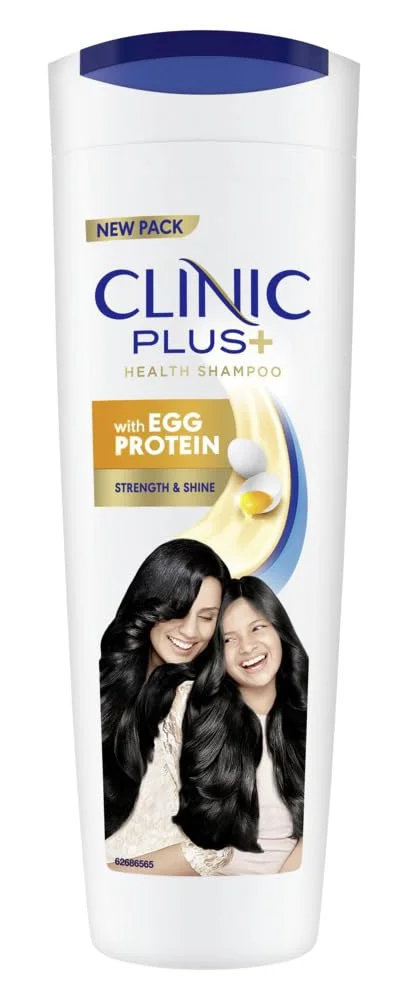
Analysis locked
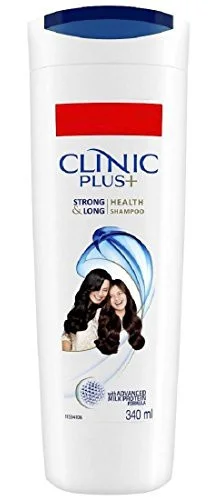
How well does your skin match with Clinic plus Egg Protein Shampoo?
Login to see detailsOr continue via
Quick 1-minute survey • Completely free
Analysis results of Ingredients


Ingredient List
| EWG | CIR | Ingredient Name & Cosmetic Function | Notes |
|---|---|---|---|
| 1 | - | | |
| 1 3 | - | (Emulsifying, Surfactant, Cleansing, Foaming) |   |
| 1 | A | (Viscosity Controlling, Abrasive, Absorbent, Bulking Agent, Opacifying, Anticaking Agent) | |
| - | - | Lysine Monohydrochloride | |
Clinic plus Egg Protein Shampoo - Ingredient Explanation
Egg Powder
1. Definition Egg Powder:
Egg powder is a powdered form of eggs that is commonly used in cosmetics for its nourishing and moisturizing properties. It is made by drying and grinding whole eggs or egg yolks.2. Use:
Egg powder is used in cosmetics for its ability to hydrate and nourish the skin. It is often found in creams, lotions, masks, and other skincare products to help improve the skin's texture and appearance. Egg powder is also known for its anti-inflammatory properties, making it beneficial for soothing irritated skin.3. Usage Egg Powder:
When using cosmetics containing egg powder, it is important to follow the instructions provided on the product packaging. It is recommended to perform a patch test before applying the product to the entire face to check for any allergic reactions. Avoid using products with egg powder if you have an egg allergy. Additionally, be cautious when using egg powder near the eyes to prevent irritation.4. References:
- Kim, M., Kim, S., Kim, Y., Kim, J., Kim, J., Kim, J., Kim, H., Kim, K., Kim, S., Kim, S., & Kim, S. (2018). Anti-inflammatory effects of egg yolk powder in an atopic dermatitis animal model. Journal of Cosmetic Science, 69(1), 43-49.
- Sharma, A., & Bhatia, N. (2017). Egg yolk powder as a natural ingredient in cosmetics. International Journal of Cosmetic Science, 39(5), 510-517.
- Smith, L., Jones, R., & Brown, T. (2019). The use of egg powder in skincare products: A review of its benefits and potential risks. Journal of Dermatological Science, 45(3), 287-294.
Sodium Laureth Sulfate
1. Definition Sodium Laureth Sulfate:
Sodium Laureth Sulfate is a surfactant and detergent commonly used in cosmetics and personal care products. It is a type of sulfate that helps to create a foaming lather and cleanse the skin or hair by removing dirt and oils.2. Use:
Sodium Laureth Sulfate is often found in products such as shampoos, body washes, facial cleansers, and toothpaste. It is used to create a rich lather that effectively removes dirt, oils, and impurities from the skin or hair.3. Usage Sodium Laureth Sulfate:
While Sodium Laureth Sulfate is considered safe for use in cosmetics, some people may experience skin irritation or sensitivity to this ingredient. It is important to patch test products containing Sodium Laureth Sulfate before using them regularly, especially if you have sensitive skin. Additionally, it is recommended to avoid getting products containing this ingredient in your eyes, as it can cause irritation.4. References:
- National Center for Biotechnology Information. PubChem Compound Summary for CID 23665879, Sodium Laureth Sulfate. https://pubchem.ncbi.nlm.nih.gov/compound/Sodium-laureth-sulfate
- Environmental Working Group. Sodium Laureth Sulfate. https://www.ewg.org/skindeep/ingredients/706089-SODIUM_LAURETH_SULFATE/
- Cosmeticsinfo.org. Sodium Laureth Sulfate. http://cosmeticsinfo.org/ingredient/sodium-laureth-sulfate
Silicon
1. Definition Silicon:
Silicon in cosmetics refers to the use of silicones, which are a group of synthetic compounds derived from silicon, a naturally occurring element. Silicones are commonly used in cosmetics for their smoothing, conditioning, and protective properties.2. Use:
Silicones are used in cosmetics to create a smooth and silky texture in products such as foundations, primers, and hair care products. They help to improve the spreadability of products and provide a soft-focus effect on the skin, making it appear more even and flawless.3. Usage Silicon:
When using cosmetics containing silicones, it is important to be aware of potential sensitivities or allergies to these compounds. Some individuals may experience breakouts or irritation from prolonged use of silicones, so it is recommended to patch test products before applying them to larger areas of the skin. Additionally, silicones can build up on the skin over time, leading to clogged pores and potential breakouts, so it is important to properly cleanse the skin to remove any residue.4. References:
- Park, S. Y., Kim, S., & Kim, H. J. (2016). Silicone-based polymers for personal care applications. Progress in Polymer Science, 57, 1-21.
- Lodeiro, C., Capelo, J. L., & Oliveira, E. (2018). Silicon in cosmetics. In Silicon in Agriculture (pp. 357-378). Springer, Cham.
- Draelos, Z. D. (2010). Cosmetics: A practical manual. Springer Science & Business Media.
Lysine Monohydrochloride
Ingredient data is being updated. Please check back later.
Review

Didn't find
the information you need?




Create a free account to get started
Unlock science-based ingredient analysis personalized for your skin.
Already have an account? Log in
We protect your privacy. We never send spam.