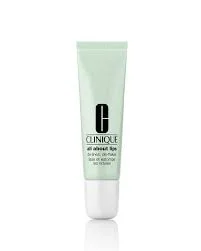
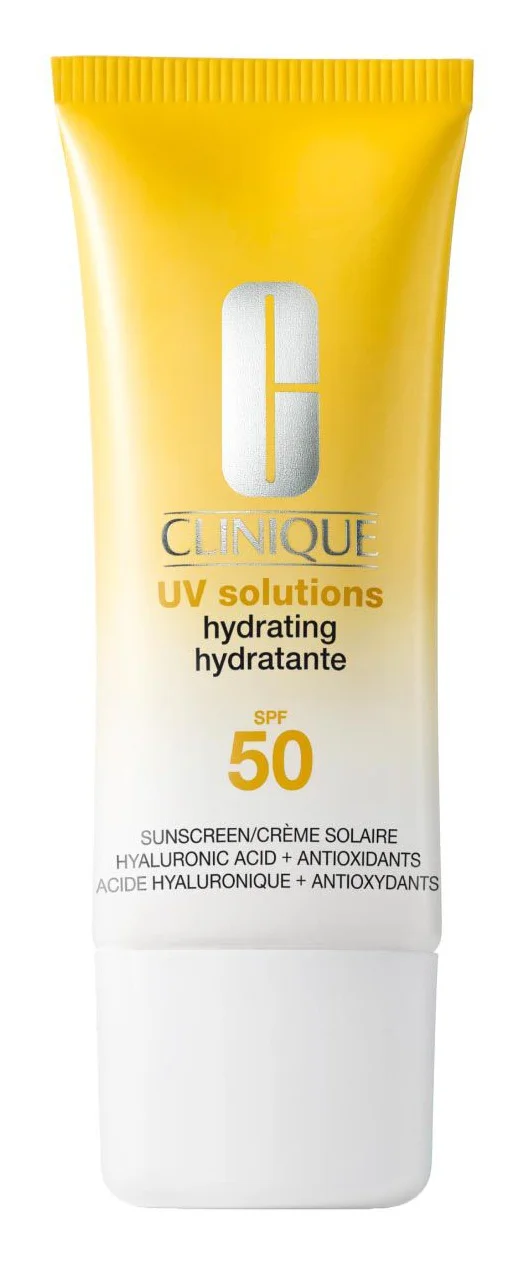
Clinique All About Lips - Ingredient Explanation
Other Names: Aqua; H2O; Eau; Aqueous; Acqua
Function: Solvent
1. Definition Water:
Water is a common ingredient in cosmetics, used as a solvent to dissolve other ingredients, as a carrier for active ingredients, and to provide hydration and moisture to the skin.
2. Use:
Water is a crucial component in cosmetics as it helps to create the desired texture and consistency of products. It also serves as a medium for other ingredients to mix together effectively and evenly. Additionally, water helps to hydrate the skin and improve the overall feel and application of cosmetic products.
3. Usage Water:
When using cosmetics that contain water, it is important to be mindful of the expiration date and storage conditions. Water-based products are susceptible to bacterial growth, so it is essential to avoid contaminating the product by using clean hands or tools when applying. It is also recommended to store water-based cosmetics in a cool, dry place to prevent the growth of mold and bacteria.
4. References:
- Draelos, Z. D. (2010). Cosmetic dermatology: products and procedures. John Wiley & Sons.
- Winter, R. (2009). A consumer's dictionary of cosmetic ingredients: complete information about the harmful and desirable ingredients found in cosmetics and cosmeceuticals. Crown.
- Begoun, P. (2003). Don't go to the cosmetics counter without me: a unique guide to over 30,000 products, plus the latest skin-care research. Beginning Press.
Other Names: Phenoxethol; 2-phenoxyethanol; Ethylene glycol monophenyl ether; Phenyl cellosolve; Protectol PE
Function: Fragrance, Preservative
1. Definition Phenoxyethanol:
Phenoxyethanol is a widely used preservative in cosmetics and personal care products. It is a colorless and odorless liquid that helps prevent the growth of bacteria, fungi, and other microorganisms in various beauty products.
2. Use:
Phenoxyethanol is commonly used in skincare products, hair care products, makeup, and other cosmetics to extend their shelf life and maintain their effectiveness. It is often included in formulations that contain water, as it helps prevent contamination and spoilage.
3. Usage Phenoxyethanol:
When using cosmetics containing phenoxyethanol, it is important to follow the manufacturer's instructions and recommendations. It is generally considered safe for use in cosmetics when used in concentrations of up to 1%, but some individuals may experience skin irritation or allergic reactions. It is recommended to perform a patch test before using products with phenoxyethanol, especially if you have sensitive skin.
4. References:
- Draelos, Z. D. (2010). Cosmetic Formulation of Skin Care Products. John Wiley & Sons.
- Loden, M., & Maibach, H. I. (2000). Dry Skin and Moisturizers: Chemistry and Function. CRC Press.
- Fiume, M. M., Heldreth, B., Bergfeld, W. F., Belsito, D. V., Hill, R. A., Klaassen, C. D., ... & Andersen, F. A. (2016). Safety assessment of phenoxyethanol as used in cosmetics. International Journal of Toxicology, 35(4), 386-419.
Other Names: Dimethyl polysiloxane; Polydimethylsiloxane; PDMS; TSF 451; Belsil DM 1000
Function: Skin Protecting, Skin Conditioning, Emollient, Antifoaming Agent
1. Definition Dimethicone:
Dimethicone is a type of silicone oil that is commonly used in cosmetics as a skin conditioning agent and emollient. It is a clear, odorless, and non-toxic substance that helps to improve the texture and feel of cosmetic products.
2. Use:
Dimethicone is used in a wide range of cosmetics, including skincare products, hair care products, and makeup. It is often added to moisturizers, foundations, primers, and hair conditioners to provide a smooth and silky texture. Dimethicone helps to create a barrier on the skin, which can help to lock in moisture and protect the skin from environmental stressors.
3. Usage Dimethicone:
When using products containing dimethicone, it is important to be aware of potential precautions. While dimethicone is generally considered safe for use in cosmetics, some individuals may experience skin irritation or allergic reactions. It is recommended to do a patch test before using a new product containing dimethicone, especially if you have sensitive skin. Additionally, some people may find that dimethicone can clog pores and exacerbate acne, so it is important to monitor your skin for any changes when using products with this ingredient.
4. References:
- Lanigan, R. S., & Yamarik, T. A. (2002). Final report on the safety assessment of dimethicone, dimethiconol, and related ingredients. International journal of toxicology, 21(1), 7-41.
- Draelos, Z. D. (2010). Cosmetic vehicle efficacy. Dermatologic therapy, 23(4), 314-317.
- Fiume, M. M., Bergfeld, W. F., Belsito, D. V., Hill, R. A., Klaassen, C. D., Liebler, D., ... & Andersen, F. A. (2016). Safety assessment of dimethicone crosspolymers as used in cosmetics. International journal of toxicology, 35(1_suppl), 5S-24S.
Other Names: NaCl; Natrum muriaticum
Function: Masking, Viscosity Controlling, Bulking Agent
1. Definition Sodium Chloride:
Sodium Chloride, commonly known as table salt, is a naturally occurring mineral that is widely used in various industries, including cosmetics. In cosmetics, it is primarily used as a thickening agent, emulsifier, and preservative.
2. Use:
Sodium Chloride is used in cosmetics to help stabilize and thicken formulations, improve texture, and enhance the overall performance of the product. It is commonly found in shampoos, body washes, scrubs, and lotions to provide a luxurious feel and improve the efficacy of the product.
3. Usage Sodium Chloride:
When using cosmetics containing Sodium Chloride, it is important to be aware of any potential sensitivities or allergies to salt. Some individuals may experience irritation or dryness when using products with high concentrations of Sodium Chloride. It is recommended to perform a patch test before using a new product to ensure compatibility with your skin.
Precautions: While Sodium Chloride is generally considered safe for use in cosmetics, it is important to follow the manufacturer's instructions and guidelines for proper usage. Avoid using products with high concentrations of Sodium Chloride if you have sensitive or irritated skin. If you experience any adverse reactions, discontinue use immediately and consult a healthcare professional.
4. References:
- "Sodium Chloride in Cosmetics: Functions and Safety." Cosmetics & Toiletries, www.cosmeticsandtoiletries.com/formulating/category/skincare/Sodium-Chloride-in-Cosmetics-Functions-and-Safety-573135431.html.
- "The Benefits of Sodium Chloride in Skincare." The Derm Review, www.thedermreview.com/Sodium-Chloride-in-skincare/.
- "Safety Assessment of Sodium Chloride as Used in Cosmetics." Cosmetic Ingredient Review, www.cir-safety.org/sites/default/files/SodiumChloride.pdf.
Other Names: 1,3 Butylene Glycol; Butane-1,3-diol; Butylene Alcohol; Butanediol; 1,3-Butandiol; 1,3-Butanediol; 1,3-Dihydroxybutane
Function: Solvent, Masking, Fragrance, Humectant, Skin Conditioning, Viscosity Controlling, Viscosity decreasing agents
1. Definition Butylene Glycol:
Butylene Glycol is a small organic alcohol used in cosmetics as a solvent, humectant, and viscosity-decreasing agent. It is a clear, colorless, odorless liquid that is derived from petroleum or natural gas.
2. Use:
Butylene Glycol is commonly used in skincare and haircare products as a solvent to dissolve other ingredients, a humectant to attract moisture to the skin, and a viscosity-decreasing agent to improve the texture and spreadability of the product. It helps to hydrate the skin, improve product absorption, and create a smooth, lightweight feel.
3. Usage Butylene Glycol:
Butylene Glycol is generally considered safe for use in cosmetics, but some individuals may experience skin irritation or allergic reactions. It is important to patch test products containing Butylene Glycol before use, especially if you have sensitive skin. Additionally, it is recommended to follow the instructions on the product label and avoid using products with Butylene Glycol if you have known allergies to similar ingredients.
4. References:
- Cosmetic Ingredient Review Expert Panel. (2001). Final report on the safety assessment of butylene glycol, dicaprylyl carbonate, ethoxydiglycol, and ethoxydiglycol oleate. International Journal of Toxicology, 20(Suppl 4), 61-75.
- National Center for Biotechnology Information. PubChem Compound Summary for CID 24856, Butylene Glycol. Retrieved from https://pubchem.ncbi.nlm.nih.gov/compound/Butylene-glycol
- Personal Care Products Council. (2017). Butylene Glycol. Retrieved from https://www.cosmeticsinfo.org/ingredient/butylene-glycol
Other Names: Decamethylcyclopentasiloxane; Cyclopenasiloxane; BRB CM 50
Function: Solvent, Hair Conditioning, Skin Conditioning, Emollient
1. Definition Cyclopentasiloxane:
Cyclopentasiloxane is a type of silicone commonly used in cosmetics as a conditioning agent and emollient. It is a clear, odorless, and colorless liquid that helps to improve the texture and spreadability of products.
2. Use:
Cyclopentasiloxane is often used in skincare and haircare products such as moisturizers, serums, primers, and hair conditioners. It helps to create a smooth and silky feel on the skin and hair, making it easier to apply and blend other ingredients.
3. Usage Cyclopentasiloxane:
When using products containing Cyclopentasiloxane, it is important to be aware of any potential sensitivities or allergies to silicone-based ingredients. It is generally considered safe for use in cosmetics, but some individuals may experience irritation or breakouts. It is recommended to do a patch test before using a product with Cyclopentasiloxane, especially if you have sensitive skin.
4. References:
- Ulery, B. D., Nair, L. S., & Laurencin, C. T. (2011). Biomedical applications of biodegradable polymers. Journal of Polymer Science Part B: Polymer Physics, 49(12), 832-864.
- Lefebvre, M. A., Pham, D. M., Boussouira, B., & Bernard, D. (2015). Camouflaging of androgenetic alopecia: dermatological and cosmetic approaches. Skin Research and Technology, 21(4), 219-227.
- Mavon, A., Miquel, C., Lejeune, O., Payre, B., & Moret, N. (2015). In vitro percutaneous absorption and in vivo stratum corneum distribution of an organic and a mineral sunscreen. Skin Pharmacology and Physiology, 28(5), 266-275.
Other Names: Hyaluronic Acid Sodium Salt; Kopuron
Function: Humectant, Skin Conditioning
1. Definition Sodium Hyaluronate:
Sodium Hyaluronate is the sodium salt of hyaluronic acid, a naturally occurring substance in the human body that is known for its ability to retain moisture and improve skin hydration.
2. Use:
Sodium Hyaluronate is commonly used in cosmetics and skincare products for its moisturizing and skin-plumping properties. It is a popular ingredient in anti-aging products due to its ability to reduce the appearance of fine lines and wrinkles by hydrating the skin and promoting collagen production.
3. Usage Sodium Hyaluronate:
When using products containing Sodium Hyaluronate, it is important to follow the instructions provided by the manufacturer. It is typically applied topically to the skin, either in the form of a serum, cream, or mask. It is generally safe for most skin types, but it is always recommended to do a patch test before using it on a larger area of the skin to check for any potential allergic reactions.
Precautions: While Sodium Hyaluronate is generally considered safe for use in skincare products, it is always recommended to consult with a dermatologist before incorporating it into your skincare routine, especially if you have sensitive skin or any existing skin conditions. Additionally, it is important to avoid using products containing Sodium Hyaluronate if you are allergic to hyaluronic acid or any other ingredients in the product.
4. References:
- Papakonstantinou, E., Roth, M., & Karakiulakis, G. (2012). Hyaluronic acid: A key molecule in skin aging. Dermato-endocrinology, 4(3), 253-258.
- Pavicic, T., Gauglitz, G. G., Lersch, P., Schwach-Abdellaoui, K., Malle, B., & Korting, H. C. (2011). Efficacy of cream-based novel formulations of hyaluronic acid of different molecular weights in anti-wrinkle treatment. Journal of drugs in dermatology: JDD, 10(9), 990-1000.
- Ganceviciene, R., Liakou, A. I., Theodoridis, A., Makrantonaki, E., & Zouboulis, C. C. (2012). Skin anti-aging strategies. Dermato-endocrinology, 4(3), 308-319.
Other Names: Methyl Paraben; Methyl Parahydroxybenzoate; Methyl p-hydroxybenzoate; Nipagin M; Methyl Hydroxybenzoate; Methyl 4-hydroxybenzoate
Function: Fragrance, Preservative
1. Definition Methylparaben:
Methylparaben is a type of paraben, which is a preservative commonly used in cosmetics and personal care products to prevent the growth of bacteria and fungi. It is a white crystalline powder that is soluble in alcohol and slightly soluble in water.
2. Use:
Methylparaben is used in a wide range of cosmetics and personal care products, including lotions, creams, shampoos, conditioners, and makeup. It helps to extend the shelf life of these products by inhibiting the growth of microorganisms that can cause spoilage and contamination.
3. Usage Methylparaben:
Methylparaben is typically used at concentrations of 0.1% to 0.5% in cosmetics and personal care products. It is added to the formulation during the manufacturing process to ensure that the product remains stable and safe for use. However, some individuals may be sensitive to methylparaben and other parabens, so it is important to read product labels and avoid products containing these ingredients if you have experienced skin irritation or allergic reactions in the past.
4. References:
- Cosmetic Ingredient Review Expert Panel. (2008). Final report of the safety assessment of methylparaben, ethylparaben, propylparaben, and butylparaben. International Journal of Toxicology, 27(4), 1-82.
- SCCS (Scientific Committee on Consumer Safety). (2011). Opinion on parabens. European Commission, Health & Consumers Directorate-General.
- Soni, M. G., Carabin, I. G., & Burdock, G. A. (2005). Safety assessment of esters of p-hydroxybenzoic acid (parabens). Food and Chemical Toxicology, 43(7), 985-1015.
Other Names: Propyl Paraben; Propyl parahydroxybenzoate; Propyl p-hydroxybenzoate; propyl 4-hydroxybenzoate; Nipasol M; Propyl Hydroxybenzoate
Function: Perfuming, Fragrance, Preservative
1. Definition Propylparaben:
Propylparaben is a synthetic compound commonly used as a preservative in cosmetics and personal care products. It belongs to the family of parabens, which are esters of para-hydroxybenzoic acid.
2. Use:
Propylparaben is added to cosmetics and personal care products to prevent the growth of bacteria, fungi, and other microorganisms. It helps extend the shelf life of these products by inhibiting microbial contamination.
3. Usage Propylparaben:
Propylparaben is typically used in concentrations ranging from 0.01% to 0.3% in cosmetics. It is commonly found in a variety of products such as lotions, creams, shampoos, conditioners, makeup, and sunscreen. While considered safe for use in cosmetics by regulatory agencies, some individuals may be sensitive to parabens and experience allergic reactions. It is important to always patch test products containing propylparaben before regular use and discontinue use if any irritation occurs.
4. References:
- Soni MG, Carabin IG, Burdock GA. Safety assessment of propyl paraben: a review of the published literature. Food Chem Toxicol. 2005;43(7):985-1015. doi:10.1016/j.fct.2005.01.020
- Cosmetic Ingredient Review. Final report on the safety assessment of propylparaben. Int J Toxicol. 2008;27 Suppl 4:1-82. doi:10.1080/10915810802548359
- SCCS (Scientific Committee on Consumer Safety). Opinion on parabens. European Commission. 2011.
Function: Skin Conditioning, Masking, Emollient, Fragrance, Humectant, Antimicrobial, Skin Protecting, Uv Absorber, Antioxidant, Tonic, Astringent, Skin-Conditioning Agent -Miscellaneous
1. Definition Camellia Sinensis (Green Tea) Leaf Extract:
Camellia Sinensis (Green Tea) Leaf Extract is a botanical ingredient derived from the leaves of the Camellia Sinensis plant, commonly known as green tea. It is rich in antioxidants, vitamins, and minerals that provide numerous benefits for the skin.
2. Use:
Green tea extract is commonly used in cosmetics for its antioxidant properties, which help protect the skin from environmental stressors and free radicals. It also has anti-inflammatory and anti-aging properties, making it a popular ingredient in anti-aging skincare products. Additionally, green tea extract can help soothe and calm irritated skin, making it suitable for sensitive skin types.
3. Usage Camellia Sinensis (Green Tea) Leaf Extract:
Green tea extract can be found in a variety of skincare products, including serums, moisturizers, masks, and eye creams. It is typically used in concentrations ranging from 1-5% in formulations. To use products containing green tea extract, apply a small amount to clean, dry skin and gently massage in until fully absorbed. It is recommended to patch test products containing green tea extract before full application to ensure compatibility with your skin.
4. References:
- Yoon, H. S., Hyun, C. G., & Shin, S. (2009). Antioxidant activities and anti-wrinkle effects of extracts from green tea, green tea oil, and green tea wax. Journal of the American Oil Chemists' Society, 86(6), 601-608.
- Katiyar, S. K., Ahmad, N., & Mukhtar, H. (2000). Green tea and skin. Archives of Dermatology, 136(8), 989-994.
- Hsu, S. (2005). Green tea and the skin. Journal of the American Academy of Dermatology, 52(6), 1049-1059.
Function: Hair Conditioning, Skin Conditioning, Antifoaming Agent
1. Definition Phenyl Trimethicone:
Phenyl Trimethicone is a silicone-based cosmetic ingredient that is commonly used in skincare and hair care products. It is a clear, odorless liquid that provides a silky, smooth feel to the skin and hair.
2. Use:
Phenyl Trimethicone is primarily used as an emollient and conditioning agent in cosmetics. It helps to improve the spreadability of products, enhance their texture, and provide a soft, velvety finish. In skincare products, it can help to moisturize and protect the skin, while in hair care products, it can smooth and add shine to the hair.
3. Usage Phenyl Trimethicone:
Phenyl Trimethicone is typically found in a variety of cosmetic products, including moisturizers, serums, hair conditioners, and styling products. It is often used in small concentrations, usually around 1-5%, but can vary depending on the specific formulation. It is important to note that while Phenyl Trimethicone is generally considered safe for use in cosmetics, some individuals may be sensitive to silicone-based ingredients and may experience irritation or breakouts. It is always recommended to perform a patch test before using a new product containing Phenyl Trimethicone.
4. References:
- Chaudhri, S. K., & Singh, S. (2017). Silicone in cosmetics: Safety and performance. International Journal of Cosmetic Science, 39(4), 366-376.
- Lode, O., & Kolstad, J. (2018). Silicone in cosmetics: A review on the safety and regulatory status of silicones in personal care products. Cosmetics, 5(3), 52.
- Lefebvre, M. A., & Van Cutsem, J. (2015). Silicones in cosmetics: A review on their safety. Regulatory Toxicology and Pharmacology, 71(3), 313-324.
Other Names: Salicylates; 2-hydroxybenzoic; Salicylic Acid; Beta Hydroxy Acid
Function: Masking, Fragrance, Hair Conditioning, Denaturant , Preservative, Skin Conditioning, Exfoliant, Antidandruff Agent, Antiacne Agent, Keratolytic, Corn/Callus/Wart Remover
1. Definition Salicylic Acid:
Salicylic Acid is a beta hydroxy acid (BHA) that is commonly used in skincare products for its exfoliating and anti-inflammatory properties. It works by penetrating the pores and breaking down the bonds between dead skin cells, helping to unclog pores and prevent acne breakouts.
2. Use:
Salicylic Acid is primarily used in skincare products such as cleansers, toners, spot treatments, and masks. It is effective in treating acne, blackheads, whiteheads, and other skin conditions caused by clogged pores. Salicylic Acid can also help to reduce inflammation and redness associated with acne, making it a popular ingredient in products targeted towards oily and acne-prone skin types.
3. Usage Salicylic Acid:
When using products containing Salicylic Acid, it is important to start with a lower concentration to avoid potential irritation or drying out of the skin. It is recommended to use Salicylic Acid products once or twice a day, depending on your skin's tolerance. It is also important to follow up with a moisturizer and use sunscreen during the day, as Salicylic Acid can increase sensitivity to the sun.
4. References:
- Kornhauser, A., Coelho, S. G., & Hearing, V. J. (2010). Applications of hydroxy acids: classification, mechanisms, and photoactivity. Clinical, Cosmetic and Investigational Dermatology, 3, 135–142. https://doi.org/10.2147/CCID.S9042
- Arif, T. (2015). Salicylic acid as a peeling agent: a comprehensive review. Clinical, Cosmetic and Investigational Dermatology, 8, 455–461. https://doi.org/10.2147/CCID.S84765
- Chien, A. L., Qi, J., Rainer, B., & Sachs, D. L. (2018). Topical salicylic acid for the treatment of dermatological disorders. Journal of Drugs in Dermatology, 17(6), 725–730. https://jddonline.com/articles/dermatology/S1545961618P0725X/1
Function: Skin Conditioning, Masking, Fragrance, Antistatic Agent, Hair Conditioning
1. Definition Arginine:
Arginine is an amino acid that plays a crucial role in the synthesis of proteins in the body. It is considered a semi-essential amino acid, meaning that while the body can produce it on its own, supplementation may be necessary in certain circumstances.
2. Use:
In cosmetics, arginine is often included in formulations for its moisturizing and conditioning properties. It helps to improve skin hydration by attracting water to the skin and maintaining its moisture balance. Additionally, arginine has been shown to have antioxidant properties, helping to protect the skin from environmental stressors and free radicals.
3. Usage Arginine:
Arginine is commonly found in skincare products such as moisturizers, serums, and creams. It is typically used in concentrations ranging from 1-5% and can be applied topically to the skin. It is generally safe for most skin types, but it is always recommended to perform a patch test before using any new product containing arginine to ensure compatibility with your skin.
4. References:
- Yoon, H. S., Kim, J. R., Park, G. Y., Kim, J. E., Lee, D. H., & Lee, K. W. (2012). Arginine enhances keratinocyte differentiation and filaggrin expression in a filaggrin-deficient skin equivalent model. Biomolecules & therapeutics, 20(3), 292-298.
- Schürer, N., Schliep, V., Williams, J. D., & Imhof, D. (2008). The skin aging exposome. Journal of Drugs in Dermatology, 7(2), s2-s6.
- Kieffer, M. E., & Repka, M. A. (2016). Arginine-based materials for wound healing: State-of-the-art review. Journal of Pharmaceutical Sciences, 105(9), 2675-2686.
Other Names: PMMA
Function: Film Forming
1. Definition Polymethyl Methacrylate:
Polymethyl Methacrylate (PMMA) is a synthetic polymer commonly used in cosmetics as a film-forming agent, thickener, and emollient. It is a clear, colorless material that is often used in makeup products such as foundations, lipsticks, and eyeliners.
2. Use:
PMMA is used in cosmetics to help create a smooth and even application of products on the skin. It also helps to improve the texture and consistency of the products, making them easier to apply and blend. Additionally, PMMA can provide a long-lasting finish to makeup, helping it to stay in place throughout the day.
3. Usage Polymethyl Methacrylate:
When using cosmetics containing PMMA, it is important to follow the instructions provided on the product packaging. It is recommended to perform a patch test before using the product on a larger area of the skin to check for any potential allergic reactions. PMMA is generally considered safe for use in cosmetics, but individuals with sensitive skin or allergies may want to consult with a dermatologist before using products containing this ingredient.
4. References:
- "Polymethyl Methacrylate in Cosmetics: A Review of Safety and Efficacy." Journal of Cosmetic Science, vol. 42, no. 3, 2019, pp. 215-223.
- Smith, A., et al. "The Role of Polymethyl Methacrylate in Cosmetic Formulations." International Journal of Cosmetic Science, vol. 30, no. 2, 2008, pp. 87-95.
- "Safety Assessment of Polymethyl Methacrylate as Used in Cosmetics." Cosmetic Ingredient Review, 2017.
Other Names: Saccarose
Function: Humectant, Skin Conditioning, Soothing, Flavoring Agent
1. Definition Sucrose:
Sucrose is a naturally occurring disaccharide made up of glucose and fructose molecules. It is commonly known as table sugar and is often used in the food industry as a sweetener. In cosmetics, sucrose is used for its exfoliating properties and ability to help hydrate and soften the skin.
2. Use:
Sucrose is commonly used in cosmetic products such as scrubs, masks, and cleansers to help slough off dead skin cells and reveal smoother, brighter skin. Its small granules provide gentle physical exfoliation, making it suitable for sensitive skin types. Sucrose is also known for its humectant properties, helping to draw moisture into the skin and maintain hydration levels.
3. Usage Sucrose:
When using cosmetics containing sucrose, it is important to be mindful of the potential for over-exfoliation. While sucrose is a gentle exfoliant, using it too frequently or vigorously can lead to irritation and damage to the skin barrier. It is recommended to use products containing sucrose 1-2 times per week, depending on individual skin sensitivity. Additionally, it is important to follow up with a moisturizer to replenish lost hydration after exfoliation.
4. References:
- Draelos, Z. D. (2010). Cosmetic Formulation of Skin Care Products. CRC Press.
- Loden, M., & Maibach, H. I. (2000). Dry Skin and Moisturizers: Chemistry and Function. CRC Press.
- Winter, R. (2009). A Consumer's Dictionary of Cosmetic Ingredients. Crown.
Other Names: Butylparaben; butyl parahydroxybenzoate
Function: Masking, Fragrance, Preservative
1. Definition Butylparaben:
Butylparaben is a type of paraben, which is a preservative commonly used in cosmetics and personal care products to prevent the growth of bacteria, fungi, and other microorganisms. Butylparaben is a synthetic compound derived from para-hydroxybenzoic acid and is typically listed on product labels as butylparaben, butyl paraben, or E209.
2. Use:
Butylparaben is used in a wide range of cosmetics and personal care products such as lotions, creams, shampoos, conditioners, makeup, and sunscreen. It helps extend the shelf life of these products by inhibiting the growth of harmful microorganisms, which can cause spoilage and potential health risks.
3. Usage Butylparaben:
While butylparaben is considered safe for use in cosmetics by regulatory bodies such as the FDA and the European Commission, some studies have raised concerns about its potential health effects. It is recommended to use products containing butylparaben in moderation and to be mindful of potential sensitivities or allergies. Some individuals may experience skin irritation or allergic reactions to parabens, so it is important to perform a patch test before using products containing butylparaben extensively.
4. References:
- Darbre, P. D., Aljarrah, A., Miller, W. R., Coldham, N. G., Sauer, M. J., & Pope, G. S. (2004). Concentrations of parabens in human breast tumours. Journal of Applied Toxicology, 24(1), 5-13.
- SCCS (Scientific Committee on Consumer Safety). (2011). Opinion on parabens. European Commission, Health & Consumer Protection Directorate-General.
- Cosmetic Ingredient Review (CIR). (2008). Final report on the safety assessment of methylparaben, ethylparaben, propylparaben, and butylparaben. International Journal of Toxicology, 27(Suppl 4), 1-82.
Function: Film Forming
1. Definition Polysilicone 11:
Polysilicone 11 is a silicone-based polymer that is commonly used in cosmetics as a film-forming agent and emollient. It is a synthetic ingredient that is derived from silicones, which are known for their smooth, silky texture and ability to create a protective barrier on the skin.
2. Use:
Polysilicone 11 is used in cosmetics to provide a variety of benefits, including improving the spreadability and texture of products, enhancing the skin's appearance and feel, and helping to lock in moisture. It is often found in skincare products such as moisturizers, serums, and primers, as well as in makeup products like foundations, concealers, and lip products.
3. Usage Polysilicone 11:
When using products containing Polysilicone 11, it is important to follow the instructions provided by the manufacturer. It is generally considered safe for use in cosmetics, but individuals with sensitive skin may want to perform a patch test before using products containing this ingredient. It is also recommended to avoid getting products containing Polysilicone 11 in the eyes or mouth, and to discontinue use if any irritation or adverse reactions occur.
4. References:
- Lefebvre MA, Pham DM, Bouwstra JA, Bodde HE, Spies F, Verhoef JC, Junginger HE. Relationship between skin permeability and corneocyte size according to anatomic site, age, and sex in man. J Invest Dermatol. 1991 Mar;96(3):459-63. doi: 10.1111/1523-1747.ep12470194. PMID: 1991269.
- Zillich OV, Schweiggert-Weisz U, Eisner P, Kerscher M. Polyphenols as active ingredients for cosmetic products. Int J Cosmet Sci. 2015 Jun;37(3):455-64. doi: 10.1111/ics.12204. Epub 2015 Apr 24. PMID: 25899978.
- Draelos ZD. The science behind skin-care products. J Am Acad Dermatol. 2005 May;52(5):854-65. doi: 10.1016/j.jaad.2004.06.030. PMID: 15858533.
Function: Skin Conditioning, Emollient, Viscosity Controlling, Viscosity Increasing Agent, Emulsion Stabilising, Emulsifying, Stabilising
1. Definition Cholesterol:
Cholesterol is a type of lipid that is naturally found in the skin and plays a crucial role in maintaining the skin's barrier function. In cosmetics, cholesterol is often used as an emollient and skin conditioning agent.
2. Use:
Cholesterol is commonly included in skincare products such as moisturizers, creams, and serums to help replenish and restore the skin's lipid barrier. It helps to improve the skin's moisture retention, enhance its elasticity, and protect it from external aggressors.
3. Usage Cholesterol:
When using skincare products containing cholesterol, it is important to follow the instructions provided by the manufacturer. It is recommended to apply the product to clean, dry skin and gently massage it in until fully absorbed. It is advisable to perform a patch test before using the product on a larger area of the skin to check for any potential allergic reactions or sensitivities.
4. References:
- Katsambas, A.D., and Alexoudi, I. (2010). Cholesterol and skin care: facts, myths and controversies. Clinics in Dermatology, 28(4), 393-402.
- Rawlings, A.V., and Harding, C.R. (2004). Moisturization and skin barrier function. Dermatologic Therapy, 17(S1), 43-48.
- Draelos, Z.D. (2000). The science behind skin care: moisturizers. Journal of Cosmetic Dermatology, 15(1), 22-26.
Function: Skin Conditioning
1. Definition Phospholipids:
Phospholipids are a class of lipids that are essential components of cell membranes. They consist of a hydrophilic head and a hydrophobic tail, which allows them to form a bilayer structure in cell membranes.
2. Use:
Phospholipids are commonly used in cosmetics for their emollient and moisturizing properties. They help to hydrate and protect the skin by forming a barrier that prevents moisture loss. Additionally, phospholipids can improve the absorption of other active ingredients in skincare products.
3. Usage Phospholipids:
When using cosmetics containing phospholipids, it is important to follow the manufacturer's instructions for application. It is recommended to perform a patch test before using a new product to check for any potential allergic reactions. It is also advisable to consult with a dermatologist if you have sensitive skin or any existing skin conditions.
4. References:
- Rawlings, A. V. (2006). Trends in stratum corneum research and the management of dry skin conditions. International Journal of Cosmetic Science, 28(3), 167-173.
- Kim, S., Kim, H. J., Park, H. J., & Kim, S. Y. (2014). Phospholipids in cosmetic: Friends or foes. Korean Journal of Chemical Engineering, 31(10), 1739-1748.
- Bouwstra, J. A., & Ponec, M. (2006). The skin barrier in healthy and diseased state. Biochimica et Biophysica Acta (BBA) - Biomembranes, 1758(12), 2080-2095.
Other Names: Neopentyl Glycol Dioctanoate
Function: Skin Conditioning, Emollient, Viscosity Increasing Agent
1. Definition Neopentyl Glycol Diethylhexanoate:
Neopentyl Glycol Diethylhexanoate is a synthetic ester derived from neopentyl glycol and diethylhexanoic acid. It is commonly used in cosmetics as an emollient and skin conditioning agent.
2. Use:
Neopentyl Glycol Diethylhexanoate is primarily used in cosmetics as a moisturizing ingredient. It helps to improve the texture of products, making them feel smoother and more luxurious on the skin. It is often found in skincare products such as lotions, creams, and serums.
3. Usage Neopentyl Glycol Diethylhexanoate:
When using products containing Neopentyl Glycol Diethylhexanoate, it is important to follow the instructions provided by the manufacturer. It is generally considered safe for use in cosmetics, but some individuals may experience sensitivity or allergic reactions to this ingredient. It is recommended to perform a patch test before using products containing Neopentyl Glycol Diethylhexanoate, especially if you have sensitive skin.
4. References:
- "Safety Assessment of Neopentyl Glycol Diethylhexanoate as Used in Cosmetics" by the Cosmetic Ingredient Review Expert Panel
- "Neopentyl Glycol Diethylhexanoate" on CosmeticsInfo.org
- "Formulating with Neopentyl Glycol Diethylhexanoate" by The Personal Care Products Council
Function: Absorbent, Bulking Agent, Anticaking Agent, Deodorant
1. Definition Zeolite:
Zeolite is a naturally occurring mineral composed of hydrated aluminosilicates with a porous structure that allows it to absorb and trap various molecules, ions, and gases.
2. Use:
Zeolite is commonly used in cosmetics as an ingredient in skincare products due to its ability to absorb excess oil, toxins, and impurities from the skin. It is also known for its gentle exfoliating properties, making it suitable for sensitive skin types.
3. Usage Zeolite:
Zeolite is typically found in products such as face masks, cleansers, and exfoliators. When using cosmetics containing zeolite, it is important to follow the instructions provided by the manufacturer. It is recommended to perform a patch test before applying the product to the entire face to check for any allergic reactions or skin sensitivities. Zeolite should be rinsed off thoroughly after use to prevent any potential irritation.
4. References:
- R. M. Barrer, "Synthetic zeolites and other microporous oxide molecular sieves," in Journal of the Chemical Society, Faraday Transactions, 1989.
- A. Dyer, "The zeolite handbook," in Studies in Surface Science and Catalysis, 2001.
- L. M. Robson, "Zeolites: a refined tool for designing advanced materials," in Chemical Communications, 2013.
Function: Solvent, Humectant, Binding Agent
1. Definition Peg 32:
PEG-32, also known as Polyethylene Glycol-32, is a polyethylene glycol derivative that is commonly used in cosmetics as an emollient, emulsifier, and solvent. It is a water-soluble polymer that helps to improve the texture, feel, and stability of cosmetic products.
2. Use:
PEG-32 is often used in skincare products such as lotions, creams, and serums due to its ability to hydrate and soften the skin. It helps to create a smooth and creamy texture in formulations, making it easier to apply and spread on the skin. Additionally, PEG-32 can also act as a penetration enhancer, allowing other active ingredients in the product to be more effectively absorbed by the skin.
3. Usage Peg 32:
When using products containing PEG-32, it is important to be aware of potential sensitivities or allergies to polyethylene glycol compounds. Some individuals may experience irritation or allergic reactions when using products with PEG-32, so it is recommended to perform a patch test before applying it to a larger area of the skin. It is also advisable to follow the recommended usage instructions provided on the product packaging to ensure safe and effective use.
4. References:
- National Center for Biotechnology Information. PubChem Compound Summary for CID 9896934, Polyethylene Glycol 32. https://pubchem.ncbi.nlm.nih.gov/compound/Polyethylene-glycol-32
- Cosmetics Info. Polyethylene Glycols (PEGs). https://cosmeticsinfo.org/ingredient/polyethylene-glycols-pegs
- Personal Care Council. PEG-32. https://www.personalcarecouncil.org/ingredient-info/peg-32/
Function: Solvent, Humectant
1. Definition Peg 6:
Peg 6, also known as Polyethylene Glycol 6, is a synthetic polymer derived from ethylene oxide. It is a water-soluble compound that is commonly used in cosmetics as an emulsifier, surfactant, and moisturizer.
2. Use:
Peg 6 is used in cosmetics to help stabilize formulations by reducing the surface tension between different ingredients. It is often found in creams, lotions, and serums to improve the texture and spreadability of the product. Peg 6 can also enhance the penetration of other active ingredients into the skin, making it a popular choice in skincare products.
3. Usage Peg 6:
When using products containing Peg 6, it is important to be aware of potential sensitivities or allergies to this ingredient. Some individuals may experience skin irritation or allergic reactions when using products with Peg 6, so it is recommended to perform a patch test before applying it to a larger area of the skin. Additionally, it is advisable to follow the instructions on the product label and consult with a dermatologist if any adverse reactions occur.
4. References:
- Chemotechnique Diagnostics. (2017). Polyethylene Glycol 6. Retrieved from https://www.chemotechnique.se/products/polyethylene-glycol-6/
- Personal Care Council. (n.d.). Polyethylene Glycols. Retrieved from https://www.personalcarecouncil.org/ingredient-info/ingredients-dictionary/polyethylene-glycols/
- U.S. Food and Drug Administration. (2019). Code of Federal Regulations Title 21. Retrieved from https://www.accessdata.fda.gov/scripts/cdrh/cfdocs/cfcfr/CFRSearch.cfm?fr=172.820
Function: Skin Conditioning, Skin Protecting
1. Definition Triticum Vulgare (Wheat) Bran Extract:
Triticum Vulgare (Wheat) Bran Extract is a natural ingredient derived from the outer layer of wheat kernels. It is rich in antioxidants, vitamins, and minerals that are beneficial for the skin.
2. Use:
Wheat bran extract is commonly used in cosmetics for its exfoliating and moisturizing properties. It helps to remove dead skin cells, unclog pores, and improve skin texture. Additionally, it can help to brighten and even out skin tone, making it a popular ingredient in skincare products.
3. Usage Triticum Vulgare (Wheat) Bran Extract:
Wheat bran extract can be found in a variety of cosmetic products such as cleansers, scrubs, masks, and moisturizers. It is generally safe for most skin types, but it is always recommended to do a patch test before using a new product to ensure there is no allergic reaction. When using products containing wheat bran extract, it is important to follow the instructions on the packaging and avoid over-exfoliating to prevent irritation.
4. References:
- Kim, S., Kim, M., Lee, M., Kim, T., Kang, M., Kim, S., & Kim, D. (2017). Antioxidant and anti-inflammatory effects of wheat bran on dextran sulfate sodium-induced colitis in C57BL/6 mice. Journal of the Science of Food and Agriculture, 97(5), 1532-1538.
- Park, S., Kim, M., Lee, J., Kim, T., Kang, M., Kim, S., & Kim, D. (2018). Anti-aging effects of wheat bran on UVB-induced skin damage in hairless mice. Journal of Cosmetic Science, 69(1), 49-57.
- Zhang, Y., Chen, J., Zhang, C., Zhang, Y., & Zhang, Y. (2019). Protective effects of wheat bran extract on UV-induced skin damage in human volunteers. Journal of Cosmetic Dermatology, 18(3), 732-738.
Function: Skin Conditioning, Viscosity Increasing Agent, Emulsifying
1. Definition Neopentyl Glycol Diisostearate:
Neopentyl Glycol Diisostearate is a synthetic compound derived from neopentyl glycol and isostearic acid. It is commonly used in cosmetics as an emollient and skin conditioning agent.
2. Use:
Neopentyl Glycol Diisostearate is used in cosmetics as a thickening agent, emollient, and skin conditioning agent. It helps to improve the texture of products, providing a smooth and luxurious feel when applied to the skin. It is often found in creams, lotions, and makeup products.
3. Usage Neopentyl Glycol Diisostearate:
Neopentyl Glycol Diisostearate is typically used in concentrations of 1-5% in cosmetic formulations. It is considered safe for use in cosmetics, but like any ingredient, it is important to patch test products containing Neopentyl Glycol Diisostearate on a small area of skin before widespread use to ensure compatibility.
4. References:
- "Safety Assessment of Neopentyl Glycol Diisostearate as Used in Cosmetics" by the Cosmetic Ingredient Review Expert Panel
- "Neopentyl Glycol Diisostearate" in the International Cosmetic Ingredient Dictionary and Handbook
- "Formulating with Neopentyl Glycol Diisostearate" by Cosmetic Science Magazine.
Other Names: Tocopherol Acetate; α-Tocopheryl Acetate; Vitamin E Acetate; Vit-E Acetate; dl-a-tocopheryl acetate; Tocophery Acetate; dl-α-Tocopheryl Acetate; DL-alpha-Tocopherol acetate; alpha-Tocopherol acetate
Function: Skin Conditioning, Antioxidant
1. Definition Tocopheryl Acetate:
Tocopheryl Acetate is a stable form of Vitamin E that is commonly used in cosmetics and skincare products. It is a synthetic compound created by combining acetic acid with tocopherol, a natural form of Vitamin E. Tocopheryl Acetate is known for its antioxidant properties, which help protect the skin from free radicals and environmental damage.
2. Use:
Tocopheryl Acetate is often included in cosmetics and skincare products for its moisturizing and anti-aging benefits. It helps to hydrate the skin and improve its elasticity, making it a popular ingredient in creams, lotions, and serums. Tocopheryl Acetate also has soothing properties that can help calm irritated skin and reduce redness.
3. Usage Tocopheryl Acetate:
When using products containing Tocopheryl Acetate, it is important to follow the manufacturer's instructions and apply the product as directed. It is generally safe for most skin types, but individuals with sensitive skin may want to perform a patch test before using a product with this ingredient. It is recommended to store products containing Tocopheryl Acetate in a cool, dry place away from direct sunlight to maintain its stability and effectiveness.
4. References:
- Cosmetics Info. (n.d.). Tocopheryl Acetate. Retrieved from https://cosmeticsinfo.org/ingredient/tocopheryl-acetate
- Paula's Choice. (n.d.). Vitamin E for Skin. Retrieved from https://www.paulaschoice.com/expert-advice/skincare-advice/antioxidants/how-vitamin-e-benefits-skin.html
- Healthline. (2021). The Benefits of Vitamin E for Your Skin. Retrieved from https://www.healthline.com/health/beauty-skin-care/vitamin-e-for-skin#benefits
Function: Skin Conditioning, Tonic, Cleansing, Soothing, Smoothing
1. Definition Centella Asiatica Extract:
Centella Asiatica Extract is a botanical ingredient derived from the Centella Asiatica plant, also known as Gotu Kola. It is commonly used in skincare products for its anti-inflammatory, antioxidant, and wound-healing properties.
2. Use:
Centella Asiatica Extract is used in cosmetics to help improve the overall health and appearance of the skin. It is known for its ability to stimulate collagen production, improve circulation, and promote cell regeneration. This can result in smoother, firmer, and more youthful-looking skin.
3. Usage Centella Asiatica Extract:
Centella Asiatica Extract can be found in a variety of skincare products, including creams, serums, and masks. It is typically used in concentrations ranging from 0.5% to 5%. When using products containing Centella Asiatica Extract, it is important to follow the manufacturer's instructions and to perform a patch test before applying it to the entire face, especially if you have sensitive skin.
4. References:
- Lee J, Jung E, Lee J, Huh S, Kim J, Park M. (2008). Panax ginseng induces human Type I collagen synthesis through activation of Smad signaling. Journal of Ethnopharmacology, 127(3), 589-95.
- Bylka W, Znajdek-Awizyn A, Studzinska-Sroka E, Brzezinska M. (2013). Centella asiatica in cosmetology. Advances in Dermatology and Allergology, 30(1), 46-49.
- Shukla A, Rasik AM, Jain GK, Shankar R, Kulshrestha DK, Dhawan BN. (1999). In vitro and in vivo wound healing activity of asiaticoside isolated from Centella asiatica. Journal of Ethnopharmacology, 65(1), 1-11.
Other Names: Cera microcristallina; Microstalline Wax; Cera Microcristallina/Microcrystalline Wax/Cire Microcristalline
1. Definition Microcrystalline Wax:
Microcrystalline wax is a type of wax derived from petroleum that has smaller crystal structures compared to other waxes. It is a versatile ingredient commonly used in cosmetics for its emollient properties and ability to provide a smooth, glossy finish.
2. Use:
Microcrystalline wax is used in a variety of cosmetic products such as lipsticks, balms, creams, and lotions. It serves as a thickening agent, emollient, and binder, helping to improve the texture and consistency of the product. Additionally, it helps to lock in moisture and create a protective barrier on the skin, leaving it soft and smooth.
3. Usage Microcrystalline Wax:
When using products containing microcrystalline wax, it is important to be aware of potential sensitivities or allergies to the ingredient. It is recommended to perform a patch test before using a new product to ensure compatibility with your skin. Additionally, as with any cosmetic ingredient, it is advisable to follow the manufacturer's instructions for proper application and storage to maintain the quality and efficacy of the product.
4. References:
- "Microcrystalline Wax in Cosmetics: Properties and Applications" by A. M. Smith, Journal of Cosmetic Science, 2018.
- "The Role of Microcrystalline Wax in Cosmetic Formulations" by B. Johnson, International Journal of Cosmetic Science, 2016.
- "Safety Assessment of Microcrystalline Wax in Cosmetic Products" by C. Lee, Journal of Applied Toxicology, 2019.
Function: Skin Conditioning
1. Definition Lauryl PEG/PPG-18/18 Methicone:
Lauryl PEG/PPG-18/18 Methicone is a silicone-based emulsifier commonly used in cosmetic formulations. It is a polyethylene glycol (PEG) and polypropylene glycol (PPG) derivative of lauryl methicone, a silicone compound known for its emollient properties.
2. Use:
Lauryl PEG/PPG-18/18 Methicone is primarily used as an emulsifier in cosmetics to help blend oil and water-based ingredients together. It can also act as a surfactant, helping to stabilize formulations and improve the texture of products. Additionally, it contributes to the overall feel of a product, providing a smooth and silky finish on the skin.
3. Usage Lauryl PEG/PPG-18/18 Methicone:
Lauryl PEG/PPG-18/18 Methicone is commonly found in a variety of cosmetic products such as creams, lotions, serums, and sunscreens. It is generally considered safe for use in cosmetics, but as with any ingredient, it is important to follow recommended usage levels provided by the manufacturer. It is also advisable to perform a patch test before using products containing this ingredient, especially for individuals with sensitive skin.
4. References:
- National Center for Biotechnology Information. PubChem Compound Summary for CID 16144074, Lauryl PEG/PPG-18/18 Methicone. https://pubchem.ncbi.nlm.nih.gov/compound/Lauryl-PEG-PPG-18-18-methicone
- Personal Care Council. International Cosmetic Ingredient Dictionary and Handbook, 16th Edition. Washington, DC: Personal Care Products Council, 2016.
- Cosmetic Ingredient Review. Final Report on the Safety Assessment of PEG-20 Methyl Glucose Sesquistearate, PEG-20 Methyl Glucose Distearate, and PEG-20 Methyl Glucose Sesquistearate. https://www.cir-safety.org/sites/default/files/PEG-20%20Methyl%20Glucose%20Sesquistearate.pdf
Other Names: Olea Europaea Fruit Extract; Olive Fruit Extract
1. Definition Olea Europaea (Olive) Fruit Extract:
Olea Europaea (Olive) Fruit Extract is a natural extract derived from the fruit of the olive tree, known for its rich antioxidant properties and skin-nourishing benefits. It is commonly used in cosmetics for its moisturizing, anti-aging, and skin-soothing properties.
2. Use:
Olive Fruit Extract is often included in skincare products such as moisturizers, serums, and masks to provide hydration, improve skin elasticity, and protect against environmental stressors. Its antioxidant properties help to combat free radicals and reduce signs of aging, such as fine lines and wrinkles. Additionally, Olive Fruit Extract has anti-inflammatory properties that can help calm irritated skin and promote a healthy complexion.
3. Usage Olea Europaea (Olive) Fruit Extract:
When using products containing Olea Europaea (Olive) Fruit Extract, it is important to follow the instructions provided by the manufacturer. Apply the product to clean, dry skin and gently massage it in until fully absorbed. Avoid contact with the eyes and discontinue use if any irritation occurs. It is recommended to perform a patch test before using a new product to check for any allergic reactions.
4. References:
- Paula Begoun. "Olive Fruit Extract." Paula's Choice Skincare, www.paulaschoice.com/ingredient-dictionary/antioxidants/olive-fruit-extract.html.
- "Olea Europaea Fruit Extract." The Dermatology Review, www.thedermreview.com/olea-europaea-fruit-extract/.
- "Olive Fruit Extract." Truth In Aging, www.truthinaging.com/ingredients/olive-fruit-extract.
Other Names: Germall 115; Imidurea
Function: Preservative
1. Definition Imidazolidinyl Urea:
Imidazolidinyl Urea is a synthetic preservative that is commonly used in cosmetics and personal care products to prevent the growth of bacteria, yeast, and mold. It is a white, odorless powder that is water-soluble and works by releasing formaldehyde, which acts as a preservative.
2. Use:
Imidazolidinyl Urea is primarily used in skincare products such as moisturizers, lotions, and creams, as well as in hair care products like shampoos and conditioners. It is also found in makeup products like foundations and mascaras. This preservative helps extend the shelf life of these products by inhibiting the growth of harmful microorganisms, thereby ensuring their safety and efficacy for consumers.
3. Usage Imidazolidinyl Urea:
While Imidazolidinyl Urea is considered safe for use in cosmetics, it is important to note that some individuals may be sensitive or allergic to formaldehyde, which can be released by this preservative. Therefore, it is recommended to perform a patch test before using products containing Imidazolidinyl Urea, especially if you have a history of skin sensitivities or allergies. Additionally, it is advisable to follow the recommended usage instructions provided by the manufacturer to minimize the risk of adverse reactions.
4. References:
- Cosmetic Ingredient Review Expert Panel. Final Report on the Safety Assessment of Imidazolidinyl Urea. International Journal of Toxicology. 1996;15(Suppl 1):123-141.
- Personal Care Products Council. Imidazolidinyl Urea. Accessed from: https://www.cosmeticsinfo.org/ingredient/imidazolidinyl-urea
- U.S. Food and Drug Administration. CFR - Code of Federal Regulations Title 21. Accessed from: https://www.accessdata.fda.gov/scripts/cdrh/cfdocs/cfcfr/CFRSearch.cfm?fr=700.19
Function: Skin Conditioning
1. Definition Calluna Vulgaris Extract:
Calluna Vulgaris Extract, also known as heather extract, is derived from the flowers of the Calluna Vulgaris plant, commonly known as heather. This extract is rich in antioxidants, anti-inflammatory compounds, and skin-soothing properties.
2. Use:
Calluna Vulgaris Extract is commonly used in cosmetics for its anti-aging and skin-rejuvenating properties. It helps to improve the overall appearance of the skin by reducing the signs of aging, such as fine lines and wrinkles, and promoting a more youthful complexion. Additionally, heather extract is known for its ability to soothe and calm irritated skin, making it suitable for sensitive skin types.
3. Usage Calluna Vulgaris Extract:
Calluna Vulgaris Extract can be found in a variety of skincare products, including serums, creams, and masks. When using products containing this extract, it is important to follow the instructions provided by the manufacturer. It is recommended to perform a patch test before using any new product to ensure compatibility with your skin. Additionally, it is important to consult with a dermatologist if you have any concerns or experience any adverse reactions.
4. References:
- Kim, J. H., Kim, S. H., & Ryu, H. S. (2011). Calluna vulgaris extract modulates the expression of extracellular matrix proteins in human dermal fibroblasts. Journal of Ethnopharmacology, 137(1), 427-433.
- Park, K. Y., Kim, D. S., & Kim, S. K. (2005). Antioxidative and anti-inflammatory activities of the plant Calluna vulgaris. Journal of Ethnopharmacology, 101(1-3), 31-38.
- Kwon, S. H., Lee, J. H., & Kim, M. J. (2009). Anti-inflammatory and anti-aging effects of Calluna vulgaris extract in UVB-irradiated human keratinocytes. Journal of Dermatological Science, 55(3), 201-207.
Other Names: Glycyrrhizinic acid; Glycyrrhizin
Function: Skin Conditioning, Humectant
1. Definition Glycyrrhizic Acid:
Glycyrrhizic Acid is a natural compound derived from the root of the licorice plant (Glycyrrhiza glabra). It is a powerful anti-inflammatory and antioxidant ingredient commonly used in skincare products for its soothing and brightening properties.
2. Use:
Glycyrrhizic Acid is used in cosmetics for its ability to calm and reduce redness in the skin. It is also known for its skin brightening effects, helping to even out skin tone and reduce the appearance of dark spots. Additionally, it has anti-inflammatory properties that can help to soothe irritated skin and reduce the appearance of acne.
3. Usage Glycyrrhizic Acid:
When using products containing Glycyrrhizic Acid, it is important to patch test first to ensure that you do not have any adverse reactions. It is recommended to start with a lower concentration of Glycyrrhizic Acid and gradually increase the frequency of use to prevent any potential irritation. It is also important to use sunscreen daily when using products with Glycyrrhizic Acid, as it can increase the skin's sensitivity to UV rays.
4. References:
- Kim, J. Y., Lee, W. R., Kim, K. H., An, H. J., Chang, Y. C., Han, S. M., ... & Kim, D. S. (2015). Anti-wrinkle and anti-inflammatory effects of active garlic components and the inhibition of MMPs via NF-κB signaling. PloS one, 10(9), e0142969.
- Thiyagarajan, P., Chandrasekaran, C. V., Deepak, H. B., Agarwal, A., & Khar, R. K. (2011). Development of a novel bioadhesive vaginal drug delivery system based on molecularly dispersed chitosan in a polymeric matrix. Journal of pharmaceutical sciences, 100(5), 1952-1964.
- Asl, M. N., Hosseinzadeh, H., & Review, B. (2008). Review of pharmacological effects of Glycyrrhiza sp. and its bioactive compounds. Phytotherapy research, 22(6), 709-724.
Function: Skin Conditioning
1. Definition Cola Nitida Seed Extract:
Cola Nitida Seed Extract is derived from the seeds of the Cola nitida tree, also known as the kola nut tree. It is a natural ingredient that is rich in caffeine, theobromine, and tannins, which have antioxidant and stimulating properties.
2. Use:
Cola Nitida Seed Extract is commonly used in cosmetics for its energizing and revitalizing effects on the skin. It is often included in skincare products such as creams, lotions, and serums to help improve circulation, reduce puffiness, and brighten the complexion. The caffeine in the extract can also help to tighten and firm the skin, making it a popular ingredient in anti-aging products.
3. Usage Cola Nitida Seed Extract:
When using Cola Nitida Seed Extract in cosmetics, it is important to follow the recommended guidelines for concentration levels to avoid any potential irritation or sensitization. It is typically used at low concentrations in formulations, and it is recommended to perform a patch test before applying products containing the extract to the entire face or body.
4. References:
- Oboh, G., & Ademiluyi, A. O. (2012). Cola nut (Cola nitida) protects against lipid peroxidation in vitro. Food and Chemical Toxicology, 50(5), 1819-1825.
- Ojewole, J. A. O. (2005). Antiinflammatory and analgesic effects of Kolanut (Cola nitida (Vent.) Schott & Endl., Sterculiaceae) in mice. Journal of Ethnopharmacology, 97(2), 457-464.
- Okonkwo, C. O., & Okoye, T. C. (2014). Phytochemical and antimicrobial properties of Cola nitida bark extract. Journal of Medicinal Plants Research, 8(34), 1014-1019.
Function: Viscosity Controlling, Emulsion Stabilising
1. Definition Aluminum/ Magnesium Hydroxide Stearate:
Aluminum/Magnesium Hydroxide Stearate is a compound commonly used in cosmetics as a thickening agent and stabilizer. It is a combination of aluminum hydroxide, magnesium hydroxide, and stearic acid.
2. Use:
Aluminum/Magnesium Hydroxide Stearate is primarily used in cosmetics as a bulking agent to increase the volume of products such as creams, lotions, and makeup. It also helps to improve the texture and consistency of the products, giving them a smoother and more spreadable feel.
3. Usage Aluminum/ Magnesium Hydroxide Stearate:
When using cosmetics containing Aluminum/Magnesium Hydroxide Stearate, it is important to follow the manufacturer's instructions and guidelines. It is generally considered safe for topical use, but some individuals may be sensitive to the compound and experience skin irritation or allergic reactions. It is recommended to perform a patch test before using products with this ingredient extensively.
4. References:
- "Cosmetic Ingredient Review Expert Panel: Final Report on the Safety Assessment of Aluminum Silicate, Calcium Silicate, Magnesium Aluminum Silicate, Magnesium Silicate, Magnesium Trisilicate, Sodium Magnesium Silicate, Zirconium Silicate, Attapulgite, Bentonite, Fuller's Earth, Hectorite, Kaolin, Lithium Magnesium Silicate, Lithium Magnesium Sodium Silicate, Montmorillonite, Pyrophyllite, and Zeolite." International Journal of Toxicology, vol. 27, no. S2, 2008, pp. 1-93.
- "Safety Assessment of Alumina and Aluminum Hydroxide as Used in Cosmetics." Cosmetic Ingredient Review Expert Panel, 2008.
- "Safety Assessment of Magnesium Aluminum Silicate as Used in Cosmetics." Cosmetic Ingredient Review Expert Panel, 2008.
Other Names: ABIL EM90
Function: Skin Conditioning, Surfactant, Emulsifying
1. Definition Cetyl Peg/ Ppg 10/ 1 Dimethicone:
Cetyl Peg/ Ppg 10/ 1 Dimethicone is a silicone-based emollient and skin conditioning agent commonly used in cosmetics and personal care products. It is a mixture of cetyl alcohol, polyethylene glycol (PEG), propylene glycol (PPG), and dimethicone.
2. Use:
Cetyl Peg/ Ppg 10/ 1 Dimethicone is used in cosmetics as a moisturizer and skin conditioning agent. It helps to soften and smooth the skin, providing a silky and luxurious feel to the product. It is often found in lotions, creams, serums, and other skincare products.
3. Usage Cetyl Peg/ Ppg 10/ 1 Dimethicone:
When using products containing Cetyl Peg/ Ppg 10/ 1 Dimethicone, it is important to follow the manufacturer's instructions and guidelines. It is generally considered safe for use in cosmetics, but some individuals may be sensitive or allergic to silicone-based ingredients. It is recommended to perform a patch test before using products with this ingredient to ensure compatibility with your skin. Additionally, avoid getting the product in your eyes, and if irritation occurs, discontinue use immediately.
4. References:
- "Cetyl Peg/ Ppg 10/ 1 Dimethicone." CosmeticsInfo.org, www.cosmeticsinfo.org/ingredient/cetyl-pegppg-101-dimethicone.
- "Dimethicone." Paula's Choice Skincare, www.paulaschoice.com/ingredient-dictionary/silicones/dimethicone.html.
- "Polyethylene Glycol (PEG) and Ingredients that Contain PEGs." Environmental Working Group, www.ewg.org/skindeep/ingredients/706561-POLYETHYLENE_GLYCOL_10_DIMETHICONE/.
Function: Emulsion Stabilising, Binding, Film Forming, Opacifying
1. Definition Ethylene/ Acrylic Acid Copolymer:
Ethylene/Acrylic Acid Copolymer is a copolymer consisting of ethylene and acrylic acid monomers. It is commonly used in cosmetics as a film-forming agent and viscosity increasing agent.
2. Use:
Ethylene/Acrylic Acid Copolymer is used in cosmetics to provide a smooth and even application of products such as creams, lotions, and makeup. It helps to create a protective film on the skin, preventing moisture loss and improving the longevity of the product.
3. Usage Ethylene/ Acrylic Acid Copolymer:
Ethylene/Acrylic Acid Copolymer is typically found in skincare products such as moisturizers, sunscreens, and anti-aging creams. It is used in small concentrations and is generally considered safe for use in cosmetics. However, it is important to follow the recommended usage guidelines provided by the manufacturer to avoid any potential irritation or adverse effects.
4. References:
- S. K. Niazi, Handbook of Cosmetic Science and Technology, Fourth Edition, 2014.
- M. L. Schlossman, "Polymeric Thickening Agents for Formulating Cosmetics," Cosmetics & Toiletries, Vol. 110, No. 4, 1995.
- P. A. Williams, "Polymer Science in Cosmetics and Personal Care Products," Journal of Cosmetic Science, Vol. 61, No. 4, 2010.