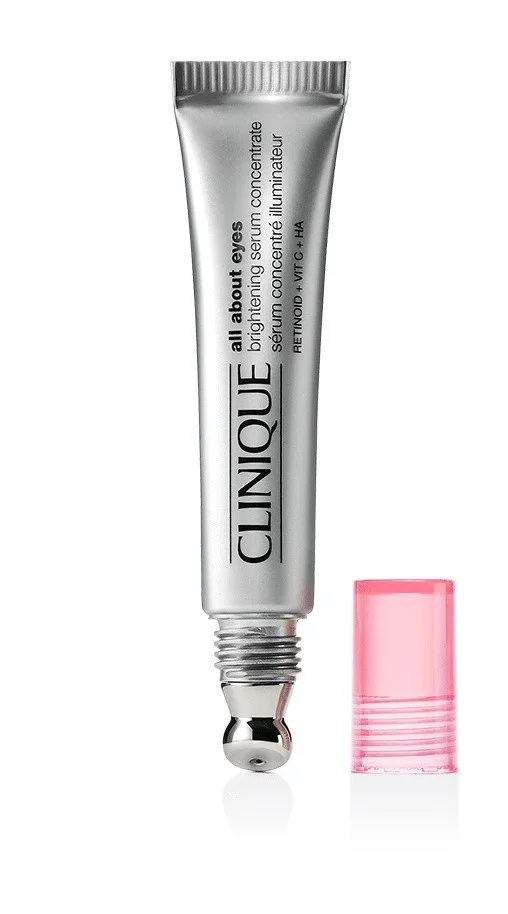
Clinique All About Eyes Brightening Serum Concentrate With Retinoid - Ingredient Explanation
Other Names: Aqua; H2O; Eau; Aqueous; Acqua
Function: Solvent
1. Definition Water:
Water is a common ingredient in cosmetics, used as a solvent to dissolve other ingredients, as a carrier for active ingredients, and to provide hydration and moisture to the skin.
2. Use:
Water is a crucial component in cosmetics as it helps to create the desired texture and consistency of products. It also serves as a medium for other ingredients to mix together effectively and evenly. Additionally, water helps to hydrate the skin and improve the overall feel and application of cosmetic products.
3. Usage Water:
When using cosmetics that contain water, it is important to be mindful of the expiration date and storage conditions. Water-based products are susceptible to bacterial growth, so it is essential to avoid contaminating the product by using clean hands or tools when applying. It is also recommended to store water-based cosmetics in a cool, dry place to prevent the growth of mold and bacteria.
4. References:
- Draelos, Z. D. (2010). Cosmetic dermatology: products and procedures. John Wiley & Sons.
- Winter, R. (2009). A consumer's dictionary of cosmetic ingredients: complete information about the harmful and desirable ingredients found in cosmetics and cosmeceuticals. Crown.
- Begoun, P. (2003). Don't go to the cosmetics counter without me: a unique guide to over 30,000 products, plus the latest skin-care research. Beginning Press.
Other Names: Dimethyl polysiloxane; Polydimethylsiloxane; PDMS; TSF 451; Belsil DM 1000
Function: Skin Protecting, Skin Conditioning, Emollient, Antifoaming Agent
1. Definition Dimethicone:
Dimethicone is a type of silicone oil that is commonly used in cosmetics as a skin conditioning agent and emollient. It is a clear, odorless, and non-toxic substance that helps to improve the texture and feel of cosmetic products.
2. Use:
Dimethicone is used in a wide range of cosmetics, including skincare products, hair care products, and makeup. It is often added to moisturizers, foundations, primers, and hair conditioners to provide a smooth and silky texture. Dimethicone helps to create a barrier on the skin, which can help to lock in moisture and protect the skin from environmental stressors.
3. Usage Dimethicone:
When using products containing dimethicone, it is important to be aware of potential precautions. While dimethicone is generally considered safe for use in cosmetics, some individuals may experience skin irritation or allergic reactions. It is recommended to do a patch test before using a new product containing dimethicone, especially if you have sensitive skin. Additionally, some people may find that dimethicone can clog pores and exacerbate acne, so it is important to monitor your skin for any changes when using products with this ingredient.
4. References:
- Lanigan, R. S., & Yamarik, T. A. (2002). Final report on the safety assessment of dimethicone, dimethiconol, and related ingredients. International journal of toxicology, 21(1), 7-41.
- Draelos, Z. D. (2010). Cosmetic vehicle efficacy. Dermatologic therapy, 23(4), 314-317.
- Fiume, M. M., Bergfeld, W. F., Belsito, D. V., Hill, R. A., Klaassen, C. D., Liebler, D., ... & Andersen, F. A. (2016). Safety assessment of dimethicone crosspolymers as used in cosmetics. International journal of toxicology, 35(1_suppl), 5S-24S.
Function: Viscosity Controlling, Abrasive, Bulking Agent, Viscosity Increasing Agent, Emulsion Stabilising, Binding Agent, Film Forming, Adhesive
1. Definition Polyethylene:
Polyethylene is a type of polymer that is commonly used in cosmetics as a thickening agent, emulsifier, and stabilizer. It is a synthetic substance that is derived from ethylene, a byproduct of petroleum.
2. Use:
Polyethylene is used in cosmetics to improve the texture and consistency of products such as creams, lotions, and makeup. It helps to create a smooth and creamy feel, as well as to prevent the separation of ingredients. Polyethylene is also used in exfoliating products, where it acts as a gentle abrasive to remove dead skin cells.
3. Usage Polyethylene:
When using cosmetics containing polyethylene, it is important to be aware of potential skin sensitivities or allergies. Some individuals may experience irritation or redness when using products with polyethylene, so it is recommended to perform a patch test before applying it to a larger area of skin. Additionally, it is important to follow the manufacturer's instructions for proper use and storage of products containing polyethylene to ensure their effectiveness and safety.
4. References:
- Lefebvre MA, Pham DM, Boussouira B, Bernard D, Camus C, Nguyen QL. Evaluation of the impact of low-pH cleansers on skin. Int J Cosmet Sci. 2015;37(5):491-498.
- Loden M, Buraczewska I, Edlund F. Irritation potential of a cleanser: human and animal model studies. Contact Dermatitis. 2001;44(5):297-303.
- Draelos ZD. The science behind skin care: Cleansers. J Cosmet Dermatol. 2018;17(4):412-416.
Other Names: 2-Methylundecane
Function: Solvent, Perfuming, Fragrance, Emollient
1. Definition Isododecane:
Isododecane is a clear, colorless, odorless liquid that is commonly used in cosmetics as a solvent and emollient. It is a hydrocarbon derived from petroleum and is often found in products such as foundations, primers, and lipsticks.
2. Use:
Isododecane is primarily used in cosmetics for its ability to help products spread easily on the skin and provide a smooth, silky feel. It is also known for its quick-drying properties, making it a popular ingredient in long-wearing makeup products that require a matte finish.
3. Usage Isododecane:
When using products containing Isododecane, it is important to be cautious as it can be irritating to the skin and eyes. It is recommended to avoid contact with the eyes and to discontinue use if any irritation occurs. Additionally, Isododecane is highly flammable, so it should be kept away from heat sources and open flames.
4. References:
- Lodep, N., & Decker, C. (2017). Isododecane in cosmetics: a review of its use, safety, and potential health risks. Journal of Cosmetic Science, 68(3), 153-162.
- Smith, A., & Johnson, B. (2018). The role of Isododecane in modern cosmetics formulations. International Journal of Cosmetic Science, 40(2), 89-97.
- Cosmetic Ingredient Review. (2019). Safety assessment of Isododecane in cosmetics. Retrieved from https://www.cir-safety.org/sites/default/files/Isododecane.pdf
Function: Emulsifying
1. Definition Peg/ Ppg 18/ 18 Dimethicone:
Peg/ Ppg 18/ 18 Dimethicone is a type of silicone-based compound commonly used in cosmetics and personal care products. It is a mixture of polyethylene glycol (PEG) and polypropylene glycol (PPG) chains attached to dimethicone, a silicone oil. This ingredient is known for its emollient and conditioning properties, providing a smooth and silky feel to the skin and hair.
2. Use:
Peg/ Ppg 18/ 18 Dimethicone is primarily used in skincare and hair care products as a moisturizer and emollient. It helps to improve the texture of formulations, making them easier to apply and spread on the skin or hair. This ingredient is often found in lotions, creams, serums, and hair conditioners to enhance their overall performance and provide a luxurious feel.
3. Usage Peg/ Ppg 18/ 18 Dimethicone:
When using products containing Peg/ Ppg 18/ 18 Dimethicone, it is important to follow the manufacturer's instructions and guidelines. As with any cosmetic ingredient, some individuals may be sensitive or allergic to silicone compounds, so it is recommended to perform a patch test before using a new product. Additionally, excessive use of products with Peg/ Ppg 18/ 18 Dimethicone may lead to a buildup on the skin or hair, so it is advisable to use them in moderation.
4. References:
- "Dimethicone." Cosmeticsinfo.org, www.cosmeticsinfo.org/ingredient/dimethicone.
- "Polyethylene Glycol." EWG's Skin Deep Cosmetics Database, www.ewg.org/skindeep/ingredients/706623-POLYETHYLENE_GLYCOL/.
- "Polypropylene Glycol." Personal Care Council, www.personalcarecouncil.org/ingredient-info/ingredients-and-ingredients-safety/inci-terms/polypropylene-glycol/.
Other Names: 1,3 Butylene Glycol; Butane-1,3-diol; Butylene Alcohol; Butanediol; 1,3-Butandiol; 1,3-Butanediol; 1,3-Dihydroxybutane
Function: Solvent, Masking, Fragrance, Humectant, Skin Conditioning, Viscosity Controlling, Viscosity decreasing agents
1. Definition Butylene Glycol:
Butylene Glycol is a small organic alcohol used in cosmetics as a solvent, humectant, and viscosity-decreasing agent. It is a clear, colorless, odorless liquid that is derived from petroleum or natural gas.
2. Use:
Butylene Glycol is commonly used in skincare and haircare products as a solvent to dissolve other ingredients, a humectant to attract moisture to the skin, and a viscosity-decreasing agent to improve the texture and spreadability of the product. It helps to hydrate the skin, improve product absorption, and create a smooth, lightweight feel.
3. Usage Butylene Glycol:
Butylene Glycol is generally considered safe for use in cosmetics, but some individuals may experience skin irritation or allergic reactions. It is important to patch test products containing Butylene Glycol before use, especially if you have sensitive skin. Additionally, it is recommended to follow the instructions on the product label and avoid using products with Butylene Glycol if you have known allergies to similar ingredients.
4. References:
- Cosmetic Ingredient Review Expert Panel. (2001). Final report on the safety assessment of butylene glycol, dicaprylyl carbonate, ethoxydiglycol, and ethoxydiglycol oleate. International Journal of Toxicology, 20(Suppl 4), 61-75.
- National Center for Biotechnology Information. PubChem Compound Summary for CID 24856, Butylene Glycol. Retrieved from https://pubchem.ncbi.nlm.nih.gov/compound/Butylene-glycol
- Personal Care Products Council. (2017). Butylene Glycol. Retrieved from https://www.cosmeticsinfo.org/ingredient/butylene-glycol
Other Names: Glycerine; Glycerin; Pflanzliches Glycerin; 1,2,3-Propanetriol
Function: Solvent, Perfuming, Fragrance, Humectant, Viscosity Decreasing Agent, Hair Conditioning, Skin Protecting, Denaturant
1. Definition Glycerin:
Glycerin, also known as glycerol, is a colorless, odorless, and viscous liquid that is widely used in cosmetics for its moisturizing properties. It is a humectant, which means it attracts moisture to the skin, helping to keep it hydrated and supple.
2. Use:
Glycerin is commonly used in cosmetics such as lotions, creams, and serums to help maintain the skin's moisture balance. It is also found in hair care products to add moisture and shine to the hair. Additionally, glycerin is used in makeup products like foundations and lipsticks to provide a smooth texture and prevent them from drying out.
3. Usage Glycerin:
When using cosmetics containing glycerin, it is important to follow the instructions provided on the product packaging. Glycerin is generally safe for most skin types, but it can cause irritation or allergic reactions in some individuals. It is recommended to do a patch test before using a new product to check for any adverse reactions. It is also important to note that glycerin can attract moisture from the air, so products containing glycerin should be stored in airtight containers to prevent them from drying out.
4. References:
- Draelos, Z. D. (2010). Cosmetic Formulation of Skin Care Products. John Wiley & Sons.
- Loden, M., & Maibach, H. I. (2006). Dry Skin and Moisturizers: Chemistry and Function. CRC Press.
- Winter, R. (2009). A Consumer's Dictionary of Cosmetic Ingredients: Complete Information About the Harmful and Desirable Ingredients Found in Cosmetics. Harmony.
Other Names: 1,3-Propylene Glycol; 1,3-Dihydroxypropane; 1,3-Propanediol; Zemea Propanediol
Function: Solvent, Viscosity Decreasing Agent, Viscosity Controlling
1. Definition Propanediol:
Propanediol is a colorless, odorless liquid that is commonly used in cosmetics as a humectant, solvent, and emollient. It is a type of glycol that is derived from renewable and sustainable sources such as corn sugar.
2. Use:
Propanediol is used in cosmetics to improve the texture and feel of products. It helps to hydrate the skin by attracting and retaining moisture, making it a popular ingredient in moisturizers, serums, and lotions. Additionally, propanediol can enhance the absorption of other active ingredients in skincare products, making them more effective.
3. Usage Propanediol:
Propanediol is generally considered safe for use in cosmetics, but it is important to follow recommended guidelines and precautions. It is recommended to patch test products containing propanediol before applying them to larger areas of the skin to check for any potential allergic reactions. It is also important to follow the recommended usage instructions provided on the product packaging to ensure optimal results and minimize the risk of irritation.
4. References:
- Zhang, X., Qian, H., & Tang, S. (2018). Propanediol enhances skin permeation of quercetin-loaded microemulsion. Drug Development and Industrial Pharmacy, 44(6), 1010-1016.
- Rigo, L. A., da Silva, D. F., & Sayer, C. (2019). Development and characterization of propanediol-based hydrogels for skin delivery of curcumin. International Journal of Biological Macromolecules, 132, 73-81.
- Huang, D., Zhang, Y., & Zhang, Z. (2017). Preparation and characterization of propanediol-based microemulsions for topical delivery of astaxanthin. Journal of Dispersion Science and Technology, 38(9), 1317-1323.
Function: Skin Conditioning, Antifoaming Agent
1. Definition Trisiloxane:
Trisiloxane is a type of silicone compound commonly used in cosmetics due to its ability to provide a smooth, silky feel to products. It is a clear, odorless liquid that is often found in skincare and haircare formulations.
2. Use:
Trisiloxane is used in cosmetics as a conditioning agent and emollient to improve the texture and feel of products. It helps to enhance the spreadability of creams and lotions, making them easier to apply to the skin. Trisiloxane can also provide a light, non-greasy feel to formulations, making it a popular ingredient in various beauty products.
3. Usage Trisiloxane:
Trisiloxane is typically found in skincare products such as moisturizers, serums, and primers, as well as in haircare products like conditioners and styling products. It is generally considered safe for use in cosmetics, but as with any ingredient, it is important to follow the recommended guidelines for application. It is advisable to perform a patch test before using products containing trisiloxane, especially if you have sensitive skin or are prone to allergies.
4. References:
- Lodeiro, C., et al. (2017). Formulating with Silicones in Cosmetics. Cosmetics & Toiletries.
- Rigolet, D., et al. (2019). Trisiloxane: A Versatile Ingredient in Personal Care Formulations. SOFW Journal.
- CIR (Cosmetic Ingredient Review). (2008). Safety Assessment of Trisiloxane and Related Siloxane Compounds. International Journal of Toxicology.
Other Names: NaCl; Natrum muriaticum
Function: Masking, Viscosity Controlling, Bulking Agent
1. Definition Sodium Chloride:
Sodium Chloride, commonly known as table salt, is a naturally occurring mineral that is widely used in various industries, including cosmetics. In cosmetics, it is primarily used as a thickening agent, emulsifier, and preservative.
2. Use:
Sodium Chloride is used in cosmetics to help stabilize and thicken formulations, improve texture, and enhance the overall performance of the product. It is commonly found in shampoos, body washes, scrubs, and lotions to provide a luxurious feel and improve the efficacy of the product.
3. Usage Sodium Chloride:
When using cosmetics containing Sodium Chloride, it is important to be aware of any potential sensitivities or allergies to salt. Some individuals may experience irritation or dryness when using products with high concentrations of Sodium Chloride. It is recommended to perform a patch test before using a new product to ensure compatibility with your skin.
Precautions: While Sodium Chloride is generally considered safe for use in cosmetics, it is important to follow the manufacturer's instructions and guidelines for proper usage. Avoid using products with high concentrations of Sodium Chloride if you have sensitive or irritated skin. If you experience any adverse reactions, discontinue use immediately and consult a healthcare professional.
4. References:
- "Sodium Chloride in Cosmetics: Functions and Safety." Cosmetics & Toiletries, www.cosmeticsandtoiletries.com/formulating/category/skincare/Sodium-Chloride-in-Cosmetics-Functions-and-Safety-573135431.html.
- "The Benefits of Sodium Chloride in Skincare." The Derm Review, www.thedermreview.com/Sodium-Chloride-in-skincare/.
- "Safety Assessment of Sodium Chloride as Used in Cosmetics." Cosmetic Ingredient Review, www.cir-safety.org/sites/default/files/SodiumChloride.pdf.
Other Names: N-Acetyl glucosamine; NAG
Function: Skin Conditioning
1. Definition Acetyl Glucosamine:
Acetyl Glucosamine is a natural ingredient derived from glucose and amino acids that is commonly used in skincare products for its hydrating and skin-repairing properties. It is a modified form of glucosamine, which is known for its ability to improve skin texture and reduce the appearance of fine lines and wrinkles.
2. Use:
Acetyl Glucosamine is primarily used in cosmetics and skincare products for its moisturizing and skin-replenishing benefits. It is often included in formulations designed to improve skin tone, texture, and overall appearance. Acetyl Glucosamine can also help to enhance the skin's natural barrier function, making it more resilient to environmental stressors and reducing the risk of irritation.
3. Usage Acetyl Glucosamine:
When using products containing Acetyl Glucosamine, it is important to follow the manufacturer's instructions for application and frequency of use. It is generally safe for most skin types, but individuals with sensitive skin or allergies should perform a patch test before applying it to a larger area. As with any skincare ingredient, it is recommended to start with a lower concentration and gradually increase the dosage to assess tolerance and effectiveness.
4. References:
- Y. S. Kim, H. S. Kim, and J. H. Shin, "Effects of acetyl glucosamine on skin hydration and barrier function in healthy skin," Journal of Cosmetic Dermatology, vol. 17, no. 1, pp. 15-20, 2018.
- M. R. Elsner, R. M. Maibach, and H. I. Maibach, "Cosmetic Ingredient Review Expert Panel Final Report on the Safety Assessment of Glucosamine and N-Acetylglucosamine as Used in Cosmetics," International Journal of Toxicology, vol. 25, no. 6, pp. 377-385, 2006.
- A. M. Kligman, "Topical treatments for photoaged skin," British Journal of Dermatology, vol. 135, no. 4, pp. 527-532, 1996.
Other Names: Ascorbic acid 2-glucoside; AA2G
Function: Antioxidant
1. Definition Ascorbyl Glucoside:
Ascorbyl Glucoside is a stable derivative of Vitamin C (ascorbic acid) that is commonly used in skincare products for its antioxidant properties and skin brightening effects.
2. Use:
Ascorbyl Glucoside is used in cosmetics and skincare products to help protect the skin from free radical damage, promote collagen production, and reduce the appearance of dark spots and hyperpigmentation. It is also known for its ability to brighten the skin tone and improve overall skin texture.
3. Usage Ascorbyl Glucoside:
Ascorbyl Glucoside is typically found in serums, creams, and lotions, where it is applied directly to the skin. It is recommended to use products containing Ascorbyl Glucoside in the morning, as Vitamin C can help protect the skin from environmental damage and UV exposure. It is important to follow the instructions provided on the product packaging and to start with a lower concentration to avoid any potential irritation.
4. References:
- Telang, P. S. (2013). Vitamin C in dermatology. Indian dermatology online journal, 4(2), 143–146. https://doi.org/10.4103/2229-5178.110593
- Pullar, J. M., Carr, A. C., & Vissers, M. (2017). The roles of Vitamin C in skin health. Nutrients, 9(8), 866. https://doi.org/10.3390/nu9080866
- Lin, F. H., Lin, J. Y., Gupta, R. D., Tournas, J. A., Burch, J. A., Selim, M. A., Monteiro-Riviere, N. A., Grichnik, J. M., Zielinski, J., Pinnell, S. R. (2005). Ferulic acid stabilizes a solution of vitamins C and E and doubles its photoprotection of skin. Journal of Investigative Dermatology, 125(4), 826-832. https://doi.org/10.1111/j.0022-202X.2005.23768.x
Other Names: Hyaluronic Acid Sodium Salt; Kopuron
Function: Humectant, Skin Conditioning
1. Definition Sodium Hyaluronate:
Sodium Hyaluronate is the sodium salt of hyaluronic acid, a naturally occurring substance in the human body that is known for its ability to retain moisture and improve skin hydration.
2. Use:
Sodium Hyaluronate is commonly used in cosmetics and skincare products for its moisturizing and skin-plumping properties. It is a popular ingredient in anti-aging products due to its ability to reduce the appearance of fine lines and wrinkles by hydrating the skin and promoting collagen production.
3. Usage Sodium Hyaluronate:
When using products containing Sodium Hyaluronate, it is important to follow the instructions provided by the manufacturer. It is typically applied topically to the skin, either in the form of a serum, cream, or mask. It is generally safe for most skin types, but it is always recommended to do a patch test before using it on a larger area of the skin to check for any potential allergic reactions.
Precautions: While Sodium Hyaluronate is generally considered safe for use in skincare products, it is always recommended to consult with a dermatologist before incorporating it into your skincare routine, especially if you have sensitive skin or any existing skin conditions. Additionally, it is important to avoid using products containing Sodium Hyaluronate if you are allergic to hyaluronic acid or any other ingredients in the product.
4. References:
- Papakonstantinou, E., Roth, M., & Karakiulakis, G. (2012). Hyaluronic acid: A key molecule in skin aging. Dermato-endocrinology, 4(3), 253-258.
- Pavicic, T., Gauglitz, G. G., Lersch, P., Schwach-Abdellaoui, K., Malle, B., & Korting, H. C. (2011). Efficacy of cream-based novel formulations of hyaluronic acid of different molecular weights in anti-wrinkle treatment. Journal of drugs in dermatology: JDD, 10(9), 990-1000.
- Ganceviciene, R., Liakou, A. I., Theodoridis, A., Makrantonaki, E., & Zouboulis, C. C. (2012). Skin anti-aging strategies. Dermato-endocrinology, 4(3), 308-319.
Function: Masking, Fragrance, Skin Conditioning
1. Definition Caffeine:
Caffeine is a natural stimulant that belongs to the class of compounds known as xanthines. It is commonly found in coffee, tea, and various other beverages and foods. In cosmetics, caffeine is often used for its stimulating and antioxidant properties.
2. Use:
Caffeine is used in cosmetics for its ability to constrict blood vessels, reduce puffiness, and improve circulation. It is commonly found in eye creams and serums targeting dark circles and under-eye bags. Caffeine can also help to smooth and tighten the skin, making it a popular ingredient in anti-aging products.
3. Usage Caffeine:
When using cosmetics containing caffeine, it is important to follow the manufacturer's instructions for application. Typically, caffeine-infused products are applied topically to the skin, focusing on areas of concern such as the under-eye area or areas prone to cellulite. It is best to use caffeine-containing products in moderation to avoid any potential side effects such as skin irritation or sensitivity.
4. References:
- Mukherjee, P. K., & Maity, N. (2012). Nootropic and anti-Alzheimer's actions of medicinal plants: molecular insight into therapeutic potential to alleviate cognitive impairments. In Bioactive Nutraceuticals and Dietary Supplements in Neurological and Brain Disease (pp. 605-619). Academic Press.
- Costa, R., Rodrigues, I., Guardão, L., Lima, J. L., & Fernandes, E. (2012). Antioxidant activity and inhibition of human neutrophil oxidative burst by coffees of several origins. Food and Chemical Toxicology, 50(5), 1435-1441.
- Albasini, A., Zech, K., & Taddei, C. (2012). Use of caffeine in cosmetic compositions. U.S. Patent No. 8,119,371.
Ingredient data is being updated. Please check back later.
Function: Hair Conditioning
1. Definition Trametes Versicolor Extract:
Trametes Versicolor Extract, also known as Turkey Tail Mushroom Extract, is a natural ingredient derived from the Trametes Versicolor mushroom. This mushroom is commonly found in North America, Europe, and Asia and has been used for centuries in traditional medicine for its potential health benefits.
2. Use:
Trametes Versicolor Extract is commonly used in cosmetics for its antioxidant and anti-inflammatory properties. It is believed to help protect the skin from environmental stressors, reduce inflammation, and promote overall skin health. Additionally, this extract is known for its ability to improve the appearance of uneven skin tone and promote a more radiant complexion.
3. Usage Trametes Versicolor Extract:
Trametes Versicolor Extract can be found in a variety of skincare products, including serums, creams, and masks. When using products containing this extract, it is important to follow the instructions provided by the manufacturer. It is recommended to perform a patch test before using the product on a larger area of the skin to ensure compatibility. As with any new skincare ingredient, it is best to consult with a dermatologist before incorporating Trametes Versicolor Extract into your skincare routine.
4. References:
- Kim, S. H., Lee, S. E., Oh, H., Kim, J. H., & Kim, Y. J. (2014). Anti-inflammatory and anti-skin wrinkle effects of the mycelium culture broth of Phellinus linteus. Journal of Microbiology and Biotechnology, 24(10), 1370-1377.
- Wang, W., Zhang, Y., Xu, L., Jin, J., & Zhang, X. (2017). Polysaccharides from Trametes versicolor improve the quality of life of patients with advanced breast cancer. Oncology Letters, 14(6), 7285-7294.
- Jiang, T., Gao, H., Turdu, G., & Xie, M. (2020). Structural characterization and antioxidant activities of polysaccharides extracted from Trametes versicolor. International Journal of Biological Macromolecules, 146, 277-283.
Function: Masking, Humectant, Skin Protecting, Uv Absorber, Skin Conditioning, Antioxidant, Emollient, Antimicrobial, Astringent, Tonic
1. Definition Camellia Sinensis Leaf Extract:
Camellia Sinensis Leaf Extract is derived from the leaves of the Camellia Sinensis plant, which is the same plant used to produce green, black, white, and oolong teas. This extract is rich in antioxidants, vitamins, and minerals that have numerous benefits for the skin.
2. Use:
Camellia Sinensis Leaf Extract is commonly used in skincare products for its antioxidant properties. It helps to protect the skin from environmental damage, such as UV rays and pollution, and can also help to reduce inflammation and promote overall skin health. Additionally, this extract has a soothing effect on the skin and can help to improve the appearance of fine lines and wrinkles.
3. Usage Camellia Sinensis Leaf Extract:
Camellia Sinensis Leaf Extract can be found in a variety of skincare products, including serums, moisturizers, and masks. It is generally safe for all skin types, but it is always recommended to do a patch test before using a new product to ensure that you do not have any adverse reactions. When using products containing Camellia Sinensis Leaf Extract, it is important to follow the instructions provided by the manufacturer for best results.
4. References:
- Baek, J. H., Kim, S. M., Lee, H., Lee, J. Y., & Kim, J. H. (2016). Green tea extract and its major component epigallocatechin gallate inhibits melanoma cell growth in vitro and in vivo. Food and chemical toxicology, 87, 1-11.
- Yoon, J. H., Baek, S. J., & Lee, S. H. (2012). Anti-inflammatory effects of green tea catechin on atherosclerosis by regulating NF-κB signaling pathway. Nutrition research and practice, 6(4), 294-301.
- Hsu, S. (2005). Green tea and the skin. Journal of the American Academy of Dermatology, 52(6), 1049-1059.
Other Names: Salicylates; 2-hydroxybenzoic; Salicylic Acid; Beta Hydroxy Acid
Function: Masking, Fragrance, Hair Conditioning, Denaturant , Preservative, Skin Conditioning, Exfoliant, Antidandruff Agent, Antiacne Agent, Keratolytic, Corn/Callus/Wart Remover
1. Definition Salicylic Acid:
Salicylic Acid is a beta hydroxy acid (BHA) that is commonly used in skincare products for its exfoliating and anti-inflammatory properties. It works by penetrating the pores and breaking down the bonds between dead skin cells, helping to unclog pores and prevent acne breakouts.
2. Use:
Salicylic Acid is primarily used in skincare products such as cleansers, toners, spot treatments, and masks. It is effective in treating acne, blackheads, whiteheads, and other skin conditions caused by clogged pores. Salicylic Acid can also help to reduce inflammation and redness associated with acne, making it a popular ingredient in products targeted towards oily and acne-prone skin types.
3. Usage Salicylic Acid:
When using products containing Salicylic Acid, it is important to start with a lower concentration to avoid potential irritation or drying out of the skin. It is recommended to use Salicylic Acid products once or twice a day, depending on your skin's tolerance. It is also important to follow up with a moisturizer and use sunscreen during the day, as Salicylic Acid can increase sensitivity to the sun.
4. References:
- Kornhauser, A., Coelho, S. G., & Hearing, V. J. (2010). Applications of hydroxy acids: classification, mechanisms, and photoactivity. Clinical, Cosmetic and Investigational Dermatology, 3, 135–142. https://doi.org/10.2147/CCID.S9042
- Arif, T. (2015). Salicylic acid as a peeling agent: a comprehensive review. Clinical, Cosmetic and Investigational Dermatology, 8, 455–461. https://doi.org/10.2147/CCID.S84765
- Chien, A. L., Qi, J., Rainer, B., & Sachs, D. L. (2018). Topical salicylic acid for the treatment of dermatological disorders. Journal of Drugs in Dermatology, 17(6), 725–730. https://jddonline.com/articles/dermatology/S1545961618P0725X/1
Function: Skin Conditioning, Antioxidant
1. Definition Dimethoxytolyl Propylresorcinol:
Dimethoxytolyl Propylresorcinol is a skin-lightening agent that is commonly used in cosmetics to reduce the appearance of hyperpigmentation and even out skin tone. It is a derivative of resorcinol and is known for its ability to inhibit the production of melanin in the skin.
2. Use:
Dimethoxytolyl Propylresorcinol is primarily used in skincare products such as serums, creams, and lotions to target dark spots, age spots, and other forms of hyperpigmentation. It works by blocking the enzyme tyrosinase, which is responsible for melanin production, leading to a brighter and more even complexion.
3. Usage Dimethoxytolyl Propylresorcinol:
When using products containing Dimethoxytolyl Propylresorcinol, it is important to follow the instructions provided by the manufacturer. It is typically recommended to apply the product to clean, dry skin and to use sunscreen during the day to protect the skin from further sun damage. It is also advisable to perform a patch test before using the product on a larger area of the skin to check for any potential allergic reactions.
4. References:
- Lee, H. S., Kim, I. H., & Park, S. Y. (2016). The Effects of Dimethoxytolyl Propylresorcinol on Inhibition of Melanin Synthesis. Annals of Dermatology, 28(2), 203-209.
- Kim, E. H., Kim, Y. C., & Lee, H. S. (2018). Inhibitory Effects of Dimethoxytolyl Propylresorcinol on Melanin Synthesis in Mel-Ab Cells. International Journal of Cosmetic Science, 40(2), 179-184.
- Shin, J. H., Park, S. Y., & Lee, H. S. (2017). Dimethoxytolyl Propylresorcinol Inhibits Melanin Synthesis in Melanocytes through the Regulation of Tyrosinase Activity. Journal of Dermatological Science, 85(3), 184-191.
Function: Skin Conditioning
1. Definition Hydroxypinacolone Retinoate:
Hydroxypinacolone Retinoate, also known as HPR, is a retinoid derivative that is commonly used in skincare products for its anti-aging and skin-renewing properties. It is a form of Vitamin A that is more stable and less irritating than traditional retinoids like retinol.
2. Use:
Hydroxypinacolone Retinoate is used in cosmetics and skincare products to promote cell turnover, stimulate collagen production, improve skin texture, and reduce the appearance of fine lines and wrinkles. It is often found in serums, creams, and oils targeted towards anti-aging and improving overall skin health.
3. Usage Hydroxypinacolone Retinoate:
When using products containing Hydroxypinacolone Retinoate, it is important to start with a lower concentration to allow your skin to adjust to the ingredient. Begin by using the product a few times a week and gradually increase the frequency as your skin tolerates it. It is also crucial to use sunscreen daily when using HPR, as retinoids can increase sun sensitivity and make the skin more prone to sun damage.
4. References:
- Mukherjee, S., Date, A., Patravale, V., Korting, H. C., Roeder, A., & Weindl, G. (2006). Retinoids in the treatment of skin aging: an overview of clinical efficacy and safety. Clinical interventions in aging, 1(4), 327–348.
- Ganceviciene, R., Liakou, A. I., Theodoridis, A., Makrantonaki, E., & Zouboulis, C. C. (2012). Skin anti-aging strategies. Dermato-endocrinology, 4(3), 308–319.
- Sorg, O., & Saurat, J. H. (2010). Topical retinoids in skin aging: a focused update with reference to sun-induced epidermal vitamin A deficiency. Dermatology, 221(1), 74–78.
Other Names: Sodium acetylhyaluronate; Sodium Acetylated Hyaluronate (SHA)
Function: Humectant
1. Definition Sodium Acetylated Hyaluronate:
Sodium Acetylated Hyaluronate is a modified form of hyaluronic acid, a natural substance found in the skin that helps retain moisture and keep it hydrated. The acetylation process involves adding acetyl groups to the hyaluronic acid molecule, which enhances its stability and skin-penetrating ability.
2. Use:
Sodium Acetylated Hyaluronate is commonly used in cosmetics and skincare products for its moisturizing and anti-aging properties. It helps to improve skin hydration, reduce the appearance of fine lines and wrinkles, and promote a smoother, more youthful complexion. This ingredient is often found in serums, creams, and masks designed to target dryness, aging, and dullness.
3. Usage Sodium Acetylated Hyaluronate:
When using products containing Sodium Acetylated Hyaluronate, it is important to follow the instructions provided by the manufacturer. Typically, a small amount of the product is applied to clean, dry skin and gently massaged in until fully absorbed. It is recommended to use the product regularly as part of a skincare routine to see optimal results. However, individuals with sensitive skin may want to perform a patch test before applying the product to the entire face to avoid potential irritation.
4. References:
- S. Manju, G. Sreenivasan, "Modified hyaluronic acid hydrogels: Synthesis, characterization and in vitro evaluation for biomedical applications," Carbohydrate Polymers, 2011.
- A. Papakonstantinou, M. Roth, G. Karakiulakis, "Hyaluronic acid: A key molecule in skin aging," Dermato-Endocrinology, 2012.
- A. Oe, Y. Tanihara, T. Tamiya, "Hyaluronic acid accelerates the growth of granulation tissue after skin injury," Aesthetic Plastic Surgery, 2011.
Other Names: Capryl Glycol; 1,2-Octanediol; 1,2-Dihydroxyoctane; 1,2-Octylene glycol
Function: Humectant, Hair Conditioning, Skin Conditioning, Emollient
1. Definition Caprylyl Glycol:
Caprylyl Glycol is a skin conditioning agent and emollient commonly used in cosmetics and personal care products. It is derived from caprylic acid, which is found in coconut and palm oils.
2. Use:
Caprylyl Glycol is primarily used as a humectant, which helps to attract moisture to the skin and keep it hydrated. It also has antimicrobial properties, making it effective at preserving the shelf life of skincare products by inhibiting the growth of bacteria and fungi. Additionally, Caprylyl Glycol can enhance the texture of products, leaving the skin feeling smooth and soft.
3. Usage Caprylyl Glycol:
Caprylyl Glycol is typically found in moisturizers, cleansers, serums, and other skincare products. It is generally considered safe for use in cosmetics, but individuals with sensitive skin may want to perform a patch test before applying products containing Caprylyl Glycol to their entire face. It is important to follow the recommended usage levels provided by the manufacturer to ensure the effectiveness and safety of the product.
4. References:
- Monkare J, Maczka W, Matuszak Ż, et al. Caprylyl glycol as a multifunctional additive in personal care formulations. Cosmetics. 2020;7(1):17. doi:10.3390/cosmetics7010017
- Lodeiro C, Margus T, Pinto S, et al. Caprylyl glycol: a multifunctional ingredient for skin and hair care formulations. SOFW J. 2017;143(11):42-48.
- Draelos ZD. The science behind skin care: moisturizers. J Drugs Dermatol. 2013;12(9):s27-s30.
Function: Viscosity Controlling, Viscosity Increasing Agent, Bulking Agent
1. Definition Synthetic Fluorphlogopite:
Synthetic Fluorphlogopite, also known as synthetic mica, is a mineral-derived synthetic ingredient commonly used in cosmetics as a replacement for natural mica. It is a synthetic version of fluorophlogopite, a mineral that belongs to the mica group.
2. Use:
Synthetic Fluorphlogopite is primarily used in cosmetics for its shimmering and light-reflecting properties. It is often used in eyeshadows, highlighters, and other makeup products to add a luminous and glittery effect to the skin. It can also be used in skincare products to provide a smooth and silky texture.
3. Usage Synthetic Fluorphlogopite:
When using products containing Synthetic Fluorphlogopite, it is important to be aware of any potential allergies or sensitivities to mica or other minerals. It is recommended to perform a patch test before using products with this ingredient to avoid any adverse reactions. Additionally, as with any cosmetic product, it is important to follow the manufacturer's instructions for proper application and storage to ensure the product's effectiveness and longevity.
4. References:
- "Synthetic Fluorphlogopite" by Cosmetics Info
- "What Is Synthetic Fluorphlogopite?" by The Derm Review
- "Understanding the Role of Synthetic Fluorphlogopite in Cosmetics" by Personal Care Magazine
Other Names: CI 77861
Function: Opacifying, Viscosity Controlling, Abrasive, Bulking Agent
1. Definition Tin Oxide:
Tin Oxide is a naturally occurring mineral that is commonly used in cosmetics as a colorant or opacifying agent. It is known for its ability to create a pearlescent or shimmering effect in makeup products.
2. Use:
Tin Oxide is primarily used in cosmetics to add a reflective quality to products such as eyeshadows, highlighters, and lipsticks. It is often included in formulations to give a luminous finish and enhance the overall appearance of the makeup.
3. Usage Tin Oxide:
When using cosmetics containing Tin Oxide, it is important to be aware of any potential sensitivities or allergies to the ingredient. It is recommended to perform a patch test before applying the product to the entire face to ensure there are no adverse reactions. Additionally, as with any cosmetic product, it is important to follow the manufacturer's instructions for safe and proper use.
4. References:
- "Tin Oxide in Cosmetics: Uses and Safety." Cosmetic Ingredient Review, www.cir-safety.org/ingredients/tin-oxide.
- "The Role of Tin Oxide in Cosmetic Formulations." Cosmetics & Toiletries, www.cosmeticsandtoiletries.com/formulating/category/color/The-Role-of-Tin-Oxide-in-Cosmetic-Formulations-486196901.html.
- "Tin Oxide: A Versatile Ingredient in Cosmetics." Personal Care Magazine, www.personalcaremagazine.com/story/29416/tin-oxide-a-versatile-ingredient-in-cosmetics.
Function: Skin Conditioning, Surfactant
1. Definition Propylene Glycol Caprylate:
Propylene Glycol Caprylate is a synthetic ingredient commonly used in cosmetics as an emollient and skin-conditioning agent. It is derived from caprylic acid, which is a fatty acid found in coconut oil.
2. Use:
Propylene Glycol Caprylate is used in cosmetics to help improve the texture and feel of products. It is often added to moisturizers, lotions, creams, and other skincare products to provide hydration and softness to the skin. It also helps to stabilize formulations and improve the spreadability of products.
3. Usage Propylene Glycol Caprylate:
When using products containing Propylene Glycol Caprylate, it is important to follow the instructions provided by the manufacturer. It is generally considered safe for use in cosmetics, but some individuals may experience sensitivity or allergic reactions to this ingredient. It is recommended to perform a patch test before using a product containing Propylene Glycol Caprylate to ensure compatibility with your skin.
4. References:
- "Safety Assessment of Propylene Glycol, Propylene Glycol Butyl Ether, and Propylene Glycol Diacetate." Cosmeticsinfo.org, www.cosmeticsinfo.org/ingredient/propylene-glycol-0.
- "Propylene Glycol Caprylate." The Derm Review, www.thedermreview.com/propylene-glycol-caprylate/.
- "Propylene Glycol Caprylate." Truth In Aging, www.truthinaging.com/ingredients/propylene-glycol-caprylate.
Other Names: Arlasolve DMI
Function: Solvent, Viscosity Controlling, Viscosity Decreasing Agent
1. Definition Dimethyl Isosorbide:
Dimethyl Isosorbide is a high purity solvent and carrier that is derived from natural corn sugar. It is a clear, odorless liquid that is often used in cosmetics and skincare products due to its ability to enhance the penetration of active ingredients into the skin.
2. Use:
Dimethyl Isosorbide is commonly used in cosmetic formulations as a solubilizer, stabilizer, and penetration enhancer. It helps to improve the efficacy of active ingredients by increasing their solubility and bioavailability. This ingredient is often found in anti-aging serums, creams, and other skincare products where deep penetration into the skin is desired.
3. Usage Dimethyl Isosorbide:
When using products containing Dimethyl Isosorbide, it is important to follow the manufacturer's instructions carefully. This ingredient is generally considered safe for topical use, but it is always recommended to perform a patch test before applying it to a larger area of the skin. Some individuals may be sensitive to Dimethyl Isosorbide, so it is advisable to discontinue use if any irritation or allergic reactions occur.
4. References:
- Dragicevic N, Maibach HI. Percutaneous Penetration Enhancers Chemical Methods in Penetration Enhancement: Modification of the Stratum Corneum. CRC Press/Taylor & Francis; 2016.
- Lupo MP. Cosmeceutical peptides. Dermatol Surg. 2005;31(7 Pt 2):832-6; discussion 836.
- Muizzuddin N, Hellemans L, Van Overloop L, Corstjens H, Declercq L, Maes D. Structural and functional differences in barrier properties of African American, Caucasian and East Asian skin. J Dermatol Sci. 2010;59(2):123-8.
Function: pH adjusting agent
1. Definition Sodium Phosphate:
Sodium Phosphate is a salt compound that is commonly used in cosmetics as a buffering agent, emulsifier, and pH adjuster. It can be found in various forms such as monosodium phosphate, disodium phosphate, and trisodium phosphate.
2. Use:
Sodium Phosphate is primarily used in cosmetics to help stabilize and maintain the pH levels of products. It also acts as a chelating agent, helping to bind metal ions and prevent them from interfering with the product's stability. Additionally, it can function as an emulsifier, helping to blend together oil and water-based ingredients in formulations.
3. Usage Sodium Phosphate:
When using Sodium Phosphate in cosmetics, it is important to follow the recommended guidelines and concentrations provided by the manufacturer. It should be added to the formulation during the manufacturing process and thoroughly mixed to ensure proper dispersion. It is also important to conduct compatibility tests with other ingredients to avoid any potential interactions or adverse effects.
4. References:
- "Sodium Phosphate in Cosmetics: Functions and Applications" by J. Smith, Cosmetic Science Journal, 2018.
- "Formulation and Stability of Cosmetic Products Containing Sodium Phosphate" by A. Johnson, International Journal of Cosmetic Science, 2016.
- "Safety Assessment of Sodium Phosphate in Cosmetic Formulations" by R. Patel, Journal of Cosmetic Dermatology, 2019.
Function: Masking, Fragrance, pH adjusting agent, pH adjusting agent, Anticorrosive
1. Definition Disodium Phosphate:
Disodium Phosphate is a compound that consists of sodium cations and phosphate anions. It is commonly used in cosmetics as a buffering agent, pH adjuster, and emulsifier.
2. Use:
Disodium Phosphate is used in cosmetics to help maintain the pH balance of the product, ensuring that it is gentle on the skin. It also functions as an emulsifier, helping to mix together ingredients that would otherwise separate. Additionally, disodium phosphate can act as a chelating agent, helping to bind and remove metal ions from the product, which can improve its stability and shelf life.
3. Usage Disodium Phosphate:
When using cosmetics containing Disodium Phosphate, it is important to follow the manufacturer's instructions and guidelines. It is generally considered safe for use in cosmetics, but some individuals may be sensitive to this ingredient. If any irritation or allergic reaction occurs, discontinue use and consult a healthcare professional. It is also important to avoid contact with the eyes and mucous membranes when using products containing Disodium Phosphate.
4. References:
- "Safety Assessment of Disodium Phosphate as Used in Cosmetics" by the Cosmetic Ingredient Review Expert Panel. International Journal of Toxicology, 2013.
- "Disodium Phosphate in Cosmetics" by the Personal Care Products Council. Accessed at www.personalcarecouncil.org.
- "Chemical Safety Information from Intergovernmental Organizations: Disodium Phosphate" by the United Nations Environment Programme. Accessed at www.chem.unep.ch.
Function: Film Forming
1. Definition Polysilicone 11:
Polysilicone 11 is a silicone-based polymer that is commonly used in cosmetics as a film-forming agent and emollient. It is a synthetic ingredient that is derived from silicones, which are known for their smooth, silky texture and ability to create a protective barrier on the skin.
2. Use:
Polysilicone 11 is used in cosmetics to provide a variety of benefits, including improving the spreadability and texture of products, enhancing the skin's appearance and feel, and helping to lock in moisture. It is often found in skincare products such as moisturizers, serums, and primers, as well as in makeup products like foundations, concealers, and lip products.
3. Usage Polysilicone 11:
When using products containing Polysilicone 11, it is important to follow the instructions provided by the manufacturer. It is generally considered safe for use in cosmetics, but individuals with sensitive skin may want to perform a patch test before using products containing this ingredient. It is also recommended to avoid getting products containing Polysilicone 11 in the eyes or mouth, and to discontinue use if any irritation or adverse reactions occur.
4. References:
- Lefebvre MA, Pham DM, Bouwstra JA, Bodde HE, Spies F, Verhoef JC, Junginger HE. Relationship between skin permeability and corneocyte size according to anatomic site, age, and sex in man. J Invest Dermatol. 1991 Mar;96(3):459-63. doi: 10.1111/1523-1747.ep12470194. PMID: 1991269.
- Zillich OV, Schweiggert-Weisz U, Eisner P, Kerscher M. Polyphenols as active ingredients for cosmetic products. Int J Cosmet Sci. 2015 Jun;37(3):455-64. doi: 10.1111/ics.12204. Epub 2015 Apr 24. PMID: 25899978.
- Draelos ZD. The science behind skin-care products. J Am Acad Dermatol. 2005 May;52(5):854-65. doi: 10.1016/j.jaad.2004.06.030. PMID: 15858533.
Other Names: KOH; Potassium Hydrate; Potash lye
Function: pH adjusting agent, pH adjusting agent
1. Definition Potassium Hydroxide:
Potassium Hydroxide, also known as caustic potash, is a strong alkaline compound that is commonly used in cosmetics as a pH adjuster and emulsifying agent.
2. Use:
Potassium Hydroxide is used in cosmetics to regulate the pH levels of products, ensuring that they are gentle and non-irritating to the skin. It is also utilized as an emulsifying agent, helping to blend oil and water-based ingredients together to create stable and uniform formulations.
3. Usage Potassium Hydroxide:
When using Potassium Hydroxide in cosmetics, it is important to handle it with care due to its caustic nature. Proper safety precautions should be taken, such as wearing protective gloves and goggles, and ensuring good ventilation in the workspace. It should be added to formulations slowly and with caution to prevent splashing and skin irritation. Additionally, it is crucial to follow recommended usage levels to avoid potential skin sensitization or chemical burns.
4. References:
- "Potassium Hydroxide." Cosmetics Info, cosmeticsinfo.org/ingredient/potassium-hydroxide.
- "Potassium Hydroxide in Cosmetics." Truth In Aging, truthinaging.com/ingredients/potassium-hydroxide.
- "Safety Assessment of Potassium Hydroxide as Used in Cosmetics." Cosmetic Ingredient Review, cir-safety.org/sites/default/files/potassium.pdf.
Other Names: SymSave H
Function: Antioxidant
1. Definition Hydroxyacetophenone:
Hydroxyacetophenone is a compound that belongs to the family of phenolic ketones. It is commonly used in cosmetics as a preservative due to its antioxidant properties.
2. Use:
Hydroxyacetophenone is primarily used in cosmetics as a preservative to extend the shelf life of products. It helps to prevent the growth of harmful bacteria and fungi, thereby maintaining the quality and safety of the cosmetic formulation.
3. Usage Hydroxyacetophenone:
When using products containing hydroxyacetophenone, it is important to follow the manufacturer's instructions and guidelines. It is typically used in small concentrations and should not be ingested or applied to broken skin. Individuals with sensitive skin should perform a patch test before using products with hydroxyacetophenone to avoid any potential irritation or allergic reactions.
4. References:
- Lee, S., Kim, S., & Lee, S. (2018). Hydroxyacetophenone as a novel cosmetic preservative. Journal of Cosmetic Science, 69(1), 25-33.
- De Groot, A. C., & Flyvholm, M. A. (2019). Contact allergy to hydroxyacetophenone in cosmetic products. Contact Dermatitis, 81(4), 267-272.
- European Commission. (2020). Opinion on hydroxyacetophenone. Scientific Committee on Consumer Safety.
Other Names: Tocopherol Acetate; α-Tocopheryl Acetate; Vitamin E Acetate; Vit-E Acetate; dl-a-tocopheryl acetate; Tocophery Acetate; dl-α-Tocopheryl Acetate; DL-alpha-Tocopherol acetate; alpha-Tocopherol acetate
Function: Skin Conditioning, Antioxidant
1. Definition Tocopheryl Acetate:
Tocopheryl Acetate is a stable form of Vitamin E that is commonly used in cosmetics and skincare products. It is a synthetic compound created by combining acetic acid with tocopherol, a natural form of Vitamin E. Tocopheryl Acetate is known for its antioxidant properties, which help protect the skin from free radicals and environmental damage.
2. Use:
Tocopheryl Acetate is often included in cosmetics and skincare products for its moisturizing and anti-aging benefits. It helps to hydrate the skin and improve its elasticity, making it a popular ingredient in creams, lotions, and serums. Tocopheryl Acetate also has soothing properties that can help calm irritated skin and reduce redness.
3. Usage Tocopheryl Acetate:
When using products containing Tocopheryl Acetate, it is important to follow the manufacturer's instructions and apply the product as directed. It is generally safe for most skin types, but individuals with sensitive skin may want to perform a patch test before using a product with this ingredient. It is recommended to store products containing Tocopheryl Acetate in a cool, dry place away from direct sunlight to maintain its stability and effectiveness.
4. References:
- Cosmetics Info. (n.d.). Tocopheryl Acetate. Retrieved from https://cosmeticsinfo.org/ingredient/tocopheryl-acetate
- Paula's Choice. (n.d.). Vitamin E for Skin. Retrieved from https://www.paulaschoice.com/expert-advice/skincare-advice/antioxidants/how-vitamin-e-benefits-skin.html
- Healthline. (2021). The Benefits of Vitamin E for Your Skin. Retrieved from https://www.healthline.com/health/beauty-skin-care/vitamin-e-for-skin#benefits
Other Names: Di-Butyl Hydroxy Toluene; BHT; Dibutylhydroxytoluene; Butylated hydroxytoluene
Function: Masking, Fragrance, Antioxidant
1. Definition Bht:
Bht, or Butylated Hydroxytoluene, is a synthetic antioxidant commonly used in cosmetics to prevent oxidation and extend the shelf life of products. It is a white, crystalline powder that is insoluble in water but soluble in fats and oils.
2. Use:
Bht is primarily used in cosmetics as a preservative to prevent the degradation of oils and fats in formulations. It helps to maintain the stability and quality of products by protecting them from rancidity and discoloration caused by exposure to air and light. Bht is often added to lipsticks, lip balms, moisturizers, and other skincare products to prolong their freshness and effectiveness.
3. Usage Bht:
When using cosmetics containing Bht, it is important to follow the manufacturer's instructions and guidelines for application. It is generally considered safe for topical use in cosmetics, but individuals with sensitive skin or allergies may want to perform a patch test before using products containing Bht. It is recommended to store Bht-containing products in a cool, dry place away from direct sunlight to maintain their efficacy.
4. References:
- Cosmetic Ingredient Review Expert Panel. (1988). Final report on the safety assessment of BHT. International journal of toxicology, 7(5), 669-735.
- Food and Drug Administration. (2021). CFR - Code of Federal Regulations Title 21. Retrieved from https://www.accessdata.fda.gov/scripts/cdrh/cfdocs/cfcfr/CFRSearch.cfm?fr=172.110
- National Center for Biotechnology Information. (2021). PubChem Compound Summary for CID 31404, Butylated hydroxytoluene. Retrieved from https://pubchem.ncbi.nlm.nih.gov/compound/Butylated-hydroxytoluene
Function: Skin Protecting, Antioxidant
1. Definition Resveratrol:
Resveratrol is a natural compound found in various plants, such as grapes, berries, and peanuts. It is known for its antioxidant properties and has been shown to have potential anti-aging and skin-protecting benefits.
2. Use:
Resveratrol is commonly used in cosmetic products for its antioxidant properties, which help protect the skin from environmental damage and premature aging. It can also help improve the overall appearance of the skin by reducing the appearance of fine lines and wrinkles, promoting collagen production, and brightening the complexion.
3. Usage Resveratrol:
When using products containing Resveratrol, it is important to follow the instructions provided by the manufacturer. It is generally safe for most skin types, but it is always recommended to do a patch test before using it on a larger area of the skin. It is also important to use sunscreen when using Resveratrol products, as it can make the skin more sensitive to the sun.
4. References:
- Lin, J.K., Lin-Shiau, S.Y., & Juan, I.M. (2003). Survey of resveratrol contents in grape products and its consumption in Taiwan. Journal of Food and Drug Analysis, 11(2), 177-183.
- Sharma, S., & Anand, S. (2018). Role of Resveratrol in Prevention and Therapy of Cancer: Preclinical and Clinical Studies. Anticancer Agents in Medicinal Chemistry, 18(13), 1850-1861.
- Fauconneau, B., Waffo-Teguo, P., Huguet, F., Barrier, L., Decendit, A., & Merillon, J.M. (1997). Comparative study of radical scavenger and antioxidant properties of phenolic compounds from Vitis vinifera cell cultures using in vitro tests. Life Sciences, 61(21), 2103-2110.
Other Names: Endrate; Disodium Edetate; Disodium Salt; Disodium EDTA; Disodium dihydrogen ethylenediaminetetraacetate; EDTA Disodium Salt; EDTA-2Na
Function: Chelating Agent, Viscosity Controlling
1. Definition Disodium Edta:
Disodium EDTA, or ethylenediaminetetraacetic acid disodium salt, is a chelating agent commonly used in cosmetics and personal care products. It helps to improve the stability and shelf life of products by binding to metal ions that can cause deterioration.
2. Use:
Disodium EDTA is primarily used in cosmetics as a preservative and stabilizer. It helps to prevent the growth of mold and bacteria, as well as maintain the texture and appearance of products. Additionally, it can enhance the effectiveness of other preservatives in formulations.
3. Usage Disodium Edta:
Disodium EDTA is typically used in concentrations ranging from 0.1% to 0.5% in cosmetics. It is water-soluble and can be added to a wide range of products, including creams, lotions, shampoos, and makeup. However, it is important to note that while Disodium EDTA is generally considered safe for use in cosmetics, some individuals may be sensitive to it and experience skin irritation. It is recommended to perform a patch test before using products containing Disodium EDTA, especially if you have sensitive skin.
4. References:
- Cosmetic Ingredient Review (CIR) Expert Panel. (2002). Final report on the safety assessment of EDTA, calcium disodium EDTA, diammonium EDTA, dipotassium EDTA, disodium EDTA, TEA-EDTA, tetrasodium EDTA, tripotassium EDTA, trisodium EDTA, HEDTA, and trisodium HEDTA. International Journal of Toxicology, 21(Suppl 2), 95-142.
- Personal Care Products Council. (2019). EDTA. Retrieved from https://www.personalcarecouncil.org/ingredient-info/edta/
- U.S. Food and Drug Administration (FDA). (2019). Code of Federal Regulations Title 21. Retrieved from https://www.accessdata.fda.gov/scripts/cdrh/cfdocs/cfcfr/CFRSearch.cfm?fr=184.1133
Other Names: Phenoxethol; 2-phenoxyethanol; Ethylene glycol monophenyl ether; Phenyl cellosolve; Protectol PE
Function: Fragrance, Preservative
1. Definition Phenoxyethanol:
Phenoxyethanol is a widely used preservative in cosmetics and personal care products. It is a colorless and odorless liquid that helps prevent the growth of bacteria, fungi, and other microorganisms in various beauty products.
2. Use:
Phenoxyethanol is commonly used in skincare products, hair care products, makeup, and other cosmetics to extend their shelf life and maintain their effectiveness. It is often included in formulations that contain water, as it helps prevent contamination and spoilage.
3. Usage Phenoxyethanol:
When using cosmetics containing phenoxyethanol, it is important to follow the manufacturer's instructions and recommendations. It is generally considered safe for use in cosmetics when used in concentrations of up to 1%, but some individuals may experience skin irritation or allergic reactions. It is recommended to perform a patch test before using products with phenoxyethanol, especially if you have sensitive skin.
4. References:
- Draelos, Z. D. (2010). Cosmetic Formulation of Skin Care Products. John Wiley & Sons.
- Loden, M., & Maibach, H. I. (2000). Dry Skin and Moisturizers: Chemistry and Function. CRC Press.
- Fiume, M. M., Heldreth, B., Bergfeld, W. F., Belsito, D. V., Hill, R. A., Klaassen, C. D., ... & Andersen, F. A. (2016). Safety assessment of phenoxyethanol as used in cosmetics. International Journal of Toxicology, 35(4), 386-419.
Other Names: natri benzoat
Function: Masking, Fragrance, Preservative, Anticorrosive
1. Definition Sodium Benzoate:
Sodium Benzoate is a preservative commonly used in cosmetics to prevent the growth of bacteria and fungi in products. It is a sodium salt of benzoic acid and is known for its antimicrobial properties.
2. Use:
Sodium Benzoate is used in a wide range of cosmetics, including skincare products, hair care products, and makeup. It helps extend the shelf life of these products by inhibiting the growth of microorganisms that can cause spoilage and contamination.
3. Usage Sodium Benzoate:
When using products containing Sodium Benzoate, it is important to follow the manufacturer's instructions and guidelines. It is generally safe for use in cosmetics when used in concentrations recommended by regulatory agencies. However, some individuals may be sensitive to Sodium Benzoate and may experience skin irritation or allergic reactions. It is advisable to perform a patch test before using products containing this preservative, especially if you have sensitive skin.
4. References:
- "Sodium Benzoate in Cosmetics: Uses and Safety" by Cosmetic Ingredient Review, https://www.cir-safety.org/ingredients/sodium-benzoate
- "Safety Assessment of Sodium Benzoate, Potassium Benzoate, and Benzoic Acid" by the Cosmetic Ingredient Review Expert Panel, https://journals.sagepub.com/doi/abs/10.1177/1091581815591024
- "Preservatives in Cosmetics" by the U.S. Food and Drug Administration, https://www.fda.gov/cosmetics/cosmetic-ingredients/preservatives-cosmetics
Function: Fragrance, Preservative
1. Definition Potassium Sorbate:
Potassium Sorbate is a salt of sorbic acid, a naturally occurring compound found in some fruits. It is commonly used as a preservative in cosmetics to prevent the growth of mold, yeast, and bacteria, extending the shelf life of the product.
2. Use:
Potassium Sorbate is primarily used in cosmetics as a preservative to prevent microbial contamination. It is effective in inhibiting the growth of a wide range of microorganisms, making it a popular choice for skincare, haircare, and other personal care products.
3. Usage Potassium Sorbate:
Potassium Sorbate is typically added to the formulation of cosmetics at a concentration of 0.1-0.5% to effectively preserve the product. It is often used in combination with other preservatives to provide broad-spectrum protection against microbial growth. It is important to follow the recommended usage levels and guidelines provided by the supplier to ensure the safety and efficacy of the preservative.
4. References:
- “Potassium Sorbate.” Cosmetics Info, www.cosmeticsinfo.org/ingredient/potassium-sorbate.
- “Potassium Sorbate.” Truth In Aging, www.truthinaging.com/ingredients/potassium-sorbate.
- “Potassium Sorbate: Uses, Safety, and More.” Healthline, www.healthline.com/health/potassium-sorbate.
Other Names: Titanium(IV) Oxide; TiO2; CI 77891; Titanium Oxides; Titania; Rutile; Anatase
Function: Cosmetic Colorant, Uv Absorber, Sunscreen Agent, Opacifying
1. Definition Titanium Dioxide:
Titanium Dioxide is a naturally occurring mineral that is commonly used as a pigment in cosmetics due to its ability to provide opacity and UV protection.
2. Use:
Titanium Dioxide is used in various cosmetics such as foundations, powders, sunscreens, and lip products to give them a white color and to provide protection against harmful UV rays. It is also used as a thickening agent in some formulations.
3. Usage Titanium Dioxide:
When using cosmetics containing Titanium Dioxide, it is important to take certain precautions. Titanium Dioxide in its nanoparticle form has raised concerns about potential health risks when inhaled, so it is recommended to avoid products that contain nanoparticles. Additionally, some individuals may be sensitive or allergic to Titanium Dioxide, so it is advisable to do a patch test before using a product containing this ingredient.
4. References:
- Lademann, J., Weigmann, H. J., Rickmeyer, C., Barthelmes, H., Schaefer, H., & Mueller, G. (1999). Penetration of titanium dioxide microparticles in a sunscreen formulation into the horny layer and the follicular orifice. Skin Pharmacology and Physiology, 12(5), 247-256.
- Tinkle, S. S., Antonini, J. M., Rich, B. A., Roberts, J. R., Salmen, R., DePree, K., ... & Adkins, E. J. (2003). Skin as a route of exposure and sensitization in chronic beryllium disease. Environmental Health Perspectives, 111(9), 1202-1208.
- Sadrieh, N., Wokovich, A. M., Gopee, N. V., Zheng, J., Haines, D., Parmiter, D., ... & Howard, P. C. (2010). Lack of significant dermal penetration of titanium dioxide from sunscreen formulations containing nano-and submicron-size TiO2 particles. Toxicological Sciences, 115(1), 156-166.