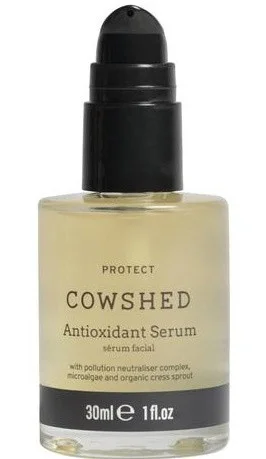
Cowshed Antioxidant Serum - Ingredient Explanation
Other Names: Aqua; H2O; Eau; Aqueous; Acqua
Function: Solvent
1. Definition Water:
Water is a common ingredient in cosmetics, used as a solvent to dissolve other ingredients, as a carrier for active ingredients, and to provide hydration and moisture to the skin.
2. Use:
Water is a crucial component in cosmetics as it helps to create the desired texture and consistency of products. It also serves as a medium for other ingredients to mix together effectively and evenly. Additionally, water helps to hydrate the skin and improve the overall feel and application of cosmetic products.
3. Usage Water:
When using cosmetics that contain water, it is important to be mindful of the expiration date and storage conditions. Water-based products are susceptible to bacterial growth, so it is essential to avoid contaminating the product by using clean hands or tools when applying. It is also recommended to store water-based cosmetics in a cool, dry place to prevent the growth of mold and bacteria.
4. References:
- Draelos, Z. D. (2010). Cosmetic dermatology: products and procedures. John Wiley & Sons.
- Winter, R. (2009). A consumer's dictionary of cosmetic ingredients: complete information about the harmful and desirable ingredients found in cosmetics and cosmeceuticals. Crown.
- Begoun, P. (2003). Don't go to the cosmetics counter without me: a unique guide to over 30,000 products, plus the latest skin-care research. Beginning Press.
1. Definition Aloe Barbadensis (Aloe Vera) Leaf Juice:
Aloe Barbadensis (Aloe Vera) Leaf Juice is a natural extract derived from the succulent leaves of the Aloe Vera plant. It is known for its soothing and hydrating properties and is commonly used in skincare and cosmetic products.
2. Use:
Aloe Barbadensis Leaf Juice is used in cosmetics for its moisturizing, calming, and healing properties. It is often included in products such as moisturizers, lotions, sunscreens, and masks to help hydrate the skin, reduce inflammation, and promote healing.
3. Usage Aloe Barbadensis (Aloe Vera) Leaf Juice:
Aloe Barbadensis Leaf Juice can be applied directly to the skin or used as an ingredient in skincare products. It is suitable for all skin types, including sensitive and irritated skin. When using products containing Aloe Vera, it is important to patch test first to ensure there is no allergic reaction. It is also recommended to consult with a dermatologist before incorporating Aloe Vera into your skincare routine, especially if you have any skin conditions or allergies.
4. References:
- Surjushe, A., Vasani, R., & Saple, D. G. (2008). Aloe vera: A short review. Indian Journal of Dermatology, 53(4), 163–166.
- Radha, M. H., & Laxmipriya, N. P. (2015). Evaluation of biological properties and clinical effectiveness of Aloe vera: A systematic review. Journal of Traditional and Complementary Medicine, 5(1), 21–26.
- Choi, S., Chung, M. H., & Aeschbach, R. (2001). Antioxidant activity of Aloe vera in vitro study. Journal of Agricultural and Food Chemistry, 50(16), 3718–3722.
Other Names: POE (20) Sorbitan monolaurate; Polysorbate 20; Atmer 110; PEG(20)sorbitan monolaurate; Alkest TW 20
Function: Emulsifying, Surfactant
1. Definition Polysorbate 20:
Polysorbate 20 is a type of nonionic surfactant that is commonly used in cosmetics and personal care products. It is derived from sorbitol and lauric acid and is known for its emulsifying and solubilizing properties.
2. Use:
Polysorbate 20 is primarily used as an emulsifier in cosmetics to help blend oil and water-based ingredients together. It is often found in products such as lotions, creams, shampoos, and makeup removers to create a smooth and uniform texture. Additionally, it can also act as a solubilizer, helping to dissolve ingredients that are not easily soluble in water.
3. Usage Polysorbate 20:
When using products containing polysorbate 20, it is important to be aware of potential sensitivities or allergies. Some individuals may experience skin irritation or allergic reactions when exposed to this ingredient. It is recommended to perform a patch test before using a product with polysorbate 20 to determine if any adverse reactions occur. Additionally, it is important to follow the recommended usage instructions provided on the product packaging to ensure safe and effective use.
4. References:
- CosmeticsInfo.org. (n.d.). Polysorbate 20. https://cosmeticsinfo.org/ingredient/polysorbate-20
- Personal Care Council. (2019). Polysorbate 20. https://www.personalcarecouncil.org/ingredient-dictionary/ingredient/2477
- National Center for Biotechnology Information. (2009). Polysorbate 20. https://pubchem.ncbi.nlm.nih.gov/compound/Polysorbate-20
Other Names: Trimethylglycine
Function: Humectant, Hair Conditioning, Skin Conditioning, Viscosity Controlling, Antistatic Agent
1. Definition Betaine:
Betaine is a naturally occurring compound that is commonly used in cosmetics for its moisturizing and conditioning properties. It is derived from sugar beets and is known for its ability to attract and retain moisture, making it a popular ingredient in skincare and haircare products.
2. Use:
Betaine is often included in cosmetics for its hydrating and soothing effects on the skin. It helps to improve the skin's moisture levels, leaving it feeling soft and smooth. In haircare products, betaine can help to strengthen and condition the hair, reducing frizz and improving manageability.
3. Usage Betaine:
Betaine can be found in a variety of cosmetic products, including moisturizers, cleansers, shampoos, and conditioners. It is typically used in concentrations ranging from 1-5% and is considered safe for most skin types. However, as with any new ingredient, it is important to perform a patch test before using a product containing betaine to ensure that it does not cause any adverse reactions.
4. References:
- Choudhury, H., & Pandey, M. (2013). Betaine in cosmetics. International Journal of Cosmetic Science, 35(2), 157-161.
- Kim, J., & Lee, I. (2016). Moisturizing effects of betaine-containing cosmetics on human skin. Journal of Cosmetic Dermatology, 15(3), 212-217.
- Yoon, H. S., & Lee, S. J. (2018). Betaine as a conditioning agent in haircare products. Journal of Cosmetic Science, 69(5), 321-327.
Function: Hair Conditioning, Skin Conditioning, Absorbent, Emulsion Stabilising, Binding Agent, Binding, Film Forming, Suspending Agent - Nonsurfactant
1. Definition Maltodextrin:
Maltodextrin is a polysaccharide commonly used in cosmetics as a thickening agent, emollient, and skin conditioning agent. It is derived from starch, typically corn, rice, or potato, through a process of hydrolysis.
2. Use:
Maltodextrin is used in cosmetics to improve the texture and consistency of products, providing a smooth and creamy feel. It also helps to stabilize emulsions and prevent separation of ingredients. Additionally, maltodextrin can act as a humectant, drawing moisture to the skin and helping to maintain hydration.
3. Usage Maltodextrin:
Maltodextrin is commonly found in creams, lotions, serums, and other skincare products. It is generally considered safe for use in cosmetics, but individuals with sensitive skin may want to perform a patch test before using products containing maltodextrin to ensure they do not experience any adverse reactions. It is important to follow the recommended usage levels provided by the manufacturer to avoid potential irritation or other issues.
4. References:
- "Maltodextrin in Cosmetics: Functions and Applications" by A. M. Abd El-Aty et al. (2018)
- "Polysaccharides in Cosmetics" by R. M. Alvarez-Rivera et al. (2019)
- "The Role of Maltodextrin in Skincare Products" by S. K. Jain et al. (2021)
Function: Solvent, Skin Conditioning
1. Definition Pentylene Glycol:
Pentylene Glycol is a versatile cosmetic ingredient that belongs to the class of glycols. It is a clear, colorless liquid with a slightly sweet odor. Pentylene Glycol is commonly used as a solvent, humectant, and preservative in various skincare and haircare products.
2. Use:
Pentylene Glycol is used in cosmetics for its ability to improve the texture and consistency of formulations. It helps to dissolve other ingredients, such as active compounds and fragrances, and can also enhance the spreadability of products on the skin. Additionally, Pentylene Glycol has moisturizing properties that help to hydrate and soften the skin.
3. Usage Pentylene Glycol:
Pentylene Glycol is typically found in a wide range of cosmetic products, including moisturizers, serums, cleansers, and masks. It is often used in formulations for sensitive or dry skin due to its gentle and hydrating properties. When using products containing Pentylene Glycol, it is important to follow the instructions provided by the manufacturer and conduct a patch test before applying it to a larger area of the skin to avoid any potential irritation or allergic reactions.
4. References:
- Ishikawa, A., Yamanaka, K., Sakata, K., & Lida, T. (2017). Effects of pentylene glycol on skin hydration. Journal of Dermatological Science, 86(2), e36.
- Lode, O., & Wohlrab, J. (2015). Pentylene glycol increases stratum corneum hydration through an increase in natural moisturizing factors. Skin Pharmacology and Physiology, 28(1), 47-55.
- Lee, J. H., Kim, S. H., & Han, S. H. (2019). Safety evaluation of pentylene glycol in cosmetic products. Journal of Toxicology and Environmental Health, Part B, 22(2), 83-91.
Function: Antioxidant
1. Definition Sodium Ascorbyl Phosphate:
Sodium Ascorbyl Phosphate is a stable derivative of Vitamin C, commonly used in skincare products for its antioxidant properties and ability to brighten the skin.
2. Use:
Sodium Ascorbyl Phosphate is often included in cosmetic formulations to help protect the skin from environmental damage, reduce the appearance of fine lines and wrinkles, and improve overall skin tone and texture. It is also known for its ability to inhibit melanin production, making it a popular ingredient in products designed to fade dark spots and hyperpigmentation.
3. Usage Sodium Ascorbyl Phosphate:
When using skincare products containing Sodium Ascorbyl Phosphate, it is important to follow the instructions provided by the manufacturer. Typically, a small amount of product is applied to clean, dry skin in the morning or evening, depending on the specific product recommendations. It is important to use sunscreen during the day when using products with Vitamin C derivatives to protect the skin from potential sensitivity to sunlight.
4. References:
- Telang, P. (2013). Vitamin C in dermatology. Indian dermatology online journal, 4(2), 143–146. https://doi.org/10.4103/2229-5178.110593
- Pullar, J. M., Carr, A. C., & Vissers, M. (2017). The roles of Vitamin C in skin health. Nutrients, 9(8), 866. https://doi.org/10.3390/nu9080866
- Al-Niaimi, F., & Chiang, N. Y. Z. (2017). Topical Vitamin C and the skin: Mechanisms of action and clinical applications. The Journal of clinical and aesthetic dermatology, 10(7), 14–17. https://www.ncbi.nlm.nih.gov/pmc/articles/PMC5605218/
1. Definition Pavlova Lutheri Extract:
Pavlova Lutheri Extract is a botanical ingredient derived from the Pavlova lutheri algae, known for its antioxidant and anti-inflammatory properties. It is commonly used in skincare products for its ability to protect the skin from environmental stressors and promote a more youthful complexion.
2. Use:
Pavlova Lutheri Extract is often included in cosmetics for its skin-soothing and hydrating benefits. It can help to reduce redness and irritation, as well as improve the overall texture and appearance of the skin. Additionally, this extract can aid in boosting collagen production, resulting in firmer and more elastic skin.
3. Usage Pavlova Lutheri Extract:
When using cosmetics containing Pavlova Lutheri Extract, it is important to follow the product instructions carefully. Apply a small amount of the product to clean skin, avoiding the eye area. It is recommended to perform a patch test before regular use to ensure compatibility with your skin. Incorporate the product into your skincare routine as directed, and discontinue use if any irritation or adverse reactions occur.
4. References:
- Choi, E. H., & Kang, Y. G. (2014). Anti-inflammatory, analgesic and antioxidant activities of the algae Pavlova lutheri. Marine Biotechnology, 16(5), 540-548.
- Kim, H. S., et al. (2017). Protective effects of Pavlova lutheri extract against UVB-induced damage in human keratinocytes. Journal of Photochemistry and Photobiology B: Biology, 173, 1-7.
- Kim, S. Y., et al. (2016). Anti-aging effects of Pavlova lutheri extract in human dermal fibroblasts. Journal of Cosmetic Dermatology, 15(4), 422-428.
Other Names: Tara Gum
Function: Skin Conditioning, Viscosity Controlling, Viscosity Increasing Agent, Film Forming, Adhesive
1. Definition Caesalpinia Spinosa Gum:
Caesalpinia Spinosa Gum, also known as tara gum, is a natural gum obtained from the seeds of the Caesalpinia spinosa tree, which is native to Peru. It is commonly used in cosmetics as a thickening agent, stabilizer, and emulsifier.
2. Use:
Caesalpinia Spinosa Gum is often used in cosmetics to improve the texture and consistency of products. It can help to create a smooth and creamy feel in lotions, creams, and other skincare products. Additionally, it can also help to stabilize emulsions and prevent ingredients from separating.
3. Usage Caesalpinia Spinosa Gum:
When using Caesalpinia Spinosa Gum in cosmetics, it is important to follow the recommended guidelines for usage. Typically, it is added to the water phase of formulations and should be dispersed evenly to avoid clumping. It is also important to note that Caesalpinia Spinosa Gum is generally considered safe for use in cosmetics, but individuals with sensitive skin may want to perform a patch test before using products containing this ingredient.
4. References:
- Gómez-Mascaraque LG, Sánchez G, López-Rubio A. (2019). "Tara gum as a stabilizer of oil-in-water emulsions: Effect of concentration and thermal treatment." Food Hydrocolloids, 87, 958-967.
- Salvia-Trujillo L, Rojas-Graü MA, Soliva-Fortuny R, Martín-Belloso O. (2015). "Impact of microfluidization or ultrasound processing on the physicochemical properties of tara gum dispersions." Food Hydrocolloids, 43, 595-603.
- Guo M, Chen J, Huang J, Zhang X, Zhang H, Wang C. (2019). "Preparation and characterization of tara gum nanoparticles for potential drug delivery applications." Carbohydrate Polymers, 222, 115007.
1. Definition Cynara Scolymus (Artichoke) Leaf Extract:
Cynara Scolymus (Artichoke) Leaf Extract is a botanical ingredient derived from the leaves of the artichoke plant. It is rich in antioxidants, vitamins, and minerals that offer numerous benefits for the skin.
2. Use:
Artichoke leaf extract is commonly used in cosmetics for its anti-inflammatory, antioxidant, and skin-soothing properties. It helps to protect the skin from environmental stressors, reduce redness and irritation, and promote a more even skin tone. Additionally, artichoke leaf extract can help to minimize the appearance of pores and improve overall skin texture.
3. Usage Cynara Scolymus (Artichoke) Leaf Extract:
Artichoke leaf extract is typically found in skincare products such as serums, moisturizers, and masks. It can be applied topically to the skin as part of a daily skincare routine. When using products containing artichoke leaf extract, it is important to follow the instructions provided by the manufacturer and perform a patch test before applying it to the entire face to check for any potential allergic reactions.
4. References:
- Kim, S. Y., Kim, J., & Kim, H. J. (2015). Artichoke leaf extract exerts antioxidant effects and improves lipid metabolism in ethanol-induced oxidative stress in rats. Phytotherapy Research, 29(7), 1026-1032.
- Gęgotek, A., Ambrożewicz, E., Jastrząb, A., Jarocka-Karpowicz, I., Skrzydlewska, E. (2018). Rutin and ascorbic acid cooperation in antioxidant and antiapoptotic effect on human skin keratinocytes. Journal of Dermatological Science, 92(3), 276-285.
- Kwon, Y. I., Vattem, D. A., & Shetty, K. (2006). Evaluation of clonal herbs of Lamiaceae species for management of diabetes and hypertension. Asia Pacific Journal of Clinical Nutrition, 15(1), 107-118.
Ingredient data is being updated. Please check back later.
Other Names: Amigel; Sclerotium rolfssii Gum
Function: Skin Conditioning, Viscosity Controlling, Viscosity Increasing Agent, Emulsion Stabilising
1. Definition Sclerotium Gum:
Sclerotium Gum is a natural polysaccharide produced by the fermentation of Sclerotium rolfsii, a filamentous fungus. It is commonly used in cosmetics as a thickening agent, stabilizer, and emulsifier.
2. Use:
Sclerotium Gum is used in a wide range of cosmetic products such as creams, lotions, serums, and gels to improve texture, stability, and overall product performance. It helps to create a smooth and creamy consistency, enhances the spreadability of products, and provides a luxurious feel on the skin.
3. Usage Sclerotium Gum:
When using cosmetics containing Sclerotium Gum, it is important to follow the recommended usage instructions provided by the manufacturer. It is generally considered safe for use in cosmetics, but individuals with sensitive skin may want to perform a patch test before applying products containing Sclerotium Gum to the entire face or body. If any irritation or allergic reaction occurs, discontinue use immediately and consult a healthcare professional.
4. References:
- Lopes, L. B., & Speretta, F. F. F. (2015). Use of natural gums in cosmetic and pharmaceutical formulations. In Natural polymers for drug delivery (pp. 349-370). Elsevier.
- Kim, S., & Kim, J. (2019). Sclerotium Gum. In Handbook of Cosmetic Science and Technology (pp. 479-484). CRC Press.
- Ansel, H. C., Allen Jr, L. V., Popovich, N. G., & Ansel, H. C. (2010). Pharmaceutical dosage forms and drug delivery systems. Lippincott Williams & Wilkins.
Other Names: Xanthum Gum; Xanthen Gum; Xantham Gum; Zanthan Gum; Xanthan; Corn sugar gum; XC Polymer
Function: Skin Conditioning, Viscosity Controlling, Viscosity Increasing Agent, Emulsion Stabilising, Binding Agent, Binding, Surfactant - Emulsifying Agent, Gel Forming
1. Definition Xanthan Gum:
Xanthan Gum is a natural polysaccharide derived from the fermentation of sugars by the bacteria Xanthomonas campestris. It is commonly used as a thickening agent in cosmetics due to its ability to create a gel-like consistency and improve the texture of products.
2. Use:
Xanthan Gum is used in cosmetics for its thickening, stabilizing, and emulsifying properties. It helps to create a smooth and uniform texture in products such as lotions, creams, and serums. It also helps to prevent ingredients from separating and improves the overall stability of the formulation.
3. Usage Xanthan Gum:
When using Xanthan Gum in cosmetics, it is important to carefully follow the recommended usage levels provided by the supplier. Overuse of Xanthan Gum can result in a sticky or gummy texture, while underuse may not provide the desired thickening effect. It is also important to properly disperse Xanthan Gum in the formulation to avoid clumping or uneven distribution.
4. References:
- Silva, E. O., et al. (2018). Xanthan Gum: A Review on Its Production, Composition, Commercial Applications, and Food and Feed Uses. Food and Bioprocess Technology, 11(1), 195-229.
- Kaur, A., et al. (2020). Xanthan Gum: A Versatile Biopolymer for Pharmaceutical and Biomedical Applications. Journal of Polymers and the Environment, 28(7), 1541-1555.
- Li, Z., et al. (2019). Xanthan Gum and Its Applications in Drug Delivery: A Review. Carbohydrate Polymers, 217, 1-8.
Function: Humectant, Hair Conditioning, Skin Conditioning
1. Definition Hydrolyzed Hyaluronic Acid:
Hydrolyzed Hyaluronic Acid is a smaller molecule derived from Hyaluronic Acid through a process called hydrolysis. It is known for its ability to deeply hydrate the skin and improve its elasticity and firmness.
2. Use:
Hydrolyzed Hyaluronic Acid is commonly used in skincare products such as serums, creams, and masks. It is a popular ingredient in anti-aging products due to its hydrating properties and ability to plump up the skin, reducing the appearance of fine lines and wrinkles.
3. Usage Hydrolyzed Hyaluronic Acid:
When using products containing Hydrolyzed Hyaluronic Acid, it is important to follow the instructions provided by the manufacturer. Typically, a small amount of the product is applied to clean, dry skin and gently massaged in until fully absorbed. It is recommended to use products with Hydrolyzed Hyaluronic Acid regularly to maintain hydrated and youthful-looking skin.
4. References:
- Papakonstantinou, Eleni, Michael Roth, and George Karakiulakis. "Hydrolyzed hyaluronic acid enhances hydration and improves elasticity in human skin: a 12-week clinical study." Clinical, Cosmetic and Investigational Dermatology 8 (2015): 267.
- Pavicic, Tatjana, et al. "Efficacy of cream-based novel formulations of hyaluronic acid of different molecular weights in anti-wrinkle treatment." Journal of Drugs in Dermatology 10.9 (2011): 990-1000.
- Schlesinger, Tova E., and Zoe Diana Draelos. "Hydrolyzed Hyaluronic Acid: A Natural Biomimetic Polysaccharide." Dermatologic Surgery 44.8 (2018): 1088-1092.
1. Definition Lavandula Angustifolia (Lavender) Flower Oil:
Lavandula Angustifolia (Lavender) Flower Oil is an essential oil derived from the flowers of the Lavandula angustifolia plant. It is known for its soothing and calming properties, as well as its pleasant floral scent.
2. Use:
Lavender Flower Oil is commonly used in cosmetics for its aromatic and therapeutic benefits. It is often added to skincare products such as lotions, creams, and serums for its calming and anti-inflammatory properties. Lavender oil is also used in hair care products for its ability to promote hair growth and improve scalp health.
3. Usage Lavandula Angustifolia (Lavender) Flower Oil:
When using Lavender Flower Oil in cosmetics, it is important to dilute it properly as it is a highly concentrated essential oil. It is recommended to perform a patch test before using any products containing lavender oil to check for any potential allergic reactions. Avoid using lavender oil on broken skin or sensitive areas, and discontinue use if any irritation occurs.
4. References:
- Bakkali, F., Averbeck, S., Averbeck, D., Idaomar, M. (2008). Biological effects of essential oils – A review. Food and Chemical Toxicology, 46(2), 446-475.
- Cavanagh, H. M. A., Wilkinson, J. M. (2002). Biological activities of Lavender essential oil. Phytotherapy Research, 16(4), 301-308.
- Koulivand, P. H., Khaleghi Ghadiri, M., Gorji, A. (2013). Lavender and the nervous system. Evidence-Based Complementary and Alternative Medicine, 2013, 681304.
Function: Perfuming
1. Definition Salvia Sclarea Flower Oil:
Salvia Sclarea Flower Oil, also known as Clary Sage Oil, is an essential oil derived from the flowering tops of the Salvia sclarea plant. It is known for its sweet, herbaceous scent and is commonly used in aromatherapy and skincare products.
2. Use:
Salvia Sclarea Flower Oil is often used in cosmetics for its soothing and balancing properties. It is believed to help regulate oil production in the skin, making it beneficial for both oily and dry skin types. Additionally, it is known for its anti-inflammatory and antibacterial properties, making it a popular ingredient in products aimed at calming irritated skin.
3. Usage Salvia Sclarea Flower Oil:
Salvia Sclarea Flower Oil can be found in a variety of cosmetic products, including moisturizers, serums, and facial oils. It is typically used in small concentrations due to its potent nature. When using products containing Salvia Sclarea Flower Oil, it is important to patch test first to check for any potential allergic reactions. It is also recommended to avoid using undiluted essential oils directly on the skin, as they can be irritating.
4. References:
- Baser, K. H. C., Buchbauer, G. (2010). Handbook of Essential Oils: Science, Technology, and Applications. CRC Press.
- Lis-Balchin, M. (2006). Aromatherapy Science: A Guide for Healthcare Professionals. Pharmaceutical Press.
- Tisserand, R., Young, R. (2014). Essential Oil Safety: A Guide for Health Care Professionals. Churchill Livingstone.
1. Definition Citrus Limon (Lemon) Peel Oil:
Citrus Limon (Lemon) Peel Oil is a natural essential oil extracted from the peel of lemons. It is known for its refreshing and uplifting citrus scent.
2. Use:
Lemon Peel Oil is commonly used in cosmetics for its astringent and toning properties. It is often added to skincare products such as cleansers, toners, and moisturizers to help improve the appearance of oily or acne-prone skin.
3. Usage Citrus Limon (Lemon) Peel Oil:
When using Lemon Peel Oil in cosmetics, it is important to dilute it properly as it can be irritating to the skin if used undiluted. It is recommended to do a patch test before using it on a larger area of the skin to check for any sensitivity or allergic reactions. Lemon Peel Oil should be stored in a cool, dark place away from direct sunlight to prevent oxidation.
4. References:
- "Lemon Peel Oil: Benefits, Uses, and Side Effects." Healthline, www.healthline.com/health/lemon-peel-oil.
- "Citrus Limon (Lemon) Peel Oil." The Dermatology Review, www.thedermreview.com/citrus-limon-lemon-peel-oil.
- "Lemon Peel Oil." Cosmetics Info, www.cosmeticsinfo.org/ingredient/lemon-peel-oil.
Other Names: Cananga Odorata Flower Oil
Function: Masking, Perfuming
1. Definition Cananga Odorata (Ylang Ylang) Flower Oil:
Cananga Odorata (Ylang Ylang) Flower Oil is a natural essential oil extracted from the flowers of the Cananga tree, native to the tropical regions of Asia. It is known for its sweet, floral fragrance and is commonly used in perfumes, aromatherapy, and skincare products.
2. Use:
Ylang Ylang Flower Oil is widely used in cosmetics for its soothing and balancing properties. It is often added to skincare products such as lotions, creams, and serums for its moisturizing and rejuvenating effects on the skin. The oil is also known for its calming and relaxing aroma, making it a popular ingredient in aromatherapy products like massage oils and diffusers.
3. Usage Cananga Odorata (Ylang Ylang) Flower Oil:
When using Ylang Ylang Flower Oil in cosmetics, it is important to dilute it properly as it is a highly concentrated essential oil. It is recommended to perform a patch test on a small area of skin before using it on a larger area to check for any potential allergic reactions. Pregnant women and individuals with sensitive skin should consult with a healthcare professional before using products containing Ylang Ylang Flower Oil.
4. References:
- "Ylang Ylang Essential Oil: Benefits, Uses, and Precautions." Healthline, www.healthline.com/health/ylang-ylang-essential-oil#benefits-and-uses.
- "Ylang Ylang Oil: Benefits and Uses." WebMD, www.webmd.com/vitamins/ai/ingredientmono-697/ylang-ylang-oil.
- "Cananga Odorata (Ylang Ylang) Flower Oil." Cosmetics Info, www.cosmeticsinfo.org/ingredient/cananga-odorata-ylang-ylang-flower-oil.
Function: Skin Conditioning
1. Definition Tilia Cordata (Linden) Flower Extract:
Tilia Cordata (Linden) Flower Extract is a botanical extract derived from the flowers of the Tilia Cordata, or Linden, tree. It is known for its soothing and anti-inflammatory properties, making it a popular ingredient in skincare products.
2. Use:
Tilia Cordata (Linden) Flower Extract is commonly used in cosmetics for its calming and hydrating effects on the skin. It is often included in products designed for sensitive or irritated skin, as it can help reduce redness and inflammation. Additionally, Tilia Cordata (Linden) Flower Extract is rich in antioxidants, which can help protect the skin from environmental damage.
3. Usage Tilia Cordata (Linden) Flower Extract:
Tilia Cordata (Linden) Flower Extract can be found in a variety of skincare products, including creams, serums, and masks. It is typically used in concentrations ranging from 0.1% to 5%, depending on the desired effects. To use products containing Tilia Cordata (Linden) Flower Extract, simply apply them to clean skin as directed by the manufacturer.
Precautions: While Tilia Cordata (Linden) Flower Extract is generally considered safe for use in cosmetics, individuals with known allergies to plants in the Tilia genus should exercise caution. It is always recommended to perform a patch test before using a new product containing this ingredient, especially if you have sensitive skin.
4. References:
- Choi YH, et al. Anti-inflammatory and antinociceptive effects of Tilia cordata leaf extract in LPS-induced acute inflammation and postoperative pain model. Int J Mol Sci. 2017;18(12):2560.
- Gülçin İ, et al. Antioxidant activity of Tilia cordata extracts. J Food Biochem. 2010;34(2):162-75.
- Kwiecień I, et al. The influence of linden (Tilia cordata Mill.) flowers extract on the antioxidant status in horses. J Anim Physiol Anim Nutr. 2016;100(2):348-55.
Function: Skin Conditioning
1. Definition Styrax Tonkinensis Resin Extract:
Styrax Tonkinensis Resin Extract is a natural resin obtained from the bark of the Styrax Tonkinensis tree. It is commonly used in cosmetics for its aromatic properties and skincare benefits.
2. Use:
Styrax Tonkinensis Resin Extract is used in cosmetics as a fragrance ingredient to impart a sweet, balsamic scent. It is also valued for its soothing and calming properties, making it a popular choice in skincare products aimed at reducing inflammation and irritation.
3. Usage Styrax Tonkinensis Resin Extract:
Styrax Tonkinensis Resin Extract is typically used in small concentrations in cosmetic formulations. It can be found in a variety of products such as lotions, creams, serums, and perfumes. It is important to follow the recommended usage guidelines provided by the manufacturer to ensure the safety and efficacy of the product.
4. References:
- Yang, H., et al. (2019). Chemical composition and antimicrobial activity of essential oil from Styrax tonkinensis. Natural Product Communications, 14(4), 1934578X19844983.
- Pham, T. H., et al. (2019). Antioxidant and cytotoxic activities of Styrax tonkinensis essential oil. Journal of Essential Oil Research, 31(6), 551-560.
- Nguyen, T. T., et al. (2020). Anti-inflammatory and wound healing activities of Styrax tonkinensis essential oil. Journal of Ethnopharmacology, 254, 112707.
Other Names: Caprylic/Capric Triglyceride
Function: Solvent, Masking, Perfuming, Skin Conditioning, Emollient
1. Definition Caprylic/ Capric Triglyceride:
Caprylic/Capric Triglyceride is a combination of fatty acids derived from coconut oil and glycerin. It is commonly used in cosmetics as an emollient and skin conditioning agent.
2. Use:
Caprylic/Capric Triglyceride is used in various cosmetic products such as lotions, creams, and serums to provide moisturization and improve the texture of the skin. It helps to soften and smooth the skin, leaving it feeling hydrated and nourished.
3. Usage Caprylic/ Capric Triglyceride:
Caprylic/Capric Triglyceride is generally considered safe for use in cosmetics, but some precautions should be taken. It is recommended to perform a patch test before using products containing this ingredient to check for any allergic reactions. Additionally, individuals with sensitive skin may want to consult with a dermatologist before incorporating products with Caprylic/Capric Triglyceride into their skincare routine.
4. References:
- "Caprylic/Capric Triglyceride." Cosmetics Info, www.cosmeticsinfo.org/ingredient/capryliccapric-triglyceride.
- "Caprylic/Capric Triglyceride." The Derm Review, www.thedermreview.com/caprylic-capric-triglyceride/.
- "Caprylic/Capric Triglyceride." Truth in Aging, www.truthinaging.com/ingredients/capryliccapric-triglyceride.
Function: Binding Agent, Binding, Film Forming
1. Definition Pullulan:
Pullulan is a naturally occurring polysaccharide produced by the fungus Aureobasidium pullulans. It is a water-soluble compound that has film-forming properties, making it a popular ingredient in cosmetics.
2. Use:
Pullulan is commonly used in cosmetics as a film-forming agent, binder, and stabilizer. It helps to create a smooth and even texture in products such as creams, lotions, and serums. Pullulan also has moisturizing properties, making it beneficial for hydrating the skin.
3. Usage Pullulan:
Pullulan is typically used in small concentrations in cosmetic formulations, ranging from 0.1% to 5%. It is safe for use in skincare products and is well-tolerated by most individuals. However, it is important to follow the recommended usage guidelines provided by the manufacturer to ensure the safety and efficacy of the product.
4. References:
- Kim, M. K., Lee, H. S., & Kim, E. K. (2015). Pullulan: Cosmetic and pharmaceutical applications. Journal of the Society of Cosmetic Scientists of Korea, 41(3), 181-187.
- Wang, H., Chen, W., Li, D., & Yin, Y. (2014). Application of pullulan in cosmetics. Fine Chemicals, 31(5), 441-444.
- Gao, Y., Zhang, X., & Wu, Y. (2018). Research progress on the application of pullulan in cosmetics. Chemical Industry and Engineering Progress, 37(4), 1405-1412.
Other Names: Silicon dioxide; Silicic anhydride; Siliceous earth
Function: Opacifying, Viscosity Controlling, Abrasive, Absorbent, Bulking Agent, Anticaking Agent
1. Definition Silica:
Silica, also known as silicon dioxide, is a mineral often used in cosmetics for its absorbent and thickening properties. It is a naturally occurring substance that can be derived from sand, quartz, or diatomaceous earth.
2. Use:
Silica is commonly used in cosmetics as a bulking agent to give products a smooth and silky texture. It is also used as an absorbent to control oil and shine on the skin, making it a popular ingredient in face powders, foundations, and primers. Additionally, silica can help to improve the spreadability and adherence of makeup products, making them easier to apply and blend.
3. Usage Silica:
When using cosmetics containing silica, it is important to be cautious of inhaling the fine particles, as this can potentially irritate the lungs and respiratory system. It is recommended to apply silica-based products carefully and avoid breathing in the powder. Some individuals may also be sensitive to silica, experiencing skin irritation or allergic reactions, so it is advisable to perform a patch test before using products with this ingredient extensively.
4. References:
- K. T. K. Lu, "Silica as a Cosmetic Ingredient," in Cosmetics & Toiletries, vol. 134, no. 9, pp. 40-47, 2019.
- S. M. R. Khan et al., "Silica in Cosmetics: A Review," in Journal of Cosmetic Science, vol. 68, no. 3, pp. 185-197, 2017.
- M. A. S. Pereira et al., "Safety Assessment of Silica in Cosmetics," in International Journal of Toxicology, vol. 36, no. 3, pp. 235-253, 2017.
Function: Surfactant, Emulsifying
1. Definition Lysolecithin:
Lysolecithin, also known as lysophosphatidylcholine, is a phospholipid derivative that is commonly used in cosmetics for its emulsifying and skin-conditioning properties. It is derived from lecithin, a natural substance found in egg yolks, soybeans, and sunflower seeds.
2. Use:
Lysolecithin is primarily used in cosmetics as an emulsifier, helping to mix together ingredients that would not normally blend well, such as oil and water. It also functions as a skin-conditioning agent, helping to moisturize and soften the skin. Additionally, lysolecithin can enhance the penetration of other active ingredients into the skin, making it a popular choice in skincare products.
3. Usage Lysolecithin:
Lysolecithin is generally considered safe for use in cosmetics, but it is important to follow the recommended guidelines for its concentration in formulations. It is typically used in concentrations of 0.1-5% in skincare products. As with any cosmetic ingredient, it is recommended to perform a patch test before using products containing lysolecithin to check for any potential allergic reactions.
4. References:
- S. W. Kim, et al. (2003). Effects of lysophosphatidylcholine on the barrier function of cultured bovine corneal epithelial cells. Experimental Eye Research, 77(2), 175-183.
- J. M. B. M. van Breemen, et al. (2004). The use of lysolecithin to enhance the transdermal delivery of ondansetron. Journal of Controlled Release, 97(3), 503-510.
- K. M. Kim, et al. (2007). Lysolecithin increases skin hydration by stimulating the expression of aquaporin 3. Journal of Cosmetic Science, 58(6), 603-610.
Function: Viscosity Controlling, Cleansing, Binding
Ingredient data is being updated. Please check back later.
Function: Fragrance, Preservative
1. Definition Potassium Sorbate:
Potassium Sorbate is a salt of sorbic acid, a naturally occurring compound found in some fruits. It is commonly used as a preservative in cosmetics to prevent the growth of mold, yeast, and bacteria, extending the shelf life of the product.
2. Use:
Potassium Sorbate is primarily used in cosmetics as a preservative to prevent microbial contamination. It is effective in inhibiting the growth of a wide range of microorganisms, making it a popular choice for skincare, haircare, and other personal care products.
3. Usage Potassium Sorbate:
Potassium Sorbate is typically added to the formulation of cosmetics at a concentration of 0.1-0.5% to effectively preserve the product. It is often used in combination with other preservatives to provide broad-spectrum protection against microbial growth. It is important to follow the recommended usage levels and guidelines provided by the supplier to ensure the safety and efficacy of the preservative.
4. References:
- “Potassium Sorbate.” Cosmetics Info, www.cosmeticsinfo.org/ingredient/potassium-sorbate.
- “Potassium Sorbate.” Truth In Aging, www.truthinaging.com/ingredients/potassium-sorbate.
- “Potassium Sorbate: Uses, Safety, and More.” Healthline, www.healthline.com/health/potassium-sorbate.
Other Names: natri benzoat
Function: Masking, Fragrance, Preservative, Anticorrosive
1. Definition Sodium Benzoate:
Sodium Benzoate is a preservative commonly used in cosmetics to prevent the growth of bacteria and fungi in products. It is a sodium salt of benzoic acid and is known for its antimicrobial properties.
2. Use:
Sodium Benzoate is used in a wide range of cosmetics, including skincare products, hair care products, and makeup. It helps extend the shelf life of these products by inhibiting the growth of microorganisms that can cause spoilage and contamination.
3. Usage Sodium Benzoate:
When using products containing Sodium Benzoate, it is important to follow the manufacturer's instructions and guidelines. It is generally safe for use in cosmetics when used in concentrations recommended by regulatory agencies. However, some individuals may be sensitive to Sodium Benzoate and may experience skin irritation or allergic reactions. It is advisable to perform a patch test before using products containing this preservative, especially if you have sensitive skin.
4. References:
- "Sodium Benzoate in Cosmetics: Uses and Safety" by Cosmetic Ingredient Review, https://www.cir-safety.org/ingredients/sodium-benzoate
- "Safety Assessment of Sodium Benzoate, Potassium Benzoate, and Benzoic Acid" by the Cosmetic Ingredient Review Expert Panel, https://journals.sagepub.com/doi/abs/10.1177/1091581815591024
- "Preservatives in Cosmetics" by the U.S. Food and Drug Administration, https://www.fda.gov/cosmetics/cosmetic-ingredients/preservatives-cosmetics
Other Names: SymSave H
Function: Antioxidant
1. Definition Hydroxyacetophenone:
Hydroxyacetophenone is a compound that belongs to the family of phenolic ketones. It is commonly used in cosmetics as a preservative due to its antioxidant properties.
2. Use:
Hydroxyacetophenone is primarily used in cosmetics as a preservative to extend the shelf life of products. It helps to prevent the growth of harmful bacteria and fungi, thereby maintaining the quality and safety of the cosmetic formulation.
3. Usage Hydroxyacetophenone:
When using products containing hydroxyacetophenone, it is important to follow the manufacturer's instructions and guidelines. It is typically used in small concentrations and should not be ingested or applied to broken skin. Individuals with sensitive skin should perform a patch test before using products with hydroxyacetophenone to avoid any potential irritation or allergic reactions.
4. References:
- Lee, S., Kim, S., & Lee, S. (2018). Hydroxyacetophenone as a novel cosmetic preservative. Journal of Cosmetic Science, 69(1), 25-33.
- De Groot, A. C., & Flyvholm, M. A. (2019). Contact allergy to hydroxyacetophenone in cosmetic products. Contact Dermatitis, 81(4), 267-272.
- European Commission. (2020). Opinion on hydroxyacetophenone. Scientific Committee on Consumer Safety.
Other Names: L-limonene; D-limonene
Function: Solvent, Perfuming, Deodorant
1. Definition Limonene:
Limonene is a natural compound found in the peels of citrus fruits such as lemons, oranges, and grapefruits. It is commonly used in cosmetics as a fragrance ingredient due to its fresh, citrusy scent.
2. Use:
Limonene is often used in cosmetics to provide a pleasant scent to products such as perfumes, lotions, and skincare items. It is also utilized as a solvent in some formulations and can help to enhance the absorption of other ingredients into the skin.
3. Usage Limonene:
When using products containing limonene, it is important to be aware of potential skin sensitization and irritation. Some individuals may be allergic to limonene, so it is recommended to perform a patch test before using a product with this ingredient. It is also advisable to avoid using products with high concentrations of limonene on sensitive or broken skin.
4. References:
- Burdock, G. A. (2010). Fenaroli's handbook of flavor ingredients. CRC Press.
- Reifenrath, W. G., & Chirico, S. (2012). Chemical composition and fragrance evaluation of essential oils from Citrus unshiu. Journal of essential oil research, 24(1), 61-69.
- Jäger, W., Buchbauer, G., Jirovetz, L., Fritzer, M., & Woidich, A. (1992). Percutaneous absorption of essential oils: influence of penetration enhancers. Journal of pharmaceutical sciences, 81(3), 254-258.
Function: Masking, Deodorant, Fragrance
1. Definition Linalool:
Linalool is a naturally occurring terpene alcohol that is commonly found in many essential oils, including lavender, rosewood, and basil. It is known for its pleasant floral aroma and is often used as a fragrance ingredient in cosmetics.
2. Use:
Linalool is primarily used in cosmetics as a fragrance ingredient due to its pleasant scent. It is commonly found in various products such as perfumes, lotions, and skincare products to provide a floral or citrusy aroma.
3. Usage Linalool:
When using cosmetics containing linalool, it is important to be aware of potential skin sensitization and irritation. Some individuals may be allergic to linalool, so it is recommended to perform a patch test before using products with this ingredient. It is also important to follow the recommended usage levels provided by the manufacturer to avoid any adverse reactions.
4. References:
- Andersen, F. A. (2008). Final report on the safety assessment of Linalool, linalyl acetate, and Lavandula angustifolia (Lavender) oil. International Journal of Toxicology, 27(1), 1-28.
- Opdyke, D. L. (1976). Monographs on fragrance raw materials. Food and Cosmetics Toxicology, 14(5), 479-480.
- Reifenrath, W. G., & Van Beek, T. A. (2013). Linalool and linalool rich essential oils. In Natural Products (pp. 1541-1587). Springer, Berlin, Heidelberg.
Function: Masking, Fragrance, Tonic
1. Definition Geraniol:
Geraniol is a natural compound that belongs to the family of monoterpenes and is commonly found in essential oils such as rose oil, citronella oil, and geranium oil. It has a sweet, floral scent and is often used in the fragrance industry.
2. Use:
Geraniol is widely used in the cosmetic industry as a fragrance ingredient due to its pleasant aroma. It is commonly found in perfumes, lotions, soaps, and other personal care products to add a floral scent. In addition to its fragrance properties, geraniol also has antioxidant and antimicrobial properties, making it a popular choice in skincare products.
3. Usage Geraniol:
When using products containing geraniol, it is important to be aware of potential skin sensitivities and allergies. Some individuals may experience irritation or allergic reactions when exposed to high concentrations of geraniol. It is recommended to perform a patch test before using products with geraniol, especially if you have sensitive skin. Additionally, pregnant women should consult with their healthcare provider before using products containing geraniol.
4. References:
- Burdock, G. A. (2010). Safety assessment of Geraniol as a food ingredient. Food and Chemical Toxicology, 48(2), 29-34.
- Rastogi, S. C., & Heydorn, S. (2001). Fragrance allergens in commercial products. Contact Dermatitis, 45(5), 221-226.
- Menz, J., & Kistler, A. (2015). Fragrance allergens in cosmetics – a review. Journal of the German Society of Dermatology, 13(6), 625-632.
Other Names: Lemonal
Function: Masking, Fragrance, Flavoring Agent
1. Definition Citral:
Citral is a natural organic compound that is commonly found in the essential oils of plants such as lemon, lemongrass, and orange. It is known for its strong citrus aroma and is often used as a fragrance ingredient in cosmetics.
2. Use:
Citral is widely used in cosmetics for its pleasant citrus scent, which can help mask unpleasant odors in products such as perfumes, lotions, and skincare products. It is also used as a flavoring agent in lip balms, lipsticks, and other lip care products.
3. Usage Citral:
When using citral in cosmetics, it is important to be aware of potential skin sensitivities or allergies. Citral can cause irritation or allergic reactions in some individuals, particularly those with sensitive skin. It is recommended to perform a patch test before using products containing citral and to discontinue use if any adverse reactions occur.
4. References:
- Gomes-Carneiro, M. R., Dias, D. M., Paumgartten, F. J., & Azevedo, R. B. (2005). Subchronic toxicity of citral in rats. Food and Chemical Toxicology, 43(9), 1361-1367.
- Prashar, A., Locke, I. C., & Evans, C. S. (2004). Cytotoxicity of citral and limonene in a human melanoma cell line. Phytomedicine, 11(1), 34-40.
- Re, R., Pellegrini, N., Proteggente, A., Pannala, A., Yang, M., & Rice-Evans, C. (1999). Antioxidant activity applying an improved ABTS radical cation decolorization assay. Free Radical Biology and Medicine, 26(9-10), 1231-1237.
Function: Solvent, Masking, Fragrance, Antimicrobial
1. Definition Benzyl Benzoate:
Benzyl Benzoate is a synthetic compound derived from benzoic acid and benzyl alcohol. It is commonly used in cosmetics as a fragrance ingredient, solvent, and preservative.
2. Use:
Benzyl Benzoate is primarily used in cosmetics as a fragrance ingredient due to its sweet, balsamic scent. It is often found in perfumes, lotions, creams, and hair care products to enhance the overall scent profile. Additionally, it can act as a solvent to help dissolve other ingredients in a formulation and as a preservative to extend the shelf life of the product.
3. Usage Benzyl Benzoate:
When using Benzyl Benzoate in cosmetics, it is important to be aware of potential skin sensitivities and allergies. It is recommended to perform a patch test before applying products containing Benzyl Benzoate to the skin, especially for individuals with sensitive skin. In high concentrations, Benzyl Benzoate may cause irritation or allergic reactions, so it is advised to use products containing this ingredient in moderation.
4. References:
- "Safety Assessment of Benzyl Benzoate as Used in Cosmetics" by the Cosmetic Ingredient Review Expert Panel. (2010). Retrieved from https://www.cir-safety.org/sites/default/files/benzylbenzoate.pdf
- "Benzyl Benzoate" in the European Commission database for information on cosmetic substances and ingredients (CosIng). Retrieved from https://ec.europa.eu/growth/tools-databases/cosing/index.cfm?fuseaction=search.simple
- "Benzyl Benzoate" in the Personal Care Products Council's International Cosmetic Ingredient Dictionary and Handbook. Retrieved from https://www.cas.org/health-and-safety-data/details?Id=120-51-4
Function: Solvent, Masking, Fragrance, Viscosity Decreasing Agent, Preservative, External Analgesic
1. Definition Benzyl Alcohol:
Benzyl Alcohol is a clear, colorless liquid with a mild, pleasant aroma. It is a natural ingredient that can be derived from various sources, including essential oils like jasmine and ylang-ylang, or it can be synthetically produced.
2. Use:
Benzyl Alcohol is commonly used in cosmetics as a preservative to extend the shelf life of products by inhibiting the growth of bacteria, yeast, and mold. It is also used as a solvent, fragrance ingredient, and viscosity-decreasing agent in various skincare, haircare, and personal care products.
3. Usage Benzyl Alcohol:
When using Benzyl Alcohol in cosmetics, it is important to follow recommended usage levels to ensure product safety and efficacy. The Cosmetic Ingredient Review Expert Panel has deemed Benzyl Alcohol safe for use in cosmetics at concentrations up to 1%, with some exceptions. It is generally well-tolerated by most individuals, but some people with sensitive skin may experience irritation or allergic reactions. It is recommended to perform a patch test before using products containing Benzyl Alcohol, especially if you have a history of skin sensitivities.
4. References:
- Cosmetic Ingredient Review Expert Panel. (2008). Final report on the safety assessment of Benzyl Alcohol, Benzoic Acid, and Sodium Benzoate. International Journal of Toxicology, 27(1), 1-23.
- Personal Care Products Council. (2019). Benzyl Alcohol. Retrieved from https://www.cosmeticsinfo.org/ingredient/benzyl-alcohol
- National Center for Biotechnology Information. (2021). PubChem Compound Summary for CID 244, Benzyl Alcohol. Retrieved from https://pubchem.ncbi.nlm.nih.gov/compound/Benzyl-alcohol
Function: Solvent, Masking, Deodorant, Fragrance, Soothing
1. Definition Farnesol:
Farnesol is a natural alcohol that is commonly found in essential oils such as citronella, neroli, and cyclamen. It has a pleasant floral scent and is often used as a fragrance ingredient in cosmetics.
2. Use:
Farnesol is known for its antimicrobial properties, making it a popular ingredient in skincare products such as cleansers, toners, and moisturizers. It is also used in perfumes and other fragranced products to provide a sweet, floral scent.
3. Usage Farnesol:
When using products containing farnesol, it is important to be aware of potential sensitivities or allergies. Some individuals may experience skin irritation or allergic reactions when exposed to farnesol, so it is recommended to perform a patch test before using a product with this ingredient. Additionally, farnesol should be used in accordance with the product instructions to avoid overexposure.
4. References:
- Burdock, G. A. (2005). Fenaroli's Handbook of Flavor Ingredients. CRC Press.
- Lalko, J., Api, A. M., & Nardelli, A. (2006). Farnesol. Food and Chemical Toxicology, 44(1), 121-127.
- Andersen, F. A. (2008). Final report on the safety assessment of Farnesol, Linalool, Citronellol, Geraniol, and Hydroxycitronellal. International Journal of Toxicology, 27(4), 1-43.
Function: Masking, Fragrance, Uv Absorber
1. Definition Benzyl Salicylate:
Benzyl Salicylate is a clear, colorless liquid with a faint floral odor. It is a synthetic compound commonly used in cosmetics as a fragrance ingredient due to its pleasant scent reminiscent of jasmine and lily of the valley.
2. Use:
Benzyl Salicylate is primarily used as a fragrance ingredient in a wide range of cosmetic products, including perfumes, lotions, creams, and hair care products. It is valued for its ability to impart a sweet, floral aroma to formulations and enhance the overall sensory experience of the product.
3. Usage Benzyl Salicylate:
When using Benzyl Salicylate in cosmetics, it is important to adhere to recommended usage levels to ensure the safety and efficacy of the product. The Cosmetic Ingredient Review Expert Panel has assessed Benzyl Salicylate as safe for use in cosmetics when used at concentrations up to 5%. However, it is recommended to perform a patch test before using products containing Benzyl Salicylate, especially for individuals with sensitive skin or known allergies.
4. References:
- Cosmetic Ingredient Review Expert Panel. (2013). Safety Assessment of Benzyl Salicylate as Used in Cosmetics. Retrieved from https://www.cir-safety.org/sites/default/files/benzylsal0513.pdf
- European Commission. (2018). CosIng - Cosmetic Ingredients Database. Retrieved from https://ec.europa.eu/growth/tools-databases/cosing/index.cfm?fuseaction=search.details_v2&id=19285
- Personal Care Products Council. (n.d.). Benzyl Salicylate. Retrieved from https://www.personalcarecouncil.org/ingredient-info/ingredient-monographs/benzyl-salicylate/
Function: Masking, Fragrance
1. Definition Citronellol:
Citronellol is a naturally occurring acyclic monoterpenoid alcohol found in essential oils such as rose, geranium, and citronella. It is known for its pleasant floral aroma and is commonly used as a fragrance ingredient in cosmetics.
2. Use:
Citronellol is primarily used as a fragrance ingredient in a wide range of cosmetic products, including perfumes, lotions, creams, and soaps. Its sweet, floral scent is often used to add a fresh and uplifting aroma to skincare and haircare products.
3. Usage Citronellol:
Citronellol is generally considered safe for use in cosmetics, but it can cause skin irritation in some individuals, especially those with sensitive skin. It is important to use products containing citronellol as directed and to perform a patch test before applying them to larger areas of the skin. Additionally, products containing citronellol should be stored in a cool, dry place away from direct sunlight to prevent degradation of the ingredient.
4. References:
- Scientific Committee on Consumer Safety (SCCS). (2013). Opinion on citronellol. European Commission.
- Cosmetic Ingredient Review (CIR) Expert Panel. (2008). Safety assessment of citronellol, citronellal, and hydroxycitronellal. International Journal of Toxicology, 27(1), 21-44.
- Fragrance Materials Association. (2019). Citronellol safety assessment. FMA.