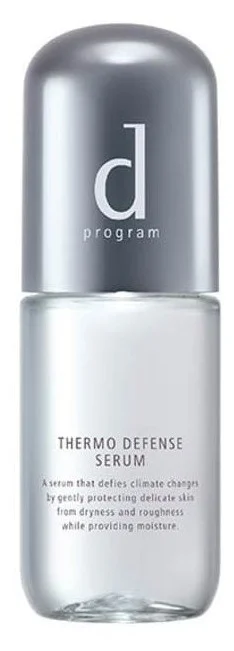
D Program Thermo Defense Serum - Ingredient Explanation
Other Names: Aqua; H2O; Eau; Aqueous; Acqua
Function: Solvent
1. Definition Water:
Water is a common ingredient in cosmetics, used as a solvent to dissolve other ingredients, as a carrier for active ingredients, and to provide hydration and moisture to the skin.
2. Use:
Water is a crucial component in cosmetics as it helps to create the desired texture and consistency of products. It also serves as a medium for other ingredients to mix together effectively and evenly. Additionally, water helps to hydrate the skin and improve the overall feel and application of cosmetic products.
3. Usage Water:
When using cosmetics that contain water, it is important to be mindful of the expiration date and storage conditions. Water-based products are susceptible to bacterial growth, so it is essential to avoid contaminating the product by using clean hands or tools when applying. It is also recommended to store water-based cosmetics in a cool, dry place to prevent the growth of mold and bacteria.
4. References:
- Draelos, Z. D. (2010). Cosmetic dermatology: products and procedures. John Wiley & Sons.
- Winter, R. (2009). A consumer's dictionary of cosmetic ingredients: complete information about the harmful and desirable ingredients found in cosmetics and cosmeceuticals. Crown.
- Begoun, P. (2003). Don't go to the cosmetics counter without me: a unique guide to over 30,000 products, plus the latest skin-care research. Beginning Press.
Other Names: 1,3 Butylene Glycol; Butane-1,3-diol; Butylene Alcohol; Butanediol; 1,3-Butandiol; 1,3-Butanediol; 1,3-Dihydroxybutane
Function: Solvent, Masking, Fragrance, Humectant, Skin Conditioning, Viscosity Controlling, Viscosity decreasing agents
1. Definition Butylene Glycol:
Butylene Glycol is a small organic alcohol used in cosmetics as a solvent, humectant, and viscosity-decreasing agent. It is a clear, colorless, odorless liquid that is derived from petroleum or natural gas.
2. Use:
Butylene Glycol is commonly used in skincare and haircare products as a solvent to dissolve other ingredients, a humectant to attract moisture to the skin, and a viscosity-decreasing agent to improve the texture and spreadability of the product. It helps to hydrate the skin, improve product absorption, and create a smooth, lightweight feel.
3. Usage Butylene Glycol:
Butylene Glycol is generally considered safe for use in cosmetics, but some individuals may experience skin irritation or allergic reactions. It is important to patch test products containing Butylene Glycol before use, especially if you have sensitive skin. Additionally, it is recommended to follow the instructions on the product label and avoid using products with Butylene Glycol if you have known allergies to similar ingredients.
4. References:
- Cosmetic Ingredient Review Expert Panel. (2001). Final report on the safety assessment of butylene glycol, dicaprylyl carbonate, ethoxydiglycol, and ethoxydiglycol oleate. International Journal of Toxicology, 20(Suppl 4), 61-75.
- National Center for Biotechnology Information. PubChem Compound Summary for CID 24856, Butylene Glycol. Retrieved from https://pubchem.ncbi.nlm.nih.gov/compound/Butylene-glycol
- Personal Care Products Council. (2017). Butylene Glycol. Retrieved from https://www.cosmeticsinfo.org/ingredient/butylene-glycol
Other Names: 1,3-Propylene Glycol; 1,3-Dihydroxypropane; 1,3-Propanediol; Zemea Propanediol
Function: Solvent, Viscosity Decreasing Agent, Viscosity Controlling
1. Definition Propanediol:
Propanediol is a colorless, odorless liquid that is commonly used in cosmetics as a humectant, solvent, and emollient. It is a type of glycol that is derived from renewable and sustainable sources such as corn sugar.
2. Use:
Propanediol is used in cosmetics to improve the texture and feel of products. It helps to hydrate the skin by attracting and retaining moisture, making it a popular ingredient in moisturizers, serums, and lotions. Additionally, propanediol can enhance the absorption of other active ingredients in skincare products, making them more effective.
3. Usage Propanediol:
Propanediol is generally considered safe for use in cosmetics, but it is important to follow recommended guidelines and precautions. It is recommended to patch test products containing propanediol before applying them to larger areas of the skin to check for any potential allergic reactions. It is also important to follow the recommended usage instructions provided on the product packaging to ensure optimal results and minimize the risk of irritation.
4. References:
- Zhang, X., Qian, H., & Tang, S. (2018). Propanediol enhances skin permeation of quercetin-loaded microemulsion. Drug Development and Industrial Pharmacy, 44(6), 1010-1016.
- Rigo, L. A., da Silva, D. F., & Sayer, C. (2019). Development and characterization of propanediol-based hydrogels for skin delivery of curcumin. International Journal of Biological Macromolecules, 132, 73-81.
- Huang, D., Zhang, Y., & Zhang, Z. (2017). Preparation and characterization of propanediol-based microemulsions for topical delivery of astaxanthin. Journal of Dispersion Science and Technology, 38(9), 1317-1323.
Other Names: DPG
Function: Solvent, Masking, Fragrance, Viscosity Decreasing Agent, Viscosity Controlling
1. Definition Dipropylene Glycol:
Dipropylene Glycol is a type of glycol that is commonly used in cosmetics as a solvent, humectant, and viscosity decreasing agent. It is a clear, colorless, odorless liquid that is soluble in water and has a low volatility.
2. Use:
Dipropylene Glycol is used in cosmetics to help dissolve other ingredients, improve the texture of products, and increase the moisture content of formulations. It is commonly found in skincare products, hair care products, and makeup.
3. Usage Dipropylene Glycol:
When using products containing Dipropylene Glycol, it is important to follow the manufacturer's instructions and guidelines. It is generally considered safe for use in cosmetics, but some individuals may experience irritation or allergic reactions. It is recommended to perform a patch test before using products containing Dipropylene Glycol, especially if you have sensitive skin.
Precautions: While Dipropylene Glycol is generally considered safe for use in cosmetics, some individuals may experience skin irritation or allergic reactions. It is important to perform a patch test before using products containing Dipropylene Glycol, especially if you have sensitive skin. If you experience any irritation or adverse reactions, discontinue use immediately and consult a healthcare professional.
4. References:
- "Dipropylene Glycol" Cosmetics Info, www.cosmeticsinfo.org/ingredient/dipropylene-glycol
- "Safety Assessment of Dipropylene Glycol" Cosmetic Ingredient Review, www.cir-safety.org/sites/default/files/dipropylene_glycol.pdf
- "Dipropylene Glycol in Cosmetics" Personal Care Council, www.personalcarecouncil.org/resource-center/dipropylene-glycol-in-cosmetics
Other Names: Glycerine; Glycerin; Pflanzliches Glycerin; 1,2,3-Propanetriol
Function: Solvent, Perfuming, Fragrance, Humectant, Viscosity Decreasing Agent, Hair Conditioning, Skin Protecting, Denaturant
1. Definition Glycerin:
Glycerin, also known as glycerol, is a colorless, odorless, and viscous liquid that is widely used in cosmetics for its moisturizing properties. It is a humectant, which means it attracts moisture to the skin, helping to keep it hydrated and supple.
2. Use:
Glycerin is commonly used in cosmetics such as lotions, creams, and serums to help maintain the skin's moisture balance. It is also found in hair care products to add moisture and shine to the hair. Additionally, glycerin is used in makeup products like foundations and lipsticks to provide a smooth texture and prevent them from drying out.
3. Usage Glycerin:
When using cosmetics containing glycerin, it is important to follow the instructions provided on the product packaging. Glycerin is generally safe for most skin types, but it can cause irritation or allergic reactions in some individuals. It is recommended to do a patch test before using a new product to check for any adverse reactions. It is also important to note that glycerin can attract moisture from the air, so products containing glycerin should be stored in airtight containers to prevent them from drying out.
4. References:
- Draelos, Z. D. (2010). Cosmetic Formulation of Skin Care Products. John Wiley & Sons.
- Loden, M., & Maibach, H. I. (2006). Dry Skin and Moisturizers: Chemistry and Function. CRC Press.
- Winter, R. (2009). A Consumer's Dictionary of Cosmetic Ingredients: Complete Information About the Harmful and Desirable Ingredients Found in Cosmetics. Harmony.
Function: Skin Conditioning
1. Definition Peg/Ppg 14/7 Dimethyl Ether:
Peg/Ppg 14/7 Dimethyl Ether is a synthetic compound derived from polyethylene glycol (PEG) and polypropylene glycol (PPG), with 14 ethylene oxide units and 7 propylene oxide units. It is commonly used in cosmetics as a solvent, emollient, and viscosity controlling agent.
2. Use:
Peg/Ppg 14/7 Dimethyl Ether is primarily used in skincare and hair care products such as creams, lotions, serums, and shampoos. It helps to improve the texture and spreadability of formulations, as well as enhance the skin-feel of products. Additionally, it can act as a carrier for other active ingredients, aiding in their penetration into the skin.
3. Usage Peg/Ppg 14/7 Dimethyl Ether:
When using products containing Peg/Ppg 14/7 Dimethyl Ether, it is important to follow the manufacturer's instructions and guidelines. It is generally considered safe for use in cosmetics, but individuals with sensitive skin or allergies may want to perform a patch test before widespread application. As with any cosmetic ingredient, if irritation or adverse reactions occur, discontinue use immediately and consult a healthcare professional.
4. References:
- "PEG/PPG-14/7 Dimethyl Ether", Cosmetics Info, https://cosmeticsinfo.org/ingredient/pegppg-147-dimethyl-ether
- "Safety Assessment of PEG/PPG-14/7 Dimethyl Ether as Used in Cosmetics", Cosmetic Ingredient Review, http://www.cir-safety.org/sites/default/files/PEG%20PPG-14%207%20Dimethyl%20Ether.pdf
- "PEG/PPG-14/7 Dimethyl Ether", Truth In Aging, https://www.truthinaging.com/ingredients/peg-ppg-14-7-dimethyl-ether
Function: Emulsion Stabilising
1. Definition Ammonium Acryloyldimethyltaurate/Beheneth 25 Methacrylate Crosspolymer:
Ammonium Acryloyldimethyltaurate/Beheneth 25 Methacrylate Crosspolymer is a synthetic polymer that is commonly used in cosmetics as a thickening agent and stabilizer. It is a crosslinked polymer of acryloyldimethyltaurate and beheneth-25 methacrylate, which helps to improve the texture and consistency of cosmetic products.
2. Use:
Ammonium Acryloyldimethyltaurate/Beheneth 25 Methacrylate Crosspolymer is used in a wide range of cosmetic products, including creams, lotions, gels, and serums. It helps to enhance the viscosity of the product, providing a smooth and creamy texture that is easy to apply to the skin. Additionally, it helps to stabilize the formulation, preventing the ingredients from separating and ensuring that the product remains effective over time.
3. Usage Ammonium Acryloyldimethyltaurate/Beheneth 25 Methacrylate Crosspolymer:
When using products containing Ammonium Acryloyldimethyltaurate/Beheneth 25 Methacrylate Crosspolymer, it is important to follow the manufacturer's instructions carefully. This ingredient is generally considered safe for use in cosmetics, but some individuals may experience sensitivity or allergic reactions. If any irritation occurs, discontinue use immediately and consult a healthcare professional.
4. References:
- "Cosmetic Ingredient Review Expert Panel. Final report of the safety assessment of acrylates copolymer and 33 related cosmetic ingredients." International Journal of Toxicology 24.Suppl 2 (2005): 1-30.
- "Safety Assessment of Acrylates Copolymer and Its Related Polymers as Used in Cosmetics." Cosmetic Ingredient Review. https://www.cir-safety.org/sites/default/files/acrylates%20copolymer.pdf
- "Ammonium Acryloyldimethyltaurate/Beheneth-25 Methacrylate Crosspolymer." Cosmetics Info. https://cosmeticsinfo.org/ingredient/ammonium-acryloyldimethyltauratebeheneth-25-methacrylate-crosspolymer
Other Names: PEG-400 Carbowax; Carbowax 400; Polyethylene Glycol 400; Macrogol 400
Function: Solvent, Emulsion Stabilising, Binding Agent, Binding
1. Definition Peg 400:
Peg 400, also known as polyethylene glycol 400, is a polyether compound that is commonly used in cosmetics as an emollient, emulsifier, and solvent. It is a clear, colorless, odorless, and viscous liquid that is water-soluble.
2. Use:
Peg 400 is used in cosmetics for its moisturizing properties, helping to hydrate and soften the skin. It is also used as an emulsifier to help ingredients mix together, as well as a solvent to dissolve other substances in a formulation. Additionally, Peg 400 can improve the texture and spreadability of products, making them easier to apply.
3. Usage Peg 400:
Peg 400 is typically found in creams, lotions, serums, and other skincare products. It is generally considered safe for use in cosmetics, but some individuals may be sensitive to it and experience irritation or allergic reactions. It is important to perform a patch test before using products containing Peg 400 to ensure compatibility with your skin.
4. References:
- "Polyethylene Glycol (PEG) Compounds in Cosmetics: What You Need to Know" by American Academy of Dermatology Association
- "Polyethylene Glycol (PEG) Compounds" by Environmental Working Group
- "Polyethylene Glycol: A Review of Its Adverse Effects and Potential Mechanisms" by National Center for Biotechnology Information
Function: Humectant, Moisturising
1. Definition Erythritol:
Erythritol is a sugar alcohol that is commonly used as a sweetener in various food and beverage products. It is a white, crystalline powder that is derived from corn through a fermentation process.
2. Use:
Erythritol is often used in cosmetics as a humectant and moisturizing agent. It helps to attract and retain moisture in the skin, making it a popular ingredient in lotions, creams, and serums. Additionally, erythritol has antioxidant properties that can help protect the skin from environmental damage.
3. Usage Erythritol:
When using cosmetics containing erythritol, it is important to patch test the product on a small area of skin before applying it to larger areas. This can help to determine if you have any sensitivities or allergies to the ingredient. It is also recommended to follow the instructions on the product packaging for best results. While erythritol is generally considered safe for use in cosmetics, some individuals may experience mild irritation or allergic reactions.
4. References:
- Mäkinen, K. K. (2011). Gastrointestinal Disturbances Associated with the Consumption of Sugar Alcohols with Special Consideration of Xylitol: Scientific Review and Instructions for Dentists and Other Health-Care Professionals. International Journal of Dentistry, 2011, 1-10.
- Kawanishi, K., & Kato, N. (2018). Erythritol Production and Applications. In Microbial Production of Food Ingredients, Enzymes and Nutraceuticals (pp. 235-250). Woodhead Publishing.
- Gullapalli, J., & Gupta, V. (2014). Erythritol: A New Sweetener. International Journal of Pharma and Bio Sciences, 5(2), B-374-B-381.
Function: Surfactant, Emulsifying
1. Definition Ppg 13 Decyltetradeceth 24:
Ppg 13 Decyltetradeceth 24 is a polyethylene glycol (PEG) derivative that is used as an emulsifier and surfactant in cosmetics. It is a water-soluble ingredient that helps to mix oil and water-based ingredients in skincare and haircare products.
2. Use:
Ppg 13 Decyltetradeceth 24 is commonly used in cosmetics as an emulsifying agent to create stable formulations that combine oil and water-based ingredients. It helps to improve the texture and consistency of products, making them easier to apply and spread on the skin or hair. This ingredient is often found in creams, lotions, serums, and other skincare products to enhance their overall performance.
3. Usage Ppg 13 Decyltetradeceth 24:
When using products containing Ppg 13 Decyltetradeceth 24, it is important to follow the manufacturer's instructions and guidelines. This ingredient is generally considered safe for use in cosmetics, but some individuals may be sensitive to PEG compounds and experience skin irritation or allergic reactions. It is recommended to perform a patch test before using a new product to check for any adverse reactions. If irritation occurs, discontinue use immediately and consult a healthcare professional.
4. References:
- Cosmetic Ingredient Review Expert Panel. (2012). Final report on the safety assessment of PPG-10 Methyl Glucose Ether. International Journal of Toxicology, 31(1), 95-116.
- Personal Care Products Council. (2008). PPG-12/SMDI Copolymer. Retrieved from https://www.cosmeticsinfo.org/ingredient/ppg-12smdi-copolymer
- National Center for Biotechnology Information. PubChem Database. PPG-13-Decyltetradeceth-24, CID=5281911. Retrieved from https://pubchem.ncbi.nlm.nih.gov/compound/5281911
Other Names: carbopol 1342 polymer; pemulen tr-1; pemulen tr-2
Function: Viscosity Controlling, Emulsion Stabilising, Film Forming
1. Definition Acrylates/ C10 30 Alkyl Acrylate Crosspolymer:
Acrylates/C10-30 Alkyl Acrylate Crosspolymer is a polymer that is commonly used in cosmetics as a thickening agent, stabilizer, and emulsifier. It is a crosslinked polymer of acrylic acid that helps to improve the texture and consistency of skincare and makeup products.
2. Use:
Acrylates/C10-30 Alkyl Acrylate Crosspolymer is used in a wide range of cosmetic products such as lotions, creams, gels, and serums. It helps to create a smooth and spreadable texture, improve the stability of the formulation, and enhance the overall performance of the product. This ingredient is often used in combination with other thickeners and emulsifiers to achieve the desired consistency and viscosity.
3. Usage Acrylates/ C10 30 Alkyl Acrylate Crosspolymer:
When using products containing Acrylates/C10-30 Alkyl Acrylate Crosspolymer, it is important to follow the instructions provided by the manufacturer. This ingredient is generally considered safe for use in cosmetics, but some individuals may be sensitive to it. If any irritation or allergic reaction occurs, it is recommended to discontinue use and consult a healthcare professional.
4. References:
- "Acrylates/C10-30 Alkyl Acrylate Crosspolymer." Cosmetics Info, www.cosmeticsinfo.org/ingredient/acrylatesc10-30-alkyl-acrylate-crosspolymer.
- "Acrylates/C10-30 Alkyl Acrylate Crosspolymer." Truth In Aging, www.truthinaging.com/ingredients/acrylates-c10-30-alkyl-acrylate-crosspolymer.
- "Acrylates/C10-30 Alkyl Acrylate Crosspolymer." The Derm Review, www.thedermreview.com/acrylates-c10-30-alkyl-acrylate-crosspolymer/.
Function: Chelating Agent, pH adjusting agent
1. Definition Sodium Metaphosphate:
Sodium Metaphosphate is a sodium salt of metaphosphoric acid, which is a type of inorganic compound commonly used in cosmetics for its buffering, chelating, and emulsifying properties.
2. Use:
Sodium Metaphosphate is primarily used in cosmetics as a pH adjuster and stabilizer. It helps to maintain the pH balance of skincare products, ensuring that they remain effective and safe for use on the skin. Additionally, it acts as a chelating agent, helping to bind to metal ions and prevent them from causing oxidation or other unwanted reactions in the product. Sodium Metaphosphate also functions as an emulsifier, helping to mix oil and water-based ingredients together to create a stable, uniform product.
3. Usage Sodium Metaphosphate:
When using Sodium Metaphosphate in cosmetics, it is important to follow the recommended guidelines for dosage and formulation. Overuse of Sodium Metaphosphate can potentially lead to skin irritation or other adverse reactions, so it is essential to use it in moderation and in accordance with the manufacturer's instructions. It is also important to conduct a patch test before using any product containing Sodium Metaphosphate to ensure that it does not cause any allergic reactions or sensitivities.
4. References:
- Cosmetics Info. (n.d.). Sodium Metaphosphate. https://cosmeticsinfo.org/ingredient/sodium-metaphosphate
- Personal Care Council. (2019). Sodium Metaphosphate. https://www.personalcarecouncil.org/ingredient-info/sodium-metaphosphate/
- The Good Scents Company. (n.d.). Sodium Metaphosphate. https://www.thegoodscentscompany.com/data/in1516521.html
Function: Skin Conditioning, Masking, Emulsion Stabilising, Chelating Agent
1. Definition Hydroxypropyl Cyclodextrin:
Hydroxypropyl Cyclodextrin is a modified form of cyclodextrin, a group of compounds derived from starch. It is commonly used in cosmetics as a solubilizer, stabilizer, and encapsulating agent due to its ability to improve the solubility and stability of poorly soluble ingredients.
2. Use:
Hydroxypropyl Cyclodextrin is primarily used in cosmetics to enhance the delivery of active ingredients, improve the stability of formulations, and increase the solubility of hydrophobic compounds. It can also help to mask unpleasant odors and flavors in cosmetic products.
3. Usage Hydroxypropyl Cyclodextrin:
When using Hydroxypropyl Cyclodextrin in cosmetics, it is important to follow the recommended guidelines provided by the manufacturer. It is typically used at concentrations ranging from 0.1% to 10% in formulations, depending on the specific application. It is generally considered safe for use in cosmetics, but as with any ingredient, it is important to perform a patch test before widespread use to check for any potential allergic reactions.
4. References:
- https://www.ncbi.nlm.nih.gov/pmc/articles/PMC7304052/
- https://pubmed.ncbi.nlm.nih.gov/28212917/
- https://www.sciencedirect.com/science/article/pii/S0144861717302385
Other Names: Xanthum Gum; Xanthen Gum; Xantham Gum; Zanthan Gum; Xanthan; Corn sugar gum; XC Polymer
Function: Skin Conditioning, Viscosity Controlling, Viscosity Increasing Agent, Emulsion Stabilising, Binding Agent, Binding, Surfactant - Emulsifying Agent, Gel Forming
1. Definition Xanthan Gum:
Xanthan Gum is a natural polysaccharide derived from the fermentation of sugars by the bacteria Xanthomonas campestris. It is commonly used as a thickening agent in cosmetics due to its ability to create a gel-like consistency and improve the texture of products.
2. Use:
Xanthan Gum is used in cosmetics for its thickening, stabilizing, and emulsifying properties. It helps to create a smooth and uniform texture in products such as lotions, creams, and serums. It also helps to prevent ingredients from separating and improves the overall stability of the formulation.
3. Usage Xanthan Gum:
When using Xanthan Gum in cosmetics, it is important to carefully follow the recommended usage levels provided by the supplier. Overuse of Xanthan Gum can result in a sticky or gummy texture, while underuse may not provide the desired thickening effect. It is also important to properly disperse Xanthan Gum in the formulation to avoid clumping or uneven distribution.
4. References:
- Silva, E. O., et al. (2018). Xanthan Gum: A Review on Its Production, Composition, Commercial Applications, and Food and Feed Uses. Food and Bioprocess Technology, 11(1), 195-229.
- Kaur, A., et al. (2020). Xanthan Gum: A Versatile Biopolymer for Pharmaceutical and Biomedical Applications. Journal of Polymers and the Environment, 28(7), 1541-1555.
- Li, Z., et al. (2019). Xanthan Gum and Its Applications in Drug Delivery: A Review. Carbohydrate Polymers, 217, 1-8.
Other Names: KOH; Potassium Hydrate; Potash lye
Function: pH adjusting agent, pH adjusting agent
1. Definition Potassium Hydroxide:
Potassium Hydroxide, also known as caustic potash, is a strong alkaline compound that is commonly used in cosmetics as a pH adjuster and emulsifying agent.
2. Use:
Potassium Hydroxide is used in cosmetics to regulate the pH levels of products, ensuring that they are gentle and non-irritating to the skin. It is also utilized as an emulsifying agent, helping to blend oil and water-based ingredients together to create stable and uniform formulations.
3. Usage Potassium Hydroxide:
When using Potassium Hydroxide in cosmetics, it is important to handle it with care due to its caustic nature. Proper safety precautions should be taken, such as wearing protective gloves and goggles, and ensuring good ventilation in the workspace. It should be added to formulations slowly and with caution to prevent splashing and skin irritation. Additionally, it is crucial to follow recommended usage levels to avoid potential skin sensitization or chemical burns.
4. References:
- "Potassium Hydroxide." Cosmetics Info, cosmeticsinfo.org/ingredient/potassium-hydroxide.
- "Potassium Hydroxide in Cosmetics." Truth In Aging, truthinaging.com/ingredients/potassium-hydroxide.
- "Safety Assessment of Potassium Hydroxide as Used in Cosmetics." Cosmetic Ingredient Review, cir-safety.org/sites/default/files/potassium.pdf.
Function: Skin Conditioning
1. Definition Angelica Acutiloba Root Extract:
Angelica Acutiloba Root Extract is an extract derived from the root of the Angelica Acutiloba plant, also known as Japanese Angelica. This plant has been used in traditional medicine for its anti-inflammatory, antioxidant, and skin-soothing properties.
2. Use:
Angelica Acutiloba Root Extract is commonly used in cosmetics for its skin-conditioning and anti-aging benefits. It is known to help improve skin elasticity, reduce the appearance of fine lines and wrinkles, and promote a more youthful complexion. Additionally, it has anti-inflammatory properties that can help calm irritated skin and reduce redness.
3. Usage Angelica Acutiloba Root Extract:
Angelica Acutiloba Root Extract is typically found in skincare products such as serums, creams, and masks. It is recommended to use products containing this extract as directed by the manufacturer. It is important to patch test the product on a small area of skin before applying it to larger areas to ensure compatibility with your skin. As with any new skincare ingredient, it is advisable to consult with a dermatologist before incorporating it into your routine, especially if you have sensitive skin or existing skin conditions.
4. References:
- Lee, Y. H., & Kim, J. H. (2011). Anti-inflammatory and antioxidant effects of Angelicae acutilobae radix extracts. Journal of Pharmacopuncture, 14(3), 19-28.
- Kim, S. H., Lee, M. K., & Lee, K. Y. (2010). Antioxidant activities of Angelica acutiloba extracts. Korean Journal of Food Science and Technology, 42(3), 290-295.
- Kim, S. H., Lee, M. K., & Lee, K. Y. (2012). Skin anti-aging effects of Angelica acutiloba root extract. Journal of the Korean Society of Cosmetology, 18(4), 827-834.
Other Names: Rubus Idaeus Fruit Extract; Raspberry Fruit Extract
Function: Skin Conditioning
1. Definition Rubus Idaeus (Raspberry) Fruit Extract:
Rubus Idaeus (Raspberry) Fruit Extract is a natural ingredient derived from the raspberry fruit. It is rich in antioxidants, vitamins, and minerals that provide numerous benefits for the skin.
2. Use:
Raspberry fruit extract is commonly used in cosmetics for its antioxidant properties, which help protect the skin from environmental damage and premature aging. It also has anti-inflammatory properties that can soothe irritated skin and reduce redness. Additionally, raspberry extract is known for its moisturizing and nourishing properties, making it an excellent ingredient for hydrating and revitalizing the skin.
3. Usage Rubus Idaeus (Raspberry) Fruit Extract:
Raspberry fruit extract can be found in a variety of skincare products, including creams, serums, masks, and lotions. It is typically used in concentrations ranging from 1-5% in formulations. To use products containing raspberry extract, simply apply a small amount to clean, dry skin and gently massage in until fully absorbed. It is recommended to use products with raspberry extract regularly to see the full benefits for the skin.
4. References:
- Lin, T. K., Zhong, L., & Santiago, J. L. (2017). Anti-Inflammatory and Skin Barrier Repair Effects of Topical Application of Some Plant Oils. International Journal of Molecular Sciences, 19(1), 70.
- Afaq, F., & Katiyar, S. K. (2003). Polyphenols: skin photoprotection and inhibition of photocarcinogenesis. Mini reviews in medicinal chemistry, 3(4), 303-308.
- Telang, P. S. (2013). Vitamin C in dermatology. Indian dermatology online journal, 4(2), 143.
Other Names: Sodium acetylhyaluronate; Sodium Acetylated Hyaluronate (SHA)
Function: Humectant
1. Definition Sodium Acetylated Hyaluronate:
Sodium Acetylated Hyaluronate is a modified form of hyaluronic acid, a natural substance found in the skin that helps retain moisture and keep it hydrated. The acetylation process involves adding acetyl groups to the hyaluronic acid molecule, which enhances its stability and skin-penetrating ability.
2. Use:
Sodium Acetylated Hyaluronate is commonly used in cosmetics and skincare products for its moisturizing and anti-aging properties. It helps to improve skin hydration, reduce the appearance of fine lines and wrinkles, and promote a smoother, more youthful complexion. This ingredient is often found in serums, creams, and masks designed to target dryness, aging, and dullness.
3. Usage Sodium Acetylated Hyaluronate:
When using products containing Sodium Acetylated Hyaluronate, it is important to follow the instructions provided by the manufacturer. Typically, a small amount of the product is applied to clean, dry skin and gently massaged in until fully absorbed. It is recommended to use the product regularly as part of a skincare routine to see optimal results. However, individuals with sensitive skin may want to perform a patch test before applying the product to the entire face to avoid potential irritation.
4. References:
- S. Manju, G. Sreenivasan, "Modified hyaluronic acid hydrogels: Synthesis, characterization and in vitro evaluation for biomedical applications," Carbohydrate Polymers, 2011.
- A. Papakonstantinou, M. Roth, G. Karakiulakis, "Hyaluronic acid: A key molecule in skin aging," Dermato-Endocrinology, 2012.
- A. Oe, Y. Tanihara, T. Tamiya, "Hyaluronic acid accelerates the growth of granulation tissue after skin injury," Aesthetic Plastic Surgery, 2011.
Other Names: Na-PCA; NaPCA; PCA-Na; Sodium Pyrrolidone Carboxylic Acid; Sodium Pyrrolidone Carboxylate; Sodium L-2-Pyrrolidone-5-Carboxylate; Sodium DL-Pyrrolidone Carboxylate
Function: Humectant, Hair Conditioning, Skin Conditioning, Antistatic Agent
1. Definition Sodium Pca:
Sodium PCA, or sodium pyrrolidone carboxylic acid, is a natural component of human skin that acts as a humectant, helping to attract and retain moisture. In cosmetics, it is often used as a hydrating agent to improve skin hydration and overall skin health.
2. Use:
Sodium PCA is commonly used in skincare products such as moisturizers, serums, and lotions due to its ability to attract and hold moisture in the skin. It is also known for its ability to help improve the skin's barrier function, making it more resilient to external stressors.
3. Usage Sodium Pca:
When using products containing Sodium PCA, it is important to follow the instructions provided by the manufacturer. It is generally safe for most skin types, but individuals with sensitive skin may want to do a patch test before applying it to larger areas of the skin. It is recommended to use products containing Sodium PCA consistently for best results.
4. References:
- Draelos, Z. D. (2015). Cosmetic Formulation of Skin Care Products. CRC Press.
- Loden, M., & Maibach, H. I. (2000). Dry Skin and Moisturizers: Chemistry and Function. CRC Press.
- Baumann, L. (2009). Cosmetic Dermatology: Principles and Practice. McGraw-Hill.
Other Names: Tocopherol; Vit E; vitamin E; α-Tocopherol; Alpha-tocopherol
1. Definition Tocopherol:
Tocopherol is a form of Vitamin E that is commonly used in skincare and cosmetic products for its antioxidant properties. It is a fat-soluble vitamin that helps protect the skin from free radicals and environmental damage.
2. Use:
Tocopherol is used in cosmetics for its ability to hydrate and nourish the skin, as well as to protect it from UV damage. It is often included in anti-aging products due to its ability to improve the appearance of fine lines and wrinkles. Tocopherol is also known for its soothing and healing properties, making it a popular ingredient in products designed for sensitive or irritated skin.
3. Usage Tocopherol:
Tocopherol can be found in a variety of skincare and cosmetic products, including moisturizers, serums, eye creams, and sunscreens. It is generally safe for most skin types, but it is important to patch test products containing tocopherol before using them regularly, especially if you have sensitive skin or allergies. Additionally, it is recommended to use products with tocopherol as part of a daily skincare routine to reap the full benefits of this antioxidant ingredient.
4. References:
- Baumann, L. (2007). Cosmetic Dermatology: Principles and Practice. New York: McGraw-Hill Medical.
- Draelos, Z. D. (2010). Cosmetic Dermatology: Products and Procedures. Chichester, West Sussex: Wiley-Blackwell.
- Loden, M., & Maibach, H. I. (2000). Dry Skin and Moisturizers: Chemistry and Function. Boca Raton, FL: CRC Press.