


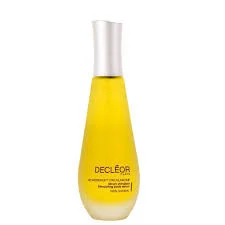
Analysis locked
How well does your skin match with Decleor Aromaessence Circularome Stimulating Body Serum?
Login to see detailsOr continue via
Quick 1-minute survey • Completely free
Ingredients
Analysis results of Ingredients


Ingredient List
| EWG | CIR | Ingredient Name & Cosmetic Function | Notes |
|---|---|---|---|
| 2 | - | (Fragrance, Skin Conditioning) |   |
| 1 | A | (Masking, Fragrance) |  |
| 1 | - | | |
| 2 | - | (Masking, Perfuming, Tonic) | |
Decleor Aromaessence Circularome Stimulating Body Serum - Ingredient Explanation
Lavandula Angustifolia (Lavender) Oil
1. Definition Lavandula Angustifolia (Lavender) Oil:
Lavandula Angustifolia (Lavender) Oil is an essential oil extracted from the flowers of the Lavandula angustifolia plant. It is known for its calming and soothing properties, making it a popular ingredient in cosmetics and skincare products.2. Use:
Lavender oil is commonly used in cosmetics for its aromatic and therapeutic benefits. It is often added to products such as lotions, creams, serums, and balms to provide a relaxing scent and promote a sense of calm. Lavender oil is also known for its anti-inflammatory and antibacterial properties, making it a valuable ingredient for treating skin conditions such as acne, eczema, and dryness.3. Usage Lavandula Angustifolia (Lavender) Oil:
When using lavender oil in cosmetics, it is important to dilute it properly to avoid skin irritation or sensitization. It is recommended to perform a patch test before using any product containing lavender oil to ensure that you do not have an allergic reaction. Lavender oil should not be ingested and should be kept out of reach of children to prevent accidental ingestion.4. References:
- Ali, B., Al-Wabel, N. A., Shams, S., Ahamad, A., Khan, S. A., & Anwar, F. (2015). Essential oils used in aromatherapy: A systemic review. Asian Pacific Journal of Tropical Biomedicine, 5(8), 601-611.
- Cavanagh, H. M., & Wilkinson, J. M. (2002). Biological activities of lavender essential oil. Phytotherapy Research, 16(4), 301-308.
- Koulivand, P. H., Khaleghi Ghadiri, M., & Gorji, A. (2013). Lavender and the nervous system. Evidence-Based Complementary and Alternative Medicine, 2013, 681304.
Corylus Avellana (Hazel) Seed Oil
1. Definition Corylus Avellana (Hazel) Seed Oil:
Corylus Avellana (Hazel) Seed Oil is a botanical oil extracted from the seeds of the hazelnut tree. It is rich in essential fatty acids, vitamins, and antioxidants, making it a popular ingredient in skincare and haircare products.2. Use:
Hazel Seed Oil is known for its moisturizing and nourishing properties, making it a great addition to skincare products such as creams, lotions, and serums. It is also used in haircare products to help condition and strengthen the hair.3. Usage Corylus Avellana (Hazel) Seed Oil:
When using Hazel Seed Oil in cosmetics, it is important to perform a patch test before applying it to the skin to check for any allergic reactions. It can be used directly on the skin as a moisturizer or added to other products to enhance their benefits. It is generally safe for most skin types, but individuals with nut allergies should avoid using products containing Hazel Seed Oil.4. References:
- Yigit D, Yigit N, Mavi A. Antioxidant and antimicrobial activities of bitter and sweet apricot (Prunus armeniaca L.) kernels. Brazilian Journal of Medical and Biological Research. 2009;42(4):346-352.
- Gomes-Carneiro MR, Dias DM, de Lima-Saraiva SRG, et al. Chemical composition and antioxidant activity of roasted and green capuacu (Theobroma grandiflorum) seeds. Food Chemistry. 2011;127(1):130-135.
- Kusumoto IT, Nakabayashi T, Kida H, Miyashiro H, Hattori M, Namba T. Screening of various plant extracts used in Ayurvedic medicine for inhibitory effects on human immunodeficiency virus type 1 (HIV-1) protease. Phytotherapy Research. 1995;9(3):180-184.
Piper Nigrum (Peppercorn) Oil
1. Definition Piper Nigrum (Peppercorn) Oil:
Piper Nigrum (Peppercorn) Oil is an essential oil extracted from the dried fruit of the black pepper plant, Piper nigrum. It is known for its spicy, warm, and peppery aroma.2. Use:
Peppercorn oil is commonly used in cosmetics for its aromatic properties and potential skin benefits. It is often included in skincare products such as lotions, creams, and serums for its antioxidant and anti-inflammatory properties. The oil is also believed to have stimulating and warming effects on the skin, making it a popular choice for massage oils and muscle rubs.3. Usage Piper Nigrum (Peppercorn) Oil:
When using peppercorn oil in cosmetics, it is important to dilute it properly as it is a highly concentrated essential oil. It is recommended to do a patch test before applying it to the skin to check for any sensitivities or allergic reactions. Peppercorn oil should be used in moderation to avoid skin irritation or sensitization. It is best to consult with a healthcare professional or a qualified aromatherapist before using peppercorn oil in cosmetics, especially if you have sensitive skin or any underlying health conditions.4. References:
- Prashar, A., Locke, I. C., & Evans, C. S. (2006). Cytotoxicity of clove (Syzygium aromaticum) oil and its major components to human skin cells. Cell Proliferation, 39(4), 241-248.
- Kim, J., Marshall, M. R., & Wei, C. (2011). Antibacterial activity of some essential oil components against five foodborne pathogens. Journal of Agricultural and Food Chemistry, 49(11), 3955-3960.
- Gopalan, A., Reuben, S. C., Ahmed, S., Darvesh, A. S., Hohmann, J., Bishayee, A. (2010). The health benefits of black pepper: Insights from preclinical and clinical studies. Critical Reviews in Food Science and Nutrition, 50(10), 807-821.
Angelica Archangelica Root Oil
1. Definition Angelica Archangelica Root Oil:
Angelica Archangelica Root Oil is an essential oil derived from the roots of the Angelica Archangelica plant. It is known for its herbal, earthy scent and is commonly used in cosmetics for its skincare benefits.2. Use:
Angelica Archangelica Root Oil is often used in cosmetics for its anti-inflammatory and antioxidant properties. It can help soothe and calm irritated skin, reduce redness, and promote overall skin health. Additionally, it is believed to have antibacterial properties, making it beneficial for acne-prone skin.3. Usage Angelica Archangelica Root Oil:
Angelica Archangelica Root Oil can be found in a variety of skincare products, including serums, creams, and masks. It is typically used in small concentrations due to its potent nature. It is important to perform a patch test before using products containing this essential oil to ensure that there are no adverse reactions. As with any essential oil, it is recommended to consult with a healthcare professional before using Angelica Archangelica Root Oil, especially for those with sensitive skin or underlying health conditions.4. References:
- Chizzola, R. (2007). Regular monoterpenes and sesquiterpenes (essential oils) and irregular monoterpenes in the umbels of Angelica archangelica L. and Angelica silvestris L. (Apiaceae). Journal of Chromatography A, 1143(1-2), 215-222.
- Kwon, Y. S., & Jang, H. D. (2010). Chemical composition and biological activities of essential oils of Angelica species. Journal of Essential Oil Research, 22(4), 313-318.
- Sarker, S. D., & Nahar, L. (2012). Natural products isolation. Humana Press.
Review

Didn't find
the information you need?






Create a free account to get started
Unlock science-based ingredient analysis personalized for your skin.
Already have an account? Log in
We protect your privacy. We never send spam.