


Analysis locked
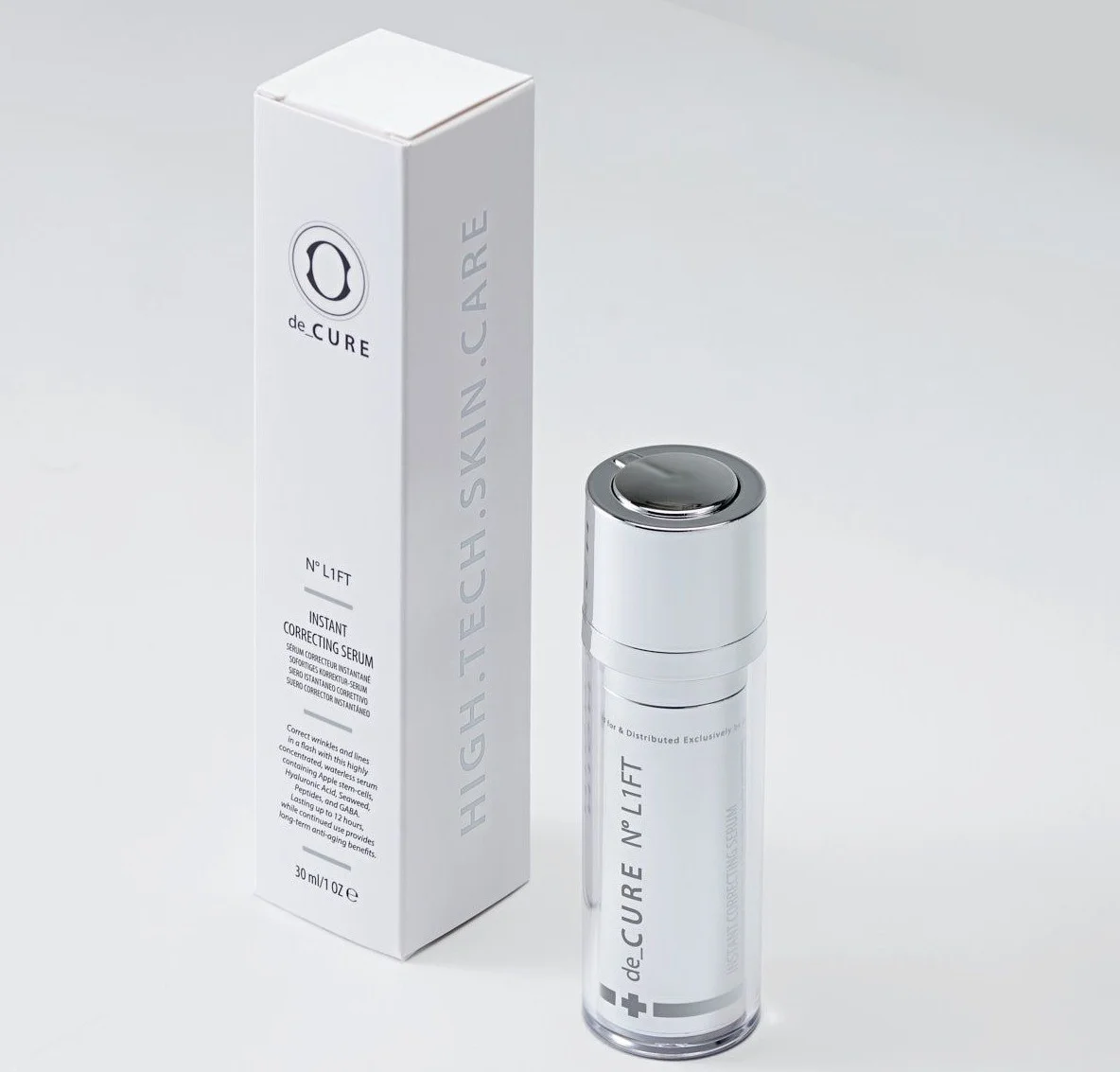
How well does your skin match with deCure Instant Correcting Serum?
Login to see detailsOr continue via
Quick 1-minute survey • Completely free
Ingredients
Analysis results of Ingredients


Ingredient List
| EWG | CIR | Ingredient Name & Cosmetic Function | Notes |
|---|---|---|---|
| 1 | A | (Humectant, Skin Conditioning) |  |
| 1 | - | (Surfactant, Viscosity Controlling, Emulsion Stabilising, Film Forming, Gel Forming, Viscosity Increasing Agent - Aqueous) | |
| 2 | B | (Antistatic Agent, Binding Agent, Binding, Film Forming, Adhesive, Hair Fixing, Suspending Agent -Nonsurfactant) | |
| 1 | - | (Hair Conditioning) | |


deCure Instant Correcting Serum - Ingredient Explanation
Sodium Hyaluronate
1. Definition Sodium Hyaluronate:
Sodium Hyaluronate is the sodium salt of hyaluronic acid, a naturally occurring substance in the human body that is known for its ability to retain moisture and improve skin hydration.2. Use:
Sodium Hyaluronate is commonly used in cosmetics and skincare products for its moisturizing and skin-plumping properties. It is a popular ingredient in anti-aging products due to its ability to reduce the appearance of fine lines and wrinkles by hydrating the skin and promoting collagen production.3. Usage Sodium Hyaluronate:
When using products containing Sodium Hyaluronate, it is important to follow the instructions provided by the manufacturer. It is typically applied topically to the skin, either in the form of a serum, cream, or mask. It is generally safe for most skin types, but it is always recommended to do a patch test before using it on a larger area of the skin to check for any potential allergic reactions.Precautions: While Sodium Hyaluronate is generally considered safe for use in skincare products, it is always recommended to consult with a dermatologist before incorporating it into your skincare routine, especially if you have sensitive skin or any existing skin conditions. Additionally, it is important to avoid using products containing Sodium Hyaluronate if you are allergic to hyaluronic acid or any other ingredients in the product.
4. References:
- Papakonstantinou, E., Roth, M., & Karakiulakis, G. (2012). Hyaluronic acid: A key molecule in skin aging. Dermato-endocrinology, 4(3), 253-258.
- Pavicic, T., Gauglitz, G. G., Lersch, P., Schwach-Abdellaoui, K., Malle, B., & Korting, H. C. (2011). Efficacy of cream-based novel formulations of hyaluronic acid of different molecular weights in anti-wrinkle treatment. Journal of drugs in dermatology: JDD, 10(9), 990-1000.
- Ganceviciene, R., Liakou, A. I., Theodoridis, A., Makrantonaki, E., & Zouboulis, C. C. (2012). Skin anti-aging strategies. Dermato-endocrinology, 4(3), 308-319.
Sodium Polystyrene Sulfonate
1. Definition Sodium Polystyrene Sulfonate:
Sodium Polystyrene Sulfonate is a medication that is commonly used to treat high levels of potassium in the blood, a condition known as hyperkalemia. It works by binding to potassium in the intestines, allowing it to be excreted from the body through the stool.2. Use:
In cosmetics, Sodium Polystyrene Sulfonate is often used as a suspending agent or viscosity increasing agent in various skincare and haircare products. It helps to stabilize formulations and improve the overall texture of the product.3. Usage Sodium Polystyrene Sulfonate:
When using Sodium Polystyrene Sulfonate in cosmetics, it is important to follow the recommended guidelines provided by the manufacturer. It should be used in the appropriate concentration to achieve the desired effect without causing any adverse reactions. It is also important to perform a patch test before using products containing this ingredient to check for any potential allergic reactions.4. References:
- "Sodium Polystyrene Sulfonate" Drugs.com, https://www.drugs.com/mtm/sodium-polystyrene-sulfonate.html
- "Sodium Polystyrene Sulfonate" PubChem, https://pubchem.ncbi.nlm.nih.gov/compound/Sodium-polystyrene-sulfonate
- "Sodium Polystyrene Sulfonate" Cosmeticsinfo.org, https://www.cosmeticsinfo.org/ingredient/sodium-polystyrene-sulfonate
Acrylates Copolymer
1. Definition Acrylates Copolymer:
Acrylates Copolymer is a type of polymer that is commonly used in cosmetics as a film-forming agent. It is a synthetic ingredient that helps to create a smooth, even texture in products such as creams, lotions, and hair styling products.2. Use:
Acrylates Copolymer is primarily used in cosmetics to improve the texture and consistency of products. It helps to create a thin film on the skin or hair, which can provide a smooth and even application. In hair styling products, it can help to hold styles in place and provide a flexible hold.3. Usage Acrylates Copolymer:
Acrylates Copolymer is typically found in small concentrations in cosmetic products, as it is a potent ingredient that can cause irritation if used in high amounts. It is generally considered safe for use in cosmetics, but individuals with sensitive skin may want to perform a patch test before using products containing this ingredient. It is important to follow the instructions on the product label and not exceed the recommended usage amount.4. References:
- "Acrylates Copolymer." Cosmetics Info, www.cosmeticsinfo.org/ingredient/acrylates-copolymer.
- "Safety Assessment of Acrylates Copolymer as Used in Cosmetics." Cosmetic Ingredient Review, www.cir-safety.org/sites/default/files/acrylatesc0606rep.pdf.
- Lode, S., et al. "Evaluation of the Irritation Potential of Acrylates Copolymer." Journal of Cosmetic Science, vol. 65, no. 2, 2014, pp. 113-120.
Aminobutyric Acid
1. Definition Aminobutyric Acid:
Aminobutyric Acid, also known as GABA (gamma-aminobutyric acid), is a naturally occurring amino acid that acts as a neurotransmitter in the brain. It is known for its calming and soothing effects on the nervous system.2. Use:
Aminobutyric Acid is commonly used in cosmetics for its ability to help reduce the appearance of fine lines and wrinkles, as well as improve the overall texture and tone of the skin. It is also known for its hydrating properties, making it a popular ingredient in moisturizers and serums.3. Usage Aminobutyric Acid:
Aminobutyric Acid can be found in a variety of skincare products, including creams, serums, and masks. It is typically applied topically to the skin, where it can penetrate the outer layers and provide its beneficial effects. It is important to follow the instructions on the product packaging and consult with a dermatologist before incorporating any new skincare ingredient into your routine.4. References:
- Lee, B. H., Lee, D. H., Park, M. H., Lee, J. Y., & Lee, J. S. (2018). Anti-wrinkle effect of gamma-aminobutyric acid (GABA) on human fibroblasts. Journal of Microbiology and Biotechnology, 28(5), 715-723.
- Park, S. Y., Kim, D. S., & Kang, S. I. (2014). Anti-wrinkle effect of GABA-enriched fermented sea tangle extract in human fibroblasts. Journal of Functional Foods, 10, 224-230.
- Kim, S. H., Kim, H. J., Kim, J. H., & Lee, J. S. (2017). Anti-wrinkle effect of gamma-aminobutyric acid (GABA) on the skin. Journal of Functional Foods, 29, 123-130.
Review

Didn't find
the information you need?






Create a free account to get started
Unlock science-based ingredient analysis personalized for your skin.
Already have an account? Log in
We protect your privacy. We never send spam.