


Analysis locked
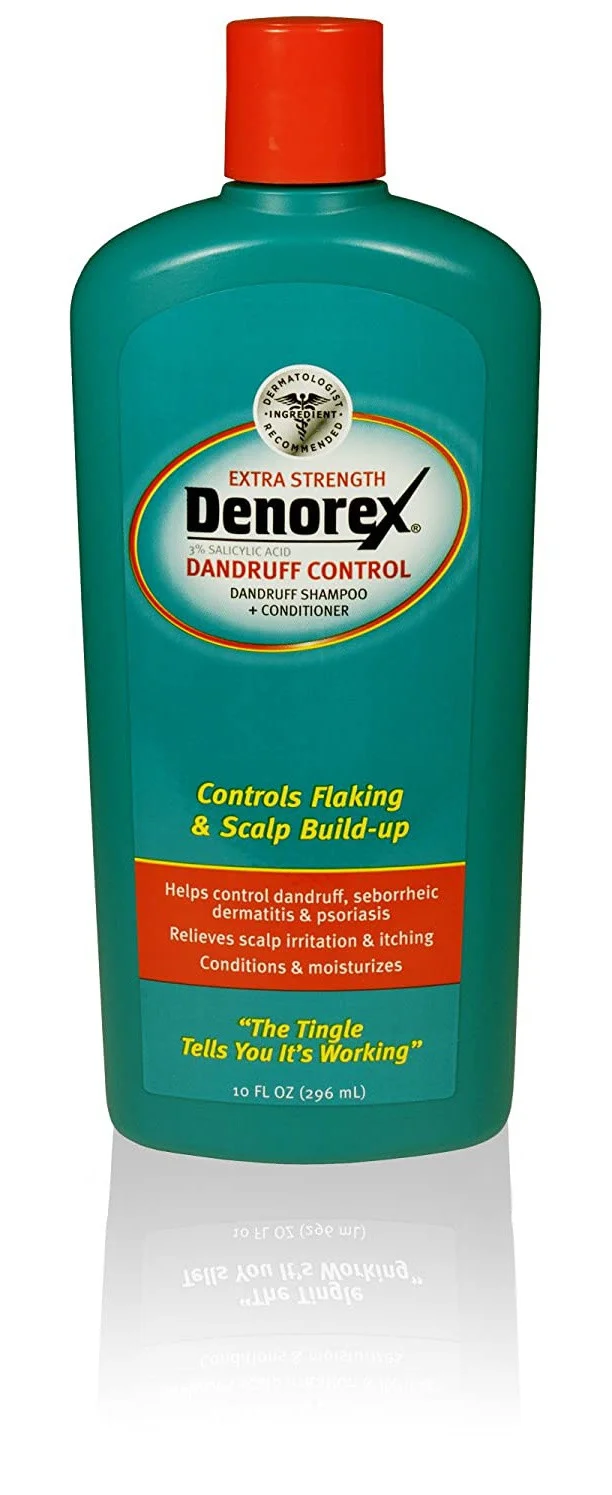
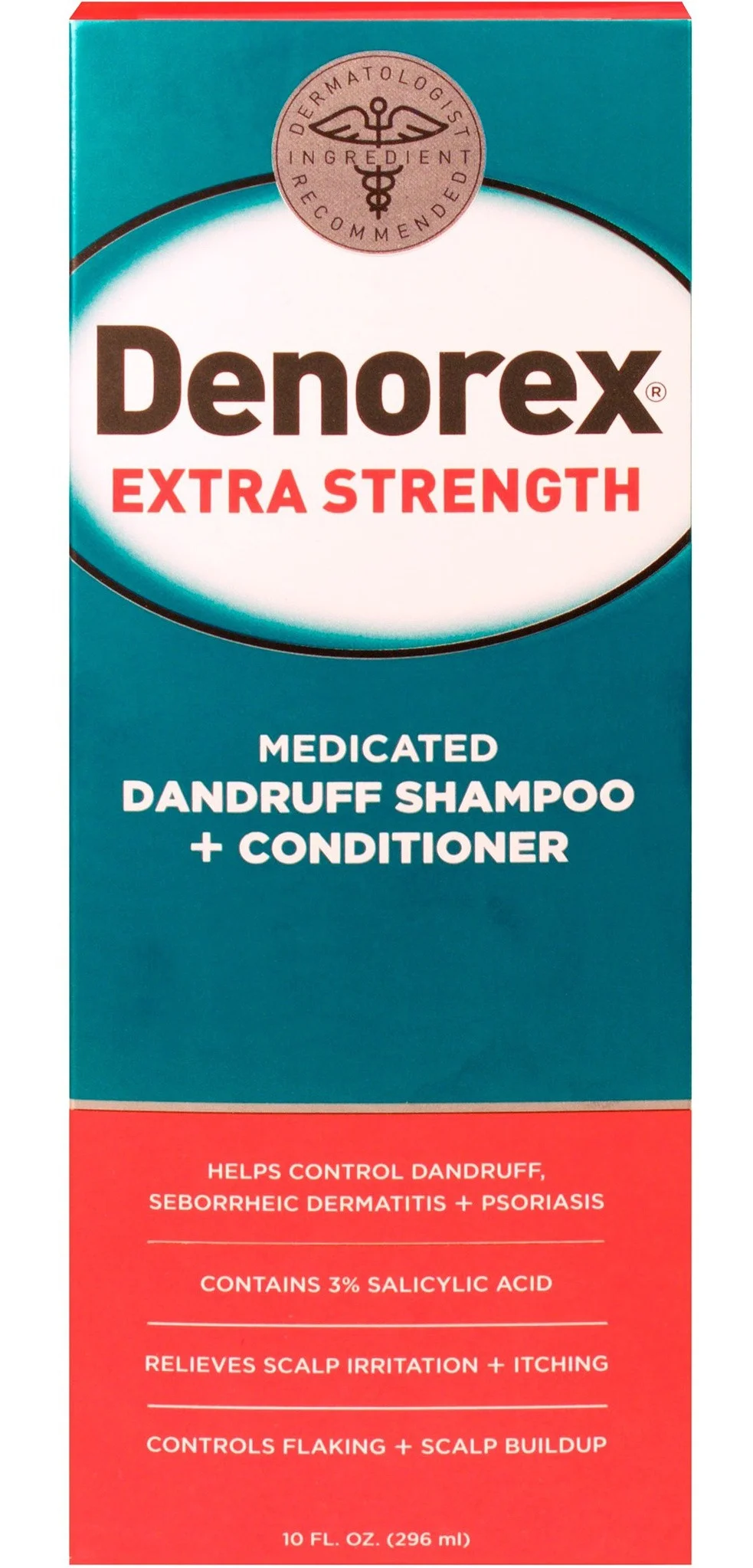
How well does your skin match with Denorex Extra Strength 2 In 1 Medicated Shampoo With Conditioner?
Login to see detailsOr continue via
Quick 1-minute survey • Completely free
Ingredients
Analysis results of Ingredients


Ingredient List
| EWG | CIR | Ingredient Name & Cosmetic Function | Notes |
|---|---|---|---|
| - | - | Coal Tar Solution (10%) | |
| 1 | - | (Masking, Fragrance, Denaturant , External Analgesic , Soothing, Flavoring Agent, Refreshing) |    |
| 3 | A | (Antimicrobial, Cosmetic Biocide, Preservative, Deodorant) | |
| 1 | A | (Skin Conditioning) |   |


Denorex Extra Strength 2 In 1 Medicated Shampoo With Conditioner - Ingredient Explanation
Coal Tar Solution (10%)
Ingredient data is being updated. Please check back later.
Menthol
1. Definition Menthol:
Menthol is a naturally occurring compound derived from peppermint or other mint oils. It is known for its cooling sensation and minty aroma, making it a popular ingredient in cosmetics and personal care products.2. Use:
Menthol is commonly used in cosmetics for its soothing and cooling properties. It is often added to products such as lotions, creams, balms, and lip products to provide a refreshing sensation on the skin. Menthol can also help to relieve minor skin irritations and itching.3. Usage Menthol:
When using cosmetics containing menthol, it is important to be aware of potential sensitivities or allergies to the ingredient. Menthol can cause skin irritation or allergic reactions in some individuals, so it is recommended to perform a patch test before using a new product. Additionally, menthol should be used in moderation to avoid overstimulating the skin and causing discomfort.4. References:
- Yosipovitch, G., & Maibach, H. I. (1998). Sensitive Skin Syndrome. CRC Press.
- Rawlings, A. V., & Leyden, J. J. (2004). Skin Moisturization. CRC Press.
- Draelos, Z. D. (2010). Cosmetic Dermatology: Products and Procedures. John Wiley & Sons.
Chloroxylenol
1. Definition Chloroxylenol:
Chloroxylenol, also known as PCMX, is a chemical compound that belongs to the family of phenols. It is commonly used as an antiseptic and disinfectant in various products, including soaps, lotions, and household cleaners.2. Use:
Chloroxylenol is primarily used for its antibacterial properties. It is effective against a wide range of bacteria, including both gram-positive and gram-negative bacteria. It is often included in skincare products to help prevent infections and promote healing of minor cuts and wounds.3. Usage Chloroxylenol:
When using products containing chloroxylenol, it is important to follow the instructions provided on the packaging. It is typically used topically on the skin, where it can help to kill bacteria and prevent infections. However, it is important to avoid getting it in the eyes, mouth, or other mucous membranes, as it can cause irritation. It is also not recommended for use on large areas of broken or damaged skin.4. References:
- Kim, J. H., & Kim, S. H. (2016). Antimicrobial effect of chloroxylenol against Staphylococcus aureus and its synergism with cell wall biosynthesis inhibitors. Journal of Microbiology and Biotechnology, 26(10), 1813-1820.
- McDonnell, G., & Russell, A. D. (1999). Antiseptics and disinfectants: activity, action, and resistance. Clinical Microbiology Reviews, 12(1), 147-179.
- Luby, S. P., Agboatwalla, M., Feikin, D. R., Painter, J., Billhimer, W., & Altaf, A. (2005). Effect of handwashing on child health: a randomised controlled trial. The Lancet, 366(9481), 225-233.
Persea Gratissima (Avocado) Oil
1. Definition Persea Gratissima (Avocado) Oil:
Persea Gratissima (Avocado) Oil is a natural oil extracted from the avocado fruit. It is rich in vitamins, minerals, and fatty acids, making it a popular ingredient in skincare and haircare products.2. Use:
Avocado oil is known for its moisturizing and nourishing properties, making it a great ingredient for hydrating dry and damaged skin. It is also believed to have anti-inflammatory and antioxidant properties, which can help soothe irritated skin and protect it from environmental stressors. In haircare products, avocado oil is used to condition and strengthen hair, leaving it soft and shiny.3. Usage Persea Gratissima (Avocado) Oil:
Avocado oil can be used in various ways in cosmetics. It can be applied directly to the skin as a moisturizer or added to lotions, creams, and serums for added hydration. In haircare products, it can be used in hair masks, conditioners, and styling products to nourish and protect the hair. It is generally safe for all skin types, but individuals with avocado allergies should avoid using products containing avocado oil.4. References:
- Paula Begoun. (2003). "Don't Go to the Cosmetics Counter Without Me." Beginning Press.
- Lorraine Dallmeier. (2016). "A Comprehensive Guide to Essential Oils." CreateSpace Independent Publishing Platform.
- R. Ranade, R. Nash, R. Dr. (2010). "Handbook of Cosmetic Science and Technology." Informa Healthcare.
Review

Didn't find
the information you need?




Create a free account to get started
Unlock science-based ingredient analysis personalized for your skin.
Already have an account? Log in
We protect your privacy. We never send spam.