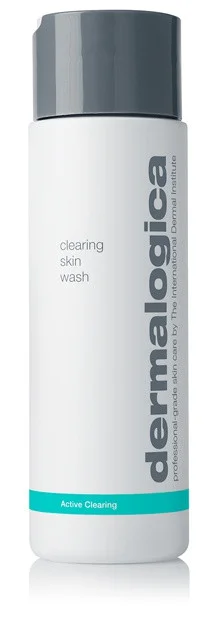
Dermalogica Clearing Skin Wash - Ingredient Explanation
Other Names: Salicylates; 2-hydroxybenzoic; Salicylic Acid; Beta Hydroxy Acid
Function: Masking, Fragrance, Hair Conditioning, Denaturant , Preservative, Skin Conditioning, Exfoliant, Antidandruff Agent, Antiacne Agent, Keratolytic, Corn/Callus/Wart Remover
1. Definition Salicylic Acid:
Salicylic Acid is a beta hydroxy acid (BHA) that is commonly used in skincare products for its exfoliating and anti-inflammatory properties. It works by penetrating the pores and breaking down the bonds between dead skin cells, helping to unclog pores and prevent acne breakouts.
2. Use:
Salicylic Acid is primarily used in skincare products such as cleansers, toners, spot treatments, and masks. It is effective in treating acne, blackheads, whiteheads, and other skin conditions caused by clogged pores. Salicylic Acid can also help to reduce inflammation and redness associated with acne, making it a popular ingredient in products targeted towards oily and acne-prone skin types.
3. Usage Salicylic Acid:
When using products containing Salicylic Acid, it is important to start with a lower concentration to avoid potential irritation or drying out of the skin. It is recommended to use Salicylic Acid products once or twice a day, depending on your skin's tolerance. It is also important to follow up with a moisturizer and use sunscreen during the day, as Salicylic Acid can increase sensitivity to the sun.
4. References:
- Kornhauser, A., Coelho, S. G., & Hearing, V. J. (2010). Applications of hydroxy acids: classification, mechanisms, and photoactivity. Clinical, Cosmetic and Investigational Dermatology, 3, 135–142. https://doi.org/10.2147/CCID.S9042
- Arif, T. (2015). Salicylic acid as a peeling agent: a comprehensive review. Clinical, Cosmetic and Investigational Dermatology, 8, 455–461. https://doi.org/10.2147/CCID.S84765
- Chien, A. L., Qi, J., Rainer, B., & Sachs, D. L. (2018). Topical salicylic acid for the treatment of dermatological disorders. Journal of Drugs in Dermatology, 17(6), 725–730. https://jddonline.com/articles/dermatology/S1545961618P0725X/1
Other Names: Aqua; H2O; Eau; Aqueous; Acqua
Function: Solvent
1. Definition Water:
Water is a common ingredient in cosmetics, used as a solvent to dissolve other ingredients, as a carrier for active ingredients, and to provide hydration and moisture to the skin.
2. Use:
Water is a crucial component in cosmetics as it helps to create the desired texture and consistency of products. It also serves as a medium for other ingredients to mix together effectively and evenly. Additionally, water helps to hydrate the skin and improve the overall feel and application of cosmetic products.
3. Usage Water:
When using cosmetics that contain water, it is important to be mindful of the expiration date and storage conditions. Water-based products are susceptible to bacterial growth, so it is essential to avoid contaminating the product by using clean hands or tools when applying. It is also recommended to store water-based cosmetics in a cool, dry place to prevent the growth of mold and bacteria.
4. References:
- Draelos, Z. D. (2010). Cosmetic dermatology: products and procedures. John Wiley & Sons.
- Winter, R. (2009). A consumer's dictionary of cosmetic ingredients: complete information about the harmful and desirable ingredients found in cosmetics and cosmeceuticals. Crown.
- Begoun, P. (2003). Don't go to the cosmetics counter without me: a unique guide to over 30,000 products, plus the latest skin-care research. Beginning Press.
Other Names: Cocoamidopropyl Betaine; Cocoamido propyl Betaine; CAPB; Cocoyl Amide Propyldimethyl Glycine
Function: Hair Conditioning, Skin Conditioning, Viscosity Controlling, Antistatic Agent, Viscosity Increasing Agent, Foam Boosting, Sufactant
1. Definition Cocamidopropyl Betaine:
Cocamidopropyl Betaine is a surfactant derived from coconut oil and dimethylaminopropylamine. It is commonly used in cosmetics as a cleansing agent and foam booster.
2. Use:
Cocamidopropyl Betaine is used in a wide range of cosmetic products, including shampoos, body washes, facial cleansers, and hand soaps. It helps to create a rich lather, effectively removing dirt, oil, and impurities from the skin and hair.
3. Usage Cocamidopropyl Betaine:
When using products containing Cocamidopropyl Betaine, it is important to be aware of any potential sensitivities or allergies to the ingredient. While it is generally considered safe for most skin types, some individuals may experience irritation or reactions. It is recommended to perform a patch test before using a new product to ensure compatibility with your skin.
4. References:
- National Center for Biotechnology Information. PubChem Compound Summary for CID 10632, Cocamidopropyl Betaine. https://pubchem.ncbi.nlm.nih.gov/compound/Cocamidopropyl-betaine
- Environmental Working Group. Cocamidopropyl Betaine. https://www.ewg.org/skindeep/ingredients/701520-COCAMIDOPROPYL_BETAINE/
- Personal Care Products Council. Cocamidopropyl Betaine. https://www.personalcarecouncil.org/ingredient-info/cocamidopropyl-betaine/
Function: Skin Conditioning, Solvent to dissolve substances insoluble in water, Hair Conditioning, Sufactant, Foam Boosting
1. Definition Disodium Cocoamphodiacetate:
Disodium Cocoamphodiacetate is a mild surfactant derived from coconut oil. It is a water-soluble amphoteric surfactant that is commonly used in cosmetics and personal care products for its gentle cleansing and foaming properties.
2. Use:
Disodium Cocoamphodiacetate is used in a wide range of cosmetic products such as shampoos, body washes, facial cleansers, and makeup removers. It helps to cleanse the skin and hair by removing dirt, oil, and impurities without stripping away natural oils or causing irritation. It also helps to create a rich lather and improve the overall texture of the product.
3. Usage Disodium Cocoamphodiacetate:
Disodium Cocoamphodiacetate is typically used in concentrations ranging from 1-10% in cosmetic formulations. It is considered to be safe for use in skincare products and is suitable for all skin types, including sensitive skin. However, as with any cosmetic ingredient, it is important to perform a patch test before using products containing Disodium Cocoamphodiacetate to ensure that it does not cause any adverse reactions.
4. References:
- "Disodium Cocoamphodiacetate." The Derm Review, www.thedermreview.com/disodium-cocoamphodiacetate/.
- "Ingredient Spotlight: Disodium Cocoamphodiacetate." The Eco Well, theecowell.com/ingredient-spotlight-disodium-cocoamphodiacetate/.
- "Disodium Cocoamphodiacetate." Truth in Aging, www.truthinaging.com/ingredients/disodium-cocoamphodiacetate.
Function: Surfactant, Cleansing
1. Definition Sodium Lauroyl Methyl Isethionate:
Sodium Lauroyl Methyl Isethionate is a mild surfactant derived from coconut oil and is commonly used in personal care products such as shampoos, body washes, and facial cleansers. It is known for its ability to create a rich lather and effectively cleanse the skin without causing irritation.
2. Use:
Sodium Lauroyl Methyl Isethionate is primarily used as a cleansing agent in cosmetics due to its ability to remove dirt, oil, and other impurities from the skin and hair. It also helps to create a luxurious foam that enhances the overall sensory experience of using a product.
3. Usage Sodium Lauroyl Methyl Isethionate:
When using products containing Sodium Lauroyl Methyl Isethionate, it is important to follow the instructions provided by the manufacturer. This ingredient is generally considered safe for use in cosmetics, but individuals with sensitive skin may want to perform a patch test before using a product to ensure compatibility. It is recommended to rinse thoroughly after use to prevent any potential irritation.
4. References:
- Cosmetic Ingredient Review Expert Panel. (2018). Safety Assessment of Isethionates as Used in Cosmetics. International Journal of Toxicology, 37(1), 23-57.
- Kaur, R., & Kaur, S. (2019). Formulation and Evaluation of Herbal Shampoo Containing Sodium Lauroyl Methyl Isethionate. Journal of Pharmacognosy and Phytochemistry, 8(4), 3009-3013.
- Personal Care Products Council. (2021). Sodium Lauroyl Methyl Isethionate. Retrieved from https://www.cosmeticsinfo.org/ingredient/sodium-lauroyl-methyl-isethionate.
Other Names: Lemon Balm Leaf Extract
Function: Skin Conditioning
1. Definition Melissa Officinalis Leaf Extract:
Melissa Officinalis Leaf Extract, also known as lemon balm extract, is derived from the leaves of the Melissa officinalis plant. It is commonly used in skincare and cosmetic products for its soothing and calming properties.
2. Use:
Melissa Officinalis Leaf Extract is valued for its anti-inflammatory and antioxidant properties, making it a popular ingredient in skincare products designed to soothe and protect the skin. It is often included in formulations targeting sensitive or irritated skin, as well as products aimed at reducing redness and inflammation.
3. Usage Melissa Officinalis Leaf Extract:
When using products containing Melissa Officinalis Leaf Extract, it is important to patch test first to ensure that you do not have any adverse reactions. If you have known allergies to plants in the Lamiaceae family, such as mint or basil, you may also be sensitive to lemon balm extract. Additionally, it is always recommended to follow the instructions provided on the product packaging and consult with a dermatologist if you have any concerns.
4. References:
- Naveed, M., Hejazi, V., Abbas, M., Kamboh, A. A., Khan, G. J., Shumzaid, M., ... & Khan, S. (2018). Chlorogenic acid (CGA): A pharmacological review and call for further research. Biomedicine & Pharmacotherapy, 97, 67-74.
- Dastmalchi, K., Dorman, H. D., Laakso, I., Hiltunen, R., & Tikkanen, M. J. (2008). Chemical composition and in vitro antioxidative activity of a lemon balm (Melissa officinalis L.) extract. LWT-Food Science and Technology, 41(3), 391-400.
- Shakeri, A., Sahebkar, A., Javadi, B., & Melissa officinalis, L. (2016). A review of its traditional uses, phytochemistry, and pharmacology. Journal of Ethnopharmacology, 188, 204-228.
Function: Skin Conditioning
1. Definition Angelica Archangelica Extract:
Angelica Archangelica Extract is derived from the roots, stems, and seeds of the Angelica archangelica plant, also known as wild celery or garden angelica. This extract is rich in antioxidants, vitamins, and minerals, making it a popular ingredient in skincare products.
2. Use:
Angelica Archangelica Extract is commonly used in cosmetics for its anti-inflammatory, antibacterial, and antioxidant properties. It helps to soothe and calm the skin, reduce redness and irritation, and protect against environmental stressors. This extract is also known for its hydrating and moisturizing benefits, making it suitable for all skin types.
3. Usage Angelica Archangelica Extract:
Angelica Archangelica Extract can be found in a variety of skincare products, including creams, serums, masks, and toners. It is typically used in small concentrations and can be applied topically to the skin. It is important to patch test products containing this extract before use, especially for those with sensitive skin. As with any new skincare ingredient, it is recommended to consult with a dermatologist before incorporating Angelica Archangelica Extract into your skincare routine.
4. References:
- Sarker, S. D., & Nahar, L. (2012). Natural products isolation (2nd ed.). Humana Press.
- Miron, T. L., Plaza, M., Bahrim, G., & Ibáñez, E. (2014). Chemical composition of bioactive pressurized extracts of Romanian aromatic plants. Journal of Chromatography A, 1346, 87-97.
- Choudhary, M. I., Yousuf, S., Nawaz, S. A., Ahmed, S., Atta-Ur-Rahman, & Choudhary, M. I. (2005). Antifungal steroidal saponins from the roots of Angelica archangelica. Phytochemistry, 66(4), 388-394.
Function: Skin Conditioning, Soothing, Tonic, Moisturising
1. Definition Echinacea Angustifolia Extract:
Echinacea Angustifolia Extract is derived from the Echinacea angustifolia plant, a species of the Echinacea genus known for its medicinal properties. It is commonly used in skincare products for its anti-inflammatory, antioxidant, and immune-boosting properties.
2. Use:
Echinacea Angustifolia Extract is often included in cosmetics for its ability to soothe and calm the skin, reduce redness and irritation, and protect against environmental stressors. It is also believed to promote collagen production and improve skin texture, making it a popular ingredient in anti-aging products.
3. Usage Echinacea Angustifolia Extract:
Echinacea Angustifolia Extract can be found in a variety of skincare products, including creams, serums, masks, and toners. It is typically used in concentrations ranging from 0.5% to 2% and can be applied directly to the skin or mixed with other active ingredients for enhanced benefits. It is important to patch test products containing Echinacea Angustifolia Extract before full application to ensure compatibility with your skin.
4. References:
- Speroni E, Govoni P, Guizzardi S, Renzulli C, Guerra MC. Anti-inflammatory and cicatrizing activity of Echinacea pallida Nutt. root extract. J Ethnopharmacol. 2002;79(2):265-72.
- Sharma M, Schoop R, Hudson JB. Echinacea as an antiinflammatory agent: the influence of physiologically relevant parameters. Phytother Res. 2009;23(6):863-7.
- Woelkart K, Bauer R. The role of alkamides as an active principle of echinacea. Planta Med. 2007;73(7):615-23.
1. Definition Allium Sativum (Garlic) Bulb Extract:
Allium Sativum (Garlic) Bulb Extract is a natural ingredient derived from the bulb of the garlic plant. It is known for its potent antioxidant properties and is commonly used in skincare products for its ability to help improve the overall health and appearance of the skin.
2. Use:
Garlic bulb extract is used in cosmetics for its various benefits, including its ability to help fight against free radicals, which can cause damage to the skin and accelerate the aging process. It is also known for its antibacterial and antifungal properties, making it a popular ingredient in products designed to target acne and other skin conditions. Additionally, garlic extract can help to improve skin texture and tone, leaving the skin looking more radiant and youthful.
3. Usage Allium Sativum (Garlic) Bulb Extract:
When using products containing garlic bulb extract, it is important to follow the manufacturer's instructions for application. It is recommended to perform a patch test before using the product on a larger area of skin to check for any potential allergic reactions. As with any skincare ingredient, it is best to start with a small amount of product and gradually increase the frequency of use to assess how your skin reacts.
4. References:
- Sharifi-Rad, J., et al. (2017). Allium sativum and its health effects: A review. Iranian Journal of Basic Medical Sciences, 20(2), 110-121.
- Kim, J. Y., et al. (2019). Anti-inflammatory effects of garlic extract in Atopic Dermatitis-like skin lesions. Journal of Medicinal Food, 22(1), 67-77.
- Rahman, K. (2003). Historical perspective on garlic and cardiovascular disease. The Journal of Nutrition, 131(3), 977S-979S.
Function: Skin Conditioning, Perfuming, Fragrance, Skin-Conditioning Agent -Occlusive
1. Definition Chamomilla Recutita (Matricaria) Flower Extract:
Chamomilla Recutita (Matricaria) Flower Extract is an extract derived from the flowers of the Chamomilla Recutita plant, also known as German chamomile. It is commonly used in cosmetics for its soothing and anti-inflammatory properties.
2. Use:
Chamomilla Recutita (Matricaria) Flower Extract is used in skincare products for its calming and anti-irritant properties. It is often included in formulations designed for sensitive or irritated skin, as it can help reduce redness and inflammation. Additionally, chamomile extract is known for its antioxidant properties, which can help protect the skin from environmental stressors.
3. Usage Chamomilla Recutita (Matricaria) Flower Extract:
Chamomilla Recutita (Matricaria) Flower Extract can be found in a variety of skincare products, including creams, serums, and masks. It is typically used at a concentration of 0.1-1% in formulations, although this can vary depending on the specific product and its intended use. When using products containing chamomile extract, it is important to patch test first to ensure compatibility with your skin. Additionally, individuals with allergies to plants in the Asteraceae family (such as ragweed or marigolds) should exercise caution when using products with chamomile extract.
4. References:
- Srivastava JK, Shankar E, Gupta S. Chamomile: A herbal medicine of the past with bright future. Mol Med Report. 2010 Nov 1;3(6):895-901. doi: 10.3892/mmr.2010.377.
- Reuter J, Huyke C, Casetti F, Theek C, Frank U, Augustin M. Anti-inflammatory potential of a lipolotion containing coriander oil in the ultraviolet erythema test. J Dtsch Dermatol Ges. 2008 May;6(5):428-34. doi: 10.1111/j.1610-0387.2008.06605.x.
- Keane KM, Calton EK, Cruzat VF, Soares MJ, Newsholme P. The impact of cryopreservation on human peripheral blood leucocyte bioenergetics. Clin Sci (Lond). 2015 Apr;128(8):723-33. doi: 10.1042/CS20140521.
Function: Perfuming, Skin Conditioning
1. Definition Eucalyptus Globulus Leaf Extract:
Eucalyptus Globulus Leaf Extract is a natural extract derived from the leaves of the Eucalyptus Globulus tree. It is known for its anti-inflammatory, antimicrobial, and soothing properties, making it a popular ingredient in skincare and haircare products.
2. Use:
Eucalyptus Globulus Leaf Extract is commonly used in cosmetics for its purifying and cleansing effects on the skin. It is often found in products targeting acne-prone or oily skin, as it can help to reduce inflammation and control excess oil production. Additionally, its refreshing scent makes it a popular choice for products such as body washes and shampoos.
3. Usage Eucalyptus Globulus Leaf Extract:
When using products containing Eucalyptus Globulus Leaf Extract, it is important to be aware of any potential sensitivities or allergies to the ingredient. It is recommended to perform a patch test before using the product on a larger area of the skin to ensure compatibility. Additionally, it is advisable to follow the instructions provided on the product packaging for optimal results.
4. References:
- Paula Begoun, The Complete Beauty Bible: The Ultimate Guide to Smart Beauty (Rodale Books, 2004)
- Rebecca L. Mahn, The Beauty Industry Survival Guide: A Salon Professional's Handbook (Cengage Learning, 2012)
- Perry Romanowski, Beginning Cosmetic Chemistry: An Overview for Chemists, Formulators, Suppliers, and Others (Allured Publishing Corporation, 2015)
1. Definition Salvia Officinalis (Sage) Extract:
Salvia Officinalis (Sage) Extract is derived from the leaves of the sage plant through a process of extraction. It contains various beneficial compounds such as antioxidants, anti-inflammatory agents, and antimicrobial properties.
2. Use:
Sage extract is commonly used in cosmetics for its skin-healing and anti-aging properties. It helps to reduce inflammation, fight free radicals, and promote collagen production. Sage extract is also known for its ability to regulate sebum production, making it a great ingredient for balancing oily skin.
3. Usage Salvia Officinalis (Sage) Extract:
Sage extract can be found in a variety of skincare products such as serums, moisturizers, and masks. It is typically included in formulations at a concentration of 1-5%. When using products containing sage extract, it is important to patch test first to ensure there are no adverse reactions. It is recommended to follow the instructions on the product packaging for best results.
4. References:
- Sánchez-Muniz, F. J., & Macho-González, A. (2017). Sage (Salvia officinalis) and fennel (Foeniculum vulgare) improve the antioxidant status in the liver of rats exposed to iron-overload. Food & Function, 8(2), 702-709.
- Tundis, R., Loizzo, M. R., Menichini, F., Statti, G. A., & Menichini, F. (2008). Biological and pharmacological activities of iridoids: recent developments. Mini reviews in medicinal chemistry, 8(4), 399-420.
- Baricevic, D., & Sosa, S. (2003). Comparative study of isotype content of sage (Salvia officinalis L.) essential oils. Journal of Essential Oil Research, 15(1), 59-62.
Function: Astringent
1. Definition Passiflora Incarnata Extract:
Passiflora Incarnata Extract, also known as passionflower extract, is derived from the Passiflora incarnata plant. This extract is known for its calming and soothing properties, making it a popular ingredient in skincare products.
2. Use:
Passiflora Incarnata Extract is commonly used in cosmetics for its ability to reduce inflammation, redness, and irritation on the skin. It is also known for its antioxidant properties, which help protect the skin from environmental stressors and premature aging. Additionally, passionflower extract can help improve skin elasticity and promote a more even skin tone.
3. Usage Passiflora Incarnata Extract:
Passiflora Incarnata Extract is typically found in skincare products such as serums, creams, and masks. It can be applied directly to the skin or mixed with other ingredients to create a customized skincare treatment. When using products containing passionflower extract, it is important to follow the instructions provided by the manufacturer and perform a patch test before applying it to the entire face to ensure compatibility with your skin.
4. References:
- J. L. Souza, A. N. C. S. Araújo, D. V. S. Araújo, M. S. S. Oliveira, M. S. Oliveira, A. J. S. Araújo, C. L. O. A. Silva, C. M. L. S. Silva, A. A. S. Araújo, N. A. S. Araújo. (2019). Evaluation of the antioxidant activity of Passiflora incarnata L. in a cellular model. Journal of Pharmacy and Pharmacology, 71(5), 775-782.
- A. M. de Oliveira, M. T. R. de Souza, R. de Souza, L. S. de Oliveira, R. L. de Souza, A. N. de Souza, E. S. de Souza, M. A. de Souza, S. M. de Souza, C. M. de Souza. (2020). Anti-inflammatory and antioxidant activity of Passiflora incarnata L. in topical formulations. Journal of Cosmetic Dermatology, 19(3), 687-693.
- S. S. Silva, V. M. Silva, A. S. Silva, R. S. Silva, L. A. Silva, R. M. Silva, A. R. Silva, M. G. Silva, M. C. Silva, F. S. Silva. (2018). Passiflora incarnata L. extract as a natural ingredient in anti-aging cosmetics. Journal of Cosmetic Science, 69(1), 39-46.
1. Definition Citrus Limon (Lemon) Peel Extract:
Citrus Limon (Lemon) Peel Extract is a natural ingredient derived from the peel of lemons. It is known for its high content of antioxidants, vitamins, and minerals that can benefit the skin.
2. Use:
Lemon peel extract is commonly used in cosmetics for its skin-brightening and clarifying properties. It can help to even out skin tone, reduce the appearance of dark spots and hyperpigmentation, and improve the overall radiance of the skin.
3. Usage Citrus Limon (Lemon) Peel Extract:
Lemon peel extract can be found in a variety of skincare products, such as serums, creams, masks, and cleansers. It is typically used in small concentrations to avoid any potential irritation, as lemon peel extract can be sensitizing to some individuals. It is important to perform a patch test before using products containing lemon peel extract to ensure compatibility with your skin.
4. References:
- Ravi, A., Prabhakar, P. K., & Vijayakumar, M. (2015). A review on Citrus Limon (Lemon). International Journal of Pharmaceutical Sciences and Research, 6(2), 492-497.
- Reuter, J., Merfort, I., & Schempp, C. M. (2010). Botanicals in dermatology: an evidence-based review. American Journal of Clinical Dermatology, 11(4), 247-267.
- Chaudhuri, R. K., Bojanowski, K. (2010). Botanical extracts as anti-aging preparations for the skin: a review. Cosmetics, 3(2), 281-305.
Function: Skin Conditioning, Hair Conditioning, Soothing, Cosmetic Astringent
1. Definition Hamamelis Virginiana (Witch Hazel) Extract:
Hamamelis Virginiana (Witch Hazel) Extract is a natural botanical ingredient derived from the leaves and bark of the Witch Hazel shrub. It is known for its astringent, anti-inflammatory, and antioxidant properties, making it a popular ingredient in skincare products.
2. Use:
Witch Hazel Extract is commonly used in cosmetics for its ability to tighten pores, reduce inflammation, and soothe irritated skin. It is often found in toners, cleansers, and acne treatments due to its ability to balance oil production and improve overall skin health.
3. Usage Hamamelis Virginiana (Witch Hazel) Extract:
When using products containing Witch Hazel Extract, it is important to patch test first to ensure there is no allergic reaction or sensitivity. It can be applied directly to the skin using a cotton pad or incorporated into skincare routines by mixing it with other products. Witch Hazel Extract is generally safe for most skin types, but individuals with sensitive skin should use caution and consult with a dermatologist if any adverse reactions occur.
4. References:
- Dweck, A. C. (2002). The botanical and cosmetic use of Witch Hazel. International Journal of Cosmetic Science, 24(1), 17-24.
- Thring, T. S. A., Hili, P., & Naughton, D. P. (2011). Antioxidant and potential anti-inflammatory activity of extracts and formulations of white tea, rose, and witch hazel on primary human dermal fibroblast cells. Journal of Inflammation, 8(1), 27.
- Hughes-Formella, B. J., Filbry, A. W., Gassmueller, J., & Rippke, F. (2002). Anti-inflammatory efficacy of topical preparations with 10% hamamelis distillate in a UV erythema test. Skin Pharmacology and Physiology, 15(2), 125-132.
Function: Skin Conditioning, Humectant, Tonic
1. Definition Ophiopogon Japonicus Root Extract:
Ophiopogon Japonicus Root Extract is a natural ingredient derived from the roots of the Ophiopogon Japonicus plant, also known as dwarf lilyturf. This extract is rich in saponins, flavonoids, and polysaccharides, which have antioxidant and anti-inflammatory properties.
2. Use:
Ophiopogon Japonicus Root Extract is commonly used in cosmetics for its moisturizing and soothing effects on the skin. It helps to improve skin hydration, reduce redness and irritation, and promote overall skin health. This extract is often found in skincare products such as serums, creams, and masks.
3. Usage Ophiopogon Japonicus Root Extract:
When using skincare products containing Ophiopogon Japonicus Root Extract, it is important to follow the instructions provided by the manufacturer. Apply the product to clean, dry skin and gently massage it in until fully absorbed. Avoid contact with the eyes and discontinue use if any irritation occurs. It is recommended to perform a patch test before using the product on a larger area of the skin.
4. References:
- Kim, J. Y., Kim, Y. J., Kim, H. J., Kim, S. Y., & Noh, E. M. (2018). Ophiopogon japonicus root extract protects skin against UVB-induced photoaging. Journal of Photochemistry and Photobiology B: Biology, 184, 1-9.
- Chen, J., & Zhou, L. (2019). Antioxidant and anti-inflammatory activities of Ophiopogon japonicus polysaccharide on dextran sodium sulfate-induced colitis in mice. International Journal of Biological Macromolecules, 134, 1-9.
- Xu, Y., Zhang, Y., Quan, Z., & Wong, M. (2015). Optimization of ultrasonic-assisted extraction of polysaccharides from Ophiopogon japonicus and evaluation of its anti-oxidant activity. Carbohydrate Polymers, 117, 33-40.
Function: Skin Conditioning, Tonic, Moisturising
1. Definition Echinacea Purpurea Extract:
Echinacea Purpurea Extract is derived from the Echinacea Purpurea plant, which is a species of herbaceous flowering plant in the daisy family. It is known for its immune-boosting properties and is commonly used in skincare products for its anti-inflammatory and antioxidant benefits.
2. Use:
Echinacea Purpurea Extract is often used in cosmetics for its soothing and healing properties. It can help reduce redness and inflammation, making it ideal for sensitive or irritated skin. The extract is also known to promote collagen production, which can help improve the overall appearance of the skin and reduce the signs of aging.
3. Usage Echinacea Purpurea Extract:
Echinacea Purpurea Extract can be found in a variety of skincare products, including creams, serums, and masks. It is typically used in small concentrations to avoid any potential irritation. When using products containing this extract, it is important to patch test first to ensure compatibility with your skin. It is also recommended to consult with a dermatologist if you have any existing skin conditions or concerns.
4. References:
- Sharma, M., Schoop, R., & Hudson, J. B. (2006). Echinacea as an antiinflammatory agent: The influence of physiologically relevant parameters. Phytotherapy Research, 20(1), 100-109.
- Woelkart, K., Koidl, C., Grisold, A., Gangemi, J. D., Turner, R. B., & Marth, E. (2005). Bioavailability and pharmacokinetics of alkamides from the roots of Echinacea angustifolia in humans. Journal of Clinical Pharmacology, 45(6), 683-689.
- Binns, S. E., Hudson, J., Merali, S., Arnason, J. T., & Antimicrobial activity of alkylamides from Echinacea. Phytotherapy Research, 17(7), 675-679.
Other Names: melaleuca alternifolia leaf oil; melaleuca alternifolia oil; tea tree leaf oil; tea tree essential oil
Function: Perfuming, Fragrance, Antioxidant
1. Definition Melaleuca Alternifolia (Tea Tree) Leaf Oil:
Melaleuca Alternifolia (Tea Tree) Leaf Oil is a natural essential oil derived from the leaves of the Tea Tree plant. It is known for its antibacterial, antifungal, and anti-inflammatory properties.
2. Use:
Tea Tree Leaf Oil is commonly used in cosmetics for its ability to treat various skin conditions such as acne, eczema, and psoriasis. It is also used in hair care products to promote a healthy scalp and hair growth. Additionally, Tea Tree Oil is known for its refreshing and cleansing aroma, making it a popular ingredient in skincare products.
3. Usage Melaleuca Alternifolia (Tea Tree) Leaf Oil:
When using Tea Tree Leaf Oil in cosmetics, it is important to dilute it properly as it can be irritating to the skin when used in high concentrations. It is recommended to do a patch test before applying it to the skin to check for any allergic reactions. Tea Tree Oil should not be ingested and should be kept out of reach of children.
4. References:
- Carson, C. F., Hammer, K. A., & Riley, T. V. (2006). Melaleuca alternifolia (Tea Tree) oil: a review of antimicrobial and other medicinal properties. Clinical Microbiology Reviews, 19(1), 50-62.
- Hammer, K. A., Carson, C. F., & Riley, T. V. (2012). Antifungal activity of the components of Melaleuca alternifolia (tea tree) oil. Journal of Applied Microbiology, 95(4), 853-860.
- Pazyar, N., Yaghoobi, R., Bagherani, N., & Kazerouni, A. (2013). A review of applications of tea tree oil in dermatology. International Journal of Dermatology, 52(7), 784-790.
Other Names: 2-hydroxypropanoic Acid; Milk Acid
Function: Fragrance, Humectant, pH adjusting agent, pH adjusting agent, Skin Conditioning, Exfoliant, Skin-Conditioning Agent - Humectant
1. Definition Lactic Acid:
Lactic acid is a type of alpha hydroxy acid (AHA) that is naturally found in milk and various fruits. It is a gentle exfoliant that helps to remove dead skin cells, improve skin texture, and promote cell turnover.
2. Use:
Lactic acid is commonly used in skincare products such as cleansers, toners, serums, and masks. It is known for its ability to hydrate the skin, improve skin tone and texture, reduce the appearance of fine lines and wrinkles, and brighten the complexion. Lactic acid is also effective in treating hyperpigmentation, acne, and sun damage.
3. Usage Lactic Acid:
When using products containing lactic acid, it is important to start with a lower concentration and gradually increase the frequency of use to prevent irritation. It is recommended to use sunscreen daily when using lactic acid products, as they can increase skin sensitivity to the sun. Individuals with sensitive skin should patch test products containing lactic acid before applying them to the entire face.
4. References:
- Draelos, Z. D. (2010). Cosmetic dermatology: products and procedures. John Wiley & Sons.
- Baumann, L. (2009). Cosmetic dermatology: principles and practice. McGraw-Hill Medical.
- Arif, T. (2015). Salicylic acid as a peeling agent: a comprehensive review. Clinical, Cosmetic and Investigational Dermatology, 8, 455.
Function: Skin Conditioning, Emollient, Fragrance, Humectant
1. Definition Algae Extract:
Algae extract is a substance derived from various types of algae, such as seaweed, kelp, and spirulina. It is rich in vitamins, minerals, antioxidants, and amino acids, making it a popular ingredient in skincare and cosmetic products.
2. Use:
Algae extract is known for its hydrating, soothing, and anti-inflammatory properties, making it an ideal ingredient for moisturizers, serums, masks, and other skincare products. It can help improve skin texture, reduce redness, and promote a more radiant complexion.
3. Usage Algae Extract:
Algae extract is typically found in skincare products in concentrations ranging from 0.1% to 5%. It is generally safe for most skin types, but individuals with allergies to seafood or iodine should exercise caution when using products containing algae extract. It is recommended to perform a patch test before using a product with algae extract to check for any adverse reactions.
4. References:
- Lubrizol. (n.d.). Algae Extract. Retrieved from https://www.lubrizol.com/PersonalCare/Products/Algae-Extract
- Raman, S. (2020). Algae Extract: Benefits, Uses, and Side Effects. Retrieved from https://www.stylecraze.com/articles/algae-extract-benefits-uses-and-side-effects/
- Pinsky, N. (2019). The Benefits of Algae Extract in Skincare. Retrieved from https://www.byrdie.com/algae-extract-skincare-4774567
Other Names: L-Menthol; DL-Menthol; Mentholum
Function: Masking, Fragrance, Denaturant , External Analgesic , Soothing, Flavoring Agent, Refreshing
1. Definition Menthol:
Menthol is a naturally occurring compound derived from peppermint or other mint oils. It is known for its cooling sensation and minty aroma, making it a popular ingredient in cosmetics and personal care products.
2. Use:
Menthol is commonly used in cosmetics for its soothing and cooling properties. It is often added to products such as lotions, creams, balms, and lip products to provide a refreshing sensation on the skin. Menthol can also help to relieve minor skin irritations and itching.
3. Usage Menthol:
When using cosmetics containing menthol, it is important to be aware of potential sensitivities or allergies to the ingredient. Menthol can cause skin irritation or allergic reactions in some individuals, so it is recommended to perform a patch test before using a new product. Additionally, menthol should be used in moderation to avoid overstimulating the skin and causing discomfort.
4. References:
- Yosipovitch, G., & Maibach, H. I. (1998). Sensitive Skin Syndrome. CRC Press.
- Rawlings, A. V., & Leyden, J. J. (2004). Skin Moisturization. CRC Press.
- Draelos, Z. D. (2010). Cosmetic Dermatology: Products and Procedures. John Wiley & Sons.
Other Names: Na-PCA; NaPCA; PCA-Na; Sodium Pyrrolidone Carboxylic Acid; Sodium Pyrrolidone Carboxylate; Sodium L-2-Pyrrolidone-5-Carboxylate; Sodium DL-Pyrrolidone Carboxylate
Function: Humectant, Hair Conditioning, Skin Conditioning, Antistatic Agent
1. Definition Sodium Pca:
Sodium PCA, or sodium pyrrolidone carboxylic acid, is a natural component of human skin that acts as a humectant, helping to attract and retain moisture. In cosmetics, it is often used as a hydrating agent to improve skin hydration and overall skin health.
2. Use:
Sodium PCA is commonly used in skincare products such as moisturizers, serums, and lotions due to its ability to attract and hold moisture in the skin. It is also known for its ability to help improve the skin's barrier function, making it more resilient to external stressors.
3. Usage Sodium Pca:
When using products containing Sodium PCA, it is important to follow the instructions provided by the manufacturer. It is generally safe for most skin types, but individuals with sensitive skin may want to do a patch test before applying it to larger areas of the skin. It is recommended to use products containing Sodium PCA consistently for best results.
4. References:
- Draelos, Z. D. (2015). Cosmetic Formulation of Skin Care Products. CRC Press.
- Loden, M., & Maibach, H. I. (2000). Dry Skin and Moisturizers: Chemistry and Function. CRC Press.
- Baumann, L. (2009). Cosmetic Dermatology: Principles and Practice. McGraw-Hill.
Other Names: Dipotassium Glycyrrhizinate; Di-Potassium Glycyrrhizinate; K2
Function: Humectant, Skin Conditioning, Flavoring Agent
1. Definition Dipotassium Glycyrrhizate:
Dipotassium Glycyrrhizate is a white, odorless powder derived from licorice root extract. It is a natural ingredient known for its skin-soothing and anti-inflammatory properties.
2. Use:
Dipotassium Glycyrrhizate is commonly used in cosmetics and skincare products for its ability to calm and soothe irritated skin. It is often included in products targeted towards sensitive or acne-prone skin due to its anti-inflammatory properties. Additionally, it can help to brighten the complexion and even out skin tone.
3. Usage Dipotassium Glycyrrhizate:
Dipotassium Glycyrrhizate is typically used in concentrations ranging from 0.1% to 2% in skincare formulations. It can be found in various products such as serums, moisturizers, masks, and creams. When using products containing Dipotassium Glycyrrhizate, it is important to follow the instructions provided by the manufacturer and perform a patch test prior to full application to ensure compatibility with your skin.
4. References:
- Arctander, Steffen. Perfume and Flavor Materials of Natural Origin. Allured Publishing Corporation, 1994.
- Baumann, Leslie. Cosmetic Dermatology: Principles and Practice. McGraw-Hill Professional, 2009.
- Draelos, Zoe Diana. Cosmeceuticals. Elsevier Health Sciences, 2014.
Function: Masking, Fragrance, Plasticizer, Denaturant , External Analgesic
1. Definition Camphor:
Camphor is a white crystalline substance derived from the wood of the camphor tree (Cinnamomum camphora) or synthesized from turpentine oil. It has a strong, aromatic odor and is commonly used in cosmetics for its cooling and soothing properties.
2. Use:
Camphor is often used in cosmetics as a topical analgesic to relieve minor aches and pains, such as muscle soreness or insect bites. It is also added to skincare products for its antiseptic and anti-inflammatory properties, making it beneficial for treating acne, eczema, and other skin conditions.
3. Usage Camphor:
When using camphor in cosmetics, it is important to follow the recommended guidelines and precautions to avoid any adverse reactions. Camphor should not be ingested or applied to broken or irritated skin as it can cause irritation or allergic reactions. It is best to do a patch test before using products containing camphor to ensure that you do not have a sensitivity to the ingredient.
4. References:
- Garg, A., & Garg, S. (2017). Camphor induced Stevens-Johnson syndrome: A rare case report. Indian Journal of Pharmacology, 49(5), 422-424.
- Reuter, J., Huyke, C., Casetti, F., Theek, C., Frank, U., Augustin, M., & Schempp, C. (2008). Anti-inflammatory potential of a lipolotion containing coriander oil in the ultraviolet erythema test. Journal of the German Society of Dermatology, 6(9), 847-851.
- Pattnaik, S., Subramanyam, V. R., Bapaji, M., & Kole, C. R. (1996). Antibacterial and antifungal activity of aromatic constituents of essential oils. Microbios, 89(358), 39-46.
Function: Emulsifying, Sufactant
1. Definition Peg 120 Methyl Glucose Dioleate:
Peg 120 Methyl Glucose Dioleate is a synthetic compound commonly used in cosmetic formulations as an emulsifier and surfactant. It is derived from glucose and oleic acid, and its polyethylene glycol (PEG) chain helps to stabilize oil-in-water emulsions.
2. Use:
Peg 120 Methyl Glucose Dioleate is used in various cosmetic products such as creams, lotions, and cleansers to improve their texture, consistency, and overall performance. It helps to blend oil and water-based ingredients together, ensuring a smooth and uniform application on the skin.
3. Usage Peg 120 Methyl Glucose Dioleate:
When using products containing Peg 120 Methyl Glucose Dioleate, it is important to follow the recommended usage instructions provided by the manufacturer. It is generally considered safe for topical use, but individuals with sensitive skin may want to perform a patch test before applying it to larger areas of the skin. Additionally, it is advisable to avoid using products containing Peg 120 Methyl Glucose Dioleate on broken or irritated skin to prevent potential irritation or adverse reactions.
4. References:
- "Safety Assessment of PEG-120 Methyl Glucose Dioleate as Used in Cosmetics" by the Cosmetic Ingredient Review Expert Panel. (https://www.cir-safety.org/sites/default/files/PEG%20120%20Methyl%20Glucose%20Dioleate.pdf)
- "PEG-120 Methyl Glucose Dioleate" by Cosmetics Info. (https://cosmeticsinfo.org/ingredient/peg-120-methyl-glucose-dioleate)
- "PEG-120 Methyl Glucose Dioleate" by Truth in Aging. (https://www.truthinaging.com/ingredients/peg-120-methyl-glucose-dioleate)
Other Names: Phenoxethol; 2-phenoxyethanol; Ethylene glycol monophenyl ether; Phenyl cellosolve; Protectol PE
Function: Fragrance, Preservative
1. Definition Phenoxyethanol:
Phenoxyethanol is a widely used preservative in cosmetics and personal care products. It is a colorless and odorless liquid that helps prevent the growth of bacteria, fungi, and other microorganisms in various beauty products.
2. Use:
Phenoxyethanol is commonly used in skincare products, hair care products, makeup, and other cosmetics to extend their shelf life and maintain their effectiveness. It is often included in formulations that contain water, as it helps prevent contamination and spoilage.
3. Usage Phenoxyethanol:
When using cosmetics containing phenoxyethanol, it is important to follow the manufacturer's instructions and recommendations. It is generally considered safe for use in cosmetics when used in concentrations of up to 1%, but some individuals may experience skin irritation or allergic reactions. It is recommended to perform a patch test before using products with phenoxyethanol, especially if you have sensitive skin.
4. References:
- Draelos, Z. D. (2010). Cosmetic Formulation of Skin Care Products. John Wiley & Sons.
- Loden, M., & Maibach, H. I. (2000). Dry Skin and Moisturizers: Chemistry and Function. CRC Press.
- Fiume, M. M., Heldreth, B., Bergfeld, W. F., Belsito, D. V., Hill, R. A., Klaassen, C. D., ... & Andersen, F. A. (2016). Safety assessment of phenoxyethanol as used in cosmetics. International Journal of Toxicology, 35(4), 386-419.
Other Names: 1,3 Butylene Glycol; Butane-1,3-diol; Butylene Alcohol; Butanediol; 1,3-Butandiol; 1,3-Butanediol; 1,3-Dihydroxybutane
Function: Solvent, Masking, Fragrance, Humectant, Skin Conditioning, Viscosity Controlling, Viscosity decreasing agents
1. Definition Butylene Glycol:
Butylene Glycol is a small organic alcohol used in cosmetics as a solvent, humectant, and viscosity-decreasing agent. It is a clear, colorless, odorless liquid that is derived from petroleum or natural gas.
2. Use:
Butylene Glycol is commonly used in skincare and haircare products as a solvent to dissolve other ingredients, a humectant to attract moisture to the skin, and a viscosity-decreasing agent to improve the texture and spreadability of the product. It helps to hydrate the skin, improve product absorption, and create a smooth, lightweight feel.
3. Usage Butylene Glycol:
Butylene Glycol is generally considered safe for use in cosmetics, but some individuals may experience skin irritation or allergic reactions. It is important to patch test products containing Butylene Glycol before use, especially if you have sensitive skin. Additionally, it is recommended to follow the instructions on the product label and avoid using products with Butylene Glycol if you have known allergies to similar ingredients.
4. References:
- Cosmetic Ingredient Review Expert Panel. (2001). Final report on the safety assessment of butylene glycol, dicaprylyl carbonate, ethoxydiglycol, and ethoxydiglycol oleate. International Journal of Toxicology, 20(Suppl 4), 61-75.
- National Center for Biotechnology Information. PubChem Compound Summary for CID 24856, Butylene Glycol. Retrieved from https://pubchem.ncbi.nlm.nih.gov/compound/Butylene-glycol
- Personal Care Products Council. (2017). Butylene Glycol. Retrieved from https://www.cosmeticsinfo.org/ingredient/butylene-glycol
Other Names: Benzyl 5-oxoprolinate; benzyl 5-oxopyrrolidine-2-carboxylate
Function: Humectant
1. Definition Benzyl Pca:
Benzyl Pca is a cosmetic ingredient derived from benzyl alcohol and PCA (pyrrolidone carboxylic acid). It is commonly used in skincare products for its moisturizing and antioxidant properties.
2. Use:
Benzyl Pca is used in cosmetics for its ability to hydrate and protect the skin. It helps to improve the skin's moisture barrier and prevent moisture loss, making it a popular ingredient in moisturizers, serums, and creams.
3. Usage Benzyl Pca:
Benzyl Pca is typically used in concentrations ranging from 0.1% to 2% in cosmetic formulations. It is safe for use in skincare products, but it is recommended to perform a patch test before applying it to the entire face to check for any potential allergic reactions. It is best to consult with a dermatologist before incorporating products containing Benzyl Pca into your skincare routine, especially if you have sensitive skin or existing skin conditions.
4. References:
- Iyer, S., & Nikam, S. (2018). Formulation and evaluation of benzyl PCA based nanoemulsion for skin hydration. International Journal of Pharmaceutical Sciences and Research, 9(7), 2859-2865.
- Kim, S. H., Lee, J. S., & Kim, S. H. (2019). Antioxidant and anti-inflammatory effects of benzyl PCA in human dermal fibroblasts. Journal of Cosmetic Dermatology, 18(2), 435-441.
- Patel, M., & Patel, V. (2020). Role of benzyl PCA in cosmetic formulations: A review. Journal of Cosmetic Science, 71(4), 209-216.
Function: Astringent, Cosmetic Colorant, Chelating
1. Definition Disodium Edta Copper:
Disodium EDTA Copper is a chelating agent commonly used in cosmetics to improve stability and prevent product degradation. It is a combination of disodium salt and copper, which helps to bind metal ions and prevent them from causing oxidation and discoloration in cosmetic products.
2. Use:
Disodium EDTA Copper is primarily used in cosmetics as a preservative and stabilizer. It helps to maintain the quality and efficacy of products by preventing the growth of harmful bacteria, mold, and yeast. Additionally, it can enhance the effectiveness of other preservatives in the formula, making the product more resistant to contamination.
3. Usage Disodium Edta Copper:
Disodium EDTA Copper is typically used in small concentrations in cosmetic formulations, ranging from 0.1% to 0.5%. It is water-soluble and can be added to a wide range of products, including creams, lotions, serums, and cleansers. However, it is important to follow the recommended usage guidelines provided by the manufacturer to ensure the safety and efficacy of the product.
Precautions: While Disodium EDTA Copper is considered safe for use in cosmetics, some individuals may experience sensitivity or allergic reactions to this ingredient. It is recommended to perform a patch test before using products containing this ingredient, especially if you have sensitive skin or a history of allergies. Additionally, avoid using products with Disodium EDTA Copper on broken or irritated skin.
4. References:
- "Safety Assessment of Disodium EDTA, Trisodium HEDTA, Trisodium EDTA, Tetrasodium EDTA, Disodium EDTA-Copper, and Trisodium HEDTA-Copper." Cosmetic Ingredient Review, 2008.
- "Evaluation of the skin sensitization potential of disodium EDTA in the CBA/CaOlaHsd mouse local lymph node assay." Regulatory Toxicology and Pharmacology, 2015.
- "Formulation and evaluation of cosmetic antiperspirant with disodium EDTA as a stabilizer." International Journal of Cosmetic Science, 2019.
Other Names: Lemonal
Function: Masking, Fragrance, Flavoring Agent
1. Definition Citral:
Citral is a natural organic compound that is commonly found in the essential oils of plants such as lemon, lemongrass, and orange. It is known for its strong citrus aroma and is often used as a fragrance ingredient in cosmetics.
2. Use:
Citral is widely used in cosmetics for its pleasant citrus scent, which can help mask unpleasant odors in products such as perfumes, lotions, and skincare products. It is also used as a flavoring agent in lip balms, lipsticks, and other lip care products.
3. Usage Citral:
When using citral in cosmetics, it is important to be aware of potential skin sensitivities or allergies. Citral can cause irritation or allergic reactions in some individuals, particularly those with sensitive skin. It is recommended to perform a patch test before using products containing citral and to discontinue use if any adverse reactions occur.
4. References:
- Gomes-Carneiro, M. R., Dias, D. M., Paumgartten, F. J., & Azevedo, R. B. (2005). Subchronic toxicity of citral in rats. Food and Chemical Toxicology, 43(9), 1361-1367.
- Prashar, A., Locke, I. C., & Evans, C. S. (2004). Cytotoxicity of citral and limonene in a human melanoma cell line. Phytomedicine, 11(1), 34-40.
- Re, R., Pellegrini, N., Proteggente, A., Pannala, A., Yang, M., & Rice-Evans, C. (1999). Antioxidant activity applying an improved ABTS radical cation decolorization assay. Free Radical Biology and Medicine, 26(9-10), 1231-1237.
Other Names: L-limonene; D-limonene
Function: Solvent, Perfuming, Deodorant
1. Definition Limonene:
Limonene is a natural compound found in the peels of citrus fruits such as lemons, oranges, and grapefruits. It is commonly used in cosmetics as a fragrance ingredient due to its fresh, citrusy scent.
2. Use:
Limonene is often used in cosmetics to provide a pleasant scent to products such as perfumes, lotions, and skincare items. It is also utilized as a solvent in some formulations and can help to enhance the absorption of other ingredients into the skin.
3. Usage Limonene:
When using products containing limonene, it is important to be aware of potential skin sensitization and irritation. Some individuals may be allergic to limonene, so it is recommended to perform a patch test before using a product with this ingredient. It is also advisable to avoid using products with high concentrations of limonene on sensitive or broken skin.
4. References:
- Burdock, G. A. (2010). Fenaroli's handbook of flavor ingredients. CRC Press.
- Reifenrath, W. G., & Chirico, S. (2012). Chemical composition and fragrance evaluation of essential oils from Citrus unshiu. Journal of essential oil research, 24(1), 61-69.
- Jäger, W., Buchbauer, G., Jirovetz, L., Fritzer, M., & Woidich, A. (1992). Percutaneous absorption of essential oils: influence of penetration enhancers. Journal of pharmaceutical sciences, 81(3), 254-258.
Function: Masking, Fragrance, Tonic
1. Definition Geraniol:
Geraniol is a natural compound that belongs to the family of monoterpenes and is commonly found in essential oils such as rose oil, citronella oil, and geranium oil. It has a sweet, floral scent and is often used in the fragrance industry.
2. Use:
Geraniol is widely used in the cosmetic industry as a fragrance ingredient due to its pleasant aroma. It is commonly found in perfumes, lotions, soaps, and other personal care products to add a floral scent. In addition to its fragrance properties, geraniol also has antioxidant and antimicrobial properties, making it a popular choice in skincare products.
3. Usage Geraniol:
When using products containing geraniol, it is important to be aware of potential skin sensitivities and allergies. Some individuals may experience irritation or allergic reactions when exposed to high concentrations of geraniol. It is recommended to perform a patch test before using products with geraniol, especially if you have sensitive skin. Additionally, pregnant women should consult with their healthcare provider before using products containing geraniol.
4. References:
- Burdock, G. A. (2010). Safety assessment of Geraniol as a food ingredient. Food and Chemical Toxicology, 48(2), 29-34.
- Rastogi, S. C., & Heydorn, S. (2001). Fragrance allergens in commercial products. Contact Dermatitis, 45(5), 221-226.
- Menz, J., & Kistler, A. (2015). Fragrance allergens in cosmetics – a review. Journal of the German Society of Dermatology, 13(6), 625-632.
Function: Masking, Fragrance
1. Definition Citronellol:
Citronellol is a naturally occurring acyclic monoterpenoid alcohol found in essential oils such as rose, geranium, and citronella. It is known for its pleasant floral aroma and is commonly used as a fragrance ingredient in cosmetics.
2. Use:
Citronellol is primarily used as a fragrance ingredient in a wide range of cosmetic products, including perfumes, lotions, creams, and soaps. Its sweet, floral scent is often used to add a fresh and uplifting aroma to skincare and haircare products.
3. Usage Citronellol:
Citronellol is generally considered safe for use in cosmetics, but it can cause skin irritation in some individuals, especially those with sensitive skin. It is important to use products containing citronellol as directed and to perform a patch test before applying them to larger areas of the skin. Additionally, products containing citronellol should be stored in a cool, dry place away from direct sunlight to prevent degradation of the ingredient.
4. References:
- Scientific Committee on Consumer Safety (SCCS). (2013). Opinion on citronellol. European Commission.
- Cosmetic Ingredient Review (CIR) Expert Panel. (2008). Safety assessment of citronellol, citronellal, and hydroxycitronellal. International Journal of Toxicology, 27(1), 21-44.
- Fragrance Materials Association. (2019). Citronellol safety assessment. FMA.