


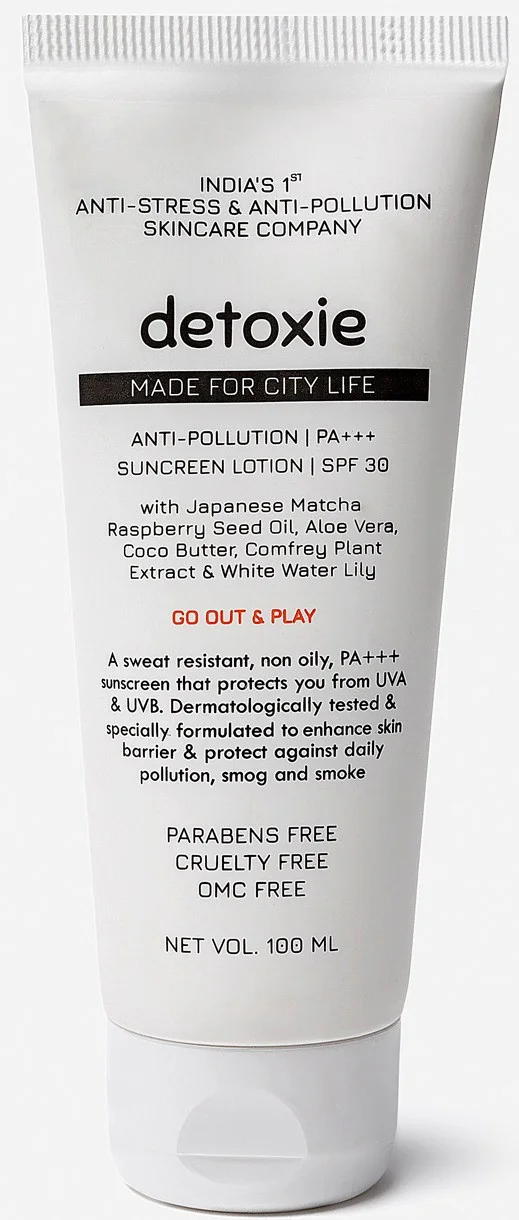
Analysis locked
How well does your skin match with Detoxie Anti-Pollution Skincare SPF 30?
Login to see detailsOr continue via
Quick 1-minute survey • Completely free
Ingredients
Analysis results of Ingredients


Ingredient List
| EWG | CIR | Ingredient Name & Cosmetic Function | Notes |
|---|---|---|---|
| - | - | Raspberry Seed Oil | |
| - | - | Comfrey | |
| 1 | - | (Antioxidant) | |
| 1 | - | (Skin Conditioning, Masking, Emollient, Fragrance, Humectant, Antimicrobial, Skin Protecting, Uv Absorber, Antioxidant, Tonic, Astringent, Skin-Conditioning Agent -Miscellaneous) | |


Detoxie Anti-Pollution Skincare SPF 30 - Ingredient Explanation
Raspberry Seed Oil
Ingredient data is being updated. Please check back later.
Comfrey
Ingredient data is being updated. Please check back later.
Pansy Extract
1. Definition Wild Pansy Extract:
Wild Pansy Extract, also known as Viola tricolor extract, is derived from the flowers of the wild pansy plant. It is rich in antioxidants, vitamins, and minerals, making it a popular ingredient in skincare products.2. Use:
Wild Pansy Extract is commonly used in cosmetics for its soothing and moisturizing properties. It is known to help calm irritated skin, reduce redness, and hydrate dry skin. Additionally, it has anti-inflammatory and anti-aging benefits, making it a versatile ingredient in various skincare formulations.3. Usage Wild Pansy Extract:
Wild Pansy Extract can be found in a variety of skincare products such as creams, serums, masks, and lotions. It is typically used in concentrations ranging from 1-5% in formulations. To use products containing Wild Pansy Extract, apply a small amount to clean skin and gently massage in until fully absorbed. It is recommended to patch test products first to ensure compatibility with your skin.4. References:
- Barel, A., Clarys, P., & Maibach, H. (2006). Handbook of Cosmetic Science and Technology. CRC Press.
- Mukherjee, P. K., & Nema, N. K. (2013). Cosmeceuticals and Active Cosmetics: Drugs vs. Cosmetics. CRC Press.
- Dweck, A. C. (2002). Formulating Natural Cosmetics. Allured Publishing Corporation.
Camellia Sinensis (Green Tea)
1. Definition Camellia Sinensis (Green Tea):
Camellia Sinensis, commonly known as green tea, is a plant species native to East Asia, specifically China and Japan. It is widely cultivated for its leaves, which are used to produce various types of tea, including green tea, black tea, white tea, and oolong tea. Green tea is known for its high levels of antioxidants, particularly catechins, which have been linked to numerous health benefits.2. Use:
Green tea extract is used in cosmetics for its antioxidant properties, which help protect the skin from damage caused by free radicals. It is also known for its anti-inflammatory and anti-aging properties, making it a popular ingredient in skincare products. Green tea can help reduce redness and irritation, improve skin tone and texture, and minimize the appearance of fine lines and wrinkles.3. Usage Camellia Sinensis (Green Tea):
Green tea extract can be found in a variety of cosmetic products, including moisturizers, serums, masks, and eye creams. When using products containing green tea extract, it is important to follow the instructions provided by the manufacturer. As with any new skincare product, it is recommended to perform a patch test before using it on a larger area of skin to check for any potential allergic reactions or sensitivities.4. References:
- Katiyar, S. K. (2011). Skin photoprotection by green tea: antioxidant and immunomodulatory effects. Current Drug Targets, 12(11), 1710-1719.
- Hsu, S. (2005). Green tea and the skin. Journal of the American Academy of Dermatology, 52(6), 1049-1059.
- Boehm, K., Borrelli, F., Ernst, E., Habacher, G., Hung, S. K., Milazzo, S., ... & Horneber, M. (2009). Green tea (Camellia sinensis) for the prevention of cancer. Cochrane Database of Systematic Reviews, (3).
Review

Didn't find
the information you need?










Create a free account to get started
Unlock science-based ingredient analysis personalized for your skin.
Already have an account? Log in
We protect your privacy. We never send spam.