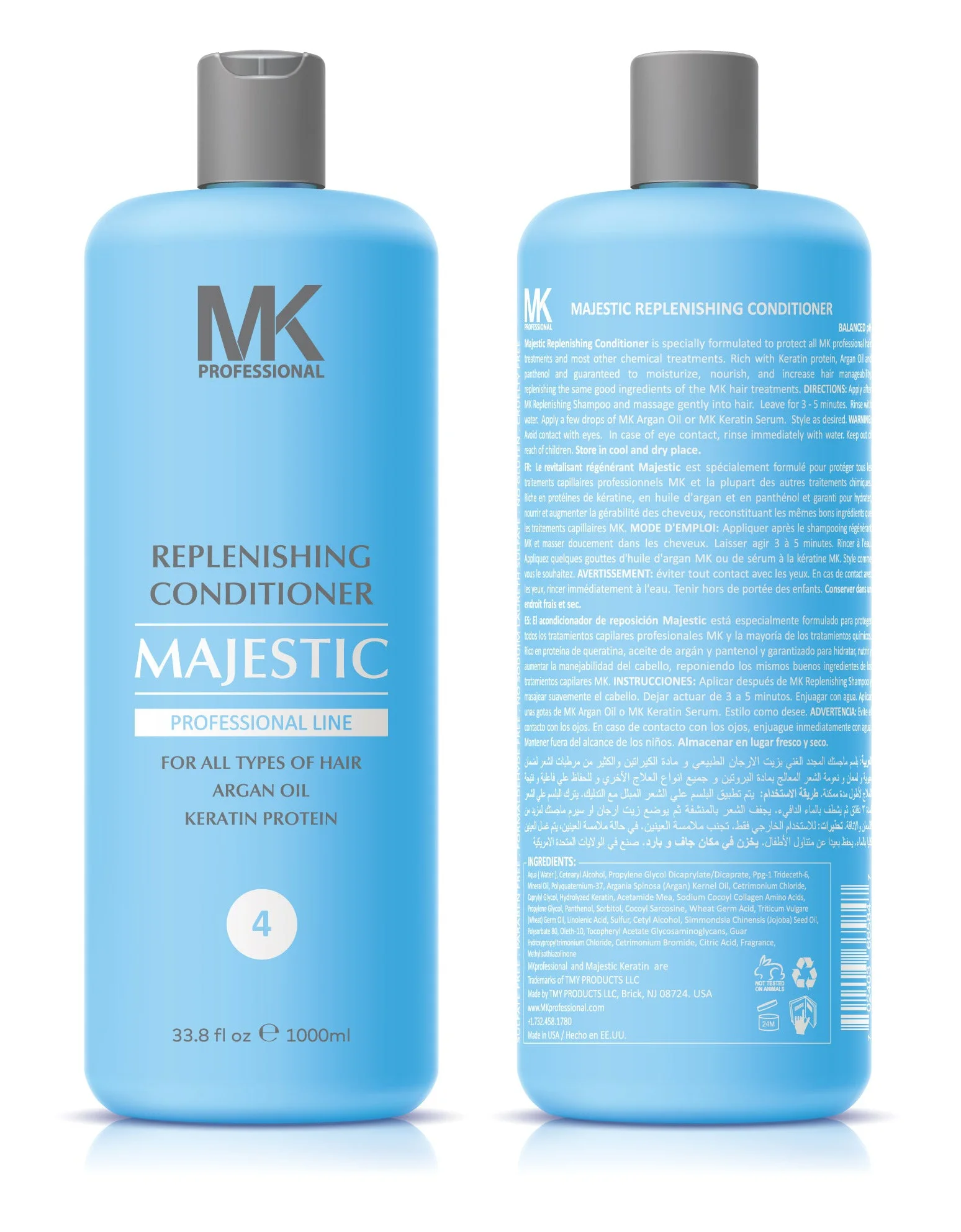
Ingredients
Analysis results of Ingredients



Ingredient List
| EWG | CIR | Ingredient Name & Cosmetic Function | Notes |
|---|---|---|---|
| 1 | - | | |
| 1 | - | | |
| 1 | - | (Skin Conditioning, Masking) | |
| 1 | - | (Skin Conditioning, Emollient, Antimicrobial, Soothing, Tonic, Astringent) | |


DevaCurl One Conditioner Original - Ingredient Explanation
Achillea Millefolium
1. Definition Achillea Millefolium:
Achillea Millefolium, commonly known as yarrow, is a perennial herb that belongs to the Asteraceae family. It is native to Europe and Asia but can now be found in various regions around the world. Yarrow has a long history of traditional use in herbal medicine and is known for its anti-inflammatory, antioxidant, and astringent properties.2. Use:
In cosmetics, Achillea Millefolium is often used for its skin-soothing and healing properties. It can help to reduce inflammation, redness, and irritation on the skin, making it a popular ingredient in products designed for sensitive or acne-prone skin. Yarrow extract is also believed to have antioxidant benefits, helping to protect the skin from environmental damage and signs of aging.3. Usage Achillea Millefolium:
Achillea Millefolium can be found in a variety of cosmetic products, including creams, lotions, serums, and masks. It is typically used in concentrations ranging from 1-5%, depending on the specific formulation and intended benefits. When using products containing yarrow extract, it is important to follow the manufacturer's instructions and patch test the product before applying it to larger areas of the skin to ensure compatibility.4. References:
- Jarić, S., et al. (2015). Traditional wound-healing plants used in the Balkan region (Southeast Europe). Journal of Ethnopharmacology, 157, 265-273.
- Kavalali, G., et al. (2011). Antioxidant activity and phenolic composition of yarrow (Achillea millefolium L.) during flowering. Natural Product Communications, 6(10), 1545-1548.
- Grieve, M. (1931). A Modern Herbal. Penguin Random House.
Chamomilla Recutita (Matricaria)
1. Definition Chamomilla Recutita (Matricaria):
Chamomilla Recutita (Matricaria) is a species of chamomile plant that is commonly used in cosmetics for its soothing and anti-inflammatory properties. It is known for its gentle nature and is often used in skincare products for sensitive skin.2. Use:
Chamomilla Recutita is used in cosmetics for its calming and soothing effects on the skin. It is commonly found in products such as face creams, serums, and masks, where it helps to reduce redness, irritation, and inflammation. Chamomilla Recutita is also known for its antioxidant properties, which can help to protect the skin from environmental stressors and promote a healthy complexion.3. Usage Chamomilla Recutita (Matricaria):
When using cosmetics containing Chamomilla Recutita, it is important to patch test the product first to ensure that you do not have an allergic reaction. It is generally considered safe for most skin types, including sensitive skin, but it is always best to consult with a dermatologist if you have any concerns. Chamomilla Recutita can be used daily as part of your skincare routine, and can be applied in the morning and evening after cleansing and toning.4. References:
- Srivastava, J.K., Shankar, E., & Gupta, S. (2010). Chamomile: A herbal medicine of the past with bright future. Molecular Medicine Reports, 3(6), 895-901.
- McKay, D.L., & Blumberg, J.B. (2006). A review of the bioactivity and potential health benefits of chamomile tea (Matricaria recutita L.). Phytotherapy Research, 20(7), 519-530.
- Chaves, J.S., & Speranza, P. (2019). Chemical composition and biological activities of essential oils of Matricaria recutita L. (Asteraceae). Journal of Essential Oil Research, 31(3), 187-195.
Cymbopogon Schoenanthus (Lemongrass)
1. Definition Cymbopogon Schoenanthus (Lemongrass):
Cymbopogon Schoenanthus, commonly known as Lemongrass, is a tall, perennial grass native to tropical regions of Asia. It is characterized by its strong citrus scent and is widely used in culinary and medicinal applications.2. Use:
Lemongrass is commonly used in cosmetics for its refreshing and invigorating aroma, as well as its antiseptic and astringent properties. It is often included in skincare products such as lotions, creams, and soaps for its ability to cleanse and tone the skin.3. Usage Cymbopogon Schoenanthus (Lemongrass):
Lemongrass essential oil is extracted from the leaves of the plant through steam distillation and is then incorporated into various cosmetic formulations. It is known to have antimicrobial and anti-inflammatory properties, making it a popular ingredient in products designed to treat acne and other skin conditions. Lemongrass is also used in hair care products for its ability to strengthen hair follicles and promote healthy hair growth.Precautions: While Lemongrass is generally considered safe for topical use, it is important to perform a patch test before applying it to the skin to check for any potential allergic reactions. It is also recommended to dilute Lemongrass essential oil with a carrier oil before applying it directly to the skin, as it can be irritating in its concentrated form.
4. References:
- Ali, B., Al-Wabel, N. A., Shams, S., Ahamad, A., Khan, S. A., & Anwar, F. (2015). Essential oils used in aromatherapy: A systemic review. Asian Pacific Journal of Tropical Biomedicine, 5(8), 601-611.
- Prakash, B., & Gupta, C. (2005). Therapeutic uses of lemongrass (Cymbopogon citratus Stapf) with special reference to its essential oil. Indian Journal of Natural Products and Resources, 4(1), 21-24.
- Sharma, R. K., & Prasad, S. (2013). A review on medicinal plants for cosmetic applications. International Journal of Pharmaceutical Sciences and Research, 4(11), 4106-4116.
Humulus Lupulus (Hops)
1. Definition Humulus Lupulus (Hops):
Humulus Lupulus, commonly known as hops, is a plant species belonging to the Cannabaceae family. It is primarily cultivated for its use in brewing beer, but it also has a long history of medicinal and cosmetic applications due to its antioxidant, anti-inflammatory, and antibacterial properties.2. Use:
Hops extract is commonly used in cosmetics for its skin-soothing and calming properties. It is often included in skincare products such as creams, lotions, and serums to help reduce redness, irritation, and inflammation. Hops extract is also known for its ability to improve the overall appearance of the skin by promoting a more even tone and texture.3. Usage Humulus Lupulus (Hops):
When using cosmetics containing hops extract, it is important to follow the instructions provided by the manufacturer. It is generally safe for most skin types, but individuals with sensitive skin may want to perform a patch test before using products with hops extract to ensure they do not experience any adverse reactions. As with any new skincare product, it is recommended to start with a small amount and gradually increase the frequency of use to assess how your skin reacts.4. References:
- A. M. Deters, A. L. Leng, and U. H. Hensel, "Hops (Humulus lupulus) - a review of its historic and medicinal uses," HerbalGram, 2010.
- S. M. de Melo, M. A. dos Santos, and C. G. de Almeida, "Hops (Humulus lupulus) as a new cosmetic ingredient: in vitro antioxidant activity and in vivo efficacy in skin care formulations," Journal of Cosmetic Dermatology, 2019.
- P. S. Hwang, J. Y. Kim, and S. H. Kim, "Anti-inflammatory effect of hop extracts on LPS-stimulated RAW 264.7 cells," Food Science and Biotechnology, 2017.