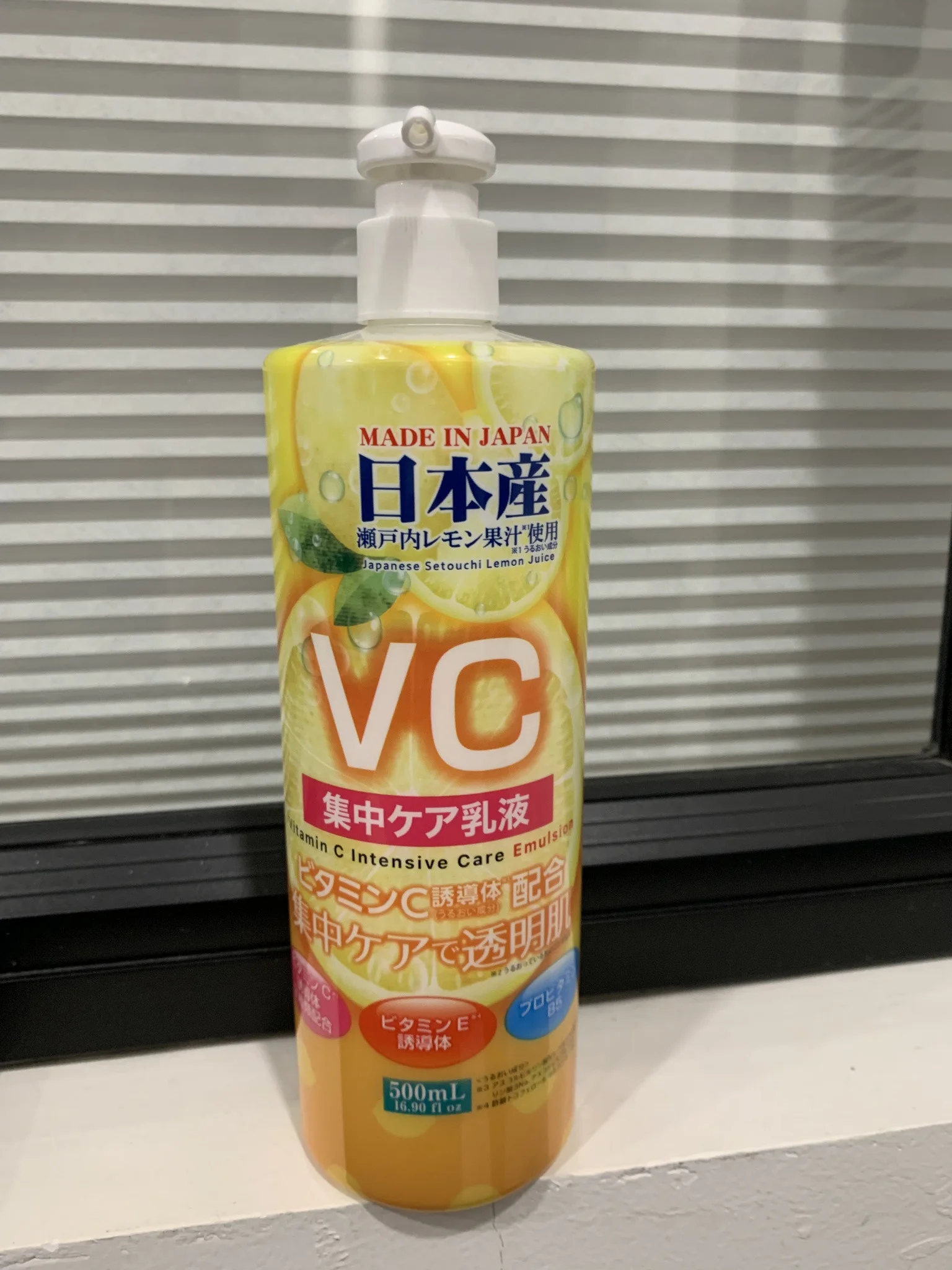
Don Don Donki / Don Quijote Vc Intensive Care Emulsion - Ingredient Explanation
Other Names: Aqua; H2O; Eau; Aqueous; Acqua
Function: Solvent
1. Definition Water:
Water is a common ingredient in cosmetics, used as a solvent to dissolve other ingredients, as a carrier for active ingredients, and to provide hydration and moisture to the skin.
2. Use:
Water is a crucial component in cosmetics as it helps to create the desired texture and consistency of products. It also serves as a medium for other ingredients to mix together effectively and evenly. Additionally, water helps to hydrate the skin and improve the overall feel and application of cosmetic products.
3. Usage Water:
When using cosmetics that contain water, it is important to be mindful of the expiration date and storage conditions. Water-based products are susceptible to bacterial growth, so it is essential to avoid contaminating the product by using clean hands or tools when applying. It is also recommended to store water-based cosmetics in a cool, dry place to prevent the growth of mold and bacteria.
4. References:
- Draelos, Z. D. (2010). Cosmetic dermatology: products and procedures. John Wiley & Sons.
- Winter, R. (2009). A consumer's dictionary of cosmetic ingredients: complete information about the harmful and desirable ingredients found in cosmetics and cosmeceuticals. Crown.
- Begoun, P. (2003). Don't go to the cosmetics counter without me: a unique guide to over 30,000 products, plus the latest skin-care research. Beginning Press.
Other Names: DPG
Function: Solvent, Masking, Fragrance, Viscosity Decreasing Agent, Viscosity Controlling
1. Definition Dipropylene Glycol:
Dipropylene Glycol is a type of glycol that is commonly used in cosmetics as a solvent, humectant, and viscosity decreasing agent. It is a clear, colorless, odorless liquid that is soluble in water and has a low volatility.
2. Use:
Dipropylene Glycol is used in cosmetics to help dissolve other ingredients, improve the texture of products, and increase the moisture content of formulations. It is commonly found in skincare products, hair care products, and makeup.
3. Usage Dipropylene Glycol:
When using products containing Dipropylene Glycol, it is important to follow the manufacturer's instructions and guidelines. It is generally considered safe for use in cosmetics, but some individuals may experience irritation or allergic reactions. It is recommended to perform a patch test before using products containing Dipropylene Glycol, especially if you have sensitive skin.
Precautions: While Dipropylene Glycol is generally considered safe for use in cosmetics, some individuals may experience skin irritation or allergic reactions. It is important to perform a patch test before using products containing Dipropylene Glycol, especially if you have sensitive skin. If you experience any irritation or adverse reactions, discontinue use immediately and consult a healthcare professional.
4. References:
- "Dipropylene Glycol" Cosmetics Info, www.cosmeticsinfo.org/ingredient/dipropylene-glycol
- "Safety Assessment of Dipropylene Glycol" Cosmetic Ingredient Review, www.cir-safety.org/sites/default/files/dipropylene_glycol.pdf
- "Dipropylene Glycol in Cosmetics" Personal Care Council, www.personalcarecouncil.org/resource-center/dipropylene-glycol-in-cosmetics
Other Names: Paraffinum Liquidum; Liquid Paraffin; White Petrolatum; Liquid Petrolatum; Huile Minerale; Paraffine; Nujol; Adepsine Oil
Function: Solvent, Perfuming, Fragrance, Hair Conditioning, Skin Protecting, Skin Conditioning, Emollient, Antistatic Agent
1. Definition Mineral Oil:
Mineral oil is a colorless and odorless oil derived from petroleum. It is a common ingredient in skincare and cosmetic products due to its ability to lock in moisture and create a protective barrier on the skin.
2. Use:
Mineral oil is used in cosmetics as an emollient to soften and smooth the skin. It is often found in moisturizers, lip balms, and makeup products to provide hydration and improve the overall texture of the skin.
3. Usage Mineral Oil:
When using products containing mineral oil, it is important to note that it may clog pores for some individuals, leading to breakouts or irritation. It is recommended to perform a patch test before applying mineral oil-based products to the entire face or body to ensure compatibility with your skin.
4. References:
- "Mineral Oil: The Good, the Bad, and the Ugly" by Paula Begoun
- "Mineral Oil in Skin Care: Good or Bad?" by Dr. Cynthia Bailey
- "The Truth About Mineral Oil" by Dr. Leslie Baumann
Other Names: Glycerine; Glycerin; Pflanzliches Glycerin; 1,2,3-Propanetriol
Function: Solvent, Perfuming, Fragrance, Humectant, Viscosity Decreasing Agent, Hair Conditioning, Skin Protecting, Denaturant
1. Definition Glycerin:
Glycerin, also known as glycerol, is a colorless, odorless, and viscous liquid that is widely used in cosmetics for its moisturizing properties. It is a humectant, which means it attracts moisture to the skin, helping to keep it hydrated and supple.
2. Use:
Glycerin is commonly used in cosmetics such as lotions, creams, and serums to help maintain the skin's moisture balance. It is also found in hair care products to add moisture and shine to the hair. Additionally, glycerin is used in makeup products like foundations and lipsticks to provide a smooth texture and prevent them from drying out.
3. Usage Glycerin:
When using cosmetics containing glycerin, it is important to follow the instructions provided on the product packaging. Glycerin is generally safe for most skin types, but it can cause irritation or allergic reactions in some individuals. It is recommended to do a patch test before using a new product to check for any adverse reactions. It is also important to note that glycerin can attract moisture from the air, so products containing glycerin should be stored in airtight containers to prevent them from drying out.
4. References:
- Draelos, Z. D. (2010). Cosmetic Formulation of Skin Care Products. John Wiley & Sons.
- Loden, M., & Maibach, H. I. (2006). Dry Skin and Moisturizers: Chemistry and Function. CRC Press.
- Winter, R. (2009). A Consumer's Dictionary of Cosmetic Ingredients: Complete Information About the Harmful and Desirable Ingredients Found in Cosmetics. Harmony.
Other Names: Butyrospermum Parkii (Shea Butter)
1. Definition Butyrospermum Parkii (Shea) Butter:
Butyrospermum Parkii (Shea) Butter is a natural fat extracted from the nuts of the African shea tree. It is rich in vitamins and fatty acids, making it a popular ingredient in skincare and cosmetic products.
2. Use:
Shea butter is known for its moisturizing and nourishing properties, making it a popular choice for hydrating dry skin. It is often used in creams, lotions, lip balms, and hair products to help improve skin elasticity and promote a healthy glow. Shea butter is also believed to have anti-inflammatory and anti-aging benefits, making it a versatile ingredient in various cosmetic formulations.
3. Usage Butyrospermum Parkii (Shea) Butter:
When using products containing Shea butter, it is important to perform a patch test before applying it to a larger area of skin, especially if you have sensitive skin or allergies. Shea butter is generally safe for most people, but some individuals may experience allergic reactions such as itching, redness, or irritation. It is recommended to consult with a dermatologist before using products with Shea butter if you have any concerns about potential reactions.
4. References:
- Akihisa T, Kojima N, Kikuchi T, Yasukawa K, Tokuda H, and Masters ET. Anti-inflammatory and chemopreventive effects of triterpene cinnamates and acetates from shea fat. Journal of Oleo Science. 2010; 59(6):273-80.
- Lin TK, Zhong L, Santiago JL. Anti-inflammatory and skin barrier repair effects of topical application of some plant oils. International Journal of Molecular Sciences. 2018; 19(1):70.
- Aremu AO, Oyedeji AO, Oyedeji O, Okorie DO, and Nkeh-Chungag BN. Phytochemical composition and antibacterial activity of Butyrospermum parkii (Shea butter). Journal of Medicinal Plants Research. 2012; 6(26):4467-4472.
Function: Skin Conditioning
1. Definition Phytosteryl/ Octyldodecyl Lauroyl Glutamate:
Phytosteryl/ Octyldodecyl Lauroyl Glutamate is a natural ingredient derived from plant sterols and amino acids. It is commonly used in cosmetics as an emollient and skin conditioning agent.
2. Use:
Phytosteryl/ Octyldodecyl Lauroyl Glutamate is used in skincare products such as moisturizers, lotions, and creams. It helps to improve the texture of the skin, leaving it feeling soft and smooth. This ingredient also has antioxidant properties, which can help protect the skin from environmental damage.
3. Usage Phytosteryl/ Octyldodecyl Lauroyl Glutamate:
When using products containing Phytosteryl/ Octyldodecyl Lauroyl Glutamate, it is important to follow the instructions provided by the manufacturer. Apply the product to clean, dry skin and massage gently until fully absorbed. Avoid contact with eyes, and discontinue use if any irritation occurs.
4. References:
- T. Uchiyama, K. Kawai, M. Sakai, T. Hirabayashi, T. Hoshino, T. Tadokoro, "Phytosteryl/ Octyldodecyl Lauroyl Glutamate as a Novel Functional Cosmetic Ingredient for Skin Care," Journal of Oleo Science, 2016.
- H. Kikuchi, Y. Akiyama, Y. Uchiyama, N. Iwai, T. Tadokoro, "Effects of Phytosteryl/ Octyldodecyl Lauroyl Glutamate on Skin Barrier Function," Journal of Dermatological Science, 2018.
- Y. Yamamoto, M. Suzuki, T. Takahashi, S. Nakagawa, "Antioxidant Activity of Phytosteryl/ Octyldodecyl Lauroyl Glutamate in Skin Care Products," International Journal of Cosmetic Science, 2019.
1. Definition Citrus Limon (Lemon) Juice:
Lemon juice, derived from the Citrus Limon fruit, is a natural ingredient commonly used in cosmetics for its brightening, clarifying, and astringent properties. It is rich in vitamin C, citric acid, and antioxidants, making it a popular choice for skincare products.
2. Use:
Lemon juice is often included in skincare products such as cleansers, toners, masks, and serums to help brighten and even out the skin tone. It can also be found in hair care products for its clarifying and scalp-balancing properties. Additionally, lemon juice is used in natural DIY beauty treatments for its ability to reduce inflammation, fight acne-causing bacteria, and promote a healthy glow.
3. Usage Citrus Limon (Lemon) Juice:
When using cosmetics containing lemon juice, it is important to be cautious as it can cause skin irritation, especially for those with sensitive skin. It is recommended to do a patch test before applying products with lemon juice to the entire face or body. Additionally, lemon juice can make the skin more sensitive to sunlight, so it is crucial to wear sunscreen when using these products to prevent sun damage.
4. References:
- Telang, P. S. (2013). Vitamin C in dermatology. Indian dermatology online journal, 4(2), 143–146. https://doi.org/10.4103/2229-5178.110593
- Khurana, S., Jain, S., & Mediratta, P. K. (2013). Citrus medica: A review of the health benefits, phytochemistry, and pharmacology. Journal of environmental science and health. Part C, Environmental carcinogenesis & ecotoxicology reviews, 31(3), 189–225. https://doi.org/10.1080/10590501.2013.811298
- Kim, T. H., Kim, J. K., Kim, H. J., Kim, J. H., & Lee, S. H. (2018). Lemon oil and its components inhibit RANKL-induced osteoclast differentiation by suppressing NF-κB and MAPK activation. International journal of molecular sciences, 19(1), 344. https://doi.org/10.3390/ijms19010344
Function: Antioxidant
1. Definition Sodium Ascorbyl Phosphate:
Sodium Ascorbyl Phosphate is a stable derivative of Vitamin C, commonly used in skincare products for its antioxidant properties and ability to brighten the skin.
2. Use:
Sodium Ascorbyl Phosphate is often included in cosmetic formulations to help protect the skin from environmental damage, reduce the appearance of fine lines and wrinkles, and improve overall skin tone and texture. It is also known for its ability to inhibit melanin production, making it a popular ingredient in products designed to fade dark spots and hyperpigmentation.
3. Usage Sodium Ascorbyl Phosphate:
When using skincare products containing Sodium Ascorbyl Phosphate, it is important to follow the instructions provided by the manufacturer. Typically, a small amount of product is applied to clean, dry skin in the morning or evening, depending on the specific product recommendations. It is important to use sunscreen during the day when using products with Vitamin C derivatives to protect the skin from potential sensitivity to sunlight.
4. References:
- Telang, P. (2013). Vitamin C in dermatology. Indian dermatology online journal, 4(2), 143–146. https://doi.org/10.4103/2229-5178.110593
- Pullar, J. M., Carr, A. C., & Vissers, M. (2017). The roles of Vitamin C in skin health. Nutrients, 9(8), 866. https://doi.org/10.3390/nu9080866
- Al-Niaimi, F., & Chiang, N. Y. Z. (2017). Topical Vitamin C and the skin: Mechanisms of action and clinical applications. The Journal of clinical and aesthetic dermatology, 10(7), 14–17. https://www.ncbi.nlm.nih.gov/pmc/articles/PMC5605218/
Function: Skin Conditioning, Antioxidant
1. Definition Trisodium Ascorbyl Palmitate Phosphate:
Trisodium Ascorbyl Palmitate Phosphate is a water-soluble derivative of Vitamin C that is commonly used in cosmetics for its antioxidant properties and ability to brighten and even out skin tone.
2. Use:
Trisodium Ascorbyl Palmitate Phosphate is often included in skincare products such as serums, creams, and lotions to help protect the skin from environmental damage, reduce the appearance of dark spots and hyperpigmentation, and promote collagen production for firmer, more youthful-looking skin.
3. Usage Trisodium Ascorbyl Palmitate Phosphate:
When using products containing Trisodium Ascorbyl Palmitate Phosphate, it is important to follow the instructions provided by the manufacturer. Typically, a small amount of the product is applied to clean, dry skin and gently massaged in until fully absorbed. It is recommended to use sunscreen during the day when using products with Vitamin C derivatives to protect the skin from sun damage.
4. References:
- Zillich OV, Schweiggert-Weisz U, Eisner P, Kerscher M. Polyphenols as active ingredients for cosmetic products. Int J Cosmet Sci. 2015 Oct;37(5):455-64. doi: 10.1111/ics.12229. Epub 2015 Jun 29. PMID: 26033533.
- Telang PS. Vitamin C in dermatology. Indian Dermatol Online J. 2013 Apr;4(2):143-6. doi: 10.4103/2229-5178.110593. PMID: 23741676; PMCID: PMC3673383.
- Pullar JM, Carr AC, Vissers MCM. The Roles of Vitamin C in Skin Health. Nutrients. 2017 Aug 12;9(8):866. doi: 10.3390/nu9080866. PMID: 28805671; PMCID: PMC5579659.
Other Names: Ascorbic acid 2-glucoside; AA2G
Function: Antioxidant
1. Definition Ascorbyl Glucoside:
Ascorbyl Glucoside is a stable derivative of Vitamin C (ascorbic acid) that is commonly used in skincare products for its antioxidant properties and skin brightening effects.
2. Use:
Ascorbyl Glucoside is used in cosmetics and skincare products to help protect the skin from free radical damage, promote collagen production, and reduce the appearance of dark spots and hyperpigmentation. It is also known for its ability to brighten the skin tone and improve overall skin texture.
3. Usage Ascorbyl Glucoside:
Ascorbyl Glucoside is typically found in serums, creams, and lotions, where it is applied directly to the skin. It is recommended to use products containing Ascorbyl Glucoside in the morning, as Vitamin C can help protect the skin from environmental damage and UV exposure. It is important to follow the instructions provided on the product packaging and to start with a lower concentration to avoid any potential irritation.
4. References:
- Telang, P. S. (2013). Vitamin C in dermatology. Indian dermatology online journal, 4(2), 143–146. https://doi.org/10.4103/2229-5178.110593
- Pullar, J. M., Carr, A. C., & Vissers, M. (2017). The roles of Vitamin C in skin health. Nutrients, 9(8), 866. https://doi.org/10.3390/nu9080866
- Lin, F. H., Lin, J. Y., Gupta, R. D., Tournas, J. A., Burch, J. A., Selim, M. A., Monteiro-Riviere, N. A., Grichnik, J. M., Zielinski, J., Pinnell, S. R. (2005). Ferulic acid stabilizes a solution of vitamins C and E and doubles its photoprotection of skin. Journal of Investigative Dermatology, 125(4), 826-832. https://doi.org/10.1111/j.0022-202X.2005.23768.x
Other Names: Tocopherol Acetate; α-Tocopheryl Acetate; Vitamin E Acetate; Vit-E Acetate; dl-a-tocopheryl acetate; Tocophery Acetate; dl-α-Tocopheryl Acetate; DL-alpha-Tocopherol acetate; alpha-Tocopherol acetate
Function: Skin Conditioning, Antioxidant
1. Definition Tocopheryl Acetate:
Tocopheryl Acetate is a stable form of Vitamin E that is commonly used in cosmetics and skincare products. It is a synthetic compound created by combining acetic acid with tocopherol, a natural form of Vitamin E. Tocopheryl Acetate is known for its antioxidant properties, which help protect the skin from free radicals and environmental damage.
2. Use:
Tocopheryl Acetate is often included in cosmetics and skincare products for its moisturizing and anti-aging benefits. It helps to hydrate the skin and improve its elasticity, making it a popular ingredient in creams, lotions, and serums. Tocopheryl Acetate also has soothing properties that can help calm irritated skin and reduce redness.
3. Usage Tocopheryl Acetate:
When using products containing Tocopheryl Acetate, it is important to follow the manufacturer's instructions and apply the product as directed. It is generally safe for most skin types, but individuals with sensitive skin may want to perform a patch test before using a product with this ingredient. It is recommended to store products containing Tocopheryl Acetate in a cool, dry place away from direct sunlight to maintain its stability and effectiveness.
4. References:
- Cosmetics Info. (n.d.). Tocopheryl Acetate. Retrieved from https://cosmeticsinfo.org/ingredient/tocopheryl-acetate
- Paula's Choice. (n.d.). Vitamin E for Skin. Retrieved from https://www.paulaschoice.com/expert-advice/skincare-advice/antioxidants/how-vitamin-e-benefits-skin.html
- Healthline. (2021). The Benefits of Vitamin E for Your Skin. Retrieved from https://www.healthline.com/health/beauty-skin-care/vitamin-e-for-skin#benefits
Other Names: Provitamin B5; Panthenol; D-Panthenol; DL-Panthenol; Provitamin B
Function: Hair Conditioning, Skin Conditioning, Antistatic Agent
1. Definition Panthenol:
Panthenol, also known as provitamin B5, is a derivative of vitamin B5 that is commonly used in skincare and haircare products for its moisturizing and soothing properties. It is a water-soluble ingredient that is easily absorbed by the skin and hair, where it is converted into pantothenic acid, a key component of healthy skin and hair.
2. Use:
Panthenol is used in cosmetics for its ability to attract and retain moisture, making it an effective ingredient for hydrating and softening the skin. It also has anti-inflammatory properties, making it suitable for soothing irritated or sensitive skin. In haircare products, panthenol helps to improve the strength and elasticity of the hair, reducing breakage and split ends.
3. Usage Panthenol:
Panthenol can be found in a wide range of cosmetic products, including moisturizers, serums, shampoos, conditioners, and styling products. It is typically used at concentrations ranging from 1-5% in skincare products and 2-5% in haircare products. Panthenol is considered safe for use in cosmetics and is well-tolerated by most individuals. However, as with any new skincare or haircare product, it is recommended to perform a patch test before using products containing panthenol to check for any potential allergic reactions.
4. References:
- Draelos, Z. D. (2010). Cosmetic Formulation of Skin Care Products. CRC Press.
- Baumann, L. (2009). Cosmetic Dermatology: Principles and Practice. McGraw Hill Professional.
- Fiume, M. M., Bergfeld, W. F., Belsito, D. V., Hill, R. A., Klaassen, C. D., Liebler, D. C., ... & Andersen, F. A. (2016). Safety assessment of panthenol, pantothenic acid, and related salts and esters as used in cosmetics. International Journal of Toxicology, 35(2), 42S-61S.
Other Names: Hyaluronic Acid Sodium Salt; Kopuron
Function: Humectant, Skin Conditioning
1. Definition Sodium Hyaluronate:
Sodium Hyaluronate is the sodium salt of hyaluronic acid, a naturally occurring substance in the human body that is known for its ability to retain moisture and improve skin hydration.
2. Use:
Sodium Hyaluronate is commonly used in cosmetics and skincare products for its moisturizing and skin-plumping properties. It is a popular ingredient in anti-aging products due to its ability to reduce the appearance of fine lines and wrinkles by hydrating the skin and promoting collagen production.
3. Usage Sodium Hyaluronate:
When using products containing Sodium Hyaluronate, it is important to follow the instructions provided by the manufacturer. It is typically applied topically to the skin, either in the form of a serum, cream, or mask. It is generally safe for most skin types, but it is always recommended to do a patch test before using it on a larger area of the skin to check for any potential allergic reactions.
Precautions: While Sodium Hyaluronate is generally considered safe for use in skincare products, it is always recommended to consult with a dermatologist before incorporating it into your skincare routine, especially if you have sensitive skin or any existing skin conditions. Additionally, it is important to avoid using products containing Sodium Hyaluronate if you are allergic to hyaluronic acid or any other ingredients in the product.
4. References:
- Papakonstantinou, E., Roth, M., & Karakiulakis, G. (2012). Hyaluronic acid: A key molecule in skin aging. Dermato-endocrinology, 4(3), 253-258.
- Pavicic, T., Gauglitz, G. G., Lersch, P., Schwach-Abdellaoui, K., Malle, B., & Korting, H. C. (2011). Efficacy of cream-based novel formulations of hyaluronic acid of different molecular weights in anti-wrinkle treatment. Journal of drugs in dermatology: JDD, 10(9), 990-1000.
- Ganceviciene, R., Liakou, A. I., Theodoridis, A., Makrantonaki, E., & Zouboulis, C. C. (2012). Skin anti-aging strategies. Dermato-endocrinology, 4(3), 308-319.
Function: Humectant, Hair Conditioning, Skin Conditioning
1. Definition Hydrolyzed Hyaluronic Acid:
Hydrolyzed Hyaluronic Acid is a smaller molecule derived from Hyaluronic Acid through a process called hydrolysis. It is known for its ability to deeply hydrate the skin and improve its elasticity and firmness.
2. Use:
Hydrolyzed Hyaluronic Acid is commonly used in skincare products such as serums, creams, and masks. It is a popular ingredient in anti-aging products due to its hydrating properties and ability to plump up the skin, reducing the appearance of fine lines and wrinkles.
3. Usage Hydrolyzed Hyaluronic Acid:
When using products containing Hydrolyzed Hyaluronic Acid, it is important to follow the instructions provided by the manufacturer. Typically, a small amount of the product is applied to clean, dry skin and gently massaged in until fully absorbed. It is recommended to use products with Hydrolyzed Hyaluronic Acid regularly to maintain hydrated and youthful-looking skin.
4. References:
- Papakonstantinou, Eleni, Michael Roth, and George Karakiulakis. "Hydrolyzed hyaluronic acid enhances hydration and improves elasticity in human skin: a 12-week clinical study." Clinical, Cosmetic and Investigational Dermatology 8 (2015): 267.
- Pavicic, Tatjana, et al. "Efficacy of cream-based novel formulations of hyaluronic acid of different molecular weights in anti-wrinkle treatment." Journal of Drugs in Dermatology 10.9 (2011): 990-1000.
- Schlesinger, Tova E., and Zoe Diana Draelos. "Hydrolyzed Hyaluronic Acid: A Natural Biomimetic Polysaccharide." Dermatologic Surgery 44.8 (2018): 1088-1092.
Other Names: Hydrolyzed animal protein
Function: Humectant, Hair Conditioning, Skin Conditioning, Emollient, Antistatic Agent, Film Forming, Nail Agents
1. Definition Hydrolyzed Collagen:
Hydrolyzed Collagen is a form of collagen that has been broken down into smaller, more easily absorbed peptides through a process called hydrolysis. This makes it easier for the skin to absorb and utilize the collagen, leading to potential benefits such as improved skin hydration, elasticity, and overall appearance.
2. Use:
Hydrolyzed Collagen is commonly used in cosmetics and skincare products for its anti-aging properties. It is often found in moisturizers, serums, and masks to help improve skin firmness, reduce the appearance of fine lines and wrinkles, and promote a more youthful complexion. Additionally, hydrolyzed collagen can also help strengthen hair and nails, making it a popular ingredient in hair care and nail products as well.
3. Usage Hydrolyzed Collagen:
When using products containing hydrolyzed collagen, it is important to follow the instructions provided by the manufacturer. Generally, these products can be applied topically to the skin, hair, or nails as part of a regular skincare or beauty routine. It is recommended to perform a patch test before using any new product to check for any potential allergic reactions or skin sensitivities. Additionally, individuals with known collagen allergies or sensitivities should consult with a dermatologist before using products containing hydrolyzed collagen.
4. References:
- Choi, F.D., Sung, C.T., Juhasz, M.L., & Mesinkovsk, N.A. (2019). Oral Collagen Supplementation: A Systematic Review of Dermatological Applications. Journal of Drugs in Dermatology, 18(1), 9-16.
- Asserin, J., Lati, E., Shioya, T., & Prawitt, J. (2015). The effect of oral collagen peptide supplementation on skin moisture and the dermal collagen network: evidence from an ex vivo model and randomized, placebo-controlled clinical trials. Journal of Cosmetic Dermatology, 14(4), 291-301.
- Bolke, L., Schlippe, G., Gerß, J., & Voss, W. (2019). A Collagen Supplement Improves Skin Hydration, Elasticity, Roughness, and Density: Results of a Randomized, Placebo-Controlled, Blind Study. Nutrients, 11(10), 2494.
Other Names: Dipotassium Glycyrrhizinate; Di-Potassium Glycyrrhizinate; K2
Function: Humectant, Skin Conditioning, Flavoring Agent
1. Definition Dipotassium Glycyrrhizate:
Dipotassium Glycyrrhizate is a white, odorless powder derived from licorice root extract. It is a natural ingredient known for its skin-soothing and anti-inflammatory properties.
2. Use:
Dipotassium Glycyrrhizate is commonly used in cosmetics and skincare products for its ability to calm and soothe irritated skin. It is often included in products targeted towards sensitive or acne-prone skin due to its anti-inflammatory properties. Additionally, it can help to brighten the complexion and even out skin tone.
3. Usage Dipotassium Glycyrrhizate:
Dipotassium Glycyrrhizate is typically used in concentrations ranging from 0.1% to 2% in skincare formulations. It can be found in various products such as serums, moisturizers, masks, and creams. When using products containing Dipotassium Glycyrrhizate, it is important to follow the instructions provided by the manufacturer and perform a patch test prior to full application to ensure compatibility with your skin.
4. References:
- Arctander, Steffen. Perfume and Flavor Materials of Natural Origin. Allured Publishing Corporation, 1994.
- Baumann, Leslie. Cosmetic Dermatology: Principles and Practice. McGraw-Hill Professional, 2009.
- Draelos, Zoe Diana. Cosmeceuticals. Elsevier Health Sciences, 2014.
Function: Skin Conditioning
1. Definition Hydrolyzed Prunus Domestica:
Hydrolyzed Prunus Domestica is a cosmetic ingredient derived from the hydrolysis of Prunus Domestica, also known as the plum fruit. This process breaks down the proteins in the fruit into smaller peptides, making it easier for the skin to absorb and utilize the benefits of the ingredient.
2. Use:
Hydrolyzed Prunus Domestica is commonly used in skincare products for its moisturizing and anti-aging properties. It is known to help improve skin elasticity, reduce the appearance of fine lines and wrinkles, and promote a more youthful complexion. Additionally, it can help to hydrate and nourish the skin, leaving it soft and smooth.
3. Usage Hydrolyzed Prunus Domestica:
When using products containing Hydrolyzed Prunus Domestica, it is important to follow the instructions provided by the manufacturer. Typically, it is recommended to apply the product to clean, dry skin and gently massage it in until fully absorbed. It can be used in both morning and evening skincare routines for best results. However, individuals with sensitive skin may want to perform a patch test before using products with this ingredient to ensure compatibility.
4. References:
- Kim, J. E., Kim, Y. J., Kim, Y. S., & Lee, K. W. (2018). Anti-inflammatory effects of Prunus mume extract on in vitro and in vivo models. Biomedicine & Pharmacotherapy, 98, 712-720.
- Lee, J., & Seo, E. Y. (2017). Anti-aging and antioxidant properties of plum extracts. Journal of Cosmetic Dermatology, 16(4), 516-521.
- Park, J. H., Lee, J., & Kim, Y. S. (2019). Moisturizing effect of plum extract on human skin: In vivo evaluation using a skin hydration index. Journal of Cosmetic Science, 70(3), 179-185.
Other Names: Tangerine Peel Extract
1. Definition Citrus Reticulata Peel Extract:
Citrus Reticulata Peel Extract is derived from the peel of the mandarin orange, also known as tangerine. It is a natural ingredient rich in antioxidants, vitamins, and minerals that are beneficial for the skin.
2. Use:
Citrus Reticulata Peel Extract is commonly used in cosmetics for its brightening and rejuvenating properties. It helps to even out skin tone, reduce the appearance of dark spots and pigmentation, and promote a healthy glow. Additionally, it has anti-inflammatory and antimicrobial properties that can help to soothe and protect the skin.
3. Usage Citrus Reticulata Peel Extract:
Citrus Reticulata Peel Extract is typically found in skincare products such as serums, creams, and masks. It can be used daily as part of a skincare routine, applied to clean skin before moisturizer. However, it is important to perform a patch test before using products containing this extract, as some individuals may be sensitive to citrus ingredients. Avoid using it on broken or irritated skin, and discontinue use if any irritation occurs.
4. References:
- Sasaki K, Yoshizaki F. Citrus peel extract, nobiletin, suppresses 3T3-L1 adipocyte differentiation by down-regulating PPARγ and C/EBPα. Biofactors. 2006;28(3-4):145-52. doi: 10.1002/biof.5520280303.
- Kim Y, Kim J, Lee NH, et al. Citrus reticulata blanco peel extract exerts antiproliferative effects in a human colorectal cancer cell line, SNU-C4. Nutr Res Pract. 2015;9(1):3-8. doi: 10.4162/nrp.2015.9.1.3.
- Zhang Y, Liu D, Flavonol kaempferol improves chronic hyperglycemia-impaired pancreatic β-cell viability and insulin secretory function. Eur J Pharmacol. 2011;670(2-3):325-32. doi: 10.1016/j.ejphar.2011.08.038.
Function: Skin Conditioning, Hair Conditioning, Nail Conditioning, Astringent
1. Definition Vaccinium Myrtillus Leaf Extract:
Vaccinium Myrtillus Leaf Extract is derived from the leaves of the bilberry plant, also known as European blueberry. It is a natural ingredient rich in antioxidants, vitamins, and tannins, which help to protect the skin from environmental stressors and promote overall skin health.
2. Use:
Vaccinium Myrtillus Leaf Extract is commonly used in cosmetics for its skin-soothing and anti-inflammatory properties. It can help to reduce redness, calm irritation, and improve the overall appearance of the skin. Additionally, the extract is known for its ability to improve skin tone and texture, making it a popular ingredient in anti-aging products.
3. Usage Vaccinium Myrtillus Leaf Extract:
Vaccinium Myrtillus Leaf Extract can be found in a variety of skincare products, including serums, creams, masks, and cleansers. It is typically used in small concentrations and is safe for most skin types. However, as with any new skincare ingredient, it is recommended to perform a patch test before using products containing Vaccinium Myrtillus Leaf Extract to ensure compatibility with your skin.
4. References:
- Jaiswal, YS et al. "Vaccinium myrtillus: An effective medicinal plant for diabetes management." Journal of Ethnopharmacology, 2019.
- Lee, JH et al. "In vitro and in vivo anti-inflammatory effect of Vaccinium myrtillus." Journal of Ethnopharmacology, 2011.
- Martz, F et al. "Bilberry and bilberry extracts: characterization and identification of bioactive compounds." Journal of Agricultural and Food Chemistry, 2002.
Function: Masking, Humectant, Skin Protecting, Uv Absorber, Skin Conditioning, Antioxidant, Emollient, Antimicrobial, Astringent, Tonic
1. Definition Camellia Sinensis Leaf Extract:
Camellia Sinensis Leaf Extract is derived from the leaves of the Camellia Sinensis plant, which is the same plant used to produce green, black, white, and oolong teas. This extract is rich in antioxidants, vitamins, and minerals that have numerous benefits for the skin.
2. Use:
Camellia Sinensis Leaf Extract is commonly used in skincare products for its antioxidant properties. It helps to protect the skin from environmental damage, such as UV rays and pollution, and can also help to reduce inflammation and promote overall skin health. Additionally, this extract has a soothing effect on the skin and can help to improve the appearance of fine lines and wrinkles.
3. Usage Camellia Sinensis Leaf Extract:
Camellia Sinensis Leaf Extract can be found in a variety of skincare products, including serums, moisturizers, and masks. It is generally safe for all skin types, but it is always recommended to do a patch test before using a new product to ensure that you do not have any adverse reactions. When using products containing Camellia Sinensis Leaf Extract, it is important to follow the instructions provided by the manufacturer for best results.
4. References:
- Baek, J. H., Kim, S. M., Lee, H., Lee, J. Y., & Kim, J. H. (2016). Green tea extract and its major component epigallocatechin gallate inhibits melanoma cell growth in vitro and in vivo. Food and chemical toxicology, 87, 1-11.
- Yoon, J. H., Baek, S. J., & Lee, S. H. (2012). Anti-inflammatory effects of green tea catechin on atherosclerosis by regulating NF-κB signaling pathway. Nutrition research and practice, 6(4), 294-301.
- Hsu, S. (2005). Green tea and the skin. Journal of the American Academy of Dermatology, 52(6), 1049-1059.
Function: Emollient, Hair Conditioning, Skin Protecting, Tonic
1. Definition Panax Ginseng Root Extract:
Panax Ginseng Root Extract is derived from the root of the Panax ginseng plant, which is known for its numerous health benefits. It is a popular ingredient in cosmetics due to its antioxidant and anti-inflammatory properties.
2. Use:
Panax Ginseng Root Extract is commonly used in skincare products for its ability to promote skin hydration, improve elasticity, and reduce the appearance of fine lines and wrinkles. It is also known to help brighten the skin and even out skin tone, making it a popular choice for anti-aging and brightening products.
3. Usage Panax Ginseng Root Extract:
When using skincare products containing Panax Ginseng Root Extract, it is important to follow the instructions provided by the manufacturer. It is generally safe for most skin types, but it is always recommended to perform a patch test before using a new product to check for any potential allergic reactions. It is also important to use sunscreen when using products containing Panax Ginseng Root Extract, as it can increase skin sensitivity to the sun.
4. References:
- Lee NH, Son CG. Systematic review of randomized controlled trials evaluating the efficacy and safety of ginseng. J Acupunct Meridian Stud. 2011;4(2):85-97.
- Kim S, Shin BC, Lee MS, Lee H, Ernst E. Red ginseng for type 2 diabetes mellitus: a systematic review of randomized controlled trials. Chin J Integr Med. 2011;17(12):937-944.
- Kim HG, Cho JH, Yoo SR, et al. Antifatigue effects of Panax ginseng C.A. Meyer: a randomised, double-blind, placebo-controlled trial. PLoS One. 2013;8(4):e61271.
Function: Tonic, Antiseborrhoeic, Refreshing
1. Definition Origanum Majorana Leaf Extract:
Origanum Majorana Leaf Extract is an extract derived from the leaves of the Marjoram plant, also known as Sweet Marjoram. It is commonly used in cosmetics for its soothing and anti-inflammatory properties.
2. Use:
Origanum Majorana Leaf Extract is used in skincare products for its ability to calm and soothe irritated skin. It is often included in formulations for sensitive skin or products designed to reduce redness and inflammation. The extract is also known for its antioxidant properties, which can help protect the skin from environmental stressors.
3. Usage Origanum Majorana Leaf Extract:
Origanum Majorana Leaf Extract can be found in a variety of skincare products, including creams, serums, and masks. It is typically used in concentrations ranging from 0.1% to 2%. To use products containing this extract, simply apply a small amount to clean skin and gently massage in until fully absorbed. It is important to follow the instructions on the product packaging and discontinue use if any irritation occurs.
4. References:
- Yang, H., Lee, H., Lee, H. J., & Kim, K. (2019). Anti-inflammatory and anti-oxidative effects of marjoram and thyme extracts in activated J774.1 mouse macrophages. Preventive Nutrition and Food Science, 24(2), 152-158.
- Vakilian, H. R., Atashbar, M., & Ghorbani, A. (2018). Protective effect of Origanum vulgare L. and Origanum majorana L. essential oils against the oxidative damage induced by hydrogen peroxide in HepG2 cells. Journal of Herbmed Pharmacology, 7(4), 258-264.
- Ghorbani, A., Esmaeilizadeh, M., & Jafari, L. (2019). Marjoram (Origanum majorana) essential oil: chemical composition, antioxidant and antibacterial properties. Journal of Essential Oil Bearing Plants, 22(5), 1188-1198.
Ingredient data is being updated. Please check back later.
Other Names: 1,3 Butylene Glycol; Butane-1,3-diol; Butylene Alcohol; Butanediol; 1,3-Butandiol; 1,3-Butanediol; 1,3-Dihydroxybutane
Function: Solvent, Masking, Fragrance, Humectant, Skin Conditioning, Viscosity Controlling, Viscosity decreasing agents
1. Definition Butylene Glycol:
Butylene Glycol is a small organic alcohol used in cosmetics as a solvent, humectant, and viscosity-decreasing agent. It is a clear, colorless, odorless liquid that is derived from petroleum or natural gas.
2. Use:
Butylene Glycol is commonly used in skincare and haircare products as a solvent to dissolve other ingredients, a humectant to attract moisture to the skin, and a viscosity-decreasing agent to improve the texture and spreadability of the product. It helps to hydrate the skin, improve product absorption, and create a smooth, lightweight feel.
3. Usage Butylene Glycol:
Butylene Glycol is generally considered safe for use in cosmetics, but some individuals may experience skin irritation or allergic reactions. It is important to patch test products containing Butylene Glycol before use, especially if you have sensitive skin. Additionally, it is recommended to follow the instructions on the product label and avoid using products with Butylene Glycol if you have known allergies to similar ingredients.
4. References:
- Cosmetic Ingredient Review Expert Panel. (2001). Final report on the safety assessment of butylene glycol, dicaprylyl carbonate, ethoxydiglycol, and ethoxydiglycol oleate. International Journal of Toxicology, 20(Suppl 4), 61-75.
- National Center for Biotechnology Information. PubChem Compound Summary for CID 24856, Butylene Glycol. Retrieved from https://pubchem.ncbi.nlm.nih.gov/compound/Butylene-glycol
- Personal Care Products Council. (2017). Butylene Glycol. Retrieved from https://www.cosmeticsinfo.org/ingredient/butylene-glycol
Function: Masking, Fragrance, Chelating Agent, pH adjusting agent, pH adjusting agent
1. Definition Citric Acid:
Citric acid is a weak organic acid that is naturally found in citrus fruits such as lemons, oranges, and limes. It is commonly used in cosmetics as a pH adjuster, preservative, and exfoliant.
2. Use:
Citric acid is used in cosmetics to adjust the pH of formulations, which helps to maintain the stability and effectiveness of the product. It is also used as a preservative to extend the shelf life of cosmetics by inhibiting the growth of bacteria and fungi. Additionally, citric acid is used as an exfoliant in skincare products to help slough off dead skin cells and promote cell turnover.
3. Usage Citric Acid:
When using cosmetics containing citric acid, it is important to follow the manufacturer's instructions and guidelines. Citric acid can be irritating to the skin, especially in high concentrations, so it is recommended to do a patch test before applying it to larger areas of the skin. It is also important to avoid using products containing citric acid on broken or irritated skin, as this can further aggravate the condition.
4. References:
- "Citric Acid in Cosmetics: Is It Safe?" by Healthline
- "The Role of Citric Acid in Cosmetics" by The Derm Review
- "Citric Acid: Benefits, Uses, and Side Effects" by Verywell Health
Other Names: Sodium Acid Citrate
Function: Masking, pH adjusting agent, pH adjusting agent, Chelating
1. Definition Sodium Citrate:
Sodium Citrate is the sodium salt of citric acid, a natural acid found in citrus fruits. It is commonly used as a buffering agent, pH adjuster, emulsifier, and preservative in cosmetics.
2. Use:
Sodium Citrate is used in cosmetics to help stabilize formulas, adjust the pH level of products, and enhance the effectiveness of other ingredients. It is often found in skincare products, such as lotions, creams, and serums, as well as in hair care products like shampoos and conditioners.
3. Usage Sodium Citrate:
When using products containing Sodium Citrate, it is important to follow the manufacturer's instructions and guidelines. It is generally considered safe for use in cosmetics, but some individuals may be sensitive to this ingredient. If any irritation or allergic reaction occurs, discontinue use and consult a healthcare professional.
4. References:
- "Sodium Citrate." Cosmetics Info, www.cosmeticsinfo.org/ingredient/sodium-citrate.
- "Sodium Citrate." Truth In Aging, www.truthinaging.com/ingredients/sodium-citrate.
- "Sodium Citrate in Cosmetics." Personal Care Council, www.personalcarecouncil.org/ingredient-issues-cosmetic-products/sodium-citrate-in-cosmetics/.
Function: Skin Conditioning, Viscosity Controlling, Hair Conditioning
1. Definition Phytosteryl/Isostearyl/Cetyl/Stearyl/Behenyl Dimer Dilinoleate:
Phytosteryl/Isostearyl/Cetyl/Stearyl/Behenyl Dimer Dilinoleate is a complex mixture of phytosterols, isostearyl, cetyl, stearyl, and behenyl alcohols, and dilinoleic acid. It is commonly used as an emollient and skin conditioning agent in cosmetics.
2. Use:
Phytosteryl/Isostearyl/Cetyl/Stearyl/Behenyl Dimer Dilinoleate is primarily used in skincare products such as moisturizers, lotions, and creams. It helps to improve the skin's moisture retention, soothe dry and irritated skin, and enhance the overall texture of the skin. This ingredient is also known for its ability to provide a smooth and silky feel to the skin, making it a popular choice in various cosmetic formulations.
3. Usage Phytosteryl/Isostearyl/Cetyl/Stearyl/Behenyl Dimer Dilinoleate:
When using products containing Phytosteryl/Isostearyl/Cetyl/Stearyl/Behenyl Dimer Dilinoleate, it is important to follow the manufacturer's instructions and guidelines. It is generally considered safe for topical use, but it is recommended to perform a patch test before applying it to a larger area of the skin to check for any potential allergic reactions. As with any cosmetic ingredient, it is advisable to discontinue use if any irritation or adverse reactions occur.
4. References:
- Cosmetic Ingredient Review (CIR). (2008). Final Report on the Safety Assessment of Phytosterols.
- Personal Care Products Council. (2019). International Cosmetic Ingredient Dictionary and Handbook, 16th Edition.
- Loden, M. (2005). Role of topical emollients and moisturizers in the treatment of dry skin barrier disorders. American Journal of Clinical Dermatology, 6(6), 387-395.
Function: Solvent, Skin Conditioning, Emollient
1. Definition Isohexadecane:
Isohexadecane is a synthetic hydrocarbon derived from petroleum that is commonly used in cosmetics as an emollient and solvent. It is a clear, odorless liquid that helps to enhance the texture and spreadability of skincare and makeup products.
2. Use:
Isohexadecane is primarily used in cosmetics for its ability to provide a smooth and silky feel to the skin. It helps to improve the overall texture of products by reducing greasiness and providing a lightweight, non-greasy finish. Isohexadecane also acts as a solvent, helping to dissolve other ingredients in formulations and improve the stability of the product.
3. Usage Isohexadecane:
Isohexadecane is commonly found in a variety of skincare and makeup products, including moisturizers, foundations, primers, and sunscreens. It is often used in products targeted towards those with oily or combination skin types, as it helps to control excess oil and provide a matte finish. Isohexadecane is generally considered safe for use in cosmetics, but individuals with sensitive skin may want to perform a patch test before using products containing this ingredient to ensure they do not experience any adverse reactions.
4. References:
- "Isohexadecane." Cosmetics Info, www.cosmeticsinfo.org/ingredient/isohexadecane.
- "Isohexadecane." The Derm Review, www.thedermreview.com/isohexadecane/.
- "Isohexadecane." Truth in Aging, www.truthinaging.com/ingredients/isohexadecane.
Other Names: Tocopherol; Vit E; vitamin E; α-Tocopherol; Alpha-tocopherol
1. Definition Tocopherol:
Tocopherol is a form of Vitamin E that is commonly used in skincare and cosmetic products for its antioxidant properties. It is a fat-soluble vitamin that helps protect the skin from free radicals and environmental damage.
2. Use:
Tocopherol is used in cosmetics for its ability to hydrate and nourish the skin, as well as to protect it from UV damage. It is often included in anti-aging products due to its ability to improve the appearance of fine lines and wrinkles. Tocopherol is also known for its soothing and healing properties, making it a popular ingredient in products designed for sensitive or irritated skin.
3. Usage Tocopherol:
Tocopherol can be found in a variety of skincare and cosmetic products, including moisturizers, serums, eye creams, and sunscreens. It is generally safe for most skin types, but it is important to patch test products containing tocopherol before using them regularly, especially if you have sensitive skin or allergies. Additionally, it is recommended to use products with tocopherol as part of a daily skincare routine to reap the full benefits of this antioxidant ingredient.
4. References:
- Baumann, L. (2007). Cosmetic Dermatology: Principles and Practice. New York: McGraw-Hill Medical.
- Draelos, Z. D. (2010). Cosmetic Dermatology: Products and Procedures. Chichester, West Sussex: Wiley-Blackwell.
- Loden, M., & Maibach, H. I. (2000). Dry Skin and Moisturizers: Chemistry and Function. Boca Raton, FL: CRC Press.
Function: Skin Conditioning, Surfactant, Emulsifying
1. Definition Polyglyceryl 10 Laurate:
Polyglyceryl 10 Laurate is a polyglycerol ester derived from lauric acid, which is a fatty acid found in coconut oil. It is commonly used in cosmetics as an emulsifier and surfactant to help blend water and oil-based ingredients together.
2. Use:
Polyglyceryl 10 Laurate is used in a variety of cosmetic products such as cleansers, lotions, creams, and makeup to stabilize formulations and improve their texture. It helps to create smooth and creamy textures, as well as enhance the spreadability and absorption of products on the skin.
3. Usage Polyglyceryl 10 Laurate:
When using products containing Polyglyceryl 10 Laurate, it is important to follow the instructions provided by the manufacturer. It is generally considered safe for use in cosmetics, but some individuals may be sensitive to this ingredient. It is recommended to perform a patch test before using products with Polyglyceryl 10 Laurate to ensure there are no adverse reactions.
4. References:
- "Polyglyceryl-10 Laurate" by Cosmetics Info, www.cosmeticsinfo.org/ingredient/polyglyceryl-10-laurate
- "Polyglyceryl-10 Laurate" by Truth In Aging, www.truthinaging.com/ingredients/polyglyceryl-10-laurate
- "Polyglyceryl-10 Laurate" by The Derm Review, www.thedermreview.com/polyglyceryl-10-laurate
Ingredient data is being updated. Please check back later.
Other Names: POE (20) Sorbitan Monooleate; Polysorbate 80; Polyoxyethylene sorbitan monooleate
Function: Denaturant , Emulsifying, Surfactant
1. Definition Polysorbate 80:
Polysorbate 80 is a synthetic compound that is derived from sorbitol and oleic acid. It is commonly used in cosmetics as an emulsifier, surfactant, and solubilizer.
2. Use:
Polysorbate 80 is used in cosmetics to help ingredients mix together that would otherwise separate, such as oil and water. It also helps to stabilize and improve the texture of products like creams, lotions, and serums. Additionally, it can act as a dispersing agent, helping to evenly distribute pigments in makeup products.
3. Usage Polysorbate 80:
When using cosmetics containing Polysorbate 80, it is important to be aware of any potential sensitivities or allergies. Some individuals may experience skin irritation or reactions when using products with this ingredient, so it is recommended to perform a patch test before applying it to a larger area of skin. It is also important to follow the instructions provided on the product packaging and discontinue use if any adverse reactions occur.
4. References:
- Lodeiro, P., Barros, M. A., & Schapoval, E. E. (2013). Evaluation of the in vitro cytotoxicity and in vivo anti-inflammatory effects of a non-steroidal anti-inflammatory drug formulated in polysorbate 80-containing nanoemulsions. Journal of pharmacy & pharmaceutical sciences, 16(4), 549-563.
- Gao, Z., & Li, Y. (2013). Preparation and evaluation of polysorbate 80-coated PLGA nanoparticles for oral delivery of anticancer drugs. Drug development and industrial pharmacy, 39(3), 499-506.
- Murali, S., & Bharath, S. (2014). Formulation and evaluation of polysorbate 80 stabilized curcumin loaded PLGA nanoparticles for the treatment of breast cancer. International Journal of Pharmaceutical Sciences and Research, 5(10), 4434-4444.
Function: Fragrance, Emulsifying, Surfactant
1. Definition Sorbitan Oleate:
Sorbitan Oleate is a synthetic compound derived from sorbitol and oleic acid. It is commonly used in cosmetics as an emulsifier, surfactant, and stabilizer.
2. Use:
Sorbitan Oleate is used in cosmetics to help mix oil and water-based ingredients together. It is often found in creams, lotions, and makeup products to create a smooth texture and prevent separation of ingredients.
3. Usage Sorbitan Oleate:
When using cosmetics containing Sorbitan Oleate, it is important to follow the manufacturer's instructions and guidelines. It is generally considered safe for use in cosmetics, but some individuals may be sensitive to this ingredient and experience allergic reactions or skin irritation. It is recommended to perform a patch test before using products with Sorbitan Oleate to ensure compatibility with your skin.
4. References:
- "Sorbitan Oleate" in the Cosmetics Info database. Retrieved from https://cosmeticsinfo.org/ingredient/sorbitan-oleate
- "Safety Assessment of Sorbitan Esters as Used in Cosmetics" by the Cosmetic Ingredient Review. Retrieved from https://www.cir-safety.org/sites/default/files/sorbitan%20esters.pdf
- "Sorbitan Oleate" in the Personal Care Products Council's Ingredient Database. Retrieved from https://www.personalcarecouncil.org/ingredients-dictionary/sorbitan-oleate
Function: Viscosity Increasing Agent, Emulsion Stabilising, Opacifying, Anticaking Agent, Suspending Agent - Nonsurfactant
1. Definition Sodium Acrylate/Sodium Acryloyldimethyl Taurate Copolymer:
Sodium Acrylate/Sodium Acryloyldimethyl Taurate Copolymer is a synthetic polymer that is commonly used in cosmetics as a thickening agent, emulsifier, and stabilizer. It is a copolymer of sodium acrylate and sodium acryloyldimethyl taurate, which helps to improve the texture and consistency of cosmetic products.
2. Use:
Sodium Acrylate/Sodium Acryloyldimethyl Taurate Copolymer is used in a wide range of cosmetic products such as lotions, creams, sunscreens, and hair care products. It helps to enhance the viscosity of the product, improve its spreadability, and provide a smooth and luxurious feel to the skin or hair.
3. Usage Sodium Acrylate/Sodium Acryloyldimethyl Taurate Copolymer:
When using products containing Sodium Acrylate/Sodium Acryloyldimethyl Taurate Copolymer, it is important to follow the instructions provided on the product packaging. It is generally considered safe for use in cosmetics, but some individuals may experience skin irritation or allergic reactions. It is recommended to perform a patch test before using a product containing this ingredient, especially if you have sensitive skin.
4. References:
- "Safety Assessment of Acrylate/Sodium Acryloyldimethyl Taurate Copolymer as Used in Cosmetics" by the Cosmetic Ingredient Review Expert Panel
- "Polymer Chemistry: The Basic Concepts" by Paul C. Hiemenz and Timothy P. Lodge
- "Handbook of Cosmetic Science and Technology" edited by André O. Barel, Marc Paye, and Howard I. Maibach
Other Names: Carboxypolymethylene; Carbopol; Cabomer
Function: Viscosity Controlling, Viscosity Increasing Agent, Emulsion Stabilising, Gel Forming
1. Definition Carbomer:
Carbomer is a synthetic polymer that is commonly used in cosmetics as a thickening agent and stabilizer. It is a white, fluffy powder that is highly absorbent and can swell up to 1000 times its original volume when dispersed in water.
2. Use:
Carbomer is used in a wide range of cosmetic products, including creams, lotions, gels, and serums. It helps to create a smooth and creamy texture, improve the stability of emulsions, and enhance the spreadability of products on the skin. Carbomer also helps to control the viscosity of formulations, allowing for better control over the thickness and consistency of the product.
3. Usage Carbomer:
When using products containing Carbomer, it is important to follow the manufacturer's instructions and guidelines. It is typically used in concentrations ranging from 0.1% to 1% in cosmetic formulations. Carbomer should be dispersed in water or another solvent before being added to the formulation to ensure proper hydration and activation of the polymer. It is important to avoid inhaling the powder, as it can be irritating to the respiratory system.
4. References:
- Sharma, A., & Jain, A. (2012). Carbomers: A review. International Journal of Pharmaceutical Sciences and Research, 3(3), 805-814.
- Liao, Y., & Wang, J. (2017). Carbomer: A versatile polymer in pharmaceutical applications. Polymer Chemistry, 8(3), 355-366.
- Patel, D. (2015). Carbomer in pharmaceuticals: A review. World Journal of Pharmacy and Pharmaceutical Sciences, 4(2), 121-133.
Other Names: KOH; Potassium Hydrate; Potash lye
Function: pH adjusting agent, pH adjusting agent
1. Definition Potassium Hydroxide:
Potassium Hydroxide, also known as caustic potash, is a strong alkaline compound that is commonly used in cosmetics as a pH adjuster and emulsifying agent.
2. Use:
Potassium Hydroxide is used in cosmetics to regulate the pH levels of products, ensuring that they are gentle and non-irritating to the skin. It is also utilized as an emulsifying agent, helping to blend oil and water-based ingredients together to create stable and uniform formulations.
3. Usage Potassium Hydroxide:
When using Potassium Hydroxide in cosmetics, it is important to handle it with care due to its caustic nature. Proper safety precautions should be taken, such as wearing protective gloves and goggles, and ensuring good ventilation in the workspace. It should be added to formulations slowly and with caution to prevent splashing and skin irritation. Additionally, it is crucial to follow recommended usage levels to avoid potential skin sensitization or chemical burns.
4. References:
- "Potassium Hydroxide." Cosmetics Info, cosmeticsinfo.org/ingredient/potassium-hydroxide.
- "Potassium Hydroxide in Cosmetics." Truth In Aging, truthinaging.com/ingredients/potassium-hydroxide.
- "Safety Assessment of Potassium Hydroxide as Used in Cosmetics." Cosmetic Ingredient Review, cir-safety.org/sites/default/files/potassium.pdf.
Other Names: Octoxyglycerin
Function: Deodorant, Skin Conditioning
1. Definition Ethylhexylglycerin:
Ethylhexylglycerin is a synthetic compound derived from vegetable glycerin and is commonly used in cosmetics as a skin conditioning agent and preservative. It is a clear, colorless liquid with a faint odor.
2. Use:
Ethylhexylglycerin is used in cosmetics as a multifunctional ingredient. It acts as a skin conditioning agent, moisturizer, and preservative. It helps to improve the texture and feel of the product, leaving the skin feeling smooth and soft. Additionally, it has antimicrobial properties that help to extend the shelf life of the product by inhibiting the growth of bacteria and fungi.
3. Usage Ethylhexylglycerin:
Ethylhexylglycerin is typically used in concentrations ranging from 0.1% to 1% in cosmetic formulations. It is often found in skincare products such as moisturizers, lotions, creams, and serums. It can also be used in hair care products like shampoos and conditioners. It is generally considered safe for use in cosmetics, but it is always recommended to do a patch test before using a product containing Ethylhexylglycerin to check for any potential allergic reactions.
4. References:
- "Ethylhexylglycerin." Cosmetics Info, www.cosmeticsinfo.org/ingredient/ethylhexylglycerin.
- "Safety Assessment of Ethylhexylglycerin as Used in Cosmetics." Cosmetic Ingredient Review, www.cir-safety.org/sites/default/files/ethylhexylg012017rep.pdf.
- "Ethylhexylglycerin." Truth In Aging, www.truthinaging.com/ingredients/ethylhexylglycerin.
Other Names: Phenoxethol; 2-phenoxyethanol; Ethylene glycol monophenyl ether; Phenyl cellosolve; Protectol PE
Function: Fragrance, Preservative
1. Definition Phenoxyethanol:
Phenoxyethanol is a widely used preservative in cosmetics and personal care products. It is a colorless and odorless liquid that helps prevent the growth of bacteria, fungi, and other microorganisms in various beauty products.
2. Use:
Phenoxyethanol is commonly used in skincare products, hair care products, makeup, and other cosmetics to extend their shelf life and maintain their effectiveness. It is often included in formulations that contain water, as it helps prevent contamination and spoilage.
3. Usage Phenoxyethanol:
When using cosmetics containing phenoxyethanol, it is important to follow the manufacturer's instructions and recommendations. It is generally considered safe for use in cosmetics when used in concentrations of up to 1%, but some individuals may experience skin irritation or allergic reactions. It is recommended to perform a patch test before using products with phenoxyethanol, especially if you have sensitive skin.
4. References:
- Draelos, Z. D. (2010). Cosmetic Formulation of Skin Care Products. John Wiley & Sons.
- Loden, M., & Maibach, H. I. (2000). Dry Skin and Moisturizers: Chemistry and Function. CRC Press.
- Fiume, M. M., Heldreth, B., Bergfeld, W. F., Belsito, D. V., Hill, R. A., Klaassen, C. D., ... & Andersen, F. A. (2016). Safety assessment of phenoxyethanol as used in cosmetics. International Journal of Toxicology, 35(4), 386-419.
Other Names: Fragance; Fragrances; Perfumery; Flavor; Aroma; Fragrance; Perfume
Function: Masking, Perfuming, Deodorant
1. Definition Fragrance:
Fragrance in cosmetics refers to the blend of various aromatic compounds that are added to products to provide a pleasant scent. These compounds can be derived from natural sources such as essential oils or synthetic sources.
2. Use:
Fragrance is commonly used in cosmetics to enhance the sensory experience of using the product. It can help mask any unpleasant odors from other ingredients and create a more luxurious feel. Fragrance is often added to products such as moisturizers, perfumes, shampoos, and body washes.
3. Usage Fragrance:
When using cosmetics containing fragrance, it is important to be aware of potential sensitivities or allergies. Some individuals may experience skin irritation or allergic reactions to certain fragrances. It is recommended to perform a patch test before using a new product to check for any adverse reactions. Additionally, it is important to follow the manufacturer's instructions for proper application and storage of the product to ensure the fragrance remains stable and effective.
4. References:
- Steinemann, A. (2019). Fragranced consumer products: exposures and effects from emissions. Air Quality, Atmosphere & Health, 12(6), 643-645.
- Lachenmeier, D. W., & Haltner, E. (2019). Fragrance allergens in household cleaning products. Environmental Science and Pollution Research, 26(15), 15145-15147.
- Basketter, D. A., & Angelini, G. (2019). Fragrance allergens in fine fragrances and cosmetics. Contact Dermatitis, 80(3), 145-147.