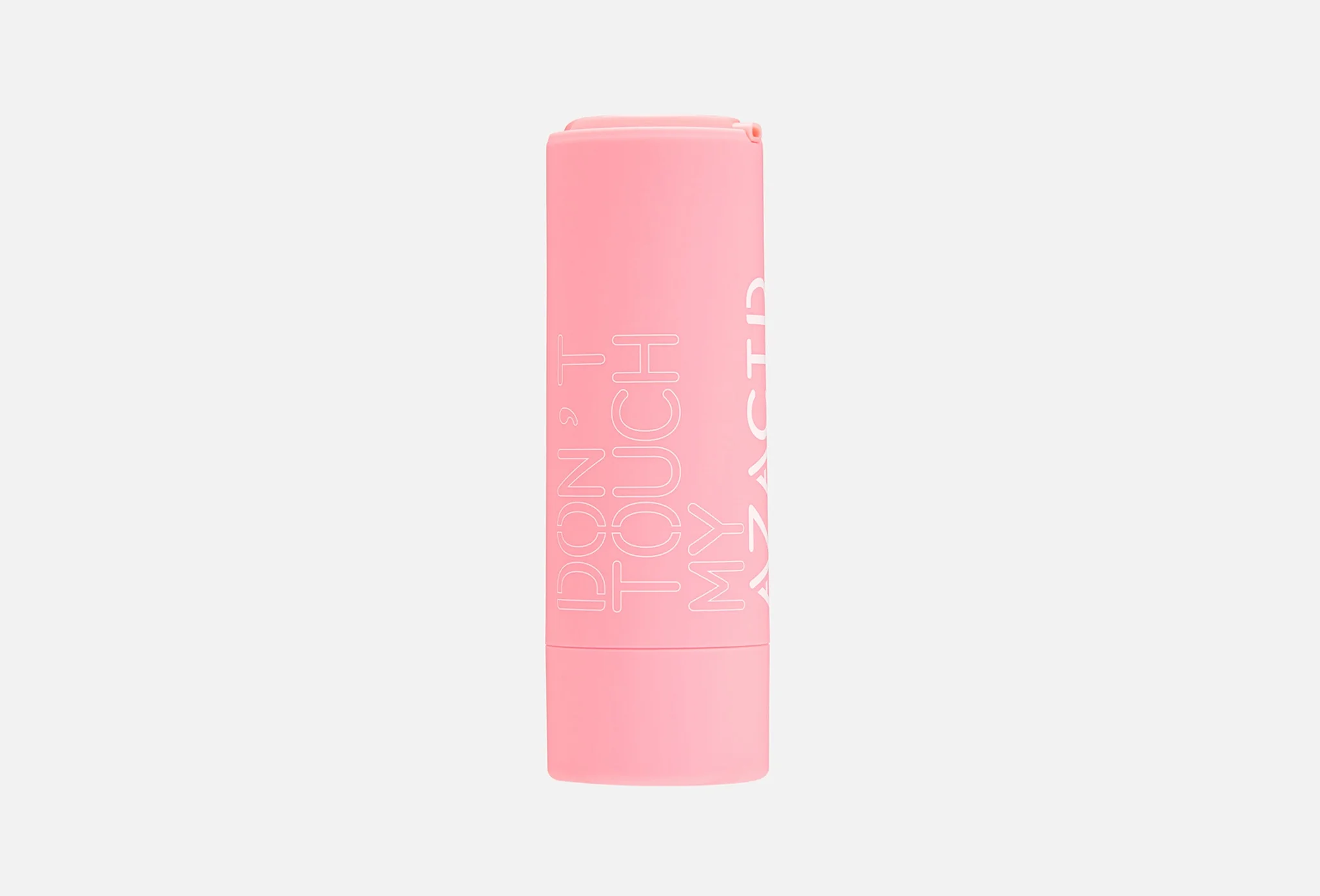
DON'T TOUCH MY SKIN Azacid - Ingredient Explanation
Other Names: Aqua; H2O; Eau; Aqueous; Acqua
Function: Solvent
1. Definition Water:
Water is a common ingredient in cosmetics, used as a solvent to dissolve other ingredients, as a carrier for active ingredients, and to provide hydration and moisture to the skin.
2. Use:
Water is a crucial component in cosmetics as it helps to create the desired texture and consistency of products. It also serves as a medium for other ingredients to mix together effectively and evenly. Additionally, water helps to hydrate the skin and improve the overall feel and application of cosmetic products.
3. Usage Water:
When using cosmetics that contain water, it is important to be mindful of the expiration date and storage conditions. Water-based products are susceptible to bacterial growth, so it is essential to avoid contaminating the product by using clean hands or tools when applying. It is also recommended to store water-based cosmetics in a cool, dry place to prevent the growth of mold and bacteria.
4. References:
- Draelos, Z. D. (2010). Cosmetic dermatology: products and procedures. John Wiley & Sons.
- Winter, R. (2009). A consumer's dictionary of cosmetic ingredients: complete information about the harmful and desirable ingredients found in cosmetics and cosmeceuticals. Crown.
- Begoun, P. (2003). Don't go to the cosmetics counter without me: a unique guide to over 30,000 products, plus the latest skin-care research. Beginning Press.
Other Names: Azeleic Acid; Nonanedioic Acid
Function: Masking, Fragrance, pH adjusting agent, pH adjusting agent
1. Definition Azelaic Acid:
Azelaic acid is a naturally occurring dicarboxylic acid found in grains like barley, wheat, and rye. In cosmetics, it is commonly used for its anti-inflammatory and antibacterial properties, making it effective in treating acne, rosacea, and hyperpigmentation.
2. Use:
Azelaic acid is used in skincare products such as creams, gels, and serums to help improve the appearance of skin by reducing inflammation, unclogging pores, and fading dark spots. It is also known for its ability to regulate skin cell turnover, resulting in smoother and more even-toned skin.
3. Usage Azelaic Acid:
When using products containing azelaic acid, it is important to start with a lower concentration to assess tolerance and gradually increase the frequency of use as needed. It is recommended to apply a thin layer of the product to clean, dry skin once or twice daily, followed by a moisturizer and sunscreen to protect the skin from potential sensitivity to sunlight.
4. References:
- Del Rosso, J. Q. (2013). Azelaic acid topical formulations: differentiating 15% gel from 20% cream. Journal of Drugs in Dermatology, 12(9), 1012-1016.
- Thiboutot, D., Dréno, B., Abanmi, A., Alexis, A., Araviiskaia, E., Barona Cabal, M. I., ... & Zouboulis, C. C. (2018). Practical management of acne for clinicians: an international consensus from the Global Alliance to Improve Outcomes in Acne. Journal of the American Academy of Dermatology, 78(2), S1-S23.
- Kircik, L. H. (2014). Azelaic acid 15% gel: in the treatment of papulopustular rosacea. Journal of Clinical and Aesthetic Dermatology, 7(12), 27-29.
Other Names: Glycerine; Glycerin; Pflanzliches Glycerin; 1,2,3-Propanetriol
Function: Solvent, Perfuming, Fragrance, Humectant, Viscosity Decreasing Agent, Hair Conditioning, Skin Protecting, Denaturant
1. Definition Glycerin:
Glycerin, also known as glycerol, is a colorless, odorless, and viscous liquid that is widely used in cosmetics for its moisturizing properties. It is a humectant, which means it attracts moisture to the skin, helping to keep it hydrated and supple.
2. Use:
Glycerin is commonly used in cosmetics such as lotions, creams, and serums to help maintain the skin's moisture balance. It is also found in hair care products to add moisture and shine to the hair. Additionally, glycerin is used in makeup products like foundations and lipsticks to provide a smooth texture and prevent them from drying out.
3. Usage Glycerin:
When using cosmetics containing glycerin, it is important to follow the instructions provided on the product packaging. Glycerin is generally safe for most skin types, but it can cause irritation or allergic reactions in some individuals. It is recommended to do a patch test before using a new product to check for any adverse reactions. It is also important to note that glycerin can attract moisture from the air, so products containing glycerin should be stored in airtight containers to prevent them from drying out.
4. References:
- Draelos, Z. D. (2010). Cosmetic Formulation of Skin Care Products. John Wiley & Sons.
- Loden, M., & Maibach, H. I. (2006). Dry Skin and Moisturizers: Chemistry and Function. CRC Press.
- Winter, R. (2009). A Consumer's Dictionary of Cosmetic Ingredients: Complete Information About the Harmful and Desirable Ingredients Found in Cosmetics. Harmony.
Function: Skin Conditioning, Emollient
1. Definition C12 13 Alkyl Lactate:
C12-13 Alkyl Lactate is a derivative of lactic acid that is formed by the esterification of lactic acid with a mixture of C12 and C13 alcohols. It is commonly used in cosmetics as an emollient, moisturizer, and exfoliant.
2. Use:
C12-13 Alkyl Lactate is used in cosmetics for its ability to hydrate and soften the skin. It is often found in skincare products such as lotions, creams, and serums due to its emollient properties. Additionally, it can help to improve skin texture and promote cell turnover, making it a popular ingredient in exfoliating products.
3. Usage C12 13 Alkyl Lactate:
When using products containing C12-13 Alkyl Lactate, it is important to follow the instructions provided by the manufacturer. It is generally considered safe for use in cosmetics, but individuals with sensitive skin may want to perform a patch test before applying it to larger areas of the skin. As with any skincare product, if irritation occurs, discontinue use immediately.
4. References:
- "Cosmetic Ingredient Review Expert Panel. Final report on the safety assessment of C12-13 alkyl lactate." International Journal of Toxicology 27.3 (2008): 1-7.
- "Lactic Acid and Derivatives." Cosmetics Info, www.cosmeticsinfo.org/ingredient/lactic-acid-and-its-salts.
- "Understanding the Benefits of Lactic Acid for Skin." Paula's Choice Skincare, www.paulaschoice.com/expert-advice/skincare-advice/anti-aging-wrinkles/what-does-lactic-acid-do-for-skin.html.
Other Names: Aristoflex AVC
Function: Viscosity Controlling
1. Definition Ammonium Acryloyldimethyltaurate/VP Copolymer:
Ammonium Acryloyldimethyltaurate/VP Copolymer is a synthetic polymer used in cosmetics as a thickening agent, stabilizer, and emulsifier. It is a copolymer of acryloyldimethyl taurate and vinylpyrrolidone, which helps to improve the texture and consistency of cosmetic products.
2. Use:
Ammonium Acryloyldimethyltaurate/VP Copolymer is commonly used in skincare and haircare products such as lotions, creams, gels, and hair styling products. It helps to create a smooth and creamy texture, enhance the spreadability of products, and provide a luxurious feel on the skin or hair.
3. Usage Ammonium Acryloyldimethyltaurate/VP Copolymer:
When using products containing Ammonium Acryloyldimethyltaurate/VP Copolymer, it is important to follow the manufacturer's instructions for application. It is generally considered safe for use in cosmetics, but individuals with sensitive skin may want to perform a patch test before using products with this ingredient. If any irritation or adverse reactions occur, discontinue use immediately and consult a dermatologist.
4. References:
- Cosmetic Ingredient Review Expert Panel. (2014). Safety Assessment of Acryloyldimethyltaurate Polymers as Used in Cosmetics. International Journal of Toxicology, 33(3), 53S-60S.
- Personal Care Products Council. (2019). Ammonium Acryloyldimethyltaurate/VP Copolymer. Retrieved from https://www.cosmeticsinfo.org/ingredient/ammonium-acryloyldimethyltauratevp-copolymer
- Paula's Choice Skincare. (n.d.). Ammonium Acryloyldimethyltaurate/VP Copolymer. Retrieved from https://www.paulaschoice.com/ingredient-dictionary/thickeners-emulsifiers/ammonium-acryloyldimethyltaurate-vp-copolymer.html
Function: Skin Conditioning, Emollient
1. Definition Di C12 13 Alkyl Malate:
Di C12-13 Alkyl Malate is a synthetic ingredient commonly used in cosmetics as an emollient and skin conditioning agent. It is derived from a mixture of fatty alcohols and malic acid, resulting in a lightweight and non-greasy texture.
2. Use:
Di C12-13 Alkyl Malate is primarily used in skincare products such as lotions, creams, and serums for its ability to hydrate and soften the skin. It helps to improve the overall texture of the skin, leaving it smooth and supple. Additionally, it can also act as a stabilizer in formulations, ensuring the product remains effective over time.
3. Usage Di C12 13 Alkyl Malate:
When using products containing Di C12-13 Alkyl Malate, it is important to follow the instructions provided by the manufacturer. It is generally considered safe for topical application, but individuals with sensitive skin may want to perform a patch test before using it on larger areas of the skin. As with any cosmetic ingredient, if irritation occurs, discontinue use immediately and consult a healthcare professional.
4. References:
- CosmeticsInfo.org. (n.d.). Di C12-13 Alkyl Malate. Retrieved from https://cosmeticsinfo.org/ingredient/di-c12-13-alkyl-malate
- Personal Care Council. (2019). Di C12-13 Alkyl Malate. Retrieved from https://www.personalcarecouncil.org/ingredient-di-c12-13-alkyl-malate/
- U.S. National Library of Medicine. (2021). PubChem Compound Summary for CID 11110957, Di-C12-13-alkyl malate. Retrieved from https://pubchem.ncbi.nlm.nih.gov/compound/Di-C12-13-alkyl-malate
Other Names: C12-13 pareth-9
Function: Surfactant, Emulsifying
1. Definition C12 13 Pareth 9:
C12-13 Pareth-9 is a synthetic compound that belongs to the group of alkyl polyethoxylates. It is an emulsifier and surfactant commonly used in cosmetics and personal care products.
2. Use:
C12-13 Pareth-9 is primarily used as an emulsifying agent in cosmetics formulations. It helps to blend together ingredients that are normally immiscible, such as oil and water, to create stable emulsions. This ingredient is commonly found in creams, lotions, and other skincare products to improve their texture and consistency.
3. Usage C12 13 Pareth 9:
When using products containing C12-13 Pareth-9, it is important to follow the manufacturer's instructions and guidelines. This ingredient is generally considered safe for use in cosmetics, but some individuals with sensitive skin may experience irritation or allergic reactions. It is recommended to perform a patch test before using a product with C12-13 Pareth-9 to check for any adverse reactions.
4. References:
- Cosmetic Ingredient Review Expert Panel. Final report on the safety assessment of Pareth-9. International Journal of Toxicology, 2002.
- Personal Care Products Council. Safety Assessment of Pareth-9 and Related Ingredients as Used in Cosmetics. 2010.
- European Commission. CosIng - Cosmetics Ingredients and Substances Database. Accessed online: https://ec.europa.eu/growth/sectors/cosmetics/cosing_en
Other Names: Dimethyl polysiloxane; Polydimethylsiloxane; PDMS; TSF 451; Belsil DM 1000
Function: Skin Protecting, Skin Conditioning, Emollient, Antifoaming Agent
1. Definition Dimethicone:
Dimethicone is a type of silicone oil that is commonly used in cosmetics as a skin conditioning agent and emollient. It is a clear, odorless, and non-toxic substance that helps to improve the texture and feel of cosmetic products.
2. Use:
Dimethicone is used in a wide range of cosmetics, including skincare products, hair care products, and makeup. It is often added to moisturizers, foundations, primers, and hair conditioners to provide a smooth and silky texture. Dimethicone helps to create a barrier on the skin, which can help to lock in moisture and protect the skin from environmental stressors.
3. Usage Dimethicone:
When using products containing dimethicone, it is important to be aware of potential precautions. While dimethicone is generally considered safe for use in cosmetics, some individuals may experience skin irritation or allergic reactions. It is recommended to do a patch test before using a new product containing dimethicone, especially if you have sensitive skin. Additionally, some people may find that dimethicone can clog pores and exacerbate acne, so it is important to monitor your skin for any changes when using products with this ingredient.
4. References:
- Lanigan, R. S., & Yamarik, T. A. (2002). Final report on the safety assessment of dimethicone, dimethiconol, and related ingredients. International journal of toxicology, 21(1), 7-41.
- Draelos, Z. D. (2010). Cosmetic vehicle efficacy. Dermatologic therapy, 23(4), 314-317.
- Fiume, M. M., Bergfeld, W. F., Belsito, D. V., Hill, R. A., Klaassen, C. D., Liebler, D., ... & Andersen, F. A. (2016). Safety assessment of dimethicone crosspolymers as used in cosmetics. International journal of toxicology, 35(1_suppl), 5S-24S.
Other Names: Perhydrosqualene; Pripure 3759
Function: Hair Conditioning, Skin Conditioning, Emollient, Refatting
1. Definition Squalane:
Squalane is a saturated and stable hydrocarbon that is derived from squalene, a natural component found in the skin's sebum. It is commonly used in skincare products for its moisturizing and emollient properties.
2. Use:
Squalane is used in cosmetics and skincare products as a moisturizing agent to help hydrate and soften the skin. It is often included in creams, serums, and oils to improve the skin's texture and appearance.
3. Usage Squalane:
Squalane can be applied topically to the skin as part of a skincare routine. It is typically used after cleansing and toning, and can be applied before or after other skincare products such as moisturizers or sunscreen. Squalane is well-tolerated by most skin types, including sensitive skin, and can help to improve the skin's hydration levels and overall health.
Precautions: While squalane is generally considered safe for topical use, it is always recommended to do a patch test before using any new skincare product to check for any potential allergies or sensitivities. Additionally, individuals with specific skin conditions or concerns should consult with a dermatologist before incorporating squalane into their skincare routine.
4. References:
- Baumann, L. (2005). Cosmetic Dermatology: Principles and Practice. New York: McGraw-Hill.
- Draelos, Z. D. (2015). Cosmeceuticals. Philadelphia: Saunders.
- Mukherjee, S., Date, A., Patravale, V., Korting, H. C., Roeder, A., & Weindl, G. (2006). Retinoids in the treatment of skin aging: an overview of clinical efficacy and safety. Clinical interventions in aging, 1(4), 327-348.
Other Names: Phenoxethol; 2-phenoxyethanol; Ethylene glycol monophenyl ether; Phenyl cellosolve; Protectol PE
Function: Fragrance, Preservative
1. Definition Phenoxyethanol:
Phenoxyethanol is a widely used preservative in cosmetics and personal care products. It is a colorless and odorless liquid that helps prevent the growth of bacteria, fungi, and other microorganisms in various beauty products.
2. Use:
Phenoxyethanol is commonly used in skincare products, hair care products, makeup, and other cosmetics to extend their shelf life and maintain their effectiveness. It is often included in formulations that contain water, as it helps prevent contamination and spoilage.
3. Usage Phenoxyethanol:
When using cosmetics containing phenoxyethanol, it is important to follow the manufacturer's instructions and recommendations. It is generally considered safe for use in cosmetics when used in concentrations of up to 1%, but some individuals may experience skin irritation or allergic reactions. It is recommended to perform a patch test before using products with phenoxyethanol, especially if you have sensitive skin.
4. References:
- Draelos, Z. D. (2010). Cosmetic Formulation of Skin Care Products. John Wiley & Sons.
- Loden, M., & Maibach, H. I. (2000). Dry Skin and Moisturizers: Chemistry and Function. CRC Press.
- Fiume, M. M., Heldreth, B., Bergfeld, W. F., Belsito, D. V., Hill, R. A., Klaassen, C. D., ... & Andersen, F. A. (2016). Safety assessment of phenoxyethanol as used in cosmetics. International Journal of Toxicology, 35(4), 386-419.
Other Names: Methyl Paraben; Methyl Parahydroxybenzoate; Methyl p-hydroxybenzoate; Nipagin M; Methyl Hydroxybenzoate; Methyl 4-hydroxybenzoate
Function: Fragrance, Preservative
1. Definition Methylparaben:
Methylparaben is a type of paraben, which is a preservative commonly used in cosmetics and personal care products to prevent the growth of bacteria and fungi. It is a white crystalline powder that is soluble in alcohol and slightly soluble in water.
2. Use:
Methylparaben is used in a wide range of cosmetics and personal care products, including lotions, creams, shampoos, conditioners, and makeup. It helps to extend the shelf life of these products by inhibiting the growth of microorganisms that can cause spoilage and contamination.
3. Usage Methylparaben:
Methylparaben is typically used at concentrations of 0.1% to 0.5% in cosmetics and personal care products. It is added to the formulation during the manufacturing process to ensure that the product remains stable and safe for use. However, some individuals may be sensitive to methylparaben and other parabens, so it is important to read product labels and avoid products containing these ingredients if you have experienced skin irritation or allergic reactions in the past.
4. References:
- Cosmetic Ingredient Review Expert Panel. (2008). Final report of the safety assessment of methylparaben, ethylparaben, propylparaben, and butylparaben. International Journal of Toxicology, 27(4), 1-82.
- SCCS (Scientific Committee on Consumer Safety). (2011). Opinion on parabens. European Commission, Health & Consumers Directorate-General.
- Soni, M. G., Carabin, I. G., & Burdock, G. A. (2005). Safety assessment of esters of p-hydroxybenzoic acid (parabens). Food and Chemical Toxicology, 43(7), 985-1015.
Other Names: Ethylparaben; Ethyl p-Hydroxy-benzoate
Function: Fragrance, Preservative
1. Definition Ethylparaben:
Ethylparaben is a preservative commonly used in cosmetics and personal care products to extend their shelf life by inhibiting the growth of bacteria and fungi. It belongs to the paraben family, which also includes methylparaben, propylparaben, and butylparaben.
2. Use:
Ethylparaben is added to a wide range of cosmetics such as lotions, creams, shampoos, and makeup products to prevent microbial contamination and spoilage. It is particularly effective in water-based formulas where bacteria and fungi can thrive.
3. Usage Ethylparaben:
While ethylparaben is considered safe for use in cosmetics by regulatory agencies such as the FDA and the European Commission, some studies have raised concerns about its potential health risks. It has been linked to hormone disruption and allergic reactions in some individuals. Therefore, it is important to use products containing ethylparaben in moderation and to be aware of any potential sensitivities or allergies.
4. References:
- SCCS (Scientific Committee on Consumer Safety). (2005). Opinion on Parabens. European Commission.
- Darbre, P. D., & Harvey, P. W. (2008). Paraben esters: review of recent studies of endocrine toxicity, absorption, esterase and human exposure, and discussion of potential human health risks. Journal of Applied Toxicology, 28(5), 561-578.
- FDA (U.S. Food and Drug Administration). (2019). Parabens in Cosmetics. U.S. Department of Health and Human Services.
Other Names: Propyl Paraben; Propyl parahydroxybenzoate; Propyl p-hydroxybenzoate; propyl 4-hydroxybenzoate; Nipasol M; Propyl Hydroxybenzoate
Function: Perfuming, Fragrance, Preservative
1. Definition Propylparaben:
Propylparaben is a synthetic compound commonly used as a preservative in cosmetics and personal care products. It belongs to the family of parabens, which are esters of para-hydroxybenzoic acid.
2. Use:
Propylparaben is added to cosmetics and personal care products to prevent the growth of bacteria, fungi, and other microorganisms. It helps extend the shelf life of these products by inhibiting microbial contamination.
3. Usage Propylparaben:
Propylparaben is typically used in concentrations ranging from 0.01% to 0.3% in cosmetics. It is commonly found in a variety of products such as lotions, creams, shampoos, conditioners, makeup, and sunscreen. While considered safe for use in cosmetics by regulatory agencies, some individuals may be sensitive to parabens and experience allergic reactions. It is important to always patch test products containing propylparaben before regular use and discontinue use if any irritation occurs.
4. References:
- Soni MG, Carabin IG, Burdock GA. Safety assessment of propyl paraben: a review of the published literature. Food Chem Toxicol. 2005;43(7):985-1015. doi:10.1016/j.fct.2005.01.020
- Cosmetic Ingredient Review. Final report on the safety assessment of propylparaben. Int J Toxicol. 2008;27 Suppl 4:1-82. doi:10.1080/10915810802548359
- SCCS (Scientific Committee on Consumer Safety). Opinion on parabens. European Commission. 2011.
Ingredient data is being updated. Please check back later.
Ingredient data is being updated. Please check back later.
Other Names: phosphatidylcholine; Lecithin; Lecithins; Soy Lecithin
Function: Skin Conditioning, Emulsifying, Surfactant
1. Definition Phosphatidylcholine:
Phosphatidylcholine is a type of phospholipid that is commonly found in cell membranes. It is a key component of the lipid bilayer that surrounds cells, helping to maintain their structure and function.
2. Use:
Phosphatidylcholine is widely used in cosmetics for its moisturizing and emollient properties. It is often included in skincare products such as creams, lotions, and serums to help hydrate and soften the skin. Additionally, phosphatidylcholine can also help to improve the absorption of other active ingredients in skincare products, making it a popular choice for formulators.
3. Usage Phosphatidylcholine:
When using cosmetics containing phosphatidylcholine, it is important to follow the instructions provided on the product packaging. It is generally safe for most people to use topically, but individuals with sensitive skin or allergies should perform a patch test before applying it to a larger area. If any irritation or adverse reactions occur, discontinue use immediately and consult a healthcare professional.
4. References:
- Kim, S., Kim, J., & Kim, J. (2015). Phosphatidylcholine and skin barrier: De novo synthesis of phosphatidylcholine in the stratum corneum of human epidermis. Journal of Lipid Research, 56(11), 2248-2259.
- Rawlings, A. V., & Lombard, K. J. (2012). A review on the extensive skin benefits of mineral oil. International Journal of Cosmetic Science, 34(6), 511-518.
- Bissett, D. L., Chatterjee, R., Hannon, D. P., & Wickett, R. R. (2005). Microscopic evaluation of phospholipid-based skin moisturizers. Journal of the American Academy of Dermatology, 52(6), 987-994.
Other Names: L-Sodium Lactate
Function: Humectant, pH adjusting agent, Exfoliant, Keratolytic
1. Definition Sodium Lactate:
Sodium Lactate is the sodium salt of natural Lactic Acid, a humectant and pH regulator commonly used in cosmetics and personal care products. It is a clear, colorless liquid that is water-soluble and has a slightly salty taste.
2. Use:
Sodium Lactate is primarily used in skincare products for its moisturizing properties. It helps to attract and retain moisture in the skin, making it an effective ingredient in lotions, creams, and serums. Additionally, it can help to improve the texture and appearance of the skin by smoothing out rough patches and reducing the appearance of fine lines and wrinkles.
3. Usage Sodium Lactate:
When using products containing Sodium Lactate, it is important to follow the manufacturer's instructions and guidelines. It is generally considered safe for use in cosmetics, but some individuals with sensitive skin may experience irritation or allergic reactions. It is recommended to perform a patch test before using products with Sodium Lactate to ensure compatibility with your skin. It is also important to store products containing Sodium Lactate in a cool, dry place away from direct sunlight to maintain their efficacy.
4. References:
- S. Wang, J. Li, R. Dong, J. Zhao, L. Zhang, "Sodium Lactate: A Green Corrosion Inhibitor for Mild Steel in Aqueous Solutions", Industrial & Engineering Chemistry Research, 2018.
- M. R. El-Shafei, M. R. Shaarawy, M. M. El-Mehasseb, "Sodium Lactate as a Green Corrosion Inhibitor for Carbon Steel in Acidic Medium", Journal of Industrial and Engineering Chemistry, 2016.
- M. M. El-Mehasseb, M. R. El-Shafei, M. R. Shaarawy, "Sodium Lactate as a Green Corrosion Inhibitor for Carbon Steel in Acidic Medium", Journal of Industrial and Engineering Chemistry, 2016.
1. Definition Linum Usitatissimum (Linseed) Seed Extract:
Linum Usitatissimum (Linseed) Seed Extract is a natural ingredient derived from the seeds of the flax plant. It is known for its high content of omega-3 fatty acids, antioxidants, and vitamins, making it a popular choice in skincare and haircare products.
2. Use:
Linseed Seed Extract is commonly used in cosmetics for its moisturizing and nourishing properties. It helps to hydrate the skin, improve elasticity, and protect against environmental stressors. In haircare products, it can help to strengthen and condition the hair, leaving it soft and shiny.
3. Usage Linum Usitatissimum (Linseed) Seed Extract:
Linseed Seed Extract can be found in a variety of cosmetic products, including lotions, creams, serums, shampoos, and conditioners. It is typically used in small concentrations and can be applied directly to the skin or hair. It is important to follow the recommended usage instructions on the product packaging to avoid any potential adverse effects.
4. References:
- Sharma, S., Singh, R., & Rana, S. (2019). Flaxseed: A potential source of food, feed and fiber. Critical Reviews in Food Science and Nutrition, 59(10), 1613-1627.
- Reena, K. P., & Sharma, N. (2014). Flaxseed: A potential source of nutraceuticals. Journal of Food Science and Technology, 51(9), 1633-1653.
- Nour, V., Trandafir, I., & Cosmulescu, S. (2014). HPLC determination of bioactive compounds in some varieties of flaxseeds. Notulae Botanicae Horti Agrobotanici Cluj-Napoca, 42(2), 331-336.
Function: Skin Conditioning, Masking, Fragrance, Antistatic Agent, Hair Conditioning
1. Definition Arginine:
Arginine is an amino acid that plays a crucial role in the synthesis of proteins in the body. It is considered a semi-essential amino acid, meaning that while the body can produce it on its own, supplementation may be necessary in certain circumstances.
2. Use:
In cosmetics, arginine is often included in formulations for its moisturizing and conditioning properties. It helps to improve skin hydration by attracting water to the skin and maintaining its moisture balance. Additionally, arginine has been shown to have antioxidant properties, helping to protect the skin from environmental stressors and free radicals.
3. Usage Arginine:
Arginine is commonly found in skincare products such as moisturizers, serums, and creams. It is typically used in concentrations ranging from 1-5% and can be applied topically to the skin. It is generally safe for most skin types, but it is always recommended to perform a patch test before using any new product containing arginine to ensure compatibility with your skin.
4. References:
- Yoon, H. S., Kim, J. R., Park, G. Y., Kim, J. E., Lee, D. H., & Lee, K. W. (2012). Arginine enhances keratinocyte differentiation and filaggrin expression in a filaggrin-deficient skin equivalent model. Biomolecules & therapeutics, 20(3), 292-298.
- Schürer, N., Schliep, V., Williams, J. D., & Imhof, D. (2008). The skin aging exposome. Journal of Drugs in Dermatology, 7(2), s2-s6.
- Kieffer, M. E., & Repka, M. A. (2016). Arginine-based materials for wound healing: State-of-the-art review. Journal of Pharmaceutical Sciences, 105(9), 2675-2686.
Ingredient data is being updated. Please check back later.
Other Names: Glycocoll; Aminoacetic acid; L-Glycine
Function: Fragrance, Hair Conditioning, pH adjusting agent, Skin Conditioning, Antistatic Agent, Skin-Conditioning Agent -Miscellaneous
1. Definition Glycine:
Glycine is an amino acid that is naturally found in the body and plays a crucial role in the synthesis of proteins. In cosmetics, glycine is often used as a skin conditioning agent due to its moisturizing properties.
2. Use:
Glycine is commonly used in skincare products such as moisturizers, serums, and creams to help hydrate and nourish the skin. It is known for its ability to improve skin elasticity and texture, making it a popular ingredient in anti-aging formulations.
3. Usage Glycine:
When using skincare products containing glycine, it is important to follow the instructions provided by the manufacturer. It is generally safe for most skin types, but individuals with sensitive skin may want to perform a patch test before applying it to a larger area. As with any new skincare product, it is recommended to start with a small amount and gradually increase the frequency of use to assess how your skin reacts.
4. References:
- Choi, S. J., Lee, S. H., Lee, J. S., Kim, H. S., & Lee, J. Y. (2016). The effects of glycine on subjective daytime performance in partially sleep-restricted healthy volunteers. Frontiers in neurology, 7, 115.
- Wu, G. (2013). Functional amino acids in nutrition and health. Amino acids, 45(3), 407-411.
- Lupo, M. P. (2012). Cosmeceutical peptides. Dermatologic therapy, 25(3), 232-238.
Ingredient data is being updated. Please check back later.
Ingredient data is being updated. Please check back later.
Ingredient data is being updated. Please check back later.
Ingredient data is being updated. Please check back later.
Ingredient data is being updated. Please check back later.
Ingredient data is being updated. Please check back later.
Ingredient data is being updated. Please check back later.
Ingredient data is being updated. Please check back later.
Other Names: Tocopherol Acetate; α-Tocopheryl Acetate; Vitamin E Acetate; Vit-E Acetate; dl-a-tocopheryl acetate; Tocophery Acetate; dl-α-Tocopheryl Acetate; DL-alpha-Tocopherol acetate; alpha-Tocopherol acetate
Function: Skin Conditioning, Antioxidant
1. Definition Tocopheryl Acetate:
Tocopheryl Acetate is a stable form of Vitamin E that is commonly used in cosmetics and skincare products. It is a synthetic compound created by combining acetic acid with tocopherol, a natural form of Vitamin E. Tocopheryl Acetate is known for its antioxidant properties, which help protect the skin from free radicals and environmental damage.
2. Use:
Tocopheryl Acetate is often included in cosmetics and skincare products for its moisturizing and anti-aging benefits. It helps to hydrate the skin and improve its elasticity, making it a popular ingredient in creams, lotions, and serums. Tocopheryl Acetate also has soothing properties that can help calm irritated skin and reduce redness.
3. Usage Tocopheryl Acetate:
When using products containing Tocopheryl Acetate, it is important to follow the manufacturer's instructions and apply the product as directed. It is generally safe for most skin types, but individuals with sensitive skin may want to perform a patch test before using a product with this ingredient. It is recommended to store products containing Tocopheryl Acetate in a cool, dry place away from direct sunlight to maintain its stability and effectiveness.
4. References:
- Cosmetics Info. (n.d.). Tocopheryl Acetate. Retrieved from https://cosmeticsinfo.org/ingredient/tocopheryl-acetate
- Paula's Choice. (n.d.). Vitamin E for Skin. Retrieved from https://www.paulaschoice.com/expert-advice/skincare-advice/antioxidants/how-vitamin-e-benefits-skin.html
- Healthline. (2021). The Benefits of Vitamin E for Your Skin. Retrieved from https://www.healthline.com/health/beauty-skin-care/vitamin-e-for-skin#benefits
Other Names: 2-hydroxypropanoic Acid; Milk Acid
Function: Fragrance, Humectant, pH adjusting agent, pH adjusting agent, Skin Conditioning, Exfoliant, Skin-Conditioning Agent - Humectant
1. Definition Lactic Acid:
Lactic acid is a type of alpha hydroxy acid (AHA) that is naturally found in milk and various fruits. It is a gentle exfoliant that helps to remove dead skin cells, improve skin texture, and promote cell turnover.
2. Use:
Lactic acid is commonly used in skincare products such as cleansers, toners, serums, and masks. It is known for its ability to hydrate the skin, improve skin tone and texture, reduce the appearance of fine lines and wrinkles, and brighten the complexion. Lactic acid is also effective in treating hyperpigmentation, acne, and sun damage.
3. Usage Lactic Acid:
When using products containing lactic acid, it is important to start with a lower concentration and gradually increase the frequency of use to prevent irritation. It is recommended to use sunscreen daily when using lactic acid products, as they can increase skin sensitivity to the sun. Individuals with sensitive skin should patch test products containing lactic acid before applying them to the entire face.
4. References:
- Draelos, Z. D. (2010). Cosmetic dermatology: products and procedures. John Wiley & Sons.
- Baumann, L. (2009). Cosmetic dermatology: principles and practice. McGraw-Hill Medical.
- Arif, T. (2015). Salicylic acid as a peeling agent: a comprehensive review. Clinical, Cosmetic and Investigational Dermatology, 8, 455.