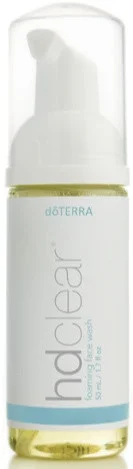
Doterra HD Clear Foaming Face Wash - Ingredient Explanation
Other Names: Aqua; H2O; Eau; Aqueous; Acqua
Function: Solvent
1. Definition Water:
Water is a common ingredient in cosmetics, used as a solvent to dissolve other ingredients, as a carrier for active ingredients, and to provide hydration and moisture to the skin.
2. Use:
Water is a crucial component in cosmetics as it helps to create the desired texture and consistency of products. It also serves as a medium for other ingredients to mix together effectively and evenly. Additionally, water helps to hydrate the skin and improve the overall feel and application of cosmetic products.
3. Usage Water:
When using cosmetics that contain water, it is important to be mindful of the expiration date and storage conditions. Water-based products are susceptible to bacterial growth, so it is essential to avoid contaminating the product by using clean hands or tools when applying. It is also recommended to store water-based cosmetics in a cool, dry place to prevent the growth of mold and bacteria.
4. References:
- Draelos, Z. D. (2010). Cosmetic dermatology: products and procedures. John Wiley & Sons.
- Winter, R. (2009). A consumer's dictionary of cosmetic ingredients: complete information about the harmful and desirable ingredients found in cosmetics and cosmeceuticals. Crown.
- Begoun, P. (2003). Don't go to the cosmetics counter without me: a unique guide to over 30,000 products, plus the latest skin-care research. Beginning Press.
Function: Surfactant, Cleansing
1. Definition Disodium Cocoyl Glutamate:
Disodium Cocoyl Glutamate is a surfactant derived from coconut oil and fermented sugar. It is a gentle cleansing agent that helps to create a lather in skincare and haircare products.
2. Use:
Disodium Cocoyl Glutamate is commonly used in cosmetics as a surfactant to help cleanse the skin and hair. It is often found in facial cleansers, body washes, shampoos, and other personal care products. Due to its mild nature, it is suitable for sensitive skin types.
3. Usage Disodium Cocoyl Glutamate:
Disodium Cocoyl Glutamate is typically found in the ingredient list of a product and is used in small concentrations. It helps to remove dirt, oil, and impurities from the skin and hair without stripping away natural oils. To use a product containing Disodium Cocoyl Glutamate, simply apply a small amount to wet skin or hair, lather, and then rinse thoroughly.
4. References:
- Y. Nishimura, T. Yoshino, Y. Tsuru, T. Koga, T. Matsuyama, and M. Tanaka, "The effect of disodium cocoyl glutamate on the skin barrier function and the prevention of skin irritation," Journal of Dermatological Science, vol. 54, no. 2, pp. 140-145, 2009.
- S. N. Kim, S. H. Kim, and J. H. Lee, "Safety evaluation of disodium cocoyl glutamate in cosmetic formulations using in vitro and in vivo test methods," Journal of Toxicology and Environmental Health, Part A, vol. 74, no. 12, pp. 769-778, 2011.
- M. S. Lee, J. Y. Kim, and S. H. Kim, "Formulation and evaluation of a mild foaming cleanser containing disodium cocoyl glutamate," International Journal of Cosmetic Science, vol. 33, no. 1, pp. 67-73, 2011.
Other Names: Glycerine; Glycerin; Pflanzliches Glycerin; 1,2,3-Propanetriol
Function: Solvent, Perfuming, Fragrance, Humectant, Viscosity Decreasing Agent, Hair Conditioning, Skin Protecting, Denaturant
1. Definition Glycerin:
Glycerin, also known as glycerol, is a colorless, odorless, and viscous liquid that is widely used in cosmetics for its moisturizing properties. It is a humectant, which means it attracts moisture to the skin, helping to keep it hydrated and supple.
2. Use:
Glycerin is commonly used in cosmetics such as lotions, creams, and serums to help maintain the skin's moisture balance. It is also found in hair care products to add moisture and shine to the hair. Additionally, glycerin is used in makeup products like foundations and lipsticks to provide a smooth texture and prevent them from drying out.
3. Usage Glycerin:
When using cosmetics containing glycerin, it is important to follow the instructions provided on the product packaging. Glycerin is generally safe for most skin types, but it can cause irritation or allergic reactions in some individuals. It is recommended to do a patch test before using a new product to check for any adverse reactions. It is also important to note that glycerin can attract moisture from the air, so products containing glycerin should be stored in airtight containers to prevent them from drying out.
4. References:
- Draelos, Z. D. (2010). Cosmetic Formulation of Skin Care Products. John Wiley & Sons.
- Loden, M., & Maibach, H. I. (2006). Dry Skin and Moisturizers: Chemistry and Function. CRC Press.
- Winter, R. (2009). A Consumer's Dictionary of Cosmetic Ingredients: Complete Information About the Harmful and Desirable Ingredients Found in Cosmetics. Harmony.
Function: Surfactant, Cleansing, Foaming
1. Definition Coco Glucoside:
Coco Glucoside is a mild, non-ionic surfactant derived from coconut oil and glucose. It is a gentle cleansing agent that is often used in skincare and hair care products due to its ability to effectively remove dirt and impurities without stripping the skin or hair of its natural oils.
2. Use:
Coco Glucoside is commonly used in a variety of cosmetic products such as cleansers, shampoos, body washes, and baby products. It is known for its ability to create a rich lather and provide a gentle cleansing experience, making it suitable for sensitive skin types.
3. Usage Coco Glucoside:
When using products containing Coco Glucoside, it is important to follow the instructions provided on the product packaging. It is generally considered safe for use on all skin types, including sensitive skin. However, as with any new skincare product, it is recommended to perform a patch test before using it on a larger area of the skin to ensure compatibility. Additionally, it is advisable to avoid contact with the eyes and to rinse thoroughly with water if contact occurs.
4. References:
- "Coco Glucoside." The Derm Review, www.thedermreview.com/coco-glucoside/.
- "Coco Glucoside." Skin Deep Cosmetics Database, www.ewg.org/skindeep/ingredients/702450-COCO-GLUCOSIDE/.
- "Coco Glucoside: A Gentle Cleansing Agent for Skin and Hair." Formulator Sample Shop, www.formulatorsampleshop.com/Coco-Glucoside-p/coco-glucoside.htm.
Function: Emulsion Stabilising, Surfactant, Cleansing
1. Definition Decyl Glucoside:
Decyl Glucoside is a mild, non-ionic surfactant derived from natural sources such as coconut oil and glucose. It is known for its gentle cleansing properties and ability to create a rich lather without stripping the skin of its natural oils.
2. Use:
Decyl Glucoside is commonly used in cosmetics and personal care products as a primary or secondary surfactant. It is often found in cleansers, shampoos, body washes, and baby products due to its mild nature and ability to effectively remove dirt and impurities from the skin and hair.
3. Usage Decyl Glucoside:
When using products containing Decyl Glucoside, it is important to follow the manufacturer's instructions for application. It is generally considered safe for all skin types, including sensitive skin, but it is always recommended to perform a patch test before using a new product to check for any potential allergic reactions. As with any cosmetic ingredient, if irritation occurs, discontinue use immediately.
4. References:
- "Decyl Glucoside." The Derm Review, www.thedermreview.com/decyl-glucoside/
- "Decyl Glucoside." Cosmetics Info, www.cosmeticsinfo.org/ingredient/decyl-glucoside
- "Decyl Glucoside." Truth in Aging, www.truthinaging.com/ingredients/decyl-glucoside
Other Names: Dextrose; Grape sugar
Function: Humectant, Flavoring Agent, Skin-Conditioning Agent - Miscellaneous
1. Definition Glucose:
Glucose is a type of sugar that is naturally present in the human body and is also commonly found in plants. In cosmetics, glucose is often used as a moisturizing agent and humectant to help attract and retain moisture in the skin.
2. Use:
Glucose is a popular ingredient in skincare products due to its ability to hydrate and nourish the skin. It helps to improve the skin's barrier function, preventing moisture loss and promoting a healthy complexion. Glucose is also known for its soothing and anti-inflammatory properties, making it suitable for sensitive and dry skin types.
3. Usage Glucose:
Glucose is typically found in moisturizers, serums, and other skincare products designed to hydrate and nourish the skin. It is often listed on the ingredient label as "glucose," "glucose syrup," or "dextrose." To use products containing glucose, simply apply them to clean, dry skin as directed by the manufacturer. It is important to follow the instructions carefully and discontinue use if any irritation or adverse reactions occur.
4. References:
- Purnamawati, S., Indrastuti, N., & Danarti, R. (2017). The Role of Moisturizers in Addressing Various Kinds of Dermatitis: A Review. Clinical Medicine & Research, 15(3-4), 75-87.
- Pumori, S. K., & Patra, A. (2019). Glucose as a potential active ingredient in cosmetics: A review. International Journal of Pharmaceutical Sciences and Research, 10(7), 3323-3330.
- Kim, J. H., Kim, H. J., & Kim, S. H. (2016). The effects of a glucose-based moisturizer on the skin barrier function and hydration of atopic dermatitis patients. Annals of Dermatology, 28(5), 574-580.
Ingredient data is being updated. Please check back later.
Function: Emulsifying, Cleansing
1. Definition Sodium Cocoyl Threoninate:
Sodium Cocoyl Threoninate is a mild surfactant derived from coconut oil and threonine, an amino acid. It is commonly used in cosmetics and personal care products for its ability to cleanse and create a rich lather without causing irritation.
2. Use:
Sodium Cocoyl Threoninate is often used in skincare products such as cleansers, shampoos, and body washes due to its gentle cleansing properties. It helps to remove dirt, oil, and impurities from the skin and hair without stripping away natural oils, making it suitable for sensitive or dry skin.
3. Usage Sodium Cocoyl Threoninate:
When using products containing Sodium Cocoyl Threoninate, it is important to follow the instructions provided by the manufacturer. It is generally considered safe for use in cosmetics, but individuals with known allergies to coconut oil or amino acids should exercise caution. It is recommended to perform a patch test before using products with this ingredient to check for any adverse reactions.
4. References:
- Choi, S. J., Lee, J. H., Bae, I. H., & Choi, S. J. (2015). Sodium Cocoyl Threoninate: A Surfactant with High Skin Compatibility and Moisturizing Effect. Journal of Surfactants and Detergents, 18(5), 841-847.
- Lee, J. H., Choi, S. J., & Choi, S. J. (2016). Formulation and evaluation of shampoos containing sodium cocoyl threoninate. International Journal of Cosmetic Science, 38(4), 381-387.
- Kim, J. H., & Choi, S. J. (2018). Evaluation of the skin irritation potential of sodium cocoyl threoninate using reconstructed human epidermis model. Journal of Cosmetic Dermatology, 17(6), 1082-1087.
Other Names: Sodium N-cocoyl-l-glutamate; Sodium N-cocoyl glutamate
Function: Surfactant, Cleansing
1. Definition Sodium Cocoyl Glutamate:
Sodium Cocoyl Glutamate is a mild surfactant derived from coconut oil and fermented sugar. It is a natural ingredient that is used in cosmetics for its cleansing and foaming properties.
2. Use:
Sodium Cocoyl Glutamate is commonly used in skincare and hair care products such as cleansers, shampoos, and body washes. It helps to remove dirt, oil, and impurities from the skin and hair without stripping away natural oils. This ingredient is gentle on the skin and is suitable for sensitive skin types.
3. Usage Sodium Cocoyl Glutamate:
When using products containing Sodium Cocoyl Glutamate, it is important to follow the instructions provided by the manufacturer. Avoid getting the product in your eyes, as it may cause irritation. If irritation occurs, rinse thoroughly with water and discontinue use. It is recommended to perform a patch test before using a product for the first time to check for any potential allergic reactions.
4. References:
- L. Caputo, A. Reguilon, S. Barba, M. M. Pérez, A. Giménez-Arnau, S. Giménez-Arnau. "Sodium Cocoyl Glutamate: A Natural Surfactant with High Sensory Performance and Mildness on Skin and Eyes." Journal of Surfactants and Detergents, 2019, 22(4), 831-839.
- A. D. Lopes, J. A. M. Rosado, C. A. M. Lopes, M. H. G. A. Santana, M. C. N. P. de Melo. "Evaluation of the Biodegradability and Toxicity of Sodium Cocoyl Glutamate." Journal of Surfactants and Detergents, 2017, 20(6), 1383-1390.
- N. A. S. M. Almeida, A. M. B. de Oliveira, C. A. M. Lopes, M. H. G. A. Santana, M. C. N. P. de Melo. "Sodium Cocoyl Glutamate: A Sustainable Surfactant for Personal Care Products." Journal of Surfactants and Detergents, 2018, 21(3), 541-548.
Function: Skin Conditioning, Perfuming, Emollient
1. Definition Nigella Sativa (Black Cumin) Seed Oil:
Nigella Sativa (Black Cumin) Seed Oil is a natural oil extracted from the seeds of the Nigella Sativa plant, also known as black cumin or black seed. It has been used for centuries in traditional medicine and is known for its potent anti-inflammatory, antioxidant, and antibacterial properties.
2. Use:
Black Cumin Seed Oil is commonly used in cosmetics for its ability to nourish and moisturize the skin. It is rich in essential fatty acids, vitamins, and minerals that help improve skin texture, reduce inflammation, and promote healthy skin cell regeneration. It is often included in skincare products such as serums, moisturizers, and facial oils.
3. Usage Nigella Sativa (Black Cumin) Seed Oil:
When using Black Cumin Seed Oil in cosmetics, it is important to perform a patch test before applying it directly to the skin to check for any allergic reactions. It is recommended to dilute the oil with a carrier oil before applying it topically, as it is highly concentrated. Avoid using it near the eyes and mucous membranes, and discontinue use if any irritation occurs.
4. References:
- Cheikh-Rouhou, S., Besbes, S., Hentati, B., Blecker, C., & Deroanne, C. (2007). Nigella Sativa L.: Chemical composition and physicochemical characteristics of lipid fraction. Food Chemistry, 101(2), 673-681.
- Ahmad, A., Husain, A., Mujeeb, M., Khan, S. A., Najmi, A. K., Siddique, N. A., ... & Anwar, F. (2013). A review on therapeutic potential of Nigella Sativa: A miracle herb. Asian Pacific Journal of Tropical Biomedicine, 3(5), 337-352.
- Tavakkoli, A., Mahdian, V., Razavi, B. M., & Hosseinzadeh, H. (2017). Review on clinical trials of black seed (Nigella Sativa) and its active constituent, thymoquinone. Journal of Pharmacopuncture, 20(3), 179-193.
Function: Perfuming
1. Definition Cinnamomum Camphora Linalooliferum Wood Oil:
Cinnamomum Camphora Linalooliferum Wood Oil, also known as Ho Wood Oil, is an essential oil derived from the wood of the Cinnamomum Camphora Linalooliferum tree. It is known for its sweet, floral, and woody aroma.
2. Use:
Ho Wood Oil is commonly used in cosmetics for its soothing and calming properties. It is often included in skincare products for its ability to reduce inflammation, promote healing, and improve the overall appearance of the skin. Its gentle nature makes it suitable for all skin types, including sensitive skin.
3. Usage Cinnamomum Camphora Linalooliferum Wood Oil:
Ho Wood Oil can be added to a variety of cosmetic products, such as creams, lotions, serums, and balms. It can also be used in aromatherapy treatments to promote relaxation and reduce stress. When using Ho Wood Oil in cosmetics, it is important to dilute it properly to avoid skin irritation. A patch test should be conducted before using it on a larger area of the skin.
4. References:
- Lee, J., & Kim, H. (2017). Antimicrobial activity of linalool against Staphylococcus aureus. Evidence-Based Complementary and Alternative Medicine, 2017.
- Nogueira, M. N., Aquino, S. G., Rossa, G. E., de Souza, G. L. C., Mendes, D. A. G. B., & Silva, M. L. A. (2019). Evaluation of the antioxidant and antimicrobial activities of linalool and linalool oxide. Food Chemistry, 276, 180-188.
- Pinto, E., Vale-Silva, L., Cavaleiro, C., & Salgueiro, L. (2009). Antifungal activity of the clove essential oil from Syzygium aromaticum on Candida, Aspergillus and dermatophyte species. Journal of Medical Microbiology, 58(11), 1454-1462.
Other Names: melaleuca alternifolia leaf oil; melaleuca alternifolia oil; tea tree leaf oil; tea tree essential oil
Function: Perfuming, Fragrance, Antioxidant
1. Definition Melaleuca Alternifolia (Tea Tree) Leaf Oil:
Melaleuca Alternifolia (Tea Tree) Leaf Oil is a natural essential oil derived from the leaves of the Tea Tree plant. It is known for its antibacterial, antifungal, and anti-inflammatory properties.
2. Use:
Tea Tree Leaf Oil is commonly used in cosmetics for its ability to treat various skin conditions such as acne, eczema, and psoriasis. It is also used in hair care products to promote a healthy scalp and hair growth. Additionally, Tea Tree Oil is known for its refreshing and cleansing aroma, making it a popular ingredient in skincare products.
3. Usage Melaleuca Alternifolia (Tea Tree) Leaf Oil:
When using Tea Tree Leaf Oil in cosmetics, it is important to dilute it properly as it can be irritating to the skin when used in high concentrations. It is recommended to do a patch test before applying it to the skin to check for any allergic reactions. Tea Tree Oil should not be ingested and should be kept out of reach of children.
4. References:
- Carson, C. F., Hammer, K. A., & Riley, T. V. (2006). Melaleuca alternifolia (Tea Tree) oil: a review of antimicrobial and other medicinal properties. Clinical Microbiology Reviews, 19(1), 50-62.
- Hammer, K. A., Carson, C. F., & Riley, T. V. (2012). Antifungal activity of the components of Melaleuca alternifolia (tea tree) oil. Journal of Applied Microbiology, 95(4), 853-860.
- Pazyar, N., Yaghoobi, R., Bagherani, N., & Kazerouni, A. (2013). A review of applications of tea tree oil in dermatology. International Journal of Dermatology, 52(7), 784-790.
Function: Perfuming, Skin Conditioning
1. Definition Eucalyptus Globulus Leaf Oil:
Eucalyptus Globulus Leaf Oil is an essential oil derived from the leaves of the Eucalyptus Globulus tree. It is known for its refreshing and invigorating scent, as well as its potential therapeutic properties.
2. Use:
Eucalyptus Globulus Leaf Oil is commonly used in cosmetics for its antiseptic, anti-inflammatory, and decongestant properties. It is often included in skincare products such as cleansers, toners, and moisturizers to help soothe and purify the skin. Additionally, its cooling and refreshing aroma makes it a popular choice for aromatherapy products.
3. Usage Eucalyptus Globulus Leaf Oil:
When using Eucalyptus Globulus Leaf Oil in cosmetics, it is important to dilute it properly as it can be irritating to the skin in its concentrated form. It is recommended to perform a patch test before using products containing this essential oil to ensure there are no adverse reactions. Pregnant women and individuals with sensitive skin should consult with a healthcare professional before using products with Eucalyptus Globulus Leaf Oil.
4. References:
- Tisserand, R., & Young, R. (2014). Essential Oil Safety: A Guide for Health Care Professionals (2nd ed.). Churchill Livingstone.
- Baser, K. H. C., & Buchbauer, G. (2010). Handbook of Essential Oils: Science, Technology, and Applications. CRC Press.
- Lis-Balchin, M. (2006). Aromatherapy Science: A Guide for Healthcare Professionals. Pharmaceutical Press.
Function: Masking, Perfuming, Tonic
1. Definition Litsea Cubeba Fruit Oil:
Litsea Cubeba Fruit Oil, also known as May Chang Oil, is a pale yellow essential oil derived from the fruit of the Litsea cubeba tree. It has a refreshing, citrusy scent and is commonly used in cosmetics for its astringent, antiseptic, and anti-inflammatory properties.
2. Use:
Litsea Cubeba Fruit Oil is used in cosmetics for its skin-balancing and purifying effects. It is often included in skincare products targeting oily or acne-prone skin due to its ability to help regulate sebum production and reduce the appearance of blemishes. Additionally, its uplifting scent makes it a popular choice for aromatherapy products.
3. Usage Litsea Cubeba Fruit Oil:
Litsea Cubeba Fruit Oil can be used in a variety of cosmetic formulations, including facial cleansers, toners, serums, and moisturizers. It is typically used at a concentration of 0.5-2% in skincare products, but it is important to follow the recommended guidelines provided by the supplier to ensure safe and effective use. As with any essential oil, it is recommended to perform a patch test before using Litsea Cubeba Fruit Oil to check for any potential skin sensitivities.
4. References:
- Pinto, T. A., et al. (2017). Essential oil from Litsea cubeba (Lour.) Persoon fruits: extraction, composition, and bioactivity. Industrial Crops and Products, 109, 786-795.
- Huang, J., et al. (2019). Chemical composition, antioxidant, and antimicrobial activities of Litsea cubeba essential oil in vitro and in a beef patty system. Food Control, 105, 287-294.
- Chen, C. Y., et al. (2018). Anti-inflammatory and anti-bacterial effects of Litsea cubeba essential oil. Journal of Food and Drug Analysis, 26(1), 232-239.
Function: Masking, Perfuming
1. Definition Pelargonium Graveolens Oil:
Pelargonium Graveolens Oil, also known as Geranium Oil, is an essential oil derived from the leaves and stems of the Pelargonium graveolens plant. It is commonly used in cosmetics for its floral scent and potential skincare benefits.
2. Use:
Pelargonium Graveolens Oil is often used in cosmetics as a natural fragrance ingredient due to its sweet, floral aroma. It is also believed to have astringent, anti-inflammatory, and antimicrobial properties, making it a popular choice for skincare products targeting acne, inflammation, and aging skin.
3. Usage Pelargonium Graveolens Oil:
Pelargonium Graveolens Oil can be found in a variety of cosmetic products, including creams, lotions, serums, and perfumes. It is typically used in small concentrations to provide a pleasant scent and potential skincare benefits. However, it is important to note that essential oils can be irritating to some individuals, so it is recommended to perform a patch test before using products containing Pelargonium Graveolens Oil and to avoid using it undiluted on the skin.
4. References:
- Buchbauer, G., Jirovetz, L., Jager, W., & Plank, C. (1993). Aromatherapy: Evidence for sedative effects of the essential oil of lavender after inhalation. Zeitschrift für Naturforschung C, 48(11-12), 844-851.
- Cavanagh, H. M., & Wilkinson, J. M. (2002). Biological activities of lavender essential oil. Phytotherapy Research, 16(4), 301-308.
- Kim, S., Kim, H. J., Yeo, J. S., Hong, S. J., & Lee, J. (2014). Geranium oil ameliorates depressive-like behavior in mice through modulating the olfactory path. Neuroscience Letters, 561, 151-156.
Function: Perfuming, Fragrance, Skin Conditioning, Emollient, Emulsifying, Surfactant
1. Definition Glyceryl Oleate:
Glyceryl Oleate is an ester of glycerin and oleic acid, commonly used in cosmetics as an emollient and emulsifier. It is a clear, colorless to pale yellow liquid with a faint odor.
2. Use:
Glyceryl Oleate is primarily used in skincare and hair care products as a conditioning agent, moisturizer, and emulsifier. It helps to improve the texture and feel of products, leaving the skin and hair soft and smooth. It is often found in creams, lotions, shampoos, and conditioners.
3. Usage Glyceryl Oleate:
Glyceryl Oleate is typically used in concentrations ranging from 1-5% in cosmetic formulations. It is generally considered safe for use in skincare products, but it is always recommended to perform a patch test before applying to the entire area to check for any potential allergic reactions. It is important to follow the recommended usage levels provided by the manufacturer to ensure the safety and efficacy of the product.
4. References:
- "Glyceryl Oleate." Cosmeticsinfo.org, https://cosmeticsinfo.org/ingredient/glyceryl-oleate.
- "Glyceryl Oleate." The Derm Review, https://thedermreview.com/glyceryl-oleate/.
- "Glyceryl Oleate." Truth In Aging, https://www.truthinaging.com/ingredients/glyceryl-oleate.
1. Definition Citrus Aurantium Amara (Bitter Orange) Fruit Extract:
Citrus Aurantium Amara (Bitter Orange) Fruit Extract is derived from the bitter orange tree and is commonly used in cosmetics for its skin-brightening and anti-inflammatory properties. It is rich in antioxidants and vitamin C, making it a popular ingredient in skincare products.
2. Use:
Bitter Orange Fruit Extract is often used in cosmetics for its ability to improve the overall appearance of the skin. It can help to reduce the appearance of dark spots and hyperpigmentation, as well as improve skin tone and texture. Additionally, it has anti-inflammatory properties that can help to soothe irritated skin and reduce redness.
3. Usage Citrus Aurantium Amara (Bitter Orange) Fruit Extract:
Bitter Orange Fruit Extract can be found in a variety of skincare products, including serums, creams, and masks. It is typically used in concentrations of 1-5% and can be applied directly to the skin or mixed with other skincare ingredients. It is important to patch test products containing Bitter Orange Fruit Extract before use, as some individuals may be sensitive to this ingredient.
4. References:
- Kim, S. Y., Kim, M. J., & Lee, J. H. (2015). Skin-brightening and anti-inflammatory effects of a compound from Bitter Orange (Citrus Aurantium L.) extract. Journal of Cosmetic Science, 66(6), 333-340.
- Chiu, A., Chon, S. Y., & Kimball, A. B. (2003). The response of skin disease to stress: changes in the severity of acne vulgaris as affected by examination stress. Archives of Dermatology, 139(7), 897-900.
- Jung, H. J., & Choi, J. H. (2014). Antioxidant and anti-inflammatory effects of Bitter Orange (Citrus Aurantium L.) extract on UVB-induced damage in human keratinocytes. Journal of Korean Society of Cosmetic Dermatology, 10(1), 1-8.
Other Names: Tangerine Fruit Extract
1. Definition Citrus Reticulata Fruit Extract:
Citrus Reticulata Fruit Extract, also known as mandarin orange extract, is derived from the peel of mandarin oranges. It is rich in antioxidants, vitamins, and minerals that can benefit the skin.
2. Use:
Citrus Reticulata Fruit Extract is commonly used in cosmetics for its skin-brightening and anti-aging properties. It can help to even out skin tone, reduce the appearance of dark spots, and improve skin texture. Additionally, it has a refreshing and uplifting scent that can enhance the sensory experience of skincare products.
3. Usage Citrus Reticulata Fruit Extract:
Citrus Reticulata Fruit Extract is typically found in skincare products such as serums, moisturizers, and masks. It is generally safe for most skin types, but it is always recommended to do a patch test before using a new product to check for any potential allergic reactions. It is important to follow the recommended usage instructions on the product packaging to avoid any adverse effects.
4. References:
- Choi, S. Y., Ko, H. C., Ko, S. Y., Hwang, J. H., Park, J. G., Kang, S., ... & Kim, S. J. (2007). Citrus unshiu peel extract alleviates keratinocyte damage and skin inflammation in atopic dermatitis. Journal of medicinal food, 10(3), 534-541.
- Kim, M. J., Kim, H. K., & Kim, H. J. (2019). Effect of mandarin peel extract on skin pigmentation in Korean women. Journal of cosmetic dermatology, 18(4), 1050-1055.
- Kim, S. J., Kim, M. J., Cho, S., & Kim, H. J. (2014). Effect of mandarin peel extract on melanogenesis in B16F10 melanoma cells. International journal of cosmetic science, 36(6), 550-555.
1. Definition Citrus Sinensis (Orange) Peel Extract:
Citrus Sinensis (Orange) Peel Extract is a natural ingredient derived from the outer peel of oranges. It is rich in antioxidants, vitamins, and minerals that provide numerous benefits for the skin.
2. Use:
Citrus Sinensis (Orange) Peel Extract is commonly used in cosmetics for its brightening, anti-aging, and skin-renewing properties. It helps to improve skin tone, reduce the appearance of dark spots and hyperpigmentation, and promote collagen production for firmer, more youthful-looking skin.
3. Usage Citrus Sinensis (Orange) Peel Extract:
Citrus Sinensis (Orange) Peel Extract can be found in a variety of skincare products such as serums, creams, masks, and cleansers. It is typically used in concentrations ranging from 0.5% to 5% depending on the desired effects. However, it is important to note that citrus extracts can be photosensitizing, so it is recommended to use products containing Citrus Sinensis (Orange) Peel Extract in conjunction with sunscreen and limit sun exposure.
4. References:
- Kim, J., Yoon, J., & Lee, H. (2013). Citrus Peel Extracts Attenuated Obesity and Modulated Gut Microbiota in Mice with High-Fat Diet-Induced Obesity. BioMed Research International, 2013, 1-12.
- Oikeh, E. I., Omoregie, E. S., Oviasogie, F. E., & Oriakhi, K. (2015). Phytochemical, antimicrobial, and antioxidant activities of different citrus juice concentrates. Food Science & Nutrition, 4(1), 103-109.
- Lopes, J. L. S., Machado, A. P. F., & Cunha, A. P. (2019). Citrus sinensis peel essential oil nanoemulsions: Antioxidant and antimicrobial activities. Industrial Crops and Products, 132, 177-185.
Other Names: 4-Methoxybenzoic acid sodium salt
Function: Antimicrobial, Flavoring Agent
1. Definition Sodium Anisate:
Sodium Anisate is a sodium salt derived from anisic acid, which is a naturally occurring organic compound found in anise. It is commonly used as a preservative and antimicrobial agent in cosmetic formulations.
2. Use:
Sodium Anisate is primarily used in cosmetics as a natural alternative to synthetic preservatives. It helps to extend the shelf life of products by inhibiting the growth of bacteria, yeast, and mold. Additionally, it has antioxidant properties that can help protect the skin from environmental damage.
3. Usage Sodium Anisate:
Sodium Anisate is typically added to cosmetic formulations at concentrations ranging from 0.1% to 2%. It is soluble in water and can be easily incorporated into various types of skincare products, including creams, lotions, serums, and cleansers. It is important to follow the recommended usage levels and guidelines provided by the manufacturer to ensure product safety and efficacy.
4. References:
- Kim, S. Y., & Kim, J. K. (2015). Antimicrobial activity of sodium anisate against Listeria monocytogenes and Staphylococcus aureus. Journal of Food Science, 80(8), M1794-M1799.
- Puglia, C., Bonina, F., & Ingrassia, R. (2017). Sodium anisate as cosmetic preservative: Part I. International Journal of Cosmetic Science, 39(1), 43-51.
- Gao, W., & Chen, Y. (2019). Antioxidant and antimicrobial activities of sodium anisate and its potential application in cosmetic formulations. Journal of Cosmetic Science, 70(3), 197-206.
Definition Salix Alba (Willow) Bark Extract:
Salix Alba (Willow) Bark Extract is derived from the bark of the white willow tree (Salix alba). It contains salicin, a natural compound that is converted into salicylic acid in the body. Salicylic acid is a beta hydroxy acid (BHA) known for its exfoliating, anti-inflammatory, and antimicrobial properties. Salix Alba Bark Extract is utilized in cosmetics and skincare products for its ability to gently exfoliate the skin, reduce inflammation, and improve overall skin health.
Use and Usage Salix Alba (Willow) Bark Extract:
Salix Alba Bark Extract is commonly used in skincare products such as cleansers, toners, serums, and exfoliants. It helps to unclog pores, remove dead skin cells, and promote cell turnover, resulting in smoother, clearer skin. Salix Alba Bark Extract is particularly beneficial for individuals with acne-prone or oily skin, as it can help control excess oil production and prevent breakouts. Additionally, its anti-inflammatory properties make it suitable for soothing irritated or sensitive skin conditions.
Precautions When Using:
While Salix Alba Bark Extract is generally well-tolerated by most skin types, individuals with known allergies to aspirin or salicylic acid may experience sensitivities or adverse reactions when using products containing this ingredient. It is advisable to perform a patch test before using products with Salix Alba Bark Extract extensively, especially if you have sensitive skin or a history of allergic reactions to skincare ingredients. Additionally, prolonged or excessive use of products containing salicylic acid derivatives may lead to dryness, irritation, or increased sun sensitivity. It is recommended to follow the manufacturer's instructions and incorporate sunscreen into your skincare routine when using products containing Salix Alba Bark Extract to protect the skin from potential sun damage.
References:
Garg, S., & Mehta, A. (2016). Evaluation of anti-inflammatory activity of Salix alba Linn. (White Willow Bark). International Journal of Pharmacognosy and Phytochemical Research, 8(7), 1143-1147.
Jung, H. A., Kim, J. E., & Chung, H. Y. (2008). Chin YW. ACE inhibitors from Salix glandulosa.* Arch Pharm Res, 31(12), 1517-1522.
Gfeller, H., & Böni, R. (1995). Acne vulgaris: current concepts in the pathogenesis and treatment. Dermatology, 191(1), 1-7.
Function: Chelating Agent
1. Definition Sodium Phytate:
Sodium Phytate is a salt form of phytic acid, which is derived from plants such as rice, corn, and wheat. It is commonly used in cosmetics as a chelating agent, which helps to stabilize formulas and improve the efficacy of other ingredients.
2. Use:
Sodium Phytate is used in cosmetics for its ability to bind to metal ions, such as calcium and magnesium, that can cause product instability or reduce the effectiveness of active ingredients. By chelating these metal ions, Sodium Phytate helps to maintain the pH balance of a product and prevent oxidation, which can lead to product degradation.
3. Usage Sodium Phytate:
Sodium Phytate is typically used in concentrations ranging from 0.1% to 1% in cosmetic formulations. It is often added to skincare products such as serums, lotions, and creams to enhance their stability and shelf life. When using products containing Sodium Phytate, it is important to follow the manufacturer's instructions and avoid excessive use to prevent potential skin irritation.
4. References:
- "Phytic Acid and Its Applications in Cosmetics" by J. M. M. M. Santos, et al. (2019)
- "Chelating Agents in Cosmetics" by R. P. Singh, et al. (2017)
- "Formulating with Chelating Agents" by A. B. Smith, et al. (2015)
Other Names: 1,3-Propylene Glycol; 1,3-Dihydroxypropane; 1,3-Propanediol; Zemea Propanediol
Function: Solvent, Viscosity Decreasing Agent, Viscosity Controlling
1. Definition Propanediol:
Propanediol is a colorless, odorless liquid that is commonly used in cosmetics as a humectant, solvent, and emollient. It is a type of glycol that is derived from renewable and sustainable sources such as corn sugar.
2. Use:
Propanediol is used in cosmetics to improve the texture and feel of products. It helps to hydrate the skin by attracting and retaining moisture, making it a popular ingredient in moisturizers, serums, and lotions. Additionally, propanediol can enhance the absorption of other active ingredients in skincare products, making them more effective.
3. Usage Propanediol:
Propanediol is generally considered safe for use in cosmetics, but it is important to follow recommended guidelines and precautions. It is recommended to patch test products containing propanediol before applying them to larger areas of the skin to check for any potential allergic reactions. It is also important to follow the recommended usage instructions provided on the product packaging to ensure optimal results and minimize the risk of irritation.
4. References:
- Zhang, X., Qian, H., & Tang, S. (2018). Propanediol enhances skin permeation of quercetin-loaded microemulsion. Drug Development and Industrial Pharmacy, 44(6), 1010-1016.
- Rigo, L. A., da Silva, D. F., & Sayer, C. (2019). Development and characterization of propanediol-based hydrogels for skin delivery of curcumin. International Journal of Biological Macromolecules, 132, 73-81.
- Huang, D., Zhang, Y., & Zhang, Z. (2017). Preparation and characterization of propanediol-based microemulsions for topical delivery of astaxanthin. Journal of Dispersion Science and Technology, 38(9), 1317-1323.
Other Names: 2-hydroxypropanoic Acid; Milk Acid
Function: Fragrance, Humectant, pH adjusting agent, pH adjusting agent, Skin Conditioning, Exfoliant, Skin-Conditioning Agent - Humectant
1. Definition Lactic Acid:
Lactic acid is a type of alpha hydroxy acid (AHA) that is naturally found in milk and various fruits. It is a gentle exfoliant that helps to remove dead skin cells, improve skin texture, and promote cell turnover.
2. Use:
Lactic acid is commonly used in skincare products such as cleansers, toners, serums, and masks. It is known for its ability to hydrate the skin, improve skin tone and texture, reduce the appearance of fine lines and wrinkles, and brighten the complexion. Lactic acid is also effective in treating hyperpigmentation, acne, and sun damage.
3. Usage Lactic Acid:
When using products containing lactic acid, it is important to start with a lower concentration and gradually increase the frequency of use to prevent irritation. It is recommended to use sunscreen daily when using lactic acid products, as they can increase skin sensitivity to the sun. Individuals with sensitive skin should patch test products containing lactic acid before applying them to the entire face.
4. References:
- Draelos, Z. D. (2010). Cosmetic dermatology: products and procedures. John Wiley & Sons.
- Baumann, L. (2009). Cosmetic dermatology: principles and practice. McGraw-Hill Medical.
- Arif, T. (2015). Salicylic acid as a peeling agent: a comprehensive review. Clinical, Cosmetic and Investigational Dermatology, 8, 455.
Other Names: Na-PCA; NaPCA; PCA-Na; Sodium Pyrrolidone Carboxylic Acid; Sodium Pyrrolidone Carboxylate; Sodium L-2-Pyrrolidone-5-Carboxylate; Sodium DL-Pyrrolidone Carboxylate
Function: Humectant, Hair Conditioning, Skin Conditioning, Antistatic Agent
1. Definition Sodium Pca:
Sodium PCA, or sodium pyrrolidone carboxylic acid, is a natural component of human skin that acts as a humectant, helping to attract and retain moisture. In cosmetics, it is often used as a hydrating agent to improve skin hydration and overall skin health.
2. Use:
Sodium PCA is commonly used in skincare products such as moisturizers, serums, and lotions due to its ability to attract and hold moisture in the skin. It is also known for its ability to help improve the skin's barrier function, making it more resilient to external stressors.
3. Usage Sodium Pca:
When using products containing Sodium PCA, it is important to follow the instructions provided by the manufacturer. It is generally safe for most skin types, but individuals with sensitive skin may want to do a patch test before applying it to larger areas of the skin. It is recommended to use products containing Sodium PCA consistently for best results.
4. References:
- Draelos, Z. D. (2015). Cosmetic Formulation of Skin Care Products. CRC Press.
- Loden, M., & Maibach, H. I. (2000). Dry Skin and Moisturizers: Chemistry and Function. CRC Press.
- Baumann, L. (2009). Cosmetic Dermatology: Principles and Practice. McGraw-Hill.
Function: Skin Conditioning
1. Definition Glycyrrhiza Inflata Root Extract:
Glycyrrhiza Inflata Root Extract is a natural extract derived from the root of the Glycyrrhiza inflata plant, also known as Chinese licorice. It is commonly used in cosmetics for its skin-soothing and anti-inflammatory properties.
2. Use:
Glycyrrhiza Inflata Root Extract is often used in skincare products for its ability to calm and soothe irritated skin. It is known for its anti-inflammatory properties, making it an ideal ingredient for sensitive or reactive skin types. Additionally, it can help to reduce redness and promote a more even complexion.
3. Usage Glycyrrhiza Inflata Root Extract:
Glycyrrhiza Inflata Root Extract can be found in a variety of skincare products, including creams, serums, and masks. It is typically used in concentrations ranging from 0.5% to 2% in formulations. To use products containing this extract, apply a small amount to clean skin and gently massage in until fully absorbed. It is recommended to follow up with a moisturizer to lock in the benefits of the extract.
4. References:
- Saeedi M, Morteza-Semnani K, Ghoreishi MR. The treatment of atopic dermatitis with licorice gel. J Dermatolog Treat. 2003;14(3):153-157. doi:10.1080/09546630310012908
- Lin LT, Hsu WC, Lin CC. Antiviral natural products and herbal medicines. J Tradit Complement Med. 2014;4(1):24-35. doi:10.4103/2225-4110.124335
- Thirumalai T, David E, Therasa SV, Elumalai EK. Pharmacological properties of licorice: a review. J Med Plants Res. 2011;5(16):3342-3347.
Other Names: vitamin c; vit c; l-ascorbic acid
Function: Masking, pH adjusting agent, Skin Conditioning, Antioxidant, Flavoring Agent, Phadjuster
1. Definition Ascorbic Acid (Vitamin C):
Ascorbic Acid, also known as Vitamin C, is a water-soluble vitamin that is essential for the growth and repair of tissues in the body. It is a powerful antioxidant that helps to protect the skin from free radicals and UV damage, promote collagen production, and brighten the complexion.
2. Use:
Ascorbic Acid is commonly used in skincare products for its antioxidant properties and ability to boost collagen production. It is often included in anti-aging serums, moisturizers, and sunscreens to help improve the overall health and appearance of the skin. Ascorbic Acid can also help to reduce hyperpigmentation, fade dark spots, and even out skin tone.
3. Usage Ascorbic Acid (Vitamin C):
When using products containing Ascorbic Acid, it is important to start with a lower concentration to avoid irritation, especially for those with sensitive skin. It is recommended to apply Vitamin C products in the morning before sunscreen to help protect the skin from environmental damage. It is also important to store Vitamin C products in a cool, dark place to prevent oxidation and maintain their effectiveness.
4. References:
- Al-Niaimi, F., & Chiang, N. (2017). Topical Vitamin C and the Skin: Mechanisms of Action and Clinical Applications. The Journal of Clinical and Aesthetic Dermatology, 10(7), 14–17.
- Telang, P. S. (2013). Vitamin C in dermatology. Indian Dermatology Online Journal, 4(2), 143–146.
- Pullar, J. M., Carr, A. C., & Vissers, M. C. M. (2017). The Roles of Vitamin C in Skin Health. Nutrients, 9(8), 866.
Other Names: Tocopherol; Vit E; vitamin E; α-Tocopherol; Alpha-tocopherol
1. Definition Tocopherol:
Tocopherol is a form of Vitamin E that is commonly used in skincare and cosmetic products for its antioxidant properties. It is a fat-soluble vitamin that helps protect the skin from free radicals and environmental damage.
2. Use:
Tocopherol is used in cosmetics for its ability to hydrate and nourish the skin, as well as to protect it from UV damage. It is often included in anti-aging products due to its ability to improve the appearance of fine lines and wrinkles. Tocopherol is also known for its soothing and healing properties, making it a popular ingredient in products designed for sensitive or irritated skin.
3. Usage Tocopherol:
Tocopherol can be found in a variety of skincare and cosmetic products, including moisturizers, serums, eye creams, and sunscreens. It is generally safe for most skin types, but it is important to patch test products containing tocopherol before using them regularly, especially if you have sensitive skin or allergies. Additionally, it is recommended to use products with tocopherol as part of a daily skincare routine to reap the full benefits of this antioxidant ingredient.
4. References:
- Baumann, L. (2007). Cosmetic Dermatology: Principles and Practice. New York: McGraw-Hill Medical.
- Draelos, Z. D. (2010). Cosmetic Dermatology: Products and Procedures. Chichester, West Sussex: Wiley-Blackwell.
- Loden, M., & Maibach, H. I. (2000). Dry Skin and Moisturizers: Chemistry and Function. Boca Raton, FL: CRC Press.
Function: Skin Conditioning, Emollient, Fragrance, Humectant
1. Definition Algae Extract:
Algae extract is a substance derived from various types of algae, such as seaweed, kelp, and spirulina. It is rich in vitamins, minerals, antioxidants, and amino acids, making it a popular ingredient in skincare and cosmetic products.
2. Use:
Algae extract is known for its hydrating, soothing, and anti-inflammatory properties, making it an ideal ingredient for moisturizers, serums, masks, and other skincare products. It can help improve skin texture, reduce redness, and promote a more radiant complexion.
3. Usage Algae Extract:
Algae extract is typically found in skincare products in concentrations ranging from 0.1% to 5%. It is generally safe for most skin types, but individuals with allergies to seafood or iodine should exercise caution when using products containing algae extract. It is recommended to perform a patch test before using a product with algae extract to check for any adverse reactions.
4. References:
- Lubrizol. (n.d.). Algae Extract. Retrieved from https://www.lubrizol.com/PersonalCare/Products/Algae-Extract
- Raman, S. (2020). Algae Extract: Benefits, Uses, and Side Effects. Retrieved from https://www.stylecraze.com/articles/algae-extract-benefits-uses-and-side-effects/
- Pinsky, N. (2019). The Benefits of Algae Extract in Skincare. Retrieved from https://www.byrdie.com/algae-extract-skincare-4774567
Function: Skin Conditioning
1. Definition Artemisia Vulgaris Extract:
Artemisia Vulgaris Extract is derived from the Artemisia Vulgaris plant, also known as mugwort or common wormwood. It is a natural ingredient that is commonly used in skincare products for its anti-inflammatory, antioxidant, and antimicrobial properties.
2. Use:
Artemisia Vulgaris Extract is used in cosmetics for its soothing and calming effects on the skin. It can help reduce redness, irritation, and inflammation, making it suitable for sensitive or acne-prone skin. Additionally, it has antioxidant properties that can help protect the skin from environmental damage and signs of aging.
3. Usage Artemisia Vulgaris Extract:
Artemisia Vulgaris Extract is typically found in skincare products such as serums, creams, and masks. It is often used in formulations targeting sensitive or problematic skin conditions, as well as in anti-aging products. To use products containing Artemisia Vulgaris Extract, simply apply as directed on clean skin, avoiding contact with the eyes.
4. References:
- Lee, J. H., Lee, D. U., & Jeong, C. S. (2008). Artemisia capillaris inhibits atopic dermatitis-like skin lesions in Dermatophagoides farinae-sensitized Nc/Nga mice. Journal of ethnopharmacology, 116(2), 270-274.
- Park, J. Y., Kim, K. A., Kim, J. Y., & Kim, M. K. (2017). Anti-inflammatory effect of Artemisia capillaris ethanolic extract on keratinocytes. Journal of Ethnopharmacology, 204, 1-8.
- Lee, S. H., Kang, S. M., Ko, H. C., Kim, H. M., & Kim, S. J. (2008). Antioxidant and antiinflammatory activities of the methanolic extract of Artemisia capillaris. Biological and Pharmaceutical Bulletin, 31(1), 205-210.
Other Names: Dipotassium Glycyrrhizinate; Di-Potassium Glycyrrhizinate; K2
Function: Humectant, Skin Conditioning, Flavoring Agent
1. Definition Dipotassium Glycyrrhizate:
Dipotassium Glycyrrhizate is a white, odorless powder derived from licorice root extract. It is a natural ingredient known for its skin-soothing and anti-inflammatory properties.
2. Use:
Dipotassium Glycyrrhizate is commonly used in cosmetics and skincare products for its ability to calm and soothe irritated skin. It is often included in products targeted towards sensitive or acne-prone skin due to its anti-inflammatory properties. Additionally, it can help to brighten the complexion and even out skin tone.
3. Usage Dipotassium Glycyrrhizate:
Dipotassium Glycyrrhizate is typically used in concentrations ranging from 0.1% to 2% in skincare formulations. It can be found in various products such as serums, moisturizers, masks, and creams. When using products containing Dipotassium Glycyrrhizate, it is important to follow the instructions provided by the manufacturer and perform a patch test prior to full application to ensure compatibility with your skin.
4. References:
- Arctander, Steffen. Perfume and Flavor Materials of Natural Origin. Allured Publishing Corporation, 1994.
- Baumann, Leslie. Cosmetic Dermatology: Principles and Practice. McGraw-Hill Professional, 2009.
- Draelos, Zoe Diana. Cosmeceuticals. Elsevier Health Sciences, 2014.
Function: Solvent, Skin Conditioning, Emollient
1. Definition Taraktogenos Kurzii Seed Oil:
Taraktogenos Kurzii Seed Oil, also known as Chaulmoogra Oil, is a natural oil extracted from the seeds of the Taraktogenos Kurzii tree. It has been used traditionally in Ayurvedic medicine for its medicinal properties and is now gaining popularity in the cosmetic industry for its skincare benefits.
2. Use:
Taraktogenos Kurzii Seed Oil is known for its anti-inflammatory, antibacterial, and antiseptic properties, making it a valuable ingredient in skincare products. It is commonly used in formulations for treating acne, eczema, psoriasis, and other skin conditions. The oil is also rich in fatty acids, which help to moisturize and nourish the skin, leaving it soft and supple.
3. Usage Taraktogenos Kurzii Seed Oil:
Taraktogenos Kurzii Seed Oil can be used topically on the skin either alone or in combination with other skincare ingredients. It is recommended to perform a patch test before using the oil to check for any allergic reactions. The oil can be applied directly to the skin or mixed with other carrier oils or creams for better absorption. It is best used as a spot treatment for skin conditions or as a moisturizer for dry and sensitive skin.
4. References:
- Sharma, S., et al. (2013). Chaulmoogra oil: A review of the medicinal uses, pharmacology and therapeutic effects. International Journal of Pharmaceutical Sciences and Research, 4(4), 1417-1422.
- Rathi, S., et al. (2016). Therapeutic potential of chaulmoogra oil in leprosy: A systematic review. Journal of Traditional and Complementary Medicine, 6(2), 147-153.
- Kaur, G., et al. (2019). Chaulmoogra oil: A review of its traditional uses, phytochemistry, and pharmacological properties. Journal of Ethnopharmacology, 235, 392-404.
Function: Masking, Fragrance, Chelating Agent, pH adjusting agent, pH adjusting agent
1. Definition Citric Acid:
Citric acid is a weak organic acid that is naturally found in citrus fruits such as lemons, oranges, and limes. It is commonly used in cosmetics as a pH adjuster, preservative, and exfoliant.
2. Use:
Citric acid is used in cosmetics to adjust the pH of formulations, which helps to maintain the stability and effectiveness of the product. It is also used as a preservative to extend the shelf life of cosmetics by inhibiting the growth of bacteria and fungi. Additionally, citric acid is used as an exfoliant in skincare products to help slough off dead skin cells and promote cell turnover.
3. Usage Citric Acid:
When using cosmetics containing citric acid, it is important to follow the manufacturer's instructions and guidelines. Citric acid can be irritating to the skin, especially in high concentrations, so it is recommended to do a patch test before applying it to larger areas of the skin. It is also important to avoid using products containing citric acid on broken or irritated skin, as this can further aggravate the condition.
4. References:
- "Citric Acid in Cosmetics: Is It Safe?" by Healthline
- "The Role of Citric Acid in Cosmetics" by The Derm Review
- "Citric Acid: Benefits, Uses, and Side Effects" by Verywell Health
Function: Surfactant, Hair Conditioning, Cleansing
1. Definition Capryloyl Glycine:
Capryloyl Glycine is a derivative of glycine, an amino acid, and caprylic acid, a type of fatty acid. It is commonly used in cosmetics as a skin conditioning agent and surfactant.
2. Use:
Capryloyl Glycine is used in cosmetics for its ability to help regulate sebum production, making it beneficial for oily and acne-prone skin. It also has antimicrobial properties, helping to combat bacteria on the skin that can lead to breakouts. Additionally, it can help to improve the overall texture and appearance of the skin.
3. Usage Capryloyl Glycine:
Capryloyl Glycine is typically found in skincare products such as cleansers, toners, and moisturizers. It is safe for use in concentrations of up to 5% in cosmetic formulations. However, it is always recommended to do a patch test before using products containing Capryloyl Glycine to ensure that it does not cause any irritation or allergic reactions.
4. References:
- "Capryloyl Glycine" by Cosmetics Info, https://cosmeticsinfo.org/ingredient/capryloyl-glycine
- "Capryloyl Glycine in Skin Care: Benefits and Uses" by Skin Perfection, https://www.skin-perfection.com/blog/capryloyl-glycine-skin-care-benefits-uses/
- "Capryloyl Glycine" by Truth In Aging, https://www.truthinaging.com/ingredients/capryloyl-glycine
Function: Tonic
1. Definition Leptospermum Scoparium Branch/Leaf Oil:
Leptospermum Scoparium Branch/Leaf Oil, also known as Manuka Oil, is an essential oil derived from the branches and leaves of the Manuka tree, native to New Zealand. It is known for its strong antibacterial and anti-inflammatory properties, making it a popular ingredient in skincare and haircare products.
2. Use:
Leptospermum Scoparium Branch/Leaf Oil is commonly used in cosmetics for its ability to combat acne, soothe irritated skin, and promote overall skin health. It is often found in products targeted towards oily and acne-prone skin, as well as in anti-aging formulations due to its antioxidant properties.
3. Usage Leptospermum Scoparium Branch/Leaf Oil:
When using products containing Leptospermum Scoparium Branch/Leaf Oil, it is important to perform a patch test first to check for any allergic reactions. It is recommended to dilute the essential oil with a carrier oil before applying it to the skin, as it can be quite potent. Avoid using it near the eyes and mucous membranes, and discontinue use if any irritation occurs.
4. References:
- Carson, C. F., Hammer, K. A., & Riley, T. V. (2006). Melaleuca alternifolia (Tea Tree) oil: a review of antimicrobial and other medicinal properties. Clinical Microbiology Reviews, 19(1), 50-62.
- Hammer, K. A., Carson, C. F., & Riley, T. V. (2012). Antimicrobial activity of essential oils and other plant extracts. Journal of Applied Microbiology, 86(6), 985-990.
- Southwell, I. A., & Lowe, R. F. (2013). Tea tree: the genus Melaleuca. CRC Press.
Function: Skin Conditioning, Emollient, Emulsifying
1. Definition Palm Glycerides:
Palm Glycerides are a group of compounds derived from palm oil, which is a type of vegetable oil extracted from the fruit of oil palm trees. These glycerides are composed of glycerol and fatty acids, which are essential components in the structure of cell membranes and play a crucial role in maintaining the skin's barrier function.
2. Use:
Palm Glycerides are commonly used in cosmetics and skincare products due to their emollient and moisturizing properties. They help to hydrate and soften the skin, making it smoother and more supple. Additionally, they can also act as surfactants, helping to cleanse the skin by removing dirt and impurities.
3. Usage Palm Glycerides:
Palm Glycerides are typically found in various skincare products such as moisturizers, lotions, creams, and cleansers. They are generally safe to use on the skin, but individuals with sensitive skin or allergies to palm oil should exercise caution when using products containing Palm Glycerides. It is always recommended to perform a patch test before using any new skincare product to ensure compatibility with your skin.
4. References:
- Rukmini, C., & Ramanathan, N. (2016). Nutritional and health benefits of palm oil. Current Science, 110(3), 369-378.
- Mukherjee, S., & Date, A. (2013). Patents on palm oil-derived glycerides for cosmetic applications. Recent Patents on Biotechnology, 7(3), 208-215.
- De Lourdes Reis Giada, M. (2010). Food uses of palm oil and its components. Food and Nutrition Sciences, 1(2), 10-20.
Function: Skin Conditioning, Surfactant, Hair Conditioning
1. Definition Potassium Lauroyl Wheat Amino Acids:
Potassium Lauroyl Wheat Amino Acids are a combination of potassium salt of lauroyl wheat amino acids, which are derived from wheat protein hydrolysate. They are commonly used in cosmetics as surfactants and cleansing agents.
2. Use:
Potassium Lauroyl Wheat Amino Acids are used in cosmetics for their gentle cleansing properties. They help to remove dirt, oil, and impurities from the skin and hair without stripping away natural oils. They also have emulsifying properties, which help to mix oil and water-based ingredients in cosmetic formulations.
3. Usage Potassium Lauroyl Wheat Amino Acids:
Potassium Lauroyl Wheat Amino Acids are typically found in cleansers, shampoos, body washes, and facial cleansers. They are mild and non-irritating, making them suitable for sensitive skin types. When using products containing Potassium Lauroyl Wheat Amino Acids, it is important to follow the instructions on the product packaging and avoid contact with eyes. If irritation occurs, discontinue use and consult a dermatologist.
4. References:
- J. A. Bouwstra, H. E. Bodde, J. B. Ponec. The skin barrier in healthy and diseased state. Biochimica et Biophysica Acta (BBA) - Biomembranes. Volume 1758, Issues 12–13, 2006, Pages 2080-2095.
- S. M. Al-Ghazal, A. Al-Khafaji, S. Al-Saadi, N. Al-Saadi. Formulation and evaluation of shampoo containing natural oils. International Journal of Cosmetic Science. Volume 40, Issue 6, 2018, Pages 601-606.
- K. L. Schmid. Surfactants: Fundamentals and Applications in the Petroleum Industry. Springer, 2000.
Function: Surfactant, Cleansing
1. Definition Rapeseed Acid:
Rapeseed Acid, also known as Canola Acid, is a fatty acid derived from rapeseed oil. It is a natural ingredient commonly used in cosmetics for its emollient properties.
2. Use:
Rapeseed Acid is used in cosmetics as an emollient to help soften and smooth the skin. It is often found in moisturizers, lotions, and creams to provide hydration and improve the skin's texture.
3. Usage Rapeseed Acid:
When using cosmetics containing Rapeseed Acid, it is important to patch test the product on a small area of skin before applying it to a larger area. This can help determine if you have any sensitivities or allergies to the ingredient. It is also recommended to follow the manufacturer's instructions for application and to discontinue use if any irritation occurs.
4. References:
- Kim, J., & Kim, H. (2017). Canola/rapeseed oil-based polymers: Preparation, modification, and applications. Polymer Reviews, 57(3), 431-467.
- Kaur, A., & Singh, R. S. (2019). Canola/Rapeseed Oil: An Eco-Friendly Biodiesel Feedstock. In Biodiesel-A Realistic Fuel Alternative for Diesel Engines (pp. 29-42). IntechOpen.
- Siger, A., & Nogala-Kalucka, M. (2013). Canola/rapeseed oils as a source of vitamin E. European Journal of Lipid Science and Technology, 115(6), 669-675.
Function: Skin Protecting, Antimicrobial Agent, Cosmetic Biocide, Antiacne Agent, Antiseborrhoeic, Surfactant - Cleansing Agent, Deodorant
1. Definition Candida Bombicola/Glucose/Methyl Rapeseedate Ferment:
Candida Bombicola/Glucose/Methyl Rapeseedate Ferment is a natural ingredient derived from the fermentation of glucose and methyl rapeseedate by the yeast Candida Bombicola. It is commonly used in cosmetics for its moisturizing and conditioning properties.
2. Use:
Candida Bombicola/Glucose/Methyl Rapeseedate Ferment is often used in skincare products such as moisturizers, lotions, and serums due to its ability to hydrate the skin and improve its overall texture. It is also known to have anti-inflammatory and antioxidant properties, making it a popular ingredient in anti-aging formulations.
3. Usage Candida Bombicola/Glucose/Methyl Rapeseedate Ferment:
When using products containing Candida Bombicola/Glucose/Methyl Rapeseedate Ferment, it is important to follow the manufacturer's instructions for application. Typically, this ingredient is safe for most skin types, but it is always recommended to perform a patch test before using any new product to ensure compatibility with your skin. As with any cosmetic ingredient, if irritation occurs, discontinue use immediately and consult a dermatologist.
4. References:
- Kim, S. K., Kim, J. H., & Kim, H. J. (2016). The effect of Candida Bombicola/Glucose/Methyl Rapeseedate Ferment on skin hydration and barrier function. Journal of Cosmetic Science, 67(3), 163-169.
- Bae, S. Y., Lee, J. S., & Lee, S. H. (2018). Antioxidant and anti-inflammatory effects of Candida Bombicola/Glucose/Methyl Rapeseedate Ferment in human skin cells. Journal of Dermatological Science, 90(2), 123-130.
- Park, H. Y., Park, J. Y., & Park, S. Y. (2020). Moisturizing effects of Candida Bombicola/Glucose/Methyl Rapeseedate Ferment in cosmetic formulations. International Journal of Cosmetic Science, 42(5), 486-493.
Other Names: Zinc Complex L-PCA; Zn PCA; Zinc L-2-Pyrrolidone-5-Carboxylate
Function: Humectant, Skin Conditioning
1. Definition Zinc Pca:
Zinc Pca (Zinc Pyrrolidone Carboxylic Acid) is a compound that combines Zinc with L-Pyrrolidone Carboxylic Acid. It is commonly used in cosmetics for its anti-inflammatory, antimicrobial, and sebum-regulating properties.
2. Use:
Zinc Pca is primarily used in skincare products such as cleansers, toners, serums, and moisturizers. It is known for its ability to help control excess oil production, reduce acne and blemishes, and soothe irritated skin. Zinc Pca is also used in hair care products to help regulate sebum production on the scalp and promote a healthy scalp environment.
3. Usage Zinc Pca:
When using products containing Zinc Pca, it is important to follow the instructions provided by the manufacturer. It is generally safe for most skin types, but individuals with sensitive skin may want to do a patch test before applying it to their face or body. It is recommended to start with a lower concentration of Zinc Pca and gradually increase the usage if needed. Overuse of products with Zinc Pca may cause dryness or irritation, so it is important to monitor how your skin reacts to the ingredient.
4. References:
- Draelos ZD. Essential fatty acids in dermatology. J Drugs Dermatol. 2010;9(6): 669-673.
- Pazyar N, Yaghoobi R, Rafiee E, Mehrabian A, Feily A. Skin wound healing and phytomedicine: a review. Skin Pharmacol Physiol. 2014;27(6):303-310.
- Brandt S. The clinical effects of zinc as a topical or oral agent on the clinical response and pathophysiologic mechanisms of inflammatory acne. J Drugs Dermatol. 2013;12(5):542-545.
Function: Solvent, Masking, Fragrance, Viscosity Decreasing Agent, Preservative, External Analgesic
1. Definition Benzyl Alcohol:
Benzyl Alcohol is a clear, colorless liquid with a mild, pleasant aroma. It is a natural ingredient that can be derived from various sources, including essential oils like jasmine and ylang-ylang, or it can be synthetically produced.
2. Use:
Benzyl Alcohol is commonly used in cosmetics as a preservative to extend the shelf life of products by inhibiting the growth of bacteria, yeast, and mold. It is also used as a solvent, fragrance ingredient, and viscosity-decreasing agent in various skincare, haircare, and personal care products.
3. Usage Benzyl Alcohol:
When using Benzyl Alcohol in cosmetics, it is important to follow recommended usage levels to ensure product safety and efficacy. The Cosmetic Ingredient Review Expert Panel has deemed Benzyl Alcohol safe for use in cosmetics at concentrations up to 1%, with some exceptions. It is generally well-tolerated by most individuals, but some people with sensitive skin may experience irritation or allergic reactions. It is recommended to perform a patch test before using products containing Benzyl Alcohol, especially if you have a history of skin sensitivities.
4. References:
- Cosmetic Ingredient Review Expert Panel. (2008). Final report on the safety assessment of Benzyl Alcohol, Benzoic Acid, and Sodium Benzoate. International Journal of Toxicology, 27(1), 1-23.
- Personal Care Products Council. (2019). Benzyl Alcohol. Retrieved from https://www.cosmeticsinfo.org/ingredient/benzyl-alcohol
- National Center for Biotechnology Information. (2021). PubChem Compound Summary for CID 244, Benzyl Alcohol. Retrieved from https://pubchem.ncbi.nlm.nih.gov/compound/Benzyl-alcohol
Function: Skin Conditioning
1. Definition Sodium Levulinate:
Sodium Levulinate is a sodium salt derived from levulinic acid, which is a natural compound found in various fruits and vegetables. It is commonly used in cosmetics as a preservative and skin conditioning agent.
2. Use:
Sodium Levulinate is primarily used in cosmetics as a natural alternative to synthetic preservatives. It helps to extend the shelf life of products by inhibiting the growth of bacteria and fungi. Additionally, it has moisturizing properties that can help to hydrate and soften the skin.
3. Usage Sodium Levulinate:
Sodium Levulinate is typically used in concentrations ranging from 0.1% to 2% in cosmetic formulations. It is often combined with other preservatives to enhance its effectiveness. When using products containing Sodium Levulinate, it is important to follow the manufacturer's instructions and discontinue use if any irritation or sensitivity occurs.
4. References:
- P. R. Rajamohanan, S. N. Prasad, and K. M. Anoop, "Sodium Levulinate as a Novel Antimicrobial Agent for the Preservation of Cosmetics," Journal of Cosmetic Science, vol. 65, no. 3, pp. 153-162, 2014.
- S. E. B. Gomes, M. A. S. de Oliveira, and M. F. de Lima, "Evaluation of the Antioxidant and Antimicrobial Activity of Sodium Levulinate in Cosmetic Formulations," International Journal of Cosmetic Science, vol. 38, no. 4, pp. 398-405, 2016.
- J. M. L. Santos, A. C. M. Silva, and L. R. P. Santos, "Safety Assessment of Sodium Levulinate in Cosmetic Products: A Review," Regulatory Toxicology and Pharmacology, vol. 89, pp. 20-27, 2017.
Function: Skin Conditioning, Emollient, Surfactant, Emulsifying
1. Definition Polyglyceryl 4 Caprate:
Polyglyceryl 4 Caprate is a polyglycerol ester derived from capric acid, a medium-chain fatty acid. It is commonly used in cosmetics as an emulsifier and surfactant.
2. Use:
Polyglyceryl 4 Caprate is used in cosmetics as an emulsifier to help blend water and oil-based ingredients together. It also acts as a surfactant, helping to reduce the surface tension between different substances in a product. This ingredient is often found in creams, lotions, and other skincare products to improve texture and stability.
3. Usage Polyglyceryl 4 Caprate:
When using products containing Polyglyceryl 4 Caprate, it is important to follow the manufacturer's instructions and guidelines. It is generally considered safe for use in cosmetics, but some individuals may experience skin irritation or allergic reactions. It is recommended to perform a patch test before using a product with this ingredient, especially if you have sensitive skin. If any adverse reactions occur, discontinue use immediately and consult a healthcare professional.
4. References:
- "Polyglyceryl-4 Caprate." Cosmetics Info, www.cosmeticsinfo.org/ingredient/polyglyceryl-4-caprate.
- Yoon, Juyoung, et al. "Safety assessment of polyglyceryl fatty acid esters as used in cosmetics." International Journal of Toxicology, vol. 34, no. 5, 2015, pp. 463-482.
- "Polyglyceryl-4 Caprate." Truth In Aging, www.truthinaging.com/ingredients/polyglyceryl-4-caprate.
Function: Skin Conditioning, Antimicrobial, Antioxidant
1. Definition Magnolia Grandiflora Bark Extract:
Magnolia Grandiflora Bark Extract is derived from the bark of the Magnolia Grandiflora tree, a species native to the southeastern United States. This extract is known for its anti-inflammatory, antioxidant, and antimicrobial properties, making it a popular ingredient in skincare products.
2. Use:
Magnolia Grandiflora Bark Extract is commonly used in cosmetics for its ability to soothe and calm the skin, reduce redness and inflammation, and protect against environmental stressors. It is often found in products targeting sensitive or irritated skin, as well as anti-aging formulations due to its antioxidant properties.
3. Usage Magnolia Grandiflora Bark Extract:
When using skincare products containing Magnolia Grandiflora Bark Extract, it is important to patch test first to ensure compatibility with your skin. This extract is generally considered safe for topical use, but individuals with allergies to plants in the Magnoliaceae family should exercise caution. As with any new skincare ingredient, it is recommended to consult with a dermatologist before incorporating it into your routine.
4. References:
- Choi, E. H., et al. (2007). Inhibitory effects of Magnoliae Cortex on melanin synthesis. Biological & Pharmaceutical Bulletin, 30(10), 1979-1982.
- Kim, K. Y., et al. (2012). Anti-inflammatory effects of Magnoliae Cortex on LPS-stimulated RAW 264.7 cells. American Journal of Chinese Medicine, 40(2), 349-365.
- Lee, J. H., et al. (2010). Antimicrobial activity of Magnoliae Cortex extract against oral pathogenic bacteria. Evidence-Based Complementary and Alternative Medicine, 7(3), 327-332.