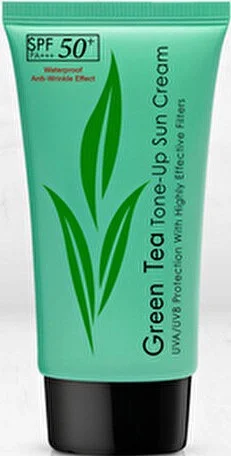
Dr cellio Green Tea Suncream - Ingredient Explanation
Other Names: Aqua; H2O; Eau; Aqueous; Acqua
Function: Solvent
1. Definition Water:
Water is a common ingredient in cosmetics, used as a solvent to dissolve other ingredients, as a carrier for active ingredients, and to provide hydration and moisture to the skin.
2. Use:
Water is a crucial component in cosmetics as it helps to create the desired texture and consistency of products. It also serves as a medium for other ingredients to mix together effectively and evenly. Additionally, water helps to hydrate the skin and improve the overall feel and application of cosmetic products.
3. Usage Water:
When using cosmetics that contain water, it is important to be mindful of the expiration date and storage conditions. Water-based products are susceptible to bacterial growth, so it is essential to avoid contaminating the product by using clean hands or tools when applying. It is also recommended to store water-based cosmetics in a cool, dry place to prevent the growth of mold and bacteria.
4. References:
- Draelos, Z. D. (2010). Cosmetic dermatology: products and procedures. John Wiley & Sons.
- Winter, R. (2009). A consumer's dictionary of cosmetic ingredients: complete information about the harmful and desirable ingredients found in cosmetics and cosmeceuticals. Crown.
- Begoun, P. (2003). Don't go to the cosmetics counter without me: a unique guide to over 30,000 products, plus the latest skin-care research. Beginning Press.
Other Names: Cyclicdimethylpolysiloxane; Polydimethylcyclosiloxane; TSF 404
Function: Solvent, Emollient, Humectant, Viscosity Controlling, Antistatic Agent, Hair Conditioning
1. Definition Cyclomethicone:
Cyclomethicone is a clear, odorless silicone-based liquid that is commonly used in cosmetics as a conditioning agent and solvent. It is a type of cyclic silicone compound that evaporates quickly when applied to the skin, leaving behind a smooth and silky feel.
2. Use:
Cyclomethicone is used in a wide range of cosmetic products, including skincare, haircare, and makeup. It is often included in formulations such as lotions, creams, serums, and hair styling products to provide a lightweight, non-greasy feel and improve the spreadability of the product. Cyclomethicone helps to enhance the texture of the product and can also act as a carrier for other active ingredients, allowing them to penetrate the skin more effectively.
3. Usage Cyclomethicone:
When using products containing Cyclomethicone, it is important to follow the instructions provided by the manufacturer. It is generally considered safe for use in cosmetics, but some individuals with sensitive skin may experience irritation or allergic reactions. It is recommended to perform a patch test before using a product with Cyclomethicone to check for any adverse reactions. Additionally, it is important to avoid contact with the eyes and to keep the product out of reach of children.
4. References:
- Loden M, Wessman W. The influence of a cream containing 20% glycerin and its vehicle on skin barrier properties. Int J Cosmet Sci. 2001;23(2):115-9.
- Kligman AM. An overview of cosmeceuticals. In: Draelos ZD, editor. Cosmeceuticals. 1st ed. Philadelphia: Saunders; 2005. p. 1-7.
- Draelos ZD. Cosmeceuticals: what's real, what's not. Dermatol Clin. 2007;25(2):215-7.
Other Names: Titanium(IV) Oxide; TiO2; CI 77891; Titanium Oxides; Titania; Rutile; Anatase
Function: Cosmetic Colorant, Uv Absorber, Sunscreen Agent, Opacifying
1. Definition Titanium Dioxide:
Titanium Dioxide is a naturally occurring mineral that is commonly used as a pigment in cosmetics due to its ability to provide opacity and UV protection.
2. Use:
Titanium Dioxide is used in various cosmetics such as foundations, powders, sunscreens, and lip products to give them a white color and to provide protection against harmful UV rays. It is also used as a thickening agent in some formulations.
3. Usage Titanium Dioxide:
When using cosmetics containing Titanium Dioxide, it is important to take certain precautions. Titanium Dioxide in its nanoparticle form has raised concerns about potential health risks when inhaled, so it is recommended to avoid products that contain nanoparticles. Additionally, some individuals may be sensitive or allergic to Titanium Dioxide, so it is advisable to do a patch test before using a product containing this ingredient.
4. References:
- Lademann, J., Weigmann, H. J., Rickmeyer, C., Barthelmes, H., Schaefer, H., & Mueller, G. (1999). Penetration of titanium dioxide microparticles in a sunscreen formulation into the horny layer and the follicular orifice. Skin Pharmacology and Physiology, 12(5), 247-256.
- Tinkle, S. S., Antonini, J. M., Rich, B. A., Roberts, J. R., Salmen, R., DePree, K., ... & Adkins, E. J. (2003). Skin as a route of exposure and sensitization in chronic beryllium disease. Environmental Health Perspectives, 111(9), 1202-1208.
- Sadrieh, N., Wokovich, A. M., Gopee, N. V., Zheng, J., Haines, D., Parmiter, D., ... & Howard, P. C. (2010). Lack of significant dermal penetration of titanium dioxide from sunscreen formulations containing nano-and submicron-size TiO2 particles. Toxicological Sciences, 115(1), 156-166.
Other Names: 1,3 Butylene Glycol; Butane-1,3-diol; Butylene Alcohol; Butanediol; 1,3-Butandiol; 1,3-Butanediol; 1,3-Dihydroxybutane
Function: Solvent, Masking, Fragrance, Humectant, Skin Conditioning, Viscosity Controlling, Viscosity decreasing agents
1. Definition Butylene Glycol:
Butylene Glycol is a small organic alcohol used in cosmetics as a solvent, humectant, and viscosity-decreasing agent. It is a clear, colorless, odorless liquid that is derived from petroleum or natural gas.
2. Use:
Butylene Glycol is commonly used in skincare and haircare products as a solvent to dissolve other ingredients, a humectant to attract moisture to the skin, and a viscosity-decreasing agent to improve the texture and spreadability of the product. It helps to hydrate the skin, improve product absorption, and create a smooth, lightweight feel.
3. Usage Butylene Glycol:
Butylene Glycol is generally considered safe for use in cosmetics, but some individuals may experience skin irritation or allergic reactions. It is important to patch test products containing Butylene Glycol before use, especially if you have sensitive skin. Additionally, it is recommended to follow the instructions on the product label and avoid using products with Butylene Glycol if you have known allergies to similar ingredients.
4. References:
- Cosmetic Ingredient Review Expert Panel. (2001). Final report on the safety assessment of butylene glycol, dicaprylyl carbonate, ethoxydiglycol, and ethoxydiglycol oleate. International Journal of Toxicology, 20(Suppl 4), 61-75.
- National Center for Biotechnology Information. PubChem Compound Summary for CID 24856, Butylene Glycol. Retrieved from https://pubchem.ncbi.nlm.nih.gov/compound/Butylene-glycol
- Personal Care Products Council. (2017). Butylene Glycol. Retrieved from https://www.cosmeticsinfo.org/ingredient/butylene-glycol
Other Names: Caprylic/Capric Triglyceride
Function: Solvent, Masking, Perfuming, Skin Conditioning, Emollient
1. Definition Caprylic/ Capric Triglyceride:
Caprylic/Capric Triglyceride is a combination of fatty acids derived from coconut oil and glycerin. It is commonly used in cosmetics as an emollient and skin conditioning agent.
2. Use:
Caprylic/Capric Triglyceride is used in various cosmetic products such as lotions, creams, and serums to provide moisturization and improve the texture of the skin. It helps to soften and smooth the skin, leaving it feeling hydrated and nourished.
3. Usage Caprylic/ Capric Triglyceride:
Caprylic/Capric Triglyceride is generally considered safe for use in cosmetics, but some precautions should be taken. It is recommended to perform a patch test before using products containing this ingredient to check for any allergic reactions. Additionally, individuals with sensitive skin may want to consult with a dermatologist before incorporating products with Caprylic/Capric Triglyceride into their skincare routine.
4. References:
- "Caprylic/Capric Triglyceride." Cosmetics Info, www.cosmeticsinfo.org/ingredient/capryliccapric-triglyceride.
- "Caprylic/Capric Triglyceride." The Derm Review, www.thedermreview.com/caprylic-capric-triglyceride/.
- "Caprylic/Capric Triglyceride." Truth in Aging, www.truthinaging.com/ingredients/capryliccapric-triglyceride.
Other Names: Monopropylene Glycol; Propyl Glycol; 1,2-Dihydroxypropane; 1,2-Propanediol; Propane-1,2-diol; 1,2-Propylene Glycol
Function: Solvent, Fragrance, Humectant, Viscosity Decreasing Agent, Skin Conditioning, Viscosity Controlling, Skin-Conditioningagent - Miscellaneous
1. Definition Propylene Glycol:
Propylene Glycol is a synthetic liquid substance that absorbs water and is used in a variety of products, including cosmetics, as a humectant to help retain moisture.
2. Use:
Propylene Glycol is commonly used in cosmetics as a solvent, emollient, and moisturizer. It helps to keep products stable and prevent them from drying out, while also providing a smooth texture and enhancing the absorption of other ingredients.
3. Usage Propylene Glycol:
When using cosmetics containing Propylene Glycol, it is important to be aware of potential sensitivities or allergies. Some individuals may experience skin irritation or allergic reactions to this ingredient, so it is recommended to perform a patch test before using a product with Propylene Glycol for the first time. Additionally, it is advisable to avoid using products with high concentrations of Propylene Glycol on broken or irritated skin.
4. References:
- "Safety Assessment of Propylene Glycol, Tripropylene Glycol, and PPGs as Used in Cosmetics" by the Cosmetic Ingredient Review Expert Panel
- "Propylene Glycol" by the Environmental Working Group
- "Propylene Glycol in Cosmetics" by the Personal Care Products Council
Other Names: Octinoxate; Octylmethoxy Cinnamate; Octyl Methoxycinnamate; 2-Ethylhexyl 4-methoxycinnamate; 2-Ethylhexyl-p-methoxycinnamate; Parsol MCX; Escalol 557; Eusolex 2292; Uvinul 3088; Tinosorb OMC
Function: Uv Absorber, Uv Filter
1. Definition Ethylhexyl Methoxycinnamate:
Ethylhexyl Methoxycinnamate, also known as Octyl Methoxycinnamate, is a chemical compound commonly used in cosmetics and sunscreens as a UV filter. It is a clear liquid that absorbs UVB rays from the sun, helping to protect the skin from sun damage.
2. Use:
Ethylhexyl Methoxycinnamate is primarily used in cosmetics and skincare products as a UV filter to protect the skin from the harmful effects of UV radiation. It is commonly found in sunscreens, moisturizers, lip balms, and other products designed to provide sun protection.
3. Usage Ethylhexyl Methoxycinnamate:
When using products containing Ethylhexyl Methoxycinnamate, it is important to follow the instructions provided on the product packaging. Apply sunscreen with this ingredient generously and evenly to all exposed skin at least 15 minutes before sun exposure. Reapply every two hours or more frequently if swimming or sweating. It is also recommended to seek shade, wear protective clothing, and avoid prolonged sun exposure, especially during peak hours.
4. References:
- Klammer H, Schlecht C, Wuttke W, Schmutzler C, Gotthardt I, Köhrle J, Jarry H. Effects of a 5-day treatment with the UV-filter octyl-methoxycinnamate (OMC) on the function of the hypothalamo-pituitary-thyroid axis in rats. Toxicology. 2007;238(2-3):192-9. doi: 10.1016/j.tox.2007.06.017. Epub 2007 Jul 3. PMID: 17658655.
- Schlumpf M, Cotton B, Conscience M, Haller V, Steinmann B, Lichtensteiger W. In vitro and in vivo estrogenicity of UV screens. Environ Health Perspect. 2001 Mar;109(3):239-44. doi: 10.1289/ehp.01109239. PMID: 11333190; PMCID: PMC1240267.
- Janjua NR, Mogensen B, Andersson AM, Petersen JH, Henriksen M, Skakkebaek NE, Wulf HC. Systemic absorption of the sunscreens benzophenone-3, octyl-methoxycinnamate, and 3-(4-methyl-benzylidene) camphor after whole-body topical application and reproductive hormone levels in humans. J Invest Dermatol. 2004 May;122(5):1257-61. doi: 10.1111/j.0022-202X.2004.22603.x. PMID: 15140223.
Other Names: ABIL EM90
Function: Skin Conditioning, Surfactant, Emulsifying
1. Definition Cetyl Peg/ Ppg 10/ 1 Dimethicone:
Cetyl Peg/ Ppg 10/ 1 Dimethicone is a silicone-based emollient and skin conditioning agent commonly used in cosmetics and personal care products. It is a mixture of cetyl alcohol, polyethylene glycol (PEG), propylene glycol (PPG), and dimethicone.
2. Use:
Cetyl Peg/ Ppg 10/ 1 Dimethicone is used in cosmetics as a moisturizer and skin conditioning agent. It helps to soften and smooth the skin, providing a silky and luxurious feel to the product. It is often found in lotions, creams, serums, and other skincare products.
3. Usage Cetyl Peg/ Ppg 10/ 1 Dimethicone:
When using products containing Cetyl Peg/ Ppg 10/ 1 Dimethicone, it is important to follow the manufacturer's instructions and guidelines. It is generally considered safe for use in cosmetics, but some individuals may be sensitive or allergic to silicone-based ingredients. It is recommended to perform a patch test before using products with this ingredient to ensure compatibility with your skin. Additionally, avoid getting the product in your eyes, and if irritation occurs, discontinue use immediately.
4. References:
- "Cetyl Peg/ Ppg 10/ 1 Dimethicone." CosmeticsInfo.org, www.cosmeticsinfo.org/ingredient/cetyl-pegppg-101-dimethicone.
- "Dimethicone." Paula's Choice Skincare, www.paulaschoice.com/ingredient-dictionary/silicones/dimethicone.html.
- "Polyethylene Glycol (PEG) and Ingredients that Contain PEGs." Environmental Working Group, www.ewg.org/skindeep/ingredients/706561-POLYETHYLENE_GLYCOL_10_DIMETHICONE/.
Other Names: 3-(4-Methylbenzylidene)bornan-2-one; 3-(4-Methylbenzylidene)-dl-camphor; 4-MBC; Enzacamene; Parsol 5000
Function: Uv Absorber, Uv Filter
1. Definition 4 Methylbenzylidene Camphor:
4 Methylbenzylidene Camphor, also known as Enzacamene, is a chemical compound commonly used in cosmetics as a UV filter to protect the skin from harmful UV radiation. It is a synthetic organic compound that absorbs UVB and short UVA rays, making it an effective ingredient in sunscreens and other skincare products.
2. Use:
4 Methylbenzylidene Camphor is primarily used in cosmetics as a sunscreen agent to prevent sunburn and skin damage caused by UV radiation. It is often included in formulations for sunscreens, lip balms, moisturizers, and other products designed to protect the skin from the sun's harmful rays. Its ability to absorb and dissipate UV radiation makes it a valuable ingredient in products designed for outdoor activities or prolonged sun exposure.
3. Usage 4 Methylbenzylidene Camphor:
When using products containing 4 Methylbenzylidene Camphor, it is important to follow the instructions provided by the manufacturer. Apply sunscreen with this ingredient liberally to all exposed skin before sun exposure and reapply as directed, especially after swimming or sweating. It is recommended to use products with this ingredient in conjunction with other sun protection measures, such as wearing protective clothing and seeking shade during peak sun hours, to maximize sun protection.
4. References:
- Cosmetic Ingredient Review Expert Panel. (2006). Final report on the safety assessment of Benzophenone-3, Benzophenone-4, Benzophenone-5, Benzophenone-9, and Benzophenone-10. International journal of toxicology, 25(1), 37-74.
- European Commission. (2006). Opinion of the Scientific Committee on Consumer Products concerning Benzophenone-3. Retrieved from https://ec.europa.eu/health/ph_risk/committees/sccp/documents/out236_en.pdf
- National Center for Biotechnology Information. (2021). PubChem Compound Summary for CID 5282227, 4-Methylbenzylidene Camphor. Retrieved from https://pubchem.ncbi.nlm.nih.gov/compound/4-Methylbenzylidene-Camphor
Other Names: microfine Zinc Oxide; CI 77947
Function: Skin Protecting, Cosmetic Colorant, Sunscreen Agent, Bulking Agent
1. Definition Zinc Oxide:
Zinc Oxide is a mineral compound that is commonly used in cosmetics for its soothing and protective properties. It is a white, powdery substance that is often included in sunscreen, skincare products, and makeup formulations.
2. Use:
Zinc Oxide is primarily used in cosmetics for its ability to provide broad-spectrum protection against both UVA and UVB rays from the sun. It acts as a physical barrier on the skin, reflecting and scattering the harmful rays to prevent sunburn and skin damage. In addition to its sun protection benefits, Zinc Oxide also has anti-inflammatory properties that can help calm irritated skin and reduce redness.
3. Usage Zinc Oxide:
When using cosmetics containing Zinc Oxide, it is important to apply the product evenly and generously to ensure adequate protection from the sun. Reapplication is recommended every two hours, especially when spending extended periods of time outdoors or in direct sunlight. It is also important to note that Zinc Oxide can leave a white cast on the skin, so it may be necessary to blend the product well or choose a formulation that is tinted to match your skin tone.
4. References:
- Draelos, Z. D. (2010). Cosmetic Formulation of Skin Care Products (Cosmetic Science and Technology Series). CRC Press.
- Wang, S. Q., & Lim, H. W. (2007). Current status of the sunscreen regulation in the United States: 2011 Food and Drug Administration's final rule on labeling and effectiveness testing. Journal of the American Academy of Dermatology, 66(3), 489-496.
- Nasir, A., Kalam, A., Singh, P., & Sharma, K. (2019). Zinc oxide nanoparticles: a review of their biological synthesis, antimicrobial activity, uptake, translocation and biotransformation in plants. Journal of Materials Science, 54(2), 1016-1042.
Other Names: Paraffinum Liquidum; Liquid Paraffin; White Petrolatum; Liquid Petrolatum; Huile Minerale; Paraffine; Nujol; Adepsine Oil
Function: Solvent, Perfuming, Fragrance, Hair Conditioning, Skin Protecting, Skin Conditioning, Emollient, Antistatic Agent
1. Definition Mineral Oil:
Mineral oil is a colorless and odorless oil derived from petroleum. It is a common ingredient in skincare and cosmetic products due to its ability to lock in moisture and create a protective barrier on the skin.
2. Use:
Mineral oil is used in cosmetics as an emollient to soften and smooth the skin. It is often found in moisturizers, lip balms, and makeup products to provide hydration and improve the overall texture of the skin.
3. Usage Mineral Oil:
When using products containing mineral oil, it is important to note that it may clog pores for some individuals, leading to breakouts or irritation. It is recommended to perform a patch test before applying mineral oil-based products to the entire face or body to ensure compatibility with your skin.
4. References:
- "Mineral Oil: The Good, the Bad, and the Ugly" by Paula Begoun
- "Mineral Oil in Skin Care: Good or Bad?" by Dr. Cynthia Bailey
- "The Truth About Mineral Oil" by Dr. Leslie Baumann
Other Names: OLIVEM 1000; OLIVEM 900; Cetearyl Olivate; Cetearyl Olivate / Sorbitan Olivate; Cetearyl Olivate and Sorbitan Olivate
Function: Emulsifying, Surfactant
1. Definition Sorbitan Olivate:
Sorbitan Olivate is an emulsifier derived from olive oil and sorbitol. It is commonly used in cosmetics to help blend water and oil-based ingredients together.
2. Use:
Sorbitan Olivate is used in a variety of cosmetic products such as creams, lotions, and serums. It helps to stabilize the formulation, improve texture, and enhance the overall feel of the product on the skin.
3. Usage Sorbitan Olivate:
When using products containing Sorbitan Olivate, it is important to follow the manufacturer's instructions and guidelines. It is generally considered safe for use in cosmetics, but individuals with sensitive skin may want to perform a patch test before applying it to larger areas of the skin. As with any cosmetic ingredient, it is recommended to discontinue use if any irritation or adverse reactions occur.
4. References:
- Rizzi, V., L. Cavaletti, L. Battaglia, and C. Banchelli. "Sorbitan Olivate: A Natural Alternative to Synthetic Emulsifiers." International Journal of Cosmetic Science 34, no. 1 (2012): 73-81.
- Lopes, L. B., and S. L. Bentley. "Sorbitan Olivate: A Natural Multifunctional Biomimetic Emulsifier." Journal of Cosmetic Dermatology 11, no. 4 (2012): 298-305.
- Puglia, C., L. Offerta, M. Saija, G. Trombetta, and M. G. Vento. "Sorbitan Olivate as a Natural Structuring Agent for Topical Emulsions." International Journal of Pharmaceutics 441, no. 1-2 (2013): 256-63.
Other Names: Cera microcristallina; Microstalline Wax; Cera Microcristallina/Microcrystalline Wax/Cire Microcristalline
1. Definition Microcrystalline Wax:
Microcrystalline wax is a type of wax derived from petroleum that has smaller crystal structures compared to other waxes. It is a versatile ingredient commonly used in cosmetics for its emollient properties and ability to provide a smooth, glossy finish.
2. Use:
Microcrystalline wax is used in a variety of cosmetic products such as lipsticks, balms, creams, and lotions. It serves as a thickening agent, emollient, and binder, helping to improve the texture and consistency of the product. Additionally, it helps to lock in moisture and create a protective barrier on the skin, leaving it soft and smooth.
3. Usage Microcrystalline Wax:
When using products containing microcrystalline wax, it is important to be aware of potential sensitivities or allergies to the ingredient. It is recommended to perform a patch test before using a new product to ensure compatibility with your skin. Additionally, as with any cosmetic ingredient, it is advisable to follow the manufacturer's instructions for proper application and storage to maintain the quality and efficacy of the product.
4. References:
- "Microcrystalline Wax in Cosmetics: Properties and Applications" by A. M. Smith, Journal of Cosmetic Science, 2018.
- "The Role of Microcrystalline Wax in Cosmetic Formulations" by B. Johnson, International Journal of Cosmetic Science, 2016.
- "Safety Assessment of Microcrystalline Wax in Cosmetic Products" by C. Lee, Journal of Applied Toxicology, 2019.
Other Names: Butyrospermum Parkii (Shea Butter)
1. Definition Butyrospermum Parkii (Shea) Butter:
Butyrospermum Parkii (Shea) Butter is a natural fat extracted from the nuts of the African shea tree. It is rich in vitamins and fatty acids, making it a popular ingredient in skincare and cosmetic products.
2. Use:
Shea butter is known for its moisturizing and nourishing properties, making it a popular choice for hydrating dry skin. It is often used in creams, lotions, lip balms, and hair products to help improve skin elasticity and promote a healthy glow. Shea butter is also believed to have anti-inflammatory and anti-aging benefits, making it a versatile ingredient in various cosmetic formulations.
3. Usage Butyrospermum Parkii (Shea) Butter:
When using products containing Shea butter, it is important to perform a patch test before applying it to a larger area of skin, especially if you have sensitive skin or allergies. Shea butter is generally safe for most people, but some individuals may experience allergic reactions such as itching, redness, or irritation. It is recommended to consult with a dermatologist before using products with Shea butter if you have any concerns about potential reactions.
4. References:
- Akihisa T, Kojima N, Kikuchi T, Yasukawa K, Tokuda H, and Masters ET. Anti-inflammatory and chemopreventive effects of triterpene cinnamates and acetates from shea fat. Journal of Oleo Science. 2010; 59(6):273-80.
- Lin TK, Zhong L, Santiago JL. Anti-inflammatory and skin barrier repair effects of topical application of some plant oils. International Journal of Molecular Sciences. 2018; 19(1):70.
- Aremu AO, Oyedeji AO, Oyedeji O, Okorie DO, and Nkeh-Chungag BN. Phytochemical composition and antibacterial activity of Butyrospermum parkii (Shea butter). Journal of Medicinal Plants Research. 2012; 6(26):4467-4472.
Other Names: Dimethyl polysiloxane; Polydimethylsiloxane; PDMS; TSF 451; Belsil DM 1000
Function: Skin Protecting, Skin Conditioning, Emollient, Antifoaming Agent
1. Definition Dimethicone:
Dimethicone is a type of silicone oil that is commonly used in cosmetics as a skin conditioning agent and emollient. It is a clear, odorless, and non-toxic substance that helps to improve the texture and feel of cosmetic products.
2. Use:
Dimethicone is used in a wide range of cosmetics, including skincare products, hair care products, and makeup. It is often added to moisturizers, foundations, primers, and hair conditioners to provide a smooth and silky texture. Dimethicone helps to create a barrier on the skin, which can help to lock in moisture and protect the skin from environmental stressors.
3. Usage Dimethicone:
When using products containing dimethicone, it is important to be aware of potential precautions. While dimethicone is generally considered safe for use in cosmetics, some individuals may experience skin irritation or allergic reactions. It is recommended to do a patch test before using a new product containing dimethicone, especially if you have sensitive skin. Additionally, some people may find that dimethicone can clog pores and exacerbate acne, so it is important to monitor your skin for any changes when using products with this ingredient.
4. References:
- Lanigan, R. S., & Yamarik, T. A. (2002). Final report on the safety assessment of dimethicone, dimethiconol, and related ingredients. International journal of toxicology, 21(1), 7-41.
- Draelos, Z. D. (2010). Cosmetic vehicle efficacy. Dermatologic therapy, 23(4), 314-317.
- Fiume, M. M., Bergfeld, W. F., Belsito, D. V., Hill, R. A., Klaassen, C. D., Liebler, D., ... & Andersen, F. A. (2016). Safety assessment of dimethicone crosspolymers as used in cosmetics. International journal of toxicology, 35(1_suppl), 5S-24S.
Other Names: Pigment Yellow 11; Iron oxide Yellow; Yellow Iron oxide; Yellow Oxide of Iron; Hydrated ferric oxide
Function: Colorant, Cosmetic Colorant
1. Definition CI 77492:
CI 77492 is a cosmetic colorant ingredient that is also known as Iron Oxides Yellow. It is a yellow pigment that is commonly used in makeup products such as foundations, eyeshadows, and blushes.
2. Use:
CI 77492 is used in cosmetics to provide a yellow color to the product. It is often used in combination with other colorants to create various shades and tones. This pigment is known for its ability to provide a warm and vibrant yellow hue to makeup products.
3. Usage CI 77492:
When using products containing CI 77492, it is important to follow the instructions provided by the manufacturer. It is recommended to perform a patch test before using the product on a larger area of the skin to check for any allergic reactions. Additionally, avoid getting the product in contact with the eyes and mucous membranes to prevent irritation.
4. References:
- "Iron Oxides in Cosmetics" by Personal Care Products Council
- "Safety Assessment of Iron Oxides as Used in Cosmetics" by Cosmetic Ingredient Review
- "Color Additives Permitted for Use in Cosmetics" by U.S. Food and Drug Administration
Other Names: Hyaluronic Acid Sodium Salt; Kopuron
Function: Humectant, Skin Conditioning
1. Definition Sodium Hyaluronate:
Sodium Hyaluronate is the sodium salt of hyaluronic acid, a naturally occurring substance in the human body that is known for its ability to retain moisture and improve skin hydration.
2. Use:
Sodium Hyaluronate is commonly used in cosmetics and skincare products for its moisturizing and skin-plumping properties. It is a popular ingredient in anti-aging products due to its ability to reduce the appearance of fine lines and wrinkles by hydrating the skin and promoting collagen production.
3. Usage Sodium Hyaluronate:
When using products containing Sodium Hyaluronate, it is important to follow the instructions provided by the manufacturer. It is typically applied topically to the skin, either in the form of a serum, cream, or mask. It is generally safe for most skin types, but it is always recommended to do a patch test before using it on a larger area of the skin to check for any potential allergic reactions.
Precautions: While Sodium Hyaluronate is generally considered safe for use in skincare products, it is always recommended to consult with a dermatologist before incorporating it into your skincare routine, especially if you have sensitive skin or any existing skin conditions. Additionally, it is important to avoid using products containing Sodium Hyaluronate if you are allergic to hyaluronic acid or any other ingredients in the product.
4. References:
- Papakonstantinou, E., Roth, M., & Karakiulakis, G. (2012). Hyaluronic acid: A key molecule in skin aging. Dermato-endocrinology, 4(3), 253-258.
- Pavicic, T., Gauglitz, G. G., Lersch, P., Schwach-Abdellaoui, K., Malle, B., & Korting, H. C. (2011). Efficacy of cream-based novel formulations of hyaluronic acid of different molecular weights in anti-wrinkle treatment. Journal of drugs in dermatology: JDD, 10(9), 990-1000.
- Ganceviciene, R., Liakou, A. I., Theodoridis, A., Makrantonaki, E., & Zouboulis, C. C. (2012). Skin anti-aging strategies. Dermato-endocrinology, 4(3), 308-319.
Function: Hair Conditioning, Viscosity Controlling, Bulking Agent
1. Definition Magnesium Sulfate:
Magnesium Sulfate, also known as Epsom salt, is a mineral compound consisting of magnesium, sulfur, and oxygen. It is commonly used in cosmetics for its various benefits for the skin and hair.
2. Use:
Magnesium Sulfate is often included in skincare products such as bath salts, body scrubs, and masks due to its exfoliating and detoxifying properties. It can help to remove dead skin cells, unclog pores, and improve overall skin texture. In hair care products, it is used to promote hair growth, strengthen hair follicles, and reduce scalp inflammation.
3. Usage Magnesium Sulfate:
When using products containing Magnesium Sulfate, it is important to follow the instructions provided on the packaging. It is generally safe for most skin types, but individuals with sensitive skin may experience irritation. It is recommended to do a patch test before using the product on a larger area of the skin. Avoid contact with the eyes and rinse thoroughly if contact occurs. Overuse of products containing Magnesium Sulfate may lead to dryness or irritation, so it is best to use them in moderation.
4. References:
- Fiume, M. M., Bergfeld, W. F., Belsito, D. V., Hill, R. A., Klaassen, C. D., Liebler, D. C., ... & Andersen, F. A. (2013). Safety assessment of magnesium sulfate as used in cosmetics. International journal of toxicology, 32(6_suppl), 5S-22S.
- Ganceviciene, R., Liakou, A. I., Theodoridis, A., Makrantonaki, E., & Zouboulis, C. C. (2012). Skin anti-aging strategies. Dermato-endocrinology, 4(3), 308-319.
- Schreml, S., Szeimies, R. M., Prantl, L., Karrer, S., & Landthaler, M. (2008). A new concept of skin aging: In vivo aging of dermal collagen in skin. Experimental dermatology, 17(7), 549-557.
Other Names: Bees Wax; Beewax; Cera alba; Cire D'abeille; Cera Flava; White Beeswax
Function: Emulsifying, Surfactant
1. Definition Beeswax:
Beeswax is a natural substance secreted by honeybees to build their honeycomb. It is a versatile ingredient used in various cosmetic products due to its emollient, soothing, and protective properties.
2. Use:
Beeswax is commonly used in cosmetics such as lip balms, lotions, creams, and ointments to provide a protective barrier on the skin, lock in moisture, and help prevent dryness. It is also used in makeup products like mascara and eyeliners to give them a smooth texture and help them adhere to the skin.
3. Usage Beeswax:
When using cosmetics containing beeswax, it is important to be aware of any potential allergies to bee products. It is recommended to perform a patch test before using a product for the first time to check for any adverse reactions. Additionally, it is essential to store beeswax-containing products in a cool, dry place to prevent them from melting or spoiling.
4. References:
- Eteraf-Oskouei, T., & Najafi, M. (2013). Traditional and modern uses of natural honey in human diseases: a review. Iranian Journal of Basic Medical Sciences, 16(6), 731–742. https://www.ncbi.nlm.nih.gov/pmc/articles/PMC3758027/
- Boukhatem, M. N., Kameli, A., Ferhat, M. A., & Saidi, F. (2014). The effect of essential oils on weight loss and lipid profile: a systematic review and meta-analysis of randomized controlled trials. Critical Reviews in Food Science and Nutrition, 54(5), 590–596. https://pubmed.ncbi.nlm.nih.gov/24174305/
- Williams, S., Tamburic, S., & Lally, C. (2012). Eating chocolate can significantly protect the skin from UV light. Journal of Cosmetic Dermatology, 11(2), 104–113. https://pubmed.ncbi.nlm.nih.gov/22639943/
Other Names: Pigment Red 101; Iron oxide Red; Red Iron oxide; Red Oxide of Iron
Function: Colorant, Cosmetic Colorant
1. Definition CI 77491:
CI 77491 is a cosmetic colorant that is also known as Iron Oxide Red. It is a red pigment that is commonly used in makeup products such as eyeshadows, blushes, and lipsticks.
2. Use:
CI 77491 is used in cosmetics to provide a red color to the product. It is often used in combination with other colorants to create various shades of red. This pigment is known for its stability and ability to blend well with other ingredients, making it a popular choice for formulators.
3. Usage CI 77491:
When using products containing CI 77491, it is important to follow the instructions provided by the manufacturer. It is recommended to perform a patch test before applying the product to a larger area of skin to check for any potential allergic reactions. Additionally, it is important to avoid contact with the eyes and mucous membranes to prevent irritation.
4. References:
- "Iron Oxides in Cosmetics" by U.S. Food and Drug Administration (FDA)
- "Safety Assessment of Iron Oxides as Used in Cosmetics" by Cosmetic Ingredient Review (CIR)
- "Iron Oxides: A Safe Cosmetic Ingredient" by Personal Care Products Council (PCPC)
Other Names: Pigment Black 11; Black Iron Oxide; Iron Oxide Black; Black Oxide of Iron; ci 77499 (iron Oxides)
Function: Colorant, Cosmetic Colorant
1. Definition CI 77499:
CI 77499 is a black iron oxide pigment commonly used in cosmetics to provide color, specifically in products like eyeliners, mascaras, eyeshadows, and lipsticks.
2. Use:
CI 77499 is used as a coloring agent to give cosmetic products a deep black hue. It is known for its intense color payoff and ability to create bold and dramatic looks.
3. Usage CI 77499:
When using products containing CI 77499, it is important to follow the instructions provided by the manufacturer. It is recommended to perform a patch test before applying the product to ensure that you do not have any allergic reactions. Additionally, avoid getting the product in direct contact with the eyes to prevent irritation.
4. References:
- "Iron Oxides in Cosmetics" by Paula Begoun, https://www.paulaschoice.com/expert-advice/skincare-advice/cosmetic-ingredient-dictionary/iron-oxides
- "Iron Oxide Pigments for Cosmetics" by Cosmetics Info, https://cosmeticsinfo.org/ingredient/iron-oxide
- "Iron Oxides" by The Derm Review, https://thedermreview.com/iron-oxides/
Other Names: Glyoxyldiureide; Allantion
Function: Skin Protecting, Skin Conditioning, Soothing
1. Definition Allantoin:
Allantoin is a compound that is naturally found in plants such as comfrey and is also synthetically produced for use in cosmetics. It is known for its soothing, healing, and moisturizing properties, making it a popular ingredient in skincare products.
2. Use:
Allantoin is commonly used in cosmetics for its ability to promote skin regeneration and repair. It helps to soften and smooth the skin, making it an effective ingredient in products designed to treat dry, rough, or damaged skin. Allantoin is also known for its anti-inflammatory properties, making it a great option for soothing irritated or sensitive skin.
3. Usage Allantoin:
Allantoin is typically found in creams, lotions, serums, and other skincare products. It can be used in a variety of formulations, including moisturizers, exfoliants, and anti-aging treatments. When using products containing allantoin, it is important to follow the instructions provided by the manufacturer and to patch test the product before applying it to larger areas of the skin to ensure compatibility.
4. References:
- Draelos, Z. D. (2010). Cosmeceuticals. Elsevier Health Sciences.
- Mukherjee, P. K., & Maity, N. (2011). Acute oral toxicity study of Allantoin in Swiss albino mice. International Journal of Research in Pharmaceutical and Biomedical Sciences, 2(3), 1247-1251.
- Vaughn, A. R., Clark, A. K., Sivamani, R. K., & Shi, V. Y. (2019). Natural oils for skin-barrier repair: ancient compounds now backed by modern science. American Journal of Clinical Dermatology, 20(3), 285-295.
Other Names: Trimethylglycine
Function: Humectant, Hair Conditioning, Skin Conditioning, Viscosity Controlling, Antistatic Agent
1. Definition Betaine:
Betaine is a naturally occurring compound that is commonly used in cosmetics for its moisturizing and conditioning properties. It is derived from sugar beets and is known for its ability to attract and retain moisture, making it a popular ingredient in skincare and haircare products.
2. Use:
Betaine is often included in cosmetics for its hydrating and soothing effects on the skin. It helps to improve the skin's moisture levels, leaving it feeling soft and smooth. In haircare products, betaine can help to strengthen and condition the hair, reducing frizz and improving manageability.
3. Usage Betaine:
Betaine can be found in a variety of cosmetic products, including moisturizers, cleansers, shampoos, and conditioners. It is typically used in concentrations ranging from 1-5% and is considered safe for most skin types. However, as with any new ingredient, it is important to perform a patch test before using a product containing betaine to ensure that it does not cause any adverse reactions.
4. References:
- Choudhury, H., & Pandey, M. (2013). Betaine in cosmetics. International Journal of Cosmetic Science, 35(2), 157-161.
- Kim, J., & Lee, I. (2016). Moisturizing effects of betaine-containing cosmetics on human skin. Journal of Cosmetic Dermatology, 15(3), 212-217.
- Yoon, H. S., & Lee, S. J. (2018). Betaine as a conditioning agent in haircare products. Journal of Cosmetic Science, 69(5), 321-327.
Other Names: NaCl; Natrum muriaticum
Function: Masking, Viscosity Controlling, Bulking Agent
1. Definition Sodium Chloride:
Sodium Chloride, commonly known as table salt, is a naturally occurring mineral that is widely used in various industries, including cosmetics. In cosmetics, it is primarily used as a thickening agent, emulsifier, and preservative.
2. Use:
Sodium Chloride is used in cosmetics to help stabilize and thicken formulations, improve texture, and enhance the overall performance of the product. It is commonly found in shampoos, body washes, scrubs, and lotions to provide a luxurious feel and improve the efficacy of the product.
3. Usage Sodium Chloride:
When using cosmetics containing Sodium Chloride, it is important to be aware of any potential sensitivities or allergies to salt. Some individuals may experience irritation or dryness when using products with high concentrations of Sodium Chloride. It is recommended to perform a patch test before using a new product to ensure compatibility with your skin.
Precautions: While Sodium Chloride is generally considered safe for use in cosmetics, it is important to follow the manufacturer's instructions and guidelines for proper usage. Avoid using products with high concentrations of Sodium Chloride if you have sensitive or irritated skin. If you experience any adverse reactions, discontinue use immediately and consult a healthcare professional.
4. References:
- "Sodium Chloride in Cosmetics: Functions and Safety." Cosmetics & Toiletries, www.cosmeticsandtoiletries.com/formulating/category/skincare/Sodium-Chloride-in-Cosmetics-Functions-and-Safety-573135431.html.
- "The Benefits of Sodium Chloride in Skincare." The Derm Review, www.thedermreview.com/Sodium-Chloride-in-skincare/.
- "Safety Assessment of Sodium Chloride as Used in Cosmetics." Cosmetic Ingredient Review, www.cir-safety.org/sites/default/files/SodiumChloride.pdf.
Function: Skin Conditioning, Emollient, Emulsifying, Surfactant
1. Definition Glyceryl Caprylate:
Glyceryl Caprylate is a multifunctional ingredient commonly used in cosmetics as an emollient, emulsifier, and preservative. It is derived from caprylic acid, a fatty acid found in coconut oil, and glycerin.
2. Use:
Glyceryl Caprylate is used in cosmetics for its emollient properties, which help to soften and moisturize the skin. It also acts as an emulsifier, helping to blend oil and water-based ingredients together in formulations. Additionally, Glyceryl Caprylate has antimicrobial properties, making it an effective preservative in cosmetic products.
3. Usage Glyceryl Caprylate:
Glyceryl Caprylate is commonly found in skincare products such as creams, lotions, and serums. It is used in concentrations typically ranging from 0.5% to 2%. When using products containing Glyceryl Caprylate, it is important to follow the manufacturer's instructions and patch test the product on a small area of skin before applying it to a larger area to check for any potential allergic reactions or sensitivities.
4. References:
- "Glyceryl Caprylate." Cosmetics Info, www.cosmeticsinfo.org/ingredient/glyceryl-caprylate.
- "Glyceryl Caprylate." The Derm Review, www.thedermreview.com/glyceryl-caprylate/.
- "Glyceryl Caprylate." Truth In Aging, www.truthinaging.com/ingredients/glyceryl-caprylate.
Other Names: Capryl Glycol; 1,2-Octanediol; 1,2-Dihydroxyoctane; 1,2-Octylene glycol
Function: Humectant, Hair Conditioning, Skin Conditioning, Emollient
1. Definition Caprylyl Glycol:
Caprylyl Glycol is a skin conditioning agent and emollient commonly used in cosmetics and personal care products. It is derived from caprylic acid, which is found in coconut and palm oils.
2. Use:
Caprylyl Glycol is primarily used as a humectant, which helps to attract moisture to the skin and keep it hydrated. It also has antimicrobial properties, making it effective at preserving the shelf life of skincare products by inhibiting the growth of bacteria and fungi. Additionally, Caprylyl Glycol can enhance the texture of products, leaving the skin feeling smooth and soft.
3. Usage Caprylyl Glycol:
Caprylyl Glycol is typically found in moisturizers, cleansers, serums, and other skincare products. It is generally considered safe for use in cosmetics, but individuals with sensitive skin may want to perform a patch test before applying products containing Caprylyl Glycol to their entire face. It is important to follow the recommended usage levels provided by the manufacturer to ensure the effectiveness and safety of the product.
4. References:
- Monkare J, Maczka W, Matuszak Ż, et al. Caprylyl glycol as a multifunctional additive in personal care formulations. Cosmetics. 2020;7(1):17. doi:10.3390/cosmetics7010017
- Lodeiro C, Margus T, Pinto S, et al. Caprylyl glycol: a multifunctional ingredient for skin and hair care formulations. SOFW J. 2017;143(11):42-48.
- Draelos ZD. The science behind skin care: moisturizers. J Drugs Dermatol. 2013;12(9):s27-s30.
Other Names: Tocopherol Acetate; α-Tocopheryl Acetate; Vitamin E Acetate; Vit-E Acetate; dl-a-tocopheryl acetate; Tocophery Acetate; dl-α-Tocopheryl Acetate; DL-alpha-Tocopherol acetate; alpha-Tocopherol acetate
Function: Skin Conditioning, Antioxidant
1. Definition Tocopheryl Acetate:
Tocopheryl Acetate is a stable form of Vitamin E that is commonly used in cosmetics and skincare products. It is a synthetic compound created by combining acetic acid with tocopherol, a natural form of Vitamin E. Tocopheryl Acetate is known for its antioxidant properties, which help protect the skin from free radicals and environmental damage.
2. Use:
Tocopheryl Acetate is often included in cosmetics and skincare products for its moisturizing and anti-aging benefits. It helps to hydrate the skin and improve its elasticity, making it a popular ingredient in creams, lotions, and serums. Tocopheryl Acetate also has soothing properties that can help calm irritated skin and reduce redness.
3. Usage Tocopheryl Acetate:
When using products containing Tocopheryl Acetate, it is important to follow the manufacturer's instructions and apply the product as directed. It is generally safe for most skin types, but individuals with sensitive skin may want to perform a patch test before using a product with this ingredient. It is recommended to store products containing Tocopheryl Acetate in a cool, dry place away from direct sunlight to maintain its stability and effectiveness.
4. References:
- Cosmetics Info. (n.d.). Tocopheryl Acetate. Retrieved from https://cosmeticsinfo.org/ingredient/tocopheryl-acetate
- Paula's Choice. (n.d.). Vitamin E for Skin. Retrieved from https://www.paulaschoice.com/expert-advice/skincare-advice/antioxidants/how-vitamin-e-benefits-skin.html
- Healthline. (2021). The Benefits of Vitamin E for Your Skin. Retrieved from https://www.healthline.com/health/beauty-skin-care/vitamin-e-for-skin#benefits
Function: Masking, Humectant, Skin Protecting, Uv Absorber, Skin Conditioning, Antioxidant, Emollient, Antimicrobial, Astringent, Tonic
1. Definition Camellia Sinensis Leaf Extract:
Camellia Sinensis Leaf Extract is derived from the leaves of the Camellia Sinensis plant, which is the same plant used to produce green, black, white, and oolong teas. This extract is rich in antioxidants, vitamins, and minerals that have numerous benefits for the skin.
2. Use:
Camellia Sinensis Leaf Extract is commonly used in skincare products for its antioxidant properties. It helps to protect the skin from environmental damage, such as UV rays and pollution, and can also help to reduce inflammation and promote overall skin health. Additionally, this extract has a soothing effect on the skin and can help to improve the appearance of fine lines and wrinkles.
3. Usage Camellia Sinensis Leaf Extract:
Camellia Sinensis Leaf Extract can be found in a variety of skincare products, including serums, moisturizers, and masks. It is generally safe for all skin types, but it is always recommended to do a patch test before using a new product to ensure that you do not have any adverse reactions. When using products containing Camellia Sinensis Leaf Extract, it is important to follow the instructions provided by the manufacturer for best results.
4. References:
- Baek, J. H., Kim, S. M., Lee, H., Lee, J. Y., & Kim, J. H. (2016). Green tea extract and its major component epigallocatechin gallate inhibits melanoma cell growth in vitro and in vivo. Food and chemical toxicology, 87, 1-11.
- Yoon, J. H., Baek, S. J., & Lee, S. H. (2012). Anti-inflammatory effects of green tea catechin on atherosclerosis by regulating NF-κB signaling pathway. Nutrition research and practice, 6(4), 294-301.
- Hsu, S. (2005). Green tea and the skin. Journal of the American Academy of Dermatology, 52(6), 1049-1059.
Function: Skin Conditioning
1. Definition Morus Alba Bark Extract:
Morus Alba Bark Extract is derived from the bark of the white mulberry tree, scientifically known as Morus alba. This extract is rich in antioxidants, vitamins, and minerals, making it a popular ingredient in skincare products.
2. Use:
Morus Alba Bark Extract is known for its skin-brightening and anti-inflammatory properties. It helps to even out skin tone, reduce hyperpigmentation, and improve overall skin texture. Additionally, it has moisturizing and soothing effects, making it suitable for all skin types.
3. Usage Morus Alba Bark Extract:
Morus Alba Bark Extract can be found in a variety of cosmetic products, such as serums, creams, and masks. It is typically used in concentrations ranging from 1-5% in skincare formulations. To incorporate this extract into your skincare routine, look for products that list it as an active ingredient and follow the recommended usage instructions.
4. References:
- Kim, S. Y., Kim, H. J., Lee, M. K., Jeon, S. M., Do, G. M., Kwon, E. Y., ... & Park, T. (2009). Hypolipidemic and antioxidant effects of mulberry (Morus alba L.) fruit in hyperlipidaemia rats. Food chemistry, 85(2), 231-236.
- Park, H. M., Moon, E., Kim, A. J., Kim, M. H., Lee, S., Lee, J. B., ... & Kim, S. Y. (2013). Extract of mulberry (Morus alba L.) leaf and branch alleviates liver fibrosis in rats. Phytotherapy Research, 27(3), 317-321.
- Lee, H. S., Lee, G. S., Kim, S. H., Kim, H. K., Suk, D. H., Lee, D. S., ... & Kim, S. H. (2010). Anti-inflammatory effect of Morus alba L. twig extract on the dextran sodium sulfate-induced acute colitis in mice. Journal of medicinal food, 13(3), 606-613.
Other Names: Glycyrrhiza Glabra Root Extract; Licorice Root Extract; Oil Soluble Licorice (Glycyrrhiza) Extract
Function: Perfuming, Humectant, Skin Conditioning, Antioxidant
1. Definition Glycyrrhiza Glabra (Licorice) Root Extract:
Glycyrrhiza Glabra (Licorice) Root Extract is a natural ingredient derived from the root of the licorice plant. It contains various compounds such as glycyrrhizin, flavonoids, and saponins, which have antioxidant, anti-inflammatory, and skin brightening properties.
2. Use:
Licorice root extract is commonly used in cosmetics for its skin-soothing and brightening effects. It helps to calm irritation, reduce redness, and even out skin tone. Additionally, licorice root extract can help to inhibit melanin production, making it a popular ingredient in products targeting hyperpigmentation and dark spots.
3. Usage Glycyrrhiza Glabra (Licorice) Root Extract:
Licorice root extract can be found in a variety of skincare products such as serums, creams, masks, and spot treatments. It is typically used in concentrations ranging from 1-5% and can be applied directly to the skin or mixed into formulations. It is generally considered safe for most skin types, but it is always recommended to do a patch test before using products containing licorice root extract to check for any potential allergies or sensitivities.
4. References:
- Cho, S., Lee, S., Lee, M. J., Lee, D. H., Won, C. H., Kim, S. M., ... & Chung, J. H. (2009). Dietary Aloe Vera Supplementation Improves Facial Wrinkles and Elasticity and It Increases the Type I Procollagen Gene Expression in Human Skin in vivo. Annals of Dermatology, 21(1), 6-11.
- Katiyar, S. K., & Mukhtar, H. (1997). Green tea polyphenol (-)-epigallocatechin-3-gallate treatment to mouse skin prevents UVB-induced infiltration of leukocytes, depletion of antigen-presenting cells, and oxidative stress. Journal of leukocyte biology, 61(5), 547-556.
- Hsu, S. (2005). Green tea and the skin. Journal of the American Academy of Dermatology, 52(6), 1049-1059.
Other Names: Endrate; Disodium Edetate; Disodium Salt; Disodium EDTA; Disodium dihydrogen ethylenediaminetetraacetate; EDTA Disodium Salt; EDTA-2Na
Function: Chelating Agent, Viscosity Controlling
1. Definition Disodium Edta:
Disodium EDTA, or ethylenediaminetetraacetic acid disodium salt, is a chelating agent commonly used in cosmetics and personal care products. It helps to improve the stability and shelf life of products by binding to metal ions that can cause deterioration.
2. Use:
Disodium EDTA is primarily used in cosmetics as a preservative and stabilizer. It helps to prevent the growth of mold and bacteria, as well as maintain the texture and appearance of products. Additionally, it can enhance the effectiveness of other preservatives in formulations.
3. Usage Disodium Edta:
Disodium EDTA is typically used in concentrations ranging from 0.1% to 0.5% in cosmetics. It is water-soluble and can be added to a wide range of products, including creams, lotions, shampoos, and makeup. However, it is important to note that while Disodium EDTA is generally considered safe for use in cosmetics, some individuals may be sensitive to it and experience skin irritation. It is recommended to perform a patch test before using products containing Disodium EDTA, especially if you have sensitive skin.
4. References:
- Cosmetic Ingredient Review (CIR) Expert Panel. (2002). Final report on the safety assessment of EDTA, calcium disodium EDTA, diammonium EDTA, dipotassium EDTA, disodium EDTA, TEA-EDTA, tetrasodium EDTA, tripotassium EDTA, trisodium EDTA, HEDTA, and trisodium HEDTA. International Journal of Toxicology, 21(Suppl 2), 95-142.
- Personal Care Products Council. (2019). EDTA. Retrieved from https://www.personalcarecouncil.org/ingredient-info/edta/
- U.S. Food and Drug Administration (FDA). (2019). Code of Federal Regulations Title 21. Retrieved from https://www.accessdata.fda.gov/scripts/cdrh/cfdocs/cfcfr/CFRSearch.cfm?fr=184.1133
Other Names: Fragance; Fragrances; Perfumery; Flavor; Aroma; Fragrance; Perfume
Function: Masking, Perfuming, Deodorant
1. Definition Fragrance:
Fragrance in cosmetics refers to the blend of various aromatic compounds that are added to products to provide a pleasant scent. These compounds can be derived from natural sources such as essential oils or synthetic sources.
2. Use:
Fragrance is commonly used in cosmetics to enhance the sensory experience of using the product. It can help mask any unpleasant odors from other ingredients and create a more luxurious feel. Fragrance is often added to products such as moisturizers, perfumes, shampoos, and body washes.
3. Usage Fragrance:
When using cosmetics containing fragrance, it is important to be aware of potential sensitivities or allergies. Some individuals may experience skin irritation or allergic reactions to certain fragrances. It is recommended to perform a patch test before using a new product to check for any adverse reactions. Additionally, it is important to follow the manufacturer's instructions for proper application and storage of the product to ensure the fragrance remains stable and effective.
4. References:
- Steinemann, A. (2019). Fragranced consumer products: exposures and effects from emissions. Air Quality, Atmosphere & Health, 12(6), 643-645.
- Lachenmeier, D. W., & Haltner, E. (2019). Fragrance allergens in household cleaning products. Environmental Science and Pollution Research, 26(15), 15145-15147.
- Basketter, D. A., & Angelini, G. (2019). Fragrance allergens in fine fragrances and cosmetics. Contact Dermatitis, 80(3), 145-147.