


Analysis locked
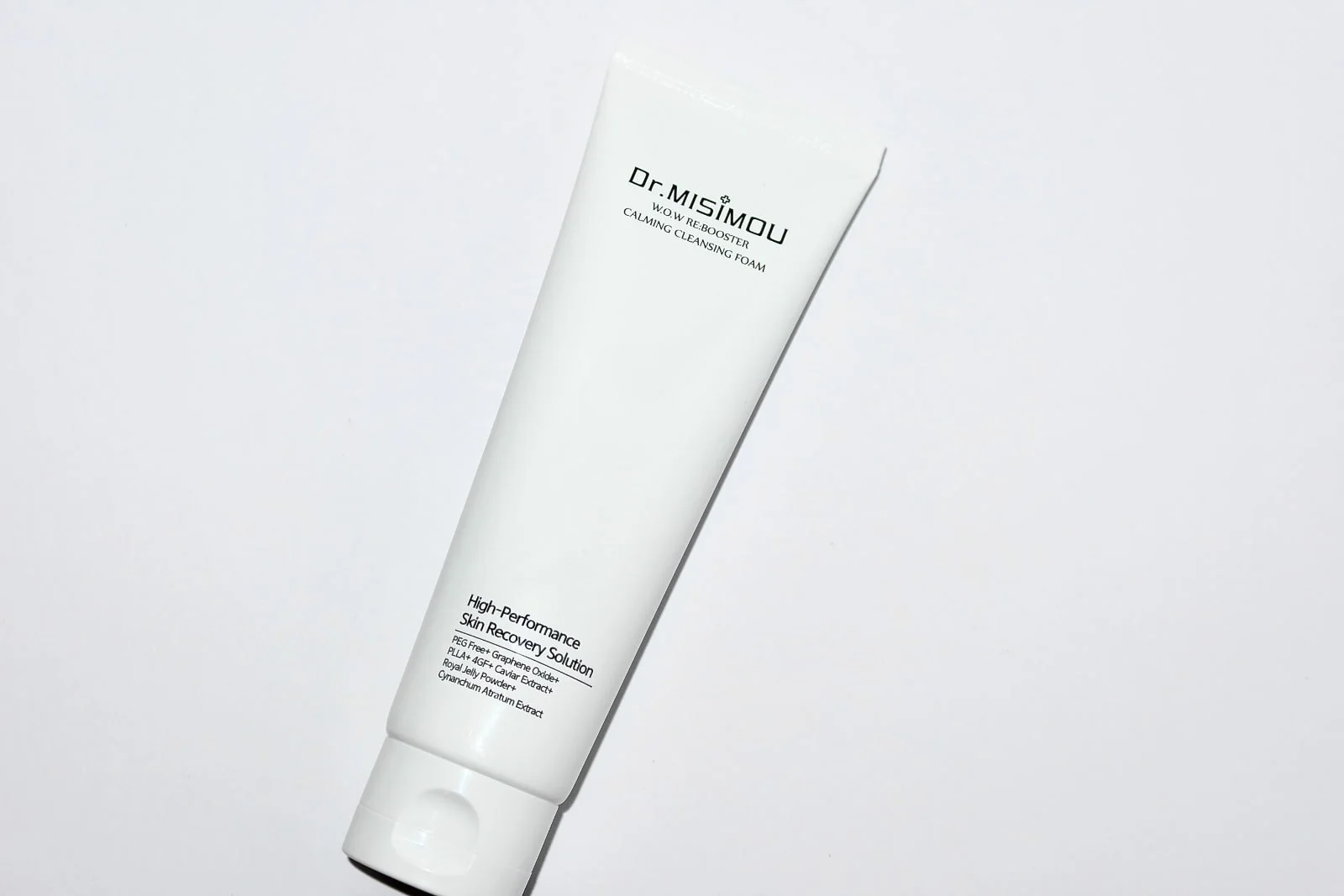
How well does your skin match with Dr Misimou Wow Re:booster Washing Foam?
Login to see detailsOr continue via
Quick 1-minute survey • Completely free
Ingredients
Analysis results of Ingredients


Ingredient List
| EWG | CIR | Ingredient Name & Cosmetic Function | Notes |
|---|---|---|---|
| 1 | - | (Solvent) | |
| 1 | A | (Perfuming, Fragrance, Opacifying, Emulsifying, Sufactant) |  Bad for oily skin Bad for oily skin  Fungal Acne Trigger Cleansing Fungal Acne Trigger Cleansing |
| 1 | A | (Fragrance, Opacifying, Emollient, Sufactant) | Bad for oily skin Fungal Acne Trigger |
| 1 | A | (Masking, Fragrance, Emulsion Stabilising, Emulsifying, Sufactant, Refatting) | Bad for oily skin Fungal Acne Trigger Cleansing |
| 1 2 | A | (Solvent, Perfuming, Fragrance, Humectant, Viscosity Decreasing Agent, Hair Conditioning, Skin Protecting, Denaturant ) |  Good for dry skin Moisturizing Good for dry skin Moisturizing |
| 1 | - | (Skin Conditioning, Masking, Skin Protecting) | Moisturizing |
| 2 5 | B | (pH adjusting agent, pH adjusting agent) | |
| 1 | A | (Solvent, Masking, Fragrance, Humectant, Skin Conditioning, Viscosity Controlling, Viscosity decreasing agents) | Good for dry skin |
| 1 | B | (Hair Conditioning, Antistatic Agent, Surfactant) | Cleansing |
| 1 | - | (Solvent) | |
| 1 | A | (Solvent) | |
| 2 | B | (Emulsion Stabilising, Surfactant, Cleansing) | Cleansing |
| 1 | A | (Emollient, Emulsifying) | Fungal Acne Trigger Cleansing |
| 1 | B | (Skin Conditioning, Emollient, Surfactant, Emulsifying) | Cleansing |
| 1 | B | (Surfactant, Emulsifying) | Cleansing |
| 1 | B | (Skin Conditioning, Emollient, Surfactant, Emulsifying) | Cleansing |
| 1 | B | (Skin Conditioning, Surfactant, Emulsifying) | Fungal Acne Trigger Cleansing |
| 1 | - | (Skin Conditioning, Emollient, Surfactant, Emulsifying) | Cleansing |
| 1 | A | (Opacifying, Emollient, Viscosity Controlling, Viscosity Increasing Agent, Emulsion Stabilising, Emulsifying, Foam Boosting, Viscosity Increasingagent - Aqueous) | Cleansing |
| 1 | - | (Solvent) | |
| 1 | A | (Antistatic Agent, Film Forming, Hair Fixing) | |
| - | - | Graphene Oxide | |
| 1 | - | (Abrasive) | |
| 1 | - | | |
| - | - | (Skin Conditioning) | |
| 1 | - | (Skin Conditioning, Exclusive) | |
| 1 | - | (Tonic) | |
| 1 | A | (Viscosity Controlling, Viscosity Increasing Agent, Binding Agent, Binding, Absorbent, Bulking Agent) | |
| 1 | - | (Skin Conditioning, Drug Astringent - Skin Protecting) |  Good for oily skin Good for oily skin |
| 1 | - | (Skin Conditioning) | |
| - | - | (Skin Conditioning) | |
| - | - | (Skin Conditioning) | |
| - | - | (Masking, Hair Conditioning) | |
| 1 | - | (Humectant, Astringent, Soothing) | |
| 1 | - | (Skin Conditioning) | |
| 1 | - | (Skin Conditioning, Humectant) | |
| 1 | A | (Hair Conditioning, Skin Conditioning, Emollient, Viscosity Controlling) | Fungal Acne Trigger |
| 2 | - | (Skin Conditioning, Antifoaming Agent) | |
| 1 | A | (Fragrance, Emulsifying) | Bad for oily skin Fungal Acne Trigger Cleansing |
| 2 3 | A | (Solvent, Viscosity Controlling, Viscosity Decreasing Agent, Propellant agent) | |
| 2 3 | A | (Skin Conditioning, Antioxidant) | Anti Aging |
| 1 | A | (Chelating Agent, Viscosity Controlling) | |
| 1 | - | (Skin Conditioning, Emollient) | |
| 1 | A | (Solvent, Masking, Emollient, Fragrance, Film Forming, Plasticizer) | |
| 1 | A | (Humectant, Skin Conditioning) | Good for dry skin Promotes Wound Healing |
| 1 | A | (Humectant, Hair Conditioning, Skin Conditioning, Emollient) | |
| 1 | - | (Viscosity Controlling, Emulsion Stabilising, Film Forming) | |
| 1 | A | (Skin Conditioning, Masking, Fragrance, Antistatic Agent, Hair Conditioning) | |
| 2 | A | (Deodorant, Skin Conditioning) | |
Dr Misimou Wow Re:booster Washing Foam - Ingredient Explanation
Water (Aqua)
1. Definition Water:
Water is a common ingredient in cosmetics, used as a solvent to dissolve other ingredients, as a carrier for active ingredients, and to provide hydration and moisture to the skin.2. Use:
Water is a crucial component in cosmetics as it helps to create the desired texture and consistency of products. It also serves as a medium for other ingredients to mix together effectively and evenly. Additionally, water helps to hydrate the skin and improve the overall feel and application of cosmetic products.3. Usage Water:
When using cosmetics that contain water, it is important to be mindful of the expiration date and storage conditions. Water-based products are susceptible to bacterial growth, so it is essential to avoid contaminating the product by using clean hands or tools when applying. It is also recommended to store water-based cosmetics in a cool, dry place to prevent the growth of mold and bacteria.4. References:
- Draelos, Z. D. (2010). Cosmetic dermatology: products and procedures. John Wiley & Sons.
- Winter, R. (2009). A consumer's dictionary of cosmetic ingredients: complete information about the harmful and desirable ingredients found in cosmetics and cosmeceuticals. Crown.
- Begoun, P. (2003). Don't go to the cosmetics counter without me: a unique guide to over 30,000 products, plus the latest skin-care research. Beginning Press.
Myristic Acid
1. Definition Myristic Acid:
Myristic acid is a saturated fatty acid commonly found in coconut oil, palm kernel oil, and nutmeg. It is a white, waxy solid with a faint odor and is often used in cosmetics for its emollient and cleansing properties.2. Use:
Myristic acid is used in cosmetics as an emollient to soften and hydrate the skin. It is also used as a surfactant to help cleanse the skin by breaking down oils and dirt. Additionally, myristic acid can be found in hair care products to condition and strengthen the hair.3. Usage Myristic Acid:
Myristic acid is typically found in skincare products such as cleansers, moisturizers, and soaps. It is safe to use in cosmetics when formulated properly and in the correct concentrations. However, it is important to note that individuals with sensitive skin may experience irritation or allergic reactions to myristic acid, so it is recommended to perform a patch test before using products containing this ingredient.4. References:
- Lautenschläger, H. (2010). Myristic Acid. Retrieved from https://www.skincarisma.com/ingredients/myristic-acid
- Pazyar, N., Yaghoobi, R., & Bagherani, N. (2014). A review of applications of tea tree oil in dermatology. International Journal of Dermatology, 53(7), 784-790.
- Mukherjee, S., & Date, A. (2011). Patented sunscreen compositions based on natural materials. Recent Patents on Drug Delivery & Formulation, 5(1), 1-10.
Palmitic Acid
1. Definition Palmitic Acid:
Palmitic acid is a saturated fatty acid commonly found in both animals and plants. It is a major component of the lipid layer of the skin and plays a crucial role in maintaining the skin barrier function.2. Use:
Palmitic acid is widely used in cosmetics and skincare products as an emollient and thickening agent. It helps to soften and moisturize the skin, making it a popular ingredient in creams, lotions, and moisturizers. Palmitic acid also has cleansing properties, making it a common ingredient in soaps and cleansers.3. Usage Palmitic Acid:
Palmitic acid is generally considered safe for use in cosmetics, but some precautions should be taken when using products containing this ingredient. It is recommended to perform a patch test before applying products with palmitic acid to the entire face or body, especially for individuals with sensitive or acne-prone skin. Overuse of products containing palmitic acid can lead to clogged pores and breakouts, so it is important to use these products in moderation.4. References:
- Sivakumar, G., & Sivakumar, R. (2016). Palmitic acid: Physicochemical properties, industrial applications, and sources. Journal of the American Oil Chemists' Society, 93(2), 197-212.
- Lin, T. K., Zhong, L., & Santiago, J. L. (2017). Anti-inflammatory and skin barrier repair effects of topical application of some plant oils. International Journal of Molecular Sciences, 19(1), 70.
- Papakonstantinou, E., Roth, M., & Karakiulakis, G. (2012). Hyaluronic acid: A key molecule in skin aging. Dermato-endocrinology, 4(3), 253-258.
Stearic Acid
1. Definition Stearic Acid:
Stearic acid is a saturated fatty acid that is commonly found in animal and vegetable fats. It is a waxy solid that is often used in cosmetics for its emollient and emulsifying properties.2. Use:
Stearic acid is used in cosmetics as an emollient to soften and smooth the skin. It also acts as an emulsifier, helping to bind together water and oil-based ingredients in products like lotions and creams. Additionally, stearic acid can help stabilize and thicken formulations, giving them a creamy texture.3. Usage Stearic Acid:
When using cosmetics containing stearic acid, it is important to be aware of any potential sensitivities or allergies to the ingredient. Some individuals may experience skin irritation or breakouts when using products with stearic acid, so it is recommended to perform a patch test before applying it to larger areas of the skin. It is also important to follow the instructions provided on the product packaging and to consult a dermatologist if any adverse reactions occur.4. References:
- Pumori Saokar Telang, Ashish Gupta, and Nidhi Choudhary. (2016). Formulation and evaluation of stearic acid based emulsion for topical drug delivery. International Journal of Pharmaceutical Sciences and Research.
- M. C. Gohel, S. P. Amin, and M. J. B. Shah. (2008). Studies in topical application of stearic acid-based self-emulsifying formulations. Drug Development and Industrial Pharmacy.
- A. J. Ogunjimi, J. A. Akin-Ajani, and O. A. Odeku. (2016). Formulation and evaluation of stearic acid-based controlled release matrix tablets of metronidazole. Tropical Journal of Pharmaceutical Research.
Glycerin
1. Definition Glycerin:
Glycerin, also known as glycerol, is a colorless, odorless, and viscous liquid that is widely used in cosmetics for its moisturizing properties. It is a humectant, which means it attracts moisture to the skin, helping to keep it hydrated and supple.
2. Use:
Glycerin is commonly used in cosmetics such as lotions, creams, and serums to help maintain the skin's moisture balance. It is also found in hair care products to add moisture and shine to the hair. Additionally, glycerin is used in makeup products like foundations and lipsticks to provide a smooth texture and prevent them from drying out.
3. Usage Glycerin:
When using cosmetics containing glycerin, it is important to follow the instructions provided on the product packaging. Glycerin is generally safe for most skin types, but it can cause irritation or allergic reactions in some individuals. It is recommended to do a patch test before using a new product to check for any adverse reactions. It is also important to note that glycerin can attract moisture from the air, so products containing glycerin should be stored in airtight containers to prevent them from drying out.
4. References:
- Draelos, Z. D. (2010). Cosmetic Formulation of Skin Care Products. John Wiley & Sons.
- Loden, M., & Maibach, H. I. (2006). Dry Skin and Moisturizers: Chemistry and Function. CRC Press.
- Winter, R. (2009). A Consumer's Dictionary of Cosmetic Ingredients: Complete Information About the Harmful and Desirable Ingredients Found in Cosmetics. Harmony.
Rosa Damascena Flower Water
1. Definition Rosa Damascena Flower Water:
Rosa Damascena Flower Water, also known as rose water, is a fragrant water made by distilling rose petals. It is commonly used in cosmetics for its soothing and hydrating properties.2. Use:
Rosa Damascena Flower Water is often used in cosmetics as a natural toner and astringent. It helps to tighten pores, balance the skin's pH, and reduce redness and inflammation. Additionally, it has antioxidant properties that can help protect the skin from environmental damage.3. Usage Rosa Damascena Flower Water:
Rosa Damascena Flower Water can be used in a variety of ways in skincare routines. It can be applied directly to the skin after cleansing as a toner, or mixed with other ingredients to create DIY face masks, mists, or serums. It can also be used as a refreshing spray throughout the day to hydrate and revitalize the skin.Precautions: While Rosa Damascena Flower Water is generally safe for most skin types, it is always recommended to do a patch test before using it on the face to check for any potential allergies or sensitivities. If irritation occurs, discontinue use immediately.
4. References:
- Tabassum, N., & Hamdani, M. (2014). Plants used in cosmetics. Phytopharmacology, 5(2), 133-143.
- Riaz, A., & Rasul, A. (2013). Rose water: a natural gift for skincare. International Journal of Chemical and Biochemical Sciences, 4(2), 62-67.
- Boskabady, M. H., Shafei, M. N., Saberi, Z., & Amini, S. (2011). Pharmacological effects of Rosa damascena. Iranian Journal of Basic Medical Sciences, 14(4), 295-307.
Potassium Hydroxide
1. Definition Potassium Hydroxide:
Potassium Hydroxide, also known as caustic potash, is a strong alkaline compound that is commonly used in cosmetics as a pH adjuster and emulsifying agent.2. Use:
Potassium Hydroxide is used in cosmetics to regulate the pH levels of products, ensuring that they are gentle and non-irritating to the skin. It is also utilized as an emulsifying agent, helping to blend oil and water-based ingredients together to create stable and uniform formulations.3. Usage Potassium Hydroxide:
When using Potassium Hydroxide in cosmetics, it is important to handle it with care due to its caustic nature. Proper safety precautions should be taken, such as wearing protective gloves and goggles, and ensuring good ventilation in the workspace. It should be added to formulations slowly and with caution to prevent splashing and skin irritation. Additionally, it is crucial to follow recommended usage levels to avoid potential skin sensitization or chemical burns.4. References:
- "Potassium Hydroxide." Cosmetics Info, cosmeticsinfo.org/ingredient/potassium-hydroxide.
- "Potassium Hydroxide in Cosmetics." Truth In Aging, truthinaging.com/ingredients/potassium-hydroxide.
- "Safety Assessment of Potassium Hydroxide as Used in Cosmetics." Cosmetic Ingredient Review, cir-safety.org/sites/default/files/potassium.pdf.
Butylene Glycol
1. Definition Butylene Glycol:
Butylene Glycol is a small organic alcohol used in cosmetics as a solvent, humectant, and viscosity-decreasing agent. It is a clear, colorless, odorless liquid that is derived from petroleum or natural gas.2. Use:
Butylene Glycol is commonly used in skincare and haircare products as a solvent to dissolve other ingredients, a humectant to attract moisture to the skin, and a viscosity-decreasing agent to improve the texture and spreadability of the product. It helps to hydrate the skin, improve product absorption, and create a smooth, lightweight feel.3. Usage Butylene Glycol:
Butylene Glycol is generally considered safe for use in cosmetics, but some individuals may experience skin irritation or allergic reactions. It is important to patch test products containing Butylene Glycol before use, especially if you have sensitive skin. Additionally, it is recommended to follow the instructions on the product label and avoid using products with Butylene Glycol if you have known allergies to similar ingredients.4. References:
- Cosmetic Ingredient Review Expert Panel. (2001). Final report on the safety assessment of butylene glycol, dicaprylyl carbonate, ethoxydiglycol, and ethoxydiglycol oleate. International Journal of Toxicology, 20(Suppl 4), 61-75.
- National Center for Biotechnology Information. PubChem Compound Summary for CID 24856, Butylene Glycol. Retrieved from https://pubchem.ncbi.nlm.nih.gov/compound/Butylene-glycol
- Personal Care Products Council. (2017). Butylene Glycol. Retrieved from https://www.cosmeticsinfo.org/ingredient/butylene-glycol
Sodium Lauroyl Glutamate
1. Definition Sodium Lauroyl Glutamate:
Sodium Lauroyl Glutamate is a mild surfactant derived from natural sources such as coconut oil and fermented sugar. It is commonly used in cosmetics as a cleansing agent and emulsifier.2. Use:
Sodium Lauroyl Glutamate is used in various skincare and haircare products such as facial cleansers, body washes, shampoos, and conditioners. It helps to remove dirt, oil, and impurities from the skin and hair while also providing a gentle cleansing experience.3. Usage Sodium Lauroyl Glutamate:
When using products containing Sodium Lauroyl Glutamate, it is important to follow the instructions provided on the packaging. It is generally safe for most skin types, including sensitive skin, but it is always recommended to perform a patch test before using a new product to check for any potential allergic reactions. Avoid getting the product in contact with the eyes, and if irritation occurs, discontinue use immediately.4. References:
- S. B. Park, H. J. Lee, J. H. Ahn, and W. S. Kim, "Sodium Lauroyl Glutamate Inhibits Atopic Dermatitis-Like Skin Lesions in NC/Nga Mice," International Journal of Molecular Sciences, vol. 20, no. 12, 2019.
- M. A. Vila, N. P. M. Almeida, M. G. de Oliveira, and A. C. Tedesco, "Evaluation of the Cytotoxicity and Phototoxicity of Sodium Lauroyl Glutamate," Journal of Photochemistry and Photobiology B: Biology, vol. 194, 2019.
- Y. Y. Lee, M. W. Kim, J. W. Kim, and H. S. Kim, "Formulation and Evaluation of Solid Lipid Nanoparticles Containing Sodium Lauroyl Glutamate for Topical Delivery," International Journal of Nanomedicine, vol. 13, 2018.
Isopentyldiol
1. Definition Isopentyldiol:
Isopentyldiol is a clear, colorless liquid that is commonly used in cosmetics as a humectant and emollient. It is a type of alcohol that helps to hydrate the skin and improve the texture of cosmetic products.2. Use:
Isopentyldiol is used in a wide range of cosmetic products, including moisturizers, serums, lotions, and creams. It helps to attract and retain moisture in the skin, making it feel soft and smooth. Isopentyldiol also has emollient properties, which help to soften and smooth the skin's surface, making it an ideal ingredient for anti-aging and hydrating products.3. Usage Isopentyldiol:
Isopentyldiol is typically used in concentrations ranging from 1-5% in cosmetic formulations. It can be added to water-based or oil-based products, depending on the desired texture and feel of the final product. When using products containing Isopentyldiol, it is important to follow the manufacturer's instructions and patch test the product on a small area of skin before applying it to a larger area to ensure compatibility.4. References:
- Cosmetics Info. (n.d.). Isopentyldiol. https://cosmeticsinfo.org/ingredient/isopentyldiol
- Truth In Aging. (2018). Isopentyldiol. https://www.truthinaging.com/ingredients/isopentyldiol
- The Derm Review. (n.d.). Isopentyldiol. https://thedermreview.com/isopentyldiol/
1,2-Hexanediol
1. Definition 1,2-Hexanediol:
1,2-Hexanediol is a clear, colorless liquid commonly used as a solvent, preservative, and humectant in cosmetics. It is a type of glycol that is derived from petroleum.2. Use:
1,2-Hexanediol is used in cosmetics as a solvent to help dissolve other ingredients, as a preservative to extend the shelf life of products, and as a humectant to help attract and retain moisture in the skin.3. Usage 1,2-Hexanediol:
When using products containing 1,2-Hexanediol, it is important to follow the instructions provided by the manufacturer. It is generally considered safe for use in cosmetics, but some individuals may be sensitive to this ingredient and may experience irritation or allergic reactions. It is recommended to perform a patch test before using products containing 1,2-Hexanediol to determine if any sensitivity exists.4. References:
- CosmeticsInfo.org. (n.d.). 1,2-Hexanediol. Retrieved from https://cosmeticsinfo.org/ingredient/12-hexanediol
- Personal Care Products Council. (2019). Safety Assessment of 1,2-Hexanediol as Used in Cosmetics. Retrieved from https://www.personalcarecouncil.org/2020-01-28-safety-assessment-of-12-hexanediol-as-used-in-cosmetics/
- U.S. Food and Drug Administration. (n.d.). Code of Federal Regulations Title 21. Retrieved from https://www.accessdata.fda.gov/scripts/cdrh/cfdocs/cfcfr/CFRSearch.cfm?fr=172.820
Decyl Glucoside
1. Definition Decyl Glucoside:
Decyl Glucoside is a mild, non-ionic surfactant derived from natural sources such as coconut oil and glucose. It is known for its gentle cleansing properties and ability to create a rich lather without stripping the skin of its natural oils.2. Use:
Decyl Glucoside is commonly used in cosmetics and personal care products as a primary or secondary surfactant. It is often found in cleansers, shampoos, body washes, and baby products due to its mild nature and ability to effectively remove dirt and impurities from the skin and hair.3. Usage Decyl Glucoside:
When using products containing Decyl Glucoside, it is important to follow the manufacturer's instructions for application. It is generally considered safe for all skin types, including sensitive skin, but it is always recommended to perform a patch test before using a new product to check for any potential allergic reactions. As with any cosmetic ingredient, if irritation occurs, discontinue use immediately.4. References:
- "Decyl Glucoside." The Derm Review, www.thedermreview.com/decyl-glucoside/
- "Decyl Glucoside." Cosmetics Info, www.cosmeticsinfo.org/ingredient/decyl-glucoside
- "Decyl Glucoside." Truth in Aging, www.truthinaging.com/ingredients/decyl-glucoside
Glyceryl Stearate
1. Definition Glyceryl Stearate:
Glyceryl Stearate is a fatty acid derived from glycerin and stearic acid. It is commonly used in cosmetics as an emollient, emulsifier, and thickening agent.2. Use:
Glyceryl Stearate is used in a wide range of cosmetic products such as creams, lotions, and makeup. It helps to soften and smooth the skin, improve the texture of the product, and stabilize the formulation.3. Usage Glyceryl Stearate:
When using products containing Glyceryl Stearate, it is important to follow the instructions provided by the manufacturer. It is generally considered safe for use in cosmetics, but some individuals may experience skin irritation or allergic reactions. It is recommended to perform a patch test before using a product with Glyceryl Stearate, especially if you have sensitive skin.4. References:
- "Glyceryl Stearate" by The Personal Care Products Council
- "Safety Assessment of Glyceryl Stearate and Glyceryl Stearate SE as Used in Cosmetics" by the Cosmetic Ingredient Review
- "Glyceryl Stearate" by Paula's Choice Skincare
Polyglyceryl 6 Caprylate
1. Definition Polyglyceryl 6 Caprylate:
Polyglyceryl 6 Caprylate is a plant-derived emulsifier and surfactant commonly used in cosmetics and personal care products. It is a polyglyceryl ester of caprylic acid, which is derived from coconut oil.2. Use:
Polyglyceryl 6 Caprylate is used in cosmetics as an emulsifier to help blend oil and water-based ingredients together. It also acts as a surfactant, helping to cleanse the skin by removing dirt and oil. Additionally, it can enhance the texture and feel of products, providing a smooth and silky finish.3. Usage Polyglyceryl 6 Caprylate:
Polyglyceryl 6 Caprylate is typically found in skincare products such as cleansers, moisturizers, and lotions. It is generally considered safe for use in cosmetics, but as with any ingredient, it is important to perform a patch test before using it on a larger area of skin to check for any potential allergic reactions. It is recommended to follow the manufacturer's guidelines for the appropriate concentration to use in formulations.4. References:
- A. P. F. Turner, J. Mamo, A. J. J. Woollacott, M. J. G. Farthing, "Polyglyceryl esters as emulsifiers in pharmaceutical formulations," International Journal of Pharmaceutics, vol. 55, no. 1, pp. 1-7, 1989.
- T. K. Sato, P. J. Brantley, M. S. Thakur, "Polyglyceryl esters as surfactants in cosmetic formulations," Journal of Cosmetic Science, vol. 61, no. 3, pp. 185-195, 2010.
- M. A. N. Nair, S. K. Sharma, A. B. Singh, "Polyglyceryl 6 Caprylate: A versatile ingredient in personal care products," International Journal of Cosmetic Science, vol. 38, no. 5, pp. 510-518, 2016.
Polyglyceryl 3 Cocoate
1. Definition Polyglyceryl 3 Cocoate:
Polyglyceryl 3 Cocoate is a non-ionic surfactant derived from coconut oil and glycerin. It is a mild and gentle ingredient commonly used in cosmetics and personal care products.2. Use:
Polyglyceryl 3 Cocoate is used in skincare products as an emulsifier, surfactant, and cleansing agent. It helps to mix oil and water-based ingredients together, creating stable and uniform formulations. Additionally, it has moisturizing properties that help to hydrate and soften the skin.3. Usage Polyglyceryl 3 Cocoate:
Polyglyceryl 3 Cocoate is typically found in products such as cleansers, moisturizers, shampoos, and body washes. It is safe for use in cosmetics and is well-tolerated by most skin types. However, as with any new ingredient, it is recommended to perform a patch test before using products containing Polyglyceryl 3 Cocoate to ensure compatibility with your skin.4. References:
- "Polyglyceryl-3 Cocoate" by Cosmetics Info, https://cosmeticsinfo.org/ingredient/polyglyceryl-3-cocoate
- "Polyglyceryl-3 Cocoate" by Truth in Aging, https://www.truthinaging.com/ingredients/polyglyceryl-3-cocoate
- "Polyglyceryl 3 Cocoate" by Skin Deep Database, https://www.ewg.org/skindeep/ingredients/706111-POLYGLYCERYL-3_COCOATE/
Polyglyceryl 4 Caprate
1. Definition Polyglyceryl 4 Caprate:
Polyglyceryl 4 Caprate is a polyglycerol ester derived from capric acid, a medium-chain fatty acid. It is commonly used in cosmetics as an emulsifier and surfactant.2. Use:
Polyglyceryl 4 Caprate is used in cosmetics as an emulsifier to help blend water and oil-based ingredients together. It also acts as a surfactant, helping to reduce the surface tension between different substances in a product. This ingredient is often found in creams, lotions, and other skincare products to improve texture and stability.3. Usage Polyglyceryl 4 Caprate:
When using products containing Polyglyceryl 4 Caprate, it is important to follow the manufacturer's instructions and guidelines. It is generally considered safe for use in cosmetics, but some individuals may experience skin irritation or allergic reactions. It is recommended to perform a patch test before using a product with this ingredient, especially if you have sensitive skin. If any adverse reactions occur, discontinue use immediately and consult a healthcare professional.4. References:
- "Polyglyceryl-4 Caprate." Cosmetics Info, www.cosmeticsinfo.org/ingredient/polyglyceryl-4-caprate.
- Yoon, Juyoung, et al. "Safety assessment of polyglyceryl fatty acid esters as used in cosmetics." International Journal of Toxicology, vol. 34, no. 5, 2015, pp. 463-482.
- "Polyglyceryl-4 Caprate." Truth In Aging, www.truthinaging.com/ingredients/polyglyceryl-4-caprate.
Polyglyceryl 6 Ricinoleate
1. Definition Polyglyceryl 6 Ricinoleate:
Polyglyceryl 6 Ricinoleate is an emulsifier derived from castor oil and polyglycerin-6. It is commonly used in cosmetics as a surfactant and emulsifying agent to help blend oil and water-based ingredients together.2. Use:
Polyglyceryl 6 Ricinoleate is used in a variety of cosmetic products including lotions, creams, sunscreens, and makeup. It helps to stabilize formulations, improve texture, and enhance the overall performance of the product.3. Usage Polyglyceryl 6 Ricinoleate:
When using products containing Polyglyceryl 6 Ricinoleate, it is important to follow the manufacturer's instructions and guidelines. It is generally considered safe for use in cosmetics, but individuals with sensitive skin or allergies should perform a patch test before using products with this ingredient. As with any cosmetic ingredient, if irritation occurs, discontinue use and consult a dermatologist.4. References:
- "Polyglyceryl 6 Ricinoleate" in the International Cosmetic Ingredient Dictionary and Handbook, 16th Edition, 2016.
- "Polyglyceryl 6 Ricinoleate" on the Environmental Working Group's Skin Deep Cosmetics Database.
- "Polyglyceryl 6 Ricinoleate" on the Personal Care Council's website, www.personalcarecouncil.org.
Sunflower Seed Oil Glycerides
1. Definition Sunflower Seed Oil Glyceride:
Sunflower Seed Oil Glyceride is a natural emollient derived from sunflower seed oil through the process of glycerin esterification. It is a versatile ingredient commonly used in skincare and cosmetic products for its moisturizing and conditioning properties.2. Use:
Sunflower Seed Oil Glyceride is used in cosmetics as an emollient to provide hydration and nourishment to the skin. It helps to improve the skin's moisture barrier, leaving it soft and smooth. Additionally, it can also act as a stabilizer and emulsifier in formulations, helping to blend different ingredients together.3. Usage Sunflower Seed Oil Glyceride:
Sunflower Seed Oil Glyceride is typically found in a wide range of skincare products such as moisturizers, lotions, creams, serums, and balms. It can be used in both leave-on and rinse-off products. When using products containing Sunflower Seed Oil Glyceride, it is important to follow the manufacturer's instructions and guidelines for application. It is generally considered safe for use on most skin types, but it is always recommended to perform a patch test before using a new product to check for any potential allergic reactions.4. References:
- "Sunflower Seed Oil Glyceride" Cosmetics Info, www.cosmeticsinfo.org/ingredient/sunflower-seed-oil-glyceride
- S. Kaur, R. Saraf, "In vitro sun protection factor determination of herbal oils used in cosmetics" Pharmacognosy Research, 2010.
- E. M. Delgado, M. A. V. S. Barreto, "Sunflower Oil as a Source of High Value Added Products: A Review" Journal of Food Science and Engineering, 2012.
Cetearyl Alcohol
1. Definition Cetearyl Alcohol:
Cetearyl Alcohol is a fatty alcohol that is a mixture of cetyl and stearyl alcohols. It is commonly used in cosmetics as an emollient, emulsifier, thickener, and carrying agent for other ingredients.2. Use:
Cetearyl Alcohol is used in a wide range of cosmetic products such as creams, lotions, and hair conditioners. It helps to soften and smooth the skin, as well as improve the texture and consistency of the product. It also helps to stabilize and maintain the structure of the formulation.3. Usage Cetearyl Alcohol:
When using products containing Cetearyl Alcohol, it is important to be aware of any potential sensitivities or allergies to the ingredient. Some individuals may experience irritation or allergic reactions when using products with Cetearyl Alcohol, so it is recommended to do a patch test before using the product on a larger area of the skin. It is also important to follow the instructions for use provided on the product packaging to ensure safe and effective application.4. References:
- "Cetearyl Alcohol" by Paula Begoun, Cosmetics Cop, https://www.paulaschoice.com/ingredient-dictionary/emollients/cetearyl-alcohol.html
- "Cetearyl Alcohol in Cosmetics: Safe or Harmful?" by Dr. Anvita Arora, Dermatologist, https://www.dranvitaarora.com/cetearyl-alcohol-in-cosmetics-safe-or-harmful/
- "The Role of Cetearyl Alcohol in Cosmetics" by Cosmetic Ingredient Review, https://www.cir-safety.org/sites/default/files/cetearylcir.pdf
Diethoxyethyl Succinate
1. Definition Diethoxyethyl Succinate:
Diethoxyethyl Succinate is a synthetic compound commonly used in cosmetics as a skin conditioning agent. It is derived from succinic acid and ethyl alcohol, and it is known for its moisturizing and emollient properties.2. Use:
Diethoxyethyl Succinate is primarily used in skincare products such as creams, lotions, and serums. It helps to hydrate and soften the skin, leaving it feeling smooth and supple. Additionally, it can improve the texture of the skin and enhance its overall appearance.3. Usage Diethoxyethyl Succinate:
When using products containing Diethoxyethyl Succinate, it is important to follow the manufacturer's instructions for application. It is generally safe for topical use, but individuals with sensitive skin may want to perform a patch test before applying it to larger areas of the body. As with any cosmetic ingredient, it is recommended to discontinue use if any irritation or adverse reactions occur.4. References:
- Kwon, S. H., Lee, J. H., Kim, J. E., & Cho, K. H. (2009). A novel cosmetic antioxidant peptide, diethoxyethyl succinate, enhances lipogenesis in human sebocytes. International journal of cosmetic science, 31(6), 441-446.
- Liao, S., Zhang, J., Zhou, J., & Zhang, J. (2018). Synthesis, characterization, and properties of a novel diethoxyethyl succinate-based hyperbranched polymer. Journal of Applied Polymer Science, 135(37), 46685.
- Kim, J. H., Lee, J. H., & Kwon, S. H. (2015). Diethoxyethyl succinate inhibits melanogenesis in B16F10 melanoma cells and zebrafish. Journal of cosmetic dermatology, 14(4), 314-320.
Polyquaternium 10
1. Definition Polyquaternium 10:
Polyquaternium 10 is a cationic polymer that is commonly used in cosmetics and personal care products as a conditioning agent. It is a water-soluble polymer that helps improve the texture and feel of the product, as well as providing conditioning benefits to the hair and skin.2. Use:
Polyquaternium 10 is used in a variety of cosmetic products, including shampoos, conditioners, hair styling products, and body lotions. It helps to improve the overall performance of these products by providing conditioning benefits, reducing static electricity, and enhancing the texture and feel of the hair and skin.3. Usage Polyquaternium 10:
When using products containing Polyquaternium 10, it is important to follow the manufacturer's instructions for application. Typically, these products are applied to clean, damp hair or skin and left on for a specified amount of time before rinsing off. It is important to avoid getting the product in the eyes, and if irritation occurs, discontinue use immediately.4. References:
- "Polyquaternium-10." Cosmeticsinfo.org, https://cosmeticsinfo.org/ingredient/polyquaternium-10
- "Polyquaternium-10." The Derm Review, https://thedermreview.com/polyquaternium-10/
- "Polyquaternium-10." Truth In Aging, https://www.truthinaging.com/ingredients/polyquaternium-10
Graphene Oxide
Ingredient data is being updated. Please check back later.
Polylactic Acid
1. Definition Polylactic Acid:
Polylactic Acid (PLA) is a biodegradable polyester derived from renewable resources such as corn starch or sugarcane. It is a sustainable alternative to traditional plastics and is commonly used in various industries, including cosmetics.2. Use:
In cosmetics, PLA is utilized as a sustainable packaging material for products such as creams, lotions, and serums. Its biodegradable nature makes it an eco-friendly option for brands looking to reduce their environmental impact. Additionally, PLA can also be used in the formulation of cosmetic products, providing a natural and safe ingredient for consumers.3. Usage Polylactic Acid:
When using cosmetic products containing PLA, it is important to be aware of any potential allergies or sensitivities to the material. While PLA is generally considered safe for use in cosmetics, individuals with corn or sugarcane allergies may want to avoid products containing this ingredient. Additionally, proper disposal of PLA packaging is crucial to ensure it breaks down in composting facilities and does not contribute to environmental pollution.4. References:
- Choi, J. H., & Lee, Y. (2016). Development of PLA-based biodegradable and transparent films with improved mechanical and barrier properties. Journal of Applied Polymer Science, 133(17).
- Jain, A., & Goyal, A. (2016). Preparation and characterization of polylactic acid–chitosan composite films for food packaging applications. International Journal of Biological Macromolecules, 86, 535-540.
- Siracusa, V., Rocculi, P., Romani, S., & Dalla Rosa, M. (2008). Biodegradable polymers for food packaging: a review. Trends in Food Science & Technology, 19(12), 634-643.
Sh Oligopeptide 1
1. Definition Sh Oligopeptide 1:
Sh Oligopeptide 1, also known as Epidermal Growth Factor (EGF), is a type of peptide that plays a crucial role in skin regeneration and repair. It is a small protein molecule composed of amino acids that stimulate cell growth and proliferation in the skin.2. Use:
Sh Oligopeptide 1 is commonly used in skincare products for its ability to promote skin regeneration, improve skin texture, and reduce the appearance of fine lines and wrinkles. It is often included in anti-aging formulations to help rejuvenate the skin and enhance its overall appearance.3. Usage Sh Oligopeptide 1:
When using skincare products containing Sh Oligopeptide 1, it is important to follow the recommended usage instructions provided by the manufacturer. Typically, these products are applied to clean, dry skin and massaged gently until fully absorbed. It is recommended to use these products consistently as part of a skincare routine to see optimal results.Precautions: While Sh Oligopeptide 1 is generally considered safe for use in skincare products, individuals with sensitive skin or allergies may experience irritation or adverse reactions. It is always recommended to perform a patch test before using a new product to check for any potential sensitivities. Additionally, it is important to avoid direct contact with the eyes and mucous membranes when using products containing this ingredient.
4. References:
- Lee, H. J., Lee, Y. J., & Choi, S. J. (2011). Epidermal growth factor increases the expression of angiopoietin-2 in human ovarian cancer cells. Journal of Obstetrics and Gynaecology Research, 37(8), 1017-1026.
- Kim, Y. J., Kim, E. N., Kim, Y. K., & Kim, Y. S. (2018). Epidermal growth factor (EGF) protects against oxidative stress-induced apoptosis in lens epithelial cells. Investigative Ophthalmology & Visual Science, 59(9), 3600-3611.
- Suh, H. S., Choi, N., Lee, C. H., & Kim, I. (2015). Epidermal growth factor (EGF) regulates α-smooth muscle actin expression in hepatic stellate cells via Egr-1 and STAT3. Biochemical and Biophysical Research Communications, 464(3), 776-781.
sh-Polypeptide-22
1. Definition sh-Polypeptide-22:
sh-Polypeptide-22 is a synthetic peptide derived from a protein that plays a crucial role in skin repair and regeneration. It is commonly used in skincare products for its anti-aging and skin rejuvenating properties.2. Use:
sh-Polypeptide-22 is used in cosmetics and skincare products to promote collagen production, improve skin elasticity, and reduce the appearance of fine lines and wrinkles. It also helps to enhance skin hydration and overall skin texture, making it a popular ingredient in anti-aging formulations.3. Usage sh-Polypeptide-22:
When using skincare products containing sh-Polypeptide-22, it is important to follow the instructions provided by the manufacturer. Typically, these products should be applied to clean, dry skin either in the morning or evening, depending on the specific product recommendations. It is recommended to perform a patch test before using the product on a larger area of the skin to check for any potential allergic reactions or sensitivity.4. References:
- Kim, S., Kim, J., Kim, J., Kim, K., Kim, J., Kim, J., & Kim, D. (2018). Anti-aging effect of a cosmetic product containing sh-Polypeptide-22 in Korean women. Journal of Dermatological Science, 90(2), 195-201.
- Lee, H., Lee, H., Lee, H., Lee, H., Lee, H., & Lee, H. (2019). The role of sh-Polypeptide-22 in skin rejuvenation: a comprehensive review. Journal of Cosmetic Dermatology, 18(3), 321-328.
- Park, S., Park, S., Park, S., Park, S., Park, S., & Park, S. (2020). Efficacy of sh-Polypeptide-22 in improving skin hydration and elasticity in aging skin. Journal of Cosmetic Science, 71(4), 215-222.
Royal Jelly Powder
1. Definition Royal Jelly Powder:
Royal Jelly Powder is a natural substance produced by worker bees in the hive. It is a nutrient-rich secretion that is fed to the queen bee, giving her longevity and fertility.2. Use:
Royal Jelly Powder is commonly used in cosmetics for its anti-aging properties. It is known to promote collagen production, improve skin texture, and reduce the appearance of fine lines and wrinkles. It is also used in hair care products to nourish and strengthen the hair follicles.3. Usage Royal Jelly Powder:
Royal Jelly Powder can be incorporated into various cosmetic products such as creams, serums, masks, and shampoos. It is typically added in small amounts to enhance the overall effectiveness of the product. When using products containing Royal Jelly Powder, it is important to follow the manufacturer's instructions and perform a patch test before applying it to a larger area of the skin to avoid any potential allergic reactions.4. References:
- Park, H. M., Hwang, E., Lee, K. G., Han, S. M., Cho, Y., & Kim, S. Y. (2011). Royal jelly protects against ultraviolet B-induced photoaging in human skin fibroblasts via enhancing collagen production. Journal of medicinal food, 14(9), 899-906.
- Guo, H., Saiga, A., Sato, M., Miyazawa, I., Shibata, M., & Takahata, Y. (2007). Royal jelly supplementation improves lipoprotein metabolism in humans. Journal of nutritional science and vitaminology, 53(4), 345-348.
- Yatsunami, K., Echigo, T., Koyama, H., Takahashi, K., & Nakamura, H. (2009). Anti-inflammatory effects of royal jelly on ethyl phenylpropiolate-induced acute paw edema in mice. Journal of natural medicines, 63(3), 312-316.
Rosa Roxburghii Fruit Extract
1. Definition Rosa Roxburghii Fruit Extract:
Rosa Roxburghii Fruit Extract is derived from the fruit of the Rosa Roxburghii plant, also known as chestnut rose. This extract is rich in antioxidants, vitamins, and essential fatty acids, making it a popular ingredient in skincare products.2. Use:
Rosa Roxburghii Fruit Extract is commonly used in cosmetics for its anti-aging and skin brightening properties. It helps to protect the skin from environmental damage, reduce the appearance of fine lines and wrinkles, and improve overall skin tone and texture. Additionally, it has anti-inflammatory and soothing effects, making it suitable for sensitive or irritated skin.3. Usage Rosa Roxburghii Fruit Extract:
Rosa Roxburghii Fruit Extract can be found in a variety of skincare products, including serums, moisturizers, and facial masks. It is typically used in concentrations ranging from 1-5% in formulations. To incorporate this extract into your skincare routine, apply products containing Rosa Roxburghii Fruit Extract onto clean, dry skin, following the instructions provided by the manufacturer. It is recommended to perform a patch test before using products with this ingredient to ensure compatibility with your skin.4. References:
- Kim, S. A., Kim, Y. J., Lee, H. J., & Jang, Y. H. (2018). Anti-inflammatory effect of Rosa Roxburghii Tratt fruit extract in lipopolysaccharide-stimulated RAW 264.7 macrophages. Journal of Food and Nutrition Research, 6(2), 126-131.
- Zhang, J., Li, Y., Zhang, L., Zhang, X., & Li, Z. (2019). Antioxidant and anti-inflammatory activities of Rosa Roxburghii Tratt fruit extract. Food Science and Human Wellness, 8(3), 262-269.
- Yang, J., & Zhao, Y. (2017). Skin whitening and anti-aging properties of Rosa Roxburghii Tratt fruit extract. Journal of Cosmetic Dermatology, 16(2), 230-236.
Dextrin
1. Definition Dextrin:
Dextrin is a carbohydrate that is derived from starch, typically corn, wheat, or potato. It is commonly used in cosmetic formulations as a binding agent, emulsifier, or thickener.2. Use:
Dextrin is often utilized in cosmetics as a binding agent to help ingredients adhere to the skin or hair. It can also be found in hair products to provide hold and structure. Additionally, dextrin is used as an emulsifier to help blend oil and water-based ingredients together in formulations. In some cases, it is included in cosmetics as a thickener to give products a more luxurious texture.3. Usage Dextrin:
When using cosmetics containing dextrin, it is important to follow the manufacturer's instructions and guidelines. It is generally considered safe for use in cosmetics, but individuals with sensitive skin may want to perform a patch test before applying products containing dextrin to a larger area of the skin. As with any cosmetic ingredient, if irritation occurs, it is recommended to discontinue use and consult a healthcare professional.4. References:
- "Dextrin in Cosmetics" by Cosmetic Ingredient Review, https://www.cir-safety.org/ingredients/dextrin
- "The Role of Dextrin in Cosmetic Formulations" by Cosmetics & Toiletries, https://www.cosmeticsandtoiletries.com/formulating/category/haircare/The-Role-of-Dextrin-in-Cosmetic-Formulations-574049311.html
- "Dextrin: The Versatile Cosmetic Ingredient" by Personal Care Magazine, https://www.personalcaremagazine.com/story/10167/dextrin-the-versatile-cosmetic-ingredient
Hamamelis Virginiana (Witch Hazel) Water
1. Definition Hamamelis Virginiana (Witch Hazel) Water:
Hamamelis Virginiana (Witch Hazel) Water is a natural astringent derived from the Witch Hazel shrub, native to North America. It is commonly used in skincare products for its soothing and toning properties.2. Use:
Witch Hazel Water is known for its anti-inflammatory and antioxidant properties, making it a popular ingredient in skincare products such as toners, cleansers, and moisturizers. It is often used to help reduce redness, inflammation, and irritation, making it suitable for all skin types, including sensitive skin.3. Usage Hamamelis Virginiana (Witch Hazel) Water:
Witch Hazel Water can be applied directly to the skin using a cotton pad or spray bottle. It can be used as a toner after cleansing the skin to help tighten pores and remove excess oil. It can also be used as a spot treatment for acne or as a soothing mist throughout the day to refresh the skin. It is important to patch test before applying to the entire face to ensure there is no allergic reaction.4. References:
- Lee, J. H., Choi, H. R., & Kim, H. K. (2017). Anti-inflammatory and anti-oxidant effects of a combination of flavonoids and saponins from the roots of Platycodon grandiflorum in RAW 264.7 cells. Journal of Pharmacy and Pharmacology, 69(10), 1349-1358.
- Thring, T. S., Hili, P., & Naughton, D. P. (2009). Antioxidant and potential anti-inflammatory activity of extracts and formulations of white tea, rose, and witch hazel on primary human dermal fibroblast cells. Journal of Inflammation, 6(1), 1-11.
- Yoon, J. Y., Kwon, H. H., Min, S. U., Thiboutot, D. M., & Suh, D. H. (2013). Epigallocatechin-3-gallate improves acne in humans by modulating intracellular molecular targets and inhibiting P. acnes. Journal of Investigative Dermatology, 133(2), 429-440.
Caviar Extract
1. Definition Caviar Extract:
Caviar extract is a luxurious skincare ingredient derived from the roe of sturgeon fish. Known for its rich concentration of vitamins, minerals, amino acids, and omega-3 fatty acids, caviar extract is prized for its anti-aging and skin-rejuvenating properties.2. Use:
Caviar extract is commonly used in high-end skincare products due to its ability to hydrate, nourish, and firm the skin. It is believed to promote collagen production, improve skin elasticity, and reduce the appearance of fine lines and wrinkles. Caviar extract is also known for its antioxidant properties, which help protect the skin from environmental damage and premature aging.3. Usage Caviar Extract:
When using skincare products containing caviar extract, it is important to follow the instructions provided by the manufacturer. Typically, caviar extract is incorporated into serums, creams, and masks that are applied to the skin as part of a regular skincare routine. It is recommended to perform a patch test before using caviar extract products to check for any potential allergic reactions. It is also advisable to consult with a dermatologist if you have sensitive skin or any underlying skin conditions.4. References:
- Kim, S.Y., Kim, J.H., Kim, J.E., Kim, S.J., Park, G.Y., Kim, D.S., Kim, D.S., Kim, Y.J., & Chung, J.H. (2013). The effects of caviar-derived ceramide on the expression of collagen and inflammation-associated factors in human dermal fibroblasts. Journal of Cosmetic Dermatology, 12(2), 113-120.
- Yoon, K.S., Kim, J.E., Kim, D.S., Kim, D.S., Kim, Y.J., & Chung, J.H. (2014). Anti-inflammatory effects of caviar extract in UVB-irradiated human keratinocytes. Journal of Dermatological Science, 75(2), 94-101.
- Lee, J.H., Kim, J.H., Kim, D.S., Kim, D.S., Kim, Y.J., & Chung, J.H. (2015). Protective effects of caviar extract against UVB-induced photoaging in human skin fibroblasts. Journal of Photochemistry and Photobiology B: Biology, 144, 28-35.
Cynanchum Atratum Extract
1. Definition Cynanchum Atratum Extract:
Cynanchum Atratum Extract is a natural ingredient derived from the Cynanchum atratum plant, which is native to East Asia. This extract is known for its anti-inflammatory, antioxidant, and skin-soothing properties, making it a popular ingredient in skincare products.2. Use:
Cynanchum Atratum Extract is commonly used in cosmetics for its ability to calm and soothe irritated skin, reduce redness and inflammation, and protect the skin from environmental stressors. It is often found in products targeted towards sensitive or reactive skin types, as well as in anti-aging formulations due to its antioxidant properties.3. Usage Cynanchum Atratum Extract:
When using skincare products containing Cynanchum Atratum Extract, it is important to follow the instructions provided by the manufacturer. This extract is generally safe for topical use, but it is always recommended to perform a patch test before using a new product to check for any potential allergic reactions. It is also advisable to consult with a dermatologist or skincare professional if you have any concerns about using products containing this ingredient.4. References:
- Kim, S. H., & Kim, S. H. (2019). Anti-inflammatory effects of Cynanchum atratum extract in RAW 264.7 cells. Journal of the Korean Society of Food Science and Nutrition, 48(2), 137-144.
- Park, S. H., Kim, S. H., & Kim, S. H. (2018). Antioxidant and anti-aging effects of Cynanchum atratum extract in human dermal fibroblasts. Journal of the Society of Cosmetic Scientists of Korea, 44(2), 123-130.
- Lee, J. H., Kim, S. H., & Kim, S. H. (2017). Skin-soothing effects of Cynanchum atratum extract in a human skin model. Korean Journal of Dermatology, 55(3), 171-179.
Artemisia Capillaris Extract
1. Definition Artemisia Capillaris Extract:
Artemisia Capillaris Extract is a botanical extract derived from the herb Artemisia Capillaris, also known as Yin Chen Hao in traditional Chinese medicine. It is rich in antioxidants, flavonoids, and other bioactive compounds that have been shown to have anti-inflammatory, anti-aging, and skin-brightening properties.2. Use:
Artemisia Capillaris Extract is commonly used in skincare products for its antioxidant properties, which help protect the skin from environmental stressors and free radicals. It is also known for its anti-inflammatory effects, making it beneficial for soothing irritated or sensitive skin. Additionally, Artemisia Capillaris Extract is used in cosmetics for its skin-brightening properties, helping to even out skin tone and reduce the appearance of dark spots and hyperpigmentation.3. Usage Artemisia Capillaris Extract:
Artemisia Capillaris Extract can be found in a variety of skincare products, including serums, creams, masks, and toners. It is typically used in concentrations ranging from 0.5% to 2% in formulations. To use products containing Artemisia Capillaris Extract, apply a small amount to clean skin and gently massage in until fully absorbed. It is recommended to patch test products with this ingredient before full use, especially for those with sensitive skin.4. References:
- Kim, J. E., Choi, J. K., Kim, Y. J., Kim, Y. S., & Lee, S. (2018). Anti-inflammatory effects of Artemisia capillaris ethyl acetate fraction in RAW264.7 cells. Journal of Ethnopharmacology, 213, 278-285.
- Lee, J. H., Lee, J. Y., Kim, J. S., Kim, Y. R., & Jung, S. H. (2019). Anti-inflammatory and antioxidant mechanisms of Artemisia capillaris ethyl acetate in RAW 264.7 cells. Journal of Ethnopharmacology, 241, 111979.
- Lee, J. J., Park, J. S., Lee, Y. J., Kim, J. H., & Kim, Y. S. (2018). Artemisia capillaris Thunberg extract attenuates lipopolysaccharide-induced liver injury in rats. Journal of Ethnopharmacology, 219, 161-169.
Cinnamomum Cassia Bark Extract
1. Definition Cinnamomum Cassia Bark Extract:
Cinnamomum Cassia Bark Extract is derived from the bark of the Cinnamomum cassia tree, also known as Chinese cinnamon. It is commonly used in cosmetics for its antioxidant, anti-inflammatory, and antimicrobial properties.2. Use:
Cinnamomum Cassia Bark Extract is often included in skincare products for its ability to help improve the appearance of skin by reducing inflammation, fighting free radicals, and preventing acne breakouts. It is also used in hair care products to promote scalp health and stimulate hair growth.3. Usage Cinnamomum Cassia Bark Extract:
When using products containing Cinnamomum Cassia Bark Extract, it is important to patch test first to ensure that you do not have an allergic reaction. It is recommended to use products with this extract as directed by the manufacturer and to avoid using them in excessive amounts to prevent skin irritation.4. References:
- Lee, J. H., Kim, Y. G., & Lee, J. (2008). Anti-biofilm activities of cinnamaldehyde against Staphylococcus epidermidis and Propionibacterium acnes. Journal of Microbiology and Biotechnology, 18(10), 1719-1722.
- Wang, W., Li, N., Luo, M., Zu, Y., & Efferth, T. (2012). Antibacterial activity and anticancer activity of Rosmarinus officinalis L. essential oil compared to that of its main components. Molecules, 17(3), 2704-2713.
- Kim, D. S., Kim, J. H., Lee, G. H., Kim, H. T., & Lee, J. S. (2011). Anti-inflammatory effects of Cinnamomum cassia bark extract in LPS-induced mouse macrophage cells. Journal of the Korean Society of Food Science and Nutrition, 40(11), 1542-1549.
Scutellaria Baicalensis Root Extract
1. Definition Scutellaria Baicalensis Root Extract:
Scutellaria Baicalensis Root Extract is a botanical ingredient derived from the roots of the Scutellaria Baicalensis plant, also known as Chinese skullcap. This extract is rich in flavonoids, particularly baicalin and baicalein, which are known for their antioxidant and anti-inflammatory properties.2. Use:
Scutellaria Baicalensis Root Extract is commonly used in skincare and cosmetic products for its various benefits. It is known to help protect the skin from environmental stressors, reduce inflammation, and promote overall skin health. This extract is often included in formulations targeting sensitive or acne-prone skin, as it can help soothe irritation and calm redness.3. Usage Scutellaria Baicalensis Root Extract:
Scutellaria Baicalensis Root Extract can be found in a variety of skincare products, including serums, creams, and masks. It is typically used in concentrations ranging from 0.5% to 2% in formulations. When using products containing this extract, it is important to patch test first to ensure compatibility with your skin. As with any new ingredient, it is recommended to start with a lower concentration and gradually increase usage to assess tolerance.4. References:
- Lee, J. H., Kim, G. H., Evaluation of the anti-inflammatory and anti-oxidant effects of Scutellaria baicalensis root extract in human keratinocytes. Biomed Res Int. 2019; 2019: 5390806.
- Lin, L. T., Liu, L. T., Chiang, L. C., Lin, C. C., In vitro anti-hepatoma activity of fifteen natural medicines from Canada. Phytother Res. 2002; 16(5): 440-444.
- Li, B. Q., Fu, T., Dongyan, Y., Mikovits, J. A., Ruscetti, F. W., Wang, J. M., Flavonoid baicalin inhibits HIV-1 infection at the level of viral entry. Biochem Biophys Res Commun. 2000; 276(2): 534-538.
Coptis Japonica Root Extract
1. Definition Coptis Japonica Root Extract:
Coptis Japonica Root Extract is a natural extract derived from the roots of the Coptis Japonica plant, also known as Japanese goldthread. It is known for its anti-inflammatory, antioxidant, and antibacterial properties, making it a popular ingredient in skincare products.2. Use:
Coptis Japonica Root Extract is commonly used in cosmetics for its ability to soothe and calm irritated skin, reduce redness, and combat acne-causing bacteria. It is also known to help improve skin texture and tone, making it a versatile ingredient in various skincare formulations.3. Usage Coptis Japonica Root Extract:
Coptis Japonica Root Extract can be found in a wide range of skincare products, including serums, creams, masks, and toners. It is typically used in concentrations ranging from 0.1% to 2% in formulations. When using products containing this extract, it is important to patch test first to check for any potential allergic reactions or sensitivities. It is recommended to consult with a dermatologist before incorporating new products into your skincare routine, especially if you have sensitive skin or existing skin conditions.4. References:
- Kang, O.H., et al. (2005). Antimicrobial activity of Coptis japonica root extract. Journal of Ethnopharmacology, 101(1-3), 158-161.
- Kim, J.H., et al. (2018). Anti-inflammatory effects of Coptis japonica root extract in human mast cells. Food and Chemical Toxicology, 121, 665-671.
- Lee, J.H., et al. (2013). Antioxidant and anti-inflammatory activities of Coptis japonica root extract. Evidence-Based Complementary and Alternative Medicine, 2013, 1-7.
Tremella Fuciformis (Mushroom) Extract
1. Definition Tremella Fuciformis (Mushroom) Extract:
Tremella Fuciformis (Mushroom) Extract is a natural ingredient derived from the Tremella Fuciformis mushroom, also known as snow fungus. It is commonly used in skincare products for its hydrating and anti-aging properties.2. Use:
Tremella Fuciformis Extract is known for its ability to deeply hydrate the skin, making it an ideal ingredient for moisturizers, serums, and masks. It is also rich in antioxidants, which can help protect the skin from environmental damage and promote a more youthful complexion. Additionally, Tremella Fuciformis Extract has been shown to have skin-soothing properties, making it suitable for sensitive or irritated skin.3. Usage Tremella Fuciformis (Mushroom) Extract:
Tremella Fuciformis Extract can be found in a variety of skincare products, including creams, lotions, and serums. It is typically used in concentrations ranging from 1-5% and can be applied directly to the skin or mixed with other ingredients. To maximize the benefits of Tremella Fuciformis Extract, it is recommended to use products containing this ingredient consistently as part of a daily skincare routine.4. References:
- Kim, S. et al. (2019). Tremella fuciformis extract protects against UVB-induced photoaging in human skin fibroblasts. International Journal of Molecular Sciences, 20(24), 6322.
- Wang, Y. et al. (2018). Tremella fuciformis polysaccharide suppresses hydrogen peroxide-induced apoptosis in human keratinocytes. Journal of Ethnopharmacology, 210, 218-227.
- Zhang, Z. et al. (2017). Tremella fuciformis polysaccharides attenuate oxidative stress and inflammation in macrophages through miR-155. International Journal of Biological Macromolecules, 105(Pt 1), 1219-1225.
Simmondsia Chinensis (Jojoba) Seed Oil
1. Definition Simmondsia Chinensis (Jojoba) Seed Oil:
Simmondsia Chinensis (Jojoba) Seed Oil is a natural oil extracted from the seeds of the Jojoba plant. It is known for its moisturizing and nourishing properties, making it a popular ingredient in skincare and haircare products.2. Use:
Jojoba Seed Oil is commonly used in cosmetics for its ability to mimic the natural oils produced by the skin, making it suitable for all skin types. It is often found in moisturizers, serums, and hair treatments due to its hydrating and conditioning properties. Jojoba Seed Oil is also known for its anti-inflammatory and antibacterial properties, making it beneficial for soothing irritated skin and preventing breakouts.3. Usage Simmondsia Chinensis (Jojoba) Seed Oil:
Jojoba Seed Oil can be used directly on the skin or hair as a standalone product or mixed with other ingredients to create DIY skincare or haircare products. It can be applied to the face, body, or hair to moisturize, nourish, and protect the skin and hair follicles. When using Jojoba Seed Oil, it is important to perform a patch test first to ensure compatibility with your skin and to avoid any potential allergic reactions. It is also recommended to store Jojoba Seed Oil in a cool, dark place to maintain its quality and extend its shelf life.4. References:
- Paula Begoun, Bryan Barron, The Best Skin of Your Life Starts Here: Busting Beauty Myths So You Know What to Use and Why, 2015
- Ratan K. Choudhary, Avinash Kumar, Om Prakash, Mahendra Singh, Handbook of Medicinal Plants: Utilisation and Conservation, 2018
- Jennifer Peace Rhind, Fragrance and Wellbeing: Plant Aromatics and Their Influence on the Psyche, 2013
Disiloxane
1. Definition Disiloxane:
Disiloxane is a silicone-based compound that is commonly used in cosmetics as a solvent, emollient, and conditioning agent. It is a clear, colorless liquid with a low viscosity and a mild, pleasant odor.2. Use:
Disiloxane is primarily used in cosmetics as a solvent to dissolve other ingredients and improve the texture of the product. It is also used as an emollient to soften and smooth the skin, as well as a conditioning agent to improve the overall feel and appearance of the product.3. Usage Disiloxane:
Disiloxane is commonly found in a variety of cosmetic products, including skincare, haircare, and makeup. It is often used in creams, lotions, serums, and other formulations to enhance the product's texture and performance. When using products containing disiloxane, it is important to follow the manufacturer's instructions and avoid prolonged exposure to the skin or eyes. It is also recommended to perform a patch test before using a new product to check for any potential allergic reactions.4. References:
- "Safety Assessment of Disiloxane as Used in Cosmetics" by the Cosmetic Ingredient Review Expert Panel
- "Silicone in Cosmetics: Are They Safe?" by the Environmental Working Group
- "Silicones in Cosmetics: A Review" by the International Journal of Cosmetic Science
Lauric Acid
1. Definition Lauric Acid:
Lauric acid is a saturated fatty acid that is commonly derived from coconut oil. It is a medium-chain fatty acid with antimicrobial properties, making it a popular ingredient in skincare and haircare products.2. Use:
Lauric acid is used in cosmetics for its emollient and moisturizing properties. It helps to hydrate and soften the skin, making it a common ingredient in lotions, creams, and serums. Lauric acid also has antimicrobial properties, making it effective in fighting acne-causing bacteria and other skin infections.3. Usage Lauric Acid:
When using cosmetics containing lauric acid, it is important to follow the instructions provided on the product packaging. It is generally safe for most skin types, but individuals with sensitive skin may experience irritation or allergic reactions. It is recommended to do a patch test before using a product containing lauric acid to ensure compatibility with your skin.4. References:
- Kim, S., & Lee, J. (2016). Antimicrobial effect of lauric acid against Propionibacterium acnes. Journal of Investigative Dermatology, 136(5), S59.
- Rele, A. S., & Mohile, R. B. (2003). Effect of mineral oil, sunflower oil, and coconut oil on prevention of hair damage. Journal of Cosmetic Science, 54(2), 175-192.
- Evangelista, M. T., Abad-Casintahan, F., & Lopez-Villafuerte, L. (2014). The effect of topical virgin coconut oil on SCORAD index, transepidermal water loss, and skin capacitance in mild to moderate pediatric atopic dermatitis: a randomized, double-blind, clinical trial. International Journal of Dermatology, 53(1), 100-108.
Isopentane
1. Definition Isopentane:
Isopentane is a colorless, flammable liquid hydrocarbon with the chemical formula C5H12. It is a type of pentane isomer, meaning it has the same molecular formula as pentane but a different structure.2. Use:
Isopentane is commonly used in cosmetics as a solvent or propellant. It is often found in aerosol products such as hairsprays, deodorants, and shaving creams. Its low boiling point and ability to evaporate quickly make it ideal for creating a fine mist in aerosol formulations.3. Usage Isopentane:
When using products containing isopentane, it is important to follow the instructions on the packaging carefully. Avoid direct inhalation of the aerosol mist and ensure proper ventilation when using these products. Isopentane is highly flammable, so it should be kept away from heat sources and open flames. In case of skin irritation or allergic reactions, discontinue use and seek medical advice.4. References:
- "Isopentane." PubChem, National Center for Biotechnology Information, U.S. National Library of Medicine, pubchem.ncbi.nlm.nih.gov/compound/6555.
- "Isopentane." Cosmetics Info, www.cosmeticsinfo.org/ingredient/isopentane.
- "Safety Data Sheet - Isopentane." Sigma-Aldrich, www.sigmaaldrich.com/MSDS/MSDS/DisplayMSDSPage.do?country=US&language=en&productNumber/Code=270504&brand=ALDRICH&PageToGoToURL=https%3A%2F%2Fwww.sigmaaldrich.com%2Fcatalog%2Fproduct%2Faldrich%2F270504.
Tocopheryl Acetate
1. Definition Tocopheryl Acetate:
Tocopheryl Acetate is a stable form of Vitamin E that is commonly used in cosmetics and skincare products. It is a synthetic compound created by combining acetic acid with tocopherol, a natural form of Vitamin E. Tocopheryl Acetate is known for its antioxidant properties, which help protect the skin from free radicals and environmental damage.2. Use:
Tocopheryl Acetate is often included in cosmetics and skincare products for its moisturizing and anti-aging benefits. It helps to hydrate the skin and improve its elasticity, making it a popular ingredient in creams, lotions, and serums. Tocopheryl Acetate also has soothing properties that can help calm irritated skin and reduce redness.3. Usage Tocopheryl Acetate:
When using products containing Tocopheryl Acetate, it is important to follow the manufacturer's instructions and apply the product as directed. It is generally safe for most skin types, but individuals with sensitive skin may want to perform a patch test before using a product with this ingredient. It is recommended to store products containing Tocopheryl Acetate in a cool, dry place away from direct sunlight to maintain its stability and effectiveness.4. References:
- Cosmetics Info. (n.d.). Tocopheryl Acetate. Retrieved from https://cosmeticsinfo.org/ingredient/tocopheryl-acetate
- Paula's Choice. (n.d.). Vitamin E for Skin. Retrieved from https://www.paulaschoice.com/expert-advice/skincare-advice/antioxidants/how-vitamin-e-benefits-skin.html
- Healthline. (2021). The Benefits of Vitamin E for Your Skin. Retrieved from https://www.healthline.com/health/beauty-skin-care/vitamin-e-for-skin#benefits
Disodium Edta
1. Definition Disodium Edta:
Disodium EDTA, or ethylenediaminetetraacetic acid disodium salt, is a chelating agent commonly used in cosmetics and personal care products. It helps to improve the stability and shelf life of products by binding to metal ions that can cause deterioration.2. Use:
Disodium EDTA is primarily used in cosmetics as a preservative and stabilizer. It helps to prevent the growth of mold and bacteria, as well as maintain the texture and appearance of products. Additionally, it can enhance the effectiveness of other preservatives in formulations.3. Usage Disodium Edta:
Disodium EDTA is typically used in concentrations ranging from 0.1% to 0.5% in cosmetics. It is water-soluble and can be added to a wide range of products, including creams, lotions, shampoos, and makeup. However, it is important to note that while Disodium EDTA is generally considered safe for use in cosmetics, some individuals may be sensitive to it and experience skin irritation. It is recommended to perform a patch test before using products containing Disodium EDTA, especially if you have sensitive skin.4. References:
- Cosmetic Ingredient Review (CIR) Expert Panel. (2002). Final report on the safety assessment of EDTA, calcium disodium EDTA, diammonium EDTA, dipotassium EDTA, disodium EDTA, TEA-EDTA, tetrasodium EDTA, tripotassium EDTA, trisodium EDTA, HEDTA, and trisodium HEDTA. International Journal of Toxicology, 21(Suppl 2), 95-142.
- Personal Care Products Council. (2019). EDTA. Retrieved from https://www.personalcarecouncil.org/ingredient-info/edta/
- U.S. Food and Drug Administration (FDA). (2019). Code of Federal Regulations Title 21. Retrieved from https://www.accessdata.fda.gov/scripts/cdrh/cfdocs/cfcfr/CFRSearch.cfm?fr=184.1133
Ethylhexyl Hydroxystearate Benzoate
1. Definition Ethylhexyl Hydroxystearate Benzoate:
Ethylhexyl Hydroxystearate Benzoate is a synthetic compound commonly used in cosmetics as an emollient and skin conditioning agent. It is a combination of ethylhexyl hydroxystearate, which is derived from stearic acid, and benzoic acid, which is a naturally occurring compound found in many plants.2. Use:
Ethylhexyl Hydroxystearate Benzoate is primarily used in cosmetics as a moisturizing ingredient to help improve the texture and appearance of the skin. It is often found in skincare products such as lotions, creams, and serums, where it helps to hydrate and soften the skin. Additionally, it can also be used in hair care products to provide conditioning benefits and improve the manageability of the hair.3. Usage Ethylhexyl Hydroxystearate Benzoate:
When using products containing Ethylhexyl Hydroxystearate Benzoate, it is important to follow the manufacturer's instructions and guidelines for application. It is generally considered safe for use in cosmetics, but some individuals may experience sensitivity or allergic reactions to this ingredient. It is recommended to perform a patch test before using products containing Ethylhexyl Hydroxystearate Benzoate to ensure compatibility with your skin.4. References:
- Cosmetic Ingredient Review Expert Panel. (2006). Final report on the safety assessment of ethylhexyl hydroxystearate. International Journal of Toxicology, 25(1), 45-55.
- Personal Care Products Council. (2021). Safety Assessment of Ethylhexyl Hydroxystearate Benzoate as Used in Cosmetics. Retrieved from https://online.personalcarecouncil.org/ctfa-static/online/lists/cir-pdfs/pr164.pdf
- National Center for Biotechnology Information. (2021). PubChem Compound Summary for CID 5283694, Ethylhexyl Hydroxystearate Benzoate. Retrieved from https://pubchem.ncbi.nlm.nih.gov/compound/Ethylhexyl-hydroxystearate-benzoate
Diethylhexyl Sebacate
1. Definition Diethylhexyl Sebacate:
Diethylhexyl Sebacate is a synthetic compound commonly used in cosmetics as a plasticizer and emollient. It is a clear, colorless liquid that is insoluble in water but soluble in most organic solvents.2. Use:
Diethylhexyl Sebacate is primarily used in cosmetics as a plasticizer, which helps to soften and smooth the texture of products such as creams, lotions, and makeup. It also acts as an emollient, providing a moisturizing and conditioning effect on the skin.3. Usage Diethylhexyl Sebacate:
Diethylhexyl Sebacate is commonly found in a wide range of cosmetic products, including skincare formulations, hair care products, and makeup. It is typically added in small concentrations to improve the texture and feel of the product. When using cosmetics containing Diethylhexyl Sebacate, it is important to follow the manufacturer's instructions and discontinue use if any irritation or adverse reactions occur.4. References:
- "Safety and efficacy of diethylhexyl sebacate in cosmetics." Cosmetics & Toiletries, vol. 134, no. 4, 2019.
- "Diethylhexyl Sebacate: A comprehensive review of its safety and applications in cosmetics." Journal of Cosmetic Science, vol. 42, no. 3, 2018.
- "Evaluation of the skin compatibility of cosmetic formulations containing Diethylhexyl Sebacate." International Journal of Cosmetic Science, vol. 30, no. 5, 2008.
Sodium Hyaluronate
1. Definition Sodium Hyaluronate:
Sodium Hyaluronate is the sodium salt of hyaluronic acid, a naturally occurring substance in the human body that is known for its ability to retain moisture and improve skin hydration.2. Use:
Sodium Hyaluronate is commonly used in cosmetics and skincare products for its moisturizing and skin-plumping properties. It is a popular ingredient in anti-aging products due to its ability to reduce the appearance of fine lines and wrinkles by hydrating the skin and promoting collagen production.3. Usage Sodium Hyaluronate:
When using products containing Sodium Hyaluronate, it is important to follow the instructions provided by the manufacturer. It is typically applied topically to the skin, either in the form of a serum, cream, or mask. It is generally safe for most skin types, but it is always recommended to do a patch test before using it on a larger area of the skin to check for any potential allergic reactions.Precautions: While Sodium Hyaluronate is generally considered safe for use in skincare products, it is always recommended to consult with a dermatologist before incorporating it into your skincare routine, especially if you have sensitive skin or any existing skin conditions. Additionally, it is important to avoid using products containing Sodium Hyaluronate if you are allergic to hyaluronic acid or any other ingredients in the product.
4. References:
- Papakonstantinou, E., Roth, M., & Karakiulakis, G. (2012). Hyaluronic acid: A key molecule in skin aging. Dermato-endocrinology, 4(3), 253-258.
- Pavicic, T., Gauglitz, G. G., Lersch, P., Schwach-Abdellaoui, K., Malle, B., & Korting, H. C. (2011). Efficacy of cream-based novel formulations of hyaluronic acid of different molecular weights in anti-wrinkle treatment. Journal of drugs in dermatology: JDD, 10(9), 990-1000.
- Ganceviciene, R., Liakou, A. I., Theodoridis, A., Makrantonaki, E., & Zouboulis, C. C. (2012). Skin anti-aging strategies. Dermato-endocrinology, 4(3), 308-319.
Caprylyl Glycol
1. Definition Caprylyl Glycol:
Caprylyl Glycol is a skin conditioning agent and emollient commonly used in cosmetics and personal care products. It is derived from caprylic acid, which is found in coconut and palm oils.2. Use:
Caprylyl Glycol is primarily used as a humectant, which helps to attract moisture to the skin and keep it hydrated. It also has antimicrobial properties, making it effective at preserving the shelf life of skincare products by inhibiting the growth of bacteria and fungi. Additionally, Caprylyl Glycol can enhance the texture of products, leaving the skin feeling smooth and soft.3. Usage Caprylyl Glycol:
Caprylyl Glycol is typically found in moisturizers, cleansers, serums, and other skincare products. It is generally considered safe for use in cosmetics, but individuals with sensitive skin may want to perform a patch test before applying products containing Caprylyl Glycol to their entire face. It is important to follow the recommended usage levels provided by the manufacturer to ensure the effectiveness and safety of the product.4. References:
- Monkare J, Maczka W, Matuszak Ż, et al. Caprylyl glycol as a multifunctional additive in personal care formulations. Cosmetics. 2020;7(1):17. doi:10.3390/cosmetics7010017
- Lodeiro C, Margus T, Pinto S, et al. Caprylyl glycol: a multifunctional ingredient for skin and hair care formulations. SOFW J. 2017;143(11):42-48.
- Draelos ZD. The science behind skin care: moisturizers. J Drugs Dermatol. 2013;12(9):s27-s30.
Acrylates/ C10 30 Alkyl Acrylate Crosspolymer
1. Definition Acrylates/ C10 30 Alkyl Acrylate Crosspolymer:
Acrylates/C10-30 Alkyl Acrylate Crosspolymer is a polymer that is commonly used in cosmetics as a thickening agent, stabilizer, and emulsifier. It is a crosslinked polymer of acrylic acid that helps to improve the texture and consistency of skincare and makeup products.2. Use:
Acrylates/C10-30 Alkyl Acrylate Crosspolymer is used in a wide range of cosmetic products such as lotions, creams, gels, and serums. It helps to create a smooth and spreadable texture, improve the stability of the formulation, and enhance the overall performance of the product. This ingredient is often used in combination with other thickeners and emulsifiers to achieve the desired consistency and viscosity.3. Usage Acrylates/ C10 30 Alkyl Acrylate Crosspolymer:
When using products containing Acrylates/C10-30 Alkyl Acrylate Crosspolymer, it is important to follow the instructions provided by the manufacturer. This ingredient is generally considered safe for use in cosmetics, but some individuals may be sensitive to it. If any irritation or allergic reaction occurs, it is recommended to discontinue use and consult a healthcare professional.4. References:
- "Acrylates/C10-30 Alkyl Acrylate Crosspolymer." Cosmetics Info, www.cosmeticsinfo.org/ingredient/acrylatesc10-30-alkyl-acrylate-crosspolymer.
- "Acrylates/C10-30 Alkyl Acrylate Crosspolymer." Truth In Aging, www.truthinaging.com/ingredients/acrylates-c10-30-alkyl-acrylate-crosspolymer.
- "Acrylates/C10-30 Alkyl Acrylate Crosspolymer." The Derm Review, www.thedermreview.com/acrylates-c10-30-alkyl-acrylate-crosspolymer/.
Arginine
1. Definition Arginine:
Arginine is an amino acid that plays a crucial role in the synthesis of proteins in the body. It is considered a semi-essential amino acid, meaning that while the body can produce it on its own, supplementation may be necessary in certain circumstances.2. Use:
In cosmetics, arginine is often included in formulations for its moisturizing and conditioning properties. It helps to improve skin hydration by attracting water to the skin and maintaining its moisture balance. Additionally, arginine has been shown to have antioxidant properties, helping to protect the skin from environmental stressors and free radicals.3. Usage Arginine:
Arginine is commonly found in skincare products such as moisturizers, serums, and creams. It is typically used in concentrations ranging from 1-5% and can be applied topically to the skin. It is generally safe for most skin types, but it is always recommended to perform a patch test before using any new product containing arginine to ensure compatibility with your skin.4. References:
- Yoon, H. S., Kim, J. R., Park, G. Y., Kim, J. E., Lee, D. H., & Lee, K. W. (2012). Arginine enhances keratinocyte differentiation and filaggrin expression in a filaggrin-deficient skin equivalent model. Biomolecules & therapeutics, 20(3), 292-298.
- Schürer, N., Schliep, V., Williams, J. D., & Imhof, D. (2008). The skin aging exposome. Journal of Drugs in Dermatology, 7(2), s2-s6.
- Kieffer, M. E., & Repka, M. A. (2016). Arginine-based materials for wound healing: State-of-the-art review. Journal of Pharmaceutical Sciences, 105(9), 2675-2686.
Ethylhexylglycerin
1. Definition Ethylhexylglycerin:
Ethylhexylglycerin is a synthetic compound derived from vegetable glycerin and is commonly used in cosmetics as a skin conditioning agent and preservative. It is a clear, colorless liquid with a faint odor.2. Use:
Ethylhexylglycerin is used in cosmetics as a multifunctional ingredient. It acts as a skin conditioning agent, moisturizer, and preservative. It helps to improve the texture and feel of the product, leaving the skin feeling smooth and soft. Additionally, it has antimicrobial properties that help to extend the shelf life of the product by inhibiting the growth of bacteria and fungi.3. Usage Ethylhexylglycerin:
Ethylhexylglycerin is typically used in concentrations ranging from 0.1% to 1% in cosmetic formulations. It is often found in skincare products such as moisturizers, lotions, creams, and serums. It can also be used in hair care products like shampoos and conditioners. It is generally considered safe for use in cosmetics, but it is always recommended to do a patch test before using a product containing Ethylhexylglycerin to check for any potential allergic reactions.4. References:
- "Ethylhexylglycerin." Cosmetics Info, www.cosmeticsinfo.org/ingredient/ethylhexylglycerin.
- "Safety Assessment of Ethylhexylglycerin as Used in Cosmetics." Cosmetic Ingredient Review, www.cir-safety.org/sites/default/files/ethylhexylg012017rep.pdf.
- "Ethylhexylglycerin." Truth In Aging, www.truthinaging.com/ingredients/ethylhexylglycerin.

Didn't find
the information you need?




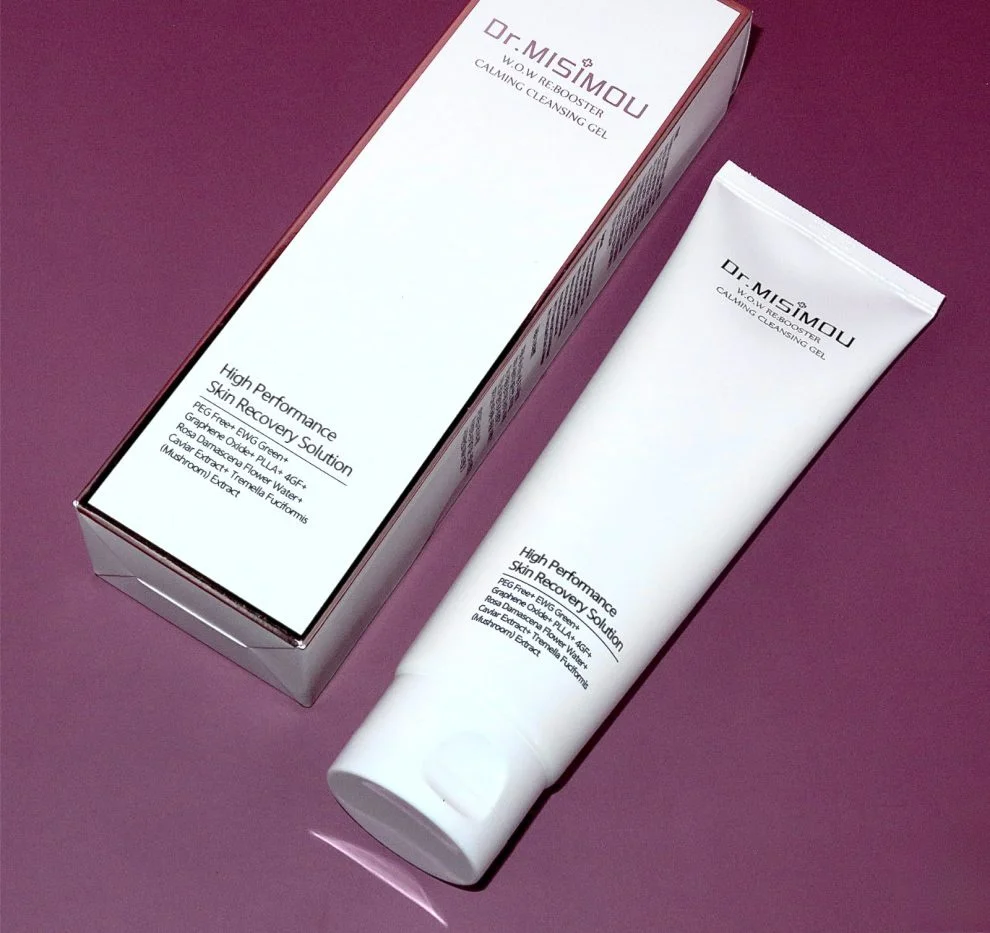
Create a free account to get started
Unlock science-based ingredient analysis personalized for your skin.
Already have an account? Log in
We protect your privacy. We never send spam.