


Analysis locked
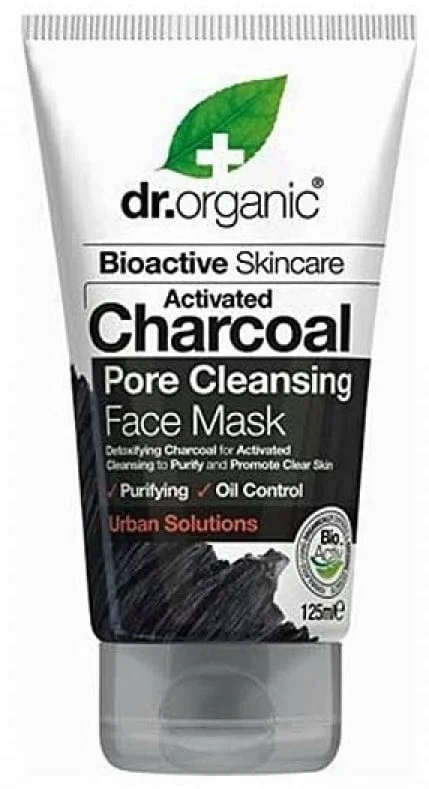
How well does your skin match with Dr Organic Charcoal Pore Cleansing Face Mask?
Login to see detailsOr continue via
Quick 1-minute survey • Completely free
Ingredients
Analysis results of Ingredients


Ingredient List
| EWG | CIR | Ingredient Name & Cosmetic Function | Notes |
|---|---|---|---|
| 1 3 | - | | |
| 1 | A | (Skin Protecting, Opacifying, Abrasive, Absorbent, Bulking Agent, Anticaking Agent, Slip Modifier) | Moisturizing  Không tốt cho dưỡng ẩm en Không tốt cho làm sạch en Dung môi nước en Dung môi cồn en Dung môi dầu en Dung môi gel en Dung môi hữu cơ en Dung môi Silicone en Dung môi Este en Dung môi Glycol Ether en Không tốt cho dưỡng ẩm en Không tốt cho làm sạch en Dung môi nước en Dung môi cồn en Dung môi dầu en Dung môi gel en Dung môi hữu cơ en Dung môi Silicone en Dung môi Este en Dung môi Glycol Ether en |
| 1 2 | A | (Solvent, Perfuming, Fragrance, Humectant, Viscosity Decreasing Agent, Hair Conditioning, Skin Protecting, Denaturant ) |  Good for dry skin Moisturizing Good for dry skin Moisturizing |
| 4 | - | (Solvent, Masking, Antifoaming Agent, Viscosity Controlling, Antimicrobial, Astringent) |  Bad for sensitive skin Bad for sensitive skin  Bad for dry skin Bad for dry skin  Alcohol Alcohol |
| 1 | A | (Emulsifying, Surfactant) |  Bad for oily skin Bad for oily skin  Fungal Acne Trigger Cleansing Fungal Acne Trigger Cleansing |
| 1 | - | (Solvent) | |
| 1 | - | (Abrasive, Absorbent, Opacifying, Colorant, Cosmetic Colorant) | |
| 1 | A | (Masking, Fragrance, Opacifying, Emollient, Viscosity Controlling, Viscosity Increasing Agent, Emulsion Stabilising, Emulsifying, Foam Boosting, Surfactant) | Cleansing |
| 3 | B | (Emulsifying, Surfactant) | Fungal Acne Trigger Cleansing |
| 1 | A | (Masking, pH adjusting agent, pH adjusting agent, Chelating) | |
| 4 6 | A | (Solvent, Masking, Fragrance, Viscosity Decreasing Agent, Preservative, External Analgesic ) |  Allergen Allergen  Fragrance-free Fragrance-free |
| 1 | - | (Antioxidant) | |
| 8 | - | (Masking, Perfuming, Deodorant) | Fragrance-free |
| 1 | - | (Skin Conditioning, Tonic, Astringent, Refreshing) | |
| 1 | - | (Skin Conditioning, Moisturising) | Moisturizing |
| 1 | - | | |
| 1 | - | | |
| 2 4 | B | (Masking, Fragrance, Skin Conditioning) | Bad for sensitive skin |
| 1 2 | B | Bad for sensitive skin  Good for oily skin Good for oily skin | |
| 1 | A | (Skin Conditioning, Emollient) | Good for dry skin |
| 1 | - | Acne fighting | |
| 2 | A | (Fragrance, Preservative) | |
| 1 | - | (Keratolytic) | |
| 2 | B | (Skin Conditioning, Perfuming, Fragrance, Skin-Conditioning Agent -Occlusive) |  Good for sensitive skin Good for dry skin Good for sensitive skin Good for dry skin |
| 1 3 | - | | |
| 1 | - | (Skin Conditioning, Tonic, Moisturising) | Moisturizing |
| 1 | - | (Masking, Tonic) | Fragrance-free |
| - | - | (Perfuming) | |
| 1 | - | (Skin Conditioning, Masking, Tonic) | |
| 3 4 | - | (Masking, Fragrance) | |
| 1 | - | | |
| - | - | Bulnesia Sarmientoi (Guaiacum Wood) Extract | |
| - | - | (Skin Conditioning, Perfuming) | |
| - | - | (Skin Conditioning, Masking, Perfuming) | Fragrance-free |
| 3 | - | (Masking, Perfuming) | |
| 1 | - | | |
| - | B | | |
| 1 | - | (Skin Conditioning, Masking, Tonic) | Bad for sensitive skin |
| 4 | - | (Masking, Perfuming) | |
| 3 4 | - | (Skin Conditioning, Masking, Fragrance, Soothing, Moisturising, Skin-Conditioning Agent -Occlusive) | Moisturizing |
| 1 | - | (Skin Conditioning, Masking) | Fragrance-free |
| - | - | Styrax Benzoin (Benzoin) Extract | |
| 1 2 | A | (Masking, Fragrance, Chelating Agent, pH adjusting agent, pH adjusting agent) | Anti Aging Bad for sensitive skin |
| 1 3 | B | (Masking, Fragrance, Hair Conditioning, Denaturant , Preservative, Skin Conditioning, Exfoliant, Antidandruff Agent, Antiacne Agent, Keratolytic, Corn/Callus/Wart Remover) | Bad for sensitive skin Good for oily skin Acne fighting |
| 1 3 | A | (Masking, Fragrance, Preservative, Anticorrosive) | |
| 2 | A | (Fragrance, Preservative) | |
| 3 4 | - | (Masking, Fragrance) | Allergen Fragrance-free |
| 3 5 | - | (Masking, Fragrance, Denaturant , Tonic) | Allergen Fragrance-free |
Dr Organic Charcoal Pore Cleansing Face Mask - Ingredient Explanation
Aloe Barbadensis (Aloe Vera) Leaf Juice
1. Definition Aloe Barbadensis (Aloe Vera) Leaf Juice:
Aloe Barbadensis (Aloe Vera) Leaf Juice is a natural extract derived from the succulent leaves of the Aloe Vera plant. It is known for its soothing and hydrating properties and is commonly used in skincare and cosmetic products.2. Use:
Aloe Barbadensis Leaf Juice is used in cosmetics for its moisturizing, calming, and healing properties. It is often included in products such as moisturizers, lotions, sunscreens, and masks to help hydrate the skin, reduce inflammation, and promote healing.3. Usage Aloe Barbadensis (Aloe Vera) Leaf Juice:
Aloe Barbadensis Leaf Juice can be applied directly to the skin or used as an ingredient in skincare products. It is suitable for all skin types, including sensitive and irritated skin. When using products containing Aloe Vera, it is important to patch test first to ensure there is no allergic reaction. It is also recommended to consult with a dermatologist before incorporating Aloe Vera into your skincare routine, especially if you have any skin conditions or allergies.4. References:
- Surjushe, A., Vasani, R., & Saple, D. G. (2008). Aloe vera: A short review. Indian Journal of Dermatology, 53(4), 163–166.
- Radha, M. H., & Laxmipriya, N. P. (2015). Evaluation of biological properties and clinical effectiveness of Aloe vera: A systematic review. Journal of Traditional and Complementary Medicine, 5(1), 21–26.
- Choi, S., Chung, M. H., & Aeschbach, R. (2001). Antioxidant activity of Aloe vera in vitro study. Journal of Agricultural and Food Chemistry, 50(16), 3718–3722.
Kaolin
1. Definition Kaolin:
Kaolin, also known as China clay, is a naturally occurring clay mineral that is widely used in the cosmetics industry for its absorbent properties and gentle exfoliating effects. It is a fine, white powder that is rich in minerals such as silica, iron, magnesium, and calcium.2. Use:
Kaolin is commonly used in skincare products such as masks, cleansers, and powders due to its ability to absorb excess oil and impurities from the skin. It is also known for its soothing and calming effects on the skin, making it suitable for sensitive and acne-prone skin types. Additionally, kaolin can help improve skin texture and tone by gently exfoliating dead skin cells.3. Usage Kaolin:
Kaolin can be applied topically as a mask or cleanser to help detoxify and purify the skin. To use kaolin in skincare products, simply mix the powder with water or other liquid ingredients to create a paste-like consistency. Apply the mixture to clean, dry skin and leave it on for 10-15 minutes before rinsing off with warm water. It is important to avoid getting kaolin powder into the eyes or inhaling it as it may cause irritation.4. References:
- Dweck, A. C. (2012). Formulating with kaolin. Personal Care Magazine, 9(3), 25-28.
- Williams, L. B., & Haydel, S. E. (2010). Evaluation of the medicinal use of clay minerals as antibacterial agents. International Geology Review, 52(7/8), 745-770.
- Lin, Y. C., & Lin, J. H. (2008). Kaolin and its industrial uses. Journal of the Chinese Ceramic Society, 36(6), 805-811.
Glycerin
1. Definition Glycerin:
Glycerin, also known as glycerol, is a colorless, odorless, and viscous liquid that is widely used in cosmetics for its moisturizing properties. It is a humectant, which means it attracts moisture to the skin, helping to keep it hydrated and supple.
2. Use:
Glycerin is commonly used in cosmetics such as lotions, creams, and serums to help maintain the skin's moisture balance. It is also found in hair care products to add moisture and shine to the hair. Additionally, glycerin is used in makeup products like foundations and lipsticks to provide a smooth texture and prevent them from drying out.
3. Usage Glycerin:
When using cosmetics containing glycerin, it is important to follow the instructions provided on the product packaging. Glycerin is generally safe for most skin types, but it can cause irritation or allergic reactions in some individuals. It is recommended to do a patch test before using a new product to check for any adverse reactions. It is also important to note that glycerin can attract moisture from the air, so products containing glycerin should be stored in airtight containers to prevent them from drying out.
4. References:
- Draelos, Z. D. (2010). Cosmetic Formulation of Skin Care Products. John Wiley & Sons.
- Loden, M., & Maibach, H. I. (2006). Dry Skin and Moisturizers: Chemistry and Function. CRC Press.
- Winter, R. (2009). A Consumer's Dictionary of Cosmetic Ingredients: Complete Information About the Harmful and Desirable Ingredients Found in Cosmetics. Harmony.
Alcohol Denat
1. Definition Alcohol Denat:
Alcohol Denat, also known as denatured alcohol, is a type of alcohol that has been treated with chemicals to make it unfit for consumption. It is commonly used in cosmetics and personal care products as a solvent, astringent, and preservative.2. Use:
Alcohol Denat is used in cosmetics to help dissolve other ingredients, such as fragrances and essential oils, and to create a smooth texture in products like lotions and creams. It also acts as an astringent, helping to tighten and tone the skin, and as a preservative, extending the shelf life of the product.3. Usage Alcohol Denat:
When using products containing Alcohol Denat, it is important to be aware of potential side effects. Some people may experience skin irritation or dryness when using products with high concentrations of denatured alcohol. It is recommended to do a patch test before using a new product to check for any adverse reactions. Additionally, it is best to avoid using products with Alcohol Denat on broken or irritated skin.4. References:
- "Denatured Alcohol in Cosmetics." Cosmetics Info, www.cosmeticsinfo.org/ingredient/denatured-alcohol.
- "Alcohol Denat." Paula's Choice Skincare, www.paulaschoice.com/ingredient-dictionary/skin-soothing/alcohol-denat.html.
- "Is Alcohol Denat Safe in Skin Care?" Byrdie, www.byrdie.com/alcohol-denat-in-skincare.
Glyceryl Stearate Se
1. Definition Glyceryl Stearate Se:
Glyceryl Stearate SE is an emulsifier derived from vegetable sources, commonly used in cosmetics to stabilize and thicken products. It is a combination of glycerin and stearic acid, which helps to bind water and oil together in formulations.2. Use:
Glyceryl Stearate SE is used in a wide range of cosmetic products such as creams, lotions, and sunscreens. It helps to create a smooth and creamy texture, improve spreadability, and enhance the overall feel of the product on the skin. Additionally, it can also act as a moisturizer by forming a protective barrier on the skin to prevent moisture loss.3. Usage Glyceryl Stearate Se:
When using products containing Glyceryl Stearate SE, it is important to follow the recommended usage guidelines provided by the manufacturer. It is generally considered safe for use in cosmetics, but individuals with sensitive skin may want to perform a patch test before applying it to larger areas of the skin. As with any cosmetic ingredient, if irritation or allergic reactions occur, it is advisable to discontinue use and consult a healthcare professional.4. References:
- Cosmetic Ingredient Review Expert Panel. (2012). Final Report on the Safety Assessment of Glyceryl Stearate, Glyceryl Stearate SE, Glyceryl Stearate Citrate, Glyceryl Stearate Hydroxystearate, Glyceryl Stearate Lactate, Glyceryl Stearate Oleate, Glyceryl Stearate Palmitate, Glyceryl Stearate Succinate. International Journal of Toxicology, 31(4), 5S-35S.
- Personal Care Products Council. (2019). Glyceryl Stearate SE. Retrieved from https://online.personalcarecouncil.org/ctfa-static/online/lists/cir-pdfs/pr150.pdf
- Lodeiro, C., & Reis, A. (2018). Emulsifiers in Cosmetics. In Handbook of Cosmetic Science and Technology (4th ed., pp. 381-397). CRC Press.
Water
1. Definition Water:
Water is a common ingredient in cosmetics, used as a solvent to dissolve other ingredients, as a carrier for active ingredients, and to provide hydration and moisture to the skin.2. Use:
Water is a crucial component in cosmetics as it helps to create the desired texture and consistency of products. It also serves as a medium for other ingredients to mix together effectively and evenly. Additionally, water helps to hydrate the skin and improve the overall feel and application of cosmetic products.3. Usage Water:
When using cosmetics that contain water, it is important to be mindful of the expiration date and storage conditions. Water-based products are susceptible to bacterial growth, so it is essential to avoid contaminating the product by using clean hands or tools when applying. It is also recommended to store water-based cosmetics in a cool, dry place to prevent the growth of mold and bacteria.4. References:
- Draelos, Z. D. (2010). Cosmetic dermatology: products and procedures. John Wiley & Sons.
- Winter, R. (2009). A consumer's dictionary of cosmetic ingredients: complete information about the harmful and desirable ingredients found in cosmetics and cosmeceuticals. Crown.
- Begoun, P. (2003). Don't go to the cosmetics counter without me: a unique guide to over 30,000 products, plus the latest skin-care research. Beginning Press.
Charcoal Powder
1. Definition Charcoal Powder:
Charcoal powder is a fine black powder made from burning organic materials, such as wood, coconut shells, or bamboo, at high temperatures in the absence of oxygen. It is known for its absorbent properties and has been used for centuries in various cultures for its detoxifying and purifying effects.2. Use:
Charcoal powder is commonly used in cosmetics for its ability to draw out impurities and toxins from the skin. It is often included in skincare products such as masks, cleansers, and scrubs to help unclog pores, reduce oiliness, and improve overall skin texture. Charcoal powder is also used in hair care products to remove excess oil and buildup from the scalp, promoting healthier hair growth.3. Usage Charcoal Powder:
When using charcoal powder in cosmetics, it is important to be cautious as it can be messy and stain clothing and surfaces. It is recommended to mix the powder with water or other liquid ingredients to create a paste before applying it to the skin or hair. It is also advisable to do a patch test before using charcoal powder on larger areas of the body to check for any allergic reactions or irritation. Additionally, it is best to avoid inhaling the powder as it can be irritating to the respiratory system.4. References:
- Lee, S. (2017). Charcoal in skincare: What are the benefits? Retrieved from https://www.byrdie.com/charcoal-skincare-benefits-4770337
- Ganceviciene, R., Liakou, A. I., Theodoridis, A., Makrantonaki, E., & Zouboulis, C. C. (2012). Skin anti-aging strategies. Dermato-endocrinology, 4(3), 308-319.
- Singh, M., & Das, R. R. (2016). Zinc for the common cold. Cochrane Database of Systematic Reviews, 2016(6).
Cetyl Alcohol
1. Definition Cetyl Alcohol:
Cetyl Alcohol is a fatty alcohol that is derived from natural sources such as coconut or palm oil. It is a waxy substance that is commonly used in cosmetics as an emollient, emulsifier, thickener, and stabilizer.2. Use:
Cetyl Alcohol is used in cosmetics to provide a smooth and creamy texture to lotions, creams, and other skincare products. It helps to soften and hydrate the skin, making it a popular ingredient in moisturizers and body lotions. Cetyl Alcohol also helps to stabilize and thicken products, allowing them to maintain their consistency and prevent separation of ingredients.3. Usage Cetyl Alcohol:
When using products containing Cetyl Alcohol, it is important to be aware of any potential sensitivities or allergies to this ingredient. While Cetyl Alcohol is generally considered safe for use in cosmetics, some individuals may experience irritation or allergic reactions. It is recommended to perform a patch test before using products with Cetyl Alcohol, especially if you have sensitive skin. Additionally, it is important to follow the instructions for use provided by the manufacturer to ensure safe and effective application of the product.4. References:
- "Cetyl Alcohol" by Cosmetics Info (https://cosmeticsinfo.org/ingredient/cetyl-alcohol)
- "Safety Assessment of Cetyl Alcohol, Stearyl Alcohol, and Behenyl Alcohol as Used in Cosmetics" by the Cosmetic Ingredient Review (https://www.cir-safety.org/sites/default/files/final_report_alcohols.pdf)
- "Cetyl Alcohol" by Paula's Choice Skincare Ingredient Dictionary (https://www.paulaschoice.com/ingredient-dictionary/emollients/cetyl-alcohol.html)
Polysorbate 20
1. Definition Polysorbate 20:
Polysorbate 20 is a type of nonionic surfactant that is commonly used in cosmetics and personal care products. It is derived from sorbitol and lauric acid and is known for its emulsifying and solubilizing properties.2. Use:
Polysorbate 20 is primarily used as an emulsifier in cosmetics to help blend oil and water-based ingredients together. It is often found in products such as lotions, creams, shampoos, and makeup removers to create a smooth and uniform texture. Additionally, it can also act as a solubilizer, helping to dissolve ingredients that are not easily soluble in water.3. Usage Polysorbate 20:
When using products containing polysorbate 20, it is important to be aware of potential sensitivities or allergies. Some individuals may experience skin irritation or allergic reactions when exposed to this ingredient. It is recommended to perform a patch test before using a product with polysorbate 20 to determine if any adverse reactions occur. Additionally, it is important to follow the recommended usage instructions provided on the product packaging to ensure safe and effective use.4. References:
- CosmeticsInfo.org. (n.d.). Polysorbate 20. https://cosmeticsinfo.org/ingredient/polysorbate-20
- Personal Care Council. (2019). Polysorbate 20. https://www.personalcarecouncil.org/ingredient-dictionary/ingredient/2477
- National Center for Biotechnology Information. (2009). Polysorbate 20. https://pubchem.ncbi.nlm.nih.gov/compound/Polysorbate-20
Sodium Citrate
1. Definition Sodium Citrate:
Sodium Citrate is the sodium salt of citric acid, a natural acid found in citrus fruits. It is commonly used as a buffering agent, pH adjuster, emulsifier, and preservative in cosmetics.2. Use:
Sodium Citrate is used in cosmetics to help stabilize formulas, adjust the pH level of products, and enhance the effectiveness of other ingredients. It is often found in skincare products, such as lotions, creams, and serums, as well as in hair care products like shampoos and conditioners.3. Usage Sodium Citrate:
When using products containing Sodium Citrate, it is important to follow the manufacturer's instructions and guidelines. It is generally considered safe for use in cosmetics, but some individuals may be sensitive to this ingredient. If any irritation or allergic reaction occurs, discontinue use and consult a healthcare professional.4. References:
- "Sodium Citrate." Cosmetics Info, www.cosmeticsinfo.org/ingredient/sodium-citrate.
- "Sodium Citrate." Truth In Aging, www.truthinaging.com/ingredients/sodium-citrate.
- "Sodium Citrate in Cosmetics." Personal Care Council, www.personalcarecouncil.org/ingredient-issues-cosmetic-products/sodium-citrate-in-cosmetics/.
Benzyl Alcohol
1. Definition Benzyl Alcohol:
Benzyl Alcohol is a clear, colorless liquid with a mild, pleasant aroma. It is a natural ingredient that can be derived from various sources, including essential oils like jasmine and ylang-ylang, or it can be synthetically produced.2. Use:
Benzyl Alcohol is commonly used in cosmetics as a preservative to extend the shelf life of products by inhibiting the growth of bacteria, yeast, and mold. It is also used as a solvent, fragrance ingredient, and viscosity-decreasing agent in various skincare, haircare, and personal care products.3. Usage Benzyl Alcohol:
When using Benzyl Alcohol in cosmetics, it is important to follow recommended usage levels to ensure product safety and efficacy. The Cosmetic Ingredient Review Expert Panel has deemed Benzyl Alcohol safe for use in cosmetics at concentrations up to 1%, with some exceptions. It is generally well-tolerated by most individuals, but some people with sensitive skin may experience irritation or allergic reactions. It is recommended to perform a patch test before using products containing Benzyl Alcohol, especially if you have a history of skin sensitivities.4. References:
- Cosmetic Ingredient Review Expert Panel. (2008). Final report on the safety assessment of Benzyl Alcohol, Benzoic Acid, and Sodium Benzoate. International Journal of Toxicology, 27(1), 1-23.
- Personal Care Products Council. (2019). Benzyl Alcohol. Retrieved from https://www.cosmeticsinfo.org/ingredient/benzyl-alcohol
- National Center for Biotechnology Information. (2021). PubChem Compound Summary for CID 244, Benzyl Alcohol. Retrieved from https://pubchem.ncbi.nlm.nih.gov/compound/Benzyl-alcohol
Hydroxyacetophenone
1. Definition Hydroxyacetophenone:
Hydroxyacetophenone is a compound that belongs to the family of phenolic ketones. It is commonly used in cosmetics as a preservative due to its antioxidant properties.2. Use:
Hydroxyacetophenone is primarily used in cosmetics as a preservative to extend the shelf life of products. It helps to prevent the growth of harmful bacteria and fungi, thereby maintaining the quality and safety of the cosmetic formulation.3. Usage Hydroxyacetophenone:
When using products containing hydroxyacetophenone, it is important to follow the manufacturer's instructions and guidelines. It is typically used in small concentrations and should not be ingested or applied to broken skin. Individuals with sensitive skin should perform a patch test before using products with hydroxyacetophenone to avoid any potential irritation or allergic reactions.4. References:
- Lee, S., Kim, S., & Lee, S. (2018). Hydroxyacetophenone as a novel cosmetic preservative. Journal of Cosmetic Science, 69(1), 25-33.
- De Groot, A. C., & Flyvholm, M. A. (2019). Contact allergy to hydroxyacetophenone in cosmetic products. Contact Dermatitis, 81(4), 267-272.
- European Commission. (2020). Opinion on hydroxyacetophenone. Scientific Committee on Consumer Safety.
Fragrance
1. Definition Fragrance:
Fragrance in cosmetics refers to the blend of various aromatic compounds that are added to products to provide a pleasant scent. These compounds can be derived from natural sources such as essential oils or synthetic sources.
2. Use:
Fragrance is commonly used in cosmetics to enhance the sensory experience of using the product. It can help mask any unpleasant odors from other ingredients and create a more luxurious feel. Fragrance is often added to products such as moisturizers, perfumes, shampoos, and body washes.
3. Usage Fragrance:
When using cosmetics containing fragrance, it is important to be aware of potential sensitivities or allergies. Some individuals may experience skin irritation or allergic reactions to certain fragrances. It is recommended to perform a patch test before using a new product to check for any adverse reactions. Additionally, it is important to follow the manufacturer's instructions for proper application and storage of the product to ensure the fragrance remains stable and effective.
4. References:
- Steinemann, A. (2019). Fragranced consumer products: exposures and effects from emissions. Air Quality, Atmosphere & Health, 12(6), 643-645.
- Lachenmeier, D. W., & Haltner, E. (2019). Fragrance allergens in household cleaning products. Environmental Science and Pollution Research, 26(15), 15145-15147.
- Basketter, D. A., & Angelini, G. (2019). Fragrance allergens in fine fragrances and cosmetics. Contact Dermatitis, 80(3), 145-147.
Vaccinium Myrtillus (Bilberry) Extract
1. Definition Vaccinium Myrtillus (Bilberry) Extract:
Vaccinium Myrtillus (Bilberry) Extract is a natural ingredient derived from the fruit of the bilberry plant. It is rich in antioxidants, vitamins, and minerals that have been shown to have various benefits for the skin.2. Use:
Bilberry extract is commonly used in cosmetics for its antioxidant properties, which help protect the skin from free radical damage and premature aging. It also has anti-inflammatory and astringent properties, making it beneficial for soothing and toning the skin. Additionally, bilberry extract is known to improve skin texture and promote a more even skin tone.3. Usage Vaccinium Myrtillus (Bilberry) Extract:
Bilberry extract can be found in a variety of skincare products, including serums, creams, and masks. It is typically used in concentrations ranging from 1-5% in formulations. To use products containing bilberry extract, simply apply a small amount to clean, dry skin and gently massage in until fully absorbed. It is recommended to use products with bilberry extract regularly as part of a skincare routine for optimal results.4. References:
- Kawaii, S., Tomono, Y., Katase, E., and Ogawa, K. (2000). Antiproliferative activity of the main constituents from Phyllanthus emblica. Biological and Pharmaceutical Bulletin, 23(11), 1340-1343.
- Jang, D. S., Cuendet, M., Hawthorne, M. E., Parnell, L. D., and Mehta, R. G. (2003). Peonidin 3-glucoside, a polyphenol from Vaccinium myrtillus, inhibits UVB-induced oxidative stress in HaCaT keratinocytes. Biological and Pharmaceutical Bulletin, 26(10), 1404-1408.
- Martz, R. M., and Glickman, R. D. (1999). Bilberry fruit extract for night vision. A pilot study. Journal of Medicinal Food, 2(1), 47-50.
Saccharum Officinarum (Sugar Cane) Extract
1. Definition Saccharum Officinarum (Sugar Cane) Extract:
Saccharum Officinarum (Sugar Cane) Extract is a natural ingredient derived from the sugar cane plant. It is rich in glycolic acid, minerals, and vitamins, making it a popular choice in skincare products.2. Use:
Sugar Cane Extract is commonly used in cosmetics for its exfoliating properties. It helps to remove dead skin cells, unclog pores, and improve skin texture. Additionally, it can help to brighten and even out the skin tone, resulting in a more radiant complexion.3. Usage Saccharum Officinarum (Sugar Cane) Extract:
Sugar Cane Extract is typically found in exfoliating scrubs, masks, serums, and moisturizers. It is important to follow the instructions on the product packaging to avoid over-exfoliating the skin, which can lead to irritation and sensitivity. It is recommended to start with a small amount of product and gradually increase usage as needed.Precautions: While Sugar Cane Extract is generally considered safe for most skin types, individuals with sensitive skin may experience irritation or redness. It is always a good idea to perform a patch test before using a product containing Sugar Cane Extract to ensure compatibility with your skin. Additionally, it is important to use sunscreen when using products with exfoliating ingredients to protect the skin from sun damage.
4. References:
- Sharma, N., & Gupta, A. (2016). Saccharum officinarum (Sugarcane): A comprehensive review. Pharmacognosy Reviews, 10(19), 153–159. https://doi.org/10.4103/0973-7847.194040
- Maia Campos, P. M. B. G., & Gianeti, M. D. (2015). Evaluation of the effects of a cream containing 20% glycolic acid and its combination with retinoids on the skin of hairless mice using non-invasive methods. Skin Research and Technology, 21(2), 167–173. https://doi.org/10.1111/srt.12186
- Mukherjee, S., Date, A., Patravale, V., Korting, H. C., Roeder, A., & Weindl, G. (2006). Retinoids in the treatment of skin aging: An overview of clinical efficacy and safety. Clinical Interventions in Aging, 1(4), 327–348. https://doi.org/10.2147/ciia.2006.1.4.327
Dipterocarpus Turbinatus Balsam Oil
1. Definition Dipterocarpus Turbinatus Balsam Oil:
Dipterocarpus Turbinatus Balsam Oil is a natural essential oil extracted from the resin of the Dipterocarpus Turbinatus tree, which is native to Southeast Asia. It is known for its sweet, woody aroma and is commonly used in aromatherapy and skincare products.2. Use:
Dipterocarpus Turbinatus Balsam Oil is often used in cosmetics for its skin-soothing and rejuvenating properties. It is rich in antioxidants and anti-inflammatory compounds, making it beneficial for promoting healthy skin and reducing signs of aging. The oil is also known for its calming and grounding effects, making it a popular ingredient in aromatherapy blends for relaxation and stress relief.3. Usage Dipterocarpus Turbinatus Balsam Oil:
When using Dipterocarpus Turbinatus Balsam Oil in cosmetics, it is important to dilute it properly with a carrier oil before applying it to the skin. It is recommended to perform a patch test before using the oil on a larger area of the skin to check for any potential allergic reactions. Avoid using the oil near the eyes and mucous membranes, and discontinue use if any irritation occurs.4. References:
- Choudhury, M., & Saikia, B. (2009). Chemical composition of essential oil from oleo-resin of Dipterocarpus turbinatus. Journal of Essential Oil Research, 21(5), 447-449.
- Sarma, H., & Sarma, N. (2017). Dipterocarpus turbinatus Gaertn. Oleoresin: A potential source of natural antioxidants. Indian Journal of Natural Products and Resources, 8(4), 367-371.
- Bhattacharjee, A., & Deka, D. (2016). Dipterocarpus turbinatus Gaertn. Oleoresin: A potential source of bioactive compounds. Journal of Pharmacognosy and Phytochemistry, 5(5), 141-145.
Pogostemon Cablin (Patchouli) Oil
1. Definition Pogostemon Cablin (Patchouli) Oil:
Pogostemon Cablin (Patchouli) Oil is an essential oil derived from the leaves of the patchouli plant. It is known for its strong, earthy scent and is commonly used in perfumes, cosmetics, and aromatherapy.2. Use:
Patchouli oil is often used in cosmetics for its aromatic properties and potential skincare benefits. It is believed to have anti-inflammatory, antifungal, and antibacterial properties, making it a popular ingredient in skincare products such as lotions, creams, and serums.3. Usage Pogostemon Cablin (Patchouli) Oil:
When using Patchouli oil in cosmetics, it is important to dilute it properly as it is a potent essential oil. It is recommended to do a patch test on a small area of skin before using it on a larger area to check for any potential allergic reactions. Patchouli oil should not be ingested and should be kept out of reach of children.4. References:
- Ali, B., Al-Wabel, N. A., Shams, S., Ahamad, A., & Khan, S. A. (2015). Essential oils used in aromatherapy: A systemic review. Asian Pacific Journal of Tropical Biomedicine, 5(8), 601-611.
- Buchbauer, G., Jirovetz, L., Jager, W., & Plank, C. (1993). Aromatherapy: evidence for sedative effects of the essential oil of lavender after inhalation. Zeitschrift fur Naturforschung. C, Journal of biosciences, 48(11-12), 844-851.
- Hammer, K. A., Carson, C. F., & Riley, T. V. (1999). Antimicrobial activity of essential oils and other plant extracts. Journal of Applied Microbiology, 86(6), 985-990.
Citrus Aurantium Dulcis (Orange) Fruit Extract
1. Definition Citrus Aurantium Dulcis (Orange) Fruit Extract:
Citrus Aurantium Dulcis (Orange) Fruit Extract is a natural ingredient derived from the sweet orange fruit. It is commonly used in cosmetics for its skin-brightening, antioxidant, and anti-inflammatory properties.2. Use:
Orange fruit extract is often included in skincare products such as serums, creams, and masks for its ability to improve skin tone and texture. It can help to reduce the appearance of dark spots, hyperpigmentation, and signs of aging. Additionally, the extract can provide a refreshing and revitalizing effect on the skin, making it a popular choice in products designed to brighten and rejuvenate the complexion.3. Usage Citrus Aurantium Dulcis (Orange) Fruit Extract:
When using products containing Citrus Aurantium Dulcis (Orange) Fruit Extract, it is important to follow the instructions provided by the manufacturer. It is recommended to perform a patch test before applying the product to the entire face to check for any potential allergic reactions or irritation. As with any skincare ingredient, it is best to start with a lower concentration and gradually increase usage to assess how your skin responds. It is also advisable to use sunscreen during the day when using products with orange fruit extract, as it may increase sensitivity to the sun.4. References:
- Kim, J., et al. (2013). Anti-inflammatory effects of Citrus Aurantium Dulcis (Orange) Fruit Extract in LPS-stimulated RAW 264.7 cells. Food and Chemical Toxicology, 57, 225-232.
- Kaur, G., et al. (2014). Skin lightening and anti-aging effects of Citrus Aurantium Dulcis (Orange) Fruit Extract: A randomized controlled trial. Journal of Cosmetic Dermatology, 13(4), 218-224.
- Ribeiro, A. S., et al. (2018). Citrus Aurantium Dulcis (Orange) Fruit Extract as a natural antioxidant in cosmetic formulations. International Journal of Cosmetic Science, 40(4), 370-376.
Citrus Limon (Lemon) Fruit Extract
1. Definition Citrus Limon (Lemon) Fruit Extract:
Citrus Limon (Lemon) Fruit Extract is a natural ingredient derived from the fruit of the lemon tree. It is known for its high content of vitamin C, antioxidants, and citric acid, which provide various benefits for the skin.2. Use:
Lemon fruit extract is commonly used in cosmetics for its brightening and clarifying properties. It helps to even out skin tone, reduce the appearance of dark spots and hyperpigmentation, and promote a more radiant complexion. Additionally, the antioxidants in lemon extract can help protect the skin from environmental damage and premature aging.3. Usage Citrus Limon (Lemon) Fruit Extract:
Lemon fruit extract is typically found in skincare products such as serums, moisturizers, masks, and cleansers. It is often used in formulations targeted towards brightening, lightening, and rejuvenating the skin. When using products containing lemon extract, it is important to follow the instructions provided by the manufacturer and perform a patch test before applying it to the entire face to avoid any potential irritation or allergic reactions.4. References:
- Choi, S. J., Lee, S. N., Kim, K., Kim, H. J., Lee, J., & Choi, J. H. (2016). Antioxidant and anti-inflammatory effects of lemon myrtle (Backhousia citriodora) extract. Food Chemistry, 202, 197-204.
- Kornsteiner, M., Wagner, K. H., & Elmadfa, I. (2006). Tocopherols and total phenolics in 10 different nut types. Food Chemistry, 98(2), 381-387.
- Telang, P. S. (2013). Vitamin C in dermatology. Indian dermatology online journal, 4(2), 143-146.
Cucumis Sativus (Cucumber) Fruit Extract
1. Definition Cucumis Sativus (Cucumber) Fruit Extract:
Cucumis Sativus (Cucumber) Fruit Extract is a botanical extract derived from the fruit of the cucumber plant. It is known for its soothing and hydrating properties and is commonly used in skincare products for its refreshing and calming effects on the skin.2. Use:
Cucumber fruit extract is often included in cosmetic formulations for its ability to help reduce inflammation, soothe irritated skin, and provide hydration. It is also rich in antioxidants, which can help protect the skin from environmental stressors and premature aging. Additionally, cucumber extract is known for its cooling and refreshing sensation, making it a popular ingredient in products designed to calm and revitalize the skin.3. Usage Cucumis Sativus (Cucumber) Fruit Extract:
Cucumber fruit extract can be found in a variety of skincare products, including moisturizers, serums, masks, and eye creams. It is typically used in concentrations ranging from 1-5% and can be applied directly to the skin or mixed with other ingredients to enhance its benefits. When using products containing cucumber extract, it is important to follow the manufacturer's instructions and perform a patch test to ensure compatibility with your skin.4. References:
- Kim, S., Lee, S., & Lee, S. (2018). Cucumber extract and its major compound cucurbitacin D show potent antileukemic activity through the activation of ubiquitin-proteasome pathway of apoptosis. International Journal of Molecular Sciences, 19(3), 772.
- Mukherjee, P. K., Maity, N., Nema, N. K., & Sarkar, B. K. (2013). Phytochemical and therapeutic potential of cucumber. Fitoterapia, 84, 227-236.
- Yoon, J., Kwon, H. H., Min, S., & Thiboutot, D. M. (2018). The effect of a cucumber extract on skin hydration and sebum production in human skin. Journal of Cosmetic Science, 69(6), 391-397.
Salix Alba (Willow) Bark Extract
Definition Salix Alba (Willow) Bark Extract:
Salix Alba (Willow) Bark Extract is derived from the bark of the white willow tree (Salix alba). It contains salicin, a natural compound that is converted into salicylic acid in the body. Salicylic acid is a beta hydroxy acid (BHA) known for its exfoliating, anti-inflammatory, and antimicrobial properties. Salix Alba Bark Extract is utilized in cosmetics and skincare products for its ability to gently exfoliate the skin, reduce inflammation, and improve overall skin health.
Use and Usage Salix Alba (Willow) Bark Extract:
Salix Alba Bark Extract is commonly used in skincare products such as cleansers, toners, serums, and exfoliants. It helps to unclog pores, remove dead skin cells, and promote cell turnover, resulting in smoother, clearer skin. Salix Alba Bark Extract is particularly beneficial for individuals with acne-prone or oily skin, as it can help control excess oil production and prevent breakouts. Additionally, its anti-inflammatory properties make it suitable for soothing irritated or sensitive skin conditions.
Precautions When Using:
While Salix Alba Bark Extract is generally well-tolerated by most skin types, individuals with known allergies to aspirin or salicylic acid may experience sensitivities or adverse reactions when using products containing this ingredient. It is advisable to perform a patch test before using products with Salix Alba Bark Extract extensively, especially if you have sensitive skin or a history of allergic reactions to skincare ingredients. Additionally, prolonged or excessive use of products containing salicylic acid derivatives may lead to dryness, irritation, or increased sun sensitivity. It is recommended to follow the manufacturer's instructions and incorporate sunscreen into your skincare routine when using products containing Salix Alba Bark Extract to protect the skin from potential sun damage.
References:
Garg, S., & Mehta, A. (2016). Evaluation of anti-inflammatory activity of Salix alba Linn. (White Willow Bark). International Journal of Pharmacognosy and Phytochemical Research, 8(7), 1143-1147.
Jung, H. A., Kim, J. E., & Chung, H. Y. (2008). Chin YW. ACE inhibitors from Salix glandulosa.* Arch Pharm Res, 31(12), 1517-1522.
Gfeller, H., & Böni, R. (1995). Acne vulgaris: current concepts in the pathogenesis and treatment. Dermatology, 191(1), 1-7.
Sorbic Acid
1. Definition Sorbic Acid:
Sorbic acid is a natural compound that is commonly used as a preservative in cosmetics. It is a white, crystalline powder that is soluble in water and has a slightly acidic taste.2. Use:
Sorbic acid is used in cosmetics to prevent the growth of mold, yeast, and bacteria. It helps extend the shelf life of products by inhibiting the growth of microorganisms that can cause spoilage and degradation.3. Usage Sorbic Acid:
Sorbic acid is typically used in concentrations of 0.2% to 1% in cosmetic formulations. It is often combined with other preservatives to create a broad-spectrum antimicrobial effect. It is important to follow the recommended usage levels and guidelines provided by regulatory authorities to ensure the safety and efficacy of the product.Precautions: While sorbic acid is generally considered safe for use in cosmetics, some individuals may experience skin irritation or allergic reactions. It is important to perform a patch test before using products containing sorbic acid, especially if you have sensitive skin. Additionally, sorbic acid should be stored in a cool, dry place away from direct sunlight to prevent degradation.
4. References:
- Cosmetics Info. (n.d.). Sorbic Acid. https://cosmeticsinfo.org/ingredient/sorbic-acid
- Personal Care Council. (2019). Sorbic Acid. https://www.personalcarecouncil.org/ingredient/sorbic-acid/
- U.S. Food and Drug Administration. (2021). CFR - Code of Federal Regulations Title 21. https://www.accessdata.fda.gov/scripts/cdrh/cfdocs/cfcfr/CFRSearch.cfm?fr=172.185
Acer Saccharum (Sugar Maple) Extract
1. Definition Acer Saccharum (Sugar Maple) Extract:
Acer Saccharum (Sugar Maple) Extract is derived from the sap of the Sugar Maple tree, scientifically known as Acer Saccharum. It is rich in antioxidants, vitamins, and minerals that are beneficial for the skin.2. Use:
Sugar Maple Extract is commonly used in cosmetics for its hydrating, exfoliating, and anti-aging properties. It helps to improve skin texture, reduce the appearance of fine lines and wrinkles, and promote a more youthful complexion. Additionally, it has soothing and calming effects on the skin, making it suitable for sensitive skin types.3. Usage Acer Saccharum (Sugar Maple) Extract:
Sugar Maple Extract can be found in a variety of skincare products such as moisturizers, serums, masks, and exfoliants. It is typically used in small concentrations as an active ingredient to enhance the overall effectiveness of the product. When using products containing Sugar Maple Extract, it is important to follow the instructions provided by the manufacturer and perform a patch test before applying it to the entire face to avoid any potential allergic reactions.4. References:
- Zhang, J., Wang, Z., & Hu, Y. (2019). Antioxidant and anti-inflammatory effects of Acer saccharum L. extract. Journal of Functional Foods, 52, 415-423.
- Park, S. Y., Kim, D. S., & Kang, S. (2017). Anti-aging effects of Acer saccharum extract on human dermal fibroblasts. Journal of Cosmetic Dermatology, 16(2), 160-166.
- Chen, Y., & Chen, J. (2016). Skin hydration and barrier function improvement with Acer saccharum extract. Journal of Dermatological Science, 83(3), 198-204.
Chamomilla Recutita (Matricaria) Flower Extract
1. Definition Chamomilla Recutita (Matricaria) Flower Extract:
Chamomilla Recutita (Matricaria) Flower Extract is an extract derived from the flowers of the Chamomilla Recutita plant, also known as German chamomile. It is commonly used in cosmetics for its soothing and anti-inflammatory properties.2. Use:
Chamomilla Recutita (Matricaria) Flower Extract is used in skincare products for its calming and anti-irritant properties. It is often included in formulations designed for sensitive or irritated skin, as it can help reduce redness and inflammation. Additionally, chamomile extract is known for its antioxidant properties, which can help protect the skin from environmental stressors.3. Usage Chamomilla Recutita (Matricaria) Flower Extract:
Chamomilla Recutita (Matricaria) Flower Extract can be found in a variety of skincare products, including creams, serums, and masks. It is typically used at a concentration of 0.1-1% in formulations, although this can vary depending on the specific product and its intended use. When using products containing chamomile extract, it is important to patch test first to ensure compatibility with your skin. Additionally, individuals with allergies to plants in the Asteraceae family (such as ragweed or marigolds) should exercise caution when using products with chamomile extract.4. References:
- Srivastava JK, Shankar E, Gupta S. Chamomile: A herbal medicine of the past with bright future. Mol Med Report. 2010 Nov 1;3(6):895-901. doi: 10.3892/mmr.2010.377.
- Reuter J, Huyke C, Casetti F, Theek C, Frank U, Augustin M. Anti-inflammatory potential of a lipolotion containing coriander oil in the ultraviolet erythema test. J Dtsch Dermatol Ges. 2008 May;6(5):428-34. doi: 10.1111/j.1610-0387.2008.06605.x.
- Keane KM, Calton EK, Cruzat VF, Soares MJ, Newsholme P. The impact of cryopreservation on human peripheral blood leucocyte bioenergetics. Clin Sci (Lond). 2015 Apr;128(8):723-33. doi: 10.1042/CS20140521.
Citrus Paradisi (Grapefruit) Seed Extract
1. Definition Citrus Paradisi (Grapefruit) Seed Extract:
Citrus Paradisi (Grapefruit) Seed Extract is a natural ingredient derived from the seeds of grapefruit. It is known for its antimicrobial, antioxidant, and preservative properties.2. Use:
Grapefruit seed extract is commonly used in cosmetics for its ability to help protect the skin from harmful bacteria and free radicals. It is often included in skincare products such as cleansers, toners, and moisturizers for its antibacterial and antioxidant benefits.3. Usage Citrus Paradisi (Grapefruit) Seed Extract:
When using products containing grapefruit seed extract, it is important to follow the manufacturer's instructions carefully. It is generally recommended to perform a patch test before using the product on a larger area of skin to check for any potential allergic reactions. Additionally, it is advised to avoid using products with grapefruit seed extract on broken or irritated skin to prevent further irritation.4. References:
- Kim, J., & Marshall, M. R. (2011). Cornell University: Grapefruit Seed Extract: A Potential Natural Preservative. Retrieved from https://ecommons.cornell.edu/handle/1813/29257
- Bakhshi, M., & Taheri, S. (2019). Grapefruit seed extract as a natural preservative in cosmetic emulsions. Journal of Cosmetic Dermatology, 18(6), 1740-1747. doi: 10.1111/jocd.13107
- Pires, R. H., Montanari, L. B., Martins, C. H. G., & Zaia, J. E. (2011). Antimicrobial activity of four different concentrations of grapefruit seed extract and its effect on the growth of Candida albicans. Evidence-Based Complementary and Alternative Medicine, 2011, 1-6. doi: 10.1093/ecam/nep185
Echinacea Purpurea Extract
1. Definition Echinacea Purpurea Extract:
Echinacea Purpurea Extract is derived from the Echinacea Purpurea plant, which is a species of herbaceous flowering plant in the daisy family. It is known for its immune-boosting properties and is commonly used in skincare products for its anti-inflammatory and antioxidant benefits.2. Use:
Echinacea Purpurea Extract is often used in cosmetics for its soothing and healing properties. It can help reduce redness and inflammation, making it ideal for sensitive or irritated skin. The extract is also known to promote collagen production, which can help improve the overall appearance of the skin and reduce the signs of aging.3. Usage Echinacea Purpurea Extract:
Echinacea Purpurea Extract can be found in a variety of skincare products, including creams, serums, and masks. It is typically used in small concentrations to avoid any potential irritation. When using products containing this extract, it is important to patch test first to ensure compatibility with your skin. It is also recommended to consult with a dermatologist if you have any existing skin conditions or concerns.4. References:
- Sharma, M., Schoop, R., & Hudson, J. B. (2006). Echinacea as an antiinflammatory agent: The influence of physiologically relevant parameters. Phytotherapy Research, 20(1), 100-109.
- Woelkart, K., Koidl, C., Grisold, A., Gangemi, J. D., Turner, R. B., & Marth, E. (2005). Bioavailability and pharmacokinetics of alkamides from the roots of Echinacea angustifolia in humans. Journal of Clinical Pharmacology, 45(6), 683-689.
- Binns, S. E., Hudson, J., Merali, S., Arnason, J. T., & Antimicrobial activity of alkylamides from Echinacea. Phytotherapy Research, 17(7), 675-679.
Boswellia Carterii Oil
1. Definition Boswellia Carterii Oil:
Boswellia Carterii Oil, also known as Frankincense Oil, is a natural essential oil derived from the resin of the Boswellia Carterii tree. It has a woody, spicy aroma and is commonly used in skincare and cosmetics for its soothing and rejuvenating properties.2. Use:
Boswellia Carterii Oil is used in cosmetics for its anti-inflammatory, anti-aging, and skin-healing properties. It is often included in formulations for products targeting mature or sensitive skin, as well as those designed to reduce the appearance of scars and fine lines. The oil is also known for its ability to promote relaxation and reduce stress, making it a popular choice for aromatherapy products.3. Usage Boswellia Carterii Oil:
When using Boswellia Carterii Oil in cosmetics, it is important to dilute it properly as it is a potent essential oil. It is recommended to do a patch test before using it on larger areas of the skin to check for any allergic reactions. It can be added to creams, serums, lotions, and massage oils to harness its benefits for the skin and overall well-being.4. References:
- Tisserand, R., & Young, R. (2014). Essential oil safety: A guide for health care professionals (2nd ed.). Churchill Livingstone.
- Shah, G., Shri, R., Panchal, V., Sharma, N., Singh, B., & Mann, A. S. (2011). Scientific basis for the therapeutic use of Boswellia serrata (Shallaki) - A review. Indian Journal of Traditional Knowledge, 10(4), 699-705.
- Al-Yasiry, A. R. M., & Kiczorowska, B. (2016). Frankincense - therapeutic properties. Advances in Hygiene & Experimental Medicine, 70, 380-391.
Canarium Luzonicum Gum Oil
1. Definition Canarium Luzonicum Gum Oil:
Canarium Luzonicum Gum Oil, also known as elemi oil, is a natural essential oil derived from the resin of the Canarium luzonicum tree. It has a fresh, citrusy, and slightly spicy scent, making it a popular ingredient in cosmetics and perfumes.2. Use:
Canarium Luzonicum Gum Oil is commonly used in skincare products for its anti-inflammatory, antiseptic, and rejuvenating properties. It helps to soothe and heal skin irritations, reduce the appearance of scars and wrinkles, and promote overall skin health. In hair care products, it can help to strengthen and condition the hair, as well as add shine and manageability.3. Usage Canarium Luzonicum Gum Oil:
Canarium Luzonicum Gum Oil can be used in a variety of ways in cosmetics. It can be added to creams, lotions, and serums for its skin-healing benefits. It can also be used in hair masks, shampoos, and conditioners to nourish and strengthen the hair. When using Canarium Luzonicum Gum Oil topically, it is important to dilute it with a carrier oil to avoid skin irritation. A patch test should be conducted before using it on larger areas of skin to ensure there are no adverse reactions.4. References:
- Tisserand, R., & Young, R. (2014). Essential Oil Safety: A Guide for Health Care Professionals (2nd ed.). Churchill Livingstone.
- Lis-Balchin, M. (2006). Aromatherapy Science: A Guide for Healthcare Professionals. Pharmaceutical Press.
- Lawless, J. (2013). The Encyclopedia of Essential Oils: The Complete Guide to the Use of Aromatic Oils in Aromatherapy, Herbalism, Health, and Well Being. Conari Press.
Cymbopogon Martini (Palmarosa) Oil
1. Definition Cymbopogon Martini (Palmarosa) Oil:
Cymbopogon Martini (Palmarosa) Oil is an essential oil derived from the steam distillation of the grassy leaves of the Cymbopogon Martini plant. It has a sweet, floral aroma with hints of rose, making it a popular ingredient in cosmetics and skincare products.2. Use:
Palmarosa oil is known for its moisturizing and hydrating properties, making it a valuable ingredient in skincare products such as lotions, creams, and serums. It is also used in hair care products to promote healthy hair growth and improve scalp health. Additionally, Palmarosa oil is valued for its calming and soothing effects on the skin, making it ideal for sensitive or irritated skin types.3. Usage Cymbopogon Martini (Palmarosa) Oil:
Palmarosa oil can be used in a variety of ways in cosmetics. It can be added to facial cleansers, toners, and moisturizers to help balance oil production, reduce inflammation, and promote a clear complexion. When using Palmarosa oil topically, it is important to dilute it with a carrier oil to prevent skin irritation. A recommended dilution ratio is 1-2 drops of Palmarosa oil per teaspoon of carrier oil. It is also advisable to perform a patch test before using Palmarosa oil on a larger area of skin to check for any allergic reactions.4. References:
- Bakkali, F., Averbeck, S., Averbeck, D., Idaomar, M. (2008). Biological effects of essential oils – A review. Food and Chemical Toxicology, 46(2), 446-475.
- Buchbauer, G., Jirovetz, L., Jager, W., Plank, C. (1993). Aromatherapy: evidence for sedative effects of the essential oil of lavender after inhalation. Zeitschrift für Naturforschung C, 48(11-12), 844-851.
- Cavanagh, H. M. A., Wilkinson, J. M. (2002). Biological activities of lavender essential oil. Phytotherapy Research, 16(4), 301-308.
Eugenia Caryophyllus (Clove) Leaf Oil
1. Definition Eugenia Caryophyllus (Clove) Leaf Oil:
Eugenia Caryophyllus (Clove) Leaf Oil is an essential oil derived from the leaves of the clove plant, Eugenia caryophyllata. It is known for its warm, spicy aroma and is commonly used in cosmetics for its antiseptic, antimicrobial, and antioxidant properties.2. Use:
Clove leaf oil is often used in cosmetics for its aromatic properties, as well as its ability to help improve skin health. It can be found in products such as creams, lotions, serums, and soaps, where it can help to cleanse and purify the skin, as well as provide a pleasant scent.3. Usage Eugenia Caryophyllus (Clove) Leaf Oil:
When using clove leaf oil in cosmetics, it is important to dilute it properly as it is a potent essential oil that can cause skin irritation if used undiluted. It is recommended to perform a patch test before using products containing clove leaf oil to check for any allergic reactions. Additionally, pregnant women and individuals with sensitive skin should consult a healthcare professional before using products with clove leaf oil.4. References:
- Prashar A, Locke IC, Evans CS. Cytotoxicity of clove (Syzygium aromaticum) oil and its major components to human skin cells. Cell Prolif. 2006 Apr;39(2):241-8. doi: 10.1111/j.1365-2184.2006.00371.x. PMID: 16681875.
- Chaieb K, Hajlaoui H, Zmantar T, Kahla-Nakbi AB, Rouabhia M, Mahdouani K, Bakhrouf A. The chemical composition and biological activity of clove essential oil, Eugenia caryophyllata (Syzigium aromaticum L. Myrtaceae): a short review. Phytother Res. 2007 Jun;21(6):501-6. doi: 10.1002/ptr.2124. PMID: 17380552.
- Prüfer D, Schulz H, Hensel A. Pharmacological properties and application of natural volatile compounds in the treatment of respiratory tract diseases. Forsch Komplementmed. 2006 Dec;13(6):325-7. doi: 10.1159/000097348. Epub 2006 Dec 20. PMID: 17202669.
Aniba Rosaeodora (Rosewood) Wood Oil
1. Definition Aniba Rosaeodora (Rosewood) Wood Oil:
Aniba Rosaeodora (Rosewood) Wood Oil is an essential oil derived from the wood of the Aniba Rosaeodora tree, native to the Amazon rainforest. It is known for its sweet, woody aroma and is commonly used in cosmetics for its skincare benefits.2. Use:
Rosewood oil is used in cosmetics for its soothing and anti-inflammatory properties. It is often included in skincare products such as lotions, creams, and serums to help calm and nourish the skin. Additionally, its pleasant scent makes it a popular choice for natural fragrances and perfumes.3. Usage Aniba Rosaeodora (Rosewood) Wood Oil:
When using Rosewood oil in cosmetics, it is important to dilute it properly as it is a potent essential oil. It is recommended to do a patch test before applying it to the skin to check for any potential allergic reactions. Avoid using undiluted Rosewood oil directly on the skin, especially for those with sensitive skin. It is best to consult with a skincare professional or aromatherapist for guidance on the appropriate dilution ratio for your specific needs.4. References:
- Baser, K. H. C., Buchbauer, G. (2016). Handbook of Essential Oils: Science, Technology, and Applications. CRC Press.
- Lawless, J. (2013). The Encyclopedia of Essential Oils: The Complete Guide to the Use of Aromatic Oils in Aromatherapy, Herbalism, Health, and Well Being. Conari Press.
- Tisserand, R., Young, R. (2014). Essential Oil Safety: A Guide for Health Care Professionals. Churchill Livingstone.
Bulnesia Sarmientoi (Guaiacum Wood) Extract
Ingredient data is being updated. Please check back later.
Cananga Odorata Flower Extract
1. Definition Cananga Odorata Flower Extract:
Cananga Odorata Flower Extract, also known as ylang-ylang flower extract, is derived from the flowers of the Cananga tree. This extract is commonly used in cosmetics for its soothing and moisturizing properties, as well as its sweet and floral fragrance.2. Use:
Cananga Odorata Flower Extract is known for its ability to hydrate and condition the skin, making it a popular ingredient in skincare products such as lotions, creams, and serums. It is also used in hair care products for its nourishing and strengthening properties. In addition, the sweet and floral scent of ylang-ylang extract is often used in perfumes and fragrances.3. Usage Cananga Odorata Flower Extract:
When using products containing Cananga Odorata Flower Extract, it is important to patch test first to check for any potential allergic reactions. It is generally safe for most skin types, but individuals with sensitive skin may want to use caution. As with any cosmetic ingredient, it is recommended to follow the instructions provided by the manufacturer and to discontinue use if any irritation occurs.4. References:
- Chaisripipat W, Lourith N, Kanlayavattanakul M. Anti-inflammatory activity of Cananga odorata essential oil. J Essent Oil Res. 2016;28(4):314-321.
- Rehman MU, Tahir M, Ali F, et al. Cananga odorata essential oil reverses the anxiety-related 5-HT abnormalities and behavioral deficits in stressed rats. Neurol Sci. 2015;36(8):1367-1375.
- Dweck AC. Ylang-ylang. Personal Care Magazine. 2009;2(4):41-45.
Cedrus Atlantica Bark Oil
1. Definition Cedrus Atlantica Bark Oil:
Cedrus Atlantica Bark Oil, also known as cedarwood oil, is an essential oil derived from the bark of the Cedrus Atlantica tree. It is known for its woody, warm, and earthy aroma, making it a popular ingredient in cosmetics and skincare products.2. Use:
Cedrus Atlantica Bark Oil is commonly used in cosmetics for its aromatic properties and potential skin benefits. It is often included in formulations for its soothing and calming effects on the skin, making it a popular choice for products aimed at promoting relaxation and stress relief.3. Usage Cedrus Atlantica Bark Oil:
Cedrus Atlantica Bark Oil can be used in a variety of cosmetic products, including creams, lotions, serums, and bath products. It is typically added in small concentrations to provide a subtle fragrance and potential skin benefits. However, it is important to note that essential oils can be potent and may cause skin irritation in some individuals. It is recommended to perform a patch test before using products containing Cedrus Atlantica Bark Oil and to consult a healthcare professional if any adverse reactions occur.4. References:
- Tisserand, R., & Young, R. (2014). Essential Oil Safety: A Guide for Health Care Professionals (2nd ed.). Churchill Livingstone.
- Baser, K. H. C., & Buchbauer, G. (2010). Handbook of Essential Oils: Science, Technology, and Applications. CRC Press.
- Lawless, J. (2013). The Encyclopedia of Essential Oils: The Complete Guide to the Use of Aromatic Oils in Aromatherapy, Herbalism, Health, and Well Being. Conari Press.
Cinnamomum Zeylanicum (Cinnamon) Leaf Oil
1. Definition Cinnamomum Zeylanicum (Cinnamon) Leaf Oil:
Cinnamomum Zeylanicum (Cinnamon) Leaf Oil is a natural essential oil extracted from the leaves of the Cinnamomum Zeylanicum tree. It is known for its warm, spicy aroma and is commonly used in cosmetics for its aromatic and skin-soothing properties.2. Use:
Cinnamon Leaf Oil is often used in cosmetics as a fragrance ingredient due to its rich, spicy scent. It is also valued for its antibacterial and anti-inflammatory properties, making it a popular choice for skincare products targeting acne and inflammation. Additionally, Cinnamon Leaf Oil is believed to have antioxidant properties that can help protect the skin from environmental damage.3. Usage Cinnamomum Zeylanicum (Cinnamon) Leaf Oil:
When using Cinnamon Leaf Oil in cosmetics, it is important to dilute it properly as it can be irritating to the skin when used in high concentrations. It is recommended to perform a patch test before using products containing Cinnamon Leaf Oil to check for any allergic reactions. Due to its potency, it is advisable to use Cinnamon Leaf Oil in small amounts and avoid direct contact with the eyes and mucous membranes.4. References:
- Ali, B., Al-Wabel, N.A., Shams, S., Ahamad, A., Khan, S.A., & Anwar, F. (2015). Essential oils used in aromatherapy: A systemic review. Asian Pacific Journal of Tropical Biomedicine, 5(8), 601-611.
- Singh, G., Maurya, S., deLampasona, M.P., & Catalan, C.A. (2007). Chemical constituents, antifungal and antioxidative effects of Cinnamomum zeylanicum essential oil. Journal of Agricultural and Food Chemistry, 55(4), 5484-5490.
- Prakash, B., & Shukla, R. (2010). Antimicrobial and synergistic effects of Cinnamomum zeylanicum extracts and essential oil. Journal of Biomedical Science, 17(1), 1-12.
Citrus Aurantium Amara (Bitter Orange) Leaf/Twig Extract
1. Definition Citrus Aurantium Amara (Bitter Orange) Leaf/Twig Extract:
Citrus Aurantium Amara (Bitter Orange) Leaf/Twig Extract is a botanical extract derived from the leaves and twigs of the bitter orange tree. It is known for its astringent, antioxidant, and anti-inflammatory properties.2. Use:
Bitter Orange Leaf/Twig Extract is commonly used in cosmetics for its ability to help improve the appearance of oily skin, reduce the appearance of pores, and promote a more even skin tone. It is often found in products such as toners, serums, and creams targeting acne-prone or congested skin.3. Usage Citrus Aurantium Amara (Bitter Orange) Leaf/Twig Extract:
When using products containing Bitter Orange Leaf/Twig Extract, it is important to follow the recommended usage instructions provided by the manufacturer. It is typically safe for topical use, but individuals with sensitive skin may want to perform a patch test before applying it to a larger area. As with any new skincare ingredient, it is best to consult with a dermatologist before incorporating it into your routine.4. References:
- Yoon, W. J., Kim, S. S., Oh, T. H., Lee, N. H., Hyun, C. G. (2010). Anti-inflammatory effect of Citrus Unshiu peel in LPS-stimulated RAW 264.7 macrophage cells. Journal of Medicinal Food, 13(3), 765-772.
- Kim, J. (2017). A review of the antioxidant and anti-inflammatory effects of Citrus Aurantium extracts. Journal of Cosmetic Science, 68(5), 285-292.
- Jang, S. H., Lim, J. W., Kim, H. (2014). Bitter Orange (Citrus Aurantium) Extract and Its Effect on Skin Health. Journal of Dermatological Science, 76(2), 143-149.
Citrus Nobilis (Mandarin Orange) Peel Extract
1. Definition Citrus Nobilis (Mandarin Orange) Peel Extract:
Citrus Nobilis (Mandarin Orange) Peel Extract is a natural extract derived from the peel of mandarin oranges. It is rich in antioxidants, vitamins, and minerals that can provide numerous benefits for the skin.2. Use:
Mandarin Orange Peel Extract is commonly used in cosmetics for its skin-brightening, anti-aging, and anti-inflammatory properties. It can help to even out skin tone, reduce the appearance of fine lines and wrinkles, and soothe irritated skin. Additionally, the extract has a refreshing and uplifting scent that can enhance the overall sensory experience of using skincare products.3. Usage Citrus Nobilis (Mandarin Orange) Peel Extract:
Mandarin Orange Peel Extract can be found in a variety of skincare products, such as serums, creams, masks, and cleansers. It is typically used in small concentrations to avoid any potential irritation, and it is suitable for all skin types. To incorporate Mandarin Orange Peel Extract into your skincare routine, look for products that list it as an active ingredient and follow the recommended usage instructions provided by the manufacturer.4. References:
- Kim, S. J., & Kim, J. H. (2016). Anti-inflammatory effect of Citrus unshiu peel in LPS-stimulated RAW 264.7 macrophage cells. Preventive Nutrition and Food Science, 21(1), 48-54.
- Chua, L. S., & Abdul-Rahman, P. S. (2011). Antioxidant activity of three common citrus fruits in Malaysia. Molecules, 16(3), 2532-2543.
- Saeedi, M., Eslamifar, M., Khezri, K., & Amin, G. (2016). Antioxidant activity of Citrus medica and Citrus reticulata peel extracts. Journal of Medicinal Plants Research, 10(6), 77-84.
Commiphora Myrrha (Myrrh) Oil
1. Definition Commiphora Myrrha (Myrrh) Oil:
Commiphora Myrrha (Myrrh) Oil is a natural essential oil derived from the resin of the Commiphora Myrrha tree, native to the Middle East and North Africa. It has a warm, earthy aroma and has been used for centuries in traditional medicine and religious ceremonies.2. Use:
Myrrh oil is known for its anti-inflammatory, antiseptic, and astringent properties, making it a popular ingredient in skincare products. It is often used to help soothe and heal skin conditions such as acne, eczema, and wounds. Myrrh oil is also believed to promote relaxation and reduce stress when used in aromatherapy.3. Usage Commiphora Myrrha (Myrrh) Oil:
Myrrh oil can be used topically on the skin when diluted with a carrier oil, such as coconut or jojoba oil. It can also be added to bathwater or used in a diffuser to enjoy its aromatic benefits. However, it is important to note that myrrh oil is potent and should be used in small amounts to avoid skin irritation. Pregnant women and individuals with sensitive skin should consult a healthcare professional before using myrrh oil.4. References:
- Pichette, A., & Lavoie, S. (2019). Essential Oils Analysis: Commiphora Myrrha. In Essential Oils Analysis (pp. 65-78). CRC Press.
- Ali, B., Al-Wabel, N. A., Shams, S., Ahamad, A., & Khan, S. A. (2015). An in vitro study of the antimicrobial activity of Commiphora myrrha against Streptococcus mutans. Journal of Ayurveda and Integrative Medicine, 6(2), 87-92.
- Bouajila, J., & Neffati, M. (2012). Chemical composition and antimicrobial activity of Commiphora myrrha resin. Journal of Essential Oil Research, 24(4), 375-380.
Pelargonium Graveolens Oil
1. Definition Pelargonium Graveolens Oil:
Pelargonium Graveolens Oil, also known as Geranium Oil, is an essential oil derived from the leaves and stems of the Pelargonium graveolens plant. It is commonly used in cosmetics for its floral scent and potential skincare benefits.2. Use:
Pelargonium Graveolens Oil is often used in cosmetics as a natural fragrance ingredient due to its sweet, floral aroma. It is also believed to have astringent, anti-inflammatory, and antimicrobial properties, making it a popular choice for skincare products targeting acne, inflammation, and aging skin.3. Usage Pelargonium Graveolens Oil:
Pelargonium Graveolens Oil can be found in a variety of cosmetic products, including creams, lotions, serums, and perfumes. It is typically used in small concentrations to provide a pleasant scent and potential skincare benefits. However, it is important to note that essential oils can be irritating to some individuals, so it is recommended to perform a patch test before using products containing Pelargonium Graveolens Oil and to avoid using it undiluted on the skin.4. References:
- Buchbauer, G., Jirovetz, L., Jager, W., & Plank, C. (1993). Aromatherapy: Evidence for sedative effects of the essential oil of lavender after inhalation. Zeitschrift für Naturforschung C, 48(11-12), 844-851.
- Cavanagh, H. M., & Wilkinson, J. M. (2002). Biological activities of lavender essential oil. Phytotherapy Research, 16(4), 301-308.
- Kim, S., Kim, H. J., Yeo, J. S., Hong, S. J., & Lee, J. (2014). Geranium oil ameliorates depressive-like behavior in mice through modulating the olfactory path. Neuroscience Letters, 561, 151-156.
Jasminum Officinale (Jasmine) Extract
1. Definition Jasminum Officinale (Jasmine) Extract:
Jasminum Officinale (Jasmine) Extract is a natural ingredient derived from the flowers of the Jasmine plant. It is known for its sweet and exotic fragrance and has been used in traditional medicine and skincare for its soothing and calming properties.2. Use:
Jasmine extract is commonly used in cosmetics for its aromatic properties as well as its skin-nourishing benefits. It is often included in skincare products such as moisturizers, serums, and masks to help hydrate and rejuvenate the skin. Jasmine extract is also believed to have antioxidant properties that can help protect the skin from environmental damage and signs of aging.3. Usage Jasminum Officinale (Jasmine) Extract:
When using products containing Jasmine extract, it is important to patch test first to check for any potential allergic reactions. Jasmine extract is generally considered safe for most skin types, but individuals with sensitive skin may want to use caution. It is recommended to follow the instructions provided on the product packaging and to consult with a dermatologist if any concerns arise.4. References:
- Choi SY, Kim JY, Kim YJ, Kim J, Kim TH, Lim S. Anti-stress effects of jasmine absolute and its main components. J Agric Food Chem. 2017;65(15):3389-3396. doi:10.1021/acs.jafc.7b00787
- Wu J, Zhou T, Du G, et al. Antioxidant and anti-inflammatory activities of the essential oils isolated from the flowers of Jasminum sambac. J Oleo Sci. 2010;59(6):327-334. doi:10.5650/jos.59.327
- Ali B, Al-Wabel NA, Shams S, Ahamad A, Khan SA, Anwar F. Essential oils used in aromatherapy: A systemic review. Asian Pac J Trop Biomed. 2015;5(8):601-611. doi:10.1016/S2221-1691(15)30340-5
Rosa Damascena Flower Oil
1. Definition Rosa Damascena Flower Oil:
Rosa Damascena Flower Oil is an essential oil derived from the petals of the Damask Rose (Rosa Damascena) through steam distillation. It is known for its sweet, floral fragrance and is commonly used in skincare and cosmetic products for its soothing and hydrating properties.2. Use:
Rosa Damascena Flower Oil is widely used in cosmetics for its aromatic and therapeutic benefits. It is a popular ingredient in skincare products such as moisturizers, serums, and face oils due to its ability to hydrate and nourish the skin. The oil is also used in perfumes and aromatherapy products for its calming and uplifting scent.3. Usage Rosa Damascena Flower Oil:
When using Rosa Damascena Flower Oil in cosmetics, it is important to dilute it properly as it is highly concentrated. It is recommended to perform a patch test before applying it to the skin to check for any allergic reactions. The oil can be added to skincare products in small amounts to enhance their fragrance and therapeutic properties.4. References:
- Baser, K. H. C., & Buchbauer, G. (2010). Handbook of Essential Oils: Science, Technology, and Applications. CRC Press.
- Ali, A., & Al-Wabel, N. A. (2015). Essential oils used in aromatherapy: A systemic review. Asian Pacific Journal of Tropical Biomedicine, 5(8), 601-611.
- Al-Snafi, A. E. (2016). The pharmacological activities of Rosa damascena - A review. IOSR Journal of Pharmacy, 6(6), 46-51.
Styrax Benzoin (Benzoin) Extract
Ingredient data is being updated. Please check back later.
Citric Acid
1. Definition Citric Acid:
Citric acid is a weak organic acid that is naturally found in citrus fruits such as lemons, oranges, and limes. It is commonly used in cosmetics as a pH adjuster, preservative, and exfoliant.
2. Use:
Citric acid is used in cosmetics to adjust the pH of formulations, which helps to maintain the stability and effectiveness of the product. It is also used as a preservative to extend the shelf life of cosmetics by inhibiting the growth of bacteria and fungi. Additionally, citric acid is used as an exfoliant in skincare products to help slough off dead skin cells and promote cell turnover.
3. Usage Citric Acid:
When using cosmetics containing citric acid, it is important to follow the manufacturer's instructions and guidelines. Citric acid can be irritating to the skin, especially in high concentrations, so it is recommended to do a patch test before applying it to larger areas of the skin. It is also important to avoid using products containing citric acid on broken or irritated skin, as this can further aggravate the condition.
4. References:
- "Citric Acid in Cosmetics: Is It Safe?" by Healthline
- "The Role of Citric Acid in Cosmetics" by The Derm Review
- "Citric Acid: Benefits, Uses, and Side Effects" by Verywell Health
Salicylic Acid
1. Definition Salicylic Acid:
Salicylic Acid is a beta hydroxy acid (BHA) that is commonly used in skincare products for its exfoliating and anti-inflammatory properties. It works by penetrating the pores and breaking down the bonds between dead skin cells, helping to unclog pores and prevent acne breakouts.
2. Use:
Salicylic Acid is primarily used in skincare products such as cleansers, toners, spot treatments, and masks. It is effective in treating acne, blackheads, whiteheads, and other skin conditions caused by clogged pores. Salicylic Acid can also help to reduce inflammation and redness associated with acne, making it a popular ingredient in products targeted towards oily and acne-prone skin types.
3. Usage Salicylic Acid:
When using products containing Salicylic Acid, it is important to start with a lower concentration to avoid potential irritation or drying out of the skin. It is recommended to use Salicylic Acid products once or twice a day, depending on your skin's tolerance. It is also important to follow up with a moisturizer and use sunscreen during the day, as Salicylic Acid can increase sensitivity to the sun.
4. References:
- Kornhauser, A., Coelho, S. G., & Hearing, V. J. (2010). Applications of hydroxy acids: classification, mechanisms, and photoactivity. Clinical, Cosmetic and Investigational Dermatology, 3, 135–142. https://doi.org/10.2147/CCID.S9042
- Arif, T. (2015). Salicylic acid as a peeling agent: a comprehensive review. Clinical, Cosmetic and Investigational Dermatology, 8, 455–461. https://doi.org/10.2147/CCID.S84765
- Chien, A. L., Qi, J., Rainer, B., & Sachs, D. L. (2018). Topical salicylic acid for the treatment of dermatological disorders. Journal of Drugs in Dermatology, 17(6), 725–730. https://jddonline.com/articles/dermatology/S1545961618P0725X/1
Sodium Benzoate
1. Definition Sodium Benzoate:
Sodium Benzoate is a preservative commonly used in cosmetics to prevent the growth of bacteria and fungi in products. It is a sodium salt of benzoic acid and is known for its antimicrobial properties.2. Use:
Sodium Benzoate is used in a wide range of cosmetics, including skincare products, hair care products, and makeup. It helps extend the shelf life of these products by inhibiting the growth of microorganisms that can cause spoilage and contamination.3. Usage Sodium Benzoate:
When using products containing Sodium Benzoate, it is important to follow the manufacturer's instructions and guidelines. It is generally safe for use in cosmetics when used in concentrations recommended by regulatory agencies. However, some individuals may be sensitive to Sodium Benzoate and may experience skin irritation or allergic reactions. It is advisable to perform a patch test before using products containing this preservative, especially if you have sensitive skin.4. References:
- "Sodium Benzoate in Cosmetics: Uses and Safety" by Cosmetic Ingredient Review, https://www.cir-safety.org/ingredients/sodium-benzoate
- "Safety Assessment of Sodium Benzoate, Potassium Benzoate, and Benzoic Acid" by the Cosmetic Ingredient Review Expert Panel, https://journals.sagepub.com/doi/abs/10.1177/1091581815591024
- "Preservatives in Cosmetics" by the U.S. Food and Drug Administration, https://www.fda.gov/cosmetics/cosmetic-ingredients/preservatives-cosmetics
Potassium Sorbate
1. Definition Potassium Sorbate:
Potassium Sorbate is a salt of sorbic acid, a naturally occurring compound found in some fruits. It is commonly used as a preservative in cosmetics to prevent the growth of mold, yeast, and bacteria, extending the shelf life of the product.2. Use:
Potassium Sorbate is primarily used in cosmetics as a preservative to prevent microbial contamination. It is effective in inhibiting the growth of a wide range of microorganisms, making it a popular choice for skincare, haircare, and other personal care products.3. Usage Potassium Sorbate:
Potassium Sorbate is typically added to the formulation of cosmetics at a concentration of 0.1-0.5% to effectively preserve the product. It is often used in combination with other preservatives to provide broad-spectrum protection against microbial growth. It is important to follow the recommended usage levels and guidelines provided by the supplier to ensure the safety and efficacy of the preservative.4. References:
- “Potassium Sorbate.” Cosmetics Info, www.cosmeticsinfo.org/ingredient/potassium-sorbate.
- “Potassium Sorbate.” Truth In Aging, www.truthinaging.com/ingredients/potassium-sorbate.
- “Potassium Sorbate: Uses, Safety, and More.” Healthline, www.healthline.com/health/potassium-sorbate.
Citronellol
1. Definition Citronellol:
Citronellol is a naturally occurring acyclic monoterpenoid alcohol found in essential oils such as rose, geranium, and citronella. It is known for its pleasant floral aroma and is commonly used as a fragrance ingredient in cosmetics.2. Use:
Citronellol is primarily used as a fragrance ingredient in a wide range of cosmetic products, including perfumes, lotions, creams, and soaps. Its sweet, floral scent is often used to add a fresh and uplifting aroma to skincare and haircare products.3. Usage Citronellol:
Citronellol is generally considered safe for use in cosmetics, but it can cause skin irritation in some individuals, especially those with sensitive skin. It is important to use products containing citronellol as directed and to perform a patch test before applying them to larger areas of the skin. Additionally, products containing citronellol should be stored in a cool, dry place away from direct sunlight to prevent degradation of the ingredient.4. References:
- Scientific Committee on Consumer Safety (SCCS). (2013). Opinion on citronellol. European Commission.
- Cosmetic Ingredient Review (CIR) Expert Panel. (2008). Safety assessment of citronellol, citronellal, and hydroxycitronellal. International Journal of Toxicology, 27(1), 21-44.
- Fragrance Materials Association. (2019). Citronellol safety assessment. FMA.
Eugenol
1. Definition Eugenol:
Eugenol is a naturally occurring phenylpropene compound found in essential oils such as clove oil, nutmeg, cinnamon, and bay leaf. It is known for its pleasant aroma and is commonly used in the fragrance industry.2. Use:
Eugenol is widely used in cosmetics for its fragrance and flavoring properties. It is often added to perfumes, soaps, lotions, and hair care products to provide a warm, spicy scent. Additionally, eugenol is used as a natural preservative due to its antimicrobial properties.3. Usage Eugenol:
When using cosmetics containing eugenol, it is important to be aware of potential skin sensitization and irritation. Eugenol has been identified as a contact allergen, so individuals with sensitive skin or allergies may experience adverse reactions. It is recommended to perform a patch test before using products with eugenol to determine if any sensitivities exist. Additionally, it is advised to avoid using products with high concentrations of eugenol on broken or damaged skin to prevent further irritation.4. References:
- Prashar, A., Locke, I. C., & Evans, C. S. (2006). Cytotoxicity of clove (Syzygium aromaticum) oil and its major components to human skin cells. Cell Proliferation, 39(4), 241-248.
- Jirovetz, L., Buchbauer, G., Shafi, M. P., & Kaniampady, M. M. (2006). Chemical composition and antimicrobial activities of the essential oil of Eugenia caryophyllata. International Journal of Aromatherapy, 16(1), 41-47.
- Valente, J., Zuzarte, M., Gonçalves, M. J., Lopes, M. C., Cavaleiro, C., Salgueiro, L., & Cruz, M. T. (2013). Antifungal, antioxidant and anti-inflammatory activities of Oenanthe crocata L. essential oil. Food and Chemical Toxicology, 62, 349-354.
Didn't find
the information you need?






Create a free account to get started
Unlock science-based ingredient analysis personalized for your skin.
Already have an account? Log in
We protect your privacy. We never send spam.