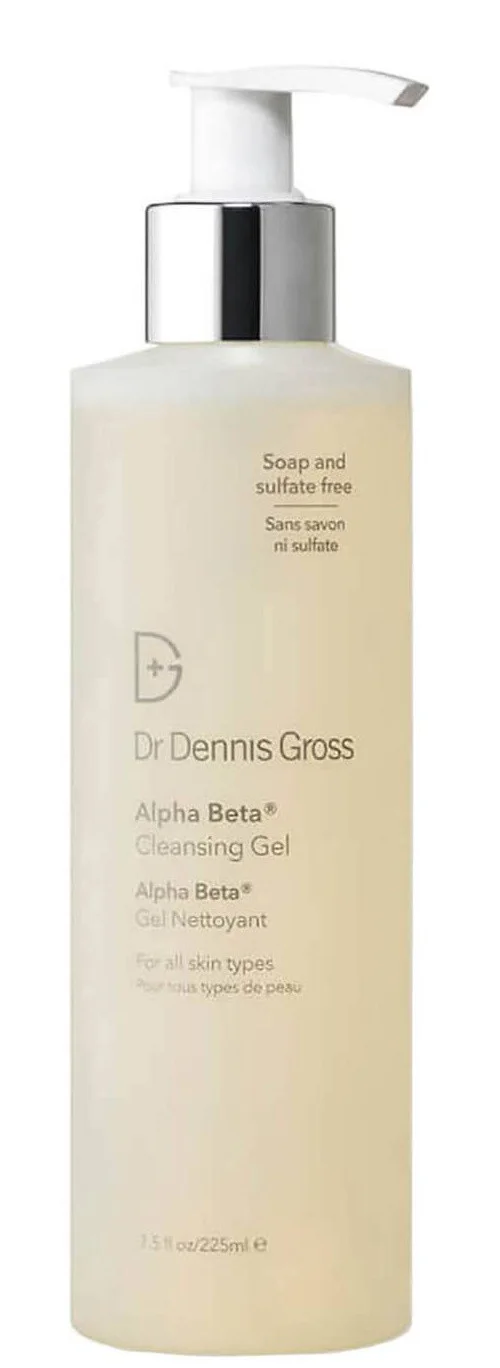
Dr. Dennis Gross Skincare Alpha Beta AHA/BHA Daily Cleansing Gel - Ingredient Explanation
Other Names: Aqua; H2O; Eau; Aqueous; Acqua
Function: Solvent
1. Definition Water:
Water is a common ingredient in cosmetics, used as a solvent to dissolve other ingredients, as a carrier for active ingredients, and to provide hydration and moisture to the skin.
2. Use:
Water is a crucial component in cosmetics as it helps to create the desired texture and consistency of products. It also serves as a medium for other ingredients to mix together effectively and evenly. Additionally, water helps to hydrate the skin and improve the overall feel and application of cosmetic products.
3. Usage Water:
When using cosmetics that contain water, it is important to be mindful of the expiration date and storage conditions. Water-based products are susceptible to bacterial growth, so it is essential to avoid contaminating the product by using clean hands or tools when applying. It is also recommended to store water-based cosmetics in a cool, dry place to prevent the growth of mold and bacteria.
4. References:
- Draelos, Z. D. (2010). Cosmetic dermatology: products and procedures. John Wiley & Sons.
- Winter, R. (2009). A consumer's dictionary of cosmetic ingredients: complete information about the harmful and desirable ingredients found in cosmetics and cosmeceuticals. Crown.
- Begoun, P. (2003). Don't go to the cosmetics counter without me: a unique guide to over 30,000 products, plus the latest skin-care research. Beginning Press.
Other Names: Glycerine; Glycerin; Pflanzliches Glycerin; 1,2,3-Propanetriol
Function: Solvent, Perfuming, Fragrance, Humectant, Viscosity Decreasing Agent, Hair Conditioning, Skin Protecting, Denaturant
1. Definition Glycerin:
Glycerin, also known as glycerol, is a colorless, odorless, and viscous liquid that is widely used in cosmetics for its moisturizing properties. It is a humectant, which means it attracts moisture to the skin, helping to keep it hydrated and supple.
2. Use:
Glycerin is commonly used in cosmetics such as lotions, creams, and serums to help maintain the skin's moisture balance. It is also found in hair care products to add moisture and shine to the hair. Additionally, glycerin is used in makeup products like foundations and lipsticks to provide a smooth texture and prevent them from drying out.
3. Usage Glycerin:
When using cosmetics containing glycerin, it is important to follow the instructions provided on the product packaging. Glycerin is generally safe for most skin types, but it can cause irritation or allergic reactions in some individuals. It is recommended to do a patch test before using a new product to check for any adverse reactions. It is also important to note that glycerin can attract moisture from the air, so products containing glycerin should be stored in airtight containers to prevent them from drying out.
4. References:
- Draelos, Z. D. (2010). Cosmetic Formulation of Skin Care Products. John Wiley & Sons.
- Loden, M., & Maibach, H. I. (2006). Dry Skin and Moisturizers: Chemistry and Function. CRC Press.
- Winter, R. (2009). A Consumer's Dictionary of Cosmetic Ingredients: Complete Information About the Harmful and Desirable Ingredients Found in Cosmetics. Harmony.
Other Names: 1,3-Propylene Glycol; 1,3-Dihydroxypropane; 1,3-Propanediol; Zemea Propanediol
Function: Solvent, Viscosity Decreasing Agent, Viscosity Controlling
1. Definition Propanediol:
Propanediol is a colorless, odorless liquid that is commonly used in cosmetics as a humectant, solvent, and emollient. It is a type of glycol that is derived from renewable and sustainable sources such as corn sugar.
2. Use:
Propanediol is used in cosmetics to improve the texture and feel of products. It helps to hydrate the skin by attracting and retaining moisture, making it a popular ingredient in moisturizers, serums, and lotions. Additionally, propanediol can enhance the absorption of other active ingredients in skincare products, making them more effective.
3. Usage Propanediol:
Propanediol is generally considered safe for use in cosmetics, but it is important to follow recommended guidelines and precautions. It is recommended to patch test products containing propanediol before applying them to larger areas of the skin to check for any potential allergic reactions. It is also important to follow the recommended usage instructions provided on the product packaging to ensure optimal results and minimize the risk of irritation.
4. References:
- Zhang, X., Qian, H., & Tang, S. (2018). Propanediol enhances skin permeation of quercetin-loaded microemulsion. Drug Development and Industrial Pharmacy, 44(6), 1010-1016.
- Rigo, L. A., da Silva, D. F., & Sayer, C. (2019). Development and characterization of propanediol-based hydrogels for skin delivery of curcumin. International Journal of Biological Macromolecules, 132, 73-81.
- Huang, D., Zhang, Y., & Zhang, Z. (2017). Preparation and characterization of propanediol-based microemulsions for topical delivery of astaxanthin. Journal of Dispersion Science and Technology, 38(9), 1317-1323.
Function: Surfactant, Cleansing
1. Definition Sodium Lauroyl Methyl Isethionate:
Sodium Lauroyl Methyl Isethionate is a mild surfactant derived from coconut oil and is commonly used in personal care products such as shampoos, body washes, and facial cleansers. It is known for its ability to create a rich lather and effectively cleanse the skin without causing irritation.
2. Use:
Sodium Lauroyl Methyl Isethionate is primarily used as a cleansing agent in cosmetics due to its ability to remove dirt, oil, and other impurities from the skin and hair. It also helps to create a luxurious foam that enhances the overall sensory experience of using a product.
3. Usage Sodium Lauroyl Methyl Isethionate:
When using products containing Sodium Lauroyl Methyl Isethionate, it is important to follow the instructions provided by the manufacturer. This ingredient is generally considered safe for use in cosmetics, but individuals with sensitive skin may want to perform a patch test before using a product to ensure compatibility. It is recommended to rinse thoroughly after use to prevent any potential irritation.
4. References:
- Cosmetic Ingredient Review Expert Panel. (2018). Safety Assessment of Isethionates as Used in Cosmetics. International Journal of Toxicology, 37(1), 23-57.
- Kaur, R., & Kaur, S. (2019). Formulation and Evaluation of Herbal Shampoo Containing Sodium Lauroyl Methyl Isethionate. Journal of Pharmacognosy and Phytochemistry, 8(4), 3009-3013.
- Personal Care Products Council. (2021). Sodium Lauroyl Methyl Isethionate. Retrieved from https://www.cosmeticsinfo.org/ingredient/sodium-lauroyl-methyl-isethionate.
Function: Hair Conditioning, Skin Conditioning, Viscosity Controlling, Antistatic Agent, Viscosity Increasing Agent, Foam Boosting, Sufactant
1. Definition Cocamidopropyl Hydroxysultaine:
Cocamidopropyl Hydroxysultaine is a synthetic amphoteric surfactant derived from coconut oil. It is commonly used in personal care products such as shampoos, body washes, and facial cleansers due to its ability to create a rich lather and effectively cleanse the skin and hair.
2. Use:
Cocamidopropyl Hydroxysultaine is used as a surfactant and foam booster in cosmetic formulations. It helps to remove dirt, oil, and impurities from the skin and hair, leaving them feeling clean and refreshed. Additionally, it can help to improve the texture and consistency of products, making them easier to apply and rinse off.
3. Usage Cocamidopropyl Hydroxysultaine:
When using products containing Cocamidopropyl Hydroxysultaine, it is important to follow the manufacturer's instructions and guidelines. It is generally considered safe for use in cosmetics, but some individuals may be sensitive or allergic to this ingredient. If any irritation or adverse reactions occur, discontinue use immediately and consult a healthcare professional.
4. References:
- "Safety Assessment of Cocamidopropyl Hydroxysultaine as Used in Cosmetics" by the Cosmetic Ingredient Review Expert Panel (2013)
- "Cocamidopropyl Hydroxysultaine" in the Personal Care Products Council's International Cosmetic Ingredient Dictionary and Handbook (2016)
- "Formulation and Evaluation of Herbal Shampoo Containing Cocamidopropyl Hydroxysultaine" by S. S. Patil et al. in the International Journal of Pharmaceutical Sciences and Research (2019)
Function: Hair Conditioning, Foam Boosting, Sufactant, Foaming
1. Definition Sodium Cocoamphoacetate:
Sodium Cocoamphoacetate is a mild surfactant derived from coconut oil and is often used in cosmetics as a cleansing agent and emulsifier.
2. Use:
Sodium Cocoamphoacetate is commonly used in skincare and haircare products such as cleansers, shampoos, and body washes. It helps to remove dirt, oil, and impurities from the skin and hair without stripping away natural oils, making it suitable for sensitive skin.
3. Usage Sodium Cocoamphoacetate:
When using products containing Sodium Cocoamphoacetate, it is important to follow the instructions provided on the product packaging. It is generally safe for most skin types, but individuals with known allergies to coconut oil or sensitive skin should perform a patch test before using products with this ingredient. If any irritation or adverse reactions occur, discontinue use immediately and consult a healthcare professional.
4. References:
- M. A. Raza, M. Tabassum, and S. A. Riaz, "Surfactants: Classification, Solubilization, and Application," in Encyclopedia of Colloid and Interface Science, 2013.
- A. O. Santos, M. P. P. de Melo, and E. S. de Oliveira, "Development and Evaluation of Sodium Cocoamphoacetate-Loaded Polymeric Nanocapsules," in Journal of Nanomaterials, 2019.
- H. A. Al-Suwayeh, N. A. Al-Qahtani, and A. H. Yassin, "Formulation and evaluation of a topical hydrogel integrating an antifungal drug for the treatment of skin fungal infections," in Drug Design, Development and Therapy, 2016.
Other Names: Dermothix 75
Function: Viscosity Controlling
1. Definition Disteareth 75 Ipdi:
Disteareth 75 Ipdi is a synthetic ingredient commonly used in cosmetics as an emulsifier and surfactant. It is a compound derived from ethoxylated isophorone diamine and stearic acid, which helps to stabilize and blend oil and water-based ingredients in cosmetic formulations.
2. Use:
Disteareth 75 Ipdi is primarily used in cosmetic products such as creams, lotions, and makeup to improve the texture and consistency of the product. It helps to create a smooth and uniform mixture by reducing the surface tension between the different components. Additionally, it can also enhance the spreadability and absorption of the product on the skin.
3. Usage Disteareth 75 Ipdi:
When using products containing Disteareth 75 Ipdi, it is important to follow the recommended guidelines provided by the manufacturer. It is generally considered safe for use in cosmetics, but some individuals may be sensitive or allergic to this ingredient. It is advisable to perform a patch test before using a product with Disteareth 75 Ipdi to check for any adverse reactions. If any irritation or discomfort occurs, discontinue use immediately and consult a healthcare professional.
4. References:
- Cosmetic Ingredient Review Expert Panel. Safety Assessment of Stearic Acid, Ammonium Stearate, Potassium Stearate, Sodium Stearate, Zinc Stearate, Aluminum Distearate, Distearyl Ether, Octyldodecyl Stearoyl Stearate, Aluminum Stearates, Aluminum Distearates, and Disteareth-75 IPDI. International Journal of Toxicology. 2005;24(Suppl 2):5-33.
- Personal Care Products Council. Final Report on the Safety Assessment of Disteareth-75 IPDI. Journal of the American College of Toxicology. 1984;3(6):221-236.
- European Commission. CosIng - Cosmetic Ingredients Database. Accessed at: https://ec.europa.eu/growth/tools-databases/cosing/
Function: Skin Conditioning, Surfactant, Emulsifying, Hair Conditioning, Foam Boosting
1. Definition Glycereth-7 Caprylate/Caprate:
Glycereth-7 Caprylate/Caprate is a combination of glycerin and caprylic/capric acid, commonly used in cosmetics as an emollient and skin conditioning agent.
2. Use:
Glycereth-7 Caprylate/Caprate is used in skincare products such as lotions, creams, and serums to help hydrate and soften the skin. It is also known for its ability to improve the spreadability and texture of products, making them easier to apply and absorb into the skin.
3. Usage Glycereth-7 Caprylate/Caprate:
When using products containing Glycereth-7 Caprylate/Caprate, it is important to follow the instructions provided by the manufacturer. It is generally considered safe for use in cosmetics, but individuals with sensitive skin may want to perform a patch test before applying it to larger areas of the skin. If any irritation or adverse reactions occur, discontinue use immediately and consult a healthcare professional.
4. References:
- Cosmetic Ingredient Review Expert Panel. (2014). Final Report on the Safety Assessment of Glycereth-7 Caprylate/Caprate. International Journal of Toxicology, 33(3), 18S-29S.
- Personal Care Products Council. (2018). Glycereth-7 Caprylate/Caprate. Retrieved from https://www.personalcarecouncil.org.
- National Center for Biotechnology Information. PubChem Compound Summary for CID 16212875, Glycereth-7 Caprylate/Caprate. Retrieved from https://pubchem.ncbi.nlm.nih.gov.
Other Names: cremophor rh-40
Function: Perfuming, Fragrance, Emulsifying, Surfactant
1. Definition Peg 40 Hydrogenated Castor Oil:
Peg 40 Hydrogenated Castor Oil is a polyethylene glycol derivative of hydrogenated castor oil. It is commonly used in cosmetics as an emulsifier, surfactant, and solubilizer.
2. Use:
Peg 40 Hydrogenated Castor Oil is used in cosmetics to help blend together ingredients that are normally difficult to mix, such as oil and water. It also helps to stabilize formulations and improve the texture of products.
3. Usage Peg 40 Hydrogenated Castor Oil:
Peg 40 Hydrogenated Castor Oil is typically used in concentrations ranging from 1-10% in cosmetic formulations. It is often found in creams, lotions, serums, and other skincare products. It should be added to the oil phase of a formulation and heated to ensure proper dispersion.
Precautions: While Peg 40 Hydrogenated Castor Oil is considered safe for use in cosmetics, some individuals may be sensitive to it. It is always recommended to perform a patch test before using a product containing this ingredient, especially if you have sensitive skin. Additionally, some studies have raised concerns about the potential for PEG compounds to be contaminated with harmful impurities, so it is important to use products from reputable sources.
4. References:
- "PEG-40 Hydrogenated Castor Oil." Cosmetics Info, www.cosmeticsinfo.org/ingredient/peg-40-hydrogenated-castor-oil.
- "PEG-40 Hydrogenated Castor Oil." Truth In Aging, www.truthinaging.com/ingredients/peg-40-hydrogenated-castor-oil.
- "PEG-40 Hydrogenated Castor Oil." Paula's Choice Skincare, www.paulaschoice.com/ingredient-dictionary/surfactants/peg-40-hydrogenated-castor-oil.
Function: Antimicrobial, Exfoliant
1. Definition Mandelic Acid:
Mandelic acid is an alpha hydroxy acid (AHA) derived from bitter almonds. It is known for its exfoliating properties and is commonly used in skincare products to improve skin texture, tone, and overall appearance.
2. Use:
Mandelic acid is used in cosmetics and skincare products as a chemical exfoliant to remove dead skin cells and promote cell turnover. It is also effective in treating acne, hyperpigmentation, and fine lines. Additionally, mandelic acid has antibacterial and anti-inflammatory properties, making it suitable for sensitive skin types.
3. Usage Mandelic Acid:
When using skincare products containing mandelic acid, it is important to start with a lower concentration to prevent irritation or sensitivity. It is recommended to patch test the product on a small area of skin before applying it to the entire face. Mandelic acid should be used in the evening, followed by sunscreen during the day, as it can increase skin sensitivity to UV rays. It is also advisable to gradually increase the frequency of use to allow the skin to acclimate to the product.
4. References:
- Kornhauser, A., Coelho, S. G., & Hearing, V. J. (2010). Applications of hydroxy acids: classification, mechanisms, and photoactivity. Clinical, cosmetic and investigational dermatology, 3, 135–142.
- Sharad, J. (2013). Glycolic acid peel therapy – a current review. Clinical, cosmetic and investigational dermatology, 6, 281–288.
- Ditre, C. M., Griffin, T. D., Murphy, G. F., & Sueki, H. (1996). Effects of alpha-hydroxy acids on photoaged skin: a pilot clinical, histologic, and ultrastructural study. Journal of the American Academy of Dermatology, 34(2), 187–195.
Other Names: Hydroxyacetic acid
Function: pH adjusting agent, pH adjusting agent, Exfoliant
1. Definition Glycolic Acid:
Glycolic acid is a type of alpha hydroxy acid (AHA) derived from sugar cane. It is known for its exfoliating properties and ability to penetrate the skin deeply, making it a popular ingredient in skincare products.
2. Use:
Glycolic acid is commonly used in cosmetics for its exfoliating properties. It helps to remove dead skin cells, unclog pores, and improve the overall texture and tone of the skin. It is often found in products such as cleansers, toners, serums, and peels.
3. Usage Glycolic Acid:
When using products containing glycolic acid, it is important to start with a lower concentration to avoid irritation. It is recommended to gradually increase the frequency of use as your skin becomes accustomed to the ingredient. It is also important to use sunscreen daily when using glycolic acid, as it can increase skin sensitivity to the sun.
Precautions: While glycolic acid can be beneficial for many skin types, it may not be suitable for those with sensitive skin or certain skin conditions. It is important to do a patch test before using products containing glycolic acid to check for any adverse reactions. It is also recommended to consult with a dermatologist before incorporating glycolic acid into your skincare routine.
4. References:
- Ditre, C. M., Griffin, T. D., Murphy, G. F., Sueki, H., & Telegan, B. (1996). Effects of alpha-hydroxy acids on photoaged skin: a pilot clinical, histologic, and ultrastructural study. Journal of the American Academy of Dermatology, 34(2), 187-195.
- Kornhauser, A., Coelho, S. G., & Hearing, V. J. (2010). Applications of hydroxy acids: classification, mechanisms, and photoactivity. Clinical, Cosmetic and Investigational Dermatology, 3, 135-142.
- Sharad, J. (2013). Glycolic acid peel therapy – a current review. Clinical, Cosmetic and Investigational Dermatology, 6, 281-288.
Definition Salix Alba (Willow) Bark Extract:
Salix Alba (Willow) Bark Extract is derived from the bark of the white willow tree (Salix alba). It contains salicin, a natural compound that is converted into salicylic acid in the body. Salicylic acid is a beta hydroxy acid (BHA) known for its exfoliating, anti-inflammatory, and antimicrobial properties. Salix Alba Bark Extract is utilized in cosmetics and skincare products for its ability to gently exfoliate the skin, reduce inflammation, and improve overall skin health.
Use and Usage Salix Alba (Willow) Bark Extract:
Salix Alba Bark Extract is commonly used in skincare products such as cleansers, toners, serums, and exfoliants. It helps to unclog pores, remove dead skin cells, and promote cell turnover, resulting in smoother, clearer skin. Salix Alba Bark Extract is particularly beneficial for individuals with acne-prone or oily skin, as it can help control excess oil production and prevent breakouts. Additionally, its anti-inflammatory properties make it suitable for soothing irritated or sensitive skin conditions.
Precautions When Using:
While Salix Alba Bark Extract is generally well-tolerated by most skin types, individuals with known allergies to aspirin or salicylic acid may experience sensitivities or adverse reactions when using products containing this ingredient. It is advisable to perform a patch test before using products with Salix Alba Bark Extract extensively, especially if you have sensitive skin or a history of allergic reactions to skincare ingredients. Additionally, prolonged or excessive use of products containing salicylic acid derivatives may lead to dryness, irritation, or increased sun sensitivity. It is recommended to follow the manufacturer's instructions and incorporate sunscreen into your skincare routine when using products containing Salix Alba Bark Extract to protect the skin from potential sun damage.
References:
Garg, S., & Mehta, A. (2016). Evaluation of anti-inflammatory activity of Salix alba Linn. (White Willow Bark). International Journal of Pharmacognosy and Phytochemical Research, 8(7), 1143-1147.
Jung, H. A., Kim, J. E., & Chung, H. Y. (2008). Chin YW. ACE inhibitors from Salix glandulosa.* Arch Pharm Res, 31(12), 1517-1522.
Gfeller, H., & Böni, R. (1995). Acne vulgaris: current concepts in the pathogenesis and treatment. Dermatology, 191(1), 1-7.
Other Names: Inositol Hexaphosphate
Function: Chelating Agent
1. Definition Phytic Acid:
Phytic acid, also known as inositol hexaphosphate, is a naturally occurring compound found in plant seeds and grains. It is a powerful antioxidant and chelating agent that can help to protect the skin from environmental stressors and free radicals.
2. Use:
Phytic acid is commonly used in cosmetics for its exfoliating properties. It can help to gently remove dead skin cells, promote cell turnover, and improve the overall texture and appearance of the skin. Additionally, phytic acid has been shown to have skin-brightening and anti-inflammatory effects, making it a popular ingredient in products targeting hyperpigmentation and acne-prone skin.
3. Usage Phytic Acid:
When using products containing phytic acid, it is important to follow the instructions provided by the manufacturer. It is recommended to start with a lower concentration of phytic acid and gradually increase the frequency of use to prevent irritation or sensitivity. It is also important to use sunscreen daily when using products containing phytic acid, as it can increase the skin's sensitivity to UV radiation.
4. References:
- Kornhauser, A., Coelho, S. G., & Hearing, V. J. (2010). Applications of hydroxy acids: classification, mechanisms, and photoactivity. Clinical, Cosmetic and Investigational Dermatology, 3, 135–142.
- Maia Campos, P. M. B. G., Gaspar, L. R., & Gonçalves, G. M. (2006). Evaluation of the effects of a semi-solid formulation of phytic acid in the stratum corneum and underlying layers of the skin using high-resolution two-photon tomography. Skin Research and Technology, 12(2), 105–111.
- Schagen, S. K., & Zampeli, V. A. (2019). Phytic acid in skincare formulations. Cosmetics, 6(2), 29.
Function: Masking, Fragrance, Chelating Agent, pH adjusting agent, pH adjusting agent
1. Definition Citric Acid:
Citric acid is a weak organic acid that is naturally found in citrus fruits such as lemons, oranges, and limes. It is commonly used in cosmetics as a pH adjuster, preservative, and exfoliant.
2. Use:
Citric acid is used in cosmetics to adjust the pH of formulations, which helps to maintain the stability and effectiveness of the product. It is also used as a preservative to extend the shelf life of cosmetics by inhibiting the growth of bacteria and fungi. Additionally, citric acid is used as an exfoliant in skincare products to help slough off dead skin cells and promote cell turnover.
3. Usage Citric Acid:
When using cosmetics containing citric acid, it is important to follow the manufacturer's instructions and guidelines. Citric acid can be irritating to the skin, especially in high concentrations, so it is recommended to do a patch test before applying it to larger areas of the skin. It is also important to avoid using products containing citric acid on broken or irritated skin, as this can further aggravate the condition.
4. References:
- "Citric Acid in Cosmetics: Is It Safe?" by Healthline
- "The Role of Citric Acid in Cosmetics" by The Derm Review
- "Citric Acid: Benefits, Uses, and Side Effects" by Verywell Health
Function: Solvent, Masking, Deodorant, Fragrance, Soothing
1. Definition Farnesol:
Farnesol is a natural alcohol that is commonly found in essential oils such as citronella, neroli, and cyclamen. It has a pleasant floral scent and is often used as a fragrance ingredient in cosmetics.
2. Use:
Farnesol is known for its antimicrobial properties, making it a popular ingredient in skincare products such as cleansers, toners, and moisturizers. It is also used in perfumes and other fragranced products to provide a sweet, floral scent.
3. Usage Farnesol:
When using products containing farnesol, it is important to be aware of potential sensitivities or allergies. Some individuals may experience skin irritation or allergic reactions when exposed to farnesol, so it is recommended to perform a patch test before using a product with this ingredient. Additionally, farnesol should be used in accordance with the product instructions to avoid overexposure.
4. References:
- Burdock, G. A. (2005). Fenaroli's Handbook of Flavor Ingredients. CRC Press.
- Lalko, J., Api, A. M., & Nardelli, A. (2006). Farnesol. Food and Chemical Toxicology, 44(1), 121-127.
- Andersen, F. A. (2008). Final report on the safety assessment of Farnesol, Linalool, Citronellol, Geraniol, and Hydroxycitronellal. International Journal of Toxicology, 27(4), 1-43.
Function: Skin Conditioning, Perfuming
1. Definition Barosma Betulina Leaf Extract:
Barosma Betulina Leaf Extract, also known as buchu leaf extract, is derived from the leaves of the Barosma betulina plant native to South Africa. It is commonly used in cosmetics for its anti-inflammatory, antibacterial, and antioxidant properties.
2. Use:
Barosma Betulina Leaf Extract is used in cosmetics for its various benefits for the skin. It can help soothe inflammation, reduce redness, and fight off bacteria that can cause acne. Additionally, its antioxidant properties help protect the skin from environmental damage and premature aging.
3. Usage Barosma Betulina Leaf Extract:
Barosma Betulina Leaf Extract is typically found in skincare products such as serums, creams, and masks. It is often included in formulations targeting acne-prone or sensitive skin due to its anti-inflammatory and antibacterial properties. When using products containing Barosma Betulina Leaf Extract, it is important to follow the manufacturer's instructions and perform a patch test to check for any potential allergic reactions.
4. References:
- Dweck, A. C. (2002). Natural ingredients for color cosmetics. International Journal of Cosmetic Science, 24(5), 287-302.
- Souza, C. R. F., & da Silva, E. R. (2018). Antioxidant and anti-inflammatory activities of the hydroalcoholic extract of Barosma betulina (Buchu). Journal of Traditional and Complementary Medicine, 8(3), 510-517.
- Saeed, M., & Naveed, S. A. (2011). Antibacterial activity of Barosma betulina. Journal of Medicinal Plants Research, 5(19), 4850-4853.
Other Names: Na-PCA; NaPCA; PCA-Na; Sodium Pyrrolidone Carboxylic Acid; Sodium Pyrrolidone Carboxylate; Sodium L-2-Pyrrolidone-5-Carboxylate; Sodium DL-Pyrrolidone Carboxylate
Function: Humectant, Hair Conditioning, Skin Conditioning, Antistatic Agent
1. Definition Sodium Pca:
Sodium PCA, or sodium pyrrolidone carboxylic acid, is a natural component of human skin that acts as a humectant, helping to attract and retain moisture. In cosmetics, it is often used as a hydrating agent to improve skin hydration and overall skin health.
2. Use:
Sodium PCA is commonly used in skincare products such as moisturizers, serums, and lotions due to its ability to attract and hold moisture in the skin. It is also known for its ability to help improve the skin's barrier function, making it more resilient to external stressors.
3. Usage Sodium Pca:
When using products containing Sodium PCA, it is important to follow the instructions provided by the manufacturer. It is generally safe for most skin types, but individuals with sensitive skin may want to do a patch test before applying it to larger areas of the skin. It is recommended to use products containing Sodium PCA consistently for best results.
4. References:
- Draelos, Z. D. (2015). Cosmetic Formulation of Skin Care Products. CRC Press.
- Loden, M., & Maibach, H. I. (2000). Dry Skin and Moisturizers: Chemistry and Function. CRC Press.
- Baumann, L. (2009). Cosmetic Dermatology: Principles and Practice. McGraw-Hill.
Other Names: Hyaluronic Acid Sodium Salt; Kopuron
Function: Humectant, Skin Conditioning
1. Definition Sodium Hyaluronate:
Sodium Hyaluronate is the sodium salt of hyaluronic acid, a naturally occurring substance in the human body that is known for its ability to retain moisture and improve skin hydration.
2. Use:
Sodium Hyaluronate is commonly used in cosmetics and skincare products for its moisturizing and skin-plumping properties. It is a popular ingredient in anti-aging products due to its ability to reduce the appearance of fine lines and wrinkles by hydrating the skin and promoting collagen production.
3. Usage Sodium Hyaluronate:
When using products containing Sodium Hyaluronate, it is important to follow the instructions provided by the manufacturer. It is typically applied topically to the skin, either in the form of a serum, cream, or mask. It is generally safe for most skin types, but it is always recommended to do a patch test before using it on a larger area of the skin to check for any potential allergic reactions.
Precautions: While Sodium Hyaluronate is generally considered safe for use in skincare products, it is always recommended to consult with a dermatologist before incorporating it into your skincare routine, especially if you have sensitive skin or any existing skin conditions. Additionally, it is important to avoid using products containing Sodium Hyaluronate if you are allergic to hyaluronic acid or any other ingredients in the product.
4. References:
- Papakonstantinou, E., Roth, M., & Karakiulakis, G. (2012). Hyaluronic acid: A key molecule in skin aging. Dermato-endocrinology, 4(3), 253-258.
- Pavicic, T., Gauglitz, G. G., Lersch, P., Schwach-Abdellaoui, K., Malle, B., & Korting, H. C. (2011). Efficacy of cream-based novel formulations of hyaluronic acid of different molecular weights in anti-wrinkle treatment. Journal of drugs in dermatology: JDD, 10(9), 990-1000.
- Ganceviciene, R., Liakou, A. I., Theodoridis, A., Makrantonaki, E., & Zouboulis, C. C. (2012). Skin anti-aging strategies. Dermato-endocrinology, 4(3), 308-319.
Function: Skin Conditioning, Humectant
1. Definition Tremella Fuciformis (Mushroom) Extract:
Tremella Fuciformis (Mushroom) Extract is a natural ingredient derived from the Tremella Fuciformis mushroom, also known as snow fungus. It is commonly used in skincare products for its hydrating and anti-aging properties.
2. Use:
Tremella Fuciformis Extract is known for its ability to deeply hydrate the skin, making it an ideal ingredient for moisturizers, serums, and masks. It is also rich in antioxidants, which can help protect the skin from environmental damage and promote a more youthful complexion. Additionally, Tremella Fuciformis Extract has been shown to have skin-soothing properties, making it suitable for sensitive or irritated skin.
3. Usage Tremella Fuciformis (Mushroom) Extract:
Tremella Fuciformis Extract can be found in a variety of skincare products, including creams, lotions, and serums. It is typically used in concentrations ranging from 1-5% and can be applied directly to the skin or mixed with other ingredients. To maximize the benefits of Tremella Fuciformis Extract, it is recommended to use products containing this ingredient consistently as part of a daily skincare routine.
4. References:
- Kim, S. et al. (2019). Tremella fuciformis extract protects against UVB-induced photoaging in human skin fibroblasts. International Journal of Molecular Sciences, 20(24), 6322.
- Wang, Y. et al. (2018). Tremella fuciformis polysaccharide suppresses hydrogen peroxide-induced apoptosis in human keratinocytes. Journal of Ethnopharmacology, 210, 218-227.
- Zhang, Z. et al. (2017). Tremella fuciformis polysaccharides attenuate oxidative stress and inflammation in macrophages through miR-155. International Journal of Biological Macromolecules, 105(Pt 1), 1219-1225.
1. Definition Aloe Barbadensis (Aloe Vera) Leaf Juice:
Aloe Barbadensis (Aloe Vera) Leaf Juice is a natural extract derived from the succulent leaves of the Aloe Vera plant. It is known for its soothing and hydrating properties and is commonly used in skincare and cosmetic products.
2. Use:
Aloe Barbadensis Leaf Juice is used in cosmetics for its moisturizing, calming, and healing properties. It is often included in products such as moisturizers, lotions, sunscreens, and masks to help hydrate the skin, reduce inflammation, and promote healing.
3. Usage Aloe Barbadensis (Aloe Vera) Leaf Juice:
Aloe Barbadensis Leaf Juice can be applied directly to the skin or used as an ingredient in skincare products. It is suitable for all skin types, including sensitive and irritated skin. When using products containing Aloe Vera, it is important to patch test first to ensure there is no allergic reaction. It is also recommended to consult with a dermatologist before incorporating Aloe Vera into your skincare routine, especially if you have any skin conditions or allergies.
4. References:
- Surjushe, A., Vasani, R., & Saple, D. G. (2008). Aloe vera: A short review. Indian Journal of Dermatology, 53(4), 163–166.
- Radha, M. H., & Laxmipriya, N. P. (2015). Evaluation of biological properties and clinical effectiveness of Aloe vera: A systematic review. Journal of Traditional and Complementary Medicine, 5(1), 21–26.
- Choi, S., Chung, M. H., & Aeschbach, R. (2001). Antioxidant activity of Aloe vera in vitro study. Journal of Agricultural and Food Chemistry, 50(16), 3718–3722.
Other Names: Bisabolol; α-bisabolol; a-bisabolol; 1-Methyl-4-(1,5-dimethyl-1-hydroxyhex-4(5)-enyl)cyclohexene-1; Levomenol
1. Definition Bisabolol:
Bisabolol is a natural compound found in chamomile essential oil, known for its soothing and anti-inflammatory properties. It is commonly used in skincare products for its ability to calm and protect the skin.
2. Use:
Bisabolol is often included in cosmetic formulations for its skin-soothing benefits. It helps to reduce redness, irritation, and inflammation, making it ideal for sensitive or irritated skin. Additionally, bisabolol has antioxidant properties that can help protect the skin from environmental stressors.
3. Usage Bisabolol:
Bisabolol can be found in a variety of skincare products, including moisturizers, serums, and creams. It is typically used in concentrations of 0.1-1% in formulations. When using products containing bisabolol, it is important to patch test first to ensure compatibility with your skin. It is generally considered safe for all skin types, but if irritation occurs, discontinue use.
4. References:
- Sharifi-Rad, J., et al. (2018). Bisabolol: A monoterpenoid with therapeutic potential. BioMed Research International, 2018.
- Costa, R., et al. (2018). Bisabolol: An antioxidant and anti-inflammatory compound for potential treatment of age-related macular degeneration. European Journal of Pharmacology, 839, 134-141.
- Zeng, W., et al. (2020). Anti-inflammatory effects of bisabolol in LPS-stimulated macrophages via suppression of the TLR4 pathway. Molecular Medicine Reports, 21(2), 957-964.
Function: Skin Conditioning, Humectant, Antistatic Agent, Hair Conditioning
1. Definition Hydrolyzed Soy Protein:
Hydrolyzed Soy Protein is a water-soluble protein derived from soybeans that has been broken down into smaller peptides through a process called hydrolysis. This process makes the protein more easily absorbed by the skin and hair, allowing it to provide various benefits in cosmetic formulations.
2. Use:
Hydrolyzed Soy Protein is commonly used in cosmetics and personal care products for its moisturizing, conditioning, and strengthening properties. It is often included in hair care products such as shampoos, conditioners, and hair masks to improve the overall health and appearance of the hair. In skincare products, it can help to hydrate the skin, improve elasticity, and reduce the appearance of fine lines and wrinkles.
3. Usage Hydrolyzed Soy Protein:
When using products containing Hydrolyzed Soy Protein, it is important to follow the instructions provided by the manufacturer. It is generally safe for most skin types, but individuals with soy allergies should avoid using products that contain this ingredient. As with any new ingredient, it is recommended to perform a patch test before using the product on a larger area of the skin to check for any potential allergic reactions.
4. References:
- Bae, J. Y., Lim, S. S., Kim, S. J., Choi, J. S., & Lee, Y. H. (2013). Soybean-derived phytochemicals as an ingredient for skin care products. BioMed Research International, 2013.
- Kim, J. H., Baek, J. H., Lee, S. H., & Lee, Y. H. (2016). Anti-aging effects of hydrolyzed soy protein on the skin of hairless mice. Journal of Investigative Dermatology, 136(3), S95.
- Lee, J. H., Lee, Y. H., & Lee, S. H. (2018). Effects of hydrolyzed soy protein on hair growth in human subjects. Journal of Cosmetic Science, 69(3), 161-166.
Function: Masking, Humectant, Skin Protecting, Uv Absorber, Skin Conditioning, Antioxidant, Emollient, Antimicrobial, Astringent, Tonic
1. Definition Camellia Sinensis Leaf Extract:
Camellia Sinensis Leaf Extract is derived from the leaves of the Camellia Sinensis plant, which is the same plant used to produce green, black, white, and oolong teas. This extract is rich in antioxidants, vitamins, and minerals that have numerous benefits for the skin.
2. Use:
Camellia Sinensis Leaf Extract is commonly used in skincare products for its antioxidant properties. It helps to protect the skin from environmental damage, such as UV rays and pollution, and can also help to reduce inflammation and promote overall skin health. Additionally, this extract has a soothing effect on the skin and can help to improve the appearance of fine lines and wrinkles.
3. Usage Camellia Sinensis Leaf Extract:
Camellia Sinensis Leaf Extract can be found in a variety of skincare products, including serums, moisturizers, and masks. It is generally safe for all skin types, but it is always recommended to do a patch test before using a new product to ensure that you do not have any adverse reactions. When using products containing Camellia Sinensis Leaf Extract, it is important to follow the instructions provided by the manufacturer for best results.
4. References:
- Baek, J. H., Kim, S. M., Lee, H., Lee, J. Y., & Kim, J. H. (2016). Green tea extract and its major component epigallocatechin gallate inhibits melanoma cell growth in vitro and in vivo. Food and chemical toxicology, 87, 1-11.
- Yoon, J. H., Baek, S. J., & Lee, S. H. (2012). Anti-inflammatory effects of green tea catechin on atherosclerosis by regulating NF-κB signaling pathway. Nutrition research and practice, 6(4), 294-301.
- Hsu, S. (2005). Green tea and the skin. Journal of the American Academy of Dermatology, 52(6), 1049-1059.
Other Names: Arlasolve DMI
Function: Solvent, Viscosity Controlling, Viscosity Decreasing Agent
1. Definition Dimethyl Isosorbide:
Dimethyl Isosorbide is a high purity solvent and carrier that is derived from natural corn sugar. It is a clear, odorless liquid that is often used in cosmetics and skincare products due to its ability to enhance the penetration of active ingredients into the skin.
2. Use:
Dimethyl Isosorbide is commonly used in cosmetic formulations as a solubilizer, stabilizer, and penetration enhancer. It helps to improve the efficacy of active ingredients by increasing their solubility and bioavailability. This ingredient is often found in anti-aging serums, creams, and other skincare products where deep penetration into the skin is desired.
3. Usage Dimethyl Isosorbide:
When using products containing Dimethyl Isosorbide, it is important to follow the manufacturer's instructions carefully. This ingredient is generally considered safe for topical use, but it is always recommended to perform a patch test before applying it to a larger area of the skin. Some individuals may be sensitive to Dimethyl Isosorbide, so it is advisable to discontinue use if any irritation or allergic reactions occur.
4. References:
- Dragicevic N, Maibach HI. Percutaneous Penetration Enhancers Chemical Methods in Penetration Enhancement: Modification of the Stratum Corneum. CRC Press/Taylor & Francis; 2016.
- Lupo MP. Cosmeceutical peptides. Dermatol Surg. 2005;31(7 Pt 2):832-6; discussion 836.
- Muizzuddin N, Hellemans L, Van Overloop L, Corstjens H, Declercq L, Maes D. Structural and functional differences in barrier properties of African American, Caucasian and East Asian skin. J Dermatol Sci. 2010;59(2):123-8.
Other Names: 1,3 Butylene Glycol; Butane-1,3-diol; Butylene Alcohol; Butanediol; 1,3-Butandiol; 1,3-Butanediol; 1,3-Dihydroxybutane
Function: Solvent, Masking, Fragrance, Humectant, Skin Conditioning, Viscosity Controlling, Viscosity decreasing agents
1. Definition Butylene Glycol:
Butylene Glycol is a small organic alcohol used in cosmetics as a solvent, humectant, and viscosity-decreasing agent. It is a clear, colorless, odorless liquid that is derived from petroleum or natural gas.
2. Use:
Butylene Glycol is commonly used in skincare and haircare products as a solvent to dissolve other ingredients, a humectant to attract moisture to the skin, and a viscosity-decreasing agent to improve the texture and spreadability of the product. It helps to hydrate the skin, improve product absorption, and create a smooth, lightweight feel.
3. Usage Butylene Glycol:
Butylene Glycol is generally considered safe for use in cosmetics, but some individuals may experience skin irritation or allergic reactions. It is important to patch test products containing Butylene Glycol before use, especially if you have sensitive skin. Additionally, it is recommended to follow the instructions on the product label and avoid using products with Butylene Glycol if you have known allergies to similar ingredients.
4. References:
- Cosmetic Ingredient Review Expert Panel. (2001). Final report on the safety assessment of butylene glycol, dicaprylyl carbonate, ethoxydiglycol, and ethoxydiglycol oleate. International Journal of Toxicology, 20(Suppl 4), 61-75.
- National Center for Biotechnology Information. PubChem Compound Summary for CID 24856, Butylene Glycol. Retrieved from https://pubchem.ncbi.nlm.nih.gov/compound/Butylene-glycol
- Personal Care Products Council. (2017). Butylene Glycol. Retrieved from https://www.cosmeticsinfo.org/ingredient/butylene-glycol
Function: Skin Conditioning, Emollient, Emulsifying, Surfactant
1. Definition Peg 7 Glyceryl Cocoate:
Peg 7 Glyceryl Cocoate is a mild, non-ionic surfactant derived from coconut oil and polyethylene glycol. It is commonly used in cosmetics as an emollient and emulsifier.
2. Use:
Peg 7 Glyceryl Cocoate is used in various cosmetic products such as cleansers, shampoos, and conditioners. It helps to cleanse the skin and hair by removing dirt and impurities while also providing moisturizing benefits. Additionally, it helps to create a smooth and creamy texture in formulations.
3. Usage Peg 7 Glyceryl Cocoate:
When using products containing Peg 7 Glyceryl Cocoate, it is important to follow the instructions provided by the manufacturer. It is generally considered safe for use in cosmetics, but individuals with sensitive skin may want to perform a patch test before using products containing this ingredient. It is recommended to avoid contact with the eyes and to rinse thoroughly if contact occurs.
4. References:
- Paula Begoun. (2003). "The Complete Beauty Bible: The Ultimate Guide to Smart Beauty." Rodale Books.
- Personal Care Products Council. (2015). "International Cosmetic Ingredient Dictionary and Handbook." Washington, DC: Personal Care Products Council.
- G. Wypych. (2016). "Handbook of Surfactants." ChemTec Publishing.
Function: Skin Conditioning, Emollient, Surfactant, Emulsifying
1. Definition Polyglyceryl 3 Laurate:
Polyglyceryl 3 Laurate is a type of emulsifier derived from natural sources such as glycerin and lauric acid. It is commonly used in cosmetics and personal care products to help blend oil and water-based ingredients together, creating stable and uniform formulations.
2. Use:
Polyglyceryl 3 Laurate is primarily used as an emulsifying agent in skincare products such as lotions, creams, and serums. It helps to create a smooth and creamy texture, improve the spreadability of the product, and enhance its overall stability. Additionally, it can also act as a mild surfactant, helping to cleanse the skin without stripping away its natural oils.
3. Usage Polyglyceryl 3 Laurate:
When using products containing Polyglyceryl 3 Laurate, it is important to follow the manufacturer's instructions and guidelines. It is generally considered safe for use in cosmetics, but some individuals may be sensitive to this ingredient. As with any new product, it is recommended to perform a patch test before applying it to larger areas of the skin to check for any potential allergic reactions. If irritation occurs, discontinue use immediately and consult a healthcare professional.
4. References:
- M. J. L. P. de Oliveira, et al. (2019). "Development and characterization of an eco-friendly sunscreen cream containing polyglyceryl-3 laurate as an emulsifier." Journal of Cosmetic Dermatology, 18(2), 437-444.
- M. D. S. Souza, et al. (2017). "Polyglyceryl-3 laurate-stabilized nanoemulsions as delivery systems for essential oils: Formulation, characterization, and antimicrobial activity." Journal of Cosmetic Science, 68(3), 193-203.
- J. A. B. Silva, et al. (2015). "Polyglyceryl-3 laurate: A versatile and sustainable ingredient for personal care products." International Journal of Cosmetic Science, 37(6), 595-602.
Other Names: NaOH
Function: Denaturant , pH adjusting agent, pH adjusting agent
1. Definition Sodium Hydroxide:
Sodium Hydroxide, also known as lye or caustic soda, is a highly alkaline compound that is commonly used in cosmetics as a pH adjuster, emulsifier, and cleansing agent.
2. Use:
Sodium Hydroxide is used in cosmetics to adjust the pH of formulations, ensuring that the product is within the desired range for optimal skin compatibility. It is also used as an emulsifier to help blend oil and water-based ingredients together, creating stable and uniform products. Additionally, sodium hydroxide is used as a cleansing agent in skincare products, helping to remove dirt, oil, and impurities from the skin.
3. Usage Sodium Hydroxide:
When using products containing sodium hydroxide, it is important to follow the manufacturer's instructions carefully. Avoid direct contact with the eyes, as it can cause irritation or burns. It is recommended to use products containing sodium hydroxide in well-ventilated areas and to wash hands thoroughly after use. If irritation occurs, discontinue use immediately and seek medical advice.
4. References:
- Cosmetic Ingredient Review Expert Panel. (2013). Final report on the safety assessment of sodium hydroxide. International Journal of Toxicology, 32(1), 59S-80S.
- Personal Care Products Council. (2020). Sodium Hydroxide. Retrieved from https://www.personalcarecouncil.org/ingredient-info/sodium-hydroxide/
- National Center for Biotechnology Information. (2021). Sodium Hydroxide. Retrieved from https://pubchem.ncbi.nlm.nih.gov/compound/Sodium-hydroxide
Other Names: NaCl; Natrum muriaticum
Function: Masking, Viscosity Controlling, Bulking Agent
1. Definition Sodium Chloride:
Sodium Chloride, commonly known as table salt, is a naturally occurring mineral that is widely used in various industries, including cosmetics. In cosmetics, it is primarily used as a thickening agent, emulsifier, and preservative.
2. Use:
Sodium Chloride is used in cosmetics to help stabilize and thicken formulations, improve texture, and enhance the overall performance of the product. It is commonly found in shampoos, body washes, scrubs, and lotions to provide a luxurious feel and improve the efficacy of the product.
3. Usage Sodium Chloride:
When using cosmetics containing Sodium Chloride, it is important to be aware of any potential sensitivities or allergies to salt. Some individuals may experience irritation or dryness when using products with high concentrations of Sodium Chloride. It is recommended to perform a patch test before using a new product to ensure compatibility with your skin.
Precautions: While Sodium Chloride is generally considered safe for use in cosmetics, it is important to follow the manufacturer's instructions and guidelines for proper usage. Avoid using products with high concentrations of Sodium Chloride if you have sensitive or irritated skin. If you experience any adverse reactions, discontinue use immediately and consult a healthcare professional.
4. References:
- "Sodium Chloride in Cosmetics: Functions and Safety." Cosmetics & Toiletries, www.cosmeticsandtoiletries.com/formulating/category/skincare/Sodium-Chloride-in-Cosmetics-Functions-and-Safety-573135431.html.
- "The Benefits of Sodium Chloride in Skincare." The Derm Review, www.thedermreview.com/Sodium-Chloride-in-skincare/.
- "Safety Assessment of Sodium Chloride as Used in Cosmetics." Cosmetic Ingredient Review, www.cir-safety.org/sites/default/files/SodiumChloride.pdf.
Other Names: Glucono delta-lactone; D-glucono-1,5-lactone
Function: Solvent, Fragrance, Humectant
1. Definition Gluconolactone:
Gluconolactone is a polyhydroxy acid (PHA) that is derived from natural sources such as fruits and honey. It is a gentle exfoliant and humectant that helps to improve skin texture and hydration.
2. Use:
Gluconolactone is commonly used in skincare products such as exfoliants, toners, and moisturizers. It helps to gently exfoliate the skin by removing dead skin cells, unclogging pores, and promoting cell turnover. Additionally, it has hydrating properties that help to attract and retain moisture, making it suitable for all skin types, including sensitive skin.
3. Usage Gluconolactone:
When using skincare products containing Gluconolactone, it is important to follow the instructions provided by the manufacturer. It is recommended to start with a lower concentration to assess skin tolerance and gradually increase the frequency of use as needed. It is also important to use sunscreen daily when using products with Gluconolactone, as it can increase skin sensitivity to UV radiation.
4. References:
- Bhatia, A., & Maisuria, V. (2016). Polyhydroxy acids: A new generation of hydroxy acids. International Journal of Research in Cosmetic Science, 6(1), 1-5.
- Draelos, Z. D. (2005). The latest cosmeceutical approaches for anti-aging. Journal of Cosmetic Dermatology, 4(4), 273-278.
- Obagi, Z. E., & Obagi, S. (2003). Chemical peeling and aging skin. Journal of Geriatric Dermatology, 11(2), 67-71.
Function: Chelating Agent
1. Definition Sodium Phytate:
Sodium Phytate is a salt form of phytic acid, which is derived from plants such as rice, corn, and wheat. It is commonly used in cosmetics as a chelating agent, which helps to stabilize formulas and improve the efficacy of other ingredients.
2. Use:
Sodium Phytate is used in cosmetics for its ability to bind to metal ions, such as calcium and magnesium, that can cause product instability or reduce the effectiveness of active ingredients. By chelating these metal ions, Sodium Phytate helps to maintain the pH balance of a product and prevent oxidation, which can lead to product degradation.
3. Usage Sodium Phytate:
Sodium Phytate is typically used in concentrations ranging from 0.1% to 1% in cosmetic formulations. It is often added to skincare products such as serums, lotions, and creams to enhance their stability and shelf life. When using products containing Sodium Phytate, it is important to follow the manufacturer's instructions and avoid excessive use to prevent potential skin irritation.
4. References:
- "Phytic Acid and Its Applications in Cosmetics" by J. M. M. M. Santos, et al. (2019)
- "Chelating Agents in Cosmetics" by R. P. Singh, et al. (2017)
- "Formulating with Chelating Agents" by A. B. Smith, et al. (2015)
Other Names: Caprylic/Capric Triglyceride
Function: Solvent, Masking, Perfuming, Skin Conditioning, Emollient
1. Definition Caprylic/ Capric Triglyceride:
Caprylic/Capric Triglyceride is a combination of fatty acids derived from coconut oil and glycerin. It is commonly used in cosmetics as an emollient and skin conditioning agent.
2. Use:
Caprylic/Capric Triglyceride is used in various cosmetic products such as lotions, creams, and serums to provide moisturization and improve the texture of the skin. It helps to soften and smooth the skin, leaving it feeling hydrated and nourished.
3. Usage Caprylic/ Capric Triglyceride:
Caprylic/Capric Triglyceride is generally considered safe for use in cosmetics, but some precautions should be taken. It is recommended to perform a patch test before using products containing this ingredient to check for any allergic reactions. Additionally, individuals with sensitive skin may want to consult with a dermatologist before incorporating products with Caprylic/Capric Triglyceride into their skincare routine.
4. References:
- "Caprylic/Capric Triglyceride." Cosmetics Info, www.cosmeticsinfo.org/ingredient/capryliccapric-triglyceride.
- "Caprylic/Capric Triglyceride." The Derm Review, www.thedermreview.com/caprylic-capric-triglyceride/.
- "Caprylic/Capric Triglyceride." Truth in Aging, www.truthinaging.com/ingredients/capryliccapric-triglyceride.
1. Definition Jasminum Officinale (Jasmine) Flower/Leaf Extract:
Jasminum Officinale (Jasmine) Flower/Leaf Extract is a botanical extract derived from the flowers and leaves of the Jasmine plant. It is known for its aromatic fragrance and skin-soothing properties.
2. Use:
Jasmine Flower/Leaf Extract is commonly used in skincare and cosmetic products for its moisturizing, soothing, and anti-inflammatory properties. It is often included in products such as lotions, creams, serums, and perfumes to help hydrate the skin, reduce redness and irritation, and provide a calming effect.
3. Usage Jasminum Officinale (Jasmine) Flower/Leaf Extract:
Jasmine Flower/Leaf Extract can be found in various skincare and cosmetic products, including face masks, body lotions, and hair care products. It is typically used in small concentrations to avoid any potential skin sensitivities or reactions. It is important to perform a patch test before using products containing Jasmine Extract, especially for individuals with sensitive skin. Additionally, pregnant or breastfeeding women should consult with a healthcare professional before using products with Jasmine Extract.
4. References:
- Choi, J., Moon, W., & Kim, J. (2018). Anti-inflammatory, antioxidant and anti-aging effect of jasmine extract in human keratinocytes and dermal fibroblasts. Pharmacognosy Magazine, 14(53), 251-255.
- Lee, S., Kim, J., & Hong, Y. (2019). Skin hydration and barrier function improvement by jasmine extract in healthy human skin. Journal of Cosmetic Dermatology, 18(3), 730-735.
- Rattanaporn, O., & Natakorn, K. (2020). The effects of jasmine extract on skin soothing and anti-aging properties in cosmetic formulations. Journal of Cosmetic Science, 71(4), 219-225.
Function: Perfuming, Fragrance
1. Definition Eugenia Caryophyllus (Clove) Flower Extract:
Eugenia Caryophyllus (Clove) Flower Extract is an extract derived from the flowers of the clove plant, scientifically known as Eugenia caryophyllata. Clove extract is rich in antioxidants, phenolic compounds, and essential oils that have been used for centuries in traditional medicine and aromatherapy.
2. Use:
Clove flower extract is commonly used in cosmetics for its antioxidant and antimicrobial properties. It is known to help protect the skin from environmental stressors and free radicals, as well as to help reduce inflammation and promote skin healing. Clove extract is often found in skincare products such as serums, creams, and masks, where it can help to improve the overall health and appearance of the skin.
3. Usage Eugenia Caryophyllus (Clove) Flower Extract:
When using products containing Eugenia Caryophyllus (Clove) Flower Extract, it is important to follow the instructions provided by the manufacturer. It is recommended to perform a patch test before using the product on a larger area of skin, especially if you have sensitive skin or allergies. Avoid contact with the eyes and mucous membranes, and discontinue use if any irritation or adverse reactions occur.
4. References:
- Prashar, A., Locke, I. C., & Evans, C. S. (2006). Cytotoxicity of clove (Syzygium aromaticum) oil and its major components to human skin cells. Cell Proliferation, 39(4), 241-248.
- Chaieb, K., Hajlaoui, H., Zmantar, T., Kahla-Nakbi, A. B., Rouabhia, M., Mahdouani, K., & Bakhrouf, A. (2007). The chemical composition and biological activity of clove essential oil, Eugenia caryophyllata (Syzigium aromaticum L. Myrtaceae): a short review. Phytotherapy Research, 21(6), 501-506.
- Kim, S. S., Baek, Y. S., Lee, J. H., Kim, Y. H., Kim, M. R., & Park, M. K. (2015). Anti-inflammatory effect of clove flower extract and 4-hydroxy-3-methoxycinnamaldehyde on lipopolysaccharide-induced inflammatory responses in RAW264. 7 cells. Journal of Biomedical Science, 22(1), 6.
Ingredient data is being updated. Please check back later.
Function: Skin Conditioning, Exclusive
1. Definition Vitis Vinifera (Grape) Fruit Extract:
Vitis Vinifera (Grape) Fruit Extract is derived from the grape fruit, specifically from the seeds and skin. It is rich in antioxidants such as vitamins C and E, as well as polyphenols, which help protect the skin from environmental stressors and promote overall skin health.
2. Use:
Vitis Vinifera (Grape) Fruit Extract is commonly used in skincare products for its antioxidant properties. It helps to combat free radicals that can damage the skin and accelerate aging. Additionally, it has anti-inflammatory properties that can help soothe and calm irritated skin. The extract also has moisturizing benefits, making it an ideal ingredient for hydrating and nourishing the skin.
3. Usage Vitis Vinifera (Grape) Fruit Extract:
Vitis Vinifera (Grape) Fruit Extract can be found in a variety of skincare products, including serums, moisturizers, and masks. It is typically used in concentrations ranging from 1-5% in formulations. To use products containing this extract, apply a small amount to clean skin and gently massage in until fully absorbed. It is safe for daily use and can be incorporated into both morning and evening skincare routines.
4. References:
- Bagchi, D., Garg, A., Krohn, R. L., & Bagchi, M. (Eds.). (2011). Antioxidants in Food, Vitamins and Supplements: Prevention and Treatment of Disease. Academic Press.
- Pallela, R., Na-Young, Y., Kim, S. K. (2016). Anti-photoaging and photoprotective compounds derived from marine organisms. Marine drugs, 14(6), 118.
- Fauzi, A. N., & Sari, P. (2019). The potential of grape seed extract as an anti-inflammatory agent. Journal of Physics: Conference Series, 1167(1), 012077.
Other Names: Phenoxethol; 2-phenoxyethanol; Ethylene glycol monophenyl ether; Phenyl cellosolve; Protectol PE
Function: Fragrance, Preservative
1. Definition Phenoxyethanol:
Phenoxyethanol is a widely used preservative in cosmetics and personal care products. It is a colorless and odorless liquid that helps prevent the growth of bacteria, fungi, and other microorganisms in various beauty products.
2. Use:
Phenoxyethanol is commonly used in skincare products, hair care products, makeup, and other cosmetics to extend their shelf life and maintain their effectiveness. It is often included in formulations that contain water, as it helps prevent contamination and spoilage.
3. Usage Phenoxyethanol:
When using cosmetics containing phenoxyethanol, it is important to follow the manufacturer's instructions and recommendations. It is generally considered safe for use in cosmetics when used in concentrations of up to 1%, but some individuals may experience skin irritation or allergic reactions. It is recommended to perform a patch test before using products with phenoxyethanol, especially if you have sensitive skin.
4. References:
- Draelos, Z. D. (2010). Cosmetic Formulation of Skin Care Products. John Wiley & Sons.
- Loden, M., & Maibach, H. I. (2000). Dry Skin and Moisturizers: Chemistry and Function. CRC Press.
- Fiume, M. M., Heldreth, B., Bergfeld, W. F., Belsito, D. V., Hill, R. A., Klaassen, C. D., ... & Andersen, F. A. (2016). Safety assessment of phenoxyethanol as used in cosmetics. International Journal of Toxicology, 35(4), 386-419.
Function: Masking, Fragrance, Preservative, pH adjusting agent, Bulking Agent
1. Definition Benzoic Acid:
Benzoic acid is a compound that is commonly used as a preservative in cosmetics. It is a white, crystalline powder with a faint, pleasant odor.
2. Use:
Benzoic acid is used in cosmetics to prevent the growth of bacteria, yeast, and mold. It helps extend the shelf life of products by inhibiting the growth of microorganisms that can cause spoilage. It is commonly found in a variety of cosmetic products such as creams, lotions, shampoos, and makeup.
3. Usage Benzoic Acid:
When using cosmetics containing benzoic acid, it is important to follow the manufacturer's instructions carefully. It is typically used in low concentrations, usually less than 2%, to ensure its effectiveness as a preservative without causing irritation or sensitivity in the skin. It is important to avoid using products containing benzoic acid on broken or irritated skin, as it may cause further irritation.
Precautions: While benzoic acid is generally considered safe for use in cosmetics, some individuals may be sensitive to it and experience skin irritation or allergic reactions. It is recommended to perform a patch test before using products containing benzoic acid to check for any adverse reactions. If irritation occurs, discontinue use immediately and consult a healthcare professional.
4. References:
- "Cosmetic Ingredient Review Expert Panel. Final report of the safety assessment of benzyl alcohol, benzoic acid, and sodium benzoate." Int J Toxicol. 2001;20 Suppl 3:23-50.
- "Benzoic Acid." CosmeticsInfo.org, https://cosmeticsinfo.org/ingredient/benzoic-acid.
- "Benzoic Acid." PubChem, National Library of Medicine, https://pubchem.ncbi.nlm.nih.gov/compound/Benzoic-acid.
Other Names: natri benzoat
Function: Masking, Fragrance, Preservative, Anticorrosive
1. Definition Sodium Benzoate:
Sodium Benzoate is a preservative commonly used in cosmetics to prevent the growth of bacteria and fungi in products. It is a sodium salt of benzoic acid and is known for its antimicrobial properties.
2. Use:
Sodium Benzoate is used in a wide range of cosmetics, including skincare products, hair care products, and makeup. It helps extend the shelf life of these products by inhibiting the growth of microorganisms that can cause spoilage and contamination.
3. Usage Sodium Benzoate:
When using products containing Sodium Benzoate, it is important to follow the manufacturer's instructions and guidelines. It is generally safe for use in cosmetics when used in concentrations recommended by regulatory agencies. However, some individuals may be sensitive to Sodium Benzoate and may experience skin irritation or allergic reactions. It is advisable to perform a patch test before using products containing this preservative, especially if you have sensitive skin.
4. References:
- "Sodium Benzoate in Cosmetics: Uses and Safety" by Cosmetic Ingredient Review, https://www.cir-safety.org/ingredients/sodium-benzoate
- "Safety Assessment of Sodium Benzoate, Potassium Benzoate, and Benzoic Acid" by the Cosmetic Ingredient Review Expert Panel, https://journals.sagepub.com/doi/abs/10.1177/1091581815591024
- "Preservatives in Cosmetics" by the U.S. Food and Drug Administration, https://www.fda.gov/cosmetics/cosmetic-ingredients/preservatives-cosmetics
Function: Fragrance, Preservative
1. Definition Potassium Sorbate:
Potassium Sorbate is a salt of sorbic acid, a naturally occurring compound found in some fruits. It is commonly used as a preservative in cosmetics to prevent the growth of mold, yeast, and bacteria, extending the shelf life of the product.
2. Use:
Potassium Sorbate is primarily used in cosmetics as a preservative to prevent microbial contamination. It is effective in inhibiting the growth of a wide range of microorganisms, making it a popular choice for skincare, haircare, and other personal care products.
3. Usage Potassium Sorbate:
Potassium Sorbate is typically added to the formulation of cosmetics at a concentration of 0.1-0.5% to effectively preserve the product. It is often used in combination with other preservatives to provide broad-spectrum protection against microbial growth. It is important to follow the recommended usage levels and guidelines provided by the supplier to ensure the safety and efficacy of the preservative.
4. References:
- “Potassium Sorbate.” Cosmetics Info, www.cosmeticsinfo.org/ingredient/potassium-sorbate.
- “Potassium Sorbate.” Truth In Aging, www.truthinaging.com/ingredients/potassium-sorbate.
- “Potassium Sorbate: Uses, Safety, and More.” Healthline, www.healthline.com/health/potassium-sorbate.