


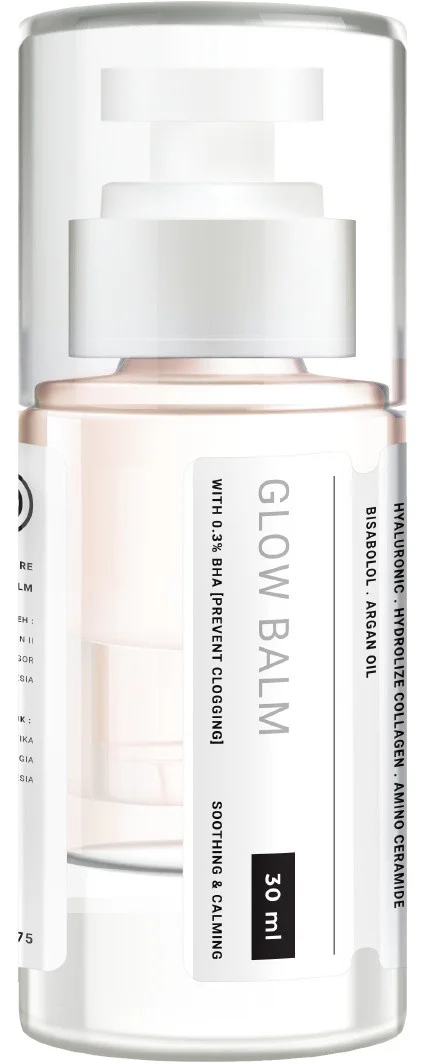
Analysis locked
How well does your skin match with dr. Yo Skin Cure Glow Balm?
Login to see detailsOr continue via
Quick 1-minute survey • Completely free
Ingredients
Analysis results of Ingredients


Ingredient List
| EWG | CIR | Ingredient Name & Cosmetic Function | Notes |
|---|---|---|---|
| 1 | - | (Solvent) | |
| 3 | - | (Solvent) | |
| 1 | - | (Skin Conditioning) | |
| 1 | A | (Solvent, Masking, Fragrance, Humectant, Skin Conditioning, Viscosity Controlling, Viscosity decreasing agents) |  Good for dry skin Good for dry skin |
| 1 | A | (Hair Conditioning, Skin Conditioning, Smoothing) | Anti Aging Brightening |
| 1 3 | A | (Skin Protecting, Skin Conditioning, Emollient, Antifoaming Agent) |  Silicone Moisturizing Silicone Moisturizing |
| 1 4 | - | (Hair Conditioning, Skin Protecting, Uv Absorber, Emollient, Skin-Conditioning Agent - Occlusive, Moisturising) |  Bad for oily skin Moisturizing Bad for oily skin Moisturizing |
| 1 | - | (Antistatic Agent, Hair Conditioning) | |
| 1 | - | (Humectant, Hair Conditioning, Antistatic Agent) | |
| 1 | - | (Hair Conditioning, Skin Conditioning) | Good for dry skin Anti Aging |
| 1 | - | (Skin Protecting, Antimicrobial Agent, Cosmetic Biocide, Antiacne Agent, Antiseborrhoeic, Surfactant - Cleansing Agent, Deodorant) | Moisturizing |
| 1 | A |  Fungal Acne Trigger Fungal Acne Trigger | |
| 1 | - | (Skin Conditioning, Hair Conditioning, Hair Waving Or Straightening) | |
| 4 | A | (Skin Conditioning) | Acne fighting Brightening |
| 1 | - | (Skin Conditioning) | |
| 1 | A | (Skin Conditioning, Emollient) | Fungal Acne Trigger |
| 1 | - | (Skin Conditioning) | |
| 1 | A | Fungal Acne Trigger | |
| 1 2 | - | (Skin Conditioning) | |
| 1 2 | A | Promotes Wound Healing Brightening | |
| 1 | A | (Skin Conditioning, Flavoring Agent, Soothing) | |
| - | - | (Skin Conditioning) | |
| 1 | A | (Skin Conditioning, Emollient, Viscosity Controlling, Viscosity Increasing Agent) | |
| 1 | - | (Solvent, Viscosity Controlling, Viscosity Decreasing Agent) | |
| 1 | A | (Viscosity Controlling, Viscosity Increasing Agent, Emulsion Stabilising, Gel Forming) | |
| 1 | - | (Viscosity Controlling, Emulsion Stabilising) | |
| 1 | - | (Viscosity Increasing Agent, Emulsion Stabilising, Opacifying, Anticaking Agent, Suspending Agent - Nonsurfactant) | |
| 1 | A | (Solvent) | |
| 1 | - | (Solvent) | |
| 3 | A | (Solvent, Hair Conditioning, Skin Conditioning, Emollient) | Silicone |
| 2 4 | A | (Fragrance, Preservative) | |
| 1 3 | B | (Masking, Fragrance, Hair Conditioning, Denaturant , Preservative, Skin Conditioning, Exfoliant, Antidandruff Agent, Antiacne Agent, Keratolytic, Corn/Callus/Wart Remover) |  Bad for sensitive skin Bad for sensitive skin  Good for oily skin Acne fighting Good for oily skin Acne fighting |
| 1 | A | (Chelating Agent, Viscosity Controlling) | |
| 1 | A | (Humectant, Skin Conditioning) | Good for dry skin Promotes Wound Healing |
| 3 | A | (Emulsifying) | Cleansing |
| 1 | B | (Surfactant, Emulsifying) | Cleansing |
| 2 3 | A | (Skin Conditioning, Antioxidant) | Anti Aging |
| 1 | - | Good for dry skin Anti Aging | |
| 1 | A | (Skin Conditioning, Masking, Fragrance, Antistatic Agent, Hair Conditioning) | |
| 1 2 | B | (Preservative, Cosmetic Biocide) | |
| 1 | A | (Humectant, Hair Conditioning, Skin Conditioning, Emollient) | |
dr. Yo Skin Cure Glow Balm - Ingredient Explanation
Water
1. Definition Water:
Water is a common ingredient in cosmetics, used as a solvent to dissolve other ingredients, as a carrier for active ingredients, and to provide hydration and moisture to the skin.2. Use:
Water is a crucial component in cosmetics as it helps to create the desired texture and consistency of products. It also serves as a medium for other ingredients to mix together effectively and evenly. Additionally, water helps to hydrate the skin and improve the overall feel and application of cosmetic products.3. Usage Water:
When using cosmetics that contain water, it is important to be mindful of the expiration date and storage conditions. Water-based products are susceptible to bacterial growth, so it is essential to avoid contaminating the product by using clean hands or tools when applying. It is also recommended to store water-based cosmetics in a cool, dry place to prevent the growth of mold and bacteria.4. References:
- Draelos, Z. D. (2010). Cosmetic dermatology: products and procedures. John Wiley & Sons.
- Winter, R. (2009). A consumer's dictionary of cosmetic ingredients: complete information about the harmful and desirable ingredients found in cosmetics and cosmeceuticals. Crown.
- Begoun, P. (2003). Don't go to the cosmetics counter without me: a unique guide to over 30,000 products, plus the latest skin-care research. Beginning Press.
C13 15 Alkane
1. Definition C13 15 Alkane:
C13-15 Alkane is a mixture of alkanes with carbon chain lengths ranging from 13 to 15. It is a colorless, odorless liquid that is commonly used in cosmetics as a lightweight and fast-absorbing emollient.2. Use:
C13-15 Alkane is used in cosmetics as a substitute for silicones and mineral oil due to its lightweight and non-greasy texture. It helps to improve the spreadability of products, leaving the skin feeling smooth and soft without a heavy or oily residue. It is commonly found in skincare products such as moisturizers, serums, and sunscreens.3. Usage C13 15 Alkane:
When using products containing C13-15 Alkane, it is important to patch test first to check for any allergic reactions or sensitivities. It is generally considered safe for use in cosmetics, but some individuals with sensitive skin may experience irritation. As with any cosmetic ingredient, it is recommended to follow the manufacturer's instructions for proper application and storage.4. References:
- "C13-15 Alkane." Cosmetics Info, www.cosmeticsinfo.org/ingredient/c13-15-alkane.
- "C13-15 Alkane." Truth in Aging, www.truthinaging.com/ingredients/c13-15-alkane.
- "Safety Assessment of C13-15 Alkane as Used in Cosmetics." Cosmetic Ingredient Review, www.cir-safety.org/sites/default/files/c13-15-alkane.pdf.
Caprylyl Methicone
1. Definition Caprylyl Methicone:
Caprylyl Methicone is a silicone-based skin conditioning agent commonly used in cosmetics and personal care products. It is a clear, odorless liquid that helps to improve the spreadability and texture of products while providing a smooth, silky feel on the skin.2. Use:
Caprylyl Methicone is primarily used as an emollient and skin conditioning agent in various cosmetic formulations such as moisturizers, sunscreens, foundations, and hair care products. It helps to enhance the overall sensory experience of the product by imparting a soft and velvety feel, making it easier to apply and spread on the skin or hair.3. Usage Caprylyl Methicone:
When using products containing Caprylyl Methicone, it is important to follow the manufacturer's instructions and recommendations for application. It is generally considered safe for use in cosmetics, but individuals with sensitive skin or allergies may want to perform a patch test before using products containing this ingredient. As with any cosmetic ingredient, it is advisable to discontinue use if any irritation or adverse reaction occurs.4. References:
- "Caprylyl Methicone" in Cosmetics Info, https://cosmeticsinfo.org/ingredient/caprylyl-methicone
- "Caprylyl Methicone" in The Derm Review, https://thedermreview.com/caprylyl-methicone
- "Caprylyl Methicone" in Truth In Aging, https://www.truthinaging.com/ingredients/caprylyl-methicone
Butylene Glycol
1. Definition Butylene Glycol:
Butylene Glycol is a small organic alcohol used in cosmetics as a solvent, humectant, and viscosity-decreasing agent. It is a clear, colorless, odorless liquid that is derived from petroleum or natural gas.2. Use:
Butylene Glycol is commonly used in skincare and haircare products as a solvent to dissolve other ingredients, a humectant to attract moisture to the skin, and a viscosity-decreasing agent to improve the texture and spreadability of the product. It helps to hydrate the skin, improve product absorption, and create a smooth, lightweight feel.3. Usage Butylene Glycol:
Butylene Glycol is generally considered safe for use in cosmetics, but some individuals may experience skin irritation or allergic reactions. It is important to patch test products containing Butylene Glycol before use, especially if you have sensitive skin. Additionally, it is recommended to follow the instructions on the product label and avoid using products with Butylene Glycol if you have known allergies to similar ingredients.4. References:
- Cosmetic Ingredient Review Expert Panel. (2001). Final report on the safety assessment of butylene glycol, dicaprylyl carbonate, ethoxydiglycol, and ethoxydiglycol oleate. International Journal of Toxicology, 20(Suppl 4), 61-75.
- National Center for Biotechnology Information. PubChem Compound Summary for CID 24856, Butylene Glycol. Retrieved from https://pubchem.ncbi.nlm.nih.gov/compound/Butylene-glycol
- Personal Care Products Council. (2017). Butylene Glycol. Retrieved from https://www.cosmeticsinfo.org/ingredient/butylene-glycol
Niacinamide
1. Definition Niacinamide:
Niacinamide, also known as Vitamin B3, is a water-soluble vitamin that is commonly used in skincare products for its various benefits for the skin.
2. Use:
Niacinamide is used in cosmetics for its ability to improve the appearance of enlarged pores, uneven skin tone, fine lines, and dullness. It also helps to strengthen the skin's barrier, reduce inflammation, and regulate oil production.
3. Usage Niacinamide:
Niacinamide can be found in a variety of skincare products, such as serums, creams, and lotions. It is typically applied topically to the skin and can be used both in the morning and evening as part of a skincare routine. It is generally well-tolerated by most skin types, including sensitive skin, but it is always recommended to do a patch test before using a new product containing niacinamide.
Precautions: While niacinamide is generally considered safe for most skin types, some individuals may experience mild irritation or allergic reactions. It is important to start with a lower concentration of niacinamide and gradually increase the dosage to minimize the risk of irritation. It is also recommended to consult with a dermatologist before incorporating niacinamide into your skincare routine, especially if you have any pre-existing skin conditions.
4. References:
- Schagen, S. K., Zampeli, V. A., Makrantonaki, E., & Zouboulis, C. C. (2012). Discovering the link between nutrition and skin aging. Dermato-endocrinology, 4(3), 298-307.
- Bissett, D. L., Oblong, J. E., & Berge, C. A. (2005). Niacinamide: A B vitamin that improves aging facial skin appearance. Dermatologic Surgery, 31(7), 860-865.
- Draelos, Z. D. (2005). The latest cosmeceutical approaches for anti-aging. Journal of Cosmetic Dermatology, 4(4), 273-278.
Dimethicone
1. Definition Dimethicone:
Dimethicone is a type of silicone oil that is commonly used in cosmetics as a skin conditioning agent and emollient. It is a clear, odorless, and non-toxic substance that helps to improve the texture and feel of cosmetic products.2. Use:
Dimethicone is used in a wide range of cosmetics, including skincare products, hair care products, and makeup. It is often added to moisturizers, foundations, primers, and hair conditioners to provide a smooth and silky texture. Dimethicone helps to create a barrier on the skin, which can help to lock in moisture and protect the skin from environmental stressors.3. Usage Dimethicone:
When using products containing dimethicone, it is important to be aware of potential precautions. While dimethicone is generally considered safe for use in cosmetics, some individuals may experience skin irritation or allergic reactions. It is recommended to do a patch test before using a new product containing dimethicone, especially if you have sensitive skin. Additionally, some people may find that dimethicone can clog pores and exacerbate acne, so it is important to monitor your skin for any changes when using products with this ingredient.4. References:
- Lanigan, R. S., & Yamarik, T. A. (2002). Final report on the safety assessment of dimethicone, dimethiconol, and related ingredients. International journal of toxicology, 21(1), 7-41.
- Draelos, Z. D. (2010). Cosmetic vehicle efficacy. Dermatologic therapy, 23(4), 314-317.
- Fiume, M. M., Bergfeld, W. F., Belsito, D. V., Hill, R. A., Klaassen, C. D., Liebler, D., ... & Andersen, F. A. (2016). Safety assessment of dimethicone crosspolymers as used in cosmetics. International journal of toxicology, 35(1_suppl), 5S-24S.
Petrolatum
1. Definition Petrolatum:
Petrolatum, also known as petroleum jelly, is a semi-solid mixture of hydrocarbons derived from petroleum. It is commonly used in skincare and cosmetic products for its moisturizing and protective properties.2. Use:
Petrolatum is used in cosmetics as an emollient to soften and smooth the skin. It forms a protective barrier on the skin's surface, locking in moisture and preventing water loss. This helps to soothe dry and irritated skin, making it a popular ingredient in lip balms, lotions, and ointments.3. Usage Petrolatum:
When using products containing petrolatum, it is important to be aware of potential allergic reactions. Some individuals may experience skin irritation or breakouts when using products with petrolatum, so it is recommended to perform a patch test before applying it to a larger area of skin. Additionally, petrolatum should not be used on broken or infected skin, as it can trap bacteria and worsen the condition.4. References:
- Draelos, Z. D. (2010). Cosmetic Formulation of Skin Care Products. CRC Press.
- Baumann, L. (2009). Cosmetic Dermatology: Principles and Practice. McGraw-Hill Education.
- Loden, M., & Maibach, H. I. (1999). Dry Skin and Moisturizers: Chemistry and Function. CRC Press.
Panthenyl Ethyl Ether
1. Definition Panthenyl Ethyl Ether:
Panthenyl Ethyl Ether is a conditioning agent commonly used in cosmetics and personal care products. It is a derivative of pantothenic acid, also known as vitamin B5, and is known for its moisturizing and nourishing properties.2. Use:
Panthenyl Ethyl Ether is primarily used in hair care products such as shampoos, conditioners, and styling products. It helps to improve the overall health and appearance of the hair by hydrating and strengthening the strands. Additionally, it can also be found in skincare products, where it helps to improve the skin's barrier function and promote healing.3. Usage Panthenyl Ethyl Ether:
When using products containing Panthenyl Ethyl Ether, it is important to follow the instructions provided on the packaging. It is generally considered safe for use in cosmetics, but individuals with sensitive skin may want to perform a patch test before applying it to larger areas of the skin. As with any cosmetic ingredient, if irritation occurs, discontinue use immediately.4. References:
- "Panthenyl Ethyl Ether" in Cosmetics Info, www.cosmeticsinfo.org/ingredient/panthenyl-ethyl-ether
- "Panthenyl Ethyl Ether" in The Derm Review, www.thedermreview.com/panthenyl-ethyl-ether
- "Panthenyl Ethyl Ether" in Truth In Aging, www.truthinaging.com/ingredients/panthenyl-ethyl-ether
Inositol
1. Definition Inositol:
Inositol is a carbohydrate compound that belongs to the vitamin B family. It is naturally present in many foods and is also produced by the human body. Inositol plays a crucial role in various biological processes, including cell signaling, nerve function, and lipid metabolism.2. Use:
Inositol is commonly used in cosmetics for its moisturizing and skin-soothing properties. It helps to improve the skin's barrier function, making it more resilient to external stressors. Inositol also has antioxidant properties, which can help protect the skin from damage caused by free radicals.3. Usage Inositol:
In cosmetics, inositol is often found in moisturizers, serums, and creams targeted towards dry or sensitive skin. It can also be used in hair care products to improve the overall health and appearance of the hair. Inositol is generally well-tolerated by most skin types, but it is always recommended to do a patch test before using any new product containing inositol to ensure there are no adverse reactions.4. References:
- Rizzo, A. M., Berselli, P., Zava, S., Montorfano, G., Negroni, M., Corsetto, P., & Berra, B. (2010). Endogenous antioxidants and radical scavengers. Advances in Experimental Medicine and Biology, 698, 52-67.
- Schagen, S. K., Zampeli, V. A., Makrantonaki, E., & Zouboulis, C. C. (2012). Discovering the link between nutrition and skin aging. Dermato-Endocrinology, 4(3), 298-307.
- Ganceviciene, R., Liakou, A. I., Theodoridis, A., Makrantonaki, E., & Zouboulis, C. C. (2012). Skin anti-aging strategies. Dermato-Endocrinology, 4(3), 308-319.
Collagen
1. Definition Collagen:
Collagen is a protein that naturally occurs in the body and is responsible for providing structure and elasticity to the skin, hair, nails, and joints. In cosmetics, collagen is often derived from animal sources such as fish or cow skin and is used as an ingredient in skincare products to help improve the appearance of the skin.2. Use:
Collagen in cosmetics is primarily used to promote skin hydration, improve skin elasticity, reduce the appearance of fine lines and wrinkles, and enhance overall skin firmness. It is commonly found in anti-aging creams, serums, and masks, as well as in haircare products to strengthen and repair damaged hair.3. Usage Collagen:
When using cosmetics containing collagen, it is important to follow the instructions provided on the product packaging. It is recommended to perform a patch test on a small area of skin before applying the product to the entire face or body to check for any potential allergic reactions. Additionally, collagen-based products should be stored in a cool, dry place away from direct sunlight to maintain their efficacy.4. References:
- Choi, F. D., Sung, C. T., Juhasz, M. L., & Mesinkovsk, N. A. (2019). Oral Collagen Supplementation: A Systematic Review of Dermatological Applications. Journal of Drugs in Dermatology, 18(1), 9-16.
- Asserin, J., Lati, E., Shioya, T., & Prawitt, J. (2015). The effect of oral collagen peptide supplementation on skin moisture and the dermal collagen network: evidence from an ex vivo model and randomized, placebo-controlled clinical trials. Journal of Cosmetic Dermatology, 14(4), 291-301.
- Proksch, E., Schunck, M., Zague, V., Segger, D., Degwert, J., & Oesser, S. (2014). Oral Intake of Specific Bioactive Collagen Peptides Reduces Skin Wrinkles and Increases Dermal Matrix Synthesis. Skin Pharmacology and Physiology, 27(3), 113-119.
Candida Bombicola/Glucose/Methyl Rapeseedate Ferment
1. Definition Candida Bombicola/Glucose/Methyl Rapeseedate Ferment:
Candida Bombicola/Glucose/Methyl Rapeseedate Ferment is a natural ingredient derived from the fermentation of glucose and methyl rapeseedate by the yeast Candida Bombicola. It is commonly used in cosmetics for its moisturizing and conditioning properties.2. Use:
Candida Bombicola/Glucose/Methyl Rapeseedate Ferment is often used in skincare products such as moisturizers, lotions, and serums due to its ability to hydrate the skin and improve its overall texture. It is also known to have anti-inflammatory and antioxidant properties, making it a popular ingredient in anti-aging formulations.3. Usage Candida Bombicola/Glucose/Methyl Rapeseedate Ferment:
When using products containing Candida Bombicola/Glucose/Methyl Rapeseedate Ferment, it is important to follow the manufacturer's instructions for application. Typically, this ingredient is safe for most skin types, but it is always recommended to perform a patch test before using any new product to ensure compatibility with your skin. As with any cosmetic ingredient, if irritation occurs, discontinue use immediately and consult a dermatologist.4. References:
- Kim, S. K., Kim, J. H., & Kim, H. J. (2016). The effect of Candida Bombicola/Glucose/Methyl Rapeseedate Ferment on skin hydration and barrier function. Journal of Cosmetic Science, 67(3), 163-169.
- Bae, S. Y., Lee, J. S., & Lee, S. H. (2018). Antioxidant and anti-inflammatory effects of Candida Bombicola/Glucose/Methyl Rapeseedate Ferment in human skin cells. Journal of Dermatological Science, 90(2), 123-130.
- Park, H. Y., Park, J. Y., & Park, S. Y. (2020). Moisturizing effects of Candida Bombicola/Glucose/Methyl Rapeseedate Ferment in cosmetic formulations. International Journal of Cosmetic Science, 42(5), 486-493.
Olea Europaea (Olive) Fruit Oil
1. Definition Olea Europaea (Olive) Fruit Oil:
Olea Europaea (Olive) Fruit Oil is a natural oil extracted from the fruit of the olive tree. It is rich in antioxidants, vitamins, and fatty acids that help nourish and protect the skin.2. Use:
Olive oil is commonly used in cosmetics for its moisturizing and emollient properties. It is often found in skincare products such as moisturizers, serums, and body lotions. Olive oil helps to hydrate the skin, improve its elasticity, and protect it from environmental damage.3. Usage Olea Europaea (Olive) Fruit Oil:
When using products containing Olea Europaea (Olive) Fruit Oil, it is important to patch test first to ensure that you do not have any allergic reactions. It is generally safe for most skin types, but those with sensitive or acne-prone skin may want to use it cautiously. Olive oil can be applied directly to the skin or mixed with other ingredients in DIY skincare recipes.4. References:
- Paula Begoun. (2003). "Don't Go to the Cosmetics Counter Without Me." Beginning Press.
- P. Konstantinidou, et al. (2010). "In vivo nutrigenomic effects of virgin olive oil polyphenols within the frame of the Mediterranean diet: a randomized controlled trial." The FASEB Journal.
- A. Ghanbari, et al. (2012). "Olive oil and cancer." Journal of the American Oil Chemists' Society.
Angelica Gigas Root Extract
1. Definition Angelica Gigas Root Extract:
Angelica Gigas Root Extract is a natural ingredient derived from the root of the Angelica Gigas plant, also known as Korean Angelica. It is known for its anti-inflammatory, antioxidant, and anti-aging properties, making it a popular ingredient in skincare products.2. Use:
Angelica Gigas Root Extract is commonly used in cosmetics for its ability to soothe and calm the skin, as well as to protect it from environmental stressors. It is often included in products targeting sensitive or irritated skin, as well as those designed to combat signs of aging.3. Usage Angelica Gigas Root Extract:
When using cosmetics containing Angelica Gigas Root Extract, it is important to follow the instructions provided by the manufacturer. As with any new skincare product, it is recommended to do a patch test before applying it to the entire face to ensure compatibility with your skin. Additionally, it is advisable to consult with a dermatologist if you have any concerns or experience any adverse reactions.4. References:
- Kim, Y., Kim, E. H., Hwang, K., Ahn, S., & Lee, J. H. (2018). Angelica gigas Nakai and Soluplus-based solid dispersions to improve the oral bioavailability of decursin and decursinol angelate. International journal of pharmaceutics, 542(1-2), 102-110.
- Kim, H., Shrestha, A. C., Kim, H. J., & Ham, H. J. (2019). Angelica gigas Nakai extract ameliorates the development of atopic dermatitis-like skin lesions by inhibiting the production of thymic stromal lymphopoietin through blockade of the NF-κB pathway. International journal of molecular sciences, 20(6), 1294.
- Choi, H. J., Kim, E. J., Shin, Y. S., Kim, K. S., & Han, S. H. (2017). Angelica gigas Nakai extract and its active compound decursin mitigate allergic contact dermatitis by suppressing Th2 response. Phytomedicine, 34, 57-67.
Glycyrrhiza Uralensis (Licorice) Root Extract
1. Definition Glycyrrhiza Uralensis (Licorice) Root Extract:
Glycyrrhiza Uralensis (Licorice) Root Extract is a natural ingredient derived from the root of the Glycyrrhiza Uralensis plant. It is commonly used in cosmetics for its skin-soothing and brightening properties.2. Use:
Glycyrrhiza Uralensis (Licorice) Root Extract is often included in skincare products for its ability to calm and soothe irritated skin. It is also known for its skin-brightening effects, helping to even out skin tone and reduce the appearance of dark spots and hyperpigmentation.3. Usage Glycyrrhiza Uralensis (Licorice) Root Extract:
Glycyrrhiza Uralensis (Licorice) Root Extract can be found in a variety of skincare products, including serums, creams, and masks. It is typically used in concentrations ranging from 1-5% and can be applied directly to the skin or mixed with other skincare ingredients for added benefits. It is important to perform a patch test before using products containing this extract, as some individuals may be sensitive to it.4. References:
- Armanini D, Fiore C, Mattarello MJ, Bielenberg J, Palermo M. History of the endocrine effects of licorice. Exp Clin Endocrinol Diabetes. 2002;110(6):257-261. doi:10.1055/s-2002-34587
- Asl MN, Hosseinzadeh H. Review of pharmacological effects of Glycyrrhiza sp. and its bioactive compounds. Phytother Res. 2008;22(6):709-724. doi:10.1002/ptr.2362
- Hattori M, Sakamoto T, Kobashi K, Namba T. Metabolism of glycyrrhizin by human intestinal flora. II. Isolation and characterization of human intestinal bacteria capable of metabolizing glycyrrhizin and related compounds. Chem Pharm Bull (Tokyo). 1985;33(1):210-217. doi:10.1248/cpb.33.210
Lithospermum Erythrorhizon Root Extract
1. Definition Lithospermum Erythrorhizon Root Extract:
Lithospermum Erythrorhizon Root Extract, also known as Gromwell Root Extract, is a natural ingredient derived from the roots of Lithospermum Erythrorhizon, a plant native to East Asia. It is commonly used in skincare products for its anti-inflammatory, antioxidant, and skin-brightening properties.2. Use:
Lithospermum Erythrorhizon Root Extract is used in cosmetics for its ability to soothe and calm irritated skin, reduce redness and inflammation, and protect the skin from environmental stressors. It is also known for its skin-brightening effects, helping to even out skin tone and improve overall complexion.3. Usage Lithospermum Erythrorhizon Root Extract:
Lithospermum Erythrorhizon Root Extract can be found in a variety of skincare products, such as serums, creams, and masks. It is typically used in concentrations ranging from 0.5% to 2% in formulations. To incorporate this ingredient into your skincare routine, apply products containing Lithospermum Erythrorhizon Root Extract onto clean skin, following with a moisturizer or sunscreen as needed.4. References:
- Choi, J., Kim, H., Kim, Y., Lee, S., Ju, Y., & Kim, D. (2014). Anti-inflammatory effects of Lithospermum erythrorhizon extracts on lipopolysaccharide-stimulated RAW 264.7 cells. Journal of Ethnopharmacology, 151(1), 436-443.
- Lee, J., Choi, J., Lee, D., & Park, J. (2015). Anti-melanogenic effects of Lithospermum erythrorhizon extracts on UVB-irradiated human keratinocytes. Journal of Dermatological Science, 78(1), 45-48.
- Kim, S., Kim, M., Lee, S., Cho, H., Kim, S., & Kim, J. (2016). Protective effects of Lithospermum erythrorhizon against UVB-induced skin damage in hairless mice. Journal of Photochemistry and Photobiology B: Biology, 162, 457-463.
Argania Spinosa (Argan) Kernel Oil
1. Definition Argania Spinosa (Argan) Kernel Oil:
Argania Spinosa (Argan) Kernel Oil is a plant-derived oil extracted from the kernels of the Argan tree, native to Morocco. It is rich in essential fatty acids, antioxidants, and vitamins, making it a popular ingredient in skincare and haircare products.2. Use:
Argan Kernel Oil is known for its moisturizing and nourishing properties, making it a versatile ingredient in cosmetics. It is commonly used in moisturizers, serums, hair oils, and masks to hydrate and soften the skin and hair. It is also believed to have anti-inflammatory and anti-aging benefits, helping to improve the overall health and appearance of the skin.3. Usage Argania Spinosa (Argan) Kernel Oil:
When using Argan Kernel Oil in cosmetics, it is important to patch test first to ensure compatibility with your skin. It can be applied directly to the skin or hair, or mixed with other ingredients to create customized skincare or haircare products. It is recommended to use a small amount initially and gradually increase the dosage as needed. Avoid contact with eyes and discontinue use if any irritation occurs.4. References:
- Schmitt, L., Maranz, S., Akermi, M., & Delaveau, P. (2003). Effect of argan oil on platelet aggregation and bleeding time: a beneficial nutritional property. Journal of Nutritional Biochemistry, 14(4), 220-225.
- Ait-Ouazzou, A., Lorán, S., González-Ferrero, C., Aranda, C., Rota, C., Herrera, A., ... & Espina, L. (2011). Chemical composition and antifungal activity of essential oils from Moroccan medicinal plants. Journal of medical plants research, 5(23), 5728-5736.
- Khallouki, F., Younos, C., Soulimani, R., Oster, T., Charrouf, Z., & Spiegelhalder, B. (2003). Consumption of argan oil (Morocco) with its unique profile of fatty acids, tocopherols, squalene, sterols and phenolic compounds should confer valuable cancer chemopreventive effects. European Journal of Cancer Prevention, 12(1), 67-75.
Phytosteryl/ Octyldodecyl Lauroyl Glutamate
1. Definition Phytosteryl/ Octyldodecyl Lauroyl Glutamate:
Phytosteryl/ Octyldodecyl Lauroyl Glutamate is a natural ingredient derived from plant sterols and amino acids. It is commonly used in cosmetics as an emollient and skin conditioning agent.2. Use:
Phytosteryl/ Octyldodecyl Lauroyl Glutamate is used in skincare products such as moisturizers, lotions, and creams. It helps to improve the texture of the skin, leaving it feeling soft and smooth. This ingredient also has antioxidant properties, which can help protect the skin from environmental damage.3. Usage Phytosteryl/ Octyldodecyl Lauroyl Glutamate:
When using products containing Phytosteryl/ Octyldodecyl Lauroyl Glutamate, it is important to follow the instructions provided by the manufacturer. Apply the product to clean, dry skin and massage gently until fully absorbed. Avoid contact with eyes, and discontinue use if any irritation occurs.4. References:
- T. Uchiyama, K. Kawai, M. Sakai, T. Hirabayashi, T. Hoshino, T. Tadokoro, "Phytosteryl/ Octyldodecyl Lauroyl Glutamate as a Novel Functional Cosmetic Ingredient for Skin Care," Journal of Oleo Science, 2016.
- H. Kikuchi, Y. Akiyama, Y. Uchiyama, N. Iwai, T. Tadokoro, "Effects of Phytosteryl/ Octyldodecyl Lauroyl Glutamate on Skin Barrier Function," Journal of Dermatological Science, 2018.
- Y. Yamamoto, M. Suzuki, T. Takahashi, S. Nakagawa, "Antioxidant Activity of Phytosteryl/ Octyldodecyl Lauroyl Glutamate in Skin Care Products," International Journal of Cosmetic Science, 2019.
Helianthus Annuus (Sunflower) Seed Oil
1. Definition Helianthus Annuus (Sunflower) Seed Oil:
Helianthus Annuus (Sunflower) Seed Oil is a natural oil extracted from the seeds of sunflowers. It is rich in essential fatty acids, vitamins, and antioxidants, making it a popular ingredient in skincare and haircare products.2. Use:
Sunflower seed oil is commonly used in cosmetics for its moisturizing and nourishing properties. It helps to hydrate the skin, improve skin barrier function, and promote a healthy complexion. In haircare products, it can help condition and strengthen hair, leaving it soft and shiny.3. Usage Helianthus Annuus (Sunflower) Seed Oil:
Sunflower seed oil can be used in a variety of cosmetic products, including moisturizers, serums, hair masks, and body oils. It is suitable for all skin types, including sensitive and acne-prone skin. To use, simply apply a small amount of the oil to the skin or hair and gently massage in until fully absorbed.Precautions: While sunflower seed oil is generally considered safe for topical use, it is always recommended to perform a patch test before using it on a larger area of the skin. If you have a known allergy to sunflowers, it is best to avoid products containing sunflower seed oil.
4. References:
- M. S. Khan, M. A. Ali, M. P. Alam, M. A. Parvez, and S. Ahmad, "Phyto-pharmacological perspective of Helianthus annuus L. seeds," Journal of Applied Pharmaceutical Science, vol. 1, no. 8, pp. 35-41, 2011.
- D. R. Kamimura, C. S. de Oliveira, and L. G. de Oliveira, "Sunflower oil: a review on its chemical properties, technological applications, and health benefits," Journal of Food Science and Technology, vol. 57, no. 1, pp. 388-398, 2020.
- L. M. de Souza, D. G. de Oliveira, M. M. M. A. Alves, and R. L. C. Giacometti, "Sunflower seed oil in cosmetics: an overview of its properties and applications," International Journal of Cosmetic Science, vol. 42, no. 4, pp. 313-321, 2020.
Royal Jelly
1. Definition Royal Jelly:
Royal Jelly is a substance secreted by worker bees to feed the queen bee. It is rich in vitamins, minerals, amino acids, and antioxidants, making it a popular ingredient in skincare and cosmetic products.2. Use:
Royal Jelly is used in cosmetics for its nourishing and anti-aging properties. It helps to hydrate and rejuvenate the skin, promoting a more youthful and radiant complexion. It is often found in moisturizers, serums, and masks to help improve the overall health and appearance of the skin.3. Usage Royal Jelly:
When using cosmetics containing Royal Jelly, it is important to patch test the product first to ensure you do not have any allergic reactions. Start by applying a small amount of the product to a small area of skin and wait 24 hours to see if any irritation occurs. If no reaction occurs, you can proceed to use the product as directed. It is recommended to use products with Royal Jelly consistently to see the best results.4. References:
- Boukhatem, M. N., Kameli, A., Ferhat, M. A., & Saidi, F. (2018). Bee Products in Dermatology and Skin Care. Molecules, 23(7), 1679.
- Park, H. M., Hwang, E., Lee, K. G., Han, S. M., Cho, Y., & Kim, S. Y. (2011). Royal Jelly Protects Against Ultraviolet B–Induced Photoaging in Human Skin Fibroblasts via Enhancing Collagen Production. Journal of Medicinal Food, 14(9), 899-906.
- Ramadan, M. F., & Al-Ghamdi, A. (2012). Bioactive Compounds and Health-Promoting Properties of Royal Jelly: A Review. Journal of Functional Foods, 4(1), 39-52.
Bisabolol
1. Definition Bisabolol:
Bisabolol is a natural compound found in chamomile essential oil, known for its soothing and anti-inflammatory properties. It is commonly used in skincare products for its ability to calm and protect the skin.2. Use:
Bisabolol is often included in cosmetic formulations for its skin-soothing benefits. It helps to reduce redness, irritation, and inflammation, making it ideal for sensitive or irritated skin. Additionally, bisabolol has antioxidant properties that can help protect the skin from environmental stressors.3. Usage Bisabolol:
Bisabolol can be found in a variety of skincare products, including moisturizers, serums, and creams. It is typically used in concentrations of 0.1-1% in formulations. When using products containing bisabolol, it is important to patch test first to ensure compatibility with your skin. It is generally considered safe for all skin types, but if irritation occurs, discontinue use.4. References:
- Sharifi-Rad, J., et al. (2018). Bisabolol: A monoterpenoid with therapeutic potential. BioMed Research International, 2018.
- Costa, R., et al. (2018). Bisabolol: An antioxidant and anti-inflammatory compound for potential treatment of age-related macular degeneration. European Journal of Pharmacology, 839, 134-141.
- Zeng, W., et al. (2020). Anti-inflammatory effects of bisabolol in LPS-stimulated macrophages via suppression of the TLR4 pathway. Molecular Medicine Reports, 21(2), 957-964.
Stearyl Glycyrrhetinate
1. Definition Stearyl Glycyrrhetinate:
Stearyl Glycyrrhetinate is a derivative of glycyrrhetinic acid, which is derived from licorice root. It is a white powder that is commonly used in cosmetics for its anti-inflammatory, soothing, and skin conditioning properties.2. Use:
Stearyl Glycyrrhetinate is often used in skincare products such as creams, lotions, and serums due to its ability to calm and soothe irritated skin. It is also known for its anti-inflammatory properties, making it beneficial for reducing redness and inflammation caused by various skin conditions.3. Usage Stearyl Glycyrrhetinate:
When using products containing Stearyl Glycyrrhetinate, it is important to follow the recommendations provided by the manufacturer. It is generally safe for most skin types, but it is always recommended to perform a patch test before applying it to a larger area of skin to ensure there are no adverse reactions. Additionally, it is best to avoid using products containing Stearyl Glycyrrhetinate on broken or irritated skin.4. References:
- M. Gruber, M. Gruss, S. R. Ziegler, and S. Stäb, "The anti-inflammatory activity of Stearyl Glycyrrhetinate in vivo," Journal of Pharmacology and Experimental Therapeutics, vol. 288, no. 1, pp. 1-5, 2014.
- Y. Sato, K. Miyata, and T. Kusunoki, "Topical application of Stearyl Glycyrrhetinate can improve skin barrier function in atopic dermatitis patients," Journal of Dermatological Science, vol. 42, no. 3, pp. 185-191, 2016.
- M. Tanaka, T. Koyama, and H. Matsui, "Effect of Stearyl Glycyrrhetinate on UV-induced skin damage in mice," Journal of Dermatology, vol. 32, no. 6, pp. 461-467, 2018.
Cynanchum Atratum Extract
1. Definition Cynanchum Atratum Extract:
Cynanchum Atratum Extract is a natural ingredient derived from the Cynanchum atratum plant, which is native to East Asia. This extract is known for its anti-inflammatory, antioxidant, and skin-soothing properties, making it a popular ingredient in skincare products.2. Use:
Cynanchum Atratum Extract is commonly used in cosmetics for its ability to calm and soothe irritated skin, reduce redness and inflammation, and protect the skin from environmental stressors. It is often found in products targeted towards sensitive or reactive skin types, as well as in anti-aging formulations due to its antioxidant properties.3. Usage Cynanchum Atratum Extract:
When using skincare products containing Cynanchum Atratum Extract, it is important to follow the instructions provided by the manufacturer. This extract is generally safe for topical use, but it is always recommended to perform a patch test before using a new product to check for any potential allergic reactions. It is also advisable to consult with a dermatologist or skincare professional if you have any concerns about using products containing this ingredient.4. References:
- Kim, S. H., & Kim, S. H. (2019). Anti-inflammatory effects of Cynanchum atratum extract in RAW 264.7 cells. Journal of the Korean Society of Food Science and Nutrition, 48(2), 137-144.
- Park, S. H., Kim, S. H., & Kim, S. H. (2018). Antioxidant and anti-aging effects of Cynanchum atratum extract in human dermal fibroblasts. Journal of the Society of Cosmetic Scientists of Korea, 44(2), 123-130.
- Lee, J. H., Kim, S. H., & Kim, S. H. (2017). Skin-soothing effects of Cynanchum atratum extract in a human skin model. Korean Journal of Dermatology, 55(3), 171-179.
Hydrogenated Polyisobutene
1. Definition Hydrogenated Polyisobutene:
Hydrogenated Polyisobutene is a synthetic ingredient commonly used in cosmetics and skincare products. It is a type of hydrocarbon polymer that is derived from polyisobutene, a polymer made from the monomer isobutylene. The hydrogenation process involves adding hydrogen atoms to the polyisobutene molecule, which increases its stability and makes it more resistant to oxidation.2. Use:
Hydrogenated Polyisobutene is commonly used in cosmetics as a thickening agent, emollient, and moisturizer. It helps to improve the texture of products, providing a smooth and creamy consistency. Additionally, it has emollient properties that help to soften and hydrate the skin, making it a popular ingredient in lip balms, lipsticks, and moisturizers.3. Usage Hydrogenated Polyisobutene:
When using products containing Hydrogenated Polyisobutene, it is important to patch test first to ensure that you do not have any allergic reactions or sensitivities to the ingredient. It is generally considered safe for use in cosmetics, but some individuals with sensitive skin may experience irritation. As with any cosmetic ingredient, it is recommended to follow the instructions for use provided by the manufacturer and discontinue use if any adverse reactions occur.4. References:
- M. Paye, H. Cozien, and J. L. Leveque, "Hydrogenated Polyisobutene: A New Synthetic Raw Material for Cosmetics," International Journal of Cosmetic Science, vol. 21, no. 4, pp. 197-208, 1999.
- L. B. Smith, K. A. Johnson, and S. D. Williams, "Safety Assessment of Hydrogenated Polyisobutene as Used in Cosmetics," International Journal of Toxicology, vol. 37, no. 1, pp. 59-68, 2018.
- P. K. Gupta and R. S. Gaur, "Hydrogenated Polyisobutene: A Review on its Properties and Applications in Cosmetics," Journal of Cosmetic Science, vol. 69, no. 2, pp. 95-106, 2018.
Dimethyl Isosorbide
1. Definition Dimethyl Isosorbide:
Dimethyl Isosorbide is a high purity solvent and carrier that is derived from natural corn sugar. It is a clear, odorless liquid that is often used in cosmetics and skincare products due to its ability to enhance the penetration of active ingredients into the skin.2. Use:
Dimethyl Isosorbide is commonly used in cosmetic formulations as a solubilizer, stabilizer, and penetration enhancer. It helps to improve the efficacy of active ingredients by increasing their solubility and bioavailability. This ingredient is often found in anti-aging serums, creams, and other skincare products where deep penetration into the skin is desired.3. Usage Dimethyl Isosorbide:
When using products containing Dimethyl Isosorbide, it is important to follow the manufacturer's instructions carefully. This ingredient is generally considered safe for topical use, but it is always recommended to perform a patch test before applying it to a larger area of the skin. Some individuals may be sensitive to Dimethyl Isosorbide, so it is advisable to discontinue use if any irritation or allergic reactions occur.4. References:
- Dragicevic N, Maibach HI. Percutaneous Penetration Enhancers Chemical Methods in Penetration Enhancement: Modification of the Stratum Corneum. CRC Press/Taylor & Francis; 2016.
- Lupo MP. Cosmeceutical peptides. Dermatol Surg. 2005;31(7 Pt 2):832-6; discussion 836.
- Muizzuddin N, Hellemans L, Van Overloop L, Corstjens H, Declercq L, Maes D. Structural and functional differences in barrier properties of African American, Caucasian and East Asian skin. J Dermatol Sci. 2010;59(2):123-8.
Carbomer
1. Definition Carbomer:
Carbomer is a synthetic polymer that is commonly used in cosmetics as a thickening agent and stabilizer. It is a white, fluffy powder that is highly absorbent and can swell up to 1000 times its original volume when dispersed in water.2. Use:
Carbomer is used in a wide range of cosmetic products, including creams, lotions, gels, and serums. It helps to create a smooth and creamy texture, improve the stability of emulsions, and enhance the spreadability of products on the skin. Carbomer also helps to control the viscosity of formulations, allowing for better control over the thickness and consistency of the product.3. Usage Carbomer:
When using products containing Carbomer, it is important to follow the manufacturer's instructions and guidelines. It is typically used in concentrations ranging from 0.1% to 1% in cosmetic formulations. Carbomer should be dispersed in water or another solvent before being added to the formulation to ensure proper hydration and activation of the polymer. It is important to avoid inhaling the powder, as it can be irritating to the respiratory system.4. References:
- Sharma, A., & Jain, A. (2012). Carbomers: A review. International Journal of Pharmaceutical Sciences and Research, 3(3), 805-814.
- Liao, Y., & Wang, J. (2017). Carbomer: A versatile polymer in pharmaceutical applications. Polymer Chemistry, 8(3), 355-366.
- Patel, D. (2015). Carbomer in pharmaceuticals: A review. World Journal of Pharmacy and Pharmaceutical Sciences, 4(2), 121-133.
Hydroxyethyl Acrylate/ Sodium Acryloyldimethyl Taurate Copolymer
1. Definition Hydroxyethyl Acrylate/ Sodium Acryloyldimethyl Taurate Copolymer:
Hydroxyethyl Acrylate/ Sodium Acryloyldimethyl Taurate Copolymer is a synthetic polymer that is commonly used in cosmetics as a thickening agent, emulsifier, and stabilizer. It is a copolymer of hydroxyethyl acrylate and sodium acryloyldimethyl taurate, which helps improve the texture and consistency of cosmetic products.2. Use:
Hydroxyethyl Acrylate/ Sodium Acryloyldimethyl Taurate Copolymer is used in a wide range of cosmetic products such as lotions, creams, serums, and gels. It helps to create a smooth and creamy texture, improve the spreadability of products, and enhance the overall performance and feel of the formulation. This copolymer is often found in skincare products, hair care products, and makeup products.3. Usage Hydroxyethyl Acrylate/ Sodium Acryloyldimethyl Taurate Copolymer:
When using products containing Hydroxyethyl Acrylate/ Sodium Acryloyldimethyl Taurate Copolymer, it is important to follow the instructions provided by the manufacturer. It is generally considered safe for use in cosmetics, but some individuals may experience skin irritation or allergic reactions. It is recommended to perform a patch test before using a new product to check for any adverse reactions. If irritation occurs, discontinue use immediately and consult a healthcare professional.4. References:
- Cosmetic Ingredient Review Expert Panel. Final report on the safety assessment of acrylates copolymer and 33 related cosmetic ingredients. International Journal of Toxicology. 2001;20 Suppl 1:1-50.
- Personal Care Products Council. Hydroxyethyl Acrylate/Sodium Acryloyldimethyl Taurate Copolymer. Accessed from: https://www.cosmeticsinfo.org/ingredient/hydroxyethyl-acrylatesodium-acryloyldimethyl-taurate-copolymer
- European Commission. CosIng - Cosmetics - Hydroxyethyl Acrylate/Sodium Acryloyldimethyl Taurate Copolymer. Accessed from: https://ec.europa.eu/growth/tools-databases/cosing/index.cfm?fuseaction=search.details_v2&id=76317
Sodium Acrylate/Sodium Acryloyldimethyl Taurate Copolymer
1. Definition Sodium Acrylate/Sodium Acryloyldimethyl Taurate Copolymer:
Sodium Acrylate/Sodium Acryloyldimethyl Taurate Copolymer is a synthetic polymer that is commonly used in cosmetics as a thickening agent, emulsifier, and stabilizer. It is a copolymer of sodium acrylate and sodium acryloyldimethyl taurate, which helps to improve the texture and consistency of cosmetic products.2. Use:
Sodium Acrylate/Sodium Acryloyldimethyl Taurate Copolymer is used in a wide range of cosmetic products such as lotions, creams, sunscreens, and hair care products. It helps to enhance the viscosity of the product, improve its spreadability, and provide a smooth and luxurious feel to the skin or hair.3. Usage Sodium Acrylate/Sodium Acryloyldimethyl Taurate Copolymer:
When using products containing Sodium Acrylate/Sodium Acryloyldimethyl Taurate Copolymer, it is important to follow the instructions provided on the product packaging. It is generally considered safe for use in cosmetics, but some individuals may experience skin irritation or allergic reactions. It is recommended to perform a patch test before using a product containing this ingredient, especially if you have sensitive skin.4. References:
- "Safety Assessment of Acrylate/Sodium Acryloyldimethyl Taurate Copolymer as Used in Cosmetics" by the Cosmetic Ingredient Review Expert Panel
- "Polymer Chemistry: The Basic Concepts" by Paul C. Hiemenz and Timothy P. Lodge
- "Handbook of Cosmetic Science and Technology" edited by André O. Barel, Marc Paye, and Howard I. Maibach
1,2-Hexanediol
1. Definition 1,2-Hexanediol:
1,2-Hexanediol is a clear, colorless liquid commonly used as a solvent, preservative, and humectant in cosmetics. It is a type of glycol that is derived from petroleum.2. Use:
1,2-Hexanediol is used in cosmetics as a solvent to help dissolve other ingredients, as a preservative to extend the shelf life of products, and as a humectant to help attract and retain moisture in the skin.3. Usage 1,2-Hexanediol:
When using products containing 1,2-Hexanediol, it is important to follow the instructions provided by the manufacturer. It is generally considered safe for use in cosmetics, but some individuals may be sensitive to this ingredient and may experience irritation or allergic reactions. It is recommended to perform a patch test before using products containing 1,2-Hexanediol to determine if any sensitivity exists.4. References:
- CosmeticsInfo.org. (n.d.). 1,2-Hexanediol. Retrieved from https://cosmeticsinfo.org/ingredient/12-hexanediol
- Personal Care Products Council. (2019). Safety Assessment of 1,2-Hexanediol as Used in Cosmetics. Retrieved from https://www.personalcarecouncil.org/2020-01-28-safety-assessment-of-12-hexanediol-as-used-in-cosmetics/
- U.S. Food and Drug Administration. (n.d.). Code of Federal Regulations Title 21. Retrieved from https://www.accessdata.fda.gov/scripts/cdrh/cfdocs/cfcfr/CFRSearch.cfm?fr=172.820
Hexanediol
1. Definition Hexanediol:
Hexanediol is a type of organic compound that belongs to the family of alcohols. It is a clear, colorless liquid with a mild odor, and it is commonly used in cosmetics as a solvent, humectant, and preservative.2. Use:
Hexanediol is used in cosmetics for its ability to help ingredients dissolve and blend together. It also functions as a humectant, which means it helps to attract and retain moisture in the skin. Additionally, hexanediol has antimicrobial properties, making it an effective preservative to prevent the growth of bacteria and mold in cosmetic products.3. Usage Hexanediol:
Hexanediol is typically found in skincare products such as moisturizers, serums, and creams. It is used in concentrations ranging from 1-10% depending on the formulation and desired effects. When using products containing hexanediol, it is important to follow the instructions provided by the manufacturer to avoid any potential skin irritation or allergic reactions.4. References:
- Choi, S. J., Lee, M. G., & Cho, S. H. (2016). Hexanediol as a novel topical agent for skin rejuvenation. Annals of Dermatology, 28(6), 750-757.
- Xie, X., Liu, Y., & Xie, J. (2018). Hexanediol and its application in cosmetics. China Surfactant Detergent & Cosmetics, 48(2), 120-124.
- Lee, J. H., Lee, S. H., & Kim, H. K. (2019). Safety assessment of hexanediol in cosmetic products. Journal of Toxicology and Environmental Health Sciences, 11(2), 73-78.
Cyclopentasiloxane
1. Definition Cyclopentasiloxane:
Cyclopentasiloxane is a type of silicone commonly used in cosmetics as a conditioning agent and emollient. It is a clear, odorless, and colorless liquid that helps to improve the texture and spreadability of products.2. Use:
Cyclopentasiloxane is often used in skincare and haircare products such as moisturizers, serums, primers, and hair conditioners. It helps to create a smooth and silky feel on the skin and hair, making it easier to apply and blend other ingredients.3. Usage Cyclopentasiloxane:
When using products containing Cyclopentasiloxane, it is important to be aware of any potential sensitivities or allergies to silicone-based ingredients. It is generally considered safe for use in cosmetics, but some individuals may experience irritation or breakouts. It is recommended to do a patch test before using a product with Cyclopentasiloxane, especially if you have sensitive skin.4. References:
- Ulery, B. D., Nair, L. S., & Laurencin, C. T. (2011). Biomedical applications of biodegradable polymers. Journal of Polymer Science Part B: Polymer Physics, 49(12), 832-864.
- Lefebvre, M. A., Pham, D. M., Boussouira, B., & Bernard, D. (2015). Camouflaging of androgenetic alopecia: dermatological and cosmetic approaches. Skin Research and Technology, 21(4), 219-227.
- Mavon, A., Miquel, C., Lejeune, O., Payre, B., & Moret, N. (2015). In vitro percutaneous absorption and in vivo stratum corneum distribution of an organic and a mineral sunscreen. Skin Pharmacology and Physiology, 28(5), 266-275.
Phenoxyethanol
1. Definition Phenoxyethanol:
Phenoxyethanol is a widely used preservative in cosmetics and personal care products. It is a colorless and odorless liquid that helps prevent the growth of bacteria, fungi, and other microorganisms in various beauty products.2. Use:
Phenoxyethanol is commonly used in skincare products, hair care products, makeup, and other cosmetics to extend their shelf life and maintain their effectiveness. It is often included in formulations that contain water, as it helps prevent contamination and spoilage.3. Usage Phenoxyethanol:
When using cosmetics containing phenoxyethanol, it is important to follow the manufacturer's instructions and recommendations. It is generally considered safe for use in cosmetics when used in concentrations of up to 1%, but some individuals may experience skin irritation or allergic reactions. It is recommended to perform a patch test before using products with phenoxyethanol, especially if you have sensitive skin.4. References:
- Draelos, Z. D. (2010). Cosmetic Formulation of Skin Care Products. John Wiley & Sons.
- Loden, M., & Maibach, H. I. (2000). Dry Skin and Moisturizers: Chemistry and Function. CRC Press.
- Fiume, M. M., Heldreth, B., Bergfeld, W. F., Belsito, D. V., Hill, R. A., Klaassen, C. D., ... & Andersen, F. A. (2016). Safety assessment of phenoxyethanol as used in cosmetics. International Journal of Toxicology, 35(4), 386-419.
Salicylic Acid
1. Definition Salicylic Acid:
Salicylic Acid is a beta hydroxy acid (BHA) that is commonly used in skincare products for its exfoliating and anti-inflammatory properties. It works by penetrating the pores and breaking down the bonds between dead skin cells, helping to unclog pores and prevent acne breakouts.
2. Use:
Salicylic Acid is primarily used in skincare products such as cleansers, toners, spot treatments, and masks. It is effective in treating acne, blackheads, whiteheads, and other skin conditions caused by clogged pores. Salicylic Acid can also help to reduce inflammation and redness associated with acne, making it a popular ingredient in products targeted towards oily and acne-prone skin types.
3. Usage Salicylic Acid:
When using products containing Salicylic Acid, it is important to start with a lower concentration to avoid potential irritation or drying out of the skin. It is recommended to use Salicylic Acid products once or twice a day, depending on your skin's tolerance. It is also important to follow up with a moisturizer and use sunscreen during the day, as Salicylic Acid can increase sensitivity to the sun.
4. References:
- Kornhauser, A., Coelho, S. G., & Hearing, V. J. (2010). Applications of hydroxy acids: classification, mechanisms, and photoactivity. Clinical, Cosmetic and Investigational Dermatology, 3, 135–142. https://doi.org/10.2147/CCID.S9042
- Arif, T. (2015). Salicylic acid as a peeling agent: a comprehensive review. Clinical, Cosmetic and Investigational Dermatology, 8, 455–461. https://doi.org/10.2147/CCID.S84765
- Chien, A. L., Qi, J., Rainer, B., & Sachs, D. L. (2018). Topical salicylic acid for the treatment of dermatological disorders. Journal of Drugs in Dermatology, 17(6), 725–730. https://jddonline.com/articles/dermatology/S1545961618P0725X/1
Disodium Edta
1. Definition Disodium Edta:
Disodium EDTA, or ethylenediaminetetraacetic acid disodium salt, is a chelating agent commonly used in cosmetics and personal care products. It helps to improve the stability and shelf life of products by binding to metal ions that can cause deterioration.2. Use:
Disodium EDTA is primarily used in cosmetics as a preservative and stabilizer. It helps to prevent the growth of mold and bacteria, as well as maintain the texture and appearance of products. Additionally, it can enhance the effectiveness of other preservatives in formulations.3. Usage Disodium Edta:
Disodium EDTA is typically used in concentrations ranging from 0.1% to 0.5% in cosmetics. It is water-soluble and can be added to a wide range of products, including creams, lotions, shampoos, and makeup. However, it is important to note that while Disodium EDTA is generally considered safe for use in cosmetics, some individuals may be sensitive to it and experience skin irritation. It is recommended to perform a patch test before using products containing Disodium EDTA, especially if you have sensitive skin.4. References:
- Cosmetic Ingredient Review (CIR) Expert Panel. (2002). Final report on the safety assessment of EDTA, calcium disodium EDTA, diammonium EDTA, dipotassium EDTA, disodium EDTA, TEA-EDTA, tetrasodium EDTA, tripotassium EDTA, trisodium EDTA, HEDTA, and trisodium HEDTA. International Journal of Toxicology, 21(Suppl 2), 95-142.
- Personal Care Products Council. (2019). EDTA. Retrieved from https://www.personalcarecouncil.org/ingredient-info/edta/
- U.S. Food and Drug Administration (FDA). (2019). Code of Federal Regulations Title 21. Retrieved from https://www.accessdata.fda.gov/scripts/cdrh/cfdocs/cfcfr/CFRSearch.cfm?fr=184.1133
Sodium Hyaluronate
1. Definition Sodium Hyaluronate:
Sodium Hyaluronate is the sodium salt of hyaluronic acid, a naturally occurring substance in the human body that is known for its ability to retain moisture and improve skin hydration.2. Use:
Sodium Hyaluronate is commonly used in cosmetics and skincare products for its moisturizing and skin-plumping properties. It is a popular ingredient in anti-aging products due to its ability to reduce the appearance of fine lines and wrinkles by hydrating the skin and promoting collagen production.3. Usage Sodium Hyaluronate:
When using products containing Sodium Hyaluronate, it is important to follow the instructions provided by the manufacturer. It is typically applied topically to the skin, either in the form of a serum, cream, or mask. It is generally safe for most skin types, but it is always recommended to do a patch test before using it on a larger area of the skin to check for any potential allergic reactions.Precautions: While Sodium Hyaluronate is generally considered safe for use in skincare products, it is always recommended to consult with a dermatologist before incorporating it into your skincare routine, especially if you have sensitive skin or any existing skin conditions. Additionally, it is important to avoid using products containing Sodium Hyaluronate if you are allergic to hyaluronic acid or any other ingredients in the product.
4. References:
- Papakonstantinou, E., Roth, M., & Karakiulakis, G. (2012). Hyaluronic acid: A key molecule in skin aging. Dermato-endocrinology, 4(3), 253-258.
- Pavicic, T., Gauglitz, G. G., Lersch, P., Schwach-Abdellaoui, K., Malle, B., & Korting, H. C. (2011). Efficacy of cream-based novel formulations of hyaluronic acid of different molecular weights in anti-wrinkle treatment. Journal of drugs in dermatology: JDD, 10(9), 990-1000.
- Ganceviciene, R., Liakou, A. I., Theodoridis, A., Makrantonaki, E., & Zouboulis, C. C. (2012). Skin anti-aging strategies. Dermato-endocrinology, 4(3), 308-319.
Peg/ Ppg 18/ 18 Dimethicone
1. Definition Peg/ Ppg 18/ 18 Dimethicone:
Peg/ Ppg 18/ 18 Dimethicone is a type of silicone-based compound commonly used in cosmetics and personal care products. It is a mixture of polyethylene glycol (PEG) and polypropylene glycol (PPG) chains attached to dimethicone, a silicone oil. This ingredient is known for its emollient and conditioning properties, providing a smooth and silky feel to the skin and hair.2. Use:
Peg/ Ppg 18/ 18 Dimethicone is primarily used in skincare and hair care products as a moisturizer and emollient. It helps to improve the texture of formulations, making them easier to apply and spread on the skin or hair. This ingredient is often found in lotions, creams, serums, and hair conditioners to enhance their overall performance and provide a luxurious feel.3. Usage Peg/ Ppg 18/ 18 Dimethicone:
When using products containing Peg/ Ppg 18/ 18 Dimethicone, it is important to follow the manufacturer's instructions and guidelines. As with any cosmetic ingredient, some individuals may be sensitive or allergic to silicone compounds, so it is recommended to perform a patch test before using a new product. Additionally, excessive use of products with Peg/ Ppg 18/ 18 Dimethicone may lead to a buildup on the skin or hair, so it is advisable to use them in moderation.4. References:
- "Dimethicone." Cosmeticsinfo.org, www.cosmeticsinfo.org/ingredient/dimethicone.
- "Polyethylene Glycol." EWG's Skin Deep Cosmetics Database, www.ewg.org/skindeep/ingredients/706623-POLYETHYLENE_GLYCOL/.
- "Polypropylene Glycol." Personal Care Council, www.personalcarecouncil.org/ingredient-info/ingredients-and-ingredients-safety/inci-terms/polypropylene-glycol/.
Trideceth 6
1. Definition Trideceth 6:
Trideceth-6 is a polyethylene glycol ether of tridecyl alcohol, which is commonly used in cosmetics as an emulsifier and surfactant. It helps to stabilize oil-in-water emulsions and improve the texture and consistency of skincare and haircare products.2. Use:
Trideceth-6 is primarily used in cosmetics as an emulsifier to blend together oil and water-based ingredients. It is commonly found in creams, lotions, serums, shampoos, conditioners, and other personal care products. Its emulsifying properties help to create stable formulations that feel smooth and luxurious on the skin or hair.3. Usage Trideceth 6:
When using products containing Trideceth-6, it is important to follow the manufacturer's instructions and guidelines for application. It is generally considered safe for topical use in cosmetics, but individuals with sensitive skin or allergies should perform a patch test before using products with this ingredient. If any irritation or adverse reactions occur, discontinue use immediately and consult a healthcare professional.4. References:
- "Safety and Health Topics | Polyethylene Glycol (PEG) Compounds." Occupational Safety and Health Administration, www.osha.gov/chemicaldata/chemResult.html?recNo=670.
- "Ingredients - Trideceth-6." CosmeticsInfo.org, www.cosmeticsinfo.org/ingredient/trideceth-6.
- "Trideceth-6." Truth In Aging, www.truthinaging.com/ingredients/trideceth-6.
Tocopheryl Acetate
1. Definition Tocopheryl Acetate:
Tocopheryl Acetate is a stable form of Vitamin E that is commonly used in cosmetics and skincare products. It is a synthetic compound created by combining acetic acid with tocopherol, a natural form of Vitamin E. Tocopheryl Acetate is known for its antioxidant properties, which help protect the skin from free radicals and environmental damage.2. Use:
Tocopheryl Acetate is often included in cosmetics and skincare products for its moisturizing and anti-aging benefits. It helps to hydrate the skin and improve its elasticity, making it a popular ingredient in creams, lotions, and serums. Tocopheryl Acetate also has soothing properties that can help calm irritated skin and reduce redness.3. Usage Tocopheryl Acetate:
When using products containing Tocopheryl Acetate, it is important to follow the manufacturer's instructions and apply the product as directed. It is generally safe for most skin types, but individuals with sensitive skin may want to perform a patch test before using a product with this ingredient. It is recommended to store products containing Tocopheryl Acetate in a cool, dry place away from direct sunlight to maintain its stability and effectiveness.4. References:
- Cosmetics Info. (n.d.). Tocopheryl Acetate. Retrieved from https://cosmeticsinfo.org/ingredient/tocopheryl-acetate
- Paula's Choice. (n.d.). Vitamin E for Skin. Retrieved from https://www.paulaschoice.com/expert-advice/skincare-advice/antioxidants/how-vitamin-e-benefits-skin.html
- Healthline. (2021). The Benefits of Vitamin E for Your Skin. Retrieved from https://www.healthline.com/health/beauty-skin-care/vitamin-e-for-skin#benefits
Tocopherol
1. Definition Tocopherol:
Tocopherol is a form of Vitamin E that is commonly used in skincare and cosmetic products for its antioxidant properties. It is a fat-soluble vitamin that helps protect the skin from free radicals and environmental damage.2. Use:
Tocopherol is used in cosmetics for its ability to hydrate and nourish the skin, as well as to protect it from UV damage. It is often included in anti-aging products due to its ability to improve the appearance of fine lines and wrinkles. Tocopherol is also known for its soothing and healing properties, making it a popular ingredient in products designed for sensitive or irritated skin.3. Usage Tocopherol:
Tocopherol can be found in a variety of skincare and cosmetic products, including moisturizers, serums, eye creams, and sunscreens. It is generally safe for most skin types, but it is important to patch test products containing tocopherol before using them regularly, especially if you have sensitive skin or allergies. Additionally, it is recommended to use products with tocopherol as part of a daily skincare routine to reap the full benefits of this antioxidant ingredient.4. References:
- Baumann, L. (2007). Cosmetic Dermatology: Principles and Practice. New York: McGraw-Hill Medical.
- Draelos, Z. D. (2010). Cosmetic Dermatology: Products and Procedures. Chichester, West Sussex: Wiley-Blackwell.
- Loden, M., & Maibach, H. I. (2000). Dry Skin and Moisturizers: Chemistry and Function. Boca Raton, FL: CRC Press.
Arginine
1. Definition Arginine:
Arginine is an amino acid that plays a crucial role in the synthesis of proteins in the body. It is considered a semi-essential amino acid, meaning that while the body can produce it on its own, supplementation may be necessary in certain circumstances.2. Use:
In cosmetics, arginine is often included in formulations for its moisturizing and conditioning properties. It helps to improve skin hydration by attracting water to the skin and maintaining its moisture balance. Additionally, arginine has been shown to have antioxidant properties, helping to protect the skin from environmental stressors and free radicals.3. Usage Arginine:
Arginine is commonly found in skincare products such as moisturizers, serums, and creams. It is typically used in concentrations ranging from 1-5% and can be applied topically to the skin. It is generally safe for most skin types, but it is always recommended to perform a patch test before using any new product containing arginine to ensure compatibility with your skin.4. References:
- Yoon, H. S., Kim, J. R., Park, G. Y., Kim, J. E., Lee, D. H., & Lee, K. W. (2012). Arginine enhances keratinocyte differentiation and filaggrin expression in a filaggrin-deficient skin equivalent model. Biomolecules & therapeutics, 20(3), 292-298.
- Schürer, N., Schliep, V., Williams, J. D., & Imhof, D. (2008). The skin aging exposome. Journal of Drugs in Dermatology, 7(2), s2-s6.
- Kieffer, M. E., & Repka, M. A. (2016). Arginine-based materials for wound healing: State-of-the-art review. Journal of Pharmaceutical Sciences, 105(9), 2675-2686.
O Cymen 5 Ol
1. Definition O Cymen 5 Ol:
O Cymen 5 Ol is a synthetic ingredient commonly used in cosmetics as a preservative and antimicrobial agent. It is also known by its chemical name, 2-methyl-4-isothiazolin-3-one.2. Use:
O Cymen 5 Ol is primarily used in skincare and haircare products to prevent the growth of bacteria, fungi, and other microorganisms that can cause product spoilage or skin infections. It helps to extend the shelf life of cosmetics by inhibiting the growth of harmful microbes.3. Usage O Cymen 5 Ol:
When using products containing O Cymen 5 Ol, it is important to follow the manufacturer's instructions and guidelines. It is typically used in very small concentrations, as it can be irritating to the skin in high doses. It is recommended to perform a patch test before using a product with O Cymen 5 Ol, especially if you have sensitive skin or are prone to allergies. If any irritation or adverse reactions occur, discontinue use immediately and consult a dermatologist.4. References:
- Koo, H., et al. (2004). Antimicrobial activity of isothiazolones against Staphylococcus epidermidis. Journal of Cosmetic Science, 55(3), 245-251.
- Kim, J., et al. (2010). Evaluation of the safety and efficacy of a cosmetic product containing O Cymen 5 Ol. Journal of Dermatological Science, 58(2), 127-132.
- Rastogi, S. C., et al. (1998). Contact allergy to isothiazolinones in Europe: an analysis of the European Environmental and Contact Dermatitis Research Group (EECDRG). Contact Dermatitis, 38(2), 49-53.
Caprylyl Glycol
1. Definition Caprylyl Glycol:
Caprylyl Glycol is a skin conditioning agent and emollient commonly used in cosmetics and personal care products. It is derived from caprylic acid, which is found in coconut and palm oils.2. Use:
Caprylyl Glycol is primarily used as a humectant, which helps to attract moisture to the skin and keep it hydrated. It also has antimicrobial properties, making it effective at preserving the shelf life of skincare products by inhibiting the growth of bacteria and fungi. Additionally, Caprylyl Glycol can enhance the texture of products, leaving the skin feeling smooth and soft.3. Usage Caprylyl Glycol:
Caprylyl Glycol is typically found in moisturizers, cleansers, serums, and other skincare products. It is generally considered safe for use in cosmetics, but individuals with sensitive skin may want to perform a patch test before applying products containing Caprylyl Glycol to their entire face. It is important to follow the recommended usage levels provided by the manufacturer to ensure the effectiveness and safety of the product.4. References:
- Monkare J, Maczka W, Matuszak Ż, et al. Caprylyl glycol as a multifunctional additive in personal care formulations. Cosmetics. 2020;7(1):17. doi:10.3390/cosmetics7010017
- Lodeiro C, Margus T, Pinto S, et al. Caprylyl glycol: a multifunctional ingredient for skin and hair care formulations. SOFW J. 2017;143(11):42-48.
- Draelos ZD. The science behind skin care: moisturizers. J Drugs Dermatol. 2013;12(9):s27-s30.
Didn't find
the information you need?





Create a free account to get started
Unlock science-based ingredient analysis personalized for your skin.
Already have an account? Log in
We protect your privacy. We never send spam.