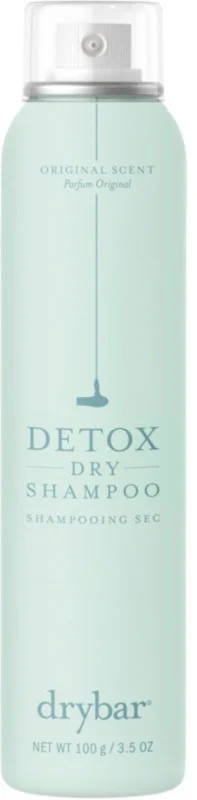
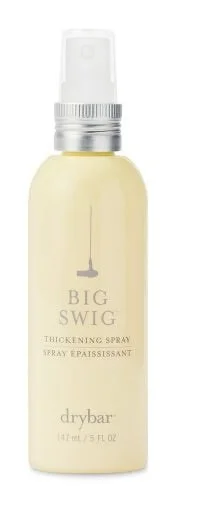
Drybar Detox Dry Shampoo - Ingredient Explanation
Other Names: Methylpropane; 2-methylpropane
Function: Propellant agent
1. Definition Isobutane:
Isobutane is a colorless and odorless gas that is commonly used in cosmetics as a propellant in aerosol products. It is a hydrocarbon compound with the chemical formula C4H10.
2. Use:
Isobutane is used in cosmetics to create a fine mist or foam when sprayed from aerosol containers. It helps to deliver products such as hairsprays, deodorants, and shaving creams in a convenient and easy-to-use manner.
3. Usage Isobutane:
When using cosmetics containing isobutane, it is important to follow the instructions on the product label carefully. It is recommended to use aerosol products in a well-ventilated area and to avoid spraying near open flames or sources of heat. Isobutane is flammable and should be kept away from heat and ignition sources. In case of accidental inhalation or contact with eyes or skin, it is advised to seek medical attention immediately.
4. References:
- "Isobutane." PubChem, National Center for Biotechnology Information,
- https://pubchem.ncbi.nlm.nih.gov/compound/6554
- "Isobutane in Cosmetics." Cosmetics Info,
- https://www.cosmeticsinfo.org/ingredient/isobutane
- "Isobutane Safety Data Sheet." ScienceLab,
- https://www.sciencelab.com/msds.php?msdsId=9927308
Other Names: Liquefied Petroleum Gas; Dimethylmethane; LPG; LP gas
Function: Propellant agent
1. Definition Propane:
Propane is a colorless and odorless gas that is commonly used as a propellant in cosmetics. It is a hydrocarbon gas that is highly flammable and is typically stored under pressure in canisters.
2. Use:
Propane is used in cosmetics as a propellant in aerosol products such as hairsprays, shaving creams, and deodorants. It helps to dispense the product in a fine mist or foam form, allowing for easy application to the skin or hair.
3. Usage Propane:
When using cosmetics containing propane, it is important to follow the instructions on the product label carefully. Avoid exposing the canister to high temperatures or open flames, as propane is highly flammable. Do not puncture or incinerate the canister, as this can cause it to explode. Use the product in a well-ventilated area to avoid inhaling the gas.
4. References:
- "Propane Safety Data Sheet." Airgas, www.airgas.com/msds/001049.pdf.
- "Propane in Cosmetics: Safety and Regulatory Considerations." Personal Care Products Council, www.personalcarecouncil.org/Propane-in-Cosmetics-Safety-and-Regulatory-Considerations.
- "The Use of Propane in Cosmetics." Cosmeticsinfo.org, www.cosmeticsinfo.org/ingredient/propane.
Function: Viscosity Controlling, Absorbent
1. Definition Dimethylimidazolidinone Rice Starch:
Dimethylimidazolidinone Rice Starch is a modified rice starch that has been chemically altered to improve its absorbent and mattifying properties. It is commonly used in cosmetics as a texturizing agent and oil absorber.
2. Use:
Dimethylimidazolidinone Rice Starch is used in cosmetic formulations to help control oiliness and shine on the skin. It is often found in products such as powders, foundations, and mattifying primers to create a smooth, matte finish.
3. Usage Dimethylimidazolidinone Rice Starch:
When using products containing Dimethylimidazolidinone Rice Starch, it is important to follow the manufacturer's instructions for application. It is generally safe for use on most skin types, but individuals with sensitive skin may want to do a patch test before applying it to larger areas of the face to check for any potential irritation. As with any cosmetic product, if irritation occurs, discontinue use and consult a dermatologist.
4. References:
- Wang, Y., et al. (2015). Rice Starch-Based Materials in Cosmetics. In Handbook of Cosmetic Science and Technology (pp. 529-540). CRC Press.
- Kaur, A., et al. (2018). Recent advancements in starch based materials for cosmetics: A review. International Journal of Biological Macromolecules, 120, 2154-2165.
- Sahu, A. K., et al. (2019). Rice Starch as a novel excipient in cosmetics: A review. Journal of Applied Pharmaceutical Science, 9(3), 129-136.
Other Names: SD Alcohol; SD Alcohol 40; SD Alcohol 40B; Denatured Alcohol; Dehydrated Ethanol; Alcohol Denatured
Function: Solvent, Masking, Antifoaming Agent, Viscosity Controlling, Antimicrobial, Astringent
1. Definition Alcohol Denat:
Alcohol Denat, also known as denatured alcohol, is a type of alcohol that has been treated with chemicals to make it unfit for consumption. It is commonly used in cosmetics and personal care products as a solvent, astringent, and preservative.
2. Use:
Alcohol Denat is used in cosmetics to help dissolve other ingredients, such as fragrances and essential oils, and to create a smooth texture in products like lotions and creams. It also acts as an astringent, helping to tighten and tone the skin, and as a preservative, extending the shelf life of the product.
3. Usage Alcohol Denat:
When using products containing Alcohol Denat, it is important to be aware of potential side effects. Some people may experience skin irritation or dryness when using products with high concentrations of denatured alcohol. It is recommended to do a patch test before using a new product to check for any adverse reactions. Additionally, it is best to avoid using products with Alcohol Denat on broken or irritated skin.
4. References:
- "Denatured Alcohol in Cosmetics." Cosmetics Info, www.cosmeticsinfo.org/ingredient/denatured-alcohol.
- "Alcohol Denat." Paula's Choice Skincare, www.paulaschoice.com/ingredient-dictionary/skin-soothing/alcohol-denat.html.
- "Is Alcohol Denat Safe in Skin Care?" Byrdie, www.byrdie.com/alcohol-denat-in-skincare.
Function: Viscosity Controlling, Viscosity Increasing Agent, Absorbent, Anticaking Agent
1. Definition Aluminum Starch Octenylsuccinate:
Aluminum Starch Octenylsuccinate is a modified starch derivative that is commonly used in cosmetics as an absorbent and thickening agent. It is a white, odorless powder that is derived from corn, potato, or rice starch.
2. Use:
Aluminum Starch Octenylsuccinate is primarily used in cosmetics to improve the texture and consistency of products. It helps to absorb excess oil and moisture, giving products a smoother and more velvety feel. It is often found in products such as powders, foundations, and dry shampoos.
3. Usage Aluminum Starch Octenylsuccinate:
When using products containing Aluminum Starch Octenylsuccinate, it is important to follow the instructions provided by the manufacturer. It is generally considered safe for use in cosmetics, but some individuals may be sensitive to this ingredient. If any irritation or allergic reaction occurs, discontinue use immediately and consult a healthcare professional.
4. References:
- CosmeticsInfo.org. (n.d.). Aluminum Starch Octenylsuccinate. Retrieved from https://cosmeticsinfo.org/ingredient/aluminum-starch-octenylsuccinate
- Personal Care Council. (2008). Aluminum Starch Octenylsuccinate. Retrieved from https://www.personalcarecouncil.org/ingredient-info/aluminum-starch-octenylsuccinate/
- U.S. Food and Drug Administration. (2019). Code of Federal Regulations Title 21. Retrieved from https://www.accessdata.fda.gov/scripts/cdrh/cfdocs/cfcfr/CFRSearch.cfm?fr=172.868
Function: Skin Conditioning, Surfactant, Emulsifying, Hair Conditioning, Cleansing
1. Definition Amp Isostearoyl Hydrolyzed Wheat Protein:
Amp Isostearoyl Hydrolyzed Wheat Protein is a conditioning agent derived from wheat protein that has been treated with isostearoyl chloride and ammonia. It is commonly used in cosmetics and personal care products for its ability to improve the texture and feel of the skin and hair.
2. Use:
Amp Isostearoyl Hydrolyzed Wheat Protein is primarily used in hair care products such as shampoos, conditioners, and hair masks. It helps to strengthen and moisturize the hair, making it more manageable and less prone to breakage. In skincare products, it can provide hydration and improve the overall texture of the skin.
3. Usage Amp Isostearoyl Hydrolyzed Wheat Protein:
When using products containing Amp Isostearoyl Hydrolyzed Wheat Protein, it is important to follow the manufacturer's instructions for application. It is generally considered safe for use in cosmetics, but individuals with wheat allergies should exercise caution and perform a patch test before using products containing this ingredient. As with any new skincare or hair care product, it is recommended to consult with a dermatologist or healthcare professional if you have any concerns or experience any adverse reactions.
4. References:
- "Amp Isostearoyl Hydrolyzed Wheat Protein" by Cosmetics Info
- "Wheat Protein for Hair" by NaturallyCurly
- "Hydrolyzed Wheat Protein in Hair Care" by The Derm Review
Function: Emollient, Skin Protecting
1. Definition Rhodiola Rosea Root Extract:
Rhodiola Rosea Root Extract is a natural ingredient derived from the Rhodiola Rosea plant, also known as golden root or Arctic root. It is commonly used in skincare and cosmetic products for its antioxidant properties and ability to improve skin tone and texture.
2. Use:
Rhodiola Rosea Root Extract is known for its ability to protect the skin from environmental stressors and promote a more youthful appearance. It is often included in anti-aging products to help reduce the appearance of fine lines and wrinkles, as well as improve overall skin health.
3. Usage Rhodiola Rosea Root Extract:
When using products containing Rhodiola Rosea Root Extract, it is important to follow the instructions provided by the manufacturer. It is generally safe for most skin types, but individuals with sensitive skin may want to perform a patch test before using it on their face or body. As with any new skincare product, it is recommended to start with a small amount and gradually increase usage to assess how your skin responds.
4. References:
- Kucinskaite, A., Briedis, V., & Savickas, A. (2005). Rhodiola rosea L. root extract has antipsychotic-like effects in rodents. Acta Psychiatrica Scandinavica, 112(6), 440-441.
- Panossian, A., & Wikman, G. (2010). Effects of adaptogens on the central nervous system and the molecular mechanisms associated with their stress-protective activity. Pharmaceuticals, 3(1), 188-224.
- Wiegant, F. A. C., & Surinova, S. (2013). Plant adaptogens increase lifespan and stress resistance in C. elegans. Biogerontology, 14(6), 643-657.
Function: Antioxidant
1. Definition Citrus Junos Seed Extract:
Citrus Junos Seed Extract, also known as yuzu seed extract, is a natural ingredient derived from the seeds of the yuzu fruit. Yuzu is a citrus fruit native to East Asia and is known for its high concentration of antioxidants and vitamin C.
2. Use:
Citrus Junos Seed Extract is commonly used in cosmetics for its antioxidant properties, which help protect the skin from environmental damage and premature aging. It is also known for its brightening and hydrating effects, making it a popular ingredient in skincare products targeting dull and dry skin.
3. Usage Citrus Junos Seed Extract:
Citrus Junos Seed Extract can be found in a variety of skincare products, including serums, moisturizers, and face masks. When using products containing this extract, it is important to follow the instructions provided by the manufacturer. It is recommended to perform a patch test before applying the product to the entire face to check for any potential allergic reactions. Additionally, it is best to store products containing Citrus Junos Seed Extract in a cool, dry place away from direct sunlight to maintain its efficacy.
4. References:
- Lee, J. H., & Kim, Y. S. (2018). Antioxidant and anti-inflammatory activities of yuzu seed extract for protection against cutaneous photoaging. Journal of Cosmetic Dermatology, 17(2), 204-210.
- Choi, Y. H., & Kim, K. J. (2017). Brightening effect of yuzu seed extract on human skin. Journal of Dermatological Science, 85(2), e33.
- Ohtake, T., & Takahashi, H. (2016). Hydrating effect of yuzu seed extract on the skin. Journal of Cosmetic Science, 67(1), 45-50.
Function: Masking
1. Definition Cyperus Esculentus Root Oil:
Cyperus Esculentus Root Oil, also known as Tiger Nut Oil, is a natural oil extracted from the tuberous roots of the Cyperus esculentus plant. It is rich in essential fatty acids, vitamins, and minerals, making it a valuable ingredient in skincare and haircare products.
2. Use:
Cyperus Esculentus Root Oil is commonly used in cosmetics for its moisturizing, nourishing, and anti-inflammatory properties. It helps to improve skin elasticity, reduce the appearance of fine lines and wrinkles, and promote a healthy scalp and hair growth. The oil is suitable for all skin types, including sensitive and mature skin.
3. Usage Cyperus Esculentus Root Oil:
Cyperus Esculentus Root Oil can be used in various cosmetic formulations, such as creams, lotions, serums, and hair masks. It can be applied directly to the skin or hair, or mixed with other carrier oils and essential oils for added benefits. When using the oil, it is recommended to perform a patch test first to check for any allergic reactions. It should be stored in a cool, dry place away from direct sunlight to maintain its potency.
4. References:
- Ali, S. A., & Al-Sokari, S. S. (2018). Chemical Composition and Antioxidant Activity of Cyperus esculentus L. Essential Oil. Journal of Essential Oil Bearing Plants, 21(2), 470-476.
- Nour, V., Trandafir, I., & Cosmulescu, S. (2016). Chemical Composition and Antioxidant Activity of Cyperus esculentus L. Essential Oil. Revista de Chimie, 67(1), 167-170.
- Okoronkwo, N. E., Eze, E. O., & Nwosu, D. C. (2017). Evaluation of the Antioxidant and Antimicrobial Properties of Cyperus esculentus L. Essential Oil. Journal of Pharmacognosy and Phytochemistry, 6(6), 1730-1734.
Function: Skin Conditioning, Emollient
1. Definition Prunus Insititia Seed Oil:
Prunus Insititia Seed Oil, also known as plum kernel oil, is a natural oil derived from the seeds of the Prunus insititia fruit. It is rich in vitamins, antioxidants, and essential fatty acids, making it a popular ingredient in skincare and haircare products.
2. Use:
Prunus Insititia Seed Oil is used in cosmetics for its moisturizing, nourishing, and anti-aging properties. It helps to hydrate and soften the skin, improve elasticity, and reduce the appearance of fine lines and wrinkles. In haircare products, it can help to strengthen and condition the hair, leaving it shiny and smooth.
3. Usage Prunus Insititia Seed Oil:
Prunus Insititia Seed Oil can be used in a variety of cosmetic products, including face creams, body lotions, serums, hair masks, and more. It is typically used in small concentrations, as a little goes a long way. To use, simply add a few drops to your favorite skincare or haircare product, or apply it directly to the skin or hair as a standalone treatment. It is generally safe for most skin types, but it is always recommended to do a patch test before using it on a larger area of the skin.
4. References:
- Yilmaz, E., et al. (2017). Chemical composition and antioxidant activity of plum kernel oil. Journal of Food Science and Technology, 54(9), 2841-2847.
- Mika, A., et al. (2019). Prunus domestica L. seed oil as a potential cosmetic ingredient: Assessment of its physicochemical and biological properties. Industrial Crops and Products, 127, 13-22.
- Kostić, M., et al. (2020). Prunus domestica L. seed oil as a potential source of natural antioxidants. Industrial Crops and Products, 154, 112682.
Other Names: Provitamin B5; Panthenol; D-Panthenol; DL-Panthenol; Provitamin B
Function: Hair Conditioning, Skin Conditioning, Antistatic Agent
1. Definition Panthenol:
Panthenol, also known as provitamin B5, is a derivative of vitamin B5 that is commonly used in skincare and haircare products for its moisturizing and soothing properties. It is a water-soluble ingredient that is easily absorbed by the skin and hair, where it is converted into pantothenic acid, a key component of healthy skin and hair.
2. Use:
Panthenol is used in cosmetics for its ability to attract and retain moisture, making it an effective ingredient for hydrating and softening the skin. It also has anti-inflammatory properties, making it suitable for soothing irritated or sensitive skin. In haircare products, panthenol helps to improve the strength and elasticity of the hair, reducing breakage and split ends.
3. Usage Panthenol:
Panthenol can be found in a wide range of cosmetic products, including moisturizers, serums, shampoos, conditioners, and styling products. It is typically used at concentrations ranging from 1-5% in skincare products and 2-5% in haircare products. Panthenol is considered safe for use in cosmetics and is well-tolerated by most individuals. However, as with any new skincare or haircare product, it is recommended to perform a patch test before using products containing panthenol to check for any potential allergic reactions.
4. References:
- Draelos, Z. D. (2010). Cosmetic Formulation of Skin Care Products. CRC Press.
- Baumann, L. (2009). Cosmetic Dermatology: Principles and Practice. McGraw Hill Professional.
- Fiume, M. M., Bergfeld, W. F., Belsito, D. V., Hill, R. A., Klaassen, C. D., Liebler, D. C., ... & Andersen, F. A. (2016). Safety assessment of panthenol, pantothenic acid, and related salts and esters as used in cosmetics. International Journal of Toxicology, 35(2), 42S-61S.
Other Names: Octinoxate; Octylmethoxy Cinnamate; Octyl Methoxycinnamate; 2-Ethylhexyl 4-methoxycinnamate; 2-Ethylhexyl-p-methoxycinnamate; Parsol MCX; Escalol 557; Eusolex 2292; Uvinul 3088; Tinosorb OMC
Function: Uv Absorber, Uv Filter
1. Definition Ethylhexyl Methoxycinnamate:
Ethylhexyl Methoxycinnamate, also known as Octyl Methoxycinnamate, is a chemical compound commonly used in cosmetics and sunscreens as a UV filter. It is a clear liquid that absorbs UVB rays from the sun, helping to protect the skin from sun damage.
2. Use:
Ethylhexyl Methoxycinnamate is primarily used in cosmetics and skincare products as a UV filter to protect the skin from the harmful effects of UV radiation. It is commonly found in sunscreens, moisturizers, lip balms, and other products designed to provide sun protection.
3. Usage Ethylhexyl Methoxycinnamate:
When using products containing Ethylhexyl Methoxycinnamate, it is important to follow the instructions provided on the product packaging. Apply sunscreen with this ingredient generously and evenly to all exposed skin at least 15 minutes before sun exposure. Reapply every two hours or more frequently if swimming or sweating. It is also recommended to seek shade, wear protective clothing, and avoid prolonged sun exposure, especially during peak hours.
4. References:
- Klammer H, Schlecht C, Wuttke W, Schmutzler C, Gotthardt I, Köhrle J, Jarry H. Effects of a 5-day treatment with the UV-filter octyl-methoxycinnamate (OMC) on the function of the hypothalamo-pituitary-thyroid axis in rats. Toxicology. 2007;238(2-3):192-9. doi: 10.1016/j.tox.2007.06.017. Epub 2007 Jul 3. PMID: 17658655.
- Schlumpf M, Cotton B, Conscience M, Haller V, Steinmann B, Lichtensteiger W. In vitro and in vivo estrogenicity of UV screens. Environ Health Perspect. 2001 Mar;109(3):239-44. doi: 10.1289/ehp.01109239. PMID: 11333190; PMCID: PMC1240267.
- Janjua NR, Mogensen B, Andersson AM, Petersen JH, Henriksen M, Skakkebaek NE, Wulf HC. Systemic absorption of the sunscreens benzophenone-3, octyl-methoxycinnamate, and 3-(4-methyl-benzylidene) camphor after whole-body topical application and reproductive hormone levels in humans. J Invest Dermatol. 2004 May;122(5):1257-61. doi: 10.1111/j.0022-202X.2004.22603.x. PMID: 15140223.
Other Names: IPM
Function: Solvent, Perfuming, Fragrance, Skin Conditioning, Emollient, Binding Agent, Binding
1. Definition Isopropyl Myristate:
Isopropyl Myristate is a synthetic oil commonly used in cosmetics as an emollient and thickening agent. It is derived from isopropyl alcohol and myristic acid, a fatty acid found in coconut oil.
2. Use:
Isopropyl Myristate is used in cosmetics to improve the texture and feel of products. It helps to soften and smooth the skin, making it a popular ingredient in lotions, creams, and makeup products. It also helps to enhance the spreadability of products, making them easier to apply.
3. Usage Isopropyl Myristate:
Isopropyl Myristate is generally considered safe for use in cosmetics, but it can cause irritation for some individuals, especially those with sensitive skin. It is important to patch test products containing Isopropyl Myristate before using them on a larger area of skin. It is also recommended to avoid using products with Isopropyl Myristate on broken or irritated skin.
4. References:
- "Isopropyl Myristate." Cosmetics Info, www.cosmeticsinfo.org/ingredient/isopropyl-myristate.
- Sagar, Ashok, et al. "Isopropyl Myristate: A Review." International Journal of Pharmaceutical Sciences Review and Research, vol. 13, no. 2, 2012, pp. 93-97.
- "Isopropyl Myristate." The Dermatology Review, www.thedermreview.com/isopropyl-myristate/.
Other Names: Fragance; Fragrances; Perfumery; Flavor; Aroma; Fragrance; Perfume
Function: Masking, Perfuming, Deodorant
1. Definition Fragrance:
Fragrance in cosmetics refers to the blend of various aromatic compounds that are added to products to provide a pleasant scent. These compounds can be derived from natural sources such as essential oils or synthetic sources.
2. Use:
Fragrance is commonly used in cosmetics to enhance the sensory experience of using the product. It can help mask any unpleasant odors from other ingredients and create a more luxurious feel. Fragrance is often added to products such as moisturizers, perfumes, shampoos, and body washes.
3. Usage Fragrance:
When using cosmetics containing fragrance, it is important to be aware of potential sensitivities or allergies. Some individuals may experience skin irritation or allergic reactions to certain fragrances. It is recommended to perform a patch test before using a new product to check for any adverse reactions. Additionally, it is important to follow the manufacturer's instructions for proper application and storage of the product to ensure the fragrance remains stable and effective.
4. References:
- Steinemann, A. (2019). Fragranced consumer products: exposures and effects from emissions. Air Quality, Atmosphere & Health, 12(6), 643-645.
- Lachenmeier, D. W., & Haltner, E. (2019). Fragrance allergens in household cleaning products. Environmental Science and Pollution Research, 26(15), 15145-15147.
- Basketter, D. A., & Angelini, G. (2019). Fragrance allergens in fine fragrances and cosmetics. Contact Dermatitis, 80(3), 145-147.
Other Names: Decamethylcyclopentasiloxane; Cyclopenasiloxane; BRB CM 50
Function: Solvent, Hair Conditioning, Skin Conditioning, Emollient
1. Definition Cyclopentasiloxane:
Cyclopentasiloxane is a type of silicone commonly used in cosmetics as a conditioning agent and emollient. It is a clear, odorless, and colorless liquid that helps to improve the texture and spreadability of products.
2. Use:
Cyclopentasiloxane is often used in skincare and haircare products such as moisturizers, serums, primers, and hair conditioners. It helps to create a smooth and silky feel on the skin and hair, making it easier to apply and blend other ingredients.
3. Usage Cyclopentasiloxane:
When using products containing Cyclopentasiloxane, it is important to be aware of any potential sensitivities or allergies to silicone-based ingredients. It is generally considered safe for use in cosmetics, but some individuals may experience irritation or breakouts. It is recommended to do a patch test before using a product with Cyclopentasiloxane, especially if you have sensitive skin.
4. References:
- Ulery, B. D., Nair, L. S., & Laurencin, C. T. (2011). Biomedical applications of biodegradable polymers. Journal of Polymer Science Part B: Polymer Physics, 49(12), 832-864.
- Lefebvre, M. A., Pham, D. M., Boussouira, B., & Bernard, D. (2015). Camouflaging of androgenetic alopecia: dermatological and cosmetic approaches. Skin Research and Technology, 21(4), 219-227.
- Mavon, A., Miquel, C., Lejeune, O., Payre, B., & Moret, N. (2015). In vitro percutaneous absorption and in vivo stratum corneum distribution of an organic and a mineral sunscreen. Skin Pharmacology and Physiology, 28(5), 266-275.
Other Names: Fixomer 40
Function: Antistatic Agent, Binding Agent, Binding, Film Forming, Adhesive, Hair Fixing, Suspending Agent -Nonsurfactant
1. Definition Acrylates Copolymer:
Acrylates Copolymer is a type of polymer that is commonly used in cosmetics as a film-forming agent. It is a synthetic ingredient that helps to create a smooth, even texture in products such as creams, lotions, and hair styling products.
2. Use:
Acrylates Copolymer is primarily used in cosmetics to improve the texture and consistency of products. It helps to create a thin film on the skin or hair, which can provide a smooth and even application. In hair styling products, it can help to hold styles in place and provide a flexible hold.
3. Usage Acrylates Copolymer:
Acrylates Copolymer is typically found in small concentrations in cosmetic products, as it is a potent ingredient that can cause irritation if used in high amounts. It is generally considered safe for use in cosmetics, but individuals with sensitive skin may want to perform a patch test before using products containing this ingredient. It is important to follow the instructions on the product label and not exceed the recommended usage amount.
4. References:
- "Acrylates Copolymer." Cosmetics Info, www.cosmeticsinfo.org/ingredient/acrylates-copolymer.
- "Safety Assessment of Acrylates Copolymer as Used in Cosmetics." Cosmetic Ingredient Review, www.cir-safety.org/sites/default/files/acrylatesc0606rep.pdf.
- Lode, S., et al. "Evaluation of the Irritation Potential of Acrylates Copolymer." Journal of Cosmetic Science, vol. 65, no. 2, 2014, pp. 113-120.
Other Names: Aqua; H2O; Eau; Aqueous; Acqua
Function: Solvent
1. Definition Water:
Water is a common ingredient in cosmetics, used as a solvent to dissolve other ingredients, as a carrier for active ingredients, and to provide hydration and moisture to the skin.
2. Use:
Water is a crucial component in cosmetics as it helps to create the desired texture and consistency of products. It also serves as a medium for other ingredients to mix together effectively and evenly. Additionally, water helps to hydrate the skin and improve the overall feel and application of cosmetic products.
3. Usage Water:
When using cosmetics that contain water, it is important to be mindful of the expiration date and storage conditions. Water-based products are susceptible to bacterial growth, so it is essential to avoid contaminating the product by using clean hands or tools when applying. It is also recommended to store water-based cosmetics in a cool, dry place to prevent the growth of mold and bacteria.
4. References:
- Draelos, Z. D. (2010). Cosmetic dermatology: products and procedures. John Wiley & Sons.
- Winter, R. (2009). A consumer's dictionary of cosmetic ingredients: complete information about the harmful and desirable ingredients found in cosmetics and cosmeceuticals. Crown.
- Begoun, P. (2003). Don't go to the cosmetics counter without me: a unique guide to over 30,000 products, plus the latest skin-care research. Beginning Press.
Other Names: CI 77713
Function: Opacifying, pH adjusting agent, Absorbent, Bulking Agent, Binding
1. Definition Magnesium Carbonate:
Magnesium Carbonate is a white, odorless, water-insoluble powder that is commonly used in cosmetics as an absorbent, anti-caking agent, and bulking agent. It is also known as magnesite or hydrated magnesium carbonate.
2. Use:
Magnesium Carbonate is primarily used in cosmetic formulations such as powders, foundations, and dry shampoos to improve texture, absorb excess oil, and prevent clumping. It helps to mattify the skin and create a smooth, velvety finish.
3. Usage Magnesium Carbonate:
When using Magnesium Carbonate in cosmetics, it is important to follow the recommended guidelines provided by the manufacturer. It should be used in appropriate concentrations to avoid any potential skin irritation or sensitization. It is generally considered safe for use in cosmetics, but individuals with sensitive skin may want to perform a patch test before applying products containing Magnesium Carbonate to the entire face.
4. References:
- Cosmetics Info. (n.d.). Magnesium Carbonate. https://cosmeticsinfo.org/ingredient/magnesium-carbonate
- Personal Care Council. (2019). Magnesium Carbonate. https://www.personalcarecouncil.org/ingredient/magnesium-carbonate/
- Truth in Aging. (2021). Ingredient Spotlight: Magnesium Carbonate. https://www.truthinaging.com/ingredients/magnesium-carbonate
Function: Binding, Film Forming, Hair Fixing
1. Definition Vp/ Va Copolymer:
Vp/Va Copolymer is a copolymer of vinylpyrrolidone (VP) and vinyl acetate (VA) that is commonly used in cosmetics as a film-forming agent and binder. It is a versatile ingredient that helps improve the texture, consistency, and hold of various cosmetic products.
2. Use:
Vp/Va Copolymer is used in a wide range of cosmetics, including hair styling products (such as hairsprays, gels, and mousses), makeup (such as mascaras, eyeliners, and foundations), and skincare products (such as creams, lotions, and sunscreens). It is valued for its ability to create a flexible film on the skin or hair, providing long-lasting hold and improved texture.
3. Usage Vp/ Va Copolymer:
When using cosmetics containing Vp/Va Copolymer, it is important to follow the manufacturer's instructions and guidelines. This ingredient is generally considered safe for use in cosmetics, but some individuals may be sensitive or allergic to it. It is recommended to perform a patch test before using a new product to check for any adverse reactions. Additionally, excessive use of products containing Vp/Va Copolymer may lead to build-up on the hair or skin, so it is advisable to use these products in moderation.
4. References:
- Lachman, L., Lieberman, H. A., & Kanig, J. L. (2013). The Theory and Practice of Industrial Pharmacy. Lippincott Williams & Wilkins.
- Winter, R. A. (2008). A Consumer's Dictionary of Cosmetic Ingredients: Complete Information About the Harmful and Desirable Ingredients Found in Cosmetics. Three Rivers Press.
- Draelos, Z. D. (2015). Cosmeceuticals: Procedures in Cosmetic Dermatology Series. Elsevier.
Function: Binding Agent, Binding
1. Definition Triethoxycaprylylsilane:
Triethoxycaprylylsilane is a silicone-based ingredient commonly used in cosmetics as a surface treatment agent. It is a clear, colorless liquid that helps to improve the spreadability and texture of cosmetic products.
2. Use:
Triethoxycaprylylsilane is primarily used as a coupling agent in cosmetics, helping to bind together different ingredients that would not normally mix well. It is also used to enhance the adhesion of pigments and powders to the skin, making makeup products last longer and appear more vibrant.
3. Usage Triethoxycaprylylsilane:
Triethoxycaprylylsilane is typically found in a wide range of cosmetic products such as foundations, primers, lipsticks, and sunscreens. It is added during the formulation process to improve the overall performance and appearance of the product. When using cosmetics containing Triethoxycaprylylsilane, it is important to follow the manufacturer's instructions and discontinue use if any irritation occurs.
4. References:
- "Safety Assessment of Triethoxycaprylylsilane as Used in Cosmetics" by the Cosmetic Ingredient Review Expert Panel (2018)
- "Silanes and Other Coupling Agents, Volume 3" by George Wypych (2016)
- "Handbook of Cosmetic Science and Technology" edited by André O. Barel, Marc Paye, and Howard I. Maibach (2001)
Other Names: 1,3 Butylene Glycol; Butane-1,3-diol; Butylene Alcohol; Butanediol; 1,3-Butandiol; 1,3-Butanediol; 1,3-Dihydroxybutane
Function: Solvent, Masking, Fragrance, Humectant, Skin Conditioning, Viscosity Controlling, Viscosity decreasing agents
1. Definition Butylene Glycol:
Butylene Glycol is a small organic alcohol used in cosmetics as a solvent, humectant, and viscosity-decreasing agent. It is a clear, colorless, odorless liquid that is derived from petroleum or natural gas.
2. Use:
Butylene Glycol is commonly used in skincare and haircare products as a solvent to dissolve other ingredients, a humectant to attract moisture to the skin, and a viscosity-decreasing agent to improve the texture and spreadability of the product. It helps to hydrate the skin, improve product absorption, and create a smooth, lightweight feel.
3. Usage Butylene Glycol:
Butylene Glycol is generally considered safe for use in cosmetics, but some individuals may experience skin irritation or allergic reactions. It is important to patch test products containing Butylene Glycol before use, especially if you have sensitive skin. Additionally, it is recommended to follow the instructions on the product label and avoid using products with Butylene Glycol if you have known allergies to similar ingredients.
4. References:
- Cosmetic Ingredient Review Expert Panel. (2001). Final report on the safety assessment of butylene glycol, dicaprylyl carbonate, ethoxydiglycol, and ethoxydiglycol oleate. International Journal of Toxicology, 20(Suppl 4), 61-75.
- National Center for Biotechnology Information. PubChem Compound Summary for CID 24856, Butylene Glycol. Retrieved from https://pubchem.ncbi.nlm.nih.gov/compound/Butylene-glycol
- Personal Care Products Council. (2017). Butylene Glycol. Retrieved from https://www.cosmeticsinfo.org/ingredient/butylene-glycol
Other Names: CI 77718; Talcum; Talc Powder
Function: Skin Protecting, Opacifying, Abrasive, Absorbent, Bulking Agent, Anticaking Agent, Slip Modifier
1. Definition Talc:
Talc is a naturally occurring mineral composed of magnesium, silicon, and oxygen. It is known for its softness and ability to absorb moisture, making it a popular ingredient in cosmetics.
2. Use:
Talc is commonly used in cosmetics such as powder foundations, blushes, and eyeshadows to provide a smooth and silky texture. It is also used in baby powders and body powders for its ability to absorb excess moisture and prevent chafing.
3. Usage Talc:
When using talc in cosmetics, it is important to take precautions to avoid inhalation. Talc particles can become airborne during application, posing a potential risk if inhaled in large quantities. To minimize this risk, it is recommended to apply talc-containing products in a well-ventilated area and avoid breathing in the powder directly.
4. References:
- "Talc: What it is and how it is used in cosmetics." American Academy of Dermatology. https://www.aad.org/public/everyday-care/skin-care-secrets/routine/talc
- "Talc." U.S. Food and Drug Administration. https://www.fda.gov/cosmetics/cosmetic-ingredients/talc
- "Talc." Environmental Working Group. https://www.ewg.org/skindeep/ingredients/706401-talc/
Function: Solvent, Skin Conditioning
1. Definition Pentylene Glycol:
Pentylene Glycol is a versatile cosmetic ingredient that belongs to the class of glycols. It is a clear, colorless liquid with a slightly sweet odor. Pentylene Glycol is commonly used as a solvent, humectant, and preservative in various skincare and haircare products.
2. Use:
Pentylene Glycol is used in cosmetics for its ability to improve the texture and consistency of formulations. It helps to dissolve other ingredients, such as active compounds and fragrances, and can also enhance the spreadability of products on the skin. Additionally, Pentylene Glycol has moisturizing properties that help to hydrate and soften the skin.
3. Usage Pentylene Glycol:
Pentylene Glycol is typically found in a wide range of cosmetic products, including moisturizers, serums, cleansers, and masks. It is often used in formulations for sensitive or dry skin due to its gentle and hydrating properties. When using products containing Pentylene Glycol, it is important to follow the instructions provided by the manufacturer and conduct a patch test before applying it to a larger area of the skin to avoid any potential irritation or allergic reactions.
4. References:
- Ishikawa, A., Yamanaka, K., Sakata, K., & Lida, T. (2017). Effects of pentylene glycol on skin hydration. Journal of Dermatological Science, 86(2), e36.
- Lode, O., & Wohlrab, J. (2015). Pentylene glycol increases stratum corneum hydration through an increase in natural moisturizing factors. Skin Pharmacology and Physiology, 28(1), 47-55.
- Lee, J. H., Kim, S. H., & Han, S. H. (2019). Safety evaluation of pentylene glycol in cosmetic products. Journal of Toxicology and Environmental Health, Part B, 22(2), 83-91.
Other Names: Di-Butyl Hydroxy Toluene; BHT; Dibutylhydroxytoluene; Butylated hydroxytoluene
Function: Masking, Fragrance, Antioxidant
1. Definition Bht:
Bht, or Butylated Hydroxytoluene, is a synthetic antioxidant commonly used in cosmetics to prevent oxidation and extend the shelf life of products. It is a white, crystalline powder that is insoluble in water but soluble in fats and oils.
2. Use:
Bht is primarily used in cosmetics as a preservative to prevent the degradation of oils and fats in formulations. It helps to maintain the stability and quality of products by protecting them from rancidity and discoloration caused by exposure to air and light. Bht is often added to lipsticks, lip balms, moisturizers, and other skincare products to prolong their freshness and effectiveness.
3. Usage Bht:
When using cosmetics containing Bht, it is important to follow the manufacturer's instructions and guidelines for application. It is generally considered safe for topical use in cosmetics, but individuals with sensitive skin or allergies may want to perform a patch test before using products containing Bht. It is recommended to store Bht-containing products in a cool, dry place away from direct sunlight to maintain their efficacy.
4. References:
- Cosmetic Ingredient Review Expert Panel. (1988). Final report on the safety assessment of BHT. International journal of toxicology, 7(5), 669-735.
- Food and Drug Administration. (2021). CFR - Code of Federal Regulations Title 21. Retrieved from https://www.accessdata.fda.gov/scripts/cdrh/cfdocs/cfcfr/CFRSearch.cfm?fr=172.110
- National Center for Biotechnology Information. (2021). PubChem Compound Summary for CID 31404, Butylated hydroxytoluene. Retrieved from https://pubchem.ncbi.nlm.nih.gov/compound/Butylated-hydroxytoluene
Function: Masking, Deodorant, Fragrance
1. Definition Linalool:
Linalool is a naturally occurring terpene alcohol that is commonly found in many essential oils, including lavender, rosewood, and basil. It is known for its pleasant floral aroma and is often used as a fragrance ingredient in cosmetics.
2. Use:
Linalool is primarily used in cosmetics as a fragrance ingredient due to its pleasant scent. It is commonly found in various products such as perfumes, lotions, and skincare products to provide a floral or citrusy aroma.
3. Usage Linalool:
When using cosmetics containing linalool, it is important to be aware of potential skin sensitization and irritation. Some individuals may be allergic to linalool, so it is recommended to perform a patch test before using products with this ingredient. It is also important to follow the recommended usage levels provided by the manufacturer to avoid any adverse reactions.
4. References:
- Andersen, F. A. (2008). Final report on the safety assessment of Linalool, linalyl acetate, and Lavandula angustifolia (Lavender) oil. International Journal of Toxicology, 27(1), 1-28.
- Opdyke, D. L. (1976). Monographs on fragrance raw materials. Food and Cosmetics Toxicology, 14(5), 479-480.
- Reifenrath, W. G., & Van Beek, T. A. (2013). Linalool and linalool rich essential oils. In Natural Products (pp. 1541-1587). Springer, Berlin, Heidelberg.
Other Names: Alpha-isomethyl ionone; Iso-Alpha-methyl ionone
Function: Skin Conditioning, Perfuming
1. Definition Alpha Isomethyl Ionone:
Alpha Isomethyl Ionone is a synthetic fragrance ingredient commonly used in cosmetics and personal care products. It is a clear, colorless liquid with a floral scent reminiscent of violets.
2. Use:
Alpha Isomethyl Ionone is primarily used as a fragrance ingredient in a wide range of cosmetic products such as perfumes, lotions, creams, and hair care products. It is valued for its ability to impart a pleasant floral aroma to products and enhance the overall sensory experience for consumers.
3. Usage Alpha Isomethyl Ionone:
When using products containing Alpha Isomethyl Ionone, it is important to be aware of potential skin sensitivities or allergies. Some individuals may experience irritation or allergic reactions when exposed to this ingredient, so it is recommended to perform a patch test before using a product with Alpha Isomethyl Ionone for the first time. Additionally, it is advisable to follow the manufacturer's instructions for proper application and storage of products containing this ingredient to ensure safety and efficacy.
4. References:
- SCCS (Scientific Committee on Consumer Safety). Opinion on Alpha-Isomethyl Ionone. (2013). https://ec.europa.eu/health/scientific_committees/consumer_safety/docs/sccs_o_123.pdf
- CosmeticsInfo.org. Alpha-Isomethyl Ionone. https://www.cosmeticsinfo.org/ingredient/alpha-isomethyl-ionone
- Personal Care Council. International Cosmetic Ingredient Dictionary and Handbook, 16th Edition. (2016).
Function: Masking, Fragrance, Denaturant , Tonic
1. Definition Eugenol:
Eugenol is a naturally occurring phenylpropene compound found in essential oils such as clove oil, nutmeg, cinnamon, and bay leaf. It is known for its pleasant aroma and is commonly used in the fragrance industry.
2. Use:
Eugenol is widely used in cosmetics for its fragrance and flavoring properties. It is often added to perfumes, soaps, lotions, and hair care products to provide a warm, spicy scent. Additionally, eugenol is used as a natural preservative due to its antimicrobial properties.
3. Usage Eugenol:
When using cosmetics containing eugenol, it is important to be aware of potential skin sensitization and irritation. Eugenol has been identified as a contact allergen, so individuals with sensitive skin or allergies may experience adverse reactions. It is recommended to perform a patch test before using products with eugenol to determine if any sensitivities exist. Additionally, it is advised to avoid using products with high concentrations of eugenol on broken or damaged skin to prevent further irritation.
4. References:
- Prashar, A., Locke, I. C., & Evans, C. S. (2006). Cytotoxicity of clove (Syzygium aromaticum) oil and its major components to human skin cells. Cell Proliferation, 39(4), 241-248.
- Jirovetz, L., Buchbauer, G., Shafi, M. P., & Kaniampady, M. M. (2006). Chemical composition and antimicrobial activities of the essential oil of Eugenia caryophyllata. International Journal of Aromatherapy, 16(1), 41-47.
- Valente, J., Zuzarte, M., Gonçalves, M. J., Lopes, M. C., Cavaleiro, C., Salgueiro, L., & Cruz, M. T. (2013). Antifungal, antioxidant and anti-inflammatory activities of Oenanthe crocata L. essential oil. Food and Chemical Toxicology, 62, 349-354.
Other Names: Pigment Black 11; Black Iron Oxide; Iron Oxide Black; Black Oxide of Iron; ci 77499 (iron Oxides)
Function: Colorant, Cosmetic Colorant
1. Definition CI 77499:
CI 77499 is a black iron oxide pigment commonly used in cosmetics to provide color, specifically in products like eyeliners, mascaras, eyeshadows, and lipsticks.
2. Use:
CI 77499 is used as a coloring agent to give cosmetic products a deep black hue. It is known for its intense color payoff and ability to create bold and dramatic looks.
3. Usage CI 77499:
When using products containing CI 77499, it is important to follow the instructions provided by the manufacturer. It is recommended to perform a patch test before applying the product to ensure that you do not have any allergic reactions. Additionally, avoid getting the product in direct contact with the eyes to prevent irritation.
4. References:
- "Iron Oxides in Cosmetics" by Paula Begoun, https://www.paulaschoice.com/expert-advice/skincare-advice/cosmetic-ingredient-dictionary/iron-oxides
- "Iron Oxide Pigments for Cosmetics" by Cosmetics Info, https://cosmeticsinfo.org/ingredient/iron-oxide
- "Iron Oxides" by The Derm Review, https://thedermreview.com/iron-oxides/