


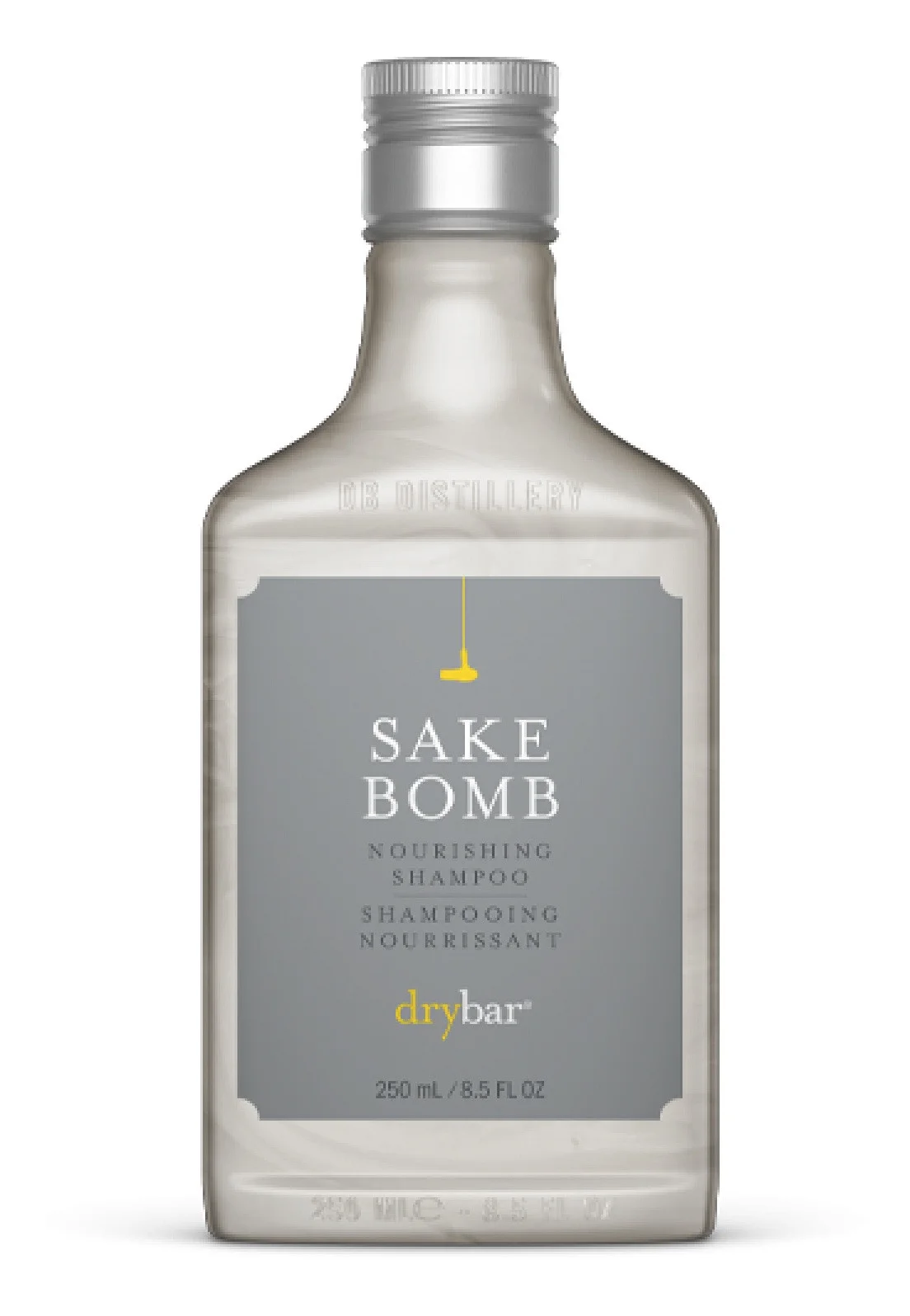
Analysis locked
How well does your skin match with Drybar Sake Bomb Nourishing Shampoo?
Login to see detailsOr continue via
Quick 1-minute survey • Completely free
Ingredients
Analysis results of Ingredients


Ingredient List
| EWG | CIR | Ingredient Name & Cosmetic Function | Notes |
|---|---|---|---|
| 1 | - | (Solvent) | |
| 2 | B | (Solvent to dissolve substances insoluble in water, Sufactant, Foam Boosting, Foaming) | |
| 1 3 | B | (Hair Conditioning, Skin Conditioning, Viscosity Controlling, Antistatic Agent, Emulsifying, Surfactant, Cleansing, Foaming) | Cleansing |
| 1 4 | B | (Viscosity Controlling, Viscosity Increasing Agent, Emulsion Stabilising, Emulsifying, Foam Boosting) | Cleansing |
| 1 | - | (Hair Conditioning, Skin Conditioning, Viscosity Controlling, Antistatic Agent, Viscosity Increasing Agent, Foam Boosting, Sufactant) | |
| 1 | A | (Surfactant, Cleansing, Foaming) |  Sulfate Cleansing Sulfate Cleansing |
| 2 | B | (Antistatic Agent, Binding Agent, Binding, Film Forming, Adhesive, Hair Fixing, Suspending Agent -Nonsurfactant) | |
| 1 3 | A | (Emulsifying, Sufactant) | Cleansing |
| 1 2 | A | (Skin Conditioning, Hair Conditioning) | |
| 1 2 | A | (Skin Conditioning, Humectant, Antistatic Agent, Hair Conditioning, Film Forming, Nail Agents) | |
| 1 | B | (Skin Conditioning) | |
| 1 | - | (Skin Conditioning, Emollient) | |
| - | - | (Emollient, Skin Protecting) | Moisturizing |
| 1 | A | (Skin Conditioning, Viscosity Controlling, Viscosity Increasing Agent, Film Forming, Adhesive) | |
| 1 5 | B | (Hair Conditioning, Skin Conditioning, Viscosity Controlling, Antistatic Agent, Viscosity Increasing Agent, Foam Boosting, Sufactant) | |
| 1 | - | (Skin Conditioning, Perfuming) | |
| 1 | - | (Surfactant, Cleansing) | Cleansing |
| 1 | A | (Skin Conditioning, Sunscreen Agent) | |
| 1 | A | (Skin Conditioning, Emollient) |  Fungal Acne Trigger Fungal Acne Trigger |
| 1 | A | (Hair Conditioning, Skin Conditioning, Antistatic Agent) |  Good for dry skin Promotes Wound Healing Good for dry skin Promotes Wound Healing |
| 1 3 | A | (Skin Protecting, Skin Conditioning, Emollient, Antifoaming Agent) |  Silicone Moisturizing Silicone Moisturizing |
| 1 | A | (Solvent, Perfuming, Fragrance, Skin Conditioning, Emollient) | |
| 1 | A | (Antistatic Agent, Hair Conditioning) | Silicone |
| 3 | A | (Solvent, Hair Conditioning, Skin Conditioning, Emollient) | Silicone |
| 1 | A | (Opacifying, Skin Conditioning, Emollient, Viscosity Controlling, Viscosity Increasing Agent, Emulsifying) | Fungal Acne Trigger Cleansing |
| 1 | - | (Hair Conditioning, Film Forming) | |
| 1 2 | A | (Solvent, Perfuming, Fragrance, Humectant, Viscosity Decreasing Agent, Hair Conditioning, Skin Protecting, Denaturant ) | Good for dry skin Moisturizing |
| 1 | - | (Hair Conditioning) | |
| 1 3 | B | (Surfactant, Emulsifying, Cleansing) |  Bad for oily skin Cleansing Bad for oily skin Cleansing |
| 1 3 | B | (Masking, Surfactant, Emulsifying, Antistatic Agent) | Bad for oily skin Cleansing |
| 4 | B | (Surfactant, Emulsifying, Antistatic Agent, Antimicrobial, Cosmetic Biocide, Preservative) | Cleansing |
| 1 | B | (Surfactant, Emulsifying) | Cleansing |
| 2 | A | (Deodorant, Skin Conditioning) | |
| 2 3 | A | (Skin Conditioning, Antioxidant) | Anti Aging |
| 4 | B | (Hair Conditioning, Preservative, Antistatic Agent) | |
| 1 | - | (Masking, Viscosity Controlling, Bulking Agent) | |
| 1 | B | (Viscosity Controlling, Viscosity Increasing Agent, Bulking Agent) | |
| 8 | - | (Masking, Perfuming, Deodorant) |  Fragrance-free Fragrance-free |
| 1 | A | (Antistatic Agent, Film Forming, Hair Fixing) | |
| 2 | A | (Fragrance, Preservative) | |
| 1 | - | (Hair Conditioning, Uv Absorber) | |
| 1 | A | (Skin Conditioning, Emollient, Antifoaming Agent, Moisturising) | Silicone Moisturizing |
| 1 2 | A | (Solvent, Masking, Fragrance, Viscosity Decreasing Agent, Viscosity Controlling) | |
| 1 | B | (Skin Conditioning, Emollient, Surfactant, Emulsifying) | Cleansing |
| 1 | - | (Skin Conditioning) | |
| 2 | - | (Solvent, Viscosity Decreasing Agent, Viscosity Controlling) | |
| 2 3 | - | (Uv Absorber, Sunscreen Agent, Uv Filter) | UV Protection |
| 1 | B | (Surfactant, Emulsifying, Cleansing) | Cleansing |
| 1 | B | (Surfactant, Emulsifying) | Cleansing |
| 1 | - | (Skin Conditioning, Hair Conditioning) | |
| 2 | - | (Uv Absorber, Uv Filter) | UV Protection |
| 2 4 | A | (Fragrance, Preservative) | |
| 1 2 | A | (Masking, Fragrance, Chelating Agent, pH adjusting agent, pH adjusting agent) | Anti Aging  Bad for sensitive skin Bad for sensitive skin |
| 3 | A | (Preservative, Antimicrobial, Cosmetic Biocide) | |
| 2 5 | B | (pH adjusting agent, pH adjusting agent) | |
| 1 | A | (Chelating Agent, Viscosity Controlling) | |
| 3 | A | (Masking, Fragrance, Antioxidant) | |
| 7 | B | (Preservative) | |
| 1 | - | (Surfactant, Emulsion Stabilising) | Cleansing |
| 1 | A | (Solvent, Masking, Perfuming, Skin Conditioning, Emollient) | |
| 1 | - | (Skin Conditioning, Emollient, Surfactant, Emulsifying) | Fungal Acne Trigger Cleansing |
| 1 3 | A | (Masking, Fragrance, Preservative, Anticorrosive) | |
| 1 3 | A | (Masking, Fragrance, Preservative, pH adjusting agent, Bulking Agent) | Bad for sensitive skin |
| 1 | A | (Preservative) | |
| 1 2 | - | (Preservative) | |
| 3 5 | - | (Masking, Fragrance, Denaturant , Tonic) |  Allergen Fragrance-free Allergen Fragrance-free |
| 4 5 | - | (Solvent, Perfuming, Deodorant) | Allergen Fragrance-free |
| 3 | - | (Masking, Deodorant, Fragrance) | Allergen Fragrance-free |
| 3 5 | - | (Skin Conditioning, Perfuming) | Allergen Fragrance-free |
Drybar Sake Bomb Nourishing Shampoo - Ingredient Explanation
Water
1. Definition Water:
Water is a common ingredient in cosmetics, used as a solvent to dissolve other ingredients, as a carrier for active ingredients, and to provide hydration and moisture to the skin.2. Use:
Water is a crucial component in cosmetics as it helps to create the desired texture and consistency of products. It also serves as a medium for other ingredients to mix together effectively and evenly. Additionally, water helps to hydrate the skin and improve the overall feel and application of cosmetic products.3. Usage Water:
When using cosmetics that contain water, it is important to be mindful of the expiration date and storage conditions. Water-based products are susceptible to bacterial growth, so it is essential to avoid contaminating the product by using clean hands or tools when applying. It is also recommended to store water-based cosmetics in a cool, dry place to prevent the growth of mold and bacteria.4. References:
- Draelos, Z. D. (2010). Cosmetic dermatology: products and procedures. John Wiley & Sons.
- Winter, R. (2009). A consumer's dictionary of cosmetic ingredients: complete information about the harmful and desirable ingredients found in cosmetics and cosmeceuticals. Crown.
- Begoun, P. (2003). Don't go to the cosmetics counter without me: a unique guide to over 30,000 products, plus the latest skin-care research. Beginning Press.
Disodium Laureth Sulfosuccinate
1. Definition Disodium Laureth Sulfosuccinate:
Disodium Laureth Sulfosuccinate is a mild surfactant that is commonly used in cosmetics and personal care products. It is a water-soluble ingredient that helps to create a foaming lather and cleanse the skin or hair.2. Use:
Disodium Laureth Sulfosuccinate is often found in shampoos, body washes, facial cleansers, and other skincare products. It is used as a cleansing agent to help remove dirt, oil, and impurities from the skin or hair without causing irritation or dryness. Due to its mild nature, it is suitable for sensitive skin types.3. Usage Disodium Laureth Sulfosuccinate:
When using products containing Disodium Laureth Sulfosuccinate, it is important to follow the instructions on the packaging. Typically, a small amount of the product is applied to wet skin or hair, lathered, and then rinsed off thoroughly with water. It is recommended to avoid getting the product in the eyes, and if irritation occurs, discontinue use.4. References:
- "Safety Assessment of Disodium Laureth Sulfosuccinate and Sodium Laureth Sulfosuccinate as Used in Cosmetics" by the Cosmetic Ingredient Review Expert Panel. (https://www.cir-safety.org/sites/default/files/sulfosucc.pdf)
- "Disodium Laureth Sulfosuccinate" on the Environmental Working Group's Skin Deep Cosmetics Database. (https://www.ewg.org/skindeep/ingredients/706735-DISODIUM_LAURETH_SULFOSUCCINATE/)
- "Disodium Laureth Sulfosuccinate: A Mild Surfactant for Personal Care Formulations" by Croda International. (https://www.crodapersonalcare.com/en-gb/discover/personal-care/disodium-laureth-sulfosuccinate-a-mild-surfactant-for-personal-care-formulations)
Sodium Lauroyl Sarcosinate
1. Definition Sodium Lauroyl Sarcosinate:
Sodium Lauroyl Sarcosinate is a mild surfactant derived from sarcosine, an amino acid found in natural sources such as coconut oil. It is often used in cosmetics as a cleansing agent and foaming agent.2. Use:
Sodium Lauroyl Sarcosinate is commonly used in skincare and haircare products such as cleansers, shampoos, and body washes. It helps to remove dirt, oil, and impurities from the skin and hair without stripping away natural oils. Its mild nature makes it suitable for sensitive skin types.3. Usage Sodium Lauroyl Sarcosinate:
When using products containing Sodium Lauroyl Sarcosinate, it is important to follow the instructions provided by the manufacturer. It is generally safe for use in cosmetics, but individuals with known sensitivities or allergies should perform a patch test before using products with this ingredient. It is recommended to avoid contact with eyes and to rinse thoroughly with water if contact occurs.4. References:
- "Sodium Lauroyl Sarcosinate." Cosmetics Info, www.cosmeticsinfo.org/ingredient/sodium-lauroyl-sarcosinate.
- Gao, Y., et al. "Sodium Lauroyl Sarcosinate." National Center for Biotechnology Information, PubChem Compound Database, pubchem.ncbi.nlm.nih.gov/compound/Sodium-lauroyl-sarcosinate.
- "Sodium Lauroyl Sarcosinate." Personal Care Council, www.personalcarecouncil.org/ingredient-info/sodium-lauroyl-sarcosinate/.
Cocamide Mea
1. Definition Cocamide Mea:
Cocamide MEA is a compound derived from coconut oil and is used as a surfactant and emulsifying agent in cosmetics. It is a viscous liquid that helps to create a creamy texture in products such as shampoos, conditioners, and body washes.2. Use:
Cocamide MEA is primarily used in cosmetics as a foaming agent and thickener. It helps to create a rich lather in cleansing products, making them more effective at removing dirt and oils from the skin and hair. Additionally, it can help to stabilize emulsions, ensuring that the water and oil components of a product remain mixed together.3. Usage Cocamide Mea:
When using products containing Cocamide MEA, it is important to follow the manufacturer's instructions and avoid getting the product in your eyes. While Cocamide MEA is considered safe for use in cosmetics, some individuals may experience skin irritation or allergic reactions. If you notice any adverse effects, discontinue use and consult a healthcare professional.4. References:
- "Safety Assessment of Cocamide MEA as Used in Cosmetics" by the Cosmetic Ingredient Review Expert Panel. (2017)
- "Cocamide MEA" by the Environmental Working Group. (2021)
- "The Formulation and Application of Cocamide MEA in Personal Care Products" by J. Smith et al. (2015)
Cocamidopropyl Hydroxysultaine
1. Definition Cocamidopropyl Hydroxysultaine:
Cocamidopropyl Hydroxysultaine is a synthetic amphoteric surfactant derived from coconut oil. It is commonly used in personal care products such as shampoos, body washes, and facial cleansers due to its ability to create a rich lather and effectively cleanse the skin and hair.2. Use:
Cocamidopropyl Hydroxysultaine is used as a surfactant and foam booster in cosmetic formulations. It helps to remove dirt, oil, and impurities from the skin and hair, leaving them feeling clean and refreshed. Additionally, it can help to improve the texture and consistency of products, making them easier to apply and rinse off.3. Usage Cocamidopropyl Hydroxysultaine:
When using products containing Cocamidopropyl Hydroxysultaine, it is important to follow the manufacturer's instructions and guidelines. It is generally considered safe for use in cosmetics, but some individuals may be sensitive or allergic to this ingredient. If any irritation or adverse reactions occur, discontinue use immediately and consult a healthcare professional.4. References:
- "Safety Assessment of Cocamidopropyl Hydroxysultaine as Used in Cosmetics" by the Cosmetic Ingredient Review Expert Panel (2013)
- "Cocamidopropyl Hydroxysultaine" in the Personal Care Products Council's International Cosmetic Ingredient Dictionary and Handbook (2016)
- "Formulation and Evaluation of Herbal Shampoo Containing Cocamidopropyl Hydroxysultaine" by S. S. Patil et al. in the International Journal of Pharmaceutical Sciences and Research (2019)
Sodium Lauryl Sulfoacetate
1. Definition Sodium Lauryl Sulfoacetate:
Sodium Lauryl Sulfoacetate is a mild surfactant derived from coconut and palm oils. It is a white powder that is water-soluble and often used as a foaming agent in cosmetics.2. Use:
Sodium Lauryl Sulfoacetate is commonly used in cosmetics such as shampoos, body washes, and facial cleansers to create a rich lather and effectively cleanse the skin and hair. It is considered to be a gentler alternative to Sodium Lauryl Sulfate, which can be harsh and drying on the skin.3. Usage Sodium Lauryl Sulfoacetate:
When using products containing Sodium Lauryl Sulfoacetate, it is important to follow the instructions provided by the manufacturer. It is generally safe for use on most skin types, including sensitive skin, but individuals with known allergies or sensitivities should perform a patch test before using products with this ingredient. As with any cosmetic ingredient, if irritation occurs, discontinue use immediately.4. References:
- Draelos, Z. D. (2010). Cosmetic Formulation of Skin Care Products. CRC Press.
- Winter, R. (2019). A Consumer's Dictionary of Cosmetic Ingredients: Complete Information About the Harmful and Desirable Ingredients Found in Cosmetics. Three Rivers Press.
- Steinberg, D. C. (2018). The Green Beauty Guide: Your Essential Resource to Organic and Natural Skin Care, Hair Care, Makeup, and Fragrances. HCI.
Acrylates Copolymer
1. Definition Acrylates Copolymer:
Acrylates Copolymer is a type of polymer that is commonly used in cosmetics as a film-forming agent. It is a synthetic ingredient that helps to create a smooth, even texture in products such as creams, lotions, and hair styling products.2. Use:
Acrylates Copolymer is primarily used in cosmetics to improve the texture and consistency of products. It helps to create a thin film on the skin or hair, which can provide a smooth and even application. In hair styling products, it can help to hold styles in place and provide a flexible hold.3. Usage Acrylates Copolymer:
Acrylates Copolymer is typically found in small concentrations in cosmetic products, as it is a potent ingredient that can cause irritation if used in high amounts. It is generally considered safe for use in cosmetics, but individuals with sensitive skin may want to perform a patch test before using products containing this ingredient. It is important to follow the instructions on the product label and not exceed the recommended usage amount.4. References:
- "Acrylates Copolymer." Cosmetics Info, www.cosmeticsinfo.org/ingredient/acrylates-copolymer.
- "Safety Assessment of Acrylates Copolymer as Used in Cosmetics." Cosmetic Ingredient Review, www.cir-safety.org/sites/default/files/acrylatesc0606rep.pdf.
- Lode, S., et al. "Evaluation of the Irritation Potential of Acrylates Copolymer." Journal of Cosmetic Science, vol. 65, no. 2, 2014, pp. 113-120.
Peg 120 Methyl Glucose Dioleate
1. Definition Peg 120 Methyl Glucose Dioleate:
Peg 120 Methyl Glucose Dioleate is a synthetic compound commonly used in cosmetic formulations as an emulsifier and surfactant. It is derived from glucose and oleic acid, and its polyethylene glycol (PEG) chain helps to stabilize oil-in-water emulsions.2. Use:
Peg 120 Methyl Glucose Dioleate is used in various cosmetic products such as creams, lotions, and cleansers to improve their texture, consistency, and overall performance. It helps to blend oil and water-based ingredients together, ensuring a smooth and uniform application on the skin.3. Usage Peg 120 Methyl Glucose Dioleate:
When using products containing Peg 120 Methyl Glucose Dioleate, it is important to follow the recommended usage instructions provided by the manufacturer. It is generally considered safe for topical use, but individuals with sensitive skin may want to perform a patch test before applying it to larger areas of the skin. Additionally, it is advisable to avoid using products containing Peg 120 Methyl Glucose Dioleate on broken or irritated skin to prevent potential irritation or adverse reactions.4. References:
- "Safety Assessment of PEG-120 Methyl Glucose Dioleate as Used in Cosmetics" by the Cosmetic Ingredient Review Expert Panel. (https://www.cir-safety.org/sites/default/files/PEG%20120%20Methyl%20Glucose%20Dioleate.pdf)
- "PEG-120 Methyl Glucose Dioleate" by Cosmetics Info. (https://cosmeticsinfo.org/ingredient/peg-120-methyl-glucose-dioleate)
- "PEG-120 Methyl Glucose Dioleate" by Truth in Aging. (https://www.truthinaging.com/ingredients/peg-120-methyl-glucose-dioleate)
Keratin
1. Definition Keratin:
Keratin is a protein that is naturally found in the hair, skin, and nails of humans and animals. It is known for its strengthening and protective properties, making it a popular ingredient in hair care and skincare products.2. Use:
Keratin is commonly used in cosmetics to help strengthen and repair damaged hair and skin. In hair care products, keratin can help to smooth frizz, add shine, and improve overall hair health. In skincare products, keratin can help to strengthen the skin barrier, improve elasticity, and promote a more youthful appearance.3. Usage Keratin:
When using cosmetics containing keratin, it is important to follow the instructions provided on the product packaging. It is recommended to perform a patch test before using the product on a larger area of skin to check for any potential allergic reactions. It is also important to avoid overuse of keratin-containing products, as this can lead to buildup and potential damage to the hair or skin.4. References:
- Lee, J. S., & Kim, B. J. (2016). Hair Cosmetics: An Overview. International Journal of Trichology, 8(1), 3–15. https://doi.org/10.4103/0974-7753.179690
- Soma, T., Ogo, M., & Suzuki, Y. (2015). Keratin expression in human hair follicles. Journal of Investigative Dermatology, 135(3), 864–867. https://doi.org/10.1038/jid.2014.454
- Kadam, P. G., & Chavan, R. B. (2017). Keratin: A Comprehensive Review. International Journal of Pharmaceutical Sciences and Research, 8(4), 1473–1481. https://doi.org/10.13040/IJPSR.0975-8232.8(4).1473-81
Hydrolyzed Keratin
1. Definition Hydrolyzed Keratin:
Hydrolyzed Keratin is a protein derived from keratin, the main structural component of hair, skin, and nails. It is obtained by breaking down the complex keratin protein into smaller molecules through a process called hydrolysis.2. Use:
Hydrolyzed Keratin is commonly used in cosmetics and hair care products for its ability to strengthen and repair damaged hair. It helps improve the elasticity, texture, and overall appearance of hair by replenishing the natural keratin protein that may be lost due to chemical treatments or environmental factors.3. Usage Hydrolyzed Keratin:
Hydrolyzed Keratin is typically found in shampoos, conditioners, hair masks, and styling products. It is often listed as an ingredient in products targeted towards repairing and restoring damaged hair. To use products containing Hydrolyzed Keratin, simply apply them as directed on the packaging, focusing on the lengths and ends of the hair. Allow the product to sit for a few minutes before rinsing thoroughly.4. References:
- Lanzel, E. A., & King, N. (2013). Hydrolyzed keratin. In Skin Aging Handbook (pp. 113-123). William Andrew.
- Sivan, A., & Zohar, Y. (2017). Keratin hydrolysate in hair care products. Journal of Cosmetic Science, 68(1), 63-71.
- Gavazzoni Dias, M. F. R. (2015). Hair cosmetics: an overview. International Journal of Trichology, 7(1), 2-15.
Citrus Junos Peel Extract
1. Definition Citrus Junos Peel Extract:
Citrus Junos Peel Extract, also known as yuzu extract, is a natural ingredient derived from the peel of the yuzu fruit. Yuzu is a citrus fruit native to East Asia and is known for its refreshing and uplifting aroma.2. Use:
Citrus Junos Peel Extract is commonly used in cosmetics for its antioxidant properties. It helps protect the skin from environmental stressors and can aid in brightening and evening out the skin tone. Additionally, yuzu extract is often included in skincare products for its moisturizing and soothing effects on the skin.3. Usage Citrus Junos Peel Extract:
Citrus Junos Peel Extract can be found in a variety of skincare products such as serums, moisturizers, and masks. It is typically included in formulations at a concentration of 0.5% to 2%. When using products containing yuzu extract, it is important to patch test first to ensure compatibility with your skin. As with any skincare ingredient, it is recommended to follow the instructions on the product packaging and consult with a dermatologist if you have any concerns.4. References:
- Kim, H. J., Kim, J. H., & Jeong, S. H. (2016). Antioxidant and anti-inflammatory effects of Citrus junos Tanaka peel extract. Journal of Life Science, 26(12), 1362-1370.
- Lim, H. S., Kwon, Y. S., & Lee, J. H. (2014). The effects of Citrus junos Tanaka peel extract on skin hydration and barrier function in healthy women. Journal of Cosmetic Science, 65(5), 265-272.
- Park, J. H., Lee, J. H., & Lim, H. S. (2018). Brightening effect of Citrus junos Tanaka peel extract in a whitening cosmetic formulation. International Journal of Cosmetic Science, 40(2), 194-200.
Prunus Insititia Seed Oil
1. Definition Prunus Insititia Seed Oil:
Prunus Insititia Seed Oil, also known as plum kernel oil, is a natural oil derived from the seeds of the Prunus insititia fruit. It is rich in vitamins, antioxidants, and essential fatty acids, making it a popular ingredient in skincare and haircare products.2. Use:
Prunus Insititia Seed Oil is used in cosmetics for its moisturizing, nourishing, and anti-aging properties. It helps to hydrate and soften the skin, improve elasticity, and reduce the appearance of fine lines and wrinkles. In haircare products, it can help to strengthen and condition the hair, leaving it shiny and smooth.3. Usage Prunus Insititia Seed Oil:
Prunus Insititia Seed Oil can be used in a variety of cosmetic products, including face creams, body lotions, serums, hair masks, and more. It is typically used in small concentrations, as a little goes a long way. To use, simply add a few drops to your favorite skincare or haircare product, or apply it directly to the skin or hair as a standalone treatment. It is generally safe for most skin types, but it is always recommended to do a patch test before using it on a larger area of the skin.4. References:
- Yilmaz, E., et al. (2017). Chemical composition and antioxidant activity of plum kernel oil. Journal of Food Science and Technology, 54(9), 2841-2847.
- Mika, A., et al. (2019). Prunus domestica L. seed oil as a potential cosmetic ingredient: Assessment of its physicochemical and biological properties. Industrial Crops and Products, 127, 13-22.
- Kostić, M., et al. (2020). Prunus domestica L. seed oil as a potential source of natural antioxidants. Industrial Crops and Products, 154, 112682.
Rhodiola Rosea Root Extract
1. Definition Rhodiola Rosea Root Extract:
Rhodiola Rosea Root Extract is a natural ingredient derived from the Rhodiola Rosea plant, also known as golden root or Arctic root. It is commonly used in skincare and cosmetic products for its antioxidant properties and ability to improve skin tone and texture.2. Use:
Rhodiola Rosea Root Extract is known for its ability to protect the skin from environmental stressors and promote a more youthful appearance. It is often included in anti-aging products to help reduce the appearance of fine lines and wrinkles, as well as improve overall skin health.3. Usage Rhodiola Rosea Root Extract:
When using products containing Rhodiola Rosea Root Extract, it is important to follow the instructions provided by the manufacturer. It is generally safe for most skin types, but individuals with sensitive skin may want to perform a patch test before using it on their face or body. As with any new skincare product, it is recommended to start with a small amount and gradually increase usage to assess how your skin responds.4. References:
- Kucinskaite, A., Briedis, V., & Savickas, A. (2005). Rhodiola rosea L. root extract has antipsychotic-like effects in rodents. Acta Psychiatrica Scandinavica, 112(6), 440-441.
- Panossian, A., & Wikman, G. (2010). Effects of adaptogens on the central nervous system and the molecular mechanisms associated with their stress-protective activity. Pharmaceuticals, 3(1), 188-224.
- Wiegant, F. A. C., & Surinova, S. (2013). Plant adaptogens increase lifespan and stress resistance in C. elegans. Biogerontology, 14(6), 643-657.
Caesalpinia Spinosa Gum
1. Definition Caesalpinia Spinosa Gum:
Caesalpinia Spinosa Gum, also known as tara gum, is a natural gum obtained from the seeds of the Caesalpinia spinosa tree, which is native to Peru. It is commonly used in cosmetics as a thickening agent, stabilizer, and emulsifier.2. Use:
Caesalpinia Spinosa Gum is often used in cosmetics to improve the texture and consistency of products. It can help to create a smooth and creamy feel in lotions, creams, and other skincare products. Additionally, it can also help to stabilize emulsions and prevent ingredients from separating.3. Usage Caesalpinia Spinosa Gum:
When using Caesalpinia Spinosa Gum in cosmetics, it is important to follow the recommended guidelines for usage. Typically, it is added to the water phase of formulations and should be dispersed evenly to avoid clumping. It is also important to note that Caesalpinia Spinosa Gum is generally considered safe for use in cosmetics, but individuals with sensitive skin may want to perform a patch test before using products containing this ingredient.4. References:
- Gómez-Mascaraque LG, Sánchez G, López-Rubio A. (2019). "Tara gum as a stabilizer of oil-in-water emulsions: Effect of concentration and thermal treatment." Food Hydrocolloids, 87, 958-967.
- Salvia-Trujillo L, Rojas-Graü MA, Soliva-Fortuny R, Martín-Belloso O. (2015). "Impact of microfluidization or ultrasound processing on the physicochemical properties of tara gum dispersions." Food Hydrocolloids, 43, 595-603.
- Guo M, Chen J, Huang J, Zhang X, Zhang H, Wang C. (2019). "Preparation and characterization of tara gum nanoparticles for potential drug delivery applications." Carbohydrate Polymers, 222, 115007.
Cocamidopropyl Betaine
1. Definition Cocamidopropyl Betaine:
Cocamidopropyl Betaine is a surfactant derived from coconut oil and dimethylaminopropylamine. It is commonly used in cosmetics as a cleansing agent and foam booster.2. Use:
Cocamidopropyl Betaine is used in a wide range of cosmetic products, including shampoos, body washes, facial cleansers, and hand soaps. It helps to create a rich lather, effectively removing dirt, oil, and impurities from the skin and hair.3. Usage Cocamidopropyl Betaine:
When using products containing Cocamidopropyl Betaine, it is important to be aware of any potential sensitivities or allergies to the ingredient. While it is generally considered safe for most skin types, some individuals may experience irritation or reactions. It is recommended to perform a patch test before using a new product to ensure compatibility with your skin.4. References:
- National Center for Biotechnology Information. PubChem Compound Summary for CID 10632, Cocamidopropyl Betaine. https://pubchem.ncbi.nlm.nih.gov/compound/Cocamidopropyl-betaine
- Environmental Working Group. Cocamidopropyl Betaine. https://www.ewg.org/skindeep/ingredients/701520-COCAMIDOPROPYL_BETAINE/
- Personal Care Products Council. Cocamidopropyl Betaine. https://www.personalcarecouncil.org/ingredient-info/cocamidopropyl-betaine/
Nasturtium Officinale Extract
1. Definition Nasturtium Officinale Extract:
Nasturtium Officinale Extract, also known as watercress extract, is derived from the leaves and stems of the watercress plant. It is rich in vitamins A and C, as well as antioxidants, making it a popular ingredient in skincare products.2. Use:
Nasturtium Officinale Extract is commonly used in cosmetics for its anti-inflammatory and antioxidant properties. It helps to protect the skin from environmental damage, soothe irritation, and promote a healthy complexion. Additionally, it has been shown to improve the overall texture and tone of the skin.3. Usage Nasturtium Officinale Extract:
Nasturtium Officinale Extract can be found in a variety of skincare products, including serums, moisturizers, and masks. It is typically used in concentrations of 1-5% in formulations. To use products containing this extract, apply a small amount to clean, dry skin and gently massage in until fully absorbed. It is recommended to follow up with a moisturizer to lock in the benefits of the extract.4. References:
- Arctander, S. (1960). Perfume and flavor materials of natural origin. Elizabeth, NJ: Steffen Arctander.
- Balakrishnan, G., & Nair, A. (2013). Watercress: A traditional spring tonic. International Journal of Pharmaceutical Sciences and Research, 4(3), 1025-1031.
- Yarnell, E., & Abascal, K. (2009). Nasturtium officinale: Monograph. Alternative and Complementary Therapies, 15(1), 32-36.
Rice Oil Glycereth 8 Esters
1. Definition Rice Oil Glycereth 8 Esters:
Rice Oil Glycereth 8 Esters are a type of emollient derived from rice oil that has been esterified with glycerin. This ingredient is commonly used in cosmetics and skincare products for its moisturizing and skin conditioning properties.2. Use:
Rice Oil Glycereth 8 Esters are used in cosmetics as emollients to help soften and smooth the skin. They are also known for their ability to improve the texture and feel of products, making them more spreadable and luxurious. Additionally, these esters can help to enhance the delivery of other active ingredients in skincare formulations.3. Usage Rice Oil Glycereth 8 Esters:
Rice Oil Glycereth 8 Esters are typically found in a wide range of cosmetic products, including moisturizers, lotions, creams, and serums. They are often used in formulations designed for dry or sensitive skin types due to their gentle and hydrating properties. When using products containing this ingredient, it is important to follow the manufacturer's instructions and avoid applying it to broken or irritated skin.4. References:
- Choi, S. J., Kim, J. H., & Kim, I. H. (2010). Antioxidant and anti-inflammatory activities of the glycerol esters isolated from rice bran. Food Chemistry, 118(2), 277-282.
- Kim, S. J., Kim, J. H., Kim, H. J., Kim, I. H., & Lee, S. J. (2012). Antioxidant and anti-inflammatory activities of glycerol monolaurate in the rice bran. Journal of Agricultural and Food Chemistry, 60(1), 343-348.
- Lee, S. J., Choi, S. J., Kim, J. H., & Kim, I. H. (2011). Anti-aging effects of rice bran glycerol esters in the skin. Journal of Cosmetic Science, 62(3), 245-251.
Helianthus Annuus (Sunflower) Seed Extract
1. Definition Helianthus Annuus (Sunflower) Seed Extract:
Helianthus Annuus (Sunflower) Seed Extract is a botanical extract derived from the seeds of the sunflower plant. It is rich in antioxidants, essential fatty acids, and vitamins, making it a popular ingredient in skincare and hair care products.2. Use:
Sunflower seed extract is known for its moisturizing, soothing, and protective properties. It helps to hydrate and nourish the skin, leaving it soft and supple. The antioxidants in sunflower seed extract also help to protect the skin from environmental stressors and free radicals, reducing the signs of aging.3. Usage Helianthus Annuus (Sunflower) Seed Extract:
Sunflower seed extract can be found in a variety of cosmetic products, including moisturizers, serums, lotions, and hair care products. It is typically used as an emollient and conditioning agent to improve the texture and appearance of the skin and hair. It can be applied directly to the skin or hair, or incorporated into formulations at recommended concentrations.Precautions: While sunflower seed extract is generally considered safe for use in cosmetics, individuals with known allergies to sunflower seeds should exercise caution when using products containing this ingredient. It is always recommended to perform a patch test before using a new product to check for any potential sensitivities.
4. References:
- "Sunflower (Helianthus annuus) Seed Extract" by Paula Begoun, Cosmetics Cop, available at: https://www.paulaschoice.com/ingredient-dictionary/plant-extracts/sunflower-seed-extract.html
- "Sunflower Seed Extract" by Truth In Aging, available at: https://www.truthinaging.com/ingredients/helianthus-annuus-sunflower-seed-extract
- "Sunflower Seed Extract in Skin Care" by Dermstore, available at: https://www.dermstore.com/blog/sunflower-seed-extract-in-skin-care/
Hydrogenated Coco Glycerides
1. Definition Hydrogenated Coco Glycerides:
Hydrogenated Coco Glycerides are a mixture of mono-, di-, and triglycerides derived from coconut oil that have undergone a hydrogenation process to solidify them at room temperature. This results in a creamy, smooth texture that is commonly used in cosmetics as an emollient and thickening agent.2. Use:
Hydrogenated Coco Glycerides are used in a variety of cosmetic products such as creams, lotions, and lip balms to provide moisturization and improve the texture of the product. They help to soften and smooth the skin, leaving it feeling hydrated and nourished. Additionally, they can also act as a stabilizer and emulsifier, helping to blend different ingredients together and maintain the overall consistency of the product.3. Usage Hydrogenated Coco Glycerides:
When using products containing Hydrogenated Coco Glycerides, it is important to be aware of any potential allergies or sensitivities to coconut oil. It is always recommended to perform a patch test before applying the product to a larger area of skin to ensure there are no adverse reactions. Additionally, as with any cosmetic ingredient, it is best to follow the manufacturer's instructions for proper usage and storage to maintain the efficacy and safety of the product.4. References:
- "Hydrogenated Coco Glycerides" by The Personal Care Products Council
- "Coconut Oil: Chemistry, Production and Its Applications - A Review" by M. S. Rahman et al.
- "Emollient Esters: Chemistry and Functionality" by David Steinberg
Panthenol
1. Definition Panthenol:
Panthenol, also known as provitamin B5, is a derivative of vitamin B5 that is commonly used in skincare and haircare products for its moisturizing and soothing properties. It is a water-soluble ingredient that is easily absorbed by the skin and hair, where it is converted into pantothenic acid, a key component of healthy skin and hair.2. Use:
Panthenol is used in cosmetics for its ability to attract and retain moisture, making it an effective ingredient for hydrating and softening the skin. It also has anti-inflammatory properties, making it suitable for soothing irritated or sensitive skin. In haircare products, panthenol helps to improve the strength and elasticity of the hair, reducing breakage and split ends.3. Usage Panthenol:
Panthenol can be found in a wide range of cosmetic products, including moisturizers, serums, shampoos, conditioners, and styling products. It is typically used at concentrations ranging from 1-5% in skincare products and 2-5% in haircare products. Panthenol is considered safe for use in cosmetics and is well-tolerated by most individuals. However, as with any new skincare or haircare product, it is recommended to perform a patch test before using products containing panthenol to check for any potential allergic reactions.4. References:
- Draelos, Z. D. (2010). Cosmetic Formulation of Skin Care Products. CRC Press.
- Baumann, L. (2009). Cosmetic Dermatology: Principles and Practice. McGraw Hill Professional.
- Fiume, M. M., Bergfeld, W. F., Belsito, D. V., Hill, R. A., Klaassen, C. D., Liebler, D. C., ... & Andersen, F. A. (2016). Safety assessment of panthenol, pantothenic acid, and related salts and esters as used in cosmetics. International Journal of Toxicology, 35(2), 42S-61S.
Dimethicone
1. Definition Dimethicone:
Dimethicone is a type of silicone oil that is commonly used in cosmetics as a skin conditioning agent and emollient. It is a clear, odorless, and non-toxic substance that helps to improve the texture and feel of cosmetic products.2. Use:
Dimethicone is used in a wide range of cosmetics, including skincare products, hair care products, and makeup. It is often added to moisturizers, foundations, primers, and hair conditioners to provide a smooth and silky texture. Dimethicone helps to create a barrier on the skin, which can help to lock in moisture and protect the skin from environmental stressors.3. Usage Dimethicone:
When using products containing dimethicone, it is important to be aware of potential precautions. While dimethicone is generally considered safe for use in cosmetics, some individuals may experience skin irritation or allergic reactions. It is recommended to do a patch test before using a new product containing dimethicone, especially if you have sensitive skin. Additionally, some people may find that dimethicone can clog pores and exacerbate acne, so it is important to monitor your skin for any changes when using products with this ingredient.4. References:
- Lanigan, R. S., & Yamarik, T. A. (2002). Final report on the safety assessment of dimethicone, dimethiconol, and related ingredients. International journal of toxicology, 21(1), 7-41.
- Draelos, Z. D. (2010). Cosmetic vehicle efficacy. Dermatologic therapy, 23(4), 314-317.
- Fiume, M. M., Bergfeld, W. F., Belsito, D. V., Hill, R. A., Klaassen, C. D., Liebler, D., ... & Andersen, F. A. (2016). Safety assessment of dimethicone crosspolymers as used in cosmetics. International journal of toxicology, 35(1_suppl), 5S-24S.
Octyldodecanol
1. Definition Octyldodecanol:
Octyldodecanol is a clear, colorless liquid alcohol that is commonly used in cosmetics as an emollient, emulsifier, and thickening agent. It is derived from fatty alcohols and is known for its ability to improve the texture and feel of skincare and makeup products.2. Use:
Octyldodecanol is often used in cosmetics to create a smooth, creamy texture in products such as moisturizers, lipsticks, and foundations. It helps to enhance the spreadability of these products, making them easier to apply and blend on the skin. Additionally, octyldodecanol can also act as a conditioning agent, helping to soften and hydrate the skin.3. Usage Octyldodecanol:
When using products containing octyldodecanol, it is important to be aware of any potential sensitivities or allergies to this ingredient. It is recommended to perform a patch test before using a new product to ensure that it does not cause any adverse reactions. Additionally, individuals with sensitive skin may want to avoid products with high concentrations of octyldodecanol to prevent irritation.4. References:
- "Octyldodecanol." Cosmetics Info, www.cosmeticsinfo.org/ingredient/octyldodecanol.
- "Octyldodecanol." The Derm Review, www.thedermreview.com/octyldodecanol/.
- "Octyldodecanol." Truth In Aging, www.truthinaging.com/ingredients/octyldodecanol.
Amodimethicone
1. Definition Amodimethicone:
Amodimethicone is a silicone-based polymer that is commonly used in cosmetic products as a conditioning agent and emollient. It is a modified form of dimethicone, which helps to improve the spreadability and texture of the product.2. Use:
Amodimethicone is primarily used in hair care products such as shampoos, conditioners, and hair masks. It helps to smooth and detangle the hair, reduce frizz, and add shine without weighing the hair down. Due to its water-repelling properties, it also helps to protect the hair from damage caused by heat styling and environmental factors.3. Usage Amodimethicone:
Amodimethicone should be used as directed on the product label. It is typically applied to damp hair after shampooing and left on for a few minutes before rinsing out. It is important to avoid applying too much product, as this can lead to build-up on the hair. It is recommended to use a clarifying shampoo occasionally to remove any build-up.Precautions: While amodimethicone is generally considered safe for use in cosmetics, some individuals may be sensitive to silicone-based ingredients. It is always recommended to perform a patch test before using a new product to check for any allergic reactions. Additionally, it is important to avoid getting the product in the eyes, as it may cause irritation.
4. References:
- National Center for Biotechnology Information. PubChem Compound Summary for CID 5464133, Amodimethicone. https://pubchem.ncbi.nlm.nih.gov/compound/Amodimethicone
- Personal Care Council. Amodimethicone. https://www.cosmeticsinfo.org/ingredient/amodimethicone
- Cosmetics Cop. Dimethicone. https://www.paulaschoice.com/ingredient-dictionary/silicones/dimethicone.html
Cyclopentasiloxane
1. Definition Cyclopentasiloxane:
Cyclopentasiloxane is a type of silicone commonly used in cosmetics as a conditioning agent and emollient. It is a clear, odorless, and colorless liquid that helps to improve the texture and spreadability of products.2. Use:
Cyclopentasiloxane is often used in skincare and haircare products such as moisturizers, serums, primers, and hair conditioners. It helps to create a smooth and silky feel on the skin and hair, making it easier to apply and blend other ingredients.3. Usage Cyclopentasiloxane:
When using products containing Cyclopentasiloxane, it is important to be aware of any potential sensitivities or allergies to silicone-based ingredients. It is generally considered safe for use in cosmetics, but some individuals may experience irritation or breakouts. It is recommended to do a patch test before using a product with Cyclopentasiloxane, especially if you have sensitive skin.4. References:
- Ulery, B. D., Nair, L. S., & Laurencin, C. T. (2011). Biomedical applications of biodegradable polymers. Journal of Polymer Science Part B: Polymer Physics, 49(12), 832-864.
- Lefebvre, M. A., Pham, D. M., Boussouira, B., & Bernard, D. (2015). Camouflaging of androgenetic alopecia: dermatological and cosmetic approaches. Skin Research and Technology, 21(4), 219-227.
- Mavon, A., Miquel, C., Lejeune, O., Payre, B., & Moret, N. (2015). In vitro percutaneous absorption and in vivo stratum corneum distribution of an organic and a mineral sunscreen. Skin Pharmacology and Physiology, 28(5), 266-275.
Glycol Distearate
1. Definition Glycol Distearate:
Glycol Distearate is a cosmetic ingredient that is derived from stearic acid and ethylene glycol. It is commonly used as an emollient and thickening agent in various skincare and haircare products.2. Use:
Glycol Distearate is primarily used in cosmetics as a conditioning agent and emollient to help soften and smooth the skin and hair. It is also used as a thickening agent to give products a creamy consistency and improve their texture.3. Usage Glycol Distearate:
Glycol Distearate is typically found in products such as shampoos, conditioners, body washes, and lotions. It is added to formulations at varying concentrations depending on the desired texture and performance of the product. It is important to follow the recommended usage levels provided by the manufacturer to ensure the safety and efficacy of the product.Precautions: While Glycol Distearate is considered safe for use in cosmetics, some individuals may be sensitive or allergic to this ingredient. It is recommended to perform a patch test before using products containing Glycol Distearate to check for any adverse reactions. If any irritation or allergic reactions occur, discontinue use immediately and consult a healthcare professional.
4. References:
- "Glycol Distearate." CosmeticsInfo.org, www.cosmeticsinfo.org/ingredient/glycol-distearate.
- S. V. Patil, et al. "Glycol Distearate." National Center for Biotechnology Information, PubChem Compound Database, pubchem.ncbi.nlm.nih.gov/compound/Glycol-distearate.
- "Glycol Distearate in Cosmetics." Personal Care Council, www.personalcarecouncil.org/cosmetic-ingredient/glycol-distearate/.
Divinyldimethicone/ Dimethicone Copolymer
1. Definition Divinyldimethicone/ Dimethicone Copolymer:
Divinyldimethicone/Dimethicone Copolymer is a silicone-based copolymer that is commonly used in cosmetics as a conditioning agent and emollient. It is a blend of two different types of silicones, divinyldimethicone and dimethicone, which work together to provide a smooth and silky feel to the skin and hair.2. Use:
Divinyldimethicone/Dimethicone Copolymer is used in a wide range of cosmetic products, including skincare, haircare, and makeup. It is often found in moisturizers, serums, hair conditioners, and styling products. This copolymer helps to improve the texture and appearance of the skin and hair by providing hydration, smoothing out rough areas, and reducing frizz.3. Usage Divinyldimethicone/ Dimethicone Copolymer:
When using products containing Divinyldimethicone/Dimethicone Copolymer, it is important to follow the instructions provided by the manufacturer. This copolymer is generally considered safe for use in cosmetics, but some individuals may be sensitive to silicone-based ingredients. It is recommended to perform a patch test before using a product with this ingredient to ensure that it does not cause any adverse reactions.4. References:
- L. Zastrow, M. Groth, J. Klein, and G. K. Korting, "Evaluation of the effect of Dimethicone on the barrier function in healthy volunteers," Skin Pharmacology and Physiology, vol. 22, no. 6, pp. 308-312, 2009.
- M. C. Meinke, H. Richter, J. Schanzer, and J. Lademann, "Visualization of the distribution of silicone polymers on the skin by in vivo laser scanning microscopy," Skin Research and Technology, vol. 23, no. 2, pp. 204-209, 2017.
- S. M. Cottin, E. Duplan, F. L. Mavon, and C. J. Schmitt, "In vitro and in vivo assessment of the safety and efficacy of a new medical device with a silicone film for the management of scars," Dermatology Research and Practice, vol. 2010, Article ID 761748, 2010.
Glycerin
1. Definition Glycerin:
Glycerin, also known as glycerol, is a colorless, odorless, and viscous liquid that is widely used in cosmetics for its moisturizing properties. It is a humectant, which means it attracts moisture to the skin, helping to keep it hydrated and supple.
2. Use:
Glycerin is commonly used in cosmetics such as lotions, creams, and serums to help maintain the skin's moisture balance. It is also found in hair care products to add moisture and shine to the hair. Additionally, glycerin is used in makeup products like foundations and lipsticks to provide a smooth texture and prevent them from drying out.
3. Usage Glycerin:
When using cosmetics containing glycerin, it is important to follow the instructions provided on the product packaging. Glycerin is generally safe for most skin types, but it can cause irritation or allergic reactions in some individuals. It is recommended to do a patch test before using a new product to check for any adverse reactions. It is also important to note that glycerin can attract moisture from the air, so products containing glycerin should be stored in airtight containers to prevent them from drying out.
4. References:
- Draelos, Z. D. (2010). Cosmetic Formulation of Skin Care Products. John Wiley & Sons.
- Loden, M., & Maibach, H. I. (2006). Dry Skin and Moisturizers: Chemistry and Function. CRC Press.
- Winter, R. (2009). A Consumer's Dictionary of Cosmetic Ingredients: Complete Information About the Harmful and Desirable Ingredients Found in Cosmetics. Harmony.
Silicone Quaternium 22
1. Definition Silicone Quaternium 22:
Silicone Quaternium-22 is a quaternary ammonium salt containing a silicone backbone. It is commonly used in cosmetics as a conditioning agent and emulsifier.2. Use:
Silicone Quaternium-22 is primarily used in hair care products such as shampoos, conditioners, and hair styling products. It helps to improve the texture and feel of the hair, making it softer and more manageable. Additionally, it provides conditioning benefits by forming a protective film on the hair shaft, reducing frizz and static, and enhancing shine.3. Usage Silicone Quaternium 22:
When using products containing Silicone Quaternium-22, it is important to follow the manufacturer's instructions and guidelines. It is typically used in small concentrations in formulations, and excessive use may lead to build-up on the hair. Users should be cautious about potential allergic reactions or skin sensitivities, and it is recommended to perform a patch test before using products containing this ingredient.4. References:
- Silikon Quaternium-22. (n.d.). Retrieved from https://www.haut.de/inci/silikon-quaternium-22/
- Personal Care Council. (2021). Silicone Quaternium-22. Retrieved from https://www.personalcarecouncil.org/ingredient-info/ingredient-list/silicone-quaternium-22/
- Cosmetics Info. (n.d.). Silicone Quaternium-22. Retrieved from https://cosmeticsinfo.org/ingredient/silicone-quaternium-22
Laureth 23
1. Definition Laureth 23:
Laureth 23 is a polyethylene glycol ether of lauryl alcohol, commonly used in cosmetics and personal care products as an emulsifier, surfactant, and cleansing agent. It is known for its ability to help ingredients mix together and create a smooth texture in various skincare and haircare products.2. Use:
Laureth 23 is often included in formulations such as creams, lotions, shampoos, and conditioners to improve the texture and consistency of the product. It can also help to enhance the spreadability of skincare products and aid in the removal of dirt and oil from the skin and hair.3. Usage Laureth 23:
When using products containing Laureth 23, it is important to follow the instructions provided by the manufacturer. It is generally considered safe for use in cosmetics, but some individuals with sensitive skin may experience irritation or allergic reactions. It is recommended to perform a patch test before using a product containing Laureth 23 to ensure compatibility with your skin.4. References:
- Steinmetz, W. E., & Vogt, T. C. (2016). Surfactants in consumer products: Theory, technology and application. Springer.
- Cosmetic Ingredient Review. (2005). Final report on the safety assessment of laureth-23. International Journal of Toxicology, 24(4), 79-94.
- Personal Care Products Council. (2020). Safety Assessment of Laureth-23. Retrieved from https://online.personalcarecouncil.org/ctfa-static/online/lists/cir-pdfs/pr766.pdf
Laureth 4
1. Definition Laureth 4:
Laureth-4 is a polyethylene glycol ether of lauryl alcohol, commonly used in cosmetics and personal care products as an emulsifier and surfactant. It is a clear, colorless liquid with a mild odor.2. Use:
Laureth-4 is primarily used in cosmetics as an emulsifying agent, helping to blend oil and water-based ingredients together. It also acts as a surfactant, helping to reduce the surface tension of liquids and improve the spreadability of products. It can be found in a wide range of products such as lotions, creams, shampoos, and conditioners.3. Usage Laureth 4:
When using products containing Laureth-4, it is important to follow the manufacturer's instructions and guidelines. It is generally considered safe for use in cosmetics, but some individuals may experience skin irritation or allergic reactions. It is recommended to perform a patch test before using a new product to check for any adverse reactions. If irritation occurs, discontinue use and consult a healthcare professional.4. References:
- "Laureth-4." Cosmetics Info, www.cosmeticsinfo.org/ingredient/laureth-4.
- "Polyethylene Glycol (PEG) Compounds." Environmental Working Group, www.ewg.org/skindeep/ingredients/706623-POLYETHYLENE_GLYCOL_4_LAURATE/.
- "Safety Assessment of Laureth-4 and PEG-4 Laurate as Used in Cosmetics." Cosmetic Ingredient Review, www.cir-safety.org/sites/default/files/PEG-4%20Laurate.pdf.
Cetrimonium Chloride
1. Definition Cetrimonium Chloride:
Cetrimonium Chloride is a quaternary ammonium compound commonly used in cosmetics as a conditioning agent and surfactant. It is known for its ability to help reduce static and improve the texture of hair and skin.2. Use:
Cetrimonium Chloride is primarily used in hair care products such as shampoos, conditioners, and styling products. It helps to detangle hair, reduce frizz, and enhance manageability. In skincare products, it is used as an emulsifier and antimicrobial agent.3. Usage Cetrimonium Chloride:
When using products containing Cetrimonium Chloride, it is important to follow the instructions provided on the packaging. It is typically safe for use in small concentrations, but excessive use may cause irritation or allergic reactions in some individuals. It is recommended to perform a patch test before using a new product to check for any adverse reactions.4. References:
- T. T. Tadros. Surfactants: Types and Uses. John Wiley & Sons, 2015.
- Personal Care Council. "Cetrimonium Chloride." Accessed from https://www.personalcarecouncil.org.
- Cosmetics Info. "Cetrimonium Chloride." Accessed from https://cosmeticsinfo.org.
Trideceth 12
1. Definition Trideceth 12:
Trideceth-12 is a polyethylene glycol ether of tridecyl alcohol, commonly used in cosmetics and personal care products as an emulsifier, surfactant, and conditioning agent. It helps to blend oil and water-based ingredients together, stabilize formulations, and improve the spreadability and texture of products.2. Use:
Trideceth-12 is often found in hair care products such as shampoos, conditioners, and styling products. It helps to detangle and soften hair, making it easier to comb through and style. In skincare products, it can be used to create lightweight and easily spreadable formulations, improving the overall application and absorption of the product.3. Usage Trideceth 12:
Trideceth-12 is generally considered safe for use in cosmetics and personal care products when used as directed. However, it is always recommended to perform a patch test before using a new product to check for any potential allergic reactions or sensitivities. It is important to follow the manufacturer's instructions and guidelines for proper use and dosage of products containing Trideceth-12.4. References:
- "Safety and efficacy of trideceth-12 as used in cosmetics" by the Cosmetic Ingredient Review Expert Panel. International Journal of Toxicology. 2015.
- "Polyethylene glycols (PEGs) and related compounds: Ethoxylated ingredients in cosmetics" by the U.S. Food and Drug Administration. 2019.
- "Handbook of Cosmetic Science and Technology" edited by André O. Barel, Marc Paye, Howard I. Maibach. 2014.
Ethylhexylglycerin
1. Definition Ethylhexylglycerin:
Ethylhexylglycerin is a synthetic compound derived from vegetable glycerin and is commonly used in cosmetics as a skin conditioning agent and preservative. It is a clear, colorless liquid with a faint odor.2. Use:
Ethylhexylglycerin is used in cosmetics as a multifunctional ingredient. It acts as a skin conditioning agent, moisturizer, and preservative. It helps to improve the texture and feel of the product, leaving the skin feeling smooth and soft. Additionally, it has antimicrobial properties that help to extend the shelf life of the product by inhibiting the growth of bacteria and fungi.3. Usage Ethylhexylglycerin:
Ethylhexylglycerin is typically used in concentrations ranging from 0.1% to 1% in cosmetic formulations. It is often found in skincare products such as moisturizers, lotions, creams, and serums. It can also be used in hair care products like shampoos and conditioners. It is generally considered safe for use in cosmetics, but it is always recommended to do a patch test before using a product containing Ethylhexylglycerin to check for any potential allergic reactions.4. References:
- "Ethylhexylglycerin." Cosmetics Info, www.cosmeticsinfo.org/ingredient/ethylhexylglycerin.
- "Safety Assessment of Ethylhexylglycerin as Used in Cosmetics." Cosmetic Ingredient Review, www.cir-safety.org/sites/default/files/ethylhexylg012017rep.pdf.
- "Ethylhexylglycerin." Truth In Aging, www.truthinaging.com/ingredients/ethylhexylglycerin.
Tocopheryl Acetate
1. Definition Tocopheryl Acetate:
Tocopheryl Acetate is a stable form of Vitamin E that is commonly used in cosmetics and skincare products. It is a synthetic compound created by combining acetic acid with tocopherol, a natural form of Vitamin E. Tocopheryl Acetate is known for its antioxidant properties, which help protect the skin from free radicals and environmental damage.2. Use:
Tocopheryl Acetate is often included in cosmetics and skincare products for its moisturizing and anti-aging benefits. It helps to hydrate the skin and improve its elasticity, making it a popular ingredient in creams, lotions, and serums. Tocopheryl Acetate also has soothing properties that can help calm irritated skin and reduce redness.3. Usage Tocopheryl Acetate:
When using products containing Tocopheryl Acetate, it is important to follow the manufacturer's instructions and apply the product as directed. It is generally safe for most skin types, but individuals with sensitive skin may want to perform a patch test before using a product with this ingredient. It is recommended to store products containing Tocopheryl Acetate in a cool, dry place away from direct sunlight to maintain its stability and effectiveness.4. References:
- Cosmetics Info. (n.d.). Tocopheryl Acetate. Retrieved from https://cosmeticsinfo.org/ingredient/tocopheryl-acetate
- Paula's Choice. (n.d.). Vitamin E for Skin. Retrieved from https://www.paulaschoice.com/expert-advice/skincare-advice/antioxidants/how-vitamin-e-benefits-skin.html
- Healthline. (2021). The Benefits of Vitamin E for Your Skin. Retrieved from https://www.healthline.com/health/beauty-skin-care/vitamin-e-for-skin#benefits
Behentrimonium Chloride
1. Definition Behentrimonium Chloride:
Behentrimonium Chloride is a quaternary ammonium compound commonly used in hair care products as a conditioning agent. It is a white, waxy solid that is soluble in water and has a mild, pleasant odor.2. Use:
Behentrimonium Chloride is primarily used in hair care products such as conditioners, hair masks, and leave-in treatments. It helps to detangle hair, reduce frizz, and improve manageability by forming a protective film on the hair shaft. Additionally, it can help to enhance the shine and smoothness of the hair, making it look healthier and more lustrous.3. Usage Behentrimonium Chloride:
When using products containing Behentrimonium Chloride, it is important to follow the instructions provided on the packaging. Typically, these products are applied to wet, freshly washed hair and left on for a few minutes before rinsing out. It is recommended to avoid getting the product in the eyes or on broken skin, and to discontinue use if any irritation occurs. Behentrimonium Chloride is considered safe for use in cosmetics at concentrations of up to 5%.4. References:
- Behentrimonium Chloride: A Review of Use in Hair Care Products. Journal of Cosmetic Science. 2010.
- Safety Assessment of Behentrimonium Chloride as Used in Cosmetics. Cosmetic Ingredient Review. 2015.
- Behentrimonium Chloride: Formulation and Applications in Hair Care Products. International Journal of Cosmetic Science. 2018.
Sodium Chloride
1. Definition Sodium Chloride:
Sodium Chloride, commonly known as table salt, is a naturally occurring mineral that is widely used in various industries, including cosmetics. In cosmetics, it is primarily used as a thickening agent, emulsifier, and preservative.2. Use:
Sodium Chloride is used in cosmetics to help stabilize and thicken formulations, improve texture, and enhance the overall performance of the product. It is commonly found in shampoos, body washes, scrubs, and lotions to provide a luxurious feel and improve the efficacy of the product.3. Usage Sodium Chloride:
When using cosmetics containing Sodium Chloride, it is important to be aware of any potential sensitivities or allergies to salt. Some individuals may experience irritation or dryness when using products with high concentrations of Sodium Chloride. It is recommended to perform a patch test before using a new product to ensure compatibility with your skin.Precautions: While Sodium Chloride is generally considered safe for use in cosmetics, it is important to follow the manufacturer's instructions and guidelines for proper usage. Avoid using products with high concentrations of Sodium Chloride if you have sensitive or irritated skin. If you experience any adverse reactions, discontinue use immediately and consult a healthcare professional.
4. References:
- "Sodium Chloride in Cosmetics: Functions and Safety." Cosmetics & Toiletries, www.cosmeticsandtoiletries.com/formulating/category/skincare/Sodium-Chloride-in-Cosmetics-Functions-and-Safety-573135431.html.
- "The Benefits of Sodium Chloride in Skincare." The Derm Review, www.thedermreview.com/Sodium-Chloride-in-skincare/.
- "Safety Assessment of Sodium Chloride as Used in Cosmetics." Cosmetic Ingredient Review, www.cir-safety.org/sites/default/files/SodiumChloride.pdf.
Sodium Sulfate
1. Definition Sodium Sulfate:
Sodium Sulfate is a white crystalline solid compound that is commonly used in cosmetics as a thickening agent, a cleansing agent, and a pH adjuster. It is also known as Glauber's salt or mirabilite.2. Use:
Sodium Sulfate is used in cosmetics to help thicken formulas, improve the texture of products, and enhance the cleansing properties of skincare and haircare products. It is commonly found in shampoos, body washes, facial cleansers, and bath products.3. Usage Sodium Sulfate:
When using cosmetics containing Sodium Sulfate, it is important to be aware of any potential sensitivities or allergies to the ingredient. Some individuals may experience irritation or dryness when using products with Sodium Sulfate, so it is recommended to perform a patch test before using a new product. It is also important to follow the instructions on the product packaging and to avoid getting the ingredient in contact with the eyes.4. References:
- "Sodium Sulfate." Cosmeticsinfo.org, www.cosmeticsinfo.org/ingredient/sodium-sulfate.
- "Sodium Sulfate." Truth In Aging, www.truthinaging.com/ingredients/sodium-sulfate.
- "Sodium Sulfate: Uses, Side Effects, Interactions, Dosage, and Warning." WebMD, www.webmd.com/vitamins/ai/ingredientmono-1319/sodium-sulfate.
Fragrance
1. Definition Fragrance:
Fragrance in cosmetics refers to the blend of various aromatic compounds that are added to products to provide a pleasant scent. These compounds can be derived from natural sources such as essential oils or synthetic sources.
2. Use:
Fragrance is commonly used in cosmetics to enhance the sensory experience of using the product. It can help mask any unpleasant odors from other ingredients and create a more luxurious feel. Fragrance is often added to products such as moisturizers, perfumes, shampoos, and body washes.
3. Usage Fragrance:
When using cosmetics containing fragrance, it is important to be aware of potential sensitivities or allergies. Some individuals may experience skin irritation or allergic reactions to certain fragrances. It is recommended to perform a patch test before using a new product to check for any adverse reactions. Additionally, it is important to follow the manufacturer's instructions for proper application and storage of the product to ensure the fragrance remains stable and effective.
4. References:
- Steinemann, A. (2019). Fragranced consumer products: exposures and effects from emissions. Air Quality, Atmosphere & Health, 12(6), 643-645.
- Lachenmeier, D. W., & Haltner, E. (2019). Fragrance allergens in household cleaning products. Environmental Science and Pollution Research, 26(15), 15145-15147.
- Basketter, D. A., & Angelini, G. (2019). Fragrance allergens in fine fragrances and cosmetics. Contact Dermatitis, 80(3), 145-147.
Polyquaternium 10
1. Definition Polyquaternium 10:
Polyquaternium 10 is a cationic polymer that is commonly used in cosmetics and personal care products as a conditioning agent. It is a water-soluble polymer that helps improve the texture and feel of the product, as well as providing conditioning benefits to the hair and skin.2. Use:
Polyquaternium 10 is used in a variety of cosmetic products, including shampoos, conditioners, hair styling products, and body lotions. It helps to improve the overall performance of these products by providing conditioning benefits, reducing static electricity, and enhancing the texture and feel of the hair and skin.3. Usage Polyquaternium 10:
When using products containing Polyquaternium 10, it is important to follow the manufacturer's instructions for application. Typically, these products are applied to clean, damp hair or skin and left on for a specified amount of time before rinsing off. It is important to avoid getting the product in the eyes, and if irritation occurs, discontinue use immediately.4. References:
- "Polyquaternium-10." Cosmeticsinfo.org, https://cosmeticsinfo.org/ingredient/polyquaternium-10
- "Polyquaternium-10." The Derm Review, https://thedermreview.com/polyquaternium-10/
- "Polyquaternium-10." Truth In Aging, https://www.truthinaging.com/ingredients/polyquaternium-10
Potassium Sorbate
1. Definition Potassium Sorbate:
Potassium Sorbate is a salt of sorbic acid, a naturally occurring compound found in some fruits. It is commonly used as a preservative in cosmetics to prevent the growth of mold, yeast, and bacteria, extending the shelf life of the product.2. Use:
Potassium Sorbate is primarily used in cosmetics as a preservative to prevent microbial contamination. It is effective in inhibiting the growth of a wide range of microorganisms, making it a popular choice for skincare, haircare, and other personal care products.3. Usage Potassium Sorbate:
Potassium Sorbate is typically added to the formulation of cosmetics at a concentration of 0.1-0.5% to effectively preserve the product. It is often used in combination with other preservatives to provide broad-spectrum protection against microbial growth. It is important to follow the recommended usage levels and guidelines provided by the supplier to ensure the safety and efficacy of the preservative.4. References:
- “Potassium Sorbate.” Cosmetics Info, www.cosmeticsinfo.org/ingredient/potassium-sorbate.
- “Potassium Sorbate.” Truth In Aging, www.truthinaging.com/ingredients/potassium-sorbate.
- “Potassium Sorbate: Uses, Safety, and More.” Healthline, www.healthline.com/health/potassium-sorbate.
Quaternium 95
1. Definition Quaternium 95:
Quaternium-95 is a quaternary ammonium compound commonly used in cosmetic formulations as a conditioning agent and emulsifier. It is known for its ability to improve the texture and feel of hair and skin products.2. Use:
Quaternium-95 is primarily used in hair care products such as shampoos, conditioners, and styling products to help improve manageability, reduce frizz, and enhance shine. It is also found in skincare products like lotions and creams to provide moisturizing and conditioning benefits.3. Usage Quaternium 95:
Quaternium-95 should be used according to the manufacturer's instructions and guidelines provided on the product packaging. It is typically used in small concentrations and should not be applied directly to the skin or scalp in its undiluted form. It is important to perform a patch test before using products containing Quaternium-95 to check for any potential allergic reactions or sensitivities.4. References:
- "Safety and efficacy of quaternium-95 as used in cosmetics." Cosmetic Ingredient Review. https://www.cir-safety.org/ingredients/quaternium-95
- "Quaternium-95." The Dermatology Review. https://thedermreview.com/quaternium-95/
- "Quaternium-95." Personal Care Council. https://www.personalcarecouncil.org/ingredient/quaternium-95/
Dimethiconol
1. Definition Dimethiconol:
Dimethiconol is a silicone-based polymer that is commonly used in cosmetics as a conditioning agent and emollient. It is a derivative of dimethicone, which is a type of silicone oil.2. Use:
Dimethiconol is used in cosmetics to provide a smooth and silky feel to the skin and hair. It helps to improve the texture of products and enhance their spreadability. Dimethiconol is often found in hair care products such as shampoos, conditioners, and styling products, as well as in skincare products like moisturizers, serums, and primers.3. Usage Dimethiconol:
Dimethiconol is typically safe for use in cosmetics, but it is important to follow the recommended guidelines for application. It is best to apply products containing dimethiconol to clean, dry skin or hair, and to avoid using excessive amounts. Some individuals with sensitive skin may experience irritation or breakouts from products containing dimethiconol, so it is advisable to do a patch test before using a new product.4. References:
- Lodeiro, M. (2016). Silicone-based polymers for hair care. In Handbook of Cosmetic Science and Technology (pp. 361-374). CRC Press.
- Tadros, T. (2018). Emulsion formation and stability. In Formulation Science and Technology (pp. 225-242). CRC Press.
- Lintner, K. (2007). Silicones in personal care. In Handbook of Cosmetic Science and Technology (pp. 465-478). CRC Press.
Dipropylene Glycol
1. Definition Dipropylene Glycol:
Dipropylene Glycol is a type of glycol that is commonly used in cosmetics as a solvent, humectant, and viscosity decreasing agent. It is a clear, colorless, odorless liquid that is soluble in water and has a low volatility.2. Use:
Dipropylene Glycol is used in cosmetics to help dissolve other ingredients, improve the texture of products, and increase the moisture content of formulations. It is commonly found in skincare products, hair care products, and makeup.3. Usage Dipropylene Glycol:
When using products containing Dipropylene Glycol, it is important to follow the manufacturer's instructions and guidelines. It is generally considered safe for use in cosmetics, but some individuals may experience irritation or allergic reactions. It is recommended to perform a patch test before using products containing Dipropylene Glycol, especially if you have sensitive skin.Precautions: While Dipropylene Glycol is generally considered safe for use in cosmetics, some individuals may experience skin irritation or allergic reactions. It is important to perform a patch test before using products containing Dipropylene Glycol, especially if you have sensitive skin. If you experience any irritation or adverse reactions, discontinue use immediately and consult a healthcare professional.
4. References:
- "Dipropylene Glycol" Cosmetics Info, www.cosmeticsinfo.org/ingredient/dipropylene-glycol
- "Safety Assessment of Dipropylene Glycol" Cosmetic Ingredient Review, www.cir-safety.org/sites/default/files/dipropylene_glycol.pdf
- "Dipropylene Glycol in Cosmetics" Personal Care Council, www.personalcarecouncil.org/resource-center/dipropylene-glycol-in-cosmetics
Polyglyceryl 3 Caprate
1. Definition Polyglyceryl 3 Caprate:
Polyglyceryl 3 Caprate is an emulsifier derived from glycerin and capric acid. It is commonly used in cosmetics and personal care products to stabilize emulsions and improve the texture of formulations.2. Use:
Polyglyceryl 3 Caprate is primarily used as an emulsifier in skincare products such as creams, lotions, and serums. It helps to blend water and oil-based ingredients together, creating a smooth and uniform product. Additionally, it can enhance the spreadability and absorption of skincare products, making them more effective on the skin.3. Usage Polyglyceryl 3 Caprate:
When using products containing Polyglyceryl 3 Caprate, it is important to follow the manufacturer's instructions and guidelines. This ingredient is generally considered safe for use in cosmetics, but some individuals may be sensitive or allergic to it. It is recommended to perform a patch test before using a product with Polyglyceryl 3 Caprate to ensure compatibility with your skin. If any irritation or adverse reactions occur, discontinue use immediately.4. References:
- "Polyglyceryl-3 Caprate" - CosmeticsInfo.org
- "Polyglyceryl-3 Caprate" - TruthInAging.com
- "Polyglyceryl-3 Caprate in Cosmetics" - PersonalCareCouncil.org
Cystine Bis Pg Propyl Silanetriol
1. Definition Cystine Bis Pg Propyl Silanetriol:
Cystine Bis Pg Propyl Silanetriol is a hair conditioning agent commonly used in cosmetics and hair care products. It is a water-soluble compound that helps to strengthen and protect the hair shaft, resulting in smoother, shinier, and more manageable hair.2. Use:
Cystine Bis Pg Propyl Silanetriol is primarily used in hair care products such as shampoos, conditioners, and hair treatments. It helps to repair damaged hair, reduce frizz, and improve overall hair health. Additionally, this ingredient can provide heat protection and prevent breakage, making it a popular choice for those looking to improve the appearance and texture of their hair.3. Usage Cystine Bis Pg Propyl Silanetriol:
When using products containing Cystine Bis Pg Propyl Silanetriol, it is important to follow the instructions provided on the packaging. Typically, this ingredient is found in leave-in treatments or conditioners that are applied to damp hair and left on for a specified amount of time before rinsing out. It is recommended to use these products regularly to see the best results in hair strength and appearance.4. References:
- "Cystine Bis Pg Propyl Silanetriol." Cosmeticsinfo.org, www.cosmeticsinfo.org/ingredient/cystine-bis-pg-propyl-silanetriol.
- "Hair Care Ingredients - Cystine Bis Pg Propyl Silanetriol." MakingCosmetics Inc., www.makingcosmetics.com/Hair-Care-Ingredients-Cystine-Bis-Pg-Propyl-Silanetriol_p_693.html.
- "Cystine Bis Pg Propyl Silanetriol." Truth In Aging, www.truthinaging.com/ingredients/cystine-bis-pg-propyl-silanetriol.
Propanediol
1. Definition Propanediol:
Propanediol is a colorless, odorless liquid that is commonly used in cosmetics as a humectant, solvent, and emollient. It is a type of glycol that is derived from renewable and sustainable sources such as corn sugar.2. Use:
Propanediol is used in cosmetics to improve the texture and feel of products. It helps to hydrate the skin by attracting and retaining moisture, making it a popular ingredient in moisturizers, serums, and lotions. Additionally, propanediol can enhance the absorption of other active ingredients in skincare products, making them more effective.3. Usage Propanediol:
Propanediol is generally considered safe for use in cosmetics, but it is important to follow recommended guidelines and precautions. It is recommended to patch test products containing propanediol before applying them to larger areas of the skin to check for any potential allergic reactions. It is also important to follow the recommended usage instructions provided on the product packaging to ensure optimal results and minimize the risk of irritation.4. References:
- Zhang, X., Qian, H., & Tang, S. (2018). Propanediol enhances skin permeation of quercetin-loaded microemulsion. Drug Development and Industrial Pharmacy, 44(6), 1010-1016.
- Rigo, L. A., da Silva, D. F., & Sayer, C. (2019). Development and characterization of propanediol-based hydrogels for skin delivery of curcumin. International Journal of Biological Macromolecules, 132, 73-81.
- Huang, D., Zhang, Y., & Zhang, Z. (2017). Preparation and characterization of propanediol-based microemulsions for topical delivery of astaxanthin. Journal of Dispersion Science and Technology, 38(9), 1317-1323.
Octocrylene
1. Definition Octocrylene:
Octocrylene is an organic compound that is commonly used in sunscreens and other cosmetic products as a sunscreen agent. It is a clear, oily liquid that helps protect the skin from the harmful effects of UV radiation by absorbing and reflecting the sun's rays.2. Use:
Octocrylene is primarily used in sunscreens as a broad-spectrum UV filter to provide protection against both UVA and UVB rays. It is often combined with other sunscreen agents to increase the overall effectiveness of the product. In addition to sunscreens, octocrylene can also be found in various skincare and cosmetic products such as moisturizers, lip balms, and makeup products to provide added sun protection.3. Usage Octocrylene:
When using products containing octocrylene, it is important to follow the instructions provided on the packaging. Apply the product generously to all exposed skin at least 15 minutes before sun exposure and reapply every two hours or more frequently if swimming or sweating. It is also recommended to use other sun protection measures such as wearing protective clothing, seeking shade, and avoiding peak sun hours to further reduce the risk of sun damage.4. References:
- Kockler J, Oelgemöller M, Robertson S, Glass BD. Photostability of sunscreens. J Photochem Photobiol C Photochem Rev. 2012;13(1):91-110. doi:10.1016/j.jphotochemrev.2011.09.003
- Matta MK, Florian J, Zusterzeel R, et al. Effect of sunscreen application on plasma concentration of sunscreen active ingredients: A randomized clinical trial. JAMA. 2020;323(3):256-267. doi:10.1001/jama.2019.20747
- Chatelain E, Gabard B. Photostabilization of butyl methoxydibenzoylmethane (Avobenzone) and ethylhexyl methoxycinnamate by bis-ethylhexyloxyphenol methoxyphenyl triazine (Tinosorb S), a new UV broadband filter. Photochem Photobiol. 2001;74(3):401-406. doi:10.1562/0031-8655(2001)074 2.0.CO;2
C12 13 Pareth 23
1. Definition C12 13 Pareth 23:
C12-13 Pareth-23 is a chemical compound that belongs to the group of ethoxylated alcohols, specifically a mixture of ethoxylated alcohols with 12 and 13 carbon atoms. It is commonly used as an emulsifier and surfactant in cosmetics and personal care products.2. Use:
C12-13 Pareth-23 is primarily used in cosmetics as an emulsifying agent, helping to mix oil and water-based ingredients together. It also functions as a surfactant, helping to reduce the surface tension of liquids and improve the spreadability and texture of products. This ingredient can be found in a variety of skincare, haircare, and makeup products such as lotions, creams, shampoos, and cleansers.3. Usage C12 13 Pareth 23:
When using products containing C12-13 Pareth-23, it is important to follow the recommended guidelines provided by the manufacturer. While this ingredient is generally considered safe for use in cosmetics, some individuals may experience skin irritation or allergic reactions. It is recommended to perform a patch test before using products containing C12-13 Pareth-23 to ensure compatibility with your skin. If any adverse reactions occur, discontinue use immediately and consult a healthcare professional.4. References:
- Cosmetic Ingredient Review (CIR) Expert Panel. (2014). Safety Assessment of PEG-20 Stearate, PEG-20 Stearate, PEG-23 Stearate, PEG-24 Stearate, PEG-25 Stearate, PEG-26 Stearate, PEG-27 Stearate, and PEG-28 Stearate. International Journal of Toxicology, 33(3), 36S-57S.
- Personal Care Products Council. (2020). CIR Safety Review: C12-13 Pareth-23. Retrieved from https://online.personalcarecouncil.org/ctfa-static/online/lists/cir-pdfs/pr531.pdf
- U.S. Food and Drug Administration. (n.d.). Code of Federal Regulations Title 21. Retrieved from https://www.accessdata.fda.gov/scripts/cdrh/cfdocs/cfcfr/CFRSearch.cfm?fr=347.20
C12 13 Pareth 3
1. Definition C12 13 Pareth 3:
C12-13 Pareth-3 is a synthetic compound that belongs to the group of ethoxylated alcohols. It is produced by the ethoxylation process, which involves the reaction of a fatty alcohol with ethylene oxide. This results in a compound that is used as an emulsifier and surfactant in various cosmetic products.2. Use:
C12-13 Pareth-3 is commonly used in cosmetics as an emulsifying agent, which helps to blend water and oil-based ingredients together. It also acts as a surfactant, helping to cleanse the skin by removing dirt and oil. Additionally, it can improve the texture and consistency of cosmetic products, making them easier to apply and spread on the skin.3. Usage C12 13 Pareth 3:
C12-13 Pareth-3 is found in a wide range of cosmetic products, including lotions, creams, shampoos, and conditioners. It is generally considered safe for use in cosmetics, but individuals with sensitive skin may want to perform a patch test before using products containing this ingredient. It is important to follow the manufacturer's instructions for use and to avoid prolonged exposure to high concentrations of the compound.4. References:
- "C12-13 Pareth-3." Cosmeticsinfo.org, Personal Care Products Council. www.cosmeticsinfo.org/ingredient/c12-13-pareth-3
- "Ethoxylated Alcohols." Truth in Aging. www.truthinaging.com/ingredients/ethoxylated-alcohols
- "Emulsifiers in Cosmetics." The Derm Review. www.thedermreview.com/emulsifiers-in-cosmetics/
Hydrolyzed Vegetable Protein Pg Propyl Silanetriol
1. Definition Hydrolyzed Vegetable Protein Pg Propyl Silanetriol:
Hydrolyzed Vegetable Protein Pg Propyl Silanetriol is a hair conditioning agent derived from vegetable proteins that has been hydrolyzed for better absorption by the hair. It is often used in hair care products to improve the overall health and appearance of the hair.2. Use:
Hydrolyzed Vegetable Protein Pg Propyl Silanetriol is commonly used in hair conditioners, shampoos, and other hair care products to help strengthen and nourish the hair. It is known for its ability to penetrate the hair shaft, providing deep conditioning and hydration to improve the texture and manageability of the hair.3. Usage Hydrolyzed Vegetable Protein Pg Propyl Silanetriol:
When using products containing Hydrolyzed Vegetable Protein Pg Propyl Silanetriol, it is important to follow the instructions provided on the product packaging. Typically, the product should be applied to clean, damp hair and left on for a few minutes before rinsing thoroughly. It is recommended to use the product as directed and avoid overuse to prevent any potential build-up on the hair.4. References:
- "Hydrolyzed Vegetable Protein Pg Propyl Silanetriol." Cosmeticsinfo.org. https://cosmeticsinfo.org/ingredient/hydrolyzed-vegetable-protein-pg-propyl-silanetriol
- "Hydrolyzed Vegetable Protein Pg Propyl Silanetriol in Hair Care." Personal Care Magazine. https://www.personalcaremagazine.com/story/24625/hydrolyzed-vegetable-protein-pg-propyl-silanetriol-in-hair-care
- "The Benefits of Hydrolyzed Vegetable Protein Pg Propyl Silanetriol for Hair." Hair Care Science. https://www.haircarescience.com/hydrolyzed-vegetable-protein-pg-propyl-silanetriol-for-hair/
Butyl Methoxydibenzoylmethane
1. Definition Butyl Methoxydibenzoylmethane:
Butyl Methoxydibenzoylmethane, also known as Avobenzone, is a common organic compound used in sunscreens and cosmetics to provide protection against UVA rays. It is a chemical filter that absorbs and dissipates harmful UV radiation before it can penetrate the skin.2. Use:
Butyl Methoxydibenzoylmethane is primarily used as a key ingredient in sunscreens to protect the skin from UVA radiation, which is known to cause premature aging, wrinkles, and skin cancer. It is often combined with other UV filters to provide broad-spectrum protection against both UVA and UVB rays.3. Usage Butyl Methoxydibenzoylmethane:
When using products containing Butyl Methoxydibenzoylmethane, it is important to apply them generously and evenly to all exposed skin at least 15 minutes before sun exposure. Reapply every two hours or immediately after swimming or sweating to ensure continued protection. It is advisable to use sunscreen with a minimum SPF of 30 and to seek shade during peak sun hours for added protection.4. References:
- Kullavanijaya, P., & Lim, H. W. (2005). Photoprotection. Journal of the American Academy of Dermatology, 52(6), 937-958.
- Matta, M. K., Florian, J., Zusterzeel, R., Pilli, N. R., Patel, V., Volpe, D. A., ... & Stratman, E. J. (2019). Effect of sunscreen application under maximal use conditions on plasma concentration of sunscreen active ingredients: a randomized clinical trial. JAMA, 321(21), 2082-2091.
- Autier, P., Boniol, M., Dore, J. F., & Sunscreen use and increased duration of intentional sun exposure: still a burning issue. International Journal of Cancer, 121(1), 1-5.
Phenoxyethanol
1. Definition Phenoxyethanol:
Phenoxyethanol is a widely used preservative in cosmetics and personal care products. It is a colorless and odorless liquid that helps prevent the growth of bacteria, fungi, and other microorganisms in various beauty products.2. Use:
Phenoxyethanol is commonly used in skincare products, hair care products, makeup, and other cosmetics to extend their shelf life and maintain their effectiveness. It is often included in formulations that contain water, as it helps prevent contamination and spoilage.3. Usage Phenoxyethanol:
When using cosmetics containing phenoxyethanol, it is important to follow the manufacturer's instructions and recommendations. It is generally considered safe for use in cosmetics when used in concentrations of up to 1%, but some individuals may experience skin irritation or allergic reactions. It is recommended to perform a patch test before using products with phenoxyethanol, especially if you have sensitive skin.4. References:
- Draelos, Z. D. (2010). Cosmetic Formulation of Skin Care Products. John Wiley & Sons.
- Loden, M., & Maibach, H. I. (2000). Dry Skin and Moisturizers: Chemistry and Function. CRC Press.
- Fiume, M. M., Heldreth, B., Bergfeld, W. F., Belsito, D. V., Hill, R. A., Klaassen, C. D., ... & Andersen, F. A. (2016). Safety assessment of phenoxyethanol as used in cosmetics. International Journal of Toxicology, 35(4), 386-419.
Citric Acid
1. Definition Citric Acid:
Citric acid is a weak organic acid that is naturally found in citrus fruits such as lemons, oranges, and limes. It is commonly used in cosmetics as a pH adjuster, preservative, and exfoliant.
2. Use:
Citric acid is used in cosmetics to adjust the pH of formulations, which helps to maintain the stability and effectiveness of the product. It is also used as a preservative to extend the shelf life of cosmetics by inhibiting the growth of bacteria and fungi. Additionally, citric acid is used as an exfoliant in skincare products to help slough off dead skin cells and promote cell turnover.
3. Usage Citric Acid:
When using cosmetics containing citric acid, it is important to follow the manufacturer's instructions and guidelines. Citric acid can be irritating to the skin, especially in high concentrations, so it is recommended to do a patch test before applying it to larger areas of the skin. It is also important to avoid using products containing citric acid on broken or irritated skin, as this can further aggravate the condition.
4. References:
- "Citric Acid in Cosmetics: Is It Safe?" by Healthline
- "The Role of Citric Acid in Cosmetics" by The Derm Review
- "Citric Acid: Benefits, Uses, and Side Effects" by Verywell Health
Chlorphenesin
1. Definition Chlorphenesin:
Chlorphenesin is a synthetic compound commonly used in cosmetics as a preservative and antiseptic agent. It is a white crystalline powder with a mild, pleasant odor.2. Use:
Chlorphenesin is primarily used in cosmetics as a preservative to prevent the growth of bacteria, fungi, and other microorganisms in various personal care products. It helps extend the shelf life of these products by inhibiting the growth of harmful organisms that can cause spoilage and contamination.3. Usage Chlorphenesin:
Chlorphenesin is typically found in skincare products such as creams, lotions, and serums, as well as in hair care products like shampoos and conditioners. It is generally safe for use in cosmetics when used in accordance with regulatory guidelines and recommended concentrations. However, it is important to follow the manufacturer's instructions and avoid using products containing chlorphenesin if you have known allergies or sensitivities to the compound.4. References:
- Cosmetic Ingredient Review Expert Panel. Final report on the safety assessment of chlorphenesin. Int J Toxicol. 2007;26 Suppl 3:61-72. doi: 10.1080/10915810701663150.
- Personal Care Products Council. Safety Assessment of Chlorphenesin as Used in Cosmetics. 2013. https://online.personalcarecouncil.org/ctfa-static/online/lists/cir-pdfs/pr126.pdf.
- U.S. Food and Drug Administration. CFR - Code of Federal Regulations Title 21. 2019. https://www.accessdata.fda.gov/scripts/cdrh/cfdocs/cfcfr/CFRSearch.cfm?fr=172.822.
Potassium Hydroxide
1. Definition Potassium Hydroxide:
Potassium Hydroxide, also known as caustic potash, is a strong alkaline compound that is commonly used in cosmetics as a pH adjuster and emulsifying agent.2. Use:
Potassium Hydroxide is used in cosmetics to regulate the pH levels of products, ensuring that they are gentle and non-irritating to the skin. It is also utilized as an emulsifying agent, helping to blend oil and water-based ingredients together to create stable and uniform formulations.3. Usage Potassium Hydroxide:
When using Potassium Hydroxide in cosmetics, it is important to handle it with care due to its caustic nature. Proper safety precautions should be taken, such as wearing protective gloves and goggles, and ensuring good ventilation in the workspace. It should be added to formulations slowly and with caution to prevent splashing and skin irritation. Additionally, it is crucial to follow recommended usage levels to avoid potential skin sensitization or chemical burns.4. References:
- "Potassium Hydroxide." Cosmetics Info, cosmeticsinfo.org/ingredient/potassium-hydroxide.
- "Potassium Hydroxide in Cosmetics." Truth In Aging, truthinaging.com/ingredients/potassium-hydroxide.
- "Safety Assessment of Potassium Hydroxide as Used in Cosmetics." Cosmetic Ingredient Review, cir-safety.org/sites/default/files/potassium.pdf.
Disodium Edta
1. Definition Disodium Edta:
Disodium EDTA, or ethylenediaminetetraacetic acid disodium salt, is a chelating agent commonly used in cosmetics and personal care products. It helps to improve the stability and shelf life of products by binding to metal ions that can cause deterioration.2. Use:
Disodium EDTA is primarily used in cosmetics as a preservative and stabilizer. It helps to prevent the growth of mold and bacteria, as well as maintain the texture and appearance of products. Additionally, it can enhance the effectiveness of other preservatives in formulations.3. Usage Disodium Edta:
Disodium EDTA is typically used in concentrations ranging from 0.1% to 0.5% in cosmetics. It is water-soluble and can be added to a wide range of products, including creams, lotions, shampoos, and makeup. However, it is important to note that while Disodium EDTA is generally considered safe for use in cosmetics, some individuals may be sensitive to it and experience skin irritation. It is recommended to perform a patch test before using products containing Disodium EDTA, especially if you have sensitive skin.4. References:
- Cosmetic Ingredient Review (CIR) Expert Panel. (2002). Final report on the safety assessment of EDTA, calcium disodium EDTA, diammonium EDTA, dipotassium EDTA, disodium EDTA, TEA-EDTA, tetrasodium EDTA, tripotassium EDTA, trisodium EDTA, HEDTA, and trisodium HEDTA. International Journal of Toxicology, 21(Suppl 2), 95-142.
- Personal Care Products Council. (2019). EDTA. Retrieved from https://www.personalcarecouncil.org/ingredient-info/edta/
- U.S. Food and Drug Administration (FDA). (2019). Code of Federal Regulations Title 21. Retrieved from https://www.accessdata.fda.gov/scripts/cdrh/cfdocs/cfcfr/CFRSearch.cfm?fr=184.1133
Bht
1. Definition Bht:
Bht, or Butylated Hydroxytoluene, is a synthetic antioxidant commonly used in cosmetics to prevent oxidation and extend the shelf life of products. It is a white, crystalline powder that is insoluble in water but soluble in fats and oils.2. Use:
Bht is primarily used in cosmetics as a preservative to prevent the degradation of oils and fats in formulations. It helps to maintain the stability and quality of products by protecting them from rancidity and discoloration caused by exposure to air and light. Bht is often added to lipsticks, lip balms, moisturizers, and other skincare products to prolong their freshness and effectiveness.3. Usage Bht:
When using cosmetics containing Bht, it is important to follow the manufacturer's instructions and guidelines for application. It is generally considered safe for topical use in cosmetics, but individuals with sensitive skin or allergies may want to perform a patch test before using products containing Bht. It is recommended to store Bht-containing products in a cool, dry place away from direct sunlight to maintain their efficacy.4. References:
- Cosmetic Ingredient Review Expert Panel. (1988). Final report on the safety assessment of BHT. International journal of toxicology, 7(5), 669-735.
- Food and Drug Administration. (2021). CFR - Code of Federal Regulations Title 21. Retrieved from https://www.accessdata.fda.gov/scripts/cdrh/cfdocs/cfcfr/CFRSearch.cfm?fr=172.110
- National Center for Biotechnology Information. (2021). PubChem Compound Summary for CID 31404, Butylated hydroxytoluene. Retrieved from https://pubchem.ncbi.nlm.nih.gov/compound/Butylated-hydroxytoluene
Methylisothiazolinone
1. Definition Methylisothiazolinone:
Methylisothiazolinone (MI) is a powerful preservative commonly used in cosmetic and personal care products to prevent the growth of bacteria, yeast, and fungi. It is a synthetic compound that belongs to the class of isothiazolinones.2. Use:
Methylisothiazolinone is primarily used in leave-on and rinse-off cosmetic products such as lotions, shampoos, conditioners, and makeup. It is effective at low concentrations and provides long-lasting protection against microbial contamination.3. Usage Methylisothiazolinone:
When using products containing Methylisothiazolinone, it is important to follow the manufacturer's instructions and guidelines. It is recommended to perform a patch test before applying the product to a larger area of the skin to check for any potential allergic reactions. Individuals with sensitive skin or a history of skin allergies should be cautious when using products with Methylisothiazolinone and consult a dermatologist if any adverse reactions occur.4. References:
- SCCS (Scientific Committee on Consumer Safety). Opinion on Methylisothiazolinone (P94) (2016). https://ec.europa.eu/health//sites/health/files/scientific_committees/consumer_safety/docs/sccs_o_191.pdf
- Cosmetic Ingredient Review. Final report on the safety assessment of Methylisothiazolinone (2001). https://online.personalcarecouncil.org/ctfa-static/online/lists/cir-pdfs/pr193.pdf
- FDA (U.S. Food and Drug Administration). Methylisothiazolinone (2019). https://www.fda.gov/cosmetics/cosmetic-ingredients/methylisothiazolinone
Inulin Lauryl Carbamate
1. Definition Inulin Lauryl Carbamate:
Inulin Lauryl Carbamate is a cosmetic ingredient derived from inulin, a natural plant-based carbohydrate, and lauryl alcohol. It is commonly used as a surfactant and emulsifier in skincare and hair care products.2. Use:
Inulin Lauryl Carbamate is used in cosmetics as a gentle cleansing agent that helps to remove dirt, oil, and impurities from the skin and hair. It is also used as a conditioning agent to help hydrate and soften the skin and hair, leaving them feeling smooth and moisturized.3. Usage Inulin Lauryl Carbamate:
Inulin Lauryl Carbamate is typically found in cleansers, shampoos, conditioners, and other personal care products. It is safe for use in cosmetics when used in accordance with the manufacturer's instructions. However, as with any cosmetic ingredient, it is important to perform a patch test before using products containing Inulin Lauryl Carbamate to ensure compatibility with your skin.4. References:
- Barel, A., Paye, M., & Maibach, H. (2001). Handbook of Cosmetic Science and Technology, Second Edition. CRC Press.
- Draelos, Z. D. (2015). Cosmetic Formulation of Skin Care Products. CRC Press.
- Lode, O., & Maibach, H. (2006). Cosmetic Dermatology: Principles and Practice. McGraw-Hill Professional.
Caprylic/ Capric Triglyceride
1. Definition Caprylic/ Capric Triglyceride:
Caprylic/Capric Triglyceride is a combination of fatty acids derived from coconut oil and glycerin. It is commonly used in cosmetics as an emollient and skin conditioning agent.2. Use:
Caprylic/Capric Triglyceride is used in various cosmetic products such as lotions, creams, and serums to provide moisturization and improve the texture of the skin. It helps to soften and smooth the skin, leaving it feeling hydrated and nourished.3. Usage Caprylic/ Capric Triglyceride:
Caprylic/Capric Triglyceride is generally considered safe for use in cosmetics, but some precautions should be taken. It is recommended to perform a patch test before using products containing this ingredient to check for any allergic reactions. Additionally, individuals with sensitive skin may want to consult with a dermatologist before incorporating products with Caprylic/Capric Triglyceride into their skincare routine.4. References:
- "Caprylic/Capric Triglyceride." Cosmetics Info, www.cosmeticsinfo.org/ingredient/capryliccapric-triglyceride.
- "Caprylic/Capric Triglyceride." The Derm Review, www.thedermreview.com/caprylic-capric-triglyceride/.
- "Caprylic/Capric Triglyceride." Truth in Aging, www.truthinaging.com/ingredients/capryliccapric-triglyceride.
Sucrose Laurate
1. Definition Sucrose Laurate:
Sucrose Laurate is a natural ester derived from sucrose (sugar) and lauric acid, a fatty acid found in coconut oil. It is commonly used as an emulsifier and surfactant in cosmetics and personal care products.2. Use:
Sucrose Laurate is used in cosmetics as an emulsifier to help blend water and oil-based ingredients together. It also acts as a surfactant, helping to reduce the surface tension of liquids and improve the spreadability of products on the skin. Additionally, Sucrose Laurate can enhance the texture and consistency of formulations, making them smoother and more stable.3. Usage Sucrose Laurate:
Sucrose Laurate is generally considered safe for use in cosmetics, but it is always important to follow the recommended guidelines and precautions. It is typically used in concentrations ranging from 0.5% to 5% in formulations. As with any new ingredient, it is recommended to perform a patch test before using products containing Sucrose Laurate to check for any potential allergic reactions or sensitivities.4. References:
- Paula Begoun, "Sucrose Laurate," Paula's Choice Skincare, https://www.paulaschoice.com/ingredient-dictionary/emollients/sucrose-laurate.html
- "Sucrose Laurate," The Derm Review, https://thedermreview.com/sucrose-laurate/
- "Sucrose Laurate," Truth In Aging, https://www.truthinaging.com/ingredients/sucrose-laurate
Sodium Benzoate
1. Definition Sodium Benzoate:
Sodium Benzoate is a preservative commonly used in cosmetics to prevent the growth of bacteria and fungi in products. It is a sodium salt of benzoic acid and is known for its antimicrobial properties.2. Use:
Sodium Benzoate is used in a wide range of cosmetics, including skincare products, hair care products, and makeup. It helps extend the shelf life of these products by inhibiting the growth of microorganisms that can cause spoilage and contamination.3. Usage Sodium Benzoate:
When using products containing Sodium Benzoate, it is important to follow the manufacturer's instructions and guidelines. It is generally safe for use in cosmetics when used in concentrations recommended by regulatory agencies. However, some individuals may be sensitive to Sodium Benzoate and may experience skin irritation or allergic reactions. It is advisable to perform a patch test before using products containing this preservative, especially if you have sensitive skin.4. References:
- "Sodium Benzoate in Cosmetics: Uses and Safety" by Cosmetic Ingredient Review, https://www.cir-safety.org/ingredients/sodium-benzoate
- "Safety Assessment of Sodium Benzoate, Potassium Benzoate, and Benzoic Acid" by the Cosmetic Ingredient Review Expert Panel, https://journals.sagepub.com/doi/abs/10.1177/1091581815591024
- "Preservatives in Cosmetics" by the U.S. Food and Drug Administration, https://www.fda.gov/cosmetics/cosmetic-ingredients/preservatives-cosmetics
Benzoic Acid
1. Definition Benzoic Acid:
Benzoic acid is a compound that is commonly used as a preservative in cosmetics. It is a white, crystalline powder with a faint, pleasant odor.2. Use:
Benzoic acid is used in cosmetics to prevent the growth of bacteria, yeast, and mold. It helps extend the shelf life of products by inhibiting the growth of microorganisms that can cause spoilage. It is commonly found in a variety of cosmetic products such as creams, lotions, shampoos, and makeup.3. Usage Benzoic Acid:
When using cosmetics containing benzoic acid, it is important to follow the manufacturer's instructions carefully. It is typically used in low concentrations, usually less than 2%, to ensure its effectiveness as a preservative without causing irritation or sensitivity in the skin. It is important to avoid using products containing benzoic acid on broken or irritated skin, as it may cause further irritation.Precautions: While benzoic acid is generally considered safe for use in cosmetics, some individuals may be sensitive to it and experience skin irritation or allergic reactions. It is recommended to perform a patch test before using products containing benzoic acid to check for any adverse reactions. If irritation occurs, discontinue use immediately and consult a healthcare professional.
4. References:
- "Cosmetic Ingredient Review Expert Panel. Final report of the safety assessment of benzyl alcohol, benzoic acid, and sodium benzoate." Int J Toxicol. 2001;20 Suppl 3:23-50.
- "Benzoic Acid." CosmeticsInfo.org, https://cosmeticsinfo.org/ingredient/benzoic-acid.
- "Benzoic Acid." PubChem, National Library of Medicine, https://pubchem.ncbi.nlm.nih.gov/compound/Benzoic-acid.
Dehydroacetic Acid
1. Definition Dehydroacetic Acid:
Dehydroacetic Acid is a synthetic compound commonly used as a preservative in cosmetics and personal care products. It is a white, odorless powder that is soluble in water and alcohol.2. Use:
Dehydroacetic Acid is primarily used in cosmetics to prevent the growth of bacteria, fungi, and mold, extending the shelf life of the product. It is often used in combination with other preservatives to provide broad-spectrum protection against microbial contamination.3. Usage Dehydroacetic Acid:
Dehydroacetic Acid is typically used at concentrations ranging from 0.1% to 0.6% in cosmetics formulations. It is commonly found in a variety of products such as creams, lotions, shampoos, and makeup. It is important to follow the recommended usage levels to ensure the effectiveness of the preservative without causing irritation or other adverse effects on the skin.4. References:
- "Dehydroacetic Acid" Cosmetic Ingredient Review, 2013.
- "Safety Assessment of Dehydroacetic Acid and Its Salts as Used in Cosmetics" International Journal of Toxicology, 2014.
- "Preservatives in Cosmetics" Personal Care Products Council, 2020.
Polyaminopropyl Biguanide
1. Definition Polyaminopropyl Biguanide:
Polyaminopropyl Biguanide (PAPB) is a common preservative used in cosmetics and personal care products. It is a cationic polymer that is effective against a wide range of bacteria, fungi, and yeast.2. Use:
PAPB is used in cosmetics to prevent microbial contamination and extend the shelf life of products. It is commonly found in skincare products, makeup, shampoos, and conditioners.3. Usage Polyaminopropyl Biguanide:
When using products containing PAPB, it is important to follow the manufacturer's instructions and guidelines. It is typically used in concentrations ranging from 0.1% to 0.3%. PAPB should be added to the formulation during the cooling phase to ensure stability and efficacy. It is important to note that PAPB can cause irritation or allergic reactions in some individuals, so it is recommended to perform a patch test before using products containing this preservative.4. References:
- Kim, H., Lee, H. K., Kim, Y. S., & Kim, Y. H. (2012). Evaluation of the skin irritation potential of cosmetic preservatives using the EpiDerm reconstructed human epidermal model. Journal of toxicology and environmental health. Part A, 75(5), 239-47.
- Draelos, Z. D., & Dover, J. S. (2010). A clinical evaluation of the efficacy and safety of a topical treatment for the signs of skin aging. Journal of cosmetic dermatology, 9(2), 108-12.
- Lode, O., & Moen, L. (2016). Cosmetic preservatives: A review. Journal of cosmetic science, 67(4), 229-44.
Eugenol
1. Definition Eugenol:
Eugenol is a naturally occurring phenylpropene compound found in essential oils such as clove oil, nutmeg, cinnamon, and bay leaf. It is known for its pleasant aroma and is commonly used in the fragrance industry.2. Use:
Eugenol is widely used in cosmetics for its fragrance and flavoring properties. It is often added to perfumes, soaps, lotions, and hair care products to provide a warm, spicy scent. Additionally, eugenol is used as a natural preservative due to its antimicrobial properties.3. Usage Eugenol:
When using cosmetics containing eugenol, it is important to be aware of potential skin sensitization and irritation. Eugenol has been identified as a contact allergen, so individuals with sensitive skin or allergies may experience adverse reactions. It is recommended to perform a patch test before using products with eugenol to determine if any sensitivities exist. Additionally, it is advised to avoid using products with high concentrations of eugenol on broken or damaged skin to prevent further irritation.4. References:
- Prashar, A., Locke, I. C., & Evans, C. S. (2006). Cytotoxicity of clove (Syzygium aromaticum) oil and its major components to human skin cells. Cell Proliferation, 39(4), 241-248.
- Jirovetz, L., Buchbauer, G., Shafi, M. P., & Kaniampady, M. M. (2006). Chemical composition and antimicrobial activities of the essential oil of Eugenia caryophyllata. International Journal of Aromatherapy, 16(1), 41-47.
- Valente, J., Zuzarte, M., Gonçalves, M. J., Lopes, M. C., Cavaleiro, C., Salgueiro, L., & Cruz, M. T. (2013). Antifungal, antioxidant and anti-inflammatory activities of Oenanthe crocata L. essential oil. Food and Chemical Toxicology, 62, 349-354.
Limonene
1. Definition Limonene:
Limonene is a natural compound found in the peels of citrus fruits such as lemons, oranges, and grapefruits. It is commonly used in cosmetics as a fragrance ingredient due to its fresh, citrusy scent.2. Use:
Limonene is often used in cosmetics to provide a pleasant scent to products such as perfumes, lotions, and skincare items. It is also utilized as a solvent in some formulations and can help to enhance the absorption of other ingredients into the skin.3. Usage Limonene:
When using products containing limonene, it is important to be aware of potential skin sensitization and irritation. Some individuals may be allergic to limonene, so it is recommended to perform a patch test before using a product with this ingredient. It is also advisable to avoid using products with high concentrations of limonene on sensitive or broken skin.4. References:
- Burdock, G. A. (2010). Fenaroli's handbook of flavor ingredients. CRC Press.
- Reifenrath, W. G., & Chirico, S. (2012). Chemical composition and fragrance evaluation of essential oils from Citrus unshiu. Journal of essential oil research, 24(1), 61-69.
- Jäger, W., Buchbauer, G., Jirovetz, L., Fritzer, M., & Woidich, A. (1992). Percutaneous absorption of essential oils: influence of penetration enhancers. Journal of pharmaceutical sciences, 81(3), 254-258.
Linalool
1. Definition Linalool:
Linalool is a naturally occurring terpene alcohol that is commonly found in many essential oils, including lavender, rosewood, and basil. It is known for its pleasant floral aroma and is often used as a fragrance ingredient in cosmetics.2. Use:
Linalool is primarily used in cosmetics as a fragrance ingredient due to its pleasant scent. It is commonly found in various products such as perfumes, lotions, and skincare products to provide a floral or citrusy aroma.3. Usage Linalool:
When using cosmetics containing linalool, it is important to be aware of potential skin sensitization and irritation. Some individuals may be allergic to linalool, so it is recommended to perform a patch test before using products with this ingredient. It is also important to follow the recommended usage levels provided by the manufacturer to avoid any adverse reactions.4. References:
- Andersen, F. A. (2008). Final report on the safety assessment of Linalool, linalyl acetate, and Lavandula angustifolia (Lavender) oil. International Journal of Toxicology, 27(1), 1-28.
- Opdyke, D. L. (1976). Monographs on fragrance raw materials. Food and Cosmetics Toxicology, 14(5), 479-480.
- Reifenrath, W. G., & Van Beek, T. A. (2013). Linalool and linalool rich essential oils. In Natural Products (pp. 1541-1587). Springer, Berlin, Heidelberg.
Alpha Isomethyl Ionone
1. Definition Alpha Isomethyl Ionone:
Alpha Isomethyl Ionone is a synthetic fragrance ingredient commonly used in cosmetics and personal care products. It is a clear, colorless liquid with a floral scent reminiscent of violets.2. Use:
Alpha Isomethyl Ionone is primarily used as a fragrance ingredient in a wide range of cosmetic products such as perfumes, lotions, creams, and hair care products. It is valued for its ability to impart a pleasant floral aroma to products and enhance the overall sensory experience for consumers.3. Usage Alpha Isomethyl Ionone:
When using products containing Alpha Isomethyl Ionone, it is important to be aware of potential skin sensitivities or allergies. Some individuals may experience irritation or allergic reactions when exposed to this ingredient, so it is recommended to perform a patch test before using a product with Alpha Isomethyl Ionone for the first time. Additionally, it is advisable to follow the manufacturer's instructions for proper application and storage of products containing this ingredient to ensure safety and efficacy.4. References:
- SCCS (Scientific Committee on Consumer Safety). Opinion on Alpha-Isomethyl Ionone. (2013). https://ec.europa.eu/health/scientific_committees/consumer_safety/docs/sccs_o_123.pdf
- CosmeticsInfo.org. Alpha-Isomethyl Ionone. https://www.cosmeticsinfo.org/ingredient/alpha-isomethyl-ionone
- Personal Care Council. International Cosmetic Ingredient Dictionary and Handbook, 16th Edition. (2016).
Didn't find
the information you need?






Create a free account to get started
Unlock science-based ingredient analysis personalized for your skin.
Already have an account? Log in
We protect your privacy. We never send spam.