


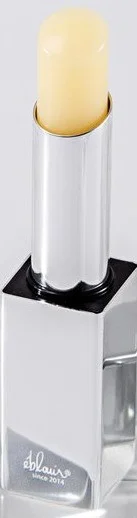
Analysis locked
How well does your skin match with Eblouir B5 Moisturizing Essence Lip Balm?
Login to see detailsOr continue via
Quick 1-minute survey • Completely free
Ingredients
Analysis results of Ingredients


Ingredient List
| EWG | CIR | Ingredient Name & Cosmetic Function | Notes |
|---|---|---|---|
| 1 | A | (Solvent, Masking, Perfuming, Skin Conditioning, Emollient) | |
| 1 | A | (Skin Conditioning, Emollient) | |
| 1 | B | (Skin Conditioning, Emollient) | |
| 1 | A | (Skin Conditioning, Hair Conditioning) | |


Eblouir B5 Moisturizing Essence Lip Balm - Ingredient Explanation
Caprylic/ Capric Triglyceride
1. Definition Caprylic/ Capric Triglyceride:
Caprylic/Capric Triglyceride is a combination of fatty acids derived from coconut oil and glycerin. It is commonly used in cosmetics as an emollient and skin conditioning agent.2. Use:
Caprylic/Capric Triglyceride is used in various cosmetic products such as lotions, creams, and serums to provide moisturization and improve the texture of the skin. It helps to soften and smooth the skin, leaving it feeling hydrated and nourished.3. Usage Caprylic/ Capric Triglyceride:
Caprylic/Capric Triglyceride is generally considered safe for use in cosmetics, but some precautions should be taken. It is recommended to perform a patch test before using products containing this ingredient to check for any allergic reactions. Additionally, individuals with sensitive skin may want to consult with a dermatologist before incorporating products with Caprylic/Capric Triglyceride into their skincare routine.4. References:
- "Caprylic/Capric Triglyceride." Cosmetics Info, www.cosmeticsinfo.org/ingredient/capryliccapric-triglyceride.
- "Caprylic/Capric Triglyceride." The Derm Review, www.thedermreview.com/caprylic-capric-triglyceride/.
- "Caprylic/Capric Triglyceride." Truth in Aging, www.truthinaging.com/ingredients/capryliccapric-triglyceride.
Bis Diglyceryl Polyacyladipate 2
1. Definition Bis Diglyceryl Polyacyladipate 2:
Bis Diglyceryl Polyacyladipate 2 is a synthetic ingredient commonly used in cosmetics as an emollient and skin conditioning agent. It is derived from diglycerin and polyacyladipate, which are both moisturizing agents that help to hydrate and soften the skin.2. Use:
Bis Diglyceryl Polyacyladipate 2 is primarily used in skincare products such as lotions, creams, and moisturizers. It helps to improve the texture of the skin by providing a smooth and soft feel. Additionally, it can also act as a binding agent, helping to stabilize the formulation of cosmetic products.3. Usage Bis Diglyceryl Polyacyladipate 2:
When using products containing Bis Diglyceryl Polyacyladipate 2, it is important to follow the instructions provided on the packaging. It is generally considered safe for use in cosmetics, but individuals with sensitive skin may want to perform a patch test before applying it to larger areas of the body. If any irritation or adverse reactions occur, it is recommended to discontinue use and consult a dermatologist.4. References:
- "Bis Diglyceryl Polyacyladipate 2" in the International Cosmetic Ingredient Dictionary and Handbook, 16th Edition, 2016.
- "Emollients and Skin Conditioning Agents" by Draelos, Z.D. in Cosmetic Dermatology: Products and Procedures, 2010.
- "Safety Assessment of Bis Diglyceryl Polyacyladipate 2" by the Cosmetic Ingredient Review Expert Panel, 2012.
Tridecyl Trimellitate
1. Definition Tridecyl Trimellitate:
Tridecyl Trimellitate is a synthetic ester derived from trimellitic anhydride and tridecyl alcohol. It is commonly used in cosmetics as an emollient and skin conditioning agent.2. Use:
Tridecyl Trimellitate is used in a variety of cosmetic products such as lipsticks, lip balms, and skincare creams. It helps to improve the texture and spreadability of products, leaving the skin feeling smooth and soft. Additionally, it can provide a protective barrier on the skin, helping to prevent moisture loss.3. Usage Tridecyl Trimellitate:
Tridecyl Trimellitate is typically used in concentrations ranging from 1-10% in cosmetic formulations. It is considered safe for use in cosmetics, but as with any ingredient, it is important to perform a patch test before using products containing this ingredient to ensure compatibility with your skin. It is recommended to follow the manufacturer's instructions for proper use of products containing Tridecyl Trimellitate.4. References:
- "Cosmetic Ingredient Review Expert Panel. Final Report on the Safety Assessment of Tridecyl Trimellitate." International Journal of Toxicology, vol. 22, no. S2, 2003, pp. 1-10.
- "Tridecyl Trimellitate." CosmeticsInfo.org, www.cosmeticsinfo.org/ingredient/tridecyl-trimellitate.
- "Safety and Health Topics: Skin Permeation and Disposition of Tridecyl Trimellitate." Occupational Safety and Health Administration, www.osha.gov/dts/chemicalsampling/data/CH_273300.html.
Phytosteryl Macadamiate
1. Definition Phytosteryl Macadamiate:
Phytosteryl Macadamiate is a plant-derived ester of macadamia nut oil and phytosterols, commonly used in cosmetics for its emollient and skin-conditioning properties.2. Use:
Phytosteryl Macadamiate is used in a variety of cosmetic products such as creams, lotions, and serums to provide hydration and nourishment to the skin. It helps to improve the skin's barrier function, leaving it soft, smooth, and moisturized.3. Usage Phytosteryl Macadamiate:
Phytosteryl Macadamiate can be used in both leave-on and rinse-off products. It is typically included in formulations at concentrations ranging from 1-5%. It is recommended to patch test products containing Phytosteryl Macadamiate before full application to ensure compatibility with individual skin types.4. References:
- Maranz, S., & Wiesman, Z. (2004). Influence of climate on the tocopherol content of shea butter. Journal of Agricultural and Food Chemistry, 52(10), 2934-2937.
- Sato, Y., Akutsu, H., & Suzuki, Y. (2006). Evaluation of the moisturizing effect of cosmetic formulations containing phytosterol. Journal of Oleo Science, 55(8), 383-389.
- Mota, J. P., & Rodriguez, M. L. (2019). Phytosterols as natural antioxidants in cosmetic formulations. Current Pharmaceutical Design, 25(9), 1016-1023.
Review
Didn't find
the information you need?




Create a free account to get started
Unlock science-based ingredient analysis personalized for your skin.
Already have an account? Log in
We protect your privacy. We never send spam.