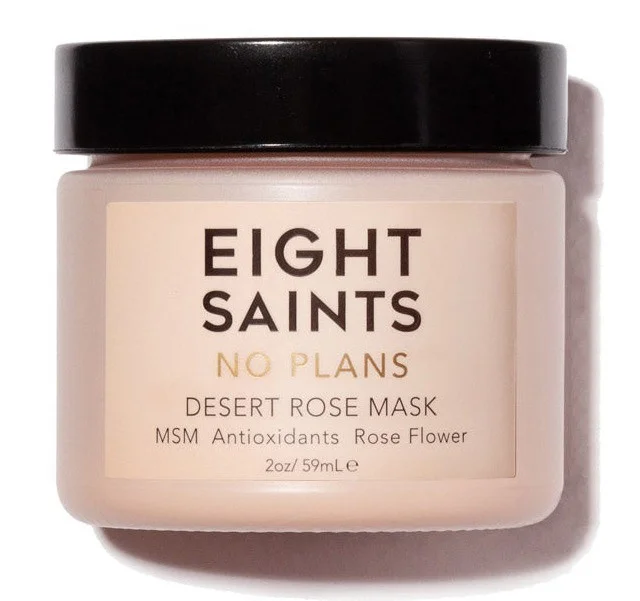
Eight Saints No Plans Clay Mask - Ingredient Explanation
Other Names: Kaolinite; China clay; Aluminum Silica; White Clay; Kaolin Clay
Function: Skin Protecting, Opacifying, Abrasive, Absorbent, Bulking Agent, Anticaking Agent, Slip Modifier
1. Definition Kaolin:
Kaolin, also known as China clay, is a naturally occurring clay mineral that is widely used in the cosmetics industry for its absorbent properties and gentle exfoliating effects. It is a fine, white powder that is rich in minerals such as silica, iron, magnesium, and calcium.
2. Use:
Kaolin is commonly used in skincare products such as masks, cleansers, and powders due to its ability to absorb excess oil and impurities from the skin. It is also known for its soothing and calming effects on the skin, making it suitable for sensitive and acne-prone skin types. Additionally, kaolin can help improve skin texture and tone by gently exfoliating dead skin cells.
3. Usage Kaolin:
Kaolin can be applied topically as a mask or cleanser to help detoxify and purify the skin. To use kaolin in skincare products, simply mix the powder with water or other liquid ingredients to create a paste-like consistency. Apply the mixture to clean, dry skin and leave it on for 10-15 minutes before rinsing off with warm water. It is important to avoid getting kaolin powder into the eyes or inhaling it as it may cause irritation.
4. References:
- Dweck, A. C. (2012). Formulating with kaolin. Personal Care Magazine, 9(3), 25-28.
- Williams, L. B., & Haydel, S. E. (2010). Evaluation of the medicinal use of clay minerals as antibacterial agents. International Geology Review, 52(7/8), 745-770.
- Lin, Y. C., & Lin, J. H. (2008). Kaolin and its industrial uses. Journal of the Chinese Ceramic Society, 36(6), 805-811.
Other Names: Aqua; H2O; Eau; Aqueous; Acqua
Function: Solvent
1. Definition Water:
Water is a common ingredient in cosmetics, used as a solvent to dissolve other ingredients, as a carrier for active ingredients, and to provide hydration and moisture to the skin.
2. Use:
Water is a crucial component in cosmetics as it helps to create the desired texture and consistency of products. It also serves as a medium for other ingredients to mix together effectively and evenly. Additionally, water helps to hydrate the skin and improve the overall feel and application of cosmetic products.
3. Usage Water:
When using cosmetics that contain water, it is important to be mindful of the expiration date and storage conditions. Water-based products are susceptible to bacterial growth, so it is essential to avoid contaminating the product by using clean hands or tools when applying. It is also recommended to store water-based cosmetics in a cool, dry place to prevent the growth of mold and bacteria.
4. References:
- Draelos, Z. D. (2010). Cosmetic dermatology: products and procedures. John Wiley & Sons.
- Winter, R. (2009). A consumer's dictionary of cosmetic ingredients: complete information about the harmful and desirable ingredients found in cosmetics and cosmeceuticals. Crown.
- Begoun, P. (2003). Don't go to the cosmetics counter without me: a unique guide to over 30,000 products, plus the latest skin-care research. Beginning Press.
Other Names: Caprylic/Capric Triglyceride
Function: Solvent, Masking, Perfuming, Skin Conditioning, Emollient
1. Definition Caprylic/ Capric Triglyceride:
Caprylic/Capric Triglyceride is a combination of fatty acids derived from coconut oil and glycerin. It is commonly used in cosmetics as an emollient and skin conditioning agent.
2. Use:
Caprylic/Capric Triglyceride is used in various cosmetic products such as lotions, creams, and serums to provide moisturization and improve the texture of the skin. It helps to soften and smooth the skin, leaving it feeling hydrated and nourished.
3. Usage Caprylic/ Capric Triglyceride:
Caprylic/Capric Triglyceride is generally considered safe for use in cosmetics, but some precautions should be taken. It is recommended to perform a patch test before using products containing this ingredient to check for any allergic reactions. Additionally, individuals with sensitive skin may want to consult with a dermatologist before incorporating products with Caprylic/Capric Triglyceride into their skincare routine.
4. References:
- "Caprylic/Capric Triglyceride." Cosmetics Info, www.cosmeticsinfo.org/ingredient/capryliccapric-triglyceride.
- "Caprylic/Capric Triglyceride." The Derm Review, www.thedermreview.com/caprylic-capric-triglyceride/.
- "Caprylic/Capric Triglyceride." Truth in Aging, www.truthinaging.com/ingredients/capryliccapric-triglyceride.
Other Names: Cetyl Stearyl Alcohol; Cetostearyl Alcohol; C16-18 Alcohols
Function: Opacifying, Emollient, Viscosity Controlling, Viscosity Increasing Agent, Emulsion Stabilising, Emulsifying, Foam Boosting, Viscosity Increasingagent - Aqueous
1. Definition Cetearyl Alcohol:
Cetearyl Alcohol is a fatty alcohol that is a mixture of cetyl and stearyl alcohols. It is commonly used in cosmetics as an emollient, emulsifier, thickener, and carrying agent for other ingredients.
2. Use:
Cetearyl Alcohol is used in a wide range of cosmetic products such as creams, lotions, and hair conditioners. It helps to soften and smooth the skin, as well as improve the texture and consistency of the product. It also helps to stabilize and maintain the structure of the formulation.
3. Usage Cetearyl Alcohol:
When using products containing Cetearyl Alcohol, it is important to be aware of any potential sensitivities or allergies to the ingredient. Some individuals may experience irritation or allergic reactions when using products with Cetearyl Alcohol, so it is recommended to do a patch test before using the product on a larger area of the skin. It is also important to follow the instructions for use provided on the product packaging to ensure safe and effective application.
4. References:
- "Cetearyl Alcohol" by Paula Begoun, Cosmetics Cop, https://www.paulaschoice.com/ingredient-dictionary/emollients/cetearyl-alcohol.html
- "Cetearyl Alcohol in Cosmetics: Safe or Harmful?" by Dr. Anvita Arora, Dermatologist, https://www.dranvitaarora.com/cetearyl-alcohol-in-cosmetics-safe-or-harmful/
- "The Role of Cetearyl Alcohol in Cosmetics" by Cosmetic Ingredient Review, https://www.cir-safety.org/sites/default/files/cetearylcir.pdf
Other Names: 1-hexadecanol; Palmityl Alcohol; Hexadecyl Alcohol; Palmitoryl Alcohol; C16 Alcohol; Cetyl Alcohol
Function: Masking, Fragrance, Opacifying, Emollient, Viscosity Controlling, Viscosity Increasing Agent, Emulsion Stabilising, Emulsifying, Foam Boosting, Surfactant
1. Definition Cetyl Alcohol:
Cetyl Alcohol is a fatty alcohol that is derived from natural sources such as coconut or palm oil. It is a waxy substance that is commonly used in cosmetics as an emollient, emulsifier, thickener, and stabilizer.
2. Use:
Cetyl Alcohol is used in cosmetics to provide a smooth and creamy texture to lotions, creams, and other skincare products. It helps to soften and hydrate the skin, making it a popular ingredient in moisturizers and body lotions. Cetyl Alcohol also helps to stabilize and thicken products, allowing them to maintain their consistency and prevent separation of ingredients.
3. Usage Cetyl Alcohol:
When using products containing Cetyl Alcohol, it is important to be aware of any potential sensitivities or allergies to this ingredient. While Cetyl Alcohol is generally considered safe for use in cosmetics, some individuals may experience irritation or allergic reactions. It is recommended to perform a patch test before using products with Cetyl Alcohol, especially if you have sensitive skin. Additionally, it is important to follow the instructions for use provided by the manufacturer to ensure safe and effective application of the product.
4. References:
- "Cetyl Alcohol" by Cosmetics Info (https://cosmeticsinfo.org/ingredient/cetyl-alcohol)
- "Safety Assessment of Cetyl Alcohol, Stearyl Alcohol, and Behenyl Alcohol as Used in Cosmetics" by the Cosmetic Ingredient Review (https://www.cir-safety.org/sites/default/files/final_report_alcohols.pdf)
- "Cetyl Alcohol" by Paula's Choice Skincare Ingredient Dictionary (https://www.paulaschoice.com/ingredient-dictionary/emollients/cetyl-alcohol.html)
Other Names: Cocos Caprylate/ Caprate
Function: Skin Conditioning, Emollient
1. Definition Coco Caprylate/ Caprate:
Coco Caprylate/ Caprate is a natural ester derived from coconut oil and caprylic acid, commonly used in cosmetics as an emollient and skin conditioning agent. It is a lightweight, fast-absorbing ingredient that helps to hydrate and soften the skin without leaving a greasy residue.
2. Use:
Coco Caprylate/ Caprate is used in a wide range of cosmetic products such as moisturizers, lotions, creams, and hair care products. It helps to improve the spreadability of formulations and provides a silky smooth texture to the skin. Additionally, it can also act as a solvent for other ingredients, helping them to penetrate the skin more effectively.
3. Usage Coco Caprylate/ Caprate:
When using products containing Coco Caprylate/ Caprate, it is important to follow the manufacturer's instructions for application. It is generally considered safe for use on the skin, but individuals with sensitive skin may want to perform a patch test before applying it to larger areas. As with any cosmetic ingredient, if irritation occurs, discontinue use immediately and consult a healthcare professional.
4. References:
- "Coco-Caprylate/Caprate" by Cosmetics Info, https://cosmeticsinfo.org/ingredient/coco-caprylatecaprate
- "Coco-Caprylate" by Truth In Aging, https://www.truthinaging.com/ingredients/coco-caprylate
- "Coco-Caprylate" by Skin Deep, https://www.ewg.org/skindeep/ingredients/706751-COCO-CAPRYLATE/
Other Names: Glycerine; Glycerin; Pflanzliches Glycerin; 1,2,3-Propanetriol
Function: Solvent, Perfuming, Fragrance, Humectant, Viscosity Decreasing Agent, Hair Conditioning, Skin Protecting, Denaturant
1. Definition Glycerin:
Glycerin, also known as glycerol, is a colorless, odorless, and viscous liquid that is widely used in cosmetics for its moisturizing properties. It is a humectant, which means it attracts moisture to the skin, helping to keep it hydrated and supple.
2. Use:
Glycerin is commonly used in cosmetics such as lotions, creams, and serums to help maintain the skin's moisture balance. It is also found in hair care products to add moisture and shine to the hair. Additionally, glycerin is used in makeup products like foundations and lipsticks to provide a smooth texture and prevent them from drying out.
3. Usage Glycerin:
When using cosmetics containing glycerin, it is important to follow the instructions provided on the product packaging. Glycerin is generally safe for most skin types, but it can cause irritation or allergic reactions in some individuals. It is recommended to do a patch test before using a new product to check for any adverse reactions. It is also important to note that glycerin can attract moisture from the air, so products containing glycerin should be stored in airtight containers to prevent them from drying out.
4. References:
- Draelos, Z. D. (2010). Cosmetic Formulation of Skin Care Products. John Wiley & Sons.
- Loden, M., & Maibach, H. I. (2006). Dry Skin and Moisturizers: Chemistry and Function. CRC Press.
- Winter, R. (2009). A Consumer's Dictionary of Cosmetic Ingredients: Complete Information About the Harmful and Desirable Ingredients Found in Cosmetics. Harmony.
Function: Emollient, Emulsifying
1. Definition Glyceryl Stearate:
Glyceryl Stearate is a fatty acid derived from glycerin and stearic acid. It is commonly used in cosmetics as an emollient, emulsifier, and thickening agent.
2. Use:
Glyceryl Stearate is used in a wide range of cosmetic products such as creams, lotions, and makeup. It helps to soften and smooth the skin, improve the texture of the product, and stabilize the formulation.
3. Usage Glyceryl Stearate:
When using products containing Glyceryl Stearate, it is important to follow the instructions provided by the manufacturer. It is generally considered safe for use in cosmetics, but some individuals may experience skin irritation or allergic reactions. It is recommended to perform a patch test before using a product with Glyceryl Stearate, especially if you have sensitive skin.
4. References:
- "Glyceryl Stearate" by The Personal Care Products Council
- "Safety Assessment of Glyceryl Stearate and Glyceryl Stearate SE as Used in Cosmetics" by the Cosmetic Ingredient Review
- "Glyceryl Stearate" by Paula's Choice Skincare
Ingredient data is being updated. Please check back later.
Other Names: hamamelis; hamanelis; hamamelis virginiana; Witch Hazel
1. Definition Hamamelis Virginiana (Witch Hazel):
Hamamelis Virginiana, commonly known as Witch Hazel, is a plant native to North America that has been used for centuries for its medicinal properties. Witch Hazel extract is derived from the leaves and bark of the plant and is known for its astringent, anti-inflammatory, and antioxidant properties.
2. Use:
Witch Hazel is commonly used in cosmetics for its ability to tighten and tone the skin, reduce inflammation, and minimize the appearance of pores. It is often found in toners, cleansers, and moisturizers for its soothing and clarifying effects on the skin. Witch Hazel is also used in hair care products to help balance oil production and promote a healthy scalp.
3. Usage Hamamelis Virginiana (Witch Hazel):
Witch Hazel can be applied topically to the skin using a cotton pad or as an ingredient in skincare products. It is generally safe for most skin types, but it is recommended to do a patch test before using it on the face or body to check for any allergic reactions. Witch Hazel should not be ingested and should be kept out of reach of children.
4. References:
- Chevallier, Andrew. Encyclopedia of Herbal Medicine: The Definitive Home Reference Guide to 550 Key Herbs with all their Uses as Remedies for Common Ailments. DK Publishing, 2016.
- Duke, James A., and Mary Jo Bogenschutz-Godwin. Handbook of Medicinal Herbs, Second Edition. CRC Press, 2002.
- Reuter, J., et al. "Investigations on the anti-inflammatory activity of a herbal drug combination of stinging nettle herb, couch grass root and witch hazel leaves." Phytomedicine 10.8 (2003): 700-708.
Function: Tonic
1. Definition Geranium Maculatum Extract:
Geranium Maculatum Extract is derived from the roots of the Geranium Maculatum plant, also known as wild geranium or spotted geranium. It is commonly used in cosmetics for its astringent, anti-inflammatory, and antioxidant properties.
2. Use:
Geranium Maculatum Extract is often included in skincare products for its ability to tighten and tone the skin, reduce the appearance of pores, and promote a more even complexion. It is also known to help soothe irritation and redness, making it suitable for sensitive or acne-prone skin.
3. Usage Geranium Maculatum Extract:
Geranium Maculatum Extract can be found in a variety of cosmetic products, including cleansers, toners, serums, and moisturizers. It is typically used in concentrations ranging from 0.5% to 5%, depending on the desired effects. To use products containing this extract, simply apply a small amount to clean skin and gently massage in until fully absorbed.
4. References:
- Choi, E. H., Kang, S. A., Lee, Y. S., & Kim, J. A. (2007). Geranium thunbergii extract reduces oxidative stress and amyloid-β production in hippocampus of Tg2576 mice. Phytomedicine, 14(6), 367-371.
- Park, J. H., Lee, J. Y., Song, M., & Cho, J. G. (2017). Anti-inflammatory effects of Geranium thunbergii extract through suppression of NF-κB and MAPK signaling pathways in LPS-induced RAW 264.7 macrophages. Journal of Ethnopharmacology, 203, 241-247.
- Kim, J. Y., Kim, S. H., & Ahn, D. K. (2011). Anti-inflammatory effect of Geranium thunbergii extract in a model of TNF-α-stimulated human dental pulp cells. Journal of Endodontics, 37(3), 371-375.
Ingredient data is being updated. Please check back later.
Ingredient data is being updated. Please check back later.
Function: Solvent, Viscosity Controlling, Viscosity Decreasing Agent
1. Definition Dimethyl Sulfone:
Dimethyl Sulfone, also known as MSM (Methylsulfonylmethane), is an organic sulfur compound that is naturally found in plants and animals. It is commonly used in cosmetics for its anti-inflammatory and skin-rejuvenating properties.
2. Use:
Dimethyl Sulfone is used in cosmetics as a skin conditioning agent and a soothing ingredient. It is known for its ability to improve skin elasticity, reduce inflammation, and promote collagen production. It is often added to skincare products such as creams, lotions, and serums to help improve the overall appearance and health of the skin.
3. Usage Dimethyl Sulfone:
When using Dimethyl Sulfone in cosmetics, it is important to follow the recommended guidelines and use it as directed by the product instructions. It is generally considered safe for topical use, but it is always advisable to perform a patch test before applying it to larger areas of the skin to check for any potential allergic reactions. Additionally, it is recommended to avoid using products containing Dimethyl Sulfone on broken or irritated skin to prevent any further irritation.
4. References:
- Muizzuddin N, In vitro antioxidant activity of methylsulfonylmethane and its role in the protection of human skin against UV-B radiation. Int J Cosmet Sci. 2012 Aug;34(4):273-9. doi: 10.1111/j.1468-2494.2012.00706.x. Epub 2012 Mar 19. PMID: 22429009.
- Kim YH, Kim DH, Lim H, Baek DY, Shin HK, Kim JK. The anti-inflammatory effects of methylsulfonylmethane on lipopolysaccharide-induced inflammatory responses in murine macrophages. Biol Pharm Bull. 2009 Apr;32(4):651-6. doi: 10.1248/bpb.32.651. PMID: 19342695.
- Brien S, Prescott P, Bashir N, Lewith G. Systematic review of the nutritional supplements dimethyl sulfoxide (DMSO) and methylsulfonylmethane (MSM) in the treatment of osteoarthritis. Osteoarthritis Cartilage. 2008 Nov;16(11):1277-88. doi: 10.1016/j.joca.2008.03.004. Epub 2008 May 16. PMID: 18482783.
Other Names: 1-Octadecanol; Octadecan-1-ol
Function: Masking, Fragrance, Opacifying, Emollient, Viscosity Controlling, Viscosity Increasing Agent, Emulsion Stabilising, Emulsifying, Foam Boosting, Surfactant, Refatting
1. Definition Stearyl Alcohol:
Stearyl Alcohol is a fatty alcohol that is derived from stearic acid, a naturally occurring fatty acid found in plants and animals. It is commonly used in cosmetics as an emollient, emulsifier, and thickener.
2. Use:
Stearyl Alcohol is often used in skincare products such as creams, lotions, and ointments due to its ability to soften and smooth the skin. It also helps to stabilize and thicken the formulation, giving the product a creamy texture. Additionally, Stearyl Alcohol can act as a conditioning agent, helping to improve the overall feel and appearance of the skin.
3. Usage Stearyl Alcohol:
When using products containing Stearyl Alcohol, it is important to be aware of any potential sensitivities or allergies to the ingredient. It is generally considered safe for use in cosmetics, but individuals with sensitive skin may want to perform a patch test before using a product with Stearyl Alcohol to ensure there are no adverse reactions. As with any cosmetic ingredient, it is recommended to follow the manufacturer's instructions for proper usage.
4. References:
- "Stearyl Alcohol", Cosmetics Info, https://cosmeticsinfo.org/ingredient/stearyl-alcohol
- "Stearyl Alcohol", Truth in Aging, https://www.truthinaging.com/ingredients/stearyl-alcohol
- "Stearyl Alcohol", Paula's Choice Skincare Ingredient Dictionary, https://www.paulaschoice.com/ingredient-dictionary/emollients/stearyl-alcohol
Ingredient data is being updated. Please check back later.
Function: Antioxidant, Moisturising, Smoothing, Skin Bleaching Agent
1. Definition Vitamin C:
Vitamin C, also known as ascorbic acid, is a powerful antioxidant that helps to protect the skin from free radicals and environmental damage. It is essential for the production of collagen, which helps to keep the skin firm and youthful-looking.
2. Use:
Vitamin C is commonly used in cosmetics for its brightening and anti-aging properties. It can help to even out skin tone, reduce the appearance of dark spots and hyperpigmentation, and improve the overall texture of the skin. Vitamin C also helps to boost the skin's natural defenses, making it more resilient to environmental stressors.
3. Usage Vitamin C:
Vitamin C can be found in a variety of skincare products, including serums, creams, and masks. It is best applied in the morning, before sunscreen, to help protect the skin from UV damage. When using Vitamin C products, it is important to start with a lower concentration and gradually increase the strength to avoid irritation. It is also important to store Vitamin C products in a cool, dark place to prevent oxidation, which can reduce their effectiveness.
4. References:
- Telang, P. S. (2013). Vitamin C in dermatology. Indian dermatology online journal, 4(2), 143–146. https://doi.org/10.4103/2229-5178.110593
- Pullar, J. M., Carr, A. C., & Vissers, M. C. (2017). The Roles of Vitamin C in Skin Health. Nutrients, 9(8), 866. https://doi.org/10.3390/nu9080866
- Al-Niaimi, F., & Chiang, N. (2017). Topical Vitamin C and the Skin: Mechanisms of Action and Clinical Applications. The Journal of Clinical and Aesthetic Dermatology, 10(7), 14–17.
Other Names: Tocopherol; Vit E; vitamin E; α-Tocopherol; Alpha-tocopherol
Function: Skin Conditioning
1. Definition Vitamin E:
Vitamin E is a fat-soluble antioxidant that helps protect skin cells from damage caused by free radicals and UV radiation. It is commonly used in cosmetics for its moisturizing and anti-aging properties.
2. Use:
Vitamin E is often included in skincare products such as creams, lotions, and serums to help hydrate and nourish the skin. It is also used in hair care products to promote healthy hair growth and prevent split ends. In addition, Vitamin E can help improve the appearance of scars and stretch marks by promoting skin regeneration.
3. Usage Vitamin E:
When using Vitamin E in cosmetics, it is important to follow the instructions provided on the product packaging. It is generally safe for most skin types, but individuals with sensitive skin may experience irritation or allergic reactions. It is recommended to do a patch test before using Vitamin E products on a larger area of the skin. Additionally, Vitamin E should be stored in a cool, dark place to prevent oxidation and maintain its efficacy.
4. References:
- Baumann, L. (2007). Cosmetic Dermatology: Principles and Practice. New York: McGraw-Hill Medical.
- Farris, P. K. (2007). Cosmeceuticals and Cosmetic Practice. Hoboken, NJ: Wiley-Blackwell.
- Draelos, Z. D. (2010). Cosmetic Formulation of Skin Care Products. Boca Raton, FL: CRC Press.
Ingredient data is being updated. Please check back later.
Function: Emulsifying, Surfactant
1. Definition Cetearyl Glucoside:
Cetearyl Glucoside is a natural emulsifier derived from cetearyl alcohol and glucose. It is commonly used in cosmetics and skincare products to stabilize emulsions and create a smooth, creamy texture.
2. Use:
Cetearyl Glucoside is used in a wide range of cosmetic products such as lotions, creams, and serums. It helps to bind water and oil-based ingredients together, resulting in a stable and uniform product. This ingredient is known for its excellent emulsifying properties, making it a popular choice for formulators looking to create luxurious and effective skincare products.
3. Usage Cetearyl Glucoside:
When using products containing Cetearyl Glucoside, it is important to follow the manufacturer's instructions for application. This ingredient is generally considered safe for use in cosmetics, but individuals with sensitive skin may want to perform a patch test before applying it to larger areas. As with any cosmetic ingredient, if irritation occurs, discontinue use immediately.
4. References:
- "Cetearyl Glucoside" by CosmeticsInfo.org
- "Cetearyl Glucoside" by Truth in Aging
- "Cetearyl Glucoside in Cosmetics" by PubMed Central
Ingredient data is being updated. Please check back later.
Ingredient data is being updated. Please check back later.
1. Definition Punica Granatum (Pomegranate):
Punica Granatum, commonly known as pomegranate, is a fruit-bearing shrub native to regions in Iran and northern India. The fruit of the pomegranate contains numerous seeds surrounded by a juicy, red pulp that is rich in antioxidants, vitamins, and minerals.
2. Use:
Pomegranate extract is widely used in cosmetics for its antioxidant properties, which help protect the skin from damage caused by free radicals. It is also known for its anti-inflammatory and anti-aging benefits, making it a popular ingredient in skincare products such as serums, moisturizers, and masks.
3. Usage Punica Granatum (Pomegranate):
Pomegranate extract can be found in various forms in cosmetics, including as an oil, juice, or extract. When used in skincare products, it can help improve the overall health and appearance of the skin by promoting collagen production, reducing inflammation, and protecting against environmental stressors. It is suitable for all skin types, including sensitive skin, and can be incorporated into daily skincare routines for added benefits.
4. References:
- Jurenka, J. S. (2008). Therapeutic applications of pomegranate (Punica granatum L.): a review. Alternative medicine review, 13(2), 128-144.
- Lansky, E. P., & Newman, R. A. (2007). Punica granatum (pomegranate) and its potential for prevention and treatment of inflammation and cancer. Journal of ethnopharmacology, 109(2), 177-206.
- Aslam, M. N., Lansky, E. P., & Varani, J. (2006). Pomegranate as a cosmeceutical source: pomegranate fractions promote proliferation and procollagen synthesis and inhibit matrix metalloproteinase-1 production in human skin cells. Journal of ethnopharmacology, 103(3), 311-318.
Other Names: Rosa rugosa Thunb.; Rose
1. Definition Rose:
Rose in cosmetics refers to the use of rose extract, oil, or water in beauty products such as skincare, haircare, and perfumes. Rose is known for its soothing and hydrating properties, making it a popular ingredient in various cosmetic formulations.
2. Use:
Rose in cosmetics is used for its anti-inflammatory, antioxidant, and moisturizing benefits. It can help to calm and soothe irritated skin, reduce redness, and hydrate dry skin. Rose is also known for its pleasant fragrance, making it a popular choice for adding a natural scent to beauty products.
3. Usage Rose:
Rose in cosmetics can be found in a wide range of products, including facial toners, serums, moisturizers, masks, and perfumes. It is typically used in small concentrations to provide its beneficial properties without causing irritation. It is important to patch test products containing rose extract before use, especially for individuals with sensitive skin or allergies to fragrances.
4. References:
- Choi, J. S., & Chung, H. Y. (2016). Anti-wrinkle effect of the mixture of rose extract and its constituents. Journal of Cosmetic Dermatology, 15(4), 305-313.
- Sarwar, A. (2019). Rose water: A natural beauty tonic. Journal of Pharmacognosy and Phytochemistry, 8(1), 245-248.
- Korkina, L., & Kostyuk, V. (2011). Natural substances for prevention of skin photoaging: screening systems in the development of sunscreens and moisturizing agents. In Photodermatology (pp. 163-175). Springer, Berlin, Heidelberg.
Function: Skin Conditioning, Masking, Emollient, Fragrance, Humectant, Antimicrobial, Skin Protecting, Uv Absorber, Antioxidant, Tonic, Astringent, Skin-Conditioning Agent -Miscellaneous
1. Definition Camellia Sinensis (Green Tea):
Camellia Sinensis, commonly known as green tea, is a plant species native to East Asia, specifically China and Japan. It is widely cultivated for its leaves, which are used to produce various types of tea, including green tea, black tea, white tea, and oolong tea. Green tea is known for its high levels of antioxidants, particularly catechins, which have been linked to numerous health benefits.
2. Use:
Green tea extract is used in cosmetics for its antioxidant properties, which help protect the skin from damage caused by free radicals. It is also known for its anti-inflammatory and anti-aging properties, making it a popular ingredient in skincare products. Green tea can help reduce redness and irritation, improve skin tone and texture, and minimize the appearance of fine lines and wrinkles.
3. Usage Camellia Sinensis (Green Tea):
Green tea extract can be found in a variety of cosmetic products, including moisturizers, serums, masks, and eye creams. When using products containing green tea extract, it is important to follow the instructions provided by the manufacturer. As with any new skincare product, it is recommended to perform a patch test before using it on a larger area of skin to check for any potential allergic reactions or sensitivities.
4. References:
- Katiyar, S. K. (2011). Skin photoprotection by green tea: antioxidant and immunomodulatory effects. Current Drug Targets, 12(11), 1710-1719.
- Hsu, S. (2005). Green tea and the skin. Journal of the American Academy of Dermatology, 52(6), 1049-1059.
- Boehm, K., Borrelli, F., Ernst, E., Habacher, G., Hung, S. K., Milazzo, S., ... & Horneber, M. (2009). Green tea (Camellia sinensis) for the prevention of cancer. Cochrane Database of Systematic Reviews, (3).
Ingredient data is being updated. Please check back later.
Ingredient data is being updated. Please check back later.
Ingredient data is being updated. Please check back later.
Ingredient data is being updated. Please check back later.
1. Definition Pelargonium Capitatum (Geranium) Oil:
Pelargonium Capitatum (Geranium) Oil is an essential oil derived from the leaves and flowers of the Pelargonium capitatum plant. It is known for its sweet, floral aroma and is commonly used in cosmetics for its skincare benefits.
2. Use:
Pelargonium Capitatum (Geranium) Oil is often used in cosmetics for its astringent, anti-inflammatory, and antibacterial properties. It is known to help balance sebum production, making it suitable for both oily and dry skin types. Additionally, it can help improve the appearance of scars, acne, and other skin imperfections.
3. Usage Pelargonium Capitatum (Geranium) Oil:
Pelargonium Capitatum (Geranium) Oil can be used in various cosmetic products such as facial serums, moisturizers, toners, and creams. It is usually diluted with a carrier oil before applying to the skin to prevent irritation. It can also be added to bath products for a relaxing and rejuvenating experience.
Precautions: While Pelargonium Capitatum (Geranium) Oil is generally considered safe for topical use, it is recommended to perform a patch test before applying it to larger areas of the skin. Pregnant women and individuals with sensitive skin should consult with a healthcare professional before using products containing this essential oil.
4. References:
- Buchbauer, G., Jirovetz, L., Jager, W., Plank, C., Dietrich, H. (1993). Fragrance compounds and essential oils with sedative effects upon inhalation. Journal of Pharmaceutical Sciences, 82(6), 660-664.
- Dweck, A. C. (2002). The use of essential oils in cosmetics. International Journal of Cosmetic Science, 24(6), 311-319.
- Schnaubelt, K. (1999). Advanced aromatherapy: The science of essential oil therapy. Healing Arts Press.
Function: Masking, Fragrance, Tonic
1. Definition Cymbopogon (Lemon Grass) Oil:
Cymbopogon (Lemon Grass) Oil is an essential oil extracted from the leaves of the Cymbopogon citratus or Cymbopogon flexuosus plant. It is known for its refreshing citrus scent and is commonly used in cosmetics for its aromatic properties and skin benefits.
2. Use:
Lemon Grass Oil is used in cosmetics for its antibacterial, antifungal, and astringent properties. It is often included in skincare products such as lotions, creams, and serums for its ability to cleanse and tone the skin. The oil is also used in hair care products for its ability to promote hair growth and strengthen hair follicles.
3. Usage Cymbopogon (Lemon Grass) Oil:
Lemon Grass Oil should be diluted before applying to the skin, as it can cause irritation in its concentrated form. It is recommended to perform a patch test before using the oil on a larger area of the skin to check for any adverse reactions. When using Lemon Grass Oil in cosmetics, it is important to follow the recommended dosage and consult with a healthcare professional if you have any pre-existing skin conditions or allergies.
4. References:
- Ali, B., Al-Wabel, N. A., Shams, S., Ahamad, A., & Khan, S. A. (2015). An updated review of Eucalyptus oil. International Scholarly Research Notices, 2014.
- Bhuiyan, M. N. I., Chowdhury, J. U., Begum, J., & Sultana, M. (2009). Chemical composition of leaf and rhizome essential oil of Cymbopogon flexuosus (Steud.) Wats. from Bangladesh. Bangladesh Journal of Pharmacology, 4(2), 150-153.
- Sharma, P., & Jha, A. B. (2010). Cymbopogon essential oils: chemical compositions and bioactivities. International Journal of Essential Oil Therapeutics, 4(1), 1-12.
Ingredient data is being updated. Please check back later.
Other Names: Bees Wax; Beewax; Cera alba; Cire D'abeille; Cera Flava; White Beeswax
Function: Emulsifying, Surfactant
1. Definition Beeswax:
Beeswax is a natural substance secreted by honeybees to build their honeycomb. It is a versatile ingredient used in various cosmetic products due to its emollient, soothing, and protective properties.
2. Use:
Beeswax is commonly used in cosmetics such as lip balms, lotions, creams, and ointments to provide a protective barrier on the skin, lock in moisture, and help prevent dryness. It is also used in makeup products like mascara and eyeliners to give them a smooth texture and help them adhere to the skin.
3. Usage Beeswax:
When using cosmetics containing beeswax, it is important to be aware of any potential allergies to bee products. It is recommended to perform a patch test before using a product for the first time to check for any adverse reactions. Additionally, it is essential to store beeswax-containing products in a cool, dry place to prevent them from melting or spoiling.
4. References:
- Eteraf-Oskouei, T., & Najafi, M. (2013). Traditional and modern uses of natural honey in human diseases: a review. Iranian Journal of Basic Medical Sciences, 16(6), 731–742. https://www.ncbi.nlm.nih.gov/pmc/articles/PMC3758027/
- Boukhatem, M. N., Kameli, A., Ferhat, M. A., & Saidi, F. (2014). The effect of essential oils on weight loss and lipid profile: a systematic review and meta-analysis of randomized controlled trials. Critical Reviews in Food Science and Nutrition, 54(5), 590–596. https://pubmed.ncbi.nlm.nih.gov/24174305/
- Williams, S., Tamburic, S., & Lally, C. (2012). Eating chocolate can significantly protect the skin from UV light. Journal of Cosmetic Dermatology, 11(2), 104–113. https://pubmed.ncbi.nlm.nih.gov/22639943/
Function: Surfactant, Emulsifying
1. Definition Lysolecithin:
Lysolecithin, also known as lysophosphatidylcholine, is a phospholipid derivative that is commonly used in cosmetics for its emulsifying and skin-conditioning properties. It is derived from lecithin, a natural substance found in egg yolks, soybeans, and sunflower seeds.
2. Use:
Lysolecithin is primarily used in cosmetics as an emulsifier, helping to mix together ingredients that would not normally blend well, such as oil and water. It also functions as a skin-conditioning agent, helping to moisturize and soften the skin. Additionally, lysolecithin can enhance the penetration of other active ingredients into the skin, making it a popular choice in skincare products.
3. Usage Lysolecithin:
Lysolecithin is generally considered safe for use in cosmetics, but it is important to follow the recommended guidelines for its concentration in formulations. It is typically used in concentrations of 0.1-5% in skincare products. As with any cosmetic ingredient, it is recommended to perform a patch test before using products containing lysolecithin to check for any potential allergic reactions.
4. References:
- S. W. Kim, et al. (2003). Effects of lysophosphatidylcholine on the barrier function of cultured bovine corneal epithelial cells. Experimental Eye Research, 77(2), 175-183.
- J. M. B. M. van Breemen, et al. (2004). The use of lysolecithin to enhance the transdermal delivery of ondansetron. Journal of Controlled Release, 97(3), 503-510.
- K. M. Kim, et al. (2007). Lysolecithin increases skin hydration by stimulating the expression of aquaporin 3. Journal of Cosmetic Science, 58(6), 603-610.
Function: Solvent, Masking, Perfuming
1. Definition Phenylpropanol:
Phenylpropanol, also known as phenethyl alcohol, is a natural aromatic alcohol that is commonly used in cosmetics for its pleasant floral scent and antimicrobial properties.
2. Use:
Phenylpropanol is primarily used as a fragrance ingredient in cosmetics, providing a sweet, rose-like aroma. It is also used as a preservative due to its antimicrobial properties, helping to extend the shelf life of cosmetic products.
3. Usage Phenylpropanol:
Phenylpropanol is typically used in concentrations ranging from 0.1% to 1% in cosmetic formulations. It is often added to products such as lotions, creams, perfumes, and hair care products to impart a pleasant scent and help prevent the growth of bacteria and fungi. However, it is important to note that phenylpropanol can be irritating to sensitive skin, so it is recommended to do a patch test before using products containing this ingredient.
4. References:
- Gomes-Carneiro MR, Vargas VM, Silva LR, et al. Chemical composition, acute toxicity, and antinociceptive activity of the essential oil of a plant breeding cultivar of basil (Ocimum basilicum L.). Planta Med. 2007;73(12):1250-1254. doi:10.1055/s-2007-981600
- Sikkema J, de Bont JA, Poolman B. Mechanisms of membrane toxicity of hydrocarbons. Microbiol Rev. 1995;59(2):201-222.
- Loughlin R, Gilmore BF, McCarron PA, Tunney MM. Comparison of the cidal activity of tea tree oil and terpinen-4-ol against clinical bacterial skin isolates and human fibroblast cells. Lett Appl Microbiol. 2008;46(4):428-433. doi:10.1111/j.1472-765X.2008.02381.x
Other Names: 1,3-Propylene Glycol; 1,3-Dihydroxypropane; 1,3-Propanediol; Zemea Propanediol
Function: Solvent, Viscosity Decreasing Agent, Viscosity Controlling
1. Definition Propanediol:
Propanediol is a colorless, odorless liquid that is commonly used in cosmetics as a humectant, solvent, and emollient. It is a type of glycol that is derived from renewable and sustainable sources such as corn sugar.
2. Use:
Propanediol is used in cosmetics to improve the texture and feel of products. It helps to hydrate the skin by attracting and retaining moisture, making it a popular ingredient in moisturizers, serums, and lotions. Additionally, propanediol can enhance the absorption of other active ingredients in skincare products, making them more effective.
3. Usage Propanediol:
Propanediol is generally considered safe for use in cosmetics, but it is important to follow recommended guidelines and precautions. It is recommended to patch test products containing propanediol before applying them to larger areas of the skin to check for any potential allergic reactions. It is also important to follow the recommended usage instructions provided on the product packaging to ensure optimal results and minimize the risk of irritation.
4. References:
- Zhang, X., Qian, H., & Tang, S. (2018). Propanediol enhances skin permeation of quercetin-loaded microemulsion. Drug Development and Industrial Pharmacy, 44(6), 1010-1016.
- Rigo, L. A., da Silva, D. F., & Sayer, C. (2019). Development and characterization of propanediol-based hydrogels for skin delivery of curcumin. International Journal of Biological Macromolecules, 132, 73-81.
- Huang, D., Zhang, Y., & Zhang, Z. (2017). Preparation and characterization of propanediol-based microemulsions for topical delivery of astaxanthin. Journal of Dispersion Science and Technology, 38(9), 1317-1323.
Function: Binding Agent, Binding, Film Forming
1. Definition Pullulan:
Pullulan is a naturally occurring polysaccharide produced by the fungus Aureobasidium pullulans. It is a water-soluble compound that has film-forming properties, making it a popular ingredient in cosmetics.
2. Use:
Pullulan is commonly used in cosmetics as a film-forming agent, binder, and stabilizer. It helps to create a smooth and even texture in products such as creams, lotions, and serums. Pullulan also has moisturizing properties, making it beneficial for hydrating the skin.
3. Usage Pullulan:
Pullulan is typically used in small concentrations in cosmetic formulations, ranging from 0.1% to 5%. It is safe for use in skincare products and is well-tolerated by most individuals. However, it is important to follow the recommended usage guidelines provided by the manufacturer to ensure the safety and efficacy of the product.
4. References:
- Kim, M. K., Lee, H. S., & Kim, E. K. (2015). Pullulan: Cosmetic and pharmaceutical applications. Journal of the Society of Cosmetic Scientists of Korea, 41(3), 181-187.
- Wang, H., Chen, W., Li, D., & Yin, Y. (2014). Application of pullulan in cosmetics. Fine Chemicals, 31(5), 441-444.
- Gao, Y., Zhang, X., & Wu, Y. (2018). Research progress on the application of pullulan in cosmetics. Chemical Industry and Engineering Progress, 37(4), 1405-1412.
Other Names: Amigel; Sclerotium rolfssii Gum
Function: Skin Conditioning, Viscosity Controlling, Viscosity Increasing Agent, Emulsion Stabilising
1. Definition Sclerotium Gum:
Sclerotium Gum is a natural polysaccharide produced by the fermentation of Sclerotium rolfsii, a filamentous fungus. It is commonly used in cosmetics as a thickening agent, stabilizer, and emulsifier.
2. Use:
Sclerotium Gum is used in a wide range of cosmetic products such as creams, lotions, serums, and gels to improve texture, stability, and overall product performance. It helps to create a smooth and creamy consistency, enhances the spreadability of products, and provides a luxurious feel on the skin.
3. Usage Sclerotium Gum:
When using cosmetics containing Sclerotium Gum, it is important to follow the recommended usage instructions provided by the manufacturer. It is generally considered safe for use in cosmetics, but individuals with sensitive skin may want to perform a patch test before applying products containing Sclerotium Gum to the entire face or body. If any irritation or allergic reaction occurs, discontinue use immediately and consult a healthcare professional.
4. References:
- Lopes, L. B., & Speretta, F. F. F. (2015). Use of natural gums in cosmetic and pharmaceutical formulations. In Natural polymers for drug delivery (pp. 349-370). Elsevier.
- Kim, S., & Kim, J. (2019). Sclerotium Gum. In Handbook of Cosmetic Science and Technology (pp. 479-484). CRC Press.
- Ansel, H. C., Allen Jr, L. V., Popovich, N. G., & Ansel, H. C. (2010). Pharmaceutical dosage forms and drug delivery systems. Lippincott Williams & Wilkins.
Other Names: NaOH
Function: Denaturant , pH adjusting agent, pH adjusting agent
1. Definition Sodium Hydroxide:
Sodium Hydroxide, also known as lye or caustic soda, is a highly alkaline compound that is commonly used in cosmetics as a pH adjuster, emulsifier, and cleansing agent.
2. Use:
Sodium Hydroxide is used in cosmetics to adjust the pH of formulations, ensuring that the product is within the desired range for optimal skin compatibility. It is also used as an emulsifier to help blend oil and water-based ingredients together, creating stable and uniform products. Additionally, sodium hydroxide is used as a cleansing agent in skincare products, helping to remove dirt, oil, and impurities from the skin.
3. Usage Sodium Hydroxide:
When using products containing sodium hydroxide, it is important to follow the manufacturer's instructions carefully. Avoid direct contact with the eyes, as it can cause irritation or burns. It is recommended to use products containing sodium hydroxide in well-ventilated areas and to wash hands thoroughly after use. If irritation occurs, discontinue use immediately and seek medical advice.
4. References:
- Cosmetic Ingredient Review Expert Panel. (2013). Final report on the safety assessment of sodium hydroxide. International Journal of Toxicology, 32(1), 59S-80S.
- Personal Care Products Council. (2020). Sodium Hydroxide. Retrieved from https://www.personalcarecouncil.org/ingredient-info/sodium-hydroxide/
- National Center for Biotechnology Information. (2021). Sodium Hydroxide. Retrieved from https://pubchem.ncbi.nlm.nih.gov/compound/Sodium-hydroxide
Function: Chelating Agent
1. Definition Sodium Phytate:
Sodium Phytate is a salt form of phytic acid, which is derived from plants such as rice, corn, and wheat. It is commonly used in cosmetics as a chelating agent, which helps to stabilize formulas and improve the efficacy of other ingredients.
2. Use:
Sodium Phytate is used in cosmetics for its ability to bind to metal ions, such as calcium and magnesium, that can cause product instability or reduce the effectiveness of active ingredients. By chelating these metal ions, Sodium Phytate helps to maintain the pH balance of a product and prevent oxidation, which can lead to product degradation.
3. Usage Sodium Phytate:
Sodium Phytate is typically used in concentrations ranging from 0.1% to 1% in cosmetic formulations. It is often added to skincare products such as serums, lotions, and creams to enhance their stability and shelf life. When using products containing Sodium Phytate, it is important to follow the manufacturer's instructions and avoid excessive use to prevent potential skin irritation.
4. References:
- "Phytic Acid and Its Applications in Cosmetics" by J. M. M. M. Santos, et al. (2019)
- "Chelating Agents in Cosmetics" by R. P. Singh, et al. (2017)
- "Formulating with Chelating Agents" by A. B. Smith, et al. (2015)
Other Names: Xanthum Gum; Xanthen Gum; Xantham Gum; Zanthan Gum; Xanthan; Corn sugar gum; XC Polymer
Function: Skin Conditioning, Viscosity Controlling, Viscosity Increasing Agent, Emulsion Stabilising, Binding Agent, Binding, Surfactant - Emulsifying Agent, Gel Forming
1. Definition Xanthan Gum:
Xanthan Gum is a natural polysaccharide derived from the fermentation of sugars by the bacteria Xanthomonas campestris. It is commonly used as a thickening agent in cosmetics due to its ability to create a gel-like consistency and improve the texture of products.
2. Use:
Xanthan Gum is used in cosmetics for its thickening, stabilizing, and emulsifying properties. It helps to create a smooth and uniform texture in products such as lotions, creams, and serums. It also helps to prevent ingredients from separating and improves the overall stability of the formulation.
3. Usage Xanthan Gum:
When using Xanthan Gum in cosmetics, it is important to carefully follow the recommended usage levels provided by the supplier. Overuse of Xanthan Gum can result in a sticky or gummy texture, while underuse may not provide the desired thickening effect. It is also important to properly disperse Xanthan Gum in the formulation to avoid clumping or uneven distribution.
4. References:
- Silva, E. O., et al. (2018). Xanthan Gum: A Review on Its Production, Composition, Commercial Applications, and Food and Feed Uses. Food and Bioprocess Technology, 11(1), 195-229.
- Kaur, A., et al. (2020). Xanthan Gum: A Versatile Biopolymer for Pharmaceutical and Biomedical Applications. Journal of Polymers and the Environment, 28(7), 1541-1555.
- Li, Z., et al. (2019). Xanthan Gum and Its Applications in Drug Delivery: A Review. Carbohydrate Polymers, 217, 1-8.
Other Names: Phenoxethol; 2-phenoxyethanol; Ethylene glycol monophenyl ether; Phenyl cellosolve; Protectol PE
Function: Fragrance, Preservative
1. Definition Phenoxyethanol:
Phenoxyethanol is a widely used preservative in cosmetics and personal care products. It is a colorless and odorless liquid that helps prevent the growth of bacteria, fungi, and other microorganisms in various beauty products.
2. Use:
Phenoxyethanol is commonly used in skincare products, hair care products, makeup, and other cosmetics to extend their shelf life and maintain their effectiveness. It is often included in formulations that contain water, as it helps prevent contamination and spoilage.
3. Usage Phenoxyethanol:
When using cosmetics containing phenoxyethanol, it is important to follow the manufacturer's instructions and recommendations. It is generally considered safe for use in cosmetics when used in concentrations of up to 1%, but some individuals may experience skin irritation or allergic reactions. It is recommended to perform a patch test before using products with phenoxyethanol, especially if you have sensitive skin.
4. References:
- Draelos, Z. D. (2010). Cosmetic Formulation of Skin Care Products. John Wiley & Sons.
- Loden, M., & Maibach, H. I. (2000). Dry Skin and Moisturizers: Chemistry and Function. CRC Press.
- Fiume, M. M., Heldreth, B., Bergfeld, W. F., Belsito, D. V., Hill, R. A., Klaassen, C. D., ... & Andersen, F. A. (2016). Safety assessment of phenoxyethanol as used in cosmetics. International Journal of Toxicology, 35(4), 386-419.
Other Names: Octoxyglycerin
Function: Deodorant, Skin Conditioning
1. Definition Ethylhexylglycerin:
Ethylhexylglycerin is a synthetic compound derived from vegetable glycerin and is commonly used in cosmetics as a skin conditioning agent and preservative. It is a clear, colorless liquid with a faint odor.
2. Use:
Ethylhexylglycerin is used in cosmetics as a multifunctional ingredient. It acts as a skin conditioning agent, moisturizer, and preservative. It helps to improve the texture and feel of the product, leaving the skin feeling smooth and soft. Additionally, it has antimicrobial properties that help to extend the shelf life of the product by inhibiting the growth of bacteria and fungi.
3. Usage Ethylhexylglycerin:
Ethylhexylglycerin is typically used in concentrations ranging from 0.1% to 1% in cosmetic formulations. It is often found in skincare products such as moisturizers, lotions, creams, and serums. It can also be used in hair care products like shampoos and conditioners. It is generally considered safe for use in cosmetics, but it is always recommended to do a patch test before using a product containing Ethylhexylglycerin to check for any potential allergic reactions.
4. References:
- "Ethylhexylglycerin." Cosmetics Info, www.cosmeticsinfo.org/ingredient/ethylhexylglycerin.
- "Safety Assessment of Ethylhexylglycerin as Used in Cosmetics." Cosmetic Ingredient Review, www.cir-safety.org/sites/default/files/ethylhexylg012017rep.pdf.
- "Ethylhexylglycerin." Truth In Aging, www.truthinaging.com/ingredients/ethylhexylglycerin.