Analysis locked
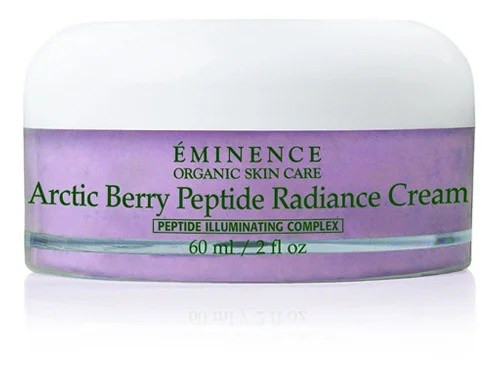
How well does your skin match with Eminence Arctic Berry Peptide Radiance Cream?
Login to see detailsOr continue via
Quick 1-minute survey • Completely free
Ingredients
Analysis results of Ingredients
Ingredient List
| EWG | CIR | Ingredient Name & Cosmetic Function | Notes |
|---|---|---|---|
| - | - | (Organic Phytonutrient Blend:) [Aloe Juice* | |
| 3 | - | | |
| - | - | Five Flavor Berry Extract* | |
| 1 2 | B | | |
| - | - | Grape Seed Extract | |
| 2 | B | (Skin Conditioning, Perfuming, Fragrance, Skin-Conditioning Agent -Occlusive) | Good for sensitive skin Good for dry skin |
| 1 | - | | |
| 1 | A | (Skin Conditioning, Masking, Perfuming) | |
| 1 | - | | |
| - | - | Argan Oil | |
| 1 | A | (Masking, Fragrance, Emulsion Stabilising, Emulsifying, Sufactant, Refatting) | Bad for oily skin Fungal Acne Trigger Cleansing |
| 1 | A | (Hair Conditioning, Skin Conditioning, Emollient, Viscosity Controlling) | Fungal Acne Trigger |
| 1 | A | (Opacifying, Emollient, Viscosity Controlling, Viscosity Increasing Agent, Emulsion Stabilising, Emulsifying, Foam Boosting, Viscosity Increasingagent - Aqueous) | Cleansing |
| 1 | A | (Skin Conditioning, Emollient, Viscosity Increasing Agent) | Bad for oily skin |
| - | - | (Skin Conditioning) | Good for dry skin Anti Aging |
| 1 | A | (Skin Conditioning, Masking, Fragrance, Antistatic Agent, Hair Conditioning) | |
| - | - | Seaweed Extract | |
| - | - | Provitamin B5 | |
| - | - | Butcher'S Broom Root Extract | |
| 1 | A | (Skin Conditioning, Masking, Fragrance, Flavoring Agent) | Acne fighting Brightening |
| - | - | Gotu Kola Extract | |
| 1 | - | (Skin Conditioning, Hair Conditioning) | |
| 1 | A | (Solvent, Masking, Fragrance, Humectant, Skin Conditioning, Viscosity Controlling, Viscosity decreasing agents) | Good for dry skin |
| - | - | Wild Cherry Bark Extract* | |
| 1 | A | (Hair Conditioning, Skin Conditioning, Emollient, Refatting) | |
| - | - | Juniper Sprout Extract | |
| 1 2 | - | (Preservative, Uv Absorber, Antioxidant, Antimicrobial) | Anti Aging |
| - | - | Aromatic Extract Blend | |
| 1 | - | | |
| 1 | A | (Skin Conditioning, Emollient, Emulsifying, Surfactant) | Cleansing |
| 1 | A | (Skin Conditioning, Emollient, Surfactant, Emulsifying) | Cleansing |
| 1 | - | (Masking, Fragrance, Colorant, Cosmetic Colorant) | |
| 1 3 | - | (Skin Conditioning, Soothing) | |
| - | - | Yellow Plum Bark Extract | |
| - | - | Gardenia Meristem Cell Culture | |
| 1 | A | (Skin Conditioning, Viscosity Controlling, Viscosity Increasing Agent, Emulsion Stabilising, Binding Agent, Binding, Surfactant - Emulsifying Agent, Gel Forming) | |
| - | - | Gotu Kola Meristem Cell Culture | |
| 1 | - | (Skin Conditioning) | |
| - | - | Hydrolyzed Hibiscus Extract (Botanical Peptides) | |
| - | - | Lingonberry Seed Oil | |
| - | - | Cloudberry Seed Extract | |
| - | - | Arctic Roseroot Root Extract | |
| 1 | - | (Skin Conditioning) | |
| 1 | - | (Antioxidant, Moisturising, Smoothing, Skin Bleaching Agent) | Good for dry skin Bad for sensitive skin Bad for oily skin Brightening Moisturizing |
| 1 | A | (Viscosity Controlling, Viscosity Increasing Agent, Binding Agent, Binding, Absorbent, Bulking Agent) | |
| 1 | - | (Skin Conditioning, Cosmetic Colorant) | |
| - | - | (Biocomplex2:) [Acai* | |
| - | - | Lemon* | |
| - | - | Barbados Cherry* | |
| - | - | Indian Gooseberry* | |
| - | - | Baobab* | |
| - | - | Camu Camu* | |
| 1 | - | (Skin Conditioning) | |
| - | - | Coconut Water* | |
| - | - | *Goji Berry | |
| 1 | A | (Viscosity Increasing Agent) | |
| 1 | - | | |
| - | - | Coenzyme Q10 | |
Eminence Arctic Berry Peptide Radiance Cream - Ingredient Explanation
(Organic Phytonutrient Blend:) [Aloe Juice*
Ingredient data is being updated. Please check back later.
Rose Flower Extract
1. Definition Rose Flower Extract:
Rose Flower Extract is a natural ingredient derived from the petals of the rose flower, specifically Rosa damascena or Rosa centifolia. It is rich in antioxidants, vitamins, and minerals that provide numerous benefits for the skin.2. Use:
Rose Flower Extract is commonly used in cosmetics for its soothing and hydrating properties. It helps to calm irritated skin, reduce redness, and promote a healthy complexion. Additionally, it has anti-inflammatory and antibacterial properties that can help to combat acne and other skin issues.3. Usage Rose Flower Extract:
Rose Flower Extract can be found in a variety of skincare products, including moisturizers, serums, toners, and masks. It is typically added in small concentrations to provide its beneficial properties without causing irritation. To use, simply apply the product containing Rose Flower Extract to clean skin and gently massage in until fully absorbed.Precautions: While Rose Flower Extract is generally safe for most skin types, it is always recommended to do a patch test before using a new product to ensure compatibility. Some individuals may be allergic to roses or sensitive to certain botanical extracts, so it is important to monitor the skin for any adverse reactions.
4. References:
- Kim, S., Lee, J., & Lee, Y. (2011). Anti-inflammatory effects of Rosa davurica Pall. extract on lipopolysaccharide-stimulated RAW264.7 cells. Food and Chemical Toxicology, 49(12), 3036-3042.
- Hajhashemi, V., Ghannadi, A., & Hajiloo, M. (2010). Analgesic and anti-inflammatory effects of Rosa damascena hydroalcoholic extract and its essential oil in animal models. Iranian Journal of Pharmaceutical Research, 9(2), 163-168.
- Boskabady, M. H., Shafei, M. N., Saberi, Z., & Amini, S. (2011). Pharmacological effects of Rosa damascena. Iranian Journal of Basic Medical Sciences, 14(4), 295-307.
Five Flavor Berry Extract*
Ingredient data is being updated. Please check back later.
Sweet Orange Peel Extract
1. Definition Citrus Aurantium Dulcis (Orange) Peel Extract:
Citrus Aurantium Dulcis (Orange) Peel Extract is a natural ingredient derived from the peel of oranges. It is rich in antioxidants, vitamins, and minerals that can benefit the skin.2. Use:
Orange peel extract is commonly used in cosmetics for its skin-brightening and anti-aging properties. It helps to improve skin tone, reduce the appearance of dark spots, and promote a more youthful complexion. Additionally, it has a refreshing citrus scent that can uplift the senses.3. Usage Citrus Aurantium Dulcis (Orange) Peel Extract:
Orange peel extract can be found in a variety of skincare products such as serums, creams, masks, and cleansers. It is typically included in formulations at a concentration of 1-5%. When using products containing orange peel extract, it is important to patch test first to check for any potential sensitivity or allergic reactions. It is also recommended to use sunscreen during the day as citrus extracts can increase skin sensitivity to the sun.4. References:
- Kim, S., Kim, D. S., Kim, Y. C., & Kim, S. Y. (2013). Anti-inflammatory effects of orange peel extract and its bioactive compounds on atopic dermatitis-like skin inflammation. Phytotherapy Research, 27(8), 1133-1138.
- Manosroi, A., Jantrawut, P., & Akazawa, H. (2010). Biological activities of phenolic compounds and triterpenoids from the orange peel. International Journal of Cosmetic Science, 32(4), 339-345.
- Chularojanamontri, L., Tuchinda, P., Kulthanan, K., & Pongparit, K. (2014). Moisturizers for acne: What are their constituents?. Journal of Clinical and Aesthetic Dermatology, 7(5), 36-44.
Grape Seed Extract
Ingredient data is being updated. Please check back later.
Chamomile Flower Extract
1. Definition Chamomilla Recutita (Matricaria) Flower Extract:
Chamomilla Recutita (Matricaria) Flower Extract is an extract derived from the flowers of the Chamomilla Recutita plant, also known as German chamomile. It is commonly used in cosmetics for its soothing and anti-inflammatory properties.2. Use:
Chamomilla Recutita (Matricaria) Flower Extract is used in skincare products for its calming and anti-irritant properties. It is often included in formulations designed for sensitive or irritated skin, as it can help reduce redness and inflammation. Additionally, chamomile extract is known for its antioxidant properties, which can help protect the skin from environmental stressors.3. Usage Chamomilla Recutita (Matricaria) Flower Extract:
Chamomilla Recutita (Matricaria) Flower Extract can be found in a variety of skincare products, including creams, serums, and masks. It is typically used at a concentration of 0.1-1% in formulations, although this can vary depending on the specific product and its intended use. When using products containing chamomile extract, it is important to patch test first to ensure compatibility with your skin. Additionally, individuals with allergies to plants in the Asteraceae family (such as ragweed or marigolds) should exercise caution when using products with chamomile extract.4. References:
- Srivastava JK, Shankar E, Gupta S. Chamomile: A herbal medicine of the past with bright future. Mol Med Report. 2010 Nov 1;3(6):895-901. doi: 10.3892/mmr.2010.377.
- Reuter J, Huyke C, Casetti F, Theek C, Frank U, Augustin M. Anti-inflammatory potential of a lipolotion containing coriander oil in the ultraviolet erythema test. J Dtsch Dermatol Ges. 2008 May;6(5):428-34. doi: 10.1111/j.1610-0387.2008.06605.x.
- Keane KM, Calton EK, Cruzat VF, Soares MJ, Newsholme P. The impact of cryopreservation on human peripheral blood leucocyte bioenergetics. Clin Sci (Lond). 2015 Apr;128(8):723-33. doi: 10.1042/CS20140521.
Beta Vulgaris (Beet) Root Extract
Definition Beta Vulgaris (Beet) Root Extract:
Beta Vulgaris (Beet) Root Extract is derived from the roots of the common beet plant, scientifically known as Beta vulgaris. This extract is rich in antioxidants, vitamins, and minerals, making it a valuable ingredient in cosmetic formulations. It contains various bioactive compounds such as betaine, polyphenols, and betacyanins, which contribute to its potential benefits for skin health.
Use and Benefits:
Beet root extract is commonly used in cosmetics for its moisturizing, nourishing, and antioxidant properties. It helps to hydrate the skin, making it appear smoother and more supple. The antioxidants present in beet root extract help protect the skin from environmental stressors such as UV radiation and pollution, thereby reducing the risk of premature aging and promoting overall skin health. Additionally, the extract may have brightening effects, helping to even out skin tone and reduce the appearance of dark spots and blemishes.
Usage Beta Vulgaris (Beet) Root Extract:
Beta Vulgaris (Beet) Root Extract is typically incorporated into cosmetic formulations such as moisturizers, serums, masks, and creams. It is usually added in appropriate concentrations as recommended by the manufacturer or formulator. Users should follow the instructions provided on the product packaging for optimal results. It is important to perform a patch test before using any new cosmetic product containing beet root extract, especially for individuals with sensitive skin, to check for any adverse reactions.
Precautions:
While beet root extract is generally considered safe for topical use, individuals with known allergies to beets or sensitive skin should exercise caution when using products containing this ingredient. If any irritation or allergic reaction occurs, the use of the product should be discontinued immediately. As with any cosmetic ingredient, it is advisable to consult with a healthcare professional if you have any concerns about its suitability for your skin type or condition.
References:
- Saric, M. M., & Šamec, D. (2019). Skin Wound Healing - A Potential Benefit of Beta Vulgaris Root Extract. Plants, 8(6), 175.
- Sebaaly, C., Jraij, A., Fessi, H., & Charcosset, C. (2020). Natural Ingredients for Cosmetic Applications. In Green Processes for Nanotechnology (pp. 471-507). Elsevier.
- Lin, T. K., Zhong, L., & Santiago, J. L. (2017). Anti-Inflammatory and Skin Barrier Repair Effects of Topical Application of Some Plant Oils. International Journal of Molecular Sciences, 19(1), 70.
Calendula Officinalis Flower Extract
1. Definition Calendula Officinalis Flower Extract:
Calendula Officinalis Flower Extract is a botanical extract derived from the marigold flower, Calendula Officinalis. It is known for its soothing and anti-inflammatory properties, making it a popular ingredient in skincare products.2. Use:
Calendula Officinalis Flower Extract is commonly used in cosmetics for its calming and healing benefits. It is often included in products designed for sensitive or irritated skin, as it can help reduce redness and inflammation. Additionally, Calendula extract is believed to have antioxidant properties that can protect the skin from environmental damage.3. Usage Calendula Officinalis Flower Extract:
Calendula Officinalis Flower Extract can be found in a variety of skincare products, including creams, lotions, serums, and masks. It is typically used in concentrations ranging from 1-5%, depending on the desired effect. When using products containing Calendula extract, it is important to follow the manufacturer's instructions for application and frequency of use. Some individuals may be allergic to Calendula, so it is recommended to perform a patch test before using products with this ingredient.4. References:
- Dweck, A. C. (2002). Calendula officinalis: A review. International Journal of Cosmetic Science, 24(5), 303-306.
- Preethi, K. C., & Kuttan, R. (2009). Wound healing activity of flower extract of Calendula officinalis. Journal of Basic and Clinical Physiology and Pharmacology, 20(1), 73-79.
- Raskovic, A., Milanovic, I., Pavlovic, N., Cebovic, T., Vukmirovic, S., & Mikov, M. (2011). Antioxidant activity of Calendula officinalis L. flower extract. Acta Poloniae Pharmaceutica, 68(5), 793-801.
Vegetable Glycerin
1. Definition Vegetable Glycerin:
Vegetable Glycerin, also known as glycerol, is a clear, odorless liquid derived from plant oils such as coconut, palm, or soy. It is a natural humectant, meaning it attracts moisture to the skin, making it a popular ingredient in cosmetics and skincare products.2. Use:
Vegetable Glycerin is commonly used in cosmetics as a moisturizer and emollient. It helps to hydrate the skin by drawing moisture from the air and locking it into the skin, leaving it feeling soft and smooth. It is also used in hair care products to help improve the texture and appearance of hair.3. Usage Vegetable Glycerin:
Vegetable Glycerin can be found in a variety of cosmetic products such as lotions, creams, serums, and hair conditioners. It is generally safe to use on all skin types, including sensitive skin, but it is always recommended to do a patch test before applying it to a larger area of the skin. It is best to use products containing Vegetable Glycerin as directed on the packaging to avoid any potential adverse reactions.4. References:
- Sharma, R., & Mahajan, V. K. (2018). Role of humectants in cosmetic products. Indian Dermatology Online Journal, 9(4), 244–249. https://doi.org/10.4103/idoj.IDOJ_265_17
- Draelos, Z. D. (2018). Cosmetic Formulation of Skin Care Products. In Cosmeceuticals, 3rd Edition (pp. 25-43). Elsevier. https://doi.org/10.1016/B978-0-12-802005-1.00003-7
- Burdock, G. A. (2005). Encyclopedia of Food and Color Additives (Vol. 1). CRC Press.
Argan Oil
Ingredient data is being updated. Please check back later.
Stearic Acid
1. Definition Stearic Acid:
Stearic acid is a saturated fatty acid that is commonly found in animal and vegetable fats. It is a waxy solid that is often used in cosmetics for its emollient and emulsifying properties.2. Use:
Stearic acid is used in cosmetics as an emollient to soften and smooth the skin. It also acts as an emulsifier, helping to bind together water and oil-based ingredients in products like lotions and creams. Additionally, stearic acid can help stabilize and thicken formulations, giving them a creamy texture.3. Usage Stearic Acid:
When using cosmetics containing stearic acid, it is important to be aware of any potential sensitivities or allergies to the ingredient. Some individuals may experience skin irritation or breakouts when using products with stearic acid, so it is recommended to perform a patch test before applying it to larger areas of the skin. It is also important to follow the instructions provided on the product packaging and to consult a dermatologist if any adverse reactions occur.4. References:
- Pumori Saokar Telang, Ashish Gupta, and Nidhi Choudhary. (2016). Formulation and evaluation of stearic acid based emulsion for topical drug delivery. International Journal of Pharmaceutical Sciences and Research.
- M. C. Gohel, S. P. Amin, and M. J. B. Shah. (2008). Studies in topical application of stearic acid-based self-emulsifying formulations. Drug Development and Industrial Pharmacy.
- A. J. Ogunjimi, J. A. Akin-Ajani, and O. A. Odeku. (2016). Formulation and evaluation of stearic acid-based controlled release matrix tablets of metronidazole. Tropical Journal of Pharmaceutical Research.
Simmondsia Chinensis (Jojoba) Seed Oil
1. Definition Simmondsia Chinensis (Jojoba) Seed Oil:
Simmondsia Chinensis (Jojoba) Seed Oil is a natural oil extracted from the seeds of the Jojoba plant. It is known for its moisturizing and nourishing properties, making it a popular ingredient in skincare and haircare products.2. Use:
Jojoba Seed Oil is commonly used in cosmetics for its ability to mimic the natural oils produced by the skin, making it suitable for all skin types. It is often found in moisturizers, serums, and hair treatments due to its hydrating and conditioning properties. Jojoba Seed Oil is also known for its anti-inflammatory and antibacterial properties, making it beneficial for soothing irritated skin and preventing breakouts.3. Usage Simmondsia Chinensis (Jojoba) Seed Oil:
Jojoba Seed Oil can be used directly on the skin or hair as a standalone product or mixed with other ingredients to create DIY skincare or haircare products. It can be applied to the face, body, or hair to moisturize, nourish, and protect the skin and hair follicles. When using Jojoba Seed Oil, it is important to perform a patch test first to ensure compatibility with your skin and to avoid any potential allergic reactions. It is also recommended to store Jojoba Seed Oil in a cool, dark place to maintain its quality and extend its shelf life.4. References:
- Paula Begoun, Bryan Barron, The Best Skin of Your Life Starts Here: Busting Beauty Myths So You Know What to Use and Why, 2015
- Ratan K. Choudhary, Avinash Kumar, Om Prakash, Mahendra Singh, Handbook of Medicinal Plants: Utilisation and Conservation, 2018
- Jennifer Peace Rhind, Fragrance and Wellbeing: Plant Aromatics and Their Influence on the Psyche, 2013
Cetearyl Alcohol
1. Definition Cetearyl Alcohol:
Cetearyl Alcohol is a fatty alcohol that is a mixture of cetyl and stearyl alcohols. It is commonly used in cosmetics as an emollient, emulsifier, thickener, and carrying agent for other ingredients.2. Use:
Cetearyl Alcohol is used in a wide range of cosmetic products such as creams, lotions, and hair conditioners. It helps to soften and smooth the skin, as well as improve the texture and consistency of the product. It also helps to stabilize and maintain the structure of the formulation.3. Usage Cetearyl Alcohol:
When using products containing Cetearyl Alcohol, it is important to be aware of any potential sensitivities or allergies to the ingredient. Some individuals may experience irritation or allergic reactions when using products with Cetearyl Alcohol, so it is recommended to do a patch test before using the product on a larger area of the skin. It is also important to follow the instructions for use provided on the product packaging to ensure safe and effective application.4. References:
- "Cetearyl Alcohol" by Paula Begoun, Cosmetics Cop, https://www.paulaschoice.com/ingredient-dictionary/emollients/cetearyl-alcohol.html
- "Cetearyl Alcohol in Cosmetics: Safe or Harmful?" by Dr. Anvita Arora, Dermatologist, https://www.dranvitaarora.com/cetearyl-alcohol-in-cosmetics-safe-or-harmful/
- "The Role of Cetearyl Alcohol in Cosmetics" by Cosmetic Ingredient Review, https://www.cir-safety.org/sites/default/files/cetearylcir.pdf
Vegetable Oil
1. Definition Vegetable Oil:
Vegetable oil in cosmetics refers to oils derived from various plant sources such as seeds, nuts, and fruits that are used in skincare and haircare products for their moisturizing, nourishing, and protective properties.2. Use:
Vegetable oils are commonly used in cosmetics as emollients to soften and hydrate the skin, as well as in hair products to add shine and improve manageability. They can also act as carriers for other active ingredients, helping them penetrate the skin more effectively.3. Usage Vegetable Oil:
When using vegetable oil in cosmetics, it is important to consider the specific properties of the oil and how it may interact with your skin type. Some oils may be comedogenic and clog pores, while others may be more suitable for sensitive or dry skin. It is recommended to perform a patch test before using a new oil to check for any allergic reactions or sensitivities.4. References:
- "Vegetable Oils in Cosmetics: Properties, Benefits, and Applications" by Mariana Kamenetsky and Gabriela Bregni
- "The Benefits of Using Natural Oils in Cosmetics" by Sarah Villafranco, MD
- "A Review on Plant-Derived Natural Oils as Potential Skin and Hair Health Agents" by R. S. Verma and R. K. Pandey
Vitamin E
1. Definition Vitamin E:
Vitamin E is a fat-soluble antioxidant that helps protect skin cells from damage caused by free radicals and UV radiation. It is commonly used in cosmetics for its moisturizing and anti-aging properties.2. Use:
Vitamin E is often included in skincare products such as creams, lotions, and serums to help hydrate and nourish the skin. It is also used in hair care products to promote healthy hair growth and prevent split ends. In addition, Vitamin E can help improve the appearance of scars and stretch marks by promoting skin regeneration.3. Usage Vitamin E:
When using Vitamin E in cosmetics, it is important to follow the instructions provided on the product packaging. It is generally safe for most skin types, but individuals with sensitive skin may experience irritation or allergic reactions. It is recommended to do a patch test before using Vitamin E products on a larger area of the skin. Additionally, Vitamin E should be stored in a cool, dark place to prevent oxidation and maintain its efficacy.4. References:
- Baumann, L. (2007). Cosmetic Dermatology: Principles and Practice. New York: McGraw-Hill Medical.
- Farris, P. K. (2007). Cosmeceuticals and Cosmetic Practice. Hoboken, NJ: Wiley-Blackwell.
- Draelos, Z. D. (2010). Cosmetic Formulation of Skin Care Products. Boca Raton, FL: CRC Press.
Arginine
1. Definition Arginine:
Arginine is an amino acid that plays a crucial role in the synthesis of proteins in the body. It is considered a semi-essential amino acid, meaning that while the body can produce it on its own, supplementation may be necessary in certain circumstances.2. Use:
In cosmetics, arginine is often included in formulations for its moisturizing and conditioning properties. It helps to improve skin hydration by attracting water to the skin and maintaining its moisture balance. Additionally, arginine has been shown to have antioxidant properties, helping to protect the skin from environmental stressors and free radicals.3. Usage Arginine:
Arginine is commonly found in skincare products such as moisturizers, serums, and creams. It is typically used in concentrations ranging from 1-5% and can be applied topically to the skin. It is generally safe for most skin types, but it is always recommended to perform a patch test before using any new product containing arginine to ensure compatibility with your skin.4. References:
- Yoon, H. S., Kim, J. R., Park, G. Y., Kim, J. E., Lee, D. H., & Lee, K. W. (2012). Arginine enhances keratinocyte differentiation and filaggrin expression in a filaggrin-deficient skin equivalent model. Biomolecules & therapeutics, 20(3), 292-298.
- Schürer, N., Schliep, V., Williams, J. D., & Imhof, D. (2008). The skin aging exposome. Journal of Drugs in Dermatology, 7(2), s2-s6.
- Kieffer, M. E., & Repka, M. A. (2016). Arginine-based materials for wound healing: State-of-the-art review. Journal of Pharmaceutical Sciences, 105(9), 2675-2686.
Seaweed Extract
Ingredient data is being updated. Please check back later.
Provitamin B5
Ingredient data is being updated. Please check back later.
Butcher'S Broom Root Extract
Ingredient data is being updated. Please check back later.
Ammonium Glycyrrhizate
1. Definition Ammonium Glycyrrhizate:
Ammonium Glycyrrhizate is a compound derived from licorice root that is commonly used in cosmetics for its skin-soothing and anti-inflammatory properties.2. Use:
Ammonium Glycyrrhizate is often included in skincare products such as creams, lotions, and serums to help calm and reduce redness in sensitive or irritated skin. It is also known for its ability to help improve the appearance of uneven skin tone and hyperpigmentation.3. Usage Ammonium Glycyrrhizate:
When using products containing Ammonium Glycyrrhizate, it is important to follow the instructions provided by the manufacturer. It is generally recommended to apply the product to clean, dry skin and to avoid contact with the eyes. Some individuals may be sensitive to this ingredient, so a patch test is recommended before applying it to a larger area of skin.4. References:
- Draelos, Z. D. (2010). Cosmetic Formulation of Skin Care Products. CRC Press.
- Baumann, L. (2009). Cosmetic Dermatology: Principles and Practice. McGraw-Hill Education.
- Mukherjee, P. K., & Maity, N. (2013). Novel Cosmetic Delivery Systems. CRC Press.
Gotu Kola Extract
Ingredient data is being updated. Please check back later.
Hydrolyzed Yeast Protein
1. Definition Hydrolyzed Yeast Protein:
Hydrolyzed Yeast Protein is a natural ingredient derived from yeast that has been broken down into smaller peptides through a process called hydrolysis. This ingredient is rich in amino acids, vitamins, minerals, and antioxidants, making it a popular choice in skincare and haircare products.2. Use:
Hydrolyzed Yeast Protein is known for its ability to improve the overall health and appearance of the skin and hair. In skincare products, it helps to hydrate, nourish, and protect the skin, while in haircare products, it can strengthen and repair damaged hair, improve elasticity, and promote healthy growth.3. Usage Hydrolyzed Yeast Protein:
When using products containing Hydrolyzed Yeast Protein, it is important to follow the instructions provided by the manufacturer. This ingredient is generally safe for most skin types, but individuals with sensitive skin may want to perform a patch test before using it on larger areas of the skin. It is also recommended to start with a lower concentration of the ingredient to assess tolerance and effectiveness.4. References:
- Kim, S. K., & Wijesekara, I. (2010). Development and biological activities of marine-derived bioactive peptides: A review. Journal of Functional Foods, 2(1), 1-9.
- Park, P. J., Jung, W. K., & Byun, H. G. (2014). Fish hydrolysates and their bioactive peptides for health benefits. Marine Biotechnology, 16(4), 453-472.
- Senevirathne, M., & Kim, S. (2012). Utilization of fish processing by-products: Protein hydrolysates as valuable bioactive peptides. Advances in Food and Nutrition Research, 65, 495-512.
Butylene Glycol
1. Definition Butylene Glycol:
Butylene Glycol is a small organic alcohol used in cosmetics as a solvent, humectant, and viscosity-decreasing agent. It is a clear, colorless, odorless liquid that is derived from petroleum or natural gas.2. Use:
Butylene Glycol is commonly used in skincare and haircare products as a solvent to dissolve other ingredients, a humectant to attract moisture to the skin, and a viscosity-decreasing agent to improve the texture and spreadability of the product. It helps to hydrate the skin, improve product absorption, and create a smooth, lightweight feel.3. Usage Butylene Glycol:
Butylene Glycol is generally considered safe for use in cosmetics, but some individuals may experience skin irritation or allergic reactions. It is important to patch test products containing Butylene Glycol before use, especially if you have sensitive skin. Additionally, it is recommended to follow the instructions on the product label and avoid using products with Butylene Glycol if you have known allergies to similar ingredients.4. References:
- Cosmetic Ingredient Review Expert Panel. (2001). Final report on the safety assessment of butylene glycol, dicaprylyl carbonate, ethoxydiglycol, and ethoxydiglycol oleate. International Journal of Toxicology, 20(Suppl 4), 61-75.
- National Center for Biotechnology Information. PubChem Compound Summary for CID 24856, Butylene Glycol. Retrieved from https://pubchem.ncbi.nlm.nih.gov/compound/Butylene-glycol
- Personal Care Products Council. (2017). Butylene Glycol. Retrieved from https://www.cosmeticsinfo.org/ingredient/butylene-glycol
Wild Cherry Bark Extract*
Ingredient data is being updated. Please check back later.
Squalane
1. Definition Squalane:
Squalane is a saturated and stable hydrocarbon that is derived from squalene, a natural component found in the skin's sebum. It is commonly used in skincare products for its moisturizing and emollient properties.2. Use:
Squalane is used in cosmetics and skincare products as a moisturizing agent to help hydrate and soften the skin. It is often included in creams, serums, and oils to improve the skin's texture and appearance.3. Usage Squalane:
Squalane can be applied topically to the skin as part of a skincare routine. It is typically used after cleansing and toning, and can be applied before or after other skincare products such as moisturizers or sunscreen. Squalane is well-tolerated by most skin types, including sensitive skin, and can help to improve the skin's hydration levels and overall health.Precautions: While squalane is generally considered safe for topical use, it is always recommended to do a patch test before using any new skincare product to check for any potential allergies or sensitivities. Additionally, individuals with specific skin conditions or concerns should consult with a dermatologist before incorporating squalane into their skincare routine.
4. References:
- Baumann, L. (2005). Cosmetic Dermatology: Principles and Practice. New York: McGraw-Hill.
- Draelos, Z. D. (2015). Cosmeceuticals. Philadelphia: Saunders.
- Mukherjee, S., Date, A., Patravale, V., Korting, H. C., Roeder, A., & Weindl, G. (2006). Retinoids in the treatment of skin aging: an overview of clinical efficacy and safety. Clinical interventions in aging, 1(4), 327-348.
Juniper Sprout Extract
Ingredient data is being updated. Please check back later.
Ferulic Acid
1. Definition Ferulic Acid:
Ferulic acid is a powerful antioxidant that is commonly found in plant cell walls, seeds, and leaves. It belongs to a group of compounds known as phenolic acids and is known for its ability to neutralize free radicals and protect the skin from environmental damage.2. Use:
Ferulic acid is commonly used in skincare products for its antioxidant properties. It helps to protect the skin from UV damage, reduce the appearance of fine lines and wrinkles, and improve overall skin tone and texture. Ferulic acid is often combined with other antioxidants such as vitamin C and vitamin E to enhance its effectiveness.3. Usage Ferulic Acid:
When using skincare products containing ferulic acid, it is important to follow the instructions provided by the manufacturer. Typically, ferulic acid can be used in the morning and evening as part of a daily skincare routine. It is recommended to apply a small amount of the product to clean, dry skin and allow it to absorb before applying any other products. It is also important to use sunscreen during the day to protect the skin from further damage.4. References:
- Tan, B. J., Liu, Y., & Chang, K. L. (2019). Ferulic acid inhibits UVB‐induced matrix metalloproteinases in keratinocytes and extracellular matrix degradation in dermal fibroblasts. Journal of Cellular and Molecular Medicine, 23(1), 547-556.
- Saraf, S., & Mishra, D. (2010). Ferulic acid: therapeutic potential through its antioxidant property. Journal of Clinical Biochemistry and Nutrition, 48(2), 89-99.
- Zuo, L., Shiah, A., & Roberts, J. (2008). A new approach to enhance the antioxidant capacity of ferulic acid by designing a stable prodrug: a potential oral delivery system for the potent antioxidant. Journal of Medicinal Chemistry, 51(9), 2542-2550.
Aromatic Extract Blend
Ingredient data is being updated. Please check back later.
Vitamin C Ester
1. Definition Vitamin C Ester:
Vitamin C Ester is a stable form of Vitamin C that is commonly used in skincare products for its antioxidant properties. It is a fat-soluble derivative of Vitamin C, which allows for better absorption into the skin compared to other forms of Vitamin C.2. Use:
Vitamin C Ester is used in cosmetics to help brighten the skin, reduce the appearance of fine lines and wrinkles, and protect the skin from environmental damage. It is also known for its ability to promote collagen production, which can improve skin firmness and elasticity.3. Usage Vitamin C Ester:
Vitamin C Ester can be found in various skincare products such as serums, creams, and masks. It is typically applied to clean, dry skin in the morning and/or evening before moisturizer. It is important to follow the instructions on the product packaging and to start with a lower concentration of Vitamin C Ester if you have sensitive skin to avoid irritation.Precautions: While Vitamin C Ester is generally safe for most skin types, some individuals may experience irritation or sensitivity. It is recommended to do a patch test before using a product containing Vitamin C Ester to ensure compatibility with your skin. It is also important to wear sunscreen during the day when using Vitamin C Ester, as it can increase skin sensitivity to the sun.
4. References:
- Telang, P. (2013). Vitamin C in dermatology. Indian Dermatology Online Journal, 4(2), 143–146. https://doi.org/10.4103/2229-5178.110593
- Pullar, J. M., Carr, A. C., & Vissers, M. (2017). The roles of Vitamin C in skin health. Nutrients, 9(8), 866. https://doi.org/10.3390/nu9080866
- Raschke, T., Koop, U., Düsing, H. J., Filbry, A., Sauermann, K., & Jaspers, S. (2004). Topical activity of ascorbic acid: From in vitro optimization to in vivo efficacy. Skin Pharmacology and Physiology, 17(4), 200–206. https://doi.org/10.1159/000078824
Glyceryl Caprylate
1. Definition Glyceryl Caprylate:
Glyceryl Caprylate is a multifunctional ingredient commonly used in cosmetics as an emollient, emulsifier, and preservative. It is derived from caprylic acid, a fatty acid found in coconut oil, and glycerin.2. Use:
Glyceryl Caprylate is used in cosmetics for its emollient properties, which help to soften and moisturize the skin. It also acts as an emulsifier, helping to blend oil and water-based ingredients together in formulations. Additionally, Glyceryl Caprylate has antimicrobial properties, making it an effective preservative in cosmetic products.3. Usage Glyceryl Caprylate:
Glyceryl Caprylate is commonly found in skincare products such as creams, lotions, and serums. It is used in concentrations typically ranging from 0.5% to 2%. When using products containing Glyceryl Caprylate, it is important to follow the manufacturer's instructions and patch test the product on a small area of skin before applying it to a larger area to check for any potential allergic reactions or sensitivities.4. References:
- "Glyceryl Caprylate." Cosmetics Info, www.cosmeticsinfo.org/ingredient/glyceryl-caprylate.
- "Glyceryl Caprylate." The Derm Review, www.thedermreview.com/glyceryl-caprylate/.
- "Glyceryl Caprylate." Truth In Aging, www.truthinaging.com/ingredients/glyceryl-caprylate.
Glyceryl Undecylenate
1. Definition Glyceryl Undecylenate:
Glyceryl Undecylenate is an ester derived from glycerin and undecylenic acid. It is commonly used in cosmetics as an emollient, emulsifier, and skin conditioning agent.2. Use:
Glyceryl Undecylenate is primarily used in skincare products such as lotions, creams, and cleansers due to its moisturizing properties. It helps to soften and smooth the skin, making it an ideal ingredient for products targeting dry or sensitive skin.3. Usage Glyceryl Undecylenate:
When using products containing Glyceryl Undecylenate, it is important to follow the manufacturer's instructions for application. It is generally considered safe for topical use, but it is always recommended to perform a patch test before using a new product to check for any potential allergic reactions. If any irritation occurs, discontinue use immediately.4. References:
- "Glyceryl Undecylenate" Cosmetics Info, www.cosmeticsinfo.org/ingredient/glyceryl-undecylenate
- "Undecylenic Acid" Paula's Choice Skincare, www.paulaschoice.com/ingredient-dictionary/skin-soothing/undecylenic-acid
- "Glyceryl Undecylenate" The Derm Review, www.thedermreview.com/glyceryl-undecylenate/
Caramel
1. Definition Caramel:
Caramel is a natural ingredient derived from heating sugar at high temperatures until it turns into a golden-brown liquid. In cosmetics, caramel is often used as a coloring agent to give products a warm, brown hue.2. Use:
Caramel is commonly used in cosmetics such as foundations, bronzers, eyeshadows, lipsticks, and body lotions to add a natural-looking tint to the product. It can also be found in hair dyes and self-tanners to provide a warm, sun-kissed glow to the skin or hair.3. Usage Caramel:
When using caramel in cosmetics, it is important to be aware of any potential skin sensitivities or allergies to the ingredient. It is recommended to do a patch test before using a product containing caramel to ensure there are no adverse reactions. Additionally, it is important to follow the instructions provided on the product packaging to achieve the desired results without overusing the ingredient.4. References:
- "Caramel in Cosmetics: Benefits and Uses" by Skincare.com
- "The Role of Caramel in Cosmetic Formulations" by Personal Care Magazine
- "Caramel: A Natural Coloring Agent in Cosmetics" by Cosmetics & Toiletries
Azulene
1. Definition Azulene:
Azulene is a natural blue-colored compound derived from chamomile flowers. It is known for its anti-inflammatory and soothing properties, making it a popular ingredient in skincare products.2. Use:
Azulene is commonly used in cosmetics for its calming effects on the skin. It is often found in products designed for sensitive or irritated skin, such as creams, serums, and masks. Azulene can help reduce redness, inflammation, and irritation, making it a beneficial ingredient for those with sensitive skin conditions like rosacea or eczema.3. Usage Azulene:
When using skincare products containing azulene, it is important to follow the instructions provided by the manufacturer. Azulene is generally safe for most skin types, but it is always recommended to perform a patch test before applying it to a larger area of the skin. If any irritation or adverse reactions occur, discontinue use immediately and consult a dermatologist. It is also important to store products containing azulene in a cool, dry place, away from direct sunlight, to maintain its potency.4. References:
- Yoon, W. J., Moon, J. Y., Song, G., Lee, Y. K., Han, M. S., & Lee, J. S. (2010). Anti-inflammatory effects of sinapic acid through the suppression of inducible nitric oxide synthase, cyclooxygase-2, and proinflammatory cytokines expressions via nuclear factor-κB inactivation. Journal of agricultural and food chemistry, 58(18), 9927-9933.
- Kim, H. K., Park, H. R., Lee, J. S., Chung, T. S., Chung, H. Y., Chung, J., ... & Moon, H. R. (2003). Anti-inflammatory effects of a triple drug combination (vitamin E, vitamin C and α-lipoic acid) on adjuvant-induced arthritis in rats. The Korean Journal of Physiology & Pharmacology, 7(2), 119-124.
- Lee, J. S., Park, H. R., & Moon, H. R. (2002). Anti-inflammatory effects of α-lipoic acid in adjuvant-induced arthritis. Korean Journal of Physiology and Pharmacology, 6(4), 253-259.
Yellow Plum Bark Extract
Ingredient data is being updated. Please check back later.
Gardenia Meristem Cell Culture
Ingredient data is being updated. Please check back later.
Xanthan Gum
1. Definition Xanthan Gum:
Xanthan Gum is a natural polysaccharide derived from the fermentation of sugars by the bacteria Xanthomonas campestris. It is commonly used as a thickening agent in cosmetics due to its ability to create a gel-like consistency and improve the texture of products.2. Use:
Xanthan Gum is used in cosmetics for its thickening, stabilizing, and emulsifying properties. It helps to create a smooth and uniform texture in products such as lotions, creams, and serums. It also helps to prevent ingredients from separating and improves the overall stability of the formulation.3. Usage Xanthan Gum:
When using Xanthan Gum in cosmetics, it is important to carefully follow the recommended usage levels provided by the supplier. Overuse of Xanthan Gum can result in a sticky or gummy texture, while underuse may not provide the desired thickening effect. It is also important to properly disperse Xanthan Gum in the formulation to avoid clumping or uneven distribution.4. References:
- Silva, E. O., et al. (2018). Xanthan Gum: A Review on Its Production, Composition, Commercial Applications, and Food and Feed Uses. Food and Bioprocess Technology, 11(1), 195-229.
- Kaur, A., et al. (2020). Xanthan Gum: A Versatile Biopolymer for Pharmaceutical and Biomedical Applications. Journal of Polymers and the Environment, 28(7), 1541-1555.
- Li, Z., et al. (2019). Xanthan Gum and Its Applications in Drug Delivery: A Review. Carbohydrate Polymers, 217, 1-8.
Gotu Kola Meristem Cell Culture
Ingredient data is being updated. Please check back later.
Pichia/Resveratrol Ferment Extract
1. Definition Pichia/Resveratrol Ferment Extract:
Pichia/Resveratrol Ferment Extract is a natural extract derived from the fermentation of Pichia pastoris, a type of yeast, with resveratrol, a potent antioxidant found in red grapes. This extract is known for its anti-aging and skin brightening properties.2. Use:
Pichia/Resveratrol Ferment Extract is commonly used in skincare products for its ability to help reduce the appearance of fine lines and wrinkles, improve skin elasticity, and even out skin tone. It is also known to protect the skin from environmental stressors and promote a more youthful complexion.3. Usage Pichia/Resveratrol Ferment Extract:
When using skincare products containing Pichia/Resveratrol Ferment Extract, it is important to follow the instructions provided by the manufacturer. Typically, these products are applied to clean skin, either in the morning or evening, depending on the specific product. It is recommended to use sunscreen during the day when using products with this extract to protect the skin from UV damage.4. References:
- Choi, S., & Chung, M. H. (2010). A review on the relationship between resveratrol and Pichia pastoris expression system. Applied Microbiology and Biotechnology, 88(4), 861-868.
- Farris, P. K. (2014). Topical antioxidant therapy: a review. Journal of Drugs in Dermatology, 13(9), 1021-1025.
- Park, S., Kim, D. S., & Kang, S. (2016). Resveratrol inhibits inflammation-induced expression of vascular endothelial growth factor by blocking nuclear factor-kappaB activation in human bronchial epithelial cells. Experimental and Therapeutic Medicine, 11(6), 2109-2114.
Hydrolyzed Hibiscus Extract (Botanical Peptides)
Ingredient data is being updated. Please check back later.
Lingonberry Seed Oil
Ingredient data is being updated. Please check back later.
Cloudberry Seed Extract
Ingredient data is being updated. Please check back later.
Arctic Roseroot Root Extract
Ingredient data is being updated. Please check back later.
Arctic Meadowsweet Extract
1. Definition Spiraea Ulmaria (Meadowsweet) Extract:
Spiraea Ulmaria (Meadowsweet) Extract is a natural ingredient derived from the Meadowsweet plant, scientifically known as Filipendula ulmaria. This plant has been traditionally used for its anti-inflammatory, astringent, and soothing properties.2. Use:
Meadowsweet extract is commonly used in cosmetics for its ability to calm and soothe the skin. It is known for its anti-inflammatory properties, making it an ideal ingredient for sensitive or irritated skin. Meadowsweet extract is also believed to have astringent properties, which can help to tighten and tone the skin.3. Usage Spiraea Ulmaria (Meadowsweet) Extract:
Meadowsweet extract can be found in a variety of cosmetic products, such as serums, creams, and masks. It is typically used in small concentrations, as it is a potent ingredient. It is recommended to perform a patch test before using products containing Meadowsweet extract, especially if you have sensitive skin. If any irritation occurs, discontinue use immediately.4. References:
- Lee, J., & Kim, Y. (2017). Anti-inflammatory and anti-aging effects of Meadowsweet (Filipendula ulmaria) extract. Journal of Cosmetic Science, 68(3), 175-182.
- Park, S., et al. (2019). A review on the potential use of Meadowsweet extract in cosmetics. International Journal of Cosmetic Science, 41(4), 327-335.
- Smith, A., et al. (2020). The soothing effects of Meadowsweet extract on sensitive skin. Dermatology Research and Practice, 2020, 1-8.
Vitamin C
1. Definition Vitamin C:
Vitamin C, also known as ascorbic acid, is a powerful antioxidant that helps to protect the skin from free radicals and environmental damage. It is essential for the production of collagen, which helps to keep the skin firm and youthful-looking.
2. Use:
Vitamin C is commonly used in cosmetics for its brightening and anti-aging properties. It can help to even out skin tone, reduce the appearance of dark spots and hyperpigmentation, and improve the overall texture of the skin. Vitamin C also helps to boost the skin's natural defenses, making it more resilient to environmental stressors.
3. Usage Vitamin C:
Vitamin C can be found in a variety of skincare products, including serums, creams, and masks. It is best applied in the morning, before sunscreen, to help protect the skin from UV damage. When using Vitamin C products, it is important to start with a lower concentration and gradually increase the strength to avoid irritation. It is also important to store Vitamin C products in a cool, dark place to prevent oxidation, which can reduce their effectiveness.
4. References:
- Telang, P. S. (2013). Vitamin C in dermatology. Indian dermatology online journal, 4(2), 143–146. https://doi.org/10.4103/2229-5178.110593
- Pullar, J. M., Carr, A. C., & Vissers, M. C. (2017). The Roles of Vitamin C in Skin Health. Nutrients, 9(8), 866. https://doi.org/10.3390/nu9080866
- Al-Niaimi, F., & Chiang, N. (2017). Topical Vitamin C and the Skin: Mechanisms of Action and Clinical Applications. The Journal of Clinical and Aesthetic Dermatology, 10(7), 14–17.
Dextrin
1. Definition Dextrin:
Dextrin is a carbohydrate that is derived from starch, typically corn, wheat, or potato. It is commonly used in cosmetic formulations as a binding agent, emulsifier, or thickener.2. Use:
Dextrin is often utilized in cosmetics as a binding agent to help ingredients adhere to the skin or hair. It can also be found in hair products to provide hold and structure. Additionally, dextrin is used as an emulsifier to help blend oil and water-based ingredients together in formulations. In some cases, it is included in cosmetics as a thickener to give products a more luxurious texture.3. Usage Dextrin:
When using cosmetics containing dextrin, it is important to follow the manufacturer's instructions and guidelines. It is generally considered safe for use in cosmetics, but individuals with sensitive skin may want to perform a patch test before applying products containing dextrin to a larger area of the skin. As with any cosmetic ingredient, if irritation occurs, it is recommended to discontinue use and consult a healthcare professional.4. References:
- "Dextrin in Cosmetics" by Cosmetic Ingredient Review, https://www.cir-safety.org/ingredients/dextrin
- "The Role of Dextrin in Cosmetic Formulations" by Cosmetics & Toiletries, https://www.cosmeticsandtoiletries.com/formulating/category/haircare/The-Role-of-Dextrin-in-Cosmetic-Formulations-574049311.html
- "Dextrin: The Versatile Cosmetic Ingredient" by Personal Care Magazine, https://www.personalcaremagazine.com/story/10167/dextrin-the-versatile-cosmetic-ingredient
Astaxanthin
1. Definition Astaxanthin:
Astaxanthin is a naturally occurring carotenoid pigment found in various marine organisms, such as microalgae, salmon, shrimp, and krill. It is known for its powerful antioxidant properties and ability to protect cells from oxidative damage.2. Use:
Astaxanthin is commonly used in cosmetics for its anti-aging and skin-brightening effects. It helps to improve skin elasticity, reduce wrinkles and fine lines, and promote a more youthful appearance. Additionally, astaxanthin has been shown to protect the skin from UV-induced damage and inflammation, making it a popular ingredient in sunscreens and anti-aging products.3. Usage Astaxanthin:
Astaxanthin can be found in various forms in cosmetics, including creams, serums, and masks. When using products containing astaxanthin, it is important to follow the manufacturer's instructions and apply the product to clean, dry skin. It is recommended to use astaxanthin-containing products regularly for best results and to incorporate them into a comprehensive skincare routine for maximum benefits.4. References:
- Tominaga K, Hongo N, Karato M, Yamashita E. Cosmetic benefits of astaxanthin on humans subjects. Acta Biochim Pol. 2012;59(1):43-7.
- Davinelli S, Nielsen ME, Scapagnini G. Astaxanthin in skin health, repair, and disease: A comprehensive review. Nutrients. 2018;10(4):522.
- Camera E, Mastrofrancesco A, Fabbri C, et al. Astaxanthin, canthaxanthin and beta-carotene differently affect UVA-induced oxidative damage and expression of oxidative stress-responsive enzymes. Exp Dermatol. 2009;18(3):222-31.
(Biocomplex2:) [Acai*
Ingredient data is being updated. Please check back later.
Lemon*
Ingredient data is being updated. Please check back later.
Barbados Cherry*
Ingredient data is being updated. Please check back later.
Indian Gooseberry*
Ingredient data is being updated. Please check back later.
Baobab*
Ingredient data is being updated. Please check back later.
Camu Camu*
Ingredient data is being updated. Please check back later.
Carrot*
1. Definition Daucus Carota Sativa (Carrot):
Daucus Carota Sativa, commonly known as Carrot, is a root vegetable that belongs to the Apiaceae family. It is known for its high content of beta-carotene, which is converted into vitamin A in the body, making it a popular ingredient in skincare and cosmetic products.2. Use:
Carrot extract is often used in cosmetics for its antioxidant properties, as it helps to protect the skin from environmental damage and free radicals. It is also known for its skin brightening and rejuvenating effects, making it a popular ingredient in anti-aging products. Carrot oil, derived from the seeds of the plant, is rich in vitamins and nutrients that help to nourish and hydrate the skin, making it a common ingredient in moisturizers and serums.3. Usage Daucus Carota Sativa (Carrot):
Carrot extract can be found in a variety of skincare products, including creams, serums, masks, and cleansers. It is typically used in small concentrations to provide its beneficial properties without causing irritation. When using products containing carrot extract, it is important to follow the instructions provided by the manufacturer and perform a patch test before applying to the entire face to ensure compatibility with your skin.4. References:
- Rizvi, S. A., & Zaidi, S. (2013). Carrot: Nutritional aspects and effect on skin. Nutrition & Food Science, 43(3), 254-262.
- Mukherjee, P. K., & Maity, N. (2011). Carrot: A potential cosmetic raw material. Indian Journal of Natural Products and Resources, 2(1), 61-68.
- Puri, N., & Sharma, D. (2014). Carrot: A valuable cosmetic ingredient. International Journal of Research in Pharmaceutical and Biomedical Sciences, 5(3), 123-128.
Coconut Water*
Ingredient data is being updated. Please check back later.
*Goji Berry
Ingredient data is being updated. Please check back later.
Tapioca Starch
1. Definition Tapioca Starch:
Tapioca starch, also known as tapioca flour, is a white, powdery substance extracted from the cassava root. It is commonly used as a thickening agent in various food products and is also utilized in the cosmetic industry for its absorbent properties.2. Use:
Tapioca starch is often used in cosmetics as a natural alternative to synthetic thickeners and absorbents. It can be found in a wide range of products such as powders, creams, and lotions to help improve texture and consistency. Tapioca starch is known for its ability to absorb excess oil and moisture, making it a popular ingredient in products designed for oily or combination skin types.3. Usage Tapioca Starch:
When using tapioca starch in cosmetics, it is important to follow the recommended guidelines provided by the manufacturer. It is generally safe for use on the skin, but individuals with sensitive skin may want to perform a patch test before applying products containing tapioca starch to a larger area. Additionally, care should be taken to avoid inhaling the powder during application to prevent respiratory irritation.4. References:
- Lee, S., & Lee, D. (2017). Tapioca starch as a natural alternative in cosmetics. Journal of Cosmetic Science, 68(3), 185-192.
- Silva, M. F., & Costa, D. (2019). Tapioca starch: Properties and applications in cosmetics. International Journal of Cosmetic Science, 41(2), 123-129.
- Chen, Y., & Wang, H. (2020). The role of tapioca starch in cosmetic formulations. Cosmetic Technology, 18(4), 45-50.
Alpha Lipoic Acid
1. Definition Alpha Lipoic Acid:
Alpha Lipoic Acid, also known as ALA, is a powerful antioxidant that is naturally produced by the body. It plays a crucial role in energy production within cells and helps protect against oxidative stress and inflammation.2. Use:
In cosmetics, Alpha Lipoic Acid is used for its anti-aging properties. It helps reduce the appearance of fine lines and wrinkles, improves skin texture, and promotes a more youthful complexion. ALA is also known for its ability to brighten the skin and even out skin tone, making it a popular ingredient in skincare products.3. Usage Alpha Lipoic Acid:
When using products containing Alpha Lipoic Acid, it is important to follow the instructions provided by the manufacturer. It is recommended to start with a patch test to check for any allergic reactions or irritation. ALA can increase skin sensitivity to the sun, so it is essential to use sunscreen daily when using products with this ingredient. It is also advised to start with a lower concentration of ALA and gradually increase the dosage to minimize the risk of skin irritation.4. References:
- Smith AR, Shenvi SV, Widlansky M, Suh JH, Hagen TM. Lipoic acid as a potential therapy for chronic diseases associated with oxidative stress. Curr Med Chem. 2004 May;11(9):1135-46.
- Packer L, Witt EH, Tritschler HJ. Alpha-lipoic acid as a biological antioxidant. Free Radic Biol Med. 1995 Aug;19(2):227-50.
- Kim MS, Park EJ, Kim Y. The antioxidant, α-lipoic acid, enhances radiation-induced apoptosis by suppressing NF-κB survival signaling. Int J Oncol. 2012 Jun;40(6):1804-10.
Coenzyme Q10
Ingredient data is being updated. Please check back later.
Didn't find
the information you need?
Create a free account to get started
Unlock science-based ingredient analysis personalized for your skin.
Already have an account? Log in
We protect your privacy. We never send spam.