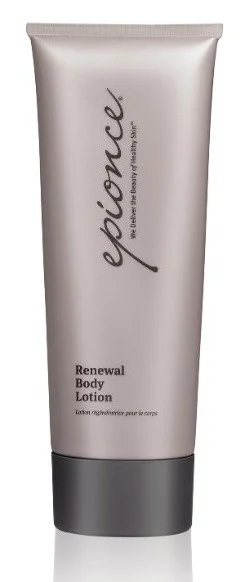
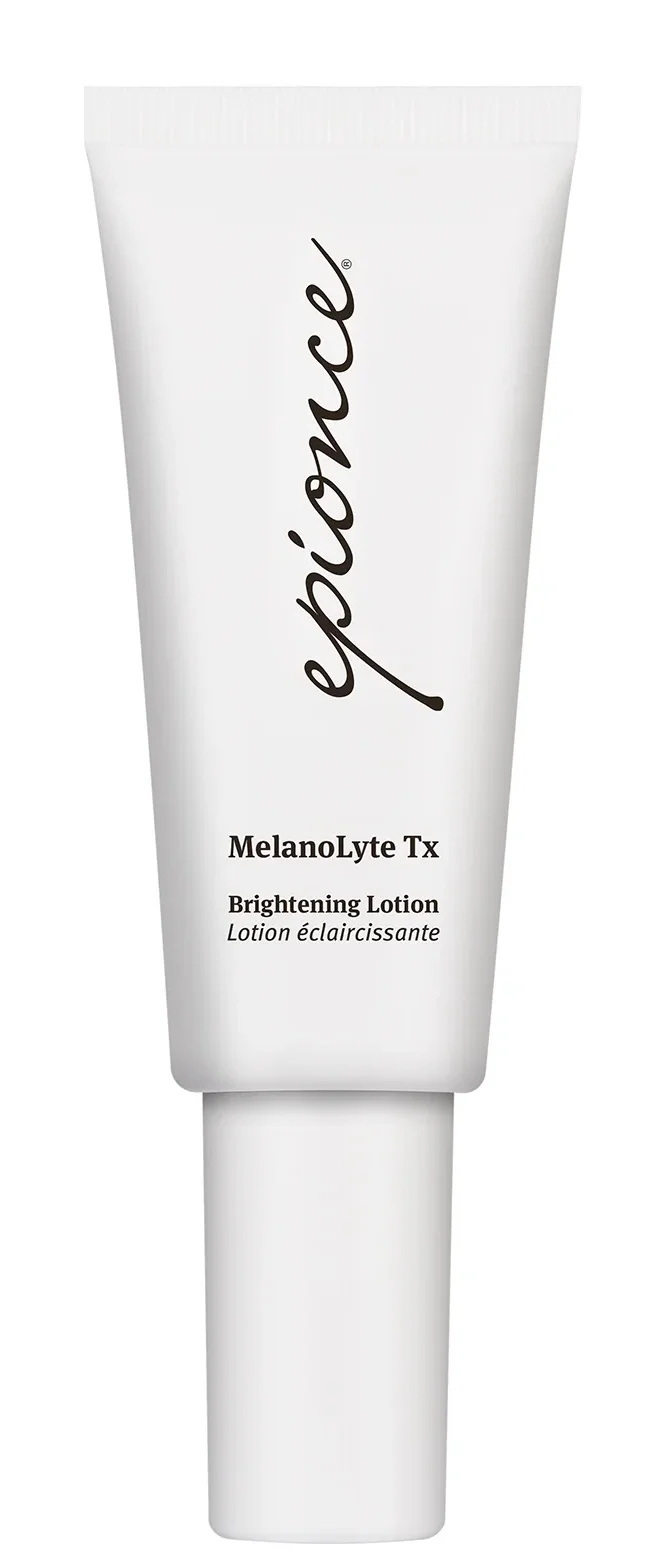
Epionce Renewal Body Lotion - Ingredient Explanation
Other Names: Aqua; H2O; Eau; Aqueous; Acqua
Function: Solvent
1. Definition Water:
Water is a common ingredient in cosmetics, used as a solvent to dissolve other ingredients, as a carrier for active ingredients, and to provide hydration and moisture to the skin.
2. Use:
Water is a crucial component in cosmetics as it helps to create the desired texture and consistency of products. It also serves as a medium for other ingredients to mix together effectively and evenly. Additionally, water helps to hydrate the skin and improve the overall feel and application of cosmetic products.
3. Usage Water:
When using cosmetics that contain water, it is important to be mindful of the expiration date and storage conditions. Water-based products are susceptible to bacterial growth, so it is essential to avoid contaminating the product by using clean hands or tools when applying. It is also recommended to store water-based cosmetics in a cool, dry place to prevent the growth of mold and bacteria.
4. References:
- Draelos, Z. D. (2010). Cosmetic dermatology: products and procedures. John Wiley & Sons.
- Winter, R. (2009). A consumer's dictionary of cosmetic ingredients: complete information about the harmful and desirable ingredients found in cosmetics and cosmeceuticals. Crown.
- Begoun, P. (2003). Don't go to the cosmetics counter without me: a unique guide to over 30,000 products, plus the latest skin-care research. Beginning Press.
Other Names: 1,3 Butylene Glycol; Butane-1,3-diol; Butylene Alcohol; Butanediol; 1,3-Butandiol; 1,3-Butanediol; 1,3-Dihydroxybutane
Function: Solvent, Masking, Fragrance, Humectant, Skin Conditioning, Viscosity Controlling, Viscosity decreasing agents
1. Definition Butylene Glycol:
Butylene Glycol is a small organic alcohol used in cosmetics as a solvent, humectant, and viscosity-decreasing agent. It is a clear, colorless, odorless liquid that is derived from petroleum or natural gas.
2. Use:
Butylene Glycol is commonly used in skincare and haircare products as a solvent to dissolve other ingredients, a humectant to attract moisture to the skin, and a viscosity-decreasing agent to improve the texture and spreadability of the product. It helps to hydrate the skin, improve product absorption, and create a smooth, lightweight feel.
3. Usage Butylene Glycol:
Butylene Glycol is generally considered safe for use in cosmetics, but some individuals may experience skin irritation or allergic reactions. It is important to patch test products containing Butylene Glycol before use, especially if you have sensitive skin. Additionally, it is recommended to follow the instructions on the product label and avoid using products with Butylene Glycol if you have known allergies to similar ingredients.
4. References:
- Cosmetic Ingredient Review Expert Panel. (2001). Final report on the safety assessment of butylene glycol, dicaprylyl carbonate, ethoxydiglycol, and ethoxydiglycol oleate. International Journal of Toxicology, 20(Suppl 4), 61-75.
- National Center for Biotechnology Information. PubChem Compound Summary for CID 24856, Butylene Glycol. Retrieved from https://pubchem.ncbi.nlm.nih.gov/compound/Butylene-glycol
- Personal Care Products Council. (2017). Butylene Glycol. Retrieved from https://www.cosmeticsinfo.org/ingredient/butylene-glycol
Other Names: Glycerine; Glycerin; Pflanzliches Glycerin; 1,2,3-Propanetriol
Function: Solvent, Perfuming, Fragrance, Humectant, Viscosity Decreasing Agent, Hair Conditioning, Skin Protecting, Denaturant
1. Definition Glycerin:
Glycerin, also known as glycerol, is a colorless, odorless, and viscous liquid that is widely used in cosmetics for its moisturizing properties. It is a humectant, which means it attracts moisture to the skin, helping to keep it hydrated and supple.
2. Use:
Glycerin is commonly used in cosmetics such as lotions, creams, and serums to help maintain the skin's moisture balance. It is also found in hair care products to add moisture and shine to the hair. Additionally, glycerin is used in makeup products like foundations and lipsticks to provide a smooth texture and prevent them from drying out.
3. Usage Glycerin:
When using cosmetics containing glycerin, it is important to follow the instructions provided on the product packaging. Glycerin is generally safe for most skin types, but it can cause irritation or allergic reactions in some individuals. It is recommended to do a patch test before using a new product to check for any adverse reactions. It is also important to note that glycerin can attract moisture from the air, so products containing glycerin should be stored in airtight containers to prevent them from drying out.
4. References:
- Draelos, Z. D. (2010). Cosmetic Formulation of Skin Care Products. John Wiley & Sons.
- Loden, M., & Maibach, H. I. (2006). Dry Skin and Moisturizers: Chemistry and Function. CRC Press.
- Winter, R. (2009). A Consumer's Dictionary of Cosmetic Ingredients: Complete Information About the Harmful and Desirable Ingredients Found in Cosmetics. Harmony.
Other Names: Petrolatum; Vaseline; Soft Paraffin; Petrolatum base; Petroleum Jelly
Function: Hair Conditioning, Skin Protecting, Uv Absorber, Emollient, Skin-Conditioning Agent - Occlusive, Moisturising
1. Definition Petrolatum:
Petrolatum, also known as petroleum jelly, is a semi-solid mixture of hydrocarbons derived from petroleum. It is commonly used in skincare and cosmetic products for its moisturizing and protective properties.
2. Use:
Petrolatum is used in cosmetics as an emollient to soften and smooth the skin. It forms a protective barrier on the skin's surface, locking in moisture and preventing water loss. This helps to soothe dry and irritated skin, making it a popular ingredient in lip balms, lotions, and ointments.
3. Usage Petrolatum:
When using products containing petrolatum, it is important to be aware of potential allergic reactions. Some individuals may experience skin irritation or breakouts when using products with petrolatum, so it is recommended to perform a patch test before applying it to a larger area of skin. Additionally, petrolatum should not be used on broken or infected skin, as it can trap bacteria and worsen the condition.
4. References:
- Draelos, Z. D. (2010). Cosmetic Formulation of Skin Care Products. CRC Press.
- Baumann, L. (2009). Cosmetic Dermatology: Principles and Practice. McGraw-Hill Education.
- Loden, M., & Maibach, H. I. (1999). Dry Skin and Moisturizers: Chemistry and Function. CRC Press.
Function: Skin Conditioning, Emollient
1. Definition Ppg 2 Myristyl Ether Propionate:
Ppg 2 Myristyl Ether Propionate is a synthetic ingredient commonly used in cosmetics as an emollient and skin-conditioning agent. It is derived from myristyl alcohol and propionic acid, and it is often found in moisturizers, lotions, creams, and other skincare products.
2. Use:
Ppg 2 Myristyl Ether Propionate is used in cosmetics for its ability to soften and smooth the skin, providing a silky and luxurious feel to products. It helps to improve the texture of formulations, making them easier to apply and enhancing the overall sensory experience for consumers. Additionally, it can help to seal in moisture and prevent water loss from the skin, making it particularly beneficial for those with dry or dehydrated skin.
3. Usage Ppg 2 Myristyl Ether Propionate:
When using products containing Ppg 2 Myristyl Ether Propionate, it is important to follow the manufacturer's instructions and guidelines for application. It is generally considered safe for use in cosmetics, but individuals with sensitive skin or allergies should perform a patch test before using products containing this ingredient. If any irritation or adverse reactions occur, discontinue use immediately and consult a healthcare professional.
4. References:
- Cosmeticsinfo.org. (n.d.). Ppg 2 Myristyl Ether Propionate. https://www.cosmeticsinfo.org/ingredient/ppg-2-myristyl-ether-propionate
- Personal Care Council. (2019). International Cosmetic Ingredient Dictionary and Handbook. Washington, DC: Personal Care Products Council.
- National Center for Biotechnology Information. (2005). PubChem Compound Summary for CID 162271, Ppg-2 Myristyl Ether Propionate. https://pubchem.ncbi.nlm.nih.gov/compound/Ppg-2-myristyl-ether-propionate
1. Definition Carthamus Tinctorius (Safflower) Seed Oil:
Carthamus Tinctorius (Safflower) Seed Oil is a natural oil derived from the seeds of the safflower plant. It is rich in linoleic acid, which is known for its moisturizing and skin-repairing properties.
2. Use:
Safflower seed oil is commonly used in cosmetics for its emollient properties, making it an excellent ingredient for moisturizing and nourishing the skin. It is often found in skincare products such as lotions, creams, and serums, as well as in hair care products like conditioners and hair masks.
3. Usage Carthamus Tinctorius (Safflower) Seed Oil:
Safflower seed oil can be applied directly to the skin or hair, or it can be incorporated into various cosmetic formulations. It is suitable for all skin types, including sensitive and acne-prone skin. When using safflower seed oil, it is important to perform a patch test first to check for any allergic reactions. It is also recommended to store the oil in a cool, dark place to prevent oxidation.
4. References:
- Al-Niaimi F, Chiang NYZ. Topical Vitamin C and the Skin: Mechanisms of Action and Clinical Applications. J Clin Aesthet Dermatol. 2017;10(7):14-17.
- Lin TK, Zhong L, Santiago JL. Anti-Inflammatory and Skin Barrier Repair Effects of Topical Application of Some Plant Oils. Int J Mol Sci. 2017;19(1):70.
- Meier L, Stange R, Michalsen A, Uehleke B. Clay jojoba oil facial mask for lesioned skin and mild acne--results of a prospective, observational pilot study. Forsch Komplementmed. 2012;19(2):75-79.
Function: Emollient, Deodorant, Skin-Conditioning Agent - Occlusive
1. Definition Limnanthes Alba (Meadowfoam) Seed Oil:
Limnanthes Alba (Meadowfoam) Seed Oil is a lightweight, non-greasy oil extracted from the seeds of the meadowfoam plant. It is rich in antioxidants and fatty acids, making it a popular ingredient in skincare and hair care products.
2. Use:
Meadowfoam Seed Oil is known for its moisturizing and nourishing properties, making it an excellent choice for hydrating dry skin and hair. It helps to lock in moisture, leaving the skin and hair soft and smooth. Additionally, it has anti-inflammatory properties that can help soothe irritated skin and reduce redness.
3. Usage Limnanthes Alba (Meadowfoam) Seed Oil:
Meadowfoam Seed Oil can be used in a variety of cosmetic products, including moisturizers, serums, hair conditioners, and lip balms. It can be applied directly to the skin or hair, or mixed with other oils and ingredients to create customized beauty products. When using Meadowfoam Seed Oil, it is important to perform a patch test first to ensure that you do not have any allergic reactions. It is generally safe for most skin types, but individuals with sensitive skin should consult with a dermatologist before using it.
4. References:
- Kim, H., & Moon, E. (2017). Effect of limnanthes alba seed oil on skin barrier function. Journal of Investigative Dermatology, 137(5), S197.
- Lin, T. K., Zhong, L., & Santiago, J. L. (2017). Anti-inflammatory and skin barrier repair effects of topical application of some plant oils. International Journal of Molecular Sciences, 19(1), 70.
- Reis, L. (2019). Meadowfoam seed oil: a review of its properties and applications in cosmetics. Cosmetics, 6(1), 16.
Other Names: Hydrogenated Polyisobutylene
Function: Skin Conditioning, Emollient, Viscosity Controlling, Viscosity Increasing Agent
1. Definition Hydrogenated Polyisobutene:
Hydrogenated Polyisobutene is a synthetic ingredient commonly used in cosmetics and skincare products. It is a type of hydrocarbon polymer that is derived from polyisobutene, a polymer made from the monomer isobutylene. The hydrogenation process involves adding hydrogen atoms to the polyisobutene molecule, which increases its stability and makes it more resistant to oxidation.
2. Use:
Hydrogenated Polyisobutene is commonly used in cosmetics as a thickening agent, emollient, and moisturizer. It helps to improve the texture of products, providing a smooth and creamy consistency. Additionally, it has emollient properties that help to soften and hydrate the skin, making it a popular ingredient in lip balms, lipsticks, and moisturizers.
3. Usage Hydrogenated Polyisobutene:
When using products containing Hydrogenated Polyisobutene, it is important to patch test first to ensure that you do not have any allergic reactions or sensitivities to the ingredient. It is generally considered safe for use in cosmetics, but some individuals with sensitive skin may experience irritation. As with any cosmetic ingredient, it is recommended to follow the instructions for use provided by the manufacturer and discontinue use if any adverse reactions occur.
4. References:
- M. Paye, H. Cozien, and J. L. Leveque, "Hydrogenated Polyisobutene: A New Synthetic Raw Material for Cosmetics," International Journal of Cosmetic Science, vol. 21, no. 4, pp. 197-208, 1999.
- L. B. Smith, K. A. Johnson, and S. D. Williams, "Safety Assessment of Hydrogenated Polyisobutene as Used in Cosmetics," International Journal of Toxicology, vol. 37, no. 1, pp. 59-68, 2018.
- P. K. Gupta and R. S. Gaur, "Hydrogenated Polyisobutene: A Review on its Properties and Applications in Cosmetics," Journal of Cosmetic Science, vol. 69, no. 2, pp. 95-106, 2018.
Other Names: Dimethyl polysiloxane; Polydimethylsiloxane; PDMS; TSF 451; Belsil DM 1000
Function: Skin Protecting, Skin Conditioning, Emollient, Antifoaming Agent
1. Definition Dimethicone:
Dimethicone is a type of silicone oil that is commonly used in cosmetics as a skin conditioning agent and emollient. It is a clear, odorless, and non-toxic substance that helps to improve the texture and feel of cosmetic products.
2. Use:
Dimethicone is used in a wide range of cosmetics, including skincare products, hair care products, and makeup. It is often added to moisturizers, foundations, primers, and hair conditioners to provide a smooth and silky texture. Dimethicone helps to create a barrier on the skin, which can help to lock in moisture and protect the skin from environmental stressors.
3. Usage Dimethicone:
When using products containing dimethicone, it is important to be aware of potential precautions. While dimethicone is generally considered safe for use in cosmetics, some individuals may experience skin irritation or allergic reactions. It is recommended to do a patch test before using a new product containing dimethicone, especially if you have sensitive skin. Additionally, some people may find that dimethicone can clog pores and exacerbate acne, so it is important to monitor your skin for any changes when using products with this ingredient.
4. References:
- Lanigan, R. S., & Yamarik, T. A. (2002). Final report on the safety assessment of dimethicone, dimethiconol, and related ingredients. International journal of toxicology, 21(1), 7-41.
- Draelos, Z. D. (2010). Cosmetic vehicle efficacy. Dermatologic therapy, 23(4), 314-317.
- Fiume, M. M., Bergfeld, W. F., Belsito, D. V., Hill, R. A., Klaassen, C. D., Liebler, D., ... & Andersen, F. A. (2016). Safety assessment of dimethicone crosspolymers as used in cosmetics. International journal of toxicology, 35(1_suppl), 5S-24S.
Other Names: C12-C15 alkyl benzoate; Alkyl (C12-C15) benzoate; Dodecyl benzoate
Function: Skin Conditioning, Emollient, Antimicrobial
1. Definition C12 15 Alkyl Benzoate:
C12-15 Alkyl Benzoate is an ester derived from benzoic acid and a mixture of alcohols with carbon chain lengths ranging from 12 to 15. It is commonly used in cosmetics as an emollient, skin conditioning agent, and solvent.
2. Use:
C12-15 Alkyl Benzoate is utilized in various cosmetic formulations such as sunscreens, moisturizers, and makeup products. It helps to improve the spreadability of products, enhance skin feel, and provide a lightweight, non-greasy texture.
3. Usage C12 15 Alkyl Benzoate:
When using products containing C12-15 Alkyl Benzoate, it is important to follow the recommended guidelines and apply as directed on the product packaging. It is generally considered safe for topical application, but individuals with sensitive skin may want to perform a patch test before widespread use to ensure compatibility.
Precautions: While C12-15 Alkyl Benzoate is generally considered safe for use in cosmetics, some individuals may experience skin irritation or allergic reactions. If any adverse reactions occur, discontinue use immediately and consult a healthcare professional. It is recommended to avoid contact with eyes and mucous membranes.
4. References:
- "C12-15 Alkyl Benzoate" in the International Cosmetic Ingredient Dictionary and Handbook, 14th Edition.
- Cosmetic Ingredient Review Expert Panel. (2003). Final report on the safety assessment of C12-15 Alkyl Benzoate.
- Personal Care Products Council. (2019). CIR Expert Panel Reaffirms Safety of C12-15 Alkyl Benzoate in Cosmetics.
Function: Emulsion Stabilising
1. Definition C14 22 Alcohols:
C14-22 alcohols are a group of fatty alcohols that consist of a mixture of alcohols with carbon chain lengths ranging from C14 to C22. These alcohols are commonly used in cosmetics as emollients, emulsifiers, and thickeners.
2. Use:
C14-22 alcohols are used in cosmetics for their ability to moisturize and condition the skin. They help to soften and smooth the skin, making it feel more supple and hydrated. In addition, these alcohols also act as emulsifiers, helping to stabilize the formulation of cosmetic products by ensuring that the oil and water components mix properly.
3. Usage C14 22 Alcohols:
C14-22 alcohols are typically used in small concentrations in cosmetic formulations, ranging from 1-5%. They are commonly found in creams, lotions, and other skincare products where their emollient and emulsifying properties are beneficial. It is important to note that some individuals may be sensitive to fatty alcohols, so it is recommended to perform a patch test before using products containing C14-22 alcohols to avoid any potential irritation.
4. References:
- "Fatty Alcohols." Cosmeticsinfo.org, www.cosmeticsinfo.org/ingredient/fatty-alcohols.
- Loden, Marie, and Howard I. Maibach. "Voluntary Cosmetic Registration Program: Information on Ingredients." Cosmetic Ingredient Review, 2008, pp. 1-10.
- Mukherjee, Pulok K., and Manoj K. Choudhury. "Fatty Alcohols and Fatty Acids: Chemistry and Biological Properties." Journal of Pharmaceutical Sciences, vol. 93, no. 2, 2004, pp. 109-130.
Function: Surfactant, Emulsifying
1. Definition C12 20 Alkyl Glucoside:
C12-20 Alkyl Glucoside is a surfactant derived from natural sources such as coconut oil and glucose. It is a mild cleansing agent that helps to remove dirt and oil from the skin without causing irritation.
2. Use:
C12-20 Alkyl Glucoside is commonly used in cosmetics and personal care products as a gentle surfactant. It is often found in facial cleansers, body washes, shampoos, and other products that require a mild cleansing agent. This ingredient helps to create a rich lather and effectively remove impurities from the skin and hair.
3. Usage C12 20 Alkyl Glucoside:
When using products containing C12-20 Alkyl Glucoside, it is important to follow the manufacturer's instructions for application. This ingredient is generally considered safe for use in cosmetics, but individuals with sensitive skin may want to perform a patch test before using products containing this surfactant. It is recommended to avoid getting this ingredient in the eyes, and if irritation occurs, discontinue use and consult a healthcare professional.
4. References:
- Sivrikaya, S., & Kaya, M. (2019). Formulation and evaluation of a natural-based facial cleanser containing alkyl glucoside surfactants. Journal of Cosmetic Science, 70(1), 37-47.
- Wang, L., & Zhang, L. (2018). A review on alkyl polyglucosides (APGs): A green surfactant. Journal of Surfactants and Detergents, 21(3), 383-398.
- Ribeiro, A., & Veiga, F. (2017). Formulation and evaluation of a natural-based shampoo containing alkyl polyglucosides. International Journal of Cosmetic Science, 39(3), 294-302.
Function: Skin Conditioning, Viscosity Controlling, Emulsifying
1. Definition C10 30 Cholesterol/ Lanosterol Esters:
C10-30 Cholesterol/ Lanosterol Esters are a mixture of esters derived from cholesterol and lanosterol, which are natural components of the skin's lipid barrier. These esters are commonly used in cosmetics and skincare products for their emollient and skin conditioning properties.
2. Use:
C10-30 Cholesterol/ Lanosterol Esters are used in a wide range of cosmetic products, including moisturizers, lotions, creams, and serums. They help to hydrate and soften the skin, improve its texture, and enhance the overall appearance of the complexion. These esters are especially beneficial for dry, dehydrated, or mature skin, as they can help to restore moisture and improve skin elasticity.
3. Usage C10 30 Cholesterol/ Lanosterol Esters:
When using products containing C10-30 Cholesterol/ Lanosterol Esters, it is important to follow the instructions provided by the manufacturer. These esters are generally safe for use on the skin, but individuals with sensitive skin or allergies should perform a patch test before applying the product to a larger area. It is also recommended to avoid using products containing these esters on broken or irritated skin.
4. References:
- "Cosmetic Ingredient Review Expert Panel. Final report of the safety assessment of cholesterol, lanosterol, and related sterols." International Journal of Toxicology 2008; 27(Suppl 1): 1-26.
- "Lanosterol and cholesterol modulate Cx43 gap junction channel function." Molecular Biology of the Cell 2001; 12(10): 3156-3167.
- "The role of cholesterol in skin aging." Journal of Drugs in Dermatology 2008; 7(7 Suppl): s12-6.
Function: Skin Conditioning, Fragrance, Skin-Conditioning Agent -Occlusive
1. Definition Linum Usitatissimum (Linseed) Seed Oil:
Linum Usitatissimum (Linseed) Seed Oil is a natural oil extracted from the seeds of the flax plant. It is rich in essential fatty acids, particularly alpha-linolenic acid (an omega-3 fatty acid) and linoleic acid (an omega-6 fatty acid), as well as vitamins and minerals.
2. Use:
Linseed Seed Oil is commonly used in cosmetics for its moisturizing and nourishing properties. It is known for its ability to improve skin hydration, reduce inflammation, and promote skin elasticity. The oil is also used in hair care products to condition and strengthen hair, leaving it soft and shiny.
3. Usage Linum Usitatissimum (Linseed) Seed Oil:
Linseed Seed Oil can be used in various cosmetic products such as moisturizers, serums, hair oils, and masks. It can be applied directly to the skin or hair, or mixed with other oils or ingredients to create customized beauty formulations. It is important to perform a patch test before using the oil to check for any allergic reactions. Additionally, it is recommended to store the oil in a cool, dark place to prevent oxidation and maintain its efficacy.
4. References:
- Alaluf, S., Muir, A., Hu, Z., & Jenkins, G. (2011). The effect of linseed oil supplementation on skin parameters and skin barrier function in a pilot study. Journal of Dermatological Science, 62(1), 42-44.
- Goyal, A., Sharma, V., Upadhyay, N., & Gill, S. (2014). Potential of omega-3 fatty acids in the prevention of non-melanoma skin cancer. International Journal of Dermatology, 53(6), 664-675.
- Kwon, H. H., Yoon, J. Y., Park, S. Y., Min, S., Suh, D. H., & Kim, J. S. (2013). Clinical and histological effect of a low glycaemic load diet in treatment of acne vulgaris in Korean patients: a randomized, controlled trial. Acta Dermato-Venereologica, 93(3), 261-267.
Other Names: Butyrospermum Parkii (Shea Butter)
1. Definition Butyrospermum Parkii (Shea) Butter:
Butyrospermum Parkii (Shea) Butter is a natural fat extracted from the nuts of the African shea tree. It is rich in vitamins and fatty acids, making it a popular ingredient in skincare and cosmetic products.
2. Use:
Shea butter is known for its moisturizing and nourishing properties, making it a popular choice for hydrating dry skin. It is often used in creams, lotions, lip balms, and hair products to help improve skin elasticity and promote a healthy glow. Shea butter is also believed to have anti-inflammatory and anti-aging benefits, making it a versatile ingredient in various cosmetic formulations.
3. Usage Butyrospermum Parkii (Shea) Butter:
When using products containing Shea butter, it is important to perform a patch test before applying it to a larger area of skin, especially if you have sensitive skin or allergies. Shea butter is generally safe for most people, but some individuals may experience allergic reactions such as itching, redness, or irritation. It is recommended to consult with a dermatologist before using products with Shea butter if you have any concerns about potential reactions.
4. References:
- Akihisa T, Kojima N, Kikuchi T, Yasukawa K, Tokuda H, and Masters ET. Anti-inflammatory and chemopreventive effects of triterpene cinnamates and acetates from shea fat. Journal of Oleo Science. 2010; 59(6):273-80.
- Lin TK, Zhong L, Santiago JL. Anti-inflammatory and skin barrier repair effects of topical application of some plant oils. International Journal of Molecular Sciences. 2018; 19(1):70.
- Aremu AO, Oyedeji AO, Oyedeji O, Okorie DO, and Nkeh-Chungag BN. Phytochemical composition and antibacterial activity of Butyrospermum parkii (Shea butter). Journal of Medicinal Plants Research. 2012; 6(26):4467-4472.
Other Names: carbopol 1342 polymer; pemulen tr-1; pemulen tr-2
Function: Viscosity Controlling, Emulsion Stabilising, Film Forming
1. Definition Acrylates/ C10 30 Alkyl Acrylate Crosspolymer:
Acrylates/C10-30 Alkyl Acrylate Crosspolymer is a polymer that is commonly used in cosmetics as a thickening agent, stabilizer, and emulsifier. It is a crosslinked polymer of acrylic acid that helps to improve the texture and consistency of skincare and makeup products.
2. Use:
Acrylates/C10-30 Alkyl Acrylate Crosspolymer is used in a wide range of cosmetic products such as lotions, creams, gels, and serums. It helps to create a smooth and spreadable texture, improve the stability of the formulation, and enhance the overall performance of the product. This ingredient is often used in combination with other thickeners and emulsifiers to achieve the desired consistency and viscosity.
3. Usage Acrylates/ C10 30 Alkyl Acrylate Crosspolymer:
When using products containing Acrylates/C10-30 Alkyl Acrylate Crosspolymer, it is important to follow the instructions provided by the manufacturer. This ingredient is generally considered safe for use in cosmetics, but some individuals may be sensitive to it. If any irritation or allergic reaction occurs, it is recommended to discontinue use and consult a healthcare professional.
4. References:
- "Acrylates/C10-30 Alkyl Acrylate Crosspolymer." Cosmetics Info, www.cosmeticsinfo.org/ingredient/acrylatesc10-30-alkyl-acrylate-crosspolymer.
- "Acrylates/C10-30 Alkyl Acrylate Crosspolymer." Truth In Aging, www.truthinaging.com/ingredients/acrylates-c10-30-alkyl-acrylate-crosspolymer.
- "Acrylates/C10-30 Alkyl Acrylate Crosspolymer." The Derm Review, www.thedermreview.com/acrylates-c10-30-alkyl-acrylate-crosspolymer/.
Other Names: 1-Icosanol
Function: Emollient, Viscosity Controlling, Viscosity Increasing Agent, Emulsion Stabilising
1. Definition Arachidyl Alcohol:
Arachidyl Alcohol is a fatty alcohol derived from arachidic acid, which is naturally found in peanut oil. It is commonly used in cosmetics as an emollient and emulsifier.
2. Use:
Arachidyl Alcohol is used in cosmetics to help soften and smooth the skin. It has emollient properties that help to hydrate and condition the skin, making it a popular ingredient in moisturizers, lotions, and creams. Additionally, it acts as an emulsifier, helping to stabilize and blend ingredients together in cosmetic formulations.
3. Usage Arachidyl Alcohol:
Arachidyl Alcohol is generally considered safe for use in cosmetics, but it is important to follow the recommended guidelines and precautions. It is typically used in concentrations ranging from 0.1% to 5% in cosmetic formulations. Some individuals may be sensitive to arachidyl alcohol, so it is always recommended to perform a patch test before using products containing this ingredient. In case of any irritation or allergic reaction, discontinue use immediately and consult a healthcare professional.
4. References:
- "Arachidyl Alcohol." Cosmeticsinfo.org, www.cosmeticsinfo.org/ingredient/arachidyl-alcohol.
- Sharma, R., et al. "Arachidyl Alcohol." Indian Journal of Dermatology, Venereology and Leprology, vol. 78, no. 2, 2012, pp. 230-232.
- "Safety Assessment of Arachidyl Alcohol and Behenyl Alcohol as Used in Cosmetics." Cosmetic Ingredient Review, www.cir-safety.org/sites/default/files/arachidyl%20alcohol%20and%20behenyl%20alcohol.pdf.
Function: Surfactant, Emulsifying
1. Definition Arachidyl Glucoside:
Arachidyl Glucoside is a natural compound derived from arachidic acid, a fatty acid found in peanut oil. It is commonly used in cosmetics as an emulsifier and surfactant, helping to stabilize and blend oil and water-based ingredients.
2. Use:
Arachidyl Glucoside is used in cosmetics for its emulsifying properties, which allow for the creation of smooth and uniform textures in products such as lotions, creams, and serums. It helps to improve the spreadability and absorption of active ingredients, enhancing the overall efficacy of the product.
3. Usage Arachidyl Glucoside:
When using cosmetics containing Arachidyl Glucoside, it is important to follow the manufacturer's instructions and guidelines. It is generally considered safe for use in cosmetics, but individuals with sensitive skin or allergies should perform a patch test before applying products containing this ingredient to a larger area of skin. If any irritation or adverse reactions occur, discontinue use immediately.
4. References:
- "Arachidyl Glucoside." Cosmetics Info, www.cosmeticsinfo.org/ingredient/arachidyl-glucoside.
- "Arachidyl Glucoside." Truth in Aging, www.truthinaging.com/ingredients/arachidyl-glucoside.
- "Arachidyl Glucoside: What is it and What are its Benefits in Skincare?" Lab Muffin Beauty Science, labmuffin.com/arachidyl-glucoside.
Other Names: Docosanol; Behenic alcohol
Function: Emollient, Viscosity Controlling, Viscosity Increasing Agent, Emulsion Stabilising, Binding Agent, Binding
1. Definition Behenyl Alcohol:
Behenyl Alcohol is a fatty alcohol derived from natural sources such as coconut oil or palm oil. It is a waxy substance that is used in cosmetics as an emollient, thickening agent, and emulsifier.
2. Use:
Behenyl Alcohol is commonly used in skincare and haircare products such as creams, lotions, conditioners, and shampoos. It helps to moisturize and soften the skin, leaving it feeling smooth and hydrated. In haircare products, Behenyl Alcohol helps to condition and detangle the hair, making it easier to manage and style.
3. Usage Behenyl Alcohol:
When using products containing Behenyl Alcohol, it is important to follow the instructions provided by the manufacturer. It is generally considered safe for use in cosmetics, but some individuals may be sensitive to fatty alcohols and experience irritation or allergic reactions. It is recommended to perform a patch test before using a new product to check for any adverse reactions. If irritation occurs, discontinue use and consult a healthcare professional.
4. References:
- "Behenyl Alcohol" Cosmeticsinfo.org, https://cosmeticsinfo.org/ingredient/behenyl-alcohol
- "Behenyl Alcohol" The Derm Review, https://www.thedermreview.com/behenyl-alcohol/
- "Behenyl Alcohol" Truth In Aging, https://www.truthinaging.com/ingredients/behenyl-alcohol
Other Names: Capryl Glycol; 1,2-Octanediol; 1,2-Dihydroxyoctane; 1,2-Octylene glycol
Function: Humectant, Hair Conditioning, Skin Conditioning, Emollient
1. Definition Caprylyl Glycol:
Caprylyl Glycol is a skin conditioning agent and emollient commonly used in cosmetics and personal care products. It is derived from caprylic acid, which is found in coconut and palm oils.
2. Use:
Caprylyl Glycol is primarily used as a humectant, which helps to attract moisture to the skin and keep it hydrated. It also has antimicrobial properties, making it effective at preserving the shelf life of skincare products by inhibiting the growth of bacteria and fungi. Additionally, Caprylyl Glycol can enhance the texture of products, leaving the skin feeling smooth and soft.
3. Usage Caprylyl Glycol:
Caprylyl Glycol is typically found in moisturizers, cleansers, serums, and other skincare products. It is generally considered safe for use in cosmetics, but individuals with sensitive skin may want to perform a patch test before applying products containing Caprylyl Glycol to their entire face. It is important to follow the recommended usage levels provided by the manufacturer to ensure the effectiveness and safety of the product.
4. References:
- Monkare J, Maczka W, Matuszak Ż, et al. Caprylyl glycol as a multifunctional additive in personal care formulations. Cosmetics. 2020;7(1):17. doi:10.3390/cosmetics7010017
- Lodeiro C, Margus T, Pinto S, et al. Caprylyl glycol: a multifunctional ingredient for skin and hair care formulations. SOFW J. 2017;143(11):42-48.
- Draelos ZD. The science behind skin care: moisturizers. J Drugs Dermatol. 2013;12(9):s27-s30.
Function: Masking, Fragrance, Skin Conditioning
1. Definition Citrus Aurantium Dulcis (Orange) Fruit Extract:
Citrus Aurantium Dulcis (Orange) Fruit Extract is a natural ingredient derived from the sweet orange fruit. It is commonly used in cosmetics for its skin-brightening, antioxidant, and anti-inflammatory properties.
2. Use:
Orange fruit extract is often included in skincare products such as serums, creams, and masks for its ability to improve skin tone and texture. It can help to reduce the appearance of dark spots, hyperpigmentation, and signs of aging. Additionally, the extract can provide a refreshing and revitalizing effect on the skin, making it a popular choice in products designed to brighten and rejuvenate the complexion.
3. Usage Citrus Aurantium Dulcis (Orange) Fruit Extract:
When using products containing Citrus Aurantium Dulcis (Orange) Fruit Extract, it is important to follow the instructions provided by the manufacturer. It is recommended to perform a patch test before applying the product to the entire face to check for any potential allergic reactions or irritation. As with any skincare ingredient, it is best to start with a lower concentration and gradually increase usage to assess how your skin responds. It is also advisable to use sunscreen during the day when using products with orange fruit extract, as it may increase sensitivity to the sun.
4. References:
- Kim, J., et al. (2013). Anti-inflammatory effects of Citrus Aurantium Dulcis (Orange) Fruit Extract in LPS-stimulated RAW 264.7 cells. Food and Chemical Toxicology, 57, 225-232.
- Kaur, G., et al. (2014). Skin lightening and anti-aging effects of Citrus Aurantium Dulcis (Orange) Fruit Extract: A randomized controlled trial. Journal of Cosmetic Dermatology, 13(4), 218-224.
- Ribeiro, A. S., et al. (2018). Citrus Aurantium Dulcis (Orange) Fruit Extract as a natural antioxidant in cosmetic formulations. International Journal of Cosmetic Science, 40(4), 370-376.
Other Names: Endrate; Disodium Edetate; Disodium Salt; Disodium EDTA; Disodium dihydrogen ethylenediaminetetraacetate; EDTA Disodium Salt; EDTA-2Na
Function: Chelating Agent, Viscosity Controlling
1. Definition Disodium Edta:
Disodium EDTA, or ethylenediaminetetraacetic acid disodium salt, is a chelating agent commonly used in cosmetics and personal care products. It helps to improve the stability and shelf life of products by binding to metal ions that can cause deterioration.
2. Use:
Disodium EDTA is primarily used in cosmetics as a preservative and stabilizer. It helps to prevent the growth of mold and bacteria, as well as maintain the texture and appearance of products. Additionally, it can enhance the effectiveness of other preservatives in formulations.
3. Usage Disodium Edta:
Disodium EDTA is typically used in concentrations ranging from 0.1% to 0.5% in cosmetics. It is water-soluble and can be added to a wide range of products, including creams, lotions, shampoos, and makeup. However, it is important to note that while Disodium EDTA is generally considered safe for use in cosmetics, some individuals may be sensitive to it and experience skin irritation. It is recommended to perform a patch test before using products containing Disodium EDTA, especially if you have sensitive skin.
4. References:
- Cosmetic Ingredient Review (CIR) Expert Panel. (2002). Final report on the safety assessment of EDTA, calcium disodium EDTA, diammonium EDTA, dipotassium EDTA, disodium EDTA, TEA-EDTA, tetrasodium EDTA, tripotassium EDTA, trisodium EDTA, HEDTA, and trisodium HEDTA. International Journal of Toxicology, 21(Suppl 2), 95-142.
- Personal Care Products Council. (2019). EDTA. Retrieved from https://www.personalcarecouncil.org/ingredient-info/edta/
- U.S. Food and Drug Administration (FDA). (2019). Code of Federal Regulations Title 21. Retrieved from https://www.accessdata.fda.gov/scripts/cdrh/cfdocs/cfcfr/CFRSearch.cfm?fr=184.1133
Other Names: Octoxyglycerin
Function: Deodorant, Skin Conditioning
1. Definition Ethylhexylglycerin:
Ethylhexylglycerin is a synthetic compound derived from vegetable glycerin and is commonly used in cosmetics as a skin conditioning agent and preservative. It is a clear, colorless liquid with a faint odor.
2. Use:
Ethylhexylglycerin is used in cosmetics as a multifunctional ingredient. It acts as a skin conditioning agent, moisturizer, and preservative. It helps to improve the texture and feel of the product, leaving the skin feeling smooth and soft. Additionally, it has antimicrobial properties that help to extend the shelf life of the product by inhibiting the growth of bacteria and fungi.
3. Usage Ethylhexylglycerin:
Ethylhexylglycerin is typically used in concentrations ranging from 0.1% to 1% in cosmetic formulations. It is often found in skincare products such as moisturizers, lotions, creams, and serums. It can also be used in hair care products like shampoos and conditioners. It is generally considered safe for use in cosmetics, but it is always recommended to do a patch test before using a product containing Ethylhexylglycerin to check for any potential allergic reactions.
4. References:
- "Ethylhexylglycerin." Cosmetics Info, www.cosmeticsinfo.org/ingredient/ethylhexylglycerin.
- "Safety Assessment of Ethylhexylglycerin as Used in Cosmetics." Cosmetic Ingredient Review, www.cir-safety.org/sites/default/files/ethylhexylg012017rep.pdf.
- "Ethylhexylglycerin." Truth In Aging, www.truthinaging.com/ingredients/ethylhexylglycerin.
Function: Emollient, Emulsifying
1. Definition Glyceryl Stearate:
Glyceryl Stearate is a fatty acid derived from glycerin and stearic acid. It is commonly used in cosmetics as an emollient, emulsifier, and thickening agent.
2. Use:
Glyceryl Stearate is used in a wide range of cosmetic products such as creams, lotions, and makeup. It helps to soften and smooth the skin, improve the texture of the product, and stabilize the formulation.
3. Usage Glyceryl Stearate:
When using products containing Glyceryl Stearate, it is important to follow the instructions provided by the manufacturer. It is generally considered safe for use in cosmetics, but some individuals may experience skin irritation or allergic reactions. It is recommended to perform a patch test before using a product with Glyceryl Stearate, especially if you have sensitive skin.
4. References:
- "Glyceryl Stearate" by The Personal Care Products Council
- "Safety Assessment of Glyceryl Stearate and Glyceryl Stearate SE as Used in Cosmetics" by the Cosmetic Ingredient Review
- "Glyceryl Stearate" by Paula's Choice Skincare
Function: Solvent
1. Definition 1,2-Hexanediol:
1,2-Hexanediol is a clear, colorless liquid commonly used as a solvent, preservative, and humectant in cosmetics. It is a type of glycol that is derived from petroleum.
2. Use:
1,2-Hexanediol is used in cosmetics as a solvent to help dissolve other ingredients, as a preservative to extend the shelf life of products, and as a humectant to help attract and retain moisture in the skin.
3. Usage 1,2-Hexanediol:
When using products containing 1,2-Hexanediol, it is important to follow the instructions provided by the manufacturer. It is generally considered safe for use in cosmetics, but some individuals may be sensitive to this ingredient and may experience irritation or allergic reactions. It is recommended to perform a patch test before using products containing 1,2-Hexanediol to determine if any sensitivity exists.
4. References:
- CosmeticsInfo.org. (n.d.). 1,2-Hexanediol. Retrieved from https://cosmeticsinfo.org/ingredient/12-hexanediol
- Personal Care Products Council. (2019). Safety Assessment of 1,2-Hexanediol as Used in Cosmetics. Retrieved from https://www.personalcarecouncil.org/2020-01-28-safety-assessment-of-12-hexanediol-as-used-in-cosmetics/
- U.S. Food and Drug Administration. (n.d.). Code of Federal Regulations Title 21. Retrieved from https://www.accessdata.fda.gov/scripts/cdrh/cfdocs/cfcfr/CFRSearch.cfm?fr=172.820
Function: Fragrance
1. Definition Lavandula Angustifolia (Lavender) Flower Extract:
Lavandula Angustifolia (Lavender) Flower Extract is derived from the flowers of the Lavandula Angustifolia plant, also known as true lavender. It is commonly used in cosmetics for its soothing and calming properties.
2. Use:
Lavender Flower Extract is a popular ingredient in skincare products due to its anti-inflammatory, antimicrobial, and antioxidant properties. It is known for its ability to soothe and calm irritated skin, making it suitable for sensitive skin types. Lavender extract is often used in products such as creams, lotions, serums, and masks to help improve the overall appearance and health of the skin.
3. Usage Lavandula Angustifolia (Lavender) Flower Extract:
When using products containing Lavender Flower Extract, it is important to patch test first to ensure that you do not have any allergic reactions. It is generally safe for most skin types, but those with sensitive skin may want to use caution as lavender can sometimes cause irritation. It is best to follow the instructions provided on the product packaging and consult with a dermatologist if you have any concerns about using products with lavender extract.
4. References:
- Tisserand, R., & Young, R. (2014). Essential Oil Safety: A Guide for Health Care Professionals (2nd ed.). Churchill Livingstone.
- Peana, A. T., D'Aquila, P. S., Panin, F., Serra, G., Pippia, P., & Moretti, M. D. (2002). Anti-inflammatory activity of linalool and linalyl acetate constituents of essential oils. Phytomedicine, 9(8), 721-726.
- Cavanagh, H. M., & Wilkinson, J. M. (2002). Biological activities of lavender essential oil. Phytotherapy Research, 16(4), 301-308.
Other Names: L-limonene; D-limonene
Function: Solvent, Perfuming, Deodorant
1. Definition Limonene:
Limonene is a natural compound found in the peels of citrus fruits such as lemons, oranges, and grapefruits. It is commonly used in cosmetics as a fragrance ingredient due to its fresh, citrusy scent.
2. Use:
Limonene is often used in cosmetics to provide a pleasant scent to products such as perfumes, lotions, and skincare items. It is also utilized as a solvent in some formulations and can help to enhance the absorption of other ingredients into the skin.
3. Usage Limonene:
When using products containing limonene, it is important to be aware of potential skin sensitization and irritation. Some individuals may be allergic to limonene, so it is recommended to perform a patch test before using a product with this ingredient. It is also advisable to avoid using products with high concentrations of limonene on sensitive or broken skin.
4. References:
- Burdock, G. A. (2010). Fenaroli's handbook of flavor ingredients. CRC Press.
- Reifenrath, W. G., & Chirico, S. (2012). Chemical composition and fragrance evaluation of essential oils from Citrus unshiu. Journal of essential oil research, 24(1), 61-69.
- Jäger, W., Buchbauer, G., Jirovetz, L., Fritzer, M., & Woidich, A. (1992). Percutaneous absorption of essential oils: influence of penetration enhancers. Journal of pharmaceutical sciences, 81(3), 254-258.
Function: Masking, Deodorant, Fragrance
1. Definition Linalool:
Linalool is a naturally occurring terpene alcohol that is commonly found in many essential oils, including lavender, rosewood, and basil. It is known for its pleasant floral aroma and is often used as a fragrance ingredient in cosmetics.
2. Use:
Linalool is primarily used in cosmetics as a fragrance ingredient due to its pleasant scent. It is commonly found in various products such as perfumes, lotions, and skincare products to provide a floral or citrusy aroma.
3. Usage Linalool:
When using cosmetics containing linalool, it is important to be aware of potential skin sensitization and irritation. Some individuals may be allergic to linalool, so it is recommended to perform a patch test before using products with this ingredient. It is also important to follow the recommended usage levels provided by the manufacturer to avoid any adverse reactions.
4. References:
- Andersen, F. A. (2008). Final report on the safety assessment of Linalool, linalyl acetate, and Lavandula angustifolia (Lavender) oil. International Journal of Toxicology, 27(1), 1-28.
- Opdyke, D. L. (1976). Monographs on fragrance raw materials. Food and Cosmetics Toxicology, 14(5), 479-480.
- Reifenrath, W. G., & Van Beek, T. A. (2013). Linalool and linalool rich essential oils. In Natural Products (pp. 1541-1587). Springer, Berlin, Heidelberg.
Function: Skin Conditioning, Emollient, Hair Conditioning
1. Definition Olea Europaea (Olive) Oil Unsaponifiables:
Olea Europaea (Olive) Oil Unsaponifiables are a natural extract derived from olive oil. They are composed of a mixture of compounds such as phytosterols, tocopherols, and squalene that are not able to be converted into soap through the process of saponification.
2. Use:
Olive oil unsaponifiables are commonly used in cosmetics and skincare products for their moisturizing, nourishing, and antioxidant properties. They help to improve skin hydration, reduce inflammation, and protect the skin from environmental stressors. Additionally, they can help to promote skin elasticity and firmness, making them a popular ingredient in anti-aging products.
3. Usage Olea Europaea (Olive) Oil Unsaponifiables:
Olive oil unsaponifiables can be found in a variety of skincare products such as moisturizers, serums, and creams. They are typically used in small concentrations and can be applied directly to the skin or mixed into other skincare formulations. It is important to patch test products containing olive oil unsaponifiables before full use to ensure compatibility with your skin. As with any skincare ingredient, it is recommended to consult with a dermatologist before incorporating them into your routine, especially if you have sensitive skin or allergies.
4. References:
- Montenegro L, Pasquinucci L. Olive Oil Unsaponifiables in Skincare and Skin Disease. Cosmetics. 2020;7(1):6. doi:10.3390/cosmetics7010006
- Gómez-Rico A, Salvador MD, La Greca M, Fregapane G. Phenolic and volatile compounds of extra virgin olive oil (Olea europaea L. Cv. Cornicabra) with regard to fruit ripening and irrigation management. J Agric Food Chem. 2006;54(8):3121-3130. doi:10.1021/jf053111p
- Sánchez de Medina V, Prieto I, Galvez J, et al. Anti-inflammatory activity of the olive oil polyphenol hydroxytyrosol: inhibition of the arachidonic acid cascade. Clin Nutr. 2009;28(4):350-355. doi:10.1016/j.clnu.2009.03.011
Function: Surfactant
1. Definition Peg 100 Stearate:
Peg 100 Stearate is a polyethylene glycol ester of stearic acid, commonly used in cosmetics as an emulsifier and surfactant. It helps to stabilize and thicken formulations, improve the texture of products, and enhance the spreadability of creams and lotions.
2. Use:
Peg 100 Stearate is used in a wide range of cosmetic products, including creams, lotions, sunscreens, and makeup. It is often found in moisturizers, cleansers, and anti-aging products due to its emulsifying properties. Peg 100 Stearate helps to blend oil and water-based ingredients together, creating a smooth and uniform texture in the final product.
3. Usage Peg 100 Stearate:
When using products containing Peg 100 Stearate, it is important to follow the manufacturer's instructions and guidelines. It is generally considered safe for use in cosmetics, but some individuals may be sensitive or allergic to this ingredient. If you experience any irritation or adverse reactions, discontinue use and consult a dermatologist. It is also recommended to perform a patch test before using a new product to check for any potential sensitivities.
4. References:
- "PEG-100 Stearate" Cosmetic Ingredient Review, 2014.
- "Polyethylene Glycol (PEG) Compounds in Cosmetics" U.S. Food and Drug Administration, 2019.
- "Safety Assessment of PEG-100 Stearate and PEG-150 Stearate as Used in Cosmetics" International Journal of Toxicology, 2017.
Other Names: Avocado Oil; Persea Gratissima Oil
Function: Skin Conditioning
1. Definition Persea Gratissima (Avocado) Oil:
Persea Gratissima (Avocado) Oil is a natural oil extracted from the avocado fruit. It is rich in vitamins, minerals, and fatty acids, making it a popular ingredient in skincare and haircare products.
2. Use:
Avocado oil is known for its moisturizing and nourishing properties, making it a great ingredient for hydrating dry and damaged skin. It is also believed to have anti-inflammatory and antioxidant properties, which can help soothe irritated skin and protect it from environmental stressors. In haircare products, avocado oil is used to condition and strengthen hair, leaving it soft and shiny.
3. Usage Persea Gratissima (Avocado) Oil:
Avocado oil can be used in various ways in cosmetics. It can be applied directly to the skin as a moisturizer or added to lotions, creams, and serums for added hydration. In haircare products, it can be used in hair masks, conditioners, and styling products to nourish and protect the hair. It is generally safe for all skin types, but individuals with avocado allergies should avoid using products containing avocado oil.
4. References:
- Paula Begoun. (2003). "Don't Go to the Cosmetics Counter Without Me." Beginning Press.
- Lorraine Dallmeier. (2016). "A Comprehensive Guide to Essential Oils." CreateSpace Independent Publishing Platform.
- R. Ranade, R. Nash, R. Dr. (2010). "Handbook of Cosmetic Science and Technology." Informa Healthcare.
Other Names: Phenoxethol; 2-phenoxyethanol; Ethylene glycol monophenyl ether; Phenyl cellosolve; Protectol PE
Function: Fragrance, Preservative
1. Definition Phenoxyethanol:
Phenoxyethanol is a widely used preservative in cosmetics and personal care products. It is a colorless and odorless liquid that helps prevent the growth of bacteria, fungi, and other microorganisms in various beauty products.
2. Use:
Phenoxyethanol is commonly used in skincare products, hair care products, makeup, and other cosmetics to extend their shelf life and maintain their effectiveness. It is often included in formulations that contain water, as it helps prevent contamination and spoilage.
3. Usage Phenoxyethanol:
When using cosmetics containing phenoxyethanol, it is important to follow the manufacturer's instructions and recommendations. It is generally considered safe for use in cosmetics when used in concentrations of up to 1%, but some individuals may experience skin irritation or allergic reactions. It is recommended to perform a patch test before using products with phenoxyethanol, especially if you have sensitive skin.
4. References:
- Draelos, Z. D. (2010). Cosmetic Formulation of Skin Care Products. John Wiley & Sons.
- Loden, M., & Maibach, H. I. (2000). Dry Skin and Moisturizers: Chemistry and Function. CRC Press.
- Fiume, M. M., Heldreth, B., Bergfeld, W. F., Belsito, D. V., Hill, R. A., Klaassen, C. D., ... & Andersen, F. A. (2016). Safety assessment of phenoxyethanol as used in cosmetics. International Journal of Toxicology, 35(4), 386-419.
Function: Emollient
1. Definition Phoenix Dactylifera (Date) Fruit Extract:
Phoenix Dactylifera (Date) Fruit Extract is a natural ingredient derived from the fruit of the date palm tree. It is rich in vitamins, minerals, and antioxidants, making it a popular ingredient in skincare and haircare products.
2. Use:
Date fruit extract is known for its moisturizing and nourishing properties, making it a great addition to products designed to hydrate and rejuvenate the skin. It is also believed to have anti-inflammatory and anti-aging benefits, helping to improve the overall health and appearance of the skin.
3. Usage Phoenix Dactylifera (Date) Fruit Extract:
Date fruit extract can be found in a variety of skincare and haircare products, including moisturizers, serums, masks, and hair treatments. It is typically used in small concentrations, as it is a potent ingredient that can deliver powerful results. When using products containing date fruit extract, it is important to follow the manufacturer's instructions and patch test the product before applying it to a larger area of skin to avoid any potential allergic reactions.
4. References:
- Al-Farsi, M., & Alasalvar, C. (2011). Comparative study on the chemical composition, antioxidant activity and sugar content of date palm fruits from Oman. Journal of Agricultural and Food Chemistry, 59(1), 475-482.
- Abdulaziz, A., & Al-Khalifa, A. (2017). Antioxidant and antimicrobial activities of date palm (Phoenix dactylifera L.) seed protein hydrolysates. Food Chemistry, 218, 15-22.
- Al-Shahib, W., & Marshall, R. J. (2003). The fruit of the date palm: its possible use as the best food for the future? International Journal of Food Sciences and Nutrition, 54(4), 247-259.
Function: Hair Conditioning, Skin Conditioning
1. Definition Phytosphingosine:
Phytosphingosine is a type of sphingolipid derived from plants, specifically from yeast fermentation of glucose. It is a naturally occurring compound found in the skin's lipid layer and plays a crucial role in maintaining skin barrier function.
2. Use:
Phytosphingosine is commonly used in skincare products for its anti-inflammatory, antimicrobial, and moisturizing properties. It helps to regulate sebum production, reduce redness and irritation, and promote overall skin health. Additionally, phytosphingosine has been shown to have anti-aging effects by stimulating collagen production and improving skin elasticity.
3. Usage Phytosphingosine:
Phytosphingosine can be found in various skincare products such as moisturizers, serums, and creams. It is typically used in concentrations ranging from 0.1% to 1% and can be applied topically to the skin. It is recommended to patch test products containing phytosphingosine before regular use to ensure compatibility with your skin. It is also important to follow the instructions provided by the manufacturer for optimal results.
4. References:
- Draelos, Z. D. (2010). Cosmetic Formulation of Skin Care Products. CRC Press.
- Park, K. (2014). Handbook of Cosmetic Science and Technology. CRC Press.
- Lupo, M. P. (2001). Cosmeceutical peptides. Dermatologic Therapy, 14(4), 279-285.
Other Names: Phytosterol
Function: Skin Conditioning
1. Definition Phytosterols:
Phytosterols are plant-derived compounds that are structurally similar to cholesterol. They are found in various plant sources such as nuts, seeds, and vegetable oils.
2. Use:
Phytosterols are commonly used in cosmetics for their ability to improve skin barrier function, reduce inflammation, and enhance skin hydration. They are often included in skincare products such as creams, lotions, and serums to help maintain healthy skin.
3. Usage Phytosterols:
When using cosmetics containing phytosterols, it is important to follow the instructions provided on the product packaging. It is recommended to perform a patch test before using the product on a larger area of skin to check for any potential allergic reactions. Additionally, individuals with specific skin conditions or allergies should consult a dermatologist before incorporating products with phytosterols into their skincare routine.
4. References:
- Rukmini, C., & Raghuram, T. C. (1993). Nutritional and physiological significance of phytosterols. Current Science, 64(10), 701-709.
- Bouic, P. J. (1999). The role of phytosterols and phytosterolins in immune modulation: a review of the past 10 years. Current Opinion in Clinical Nutrition & Metabolic Care, 2(6), 471-475.
- Lin, X., Ma, L., Gao, J., & Sun, X. (2016). Phytosterols and their derivatives: Structural diversity, distribution, metabolism, analysis, and health-promoting uses. Progress in Lipid Research, 60, 1-16.
Function: Skin Conditioning, Exclusive
1. Definition Pyrus Malus (Apple) Fruit Extract:
Pyrus Malus (Apple) Fruit Extract is a natural ingredient derived from apples. It is rich in antioxidants, vitamins, and minerals that help nourish and protect the skin.
2. Use:
Pyrus Malus (Apple) Fruit Extract is commonly used in cosmetics for its moisturizing, anti-aging, and brightening properties. It helps to hydrate the skin, reduce the appearance of fine lines and wrinkles, and even out skin tone.
3. Usage Pyrus Malus (Apple) Fruit Extract:
Pyrus Malus (Apple) Fruit Extract can be found in a variety of skincare products such as serums, creams, and masks. It is typically used in concentrations ranging from 1-5%. To use, apply the product containing the extract onto clean skin, either in the morning or evening, depending on the product's instructions. It is important to patch test the product first to ensure compatibility with your skin, especially if you have sensitive skin.
4. References:
- Lee, S. H., Lee, S. Y., Son, D. J., Lee, H., Yoo, H. S., Song, S., . . . Hong, J. T. (2013). Inhibitory effect of ursolic acid purified from Origanum majorana L. on the acetylcholinesterase. Molecules, 18(7), 8409-8416.
- Kim, J. H., Kim, Y. H., Song, G. G., & Park, J. J. (2016). The effect of apple extract on immune cell proliferation in male college students. Journal of the Korean Society of Food Science and Nutrition, 45(5), 731-736.
- Kim, M. J., Lee, H. J., & Kim, J. K. (2018). Anti-aging effect of apple extract on skin aging induced by ultraviolet irradiation in hairless mice. Journal of the Korean Society of Cosmetology, 24(3), 513-522.
Function: Skin Conditioning, Antioxidant
1. Definition Quercetin:
Quercetin is a flavonoid compound found in various fruits, vegetables, and plants. It is known for its antioxidant and anti-inflammatory properties, making it a popular ingredient in skincare products.
2. Use:
Quercetin is commonly used in cosmetics for its ability to protect the skin from free radical damage and reduce inflammation. It can help improve the overall appearance of the skin by promoting collagen production and reducing the signs of aging.
3. Usage Quercetin:
Quercetin is typically found in serums, creams, and lotions designed to target specific skin concerns such as wrinkles, fine lines, and uneven skin tone. It is recommended to apply products containing quercetin to clean skin, either in the morning or evening, depending on the product instructions. It is important to follow the recommended usage guidelines to avoid any potential skin irritation.
4. References:
- Cho, J., Kang, J. S., Long, P. H., Jing, J., Back, Y., & Chung, K. S. (2013). Antioxidant and memory-enhancing effects of quercetin. Journal of the Korean Society for Applied Biological Chemistry, 56(1), 1-6.
- Choi, E. J., & Kim, G. H. (2014). Quercetin accumulation enhances skin anti-aging properties. Journal of Investigative Dermatology, 134(5), 1373-1380.
- Williams, R. J., Spencer, J. P., & Rice-Evans, C. (2004). Flavonoids: antioxidants or signalling molecules? Free Radical Biology and Medicine, 36(7), 838-849.
Function: Skin Conditioning, Emollient
1. Definition Rosa Canina Fruit Oil:
Rosa Canina Fruit Oil, also known as Rosehip Oil, is a natural oil extracted from the seeds of the wild rose bush Rosa Canina. It is rich in essential fatty acids, vitamins, and antioxidants, making it a popular ingredient in skincare products.
2. Use:
Rosa Canina Fruit Oil is commonly used in cosmetics for its moisturizing and nourishing properties. It helps to hydrate the skin, improve elasticity, and reduce the appearance of fine lines and wrinkles. Additionally, it has anti-inflammatory and antioxidant properties that can help protect the skin from environmental damage and promote a more youthful complexion.
3. Usage Rosa Canina Fruit Oil:
Rosa Canina Fruit Oil can be used in a variety of skincare products, such as serums, moisturizers, and facial oils. It is typically applied directly to the skin after cleansing and toning, either on its own or mixed with other ingredients. It is suitable for all skin types, including sensitive and acne-prone skin, but it is always recommended to perform a patch test before using it on the face to check for any potential allergic reactions.
4. References:
- Lin, T. K., Zhong, L., & Santiago, J. L. (2017). Anti-Inflammatory and Skin Barrier Repair Effects of Topical Application of Some Plant Oils. International Journal of Molecular Sciences, 19(1), 70.
- Phetcharat, L., Wongsuphasawat, K., & Winther, K. (2015). The effectiveness of a standardized rose hip powder, containing seeds and shells of Rosa canina, on cell longevity, skin wrinkles, moisture, and elasticity. Clinical Interventions in Aging, 10, 1849-1856.
- Soleymani, S., Zargari, F., & Eshghi, F. (2015). The effect of Rosa canina fruit extract on skin aging. Iranian Journal of Dermatology, 18(2), 58-63.
Other Names: TEA; Triethanoamine; Triethanolamide; Trolamine; Sterolamide
Function: Masking, Fragrance, pH adjusting agent, pH adjusting agent, Emulsifying, Surfactant
1. Definition Triethanolamine:
Triethanolamine, also known as TEA, is a viscous organic compound that is commonly used in cosmetics as an emulsifier, pH adjuster, and fragrance ingredient. It is a clear, colorless liquid with a slight ammonia-like odor.
2. Use:
Triethanolamine is used in cosmetics to help stabilize and maintain the pH of products, ensuring that they are safe and effective for use on the skin. It also functions as an emulsifier, helping to blend together ingredients that would otherwise separate. Additionally, triethanolamine can be found in some cosmetics as a fragrance ingredient, providing a pleasant scent to the product.
3. Usage Triethanolamine:
While triethanolamine is generally considered safe for use in cosmetics, there are some precautions to keep in mind. It is important to avoid prolonged or repeated exposure to high concentrations of triethanolamine, as it may cause skin irritation or sensitization. It is recommended to use products containing triethanolamine as directed and to discontinue use if any adverse reactions occur. Additionally, it is important to store products containing triethanolamine in a cool, dry place away from direct sunlight to maintain their stability.
4. References:
- Cosmeticsinfo.org. (n.d.). Triethanolamine. https://cosmeticsinfo.org/ingredient/triethanolamine
- Personal Care Products Council. (2013). Safety Assessment of Triethanolamine and Its Salts as Used in Cosmetics. https://online.personalcarecouncil.org/ctfa-static/online/lists/cir-pdfs/pr108.pdf
- U.S. Food and Drug Administration. (2019). Code of Federal Regulations Title 21: Triethanolamine. https://www.accessdata.fda.gov/scripts/cdrh/cfdocs/cfcfr/CFRSearch.cfm?fr=73.2120