


Analysis locked
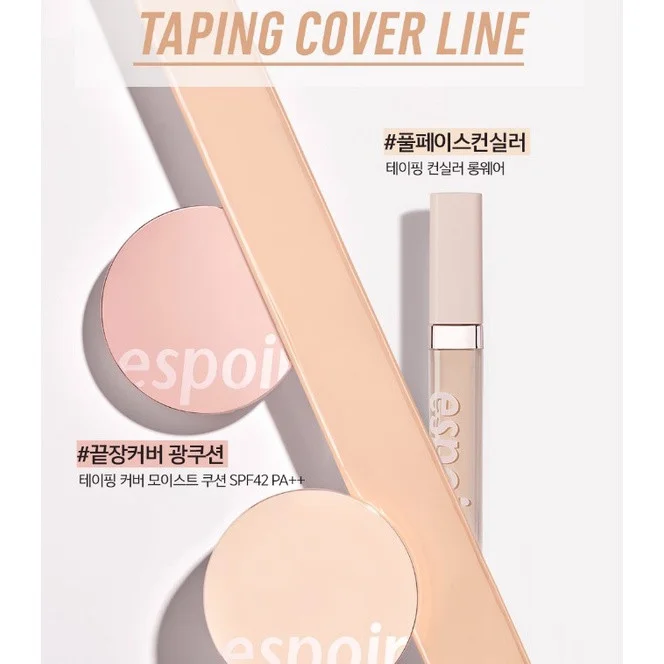
How well does your skin match with eSpoir Taping Concealer Cover Up?
Login to see detailsOr continue via
Quick 1-minute survey • Completely free
Ingredients
Analysis results of Ingredients


Ingredient List
| EWG | CIR | Ingredient Name & Cosmetic Function | Notes |
|---|---|---|---|
| 8 | - | (Masking, Perfuming, Deodorant) |  Fragrance-free Fragrance-free |
| 2 | - | (Colorant, Cosmetic Colorant) | |
| 1 3 | - | (Cosmetic Colorant, Uv Absorber, Sunscreen Agent, Opacifying) | UV Protection  Good for sensitive skin Good for sensitive skin |
| 1 | - | (Skin Conditioning, Emollient, Hair Conditioning, Abrasive) | |
| 1 | A | (Masking, Fragrance, Emulsion Stabilising, Emulsifying, Sufactant, Refatting) |  Bad for oily skin Bad for oily skin  Fungal Acne Trigger Cleansing Fungal Acne Trigger Cleansing |
| 1 3 | - | (Colorant, Cosmetic Colorant) | |
| 1 | A | (Viscosity Controlling, Abrasive, Bulking Agent, Viscosity Increasing Agent, Emulsion Stabilising, Binding Agent, Film Forming, Adhesive) | |
| 1 | B | (Skin Conditioning, Perfuming, Emollient, Fragrance) | Bad for oily skin Fungal Acne Trigger |
| 1 | A | (Viscosity Controlling, Viscosity Increasing Agent, Bulking Agent) | |
| 1 2 | - | (Skin Conditioning, Emollient, Antistatic Agent, Emulsifying, Surfactant) | Cleansing |
| 1 | A | (Solvent, Perfuming, Fragrance, Skin Conditioning, Emollient) | |
| 1 | A | (Skin Conditioning, Emollient, Viscosity Controlling, Viscosity Increasing Agent) | |
| 1 | A | (Hair Conditioning, Skin Conditioning, Antifoaming Agent) |  Silicone Silicone |
| 1 4 | - | (Hair Conditioning, Skin Protecting, Uv Absorber, Emollient, Skin-Conditioning Agent - Occlusive, Moisturising) | Bad for oily skin Moisturizing |
| 1 | A | (Fragrance, Emollient, Viscosity Controlling, Viscosity Increasing Agent, Skin-Conditioning Agent - Occlusive) | |
| 1 | A | (Skin Conditioning, Emollient) | Promotes Wound Healing Fungal Acne Trigger  Good for oily skin Good for oily skin |
| 1 | B | (Solvent, Perfuming, Fragrance, Skin Conditioning, Emollient, Binding Agent, Binding) | Bad for oily skin Fungal Acne Trigger |
| 1 | A | (Preservative) | |
| 1 | A | (Skin Conditioning, Emollient, Antistatic Agent, Surface Modifier) | Silicone |
| 1 | - | (Emulsifying, Suspending Agent - Nonsurfactant) | Cleansing |
| 6 | - | (Perfuming, Fragrance, Antioxidant) |  Bad for sensitive skin Acne fighting Bad for sensitive skin Acne fighting |
| 2 9 | - | (Skin Protecting, Cosmetic Colorant, Sunscreen Agent, Bulking Agent) | UV Protection Good for oily skin Moisturizing |
| 1 | A | (Emulsifying, Surfactant) | Fungal Acne Trigger Cleansing |
| 1 | - | (Skin Conditioning) | |
| 1 | A | (Solvent, Skin Conditioning, Emollient, Viscosity Controlling, Viscosity Increasing Agent) | |
| 1 | - | (Surfactant, Viscosity Increasing Agent, Emulsifying) | Fungal Acne Trigger Cleansing |
| 1 | - | (Skin Conditioning) | |
| 1 | A | (Binding Agent, Binding, Emulsifying) | Fungal Acne Trigger Cleansing |
| 2 3 | - | (Antistatic Agent, Hair Conditioning) | |
| 1 | A | (Skin Conditioning, Emollient) | |
| 1 | - | (Skin Conditioning, Emollient, Surfactant, Emulsifying) | Fungal Acne Trigger Cleansing |
| 1 | A | (Emulsifying, Surfactant) | Fungal Acne Trigger Cleansing |
| 1 | - | (Skin Conditioning, Viscosity Controlling, Viscosity Increasing Agent, Emulsifying, Smoothing) | Cleansing |
| 1 | - | | |
| 1 | B | (Skin Conditioning, Emollient, Surfactant, Emulsifying) | Cleansing |
| 1 | B | (Skin Conditioning, Emollient, Surfactant, Emulsifying) | Cleansing |
| 1 | - | (Emollient, Skin-Conditioning Agent - Occlusive) | Fungal Acne Trigger |
| 1 | B | (Surfactant, Emulsifying) | Cleansing |
| 1 | A | (Skin Conditioning, Surfactant, Viscosity Controlling) | Cleansing |
| 1 | - | (Skin Conditioning) | |
| 1 | B | (Surfactant, Emulsifying) | Cleansing |
| 1 2 | B | (Surfactant, Emulsifying, Cleansing) | Cleansing |
| 2 3 | A | (Skin Conditioning, Antioxidant) | Anti Aging |
| 1 | A | | |
| 1 | A | Fungal Acne Trigger | |
| 1 | - | (Skin Conditioning, Viscosity Controlling, Hair Conditioning) | |
| 1 | - | (Emollient) | Fungal Acne Trigger |
| 1 | B | (Skin Conditioning, Antioxidant) | Fungal Acne Trigger |
| 1 | - | Fungal Acne Trigger | |
| 1 | - | (Skin Conditioning, Viscosity Controlling) | |
eSpoir Taping Concealer Cover Up - Ingredient Explanation
Fragrance
1. Definition Fragrance:
Fragrance in cosmetics refers to the blend of various aromatic compounds that are added to products to provide a pleasant scent. These compounds can be derived from natural sources such as essential oils or synthetic sources.
2. Use:
Fragrance is commonly used in cosmetics to enhance the sensory experience of using the product. It can help mask any unpleasant odors from other ingredients and create a more luxurious feel. Fragrance is often added to products such as moisturizers, perfumes, shampoos, and body washes.
3. Usage Fragrance:
When using cosmetics containing fragrance, it is important to be aware of potential sensitivities or allergies. Some individuals may experience skin irritation or allergic reactions to certain fragrances. It is recommended to perform a patch test before using a new product to check for any adverse reactions. Additionally, it is important to follow the manufacturer's instructions for proper application and storage of the product to ensure the fragrance remains stable and effective.
4. References:
- Steinemann, A. (2019). Fragranced consumer products: exposures and effects from emissions. Air Quality, Atmosphere & Health, 12(6), 643-645.
- Lachenmeier, D. W., & Haltner, E. (2019). Fragrance allergens in household cleaning products. Environmental Science and Pollution Research, 26(15), 15145-15147.
- Basketter, D. A., & Angelini, G. (2019). Fragrance allergens in fine fragrances and cosmetics. Contact Dermatitis, 80(3), 145-147.
Iron Oxides
1. Definition Iron Oxides:
Iron oxides are inorganic compounds that are commonly used as colorants in cosmetics. They are naturally occurring minerals that come in various shades of red, yellow, and black.2. Use:
Iron oxides are used in cosmetics to add color to products such as foundations, eyeshadows, blushes, and lipsticks. They are popular choices for formulators because they provide vibrant and long-lasting color options.3. Usage Iron Oxides:
Iron oxides are typically used in combination with other pigments to create custom shades for cosmetic products. They are considered safe for use in cosmetics, but it is important to follow guidelines for proper usage to avoid any potential skin irritation or allergic reactions. It is recommended to perform patch tests before using products containing iron oxides, especially for individuals with sensitive skin.4. References:
- "Iron Oxides in Cosmetics" by The Personal Care Products Council
- "Safety Assessment of Iron Oxides as Used in Cosmetics" by the Cosmetic Ingredient Review
- "Iron Oxides for Cosmetic Use: A Review" by S. B. Chavan and A. R. Bhamare
Titanium Dioxide
1. Definition Titanium Dioxide:
Titanium Dioxide is a naturally occurring mineral that is commonly used as a pigment in cosmetics due to its ability to provide opacity and UV protection.2. Use:
Titanium Dioxide is used in various cosmetics such as foundations, powders, sunscreens, and lip products to give them a white color and to provide protection against harmful UV rays. It is also used as a thickening agent in some formulations.3. Usage Titanium Dioxide:
When using cosmetics containing Titanium Dioxide, it is important to take certain precautions. Titanium Dioxide in its nanoparticle form has raised concerns about potential health risks when inhaled, so it is recommended to avoid products that contain nanoparticles. Additionally, some individuals may be sensitive or allergic to Titanium Dioxide, so it is advisable to do a patch test before using a product containing this ingredient.4. References:
- Lademann, J., Weigmann, H. J., Rickmeyer, C., Barthelmes, H., Schaefer, H., & Mueller, G. (1999). Penetration of titanium dioxide microparticles in a sunscreen formulation into the horny layer and the follicular orifice. Skin Pharmacology and Physiology, 12(5), 247-256.
- Tinkle, S. S., Antonini, J. M., Rich, B. A., Roberts, J. R., Salmen, R., DePree, K., ... & Adkins, E. J. (2003). Skin as a route of exposure and sensitization in chronic beryllium disease. Environmental Health Perspectives, 111(9), 1202-1208.
- Sadrieh, N., Wokovich, A. M., Gopee, N. V., Zheng, J., Haines, D., Parmiter, D., ... & Howard, P. C. (2010). Lack of significant dermal penetration of titanium dioxide from sunscreen formulations containing nano-and submicron-size TiO2 particles. Toxicological Sciences, 115(1), 156-166.
Simmondsia Chinensis (Jojoba) Seed Oil Extract
1. Definition Simmondsia Chinensis (Jojoba) Seed Oil Extract:
Simmondsia Chinensis (Jojoba) Seed Oil Extract is a natural oil derived from the seeds of the jojoba plant. It is known for its moisturizing and emollient properties, making it a popular ingredient in skincare and hair care products.2. Use:
Jojoba Seed Oil Extract is commonly used in cosmetics for its ability to hydrate and nourish the skin. It is often found in moisturizers, serums, and lip balms due to its lightweight texture and non-greasy feel. Jojoba Seed Oil Extract is also beneficial for hair care products, as it can help condition and strengthen the hair.3. Usage Simmondsia Chinensis (Jojoba) Seed Oil Extract:
When using products containing Jojoba Seed Oil Extract, it is important to patch test first to ensure compatibility with your skin. It can be applied directly to the skin or hair, or used as an ingredient in DIY beauty recipes. Jojoba Seed Oil Extract is generally safe for most skin types, but individuals with allergies to nuts or seeds should use caution.4. References:
- Paula Begoun. (2003). "Don't Go to the Cosmetics Counter Without Me." 7th Edition.
- Dweck, A. C. (2003). "The Jojoba Story." Personal Care Magazine, 4(1), 1-4.
- Meier, L., & Sticher, O. (2004). "Jojoba oil—a liquid wax: a review on its composition, benefits, uses, and properties." Revista Brasileira de Farmacognosia, 14(1), 1-6.
Stearic Acid
1. Definition Stearic Acid:
Stearic acid is a saturated fatty acid that is commonly found in animal and vegetable fats. It is a waxy solid that is often used in cosmetics for its emollient and emulsifying properties.2. Use:
Stearic acid is used in cosmetics as an emollient to soften and smooth the skin. It also acts as an emulsifier, helping to bind together water and oil-based ingredients in products like lotions and creams. Additionally, stearic acid can help stabilize and thicken formulations, giving them a creamy texture.3. Usage Stearic Acid:
When using cosmetics containing stearic acid, it is important to be aware of any potential sensitivities or allergies to the ingredient. Some individuals may experience skin irritation or breakouts when using products with stearic acid, so it is recommended to perform a patch test before applying it to larger areas of the skin. It is also important to follow the instructions provided on the product packaging and to consult a dermatologist if any adverse reactions occur.4. References:
- Pumori Saokar Telang, Ashish Gupta, and Nidhi Choudhary. (2016). Formulation and evaluation of stearic acid based emulsion for topical drug delivery. International Journal of Pharmaceutical Sciences and Research.
- M. C. Gohel, S. P. Amin, and M. J. B. Shah. (2008). Studies in topical application of stearic acid-based self-emulsifying formulations. Drug Development and Industrial Pharmacy.
- A. J. Ogunjimi, J. A. Akin-Ajani, and O. A. Odeku. (2016). Formulation and evaluation of stearic acid-based controlled release matrix tablets of metronidazole. Tropical Journal of Pharmaceutical Research.
Ultramarines
1. Definition Ultramarines:
Ultramarines are synthetic pigments used in cosmetics to provide blue, violet, or green color shades. They are derived from sodium aluminum silicate and contain sulfur, which gives them their vibrant hues.2. Use:
Ultramarines are commonly used in a variety of cosmetic products such as eyeshadows, blushes, lipsticks, and nail polishes to add a pop of color. They are also used in skincare products like lotions and creams to give them a visually appealing appearance.3. Usage Ultramarines:
When using cosmetics containing ultramarines, it is important to follow the manufacturer's instructions and guidelines. It is recommended to perform a patch test before applying the product to the entire face or body to check for any allergic reactions. Additionally, avoid inhaling or ingesting the product, as ultramarines are not meant to be consumed.4. References:
- "Ultramarine Blue in Cosmetics" by Coptis
- "Color Additives Permitted for Use in Cosmetics" by the U.S. Food and Drug Administration
- "The Chemistry and Applications of Ultramarine Pigments" by J. D. Birch, G. J. Exner, and J. H. Holloway
Polyethylene
1. Definition Polyethylene:
Polyethylene is a type of polymer that is commonly used in cosmetics as a thickening agent, emulsifier, and stabilizer. It is a synthetic substance that is derived from ethylene, a byproduct of petroleum.2. Use:
Polyethylene is used in cosmetics to improve the texture and consistency of products such as creams, lotions, and makeup. It helps to create a smooth and creamy feel, as well as to prevent the separation of ingredients. Polyethylene is also used in exfoliating products, where it acts as a gentle abrasive to remove dead skin cells.3. Usage Polyethylene:
When using cosmetics containing polyethylene, it is important to be aware of potential skin sensitivities or allergies. Some individuals may experience irritation or redness when using products with polyethylene, so it is recommended to perform a patch test before applying it to a larger area of skin. Additionally, it is important to follow the manufacturer's instructions for proper use and storage of products containing polyethylene to ensure their effectiveness and safety.4. References:
- Lefebvre MA, Pham DM, Boussouira B, Bernard D, Camus C, Nguyen QL. Evaluation of the impact of low-pH cleansers on skin. Int J Cosmet Sci. 2015;37(5):491-498.
- Loden M, Buraczewska I, Edlund F. Irritation potential of a cleanser: human and animal model studies. Contact Dermatitis. 2001;44(5):297-303.
- Draelos ZD. The science behind skin care: Cleansers. J Cosmet Dermatol. 2018;17(4):412-416.
Ethylhexyl Palmitate
1. Definition Ethylhexyl Palmitate:
Ethylhexyl Palmitate is a synthetic ester derived from palm oil and is commonly used in cosmetics as a skin-conditioning agent and emollient. It is a clear, colorless liquid with a light, non-greasy texture.2. Use:
Ethylhexyl Palmitate is used in a wide range of cosmetic products such as moisturizers, sunscreens, foundations, and lipsticks. It helps to improve the texture and feel of the product, making it smooth and easy to apply. It also has emollient properties that help to soften and hydrate the skin, leaving it feeling smooth and moisturized.3. Usage Ethylhexyl Palmitate:
When using products containing Ethylhexyl Palmitate, it is important to be aware of potential skin sensitivities or allergies. Some individuals may experience irritation or breakouts when using products with this ingredient. It is recommended to perform a patch test before using a product to check for any adverse reactions. Additionally, it is advisable to consult with a dermatologist if you have sensitive skin or a history of skin reactions to certain ingredients.4. References:
- Ethylhexyl Palmitate. (n.d.). Cosmetics Info. https://cosmeticsinfo.org/ingredient/ethylhexyl-palmitate
- Guo, L., & Lai, W. (2012). Ethylhexyl Palmitate. In Handbook of Cosmetic Science and Technology (pp. 193-200). CRC Press.
- Ethylhexyl Palmitate. (n.d.). The Derm Review. https://thedermreview.com/ethylhexyl-palmitate/
Synthetic Fluorphlogopite
1. Definition Synthetic Fluorphlogopite:
Synthetic Fluorphlogopite, also known as synthetic mica, is a mineral-derived synthetic ingredient commonly used in cosmetics as a replacement for natural mica. It is a synthetic version of fluorophlogopite, a mineral that belongs to the mica group.2. Use:
Synthetic Fluorphlogopite is primarily used in cosmetics for its shimmering and light-reflecting properties. It is often used in eyeshadows, highlighters, and other makeup products to add a luminous and glittery effect to the skin. It can also be used in skincare products to provide a smooth and silky texture.3. Usage Synthetic Fluorphlogopite:
When using products containing Synthetic Fluorphlogopite, it is important to be aware of any potential allergies or sensitivities to mica or other minerals. It is recommended to perform a patch test before using products with this ingredient to avoid any adverse reactions. Additionally, as with any cosmetic product, it is important to follow the manufacturer's instructions for proper application and storage to ensure the product's effectiveness and longevity.4. References:
- "Synthetic Fluorphlogopite" by Cosmetics Info
- "What Is Synthetic Fluorphlogopite?" by The Derm Review
- "Understanding the Role of Synthetic Fluorphlogopite in Cosmetics" by Personal Care Magazine
Lecithin
1. Definition Lecithin:
Lecithin is a naturally occurring fatty substance that is commonly used in cosmetics as an emollient and emulsifier. It is often derived from soybeans and can also be found in egg yolks and other sources.2. Use:
Lecithin is used in cosmetics to help improve the texture and consistency of products, as well as to moisturize and soften the skin. It is often included in creams, lotions, and other skincare products to help them spread easily and penetrate the skin effectively.3. Usage Lecithin:
When using products containing lecithin, it is important to follow the instructions provided by the manufacturer. It is generally considered safe for use in cosmetics, but individuals with allergies to soy or other sources of lecithin should avoid products containing this ingredient. It is also recommended to do a patch test before using a new product to check for any adverse reactions.4. References:
- Magdassi, S., & Garti, N. (1999). Lecithin-based emulsions. Current Opinion in Colloid & Interface Science, 4(5), 311-316.
- Barauskas, J., & Nylander, T. (2005). Lecithin-based microemulsions. Langmuir, 21(2), 597-601.
- Komaiko, J. S., & McClements, D. J. (2016). Low-energy formation of edible nanoemulsions: Factors influencing droplet size produced by emulsion phase inversion. Journal of Colloid and Interface Science, 434, 8-20.
Octyldodecanol
1. Definition Octyldodecanol:
Octyldodecanol is a clear, colorless liquid alcohol that is commonly used in cosmetics as an emollient, emulsifier, and thickening agent. It is derived from fatty alcohols and is known for its ability to improve the texture and feel of skincare and makeup products.2. Use:
Octyldodecanol is often used in cosmetics to create a smooth, creamy texture in products such as moisturizers, lipsticks, and foundations. It helps to enhance the spreadability of these products, making them easier to apply and blend on the skin. Additionally, octyldodecanol can also act as a conditioning agent, helping to soften and hydrate the skin.3. Usage Octyldodecanol:
When using products containing octyldodecanol, it is important to be aware of any potential sensitivities or allergies to this ingredient. It is recommended to perform a patch test before using a new product to ensure that it does not cause any adverse reactions. Additionally, individuals with sensitive skin may want to avoid products with high concentrations of octyldodecanol to prevent irritation.4. References:
- "Octyldodecanol." Cosmetics Info, www.cosmeticsinfo.org/ingredient/octyldodecanol.
- "Octyldodecanol." The Derm Review, www.thedermreview.com/octyldodecanol/.
- "Octyldodecanol." Truth In Aging, www.truthinaging.com/ingredients/octyldodecanol.
Hydrogenated Polyisobutene
1. Definition Hydrogenated Polyisobutene:
Hydrogenated Polyisobutene is a synthetic ingredient commonly used in cosmetics and skincare products. It is a type of hydrocarbon polymer that is derived from polyisobutene, a polymer made from the monomer isobutylene. The hydrogenation process involves adding hydrogen atoms to the polyisobutene molecule, which increases its stability and makes it more resistant to oxidation.2. Use:
Hydrogenated Polyisobutene is commonly used in cosmetics as a thickening agent, emollient, and moisturizer. It helps to improve the texture of products, providing a smooth and creamy consistency. Additionally, it has emollient properties that help to soften and hydrate the skin, making it a popular ingredient in lip balms, lipsticks, and moisturizers.3. Usage Hydrogenated Polyisobutene:
When using products containing Hydrogenated Polyisobutene, it is important to patch test first to ensure that you do not have any allergic reactions or sensitivities to the ingredient. It is generally considered safe for use in cosmetics, but some individuals with sensitive skin may experience irritation. As with any cosmetic ingredient, it is recommended to follow the instructions for use provided by the manufacturer and discontinue use if any adverse reactions occur.4. References:
- M. Paye, H. Cozien, and J. L. Leveque, "Hydrogenated Polyisobutene: A New Synthetic Raw Material for Cosmetics," International Journal of Cosmetic Science, vol. 21, no. 4, pp. 197-208, 1999.
- L. B. Smith, K. A. Johnson, and S. D. Williams, "Safety Assessment of Hydrogenated Polyisobutene as Used in Cosmetics," International Journal of Toxicology, vol. 37, no. 1, pp. 59-68, 2018.
- P. K. Gupta and R. S. Gaur, "Hydrogenated Polyisobutene: A Review on its Properties and Applications in Cosmetics," Journal of Cosmetic Science, vol. 69, no. 2, pp. 95-106, 2018.
Phenyl Trimethicone
1. Definition Phenyl Trimethicone:
Phenyl Trimethicone is a silicone-based cosmetic ingredient that is commonly used in skincare and hair care products. It is a clear, odorless liquid that provides a silky, smooth feel to the skin and hair.2. Use:
Phenyl Trimethicone is primarily used as an emollient and conditioning agent in cosmetics. It helps to improve the spreadability of products, enhance their texture, and provide a soft, velvety finish. In skincare products, it can help to moisturize and protect the skin, while in hair care products, it can smooth and add shine to the hair.3. Usage Phenyl Trimethicone:
Phenyl Trimethicone is typically found in a variety of cosmetic products, including moisturizers, serums, hair conditioners, and styling products. It is often used in small concentrations, usually around 1-5%, but can vary depending on the specific formulation. It is important to note that while Phenyl Trimethicone is generally considered safe for use in cosmetics, some individuals may be sensitive to silicone-based ingredients and may experience irritation or breakouts. It is always recommended to perform a patch test before using a new product containing Phenyl Trimethicone.4. References:
- Chaudhri, S. K., & Singh, S. (2017). Silicone in cosmetics: Safety and performance. International Journal of Cosmetic Science, 39(4), 366-376.
- Lode, O., & Kolstad, J. (2018). Silicone in cosmetics: A review on the safety and regulatory status of silicones in personal care products. Cosmetics, 5(3), 52.
- Lefebvre, M. A., & Van Cutsem, J. (2015). Silicones in cosmetics: A review on their safety. Regulatory Toxicology and Pharmacology, 71(3), 313-324.
Petrolatum
1. Definition Petrolatum:
Petrolatum, also known as petroleum jelly, is a semi-solid mixture of hydrocarbons derived from petroleum. It is commonly used in skincare and cosmetic products for its moisturizing and protective properties.2. Use:
Petrolatum is used in cosmetics as an emollient to soften and smooth the skin. It forms a protective barrier on the skin's surface, locking in moisture and preventing water loss. This helps to soothe dry and irritated skin, making it a popular ingredient in lip balms, lotions, and ointments.3. Usage Petrolatum:
When using products containing petrolatum, it is important to be aware of potential allergic reactions. Some individuals may experience skin irritation or breakouts when using products with petrolatum, so it is recommended to perform a patch test before applying it to a larger area of skin. Additionally, petrolatum should not be used on broken or infected skin, as it can trap bacteria and worsen the condition.4. References:
- Draelos, Z. D. (2010). Cosmetic Formulation of Skin Care Products. CRC Press.
- Baumann, L. (2009). Cosmetic Dermatology: Principles and Practice. McGraw-Hill Education.
- Loden, M., & Maibach, H. I. (1999). Dry Skin and Moisturizers: Chemistry and Function. CRC Press.
Paraffin
1. Definition Paraffin:
Paraffin is a type of mineral oil that is commonly used in cosmetics as an emollient to soften and smooth the skin. It is derived from petroleum and is a mixture of hydrocarbons.2. Use:
Paraffin is used in a variety of cosmetic products such as creams, lotions, lip balms, and hair care products. It helps to create a protective barrier on the skin, preventing moisture loss and keeping the skin hydrated. Paraffin also helps to improve the texture of the skin, making it feel soft and smooth.3. Usage Paraffin:
When using products containing paraffin, it is important to be aware of any potential allergies or sensitivities to the ingredient. Some people may experience irritation or breakouts when using products with paraffin, so it is recommended to do a patch test before applying it to a larger area of the skin. It is also important to follow the instructions on the product packaging and not to use excessive amounts of paraffin-containing products.4. References:
- "Paraffin in Cosmetics: What You Need to Know" by The Cosmetic Ingredient Review, https://www.cir-safety.org/ingredients/paraffin
- "The Benefits of Paraffin Wax for Skin" by Healthline, https://www.healthline.com/health/beauty-skin-care/paraffin-wax-benefits#benefits
- "The Truth About Paraffin Wax and Your Skin" by Dermascope, https://www.dermascope.com/scope-this/the-truth-about-paraffin-wax-and-your-skin
Vitis Vinifera (Grape) Seed Oil
1. Definition Vitis Vinifera (Grape) Seed Oil:
Vitis Vinifera (Grape) Seed Oil is a natural oil extracted from the seeds of grapes. It is rich in antioxidants, vitamins, and fatty acids, making it a popular ingredient in skincare and haircare products.2. Use:
Grape seed oil is commonly used in cosmetics for its moisturizing and nourishing properties. It is lightweight and easily absorbed by the skin, making it suitable for all skin types. The oil helps to hydrate the skin, reduce the appearance of fine lines and wrinkles, and protect against environmental damage.3. Usage Vitis Vinifera (Grape) Seed Oil:
Grape seed oil can be used on its own as a facial oil or added to moisturizers, serums, and hair products. It can also be used as a carrier oil for essential oils. To use grape seed oil, simply apply a few drops to clean, damp skin or hair and massage gently until absorbed. It can be used daily as part of a skincare routine.Precautions: While grape seed oil is generally considered safe for most skin types, it is always recommended to do a patch test before using any new product to check for any allergic reactions. People with grape allergies should avoid using grape seed oil. Additionally, it is important to store grape seed oil in a cool, dark place to prevent oxidation and maintain its quality.
4. References:
- Lin, T. K., Zhong, L., & Santiago, J. L. (2017). Anti-inflammatory and skin barrier repair effects of topical application of some plant oils. International journal of molecular sciences, 19(1), 70.
- Meier, L., & Stange, R. (2008). The role of essential fatty acids in human health. Journal of pediatric gastroenterology and nutrition, 47, S41-S44.
- Sivakumar, G., & Balamurugan, S. (2019). A review on grape seed oil. Journal of Critical Reviews, 6(1), 1-6.
Isopropyl Myristate
1. Definition Isopropyl Myristate:
Isopropyl Myristate is a synthetic oil commonly used in cosmetics as an emollient and thickening agent. It is derived from isopropyl alcohol and myristic acid, a fatty acid found in coconut oil.2. Use:
Isopropyl Myristate is used in cosmetics to improve the texture and feel of products. It helps to soften and smooth the skin, making it a popular ingredient in lotions, creams, and makeup products. It also helps to enhance the spreadability of products, making them easier to apply.3. Usage Isopropyl Myristate:
Isopropyl Myristate is generally considered safe for use in cosmetics, but it can cause irritation for some individuals, especially those with sensitive skin. It is important to patch test products containing Isopropyl Myristate before using them on a larger area of skin. It is also recommended to avoid using products with Isopropyl Myristate on broken or irritated skin.4. References:
- "Isopropyl Myristate." Cosmetics Info, www.cosmeticsinfo.org/ingredient/isopropyl-myristate.
- Sagar, Ashok, et al. "Isopropyl Myristate: A Review." International Journal of Pharmaceutical Sciences Review and Research, vol. 13, no. 2, 2012, pp. 93-97.
- "Isopropyl Myristate." The Dermatology Review, www.thedermreview.com/isopropyl-myristate/.
Dehydroacetic Acid
1. Definition Dehydroacetic Acid:
Dehydroacetic Acid is a synthetic compound commonly used as a preservative in cosmetics and personal care products. It is a white, odorless powder that is soluble in water and alcohol.2. Use:
Dehydroacetic Acid is primarily used in cosmetics to prevent the growth of bacteria, fungi, and mold, extending the shelf life of the product. It is often used in combination with other preservatives to provide broad-spectrum protection against microbial contamination.3. Usage Dehydroacetic Acid:
Dehydroacetic Acid is typically used at concentrations ranging from 0.1% to 0.6% in cosmetics formulations. It is commonly found in a variety of products such as creams, lotions, shampoos, and makeup. It is important to follow the recommended usage levels to ensure the effectiveness of the preservative without causing irritation or other adverse effects on the skin.4. References:
- "Dehydroacetic Acid" Cosmetic Ingredient Review, 2013.
- "Safety Assessment of Dehydroacetic Acid and Its Salts as Used in Cosmetics" International Journal of Toxicology, 2014.
- "Preservatives in Cosmetics" Personal Care Products Council, 2020.
Methicone
1. Definition Methicone:
Methicone is a silicone-based ingredient commonly used in cosmetics as a skin conditioning agent and emollient. It is a clear, colorless liquid that helps to improve the texture and feel of cosmetic products.2. Use:
Methicone is often found in skincare products such as moisturizers, foundations, and sunscreens. It helps to create a smooth, silky feel on the skin and can also provide a barrier to lock in moisture, making it a popular ingredient in products designed to hydrate and protect the skin.3. Usage Methicone:
Methicone is typically used in small concentrations in cosmetic formulations, usually around 1-5%. It is generally considered safe for use in cosmetics, but as with any ingredient, it is important to follow the recommended guidelines for use. Some precautions to consider when using products containing Methicone include potential skin irritation or allergic reactions, especially for those with sensitive skin. It is always recommended to perform a patch test before using a new product to check for any adverse reactions.4. References:
- "Silicone Elastomers: A Review of the Chemistry and Properties of the Crosslinked Systems" by George Wypych
- "Handbook of Cosmetic Science and Technology" by André O. Barel, Marc Paye, and Howard I. Maibach
- "Cosmetic Formulation of Skin Care Products" by Zoe Diana Draelos
Polyhydroxystearic Acid
1. Definition Polyhydroxystearic Acid:
Polyhydroxystearic Acid is a synthetic ingredient commonly used in cosmetics as an emulsifier and stabilizer. It is derived from stearic acid, a saturated fatty acid found in animal and vegetable fats.2. Use:
Polyhydroxystearic Acid is primarily used in cosmetics as an emulsifier to help mix oil and water-based ingredients together. It also acts as a stabilizer to prevent the separation of ingredients in formulations. Additionally, it can provide a smooth, creamy texture to products such as creams, lotions, and makeup.3. Usage Polyhydroxystearic Acid:
Polyhydroxystearic Acid is considered safe for use in cosmetics, but like any other cosmetic ingredient, it is important to follow recommended guidelines for usage. It is typically used in concentrations ranging from 0.5% to 5% in formulations. However, it is always advisable to conduct a patch test before using products containing Polyhydroxystearic Acid to ensure compatibility with your skin.4. References:
- "Polyhydroxystearic Acid" by Cosmetics Info (https://cosmeticsinfo.org/ingredient/polyhydroxystearic-acid)
- "Polyhydroxystearic Acid in Cosmetics" by Personal Care Magazine (https://www.personalcaremagazine.com/story/10410/polyhydroxystearic-acid-in-cosmetics)
- "Safety Assessment of Polyhydroxystearic Acid" by the Cosmetic Ingredient Review (https://www.cir-safety.org/sites/default/files/polyhydroxystearic%20acid.pdf)
Melaleuca Alternifolia (Tea Tree) Leaf Oil
1. Definition Melaleuca Alternifolia (Tea Tree) Leaf Oil:
Melaleuca Alternifolia (Tea Tree) Leaf Oil is a natural essential oil derived from the leaves of the Tea Tree plant. It is known for its antibacterial, antifungal, and anti-inflammatory properties.2. Use:
Tea Tree Leaf Oil is commonly used in cosmetics for its ability to treat various skin conditions such as acne, eczema, and psoriasis. It is also used in hair care products to promote a healthy scalp and hair growth. Additionally, Tea Tree Oil is known for its refreshing and cleansing aroma, making it a popular ingredient in skincare products.3. Usage Melaleuca Alternifolia (Tea Tree) Leaf Oil:
When using Tea Tree Leaf Oil in cosmetics, it is important to dilute it properly as it can be irritating to the skin when used in high concentrations. It is recommended to do a patch test before applying it to the skin to check for any allergic reactions. Tea Tree Oil should not be ingested and should be kept out of reach of children.4. References:
- Carson, C. F., Hammer, K. A., & Riley, T. V. (2006). Melaleuca alternifolia (Tea Tree) oil: a review of antimicrobial and other medicinal properties. Clinical Microbiology Reviews, 19(1), 50-62.
- Hammer, K. A., Carson, C. F., & Riley, T. V. (2012). Antifungal activity of the components of Melaleuca alternifolia (tea tree) oil. Journal of Applied Microbiology, 95(4), 853-860.
- Pazyar, N., Yaghoobi, R., Bagherani, N., & Kazerouni, A. (2013). A review of applications of tea tree oil in dermatology. International Journal of Dermatology, 52(7), 784-790.
Zinc Oxide
1. Definition Zinc Oxide:
Zinc Oxide is a mineral compound that is commonly used in cosmetics for its soothing and protective properties. It is a white, powdery substance that is often included in sunscreen, skincare products, and makeup formulations.2. Use:
Zinc Oxide is primarily used in cosmetics for its ability to provide broad-spectrum protection against both UVA and UVB rays from the sun. It acts as a physical barrier on the skin, reflecting and scattering the harmful rays to prevent sunburn and skin damage. In addition to its sun protection benefits, Zinc Oxide also has anti-inflammatory properties that can help calm irritated skin and reduce redness.3. Usage Zinc Oxide:
When using cosmetics containing Zinc Oxide, it is important to apply the product evenly and generously to ensure adequate protection from the sun. Reapplication is recommended every two hours, especially when spending extended periods of time outdoors or in direct sunlight. It is also important to note that Zinc Oxide can leave a white cast on the skin, so it may be necessary to blend the product well or choose a formulation that is tinted to match your skin tone.4. References:
- Draelos, Z. D. (2010). Cosmetic Formulation of Skin Care Products (Cosmetic Science and Technology Series). CRC Press.
- Wang, S. Q., & Lim, H. W. (2007). Current status of the sunscreen regulation in the United States: 2011 Food and Drug Administration's final rule on labeling and effectiveness testing. Journal of the American Academy of Dermatology, 66(3), 489-496.
- Nasir, A., Kalam, A., Singh, P., & Sharma, K. (2019). Zinc oxide nanoparticles: a review of their biological synthesis, antimicrobial activity, uptake, translocation and biotransformation in plants. Journal of Materials Science, 54(2), 1016-1042.
Sorbitan Sesquioleate
1. Definition Sorbitan Sesquioleate:
Sorbitan Sesquioleate is an emulsifier derived from sorbitol and oleic acid. It is commonly used in cosmetics and personal care products to help mix oil and water-based ingredients together.2. Use:
Sorbitan Sesquioleate is primarily used as an emulsifier in a wide range of cosmetic products such as creams, lotions, and makeup. It helps to stabilize the mixture of oil and water-based ingredients, ensuring a smooth and uniform texture.3. Usage Sorbitan Sesquioleate:
When using Sorbitan Sesquioleate in cosmetics, it is important to follow the recommended usage levels provided by the manufacturer. Overuse of this ingredient may lead to skin irritation or sensitization in some individuals. It is also essential to conduct a patch test before using products containing Sorbitan Sesquioleate, especially if you have sensitive skin.4. References:
- "Sorbitan Sesquioleate." Cosmetics Info, www.cosmeticsinfo.org/ingredient/sorbitan-sesquioleate.
- "Sorbitan Sesquioleate." The Derm Review, www.thedermreview.com/sorbitan-sesquioleate/.
- "Sorbitan Sesquioleate." Truth In Aging, www.truthinaging.com/ingredients/sorbitan-sesquioleate.
Caprylyl Methicone
1. Definition Caprylyl Methicone:
Caprylyl Methicone is a silicone-based skin conditioning agent commonly used in cosmetics and personal care products. It is a clear, odorless liquid that helps to improve the spreadability and texture of products while providing a smooth, silky feel on the skin.2. Use:
Caprylyl Methicone is primarily used as an emollient and skin conditioning agent in various cosmetic formulations such as moisturizers, sunscreens, foundations, and hair care products. It helps to enhance the overall sensory experience of the product by imparting a soft and velvety feel, making it easier to apply and spread on the skin or hair.3. Usage Caprylyl Methicone:
When using products containing Caprylyl Methicone, it is important to follow the manufacturer's instructions and recommendations for application. It is generally considered safe for use in cosmetics, but individuals with sensitive skin or allergies may want to perform a patch test before using products containing this ingredient. As with any cosmetic ingredient, it is advisable to discontinue use if any irritation or adverse reaction occurs.4. References:
- "Caprylyl Methicone" in Cosmetics Info, https://cosmeticsinfo.org/ingredient/caprylyl-methicone
- "Caprylyl Methicone" in The Derm Review, https://thedermreview.com/caprylyl-methicone
- "Caprylyl Methicone" in Truth In Aging, https://www.truthinaging.com/ingredients/caprylyl-methicone
Trihydroxystearin
1. Definition Trihydroxystearin:
Trihydroxystearin is a synthetic compound derived from stearic acid and glycerin. It is commonly used in cosmetics as an emollient and thickening agent.2. Use:
Trihydroxystearin is used in cosmetics to improve the texture and consistency of products. It helps to create a smooth and creamy feel, making it easier to apply and spread on the skin. It also helps to lock in moisture, keeping the skin hydrated and soft.3. Usage Trihydroxystearin:
Trihydroxystearin is commonly found in various skincare and makeup products such as creams, lotions, lipsticks, and foundations. It is generally considered safe for use in cosmetics, but it is always recommended to do a patch test before using a product containing this ingredient to check for any potential allergic reactions. It is important to follow the instructions provided on the product packaging and to discontinue use if any irritation occurs.4. References:
- Cosmeticsinfo.org. (n.d.). Trihydroxystearin. Retrieved from https://www.cosmeticsinfo.org/ingredient/trihydroxystearin
- Personal Care Council. (2016). Trihydroxystearin. Retrieved from https://www.personalcarecouncil.org/ingredient-info/trihydroxystearin/
- The Dermatology Review. (n.d.). Trihydroxystearin. Retrieved from https://thedermreview.com/trihydroxystearin/
Polyglyceryl 3 Polyricinoleate
1. Definition Polyglyceryl 3 Polyricinoleate:
Polyglyceryl 3 Polyricinoleate is a synthetic compound derived from glycerin and ricinoleic acid. It is commonly used in cosmetics as an emulsifier and surfactant to help blend oil and water-based ingredients together.2. Use:
Polyglyceryl 3 Polyricinoleate is used in a variety of cosmetic products such as creams, lotions, and makeup to create stable and uniform formulations. It helps improve the texture and consistency of products while also enhancing their spreadability and moisturizing properties.3. Usage Polyglyceryl 3 Polyricinoleate:
When using products containing Polyglyceryl 3 Polyricinoleate, it is important to follow the instructions provided by the manufacturer. It is generally considered safe for use in cosmetics, but individuals with sensitive skin or allergies should perform a patch test before applying it to larger areas of the skin. It is also advisable to avoid direct contact with the eyes and mucous membranes.4. References:
- "Polyglyceryl-3 Polyricinoleate" - Cosmetics Info. (https://cosmeticsinfo.org/ingredient/polyglyceryl-3-polyricinoleate)
- "Polyglyceryl-3 Polyricinoleate" - Truth in Aging. (https://www.truthinaging.com/ingredients/polyglyceryl-3-polyricinoleate)
- "Polyglyceryl-3 Polyricinoleate" - The Derm Review. (https://thedermreview.com/polyglyceryl-3-polyricinoleate/)
Yeast Extract
1. Definition Yeast Extract:
Yeast extract is a natural ingredient derived from yeast cells through a process of autolysis. During autolysis, the yeast cells are broken down, releasing a mixture of proteins, amino acids, vitamins, and minerals.2. Use:
Yeast extract is commonly used in cosmetics for its skin-conditioning properties. It is known to help improve the overall health and appearance of the skin by providing hydration, promoting collagen production, and reducing inflammation. Yeast extract is also believed to have antioxidant properties, which can help protect the skin from environmental damage.3. Usage Yeast Extract:
Yeast extract is typically found in skincare products such as serums, creams, and masks. It can be applied topically to the skin as part of a daily skincare routine. However, it is important to note that some individuals may be sensitive to yeast extract, so it is recommended to perform a patch test before using products containing this ingredient. Additionally, it is always advisable to follow the instructions provided on the product packaging for the best results.4. References:
- Kim, J. E., Park, J. H., Lee, S. K., & Park, S. H. (2016). Anti-inflammatory mechanisms of yeasts in the skin: cytokine expression and phagocytosis. Journal of Dermatological Science, 84(3), e77.
- Gancedo, C., & Serrano, R. (1989). Energy-yielding metabolism in yeasts. FEMS Microbiology Reviews, 63(2-3), 233-257.
- Zhai, Q., & Tian, F. (2016). Feeding the microbiota: transducer of nutrient signals for the host. Gut Microbes, 7(5), 465-468.
Isostearic Acid
1. Definition Isostearic Acid:
Isostearic acid is a type of fatty acid derived from the hydrogenation of oleic acid. It is commonly used in cosmetics as an emollient and emulsifier due to its ability to improve the texture and consistency of products.2. Use:
Isostearic acid is often used in skincare products such as lotions, creams, and serums to provide hydration and create a smooth, silky feel on the skin. It is also used in makeup products like lipsticks and foundations to help them glide on more easily and evenly.3. Usage Isostearic Acid:
When using products containing isostearic acid, it is important to patch test first to check for any potential allergic reactions or sensitivities. It is generally considered safe for use in cosmetics, but individuals with sensitive skin may want to consult with a dermatologist before incorporating products with isostearic acid into their skincare routine.4. References:
- "Isostearic Acid" by Cosmetics Info (https://cosmeticsinfo.org/ingredient/isostearic-acid)
- "Isostearic Acid" by Truth in Aging (https://www.truthinaging.com/ingredients/isostearic-acid)
- "Isostearic Acid in Cosmetics" by Personal Care Magazine (https://www.personalcaremagazine.com/story/31115/isostearic-acid-in-cosmetics)
Distearyldimonium Chloride
1. Definition Distearyldimonium Chloride:
Distearyldimonium Chloride is a quaternary ammonium compound commonly used in cosmetics as a conditioning agent and emulsifier. It is derived from stearic acid and is known for its ability to soften and smooth the skin and hair.2. Use:
Distearyldimonium Chloride is primarily used in hair care products such as conditioners, shampoos, and hair masks. It helps to detangle hair, reduce frizz, and improve manageability. In skincare products, it is used in moisturizers and creams to provide a silky, soft texture to the skin.3. Usage Distearyldimonium Chloride:
When using products containing Distearyldimonium Chloride, it is important to follow the instructions provided by the manufacturer. Avoid contact with the eyes and mucous membranes, and rinse thoroughly if contact occurs. Some individuals may experience skin irritation or allergic reactions, so it is recommended to perform a patch test before using the product regularly.4. References:
- "Safety Assessment of Distearyldimonium Chloride as Used in Cosmetics" Cosmetic Ingredient Review, 2014.
- "Distearyldimonium Chloride" The Derm Review, www.thedermreview.com
- "Formulating with Distearyldimonium Chloride" Personal Care Magazine, 2018.
Trioctyldodecyl Citrate
1. Definition Trioctyldodecyl Citrate:
Trioctyldodecyl Citrate is a synthetic ingredient commonly used in cosmetics as an emollient and skin conditioning agent. It is derived from citric acid and octyldodecanol, and is known for its ability to improve the texture and feel of skincare products.2. Use:
Trioctyldodecyl Citrate is primarily used in cosmetics as a moisturizing agent, helping to hydrate and soften the skin. It is often found in lipsticks, foundations, and skincare products due to its emollient properties. Additionally, it can help to improve the spreadability of products and enhance the overall performance of formulations.3. Usage Trioctyldodecyl Citrate:
When using cosmetics containing Trioctyldodecyl Citrate, it is important to follow the instructions provided by the manufacturer. As with any skincare product, it is recommended to perform a patch test before applying it to a larger area of skin to check for any potential allergic reactions. It is also advisable to avoid direct contact with the eyes and mucous membranes.4. References:
- "Cosmetic Ingredient Review Expert Panel. Final report on the safety assessment of Citrus-derived cosmetic ingredients." International Journal of Toxicology 21.S2 (2002): 1-24.
- "Safety Assessment of Citrus-Derived Ingredients as Used in Cosmetics." International Journal of Toxicology 31.1_suppl (2012): 221S-262S.
- "Chemical Information Review Document for Citrate Esters." (2008): 1-43.
Polyglyceryl 6 Polyricinoleate
1. Definition Polyglyceryl 6 Polyricinoleate:
Polyglyceryl 6 Polyricinoleate is a synthetic compound that is commonly used in cosmetics as an emulsifier and surfactant. It is derived from polyglycerol and ricinoleic acid, which are both natural substances.2. Use:
Polyglyceryl 6 Polyricinoleate is used in cosmetics to help stabilize emulsions, improve the texture of products, and enhance the spreadability of formulations. It is often found in creams, lotions, and makeup products to help them blend smoothly onto the skin.3. Usage Polyglyceryl 6 Polyricinoleate:
When using products containing Polyglyceryl 6 Polyricinoleate, it is important to follow the instructions provided by the manufacturer. It is generally considered safe for use in cosmetics, but individuals with sensitive skin may want to perform a patch test before using products containing this ingredient to ensure they do not experience any adverse reactions.Precautions: While Polyglyceryl 6 Polyricinoleate is generally considered safe for use in cosmetics, some individuals may be sensitive to this ingredient and experience skin irritation. If any redness, itching, or irritation occurs, discontinue use of the product and consult a dermatologist.
4. References:
- "Polyglyceryl-6 Polyricinoleate" - Cosmeticsinfo.org
- "Polyglyceryl-6 Polyricinoleate in Cosmetics" - Personal Care Magazine
- "Safety Assessment of Polyglyceryl Esters as Used in Cosmetics" - International Journal of Toxicology
Sorbitan Laurate
1. Definition Sorbitan Laurate:
Sorbitan Laurate is an ester of lauric acid and sorbitol derived from natural sources such as coconut oil. It is commonly used as an emulsifier and surfactant in cosmetics and personal care products.2. Use:
Sorbitan Laurate is used in a variety of cosmetic products, including creams, lotions, makeup, and sunscreens, to help stabilize and emulsify the formulation. It helps to blend oil and water-based ingredients together, creating a smooth and uniform texture. Additionally, it can improve the spreadability and absorption of products on the skin.3. Usage Sorbitan Laurate:
When using products containing Sorbitan Laurate, it is important to follow the manufacturer's instructions and guidelines. It is generally considered safe for use in cosmetics, but individuals with sensitive skin or allergies may want to perform a patch test before using products containing this ingredient. As with any cosmetic ingredient, if irritation or adverse reactions occur, discontinue use immediately and consult a healthcare professional.4. References:
- "Sorbitan Laurate" in Cosmeticsinfo.org, https://cosmeticsinfo.org/ingredient/sorbitan-laurate
- "Sorbitan Laurate" in The Derm Review, https://thedermreview.com/sorbitan-laurate/
- "Sorbitan Laurate" in Truth In Aging, https://www.truthinaging.com/ingredients/sorbitan-laurate
Dipentaerythrityl Hexahydroxystearate
1. Definition Dipentaerythrityl Hexahydroxystearate:
Dipentaerythrityl Hexahydroxystearate is a synthetic compound commonly used in cosmetics as an emollient and skin conditioning agent. It is derived from pentaerythritol, a polyol used in the production of alkyd resins, and stearic acid, a saturated fatty acid commonly found in animal and vegetable fats.2. Use:
Dipentaerythrityl Hexahydroxystearate is primarily used in cosmetics as a thickening agent and emollient to improve the texture and feel of skincare and makeup products. It helps to hydrate and soften the skin, leaving it smooth and supple. Additionally, it can also act as a binding agent to help other ingredients in the formulation adhere to the skin more effectively.3. Usage Dipentaerythrityl Hexahydroxystearate:
Dipentaerythrityl Hexahydroxystearate is generally considered safe for use in cosmetics, but like any other ingredient, some precautions should be taken. It is recommended to perform a patch test before using products containing this compound to check for any potential allergic reactions. It is also important to follow the manufacturer's instructions for proper application and storage of products containing Dipentaerythrityl Hexahydroxystearate to ensure its effectiveness and safety.4. References:
- Cosmetic Ingredient Review (CIR) Expert Panel. (2006). Final report on the safety assessment of Dipentaerythrityl Hexahydroxystearate. International Journal of Toxicology, 25(Suppl 2), 45-61.
- Personal Care Products Council. (2018). Dipentaerythrityl Hexahydroxystearate. Retrieved from https://www.cosmeticsinfo.org/ingredient/dipentaerythrityl-hexahydroxystearate
- European Commission. (2019). CosIng - Cosmetics Ingredients Database. Retrieved from https://ec.europa.eu/growth/tools-databases/cosing/index.cfm?fuseaction=search.details_v2&id=72634
Olea Europaea (Olive)
1. Definition Olea Europaea (Olive):
Olea Europaea (Olive) is a species of small tree native to the Mediterranean region, cultivated for its fruit which is commonly used to produce olive oil. Olive extract is a popular ingredient in cosmetics due to its moisturizing, antioxidant, and anti-inflammatory properties.2. Use:
Olive extract is commonly used in skincare products such as moisturizers, serums, and facial oils. It is known for its ability to hydrate and nourish the skin, leaving it soft and supple. Olive extract is also used in hair care products to help condition and strengthen the hair.3. Usage Olea Europaea (Olive):
When using cosmetics containing Olea Europaea (Olive) extract, it is important to follow the instructions provided on the product packaging. It is generally safe for most skin types, but individuals with known allergies to olives should perform a patch test before using the product on a larger area of skin. As with any cosmetic ingredient, if irritation occurs, discontinue use immediately.4. References:
- Paula Begoun, "The Complete Beauty Bible: The Ultimate Guide to Smart Beauty"
- Rebecca L. Johnson, "Olive Oil: An Overview of the Health Benefits and Uses of Olive Oil"
- Nabil A. Ibrahim, "Olive Biophenols: Sources, Bioactivities, and Health Benefits"
Polyglyceryl 6 Caprylate
1. Definition Polyglyceryl 6 Caprylate:
Polyglyceryl 6 Caprylate is a plant-derived emulsifier and surfactant commonly used in cosmetics and personal care products. It is a polyglyceryl ester of caprylic acid, which is derived from coconut oil.2. Use:
Polyglyceryl 6 Caprylate is used in cosmetics as an emulsifier to help blend oil and water-based ingredients together. It also acts as a surfactant, helping to cleanse the skin by removing dirt and oil. Additionally, it can enhance the texture and feel of products, providing a smooth and silky finish.3. Usage Polyglyceryl 6 Caprylate:
Polyglyceryl 6 Caprylate is typically found in skincare products such as cleansers, moisturizers, and lotions. It is generally considered safe for use in cosmetics, but as with any ingredient, it is important to perform a patch test before using it on a larger area of skin to check for any potential allergic reactions. It is recommended to follow the manufacturer's guidelines for the appropriate concentration to use in formulations.4. References:
- A. P. F. Turner, J. Mamo, A. J. J. Woollacott, M. J. G. Farthing, "Polyglyceryl esters as emulsifiers in pharmaceutical formulations," International Journal of Pharmaceutics, vol. 55, no. 1, pp. 1-7, 1989.
- T. K. Sato, P. J. Brantley, M. S. Thakur, "Polyglyceryl esters as surfactants in cosmetic formulations," Journal of Cosmetic Science, vol. 61, no. 3, pp. 185-195, 2010.
- M. A. N. Nair, S. K. Sharma, A. B. Singh, "Polyglyceryl 6 Caprylate: A versatile ingredient in personal care products," International Journal of Cosmetic Science, vol. 38, no. 5, pp. 510-518, 2016.
Polyglyceryl 3 Oleate
1. Definition Polyglyceryl 3 Oleate:
Polyglyceryl 3 Oleate is a polyglycerin ester derived from oleic acid, a fatty acid found in natural sources such as olive oil. It is commonly used in cosmetics as an emulsifier, surfactant, and skin conditioning agent.2. Use:
Polyglyceryl 3 Oleate is used in cosmetics to help blend oil and water-based ingredients together, creating stable emulsions. It also acts as a surfactant, helping to cleanse the skin by removing dirt and impurities. Additionally, it has skin conditioning properties, helping to moisturize and soften the skin.3. Usage Polyglyceryl 3 Oleate:
Polyglyceryl 3 Oleate is typically found in a variety of cosmetic products such as lotions, creams, cleansers, and makeup. It is generally considered safe for use in cosmetics, but it is always recommended to perform a patch test before using a new product containing this ingredient to check for any potential allergic reactions or sensitivities.Precautions: While Polyglyceryl 3 Oleate is generally considered safe for use in cosmetics, some individuals with sensitive skin may experience irritation or allergic reactions. It is important to consult with a dermatologist or skincare professional before using products containing this ingredient if you have any concerns about potential skin reactions.
4. References:
- Polyglyceryl Oleate, Cosmetics Info, https://cosmeticsinfo.org/ingredient/polyglyceryl-oleate
- Polyglyceryl-3 Oleate, Truth In Aging, https://www.truthinaging.com/ingredients/polyglyceryl-3-oleate
- Polyglyceryl-3 Oleate, Skin Deep Database, Environmental Working Group, https://www.ewg.org/skindeep/ingredients/705119-POLYGLYCERYL-3_OLEATE/
Emu Oil
1. Definition Emu Oil:
Emu Oil is a natural oil derived from the fat of the emu bird, native to Australia. It is known for its anti-inflammatory, moisturizing, and healing properties, making it a popular ingredient in skincare and cosmetic products.2. Use:
Emu Oil is commonly used in cosmetics for its ability to hydrate and nourish the skin. It is often found in moisturizers, serums, and creams due to its emollient properties. Emu Oil is also used in hair care products for its ability to condition and strengthen hair.3. Usage Emu Oil:
When using Emu Oil in cosmetics, it is important to patch test the product first to ensure there are no allergic reactions. Emu Oil is generally safe for most skin types, but individuals with sensitive skin should use caution. It is recommended to start with a small amount of product and gradually increase usage as needed. Emu Oil should be stored in a cool, dark place to maintain its potency and effectiveness.4. References:
- Yoganathan, S., Nicolosi, R. J., Wilson, T. A., & Handelman, G. (2000). Antagonism of Croton Oil Inflammation by Topical Emu Oil in CD-1 Mice. Lipids, 35(7), 767-771.
- Whitehouse, M. W., Turner, A. G., & Davis, C. K. (1998). Roberts L. Emu Oil(s): A source of non-toxic transdermal anti-inflammatory agents in aboriginal medicine. Inflammopharmacology, 6(1), 1-8.
- Jeengar, M. K., Shrivastava, S., Nair, K., Singareddy, S. R., & Putcha, U. K. (2015). Emu oil based nano-emulgel for topical delivery of curcumin. International Journal of Pharmaceutics, 478(2), 788-796.
Polyglyceryl 3 Cocoate
1. Definition Polyglyceryl 3 Cocoate:
Polyglyceryl 3 Cocoate is a non-ionic surfactant derived from coconut oil and glycerin. It is a mild and gentle ingredient commonly used in cosmetics and personal care products.2. Use:
Polyglyceryl 3 Cocoate is used in skincare products as an emulsifier, surfactant, and cleansing agent. It helps to mix oil and water-based ingredients together, creating stable and uniform formulations. Additionally, it has moisturizing properties that help to hydrate and soften the skin.3. Usage Polyglyceryl 3 Cocoate:
Polyglyceryl 3 Cocoate is typically found in products such as cleansers, moisturizers, shampoos, and body washes. It is safe for use in cosmetics and is well-tolerated by most skin types. However, as with any new ingredient, it is recommended to perform a patch test before using products containing Polyglyceryl 3 Cocoate to ensure compatibility with your skin.4. References:
- "Polyglyceryl-3 Cocoate" by Cosmetics Info, https://cosmeticsinfo.org/ingredient/polyglyceryl-3-cocoate
- "Polyglyceryl-3 Cocoate" by Truth in Aging, https://www.truthinaging.com/ingredients/polyglyceryl-3-cocoate
- "Polyglyceryl 3 Cocoate" by Skin Deep Database, https://www.ewg.org/skindeep/ingredients/706111-POLYGLYCERYL-3_COCOATE/
Sorbitan Sesquicaprylate
1. Definition Sorbitan Sesquicaprylate:
Sorbitan Sesquicaprylate is an emulsifier derived from sorbitol and caprylic acid. It is commonly used in cosmetics to stabilize oil and water mixtures, improve texture, and enhance the overall performance of the product.2. Use:
Sorbitan Sesquicaprylate is used in a variety of cosmetics such as creams, lotions, sunscreens, and makeup products. It helps to create a smooth and creamy texture, improve the spreadability of the product, and prevent the separation of oil and water phases.3. Usage Sorbitan Sesquicaprylate:
When using products containing Sorbitan Sesquicaprylate, it is important to follow the recommended guidelines provided by the manufacturer. It is generally considered safe for topical use, but individuals with sensitive skin may want to perform a patch test before using a product with this ingredient. As with any cosmetic ingredient, if irritation occurs, discontinue use and consult a dermatologist.4. References:
- "Sorbitan Sesquicaprylate." Cosmeticsinfo.org, www.cosmeticsinfo.org/ingredient/sorbitan-sesquicaprylate.
- "Sorbitan Sesquicaprylate." TruthInAging.com, www.truthinaging.com/ingredients/sorbitan-sesquicaprylate.
- "Safety Assessment of Sorbitan Esters as Used in Cosmetics." Cosmeticsinfo.org, www.cosmeticsinfo.org/ingredient/sorbitan-esters.
Molasses Extract
1. Definition Molasses Extract:
Molasses extract is a natural ingredient derived from the sugar refining process. It is a thick, dark syrup that is rich in minerals, vitamins, and antioxidants.2. Use:
Molasses extract is commonly used in cosmetics for its moisturizing and nourishing properties. It helps to hydrate the skin, improve its texture, and promote a healthy glow. It is often found in skincare products such as lotions, creams, and masks.3. Usage Molasses Extract:
When using products containing molasses extract, it is important to patch test first to ensure there are no allergic reactions. It is generally safe for most skin types, but those with sensitive skin may want to consult with a dermatologist before using. Molasses extract can be used daily as part of a skincare routine, applying it to clean, dry skin.4. References:
- Jadoon, S., Karim, S., Bin Asad, M. H., Akram, M. R., Kalsoom Khan, A., & Malik, A. (2015). Anti-aging potential of a cream containing marine extracts. Journal of cosmetic dermatology, 14(4), 291-301.
- Yoon, H. S., Kim, J. R., Park, G. Y., Kim, J. E., Lee, D. H., & Kim, S. Y. (2011). Moisturizing effect of cosmetic formulations containing hydrolyzed collagen. Journal of cosmetic science, 62(4), 361-370.
- Saric, S., Notay, M., Sivamani, R. K., & Green, L. J. (2017). Anti-aging potential of a cream containing marine extracts. Journal of cosmetic dermatology, 16(2), 178-183.
Polyglyceryl 3 Caprylate
1. Definition Polyglyceryl 3 Caprylate:
Polyglyceryl 3 Caprylate is a mild, non-ionic emulsifier and surfactant derived from caprylic acid and glycerin. It is commonly used in cosmetics as an emulsifying agent to help blend water and oil-based ingredients together.2. Use:
Polyglyceryl 3 Caprylate is used in a variety of cosmetic products such as lotions, creams, sunscreens, and cleansers to stabilize formulations and improve texture. It helps to create a smooth and creamy consistency, enhances the spreadability of products, and can also act as a moisturizer due to its glycerin content.3. Usage Polyglyceryl 3 Caprylate:
When using products containing Polyglyceryl 3 Caprylate, it is important to follow the recommended guidelines provided by the manufacturer. It is generally considered safe for use in cosmetics, but individuals with sensitive skin may want to perform a patch test before using products with this ingredient to ensure compatibility. As with any new skincare product, it is advisable to consult a dermatologist if any irritation or adverse reactions occur.4. References:
- Kaul, S., Nanda, S., & Sharma, S. (2017). Polyglyceryl esters: A review. International Journal of Pharmaceutical Sciences and Research, 8(5), 1882-1891.
- Lodeiro, C., & Pico, Y. (2019). Emulsifiers: Classification, general properties, and applications in the food industry. In Food Emulsifiers and Their Applications (pp. 1-26). CRC Press.
- Cosmetic Ingredient Review. (2019). Safety Assessment of Polyglyceryl Esters as Used in Cosmetics. Cosmetic Ingredient Review.
Tea Palmitate
1. Definition Tea Palmitate:
Tea Palmitate is a compound derived from the combination of tea (Triethanolamine) and palmitic acid. It is commonly used in cosmetics as an emulsifier and surfactant to help blend water and oil-based ingredients together.2. Use:
Tea Palmitate is primarily used in cosmetics as an emulsifier, helping to stabilize and blend together water and oil-based ingredients in formulations such as lotions, creams, and serums. It also acts as a surfactant, helping to improve the spreadability and texture of products.3. Usage Tea Palmitate:
When using products containing Tea Palmitate, it is important to be aware of potential sensitivities or allergies to the compound. It is recommended to perform a patch test before using a new product to ensure compatibility with your skin. Additionally, it is essential to follow the manufacturer's instructions for proper use and storage of products containing Tea Palmitate to maintain their effectiveness and safety.4. References:
- "Triethanolamine Palmitate." SpecialChem, www.specialchem.com/tech-library/article/triethanolamine-palmitate-cosmetics-00023316.
- "Triethanolamine Palmitate." Truth In Aging, www.truthinaging.com/ingredients/triethanolamine-palmitate.
- "Triethanolamine Palmitate." Cosmetics Info, www.cosmeticsinfo.org/ingredient/triethanolamine-palmitate.
Tocopheryl Acetate
1. Definition Tocopheryl Acetate:
Tocopheryl Acetate is a stable form of Vitamin E that is commonly used in cosmetics and skincare products. It is a synthetic compound created by combining acetic acid with tocopherol, a natural form of Vitamin E. Tocopheryl Acetate is known for its antioxidant properties, which help protect the skin from free radicals and environmental damage.2. Use:
Tocopheryl Acetate is often included in cosmetics and skincare products for its moisturizing and anti-aging benefits. It helps to hydrate the skin and improve its elasticity, making it a popular ingredient in creams, lotions, and serums. Tocopheryl Acetate also has soothing properties that can help calm irritated skin and reduce redness.3. Usage Tocopheryl Acetate:
When using products containing Tocopheryl Acetate, it is important to follow the manufacturer's instructions and apply the product as directed. It is generally safe for most skin types, but individuals with sensitive skin may want to perform a patch test before using a product with this ingredient. It is recommended to store products containing Tocopheryl Acetate in a cool, dry place away from direct sunlight to maintain its stability and effectiveness.4. References:
- Cosmetics Info. (n.d.). Tocopheryl Acetate. Retrieved from https://cosmeticsinfo.org/ingredient/tocopheryl-acetate
- Paula's Choice. (n.d.). Vitamin E for Skin. Retrieved from https://www.paulaschoice.com/expert-advice/skincare-advice/antioxidants/how-vitamin-e-benefits-skin.html
- Healthline. (2021). The Benefits of Vitamin E for Your Skin. Retrieved from https://www.healthline.com/health/beauty-skin-care/vitamin-e-for-skin#benefits
Microcrystalline Wax
1. Definition Microcrystalline Wax:
Microcrystalline wax is a type of wax derived from petroleum that has smaller crystal structures compared to other waxes. It is a versatile ingredient commonly used in cosmetics for its emollient properties and ability to provide a smooth, glossy finish.2. Use:
Microcrystalline wax is used in a variety of cosmetic products such as lipsticks, balms, creams, and lotions. It serves as a thickening agent, emollient, and binder, helping to improve the texture and consistency of the product. Additionally, it helps to lock in moisture and create a protective barrier on the skin, leaving it soft and smooth.3. Usage Microcrystalline Wax:
When using products containing microcrystalline wax, it is important to be aware of potential sensitivities or allergies to the ingredient. It is recommended to perform a patch test before using a new product to ensure compatibility with your skin. Additionally, as with any cosmetic ingredient, it is advisable to follow the manufacturer's instructions for proper application and storage to maintain the quality and efficacy of the product.4. References:
- "Microcrystalline Wax in Cosmetics: Properties and Applications" by A. M. Smith, Journal of Cosmetic Science, 2018.
- "The Role of Microcrystalline Wax in Cosmetic Formulations" by B. Johnson, International Journal of Cosmetic Science, 2016.
- "Safety Assessment of Microcrystalline Wax in Cosmetic Products" by C. Lee, Journal of Applied Toxicology, 2019.
Helianthus Annuus (Sunflower) Seed Oil
1. Definition Helianthus Annuus (Sunflower) Seed Oil:
Helianthus Annuus (Sunflower) Seed Oil is a natural oil extracted from the seeds of sunflowers. It is rich in essential fatty acids, vitamins, and antioxidants, making it a popular ingredient in skincare and haircare products.2. Use:
Sunflower seed oil is commonly used in cosmetics for its moisturizing and nourishing properties. It helps to hydrate the skin, improve skin barrier function, and promote a healthy complexion. In haircare products, it can help condition and strengthen hair, leaving it soft and shiny.3. Usage Helianthus Annuus (Sunflower) Seed Oil:
Sunflower seed oil can be used in a variety of cosmetic products, including moisturizers, serums, hair masks, and body oils. It is suitable for all skin types, including sensitive and acne-prone skin. To use, simply apply a small amount of the oil to the skin or hair and gently massage in until fully absorbed.Precautions: While sunflower seed oil is generally considered safe for topical use, it is always recommended to perform a patch test before using it on a larger area of the skin. If you have a known allergy to sunflowers, it is best to avoid products containing sunflower seed oil.
4. References:
- M. S. Khan, M. A. Ali, M. P. Alam, M. A. Parvez, and S. Ahmad, "Phyto-pharmacological perspective of Helianthus annuus L. seeds," Journal of Applied Pharmaceutical Science, vol. 1, no. 8, pp. 35-41, 2011.
- D. R. Kamimura, C. S. de Oliveira, and L. G. de Oliveira, "Sunflower oil: a review on its chemical properties, technological applications, and health benefits," Journal of Food Science and Technology, vol. 57, no. 1, pp. 388-398, 2020.
- L. M. de Souza, D. G. de Oliveira, M. M. M. A. Alves, and R. L. C. Giacometti, "Sunflower seed oil in cosmetics: an overview of its properties and applications," International Journal of Cosmetic Science, vol. 42, no. 4, pp. 313-321, 2020.
Phytosteryl/Isostearyl/Cetyl/Stearyl/Behenyl Dimer Dilinoleate
1. Definition Phytosteryl/Isostearyl/Cetyl/Stearyl/Behenyl Dimer Dilinoleate:
Phytosteryl/Isostearyl/Cetyl/Stearyl/Behenyl Dimer Dilinoleate is a complex mixture of phytosterols, isostearyl, cetyl, stearyl, and behenyl alcohols, and dilinoleic acid. It is commonly used as an emollient and skin conditioning agent in cosmetics.2. Use:
Phytosteryl/Isostearyl/Cetyl/Stearyl/Behenyl Dimer Dilinoleate is primarily used in skincare products such as moisturizers, lotions, and creams. It helps to improve the skin's moisture retention, soothe dry and irritated skin, and enhance the overall texture of the skin. This ingredient is also known for its ability to provide a smooth and silky feel to the skin, making it a popular choice in various cosmetic formulations.3. Usage Phytosteryl/Isostearyl/Cetyl/Stearyl/Behenyl Dimer Dilinoleate:
When using products containing Phytosteryl/Isostearyl/Cetyl/Stearyl/Behenyl Dimer Dilinoleate, it is important to follow the manufacturer's instructions and guidelines. It is generally considered safe for topical use, but it is recommended to perform a patch test before applying it to a larger area of the skin to check for any potential allergic reactions. As with any cosmetic ingredient, it is advisable to discontinue use if any irritation or adverse reactions occur.4. References:
- Cosmetic Ingredient Review (CIR). (2008). Final Report on the Safety Assessment of Phytosterols.
- Personal Care Products Council. (2019). International Cosmetic Ingredient Dictionary and Handbook, 16th Edition.
- Loden, M. (2005). Role of topical emollients and moisturizers in the treatment of dry skin barrier disorders. American Journal of Clinical Dermatology, 6(6), 387-395.
Macadamia Ternifolia (Macadamia) Seed Oil
1. Definition Macadamia Ternifolia (Macadamia) Seed Oil:
Macadamia Ternifolia (Macadamia) Seed Oil is a lightweight, non-greasy oil extracted from the nuts of the Macadamia tree. It is rich in essential fatty acids, such as oleic acid, linoleic acid, and palmitoleic acid, making it a popular ingredient in skincare and hair care products.2. Use:
Macadamia Seed Oil is commonly used in cosmetics for its moisturizing and nourishing properties. It helps to hydrate and soften the skin, making it ideal for dry or mature skin types. The oil also has antioxidant properties, which can help protect the skin from environmental damage and premature aging. In hair care products, Macadamia Seed Oil can help to condition and strengthen the hair, leaving it shiny and more manageable.3. Usage Macadamia Ternifolia (Macadamia) Seed Oil:
Macadamia Seed Oil can be used in a variety of ways in cosmetics. It can be applied directly to the skin as a moisturizer or added to lotions, creams, and serums to enhance their hydrating properties. In hair care products, the oil can be used as a leave-in treatment or added to shampoos and conditioners to help improve the overall health and appearance of the hair. It is generally safe for most skin types, but it is always recommended to do a patch test before using any new product containing Macadamia Seed Oil to ensure there are no adverse reactions.4. References:
- Paula Begoun. (2003). "Don't Go to the Cosmetics Counter Without Me." Beginning Press.
- International Journal of Cosmetic Science. (2017). "Macadamia nut oil." Wiley Online Library.
- G. M. Cragg, D. J. Newman, and J. B. Kingston. (2011). "Anticancer Agents from Natural Products." CRC Press.
Camellia Sinensis Leaf Oil
1. Definition Camellia Sinensis Leaf Oil:
Camellia Sinensis Leaf Oil is an essential oil derived from the leaves of the Camellia Sinensis plant, also known as the tea plant. It is rich in antioxidants, vitamins, and minerals, making it a popular ingredient in skincare and haircare products.2. Use:
Camellia Sinensis Leaf Oil is commonly used in cosmetics for its moisturizing, anti-aging, and soothing properties. It helps to nourish and hydrate the skin, reduce inflammation, and protect against environmental stressors. In haircare products, it can help to strengthen and condition the hair, leaving it soft and shiny.3. Usage Camellia Sinensis Leaf Oil:
Camellia Sinensis Leaf Oil can be found in a variety of cosmetic products, including moisturizers, serums, cleansers, and hair masks. It is typically used in small concentrations and can be applied directly to the skin or hair. However, it is important to perform a patch test before using any product containing Camellia Sinensis Leaf Oil to check for any potential allergic reactions. It is also recommended to consult with a dermatologist or healthcare professional before incorporating it into your skincare or haircare routine.4. References:
- Lee, J. H., Kim, K. H., Jeong, S. J., Lee, S. J., Han, S. D., Park, S. J., ... & Lee, S. J. (2016). Protective effects of Camellia japonica oil against urban fine dust particles-induced skin barrier dysfunction. Journal of cosmetic dermatology, 15(1), 20-26.
- Yang, D. J., Chang, Y. Y., Hsu, C. L., Liu, C. W., Lin, J. T., & Chang, W. H. (2018). Antioxidant and anti-inflammatory potential of Camellia japonica L. extract for ameliorating urban fine dust-induced skin aging. Journal of cosmetic dermatology, 17(6), 1248-1257.
- Lee, S. J., & Kim, H. J. (2017). Anti-inflammatory effects of Camellia japonica oil on urban fine dust particles-induced inflammatory skin damage in human keratinocytes. Journal of cosmetic dermatology, 16(4), 548-553.
Argania Spinosa (Argan) Oil
1. Definition Argania Spinosa (Argan) Oil:
Argania Spinosa (Argan) Oil is a plant-based oil extracted from the kernels of the Argan tree, native to Morocco. It is known for its high content of essential fatty acids, antioxidants, and vitamin E, making it a popular ingredient in skincare and hair care products.2. Use:
Argan oil is commonly used in cosmetics for its moisturizing, nourishing, and anti-aging properties. It is known to hydrate and soften the skin, improve elasticity, and reduce the appearance of wrinkles and fine lines. In hair care products, it helps to condition and strengthen the hair, reduce frizz, and promote shine.3. Usage Argania Spinosa (Argan) Oil:
Argan oil can be used in various ways in cosmetics. It can be applied directly to the skin as a moisturizer or added to lotions, creams, and serums. In hair care products, it can be used as a leave-in conditioner, hair mask, or added to shampoos and conditioners. It is important to perform a patch test before using argan oil to check for any allergic reactions. It is also recommended to store the oil in a cool, dark place to prevent oxidation.4. References:
- Schönknecht K, Kraus A, Haarhaus B, et al. "Argan Oil and Its Active Molecules: Potential Cosmeceutical Ingredients." Cosmetics. 2018;5(3):54. doi:10.3390/cosmetics5030054.
- Boucetta KQ, Charrouf Z, Derouiche A, Rahali Y, Bensouda Y. "Skin hydration in postmenopausal women: Argan oil benefit with oral and/or topical use." Prz Menopauzalny. 2014;13(5):280-288. doi:10.5114/pm.2014.46470.
- Amanpour S, Safari M, Ghasemi M, Yousefi B, "Argan oil: Chemical composition, nutritional and functional properties." J Food Sci Technol. 2018;55(8):2780–2787. doi:10.1007/s13197-018-3223-3.
Dipentaerythrityl Hexahydroxystearate/Hexastearate/Hexaro Sinate
1. Definition Dipentaerythrityl Hexahydroxystearate/Hexastearate/Hexaro Sinate:
Dipentaerythrityl Hexahydroxystearate/Hexastearate/Hexarosinate is a complex mixture of esters derived from pentaerythritol and stearic acid. It is commonly used as an emollient, emulsifier, and thickening agent in cosmetics.2. Use:
Dipentaerythrityl Hexahydroxystearate/Hexastearate/Hexarosinate is used in a wide range of cosmetic products such as creams, lotions, lipsticks, and foundations. It helps to improve the texture of the product, providing a smooth and creamy feel, while also enhancing the spreadability and overall performance of the formulation.3. Usage Dipentaerythrityl Hexahydroxystearate/Hexastearate/Hexaro Sinate:
When using products containing Dipentaerythrityl Hexahydroxystearate/Hexastearate/Hexarosinate, it is important to follow the manufacturer's instructions and guidelines. It is generally considered safe for use in cosmetics, but individuals with sensitive skin may want to perform a patch test before using products containing this ingredient to ensure compatibility. It is recommended to store products containing this ingredient in a cool, dry place away from direct sunlight to maintain their stability and efficacy.4. References:
- "Safety Assessment of Dipentaerythrityl Hexahydroxystearate/Hexastearate/Hexarosinate as Used in Cosmetics" by the Cosmetic Ingredient Review Expert Panel (2015)
- "Handbook of Cosmetic Science and Technology" by André O. Barel, Marc Paye, and Howard I. Maibach (2009)
- "Dictionary of Cosmetic Ingredients" by Ruth Winter (2014)

Didn't find
the information you need?




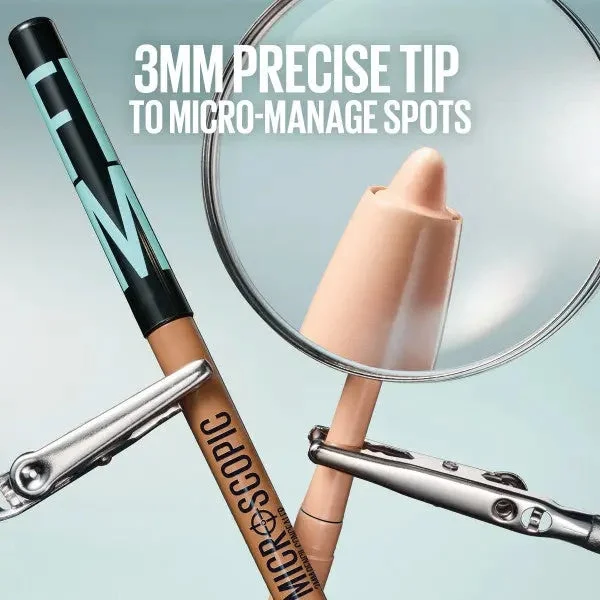
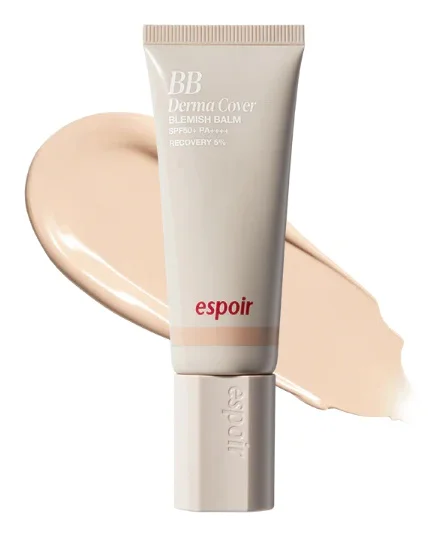


Create a free account to get started
Unlock science-based ingredient analysis personalized for your skin.
Already have an account? Log in
We protect your privacy. We never send spam.