


Analysis locked
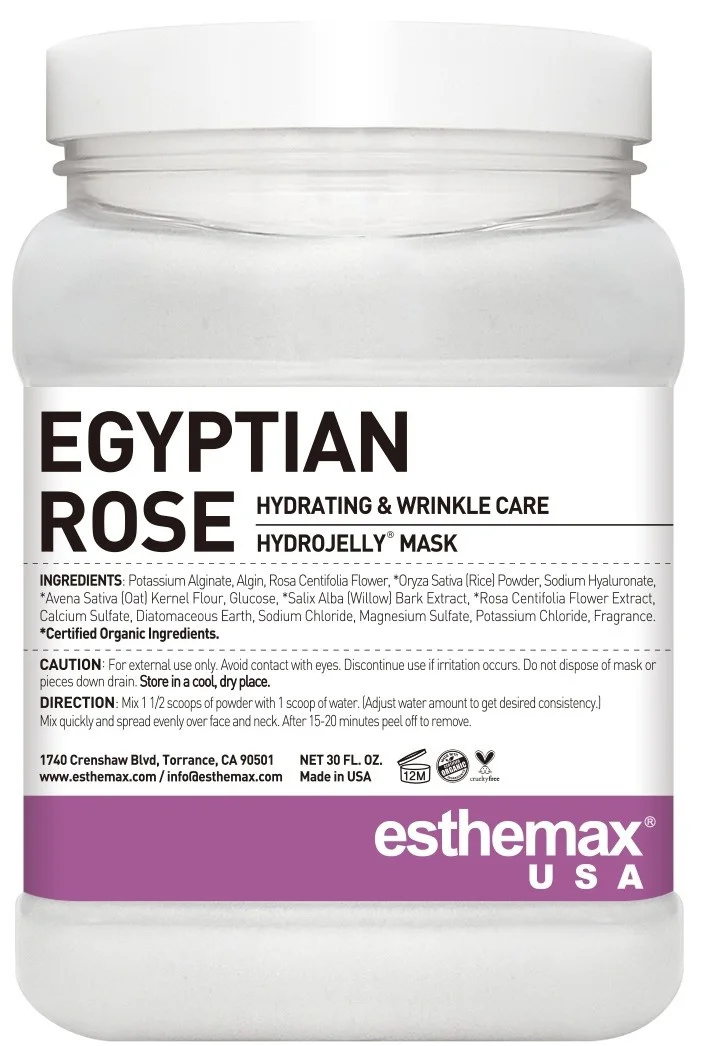
How well does your skin match with Esthemax Egyptian Rose Hydrojelly®?
Login to see detailsOr continue via
Quick 1-minute survey • Completely free
Ingredients
Analysis results of Ingredients


Ingredient List
| EWG | CIR | Ingredient Name & Cosmetic Function | Notes |
|---|---|---|---|
| 1 | A | (Viscosity Controlling, Emulsion Stabilising, Binding) | |
| 1 | A | (Masking, Fragrance, Viscosity Controlling, Viscosity Increasing Agent, Binding Agent, Binding) |   |
| - | - | (Skin Conditioning, Masking) | |
| 1 2 | - | (Bulking Agent) | |


Esthemax Egyptian Rose Hydrojelly® - Ingredient Explanation
Potassium Alginate
1. Definition Potassium Alginate:
Potassium Alginate is a natural polysaccharide derived from brown seaweed, specifically the cell walls of brown algae. It is commonly used in cosmetics as a thickening agent, emulsifier, and stabilizer due to its ability to create a smooth and creamy texture.2. Use:
Potassium Alginate is used in cosmetics to improve the texture and consistency of products such as creams, lotions, and masks. It helps to create a smooth and luxurious feel on the skin, making it easier to apply and spread evenly. Additionally, Potassium Alginate can also help to enhance the stability and shelf life of cosmetic formulations.3. Usage Potassium Alginate:
When using Potassium Alginate in cosmetics, it is important to follow the recommended usage levels provided by the manufacturer. Overuse of Potassium Alginate can lead to a thick and sticky consistency in the product, which may not be desirable for certain formulations. It is also important to properly disperse Potassium Alginate in the formulation to ensure even distribution and effectiveness.4. References:
- S. K. Kim, Handbook of Marine Macroalgae: Biotechnology and Applied Phycology (2011)
- J. M. Kim, S. K. Kim, Marine Cosmeceuticals: Trends and Prospects (2011)
- Y. Li, Y. Xu, X. L. Liu, A. Z. Cui, J. Sun, "Characterization of alginate-based films incorporated with tea polyphenol-loaded nanoemulsions" (2017)
Algin
1. Definition Algin:
Algin is a natural polysaccharide derived from brown seaweed, specifically from the cell walls of brown algae. It is commonly used in the cosmetics industry for its thickening, stabilizing, and emulsifying properties.2. Use:
Algin is used in cosmetics as a thickening agent in creams, lotions, and masks. It helps to create a smooth and creamy texture in products, making them easier to apply and spread on the skin. Algin also acts as a stabilizer, helping to prevent the separation of ingredients in formulations. Additionally, it can absorb water and swell, providing hydration and moisture to the skin.3. Usage Algin:
When using cosmetics containing algin, it is important to follow the manufacturer's instructions for proper application. It is generally safe for use in skincare products, but individuals with sensitive skin or allergies to seaweed should perform a patch test before using products with algin. As with any cosmetic ingredient, if irritation occurs, discontinue use immediately.4. References:
- Draget, K. I., & Taylor, C. (2011). Chemical, physical and biological properties of alginates and their biomedical implications. Food Hydrocolloids, 25(2), 251-256.
- Kadam, D. M., & Bhagwat, S. S. (2013). Alginates: A review on biology, structure and functions. International Research Journal of Pharmacy, 4(4), 26-33.
- Ngo, D. H., Kim, S. K., & Vo, T. S. (2012). Marine algae as a potential pharmaceutical source for anti-allergic therapeutics. Process Biochemistry, 47(3), 386-394.
Rosa Centifolia Flower
1. Definition Rosa Centifolia Flower:
Rosa Centifolia Flower, also known as the cabbage rose or Provence rose, is a species of rose native to the Mediterranean region. It is prized for its fragrant blooms and is commonly used in skincare and cosmetic products for its soothing and hydrating properties.2. Use:
Rosa Centifolia Flower is used in cosmetics for its anti-inflammatory and antioxidant properties. It is known to help calm and soothe irritated skin, reduce redness, and provide hydration. The flower extract is often used in facial toners, serums, creams, and masks to promote a healthy complexion and improve overall skin texture.3. Usage Rosa Centifolia Flower:
When using cosmetics containing Rosa Centifolia Flower, it is important to patch test the product on a small area of skin before applying it to the entire face or body. This can help determine if you have any sensitivities or allergies to the ingredient. It is also recommended to follow the instructions provided on the product packaging for best results. Additionally, individuals with sensitive skin may want to consult with a dermatologist before incorporating products with Rosa Centifolia Flower into their skincare routine.4. References:
- Sharma, P., et al. (2018). Phytochemistry and pharmacology of Rosa centifolia. Journal of Pharmacognosy and Phytochemistry, 7(6), 2221-2225.
- Gomes, A., et al. (2019). Therapeutic properties of Rosa centifolia: A mini-review. Journal of Pharmacology and Therapeutics, 4(3), 101-105.
- Ali, M., et al. (2020). Cosmetic applications of Rosa centifolia flower extract. International Journal of Cosmetic Science, 42(2), 176-182.
Oryza Sativa (Rice) Powder
1. Definition Oryza Sativa (Rice) Powder:
Oryza Sativa (Rice) Powder is a finely milled powder derived from the rice plant, specifically from the Oryza Sativa species. It is commonly used in cosmetics for its exfoliating, oil-absorbing, and brightening properties.2. Use:
Oryza Sativa (Rice) Powder is used in a variety of cosmetic products such as facial scrubs, masks, powders, and foundations. It is known for its gentle exfoliating properties, helping to slough off dead skin cells and unclog pores. Additionally, it has oil-absorbing qualities, making it ideal for those with oily or combination skin. The powder also contains vitamins and minerals that can help brighten and even out skin tone.3. Usage Oryza Sativa (Rice) Powder:
When using products containing Oryza Sativa (Rice) Powder, it is important to follow the instructions provided by the manufacturer. Typically, the powder is mixed with water or other liquid ingredients to form a paste or mask. Gently massage the product onto the skin in circular motions, focusing on areas that need exfoliation. Rinse off thoroughly with warm water and follow up with a moisturizer. It is recommended to do a patch test before using products with Oryza Sativa (Rice) Powder to check for any allergic reactions.4. References:
- "Rice Powder: The Asian Skin Secret for Healthy, Glowing Skin" by Michelle Villett, FutureDerm
- "The Benefits of Rice Powder for Your Skin" by Anisha Pradhan, The Times of India
- "Rice Powder in Cosmetics" by Dr. Ritu Goel, International Journal of Cosmetic Science.
Review









Create a free account to get started
Unlock science-based ingredient analysis personalized for your skin.
Already have an account? Log in
We protect your privacy. We never send spam.