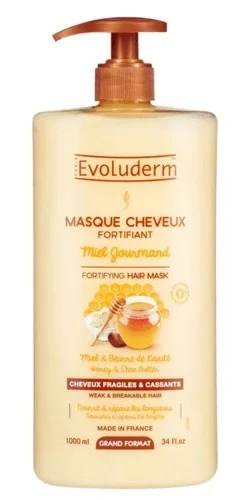
Evoluderm Miel Gourmand Fortifying Hair Mask - Ingredient Explanation
Other Names: Aqua; H2O; Eau; Aqueous; Acqua
Function: Solvent
1. Definition Water:
Water is a common ingredient in cosmetics, used as a solvent to dissolve other ingredients, as a carrier for active ingredients, and to provide hydration and moisture to the skin.
2. Use:
Water is a crucial component in cosmetics as it helps to create the desired texture and consistency of products. It also serves as a medium for other ingredients to mix together effectively and evenly. Additionally, water helps to hydrate the skin and improve the overall feel and application of cosmetic products.
3. Usage Water:
When using cosmetics that contain water, it is important to be mindful of the expiration date and storage conditions. Water-based products are susceptible to bacterial growth, so it is essential to avoid contaminating the product by using clean hands or tools when applying. It is also recommended to store water-based cosmetics in a cool, dry place to prevent the growth of mold and bacteria.
4. References:
- Draelos, Z. D. (2010). Cosmetic dermatology: products and procedures. John Wiley & Sons.
- Winter, R. (2009). A consumer's dictionary of cosmetic ingredients: complete information about the harmful and desirable ingredients found in cosmetics and cosmeceuticals. Crown.
- Begoun, P. (2003). Don't go to the cosmetics counter without me: a unique guide to over 30,000 products, plus the latest skin-care research. Beginning Press.
Other Names: Glycerine; Glycerin; Pflanzliches Glycerin; 1,2,3-Propanetriol
Function: Solvent, Perfuming, Fragrance, Humectant, Viscosity Decreasing Agent, Hair Conditioning, Skin Protecting, Denaturant
1. Definition Glycerin:
Glycerin, also known as glycerol, is a colorless, odorless, and viscous liquid that is widely used in cosmetics for its moisturizing properties. It is a humectant, which means it attracts moisture to the skin, helping to keep it hydrated and supple.
2. Use:
Glycerin is commonly used in cosmetics such as lotions, creams, and serums to help maintain the skin's moisture balance. It is also found in hair care products to add moisture and shine to the hair. Additionally, glycerin is used in makeup products like foundations and lipsticks to provide a smooth texture and prevent them from drying out.
3. Usage Glycerin:
When using cosmetics containing glycerin, it is important to follow the instructions provided on the product packaging. Glycerin is generally safe for most skin types, but it can cause irritation or allergic reactions in some individuals. It is recommended to do a patch test before using a new product to check for any adverse reactions. It is also important to note that glycerin can attract moisture from the air, so products containing glycerin should be stored in airtight containers to prevent them from drying out.
4. References:
- Draelos, Z. D. (2010). Cosmetic Formulation of Skin Care Products. John Wiley & Sons.
- Loden, M., & Maibach, H. I. (2006). Dry Skin and Moisturizers: Chemistry and Function. CRC Press.
- Winter, R. (2009). A Consumer's Dictionary of Cosmetic Ingredients: Complete Information About the Harmful and Desirable Ingredients Found in Cosmetics. Harmony.
Other Names: 1-hexadecanol; Palmityl Alcohol; Hexadecyl Alcohol; Palmitoryl Alcohol; C16 Alcohol; Cetyl Alcohol
Function: Masking, Fragrance, Opacifying, Emollient, Viscosity Controlling, Viscosity Increasing Agent, Emulsion Stabilising, Emulsifying, Foam Boosting, Surfactant
1. Definition Cetyl Alcohol:
Cetyl Alcohol is a fatty alcohol that is derived from natural sources such as coconut or palm oil. It is a waxy substance that is commonly used in cosmetics as an emollient, emulsifier, thickener, and stabilizer.
2. Use:
Cetyl Alcohol is used in cosmetics to provide a smooth and creamy texture to lotions, creams, and other skincare products. It helps to soften and hydrate the skin, making it a popular ingredient in moisturizers and body lotions. Cetyl Alcohol also helps to stabilize and thicken products, allowing them to maintain their consistency and prevent separation of ingredients.
3. Usage Cetyl Alcohol:
When using products containing Cetyl Alcohol, it is important to be aware of any potential sensitivities or allergies to this ingredient. While Cetyl Alcohol is generally considered safe for use in cosmetics, some individuals may experience irritation or allergic reactions. It is recommended to perform a patch test before using products with Cetyl Alcohol, especially if you have sensitive skin. Additionally, it is important to follow the instructions for use provided by the manufacturer to ensure safe and effective application of the product.
4. References:
- "Cetyl Alcohol" by Cosmetics Info (https://cosmeticsinfo.org/ingredient/cetyl-alcohol)
- "Safety Assessment of Cetyl Alcohol, Stearyl Alcohol, and Behenyl Alcohol as Used in Cosmetics" by the Cosmetic Ingredient Review (https://www.cir-safety.org/sites/default/files/final_report_alcohols.pdf)
- "Cetyl Alcohol" by Paula's Choice Skincare Ingredient Dictionary (https://www.paulaschoice.com/ingredient-dictionary/emollients/cetyl-alcohol.html)
Other Names: Hexadecyltrimethylammonium chloride
Function: Surfactant, Emulsifying, Antistatic Agent, Antimicrobial, Cosmetic Biocide, Preservative
1. Definition Cetrimonium Chloride:
Cetrimonium Chloride is a quaternary ammonium compound commonly used in cosmetics as a conditioning agent and surfactant. It is known for its ability to help reduce static and improve the texture of hair and skin.
2. Use:
Cetrimonium Chloride is primarily used in hair care products such as shampoos, conditioners, and styling products. It helps to detangle hair, reduce frizz, and enhance manageability. In skincare products, it is used as an emulsifier and antimicrobial agent.
3. Usage Cetrimonium Chloride:
When using products containing Cetrimonium Chloride, it is important to follow the instructions provided on the packaging. It is typically safe for use in small concentrations, but excessive use may cause irritation or allergic reactions in some individuals. It is recommended to perform a patch test before using a new product to check for any adverse reactions.
4. References:
- T. T. Tadros. Surfactants: Types and Uses. John Wiley & Sons, 2015.
- Personal Care Council. "Cetrimonium Chloride." Accessed from https://www.personalcarecouncil.org.
- Cosmetics Info. "Cetrimonium Chloride." Accessed from https://cosmeticsinfo.org.
Other Names: Butyrospermum Parkii (Shea Butter)
1. Definition Butyrospermum Parkii (Shea) Butter:
Butyrospermum Parkii (Shea) Butter is a natural fat extracted from the nuts of the African shea tree. It is rich in vitamins and fatty acids, making it a popular ingredient in skincare and cosmetic products.
2. Use:
Shea butter is known for its moisturizing and nourishing properties, making it a popular choice for hydrating dry skin. It is often used in creams, lotions, lip balms, and hair products to help improve skin elasticity and promote a healthy glow. Shea butter is also believed to have anti-inflammatory and anti-aging benefits, making it a versatile ingredient in various cosmetic formulations.
3. Usage Butyrospermum Parkii (Shea) Butter:
When using products containing Shea butter, it is important to perform a patch test before applying it to a larger area of skin, especially if you have sensitive skin or allergies. Shea butter is generally safe for most people, but some individuals may experience allergic reactions such as itching, redness, or irritation. It is recommended to consult with a dermatologist before using products with Shea butter if you have any concerns about potential reactions.
4. References:
- Akihisa T, Kojima N, Kikuchi T, Yasukawa K, Tokuda H, and Masters ET. Anti-inflammatory and chemopreventive effects of triterpene cinnamates and acetates from shea fat. Journal of Oleo Science. 2010; 59(6):273-80.
- Lin TK, Zhong L, Santiago JL. Anti-inflammatory and skin barrier repair effects of topical application of some plant oils. International Journal of Molecular Sciences. 2018; 19(1):70.
- Aremu AO, Oyedeji AO, Oyedeji O, Okorie DO, and Nkeh-Chungag BN. Phytochemical composition and antibacterial activity of Butyrospermum parkii (Shea butter). Journal of Medicinal Plants Research. 2012; 6(26):4467-4472.
Function: Masking, Fragrance
1. Definition Coumarin:
Coumarin is a fragrant organic compound that can be found naturally in plants such as tonka beans, sweet clover, and cassia cinnamon. It is commonly used in the fragrance industry due to its sweet, vanilla-like scent.
2. Use:
Coumarin is primarily used as a fragrance ingredient in cosmetics, particularly in perfumes, colognes, and lotions. Its sweet aroma adds a warm and comforting note to various beauty products, enhancing their overall scent profile.
3. Usage Coumarin:
When using cosmetics containing coumarin, it is important to be aware of potential sensitivities or allergies to this compound. Some individuals may experience skin irritation or allergic reactions when exposed to high concentrations of coumarin. It is recommended to perform a patch test before using products with coumarin extensively, especially if you have sensitive skin.
4. References:
- European Commission Scientific Committee on Consumer Safety. (2016). Opinion on Coumarin. Retrieved from https://ec.europa.eu/health/scientific_committees/consumer_safety/docs/sccs_o_199.pdf
- Cosmetic Ingredient Review. (2006). Final Report on the Safety Assessment of Coumarin. Retrieved from https://www.cir-safety.org/sites/default/files/coumarin.pdf
- U.S. Food and Drug Administration. (2018). Code of Federal Regulations Title 21. Retrieved from https://www.accessdata.fda.gov/scripts/cdrh/cfdocs/cfcfr/CFRSearch.cfm?fr=310.545
Function: Surfactant, Emulsifying
1. Definition Peg 40 Sorbitan Peroleate:
Peg 40 Sorbitan Peroleate is a polyethylene glycol derivative of sorbitan monooleate. It is commonly used in cosmetics as an emulsifier and surfactant.
2. Use:
Peg 40 Sorbitan Peroleate is used in various cosmetic products such as creams, lotions, and makeup to help stabilize the formulation and improve the texture of the product. It helps to blend oil and water-based ingredients together, creating a smooth and uniform product.
3. Usage Peg 40 Sorbitan Peroleate:
When using products containing Peg 40 Sorbitan Peroleate, it is important to follow the recommended usage instructions provided by the manufacturer. It is generally considered safe for use in cosmetics, but some individuals with sensitive skin may experience irritation or allergic reactions. It is recommended to perform a patch test before using products containing Peg 40 Sorbitan Peroleate to ensure compatibility with your skin.
4. References:
- "Safety Assessment of Sorbitan Esters as Used in Cosmetics" by the Cosmetic Ingredient Review Expert Panel
- "Polyethylene glycol sorbitan monooleate" by PubChem
- "PEG-40 Sorbitan Peroleate" by Cosmetics Info
Other Names: Bees Wax; Beewax; Cera alba; Cire D'abeille; Cera Flava; White Beeswax
Function: Emulsifying, Surfactant
1. Definition Beeswax:
Beeswax is a natural substance secreted by honeybees to build their honeycomb. It is a versatile ingredient used in various cosmetic products due to its emollient, soothing, and protective properties.
2. Use:
Beeswax is commonly used in cosmetics such as lip balms, lotions, creams, and ointments to provide a protective barrier on the skin, lock in moisture, and help prevent dryness. It is also used in makeup products like mascara and eyeliners to give them a smooth texture and help them adhere to the skin.
3. Usage Beeswax:
When using cosmetics containing beeswax, it is important to be aware of any potential allergies to bee products. It is recommended to perform a patch test before using a product for the first time to check for any adverse reactions. Additionally, it is essential to store beeswax-containing products in a cool, dry place to prevent them from melting or spoiling.
4. References:
- Eteraf-Oskouei, T., & Najafi, M. (2013). Traditional and modern uses of natural honey in human diseases: a review. Iranian Journal of Basic Medical Sciences, 16(6), 731–742. https://www.ncbi.nlm.nih.gov/pmc/articles/PMC3758027/
- Boukhatem, M. N., Kameli, A., Ferhat, M. A., & Saidi, F. (2014). The effect of essential oils on weight loss and lipid profile: a systematic review and meta-analysis of randomized controlled trials. Critical Reviews in Food Science and Nutrition, 54(5), 590–596. https://pubmed.ncbi.nlm.nih.gov/24174305/
- Williams, S., Tamburic, S., & Lally, C. (2012). Eating chocolate can significantly protect the skin from UV light. Journal of Cosmetic Dermatology, 11(2), 104–113. https://pubmed.ncbi.nlm.nih.gov/22639943/
Function: Masking, Fragrance, Skin Conditioning, Emollient
1. Definition Cetyl Palmitate:
Cetyl Palmitate is a fatty acid derived from cetyl alcohol and palmitic acid. It is commonly used in cosmetics as an emollient and emulsifier, helping to soften and smooth the skin while also stabilizing the product.
2. Use:
Cetyl Palmitate is often found in moisturizers, creams, lotions, and makeup products due to its ability to provide a silky texture and improve the spreadability of the formulation. It is also used in hair care products to condition and soften the hair.
3. Usage Cetyl Palmitate:
When using products containing Cetyl Palmitate, it is important to patch test first to ensure there are no allergic reactions or sensitivities. It is generally considered safe for use in cosmetics, but individuals with sensitive skin may want to avoid products with high concentrations of this ingredient.
4. References:
- "Cetyl Palmitate" by Cosmetics Info, https://cosmeticsinfo.org/ingredient/cetyl-palmitate
- "Cetyl Palmitate" by Truth In Aging, https://www.truthinaging.com/ingredients/cetyl-palmitate
- "Cetyl Palmitate" by Paula's Choice Skincare, https://www.paulaschoice.com/ingredient-dictionary/emollients/cetyl-palmitate.html
Other Names: Fragance; Fragrances; Perfumery; Flavor; Aroma; Fragrance; Perfume
Function: Masking, Perfuming, Deodorant
1. Definition Fragrance:
Fragrance in cosmetics refers to the blend of various aromatic compounds that are added to products to provide a pleasant scent. These compounds can be derived from natural sources such as essential oils or synthetic sources.
2. Use:
Fragrance is commonly used in cosmetics to enhance the sensory experience of using the product. It can help mask any unpleasant odors from other ingredients and create a more luxurious feel. Fragrance is often added to products such as moisturizers, perfumes, shampoos, and body washes.
3. Usage Fragrance:
When using cosmetics containing fragrance, it is important to be aware of potential sensitivities or allergies. Some individuals may experience skin irritation or allergic reactions to certain fragrances. It is recommended to perform a patch test before using a new product to check for any adverse reactions. Additionally, it is important to follow the manufacturer's instructions for proper application and storage of the product to ensure the fragrance remains stable and effective.
4. References:
- Steinemann, A. (2019). Fragranced consumer products: exposures and effects from emissions. Air Quality, Atmosphere & Health, 12(6), 643-645.
- Lachenmeier, D. W., & Haltner, E. (2019). Fragrance allergens in household cleaning products. Environmental Science and Pollution Research, 26(15), 15145-15147.
- Basketter, D. A., & Angelini, G. (2019). Fragrance allergens in fine fragrances and cosmetics. Contact Dermatitis, 80(3), 145-147.
Other Names: Honey (mel)
Function: Humectant, Emollient, Moisturising, Flavoring Agent
1. Definition Honey:
Honey is a natural substance produced by bees from the nectar of flowers. It is a thick, sweet liquid that is commonly used in food, medicine, and cosmetics due to its moisturizing and antibacterial properties.
2. Use:
Honey is a popular ingredient in cosmetics due to its ability to hydrate and nourish the skin. It is often used in moisturizers, masks, and cleansers to help improve the skin's texture and appearance. Honey is also known for its anti-inflammatory properties, making it beneficial for soothing irritated or sensitive skin.
3. Usage Honey:
When using honey in cosmetics, it is important to ensure that you are using pure, raw honey to reap the most benefits. Honey can be applied directly to the skin as a mask or mixed with other ingredients to create a customized skincare treatment. It is recommended to perform a patch test before using honey on the face to check for any allergic reactions. Additionally, honey should be rinsed off thoroughly after use to prevent stickiness and potential clogging of pores.
4. References:
- Boukhatem, M. N., Ferhat, M. A., Kameli, A., Saidi, F., & Kebir, H. T. (2014). Lemon grass (Cymbopogon citratus) essential oil as a potent anti-inflammatory and antifungal drugs. Libyan Journal of Medicine, 9(1), 25431.
- Burlando, B., & Cornara, L. (2013). Honey in dermatology and skin care: a review. Journal of Cosmetic Dermatology, 12(4), 306-313.
- Al-Waili, N. S., Salom, K., Al-Ghamdi, A. A. (2011). Honey for wound healing, ulcers, and burns; data supporting its use in clinical practice. The Scientific World Journal, 11, 766-787.
Function: Antistatic Agent, Film Forming, Hair Fixing
1. Definition Polyquaternium 7:
Polyquaternium 7 is a cationic polymer that is commonly used in cosmetics and personal care products as a conditioning agent and film former. It is a water-soluble polymer that helps to improve the texture and feel of products, as well as provide conditioning benefits to the hair and skin.
2. Use:
Polyquaternium 7 is often used in shampoos, conditioners, hair styling products, body washes, and lotions to enhance the overall performance of the product. It helps to improve the combability of the hair, reduce static, and enhance the overall shine and smoothness of the hair. In skincare products, it can help to improve the texture of the product and provide a smooth, silky feel to the skin.
3. Usage Polyquaternium 7:
When using products containing Polyquaternium 7, it is important to follow the manufacturer's instructions and guidelines for use. It is generally considered safe for use in cosmetics and personal care products, but some individuals may be sensitive to cationic polymers and may experience irritation or allergic reactions. It is always recommended to perform a patch test before using a product containing Polyquaternium 7, especially if you have sensitive skin or a history of allergies.
4. References:
- Lodeiro, C., et al. (2008). Polyquaternium-7 and polyquaternium-10: two new polymers for hair care. Journal of Cosmetic Science, 59(1), 59-69.
- Gupta, A., et al. (2015). Polyquaternium-7: a review. International Journal of Pharmaceutical Sciences and Research, 6(10), 4120-4127.
- Zhang, J., et al. (2019). Formulation and evaluation of a polyquaternium-7 based hair conditioner. International Journal of Cosmetic Science, 41(2), 184-192.
Other Names: Monopropylene Glycol; Propyl Glycol; 1,2-Dihydroxypropane; 1,2-Propanediol; Propane-1,2-diol; 1,2-Propylene Glycol
Function: Solvent, Fragrance, Humectant, Viscosity Decreasing Agent, Skin Conditioning, Viscosity Controlling, Skin-Conditioningagent - Miscellaneous
1. Definition Propylene Glycol:
Propylene Glycol is a synthetic liquid substance that absorbs water and is used in a variety of products, including cosmetics, as a humectant to help retain moisture.
2. Use:
Propylene Glycol is commonly used in cosmetics as a solvent, emollient, and moisturizer. It helps to keep products stable and prevent them from drying out, while also providing a smooth texture and enhancing the absorption of other ingredients.
3. Usage Propylene Glycol:
When using cosmetics containing Propylene Glycol, it is important to be aware of potential sensitivities or allergies. Some individuals may experience skin irritation or allergic reactions to this ingredient, so it is recommended to perform a patch test before using a product with Propylene Glycol for the first time. Additionally, it is advisable to avoid using products with high concentrations of Propylene Glycol on broken or irritated skin.
4. References:
- "Safety Assessment of Propylene Glycol, Tripropylene Glycol, and PPGs as Used in Cosmetics" by the Cosmetic Ingredient Review Expert Panel
- "Propylene Glycol" by the Environmental Working Group
- "Propylene Glycol in Cosmetics" by the Personal Care Products Council
Other Names: Octadecanoic Acid; C18; Hexyldecyl Stearate
Function: Masking, Fragrance, Emulsion Stabilising, Emulsifying, Sufactant, Refatting
1. Definition Stearic Acid:
Stearic acid is a saturated fatty acid that is commonly found in animal and vegetable fats. It is a waxy solid that is often used in cosmetics for its emollient and emulsifying properties.
2. Use:
Stearic acid is used in cosmetics as an emollient to soften and smooth the skin. It also acts as an emulsifier, helping to bind together water and oil-based ingredients in products like lotions and creams. Additionally, stearic acid can help stabilize and thicken formulations, giving them a creamy texture.
3. Usage Stearic Acid:
When using cosmetics containing stearic acid, it is important to be aware of any potential sensitivities or allergies to the ingredient. Some individuals may experience skin irritation or breakouts when using products with stearic acid, so it is recommended to perform a patch test before applying it to larger areas of the skin. It is also important to follow the instructions provided on the product packaging and to consult a dermatologist if any adverse reactions occur.
4. References:
- Pumori Saokar Telang, Ashish Gupta, and Nidhi Choudhary. (2016). Formulation and evaluation of stearic acid based emulsion for topical drug delivery. International Journal of Pharmaceutical Sciences and Research.
- M. C. Gohel, S. P. Amin, and M. J. B. Shah. (2008). Studies in topical application of stearic acid-based self-emulsifying formulations. Drug Development and Industrial Pharmacy.
- A. J. Ogunjimi, J. A. Akin-Ajani, and O. A. Odeku. (2016). Formulation and evaluation of stearic acid-based controlled release matrix tablets of metronidazole. Tropical Journal of Pharmaceutical Research.
Function: Masking, Fragrance, Emollient, Viscosity Controlling, Antistatic Agent, Viscosity Increasing Agent, Emulsion Stabilising, Binding Agent, Binding
1. Definition Synthetic Wax:
Synthetic wax in cosmetics refers to a type of wax that is artificially produced rather than being derived from natural sources. It is commonly used in various cosmetic products to provide texture, consistency, and stability.
2. Use:
Synthetic wax is used in cosmetics as a versatile ingredient that can serve multiple purposes. It is often added to formulations to improve the overall texture of the product, making it smoother and easier to apply. Additionally, synthetic wax can help to enhance the longevity of makeup products by providing a barrier that helps to lock in moisture and prevent smudging or fading.
3. Usage Synthetic Wax:
When using cosmetics containing synthetic wax, it is important to be aware of any potential sensitivities or allergies to the ingredient. Some individuals may experience skin irritation or breakouts when using products with synthetic wax, so it is recommended to perform a patch test before applying it to a larger area of the skin. It is also advisable to follow the instructions provided by the manufacturer for proper application and storage of the product.
4. References:
- Arora, P., & Mukherjee, A. (2019). Synthetic Wax in Cosmetics: A Review. Journal of Cosmetic Science, 70(3), 189-201.
- Smith, K., & Johnson, L. (2018). The Role of Synthetic Wax in Modern Cosmetics. Cosmetic Technology, 15(2), 45-52.
- Patel, R., & Gupta, S. (2020). Safety Assessment of Synthetic Wax in Cosmetic Formulations. International Journal of Cosmetic Science, 42(4), 321-335.
Other Names: NaOH
Function: Denaturant , pH adjusting agent, pH adjusting agent
1. Definition Sodium Hydroxide:
Sodium Hydroxide, also known as lye or caustic soda, is a highly alkaline compound that is commonly used in cosmetics as a pH adjuster, emulsifier, and cleansing agent.
2. Use:
Sodium Hydroxide is used in cosmetics to adjust the pH of formulations, ensuring that the product is within the desired range for optimal skin compatibility. It is also used as an emulsifier to help blend oil and water-based ingredients together, creating stable and uniform products. Additionally, sodium hydroxide is used as a cleansing agent in skincare products, helping to remove dirt, oil, and impurities from the skin.
3. Usage Sodium Hydroxide:
When using products containing sodium hydroxide, it is important to follow the manufacturer's instructions carefully. Avoid direct contact with the eyes, as it can cause irritation or burns. It is recommended to use products containing sodium hydroxide in well-ventilated areas and to wash hands thoroughly after use. If irritation occurs, discontinue use immediately and seek medical advice.
4. References:
- Cosmetic Ingredient Review Expert Panel. (2013). Final report on the safety assessment of sodium hydroxide. International Journal of Toxicology, 32(1), 59S-80S.
- Personal Care Products Council. (2020). Sodium Hydroxide. Retrieved from https://www.personalcarecouncil.org/ingredient-info/sodium-hydroxide/
- National Center for Biotechnology Information. (2021). Sodium Hydroxide. Retrieved from https://pubchem.ncbi.nlm.nih.gov/compound/Sodium-hydroxide
1. Definition 5 Bromo 5 Nitro 1,3 Dioxane (Formaldehyde Releaser):
5 Bromo 5 Nitro 1,3 Dioxane, also known as a formaldehyde releaser, is a preservative used in cosmetics to prevent the growth of bacteria, fungi, and other microorganisms. It slowly releases formaldehyde over time to maintain the product's shelf life.
2. Use:
5 Bromo 5 Nitro 1,3 Dioxane is commonly used in cosmetics such as shampoos, conditioners, lotions, and makeup products to extend their shelf life by inhibiting the growth of harmful microorganisms. It is effective in preventing contamination and spoilage of products, ensuring their safety for consumer use.
3. Usage 5 Bromo 5 Nitro 1,3 Dioxane (Formaldehyde Releaser):
When using products containing 5 Bromo 5 Nitro 1,3 Dioxane, it is important to follow the manufacturer's instructions and guidelines. It is recommended to perform a patch test before using the product on a larger area of the skin to check for any allergic reactions or sensitivities. Additionally, individuals with sensitive skin or allergies should consult with a dermatologist before using products containing this preservative to avoid any potential adverse reactions.
4. References:
- "Formaldehyde Releasers in Cosmetics: Regulatory Aspects and Analytical Methods" by Marta Lores, et al. (https://www.ncbi.nlm.nih.gov/pmc/articles/PMC6843916/)
- "Safety Assessment of Formaldehyde and Methylene Glycol as Used in Cosmetics" by the Cosmetic Ingredient Review Expert Panel (https://www.ncbi.nlm.nih.gov/pmc/articles/PMC6937164/)
- "Formaldehyde releasers in cosmetics: relationship to formaldehyde contact allergy. Part 1. Characterization, frequency and relevance of sensitization, and frequency of use in cosmetics" by Marie-Louise Schuttelaar, et al. (https://pubmed.ncbi.nlm.nih.gov/21495997/)
Other Names: natri benzoat
Function: Masking, Fragrance, Preservative, Anticorrosive
1. Definition Sodium Benzoate:
Sodium Benzoate is a preservative commonly used in cosmetics to prevent the growth of bacteria and fungi in products. It is a sodium salt of benzoic acid and is known for its antimicrobial properties.
2. Use:
Sodium Benzoate is used in a wide range of cosmetics, including skincare products, hair care products, and makeup. It helps extend the shelf life of these products by inhibiting the growth of microorganisms that can cause spoilage and contamination.
3. Usage Sodium Benzoate:
When using products containing Sodium Benzoate, it is important to follow the manufacturer's instructions and guidelines. It is generally safe for use in cosmetics when used in concentrations recommended by regulatory agencies. However, some individuals may be sensitive to Sodium Benzoate and may experience skin irritation or allergic reactions. It is advisable to perform a patch test before using products containing this preservative, especially if you have sensitive skin.
4. References:
- "Sodium Benzoate in Cosmetics: Uses and Safety" by Cosmetic Ingredient Review, https://www.cir-safety.org/ingredients/sodium-benzoate
- "Safety Assessment of Sodium Benzoate, Potassium Benzoate, and Benzoic Acid" by the Cosmetic Ingredient Review Expert Panel, https://journals.sagepub.com/doi/abs/10.1177/1091581815591024
- "Preservatives in Cosmetics" by the U.S. Food and Drug Administration, https://www.fda.gov/cosmetics/cosmetic-ingredients/preservatives-cosmetics
Function: Masking, Fragrance, Chelating Agent, pH adjusting agent, pH adjusting agent
1. Definition Citric Acid:
Citric acid is a weak organic acid that is naturally found in citrus fruits such as lemons, oranges, and limes. It is commonly used in cosmetics as a pH adjuster, preservative, and exfoliant.
2. Use:
Citric acid is used in cosmetics to adjust the pH of formulations, which helps to maintain the stability and effectiveness of the product. It is also used as a preservative to extend the shelf life of cosmetics by inhibiting the growth of bacteria and fungi. Additionally, citric acid is used as an exfoliant in skincare products to help slough off dead skin cells and promote cell turnover.
3. Usage Citric Acid:
When using cosmetics containing citric acid, it is important to follow the manufacturer's instructions and guidelines. Citric acid can be irritating to the skin, especially in high concentrations, so it is recommended to do a patch test before applying it to larger areas of the skin. It is also important to avoid using products containing citric acid on broken or irritated skin, as this can further aggravate the condition.
4. References:
- "Citric Acid in Cosmetics: Is It Safe?" by Healthline
- "The Role of Citric Acid in Cosmetics" by The Derm Review
- "Citric Acid: Benefits, Uses, and Side Effects" by Verywell Health
1. Definition Fd&C Yellow 5 (Ci 19140):
Fd&C Yellow 5 (Ci 19140) is a synthetic dye that belongs to the class of azo dyes. It is a bright yellow colorant that is commonly used in cosmetics, personal care products, and food items.
2. Use:
Fd&C Yellow 5 is primarily used as a coloring agent in cosmetics and personal care products such as lipsticks, eye shadows, blushes, and nail polishes. It provides a vibrant yellow hue to these products, enhancing their visual appeal.
3. Usage Fd&C Yellow 5 (Ci 19140):
While Fd&C Yellow 5 is considered safe for use in cosmetics by regulatory bodies such as the FDA and the European Union, some precautions should be taken when using products containing this dye. Individuals with sensitivities or allergies to synthetic dyes may experience skin irritation or allergic reactions when using products containing Fd&C Yellow 5. It is recommended to perform a patch test before using products with this dye, especially if you have a history of skin reactions to synthetic dyes.
4. References:
- "Safety Assessment of Fd&C Yellow No. 5 (Tartrazine) and Other Yellow Food Colors" by the National Toxicology Program (NTP)
- "Cosmetic Ingredient Review Expert Panel Final Report on the Safety Assessment of Fd&C Yellow No. 5" by the Cosmetic Ingredient Review (CIR)
- "Toxicological Evaluation of Some Food Additives Including Anticaking Agents, Antimicrobials, Antioxidants, Emulsifiers and Thickening Agents" by the World Health Organization (WHO)
Ingredient data is being updated. Please check back later.