


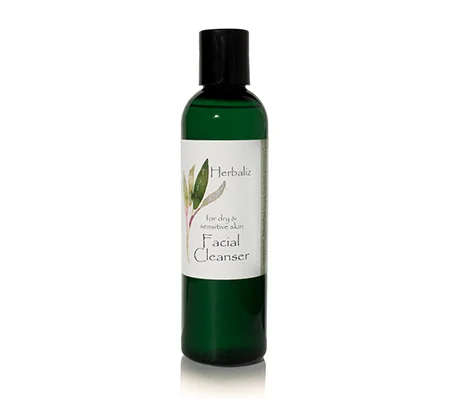
Analysis locked
How well does your skin match with Facial Cleanser for Dry & Sensitive Skin Unscented?
Login to see detailsOr continue via
Quick 1-minute survey • Completely free
Ingredients
Analysis results of Ingredients


Ingredient List
| EWG | CIR | Ingredient Name & Cosmetic Function | Notes |
|---|---|---|---|
| 1 2 | A | (Solvent, Perfuming, Fragrance, Humectant, Viscosity Decreasing Agent, Hair Conditioning, Skin Protecting, Denaturant ) |  |
| 1 | B | (Perfuming, Fragrance, Antioxidant, Skin-Conditioning Agent -Miscellaneous, Skin-Conditioning Agent - Occlusive, Antimicrobial Agent) | |
| 4 | - | | |
| 1 3 | B | (Masking) |  |
Facial Cleanser for Dry & Sensitive Skin Unscented - Ingredient Explanation
Glycerin
1. Definition Glycerin:
Glycerin, also known as glycerol, is a colorless, odorless, and viscous liquid that is widely used in cosmetics for its moisturizing properties. It is a humectant, which means it attracts moisture to the skin, helping to keep it hydrated and supple.
2. Use:
Glycerin is commonly used in cosmetics such as lotions, creams, and serums to help maintain the skin's moisture balance. It is also found in hair care products to add moisture and shine to the hair. Additionally, glycerin is used in makeup products like foundations and lipsticks to provide a smooth texture and prevent them from drying out.
3. Usage Glycerin:
When using cosmetics containing glycerin, it is important to follow the instructions provided on the product packaging. Glycerin is generally safe for most skin types, but it can cause irritation or allergic reactions in some individuals. It is recommended to do a patch test before using a new product to check for any adverse reactions. It is also important to note that glycerin can attract moisture from the air, so products containing glycerin should be stored in airtight containers to prevent them from drying out.
4. References:
- Draelos, Z. D. (2010). Cosmetic Formulation of Skin Care Products. John Wiley & Sons.
- Loden, M., & Maibach, H. I. (2006). Dry Skin and Moisturizers: Chemistry and Function. CRC Press.
- Winter, R. (2009). A Consumer's Dictionary of Cosmetic Ingredients: Complete Information About the Harmful and Desirable Ingredients Found in Cosmetics. Harmony.
Rosmarinus Officinalis (Rosemary) Leaf Extract
1. Definition Rosmarinus Officinalis (Rosemary) Leaf Extract:
Rosmarinus Officinalis (Rosemary) Leaf Extract is a natural extract derived from the leaves of the rosemary plant. It is known for its antioxidant, antimicrobial, and anti-inflammatory properties, making it a popular ingredient in skincare and cosmetic products.2. Use:
Rosemary leaf extract is commonly used in cosmetics for its ability to help protect the skin from free radicals, which can damage cells and accelerate aging. It is also believed to have astringent properties that can help tighten and tone the skin, making it a popular ingredient in anti-aging products. Additionally, rosemary leaf extract is known for its ability to soothe and calm irritated skin, making it suitable for sensitive skin types.3. Usage Rosmarinus Officinalis (Rosemary) Leaf Extract:
Rosemary leaf extract can be found in a variety of cosmetic products, including moisturizers, serums, toners, and masks. It is typically used in concentrations ranging from 0.1% to 5%, depending on the desired benefits. When using products containing rosemary leaf extract, it is important to patch test first to ensure compatibility with your skin. Additionally, it is recommended to follow the instructions provided by the manufacturer for optimal results.4. References:
- Chevallier, Andrew. Encyclopedia of Herbal Medicine. DK Publishing, 2016.
- Dweck, Anthony C. Handbook of Cosmetic Ingredients. Taylor & Francis, 2014.
- Koleva, Iskra I. et al. "Screening of plant extracts for antioxidant activity: a comparative study on three testing methods." Phytochemical Analysis, vol. 13, no. 1, 2002, pp. 8-17.
Unspecified Oils
1. Definition Unspecified Oils:
Unspecified oils in cosmetics refer to oils that are not specifically identified or labeled with a particular type or source. These oils may be a blend of different oils or simply listed as "oil" on the ingredient list.2. Use:
Unspecified oils are commonly used in cosmetics as emollients, moisturizers, and carriers for other active ingredients. They help to hydrate and soften the skin, improve the texture of products, and enhance the overall performance of the formulation.3. Usage Unspecified Oils:
When using cosmetics containing unspecified oils, it is important to be aware of any potential allergies or sensitivities to certain oils. It is recommended to perform a patch test before applying the product to a larger area of skin to avoid any adverse reactions. Additionally, individuals with oily or acne-prone skin may want to use products with unspecified oils sparingly to prevent clogged pores and breakouts.4. References:
- Fiume, M. M., et al. (2013). Safety assessment of glycerin as used in cosmetics. International Journal of Toxicology, 32(5S), 59S-83S.
- Loden, M. (2003). Role of topical emollients and moisturizers in the treatment of dry skin barrier disorders. American Journal of Clinical Dermatology, 4(11), 771-788.
- Draelos, Z. D. (2012). The science behind skin-care products. Journal of Cosmetic Dermatology, 11(4), 247-253.
Aloe Barbadensis (Aloe Vera) Leaf
1. Definition Aloe Barbadensis (Aloe Vera) Leaf:
Aloe Barbadensis (Aloe Vera) Leaf is a succulent plant species known for its thick, fleshy leaves that contain a gel-like substance with various beneficial properties for skincare.2. Use:
Aloe Barbadensis Leaf is commonly used in cosmetics for its soothing, hydrating, and healing properties. It is often included in skincare products such as lotions, creams, gels, and masks to help calm irritated skin, reduce inflammation, and provide moisture.3. Usage Aloe Barbadensis (Aloe Vera) Leaf:
Aloe Barbadensis Leaf can be applied topically to the skin either directly from the plant or through products containing Aloe Vera extract. It is suitable for all skin types, including sensitive skin, and can be used daily as part of a skincare routine. To use, simply apply a small amount of Aloe Vera gel onto clean skin and gently massage until absorbed. It can also be used as a natural remedy for sunburns, cuts, and other skin irritations.4. References:
- Surjushe, Amar, Resham Vasani, and D G Saple. "Aloe Vera: A Short Review." Indian Journal of Dermatology 53.4 (2008): 163-166.
- Radha, Maharjan, and John P. S. Gill. "Aloin: A natural antitumor anthraquinone glycoside with iron chelating and non-atherogenic activities." Pharmacognosy reviews 8.15 (2014): 22.
- Foster, M., Hunter, D., & Samman, S. (2011). "Evaluation of the Nutritional and Metabolic Effects of Aloe Vera." In Herbal Medicine: Biomolecular and Clinical Aspects. 2nd edition. Boca Raton (FL): CRC Press/Taylor & Francis.
Review

Didn't find
the information you need?






Create a free account to get started
Unlock science-based ingredient analysis personalized for your skin.
Already have an account? Log in
We protect your privacy. We never send spam.