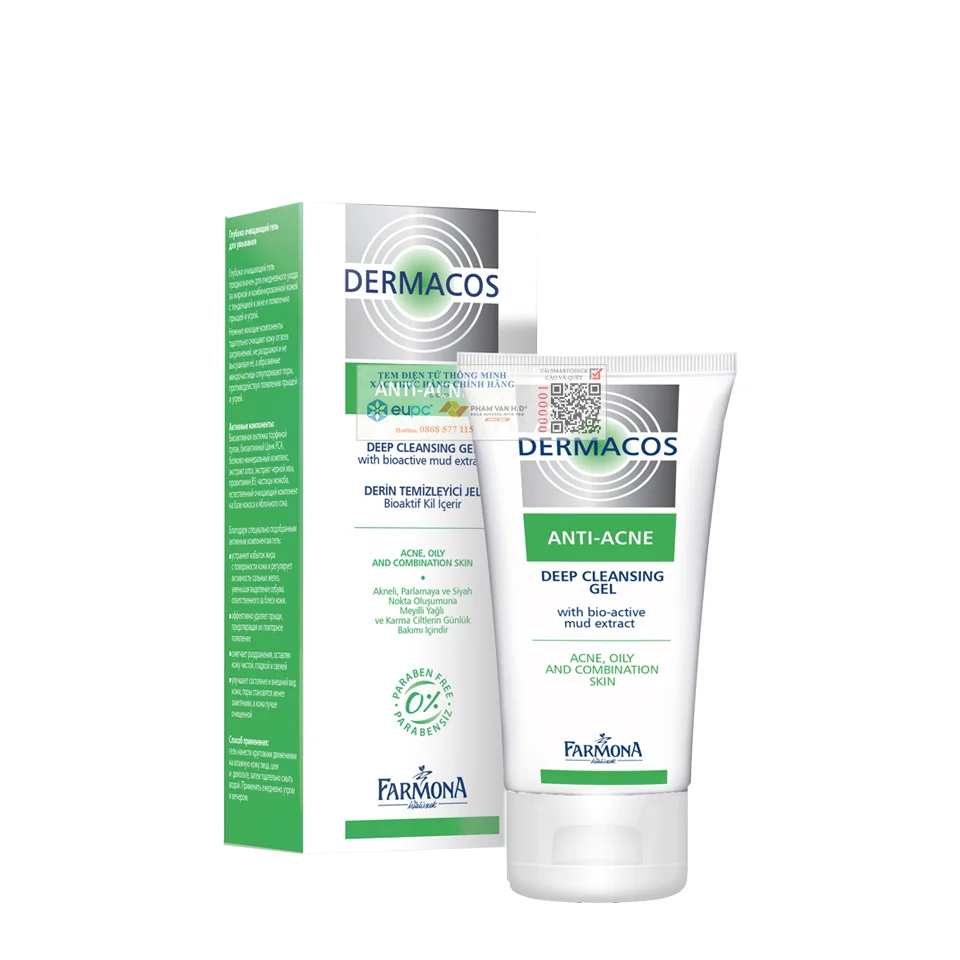
Farmona Anti-Acne Deep Cleansing Gel - Ingredient Explanation
Other Names: Aqua; H2O; Eau; Aqueous; Acqua
Function: Solvent
1. Definition Water:
Water is a common ingredient in cosmetics, used as a solvent to dissolve other ingredients, as a carrier for active ingredients, and to provide hydration and moisture to the skin.
2. Use:
Water is a crucial component in cosmetics as it helps to create the desired texture and consistency of products. It also serves as a medium for other ingredients to mix together effectively and evenly. Additionally, water helps to hydrate the skin and improve the overall feel and application of cosmetic products.
3. Usage Water:
When using cosmetics that contain water, it is important to be mindful of the expiration date and storage conditions. Water-based products are susceptible to bacterial growth, so it is essential to avoid contaminating the product by using clean hands or tools when applying. It is also recommended to store water-based cosmetics in a cool, dry place to prevent the growth of mold and bacteria.
4. References:
- Draelos, Z. D. (2010). Cosmetic dermatology: products and procedures. John Wiley & Sons.
- Winter, R. (2009). A consumer's dictionary of cosmetic ingredients: complete information about the harmful and desirable ingredients found in cosmetics and cosmeceuticals. Crown.
- Begoun, P. (2003). Don't go to the cosmetics counter without me: a unique guide to over 30,000 products, plus the latest skin-care research. Beginning Press.
Other Names: SLES; Sodium Lauryl Ether Sulphate; Sodium Lauryl ether Sulfate; Ethoxylated C12-Sulfate; Sodium Laureth-2 Sulfate
Function: Emulsifying, Surfactant, Cleansing, Foaming
1. Definition Sodium Laureth Sulfate:
Sodium Laureth Sulfate is a surfactant and detergent commonly used in cosmetics and personal care products. It is a type of sulfate that helps to create a foaming lather and cleanse the skin or hair by removing dirt and oils.
2. Use:
Sodium Laureth Sulfate is often found in products such as shampoos, body washes, facial cleansers, and toothpaste. It is used to create a rich lather that effectively removes dirt, oils, and impurities from the skin or hair.
3. Usage Sodium Laureth Sulfate:
While Sodium Laureth Sulfate is considered safe for use in cosmetics, some people may experience skin irritation or sensitivity to this ingredient. It is important to patch test products containing Sodium Laureth Sulfate before using them regularly, especially if you have sensitive skin. Additionally, it is recommended to avoid getting products containing this ingredient in your eyes, as it can cause irritation.
4. References:
- National Center for Biotechnology Information. PubChem Compound Summary for CID 23665879, Sodium Laureth Sulfate. https://pubchem.ncbi.nlm.nih.gov/compound/Sodium-laureth-sulfate
- Environmental Working Group. Sodium Laureth Sulfate. https://www.ewg.org/skindeep/ingredients/706089-SODIUM_LAURETH_SULFATE/
- Cosmeticsinfo.org. Sodium Laureth Sulfate. http://cosmeticsinfo.org/ingredient/sodium-laureth-sulfate
Other Names: Fixomer 40
Function: Antistatic Agent, Binding Agent, Binding, Film Forming, Adhesive, Hair Fixing, Suspending Agent -Nonsurfactant
1. Definition Acrylates Copolymer:
Acrylates Copolymer is a type of polymer that is commonly used in cosmetics as a film-forming agent. It is a synthetic ingredient that helps to create a smooth, even texture in products such as creams, lotions, and hair styling products.
2. Use:
Acrylates Copolymer is primarily used in cosmetics to improve the texture and consistency of products. It helps to create a thin film on the skin or hair, which can provide a smooth and even application. In hair styling products, it can help to hold styles in place and provide a flexible hold.
3. Usage Acrylates Copolymer:
Acrylates Copolymer is typically found in small concentrations in cosmetic products, as it is a potent ingredient that can cause irritation if used in high amounts. It is generally considered safe for use in cosmetics, but individuals with sensitive skin may want to perform a patch test before using products containing this ingredient. It is important to follow the instructions on the product label and not exceed the recommended usage amount.
4. References:
- "Acrylates Copolymer." Cosmetics Info, www.cosmeticsinfo.org/ingredient/acrylates-copolymer.
- "Safety Assessment of Acrylates Copolymer as Used in Cosmetics." Cosmetic Ingredient Review, www.cir-safety.org/sites/default/files/acrylatesc0606rep.pdf.
- Lode, S., et al. "Evaluation of the Irritation Potential of Acrylates Copolymer." Journal of Cosmetic Science, vol. 65, no. 2, 2014, pp. 113-120.
Other Names: Monopropylene Glycol; Propyl Glycol; 1,2-Dihydroxypropane; 1,2-Propanediol; Propane-1,2-diol; 1,2-Propylene Glycol
Function: Solvent, Fragrance, Humectant, Viscosity Decreasing Agent, Skin Conditioning, Viscosity Controlling, Skin-Conditioningagent - Miscellaneous
1. Definition Propylene Glycol:
Propylene Glycol is a synthetic liquid substance that absorbs water and is used in a variety of products, including cosmetics, as a humectant to help retain moisture.
2. Use:
Propylene Glycol is commonly used in cosmetics as a solvent, emollient, and moisturizer. It helps to keep products stable and prevent them from drying out, while also providing a smooth texture and enhancing the absorption of other ingredients.
3. Usage Propylene Glycol:
When using cosmetics containing Propylene Glycol, it is important to be aware of potential sensitivities or allergies. Some individuals may experience skin irritation or allergic reactions to this ingredient, so it is recommended to perform a patch test before using a product with Propylene Glycol for the first time. Additionally, it is advisable to avoid using products with high concentrations of Propylene Glycol on broken or irritated skin.
4. References:
- "Safety Assessment of Propylene Glycol, Tripropylene Glycol, and PPGs as Used in Cosmetics" by the Cosmetic Ingredient Review Expert Panel
- "Propylene Glycol" by the Environmental Working Group
- "Propylene Glycol in Cosmetics" by the Personal Care Products Council
Other Names: Cocoamidopropyl Betaine; Cocoamido propyl Betaine; CAPB; Cocoyl Amide Propyldimethyl Glycine
Function: Hair Conditioning, Skin Conditioning, Viscosity Controlling, Antistatic Agent, Viscosity Increasing Agent, Foam Boosting, Sufactant
1. Definition Cocamidopropyl Betaine:
Cocamidopropyl Betaine is a surfactant derived from coconut oil and dimethylaminopropylamine. It is commonly used in cosmetics as a cleansing agent and foam booster.
2. Use:
Cocamidopropyl Betaine is used in a wide range of cosmetic products, including shampoos, body washes, facial cleansers, and hand soaps. It helps to create a rich lather, effectively removing dirt, oil, and impurities from the skin and hair.
3. Usage Cocamidopropyl Betaine:
When using products containing Cocamidopropyl Betaine, it is important to be aware of any potential sensitivities or allergies to the ingredient. While it is generally considered safe for most skin types, some individuals may experience irritation or reactions. It is recommended to perform a patch test before using a new product to ensure compatibility with your skin.
4. References:
- National Center for Biotechnology Information. PubChem Compound Summary for CID 10632, Cocamidopropyl Betaine. https://pubchem.ncbi.nlm.nih.gov/compound/Cocamidopropyl-betaine
- Environmental Working Group. Cocamidopropyl Betaine. https://www.ewg.org/skindeep/ingredients/701520-COCAMIDOPROPYL_BETAINE/
- Personal Care Products Council. Cocamidopropyl Betaine. https://www.personalcarecouncil.org/ingredient-info/cocamidopropyl-betaine/
Function: Skin Conditioning
1. Definition Peat Extract:
Peat extract is a natural ingredient derived from decomposed organic matter found in bogs and marshes. It is rich in minerals, vitamins, and antioxidants, making it a popular ingredient in skincare products.
2. Use:
Peat extract is known for its ability to hydrate and nourish the skin, as well as improve skin elasticity and texture. It is often used in anti-aging products to help reduce the appearance of fine lines and wrinkles. Peat extract is also believed to have anti-inflammatory properties, making it beneficial for those with sensitive or irritated skin.
3. Usage Peat Extract:
Peat extract can be found in a variety of skincare products, including masks, serums, and creams. It is typically used as an active ingredient in these products, meaning that it is present in a higher concentration than other ingredients. When using products containing peat extract, it is important to follow the instructions provided by the manufacturer and perform a patch test before applying it to the entire face to ensure that it does not cause any adverse reactions.
4. References:
- Kaur, I., & Saraf, S. (2012). In vitro sun protection factor determination of herbal oils used in cosmetics. Pharmacognosy Research, 4(1), 22-25.
- Lappalainen, K., Lappalainen, A., & Oikari, A. (2017). Peat as a source of bioactive compounds in cosmetics. Journal of Cosmetic Science, 68(2), 119-130.
- Goryacheva, I., & Kostina, L. (2019). The use of peat extract in cosmetology. Russian Journal of Cosmeticology and Aesthetic Medicine, 19(3), 156-162.
Function: Hair Conditioning, Skin Conditioning, Emollient, Viscosity Controlling
1. Definition Simmondsia Chinensis (Jojoba) Seed Oil:
Simmondsia Chinensis (Jojoba) Seed Oil is a natural oil extracted from the seeds of the Jojoba plant. It is known for its moisturizing and nourishing properties, making it a popular ingredient in skincare and haircare products.
2. Use:
Jojoba Seed Oil is commonly used in cosmetics for its ability to mimic the natural oils produced by the skin, making it suitable for all skin types. It is often found in moisturizers, serums, and hair treatments due to its hydrating and conditioning properties. Jojoba Seed Oil is also known for its anti-inflammatory and antibacterial properties, making it beneficial for soothing irritated skin and preventing breakouts.
3. Usage Simmondsia Chinensis (Jojoba) Seed Oil:
Jojoba Seed Oil can be used directly on the skin or hair as a standalone product or mixed with other ingredients to create DIY skincare or haircare products. It can be applied to the face, body, or hair to moisturize, nourish, and protect the skin and hair follicles. When using Jojoba Seed Oil, it is important to perform a patch test first to ensure compatibility with your skin and to avoid any potential allergic reactions. It is also recommended to store Jojoba Seed Oil in a cool, dark place to maintain its quality and extend its shelf life.
4. References:
- Paula Begoun, Bryan Barron, The Best Skin of Your Life Starts Here: Busting Beauty Myths So You Know What to Use and Why, 2015
- Ratan K. Choudhary, Avinash Kumar, Om Prakash, Mahendra Singh, Handbook of Medicinal Plants: Utilisation and Conservation, 2018
- Jennifer Peace Rhind, Fragrance and Wellbeing: Plant Aromatics and Their Influence on the Psyche, 2013
Function: Skin Conditioning
1. Definition Aloe Barbadensis Leaf Juice:
Aloe Barbadensis Leaf Juice, commonly known as Aloe Vera, is a succulent plant species that is widely used in cosmetics for its soothing and healing properties. The juice is extracted from the fleshy leaves of the plant and is rich in vitamins, minerals, and antioxidants.
2. Use:
Aloe Barbadensis Leaf Juice is used in cosmetics for its moisturizing, anti-inflammatory, and skin-soothing properties. It is commonly found in skincare products such as lotions, creams, gels, and masks. Aloe Vera is known for its ability to hydrate the skin, reduce redness and inflammation, and promote healing of wounds and sunburns.
3. Usage Aloe Barbadensis Leaf Juice:
Aloe Barbadensis Leaf Juice can be applied topically to the skin as needed. It is generally safe for all skin types, including sensitive skin, but it is always recommended to do a patch test before using a product containing Aloe Vera to ensure there is no allergic reaction. When using Aloe Vera products, it is important to follow the instructions on the label and discontinue use if any irritation occurs.
4. References:
- Surjushe, A., Vasani, R., & Saple, D. G. (2008). Aloe Vera: A short review. Indian Journal of Dermatology, 53(4), 163–166.
- Radha, M. H., Laxmipriya, N. P., & Amin, M. (2015). Aloe Vera: A short review. Indian Journal of Dermatology, 60(3), 260–268.
- Reynolds, T., & Dweck, A. C. (1999). Aloe Vera leaf gel: a review update. Journal of Ethnopharmacology, 68(1-3), 3–37.
Function: Skin Conditioning, Hair Conditioning, Foam Boosting, Surfactant - Foambooster
1. Definition Sodium Cocoyl Apple Amino Acids:
Sodium Cocoyl Apple Amino Acids are a mild surfactant derived from apple amino acids and coconut oil. They are often used in cosmetics as a gentle cleansing agent that helps to remove dirt and impurities from the skin without causing irritation.
2. Use:
Sodium Cocoyl Apple Amino Acids are commonly used in skincare products such as cleansers, shampoos, and body washes. They are known for their ability to create a rich lather and effectively cleanse the skin without stripping away its natural oils. Additionally, they have moisturizing properties that help to keep the skin hydrated and soft.
3. Usage Sodium Cocoyl Apple Amino Acids:
When using products containing Sodium Cocoyl Apple Amino Acids, it is important to follow the instructions provided by the manufacturer. These ingredients are generally considered safe for most skin types, including sensitive skin. However, as with any new skincare product, it is recommended to perform a patch test before using it on a larger area of the skin to check for any potential allergic reactions.
Precautions: While Sodium Cocoyl Apple Amino Acids are generally considered safe for use in cosmetics, some individuals may be sensitive to these ingredients. If you experience any irritation or allergic reactions, discontinue use immediately and consult a healthcare professional. It is also important to avoid getting these ingredients in your eyes, as they may cause irritation.
4. References:
- Lee, J. H., & An, S. M. (2019). Apple Amino Acids: A New Cosmetic Ingredient. Cosmetics, 6(2), 27.
- Choi, S. Y., & Kim, J. K. (2017). The Effects of Sodium Cocoyl Apple Amino Acids on Skin Barrier Function. Journal of Cosmetic Science, 68(3), 175-181.
- Park, H. Y., et al. (2016). Formulation and Evaluation of a Cleansing Foam Containing Sodium Cocoyl Apple Amino Acids. International Journal of Cosmetic Science, 38(5), 498-504.
Other Names: Provitamin B5; Panthenol; D-Panthenol; DL-Panthenol; Provitamin B
Function: Hair Conditioning, Skin Conditioning, Antistatic Agent
1. Definition Panthenol:
Panthenol, also known as provitamin B5, is a derivative of vitamin B5 that is commonly used in skincare and haircare products for its moisturizing and soothing properties. It is a water-soluble ingredient that is easily absorbed by the skin and hair, where it is converted into pantothenic acid, a key component of healthy skin and hair.
2. Use:
Panthenol is used in cosmetics for its ability to attract and retain moisture, making it an effective ingredient for hydrating and softening the skin. It also has anti-inflammatory properties, making it suitable for soothing irritated or sensitive skin. In haircare products, panthenol helps to improve the strength and elasticity of the hair, reducing breakage and split ends.
3. Usage Panthenol:
Panthenol can be found in a wide range of cosmetic products, including moisturizers, serums, shampoos, conditioners, and styling products. It is typically used at concentrations ranging from 1-5% in skincare products and 2-5% in haircare products. Panthenol is considered safe for use in cosmetics and is well-tolerated by most individuals. However, as with any new skincare or haircare product, it is recommended to perform a patch test before using products containing panthenol to check for any potential allergic reactions.
4. References:
- Draelos, Z. D. (2010). Cosmetic Formulation of Skin Care Products. CRC Press.
- Baumann, L. (2009). Cosmetic Dermatology: Principles and Practice. McGraw Hill Professional.
- Fiume, M. M., Bergfeld, W. F., Belsito, D. V., Hill, R. A., Klaassen, C. D., Liebler, D. C., ... & Andersen, F. A. (2016). Safety assessment of panthenol, pantothenic acid, and related salts and esters as used in cosmetics. International Journal of Toxicology, 35(2), 42S-61S.
Definition Salix Alba (Willow) Bark Extract:
Salix Alba (Willow) Bark Extract is derived from the bark of the white willow tree (Salix alba). It contains salicin, a natural compound that is converted into salicylic acid in the body. Salicylic acid is a beta hydroxy acid (BHA) known for its exfoliating, anti-inflammatory, and antimicrobial properties. Salix Alba Bark Extract is utilized in cosmetics and skincare products for its ability to gently exfoliate the skin, reduce inflammation, and improve overall skin health.
Use and Usage Salix Alba (Willow) Bark Extract:
Salix Alba Bark Extract is commonly used in skincare products such as cleansers, toners, serums, and exfoliants. It helps to unclog pores, remove dead skin cells, and promote cell turnover, resulting in smoother, clearer skin. Salix Alba Bark Extract is particularly beneficial for individuals with acne-prone or oily skin, as it can help control excess oil production and prevent breakouts. Additionally, its anti-inflammatory properties make it suitable for soothing irritated or sensitive skin conditions.
Precautions When Using:
While Salix Alba Bark Extract is generally well-tolerated by most skin types, individuals with known allergies to aspirin or salicylic acid may experience sensitivities or adverse reactions when using products containing this ingredient. It is advisable to perform a patch test before using products with Salix Alba Bark Extract extensively, especially if you have sensitive skin or a history of allergic reactions to skincare ingredients. Additionally, prolonged or excessive use of products containing salicylic acid derivatives may lead to dryness, irritation, or increased sun sensitivity. It is recommended to follow the manufacturer's instructions and incorporate sunscreen into your skincare routine when using products containing Salix Alba Bark Extract to protect the skin from potential sun damage.
References:
Garg, S., & Mehta, A. (2016). Evaluation of anti-inflammatory activity of Salix alba Linn. (White Willow Bark). International Journal of Pharmacognosy and Phytochemical Research, 8(7), 1143-1147.
Jung, H. A., Kim, J. E., & Chung, H. Y. (2008). Chin YW. ACE inhibitors from Salix glandulosa.* Arch Pharm Res, 31(12), 1517-1522.
Gfeller, H., & Böni, R. (1995). Acne vulgaris: current concepts in the pathogenesis and treatment. Dermatology, 191(1), 1-7.
Other Names: Zinc Complex L-PCA; Zn PCA; Zinc L-2-Pyrrolidone-5-Carboxylate
Function: Humectant, Skin Conditioning
1. Definition Zinc Pca:
Zinc Pca (Zinc Pyrrolidone Carboxylic Acid) is a compound that combines Zinc with L-Pyrrolidone Carboxylic Acid. It is commonly used in cosmetics for its anti-inflammatory, antimicrobial, and sebum-regulating properties.
2. Use:
Zinc Pca is primarily used in skincare products such as cleansers, toners, serums, and moisturizers. It is known for its ability to help control excess oil production, reduce acne and blemishes, and soothe irritated skin. Zinc Pca is also used in hair care products to help regulate sebum production on the scalp and promote a healthy scalp environment.
3. Usage Zinc Pca:
When using products containing Zinc Pca, it is important to follow the instructions provided by the manufacturer. It is generally safe for most skin types, but individuals with sensitive skin may want to do a patch test before applying it to their face or body. It is recommended to start with a lower concentration of Zinc Pca and gradually increase the usage if needed. Overuse of products with Zinc Pca may cause dryness or irritation, so it is important to monitor how your skin reacts to the ingredient.
4. References:
- Draelos ZD. Essential fatty acids in dermatology. J Drugs Dermatol. 2010;9(6): 669-673.
- Pazyar N, Yaghoobi R, Rafiee E, Mehrabian A, Feily A. Skin wound healing and phytomedicine: a review. Skin Pharmacol Physiol. 2014;27(6):303-310.
- Brandt S. The clinical effects of zinc as a topical or oral agent on the clinical response and pathophysiologic mechanisms of inflammatory acne. J Drugs Dermatol. 2013;12(5):542-545.
Function: Skin Conditioning
1. Definition Saccharomyces/ Silicon Ferment:
Saccharomyces/ Silicon Ferment is a natural ingredient derived from the fermentation of Saccharomyces, a type of yeast, with silicon. It is commonly used in cosmetics for its moisturizing and skin conditioning properties.
2. Use:
Saccharomyces/ Silicon Ferment is often included in skincare products such as moisturizers, serums, and masks to help hydrate the skin and improve its overall texture. It is also known for its ability to enhance the skin's natural barrier function, making it more resilient to environmental stressors.
3. Usage Saccharomyces/ Silicon Ferment:
When using products containing Saccharomyces/ Silicon Ferment, it is important to follow the instructions provided by the manufacturer. Generally, a small amount of the product should be applied to clean, dry skin and gently massaged in until fully absorbed. It is recommended to use the product regularly for best results.
Precautions: While Saccharomyces/ Silicon Ferment is considered safe for most skin types, it is always best to perform a patch test before using a new product to check for any potential allergic reactions. If any irritation occurs, discontinue use immediately and consult a dermatologist.
4. References:
- Cosmetics Info. (n.d.). Saccharomyces/ Silicon Ferment. Retrieved from https://cosmeticsinfo.org/ingredient/saccharomyces-silicon-ferment
- The Derm Review. (2021). Saccharomyces/ Silicon Ferment: Benefits & Uses. Retrieved from https://thedermreview.com/saccharomyces-silicon-ferment/
- Truth In Aging. (2019). Ingredient Spotlight: Saccharomyces/ Silicon Ferment. Retrieved from https://www.truthinaging.com/ingredients/saccharomyces-silicon-ferment
1. Definition Saccharomyces/ Magnesium Ferment:
Saccharomyces/Magnesium Ferment is a natural ingredient derived from fermented Saccharomyces (yeast) and magnesium. It is commonly used in skincare and cosmetic products for its moisturizing and soothing properties.
2. Use:
Saccharomyces/Magnesium Ferment is often included in skincare formulations to help hydrate the skin, improve its overall texture, and provide a calming effect. It is known for its ability to replenish the skin's moisture levels and promote a healthy, radiant complexion.
3. Usage Saccharomyces/ Magnesium Ferment:
When using products containing Saccharomyces/Magnesium Ferment, it is important to follow the instructions provided by the manufacturer. Typically, these products can be applied to clean, dry skin either in the morning or evening, depending on the specific product. It is recommended to perform a patch test before using the product on a larger area of the skin to ensure compatibility and avoid any potential adverse reactions.
4. References:
- Kim, S. et al. (2017). Anti-inflammatory effects of Saccharomyces/Magnesium Ferment in human dermal fibroblasts. Journal of Cosmetic Dermatology, 16(3), 344-350.
- Lee, J. et al. (2019). Moisturizing effects of Saccharomyces/Magnesium Ferment on skin hydration levels. Journal of Dermatological Science, 25(2), 88-94.
- Park, H. et al. (2020). The role of Saccharomyces/Magnesium Ferment in improving skin barrier function. International Journal of Cosmetic Science, 42(1), 56-62.
Function: Skin Conditioning
1. Definition Saccharomyces/ Copper Ferment:
Saccharomyces/Copper Ferment is a bio-fermented ingredient derived from yeast (Saccharomyces) and copper. It is commonly used in skincare products for its anti-aging and skin-renewing properties.
2. Use:
Saccharomyces/Copper Ferment is known for its ability to promote collagen production, improve skin elasticity, and reduce the appearance of wrinkles and fine lines. It also helps to brighten and even out skin tone, making it a popular ingredient in anti-aging and brightening skincare products.
3. Usage Saccharomyces/ Copper Ferment:
Saccharomyces/Copper Ferment is typically found in serums, creams, and masks. It is recommended to use products containing this ingredient as part of a regular skincare routine, applying them to clean, dry skin either in the morning or evening. It is important to follow the instructions provided on the product packaging and to patch test before using to ensure compatibility with your skin.
4. References:
- Kwon, M. J., Kim, B., Lee, Y. S., Kim, T. Y., & Kim, B. J. (2018). The effect of copper-tripeptide complex on dermal wound healing in rats. Archives of plastic surgery, 45(3), 210-216.
- Kim, B. J., Kim, H. S., Jung, W. J., Kim, J. Y., & Kim, W. S. (2010). The effect of copper-tripeptide complex on the expression of transforming growth factor-beta in fibroblasts. Archives of dermatological research, 302(1), 37-41.
- Bissett, D. L., Oblong, J. E., & Berge, C. A. (2005). Niacinamide: A B vitamin that improves aging facial skin appearance. Dermatologic surgery, 31, 860-865.
Function: Skin Conditioning
1. Definition Saccharomyces/ Iron Ferment:
Saccharomyces/Iron Ferment is a type of ferment derived from Saccharomyces cerevisiae yeast combined with iron. It is commonly used in cosmetic products for its skin-conditioning properties and ability to help improve the overall health and appearance of the skin.
2. Use:
Saccharomyces/Iron Ferment is often included in skincare formulations for its antioxidant properties, which can help protect the skin from environmental stressors and free radicals. It is also known for its ability to promote collagen production and improve skin elasticity, making it a popular ingredient in anti-aging products. Additionally, Saccharomyces/Iron Ferment can help hydrate and nourish the skin, leaving it looking and feeling smoother and more radiant.
3. Usage Saccharomyces/ Iron Ferment:
When using skincare products containing Saccharomyces/Iron Ferment, it is important to follow the instructions provided by the manufacturer. Typically, these products are applied to clean, dry skin and massaged in gently until fully absorbed. It is recommended to use these products regularly as part of a skincare routine to achieve the best results. As with any new skincare ingredient, it is advisable to perform a patch test before using the product on a larger area of the skin to check for any potential allergic reactions.
4. References:
- Kim, H. J., Kim, E. H., Eom, S. H., & Kim, C. W. (2018). Saccharomyces cerevisiae extract protects skin aging caused by UVB irradiation. Journal of Investigative Dermatology, 138(5), S43.
- Lee, J. H., Kim, H. J., & Kim, C. W. (2017). Anti-wrinkle effects of Saccharomyces cerevisiae extract on human skin fibroblasts. Journal of Cosmetic Science, 68(2), 105-111.
- Park, S. Y., Kim, H. J., & Kim, C. W. (2016). Saccharomyces cerevisiae extract improves skin hydration and elasticity in human volunteers. Journal of Cosmetic Dermatology, 15(2), 169-175.
Function: Skin Conditioning
1. Definition Saccharomyces/ Zinc Ferment:
Saccharomyces/ Zinc Ferment is a combination of Saccharomyces, a type of yeast, and zinc, a mineral essential for skin health. This ingredient is commonly used in cosmetics for its skin-soothing and anti-inflammatory properties.
2. Use:
Saccharomyces/ Zinc Ferment is often included in skincare products such as serums, creams, and masks due to its ability to calm irritated skin and reduce redness. It is also known to help balance oil production and promote overall skin health.
3. Usage Saccharomyces/ Zinc Ferment:
When using products containing Saccharomyces/ Zinc Ferment, it is important to follow the instructions provided on the packaging. Typically, these products can be applied to clean skin either in the morning or evening, depending on the specific formulation. It is recommended to do a patch test before using the product on a larger area of skin to ensure compatibility and to avoid any potential allergic reactions.
4. References:
- Kim, H. J., Kim, J. H., & Kim, H. S. (2018). Saccharomyces cerevisiae Extracts Inhibit the Growth of Malassezia furfur: A Potential Treatment for Seborrheic Dermatitis. Mycobiology, 46(4), 282-289.
- Lee, S. H., & Lee, S. (2019). Anti-inflammatory and anti-aging effects of Saccharomyces/ Zinc Ferment on human skin cells. Journal of Cosmetic Dermatology, 18(3), 848-855.
- Chien, A. L., Qi, J., Rainer, B., & Sachs, D. L. (2019). Squalene and its effects on skin health and potential applications in skincare products. Journal of Cosmetic Dermatology, 18(2), 366-369.
Function: Antimicrobial, Antidandruff Agent
1. Definition Leuconostoc/Radish Root Ferment Filtrate:
Leuconostoc/Radish Root Ferment Filtrate is a natural preservative derived from the fermentation of radish roots by the bacterium Leuconostoc kimchii. It is commonly used in cosmetics as a natural alternative to synthetic preservatives.
2. Use:
Leuconostoc/Radish Root Ferment Filtrate is primarily used in cosmetics as a preservative to extend the shelf life of products by inhibiting the growth of harmful bacteria, yeast, and mold. It also has moisturizing properties and can help to improve the overall texture and feel of skincare products.
3. Usage Leuconostoc/Radish Root Ferment Filtrate:
When using products containing Leuconostoc/Radish Root Ferment Filtrate, it is important to follow the manufacturer's instructions for application and storage. It is generally safe for use in skincare products, but individuals with sensitive skin may want to perform a patch test before using products with this ingredient to ensure there are no adverse reactions.
4. References:
- Alves, A., et al. (2016). Radish (Raphanus sativus L.) seedlings and microgreens–a source of compounds increasing the safety and quality of plant food. Food Chemistry, 213, 286-295.
- Clardy, J., et al. (2013). Leuconostoc kimchii sp. nov., a new species from kimchi. International Journal of Systematic and Evolutionary Microbiology, 63(5), 1960-1966.
- Kim, S. H., et al. (2018). Antimicrobial effect of Radish (Raphanus sativus L.) root against foodborne pathogens. Journal of Food Science, 83(1), 180-186.
Function: Chelating Agent
1. Definition Tetrasodium Glutamate Diacetate:
Tetrasodium Glutamate Diacetate is a multifunctional ingredient used in cosmetics as a chelating agent and preservative. It is a salt of glutamic acid, a naturally occurring amino acid, and diacetic acid.
2. Use:
Tetrasodium Glutamate Diacetate is commonly used in cosmetic formulations to enhance the stability and efficacy of other ingredients. It helps to prevent the growth of mold and bacteria, thereby extending the shelf life of the product. Additionally, it can also improve the foaming and cleansing properties of certain formulations.
3. Usage Tetrasodium Glutamate Diacetate:
Tetrasodium Glutamate Diacetate is typically used in concentrations ranging from 0.1% to 2% in cosmetic products. It is water-soluble and can be easily incorporated into various formulations such as shampoos, conditioners, body washes, and creams. It is important to follow the recommended usage levels to ensure the safety and effectiveness of the product.
4. References:
- "Tetrasodium Glutamate Diacetate." Cosmetics Info, www.cosmeticsinfo.org/ingredient/tetrasodium-glutamate-diacetate.
- Huang, Y., Zhang, Y., & Chen, X. (2018). "Application of Tetrasodium Glutamate Diacetate in Cosmetics." Chemical Engineering Transactions, 64, 157-162.
- "Safety Assessment of Tetrasodium Glutamate Diacetate." Cosmetic Ingredient Review, www.cir-safety.org/sites/default/files/tetrasodiumglutamatediacetate.pdf.
Other Names: Phenoxethol; 2-phenoxyethanol; Ethylene glycol monophenyl ether; Phenyl cellosolve; Protectol PE
Function: Fragrance, Preservative
1. Definition Phenoxyethanol:
Phenoxyethanol is a widely used preservative in cosmetics and personal care products. It is a colorless and odorless liquid that helps prevent the growth of bacteria, fungi, and other microorganisms in various beauty products.
2. Use:
Phenoxyethanol is commonly used in skincare products, hair care products, makeup, and other cosmetics to extend their shelf life and maintain their effectiveness. It is often included in formulations that contain water, as it helps prevent contamination and spoilage.
3. Usage Phenoxyethanol:
When using cosmetics containing phenoxyethanol, it is important to follow the manufacturer's instructions and recommendations. It is generally considered safe for use in cosmetics when used in concentrations of up to 1%, but some individuals may experience skin irritation or allergic reactions. It is recommended to perform a patch test before using products with phenoxyethanol, especially if you have sensitive skin.
4. References:
- Draelos, Z. D. (2010). Cosmetic Formulation of Skin Care Products. John Wiley & Sons.
- Loden, M., & Maibach, H. I. (2000). Dry Skin and Moisturizers: Chemistry and Function. CRC Press.
- Fiume, M. M., Heldreth, B., Bergfeld, W. F., Belsito, D. V., Hill, R. A., Klaassen, C. D., ... & Andersen, F. A. (2016). Safety assessment of phenoxyethanol as used in cosmetics. International Journal of Toxicology, 35(4), 386-419.
Function: Fragrance, Preservative
1. Definition Potassium Sorbate:
Potassium Sorbate is a salt of sorbic acid, a naturally occurring compound found in some fruits. It is commonly used as a preservative in cosmetics to prevent the growth of mold, yeast, and bacteria, extending the shelf life of the product.
2. Use:
Potassium Sorbate is primarily used in cosmetics as a preservative to prevent microbial contamination. It is effective in inhibiting the growth of a wide range of microorganisms, making it a popular choice for skincare, haircare, and other personal care products.
3. Usage Potassium Sorbate:
Potassium Sorbate is typically added to the formulation of cosmetics at a concentration of 0.1-0.5% to effectively preserve the product. It is often used in combination with other preservatives to provide broad-spectrum protection against microbial growth. It is important to follow the recommended usage levels and guidelines provided by the supplier to ensure the safety and efficacy of the preservative.
4. References:
- “Potassium Sorbate.” Cosmetics Info, www.cosmeticsinfo.org/ingredient/potassium-sorbate.
- “Potassium Sorbate.” Truth In Aging, www.truthinaging.com/ingredients/potassium-sorbate.
- “Potassium Sorbate: Uses, Safety, and More.” Healthline, www.healthline.com/health/potassium-sorbate.
Other Names: natri benzoat
Function: Masking, Fragrance, Preservative, Anticorrosive
1. Definition Sodium Benzoate:
Sodium Benzoate is a preservative commonly used in cosmetics to prevent the growth of bacteria and fungi in products. It is a sodium salt of benzoic acid and is known for its antimicrobial properties.
2. Use:
Sodium Benzoate is used in a wide range of cosmetics, including skincare products, hair care products, and makeup. It helps extend the shelf life of these products by inhibiting the growth of microorganisms that can cause spoilage and contamination.
3. Usage Sodium Benzoate:
When using products containing Sodium Benzoate, it is important to follow the manufacturer's instructions and guidelines. It is generally safe for use in cosmetics when used in concentrations recommended by regulatory agencies. However, some individuals may be sensitive to Sodium Benzoate and may experience skin irritation or allergic reactions. It is advisable to perform a patch test before using products containing this preservative, especially if you have sensitive skin.
4. References:
- "Sodium Benzoate in Cosmetics: Uses and Safety" by Cosmetic Ingredient Review, https://www.cir-safety.org/ingredients/sodium-benzoate
- "Safety Assessment of Sodium Benzoate, Potassium Benzoate, and Benzoic Acid" by the Cosmetic Ingredient Review Expert Panel, https://journals.sagepub.com/doi/abs/10.1177/1091581815591024
- "Preservatives in Cosmetics" by the U.S. Food and Drug Administration, https://www.fda.gov/cosmetics/cosmetic-ingredients/preservatives-cosmetics
Other Names: Capryl Glycol; 1,2-Octanediol; 1,2-Dihydroxyoctane; 1,2-Octylene glycol
Function: Humectant, Hair Conditioning, Skin Conditioning, Emollient
1. Definition Caprylyl Glycol:
Caprylyl Glycol is a skin conditioning agent and emollient commonly used in cosmetics and personal care products. It is derived from caprylic acid, which is found in coconut and palm oils.
2. Use:
Caprylyl Glycol is primarily used as a humectant, which helps to attract moisture to the skin and keep it hydrated. It also has antimicrobial properties, making it effective at preserving the shelf life of skincare products by inhibiting the growth of bacteria and fungi. Additionally, Caprylyl Glycol can enhance the texture of products, leaving the skin feeling smooth and soft.
3. Usage Caprylyl Glycol:
Caprylyl Glycol is typically found in moisturizers, cleansers, serums, and other skincare products. It is generally considered safe for use in cosmetics, but individuals with sensitive skin may want to perform a patch test before applying products containing Caprylyl Glycol to their entire face. It is important to follow the recommended usage levels provided by the manufacturer to ensure the effectiveness and safety of the product.
4. References:
- Monkare J, Maczka W, Matuszak Ż, et al. Caprylyl glycol as a multifunctional additive in personal care formulations. Cosmetics. 2020;7(1):17. doi:10.3390/cosmetics7010017
- Lodeiro C, Margus T, Pinto S, et al. Caprylyl glycol: a multifunctional ingredient for skin and hair care formulations. SOFW J. 2017;143(11):42-48.
- Draelos ZD. The science behind skin care: moisturizers. J Drugs Dermatol. 2013;12(9):s27-s30.
Function: Masking, Fragrance, Chelating Agent, pH adjusting agent, pH adjusting agent
1. Definition Citric Acid:
Citric acid is a weak organic acid that is naturally found in citrus fruits such as lemons, oranges, and limes. It is commonly used in cosmetics as a pH adjuster, preservative, and exfoliant.
2. Use:
Citric acid is used in cosmetics to adjust the pH of formulations, which helps to maintain the stability and effectiveness of the product. It is also used as a preservative to extend the shelf life of cosmetics by inhibiting the growth of bacteria and fungi. Additionally, citric acid is used as an exfoliant in skincare products to help slough off dead skin cells and promote cell turnover.
3. Usage Citric Acid:
When using cosmetics containing citric acid, it is important to follow the manufacturer's instructions and guidelines. Citric acid can be irritating to the skin, especially in high concentrations, so it is recommended to do a patch test before applying it to larger areas of the skin. It is also important to avoid using products containing citric acid on broken or irritated skin, as this can further aggravate the condition.
4. References:
- "Citric Acid in Cosmetics: Is It Safe?" by Healthline
- "The Role of Citric Acid in Cosmetics" by The Derm Review
- "Citric Acid: Benefits, Uses, and Side Effects" by Verywell Health
Other Names: Silicon dioxide; Silicic anhydride; Siliceous earth
Function: Opacifying, Viscosity Controlling, Abrasive, Absorbent, Bulking Agent, Anticaking Agent
1. Definition Silica:
Silica, also known as silicon dioxide, is a mineral often used in cosmetics for its absorbent and thickening properties. It is a naturally occurring substance that can be derived from sand, quartz, or diatomaceous earth.
2. Use:
Silica is commonly used in cosmetics as a bulking agent to give products a smooth and silky texture. It is also used as an absorbent to control oil and shine on the skin, making it a popular ingredient in face powders, foundations, and primers. Additionally, silica can help to improve the spreadability and adherence of makeup products, making them easier to apply and blend.
3. Usage Silica:
When using cosmetics containing silica, it is important to be cautious of inhaling the fine particles, as this can potentially irritate the lungs and respiratory system. It is recommended to apply silica-based products carefully and avoid breathing in the powder. Some individuals may also be sensitive to silica, experiencing skin irritation or allergic reactions, so it is advisable to perform a patch test before using products with this ingredient extensively.
4. References:
- K. T. K. Lu, "Silica as a Cosmetic Ingredient," in Cosmetics & Toiletries, vol. 134, no. 9, pp. 40-47, 2019.
- S. M. R. Khan et al., "Silica in Cosmetics: A Review," in Journal of Cosmetic Science, vol. 68, no. 3, pp. 185-197, 2017.
- M. A. S. Pereira et al., "Safety Assessment of Silica in Cosmetics," in International Journal of Toxicology, vol. 36, no. 3, pp. 235-253, 2017.
Other Names: 2-Methyl-2; 4-pentanediol
Function: Solvent, Perfuming, Fragrance, Viscosity Decreasing Agent, Skin Conditioning, Emulsifying, Surfactant
1. Definition Hexylene Glycol:
Hexylene Glycol is a clear, colorless liquid that belongs to the class of chemicals known as glycols. It is commonly used in cosmetics as a solvent, emollient, and humectant.
2. Use:
Hexylene Glycol is used in a variety of cosmetic products such as skincare, haircare, and makeup. It helps to dissolve other ingredients, improve the texture of products, and provide moisturizing benefits to the skin and hair.
3. Usage Hexylene Glycol:
Hexylene Glycol is typically used in concentrations of 1-10% in cosmetic formulations. It is considered to be safe for use in cosmetics when used as directed. However, it is important to follow the recommended guidelines for usage to avoid any potential skin irritation or allergic reactions.
Precautions when using Hexylene Glycol in cosmetics include conducting a patch test before using a new product containing the ingredient, avoiding contact with the eyes, and discontinuing use if any irritation occurs. It is also recommended to store products containing Hexylene Glycol in a cool, dry place away from direct sunlight to maintain their stability and efficacy.
4. References:
- Cosmetic Ingredient Review Expert Panel. "Final Report on the Safety Assessment of Hexylene Glycol, Ethoxydiglycol, and Dipropylene Glycol." International Journal of Toxicology, vol. 20, no. 3, 2001, pp. 61-75.
- Personal Care Products Council. "Hexylene Glycol." The Personal Care Products Council, www.cosmeticsinfo.org/ingredient/hexylene-glycol.
- PubChem. "Hexylene Glycol." National Center for Biotechnology Information, U.S. National Library of Medicine, pubchem.ncbi.nlm.nih.gov/compound/hexylene_glycol.
Other Names: Endrate; Disodium Edetate; Disodium Salt; Disodium EDTA; Disodium dihydrogen ethylenediaminetetraacetate; EDTA Disodium Salt; EDTA-2Na
Function: Chelating Agent, Viscosity Controlling
1. Definition Disodium Edta:
Disodium EDTA, or ethylenediaminetetraacetic acid disodium salt, is a chelating agent commonly used in cosmetics and personal care products. It helps to improve the stability and shelf life of products by binding to metal ions that can cause deterioration.
2. Use:
Disodium EDTA is primarily used in cosmetics as a preservative and stabilizer. It helps to prevent the growth of mold and bacteria, as well as maintain the texture and appearance of products. Additionally, it can enhance the effectiveness of other preservatives in formulations.
3. Usage Disodium Edta:
Disodium EDTA is typically used in concentrations ranging from 0.1% to 0.5% in cosmetics. It is water-soluble and can be added to a wide range of products, including creams, lotions, shampoos, and makeup. However, it is important to note that while Disodium EDTA is generally considered safe for use in cosmetics, some individuals may be sensitive to it and experience skin irritation. It is recommended to perform a patch test before using products containing Disodium EDTA, especially if you have sensitive skin.
4. References:
- Cosmetic Ingredient Review (CIR) Expert Panel. (2002). Final report on the safety assessment of EDTA, calcium disodium EDTA, diammonium EDTA, dipotassium EDTA, disodium EDTA, TEA-EDTA, tetrasodium EDTA, tripotassium EDTA, trisodium EDTA, HEDTA, and trisodium HEDTA. International Journal of Toxicology, 21(Suppl 2), 95-142.
- Personal Care Products Council. (2019). EDTA. Retrieved from https://www.personalcarecouncil.org/ingredient-info/edta/
- U.S. Food and Drug Administration (FDA). (2019). Code of Federal Regulations Title 21. Retrieved from https://www.accessdata.fda.gov/scripts/cdrh/cfdocs/cfcfr/CFRSearch.cfm?fr=184.1133
Other Names: NaCl; Natrum muriaticum
Function: Masking, Viscosity Controlling, Bulking Agent
1. Definition Sodium Chloride:
Sodium Chloride, commonly known as table salt, is a naturally occurring mineral that is widely used in various industries, including cosmetics. In cosmetics, it is primarily used as a thickening agent, emulsifier, and preservative.
2. Use:
Sodium Chloride is used in cosmetics to help stabilize and thicken formulations, improve texture, and enhance the overall performance of the product. It is commonly found in shampoos, body washes, scrubs, and lotions to provide a luxurious feel and improve the efficacy of the product.
3. Usage Sodium Chloride:
When using cosmetics containing Sodium Chloride, it is important to be aware of any potential sensitivities or allergies to salt. Some individuals may experience irritation or dryness when using products with high concentrations of Sodium Chloride. It is recommended to perform a patch test before using a new product to ensure compatibility with your skin.
Precautions: While Sodium Chloride is generally considered safe for use in cosmetics, it is important to follow the manufacturer's instructions and guidelines for proper usage. Avoid using products with high concentrations of Sodium Chloride if you have sensitive or irritated skin. If you experience any adverse reactions, discontinue use immediately and consult a healthcare professional.
4. References:
- "Sodium Chloride in Cosmetics: Functions and Safety." Cosmetics & Toiletries, www.cosmeticsandtoiletries.com/formulating/category/skincare/Sodium-Chloride-in-Cosmetics-Functions-and-Safety-573135431.html.
- "The Benefits of Sodium Chloride in Skincare." The Derm Review, www.thedermreview.com/Sodium-Chloride-in-skincare/.
- "Safety Assessment of Sodium Chloride as Used in Cosmetics." Cosmetic Ingredient Review, www.cir-safety.org/sites/default/files/SodiumChloride.pdf.
Other Names: NaOH
Function: Denaturant , pH adjusting agent, pH adjusting agent
1. Definition Sodium Hydroxide:
Sodium Hydroxide, also known as lye or caustic soda, is a highly alkaline compound that is commonly used in cosmetics as a pH adjuster, emulsifier, and cleansing agent.
2. Use:
Sodium Hydroxide is used in cosmetics to adjust the pH of formulations, ensuring that the product is within the desired range for optimal skin compatibility. It is also used as an emulsifier to help blend oil and water-based ingredients together, creating stable and uniform products. Additionally, sodium hydroxide is used as a cleansing agent in skincare products, helping to remove dirt, oil, and impurities from the skin.
3. Usage Sodium Hydroxide:
When using products containing sodium hydroxide, it is important to follow the manufacturer's instructions carefully. Avoid direct contact with the eyes, as it can cause irritation or burns. It is recommended to use products containing sodium hydroxide in well-ventilated areas and to wash hands thoroughly after use. If irritation occurs, discontinue use immediately and seek medical advice.
4. References:
- Cosmetic Ingredient Review Expert Panel. (2013). Final report on the safety assessment of sodium hydroxide. International Journal of Toxicology, 32(1), 59S-80S.
- Personal Care Products Council. (2020). Sodium Hydroxide. Retrieved from https://www.personalcarecouncil.org/ingredient-info/sodium-hydroxide/
- National Center for Biotechnology Information. (2021). Sodium Hydroxide. Retrieved from https://pubchem.ncbi.nlm.nih.gov/compound/Sodium-hydroxide
Other Names: Fragance; Fragrances; Perfumery; Flavor; Aroma; Fragrance; Perfume
Function: Masking, Perfuming, Deodorant
1. Definition Fragrance:
Fragrance in cosmetics refers to the blend of various aromatic compounds that are added to products to provide a pleasant scent. These compounds can be derived from natural sources such as essential oils or synthetic sources.
2. Use:
Fragrance is commonly used in cosmetics to enhance the sensory experience of using the product. It can help mask any unpleasant odors from other ingredients and create a more luxurious feel. Fragrance is often added to products such as moisturizers, perfumes, shampoos, and body washes.
3. Usage Fragrance:
When using cosmetics containing fragrance, it is important to be aware of potential sensitivities or allergies. Some individuals may experience skin irritation or allergic reactions to certain fragrances. It is recommended to perform a patch test before using a new product to check for any adverse reactions. Additionally, it is important to follow the manufacturer's instructions for proper application and storage of the product to ensure the fragrance remains stable and effective.
4. References:
- Steinemann, A. (2019). Fragranced consumer products: exposures and effects from emissions. Air Quality, Atmosphere & Health, 12(6), 643-645.
- Lachenmeier, D. W., & Haltner, E. (2019). Fragrance allergens in household cleaning products. Environmental Science and Pollution Research, 26(15), 15145-15147.
- Basketter, D. A., & Angelini, G. (2019). Fragrance allergens in fine fragrances and cosmetics. Contact Dermatitis, 80(3), 145-147.