


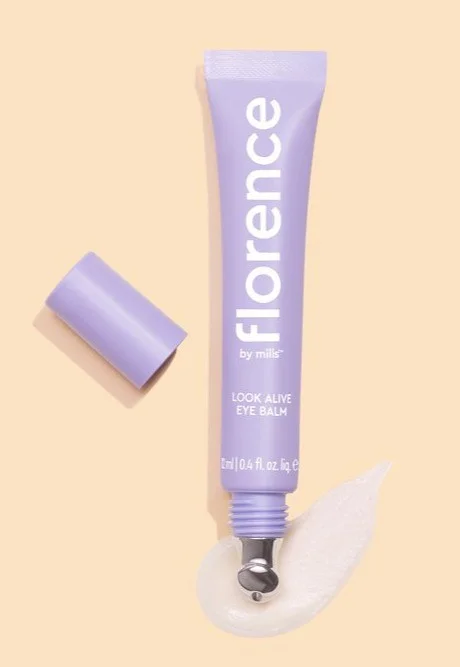
Analysis locked
How well does your skin match with Florence by Mills Look Alive Eye Balm?
Login to see detailsOr continue via
Quick 1-minute survey • Completely free
Ingredients
Analysis results of Ingredients


Ingredient List
| EWG | CIR | Ingredient Name & Cosmetic Function | Notes |
|---|---|---|---|
| 1 | - | (Solvent) | |
| 1 | A | (Emulsifying, Surfactant) |  Bad for oily skin Bad for oily skin  Fungal Acne Trigger Cleansing Fungal Acne Trigger Cleansing |
| 1 2 | A | (Solvent, Perfuming, Fragrance, Humectant, Viscosity Decreasing Agent, Hair Conditioning, Skin Protecting, Denaturant ) |  Good for dry skin Moisturizing Good for dry skin Moisturizing |
| 1 3 | - | (Solvent) | |
| 1 | A | (Opacifying, Emollient, Viscosity Controlling, Viscosity Increasing Agent, Emulsion Stabilising, Emulsifying, Foam Boosting, Viscosity Increasingagent - Aqueous) | Cleansing |
| - | - | (Solvent, Skin Conditioning, Emollient) | |
| 1 | A | (Masking, Fragrance, Hair Conditioning, Skin Conditioning, Emollient) | Bad for oily skin Fungal Acne Trigger |
| 1 | A | Fungal Acne Trigger | |
| 1 | A | (Hair Conditioning, Skin Conditioning, Antistatic Agent) | Good for dry skin Promotes Wound Healing |
| 1 | - | (Skin Conditioning) | |
| 1 | - | (Masking, Fragrance, Skin Conditioning) | |
| 1 | A | (Skin Conditioning) | |
| 1 | - | (Skin Conditioning) | |
| 1 | A | (Skin Conditioning) | |
| 1 | - | (Antioxidant) | |
| 1 | - | Good for dry skin Anti Aging | |
| 1 | - | (Skin Conditioning, Humectant) | |
| 1 | - | (Solvent, Fragrance, Humectant) | Anti Aging |
| 1 | - | (Skin Conditioning) | |
| 1 | A | (Humectant, Skin Conditioning) | Good for dry skin Promotes Wound Healing |
| 1 | A | (Hair Conditioning, Skin Conditioning, Antiseborrhoeic) | |
| 1 | A | (Antioxidant) | Anti Aging Brightening |
| 1 | A | Bad for oily skin Fungal Acne Trigger | |
| 1 | A | (Solvent, Masking, Perfuming, Skin Conditioning, Emollient) | |
| 1 | A | (Skin Conditioning, Emollient) | Fungal Acne Trigger |
| 1 | A | (Skin Conditioning, Emollient) | Good for dry skin |
| 2 3 | A | (Skin Conditioning, Antioxidant) | Anti Aging |
| 1 3 | A | (Skin Conditioning, Emollient, Emulsifying, Surfactant) | Fungal Acne Trigger Cleansing |
| 2 | - | (Solvent, Viscosity Decreasing Agent, Viscosity Controlling) | |
| 2 | A | (Deodorant, Skin Conditioning) | |
| 1 | - | (Skin Conditioning) | |
| 4 | B | (Antimicrobial, Cosmetic Biocide, Preservative) | |
| 1 | - | (Fragrance, Hair Conditioning, Skin Conditioning, Emollient, Antistatic Agent, Sufactant) | Fungal Acne Trigger |
| 1 | - | (Skin Conditioning) | |
| 1 | A | (Fragrance, Emollient, Emulsifying) | Fungal Acne Trigger Cleansing |
| 1 | A | (Fragrance, Opacifying, Emollient, Sufactant) | Bad for oily skin Fungal Acne Trigger |
| 1 | A | (Masking, Fragrance, Emulsion Stabilising, Emulsifying, Sufactant, Refatting) | Bad for oily skin Fungal Acne Trigger Cleansing |
| 1 | - | (Perfuming, Fragrance, Hair Conditioning, Skin Conditioning, Emollient, Antistatic Agent, Sufactant) | Fungal Acne Trigger |
| 1 3 | B | (Surfactant, Emulsifying, Sufactant) | Cleansing |
| 1 | - | (Humectant) | |
| 1 | A | (Humectant, Skin Conditioning) | |
| 2 4 | A | (Fragrance, Preservative) | |
| 1 3 | A | (Masking, Fragrance, Preservative, Anticorrosive) | |
| 1 2 | A | (Masking, Fragrance, Chelating Agent, pH adjusting agent, pH adjusting agent) | Anti Aging  Bad for sensitive skin Bad for sensitive skin |
| 2 | A | (Fragrance, Preservative) | |
| 1 | A | (Masking, pH adjusting agent, pH adjusting agent, Chelating) | |
| 1 4 | - | (Astringent, Cosmetic Colorant, Chelating) | |
Florence by Mills Look Alive Eye Balm - Ingredient Explanation
Water
1. Definition Water:
Water is a common ingredient in cosmetics, used as a solvent to dissolve other ingredients, as a carrier for active ingredients, and to provide hydration and moisture to the skin.2. Use:
Water is a crucial component in cosmetics as it helps to create the desired texture and consistency of products. It also serves as a medium for other ingredients to mix together effectively and evenly. Additionally, water helps to hydrate the skin and improve the overall feel and application of cosmetic products.3. Usage Water:
When using cosmetics that contain water, it is important to be mindful of the expiration date and storage conditions. Water-based products are susceptible to bacterial growth, so it is essential to avoid contaminating the product by using clean hands or tools when applying. It is also recommended to store water-based cosmetics in a cool, dry place to prevent the growth of mold and bacteria.4. References:
- Draelos, Z. D. (2010). Cosmetic dermatology: products and procedures. John Wiley & Sons.
- Winter, R. (2009). A consumer's dictionary of cosmetic ingredients: complete information about the harmful and desirable ingredients found in cosmetics and cosmeceuticals. Crown.
- Begoun, P. (2003). Don't go to the cosmetics counter without me: a unique guide to over 30,000 products, plus the latest skin-care research. Beginning Press.
Glyceryl Stearate Se
1. Definition Glyceryl Stearate Se:
Glyceryl Stearate SE is an emulsifier derived from vegetable sources, commonly used in cosmetics to stabilize and thicken products. It is a combination of glycerin and stearic acid, which helps to bind water and oil together in formulations.2. Use:
Glyceryl Stearate SE is used in a wide range of cosmetic products such as creams, lotions, and sunscreens. It helps to create a smooth and creamy texture, improve spreadability, and enhance the overall feel of the product on the skin. Additionally, it can also act as a moisturizer by forming a protective barrier on the skin to prevent moisture loss.3. Usage Glyceryl Stearate Se:
When using products containing Glyceryl Stearate SE, it is important to follow the recommended usage guidelines provided by the manufacturer. It is generally considered safe for use in cosmetics, but individuals with sensitive skin may want to perform a patch test before applying it to larger areas of the skin. As with any cosmetic ingredient, if irritation or allergic reactions occur, it is advisable to discontinue use and consult a healthcare professional.4. References:
- Cosmetic Ingredient Review Expert Panel. (2012). Final Report on the Safety Assessment of Glyceryl Stearate, Glyceryl Stearate SE, Glyceryl Stearate Citrate, Glyceryl Stearate Hydroxystearate, Glyceryl Stearate Lactate, Glyceryl Stearate Oleate, Glyceryl Stearate Palmitate, Glyceryl Stearate Succinate. International Journal of Toxicology, 31(4), 5S-35S.
- Personal Care Products Council. (2019). Glyceryl Stearate SE. Retrieved from https://online.personalcarecouncil.org/ctfa-static/online/lists/cir-pdfs/pr150.pdf
- Lodeiro, C., & Reis, A. (2018). Emulsifiers in Cosmetics. In Handbook of Cosmetic Science and Technology (4th ed., pp. 381-397). CRC Press.
Glycerin
1. Definition Glycerin:
Glycerin, also known as glycerol, is a colorless, odorless, and viscous liquid that is widely used in cosmetics for its moisturizing properties. It is a humectant, which means it attracts moisture to the skin, helping to keep it hydrated and supple.
2. Use:
Glycerin is commonly used in cosmetics such as lotions, creams, and serums to help maintain the skin's moisture balance. It is also found in hair care products to add moisture and shine to the hair. Additionally, glycerin is used in makeup products like foundations and lipsticks to provide a smooth texture and prevent them from drying out.
3. Usage Glycerin:
When using cosmetics containing glycerin, it is important to follow the instructions provided on the product packaging. Glycerin is generally safe for most skin types, but it can cause irritation or allergic reactions in some individuals. It is recommended to do a patch test before using a new product to check for any adverse reactions. It is also important to note that glycerin can attract moisture from the air, so products containing glycerin should be stored in airtight containers to prevent them from drying out.
4. References:
- Draelos, Z. D. (2010). Cosmetic Formulation of Skin Care Products. John Wiley & Sons.
- Loden, M., & Maibach, H. I. (2006). Dry Skin and Moisturizers: Chemistry and Function. CRC Press.
- Winter, R. (2009). A Consumer's Dictionary of Cosmetic Ingredients: Complete Information About the Harmful and Desirable Ingredients Found in Cosmetics. Harmony.
C15 19 Alkane
1. Definition C15 19 Alkane:
C15-19 Alkane is a mixture of linear alkanes with carbon chain lengths ranging from 15 to 19. These alkanes are saturated hydrocarbons that are derived from natural sources such as petroleum or plant oils.2. Use:
C15-19 Alkanes are commonly used in cosmetics as emollients and conditioning agents. They help to soften and smooth the skin, providing a silky and moisturized feel. These alkanes also act as occlusives, forming a protective barrier on the skin to prevent moisture loss and improve the overall hydration of the skin.3. Usage C15 19 Alkane:
C15-19 Alkanes are found in a variety of skincare and haircare products such as moisturizers, serums, creams, lotions, and hair conditioners. They are often used in formulations for their lightweight texture, non-greasy feel, and ability to enhance the spreadability of products. When using products containing C15-19 Alkanes, it is important to patch test first to check for any potential allergic reactions or sensitivities. Additionally, it is recommended to follow the product instructions and avoid contact with the eyes.4. References:
- Cosmetic Ingredient Review Expert Panel. (2015). Final report on the safety assessment of C13-16 isoparaffin.
- Personal Care Products Council. (2019). Alkanes. Retrieved from https://www.personalcarecouncil.org.
- International Journal of Cosmetic Science. (2008). An overview of the safety of alkanes.
Cetearyl Alcohol
1. Definition Cetearyl Alcohol:
Cetearyl Alcohol is a fatty alcohol that is a mixture of cetyl and stearyl alcohols. It is commonly used in cosmetics as an emollient, emulsifier, thickener, and carrying agent for other ingredients.2. Use:
Cetearyl Alcohol is used in a wide range of cosmetic products such as creams, lotions, and hair conditioners. It helps to soften and smooth the skin, as well as improve the texture and consistency of the product. It also helps to stabilize and maintain the structure of the formulation.3. Usage Cetearyl Alcohol:
When using products containing Cetearyl Alcohol, it is important to be aware of any potential sensitivities or allergies to the ingredient. Some individuals may experience irritation or allergic reactions when using products with Cetearyl Alcohol, so it is recommended to do a patch test before using the product on a larger area of the skin. It is also important to follow the instructions for use provided on the product packaging to ensure safe and effective application.4. References:
- "Cetearyl Alcohol" by Paula Begoun, Cosmetics Cop, https://www.paulaschoice.com/ingredient-dictionary/emollients/cetearyl-alcohol.html
- "Cetearyl Alcohol in Cosmetics: Safe or Harmful?" by Dr. Anvita Arora, Dermatologist, https://www.dranvitaarora.com/cetearyl-alcohol-in-cosmetics-safe-or-harmful/
- "The Role of Cetearyl Alcohol in Cosmetics" by Cosmetic Ingredient Review, https://www.cir-safety.org/sites/default/files/cetearylcir.pdf
Hydrogenated Farnesene
1. Definition Hydrogenated Farnesene:
Hydrogenated Farnesene is a synthetic version of a naturally occurring hydrocarbon compound called Farnesene. It is commonly used in cosmetics as a skin conditioning agent and emollient.2. Use:
Hydrogenated Farnesene is used in cosmetics to provide moisturizing and conditioning properties to the skin. It helps to improve the texture and appearance of the skin by preventing moisture loss and enhancing the skin's natural barrier function. Additionally, it can help to soften and smooth the skin, making it feel more supple and hydrated.3. Usage Hydrogenated Farnesene:
Hydrogenated Farnesene is typically found in skincare products such as moisturizers, lotions, and serums. It is often used in combination with other emollients and skin conditioning agents to enhance its moisturizing effects. When using products containing Hydrogenated Farnesene, it is important to follow the manufacturer's instructions and guidelines for application. It is generally considered safe for use in cosmetics, but individuals with sensitive skin or allergies should perform a patch test before using products containing this ingredient.4. References:
- R. K. Singh, A. M. Sharan, R. D. Prasad, and M. S. Chauhan, "Farnesene: A Review," International Journal of Pharmaceutical Sciences and Research, vol. 3, no. 6, pp. 1451-1456, 2012.
- A. P. Santos, C. M. P. Silva, and S. R. Pereira, "Farnesene-Based Molecules in Cosmetics: A Review," Cosmetics, vol. 5, no. 2, pp. 24, 2018.
- M. A. R. L. Silva, L. M. G. F. Cunha, and E. L. C. Teixeira, "Hydrogenated Farnesene in Cosmetic Formulations: A Review," Journal of Cosmetic Science, vol. 61, no. 5, pp. 275-284, 2010.
Sesamum Indicum (Sesame) Seed Oil
1. Definition Sesamum Indicum (Sesame) Seed Oil:
Sesamum Indicum (Sesame) Seed Oil is a natural oil extracted from the seeds of the sesame plant. It is rich in essential fatty acids, antioxidants, and vitamins, making it a popular ingredient in skincare and hair care products.2. Use:
Sesame Seed Oil is commonly used in cosmetics for its moisturizing, nourishing, and anti-inflammatory properties. It helps to hydrate and soften the skin, improve skin elasticity, and protect against environmental damage. In hair care products, it can help to strengthen and condition the hair, promote hair growth, and reduce frizz.3. Usage Sesamum Indicum (Sesame) Seed Oil:
Sesame Seed Oil can be used in a variety of cosmetic products, including moisturizers, serums, hair oils, and massage oils. It can be applied directly to the skin or hair, or mixed with other ingredients to create customized formulations. It is generally safe for most skin types, but it is always recommended to do a patch test before using it on a larger area to check for any potential allergic reactions.4. References:
- Saeedi M, Morteza-Semnani K, Ghoreishi MR. The treatment of atopic dermatitis with licorice gel. Journal of Dermatological Treatment. 2003;14(3):153-157.
- Ahmad Z. The uses and properties of almond oil. Complementary Therapies in Clinical Practice. 2010;16(1):10-12.
- Parveen A, Parveen B, Parveen R, Ahmad S. Medicinal and cosmetic uses of sesame: A review. International Journal of Pharmacognosy and Phytochemical Research. 2014;6(3):677-681.
Prunus Armeniaca (Apricot) Kernel Oil
1. Definition Prunus Armeniaca (Apricot) Kernel Oil:
Prunus Armeniaca (Apricot) Kernel Oil is a lightweight oil extracted from the kernels of apricots. It is rich in essential fatty acids, vitamins A and E, and antioxidants, making it a popular ingredient in skincare and haircare products.2. Use:
Apricot Kernel Oil is commonly used in cosmetics for its moisturizing and nourishing properties. It helps to hydrate and soften the skin, leaving it smooth and supple. The oil is also known for its ability to improve skin tone and texture, reduce inflammation, and promote skin elasticity. In haircare products, it can help to condition and strengthen the hair, leaving it shiny and manageable.3. Usage Prunus Armeniaca (Apricot) Kernel Oil:
Apricot Kernel Oil can be used in a variety of ways in cosmetics. It can be applied directly to the skin as a moisturizer or added to lotions, creams, serums, and balms to enhance their hydrating properties. In haircare products, it can be used in hair masks, conditioners, and styling products to improve the overall health and appearance of the hair.Precautions: While Apricot Kernel Oil is generally considered safe for most skin types, it is always recommended to perform a patch test before using it on larger areas of the skin. Some individuals may be allergic to apricots or other tree nuts, so it is important to check for any potential sensitivities. Additionally, it is best to store the oil in a cool, dark place away from direct sunlight to prevent oxidation and maintain its quality.
4. References:
- Lin, T. K., Zhong, L., & Santiago, J. L. (2017). Anti-Inflammatory and Skin Barrier Repair Effects of Topical Application of Some Plant Oils. International Journal of Molecular Sciences, 19(1), 70.
- Ahmad, Z. (2010). The uses and properties of almond oil. Complementary Therapies in Clinical Practice, 16(1), 10-12.
- Ranzato, E., Martinotti, S., & Burlando, B. (2011). Wound healing properties of jojoba liquid wax: an in vitro study. Journal of Ethnopharmacology, 134(2), 443-449.
Panthenol
1. Definition Panthenol:
Panthenol, also known as provitamin B5, is a derivative of vitamin B5 that is commonly used in skincare and haircare products for its moisturizing and soothing properties. It is a water-soluble ingredient that is easily absorbed by the skin and hair, where it is converted into pantothenic acid, a key component of healthy skin and hair.2. Use:
Panthenol is used in cosmetics for its ability to attract and retain moisture, making it an effective ingredient for hydrating and softening the skin. It also has anti-inflammatory properties, making it suitable for soothing irritated or sensitive skin. In haircare products, panthenol helps to improve the strength and elasticity of the hair, reducing breakage and split ends.3. Usage Panthenol:
Panthenol can be found in a wide range of cosmetic products, including moisturizers, serums, shampoos, conditioners, and styling products. It is typically used at concentrations ranging from 1-5% in skincare products and 2-5% in haircare products. Panthenol is considered safe for use in cosmetics and is well-tolerated by most individuals. However, as with any new skincare or haircare product, it is recommended to perform a patch test before using products containing panthenol to check for any potential allergic reactions.4. References:
- Draelos, Z. D. (2010). Cosmetic Formulation of Skin Care Products. CRC Press.
- Baumann, L. (2009). Cosmetic Dermatology: Principles and Practice. McGraw Hill Professional.
- Fiume, M. M., Bergfeld, W. F., Belsito, D. V., Hill, R. A., Klaassen, C. D., Liebler, D. C., ... & Andersen, F. A. (2016). Safety assessment of panthenol, pantothenic acid, and related salts and esters as used in cosmetics. International Journal of Toxicology, 35(2), 42S-61S.
Cyanocobalamin
1. Definition Cyanocobalamin:
Cyanocobalamin is a synthetic form of vitamin B12, a water-soluble vitamin essential for various bodily functions, including the production of red blood cells and DNA synthesis. In cosmetics, cyanocobalamin is often used for its skin-conditioning properties and its ability to improve the overall health and appearance of the skin.2. Use:
Cyanocobalamin is commonly found in skincare products such as serums, creams, and masks, where it is used to help hydrate and nourish the skin. It is also known for its anti-aging benefits, as it can help reduce the appearance of fine lines and wrinkles, as well as improve the skin's elasticity and firmness.3. Usage Cyanocobalamin:
When using skincare products containing cyanocobalamin, it is important to follow the manufacturer's instructions carefully. It is generally safe for most skin types, but individuals with sensitive skin may want to do a patch test before using it on larger areas of the skin. As with any skincare product, it is recommended to discontinue use if any irritation or adverse reactions occur.4. References:
- Schlossberger, M. (2019). Vitamin B12 in dermatology. Dermatology and Therapy, 9(1), 51-61.
- Baumann, L. (2007). Cosmetic dermatology: principles and practice. McGraw-Hill Professional.
- Al-Niaimi, F., & Chiang, N. (2017). Topical vitamin C and the skin: mechanisms of action and clinical applications. Journal of Clinical and Aesthetic Dermatology, 10(7), 14-17.
Caffeine
1. Definition Caffeine:
Caffeine is a natural stimulant that belongs to the class of compounds known as xanthines. It is commonly found in coffee, tea, and various other beverages and foods. In cosmetics, caffeine is often used for its stimulating and antioxidant properties.2. Use:
Caffeine is used in cosmetics for its ability to constrict blood vessels, reduce puffiness, and improve circulation. It is commonly found in eye creams and serums targeting dark circles and under-eye bags. Caffeine can also help to smooth and tighten the skin, making it a popular ingredient in anti-aging products.3. Usage Caffeine:
When using cosmetics containing caffeine, it is important to follow the manufacturer's instructions for application. Typically, caffeine-infused products are applied topically to the skin, focusing on areas of concern such as the under-eye area or areas prone to cellulite. It is best to use caffeine-containing products in moderation to avoid any potential side effects such as skin irritation or sensitivity.4. References:
- Mukherjee, P. K., & Maity, N. (2012). Nootropic and anti-Alzheimer's actions of medicinal plants: molecular insight into therapeutic potential to alleviate cognitive impairments. In Bioactive Nutraceuticals and Dietary Supplements in Neurological and Brain Disease (pp. 605-619). Academic Press.
- Costa, R., Rodrigues, I., Guardão, L., Lima, J. L., & Fernandes, E. (2012). Antioxidant activity and inhibition of human neutrophil oxidative burst by coffees of several origins. Food and Chemical Toxicology, 50(5), 1435-1441.
- Albasini, A., Zech, K., & Taddei, C. (2012). Use of caffeine in cosmetic compositions. U.S. Patent No. 8,119,371.
Palmitoyl Tripeptide 1
1. Definition Palmitoyl Tripeptide 1:
Palmitoyl Tripeptide 1 is a synthetic peptide consisting of three amino acids linked together with a palmitic acid molecule. It is commonly used in skincare products for its anti-aging properties.2. Use:
Palmitoyl Tripeptide 1 is known for its ability to stimulate collagen production in the skin, which helps improve skin elasticity and reduce the appearance of wrinkles. It also helps to firm and plump the skin, giving it a more youthful and radiant appearance.3. Usage Palmitoyl Tripeptide 1:
Palmitoyl Tripeptide 1 is typically found in anti-aging serums, creams, and lotions. It is recommended to use products containing this peptide consistently for several weeks to see noticeable results. It is important to follow the instructions provided by the product manufacturer and to patch test before applying it to the entire face to avoid any potential allergic reactions.4. References:
- Sonti S, Makino ET, Garruto J, et al. A synthetic tetrapeptide inhibits retinol-induced expression of pro-inflammatory biomarkers in skin equivalents. J Drugs Dermatol. 2013;12(6):694-700.
- Kimura Y, Sumiyoshi M, Kobayashi Y. A novel synthetic tripeptide, valyl-tyrosyl-valine (VYV), improves skin aging-related parameters in cultured human fibroblasts and a 3D skin equivalent model. J Cosmet Dermatol. 2016;15(4):457-463.
- Lintner K, Peschard O. Biologically active peptides: from a laboratory bench curiosity to a functional skin care product. Int J Cosmet Sci. 2000;22(4):207-218.
Palmitoyl Tripeptide 5
1. Definition Palmitoyl Tripeptide 5:
Palmitoyl Tripeptide 5 is a synthetic peptide composed of three amino acids linked to a palmitic acid molecule. It is commonly used in skincare products for its anti-aging properties.2. Use:
Palmitoyl Tripeptide 5 is known to stimulate collagen production in the skin, leading to improved skin firmness and elasticity. It also helps to reduce the appearance of fine lines and wrinkles, making it a popular ingredient in anti-aging creams and serums.3. Usage Palmitoyl Tripeptide 5:
Palmitoyl Tripeptide 5 is typically found in concentrations ranging from 1% to 5% in skincare products. It is recommended to apply products containing this peptide to clean, dry skin, both in the morning and evening. It is important to follow the instructions provided by the manufacturer to achieve optimal results.Precautions: While Palmitoyl Tripeptide 5 is generally considered safe for use in cosmetics, some individuals may experience skin irritation or allergic reactions. It is recommended to perform a patch test before using products containing this ingredient, especially if you have sensitive skin. If any adverse reactions occur, discontinue use immediately.
4. References:
- Ganceviciene, R., Liakou, A. I., Theodoridis, A., Makrantonaki, E., & Zouboulis, C. C. (2012). Skin anti-aging strategies. Dermato-endocrinology, 4(3), 308-319.
- Schagen, S. K. (2017). Topical peptide treatments with effective anti-aging results. Cosmetics, 4(2), 16.
- Kim, S., Lee, H., Lee, J. H., & Kim, Y. (2018). Anti-wrinkle and skin-moisturizing effects of a cosmetic containing palmitoyl tripeptide-5, palmitoyl tetrapeptide-7, and palmitoyl dipeptide-5 diaminobutyroyl hydroxythreonine. Journal of Cosmetic Dermatology, 17(6), 1127-1131.
Palmitoyl Tetrapeptide 7
1. Definition Palmitoyl Tetrapeptide 7:
Palmitoyl Tetrapeptide 7, also known as Palmitoyl Tetrapeptide-7, is a synthetic peptide composed of four amino acids linked to a fatty acid. It is commonly used in skincare products for its anti-aging properties.2. Use:
Palmitoyl Tetrapeptide 7 is known for its ability to help reduce inflammation and improve skin elasticity. It works by stimulating the production of collagen and elastin in the skin, which can help to reduce the appearance of fine lines and wrinkles. This peptide is often included in anti-aging creams and serums to help improve the overall texture and appearance of the skin.3. Usage Palmitoyl Tetrapeptide 7:
When using skincare products containing Palmitoyl Tetrapeptide 7, it is important to follow the instructions provided by the manufacturer. Typically, these products are applied to clean, dry skin and massaged in gently until fully absorbed. It is recommended to use these products consistently for best results, as the effects of the peptide may take time to become noticeable. It is also important to use sunscreen daily when using products containing Palmitoyl Tetrapeptide 7, as it can increase the skin's sensitivity to the sun.4. References:
- Srinivas, R., & Srinivas, G. (2018). Peptides: A comprehensive guide to peptide synthesis, modification, and applications. CRC Press.
- Lintner, K., & Peschard, O. (2012). Biologically active peptides: from a laboratory bench curiosity to a functional skin care product. International Journal of Cosmetic Science, 34(4), 299-306.
- Kim, S. H., & Kim, K. H. (2014). Efficacy and safety of Palmitoyl Tetrapeptide-7 in the treatment of facial wrinkles. Journal of Dermatological Science, 76(1), 8-14.
Malachite Extract
1. Definition Malachite Extract:
Malachite extract is a natural ingredient derived from the mineral malachite, which is a green carbonate mineral. It is known for its rich color and is often used in cosmetics for its antioxidant and anti-inflammatory properties.2. Use:
Malachite extract is commonly used in skincare products for its ability to protect the skin from environmental stressors and pollutants. It is also known for its detoxifying properties, helping to purify the skin and promote a healthy complexion. Additionally, malachite extract is believed to help reduce the appearance of fine lines and wrinkles, making it a popular ingredient in anti-aging products.3. Usage Malachite Extract:
Malachite extract can be found in various skincare products such as serums, creams, and masks. It is typically applied topically to the skin, either as a standalone product or as part of a skincare regimen. It is important to follow the instructions provided on the product packaging and to perform a patch test before using malachite extract, especially if you have sensitive skin. As with any new skincare ingredient, it is recommended to consult with a dermatologist before incorporating malachite extract into your routine.4. References:
- S. A. Al-Harbi, A. M. Al-Harbi, and J. S. Bahakim. "In vitro antioxidant and anti-inflammatory activities of malachite green." Journal of King Saud University - Science, vol. 29, no. 3, 2017, pp. 311-317.
- D. C. Pimenta, A. S. P. Melo, and M. C. P. Silva. "Malachite green: a review of its potential use in cosmetics." International Journal of Cosmetic Science, vol. 41, no. 5, 2019, pp. 437-443.
- M. A. El-Kady, N. M. Abd El-Rahman, and M. M. El-Sayed. "Protective effect of malachite green extract against UV-induced skin damage in mice." Journal of Photochemistry and Photobiology B: Biology, vol. 175, 2017, pp. 1-8.
Tocopherol
1. Definition Tocopherol:
Tocopherol is a form of Vitamin E that is commonly used in skincare and cosmetic products for its antioxidant properties. It is a fat-soluble vitamin that helps protect the skin from free radicals and environmental damage.2. Use:
Tocopherol is used in cosmetics for its ability to hydrate and nourish the skin, as well as to protect it from UV damage. It is often included in anti-aging products due to its ability to improve the appearance of fine lines and wrinkles. Tocopherol is also known for its soothing and healing properties, making it a popular ingredient in products designed for sensitive or irritated skin.3. Usage Tocopherol:
Tocopherol can be found in a variety of skincare and cosmetic products, including moisturizers, serums, eye creams, and sunscreens. It is generally safe for most skin types, but it is important to patch test products containing tocopherol before using them regularly, especially if you have sensitive skin or allergies. Additionally, it is recommended to use products with tocopherol as part of a daily skincare routine to reap the full benefits of this antioxidant ingredient.4. References:
- Baumann, L. (2007). Cosmetic Dermatology: Principles and Practice. New York: McGraw-Hill Medical.
- Draelos, Z. D. (2010). Cosmetic Dermatology: Products and Procedures. Chichester, West Sussex: Wiley-Blackwell.
- Loden, M., & Maibach, H. I. (2000). Dry Skin and Moisturizers: Chemistry and Function. Boca Raton, FL: CRC Press.
Tremella Fuciformis (Mushroom) Extract
1. Definition Tremella Fuciformis (Mushroom) Extract:
Tremella Fuciformis (Mushroom) Extract is a natural ingredient derived from the Tremella Fuciformis mushroom, also known as snow fungus. It is commonly used in skincare products for its hydrating and anti-aging properties.2. Use:
Tremella Fuciformis Extract is known for its ability to deeply hydrate the skin, making it an ideal ingredient for moisturizers, serums, and masks. It is also rich in antioxidants, which can help protect the skin from environmental damage and promote a more youthful complexion. Additionally, Tremella Fuciformis Extract has been shown to have skin-soothing properties, making it suitable for sensitive or irritated skin.3. Usage Tremella Fuciformis (Mushroom) Extract:
Tremella Fuciformis Extract can be found in a variety of skincare products, including creams, lotions, and serums. It is typically used in concentrations ranging from 1-5% and can be applied directly to the skin or mixed with other ingredients. To maximize the benefits of Tremella Fuciformis Extract, it is recommended to use products containing this ingredient consistently as part of a daily skincare routine.4. References:
- Kim, S. et al. (2019). Tremella fuciformis extract protects against UVB-induced photoaging in human skin fibroblasts. International Journal of Molecular Sciences, 20(24), 6322.
- Wang, Y. et al. (2018). Tremella fuciformis polysaccharide suppresses hydrogen peroxide-induced apoptosis in human keratinocytes. Journal of Ethnopharmacology, 210, 218-227.
- Zhang, Z. et al. (2017). Tremella fuciformis polysaccharides attenuate oxidative stress and inflammation in macrophages through miR-155. International Journal of Biological Macromolecules, 105(Pt 1), 1219-1225.
Gluconolactone
1. Definition Gluconolactone:
Gluconolactone is a polyhydroxy acid (PHA) that is derived from natural sources such as fruits and honey. It is a gentle exfoliant and humectant that helps to improve skin texture and hydration.2. Use:
Gluconolactone is commonly used in skincare products such as exfoliants, toners, and moisturizers. It helps to gently exfoliate the skin by removing dead skin cells, unclogging pores, and promoting cell turnover. Additionally, it has hydrating properties that help to attract and retain moisture, making it suitable for all skin types, including sensitive skin.3. Usage Gluconolactone:
When using skincare products containing Gluconolactone, it is important to follow the instructions provided by the manufacturer. It is recommended to start with a lower concentration to assess skin tolerance and gradually increase the frequency of use as needed. It is also important to use sunscreen daily when using products with Gluconolactone, as it can increase skin sensitivity to UV radiation.4. References:
- Bhatia, A., & Maisuria, V. (2016). Polyhydroxy acids: A new generation of hydroxy acids. International Journal of Research in Cosmetic Science, 6(1), 1-5.
- Draelos, Z. D. (2005). The latest cosmeceutical approaches for anti-aging. Journal of Cosmetic Dermatology, 4(4), 273-278.
- Obagi, Z. E., & Obagi, S. (2003). Chemical peeling and aging skin. Journal of Geriatric Dermatology, 11(2), 67-71.
Dunaliella Salina Extract
1. Definition Dunaliella Salina Extract:
Dunaliella Salina Extract is a natural ingredient derived from a type of microalgae found in saltwater lakes. It is known for its high concentration of antioxidants, vitamins, minerals, and amino acids, making it a popular ingredient in skincare products.2. Use:
Dunaliella Salina Extract is commonly used in cosmetics for its skin-brightening and anti-aging properties. It helps to protect the skin from environmental stressors, improve skin hydration, and reduce the appearance of fine lines and wrinkles. Additionally, it can help to even out skin tone and promote a more youthful and radiant complexion.3. Usage Dunaliella Salina Extract:
Dunaliella Salina Extract can be found in a variety of skincare products, including serums, creams, and masks. It is typically used as a key active ingredient in formulations designed to target specific skin concerns such as dullness, dryness, and aging. To use products containing Dunaliella Salina Extract, simply apply a small amount to clean, dry skin and gently massage in until fully absorbed. It is recommended to follow up with a moisturizer and sunscreen for best results.4. References:
- Berman, J., & Ziv, T. (2016). The efficacy of Dunaliella salina extract in skin care formulations. Journal of Cosmetic Science, 67(3), 135-142.
- Ginzburg, A., & Cohen, M. (2018). Antioxidant and anti-aging properties of Dunaliella salina extract. International Journal of Cosmetic Science, 40(5), 437-443.
- Oren, A., & Gunde-Cimerman, N. (2012). Dunaliella: Physiology, biochemistry, and biotechnology. CRC Press.
Sodium Hyaluronate
1. Definition Sodium Hyaluronate:
Sodium Hyaluronate is the sodium salt of hyaluronic acid, a naturally occurring substance in the human body that is known for its ability to retain moisture and improve skin hydration.2. Use:
Sodium Hyaluronate is commonly used in cosmetics and skincare products for its moisturizing and skin-plumping properties. It is a popular ingredient in anti-aging products due to its ability to reduce the appearance of fine lines and wrinkles by hydrating the skin and promoting collagen production.3. Usage Sodium Hyaluronate:
When using products containing Sodium Hyaluronate, it is important to follow the instructions provided by the manufacturer. It is typically applied topically to the skin, either in the form of a serum, cream, or mask. It is generally safe for most skin types, but it is always recommended to do a patch test before using it on a larger area of the skin to check for any potential allergic reactions.Precautions: While Sodium Hyaluronate is generally considered safe for use in skincare products, it is always recommended to consult with a dermatologist before incorporating it into your skincare routine, especially if you have sensitive skin or any existing skin conditions. Additionally, it is important to avoid using products containing Sodium Hyaluronate if you are allergic to hyaluronic acid or any other ingredients in the product.
4. References:
- Papakonstantinou, E., Roth, M., & Karakiulakis, G. (2012). Hyaluronic acid: A key molecule in skin aging. Dermato-endocrinology, 4(3), 253-258.
- Pavicic, T., Gauglitz, G. G., Lersch, P., Schwach-Abdellaoui, K., Malle, B., & Korting, H. C. (2011). Efficacy of cream-based novel formulations of hyaluronic acid of different molecular weights in anti-wrinkle treatment. Journal of drugs in dermatology: JDD, 10(9), 990-1000.
- Ganceviciene, R., Liakou, A. I., Theodoridis, A., Makrantonaki, E., & Zouboulis, C. C. (2012). Skin anti-aging strategies. Dermato-endocrinology, 4(3), 308-319.
Biotin
1. Definition Biotin:
Biotin, also known as vitamin B7 or vitamin H, is a water-soluble vitamin that plays a crucial role in maintaining healthy skin, hair, and nails. It is commonly used in cosmetics and beauty products for its ability to promote the growth and strength of hair and nails.2. Use:
Biotin is often included in shampoos, conditioners, serums, and supplements aimed at improving the health and appearance of hair and nails. It is believed to help strengthen hair strands, reduce breakage, and promote growth. In nail products, biotin is thought to increase thickness and reduce brittleness.3. Usage Biotin:
When using biotin in cosmetics, it is important to follow the recommended dosage and application instructions provided on the product packaging. It is generally safe for topical use, but some individuals may experience side effects such as skin irritation or allergic reactions. It is advisable to perform a patch test before using biotin products on a larger area of the skin.4. References:
- Trüeb, R. M. (2016). Serum Biotin Levels in Women Complaining of Hair Loss. International Journal of Trichology, 8(2), 73–77. https://doi.org/10.4103/0974-7753.188040
- Patel, D. P., Swink, S. M., & Castelo-Soccio, L. (2017). A Review of the Use of Biotin for Hair Loss. Skin Appendage Disorders, 3(3), 166–169. https://doi.org/10.1159/000462981
- Lipner, S. R., & Scher, R. K. (2017). Biotin for the Treatment of Nail Disease: What is the Evidence? Journal of Dermatological Treatment, 28(1), 16–17. https://doi.org/10.1080/09546634.2016.1276528
Sodium Ascorbyl Phosphate
1. Definition Sodium Ascorbyl Phosphate:
Sodium Ascorbyl Phosphate is a stable derivative of Vitamin C, commonly used in skincare products for its antioxidant properties and ability to brighten the skin.2. Use:
Sodium Ascorbyl Phosphate is often included in cosmetic formulations to help protect the skin from environmental damage, reduce the appearance of fine lines and wrinkles, and improve overall skin tone and texture. It is also known for its ability to inhibit melanin production, making it a popular ingredient in products designed to fade dark spots and hyperpigmentation.3. Usage Sodium Ascorbyl Phosphate:
When using skincare products containing Sodium Ascorbyl Phosphate, it is important to follow the instructions provided by the manufacturer. Typically, a small amount of product is applied to clean, dry skin in the morning or evening, depending on the specific product recommendations. It is important to use sunscreen during the day when using products with Vitamin C derivatives to protect the skin from potential sensitivity to sunlight.4. References:
- Telang, P. (2013). Vitamin C in dermatology. Indian dermatology online journal, 4(2), 143–146. https://doi.org/10.4103/2229-5178.110593
- Pullar, J. M., Carr, A. C., & Vissers, M. (2017). The roles of Vitamin C in skin health. Nutrients, 9(8), 866. https://doi.org/10.3390/nu9080866
- Al-Niaimi, F., & Chiang, N. Y. Z. (2017). Topical Vitamin C and the skin: Mechanisms of action and clinical applications. The Journal of clinical and aesthetic dermatology, 10(7), 14–17. https://www.ncbi.nlm.nih.gov/pmc/articles/PMC5605218/
Butyrospermum Parkii (Shea) Butter
1. Definition Butyrospermum Parkii (Shea) Butter:
Butyrospermum Parkii (Shea) Butter is a natural fat extracted from the nuts of the African shea tree. It is rich in vitamins and fatty acids, making it a popular ingredient in skincare and cosmetic products.2. Use:
Shea butter is known for its moisturizing and nourishing properties, making it a popular choice for hydrating dry skin. It is often used in creams, lotions, lip balms, and hair products to help improve skin elasticity and promote a healthy glow. Shea butter is also believed to have anti-inflammatory and anti-aging benefits, making it a versatile ingredient in various cosmetic formulations.3. Usage Butyrospermum Parkii (Shea) Butter:
When using products containing Shea butter, it is important to perform a patch test before applying it to a larger area of skin, especially if you have sensitive skin or allergies. Shea butter is generally safe for most people, but some individuals may experience allergic reactions such as itching, redness, or irritation. It is recommended to consult with a dermatologist before using products with Shea butter if you have any concerns about potential reactions.4. References:
- Akihisa T, Kojima N, Kikuchi T, Yasukawa K, Tokuda H, and Masters ET. Anti-inflammatory and chemopreventive effects of triterpene cinnamates and acetates from shea fat. Journal of Oleo Science. 2010; 59(6):273-80.
- Lin TK, Zhong L, Santiago JL. Anti-inflammatory and skin barrier repair effects of topical application of some plant oils. International Journal of Molecular Sciences. 2018; 19(1):70.
- Aremu AO, Oyedeji AO, Oyedeji O, Okorie DO, and Nkeh-Chungag BN. Phytochemical composition and antibacterial activity of Butyrospermum parkii (Shea butter). Journal of Medicinal Plants Research. 2012; 6(26):4467-4472.
Caprylic/ Capric Triglyceride
1. Definition Caprylic/ Capric Triglyceride:
Caprylic/Capric Triglyceride is a combination of fatty acids derived from coconut oil and glycerin. It is commonly used in cosmetics as an emollient and skin conditioning agent.2. Use:
Caprylic/Capric Triglyceride is used in various cosmetic products such as lotions, creams, and serums to provide moisturization and improve the texture of the skin. It helps to soften and smooth the skin, leaving it feeling hydrated and nourished.3. Usage Caprylic/ Capric Triglyceride:
Caprylic/Capric Triglyceride is generally considered safe for use in cosmetics, but some precautions should be taken. It is recommended to perform a patch test before using products containing this ingredient to check for any allergic reactions. Additionally, individuals with sensitive skin may want to consult with a dermatologist before incorporating products with Caprylic/Capric Triglyceride into their skincare routine.4. References:
- "Caprylic/Capric Triglyceride." Cosmetics Info, www.cosmeticsinfo.org/ingredient/capryliccapric-triglyceride.
- "Caprylic/Capric Triglyceride." The Derm Review, www.thedermreview.com/caprylic-capric-triglyceride/.
- "Caprylic/Capric Triglyceride." Truth in Aging, www.truthinaging.com/ingredients/capryliccapric-triglyceride.
Hippophae Rhamnoides Oil
1. Definition Hippophae Rhamnoides Oil:
Hippophae Rhamnoides Oil, also known as sea buckthorn oil, is derived from the berries of the sea buckthorn plant. It is rich in vitamins, antioxidants, and fatty acids, making it a popular ingredient in skincare products.2. Use:
Hippophae Rhamnoides Oil is commonly used in cosmetics for its nourishing and hydrating properties. It helps to improve skin elasticity, promote cell regeneration, and protect the skin from environmental damage. It is often found in moisturizers, serums, and facial oils.3. Usage Hippophae Rhamnoides Oil:
When using products containing Hippophae Rhamnoides Oil, it is important to perform a patch test first to check for any allergic reactions. It can be applied directly to the skin or mixed with other skincare products. For best results, use it regularly as part of your skincare routine.4. References:
- Banerjee, S., & Sharma, R. (2016). Hippophae rhamnoides: A potential source of bioactive compounds. Pharmacognosy Reviews, 10(19), 12-18.
- Yang, B., Karlsson, R. M., Oksman, P. H., & Kallio, H. P. (2001). Phytosterols in sea buckthorn (Hippophae rhamnoides L.) berries: identification and effects of different origins and harvesting times. Journal of Agricultural and Food Chemistry, 49(11), 5620-5629.
- Upadhyay, N. K., Kumar, R., Mandotra, S. K., Meena, R. N., Siddique, Y. H., & Swaroop, A. (2009). Safety and healing efficacy of Sea buckthorn (Hippophae rhamnoides L.) seed oil on burn wounds in rats. Food and Chemical Toxicology, 47(6), 1146-1153.
Cucumis Sativus (Cucumber) Fruit Extract
1. Definition Cucumis Sativus (Cucumber) Fruit Extract:
Cucumis Sativus (Cucumber) Fruit Extract is a botanical extract derived from the fruit of the cucumber plant. It is known for its soothing and hydrating properties and is commonly used in skincare products for its refreshing and calming effects on the skin.2. Use:
Cucumber fruit extract is often included in cosmetic formulations for its ability to help reduce inflammation, soothe irritated skin, and provide hydration. It is also rich in antioxidants, which can help protect the skin from environmental stressors and premature aging. Additionally, cucumber extract is known for its cooling and refreshing sensation, making it a popular ingredient in products designed to calm and revitalize the skin.3. Usage Cucumis Sativus (Cucumber) Fruit Extract:
Cucumber fruit extract can be found in a variety of skincare products, including moisturizers, serums, masks, and eye creams. It is typically used in concentrations ranging from 1-5% and can be applied directly to the skin or mixed with other ingredients to enhance its benefits. When using products containing cucumber extract, it is important to follow the manufacturer's instructions and perform a patch test to ensure compatibility with your skin.4. References:
- Kim, S., Lee, S., & Lee, S. (2018). Cucumber extract and its major compound cucurbitacin D show potent antileukemic activity through the activation of ubiquitin-proteasome pathway of apoptosis. International Journal of Molecular Sciences, 19(3), 772.
- Mukherjee, P. K., Maity, N., Nema, N. K., & Sarkar, B. K. (2013). Phytochemical and therapeutic potential of cucumber. Fitoterapia, 84, 227-236.
- Yoon, J., Kwon, H. H., Min, S., & Thiboutot, D. M. (2018). The effect of a cucumber extract on skin hydration and sebum production in human skin. Journal of Cosmetic Science, 69(6), 391-397.
Tocopheryl Acetate
1. Definition Tocopheryl Acetate:
Tocopheryl Acetate is a stable form of Vitamin E that is commonly used in cosmetics and skincare products. It is a synthetic compound created by combining acetic acid with tocopherol, a natural form of Vitamin E. Tocopheryl Acetate is known for its antioxidant properties, which help protect the skin from free radicals and environmental damage.2. Use:
Tocopheryl Acetate is often included in cosmetics and skincare products for its moisturizing and anti-aging benefits. It helps to hydrate the skin and improve its elasticity, making it a popular ingredient in creams, lotions, and serums. Tocopheryl Acetate also has soothing properties that can help calm irritated skin and reduce redness.3. Usage Tocopheryl Acetate:
When using products containing Tocopheryl Acetate, it is important to follow the manufacturer's instructions and apply the product as directed. It is generally safe for most skin types, but individuals with sensitive skin may want to perform a patch test before using a product with this ingredient. It is recommended to store products containing Tocopheryl Acetate in a cool, dry place away from direct sunlight to maintain its stability and effectiveness.4. References:
- Cosmetics Info. (n.d.). Tocopheryl Acetate. Retrieved from https://cosmeticsinfo.org/ingredient/tocopheryl-acetate
- Paula's Choice. (n.d.). Vitamin E for Skin. Retrieved from https://www.paulaschoice.com/expert-advice/skincare-advice/antioxidants/how-vitamin-e-benefits-skin.html
- Healthline. (2021). The Benefits of Vitamin E for Your Skin. Retrieved from https://www.healthline.com/health/beauty-skin-care/vitamin-e-for-skin#benefits
Glyceryl Behenate
1. Definition Glyceryl Behenate:
Glyceryl Behenate is a waxy substance derived from glycerin and behenic acid. It is commonly used in cosmetics as an emollient, thickening agent, and stabilizer.2. Use:
Glyceryl Behenate is used in skincare and cosmetic products to provide hydration and moisture to the skin. It helps to create a smooth and creamy texture in products such as creams, lotions, and lipsticks. Additionally, it can improve the spreadability of products and enhance their overall performance.3. Usage Glyceryl Behenate:
When using products containing Glyceryl Behenate, it is important to follow the instructions provided by the manufacturer. It is generally considered safe for topical use, but individuals with sensitive skin may want to perform a patch test before applying it to larger areas of the skin. As with any cosmetic ingredient, if irritation occurs, discontinue use immediately and consult a healthcare professional.4. References:
- "Glyceryl Behenate" Cosmeticsinfo.org. https://cosmeticsinfo.org/ingredient/glyceryl-behenate
- "Glyceryl Behenate" The Derm Review. https://thedermreview.com/glyceryl-behenate/
- "Glyceryl Behenate" Truth in Aging. https://www.truthinaging.com/ingredients/glyceryl-behenate
Propanediol
1. Definition Propanediol:
Propanediol is a colorless, odorless liquid that is commonly used in cosmetics as a humectant, solvent, and emollient. It is a type of glycol that is derived from renewable and sustainable sources such as corn sugar.2. Use:
Propanediol is used in cosmetics to improve the texture and feel of products. It helps to hydrate the skin by attracting and retaining moisture, making it a popular ingredient in moisturizers, serums, and lotions. Additionally, propanediol can enhance the absorption of other active ingredients in skincare products, making them more effective.3. Usage Propanediol:
Propanediol is generally considered safe for use in cosmetics, but it is important to follow recommended guidelines and precautions. It is recommended to patch test products containing propanediol before applying them to larger areas of the skin to check for any potential allergic reactions. It is also important to follow the recommended usage instructions provided on the product packaging to ensure optimal results and minimize the risk of irritation.4. References:
- Zhang, X., Qian, H., & Tang, S. (2018). Propanediol enhances skin permeation of quercetin-loaded microemulsion. Drug Development and Industrial Pharmacy, 44(6), 1010-1016.
- Rigo, L. A., da Silva, D. F., & Sayer, C. (2019). Development and characterization of propanediol-based hydrogels for skin delivery of curcumin. International Journal of Biological Macromolecules, 132, 73-81.
- Huang, D., Zhang, Y., & Zhang, Z. (2017). Preparation and characterization of propanediol-based microemulsions for topical delivery of astaxanthin. Journal of Dispersion Science and Technology, 38(9), 1317-1323.
Ethylhexylglycerin
1. Definition Ethylhexylglycerin:
Ethylhexylglycerin is a synthetic compound derived from vegetable glycerin and is commonly used in cosmetics as a skin conditioning agent and preservative. It is a clear, colorless liquid with a faint odor.2. Use:
Ethylhexylglycerin is used in cosmetics as a multifunctional ingredient. It acts as a skin conditioning agent, moisturizer, and preservative. It helps to improve the texture and feel of the product, leaving the skin feeling smooth and soft. Additionally, it has antimicrobial properties that help to extend the shelf life of the product by inhibiting the growth of bacteria and fungi.3. Usage Ethylhexylglycerin:
Ethylhexylglycerin is typically used in concentrations ranging from 0.1% to 1% in cosmetic formulations. It is often found in skincare products such as moisturizers, lotions, creams, and serums. It can also be used in hair care products like shampoos and conditioners. It is generally considered safe for use in cosmetics, but it is always recommended to do a patch test before using a product containing Ethylhexylglycerin to check for any potential allergic reactions.4. References:
- "Ethylhexylglycerin." Cosmetics Info, www.cosmeticsinfo.org/ingredient/ethylhexylglycerin.
- "Safety Assessment of Ethylhexylglycerin as Used in Cosmetics." Cosmetic Ingredient Review, www.cir-safety.org/sites/default/files/ethylhexylg012017rep.pdf.
- "Ethylhexylglycerin." Truth In Aging, www.truthinaging.com/ingredients/ethylhexylglycerin.
N Hydroxysuccinimide
1. Definition N Hydroxysuccinimide:
N-Hydroxysuccinimide (NHS) is a chemical compound commonly used in cosmetics as a coupling agent and stabilizer. It is a white crystalline powder that is water-soluble and odorless.2. Use:
N-Hydroxysuccinimide is primarily used in cosmetics as a cross-linking agent to improve the stability and efficacy of active ingredients. It is often added to formulations to enhance the delivery of ingredients into the skin, making them more effective.3. Usage N Hydroxysuccinimide:
When using products containing N-Hydroxysuccinimide, it is important to follow the manufacturer's instructions carefully. It is typically used in small concentrations (around 0.1-1%) and should be incorporated into formulations during the manufacturing process. As with any cosmetic ingredient, it is recommended to perform a patch test before using a product containing N-Hydroxysuccinimide to check for any potential allergic reactions.4. References:
- Lee, S., Kim, J., & Lee, J. (2017). A review on N-hydroxysuccinimide and its ester derivatives. Journal of Industrial and Engineering Chemistry, 56, 1-11.
- Lupo, M. P., & Cole, A. L. (2007). Cosmeceutical peptides. Dermatologic Therapy, 20(5), 343-349.
- Lhiaubet-Vallet, V., & Bosca, F. (2013). Photoprotection in the UVB and UVA ranges by sunscreens containing a combination of three UV filters. Journal of Photochemistry and Photobiology B: Biology, 123, 29-35.
Chlorhexidine Digluconate
1. Definition Chlorhexidine Digluconate:
Chlorhexidine Digluconate is a chemical compound commonly used as an antiseptic and disinfectant in various skincare and cosmetic products. It is known for its broad-spectrum antimicrobial properties, making it effective against a wide range of bacteria, fungi, and viruses.2. Use:
Chlorhexidine Digluconate is primarily used in cosmetics for its ability to cleanse and sanitize the skin. It is commonly found in products such as facial cleansers, hand sanitizers, mouthwashes, and wound care solutions. Due to its antiseptic properties, it helps to prevent infections and promote healing in skincare products.3. Usage Chlorhexidine Digluconate:
When using products containing Chlorhexidine Digluconate, it is important to follow the instructions provided on the packaging. It is typically applied topically to the skin or mucous membranes, and should not be ingested. It is important to avoid contact with eyes, as it can cause irritation and damage. Additionally, prolonged or frequent use of products containing Chlorhexidine Digluconate may lead to skin sensitivity or allergic reactions in some individuals.4. References:
- Kosek, J., & Mazurek, M. (2010). Chlorhexidine Digluconate: Properties, Applications and Regulatory Issues. Journal of Industrial Microbiology & Biotechnology, 37(12), 1247-1256.
- Gilbert, P., & Moore, L. E. (2005). Cationic Antiseptics: Diversity of Action under a Common Epithet. Journal of Applied Microbiology, 99(4), 703-715.
- Khakimova, M., Ahlgren, H. G., Harrison, J. J., English, A. M., Nguyen, D., & Parsek, M. R. (2013). The Non-identity of a Cationic Antiseptic and the Chlorhexidine Digluconate-Specific Response in Pseudomonas aeruginosa. Microbiology, 159(12), 2484-2497.
Linoleic Acid
1. Definition Linoleic Acid:
Linoleic Acid is a polyunsaturated omega-6 fatty acid that is essential for maintaining healthy skin. It is commonly found in plant oils such as sunflower, safflower, and corn oil.2. Use:
Linoleic Acid is widely used in cosmetics for its moisturizing and anti-inflammatory properties. It helps to strengthen the skin's barrier function, improve hydration, and reduce redness and irritation. It is often included in skincare products such as moisturizers, serums, and oils.3. Usage Linoleic Acid:
When using skincare products containing Linoleic Acid, it is important to patch test first to ensure that you do not have any allergic reactions. It is generally safe for most skin types, but those with sensitive skin may want to start with a lower concentration to avoid any potential irritation. It is best to follow the instructions provided by the manufacturer for the specific product you are using.4. References:
- Cho, S., Lee, S., Lee, M. J., Lee, D. H., Won, C. H., Kim, S. M., ... & Chung, J. H. (2005). Dietary Aloe Vera Supplementation Improves Facial Wrinkles and Elasticity and It Increases the Type I Procollagen Gene Expression in Human Skin in vivo. Annals of Dermatology, 27(6), 243-249.
- Lin, T. K., Zhong, L., & Santiago, J. L. (2017). Anti-Inflammatory and Skin Barrier Repair Effects of Topical Application of Some Plant Oils. International Journal of Molecular Sciences, 19(1), 70.
- Szymańska, E., Saczko, J., Michalak, I., & Wilk, K. A. (2019). Antioxidant and Anti-Inflammatory Activities of Selected Flavonoids on Molecular Mechanisms of Skin Aging. Oxidative Medicine and Cellular Longevity, 2019.
Chrysin
1. Definition Chrysin:
Chrysin is a naturally occurring flavonoid found in various plants, honey, and propolis. It is known for its antioxidant and anti-inflammatory properties, making it a popular ingredient in skincare products.2. Use:
Chrysin is commonly used in cosmetics for its ability to reduce inflammation, protect against free radicals, and promote collagen production. It is often included in eye creams and serums to help reduce dark circles and puffiness around the eyes. Chrysin is also believed to have skin brightening properties, making it a sought-after ingredient in products targeting hyperpigmentation.3. Usage Chrysin:
When using skincare products containing Chrysin, it is important to follow the instructions provided by the manufacturer. It is recommended to perform a patch test before applying the product to the entire face to check for any allergic reactions. As with any skincare ingredient, it is best to start with a lower concentration and gradually increase the usage to avoid any potential irritation.4. References:
- Lee, S. H., Seo, J. M., Kim, K. M., Kim, C. D., Lim, J. S., & Lee, S. J. (2011). Chrysin suppresses mast cell-mediated allergic inflammation: involvement of calcium, caspase-1 and nuclear factor-κB. Toxicology and applied pharmacology, 254(1), 42-49.
- Kuo, M. L., Huang, T. S., & Lin, J. K. (2002). Curcumin, an antioxidant and anti-tumor promoter, induces apoptosis in human leukemia cells. Biochimica et Biophysica Acta (BBA)-Molecular Basis of Disease, 1475(2), 278-288.
- Weng, Z., Patel, A. B., Panagiotidou, S., Theoharides, T. C. (2015). The novel flavone tetramethoxyluteolin is a potent inhibitor of human mast cells. Journal of Allergy and Clinical Immunology, 135(4), AB177.
Oleic Acid
1. Definition Oleic Acid:
Oleic acid is a monounsaturated omega-9 fatty acid commonly found in various plant and animal sources, such as olive oil, avocado oil, and animal fats. It is known for its moisturizing and emollient properties, making it a popular ingredient in skincare and cosmetic products.2. Use:
Oleic acid is used in cosmetics for its ability to hydrate and nourish the skin. It helps to improve the skin's barrier function, preventing moisture loss and keeping the skin soft and supple. Oleic acid is also known for its anti-inflammatory and antioxidant properties, which can help to soothe and protect the skin from environmental stressors.3. Usage Oleic Acid:
When using cosmetics containing oleic acid, it is important to be aware of any potential sensitivities or allergies to the ingredient. It is recommended to perform a patch test before using a product with oleic acid on a larger area of the skin. Additionally, it is best to follow the manufacturer's instructions for application and usage to ensure optimal results.4. References:
- Sivakumar G, Jeong YJ, Kim SH. Oleic acid: structural and functional roles in the skin. Lipids Health Dis. 2018;17(1):1-7. doi: 10.1186/s12944-018-0775-6.
- Lin TK, Zhong L, Santiago JL. Anti-inflammatory and skin barrier repair effects of topical application of some plant oils. Int J Mol Sci. 2017;19(1):70. doi: 10.3390/ijms19010070.
- Lin TK, Zhong L, Santiago JL. Anti-inflammatory and skin barrier repair effects of topical application of some plant oils. Int J Mol Sci. 2017;19(1):70. doi: 10.3390/ijms19010070.
Palmitic Acid
1. Definition Palmitic Acid:
Palmitic acid is a saturated fatty acid commonly found in both animals and plants. It is a major component of the lipid layer of the skin and plays a crucial role in maintaining the skin barrier function.2. Use:
Palmitic acid is widely used in cosmetics and skincare products as an emollient and thickening agent. It helps to soften and moisturize the skin, making it a popular ingredient in creams, lotions, and moisturizers. Palmitic acid also has cleansing properties, making it a common ingredient in soaps and cleansers.3. Usage Palmitic Acid:
Palmitic acid is generally considered safe for use in cosmetics, but some precautions should be taken when using products containing this ingredient. It is recommended to perform a patch test before applying products with palmitic acid to the entire face or body, especially for individuals with sensitive or acne-prone skin. Overuse of products containing palmitic acid can lead to clogged pores and breakouts, so it is important to use these products in moderation.4. References:
- Sivakumar, G., & Sivakumar, R. (2016). Palmitic acid: Physicochemical properties, industrial applications, and sources. Journal of the American Oil Chemists' Society, 93(2), 197-212.
- Lin, T. K., Zhong, L., & Santiago, J. L. (2017). Anti-inflammatory and skin barrier repair effects of topical application of some plant oils. International Journal of Molecular Sciences, 19(1), 70.
- Papakonstantinou, E., Roth, M., & Karakiulakis, G. (2012). Hyaluronic acid: A key molecule in skin aging. Dermato-endocrinology, 4(3), 253-258.
Stearic Acid
1. Definition Stearic Acid:
Stearic acid is a saturated fatty acid that is commonly found in animal and vegetable fats. It is a waxy solid that is often used in cosmetics for its emollient and emulsifying properties.2. Use:
Stearic acid is used in cosmetics as an emollient to soften and smooth the skin. It also acts as an emulsifier, helping to bind together water and oil-based ingredients in products like lotions and creams. Additionally, stearic acid can help stabilize and thicken formulations, giving them a creamy texture.3. Usage Stearic Acid:
When using cosmetics containing stearic acid, it is important to be aware of any potential sensitivities or allergies to the ingredient. Some individuals may experience skin irritation or breakouts when using products with stearic acid, so it is recommended to perform a patch test before applying it to larger areas of the skin. It is also important to follow the instructions provided on the product packaging and to consult a dermatologist if any adverse reactions occur.4. References:
- Pumori Saokar Telang, Ashish Gupta, and Nidhi Choudhary. (2016). Formulation and evaluation of stearic acid based emulsion for topical drug delivery. International Journal of Pharmaceutical Sciences and Research.
- M. C. Gohel, S. P. Amin, and M. J. B. Shah. (2008). Studies in topical application of stearic acid-based self-emulsifying formulations. Drug Development and Industrial Pharmacy.
- A. J. Ogunjimi, J. A. Akin-Ajani, and O. A. Odeku. (2016). Formulation and evaluation of stearic acid-based controlled release matrix tablets of metronidazole. Tropical Journal of Pharmaceutical Research.
Linolenic Acid
1. Definition Linolenic Acid:
Linolenic Acid is an essential fatty acid that belongs to the omega-3 family. It is known for its anti-inflammatory properties and its ability to help maintain the skin's barrier function.2. Use:
Linolenic Acid is commonly used in skincare products for its moisturizing and soothing properties. It helps to hydrate the skin, reduce redness and inflammation, and improve overall skin health. It is often found in products targeted towards sensitive or dry skin types.3. Usage Linolenic Acid:
When using skincare products containing Linolenic Acid, it is important to patch test first to ensure that you do not have any adverse reactions. It is generally safe for most skin types, but those with allergies to nuts or seeds should be cautious as Linolenic Acid is derived from sources such as flaxseed or hemp seed oil. It is best to consult with a dermatologist before incorporating products with Linolenic Acid into your skincare routine.4. References:
- Kaur, G., & Sinclair, A. J. (2007). Alpha-linolenic acid in skincare. European Journal of Lipid Science and Technology, 109(8), 657-664.
- Lin, T. K., Zhong, L., & Santiago, J. L. (2017). Anti-inflammatory and skin barrier repair effects of topical application of some plant oils. International Journal of Molecular Sciences, 19(1), 70.
- Garg, S., & Sangwan, A. (2018). Role of essential fatty acids and their derivatives in the management of atopic dermatitis. Journal of Clinical and Aesthetic Dermatology, 11(8), 14-19.
Steareth 20
1. Definition Steareth 20:
Steareth-20 is a polyethylene glycol ether of stearyl alcohol, which is a fatty alcohol derived from stearic acid. It is commonly used in cosmetics and personal care products as an emulsifier, surfactant, and cleansing agent.2. Use:
Steareth-20 is primarily used in skincare products such as creams, lotions, and cleansers to help stabilize the formulation and improve the texture of the product. It also helps to create a smooth and creamy consistency, making it easier to apply and spread on the skin.3. Usage Steareth 20:
When using products containing Steareth-20, it is important to follow the manufacturer's instructions and guidelines. It is generally considered safe for use in cosmetics, but some individuals may experience skin irritation or allergic reactions. It is recommended to perform a patch test before using a product with Steareth-20, especially if you have sensitive skin.Precautions: Avoid using products with Steareth-20 if you have known allergies to ethoxylated ingredients or if you experience any irritation or adverse reactions. Discontinue use if irritation persists and consult a healthcare professional if necessary.
4. References:
- "Steareth-20" in Cosmetics Info, https://cosmeticsinfo.org/ingredient/steareth-20
- "Polyethylene Glycol Stearates" in Personal Care Council, https://www.personalcarecouncil.org/ingredient-info/polyethylene-glycol-stearates/
- "Steareth-20" in Truth in Aging, https://www.truthinaging.com/ingredients/steareth-20
Pantolactone
1. Definition Pantolactone:
Pantolactone is a derivative of pantothenic acid, also known as vitamin B5. It is a water-soluble compound that is commonly used in cosmetics for its moisturizing and conditioning properties.2. Use:
Pantolactone is often included in skincare products such as moisturizers, serums, and lotions for its ability to hydrate the skin and improve its overall texture. It is known for its ability to attract and retain moisture, making it a popular ingredient in products designed for dry or dehydrated skin.3. Usage Pantolactone:
Pantolactone is typically used in concentrations ranging from 0.1% to 1% in cosmetic formulations. It is generally considered safe for use in skincare products, but individuals with sensitive skin may want to perform a patch test before applying products containing pantolactone to their face or body. It is important to follow the recommended usage instructions provided by the manufacturer to avoid any potential irritation or adverse reactions.4. References:
- Draelos, Z. D. (2010). Cosmetic dermatology: products and procedures. John Wiley & Sons.
- Baumann, L. (2009). Cosmetic dermatology: principles and practice. McGraw Hill Professional.
- Loden, M., & Maibach, H. I. (2005). Dry skin and moisturizers: chemistry and function. CRC Press.
Calcium Gluconate
Calcium Gluconate is a mineral supplement that is commonly used in cosmetics for its skin conditioning and moisturizing properties. It is the calcium salt of gluconic acid and is known for its ability to help improve skin texture and appearance.
Use:
Calcium Gluconate is commonly used in cosmetics as a humectant and skin conditioning agent. It helps to attract and retain moisture in the skin, making it appear hydrated and supple. Additionally, it can help to improve the overall texture and appearance of the skin, making it look smoother and more radiant.
Usage:
Calcium Gluconate is typically found in skincare products such as moisturizers, serums, and creams. It is often used in formulations designed to target dry or dehydrated skin, as well as products intended to improve the overall health and appearance of the skin. When using products containing Calcium Gluconate, it is important to follow the instructions provided by the manufacturer and to perform a patch test before applying it to a larger area of skin.
4. References:
- Sharma, R., & Raghav, P. (2017). Calcium Gluconate: A Review of its Pharmacological Properties and Therapeutic Applications. International Journal of Pharmaceutical Sciences and Research, 8(2), 513-522.
- Draelos, Z. D. (2017). Cosmeceuticals. In Cosmetic Formulation of Skin Care Products (pp. 289-305). CRC Press.
- Rawlings, A. V., & Lombard, K. J. (2012). A review on the extensive skin benefits of mineral oil. International Journal of Cosmetic Science, 34(6), 511-518.
Phenoxyethanol
1. Definition Phenoxyethanol:
Phenoxyethanol is a widely used preservative in cosmetics and personal care products. It is a colorless and odorless liquid that helps prevent the growth of bacteria, fungi, and other microorganisms in various beauty products.2. Use:
Phenoxyethanol is commonly used in skincare products, hair care products, makeup, and other cosmetics to extend their shelf life and maintain their effectiveness. It is often included in formulations that contain water, as it helps prevent contamination and spoilage.3. Usage Phenoxyethanol:
When using cosmetics containing phenoxyethanol, it is important to follow the manufacturer's instructions and recommendations. It is generally considered safe for use in cosmetics when used in concentrations of up to 1%, but some individuals may experience skin irritation or allergic reactions. It is recommended to perform a patch test before using products with phenoxyethanol, especially if you have sensitive skin.4. References:
- Draelos, Z. D. (2010). Cosmetic Formulation of Skin Care Products. John Wiley & Sons.
- Loden, M., & Maibach, H. I. (2000). Dry Skin and Moisturizers: Chemistry and Function. CRC Press.
- Fiume, M. M., Heldreth, B., Bergfeld, W. F., Belsito, D. V., Hill, R. A., Klaassen, C. D., ... & Andersen, F. A. (2016). Safety assessment of phenoxyethanol as used in cosmetics. International Journal of Toxicology, 35(4), 386-419.
Sodium Benzoate
1. Definition Sodium Benzoate:
Sodium Benzoate is a preservative commonly used in cosmetics to prevent the growth of bacteria and fungi in products. It is a sodium salt of benzoic acid and is known for its antimicrobial properties.2. Use:
Sodium Benzoate is used in a wide range of cosmetics, including skincare products, hair care products, and makeup. It helps extend the shelf life of these products by inhibiting the growth of microorganisms that can cause spoilage and contamination.3. Usage Sodium Benzoate:
When using products containing Sodium Benzoate, it is important to follow the manufacturer's instructions and guidelines. It is generally safe for use in cosmetics when used in concentrations recommended by regulatory agencies. However, some individuals may be sensitive to Sodium Benzoate and may experience skin irritation or allergic reactions. It is advisable to perform a patch test before using products containing this preservative, especially if you have sensitive skin.4. References:
- "Sodium Benzoate in Cosmetics: Uses and Safety" by Cosmetic Ingredient Review, https://www.cir-safety.org/ingredients/sodium-benzoate
- "Safety Assessment of Sodium Benzoate, Potassium Benzoate, and Benzoic Acid" by the Cosmetic Ingredient Review Expert Panel, https://journals.sagepub.com/doi/abs/10.1177/1091581815591024
- "Preservatives in Cosmetics" by the U.S. Food and Drug Administration, https://www.fda.gov/cosmetics/cosmetic-ingredients/preservatives-cosmetics
Citric Acid
1. Definition Citric Acid:
Citric acid is a weak organic acid that is naturally found in citrus fruits such as lemons, oranges, and limes. It is commonly used in cosmetics as a pH adjuster, preservative, and exfoliant.
2. Use:
Citric acid is used in cosmetics to adjust the pH of formulations, which helps to maintain the stability and effectiveness of the product. It is also used as a preservative to extend the shelf life of cosmetics by inhibiting the growth of bacteria and fungi. Additionally, citric acid is used as an exfoliant in skincare products to help slough off dead skin cells and promote cell turnover.
3. Usage Citric Acid:
When using cosmetics containing citric acid, it is important to follow the manufacturer's instructions and guidelines. Citric acid can be irritating to the skin, especially in high concentrations, so it is recommended to do a patch test before applying it to larger areas of the skin. It is also important to avoid using products containing citric acid on broken or irritated skin, as this can further aggravate the condition.
4. References:
- "Citric Acid in Cosmetics: Is It Safe?" by Healthline
- "The Role of Citric Acid in Cosmetics" by The Derm Review
- "Citric Acid: Benefits, Uses, and Side Effects" by Verywell Health
Potassium Sorbate
1. Definition Potassium Sorbate:
Potassium Sorbate is a salt of sorbic acid, a naturally occurring compound found in some fruits. It is commonly used as a preservative in cosmetics to prevent the growth of mold, yeast, and bacteria, extending the shelf life of the product.2. Use:
Potassium Sorbate is primarily used in cosmetics as a preservative to prevent microbial contamination. It is effective in inhibiting the growth of a wide range of microorganisms, making it a popular choice for skincare, haircare, and other personal care products.3. Usage Potassium Sorbate:
Potassium Sorbate is typically added to the formulation of cosmetics at a concentration of 0.1-0.5% to effectively preserve the product. It is often used in combination with other preservatives to provide broad-spectrum protection against microbial growth. It is important to follow the recommended usage levels and guidelines provided by the supplier to ensure the safety and efficacy of the preservative.4. References:
- “Potassium Sorbate.” Cosmetics Info, www.cosmeticsinfo.org/ingredient/potassium-sorbate.
- “Potassium Sorbate.” Truth In Aging, www.truthinaging.com/ingredients/potassium-sorbate.
- “Potassium Sorbate: Uses, Safety, and More.” Healthline, www.healthline.com/health/potassium-sorbate.
Sodium Citrate
1. Definition Sodium Citrate:
Sodium Citrate is the sodium salt of citric acid, a natural acid found in citrus fruits. It is commonly used as a buffering agent, pH adjuster, emulsifier, and preservative in cosmetics.2. Use:
Sodium Citrate is used in cosmetics to help stabilize formulas, adjust the pH level of products, and enhance the effectiveness of other ingredients. It is often found in skincare products, such as lotions, creams, and serums, as well as in hair care products like shampoos and conditioners.3. Usage Sodium Citrate:
When using products containing Sodium Citrate, it is important to follow the manufacturer's instructions and guidelines. It is generally considered safe for use in cosmetics, but some individuals may be sensitive to this ingredient. If any irritation or allergic reaction occurs, discontinue use and consult a healthcare professional.4. References:
- "Sodium Citrate." Cosmetics Info, www.cosmeticsinfo.org/ingredient/sodium-citrate.
- "Sodium Citrate." Truth In Aging, www.truthinaging.com/ingredients/sodium-citrate.
- "Sodium Citrate in Cosmetics." Personal Care Council, www.personalcarecouncil.org/ingredient-issues-cosmetic-products/sodium-citrate-in-cosmetics/.
Disodium Edta Copper
1. Definition Disodium Edta Copper:
Disodium EDTA Copper is a chelating agent commonly used in cosmetics to improve stability and prevent product degradation. It is a combination of disodium salt and copper, which helps to bind metal ions and prevent them from causing oxidation and discoloration in cosmetic products.2. Use:
Disodium EDTA Copper is primarily used in cosmetics as a preservative and stabilizer. It helps to maintain the quality and efficacy of products by preventing the growth of harmful bacteria, mold, and yeast. Additionally, it can enhance the effectiveness of other preservatives in the formula, making the product more resistant to contamination.3. Usage Disodium Edta Copper:
Disodium EDTA Copper is typically used in small concentrations in cosmetic formulations, ranging from 0.1% to 0.5%. It is water-soluble and can be added to a wide range of products, including creams, lotions, serums, and cleansers. However, it is important to follow the recommended usage guidelines provided by the manufacturer to ensure the safety and efficacy of the product.Precautions: While Disodium EDTA Copper is considered safe for use in cosmetics, some individuals may experience sensitivity or allergic reactions to this ingredient. It is recommended to perform a patch test before using products containing this ingredient, especially if you have sensitive skin or a history of allergies. Additionally, avoid using products with Disodium EDTA Copper on broken or irritated skin.
4. References:
- "Safety Assessment of Disodium EDTA, Trisodium HEDTA, Trisodium EDTA, Tetrasodium EDTA, Disodium EDTA-Copper, and Trisodium HEDTA-Copper." Cosmetic Ingredient Review, 2008.
- "Evaluation of the skin sensitization potential of disodium EDTA in the CBA/CaOlaHsd mouse local lymph node assay." Regulatory Toxicology and Pharmacology, 2015.
- "Formulation and evaluation of cosmetic antiperspirant with disodium EDTA as a stabilizer." International Journal of Cosmetic Science, 2019.
Didn't find
the information you need?







Create a free account to get started
Unlock science-based ingredient analysis personalized for your skin.
Already have an account? Log in
We protect your privacy. We never send spam.