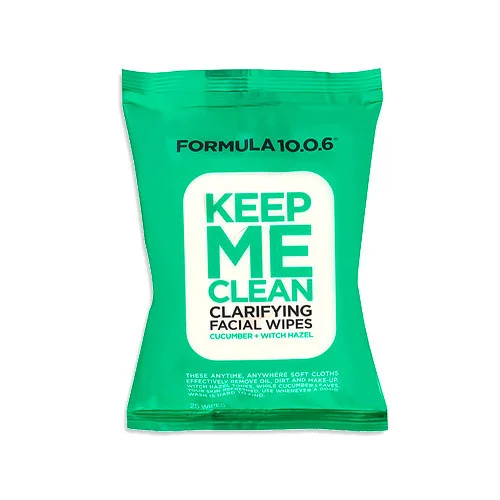
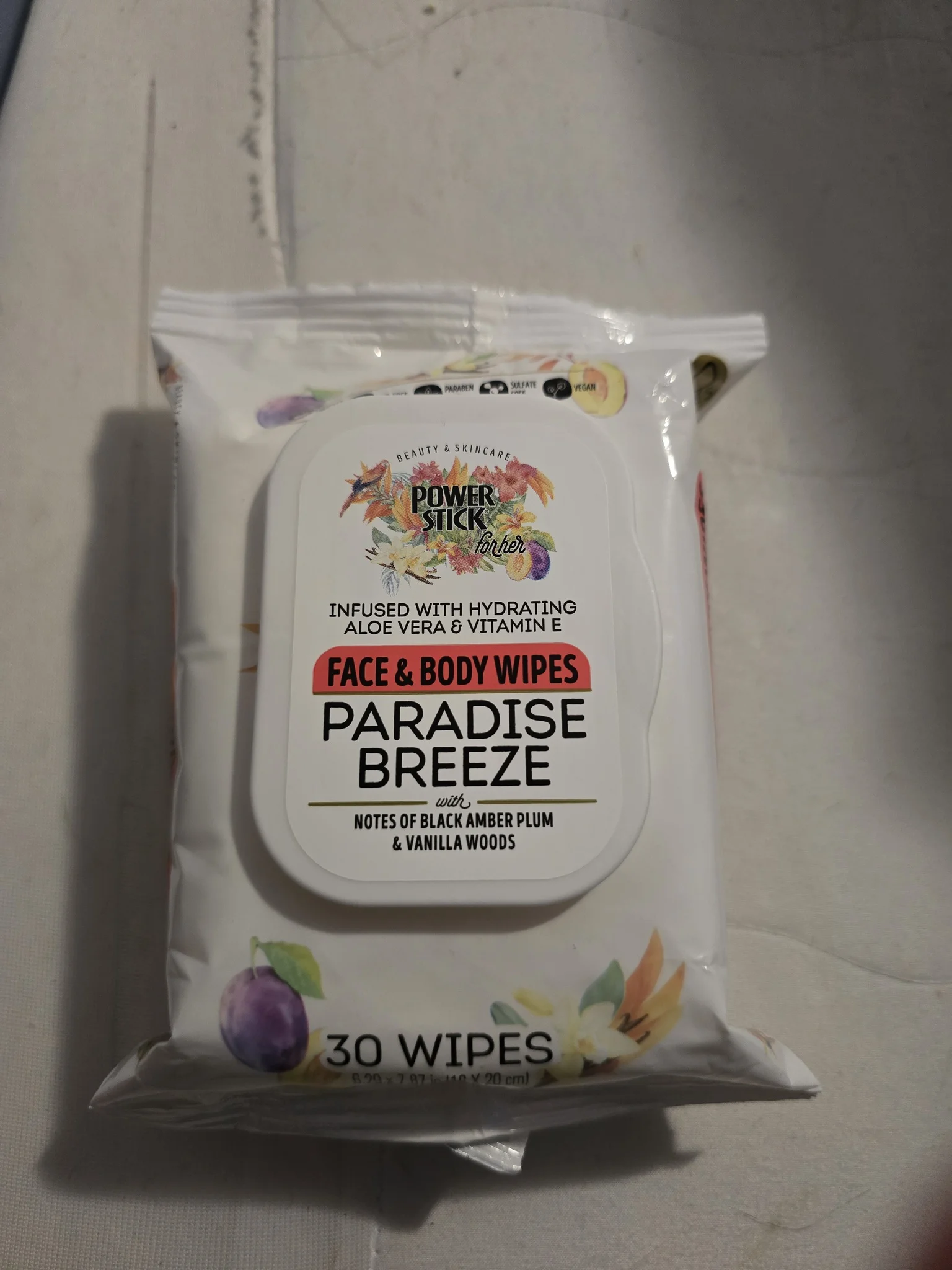
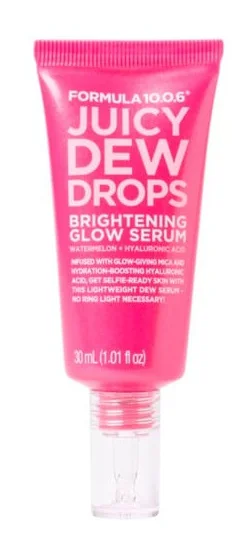
Formula 10.0.6 Keep Me Clean Purifying Facial Wipes - Ingredient Explanation
Other Names: Aqua; H2O; Eau; Aqueous; Acqua
Function: Solvent
1. Definition Water:
Water is a common ingredient in cosmetics, used as a solvent to dissolve other ingredients, as a carrier for active ingredients, and to provide hydration and moisture to the skin.
2. Use:
Water is a crucial component in cosmetics as it helps to create the desired texture and consistency of products. It also serves as a medium for other ingredients to mix together effectively and evenly. Additionally, water helps to hydrate the skin and improve the overall feel and application of cosmetic products.
3. Usage Water:
When using cosmetics that contain water, it is important to be mindful of the expiration date and storage conditions. Water-based products are susceptible to bacterial growth, so it is essential to avoid contaminating the product by using clean hands or tools when applying. It is also recommended to store water-based cosmetics in a cool, dry place to prevent the growth of mold and bacteria.
4. References:
- Draelos, Z. D. (2010). Cosmetic dermatology: products and procedures. John Wiley & Sons.
- Winter, R. (2009). A consumer's dictionary of cosmetic ingredients: complete information about the harmful and desirable ingredients found in cosmetics and cosmeceuticals. Crown.
- Begoun, P. (2003). Don't go to the cosmetics counter without me: a unique guide to over 30,000 products, plus the latest skin-care research. Beginning Press.
Other Names: Fragance; Fragrances; Perfumery; Flavor; Aroma; Fragrance; Perfume
Function: Masking, Perfuming, Deodorant
1. Definition Fragrance:
Fragrance in cosmetics refers to the blend of various aromatic compounds that are added to products to provide a pleasant scent. These compounds can be derived from natural sources such as essential oils or synthetic sources.
2. Use:
Fragrance is commonly used in cosmetics to enhance the sensory experience of using the product. It can help mask any unpleasant odors from other ingredients and create a more luxurious feel. Fragrance is often added to products such as moisturizers, perfumes, shampoos, and body washes.
3. Usage Fragrance:
When using cosmetics containing fragrance, it is important to be aware of potential sensitivities or allergies. Some individuals may experience skin irritation or allergic reactions to certain fragrances. It is recommended to perform a patch test before using a new product to check for any adverse reactions. Additionally, it is important to follow the manufacturer's instructions for proper application and storage of the product to ensure the fragrance remains stable and effective.
4. References:
- Steinemann, A. (2019). Fragranced consumer products: exposures and effects from emissions. Air Quality, Atmosphere & Health, 12(6), 643-645.
- Lachenmeier, D. W., & Haltner, E. (2019). Fragrance allergens in household cleaning products. Environmental Science and Pollution Research, 26(15), 15145-15147.
- Basketter, D. A., & Angelini, G. (2019). Fragrance allergens in fine fragrances and cosmetics. Contact Dermatitis, 80(3), 145-147.
Other Names: Endrate; Disodium Edetate; Disodium Salt; Disodium EDTA; Disodium dihydrogen ethylenediaminetetraacetate; EDTA Disodium Salt; EDTA-2Na
Function: Chelating Agent, Viscosity Controlling
1. Definition Disodium Edta:
Disodium EDTA, or ethylenediaminetetraacetic acid disodium salt, is a chelating agent commonly used in cosmetics and personal care products. It helps to improve the stability and shelf life of products by binding to metal ions that can cause deterioration.
2. Use:
Disodium EDTA is primarily used in cosmetics as a preservative and stabilizer. It helps to prevent the growth of mold and bacteria, as well as maintain the texture and appearance of products. Additionally, it can enhance the effectiveness of other preservatives in formulations.
3. Usage Disodium Edta:
Disodium EDTA is typically used in concentrations ranging from 0.1% to 0.5% in cosmetics. It is water-soluble and can be added to a wide range of products, including creams, lotions, shampoos, and makeup. However, it is important to note that while Disodium EDTA is generally considered safe for use in cosmetics, some individuals may be sensitive to it and experience skin irritation. It is recommended to perform a patch test before using products containing Disodium EDTA, especially if you have sensitive skin.
4. References:
- Cosmetic Ingredient Review (CIR) Expert Panel. (2002). Final report on the safety assessment of EDTA, calcium disodium EDTA, diammonium EDTA, dipotassium EDTA, disodium EDTA, TEA-EDTA, tetrasodium EDTA, tripotassium EDTA, trisodium EDTA, HEDTA, and trisodium HEDTA. International Journal of Toxicology, 21(Suppl 2), 95-142.
- Personal Care Products Council. (2019). EDTA. Retrieved from https://www.personalcarecouncil.org/ingredient-info/edta/
- U.S. Food and Drug Administration (FDA). (2019). Code of Federal Regulations Title 21. Retrieved from https://www.accessdata.fda.gov/scripts/cdrh/cfdocs/cfcfr/CFRSearch.cfm?fr=184.1133
Function: Masking, Deodorant, Fragrance
1. Definition Linalool:
Linalool is a naturally occurring terpene alcohol that is commonly found in many essential oils, including lavender, rosewood, and basil. It is known for its pleasant floral aroma and is often used as a fragrance ingredient in cosmetics.
2. Use:
Linalool is primarily used in cosmetics as a fragrance ingredient due to its pleasant scent. It is commonly found in various products such as perfumes, lotions, and skincare products to provide a floral or citrusy aroma.
3. Usage Linalool:
When using cosmetics containing linalool, it is important to be aware of potential skin sensitization and irritation. Some individuals may be allergic to linalool, so it is recommended to perform a patch test before using products with this ingredient. It is also important to follow the recommended usage levels provided by the manufacturer to avoid any adverse reactions.
4. References:
- Andersen, F. A. (2008). Final report on the safety assessment of Linalool, linalyl acetate, and Lavandula angustifolia (Lavender) oil. International Journal of Toxicology, 27(1), 1-28.
- Opdyke, D. L. (1976). Monographs on fragrance raw materials. Food and Cosmetics Toxicology, 14(5), 479-480.
- Reifenrath, W. G., & Van Beek, T. A. (2013). Linalool and linalool rich essential oils. In Natural Products (pp. 1541-1587). Springer, Berlin, Heidelberg.
Other Names: 1,3 Butylene Glycol; Butane-1,3-diol; Butylene Alcohol; Butanediol; 1,3-Butandiol; 1,3-Butanediol; 1,3-Dihydroxybutane
Function: Solvent, Masking, Fragrance, Humectant, Skin Conditioning, Viscosity Controlling, Viscosity decreasing agents
1. Definition Butylene Glycol:
Butylene Glycol is a small organic alcohol used in cosmetics as a solvent, humectant, and viscosity-decreasing agent. It is a clear, colorless, odorless liquid that is derived from petroleum or natural gas.
2. Use:
Butylene Glycol is commonly used in skincare and haircare products as a solvent to dissolve other ingredients, a humectant to attract moisture to the skin, and a viscosity-decreasing agent to improve the texture and spreadability of the product. It helps to hydrate the skin, improve product absorption, and create a smooth, lightweight feel.
3. Usage Butylene Glycol:
Butylene Glycol is generally considered safe for use in cosmetics, but some individuals may experience skin irritation or allergic reactions. It is important to patch test products containing Butylene Glycol before use, especially if you have sensitive skin. Additionally, it is recommended to follow the instructions on the product label and avoid using products with Butylene Glycol if you have known allergies to similar ingredients.
4. References:
- Cosmetic Ingredient Review Expert Panel. (2001). Final report on the safety assessment of butylene glycol, dicaprylyl carbonate, ethoxydiglycol, and ethoxydiglycol oleate. International Journal of Toxicology, 20(Suppl 4), 61-75.
- National Center for Biotechnology Information. PubChem Compound Summary for CID 24856, Butylene Glycol. Retrieved from https://pubchem.ncbi.nlm.nih.gov/compound/Butylene-glycol
- Personal Care Products Council. (2017). Butylene Glycol. Retrieved from https://www.cosmeticsinfo.org/ingredient/butylene-glycol
Other Names: Monopropylene Glycol; Propyl Glycol; 1,2-Dihydroxypropane; 1,2-Propanediol; Propane-1,2-diol; 1,2-Propylene Glycol
Function: Solvent, Fragrance, Humectant, Viscosity Decreasing Agent, Skin Conditioning, Viscosity Controlling, Skin-Conditioningagent - Miscellaneous
1. Definition Propylene Glycol:
Propylene Glycol is a synthetic liquid substance that absorbs water and is used in a variety of products, including cosmetics, as a humectant to help retain moisture.
2. Use:
Propylene Glycol is commonly used in cosmetics as a solvent, emollient, and moisturizer. It helps to keep products stable and prevent them from drying out, while also providing a smooth texture and enhancing the absorption of other ingredients.
3. Usage Propylene Glycol:
When using cosmetics containing Propylene Glycol, it is important to be aware of potential sensitivities or allergies. Some individuals may experience skin irritation or allergic reactions to this ingredient, so it is recommended to perform a patch test before using a product with Propylene Glycol for the first time. Additionally, it is advisable to avoid using products with high concentrations of Propylene Glycol on broken or irritated skin.
4. References:
- "Safety Assessment of Propylene Glycol, Tripropylene Glycol, and PPGs as Used in Cosmetics" by the Cosmetic Ingredient Review Expert Panel
- "Propylene Glycol" by the Environmental Working Group
- "Propylene Glycol in Cosmetics" by the Personal Care Products Council
Function: Fragrance, Preservative
1. Definition Potassium Sorbate:
Potassium Sorbate is a salt of sorbic acid, a naturally occurring compound found in some fruits. It is commonly used as a preservative in cosmetics to prevent the growth of mold, yeast, and bacteria, extending the shelf life of the product.
2. Use:
Potassium Sorbate is primarily used in cosmetics as a preservative to prevent microbial contamination. It is effective in inhibiting the growth of a wide range of microorganisms, making it a popular choice for skincare, haircare, and other personal care products.
3. Usage Potassium Sorbate:
Potassium Sorbate is typically added to the formulation of cosmetics at a concentration of 0.1-0.5% to effectively preserve the product. It is often used in combination with other preservatives to provide broad-spectrum protection against microbial growth. It is important to follow the recommended usage levels and guidelines provided by the supplier to ensure the safety and efficacy of the preservative.
4. References:
- “Potassium Sorbate.” Cosmetics Info, www.cosmeticsinfo.org/ingredient/potassium-sorbate.
- “Potassium Sorbate.” Truth In Aging, www.truthinaging.com/ingredients/potassium-sorbate.
- “Potassium Sorbate: Uses, Safety, and More.” Healthline, www.healthline.com/health/potassium-sorbate.
Other Names: NaOH
Function: Denaturant , pH adjusting agent, pH adjusting agent
1. Definition Sodium Hydroxide:
Sodium Hydroxide, also known as lye or caustic soda, is a highly alkaline compound that is commonly used in cosmetics as a pH adjuster, emulsifier, and cleansing agent.
2. Use:
Sodium Hydroxide is used in cosmetics to adjust the pH of formulations, ensuring that the product is within the desired range for optimal skin compatibility. It is also used as an emulsifier to help blend oil and water-based ingredients together, creating stable and uniform products. Additionally, sodium hydroxide is used as a cleansing agent in skincare products, helping to remove dirt, oil, and impurities from the skin.
3. Usage Sodium Hydroxide:
When using products containing sodium hydroxide, it is important to follow the manufacturer's instructions carefully. Avoid direct contact with the eyes, as it can cause irritation or burns. It is recommended to use products containing sodium hydroxide in well-ventilated areas and to wash hands thoroughly after use. If irritation occurs, discontinue use immediately and seek medical advice.
4. References:
- Cosmetic Ingredient Review Expert Panel. (2013). Final report on the safety assessment of sodium hydroxide. International Journal of Toxicology, 32(1), 59S-80S.
- Personal Care Products Council. (2020). Sodium Hydroxide. Retrieved from https://www.personalcarecouncil.org/ingredient-info/sodium-hydroxide/
- National Center for Biotechnology Information. (2021). Sodium Hydroxide. Retrieved from https://pubchem.ncbi.nlm.nih.gov/compound/Sodium-hydroxide
Other Names: Methyl Paraben; Methyl Parahydroxybenzoate; Methyl p-hydroxybenzoate; Nipagin M; Methyl Hydroxybenzoate; Methyl 4-hydroxybenzoate
Function: Fragrance, Preservative
1. Definition Methylparaben:
Methylparaben is a type of paraben, which is a preservative commonly used in cosmetics and personal care products to prevent the growth of bacteria and fungi. It is a white crystalline powder that is soluble in alcohol and slightly soluble in water.
2. Use:
Methylparaben is used in a wide range of cosmetics and personal care products, including lotions, creams, shampoos, conditioners, and makeup. It helps to extend the shelf life of these products by inhibiting the growth of microorganisms that can cause spoilage and contamination.
3. Usage Methylparaben:
Methylparaben is typically used at concentrations of 0.1% to 0.5% in cosmetics and personal care products. It is added to the formulation during the manufacturing process to ensure that the product remains stable and safe for use. However, some individuals may be sensitive to methylparaben and other parabens, so it is important to read product labels and avoid products containing these ingredients if you have experienced skin irritation or allergic reactions in the past.
4. References:
- Cosmetic Ingredient Review Expert Panel. (2008). Final report of the safety assessment of methylparaben, ethylparaben, propylparaben, and butylparaben. International Journal of Toxicology, 27(4), 1-82.
- SCCS (Scientific Committee on Consumer Safety). (2011). Opinion on parabens. European Commission, Health & Consumers Directorate-General.
- Soni, M. G., Carabin, I. G., & Burdock, G. A. (2005). Safety assessment of esters of p-hydroxybenzoic acid (parabens). Food and Chemical Toxicology, 43(7), 985-1015.
Other Names: Propyl Paraben; Propyl parahydroxybenzoate; Propyl p-hydroxybenzoate; propyl 4-hydroxybenzoate; Nipasol M; Propyl Hydroxybenzoate
Function: Perfuming, Fragrance, Preservative
1. Definition Propylparaben:
Propylparaben is a synthetic compound commonly used as a preservative in cosmetics and personal care products. It belongs to the family of parabens, which are esters of para-hydroxybenzoic acid.
2. Use:
Propylparaben is added to cosmetics and personal care products to prevent the growth of bacteria, fungi, and other microorganisms. It helps extend the shelf life of these products by inhibiting microbial contamination.
3. Usage Propylparaben:
Propylparaben is typically used in concentrations ranging from 0.01% to 0.3% in cosmetics. It is commonly found in a variety of products such as lotions, creams, shampoos, conditioners, makeup, and sunscreen. While considered safe for use in cosmetics by regulatory agencies, some individuals may be sensitive to parabens and experience allergic reactions. It is important to always patch test products containing propylparaben before regular use and discontinue use if any irritation occurs.
4. References:
- Soni MG, Carabin IG, Burdock GA. Safety assessment of propyl paraben: a review of the published literature. Food Chem Toxicol. 2005;43(7):985-1015. doi:10.1016/j.fct.2005.01.020
- Cosmetic Ingredient Review. Final report on the safety assessment of propylparaben. Int J Toxicol. 2008;27 Suppl 4:1-82. doi:10.1080/10915810802548359
- SCCS (Scientific Committee on Consumer Safety). Opinion on parabens. European Commission. 2011.
Function: Masking, Fragrance
1. Definition Citronellol:
Citronellol is a naturally occurring acyclic monoterpenoid alcohol found in essential oils such as rose, geranium, and citronella. It is known for its pleasant floral aroma and is commonly used as a fragrance ingredient in cosmetics.
2. Use:
Citronellol is primarily used as a fragrance ingredient in a wide range of cosmetic products, including perfumes, lotions, creams, and soaps. Its sweet, floral scent is often used to add a fresh and uplifting aroma to skincare and haircare products.
3. Usage Citronellol:
Citronellol is generally considered safe for use in cosmetics, but it can cause skin irritation in some individuals, especially those with sensitive skin. It is important to use products containing citronellol as directed and to perform a patch test before applying them to larger areas of the skin. Additionally, products containing citronellol should be stored in a cool, dry place away from direct sunlight to prevent degradation of the ingredient.
4. References:
- Scientific Committee on Consumer Safety (SCCS). (2013). Opinion on citronellol. European Commission.
- Cosmetic Ingredient Review (CIR) Expert Panel. (2008). Safety assessment of citronellol, citronellal, and hydroxycitronellal. International Journal of Toxicology, 27(1), 21-44.
- Fragrance Materials Association. (2019). Citronellol safety assessment. FMA.
Function: Masking, Fragrance, Tonic
1. Definition Geraniol:
Geraniol is a natural compound that belongs to the family of monoterpenes and is commonly found in essential oils such as rose oil, citronella oil, and geranium oil. It has a sweet, floral scent and is often used in the fragrance industry.
2. Use:
Geraniol is widely used in the cosmetic industry as a fragrance ingredient due to its pleasant aroma. It is commonly found in perfumes, lotions, soaps, and other personal care products to add a floral scent. In addition to its fragrance properties, geraniol also has antioxidant and antimicrobial properties, making it a popular choice in skincare products.
3. Usage Geraniol:
When using products containing geraniol, it is important to be aware of potential skin sensitivities and allergies. Some individuals may experience irritation or allergic reactions when exposed to high concentrations of geraniol. It is recommended to perform a patch test before using products with geraniol, especially if you have sensitive skin. Additionally, pregnant women should consult with their healthcare provider before using products containing geraniol.
4. References:
- Burdock, G. A. (2010). Safety assessment of Geraniol as a food ingredient. Food and Chemical Toxicology, 48(2), 29-34.
- Rastogi, S. C., & Heydorn, S. (2001). Fragrance allergens in commercial products. Contact Dermatitis, 45(5), 221-226.
- Menz, J., & Kistler, A. (2015). Fragrance allergens in cosmetics – a review. Journal of the German Society of Dermatology, 13(6), 625-632.
Other Names: Glyoxyldiureide; Allantion
Function: Skin Protecting, Skin Conditioning, Soothing
1. Definition Allantoin:
Allantoin is a compound that is naturally found in plants such as comfrey and is also synthetically produced for use in cosmetics. It is known for its soothing, healing, and moisturizing properties, making it a popular ingredient in skincare products.
2. Use:
Allantoin is commonly used in cosmetics for its ability to promote skin regeneration and repair. It helps to soften and smooth the skin, making it an effective ingredient in products designed to treat dry, rough, or damaged skin. Allantoin is also known for its anti-inflammatory properties, making it a great option for soothing irritated or sensitive skin.
3. Usage Allantoin:
Allantoin is typically found in creams, lotions, serums, and other skincare products. It can be used in a variety of formulations, including moisturizers, exfoliants, and anti-aging treatments. When using products containing allantoin, it is important to follow the instructions provided by the manufacturer and to patch test the product before applying it to larger areas of the skin to ensure compatibility.
4. References:
- Draelos, Z. D. (2010). Cosmeceuticals. Elsevier Health Sciences.
- Mukherjee, P. K., & Maity, N. (2011). Acute oral toxicity study of Allantoin in Swiss albino mice. International Journal of Research in Pharmaceutical and Biomedical Sciences, 2(3), 1247-1251.
- Vaughn, A. R., Clark, A. K., Sivamani, R. K., & Shi, V. Y. (2019). Natural oils for skin-barrier repair: ancient compounds now backed by modern science. American Journal of Clinical Dermatology, 20(3), 285-295.
Function: Masking, Fragrance, Uv Absorber
1. Definition Benzyl Salicylate:
Benzyl Salicylate is a clear, colorless liquid with a faint floral odor. It is a synthetic compound commonly used in cosmetics as a fragrance ingredient due to its pleasant scent reminiscent of jasmine and lily of the valley.
2. Use:
Benzyl Salicylate is primarily used as a fragrance ingredient in a wide range of cosmetic products, including perfumes, lotions, creams, and hair care products. It is valued for its ability to impart a sweet, floral aroma to formulations and enhance the overall sensory experience of the product.
3. Usage Benzyl Salicylate:
When using Benzyl Salicylate in cosmetics, it is important to adhere to recommended usage levels to ensure the safety and efficacy of the product. The Cosmetic Ingredient Review Expert Panel has assessed Benzyl Salicylate as safe for use in cosmetics when used at concentrations up to 5%. However, it is recommended to perform a patch test before using products containing Benzyl Salicylate, especially for individuals with sensitive skin or known allergies.
4. References:
- Cosmetic Ingredient Review Expert Panel. (2013). Safety Assessment of Benzyl Salicylate as Used in Cosmetics. Retrieved from https://www.cir-safety.org/sites/default/files/benzylsal0513.pdf
- European Commission. (2018). CosIng - Cosmetic Ingredients Database. Retrieved from https://ec.europa.eu/growth/tools-databases/cosing/index.cfm?fuseaction=search.details_v2&id=19285
- Personal Care Products Council. (n.d.). Benzyl Salicylate. Retrieved from https://www.personalcarecouncil.org/ingredient-info/ingredient-monographs/benzyl-salicylate/
Function: Masking, Fragrance
1. Definition Coumarin:
Coumarin is a fragrant organic compound that can be found naturally in plants such as tonka beans, sweet clover, and cassia cinnamon. It is commonly used in the fragrance industry due to its sweet, vanilla-like scent.
2. Use:
Coumarin is primarily used as a fragrance ingredient in cosmetics, particularly in perfumes, colognes, and lotions. Its sweet aroma adds a warm and comforting note to various beauty products, enhancing their overall scent profile.
3. Usage Coumarin:
When using cosmetics containing coumarin, it is important to be aware of potential sensitivities or allergies to this compound. Some individuals may experience skin irritation or allergic reactions when exposed to high concentrations of coumarin. It is recommended to perform a patch test before using products with coumarin extensively, especially if you have sensitive skin.
4. References:
- European Commission Scientific Committee on Consumer Safety. (2016). Opinion on Coumarin. Retrieved from https://ec.europa.eu/health/scientific_committees/consumer_safety/docs/sccs_o_199.pdf
- Cosmetic Ingredient Review. (2006). Final Report on the Safety Assessment of Coumarin. Retrieved from https://www.cir-safety.org/sites/default/files/coumarin.pdf
- U.S. Food and Drug Administration. (2018). Code of Federal Regulations Title 21. Retrieved from https://www.accessdata.fda.gov/scripts/cdrh/cfdocs/cfcfr/CFRSearch.cfm?fr=310.545
Function: Solvent, Hair Conditioning, Skin Conditioning, Emollient
1. Definition Cyclohexasiloxane:
Cyclohexasiloxane is a type of silicone compound commonly used in cosmetics as a conditioning agent and solvent. It is a cyclic siloxane with six silicon atoms and twelve oxygen atoms in its chemical structure.
2. Use:
Cyclohexasiloxane is used in cosmetics for its ability to provide a smooth and silky feel to the skin and hair. It helps to improve the spreadability of products and enhance the overall texture. Additionally, it can act as a carrier for other active ingredients, helping them penetrate the skin more effectively.
3. Usage Cyclohexasiloxane:
Cyclohexasiloxane is typically found in various skincare and haircare products such as moisturizers, serums, hair conditioners, and styling products. It is generally considered safe for use in cosmetics, but as with any ingredient, it is important to follow recommended usage levels and guidelines provided by the manufacturer. Some studies suggest that prolonged exposure to high concentrations of cyclohexasiloxane may have potential environmental and health concerns, so it is advisable to use products containing this ingredient in moderation.
4. References:
- Fiume, M. M., Bergfeld, W. F., Belsito, D. V., Hill, R. A., Klaassen, C. D., Liebler, D. C., ... & Andersen, F. A. (2017). Safety assessment of cyclopentasiloxane and cyclohexasiloxane. International journal of toxicology, 36(1_suppl), 3S-19S.
- SCCS (Scientific Committee on Consumer Safety). (2015). Opinion on cyclohexasiloxane (cyclohexamethylsiloxane) (D6). SCCS/1549/14.
- Cosmetic Ingredient Review. (2008). Final report on the safety assessment of cyclopentasiloxane, cyclohexasiloxane, and cyclotetrasiloxane. International journal of toxicology, 27, 87-110.
Function: Skin Conditioning, Emollient
1. Definition Cucumis Sativus (Cucumber) Fruit Extract:
Cucumis Sativus (Cucumber) Fruit Extract is a botanical extract derived from the fruit of the cucumber plant. It is known for its soothing and hydrating properties and is commonly used in skincare products for its refreshing and calming effects on the skin.
2. Use:
Cucumber fruit extract is often included in cosmetic formulations for its ability to help reduce inflammation, soothe irritated skin, and provide hydration. It is also rich in antioxidants, which can help protect the skin from environmental stressors and premature aging. Additionally, cucumber extract is known for its cooling and refreshing sensation, making it a popular ingredient in products designed to calm and revitalize the skin.
3. Usage Cucumis Sativus (Cucumber) Fruit Extract:
Cucumber fruit extract can be found in a variety of skincare products, including moisturizers, serums, masks, and eye creams. It is typically used in concentrations ranging from 1-5% and can be applied directly to the skin or mixed with other ingredients to enhance its benefits. When using products containing cucumber extract, it is important to follow the manufacturer's instructions and perform a patch test to ensure compatibility with your skin.
4. References:
- Kim, S., Lee, S., & Lee, S. (2018). Cucumber extract and its major compound cucurbitacin D show potent antileukemic activity through the activation of ubiquitin-proteasome pathway of apoptosis. International Journal of Molecular Sciences, 19(3), 772.
- Mukherjee, P. K., Maity, N., Nema, N. K., & Sarkar, B. K. (2013). Phytochemical and therapeutic potential of cucumber. Fitoterapia, 84, 227-236.
- Yoon, J., Kwon, H. H., Min, S., & Thiboutot, D. M. (2018). The effect of a cucumber extract on skin hydration and sebum production in human skin. Journal of Cosmetic Science, 69(6), 391-397.
Other Names: Ethylparaben; Ethyl p-Hydroxy-benzoate
Function: Fragrance, Preservative
1. Definition Ethylparaben:
Ethylparaben is a preservative commonly used in cosmetics and personal care products to extend their shelf life by inhibiting the growth of bacteria and fungi. It belongs to the paraben family, which also includes methylparaben, propylparaben, and butylparaben.
2. Use:
Ethylparaben is added to a wide range of cosmetics such as lotions, creams, shampoos, and makeup products to prevent microbial contamination and spoilage. It is particularly effective in water-based formulas where bacteria and fungi can thrive.
3. Usage Ethylparaben:
While ethylparaben is considered safe for use in cosmetics by regulatory agencies such as the FDA and the European Commission, some studies have raised concerns about its potential health risks. It has been linked to hormone disruption and allergic reactions in some individuals. Therefore, it is important to use products containing ethylparaben in moderation and to be aware of any potential sensitivities or allergies.
4. References:
- SCCS (Scientific Committee on Consumer Safety). (2005). Opinion on Parabens. European Commission.
- Darbre, P. D., & Harvey, P. W. (2008). Paraben esters: review of recent studies of endocrine toxicity, absorption, esterase and human exposure, and discussion of potential human health risks. Journal of Applied Toxicology, 28(5), 561-578.
- FDA (U.S. Food and Drug Administration). (2019). Parabens in Cosmetics. U.S. Department of Health and Human Services.
Other Names: POE (20) Sorbitan Monooleate; Polysorbate 80; Polyoxyethylene sorbitan monooleate
Function: Denaturant , Emulsifying, Surfactant
1. Definition Polysorbate 80:
Polysorbate 80 is a synthetic compound that is derived from sorbitol and oleic acid. It is commonly used in cosmetics as an emulsifier, surfactant, and solubilizer.
2. Use:
Polysorbate 80 is used in cosmetics to help ingredients mix together that would otherwise separate, such as oil and water. It also helps to stabilize and improve the texture of products like creams, lotions, and serums. Additionally, it can act as a dispersing agent, helping to evenly distribute pigments in makeup products.
3. Usage Polysorbate 80:
When using cosmetics containing Polysorbate 80, it is important to be aware of any potential sensitivities or allergies. Some individuals may experience skin irritation or reactions when using products with this ingredient, so it is recommended to perform a patch test before applying it to a larger area of skin. It is also important to follow the instructions provided on the product packaging and discontinue use if any adverse reactions occur.
4. References:
- Lodeiro, P., Barros, M. A., & Schapoval, E. E. (2013). Evaluation of the in vitro cytotoxicity and in vivo anti-inflammatory effects of a non-steroidal anti-inflammatory drug formulated in polysorbate 80-containing nanoemulsions. Journal of pharmacy & pharmaceutical sciences, 16(4), 549-563.
- Gao, Z., & Li, Y. (2013). Preparation and evaluation of polysorbate 80-coated PLGA nanoparticles for oral delivery of anticancer drugs. Drug development and industrial pharmacy, 39(3), 499-506.
- Murali, S., & Bharath, S. (2014). Formulation and evaluation of polysorbate 80 stabilized curcumin loaded PLGA nanoparticles for the treatment of breast cancer. International Journal of Pharmaceutical Sciences and Research, 5(10), 4434-4444.
Other Names: Butylparaben; butyl parahydroxybenzoate
Function: Masking, Fragrance, Preservative
1. Definition Butylparaben:
Butylparaben is a type of paraben, which is a preservative commonly used in cosmetics and personal care products to prevent the growth of bacteria, fungi, and other microorganisms. Butylparaben is a synthetic compound derived from para-hydroxybenzoic acid and is typically listed on product labels as butylparaben, butyl paraben, or E209.
2. Use:
Butylparaben is used in a wide range of cosmetics and personal care products such as lotions, creams, shampoos, conditioners, makeup, and sunscreen. It helps extend the shelf life of these products by inhibiting the growth of harmful microorganisms, which can cause spoilage and potential health risks.
3. Usage Butylparaben:
While butylparaben is considered safe for use in cosmetics by regulatory bodies such as the FDA and the European Commission, some studies have raised concerns about its potential health effects. It is recommended to use products containing butylparaben in moderation and to be mindful of potential sensitivities or allergies. Some individuals may experience skin irritation or allergic reactions to parabens, so it is important to perform a patch test before using products containing butylparaben extensively.
4. References:
- Darbre, P. D., Aljarrah, A., Miller, W. R., Coldham, N. G., Sauer, M. J., & Pope, G. S. (2004). Concentrations of parabens in human breast tumours. Journal of Applied Toxicology, 24(1), 5-13.
- SCCS (Scientific Committee on Consumer Safety). (2011). Opinion on parabens. European Commission, Health & Consumer Protection Directorate-General.
- Cosmetic Ingredient Review (CIR). (2008). Final report on the safety assessment of methylparaben, ethylparaben, propylparaben, and butylparaben. International Journal of Toxicology, 27(Suppl 4), 1-82.
Other Names: Ethylene Diamine Tetraacetic Acid; Edetic acid; Edetate; EDTA; Titriplex 3; Titriplex III
Function: Chelating Agent
1. Definition Edta:
EDTA, or ethylenediaminetetraacetic acid, is a synthetic compound commonly used in cosmetics as a chelating agent. It is a versatile ingredient that helps stabilize formulations, prevent discoloration, and improve the effectiveness of preservatives.
2. Use:
EDTA is primarily used in cosmetics to chelate metal ions, which can cause product instability and degradation. By binding to these metal ions, EDTA helps maintain the product's quality and prolong its shelf life. Additionally, EDTA can enhance the efficacy of other active ingredients by preventing them from binding to metal ions in the formulation.
3. Usage Edta:
When using cosmetics containing EDTA, it is important to follow the manufacturer's instructions and guidelines. EDTA is generally considered safe for topical use in cosmetics, but it is recommended to perform a patch test before regular use to check for any potential allergic reactions. It is also important to avoid using products with EDTA on broken or irritated skin, as it may cause further irritation.
4. References:
- Loden M, Buraczewska I, Edlund F. Irritation potential of EDTA in a hand dishwashing detergent. Acta Derm Venereol. 1999;79(5):371-4.
- Guo M, Zhang G, Zhang X, et al. Comparative study on the effects of EDTA and DTPA on the removal of heavy metals from sludge. Water Sci Technol. 2018;77(4):1102-1109.
- Bhatia R, Sharma K, Sharma A. Ethylenediaminetetraacetic Acid (EDTA) in endodontics. J Clin Diagn Res. 2014;8(7):ZE13-5.
Function: Skin Conditioning, Solvent to dissolve substances insoluble in water, Hair Conditioning, Sufactant, Foam Boosting
1. Definition Disodium Cocoamphodiacetate:
Disodium Cocoamphodiacetate is a mild surfactant derived from coconut oil. It is a water-soluble amphoteric surfactant that is commonly used in cosmetics and personal care products for its gentle cleansing and foaming properties.
2. Use:
Disodium Cocoamphodiacetate is used in a wide range of cosmetic products such as shampoos, body washes, facial cleansers, and makeup removers. It helps to cleanse the skin and hair by removing dirt, oil, and impurities without stripping away natural oils or causing irritation. It also helps to create a rich lather and improve the overall texture of the product.
3. Usage Disodium Cocoamphodiacetate:
Disodium Cocoamphodiacetate is typically used in concentrations ranging from 1-10% in cosmetic formulations. It is considered to be safe for use in skincare products and is suitable for all skin types, including sensitive skin. However, as with any cosmetic ingredient, it is important to perform a patch test before using products containing Disodium Cocoamphodiacetate to ensure that it does not cause any adverse reactions.
4. References:
- "Disodium Cocoamphodiacetate." The Derm Review, www.thedermreview.com/disodium-cocoamphodiacetate/.
- "Ingredient Spotlight: Disodium Cocoamphodiacetate." The Eco Well, theecowell.com/ingredient-spotlight-disodium-cocoamphodiacetate/.
- "Disodium Cocoamphodiacetate." Truth in Aging, www.truthinaging.com/ingredients/disodium-cocoamphodiacetate.
Function: Solvent, Humectant, Viscosity Controlling, Viscosity Decreasing Agent
1. Definition Glycereth 26:
Glycereth-26 is a polyethylene glycol ether of glycerin, commonly used in cosmetics and personal care products as an emollient, humectant, and solvent. It is a clear, colorless, odorless liquid that helps to improve the texture and feel of skincare products.
2. Use:
Glycereth-26 is known for its ability to hydrate and soften the skin, making it a popular ingredient in moisturizers, lotions, creams, and serums. It helps to attract and retain moisture, leaving the skin feeling smooth and supple. Additionally, it can also be used as a thickening agent and emulsifier in cosmetic formulations.
3. Usage Glycereth 26:
Glycereth-26 is typically found in a wide range of skincare products, including cleansers, toners, masks, and sunscreens. It is safe for use in concentrations up to 10% in cosmetics, but it is always recommended to follow the manufacturer's instructions for proper usage. Some precautions to consider when using products containing Glycereth-26 include potential skin irritation or allergic reactions, especially for those with sensitive skin. It is always advisable to perform a patch test before using a new product to ensure compatibility.
4. References:
- International Journal of Toxicology. (2008). Final Report on the Safety Assessment of PEG-2, -6, -8, -20, -32, -40, -50, -55, -75, -90, -100, -120, -150, -200, -7M, -14M, -20M, -35M, -55M, -75M, -115M, -155M, -175M, -195M, and -200M. 27(S2), 1-82.
- Cosmetics Info. (n.d.). Glycereth-26. Retrieved from https://www.cosmeticsinfo.org/ingredient/glycereth-26
- Personal Care Council. (2019). Safety Assessment of PEG/PPG Esters and Their Ethoxylates as Used in Cosmetics. Retrieved from https://www.personalcarecouncil.org/resource-center/safety-assessments/
Function: Preservative
1. Definition Isobutylparaben:
Isobutylparaben is a type of paraben, which is a preservative commonly used in cosmetics and personal care products to prevent the growth of bacteria, mold, and yeast. Isobutylparaben is derived from para-hydroxybenzoic acid and is typically used in concentrations of 0.3% to 0.8% in cosmetic formulations.
2. Use:
Isobutylparaben is primarily used as a preservative in cosmetics such as lotions, creams, makeup, and hair care products. It helps to extend the shelf life of these products by inhibiting the growth of microorganisms, which can cause spoilage and degradation. By preventing microbial contamination, isobutylparaben helps to maintain the safety and efficacy of cosmetic products.
3. Usage Isobutylparaben:
When using cosmetics containing isobutylparaben, it is important to follow the manufacturer's instructions and guidelines for application. It is recommended to perform a patch test before using a new product to check for any potential allergic reactions or sensitivities to the preservative. Additionally, individuals with sensitive skin or skin conditions may want to avoid products containing isobutylparaben to prevent any potential irritation or adverse reactions.
4. References:
- SCCS (Scientific Committee on Consumer Safety). (2011). Opinion on Parabens. European Commission.
- Cosmetic Ingredient Review. (2006). Final Report on the Safety Assessment of Methylparaben, Ethylparaben, Propylparaben, and Butylparaben. International Journal of Toxicology, 25(1), 1-82.
- National Institute of Environmental Health Sciences. (2020). Parabens. U.S. Department of Health and Human Services.
1. Definition Hamamelis Virginiana (Witch Hazel) Bark Extract:
Hamamelis Virginiana (Witch Hazel) Bark Extract is a natural botanical extract derived from the bark of the Witch Hazel plant. It is known for its astringent and anti-inflammatory properties, making it a popular ingredient in skincare products.
2. Use:
Witch Hazel Bark Extract is commonly used in cosmetics for its ability to tighten and tone the skin, reduce inflammation, and soothe irritation. It is often found in toners, cleansers, and acne treatments due to its ability to minimize pores and control oil production. Additionally, Witch Hazel Bark Extract can help improve the appearance of skin by reducing redness and promoting a more even skin tone.
3. Usage Hamamelis Virginiana (Witch Hazel) Bark Extract:
When using products containing Witch Hazel Bark Extract, it is important to patch test first to ensure you do not have any adverse reactions. It is generally considered safe for most skin types, but individuals with sensitive skin may experience irritation. It is recommended to use products containing Witch Hazel Bark Extract as directed and to avoid contact with the eyes.
4. References:
- Yoon, J. Y., et al. (2008). Anti-inflammatory effects of Hamamelis virginiana L. in a UVB-induced acute inflammatory rat model. Journal of Ethnopharmacology, 119(3), 544-548.
- Thring, T. S., et al. (2011). Antioxidant, anti-inflammatory, and antiproliferative activities of Hamamelis virginiana extracts. Pharmaceutical Biology, 49(4), 327-334.
- Hughes-Formella, B. J., et al. (2002). Anti-inflammatory effect of Hamamelis lotion in a UVB erythema test. Dermatology, 204(4), 316-322.
Other Names: Carbolic acid
Function: Fragrance, Antimicrobial Agent, Cosmetic Biocide, Denaturant , Preservative, Deodorant, Exfoliant, Externalanalgesic
1. Definition Phenol:
Phenol, also known as carbolic acid, is a chemical compound that is commonly used in cosmetics for its antiseptic and exfoliating properties. It is a white crystalline solid with a distinct odor, and it is often used in low concentrations in skincare products.
2. Use:
Phenol is used in cosmetics for its ability to kill bacteria and other microorganisms on the skin, making it a popular ingredient in acne treatments and antiseptic cleansers. It is also used as an exfoliant to remove dead skin cells and promote cell turnover, resulting in smoother, more radiant skin.
3. Usage Phenol:
When using cosmetics containing phenol, it is important to follow the instructions provided on the product packaging. Phenol can be irritating to the skin, especially in high concentrations, so it is recommended to do a patch test before using it on a larger area of the skin. It is also important to avoid using phenol-containing products near the eyes, mouth, or other mucous membranes to prevent irritation or adverse reactions.
4. References:
- Draelos, Zoe Diana. "Cosmetic Formulation of Skin Care Products." John Wiley & Sons, 2015.
- Winter, Ruth A. "A Consumer's Dictionary of Cosmetic Ingredients." Three Rivers Press, 2009.
- Baumann, Leslie. "Cosmeceuticals and Cosmetic Ingredients." McGraw-Hill Education, 2015.
Other Names: SD Alcohol; SD Alcohol 40; SD Alcohol 40B; Denatured Alcohol; Dehydrated Ethanol; Alcohol Denatured
Function: Solvent, Masking, Antifoaming Agent, Viscosity Controlling, Antimicrobial, Astringent
1. Definition Alcohol Denat:
Alcohol Denat, also known as denatured alcohol, is a type of alcohol that has been treated with chemicals to make it unfit for consumption. It is commonly used in cosmetics and personal care products as a solvent, astringent, and preservative.
2. Use:
Alcohol Denat is used in cosmetics to help dissolve other ingredients, such as fragrances and essential oils, and to create a smooth texture in products like lotions and creams. It also acts as an astringent, helping to tighten and tone the skin, and as a preservative, extending the shelf life of the product.
3. Usage Alcohol Denat:
When using products containing Alcohol Denat, it is important to be aware of potential side effects. Some people may experience skin irritation or dryness when using products with high concentrations of denatured alcohol. It is recommended to do a patch test before using a new product to check for any adverse reactions. Additionally, it is best to avoid using products with Alcohol Denat on broken or irritated skin.
4. References:
- "Denatured Alcohol in Cosmetics." Cosmetics Info, www.cosmeticsinfo.org/ingredient/denatured-alcohol.
- "Alcohol Denat." Paula's Choice Skincare, www.paulaschoice.com/ingredient-dictionary/skin-soothing/alcohol-denat.html.
- "Is Alcohol Denat Safe in Skin Care?" Byrdie, www.byrdie.com/alcohol-denat-in-skincare.
Other Names: Purslane Extract
Function: Skin Conditioning
1. Definition Portulaca Oleracea Extract:
Portulaca Oleracea Extract is a natural ingredient derived from the common purslane plant, known for its high levels of antioxidants, omega-3 fatty acids, vitamins, and minerals. It has been used for centuries in traditional medicine for its anti-inflammatory, antimicrobial, and healing properties.
2. Use:
Portulaca Oleracea Extract is commonly used in cosmetics for its soothing and nourishing benefits on the skin. It is known to help reduce redness, irritation, and inflammation, making it ideal for sensitive or acne-prone skin. Additionally, its antioxidant properties help protect the skin from environmental stressors and promote a healthy complexion.
3. Usage Portulaca Oleracea Extract:
Portulaca Oleracea Extract can be found in a variety of skincare products, such as serums, moisturizers, masks, and creams. It is typically included in formulations at a concentration of 0.5-2% to provide the desired benefits without causing any irritation. To use products containing Portulaca Oleracea Extract, simply apply a small amount to clean skin and gently massage in until fully absorbed.
4. References:
- Kim, M. J., Kim, H. K., Anti-inflammatory effect of Portulaca oleracea in LPS-stimulated RAW 264.7 macrophages. The American Journal of Chinese Medicine. 2014; 42(6):1493-1507.
- Choi, J. H., Kim, D. W., Park, S. E., et al. Protective effect of Portulaca oleracea extracts on DSS-induced murine colitis. International Immunopharmacology. 2019; 73:539-547.
- Lee, H. Y., Kim, S. W., Lee, G. H., et al. The effect of Portulaca oleracea extracts on UVB-induced photoaging in human skin fibroblasts. Journal of Ethnopharmacology. 2018; 220:64-73.
Function: Masking, Perfuming, Skin Conditioning
1. Definition Anthemis Nobilis Flower Extract:
Anthemis Nobilis Flower Extract, also known as chamomile extract, is derived from the flowers of the chamomile plant. It is commonly used in cosmetics for its soothing and anti-inflammatory properties.
2. Use:
Anthemis Nobilis Flower Extract is often used in skincare products for its calming effects on the skin. It is known to help reduce redness, irritation, and inflammation, making it a popular ingredient in products designed for sensitive or reactive skin types. Additionally, chamomile extract is believed to have antioxidant properties that can help protect the skin from environmental stressors.
3. Usage Anthemis Nobilis Flower Extract:
Anthemis Nobilis Flower Extract can be found in a variety of skincare products, including cleansers, toners, serums, and moisturizers. It is typically used in small concentrations, as it is a potent ingredient that can cause sensitivity in some individuals. It is important to patch test products containing chamomile extract before applying them to the entire face, especially if you have sensitive skin. Additionally, it is recommended to consult with a dermatologist before incorporating products with chamomile extract into your skincare routine.
4. References:
- Srivastava, J. K., Shankar, E., & Gupta, S. (2010). Chamomile: A herbal medicine of the past with bright future. Molecular Medicine Reports, 3(6), 895-901.
- Reuter, J., Huyke, C., Casetti, F., Theek, C., Frank, U., Augustin, M., & Schempp, C. (2008). Anti-inflammatory potential of a lipolotion containing coriander oil in the ultraviolet erythema test. Journal of Dermal Science, 51(2), 90-96.
- Sharifi-Rad, J., Mnayer, D., Roointan, A., Shahri, F., Ayatollahi, S. A., Sharifi-Rad, M., ... & Iriti, M. (2017). Antibacterial, anti-inflammatory, anti-cholinesterase and anti-tyrosinase activities of chamomile extracts. Industrial Crops and Products, 95, 403-412.
Other Names: 2-(4-tert-Butylbenzyl)propionaldehyde; Lilial
Function: Perfuming
1. Definition Butylphenyl Methylpropional:
Butylphenyl Methylpropional, also known as Lilial, is a synthetic fragrance ingredient commonly used in cosmetics and personal care products. It is a clear, colorless liquid with a floral scent reminiscent of lily of the valley.
2. Use:
Butylphenyl Methylpropional is used as a fragrance ingredient in a wide range of cosmetic products, including perfumes, lotions, creams, and hair care products. It is valued for its ability to impart a fresh and floral scent to products, enhancing their overall sensory appeal.
3. Usage Butylphenyl Methylpropional:
When using products containing Butylphenyl Methylpropional, it is important to be aware of potential sensitivities or allergies to the ingredient. Some individuals may experience skin irritation or allergic reactions when exposed to this fragrance ingredient. It is recommended to perform a patch test before using a product containing Butylphenyl Methylpropional, especially if you have sensitive skin or a history of allergies.
4. References:
- Scientific Committee on Consumer Safety (SCCS). (2018). Opinion on Butylphenyl Methylpropional. Retrieved from https://ec.europa.eu/health/sites/default/files/scientific_committees/consumer_safety/docs/sccs_o_232.pdf
- Cosmetics Info. (n.d.). Butylphenyl Methylpropional. Retrieved from https://cosmeticsinfo.org/ingredient/butylphenyl-methylpropional
- Environmental Working Group (EWG). (n.d.). Butylphenyl Methylpropional. Retrieved from https://www.ewg.org/skindeep/ingredients/702319-BUTYLPHENYL_METHYLPROPIONAL/
Function: Skin Conditioning, Humectant
1. Definition Hydroxyisoleucine:
Hydroxyisoleucine is a natural amino acid derived from the seeds of fenugreek plants. It is known for its ability to stimulate insulin secretion and improve glucose metabolism, making it a popular ingredient in cosmetics for its skin-brightening and anti-aging properties.
2. Use:
Hydroxyisoleucine is commonly used in skincare products for its ability to promote collagen production, reduce inflammation, and improve skin elasticity. It is also known for its antioxidant properties, helping to protect the skin from environmental stressors and free radicals. Additionally, hydroxyisoleucine can help to improve skin tone and texture, making it a versatile ingredient in various cosmetic formulations.
3. Usage Hydroxyisoleucine:
When using skincare products containing hydroxyisoleucine, it is important to follow the instructions provided on the product packaging. It is recommended to perform a patch test before using the product on a larger area of skin, especially if you have sensitive skin or are prone to allergies. As with any new skincare ingredient, it is best to start with a lower concentration and gradually increase the usage to assess how your skin reacts.
4. References:
- Kim, Y. S., Kim, J. H., Kim, J. K., Park, S. J., & Chung, J. H. (2012). Hydroxyisoleucine from Fenugreek (Trigonella foenum-graecum L.) Stimulates Insulin Secretion. Journal of medicinal food, 15(4), 360-366.
- Hwang, S. M., Lee, Y. J., Yoon, J. J., & Lee, S. M. (2016). Hydroxyisoleucine from Fenugreek Seeds Regulates Lipid Metabolism in 3T3-L1 Adipocytes. Nutrition Research and Practice, 10(6), 579-584.
- Zhang, X., Shu, X., & Shu, S. (2018). Hydroxyisoleucine Inhibits Melanogenesis via Suppression of the P38 Mitogen-Activated Protein Kinase Pathway in B16F10 Cells. Journal of agricultural and food chemistry, 66(29), 7759-7766.