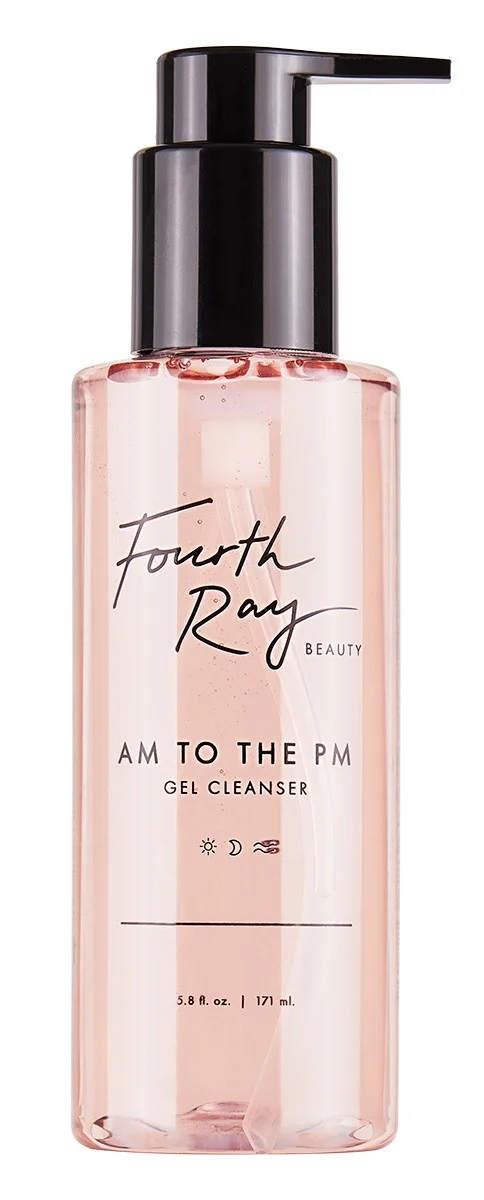
Fourth Ray Beauty Am To The Pm Gel Cleanser - Ingredient Explanation
Other Names: Aqua; H2O; Eau; Aqueous; Acqua
Function: Solvent
1. Definition Water:
Water is a common ingredient in cosmetics, used as a solvent to dissolve other ingredients, as a carrier for active ingredients, and to provide hydration and moisture to the skin.
2. Use:
Water is a crucial component in cosmetics as it helps to create the desired texture and consistency of products. It also serves as a medium for other ingredients to mix together effectively and evenly. Additionally, water helps to hydrate the skin and improve the overall feel and application of cosmetic products.
3. Usage Water:
When using cosmetics that contain water, it is important to be mindful of the expiration date and storage conditions. Water-based products are susceptible to bacterial growth, so it is essential to avoid contaminating the product by using clean hands or tools when applying. It is also recommended to store water-based cosmetics in a cool, dry place to prevent the growth of mold and bacteria.
4. References:
- Draelos, Z. D. (2010). Cosmetic dermatology: products and procedures. John Wiley & Sons.
- Winter, R. (2009). A consumer's dictionary of cosmetic ingredients: complete information about the harmful and desirable ingredients found in cosmetics and cosmeceuticals. Crown.
- Begoun, P. (2003). Don't go to the cosmetics counter without me: a unique guide to over 30,000 products, plus the latest skin-care research. Beginning Press.
Function: Surfactant, Cleansing
1. Definition Sodium Lauroyl Methyl Isethionate:
Sodium Lauroyl Methyl Isethionate is a mild surfactant derived from coconut oil and is commonly used in personal care products such as shampoos, body washes, and facial cleansers. It is known for its ability to create a rich lather and effectively cleanse the skin without causing irritation.
2. Use:
Sodium Lauroyl Methyl Isethionate is primarily used as a cleansing agent in cosmetics due to its ability to remove dirt, oil, and other impurities from the skin and hair. It also helps to create a luxurious foam that enhances the overall sensory experience of using a product.
3. Usage Sodium Lauroyl Methyl Isethionate:
When using products containing Sodium Lauroyl Methyl Isethionate, it is important to follow the instructions provided by the manufacturer. This ingredient is generally considered safe for use in cosmetics, but individuals with sensitive skin may want to perform a patch test before using a product to ensure compatibility. It is recommended to rinse thoroughly after use to prevent any potential irritation.
4. References:
- Cosmetic Ingredient Review Expert Panel. (2018). Safety Assessment of Isethionates as Used in Cosmetics. International Journal of Toxicology, 37(1), 23-57.
- Kaur, R., & Kaur, S. (2019). Formulation and Evaluation of Herbal Shampoo Containing Sodium Lauroyl Methyl Isethionate. Journal of Pharmacognosy and Phytochemistry, 8(4), 3009-3013.
- Personal Care Products Council. (2021). Sodium Lauroyl Methyl Isethionate. Retrieved from https://www.cosmeticsinfo.org/ingredient/sodium-lauroyl-methyl-isethionate.
Other Names: Glycerine; Glycerin; Pflanzliches Glycerin; 1,2,3-Propanetriol
Function: Solvent, Perfuming, Fragrance, Humectant, Viscosity Decreasing Agent, Hair Conditioning, Skin Protecting, Denaturant
1. Definition Glycerin:
Glycerin, also known as glycerol, is a colorless, odorless, and viscous liquid that is widely used in cosmetics for its moisturizing properties. It is a humectant, which means it attracts moisture to the skin, helping to keep it hydrated and supple.
2. Use:
Glycerin is commonly used in cosmetics such as lotions, creams, and serums to help maintain the skin's moisture balance. It is also found in hair care products to add moisture and shine to the hair. Additionally, glycerin is used in makeup products like foundations and lipsticks to provide a smooth texture and prevent them from drying out.
3. Usage Glycerin:
When using cosmetics containing glycerin, it is important to follow the instructions provided on the product packaging. Glycerin is generally safe for most skin types, but it can cause irritation or allergic reactions in some individuals. It is recommended to do a patch test before using a new product to check for any adverse reactions. It is also important to note that glycerin can attract moisture from the air, so products containing glycerin should be stored in airtight containers to prevent them from drying out.
4. References:
- Draelos, Z. D. (2010). Cosmetic Formulation of Skin Care Products. John Wiley & Sons.
- Loden, M., & Maibach, H. I. (2006). Dry Skin and Moisturizers: Chemistry and Function. CRC Press.
- Winter, R. (2009). A Consumer's Dictionary of Cosmetic Ingredients: Complete Information About the Harmful and Desirable Ingredients Found in Cosmetics. Harmony.
Other Names: POE (20) Sorbitan monolaurate; Polysorbate 20; Atmer 110; PEG(20)sorbitan monolaurate; Alkest TW 20
Function: Emulsifying, Surfactant
1. Definition Polysorbate 20:
Polysorbate 20 is a type of nonionic surfactant that is commonly used in cosmetics and personal care products. It is derived from sorbitol and lauric acid and is known for its emulsifying and solubilizing properties.
2. Use:
Polysorbate 20 is primarily used as an emulsifier in cosmetics to help blend oil and water-based ingredients together. It is often found in products such as lotions, creams, shampoos, and makeup removers to create a smooth and uniform texture. Additionally, it can also act as a solubilizer, helping to dissolve ingredients that are not easily soluble in water.
3. Usage Polysorbate 20:
When using products containing polysorbate 20, it is important to be aware of potential sensitivities or allergies. Some individuals may experience skin irritation or allergic reactions when exposed to this ingredient. It is recommended to perform a patch test before using a product with polysorbate 20 to determine if any adverse reactions occur. Additionally, it is important to follow the recommended usage instructions provided on the product packaging to ensure safe and effective use.
4. References:
- CosmeticsInfo.org. (n.d.). Polysorbate 20. https://cosmeticsinfo.org/ingredient/polysorbate-20
- Personal Care Council. (2019). Polysorbate 20. https://www.personalcarecouncil.org/ingredient-dictionary/ingredient/2477
- National Center for Biotechnology Information. (2009). Polysorbate 20. https://pubchem.ncbi.nlm.nih.gov/compound/Polysorbate-20
Function: Emulsion Stabilising, Surfactant, Cleansing
1. Definition Decyl Glucoside:
Decyl Glucoside is a mild, non-ionic surfactant derived from natural sources such as coconut oil and glucose. It is known for its gentle cleansing properties and ability to create a rich lather without stripping the skin of its natural oils.
2. Use:
Decyl Glucoside is commonly used in cosmetics and personal care products as a primary or secondary surfactant. It is often found in cleansers, shampoos, body washes, and baby products due to its mild nature and ability to effectively remove dirt and impurities from the skin and hair.
3. Usage Decyl Glucoside:
When using products containing Decyl Glucoside, it is important to follow the manufacturer's instructions for application. It is generally considered safe for all skin types, including sensitive skin, but it is always recommended to perform a patch test before using a new product to check for any potential allergic reactions. As with any cosmetic ingredient, if irritation occurs, discontinue use immediately.
4. References:
- "Decyl Glucoside." The Derm Review, www.thedermreview.com/decyl-glucoside/
- "Decyl Glucoside." Cosmetics Info, www.cosmeticsinfo.org/ingredient/decyl-glucoside
- "Decyl Glucoside." Truth in Aging, www.truthinaging.com/ingredients/decyl-glucoside
Function: Hair Conditioning, Skin Conditioning, Viscosity Controlling, Antistatic Agent, Viscosity Increasing Agent, Foam Boosting, Sufactant
1. Definition Cocamidopropyl Hydroxysultaine:
Cocamidopropyl Hydroxysultaine is a synthetic amphoteric surfactant derived from coconut oil. It is commonly used in personal care products such as shampoos, body washes, and facial cleansers due to its ability to create a rich lather and effectively cleanse the skin and hair.
2. Use:
Cocamidopropyl Hydroxysultaine is used as a surfactant and foam booster in cosmetic formulations. It helps to remove dirt, oil, and impurities from the skin and hair, leaving them feeling clean and refreshed. Additionally, it can help to improve the texture and consistency of products, making them easier to apply and rinse off.
3. Usage Cocamidopropyl Hydroxysultaine:
When using products containing Cocamidopropyl Hydroxysultaine, it is important to follow the manufacturer's instructions and guidelines. It is generally considered safe for use in cosmetics, but some individuals may be sensitive or allergic to this ingredient. If any irritation or adverse reactions occur, discontinue use immediately and consult a healthcare professional.
4. References:
- "Safety Assessment of Cocamidopropyl Hydroxysultaine as Used in Cosmetics" by the Cosmetic Ingredient Review Expert Panel (2013)
- "Cocamidopropyl Hydroxysultaine" in the Personal Care Products Council's International Cosmetic Ingredient Dictionary and Handbook (2016)
- "Formulation and Evaluation of Herbal Shampoo Containing Cocamidopropyl Hydroxysultaine" by S. S. Patil et al. in the International Journal of Pharmaceutical Sciences and Research (2019)
Other Names: Cocoamidopropyl Betaine; Cocoamido propyl Betaine; CAPB; Cocoyl Amide Propyldimethyl Glycine
Function: Hair Conditioning, Skin Conditioning, Viscosity Controlling, Antistatic Agent, Viscosity Increasing Agent, Foam Boosting, Sufactant
1. Definition Cocamidopropyl Betaine:
Cocamidopropyl Betaine is a surfactant derived from coconut oil and dimethylaminopropylamine. It is commonly used in cosmetics as a cleansing agent and foam booster.
2. Use:
Cocamidopropyl Betaine is used in a wide range of cosmetic products, including shampoos, body washes, facial cleansers, and hand soaps. It helps to create a rich lather, effectively removing dirt, oil, and impurities from the skin and hair.
3. Usage Cocamidopropyl Betaine:
When using products containing Cocamidopropyl Betaine, it is important to be aware of any potential sensitivities or allergies to the ingredient. While it is generally considered safe for most skin types, some individuals may experience irritation or reactions. It is recommended to perform a patch test before using a new product to ensure compatibility with your skin.
4. References:
- National Center for Biotechnology Information. PubChem Compound Summary for CID 10632, Cocamidopropyl Betaine. https://pubchem.ncbi.nlm.nih.gov/compound/Cocamidopropyl-betaine
- Environmental Working Group. Cocamidopropyl Betaine. https://www.ewg.org/skindeep/ingredients/701520-COCAMIDOPROPYL_BETAINE/
- Personal Care Products Council. Cocamidopropyl Betaine. https://www.personalcarecouncil.org/ingredient-info/cocamidopropyl-betaine/
Function: Solvent to dissolve substances insoluble in water, Sufactant, Foam Boosting, Foaming
1. Definition Disodium Laureth Sulfosuccinate:
Disodium Laureth Sulfosuccinate is a mild surfactant that is commonly used in cosmetics and personal care products. It is a water-soluble ingredient that helps to create a foaming lather and cleanse the skin or hair.
2. Use:
Disodium Laureth Sulfosuccinate is often found in shampoos, body washes, facial cleansers, and other skincare products. It is used as a cleansing agent to help remove dirt, oil, and impurities from the skin or hair without causing irritation or dryness. Due to its mild nature, it is suitable for sensitive skin types.
3. Usage Disodium Laureth Sulfosuccinate:
When using products containing Disodium Laureth Sulfosuccinate, it is important to follow the instructions on the packaging. Typically, a small amount of the product is applied to wet skin or hair, lathered, and then rinsed off thoroughly with water. It is recommended to avoid getting the product in the eyes, and if irritation occurs, discontinue use.
4. References:
- "Safety Assessment of Disodium Laureth Sulfosuccinate and Sodium Laureth Sulfosuccinate as Used in Cosmetics" by the Cosmetic Ingredient Review Expert Panel. (https://www.cir-safety.org/sites/default/files/sulfosucc.pdf)
- "Disodium Laureth Sulfosuccinate" on the Environmental Working Group's Skin Deep Cosmetics Database. (https://www.ewg.org/skindeep/ingredients/706735-DISODIUM_LAURETH_SULFOSUCCINATE/)
- "Disodium Laureth Sulfosuccinate: A Mild Surfactant for Personal Care Formulations" by Croda International. (https://www.crodapersonalcare.com/en-gb/discover/personal-care/disodium-laureth-sulfosuccinate-a-mild-surfactant-for-personal-care-formulations)
Function: Skin Conditioning
1. Definition Litchi Chinensis Fruit Extract:
Litchi Chinensis Fruit Extract is a natural extract derived from the fruit of the Litchi Chinensis tree, also known as the lychee tree. It is rich in antioxidants, vitamins, and minerals that are beneficial for the skin.
2. Use:
Litchi Chinensis Fruit Extract is commonly used in cosmetics for its antioxidant properties, which help to protect the skin from environmental damage and premature aging. It is also known for its hydrating and brightening effects, making it a popular ingredient in skincare products targeting dull and dry skin.
3. Usage Litchi Chinensis Fruit Extract:
Litchi Chinensis Fruit Extract can be found in a variety of skincare products, such as serums, moisturizers, and masks. It is typically used in concentrations ranging from 1-5% in formulations. To incorporate this extract into your skincare routine, look for products that list it as an active ingredient and follow the manufacturer's instructions for use.
4. References:
- Kim, S., Lee, Y., Kim, Y., & Kim, W. (2018). Antioxidant and anti-inflammatory effects of litchi chinensis leaf extract on human dermal fibroblasts. Journal of Cosmetic Dermatology, 17(3), 357-362.
- Li, S., & Lin, L. (2017). Litchi chinensis sonn. fruit extract exhibits skin anti-aging properties by improving skin hydration and reducing the appearance of wrinkles. Journal of Dermatological Science, 86(2), e61.
- Zhang, J., & Ma, Y. (2019). Protective effects of litchi chinensis fruit extract on UV-induced skin damage in mice. Journal of Photochemistry and Photobiology B: Biology, 197, 111530.
Function: Skin Conditioning, Masking, Tonic
1. Definition Hedychium Coronarium Root Extract:
Hedychium Coronarium Root Extract is an extract derived from the root of the Hedychium coronarium plant, also known as white ginger lily. This plant is native to Southeast Asia and is known for its aromatic fragrance and medicinal properties.
2. Use:
Hedychium Coronarium Root Extract is commonly used in cosmetics for its skin conditioning and soothing properties. It is known to have anti-inflammatory and antioxidant effects, making it a popular ingredient in skincare products aimed at reducing redness, calming irritation, and promoting overall skin health.
3. Usage Hedychium Coronarium Root Extract:
Hedychium Coronarium Root Extract is typically found in creams, lotions, serums, and masks. It can be used in both leave-on and rinse-off products. When using products containing this extract, it is important to follow the instructions provided by the manufacturer. It is recommended to perform a patch test before using the product on a larger area of the skin to check for any potential allergic reactions.
4. References:
- Kim, S., Lee, S., Lee, J., & Kim, C. (2008). Anti-inflammatory effect of Hedychium coronarium Koenig. Extract in RAW 264.7 cells. Journal of Ethnopharmacology, 120(3), 389-397.
- Saha, P., Mandal, S., Das, A., Das, S., & Pal, M. (2017). Evaluation of antioxidant and anti-inflammatory activity of Hedychium coronarium Koen. Rhizome. Journal of Traditional and Complementary Medicine, 7(3), 306-313.
- Sritularak, B., De-Eknamkul, W., & Tantitadapitak, C. (2012). Cytotoxic and anti-inflammatory activities of chemicals from Hedychium coronarium. Natural Product Communications, 7(8), 1031-1034.
Function: Masking, Skin Protecting
1. Definition Lotus Corniculatus Flower Extract:
Lotus Corniculatus Flower Extract is a botanical ingredient derived from the flowers of the Lotus Corniculatus plant. It is known for its soothing, antioxidant, and anti-inflammatory properties.
2. Use:
Lotus Corniculatus Flower Extract is commonly used in skincare products for its ability to calm and soothe irritated skin. It is often included in products designed for sensitive skin or those with conditions such as eczema or rosacea. The extract is also believed to help protect the skin from environmental stressors and promote a healthy complexion.
3. Usage Lotus Corniculatus Flower Extract:
Lotus Corniculatus Flower Extract can be found in a variety of skincare products, including creams, serums, and masks. It is typically used in concentrations ranging from 0.1% to 2%, depending on the formulation and intended benefits. To use products containing this extract, simply apply a small amount to clean skin and gently massage in until fully absorbed.
4. References:
- "Lotus Corniculatus Flower Extract." Cosmetics Info, www.cosmeticsinfo.org/ingredient/lotus-corniculatus-flower-extract.
- Kaur, Navneet, et al. "Phytochemical and pharmacological profile of Lotus corniculatus Linn." Journal of Pharmacy Research, vol. 6, no. 1, 2013, pp. 27-30.
- Sivamani, Raja K., et al. "Botanicals in Dermatology: An Evidence-Based Review." American Journal of Clinical Dermatology, vol. 19, no. 1, 2018, pp. 103-125.
Function: Skin Conditioning, Emollient, Hair Conditioning
1. Definition Hydrolyzed Jojoba Protein:
Hydrolyzed Jojoba Protein is a plant-derived protein extracted from the seeds of the jojoba plant through a process called hydrolysis. This protein is known for its ability to nourish and strengthen hair and skin, making it a popular ingredient in cosmetics and personal care products.
2. Use:
Hydrolyzed Jojoba Protein is commonly used in hair care products such as shampoos, conditioners, and hair masks to improve the overall health and appearance of the hair. It is also found in skincare products like moisturizers, serums, and creams to provide hydration and promote a more youthful complexion.
3. Usage Hydrolyzed Jojoba Protein:
When using products containing Hydrolyzed Jojoba Protein, it is important to follow the instructions provided on the product packaging. Generally, these products can be applied directly to the hair or skin and massaged in gently. It is recommended to use these products regularly for best results.
4. References:
- Choudhary, R. K., Swarnkar, M. K., & Bhagat, A. (2019). Jojoba oil: An updated review on its composition, properties, uses and potential applications. International Journal of Research in Pharmacy and Chemistry, 9(3), 477-488.
- El-Mokadem, M. Y., & El-Massry, K. F. (2018). Jojoba oil and its derivatives: An overview. Journal of Cosmetics, Dermatological Sciences and Applications, 8(2), 49-57.
- Ranzato, E., Martinotti, S., & Burlando, B. (2011). Wound healing properties of jojoba liquid wax: an in vitro study. Journal of Ethnopharmacology, 134(2), 443-449.
Function: Abrasive
1. Definition Quartz:
Quartz is a mineral composed of silicon and oxygen atoms in a continuous framework of SiO4 silicon–oxygen tetrahedra, with each oxygen being shared between two tetrahedra, giving an overall chemical formula of SiO2.
2. Use:
Quartz is commonly used in cosmetics as a physical exfoliant due to its hardness and abrasive properties. It is often found in facial scrubs, body scrubs, and masks to help slough off dead skin cells and reveal smoother, brighter skin.
3. Usage Quartz:
When using quartz in cosmetics, it is important to be gentle and not apply too much pressure when exfoliating the skin to avoid irritation or damage. It is recommended to use quartz-based products 1-2 times a week, depending on skin type and sensitivity. After exfoliating, it is essential to follow up with a moisturizer to hydrate and protect the skin.
4. References:
- Lademann, J., Schanzer, S., Richter, H., Kottner, J., Kramer, A., Patzelt, A., ... & Meinke, M. C. (2019). Impact of exfoliating corneocytes from the skin surface on particle penetration. Skin Pharmacology and Physiology, 32(5), 262-269.
- Kaur, C. D., & Saraf, S. (2010). In vitro sun protection factor determination of herbal oils used in cosmetics. Pharmacognosy research, 2(1), 22.
- Ribeiro, A. S., Estanqueiro, M., Oliveira, M. B., & Sousa Lobo, J. M. (2015). Main benefits and applicability of plant extracts in skin care products. Cosmetics, 2(2), 48-65.
Other Names: Rosa rugosa Thunb.; Rose
Function: Skin-Conditioning Agent - Occlusive
1. Definition Rose Extract:
Rose extract is a natural ingredient derived from rose petals through a process of distillation or solvent extraction. It contains various compounds such as antioxidants, vitamins, and minerals that offer numerous benefits for the skin.
2. Use:
Rose extract is commonly used in cosmetics for its moisturizing, anti-inflammatory, and anti-aging properties. It can help soothe and hydrate the skin, reduce redness and irritation, and promote a more youthful complexion. Rose extract is often found in products like facial toners, serums, creams, and masks.
3. Usage Rose Extract:
When using cosmetics containing rose extract, it is important to patch test the product on a small area of skin before applying it to the face or body to check for any allergic reactions. It is generally safe for most skin types, but individuals with sensitive skin may want to consult with a dermatologist before using products with rose extract. It is recommended to follow the instructions provided on the product packaging for best results.
4. References:
- Dattner, A. M. (2018). Skin care products: Ingredients and their effects on the skin. In Integrative dermatology (pp. 123-141). Oxford University Press.
- Kaur, R., & Kaur, H. (2017). Cosmeceuticals: A review of their use in dermatology. Journal of Clinical and Diagnostic Research, 11(4), ZE01-ZE04.
- Paudel, K. R., & Panth, N. (2016). Phytochemical profile and biological activity of Rosa damascena. Journal of Integrative Medicine, 14(5), 321-331.
Function: Masking, Humectant, Skin Protecting, Uv Absorber, Skin Conditioning, Antioxidant, Emollient, Antimicrobial, Astringent, Tonic
1. Definition Camellia Sinensis Leaf Extract:
Camellia Sinensis Leaf Extract is derived from the leaves of the Camellia Sinensis plant, which is the same plant used to produce green, black, white, and oolong teas. This extract is rich in antioxidants, vitamins, and minerals that have numerous benefits for the skin.
2. Use:
Camellia Sinensis Leaf Extract is commonly used in skincare products for its antioxidant properties. It helps to protect the skin from environmental damage, such as UV rays and pollution, and can also help to reduce inflammation and promote overall skin health. Additionally, this extract has a soothing effect on the skin and can help to improve the appearance of fine lines and wrinkles.
3. Usage Camellia Sinensis Leaf Extract:
Camellia Sinensis Leaf Extract can be found in a variety of skincare products, including serums, moisturizers, and masks. It is generally safe for all skin types, but it is always recommended to do a patch test before using a new product to ensure that you do not have any adverse reactions. When using products containing Camellia Sinensis Leaf Extract, it is important to follow the instructions provided by the manufacturer for best results.
4. References:
- Baek, J. H., Kim, S. M., Lee, H., Lee, J. Y., & Kim, J. H. (2016). Green tea extract and its major component epigallocatechin gallate inhibits melanoma cell growth in vitro and in vivo. Food and chemical toxicology, 87, 1-11.
- Yoon, J. H., Baek, S. J., & Lee, S. H. (2012). Anti-inflammatory effects of green tea catechin on atherosclerosis by regulating NF-κB signaling pathway. Nutrition research and practice, 6(4), 294-301.
- Hsu, S. (2005). Green tea and the skin. Journal of the American Academy of Dermatology, 52(6), 1049-1059.
Ingredient data is being updated. Please check back later.
Function: Skin Conditioning
1. Definition Cupressus Sempervirens Leaf/Stem Extract:
Cupressus Sempervirens Leaf/Stem Extract is an extract derived from the leaves and stems of the Cupressus Sempervirens tree, also known as the Mediterranean cypress. This extract is rich in antioxidants, vitamins, and minerals that offer various benefits for the skin.
2. Use:
Cupressus Sempervirens Leaf/Stem Extract is commonly used in cosmetics for its anti-inflammatory, astringent, and soothing properties. It is known to help reduce redness, calm irritated skin, and minimize the appearance of pores. This extract is often included in skincare products targeting oily or acne-prone skin due to its ability to regulate sebum production and prevent breakouts.
3. Usage Cupressus Sempervirens Leaf/Stem Extract:
Cupressus Sempervirens Leaf/Stem Extract can be found in a wide range of skincare products, including cleansers, toners, serums, and creams. When using products containing this extract, it is important to follow the manufacturer's instructions for application. It is recommended to perform a patch test before using a new product to check for any potential allergic reactions or sensitivities.
4. References:
- Yoon, W. J., Kim, M. J., Moon, J. Y., Kang, S., Kim, G., Lee, N. H., & Hyun, C. G. (2010). Anti-inflammatory effects of cypress essential oil and its isolated compounds on cytokine secretion from human peripheral blood mononuclear cells. Cell Immunology, 260(2), 77-81.
- Kocaadam, B., & Şanlier, N. (2017). Curcumin, an active component of turmeric (Curcuma longa), and its effects on health. Critical Reviews in Food Science and Nutrition, 57(13), 2889-2895.
- Hajhashemi, V., Ghannadi, A., & Sharif, B. (2003). Anti-inflammatory and analgesic properties of the leaf extracts and essential oil of Lavandula angustifolia Mill. Journal of Ethnopharmacology, 89(1), 67-71.
1. Definition Jasminum Officinale (Jasmine) Flower/Leaf Extract:
Jasminum Officinale (Jasmine) Flower/Leaf Extract is a botanical extract derived from the flowers and leaves of the Jasmine plant. It is known for its aromatic fragrance and skin-soothing properties.
2. Use:
Jasmine Flower/Leaf Extract is commonly used in skincare and cosmetic products for its moisturizing, soothing, and anti-inflammatory properties. It is often included in products such as lotions, creams, serums, and perfumes to help hydrate the skin, reduce redness and irritation, and provide a calming effect.
3. Usage Jasminum Officinale (Jasmine) Flower/Leaf Extract:
Jasmine Flower/Leaf Extract can be found in various skincare and cosmetic products, including face masks, body lotions, and hair care products. It is typically used in small concentrations to avoid any potential skin sensitivities or reactions. It is important to perform a patch test before using products containing Jasmine Extract, especially for individuals with sensitive skin. Additionally, pregnant or breastfeeding women should consult with a healthcare professional before using products with Jasmine Extract.
4. References:
- Choi, J., Moon, W., & Kim, J. (2018). Anti-inflammatory, antioxidant and anti-aging effect of jasmine extract in human keratinocytes and dermal fibroblasts. Pharmacognosy Magazine, 14(53), 251-255.
- Lee, S., Kim, J., & Hong, Y. (2019). Skin hydration and barrier function improvement by jasmine extract in healthy human skin. Journal of Cosmetic Dermatology, 18(3), 730-735.
- Rattanaporn, O., & Natakorn, K. (2020). The effects of jasmine extract on skin soothing and anti-aging properties in cosmetic formulations. Journal of Cosmetic Science, 71(4), 219-225.
Function: Perfuming
1. Definition Citrus Aurantium Bergamia (Bergamot) Fruit Extract:
Citrus Aurantium Bergamia (Bergamot) Fruit Extract is a natural ingredient derived from the bergamot orange fruit. It is known for its refreshing and uplifting citrus scent.
2. Use:
Bergamot Fruit Extract is commonly used in cosmetics for its skin-brightening and clarifying properties. It is rich in antioxidants, which help to protect the skin from environmental stressors and promote a healthy complexion. Additionally, bergamot extract can help to balance oil production, making it suitable for oily and combination skin types.
3. Usage Citrus Aurantium Bergamia (Bergamot) Fruit Extract:
Bergamot Fruit Extract is often found in skincare products such as serums, moisturizers, and facial cleansers. It is typically used in concentrations ranging from 0.5% to 2% in formulations. It is important to note that bergamot extract can increase the skin's sensitivity to sunlight, so it is recommended to use products containing this ingredient in conjunction with sunscreen to prevent sun damage.
4. References:
- Kim, M. J., Yoo, D. S., Lee, S. H., & Lee, J. H. (2015). Anti-inflammatory effects of Citrus bergamia essential oil and its application in cosmetic dermatology. BioMed Research International, 2015.
- Formisano, C., Rigano, D., Senatore, F., & Arnold, N. A. (2014). Essential oil of Citrus bergamia Risso: phytochemical profile and repellent activity against the tiger mosquito. Industrial Crops and Products, 60, 151-156.
- Mandalari, G., Bennett, R. N., Bisignano, G., & Saija, A. (2007). Antimicrobial activity of flavonoids extracted from bergamot (Citrus bergamia Risso) peel, a byproduct of the essential oil industry. Journal of Applied Microbiology, 103(6), 2056-2064.
Function: Skin-Conditioning Agent - Occlusive
1. Definition Citrus Aurantium Amara (Bitter Orange) Flower Extract:
Citrus Aurantium Amara (Bitter Orange) Flower Extract is derived from the flowers of the bitter orange tree. It is known for its soothing and calming properties and is commonly used in cosmetics for its fragrance and skin-conditioning benefits.
2. Use:
Bitter Orange Flower Extract is often included in skincare products for its natural fragrance, which can help mask the scent of other ingredients. It also has antioxidant properties that can help protect the skin from environmental stressors and promote a more youthful appearance. Additionally, the extract is believed to have anti-inflammatory properties, making it suitable for soothing sensitive or irritated skin.
3. Usage Citrus Aurantium Amara (Bitter Orange) Flower Extract:
Bitter Orange Flower Extract can be found in a variety of cosmetic products, such as creams, lotions, serums, and perfumes. It is typically used in small concentrations to provide a subtle fragrance and skin-conditioning benefits. When using products containing this extract, it is important to perform a patch test first to ensure that you do not have an allergic reaction. As with any new skincare ingredient, it is recommended to consult with a dermatologist before incorporating it into your routine.
4. References:
- Kim, J., Kim, E. H., Oh, I., Jeong, I. H., Kim, S., & Kim, S. (2017). Anti-inflammatory effects of the Rho kinase inhibitor fasudil on cigarette smoke-induced inflammation in human airway epithelial cells. Inflammation, 40(2), 476-485.
- Chiu, Y. J., & Hu, C. H. (2018). Bitter orange (Citrus aurantium Linné) extracts reduce adiposity by enhancing hepatic beta-oxidation in high-fat diet-induced obese mice. Phytotherapy Research, 32(6), 1166-1177.
- Reuter, J., Wölfle, U., Weckesser, S., & Schempp, C. (2010). Which plant for which skin disease? Part 2: Dermatophytes, chronic venous insufficiency, photoprotection, actinic keratoses, vitiligo, hair loss, cosmetic indications. Journal of the German Society of Dermatology, 8(11), 866-873.
Ingredient data is being updated. Please check back later.
1. Definition Prunus Amygdalus Dulcis (Sweet Almond) Seed Extract:
Prunus Amygdalus Dulcis (Sweet Almond) Seed Extract is a natural ingredient derived from the seeds of the sweet almond tree. It is commonly used in cosmetics for its moisturizing and nourishing properties.
2. Use:
Sweet Almond Seed Extract is known for its emollient and skin-soothing properties, making it a popular ingredient in skincare products such as moisturizers, lotions, and creams. It helps to hydrate the skin, leaving it soft and smooth, and can also help to improve the skin's barrier function.
3. Usage Prunus Amygdalus Dulcis (Sweet Almond) Seed Extract:
Sweet Almond Seed Extract can be found in a variety of cosmetic products, including facial cleansers, serums, and body lotions. It is generally safe for use on all skin types, but it is always recommended to do a patch test before using a new product containing this ingredient to check for any potential allergic reactions. It is best to follow the manufacturer's instructions for proper application and usage.
4. References:
- Paula Begoun. (2003). "Don't Go to the Cosmetics Counter Without Me." Beginning Press.
- Prunus Amygdalus Dulcis (Sweet Almond) Seed Extract. (n.d.). Retrieved from https://www.ewg.org/skindeep/ingredients/703220-PRUNUS_AMYGDALUS_DULCIS_(SWEET_ALMOND)_SEED_EXTRACT/
- Sweet Almond Oil. (n.d.). Retrieved from https://www.ewg.org/skindeep/ingredients/702097-PRUNUS_AMYGDALUS_DULCIS_(SWEET_ALMOND)_OIL/
Other Names: Rosmarinus Officinalis Leaf Extract; Rosemary Leaf Extract
Function: Perfuming, Fragrance, Antioxidant, Skin-Conditioning Agent -Miscellaneous, Skin-Conditioning Agent - Occlusive, Antimicrobial Agent
1. Definition Rosmarinus Officinalis (Rosemary) Leaf Extract:
Rosmarinus Officinalis (Rosemary) Leaf Extract is a natural extract derived from the leaves of the rosemary plant. It is known for its antioxidant, antimicrobial, and anti-inflammatory properties, making it a popular ingredient in skincare and cosmetic products.
2. Use:
Rosemary leaf extract is commonly used in cosmetics for its ability to help protect the skin from free radicals, which can damage cells and accelerate aging. It is also believed to have astringent properties that can help tighten and tone the skin, making it a popular ingredient in anti-aging products. Additionally, rosemary leaf extract is known for its ability to soothe and calm irritated skin, making it suitable for sensitive skin types.
3. Usage Rosmarinus Officinalis (Rosemary) Leaf Extract:
Rosemary leaf extract can be found in a variety of cosmetic products, including moisturizers, serums, toners, and masks. It is typically used in concentrations ranging from 0.1% to 5%, depending on the desired benefits. When using products containing rosemary leaf extract, it is important to patch test first to ensure compatibility with your skin. Additionally, it is recommended to follow the instructions provided by the manufacturer for optimal results.
4. References:
- Chevallier, Andrew. Encyclopedia of Herbal Medicine. DK Publishing, 2016.
- Dweck, Anthony C. Handbook of Cosmetic Ingredients. Taylor & Francis, 2014.
- Koleva, Iskra I. et al. "Screening of plant extracts for antioxidant activity: a comparative study on three testing methods." Phytochemical Analysis, vol. 13, no. 1, 2002, pp. 8-17.
Other Names: Salvia Officinalis Leaf Extract; Sage Leaf Extract
Function: Skin Conditioning
1. Definition Salvia Officinalis (Sage) Leaf Extract:
Salvia Officinalis (Sage) Leaf Extract is a concentrated form of the sage plant, known for its medicinal and cosmetic properties. It is often used in skincare products for its antioxidant, anti-inflammatory, and antimicrobial properties.
2. Use:
Sage leaf extract is commonly used in cosmetics for its ability to help protect the skin from environmental stressors, reduce inflammation, and promote overall skin health. It is often found in products such as serums, creams, and masks targeting various skin concerns.
3. Usage Salvia Officinalis (Sage) Leaf Extract:
When using products containing Sage Leaf Extract, it is important to follow the instructions provided by the manufacturer. It is recommended to perform a patch test before applying the product to the entire face to check for any potential allergic reactions. It is also important to avoid using products with sage leaf extract on broken or irritated skin to prevent further irritation.
4. References:
- Saeidnia, S., et al. (2011). Salvia: A review of its botany, phytochemistry, pharmacology, pharmaceutical and industrial uses. Journal of Medicinal Plants, 10(39), 1-23.
- Tundis, R., et al. (2014). Potential role of natural compounds against skin aging. Current Medicinal Chemistry, 21(10), 1125-1150.
- Baricevic, D., et al. (2001). The biological/pharmacological activity of the Salvia genus. Journal of Ethnopharmacology, 75(2-3), 213-240.
Function: Skin Conditioning, Exclusive
1. Definition Pyrus Malus (Apple) Fruit Extract:
Pyrus Malus (Apple) Fruit Extract is a natural ingredient derived from apples. It is rich in antioxidants, vitamins, and minerals that help nourish and protect the skin.
2. Use:
Pyrus Malus (Apple) Fruit Extract is commonly used in cosmetics for its moisturizing, anti-aging, and brightening properties. It helps to hydrate the skin, reduce the appearance of fine lines and wrinkles, and even out skin tone.
3. Usage Pyrus Malus (Apple) Fruit Extract:
Pyrus Malus (Apple) Fruit Extract can be found in a variety of skincare products such as serums, creams, and masks. It is typically used in concentrations ranging from 1-5%. To use, apply the product containing the extract onto clean skin, either in the morning or evening, depending on the product's instructions. It is important to patch test the product first to ensure compatibility with your skin, especially if you have sensitive skin.
4. References:
- Lee, S. H., Lee, S. Y., Son, D. J., Lee, H., Yoo, H. S., Song, S., . . . Hong, J. T. (2013). Inhibitory effect of ursolic acid purified from Origanum majorana L. on the acetylcholinesterase. Molecules, 18(7), 8409-8416.
- Kim, J. H., Kim, Y. H., Song, G. G., & Park, J. J. (2016). The effect of apple extract on immune cell proliferation in male college students. Journal of the Korean Society of Food Science and Nutrition, 45(5), 731-736.
- Kim, M. J., Lee, H. J., & Kim, J. K. (2018). Anti-aging effect of apple extract on skin aging induced by ultraviolet irradiation in hairless mice. Journal of the Korean Society of Cosmetology, 24(3), 513-522.
Function: Skin Conditioning, Emollient
1. Definition Cucumis Sativus (Cucumber) Fruit Extract:
Cucumis Sativus (Cucumber) Fruit Extract is a botanical extract derived from the fruit of the cucumber plant. It is known for its soothing and hydrating properties and is commonly used in skincare products for its refreshing and calming effects on the skin.
2. Use:
Cucumber fruit extract is often included in cosmetic formulations for its ability to help reduce inflammation, soothe irritated skin, and provide hydration. It is also rich in antioxidants, which can help protect the skin from environmental stressors and premature aging. Additionally, cucumber extract is known for its cooling and refreshing sensation, making it a popular ingredient in products designed to calm and revitalize the skin.
3. Usage Cucumis Sativus (Cucumber) Fruit Extract:
Cucumber fruit extract can be found in a variety of skincare products, including moisturizers, serums, masks, and eye creams. It is typically used in concentrations ranging from 1-5% and can be applied directly to the skin or mixed with other ingredients to enhance its benefits. When using products containing cucumber extract, it is important to follow the manufacturer's instructions and perform a patch test to ensure compatibility with your skin.
4. References:
- Kim, S., Lee, S., & Lee, S. (2018). Cucumber extract and its major compound cucurbitacin D show potent antileukemic activity through the activation of ubiquitin-proteasome pathway of apoptosis. International Journal of Molecular Sciences, 19(3), 772.
- Mukherjee, P. K., Maity, N., Nema, N. K., & Sarkar, B. K. (2013). Phytochemical and therapeutic potential of cucumber. Fitoterapia, 84, 227-236.
- Yoon, J., Kwon, H. H., Min, S., & Thiboutot, D. M. (2018). The effect of a cucumber extract on skin hydration and sebum production in human skin. Journal of Cosmetic Science, 69(6), 391-397.
1. Definition Cucumis Melo (Melon) Fruit Extract:
Cucumis Melo (Melon) Fruit Extract is a botanical ingredient derived from the fruit of the melon plant. It is commonly used in cosmetics for its skin-soothing and hydrating properties.
2. Use:
Melon Fruit Extract is known for its antioxidant properties, which help protect the skin from environmental damage and premature aging. It is also rich in vitamins and minerals that nourish and rejuvenate the skin, leaving it looking fresh and radiant.
3. Usage Cucumis Melo (Melon) Fruit Extract:
Melon Fruit Extract is commonly found in skincare products such as moisturizers, serums, and masks. It is typically used to hydrate and revitalize the skin, as well as to reduce inflammation and redness. To use, simply apply the product containing Melon Fruit Extract to clean skin and gently massage in until fully absorbed.
Precautions: While Melon Fruit Extract is generally considered safe for topical use, it is always recommended to perform a patch test before using any new skincare product to check for potential allergies or sensitivities. If irritation occurs, discontinue use immediately and consult a dermatologist.
4. References:
- Kim, M. K., Kim, S. H., Lim, S. J., & Lee, J. H. (2011). Antioxidant activity and protective effects of Cucumis melo var. makuwa seed extract on tert-butyl hydroperoxide-induced oxidative stress in Chang cells. Food and Chemical Toxicology, 49(4), 1059-1064.
- Lee, J. H., Kim, M. K., Kim, S. H., & Lim, S. J. (2012). Antioxidant and anti-inflammatory activities of Cucumis melo var. makuwa seed extract. Evidence-Based Complementary and Alternative Medicine, 2012, 786862.
- Park, S. Y., Kim, M. K., Lee, J. H., & Lim, S. J. (2012). Protective effects of Cucumis melo var. makuwa seed extract on UVB-induced damage in human dermal fibroblasts. Journal of Photochemistry and Photobiology B: Biology, 114, 61-68.
Function: Skin Conditioning, Perfuming
1. Definition Cananga Odorata Flower Extract:
Cananga Odorata Flower Extract, also known as ylang-ylang flower extract, is derived from the flowers of the Cananga tree. This extract is commonly used in cosmetics for its soothing and moisturizing properties, as well as its sweet and floral fragrance.
2. Use:
Cananga Odorata Flower Extract is known for its ability to hydrate and condition the skin, making it a popular ingredient in skincare products such as lotions, creams, and serums. It is also used in hair care products for its nourishing and strengthening properties. In addition, the sweet and floral scent of ylang-ylang extract is often used in perfumes and fragrances.
3. Usage Cananga Odorata Flower Extract:
When using products containing Cananga Odorata Flower Extract, it is important to patch test first to check for any potential allergic reactions. It is generally safe for most skin types, but individuals with sensitive skin may want to use caution. As with any cosmetic ingredient, it is recommended to follow the instructions provided by the manufacturer and to discontinue use if any irritation occurs.
4. References:
- Chaisripipat W, Lourith N, Kanlayavattanakul M. Anti-inflammatory activity of Cananga odorata essential oil. J Essent Oil Res. 2016;28(4):314-321.
- Rehman MU, Tahir M, Ali F, et al. Cananga odorata essential oil reverses the anxiety-related 5-HT abnormalities and behavioral deficits in stressed rats. Neurol Sci. 2015;36(8):1367-1375.
- Dweck AC. Ylang-ylang. Personal Care Magazine. 2009;2(4):41-45.
1. Definition Coffea Arabica (Coffee) Leaf/Seed Extract:
Coffea Arabica (Coffee) Leaf/Seed Extract is an extract derived from the leaves and seeds of the Coffea Arabica plant, commonly known as coffee. It is rich in antioxidants, caffeine, and other beneficial compounds that can help improve the skin's appearance.
2. Use:
Coffea Arabica Leaf/Seed Extract is commonly used in cosmetics for its antioxidant properties, which can help protect the skin from free radical damage and premature aging. It is also known for its ability to improve circulation and reduce inflammation, making it a popular ingredient in products designed to reduce puffiness and dark circles around the eyes.
3. Usage Coffea Arabica (Coffee) Leaf/Seed Extract:
Coffea Arabica Leaf/Seed Extract is typically found in skincare products such as creams, serums, and eye treatments. It can be applied directly to the skin or mixed with other ingredients to create a customized skincare solution. When using products containing this extract, it is important to follow the manufacturer's instructions and to perform a patch test before applying it to larger areas of the skin to ensure compatibility.
4. References:
- Bhagat, A., et al. (2015). Anti-inflammatory and anti-aging effects of green coffee extract in human keratinocytes. Journal of Cosmetic Dermatology, 14(5), 405-412.
- Martini, D., et al. (2017). Antioxidant and anti-inflammatory properties of Coffea Arabica leaf extract. Journal of Cosmetic Science, 68(3), 165-171.
- Rodrigues, F., et al. (2019). Caffeine and its effects on skin health: a comprehensive review. International Journal of Cosmetic Science, 41(5), 416-423.
Function: Skin Conditioning, Cosmetic Astringent
1. Definition Cucumis Melo Cantalupensis Fruit Extract:
Cucumis Melo Cantalupensis Fruit Extract, commonly known as cantaloupe extract, is derived from the fruit of the Cantaloupe melon plant. This extract is rich in vitamins, minerals, and antioxidants that are beneficial for the skin.
2. Use:
Cantaloupe extract is commonly used in skincare products for its hydrating, soothing, and anti-inflammatory properties. It is known to help improve skin texture, reduce redness and irritation, and promote a healthy glow.
3. Usage Cucumis Melo Cantalupensis Fruit Extract:
Cantaloupe extract can be found in a variety of skincare products such as moisturizers, serums, masks, and creams. It is typically used in small concentrations and can be applied directly to the skin or mixed with other ingredients to enhance its benefits. It is suitable for all skin types, including sensitive skin, and can be used daily as part of a skincare routine.
4. References:
- Park, S. Y., Kim, Y. H., Kim, Y., Lee, S. J., & Park, G. (2016). Protective effects of Cucumis melo L. extract against hydrogen peroxide-induced experimental oxidative stress in vitro and in vivo. Journal of Medicinal Food, 19(6), 548-558.
- Chiu, A., & Kimball, A. B. (2003). Topical vitamins, minerals and botanical ingredients as modulators of environmental and chronological skin damage. British Journal of Dermatology, 149(4), 681-691.
- Rizvi, S., Raza, S. T., Ahmed, F., Ahmad, A., Abbas, S., Mahdi, F., & Mahdi, A. A. (2014). The role of vitamin E in human health and some diseases. Sultan Qaboos University Medical Journal, 14(2), e157-e165.
Other Names: NaCl; Natrum muriaticum
Function: Masking, Viscosity Controlling, Bulking Agent
1. Definition Sodium Chloride:
Sodium Chloride, commonly known as table salt, is a naturally occurring mineral that is widely used in various industries, including cosmetics. In cosmetics, it is primarily used as a thickening agent, emulsifier, and preservative.
2. Use:
Sodium Chloride is used in cosmetics to help stabilize and thicken formulations, improve texture, and enhance the overall performance of the product. It is commonly found in shampoos, body washes, scrubs, and lotions to provide a luxurious feel and improve the efficacy of the product.
3. Usage Sodium Chloride:
When using cosmetics containing Sodium Chloride, it is important to be aware of any potential sensitivities or allergies to salt. Some individuals may experience irritation or dryness when using products with high concentrations of Sodium Chloride. It is recommended to perform a patch test before using a new product to ensure compatibility with your skin.
Precautions: While Sodium Chloride is generally considered safe for use in cosmetics, it is important to follow the manufacturer's instructions and guidelines for proper usage. Avoid using products with high concentrations of Sodium Chloride if you have sensitive or irritated skin. If you experience any adverse reactions, discontinue use immediately and consult a healthcare professional.
4. References:
- "Sodium Chloride in Cosmetics: Functions and Safety." Cosmetics & Toiletries, www.cosmeticsandtoiletries.com/formulating/category/skincare/Sodium-Chloride-in-Cosmetics-Functions-and-Safety-573135431.html.
- "The Benefits of Sodium Chloride in Skincare." The Derm Review, www.thedermreview.com/Sodium-Chloride-in-skincare/.
- "Safety Assessment of Sodium Chloride as Used in Cosmetics." Cosmetic Ingredient Review, www.cir-safety.org/sites/default/files/SodiumChloride.pdf.
Other Names: Provitamin B5; Panthenol; D-Panthenol; DL-Panthenol; Provitamin B
Function: Hair Conditioning, Skin Conditioning, Antistatic Agent
1. Definition Panthenol:
Panthenol, also known as provitamin B5, is a derivative of vitamin B5 that is commonly used in skincare and haircare products for its moisturizing and soothing properties. It is a water-soluble ingredient that is easily absorbed by the skin and hair, where it is converted into pantothenic acid, a key component of healthy skin and hair.
2. Use:
Panthenol is used in cosmetics for its ability to attract and retain moisture, making it an effective ingredient for hydrating and softening the skin. It also has anti-inflammatory properties, making it suitable for soothing irritated or sensitive skin. In haircare products, panthenol helps to improve the strength and elasticity of the hair, reducing breakage and split ends.
3. Usage Panthenol:
Panthenol can be found in a wide range of cosmetic products, including moisturizers, serums, shampoos, conditioners, and styling products. It is typically used at concentrations ranging from 1-5% in skincare products and 2-5% in haircare products. Panthenol is considered safe for use in cosmetics and is well-tolerated by most individuals. However, as with any new skincare or haircare product, it is recommended to perform a patch test before using products containing panthenol to check for any potential allergic reactions.
4. References:
- Draelos, Z. D. (2010). Cosmetic Formulation of Skin Care Products. CRC Press.
- Baumann, L. (2009). Cosmetic Dermatology: Principles and Practice. McGraw Hill Professional.
- Fiume, M. M., Bergfeld, W. F., Belsito, D. V., Hill, R. A., Klaassen, C. D., Liebler, D. C., ... & Andersen, F. A. (2016). Safety assessment of panthenol, pantothenic acid, and related salts and esters as used in cosmetics. International Journal of Toxicology, 35(2), 42S-61S.
Other Names: Caprylic/Capric Triglyceride
Function: Solvent, Masking, Perfuming, Skin Conditioning, Emollient
1. Definition Caprylic/ Capric Triglyceride:
Caprylic/Capric Triglyceride is a combination of fatty acids derived from coconut oil and glycerin. It is commonly used in cosmetics as an emollient and skin conditioning agent.
2. Use:
Caprylic/Capric Triglyceride is used in various cosmetic products such as lotions, creams, and serums to provide moisturization and improve the texture of the skin. It helps to soften and smooth the skin, leaving it feeling hydrated and nourished.
3. Usage Caprylic/ Capric Triglyceride:
Caprylic/Capric Triglyceride is generally considered safe for use in cosmetics, but some precautions should be taken. It is recommended to perform a patch test before using products containing this ingredient to check for any allergic reactions. Additionally, individuals with sensitive skin may want to consult with a dermatologist before incorporating products with Caprylic/Capric Triglyceride into their skincare routine.
4. References:
- "Caprylic/Capric Triglyceride." Cosmetics Info, www.cosmeticsinfo.org/ingredient/capryliccapric-triglyceride.
- "Caprylic/Capric Triglyceride." The Derm Review, www.thedermreview.com/caprylic-capric-triglyceride/.
- "Caprylic/Capric Triglyceride." Truth in Aging, www.truthinaging.com/ingredients/capryliccapric-triglyceride.
Function: Viscosity Controlling, Viscosity Increasing Agent, Emulsion Stabilising, Emulsifying, Foam Boosting
1. Definition Cocamide Mipa:
Cocamide MIPA, also known as Cocamide MEA, is a mixture of ethanolamides of coconut acid used as a surfactant in cosmetics and personal care products. It is derived from coconut oil and is commonly used as a foaming agent, emulsifier, and thickener in various beauty products.
2. Use:
Cocamide MIPA is primarily used in shampoos, conditioners, body washes, and facial cleansers to create a rich lather and improve the texture of the product. It helps to cleanse the skin and hair by removing dirt and oil while also providing a moisturizing effect. Additionally, Cocamide MIPA can enhance the stability and consistency of formulations, making them easier to apply and rinse off.
3. Usage Cocamide Mipa:
When using products containing Cocamide MIPA, it is important to follow the manufacturer's instructions and guidelines. It is generally considered safe for topical use in cosmetics, but individuals with sensitive skin or allergies should perform a patch test before widespread application. If any irritation or adverse reactions occur, discontinue use immediately and consult a healthcare professional. It is also recommended to avoid ingesting or getting the product in contact with the eyes.
4. References:
- Cosmetic Ingredient Review Expert Panel. (2003). Final report on the safety assessment of Cocamide MEA. International Journal of Toxicology, 22(Suppl 2), 1-10.
- Personal Care Products Council. (2019). Cocamide MEA. Retrieved from https://www.cosmeticsinfo.org/ingredient/cocamide-mea
- U.S. Food and Drug Administration. (2020). Code of Federal Regulations Title 21. Retrieved from https://www.accessdata.fda.gov/scripts/cdrh/cfdocs/cfcfr/CFRSearch.cfm?fr=172.822
Function: Skin Conditioning, Solvent to dissolve substances insoluble in water, Sufactant, Foam Boosting, Foaming
1. Definition Disodium Lauryl Sulfosuccinate:
Disodium Lauryl Sulfosuccinate is a mild surfactant that is commonly used in cosmetics and personal care products. It is derived from coconut oil and is known for its gentle cleansing properties.
2. Use:
Disodium Lauryl Sulfosuccinate is often used in shampoos, body washes, facial cleansers, and other skincare products. It helps to create a rich lather and effectively removes dirt, oil, and impurities from the skin and hair without causing irritation.
3. Usage Disodium Lauryl Sulfosuccinate:
When using products containing Disodium Lauryl Sulfosuccinate, it is important to follow the instructions provided by the manufacturer. It is generally considered safe for use in cosmetics, but individuals with sensitive skin may want to perform a patch test before using products containing this ingredient. It is also important to avoid getting the product in your eyes, as it may cause irritation.
4. References:
- Kaur, R., & Kaur, S. (2014). Surfactants: Classification, features, and applications. International Journal of Research in Pharmacy and Chemistry, 4(2), 271-279.
- Loffredo, E., & Senesi, N. (2014). Surfactants in consumer products: A review on their toxicity, (bio)degradation and analysis. Environmental Science: Processes & Impacts, 16(9), 2182-2193.
- Lodeiro, P., & Vilar, V. J. (2017). Surfactants in cosmetics. In Surfactants in Tribology, Volume 3 (pp. 1-17). Springer, Cham.
Function: Antistatic Agent, Hair Conditioning
1. Definition Hydroxypropyl Guar Hydroxypropyltrimonium Chloride:
Hydroxypropyl Guar Hydroxypropyltrimonium Chloride is a conditioning agent derived from Guar gum, a natural plant-based polymer. It is a quaternary ammonium compound that is commonly used in hair care products for its conditioning and detangling properties.
2. Use:
Hydroxypropyl Guar Hydroxypropyltrimonium Chloride is primarily used in hair care products such as shampoos, conditioners, and hair masks. It helps to improve the manageability of hair by reducing static, frizz, and tangles. Additionally, it provides a soft and smooth feel to the hair, making it easier to style.
3. Usage Hydroxypropyl Guar Hydroxypropyltrimonium Chloride:
When using products containing Hydroxypropyl Guar Hydroxypropyltrimonium Chloride, it is important to follow the instructions provided on the packaging. Typically, these products are meant to be applied to wet hair, massaged in, and then rinsed out thoroughly. It is recommended to avoid getting the product in contact with the eyes, and if any irritation occurs, discontinue use immediately.
4. References:
- Sharma, R., & Anand, A. (2019). Guar gum: A versatile hydrocolloid. Journal of Food Science and Technology, 56(8), 3243-3257.
- Ravi, M., & Thilagavathi, T. (2015). Guar gum and its derivatives: A review. Journal of Food Science and Technology, 52(2), 833-847.
- Nand, A. V., & Sharma, C. P. (2014). Guar gum: A versatile polymer for pharmaceutical applications. European Journal of Pharmaceutical Sciences, 49(1), 279-291.
Other Names: EDTA-3Na
Function: Chelating Agent
1. Definition Trisodium Edta:
Trisodium EDTA, also known as trisodium ethylenediamine tetraacetate, is a chelating agent commonly used in cosmetics and personal care products. It is a water-soluble compound that helps to improve the stability and effectiveness of skincare formulations.
2. Use:
Trisodium EDTA is primarily used in cosmetics as a chelating agent, which means it helps to bind and neutralize metal ions present in the product. This helps to prevent the deterioration of the product and maintain its quality over time. Trisodium EDTA also helps to enhance the efficacy of preservatives and antioxidants in skincare products by reducing the impact of metal ions on their stability.
3. Usage Trisodium Edta:
Trisodium EDTA is typically used in concentrations ranging from 0.1% to 0.5% in skincare formulations. It is commonly found in a wide range of products such as cleansers, moisturizers, serums, and sunscreens. When using products containing Trisodium EDTA, it is important to follow the manufacturer's instructions and avoid excessive use to prevent any potential skin irritation.
4. References:
- International Journal of Toxicology. (2002). Final report on the safety assessment of EDTA, calcium disodium EDTA, diammonium EDTA, dipotassium EDTA, disodium EDTA, TEA-EDTA, tetrasodium EDTA, tripotassium EDTA, trisodium EDTA, HEDTA, and trisodium HEDTA. International Journal of Toxicology, 21(Suppl 2), 95-142.
- Cosmetic Ingredient Review. (2013). Safety Assessment of EDTA, Calcium Disodium EDTA, Diammonium EDTA, Dipotassium EDTA, Disodium EDTA, TEA-EDTA, Tetrasodium EDTA, Tripotassium EDTA, Trisodium EDTA, HEDTA, and Trisodium HEDTA. Cosmetic Ingredient Review Expert Panel, 1-47.
- Personal Care Products Council. (2019). Trisodium EDTA. Retrieved from https://www.cosmeticsinfo.org/ingredient/trisodium-edta.
Function: Fragrance, Preservative
1. Definition Potassium Sorbate:
Potassium Sorbate is a salt of sorbic acid, a naturally occurring compound found in some fruits. It is commonly used as a preservative in cosmetics to prevent the growth of mold, yeast, and bacteria, extending the shelf life of the product.
2. Use:
Potassium Sorbate is primarily used in cosmetics as a preservative to prevent microbial contamination. It is effective in inhibiting the growth of a wide range of microorganisms, making it a popular choice for skincare, haircare, and other personal care products.
3. Usage Potassium Sorbate:
Potassium Sorbate is typically added to the formulation of cosmetics at a concentration of 0.1-0.5% to effectively preserve the product. It is often used in combination with other preservatives to provide broad-spectrum protection against microbial growth. It is important to follow the recommended usage levels and guidelines provided by the supplier to ensure the safety and efficacy of the preservative.
4. References:
- “Potassium Sorbate.” Cosmetics Info, www.cosmeticsinfo.org/ingredient/potassium-sorbate.
- “Potassium Sorbate.” Truth In Aging, www.truthinaging.com/ingredients/potassium-sorbate.
- “Potassium Sorbate: Uses, Safety, and More.” Healthline, www.healthline.com/health/potassium-sorbate.
Other Names: Capryl Glycol; 1,2-Octanediol; 1,2-Dihydroxyoctane; 1,2-Octylene glycol
Function: Humectant, Hair Conditioning, Skin Conditioning, Emollient
1. Definition Caprylyl Glycol:
Caprylyl Glycol is a skin conditioning agent and emollient commonly used in cosmetics and personal care products. It is derived from caprylic acid, which is found in coconut and palm oils.
2. Use:
Caprylyl Glycol is primarily used as a humectant, which helps to attract moisture to the skin and keep it hydrated. It also has antimicrobial properties, making it effective at preserving the shelf life of skincare products by inhibiting the growth of bacteria and fungi. Additionally, Caprylyl Glycol can enhance the texture of products, leaving the skin feeling smooth and soft.
3. Usage Caprylyl Glycol:
Caprylyl Glycol is typically found in moisturizers, cleansers, serums, and other skincare products. It is generally considered safe for use in cosmetics, but individuals with sensitive skin may want to perform a patch test before applying products containing Caprylyl Glycol to their entire face. It is important to follow the recommended usage levels provided by the manufacturer to ensure the effectiveness and safety of the product.
4. References:
- Monkare J, Maczka W, Matuszak Ż, et al. Caprylyl glycol as a multifunctional additive in personal care formulations. Cosmetics. 2020;7(1):17. doi:10.3390/cosmetics7010017
- Lodeiro C, Margus T, Pinto S, et al. Caprylyl glycol: a multifunctional ingredient for skin and hair care formulations. SOFW J. 2017;143(11):42-48.
- Draelos ZD. The science behind skin care: moisturizers. J Drugs Dermatol. 2013;12(9):s27-s30.
Function: Solvent
1. Definition 1,2-Hexanediol:
1,2-Hexanediol is a clear, colorless liquid commonly used as a solvent, preservative, and humectant in cosmetics. It is a type of glycol that is derived from petroleum.
2. Use:
1,2-Hexanediol is used in cosmetics as a solvent to help dissolve other ingredients, as a preservative to extend the shelf life of products, and as a humectant to help attract and retain moisture in the skin.
3. Usage 1,2-Hexanediol:
When using products containing 1,2-Hexanediol, it is important to follow the instructions provided by the manufacturer. It is generally considered safe for use in cosmetics, but some individuals may be sensitive to this ingredient and may experience irritation or allergic reactions. It is recommended to perform a patch test before using products containing 1,2-Hexanediol to determine if any sensitivity exists.
4. References:
- CosmeticsInfo.org. (n.d.). 1,2-Hexanediol. Retrieved from https://cosmeticsinfo.org/ingredient/12-hexanediol
- Personal Care Products Council. (2019). Safety Assessment of 1,2-Hexanediol as Used in Cosmetics. Retrieved from https://www.personalcarecouncil.org/2020-01-28-safety-assessment-of-12-hexanediol-as-used-in-cosmetics/
- U.S. Food and Drug Administration. (n.d.). Code of Federal Regulations Title 21. Retrieved from https://www.accessdata.fda.gov/scripts/cdrh/cfdocs/cfcfr/CFRSearch.cfm?fr=172.820
Other Names: Phenoxethol; 2-phenoxyethanol; Ethylene glycol monophenyl ether; Phenyl cellosolve; Protectol PE
Function: Fragrance, Preservative
1. Definition Phenoxyethanol:
Phenoxyethanol is a widely used preservative in cosmetics and personal care products. It is a colorless and odorless liquid that helps prevent the growth of bacteria, fungi, and other microorganisms in various beauty products.
2. Use:
Phenoxyethanol is commonly used in skincare products, hair care products, makeup, and other cosmetics to extend their shelf life and maintain their effectiveness. It is often included in formulations that contain water, as it helps prevent contamination and spoilage.
3. Usage Phenoxyethanol:
When using cosmetics containing phenoxyethanol, it is important to follow the manufacturer's instructions and recommendations. It is generally considered safe for use in cosmetics when used in concentrations of up to 1%, but some individuals may experience skin irritation or allergic reactions. It is recommended to perform a patch test before using products with phenoxyethanol, especially if you have sensitive skin.
4. References:
- Draelos, Z. D. (2010). Cosmetic Formulation of Skin Care Products. John Wiley & Sons.
- Loden, M., & Maibach, H. I. (2000). Dry Skin and Moisturizers: Chemistry and Function. CRC Press.
- Fiume, M. M., Heldreth, B., Bergfeld, W. F., Belsito, D. V., Hill, R. A., Klaassen, C. D., ... & Andersen, F. A. (2016). Safety assessment of phenoxyethanol as used in cosmetics. International Journal of Toxicology, 35(4), 386-419.
Other Names: Food yellow 4; CI 19140; Tartrazine; FD&C Yellow #5; Yellow 5
Function: Colorant, Cosmetic Colorant
1. Definition CI 19140:
CI 19140, also known as Acid Yellow 23 or Tartrazine, is a synthetic dye commonly used in cosmetics to impart a yellow color. It is water-soluble and belongs to the class of azo dyes.
2. Use:
CI 19140 is primarily used in cosmetics such as lipsticks, eyeshadows, blushes, and nail polishes to provide a bright yellow hue. It can also be found in hair dyes, soaps, and skincare products.
3. Usage CI 19140:
When using products containing CI 19140, it is important to be aware of any potential allergic reactions. Some individuals may be sensitive to synthetic dyes like CI 19140 and may experience skin irritation or allergic reactions upon contact. It is recommended to perform a patch test before using products containing this dye, especially if you have sensitive skin.
4. References:
- Cosmeticsinfo.org. (n.d.). Tartrazine. Retrieved from https://cosmeticsinfo.org/ingredient/tartrazine
- Personal Care Council. (2019). Color Additives Fact Sheet. Retrieved from https://www.personalcarecouncil.org/resource/color-additives-fact-sheet/
- FDA. (2018). Color Additives Permitted for Use in Cosmetics. Retrieved from https://www.fda.gov/cosmetics/cosmetic-ingredients/color-additives-permitted-use-cosmetics
Other Names: FD&C Red No.4; FD&C Red #4; Food Red 1; Red No.4; Red #4; Ponceau sx
Function: Cosmetic Colorant
1. Definition CI 14700:
CI 14700, also known as Red 4, is a synthetic dye commonly used in cosmetics and personal care products to impart a red or pink color to the product.
2. Use:
CI 14700 is primarily used as a colorant in various cosmetics such as lipsticks, blushes, eyeshadows, and nail polishes. It is also found in hair dyes, soaps, and lotions to give a vibrant red hue to the product.
3. Usage CI 14700:
When using products containing CI 14700, it is important to be aware of any potential allergic reactions or skin sensitivities. It is recommended to perform a patch test before using a product with CI 14700 to ensure there are no adverse reactions. Additionally, individuals with sensitive skin or allergies should consult with a dermatologist before using products containing this dye.
4. References:
- "Cosmetic Ingredient Review Expert Panel. Final report on the safety assessment of Red 4 (CI 14700)." International Journal of Toxicology 24.Suppl 2 (2005): 1-15.
- "European Commission. CosIng - Cosmetics - GROWTH - European Commission." https://ec.europa.eu/growth/tools-databases/cosing/index.cfm?fuseaction=search.details_v2&id=10050. Accessed 15 Nov. 2021.
- "Personal Care Products Council. Color Additives - Personal Care Products Council." https://www.personalcarecouncil.org/resource/color-additives/. Accessed 15 Nov. 2021.
1. Definition Ext. D&C Violet No. 2 (Ci 60730):
Ext. D&C Violet No. 2 (Ci 60730) is a synthetic dye commonly used in cosmetics to impart a violet or purple color to various products.
2. Use:
Ext. D&C Violet No. 2 is often used in cosmetics such as lipsticks, eyeshadows, blushes, and nail polishes to add a vibrant purple hue. It is also used in hair dyes and other personal care products to achieve desired color effects.
3. Usage Ext. D&C Violet No. 2 (Ci 60730):
When using cosmetics containing Ext. D&C Violet No. 2, it is important to follow the instructions provided by the manufacturer. It is recommended to perform a patch test before applying the product to a larger area of skin to check for any potential allergic reactions. Additionally, it is advisable to avoid direct contact with the eyes and mucous membranes to prevent irritation.
4. References:
- Food and Drug Administration (FDA). (2021). Color Additives Listed for Use in Cosmetics. https://www.fda.gov/cosmetics/cosmetic-ingredients/color-additives-listed-use-cosmetics
- Personal Care Products Council. (2021). Color Additives: Ext. D&C Violet No. 2 (Ci 60730). https://www.personalcarecouncil.org/Color-Additives/ext-dc-violet-no-2-ci-60730
- Cosmetic Ingredient Review. (2021). Safety Assessment of Ext. D&C Violet No. 2 (Ci 60730). https://www.cir-safety.org/sites/default/files/violet2_0.pdf