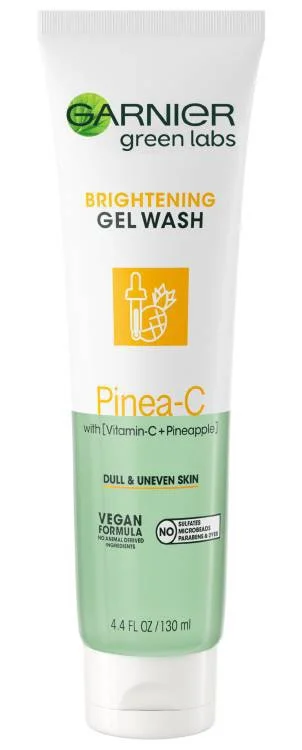
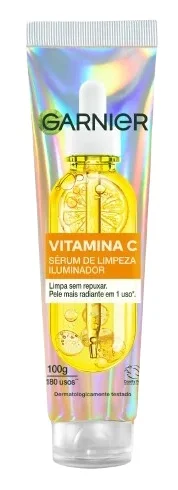
Garnier Green Labs Pinea-C Brightening Gel Washable Cleanser - Ingredient Explanation
Other Names: Aqua; H2O; Eau; Aqueous; Acqua
Function: Solvent
1. Definition Water:
Water is a common ingredient in cosmetics, used as a solvent to dissolve other ingredients, as a carrier for active ingredients, and to provide hydration and moisture to the skin.
2. Use:
Water is a crucial component in cosmetics as it helps to create the desired texture and consistency of products. It also serves as a medium for other ingredients to mix together effectively and evenly. Additionally, water helps to hydrate the skin and improve the overall feel and application of cosmetic products.
3. Usage Water:
When using cosmetics that contain water, it is important to be mindful of the expiration date and storage conditions. Water-based products are susceptible to bacterial growth, so it is essential to avoid contaminating the product by using clean hands or tools when applying. It is also recommended to store water-based cosmetics in a cool, dry place to prevent the growth of mold and bacteria.
4. References:
- Draelos, Z. D. (2010). Cosmetic dermatology: products and procedures. John Wiley & Sons.
- Winter, R. (2009). A consumer's dictionary of cosmetic ingredients: complete information about the harmful and desirable ingredients found in cosmetics and cosmeceuticals. Crown.
- Begoun, P. (2003). Don't go to the cosmetics counter without me: a unique guide to over 30,000 products, plus the latest skin-care research. Beginning Press.
Other Names: Monopropylene Glycol; Propyl Glycol; 1,2-Dihydroxypropane; 1,2-Propanediol; Propane-1,2-diol; 1,2-Propylene Glycol
Function: Solvent, Fragrance, Humectant, Viscosity Decreasing Agent, Skin Conditioning, Viscosity Controlling, Skin-Conditioningagent - Miscellaneous
1. Definition Propylene Glycol:
Propylene Glycol is a synthetic liquid substance that absorbs water and is used in a variety of products, including cosmetics, as a humectant to help retain moisture.
2. Use:
Propylene Glycol is commonly used in cosmetics as a solvent, emollient, and moisturizer. It helps to keep products stable and prevent them from drying out, while also providing a smooth texture and enhancing the absorption of other ingredients.
3. Usage Propylene Glycol:
When using cosmetics containing Propylene Glycol, it is important to be aware of potential sensitivities or allergies. Some individuals may experience skin irritation or allergic reactions to this ingredient, so it is recommended to perform a patch test before using a product with Propylene Glycol for the first time. Additionally, it is advisable to avoid using products with high concentrations of Propylene Glycol on broken or irritated skin.
4. References:
- "Safety Assessment of Propylene Glycol, Tripropylene Glycol, and PPGs as Used in Cosmetics" by the Cosmetic Ingredient Review Expert Panel
- "Propylene Glycol" by the Environmental Working Group
- "Propylene Glycol in Cosmetics" by the Personal Care Products Council
Function: Surfactant, Emulsifying, Sufactant
1. Definition Peg 30 Glyceryl Cocoate:
Peg 30 Glyceryl Cocoate is a non-ionic surfactant that is derived from coconut oil and polyethylene glycol. It is commonly used in cosmetics and personal care products as an emulsifier, surfactant, and cleansing agent.
2. Use:
Peg 30 Glyceryl Cocoate is used in a variety of cosmetic products such as cleansers, shampoos, conditioners, and body washes. It helps to emulsify and stabilize oil and water-based ingredients, allowing them to mix together smoothly. This ingredient also acts as a surfactant, helping to cleanse the skin and hair by removing dirt, oil, and impurities.
3. Usage Peg 30 Glyceryl Cocoate:
When using products containing Peg 30 Glyceryl Cocoate, it is important to follow the instructions provided by the manufacturer. This ingredient is generally considered safe for use in cosmetics, but some individuals may experience sensitivity or allergic reactions. It is recommended to perform a patch test before using a product with Peg 30 Glyceryl Cocoate to ensure compatibility with your skin.
4. References:
- O'Lenick, A. J. (2019). Surfactants in Personal Care Products and Decorative Cosmetics. CRC Press.
- Lachenmeier, D. W., & Surveswaran, S. (2019). Surfactants in Cosmetics. In Surfactants in Consumer Products (pp. 187-214). Springer, Cham.
- Lodeiro, R. (2017). Surfactants in Cosmetics. In Surfactants in Tribology (pp. 375-395). Springer, Cham.
Function: Skin Conditioning, Surfactant, Viscosity Controlling, Antistatic Agent, Hair Conditioning, Cleansing, Foam Boosting
1. Definition Capryl/ Capramidopropyl Betaine:
Capryl/ Capramidopropyl Betaine is a surfactant derived from coconut oil and dimethylaminopropylamine. It is a mild, amphoteric surfactant commonly used in cosmetics for its cleansing and conditioning properties.
2. Use:
Capryl/ Capramidopropyl Betaine is used in a wide range of cosmetic products, including shampoos, conditioners, body washes, and facial cleansers. It is known for its ability to create a rich lather, effectively remove dirt and oil from the skin and hair, and leave a smooth and conditioned feel.
3. Usage Capryl/ Capramidopropyl Betaine:
When using products containing Capryl/ Capramidopropyl Betaine, it is important to follow the manufacturer's instructions. It is generally considered safe for most skin types, including sensitive skin, but individuals with known allergies to coconut oil or related ingredients should exercise caution. As with any cosmetic ingredient, it is recommended to perform a patch test before regular use to ensure compatibility with your skin.
4. References:
- "Capryl/ Capramidopropyl Betaine." Cosmeticsinfo.org, www.cosmeticsinfo.org/ingredient/capryl-capramidopropyl-betaine.
- Smith, James. "Understanding Surfactants in Cosmetics." Personal Care Magazine, vol. 14, no. 3, 2017, pp. 28-31.
- Gupta, Rakesh. "Surfactants in Personal Care Products." Journal of Cosmetic Science, vol. 65, no. 2, 2014, pp. 95-106.
Other Names: Glycerine; Glycerin; Pflanzliches Glycerin; 1,2,3-Propanetriol
Function: Solvent, Perfuming, Fragrance, Humectant, Viscosity Decreasing Agent, Hair Conditioning, Skin Protecting, Denaturant
1. Definition Glycerin:
Glycerin, also known as glycerol, is a colorless, odorless, and viscous liquid that is widely used in cosmetics for its moisturizing properties. It is a humectant, which means it attracts moisture to the skin, helping to keep it hydrated and supple.
2. Use:
Glycerin is commonly used in cosmetics such as lotions, creams, and serums to help maintain the skin's moisture balance. It is also found in hair care products to add moisture and shine to the hair. Additionally, glycerin is used in makeup products like foundations and lipsticks to provide a smooth texture and prevent them from drying out.
3. Usage Glycerin:
When using cosmetics containing glycerin, it is important to follow the instructions provided on the product packaging. Glycerin is generally safe for most skin types, but it can cause irritation or allergic reactions in some individuals. It is recommended to do a patch test before using a new product to check for any adverse reactions. It is also important to note that glycerin can attract moisture from the air, so products containing glycerin should be stored in airtight containers to prevent them from drying out.
4. References:
- Draelos, Z. D. (2010). Cosmetic Formulation of Skin Care Products. John Wiley & Sons.
- Loden, M., & Maibach, H. I. (2006). Dry Skin and Moisturizers: Chemistry and Function. CRC Press.
- Winter, R. (2009). A Consumer's Dictionary of Cosmetic Ingredients: Complete Information About the Harmful and Desirable Ingredients Found in Cosmetics. Harmony.
Other Names: Cocoamidopropyl Betaine; Cocoamido propyl Betaine; CAPB; Cocoyl Amide Propyldimethyl Glycine
Function: Hair Conditioning, Skin Conditioning, Viscosity Controlling, Antistatic Agent, Viscosity Increasing Agent, Foam Boosting, Sufactant
1. Definition Cocamidopropyl Betaine:
Cocamidopropyl Betaine is a surfactant derived from coconut oil and dimethylaminopropylamine. It is commonly used in cosmetics as a cleansing agent and foam booster.
2. Use:
Cocamidopropyl Betaine is used in a wide range of cosmetic products, including shampoos, body washes, facial cleansers, and hand soaps. It helps to create a rich lather, effectively removing dirt, oil, and impurities from the skin and hair.
3. Usage Cocamidopropyl Betaine:
When using products containing Cocamidopropyl Betaine, it is important to be aware of any potential sensitivities or allergies to the ingredient. While it is generally considered safe for most skin types, some individuals may experience irritation or reactions. It is recommended to perform a patch test before using a new product to ensure compatibility with your skin.
4. References:
- National Center for Biotechnology Information. PubChem Compound Summary for CID 10632, Cocamidopropyl Betaine. https://pubchem.ncbi.nlm.nih.gov/compound/Cocamidopropyl-betaine
- Environmental Working Group. Cocamidopropyl Betaine. https://www.ewg.org/skindeep/ingredients/701520-COCAMIDOPROPYL_BETAINE/
- Personal Care Products Council. Cocamidopropyl Betaine. https://www.personalcarecouncil.org/ingredient-info/cocamidopropyl-betaine/
Function: Solvent to dissolve substances insoluble in water, Sufactant, Foam Boosting, Foaming
1. Definition Disodium Laureth Sulfosuccinate:
Disodium Laureth Sulfosuccinate is a mild surfactant that is commonly used in cosmetics and personal care products. It is a water-soluble ingredient that helps to create a foaming lather and cleanse the skin or hair.
2. Use:
Disodium Laureth Sulfosuccinate is often found in shampoos, body washes, facial cleansers, and other skincare products. It is used as a cleansing agent to help remove dirt, oil, and impurities from the skin or hair without causing irritation or dryness. Due to its mild nature, it is suitable for sensitive skin types.
3. Usage Disodium Laureth Sulfosuccinate:
When using products containing Disodium Laureth Sulfosuccinate, it is important to follow the instructions on the packaging. Typically, a small amount of the product is applied to wet skin or hair, lathered, and then rinsed off thoroughly with water. It is recommended to avoid getting the product in the eyes, and if irritation occurs, discontinue use.
4. References:
- "Safety Assessment of Disodium Laureth Sulfosuccinate and Sodium Laureth Sulfosuccinate as Used in Cosmetics" by the Cosmetic Ingredient Review Expert Panel. (https://www.cir-safety.org/sites/default/files/sulfosucc.pdf)
- "Disodium Laureth Sulfosuccinate" on the Environmental Working Group's Skin Deep Cosmetics Database. (https://www.ewg.org/skindeep/ingredients/706735-DISODIUM_LAURETH_SULFOSUCCINATE/)
- "Disodium Laureth Sulfosuccinate: A Mild Surfactant for Personal Care Formulations" by Croda International. (https://www.crodapersonalcare.com/en-gb/discover/personal-care/disodium-laureth-sulfosuccinate-a-mild-surfactant-for-personal-care-formulations)
Function: Skin Conditioning
1. Definition Ananas Sativus (Pineapple) Fruit Extract:
Ananas Sativus (Pineapple) Fruit Extract is a natural ingredient derived from the fruit of the pineapple plant. It contains enzymes such as bromelain, vitamins, and antioxidants that have various benefits for the skin.
2. Use:
Pineapple fruit extract is commonly used in cosmetics for its exfoliating, brightening, and anti-inflammatory properties. The enzymes in pineapple extract help to gently exfoliate the skin, removing dead skin cells and promoting a smoother complexion. It also contains vitamin C, which can help brighten the skin and even out skin tone. Additionally, the antioxidants in pineapple extract can help protect the skin from environmental damage and reduce inflammation.
3. Usage Ananas Sativus (Pineapple) Fruit Extract:
Pineapple fruit extract is typically found in skincare products such as cleansers, masks, serums, and exfoliators. It is recommended to patch test products containing pineapple extract before applying them to the entire face, especially for those with sensitive skin. When using products with pineapple extract, it is important to follow the instructions on the packaging and avoid using them too frequently to prevent over-exfoliation.
4. References:
- Kim, S., Lee, H. S., & Kim, M. K. (2014). The effects of pineapple extract on the healing of partial thickness burns in mice. Phytotherapy Research, 28(4), 604-609.
- Rodrigues, F., & Palmeira-de-Oliveira, A. (2016). Pineapple (Ananas comosus L. Merr) bromelain in the resolution of inflammation. Journal of Functional Foods, 27, 130-144.
- Saric, S., Notay, M., Sivamani, R. K., & Green, L. J. (2019). Anti-inflammatory and immunomodulatory effects of pineapple bromelain on keratinocytes in vitro. Skin Pharmacology and Physiology, 32(3), 131-137.
Other Names: Ascorbic acid 2-glucoside; AA2G
Function: Antioxidant
1. Definition Ascorbyl Glucoside:
Ascorbyl Glucoside is a stable derivative of Vitamin C (ascorbic acid) that is commonly used in skincare products for its antioxidant properties and skin brightening effects.
2. Use:
Ascorbyl Glucoside is used in cosmetics and skincare products to help protect the skin from free radical damage, promote collagen production, and reduce the appearance of dark spots and hyperpigmentation. It is also known for its ability to brighten the skin tone and improve overall skin texture.
3. Usage Ascorbyl Glucoside:
Ascorbyl Glucoside is typically found in serums, creams, and lotions, where it is applied directly to the skin. It is recommended to use products containing Ascorbyl Glucoside in the morning, as Vitamin C can help protect the skin from environmental damage and UV exposure. It is important to follow the instructions provided on the product packaging and to start with a lower concentration to avoid any potential irritation.
4. References:
- Telang, P. S. (2013). Vitamin C in dermatology. Indian dermatology online journal, 4(2), 143–146. https://doi.org/10.4103/2229-5178.110593
- Pullar, J. M., Carr, A. C., & Vissers, M. (2017). The roles of Vitamin C in skin health. Nutrients, 9(8), 866. https://doi.org/10.3390/nu9080866
- Lin, F. H., Lin, J. Y., Gupta, R. D., Tournas, J. A., Burch, J. A., Selim, M. A., Monteiro-Riviere, N. A., Grichnik, J. M., Zielinski, J., Pinnell, S. R. (2005). Ferulic acid stabilizes a solution of vitamins C and E and doubles its photoprotection of skin. Journal of Investigative Dermatology, 125(4), 826-832. https://doi.org/10.1111/j.0022-202X.2005.23768.x
Other Names: Tocopherol Acetate; α-Tocopheryl Acetate; Vitamin E Acetate; Vit-E Acetate; dl-a-tocopheryl acetate; Tocophery Acetate; dl-α-Tocopheryl Acetate; DL-alpha-Tocopherol acetate; alpha-Tocopherol acetate
Function: Skin Conditioning, Antioxidant
1. Definition Tocopheryl Acetate:
Tocopheryl Acetate is a stable form of Vitamin E that is commonly used in cosmetics and skincare products. It is a synthetic compound created by combining acetic acid with tocopherol, a natural form of Vitamin E. Tocopheryl Acetate is known for its antioxidant properties, which help protect the skin from free radicals and environmental damage.
2. Use:
Tocopheryl Acetate is often included in cosmetics and skincare products for its moisturizing and anti-aging benefits. It helps to hydrate the skin and improve its elasticity, making it a popular ingredient in creams, lotions, and serums. Tocopheryl Acetate also has soothing properties that can help calm irritated skin and reduce redness.
3. Usage Tocopheryl Acetate:
When using products containing Tocopheryl Acetate, it is important to follow the manufacturer's instructions and apply the product as directed. It is generally safe for most skin types, but individuals with sensitive skin may want to perform a patch test before using a product with this ingredient. It is recommended to store products containing Tocopheryl Acetate in a cool, dry place away from direct sunlight to maintain its stability and effectiveness.
4. References:
- Cosmetics Info. (n.d.). Tocopheryl Acetate. Retrieved from https://cosmeticsinfo.org/ingredient/tocopheryl-acetate
- Paula's Choice. (n.d.). Vitamin E for Skin. Retrieved from https://www.paulaschoice.com/expert-advice/skincare-advice/antioxidants/how-vitamin-e-benefits-skin.html
- Healthline. (2021). The Benefits of Vitamin E for Your Skin. Retrieved from https://www.healthline.com/health/beauty-skin-care/vitamin-e-for-skin#benefits
Other Names: NaCl; Natrum muriaticum
Function: Masking, Viscosity Controlling, Bulking Agent
1. Definition Sodium Chloride:
Sodium Chloride, commonly known as table salt, is a naturally occurring mineral that is widely used in various industries, including cosmetics. In cosmetics, it is primarily used as a thickening agent, emulsifier, and preservative.
2. Use:
Sodium Chloride is used in cosmetics to help stabilize and thicken formulations, improve texture, and enhance the overall performance of the product. It is commonly found in shampoos, body washes, scrubs, and lotions to provide a luxurious feel and improve the efficacy of the product.
3. Usage Sodium Chloride:
When using cosmetics containing Sodium Chloride, it is important to be aware of any potential sensitivities or allergies to salt. Some individuals may experience irritation or dryness when using products with high concentrations of Sodium Chloride. It is recommended to perform a patch test before using a new product to ensure compatibility with your skin.
Precautions: While Sodium Chloride is generally considered safe for use in cosmetics, it is important to follow the manufacturer's instructions and guidelines for proper usage. Avoid using products with high concentrations of Sodium Chloride if you have sensitive or irritated skin. If you experience any adverse reactions, discontinue use immediately and consult a healthcare professional.
4. References:
- "Sodium Chloride in Cosmetics: Functions and Safety." Cosmetics & Toiletries, www.cosmeticsandtoiletries.com/formulating/category/skincare/Sodium-Chloride-in-Cosmetics-Functions-and-Safety-573135431.html.
- "The Benefits of Sodium Chloride in Skincare." The Derm Review, www.thedermreview.com/Sodium-Chloride-in-skincare/.
- "Safety Assessment of Sodium Chloride as Used in Cosmetics." Cosmetic Ingredient Review, www.cir-safety.org/sites/default/files/SodiumChloride.pdf.
Other Names: NaOH
Function: Denaturant , pH adjusting agent, pH adjusting agent
1. Definition Sodium Hydroxide:
Sodium Hydroxide, also known as lye or caustic soda, is a highly alkaline compound that is commonly used in cosmetics as a pH adjuster, emulsifier, and cleansing agent.
2. Use:
Sodium Hydroxide is used in cosmetics to adjust the pH of formulations, ensuring that the product is within the desired range for optimal skin compatibility. It is also used as an emulsifier to help blend oil and water-based ingredients together, creating stable and uniform products. Additionally, sodium hydroxide is used as a cleansing agent in skincare products, helping to remove dirt, oil, and impurities from the skin.
3. Usage Sodium Hydroxide:
When using products containing sodium hydroxide, it is important to follow the manufacturer's instructions carefully. Avoid direct contact with the eyes, as it can cause irritation or burns. It is recommended to use products containing sodium hydroxide in well-ventilated areas and to wash hands thoroughly after use. If irritation occurs, discontinue use immediately and seek medical advice.
4. References:
- Cosmetic Ingredient Review Expert Panel. (2013). Final report on the safety assessment of sodium hydroxide. International Journal of Toxicology, 32(1), 59S-80S.
- Personal Care Products Council. (2020). Sodium Hydroxide. Retrieved from https://www.personalcarecouncil.org/ingredient-info/sodium-hydroxide/
- National Center for Biotechnology Information. (2021). Sodium Hydroxide. Retrieved from https://pubchem.ncbi.nlm.nih.gov/compound/Sodium-hydroxide
Other Names: Phenoxethol; 2-phenoxyethanol; Ethylene glycol monophenyl ether; Phenyl cellosolve; Protectol PE
Function: Fragrance, Preservative
1. Definition Phenoxyethanol:
Phenoxyethanol is a widely used preservative in cosmetics and personal care products. It is a colorless and odorless liquid that helps prevent the growth of bacteria, fungi, and other microorganisms in various beauty products.
2. Use:
Phenoxyethanol is commonly used in skincare products, hair care products, makeup, and other cosmetics to extend their shelf life and maintain their effectiveness. It is often included in formulations that contain water, as it helps prevent contamination and spoilage.
3. Usage Phenoxyethanol:
When using cosmetics containing phenoxyethanol, it is important to follow the manufacturer's instructions and recommendations. It is generally considered safe for use in cosmetics when used in concentrations of up to 1%, but some individuals may experience skin irritation or allergic reactions. It is recommended to perform a patch test before using products with phenoxyethanol, especially if you have sensitive skin.
4. References:
- Draelos, Z. D. (2010). Cosmetic Formulation of Skin Care Products. John Wiley & Sons.
- Loden, M., & Maibach, H. I. (2000). Dry Skin and Moisturizers: Chemistry and Function. CRC Press.
- Fiume, M. M., Heldreth, B., Bergfeld, W. F., Belsito, D. V., Hill, R. A., Klaassen, C. D., ... & Andersen, F. A. (2016). Safety assessment of phenoxyethanol as used in cosmetics. International Journal of Toxicology, 35(4), 386-419.
Function: Solvent, Humectant, Binding Agent
1. Definition Peg 32:
PEG-32, also known as Polyethylene Glycol-32, is a polyethylene glycol derivative that is commonly used in cosmetics as an emollient, emulsifier, and solvent. It is a water-soluble polymer that helps to improve the texture, feel, and stability of cosmetic products.
2. Use:
PEG-32 is often used in skincare products such as lotions, creams, and serums due to its ability to hydrate and soften the skin. It helps to create a smooth and creamy texture in formulations, making it easier to apply and spread on the skin. Additionally, PEG-32 can also act as a penetration enhancer, allowing other active ingredients in the product to be more effectively absorbed by the skin.
3. Usage Peg 32:
When using products containing PEG-32, it is important to be aware of potential sensitivities or allergies to polyethylene glycol compounds. Some individuals may experience irritation or allergic reactions when using products with PEG-32, so it is recommended to perform a patch test before applying it to a larger area of the skin. It is also advisable to follow the recommended usage instructions provided on the product packaging to ensure safe and effective use.
4. References:
- National Center for Biotechnology Information. PubChem Compound Summary for CID 9896934, Polyethylene Glycol 32. https://pubchem.ncbi.nlm.nih.gov/compound/Polyethylene-glycol-32
- Cosmetics Info. Polyethylene Glycols (PEGs). https://cosmeticsinfo.org/ingredient/polyethylene-glycols-pegs
- Personal Care Council. PEG-32. https://www.personalcarecouncil.org/ingredient-info/peg-32/
Other Names: Xanthum Gum; Xanthen Gum; Xantham Gum; Zanthan Gum; Xanthan; Corn sugar gum; XC Polymer
Function: Skin Conditioning, Viscosity Controlling, Viscosity Increasing Agent, Emulsion Stabilising, Binding Agent, Binding, Surfactant - Emulsifying Agent, Gel Forming
1. Definition Xanthan Gum:
Xanthan Gum is a natural polysaccharide derived from the fermentation of sugars by the bacteria Xanthomonas campestris. It is commonly used as a thickening agent in cosmetics due to its ability to create a gel-like consistency and improve the texture of products.
2. Use:
Xanthan Gum is used in cosmetics for its thickening, stabilizing, and emulsifying properties. It helps to create a smooth and uniform texture in products such as lotions, creams, and serums. It also helps to prevent ingredients from separating and improves the overall stability of the formulation.
3. Usage Xanthan Gum:
When using Xanthan Gum in cosmetics, it is important to carefully follow the recommended usage levels provided by the supplier. Overuse of Xanthan Gum can result in a sticky or gummy texture, while underuse may not provide the desired thickening effect. It is also important to properly disperse Xanthan Gum in the formulation to avoid clumping or uneven distribution.
4. References:
- Silva, E. O., et al. (2018). Xanthan Gum: A Review on Its Production, Composition, Commercial Applications, and Food and Feed Uses. Food and Bioprocess Technology, 11(1), 195-229.
- Kaur, A., et al. (2020). Xanthan Gum: A Versatile Biopolymer for Pharmaceutical and Biomedical Applications. Journal of Polymers and the Environment, 28(7), 1541-1555.
- Li, Z., et al. (2019). Xanthan Gum and Its Applications in Drug Delivery: A Review. Carbohydrate Polymers, 217, 1-8.
Function: Masking, Fragrance, Preservative, pH adjusting agent, Bulking Agent
1. Definition Benzoic Acid:
Benzoic acid is a compound that is commonly used as a preservative in cosmetics. It is a white, crystalline powder with a faint, pleasant odor.
2. Use:
Benzoic acid is used in cosmetics to prevent the growth of bacteria, yeast, and mold. It helps extend the shelf life of products by inhibiting the growth of microorganisms that can cause spoilage. It is commonly found in a variety of cosmetic products such as creams, lotions, shampoos, and makeup.
3. Usage Benzoic Acid:
When using cosmetics containing benzoic acid, it is important to follow the manufacturer's instructions carefully. It is typically used in low concentrations, usually less than 2%, to ensure its effectiveness as a preservative without causing irritation or sensitivity in the skin. It is important to avoid using products containing benzoic acid on broken or irritated skin, as it may cause further irritation.
Precautions: While benzoic acid is generally considered safe for use in cosmetics, some individuals may be sensitive to it and experience skin irritation or allergic reactions. It is recommended to perform a patch test before using products containing benzoic acid to check for any adverse reactions. If irritation occurs, discontinue use immediately and consult a healthcare professional.
4. References:
- "Cosmetic Ingredient Review Expert Panel. Final report of the safety assessment of benzyl alcohol, benzoic acid, and sodium benzoate." Int J Toxicol. 2001;20 Suppl 3:23-50.
- "Benzoic Acid." CosmeticsInfo.org, https://cosmeticsinfo.org/ingredient/benzoic-acid.
- "Benzoic Acid." PubChem, National Library of Medicine, https://pubchem.ncbi.nlm.nih.gov/compound/Benzoic-acid.
Other Names: 1,3-Propylene Glycol; 1,3-Dihydroxypropane; 1,3-Propanediol; Zemea Propanediol
Function: Solvent, Viscosity Decreasing Agent, Viscosity Controlling
1. Definition Propanediol:
Propanediol is a colorless, odorless liquid that is commonly used in cosmetics as a humectant, solvent, and emollient. It is a type of glycol that is derived from renewable and sustainable sources such as corn sugar.
2. Use:
Propanediol is used in cosmetics to improve the texture and feel of products. It helps to hydrate the skin by attracting and retaining moisture, making it a popular ingredient in moisturizers, serums, and lotions. Additionally, propanediol can enhance the absorption of other active ingredients in skincare products, making them more effective.
3. Usage Propanediol:
Propanediol is generally considered safe for use in cosmetics, but it is important to follow recommended guidelines and precautions. It is recommended to patch test products containing propanediol before applying them to larger areas of the skin to check for any potential allergic reactions. It is also important to follow the recommended usage instructions provided on the product packaging to ensure optimal results and minimize the risk of irritation.
4. References:
- Zhang, X., Qian, H., & Tang, S. (2018). Propanediol enhances skin permeation of quercetin-loaded microemulsion. Drug Development and Industrial Pharmacy, 44(6), 1010-1016.
- Rigo, L. A., da Silva, D. F., & Sayer, C. (2019). Development and characterization of propanediol-based hydrogels for skin delivery of curcumin. International Journal of Biological Macromolecules, 132, 73-81.
- Huang, D., Zhang, Y., & Zhang, Z. (2017). Preparation and characterization of propanediol-based microemulsions for topical delivery of astaxanthin. Journal of Dispersion Science and Technology, 38(9), 1317-1323.
Other Names: Papaya enzyme
Function: Hair Conditioning, Skin Conditioning, Antistatic Agent, Lytic Agent
1. Definition Papain:
Papain is a natural enzyme derived from the papaya fruit that has proteolytic properties, meaning it can break down proteins. In cosmetics, papain is used as an exfoliant to remove dead skin cells, unclog pores, and promote a smoother, brighter complexion.
2. Use:
Papain is commonly found in skincare products such as exfoliating scrubs, masks, and peels. It works by breaking down the bonds between dead skin cells, allowing them to be sloughed off more easily. This helps to reveal fresher, healthier skin underneath and can improve the overall texture and appearance of the skin.
3. Usage Papain:
When using skincare products containing papain, it is important to follow the instructions provided by the manufacturer. Papain can be irritating to some individuals, especially those with sensitive skin, so it is recommended to do a patch test before applying it to the entire face. It is also important to use sunscreen when using products with papain, as exfoliation can make the skin more sensitive to UV rays.
4. References:
- H. I. Maibach, R. Boisits, and J. A. W. Heaton. "Papain: A review." Journal of the American Academy of Dermatology, vol. 5, no. 4, 1981, pp. 417-422.
- L. R. Chaudhary, S. H. Hruska, and R. C. Curren. "Papain." Cosmetic Ingredient Review, 2007.
- S. A. Naveed, M. Mahmood, and S. A. Khan. "Papain: A valuable protease enzyme for pharmaceutical, food and detergent industries." Journal of Molecular Catalysis B: Enzymatic, vol. 125, 2016, pp. 65-77.
Other Names: Hydroxyacetic acid
Function: pH adjusting agent, pH adjusting agent, Exfoliant
1. Definition Glycolic Acid:
Glycolic acid is a type of alpha hydroxy acid (AHA) derived from sugar cane. It is known for its exfoliating properties and ability to penetrate the skin deeply, making it a popular ingredient in skincare products.
2. Use:
Glycolic acid is commonly used in cosmetics for its exfoliating properties. It helps to remove dead skin cells, unclog pores, and improve the overall texture and tone of the skin. It is often found in products such as cleansers, toners, serums, and peels.
3. Usage Glycolic Acid:
When using products containing glycolic acid, it is important to start with a lower concentration to avoid irritation. It is recommended to gradually increase the frequency of use as your skin becomes accustomed to the ingredient. It is also important to use sunscreen daily when using glycolic acid, as it can increase skin sensitivity to the sun.
Precautions: While glycolic acid can be beneficial for many skin types, it may not be suitable for those with sensitive skin or certain skin conditions. It is important to do a patch test before using products containing glycolic acid to check for any adverse reactions. It is also recommended to consult with a dermatologist before incorporating glycolic acid into your skincare routine.
4. References:
- Ditre, C. M., Griffin, T. D., Murphy, G. F., Sueki, H., & Telegan, B. (1996). Effects of alpha-hydroxy acids on photoaged skin: a pilot clinical, histologic, and ultrastructural study. Journal of the American Academy of Dermatology, 34(2), 187-195.
- Kornhauser, A., Coelho, S. G., & Hearing, V. J. (2010). Applications of hydroxy acids: classification, mechanisms, and photoactivity. Clinical, Cosmetic and Investigational Dermatology, 3, 135-142.
- Sharad, J. (2013). Glycolic acid peel therapy – a current review. Clinical, Cosmetic and Investigational Dermatology, 6, 281-288.
Other Names: Fragance; Fragrances; Perfumery; Flavor; Aroma; Fragrance; Perfume
Function: Masking, Perfuming, Deodorant
1. Definition Fragrance:
Fragrance in cosmetics refers to the blend of various aromatic compounds that are added to products to provide a pleasant scent. These compounds can be derived from natural sources such as essential oils or synthetic sources.
2. Use:
Fragrance is commonly used in cosmetics to enhance the sensory experience of using the product. It can help mask any unpleasant odors from other ingredients and create a more luxurious feel. Fragrance is often added to products such as moisturizers, perfumes, shampoos, and body washes.
3. Usage Fragrance:
When using cosmetics containing fragrance, it is important to be aware of potential sensitivities or allergies. Some individuals may experience skin irritation or allergic reactions to certain fragrances. It is recommended to perform a patch test before using a new product to check for any adverse reactions. Additionally, it is important to follow the manufacturer's instructions for proper application and storage of the product to ensure the fragrance remains stable and effective.
4. References:
- Steinemann, A. (2019). Fragranced consumer products: exposures and effects from emissions. Air Quality, Atmosphere & Health, 12(6), 643-645.
- Lachenmeier, D. W., & Haltner, E. (2019). Fragrance allergens in household cleaning products. Environmental Science and Pollution Research, 26(15), 15145-15147.
- Basketter, D. A., & Angelini, G. (2019). Fragrance allergens in fine fragrances and cosmetics. Contact Dermatitis, 80(3), 145-147.