


Analysis locked
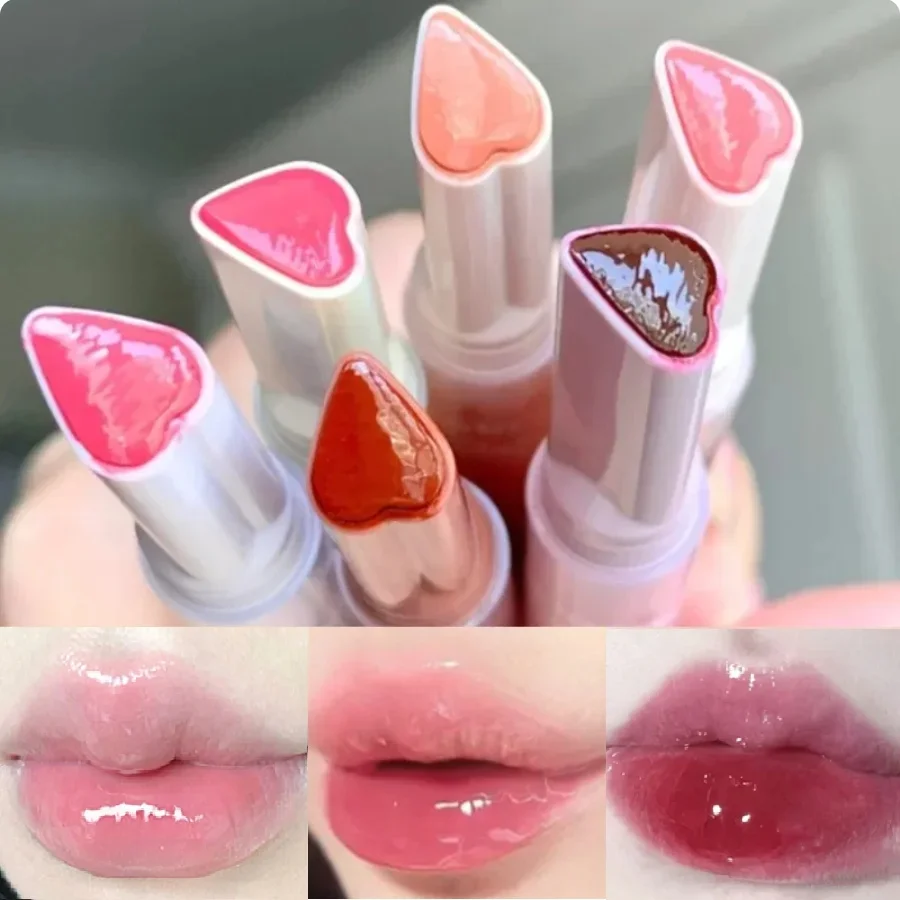
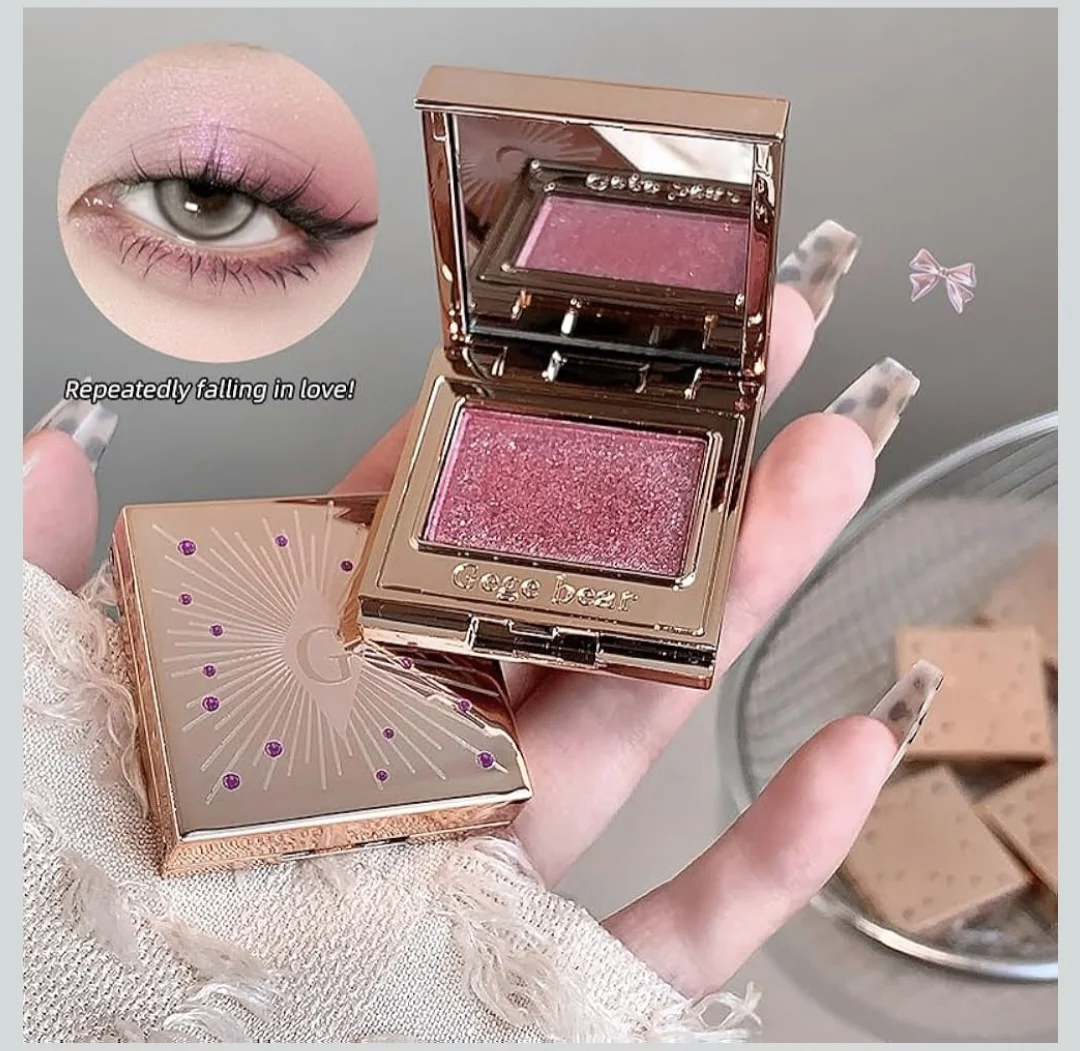
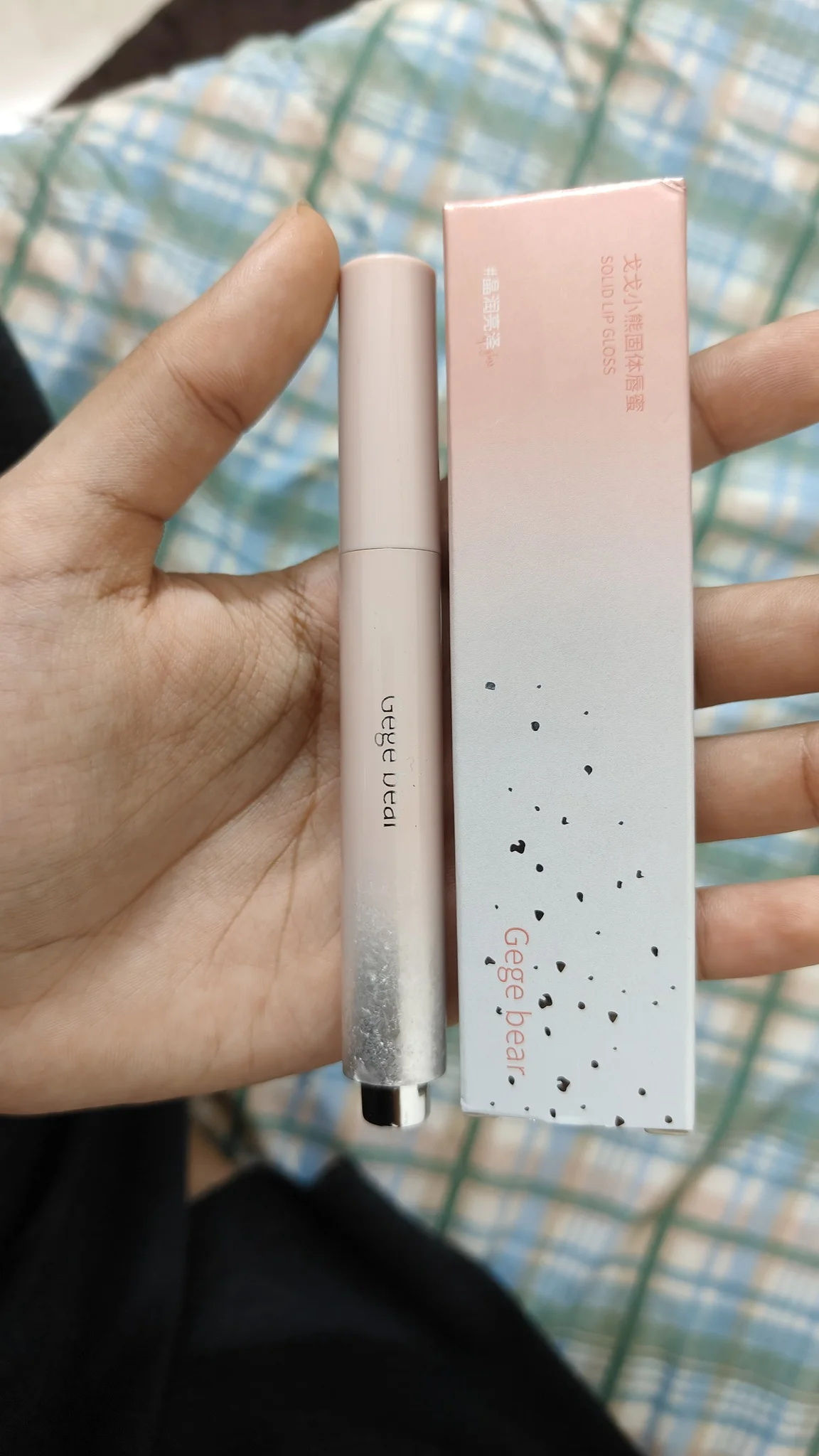
How well does your skin match with Gege Bear Heart-shaped Jelly Lip Gloss?
Login to see detailsOr continue via
Quick 1-minute survey • Completely free
Ingredients
Analysis results of Ingredients


Ingredient List
| EWG | CIR | Ingredient Name & Cosmetic Function | Notes |
|---|---|---|---|
| 1 | A | (Hair Conditioning, Skin Conditioning, Emollient, Refatting) | |
| 1 | A | (Skin Conditioning, Emollient, Surfactant) | |
| 1 | A | (Hair Conditioning, Skin Conditioning, Emollient, Viscosity Controlling) |  |
| 1 | - | (Colorant, Cosmetic Colorant) | |


Gege Bear Heart-shaped Jelly Lip Gloss - Ingredient Explanation
Squalane
1. Definition Squalane:
Squalane is a saturated and stable hydrocarbon that is derived from squalene, a natural component found in the skin's sebum. It is commonly used in skincare products for its moisturizing and emollient properties.2. Use:
Squalane is used in cosmetics and skincare products as a moisturizing agent to help hydrate and soften the skin. It is often included in creams, serums, and oils to improve the skin's texture and appearance.3. Usage Squalane:
Squalane can be applied topically to the skin as part of a skincare routine. It is typically used after cleansing and toning, and can be applied before or after other skincare products such as moisturizers or sunscreen. Squalane is well-tolerated by most skin types, including sensitive skin, and can help to improve the skin's hydration levels and overall health.Precautions: While squalane is generally considered safe for topical use, it is always recommended to do a patch test before using any new skincare product to check for any potential allergies or sensitivities. Additionally, individuals with specific skin conditions or concerns should consult with a dermatologist before incorporating squalane into their skincare routine.
4. References:
- Baumann, L. (2005). Cosmetic Dermatology: Principles and Practice. New York: McGraw-Hill.
- Draelos, Z. D. (2015). Cosmeceuticals. Philadelphia: Saunders.
- Mukherjee, S., Date, A., Patravale, V., Korting, H. C., Roeder, A., & Weindl, G. (2006). Retinoids in the treatment of skin aging: an overview of clinical efficacy and safety. Clinical interventions in aging, 1(4), 327-348.
Diisostearyl Malate
1. Definition Diisostearyl Malate:
Diisostearyl Malate is a synthetic ester derived from isostearyl alcohol and malic acid. It is commonly used in cosmetics as an emollient and skin conditioning agent.2. Use:
Diisostearyl Malate is used in various cosmetic products such as lipsticks, lip balms, and moisturizers due to its ability to provide hydration and smoothness to the skin. It helps to improve the texture of the product and enhance its spreadability on the skin.3. Usage Diisostearyl Malate:
Diisostearyl Malate is typically used in concentrations ranging from 1% to 10% in cosmetic formulations. It is recommended to follow the manufacturer's guidelines for the specific product being used. Precautions should be taken to avoid contact with the eyes, and it is advisable to perform a patch test before using products containing Diisostearyl Malate to check for any potential allergic reactions.4. References:
- Yang, F., Liu, Y., Liu, Y., & Li, L. (2018). Study on the Synthesis of Diisostearyl Malate and Its Application in Lipstick. Journal of Oleo Science, 67(12), 1593-1601.
- Kim, J., Kim, H., & Kim, S. (2017). Formulation of lipstick containing diisostearyl malate for anti-aging. Journal of the Society of Cosmetic Scientists of Korea, 43(3), 179-187.
- Kwon, S., Park, Y., & Lee, J. (2019). Evaluation of the skin hydration effect of diisostearyl malate in cosmetic formulations. International Journal of Cosmetic Science, 41(5), 479-485.
Jojoba (Simmondsia Chinensis) Seed Oil
1. Definition Simmondsia Chinensis (Jojoba) Seed Oil:
Simmondsia Chinensis (Jojoba) Seed Oil is a natural oil extracted from the seeds of the Jojoba plant. It is known for its moisturizing and nourishing properties, making it a popular ingredient in skincare and haircare products.2. Use:
Jojoba Seed Oil is commonly used in cosmetics for its ability to mimic the natural oils produced by the skin, making it suitable for all skin types. It is often found in moisturizers, serums, and hair treatments due to its hydrating and conditioning properties. Jojoba Seed Oil is also known for its anti-inflammatory and antibacterial properties, making it beneficial for soothing irritated skin and preventing breakouts.3. Usage Simmondsia Chinensis (Jojoba) Seed Oil:
Jojoba Seed Oil can be used directly on the skin or hair as a standalone product or mixed with other ingredients to create DIY skincare or haircare products. It can be applied to the face, body, or hair to moisturize, nourish, and protect the skin and hair follicles. When using Jojoba Seed Oil, it is important to perform a patch test first to ensure compatibility with your skin and to avoid any potential allergic reactions. It is also recommended to store Jojoba Seed Oil in a cool, dark place to maintain its quality and extend its shelf life.4. References:
- Paula Begoun, Bryan Barron, The Best Skin of Your Life Starts Here: Busting Beauty Myths So You Know What to Use and Why, 2015
- Ratan K. Choudhary, Avinash Kumar, Om Prakash, Mahendra Singh, Handbook of Medicinal Plants: Utilisation and Conservation, 2018
- Jennifer Peace Rhind, Fragrance and Wellbeing: Plant Aromatics and Their Influence on the Psyche, 2013
Ci 77492 (Iron Oxide)***
1. Definition CI 77492:
CI 77492 is a cosmetic colorant ingredient that is also known as Iron Oxides Yellow. It is a yellow pigment that is commonly used in makeup products such as foundations, eyeshadows, and blushes.2. Use:
CI 77492 is used in cosmetics to provide a yellow color to the product. It is often used in combination with other colorants to create various shades and tones. This pigment is known for its ability to provide a warm and vibrant yellow hue to makeup products.3. Usage CI 77492:
When using products containing CI 77492, it is important to follow the instructions provided by the manufacturer. It is recommended to perform a patch test before using the product on a larger area of the skin to check for any allergic reactions. Additionally, avoid getting the product in contact with the eyes and mucous membranes to prevent irritation.4. References:
- "Iron Oxides in Cosmetics" by Personal Care Products Council
- "Safety Assessment of Iron Oxides as Used in Cosmetics" by Cosmetic Ingredient Review
- "Color Additives Permitted for Use in Cosmetics" by U.S. Food and Drug Administration
Review

Didn't find
the information you need?





Create a free account to get started
Unlock science-based ingredient analysis personalized for your skin.
Already have an account? Log in
We protect your privacy. We never send spam.