


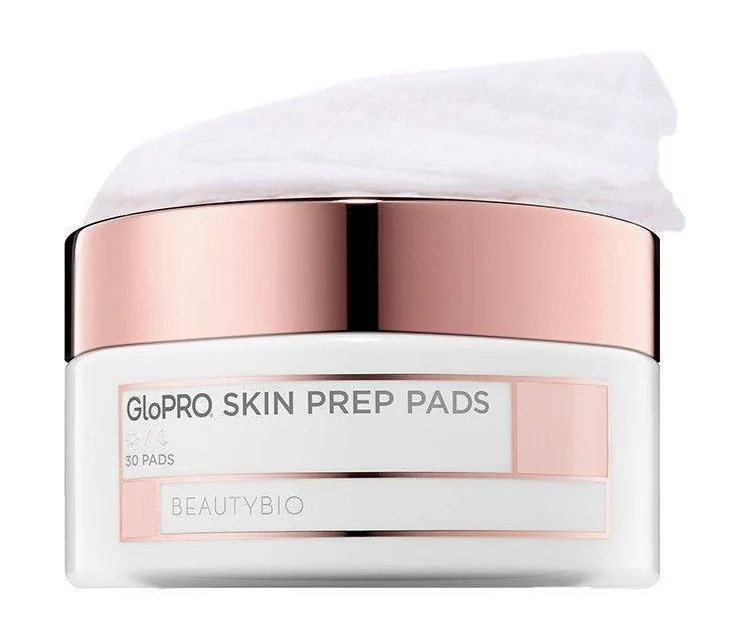
Analysis locked
How well does your skin match with Glopro Skin Prep Pads?
Login to see detailsOr continue via
Quick 1-minute survey • Completely free
Ingredients
Analysis results of Ingredients


Ingredient List
| EWG | CIR | Ingredient Name & Cosmetic Function | Notes |
|---|---|---|---|
| 1 | - | (Solvent) | |
| 1 | - |  | |
| - | - | Cocoyl Arginine Amide | |
| 1 | - | (Skin Conditioning) | |


Glopro Skin Prep Pads - Ingredient Explanation
Water
1. Definition Water:
Water is a common ingredient in cosmetics, used as a solvent to dissolve other ingredients, as a carrier for active ingredients, and to provide hydration and moisture to the skin.2. Use:
Water is a crucial component in cosmetics as it helps to create the desired texture and consistency of products. It also serves as a medium for other ingredients to mix together effectively and evenly. Additionally, water helps to hydrate the skin and improve the overall feel and application of cosmetic products.3. Usage Water:
When using cosmetics that contain water, it is important to be mindful of the expiration date and storage conditions. Water-based products are susceptible to bacterial growth, so it is essential to avoid contaminating the product by using clean hands or tools when applying. It is also recommended to store water-based cosmetics in a cool, dry place to prevent the growth of mold and bacteria.4. References:
- Draelos, Z. D. (2010). Cosmetic dermatology: products and procedures. John Wiley & Sons.
- Winter, R. (2009). A consumer's dictionary of cosmetic ingredients: complete information about the harmful and desirable ingredients found in cosmetics and cosmeceuticals. Crown.
- Begoun, P. (2003). Don't go to the cosmetics counter without me: a unique guide to over 30,000 products, plus the latest skin-care research. Beginning Press.
Sorbitan Oleate Decylglucoside Crosspolymer
1. Definition Sorbitan Oleate Decylglucoside Crosspolymer:
Sorbitan Oleate Decylglucoside Crosspolymer is a surfactant and emulsifier commonly used in cosmetics. It is a combination of sorbitan oleate, decylglucoside, and crosspolymer, which helps to stabilize emulsions and improve the texture of cosmetic products.2. Use:
Sorbitan Oleate Decylglucoside Crosspolymer is used in a wide range of cosmetic products such as creams, lotions, and cleansers. It helps to create stable emulsions by reducing the surface tension between oil and water phases, allowing for better blending of ingredients. It also acts as a thickening agent and helps to improve the overall texture and feel of the product.3. Usage Sorbitan Oleate Decylglucoside Crosspolymer:
When using products containing Sorbitan Oleate Decylglucoside Crosspolymer, it is important to follow the manufacturer's instructions for optimal results. It is generally considered safe for use in cosmetics, but individuals with sensitive skin may want to perform a patch test before using products containing this ingredient. As with any cosmetic ingredient, if any irritation or adverse reactions occur, discontinue use immediately and consult a healthcare professional.4. References:
- "Sorbitan Oleate Decylglucoside Crosspolymer." Cosmetics Info, www.cosmeticsinfo.org/ingredient/sorbitan-oleate-decylglucoside-crosspolymer.
- "Safety Assessment of Sorbitan Oleate Decylglucoside Crosspolymer as Used in Cosmetics." Cosmetic Ingredient Review, www.cir-safety.org/sites/default/files/sorbitanoleatedecylglucosidecrosspolymer.pdf.
- "Formulating with Sorbitan Oleate Decylglucoside Crosspolymer." Making Cosmetics, www.makingcosmetics.com/Formulating-with-Sorbitan-Oleate-Decylglucoside-Crosspolymer_ep_125.html.
Cocoyl Arginine Amide
Ingredient data is being updated. Please check back later.
Myristoyl Tetrapeptide 13
1. Definition Myristoyl Tetrapeptide 13:
Myristoyl Tetrapeptide 13 is a synthetic peptide that is commonly used in cosmetics for its anti-aging and skin-repairing properties. It is composed of four amino acids and is designed to mimic the action of natural peptides found in the skin.2. Use:
Myristoyl Tetrapeptide 13 is commonly used in anti-aging skincare products due to its ability to stimulate collagen production, improve skin elasticity, and reduce the appearance of fine lines and wrinkles. It also helps to repair damaged skin and promote a more youthful and radiant complexion.3. Usage Myristoyl Tetrapeptide 13:
When using skincare products containing Myristoyl Tetrapeptide 13, it is important to follow the product instructions carefully. Typically, these products are applied to clean, dry skin either in the morning or evening, depending on the specific product recommendations. It is important to use sunscreen during the day when using products with Myristoyl Tetrapeptide 13 to protect the skin from sun damage.4. References:
- Cho, S., Lee, S., Lee, M. J., Lee, D. H., Lee, Y. H., & Lee, J. H. (2009). Anti-wrinkling effects of the mixture of vitamin C, vitamin E, pycnogenol and evening primrose oil, and molecular mechanisms on hairless mouse skin caused by chronic ultraviolet B irradiation. Photodermatology, Photoimmunology & Photomedicine, 25(2), 86-92.
- Lee, J. H., Lee, Y. H., Lee, S. Y., & Lee, S. J. (2014). Myristoyl tetrapeptide-13 induces angiogenesis and adipogenesis in vitro. Journal of cosmetic science, 65(3), 139-148.
- Kim, M. S., Kim, Y. K., Cho, K. H., & Chung, J. H. (2010). Regulation of type I procollagen and MMP-1 expression after single or repeated exposure to infrared radiation in human skin. Mechanisms of Ageing and Development, 131(11-12), 891-897.
Review

Didn't find
the information you need?








Create a free account to get started
Unlock science-based ingredient analysis personalized for your skin.
Already have an account? Log in
We protect your privacy. We never send spam.