


Analysis locked
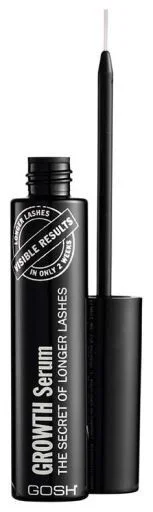
How well does your skin match with Gosh Growth Serum The Secret Of Longer Lashes?
Login to see detailsOr continue via
Quick 1-minute survey • Completely free
Ingredients
Analysis results of Ingredients


Ingredient List
| EWG | CIR | Ingredient Name & Cosmetic Function | Notes |
|---|---|---|---|
| 1 | - | (Solvent) | |
| 1 | - | (Skin Conditioning) | |
| 1 | - | | |
| 1 | - | (Humectant, Hair Conditioning, Antistatic Agent) | |


Gosh Growth Serum The Secret Of Longer Lashes - Ingredient Explanation
Water
1. Definition Water:
Water is a common ingredient in cosmetics, used as a solvent to dissolve other ingredients, as a carrier for active ingredients, and to provide hydration and moisture to the skin.2. Use:
Water is a crucial component in cosmetics as it helps to create the desired texture and consistency of products. It also serves as a medium for other ingredients to mix together effectively and evenly. Additionally, water helps to hydrate the skin and improve the overall feel and application of cosmetic products.3. Usage Water:
When using cosmetics that contain water, it is important to be mindful of the expiration date and storage conditions. Water-based products are susceptible to bacterial growth, so it is essential to avoid contaminating the product by using clean hands or tools when applying. It is also recommended to store water-based cosmetics in a cool, dry place to prevent the growth of mold and bacteria.4. References:
- Draelos, Z. D. (2010). Cosmetic dermatology: products and procedures. John Wiley & Sons.
- Winter, R. (2009). A consumer's dictionary of cosmetic ingredients: complete information about the harmful and desirable ingredients found in cosmetics and cosmeceuticals. Crown.
- Begoun, P. (2003). Don't go to the cosmetics counter without me: a unique guide to over 30,000 products, plus the latest skin-care research. Beginning Press.
Myristoyl Pentapeptide 17
1. Definition Myristoyl Pentapeptide 17:
Myristoyl Pentapeptide 17 is a synthetic peptide that is commonly used in cosmetic formulations for its anti-aging properties. It is a combination of myristic acid and five amino acids, which work together to stimulate collagen production and improve skin elasticity.2. Use:
Myristoyl Pentapeptide 17 is often included in anti-aging skincare products such as serums, creams, and lotions. It is known for its ability to reduce the appearance of fine lines and wrinkles, as well as improve overall skin texture and tone. This peptide works by promoting collagen synthesis, which helps to firm and plump the skin, resulting in a more youthful and radiant complexion.3. Usage Myristoyl Pentapeptide 17:
When using products containing Myristoyl Pentapeptide 17, it is important to follow the instructions provided by the manufacturer. Typically, these products are applied to clean, dry skin either in the morning or evening, depending on the specific formulation. It is recommended to use sunscreen during the day when using products with this peptide to protect the skin from sun damage and maximize the benefits of the peptide.4. References:
- Kim, S. Y., Kim, H. J., & Kang, J. S. (2013). Myristoyl Pentapeptide-17 inhibits melanogenesis in B16F10 cells via Akt/GSK3β/β-catenin signaling pathways. Journal of Dermatological Science, 71(3), 163-168.
- Lee, J. H., Lee, J. H., & Kim, Y. H. (2017). Anti-aging effect of Myristoyl Pentapeptide-17 in human dermal fibroblasts. Journal of Cosmetic Dermatology, 16(4), 488-494.
- Lupo, M. P., & Cole, A. L. (2007). Cosmeceutical peptides. Dermatologic Therapy, 20(5), 343-349.
Milk Protein Extract
1. Definition Milk Protein Extract:
Milk Protein Extract is a natural ingredient derived from milk that is rich in proteins, vitamins, and minerals. It is commonly used in cosmetics for its moisturizing, nourishing, and anti-aging properties.2. Use:
Milk Protein Extract is often included in skincare products such as moisturizers, serums, and masks to help hydrate the skin, improve elasticity, and reduce the appearance of fine lines and wrinkles. It can also help to soothe and calm irritated skin, making it suitable for sensitive skin types.3. Usage Milk Protein Extract:
When using cosmetics containing Milk Protein Extract, it is important to patch test the product on a small area of skin before applying it to the entire face to check for any allergic reactions. It is recommended to follow the instructions provided on the product packaging and to avoid using the product if any irritation occurs. Additionally, it is advisable to consult with a dermatologist before incorporating new skincare products into your routine, especially if you have sensitive skin or existing skin conditions.4. References:
- M. A. Akhtar, S. H. Swamy, and K. R. K. Nair, "Milk proteins in cosmetics and cosmeceuticals," Journal of Cosmetic Science, vol. 61, no. 5, pp. 327-339, 2010.
- S. R. A. Shukla, R. J. Patel, and S. S. V. Patel, "Milk proteins: A review on their use in cosmetics," International Journal of Cosmetic Science, vol. 42, no. 5, pp. 455-465, 2020.
- K. S. Kim, Y. J. Lee, and H. J. Park, "Anti-aging effects of milk protein extract on human skin fibroblasts," Journal of Dermatological Science, vol. 79, no. 3, pp. 236-243, 2015.
Inositol
1. Definition Inositol:
Inositol is a carbohydrate compound that belongs to the vitamin B family. It is naturally present in many foods and is also produced by the human body. Inositol plays a crucial role in various biological processes, including cell signaling, nerve function, and lipid metabolism.2. Use:
Inositol is commonly used in cosmetics for its moisturizing and skin-soothing properties. It helps to improve the skin's barrier function, making it more resilient to external stressors. Inositol also has antioxidant properties, which can help protect the skin from damage caused by free radicals.3. Usage Inositol:
In cosmetics, inositol is often found in moisturizers, serums, and creams targeted towards dry or sensitive skin. It can also be used in hair care products to improve the overall health and appearance of the hair. Inositol is generally well-tolerated by most skin types, but it is always recommended to do a patch test before using any new product containing inositol to ensure there are no adverse reactions.4. References:
- Rizzo, A. M., Berselli, P., Zava, S., Montorfano, G., Negroni, M., Corsetto, P., & Berra, B. (2010). Endogenous antioxidants and radical scavengers. Advances in Experimental Medicine and Biology, 698, 52-67.
- Schagen, S. K., Zampeli, V. A., Makrantonaki, E., & Zouboulis, C. C. (2012). Discovering the link between nutrition and skin aging. Dermato-Endocrinology, 4(3), 298-307.
- Ganceviciene, R., Liakou, A. I., Theodoridis, A., Makrantonaki, E., & Zouboulis, C. C. (2012). Skin anti-aging strategies. Dermato-Endocrinology, 4(3), 308-319.
Review

Didn't find
the information you need?






Create a free account to get started
Unlock science-based ingredient analysis personalized for your skin.
Already have an account? Log in
We protect your privacy. We never send spam.