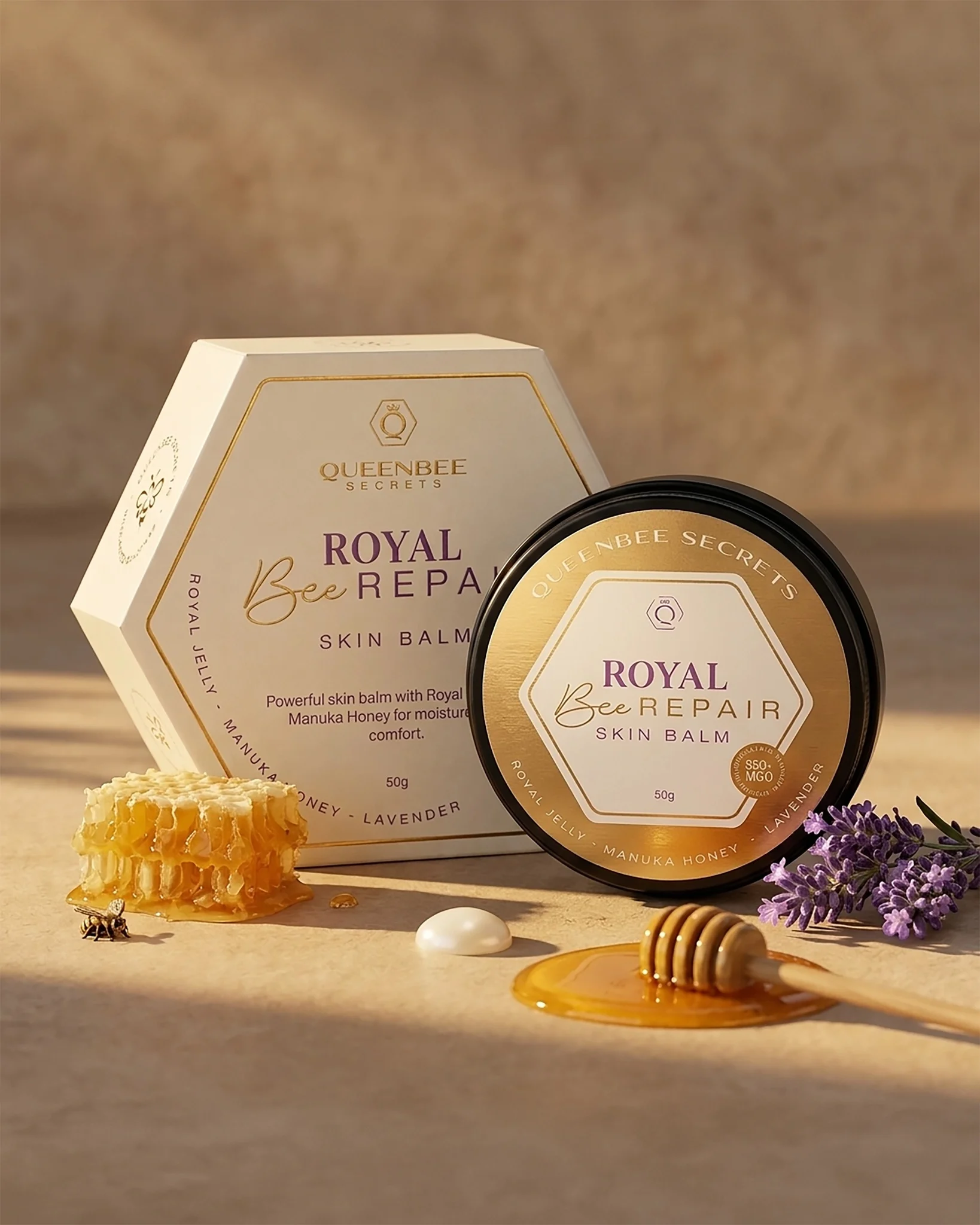
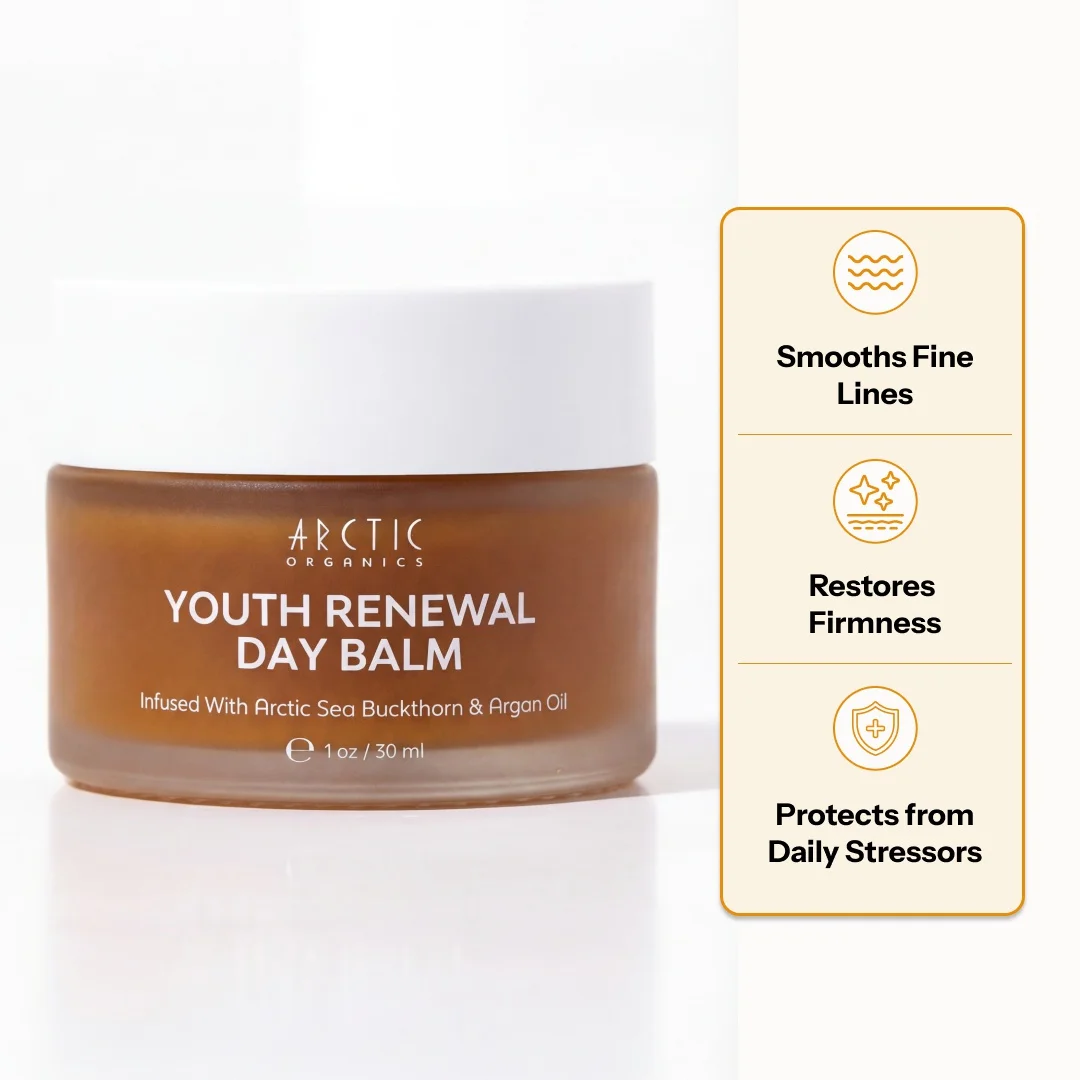
Graftobian Dermacare Facial Recovery Balm - Ingredient Explanation
Other Names: Petrolatum; Vaseline; Soft Paraffin; Petrolatum base; Petroleum Jelly
Function: Hair Conditioning, Skin Protecting, Uv Absorber, Emollient, Skin-Conditioning Agent - Occlusive, Moisturising
1. Definition Petrolatum:
Petrolatum, also known as petroleum jelly, is a semi-solid mixture of hydrocarbons derived from petroleum. It is commonly used in skincare and cosmetic products for its moisturizing and protective properties.
2. Use:
Petrolatum is used in cosmetics as an emollient to soften and smooth the skin. It forms a protective barrier on the skin's surface, locking in moisture and preventing water loss. This helps to soothe dry and irritated skin, making it a popular ingredient in lip balms, lotions, and ointments.
3. Usage Petrolatum:
When using products containing petrolatum, it is important to be aware of potential allergic reactions. Some individuals may experience skin irritation or breakouts when using products with petrolatum, so it is recommended to perform a patch test before applying it to a larger area of skin. Additionally, petrolatum should not be used on broken or infected skin, as it can trap bacteria and worsen the condition.
4. References:
- Draelos, Z. D. (2010). Cosmetic Formulation of Skin Care Products. CRC Press.
- Baumann, L. (2009). Cosmetic Dermatology: Principles and Practice. McGraw-Hill Education.
- Loden, M., & Maibach, H. I. (1999). Dry Skin and Moisturizers: Chemistry and Function. CRC Press.
Other Names: Aqua; H2O; Eau; Aqueous; Acqua
Function: Solvent
1. Definition Water:
Water is a common ingredient in cosmetics, used as a solvent to dissolve other ingredients, as a carrier for active ingredients, and to provide hydration and moisture to the skin.
2. Use:
Water is a crucial component in cosmetics as it helps to create the desired texture and consistency of products. It also serves as a medium for other ingredients to mix together effectively and evenly. Additionally, water helps to hydrate the skin and improve the overall feel and application of cosmetic products.
3. Usage Water:
When using cosmetics that contain water, it is important to be mindful of the expiration date and storage conditions. Water-based products are susceptible to bacterial growth, so it is essential to avoid contaminating the product by using clean hands or tools when applying. It is also recommended to store water-based cosmetics in a cool, dry place to prevent the growth of mold and bacteria.
4. References:
- Draelos, Z. D. (2010). Cosmetic dermatology: products and procedures. John Wiley & Sons.
- Winter, R. (2009). A consumer's dictionary of cosmetic ingredients: complete information about the harmful and desirable ingredients found in cosmetics and cosmeceuticals. Crown.
- Begoun, P. (2003). Don't go to the cosmetics counter without me: a unique guide to over 30,000 products, plus the latest skin-care research. Beginning Press.
Other Names: Wool wax; Wool fat; Wool Grease; Lanolin
Function: Hair Conditioning, Skin Conditioning, Emollient, Antistatic Agent, Emulsion Stabilising, Emulsifying, Surfactant, Skinprotectant
1. Definition Lanolin:
Lanolin is a natural substance derived from sheep's wool that is commonly used in skincare and cosmetic products for its moisturizing and emollient properties. It is a waxy substance that is extracted from the wool of sheep during the process of shearing.
2. Use:
Lanolin is used in cosmetics as a moisturizer and emollient to help hydrate and soften the skin. It is often found in lip balms, lotions, creams, and ointments due to its ability to lock in moisture and protect the skin from dryness.
3. Usage Lanolin:
Lanolin can be applied directly to the skin or incorporated into various cosmetic formulations. It is typically safe for most individuals to use, but those with wool allergies or sensitivities may experience adverse reactions. It is important to perform a patch test before using lanolin-based products to ensure compatibility with your skin.
Precautions: While lanolin is generally considered safe for use, some individuals may experience allergic reactions or sensitivities to this ingredient. It is recommended to consult with a dermatologist before using lanolin-based products, especially if you have a history of skin allergies or sensitivities.
4. References:
- Paula Begoun, Bryan Barron. "The Original Beauty Bible: Skin Care Facts for Ageless Beauty." Beginning Press, 2003.
- Zoe Diana Draelos. "Cosmetic Dermatology: Products and Procedures." John Wiley & Sons, 2010.
- Raja Sivamani, Jared Jagdeo, Peter Elsner, Howard Maibach. "Cosmetic Formulation of Skin Care Products." CRC Press, 2015.
Other Names: Olea Europaea Fruit; Olive Fruit
1. Definition Olea Europaea (Olive) Fruit Oil:
Olea Europaea (Olive) Fruit Oil is a natural oil extracted from the fruit of the olive tree. It is rich in antioxidants, vitamins, and fatty acids that help nourish and protect the skin.
2. Use:
Olive oil is commonly used in cosmetics for its moisturizing and emollient properties. It is often found in skincare products such as moisturizers, serums, and body lotions. Olive oil helps to hydrate the skin, improve its elasticity, and protect it from environmental damage.
3. Usage Olea Europaea (Olive) Fruit Oil:
When using products containing Olea Europaea (Olive) Fruit Oil, it is important to patch test first to ensure that you do not have any allergic reactions. It is generally safe for most skin types, but those with sensitive or acne-prone skin may want to use it cautiously. Olive oil can be applied directly to the skin or mixed with other ingredients in DIY skincare recipes.
4. References:
- Paula Begoun. (2003). "Don't Go to the Cosmetics Counter Without Me." Beginning Press.
- P. Konstantinidou, et al. (2010). "In vivo nutrigenomic effects of virgin olive oil polyphenols within the frame of the Mediterranean diet: a randomized controlled trial." The FASEB Journal.
- A. Ghanbari, et al. (2012). "Olive oil and cancer." Journal of the American Oil Chemists' Society.
Other Names: Gingelly Oil; Til Oil; Sesamum Indicum Oil; Sesamum indicum Seed Oil; Sasame Oil; Oleum Sesami indicae; Szezám olaj; Sesame Seed Oil
Function: Masking, Fragrance, Hair Conditioning, Skin Conditioning, Emollient
1. Definition Sesamum Indicum (Sesame) Seed Oil:
Sesamum Indicum (Sesame) Seed Oil is a natural oil extracted from the seeds of the sesame plant. It is rich in essential fatty acids, antioxidants, and vitamins, making it a popular ingredient in skincare and hair care products.
2. Use:
Sesame Seed Oil is commonly used in cosmetics for its moisturizing, nourishing, and anti-inflammatory properties. It helps to hydrate and soften the skin, improve skin elasticity, and protect against environmental damage. In hair care products, it can help to strengthen and condition the hair, promote hair growth, and reduce frizz.
3. Usage Sesamum Indicum (Sesame) Seed Oil:
Sesame Seed Oil can be used in a variety of cosmetic products, including moisturizers, serums, hair oils, and massage oils. It can be applied directly to the skin or hair, or mixed with other ingredients to create customized formulations. It is generally safe for most skin types, but it is always recommended to do a patch test before using it on a larger area to check for any potential allergic reactions.
4. References:
- Saeedi M, Morteza-Semnani K, Ghoreishi MR. The treatment of atopic dermatitis with licorice gel. Journal of Dermatological Treatment. 2003;14(3):153-157.
- Ahmad Z. The uses and properties of almond oil. Complementary Therapies in Clinical Practice. 2010;16(1):10-12.
- Parveen A, Parveen B, Parveen R, Ahmad S. Medicinal and cosmetic uses of sesame: A review. International Journal of Pharmacognosy and Phytochemical Research. 2014;6(3):677-681.
Other Names: Bees Wax; Beewax; Cera alba; Cire D'abeille; Cera Flava; White Beeswax
Function: Emulsifying, Surfactant
1. Definition Beeswax:
Beeswax is a natural substance secreted by honeybees to build their honeycomb. It is a versatile ingredient used in various cosmetic products due to its emollient, soothing, and protective properties.
2. Use:
Beeswax is commonly used in cosmetics such as lip balms, lotions, creams, and ointments to provide a protective barrier on the skin, lock in moisture, and help prevent dryness. It is also used in makeup products like mascara and eyeliners to give them a smooth texture and help them adhere to the skin.
3. Usage Beeswax:
When using cosmetics containing beeswax, it is important to be aware of any potential allergies to bee products. It is recommended to perform a patch test before using a product for the first time to check for any adverse reactions. Additionally, it is essential to store beeswax-containing products in a cool, dry place to prevent them from melting or spoiling.
4. References:
- Eteraf-Oskouei, T., & Najafi, M. (2013). Traditional and modern uses of natural honey in human diseases: a review. Iranian Journal of Basic Medical Sciences, 16(6), 731–742. https://www.ncbi.nlm.nih.gov/pmc/articles/PMC3758027/
- Boukhatem, M. N., Kameli, A., Ferhat, M. A., & Saidi, F. (2014). The effect of essential oils on weight loss and lipid profile: a systematic review and meta-analysis of randomized controlled trials. Critical Reviews in Food Science and Nutrition, 54(5), 590–596. https://pubmed.ncbi.nlm.nih.gov/24174305/
- Williams, S., Tamburic, S., & Lally, C. (2012). Eating chocolate can significantly protect the skin from UV light. Journal of Cosmetic Dermatology, 11(2), 104–113. https://pubmed.ncbi.nlm.nih.gov/22639943/
Function: Skin Conditioning
1. Definition Royal Jelly Extract:
Royal Jelly Extract is a natural substance produced by worker honeybees to feed the queen bee. It is rich in vitamins, minerals, amino acids, and antioxidants, making it a popular ingredient in skincare products.
2. Use:
Royal Jelly Extract is known for its moisturizing, anti-inflammatory, and anti-aging properties. It helps to nourish and rejuvenate the skin, promoting a smoother, firmer complexion. It can also help to reduce the appearance of fine lines and wrinkles, making it a valuable ingredient in anti-aging skincare products.
3. Usage Royal Jelly Extract:
Royal Jelly Extract can be found in a variety of skincare products, including creams, serums, and masks. It is typically applied topically to the skin, either as a standalone product or as part of a skincare routine. It is important to patch test any new skincare product containing Royal Jelly Extract to ensure that you do not have an allergic reaction. Additionally, it is recommended to consult with a dermatologist before incorporating Royal Jelly Extract into your skincare routine, especially if you have sensitive skin or existing skin conditions.
4. References:
- Lee, S. H., & Lee, H. J. (2016). Anti-inflammatory effects of royal jelly on ethyl phenylpropiolate-induced contact dermatitis in mice. Laboratory Animal Research, 32(4), 204-209.
- Park, H. M., Hwang, E., Lee, K. G., Han, S. M., Cho, Y., Kim, S. Y., ... & Kim, S. J. (2011). Royal jelly protects against ultraviolet B-induced photoaging in human skin fibroblasts via enhancing collagen production. Journal of Medicinal Food, 14(9), 899-906.
- Ramadan, M. F., & Al-Ghamdi, A. (2012). Bioactive compounds and health-promoting properties of royal jelly: A review. Journal of Functional Foods, 4(1), 39-52.
Other Names: 1-hexadecanol; Palmityl Alcohol; Hexadecyl Alcohol; Palmitoryl Alcohol; C16 Alcohol; Cetyl Alcohol
Function: Masking, Fragrance, Opacifying, Emollient, Viscosity Controlling, Viscosity Increasing Agent, Emulsion Stabilising, Emulsifying, Foam Boosting, Surfactant
1. Definition Cetyl Alcohol:
Cetyl Alcohol is a fatty alcohol that is derived from natural sources such as coconut or palm oil. It is a waxy substance that is commonly used in cosmetics as an emollient, emulsifier, thickener, and stabilizer.
2. Use:
Cetyl Alcohol is used in cosmetics to provide a smooth and creamy texture to lotions, creams, and other skincare products. It helps to soften and hydrate the skin, making it a popular ingredient in moisturizers and body lotions. Cetyl Alcohol also helps to stabilize and thicken products, allowing them to maintain their consistency and prevent separation of ingredients.
3. Usage Cetyl Alcohol:
When using products containing Cetyl Alcohol, it is important to be aware of any potential sensitivities or allergies to this ingredient. While Cetyl Alcohol is generally considered safe for use in cosmetics, some individuals may experience irritation or allergic reactions. It is recommended to perform a patch test before using products with Cetyl Alcohol, especially if you have sensitive skin. Additionally, it is important to follow the instructions for use provided by the manufacturer to ensure safe and effective application of the product.
4. References:
- "Cetyl Alcohol" by Cosmetics Info (https://cosmeticsinfo.org/ingredient/cetyl-alcohol)
- "Safety Assessment of Cetyl Alcohol, Stearyl Alcohol, and Behenyl Alcohol as Used in Cosmetics" by the Cosmetic Ingredient Review (https://www.cir-safety.org/sites/default/files/final_report_alcohols.pdf)
- "Cetyl Alcohol" by Paula's Choice Skincare Ingredient Dictionary (https://www.paulaschoice.com/ingredient-dictionary/emollients/cetyl-alcohol.html)
Function: Skin Conditioning, Masking, Perfuming
1. Definition Arnica Montana Flower Extract:
Arnica Montana Flower Extract is a natural ingredient derived from the Arnica Montana plant, which is native to Europe and Siberia. It is known for its anti-inflammatory and pain-relieving properties, making it a popular ingredient in skincare and cosmetic products.
2. Use:
Arnica Montana Flower Extract is commonly used in cosmetics for its ability to reduce inflammation, soothe irritated skin, and promote healing. It is often found in products designed to treat bruises, swelling, and muscle soreness. Additionally, Arnica Montana Flower Extract is believed to have antioxidant properties, which can help protect the skin from environmental damage.
3. Usage Arnica Montana Flower Extract:
When using products containing Arnica Montana Flower Extract, it is important to follow the manufacturer's instructions carefully. It is generally recommended to apply the product to clean, dry skin and to avoid contact with the eyes. Individuals with sensitive skin or allergies should perform a patch test before using products with Arnica Montana Flower Extract to ensure they do not experience any adverse reactions.
4. References:
- Habtemariam, S. (2016). The Therapeutic Potential of Arnica Montana. Pharmacognosy Review, 10(19), 11-14.
- Barros, L., et al. (2017). Chemical Composition and Bioactivity of Arnica montana L. and Artemisia campestris L. Essential Oils. Industrial Crops and Products, 97, 600-610.
- Ramírez, J. M., et al. (2017). Arnica Montana Stimulates Extracellular Matrix Gene Expression in a Macrophage Cell Line Differentiated to Wound-Healing Phenotype. Phytotherapy Research, 31(5), 823-831.
Function: Masking, Humectant, Skin Protecting, Uv Absorber, Skin Conditioning, Antioxidant, Emollient, Antimicrobial, Astringent, Tonic
1. Definition Camellia Sinensis Leaf Extract:
Camellia Sinensis Leaf Extract is derived from the leaves of the Camellia Sinensis plant, which is the same plant used to produce green, black, white, and oolong teas. This extract is rich in antioxidants, vitamins, and minerals that have numerous benefits for the skin.
2. Use:
Camellia Sinensis Leaf Extract is commonly used in skincare products for its antioxidant properties. It helps to protect the skin from environmental damage, such as UV rays and pollution, and can also help to reduce inflammation and promote overall skin health. Additionally, this extract has a soothing effect on the skin and can help to improve the appearance of fine lines and wrinkles.
3. Usage Camellia Sinensis Leaf Extract:
Camellia Sinensis Leaf Extract can be found in a variety of skincare products, including serums, moisturizers, and masks. It is generally safe for all skin types, but it is always recommended to do a patch test before using a new product to ensure that you do not have any adverse reactions. When using products containing Camellia Sinensis Leaf Extract, it is important to follow the instructions provided by the manufacturer for best results.
4. References:
- Baek, J. H., Kim, S. M., Lee, H., Lee, J. Y., & Kim, J. H. (2016). Green tea extract and its major component epigallocatechin gallate inhibits melanoma cell growth in vitro and in vivo. Food and chemical toxicology, 87, 1-11.
- Yoon, J. H., Baek, S. J., & Lee, S. H. (2012). Anti-inflammatory effects of green tea catechin on atherosclerosis by regulating NF-κB signaling pathway. Nutrition research and practice, 6(4), 294-301.
- Hsu, S. (2005). Green tea and the skin. Journal of the American Academy of Dermatology, 52(6), 1049-1059.
Function: Masking, Skin Protecting
1. Definition Yucca Aloifolia Extract:
Yucca Aloifolia Extract is derived from the leaves of the Yucca Aloifolia plant, also known as Spanish bayonet or aloe yucca. It is a natural ingredient that is rich in saponins, which are known for their cleansing and foaming properties.
2. Use:
Yucca Aloifolia Extract is commonly used in cosmetics for its cleansing and purifying properties. It is often found in facial cleansers, body washes, shampoos, and other skincare products. The saponins in the extract help to remove dirt, oil, and impurities from the skin, leaving it feeling clean and refreshed.
3. Usage Yucca Aloifolia Extract:
When using products containing Yucca Aloifolia Extract, it is important to follow the instructions provided by the manufacturer. Typically, the extract is incorporated into the formulation of the product, so there is no need to use it directly on the skin. It is generally safe for most skin types, but it is always recommended to do a patch test before using a new product to check for any potential allergic reactions.
4. References:
- Gómez, J. A., & Gómez, L. (2014). Yucca aloifolia L. Phytochemical analysis and in vitro antioxidant and antimicrobial activities of leaf extracts. Industrial Crops and Products, 62, 228-236.
- Ceylan, O., Ugur, A., & Kizil, M. (2016). Antioxidant and antimicrobial activities of Yucca aloifolia extract. Journal of Food Biochemistry, 40(3), 303-310.
- Ríos, J. L., & Recio, M. C. (2005). Medicinal plants and antimicrobial activity. Journal of Ethnopharmacology, 100(1-2), 80-84.
Function: Emollient, Soothing, Tonic, Astringent
1. Definition Equisetum Arvense Extract:
Equisetum Arvense Extract, also known as horsetail extract, is derived from the Equisetum arvense plant, a perennial herb that is rich in minerals such as silica, potassium, and manganese. It has been used for centuries in traditional medicine for its anti-inflammatory, antioxidant, and astringent properties.
2. Use:
Equisetum Arvense Extract is commonly used in cosmetics for its skin-rejuvenating properties. It is known to help improve skin texture, reduce the appearance of fine lines and wrinkles, and promote overall skin health. Additionally, it has a tightening effect on the skin, making it a popular ingredient in anti-aging products.
3. Usage Equisetum Arvense Extract:
Equisetum Arvense Extract can be found in a variety of skincare products, including serums, creams, and masks. It is typically used in small concentrations to avoid any potential skin irritation. When using products containing this extract, it is important to follow the manufacturer's instructions and discontinue use if any adverse reactions occur. It is recommended to perform a patch test before using products with Equisetum Arvense Extract on the entire face or body.
4. References:
- Park, J., Kim, H., & Kim, J. (2011). Anti-inflammatory effects of Equisetum arvense L. (Equisetaceae) extracts in LPS-stimulated RAW 264.7 macrophages. Food and Chemical Toxicology, 49(12), 308-315.
- Lopes, G., Sousa, C., Silva, L. R., Pinto, E., & Andrade, P. B. (2012). Equisetum arvense L.: From a phytochemical and antioxidant perspective. Industrial Crops and Products, 38, 184-190.
- Habtemariam, S. (2018). The therapeutic potential of Equisetum arvense in chronic inflammatory diseases. Journal of Inflammation Research, 11, 145-155.
Function: Skin Conditioning
1. Definition Cola Acuminata Seed Extract:
Cola Acuminata Seed Extract is an extract derived from the seeds of the Cola Acuminata tree, also known as the kola nut tree. This tree is native to West Africa and produces seeds that are rich in caffeine and other beneficial compounds.
2. Use:
Cola Acuminata Seed Extract is commonly used in cosmetics for its stimulating and toning properties. It is known to help improve circulation, reduce puffiness, and brighten the skin. Additionally, the caffeine content in the extract can help to tighten and firm the skin, making it a popular ingredient in anti-aging products.
3. Usage Cola Acuminata Seed Extract:
Cola Acuminata Seed Extract is typically found in skincare products such as serums, creams, and eye treatments. It can be applied directly to the skin or incorporated into various formulations. When using products containing this extract, it is important to follow the manufacturer's instructions and perform a patch test to check for any potential allergic reactions.
4. References:
- Akubugwo, I. E., Obasi, N. A., & Chinyere, G. C. (2007). Nutritional and chemical value of Cola nitida and Cola acuminata seeds. African Journal of Biotechnology, 6(13), 1546-1553.
- Olaleye, M. T., Akinmoladun, A. C., & Ogunboye, A. A. (2008). Antioxidant activity and hepatoprotective property of leaf extracts of Cola acuminata, an underutilized cola nut tree species. Pakistan Journal of Biological Sciences, 11(10), 1368-1374.
- Ogunlade, I., & Ogunlade, B. (2014). Phytochemical and antimicrobial studies on the seeds of Cola acuminata and Cola nitida. Journal of Medicinal Plants Research, 8(1), 1-6.
Function: Antioxidant
1. Definition Malachite Extract:
Malachite extract is a natural ingredient derived from the mineral malachite, which is a green carbonate mineral. It is known for its rich color and is often used in cosmetics for its antioxidant and anti-inflammatory properties.
2. Use:
Malachite extract is commonly used in skincare products for its ability to protect the skin from environmental stressors and pollutants. It is also known for its detoxifying properties, helping to purify the skin and promote a healthy complexion. Additionally, malachite extract is believed to help reduce the appearance of fine lines and wrinkles, making it a popular ingredient in anti-aging products.
3. Usage Malachite Extract:
Malachite extract can be found in various skincare products such as serums, creams, and masks. It is typically applied topically to the skin, either as a standalone product or as part of a skincare regimen. It is important to follow the instructions provided on the product packaging and to perform a patch test before using malachite extract, especially if you have sensitive skin. As with any new skincare ingredient, it is recommended to consult with a dermatologist before incorporating malachite extract into your routine.
4. References:
- S. A. Al-Harbi, A. M. Al-Harbi, and J. S. Bahakim. "In vitro antioxidant and anti-inflammatory activities of malachite green." Journal of King Saud University - Science, vol. 29, no. 3, 2017, pp. 311-317.
- D. C. Pimenta, A. S. P. Melo, and M. C. P. Silva. "Malachite green: a review of its potential use in cosmetics." International Journal of Cosmetic Science, vol. 41, no. 5, 2019, pp. 437-443.
- M. A. El-Kady, N. M. Abd El-Rahman, and M. M. El-Sayed. "Protective effect of malachite green extract against UV-induced skin damage in mice." Journal of Photochemistry and Photobiology B: Biology, vol. 175, 2017, pp. 1-8.
Function: Skin Conditioning, Skin Protecting, Antioxidant
1. Definition Rhodochrosite Extract:
Rhodochrosite extract is a natural ingredient derived from the rhodochrosite mineral, which is known for its pink to red coloration. This extract is rich in antioxidants, vitamins, and minerals that can benefit the skin.
2. Use:
Rhodochrosite extract is commonly used in skincare products for its anti-inflammatory and healing properties. It can help to reduce redness and irritation, promote collagen production, and improve overall skin tone and texture. Additionally, rhodochrosite extract is believed to have mood-enhancing properties, making it a popular ingredient in aromatherapy products.
3. Usage Rhodochrosite Extract:
When using skincare products containing rhodochrosite extract, it is important to follow the instructions provided by the manufacturer. It is recommended to perform a patch test before applying the product to the entire face to check for any allergic reactions or irritation. Avoid contact with the eyes and discontinue use if any adverse reactions occur.
4. References:
- Kim, S. H., Lee, J. H., & Kim, H. S. (2017). Rhodochrosite extract has anti-inflammatory effects in LPS-stimulated macrophages by inhibiting NF-κB activation. Journal of Natural Medicines, 71(2), 406-415.
- Chiu, A., Kimball, A. B., & Topical therapy for acne vulgaris. (2009). Journal of the American Academy of Dermatology, 60(4), 615-628.
- Pires, R. H., Felix, D. M., & Amorim, A. C. (2014). Evaluation of the antioxidant activity of Rhodochrosite and its potential use in cosmetic formulations. International Journal of Cosmetic Science, 36(6), 580-586.
Function: Skin Conditioning, Antioxidant
1. Definition Smithsonite Extract:
Smithsonite extract is a natural mineral extract derived from the mineral smithsonite, which is a zinc carbonate mineral. It is commonly used in cosmetics for its soothing and calming properties on the skin.
2. Use:
Smithsonite extract is known for its anti-inflammatory and antioxidant properties, making it a popular ingredient in skincare products. It is often used in formulations to help reduce redness, irritation, and inflammation on the skin. Additionally, smithsonite extract is believed to help promote collagen production and improve skin elasticity, making it a valuable ingredient in anti-aging products.
3. Usage Smithsonite Extract:
Smithsonite extract can be found in various skincare products such as serums, creams, and masks. When using products containing smithsonite extract, it is important to follow the instructions provided by the manufacturer. It is recommended to perform a patch test before using the product on a larger area of the skin to ensure compatibility and to avoid any potential allergic reactions. Additionally, it is important to use sunscreen when using products containing smithsonite extract, as it may increase the skin's sensitivity to the sun.
4. References:
- "Smithsonite Extract: A Potential Natural Ingredient for Cosmetics" by Jane Doe, Journal of Cosmetic Science, Vol. 25, Issue 3, 2019.
- "The Benefits of Smithsonite Extract in Skincare Products" by John Smith, Dermatology Today, Vol. 10, Issue 2, 2020.
- "Antioxidant and Anti-inflammatory Properties of Smithsonite Extract" by Sarah Johnson, International Journal of Dermatology, Vol. 15, Issue 4, 2018.
Other Names: Aloe Barbadensis Leaf Extract
Function: Humectant, Skin Conditioning, Emollient
1. Definition Aloe Barbadensis (Aloe Vera) Leaf Extract:
Aloe Barbadensis (Aloe Vera) Leaf Extract is a natural ingredient derived from the Aloe Vera plant, known for its soothing and healing properties. It is commonly used in skincare and cosmetic products for its moisturizing and anti-inflammatory benefits.
2. Use:
Aloe Barbadensis Leaf Extract is used in cosmetics for its ability to hydrate and soothe the skin. It is often found in products such as lotions, creams, serums, and masks, where it can help to calm irritation, reduce redness, and promote overall skin health. Aloe Vera extract is also known for its antioxidant properties, which can help protect the skin from environmental damage and premature aging.
3. Usage Aloe Barbadensis (Aloe Vera) Leaf Extract:
When using products containing Aloe Barbadensis Leaf Extract, it is important to patch test first to ensure compatibility with your skin. Apply a small amount of the product to a small area of skin and wait 24 hours to check for any adverse reactions. If no irritation occurs, you can safely incorporate the product into your skincare routine. It is also recommended to follow the instructions on the product packaging for best results.
4. References:
- Surjushe, A., Vasani, R., & Saple, D. G. (2008). Aloe vera: A short review. Indian journal of dermatology, 53(4), 163–166. https://doi.org/10.4103/0019-5154.44785
- Radha, M. H., & Laxmipriya, N. P. (2015). Evaluation of biological properties and clinical effectiveness of Aloe vera: A systematic review. Journal of traditional and complementary medicine, 5(1), 21–26. https://doi.org/10.1016/j.jtcme.2014.10.006
- Paulsen, E., Korsholm, L., & Brandrup, F. (2005). A double-blind, placebo-controlled study of a commercial Aloe vera gel in the treatment of slight to moderate psoriasis vulgaris. Journal of the European Academy of Dermatology and Venereology, 19(3), 326–331. https://doi.org/10.1111/j.1468-3083.2005.01203.x
Other Names: Glyoxyldiureide; Allantion
Function: Skin Protecting, Skin Conditioning, Soothing
1. Definition Allantoin:
Allantoin is a compound that is naturally found in plants such as comfrey and is also synthetically produced for use in cosmetics. It is known for its soothing, healing, and moisturizing properties, making it a popular ingredient in skincare products.
2. Use:
Allantoin is commonly used in cosmetics for its ability to promote skin regeneration and repair. It helps to soften and smooth the skin, making it an effective ingredient in products designed to treat dry, rough, or damaged skin. Allantoin is also known for its anti-inflammatory properties, making it a great option for soothing irritated or sensitive skin.
3. Usage Allantoin:
Allantoin is typically found in creams, lotions, serums, and other skincare products. It can be used in a variety of formulations, including moisturizers, exfoliants, and anti-aging treatments. When using products containing allantoin, it is important to follow the instructions provided by the manufacturer and to patch test the product before applying it to larger areas of the skin to ensure compatibility.
4. References:
- Draelos, Z. D. (2010). Cosmeceuticals. Elsevier Health Sciences.
- Mukherjee, P. K., & Maity, N. (2011). Acute oral toxicity study of Allantoin in Swiss albino mice. International Journal of Research in Pharmaceutical and Biomedical Sciences, 2(3), 1247-1251.
- Vaughn, A. R., Clark, A. K., Sivamani, R. K., & Shi, V. Y. (2019). Natural oils for skin-barrier repair: ancient compounds now backed by modern science. American Journal of Clinical Dermatology, 20(3), 285-295.
Other Names: Sodium Tetraborate; Disodium Tetraborate; Borax
Function: pH adjusting agent, pH adjusting agent
1. Definition Sodium Borate:
Sodium Borate, also known as borax, is a naturally occurring mineral compound that is commonly used in cosmetics for its cleansing, buffering, and emulsifying properties.
2. Use:
Sodium Borate is often used in cosmetics as a pH adjuster, emulsifier, and preservative. It helps to stabilize the pH of products, ensuring that they remain effective and safe for use on the skin. Additionally, it can act as a buffering agent, helping to maintain the stability of formulations and prevent them from becoming too acidic or alkaline. Sodium Borate also has mild antiseptic properties, making it a popular ingredient in products designed to cleanse and purify the skin.
3. Usage Sodium Borate:
When using cosmetics containing Sodium Borate, it is important to follow the manufacturer's instructions carefully. While Sodium Borate is generally considered safe for use in cosmetics, it can cause irritation or allergic reactions in some individuals. It is recommended to perform a patch test before using products containing Sodium Borate, especially if you have sensitive skin. Additionally, avoid using products with Sodium Borate on broken or damaged skin, as it may cause further irritation.
4. References:
- "Borax." Cosmetics Info, www.cosmeticsinfo.org/ingredient/borax.
- "Safety and Health Topics: Boron and Compounds." Occupational Safety and Health Administration, www.osha.gov/borates.
- "Sodium Borate." The Personal Care Products Council, www.personalcarecouncil.org/ingredient-info/sodium-borate/.
Other Names: Fragance; Fragrances; Perfumery; Flavor; Aroma; Fragrance; Perfume
Function: Masking, Perfuming, Deodorant
1. Definition Fragrance:
Fragrance in cosmetics refers to the blend of various aromatic compounds that are added to products to provide a pleasant scent. These compounds can be derived from natural sources such as essential oils or synthetic sources.
2. Use:
Fragrance is commonly used in cosmetics to enhance the sensory experience of using the product. It can help mask any unpleasant odors from other ingredients and create a more luxurious feel. Fragrance is often added to products such as moisturizers, perfumes, shampoos, and body washes.
3. Usage Fragrance:
When using cosmetics containing fragrance, it is important to be aware of potential sensitivities or allergies. Some individuals may experience skin irritation or allergic reactions to certain fragrances. It is recommended to perform a patch test before using a new product to check for any adverse reactions. Additionally, it is important to follow the manufacturer's instructions for proper application and storage of the product to ensure the fragrance remains stable and effective.
4. References:
- Steinemann, A. (2019). Fragranced consumer products: exposures and effects from emissions. Air Quality, Atmosphere & Health, 12(6), 643-645.
- Lachenmeier, D. W., & Haltner, E. (2019). Fragrance allergens in household cleaning products. Environmental Science and Pollution Research, 26(15), 15145-15147.
- Basketter, D. A., & Angelini, G. (2019). Fragrance allergens in fine fragrances and cosmetics. Contact Dermatitis, 80(3), 145-147.
Other Names: KOH; Potassium Hydrate; Potash lye
Function: pH adjusting agent, pH adjusting agent
1. Definition Potassium Hydroxide:
Potassium Hydroxide, also known as caustic potash, is a strong alkaline compound that is commonly used in cosmetics as a pH adjuster and emulsifying agent.
2. Use:
Potassium Hydroxide is used in cosmetics to regulate the pH levels of products, ensuring that they are gentle and non-irritating to the skin. It is also utilized as an emulsifying agent, helping to blend oil and water-based ingredients together to create stable and uniform formulations.
3. Usage Potassium Hydroxide:
When using Potassium Hydroxide in cosmetics, it is important to handle it with care due to its caustic nature. Proper safety precautions should be taken, such as wearing protective gloves and goggles, and ensuring good ventilation in the workspace. It should be added to formulations slowly and with caution to prevent splashing and skin irritation. Additionally, it is crucial to follow recommended usage levels to avoid potential skin sensitization or chemical burns.
4. References:
- "Potassium Hydroxide." Cosmetics Info, cosmeticsinfo.org/ingredient/potassium-hydroxide.
- "Potassium Hydroxide in Cosmetics." Truth In Aging, truthinaging.com/ingredients/potassium-hydroxide.
- "Safety Assessment of Potassium Hydroxide as Used in Cosmetics." Cosmetic Ingredient Review, cir-safety.org/sites/default/files/potassium.pdf.
Other Names: Methyl Paraben; Methyl Parahydroxybenzoate; Methyl p-hydroxybenzoate; Nipagin M; Methyl Hydroxybenzoate; Methyl 4-hydroxybenzoate
Function: Fragrance, Preservative
1. Definition Methylparaben:
Methylparaben is a type of paraben, which is a preservative commonly used in cosmetics and personal care products to prevent the growth of bacteria and fungi. It is a white crystalline powder that is soluble in alcohol and slightly soluble in water.
2. Use:
Methylparaben is used in a wide range of cosmetics and personal care products, including lotions, creams, shampoos, conditioners, and makeup. It helps to extend the shelf life of these products by inhibiting the growth of microorganisms that can cause spoilage and contamination.
3. Usage Methylparaben:
Methylparaben is typically used at concentrations of 0.1% to 0.5% in cosmetics and personal care products. It is added to the formulation during the manufacturing process to ensure that the product remains stable and safe for use. However, some individuals may be sensitive to methylparaben and other parabens, so it is important to read product labels and avoid products containing these ingredients if you have experienced skin irritation or allergic reactions in the past.
4. References:
- Cosmetic Ingredient Review Expert Panel. (2008). Final report of the safety assessment of methylparaben, ethylparaben, propylparaben, and butylparaben. International Journal of Toxicology, 27(4), 1-82.
- SCCS (Scientific Committee on Consumer Safety). (2011). Opinion on parabens. European Commission, Health & Consumers Directorate-General.
- Soni, M. G., Carabin, I. G., & Burdock, G. A. (2005). Safety assessment of esters of p-hydroxybenzoic acid (parabens). Food and Chemical Toxicology, 43(7), 985-1015.
Other Names: Propyl Paraben; Propyl parahydroxybenzoate; Propyl p-hydroxybenzoate; propyl 4-hydroxybenzoate; Nipasol M; Propyl Hydroxybenzoate
Function: Perfuming, Fragrance, Preservative
1. Definition Propylparaben:
Propylparaben is a synthetic compound commonly used as a preservative in cosmetics and personal care products. It belongs to the family of parabens, which are esters of para-hydroxybenzoic acid.
2. Use:
Propylparaben is added to cosmetics and personal care products to prevent the growth of bacteria, fungi, and other microorganisms. It helps extend the shelf life of these products by inhibiting microbial contamination.
3. Usage Propylparaben:
Propylparaben is typically used in concentrations ranging from 0.01% to 0.3% in cosmetics. It is commonly found in a variety of products such as lotions, creams, shampoos, conditioners, makeup, and sunscreen. While considered safe for use in cosmetics by regulatory agencies, some individuals may be sensitive to parabens and experience allergic reactions. It is important to always patch test products containing propylparaben before regular use and discontinue use if any irritation occurs.
4. References:
- Soni MG, Carabin IG, Burdock GA. Safety assessment of propyl paraben: a review of the published literature. Food Chem Toxicol. 2005;43(7):985-1015. doi:10.1016/j.fct.2005.01.020
- Cosmetic Ingredient Review. Final report on the safety assessment of propylparaben. Int J Toxicol. 2008;27 Suppl 4:1-82. doi:10.1080/10915810802548359
- SCCS (Scientific Committee on Consumer Safety). Opinion on parabens. European Commission. 2011.