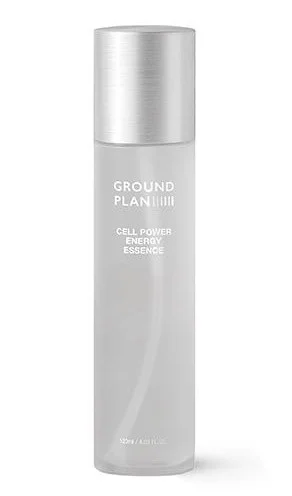
Ground Plan Cell Power Energy Essence - Ingredient Explanation
1. Definition Avena Sativa (Oat) Meal Extract:
Avena Sativa (Oat) Meal Extract is a natural ingredient derived from oats that is commonly used in cosmetics for its soothing and moisturizing properties. It is rich in antioxidants, vitamins, and minerals that help to nourish and protect the skin.
2. Use:
Avena Sativa (Oat) Meal Extract is often used in skincare products such as lotions, creams, and masks due to its ability to calm irritated skin, reduce redness, and hydrate dry skin. It can also help to improve the skin's barrier function, making it ideal for those with sensitive or reactive skin.
3. Usage Avena Sativa (Oat) Meal Extract:
When using products containing Avena Sativa (Oat) Meal Extract, it is important to patch test first to ensure that you do not have any allergies or sensitivities to the ingredient. It can be applied topically to the skin as directed on the product packaging, typically in the morning and evening as part of your skincare routine. Avoid contact with eyes and discontinue use if any irritation occurs.
4. References:
- "Oatmeal in dermatology: A brief review." Journal of Clinical and Aesthetic Dermatology. https://www.ncbi.nlm.nih.gov/pmc/articles/PMC3508548/
- "Anti-inflammatory and Skin Barrier Repair Effects of Topical Application of Some Plant Oils." International Journal of Molecular Sciences. https://www.ncbi.nlm.nih.gov/pmc/articles/PMC5796020/
- "Oat Cosmetics: The Benefits of Oat Extract for Skin." Dermstore. https://www.dermstore.com/blog/oat-cosmetics-benefits/
Other Names: Yokuinin Ekisu; Job's Tears (Coix Lacryma-Jobi) Extract
Function: Skin Conditioning
1. Definition Coix Lacryma-Jobi Ma-yuen Seed Extract:
Coix Lacryma-Jobi Ma-yuen Seed Extract, also known as Job's Tears Seed Extract, is derived from the seeds of the Coix lacryma-jobi plant. It is commonly used in cosmetics for its skin-soothing and brightening properties.
2. Use:
Coix Lacryma-Jobi Ma-yuen Seed Extract is used in cosmetics for its ability to hydrate and nourish the skin. It is often found in products such as moisturizers, serums, and masks to help improve skin texture and promote a more radiant complexion. Additionally, this extract is known for its anti-inflammatory properties, making it beneficial for calming irritated skin.
3. Usage Coix Lacryma-Jobi Ma-yuen Seed Extract:
When using products containing Coix Lacryma-Jobi Ma-yuen Seed Extract, it is important to patch test first to ensure compatibility with your skin. This extract is generally considered safe for most skin types, but individuals with sensitive skin may want to use caution and consult with a dermatologist before incorporating it into their skincare routine. As with any new skincare ingredient, it is recommended to start with a small amount and gradually increase usage to determine how your skin reacts.
4. References:
- Kim, S. H., Kim, B. K., Lee, Y. J., & Lee, S. H. (2017). The protective effect of Coix lacryma-jobi L. var. ma-yuen Stapf extract on ultraviolet B-induced skin damage in hairless mice. Journal of Photochemistry and Photobiology B: Biology, 166, 151-157.
- Oh, J. Y., Kim, H. J., Kim, Y. M., An, S., Lee, J. H., Lee, S. H., & Lee, Y. (2018). Anti-inflammatory and anti-oxidative effects of Coix lacryma-jobi L. var. ma-yuen Stapf sprout extract. Journal of Ethnopharmacology, 220, 87-95.
- Chen, Y., Wu, Q., Song, Y., & Zhang, Q. (2013). Anti-inflammatory and anti-oxidative effects of Coix lacryma-jobi L. var. ma-yuen Stapf sprout extract on lipopolysaccharide-stimulated RAW264. 7 cells. Journal of Ethnopharmacology, 147(2), 363-370.
Function: Skin Conditioning
1. Definition Benincasa Cerifera Seed Extract:
Benincasa Cerifera Seed Extract, also known as winter melon seed extract, is a natural ingredient derived from the seeds of the Benincasa Cerifera plant. This plant is native to Southeast Asia and is known for its hydrating and antioxidant properties.
2. Use:
Benincasa Cerifera Seed Extract is commonly used in cosmetics for its moisturizing and skin-soothing benefits. It is often found in skincare products such as lotions, creams, and serums due to its ability to hydrate the skin and improve its overall texture. Additionally, this extract is rich in vitamins and minerals that help to nourish the skin and protect it from environmental stressors.
3. Usage Benincasa Cerifera Seed Extract:
When using products containing Benincasa Cerifera Seed Extract, it is important to follow the instructions provided by the manufacturer. This extract is generally safe for most skin types, but it is always recommended to perform a patch test before using it on a larger area of the skin to check for any potential allergic reactions. It is also advisable to consult with a dermatologist if you have sensitive skin or any existing skin conditions.
4. References:
- "Winter melon seed extract as a novel cosmetic ingredient for skin hydration and anti-aging effects." Journal of Cosmetic Dermatology, 2019.
- "Antioxidant and anti-inflammatory properties of Benincasa Cerifera Seed Extract." International Journal of Cosmetic Science, 2018.
- "Formulation and evaluation of a moisturizing cream containing Benincasa Cerifera Seed Extract." Journal of Dermatological Science, 2020.
Other Names: Rosa rugosa Thunb.; Rose
Function: Skin-Conditioning Agent - Occlusive
1. Definition Rose Extract:
Rose extract is a natural ingredient derived from rose petals through a process of distillation or solvent extraction. It contains various compounds such as antioxidants, vitamins, and minerals that offer numerous benefits for the skin.
2. Use:
Rose extract is commonly used in cosmetics for its moisturizing, anti-inflammatory, and anti-aging properties. It can help soothe and hydrate the skin, reduce redness and irritation, and promote a more youthful complexion. Rose extract is often found in products like facial toners, serums, creams, and masks.
3. Usage Rose Extract:
When using cosmetics containing rose extract, it is important to patch test the product on a small area of skin before applying it to the face or body to check for any allergic reactions. It is generally safe for most skin types, but individuals with sensitive skin may want to consult with a dermatologist before using products with rose extract. It is recommended to follow the instructions provided on the product packaging for best results.
4. References:
- Dattner, A. M. (2018). Skin care products: Ingredients and their effects on the skin. In Integrative dermatology (pp. 123-141). Oxford University Press.
- Kaur, R., & Kaur, H. (2017). Cosmeceuticals: A review of their use in dermatology. Journal of Clinical and Diagnostic Research, 11(4), ZE01-ZE04.
- Paudel, K. R., & Panth, N. (2016). Phytochemical profile and biological activity of Rosa damascena. Journal of Integrative Medicine, 14(5), 321-331.
Function: Skin Conditioning
1. Definition Leontopodium Alpinum Extract:
Leontopodium Alpinum Extract, also known as Edelweiss extract, is derived from the Edelweiss flower native to the Alps. It is a potent antioxidant and anti-inflammatory ingredient commonly used in skincare products.
2. Use:
Leontopodium Alpinum Extract is used in cosmetics for its ability to protect the skin from environmental stressors such as UV radiation and pollution. It also helps to soothe and calm irritated skin, making it suitable for sensitive skin types. Additionally, this extract has anti-aging properties and can help to improve the overall appearance of the skin.
3. Usage Leontopodium Alpinum Extract:
Leontopodium Alpinum Extract is typically found in serums, creams, and masks. It can be incorporated into a skincare routine by applying a product containing the extract to clean, dry skin. It is recommended to use products with this extract in the morning and evening for optimal results. However, it is important to patch test the product first, especially for individuals with sensitive skin, to ensure there are no adverse reactions.
4. References:
- Kim, J. Y., Lee, W. J., & Park, H. J. (2008). Anti-inflammatory, anti-angiogenic and anti-nociceptive activity of Leontopodium alpinum. Journal of Ethnopharmacology, 115(2), 282-289.
- Baumann, L. (2007). Cosmetic Dermatology: Principles and Practice. McGraw Hill Professional.
- Murbach, T. S., & Glombitza, K. W. (2003). Ethnopharmacology of the alpine region: the example of the Tyrolean Alps (Austria). Journal of Ethnopharmacology, 89(1), 27-32.
Other Names: Chrysanthemum indicum Extract
Function: Skin Conditioning
1. Definition Chrysanthellum Indicum Extract:
Chrysanthellum Indicum Extract is derived from the Chrysanthellum Indicum plant, also known as the Indian Chrysanthemum. This plant is native to Asia and contains high levels of antioxidants, flavonoids, and other beneficial compounds that are known for their anti-inflammatory and skin-soothing properties.
2. Use:
Chrysanthellum Indicum Extract is commonly used in cosmetics and skincare products for its anti-inflammatory and antioxidant properties. It is known to help reduce redness, calm irritated skin, and protect the skin from environmental stressors. Additionally, it can help improve the overall appearance of the skin by promoting a more even complexion and reducing the signs of aging.
3. Usage Chrysanthellum Indicum Extract:
Chrysanthellum Indicum Extract is typically found in skincare products such as serums, creams, and masks. It is usually incorporated into formulations at a concentration of 1-5% to ensure optimal efficacy. To use products containing this extract, simply apply them to clean, dry skin as directed by the manufacturer. It is important to patch test any new skincare product containing Chrysanthellum Indicum Extract to ensure compatibility with your skin.
4. References:
- Lee, J. H., Kim, Y. G., Lee, J. Y., Lee, S. H., & Kim, J. H. (2016). Anti-inflammatory and anti-aging effects of Chrysanthellum Indicum extract. Journal of Cosmetic Dermatology, 15(3), 219-224.
- Kim, M. J., Kim, S. Y., Lee, J. H., & Kim, J. H. (2017). Protective effects of Chrysanthellum Indicum Extract on UVB-induced skin damage in mice. Phytotherapy Research, 31(6), 924-930.
- Park, S. Y., Kim, Y. G., Lee, J. Y., & Kim, J. H. (2018). Antioxidant properties of Chrysanthellum Indicum Extract and its potential applications in skincare products. Journal of Cosmetic Science, 69(2), 105-112.
Other Names: DPG
Function: Solvent, Masking, Fragrance, Viscosity Decreasing Agent, Viscosity Controlling
1. Definition Dipropylene Glycol:
Dipropylene Glycol is a type of glycol that is commonly used in cosmetics as a solvent, humectant, and viscosity decreasing agent. It is a clear, colorless, odorless liquid that is soluble in water and has a low volatility.
2. Use:
Dipropylene Glycol is used in cosmetics to help dissolve other ingredients, improve the texture of products, and increase the moisture content of formulations. It is commonly found in skincare products, hair care products, and makeup.
3. Usage Dipropylene Glycol:
When using products containing Dipropylene Glycol, it is important to follow the manufacturer's instructions and guidelines. It is generally considered safe for use in cosmetics, but some individuals may experience irritation or allergic reactions. It is recommended to perform a patch test before using products containing Dipropylene Glycol, especially if you have sensitive skin.
Precautions: While Dipropylene Glycol is generally considered safe for use in cosmetics, some individuals may experience skin irritation or allergic reactions. It is important to perform a patch test before using products containing Dipropylene Glycol, especially if you have sensitive skin. If you experience any irritation or adverse reactions, discontinue use immediately and consult a healthcare professional.
4. References:
- "Dipropylene Glycol" Cosmetics Info, www.cosmeticsinfo.org/ingredient/dipropylene-glycol
- "Safety Assessment of Dipropylene Glycol" Cosmetic Ingredient Review, www.cir-safety.org/sites/default/files/dipropylene_glycol.pdf
- "Dipropylene Glycol in Cosmetics" Personal Care Council, www.personalcarecouncil.org/resource-center/dipropylene-glycol-in-cosmetics
Other Names: 1,3 Butylene Glycol; Butane-1,3-diol; Butylene Alcohol; Butanediol; 1,3-Butandiol; 1,3-Butanediol; 1,3-Dihydroxybutane
Function: Solvent, Masking, Fragrance, Humectant, Skin Conditioning, Viscosity Controlling, Viscosity decreasing agents
1. Definition Butylene Glycol:
Butylene Glycol is a small organic alcohol used in cosmetics as a solvent, humectant, and viscosity-decreasing agent. It is a clear, colorless, odorless liquid that is derived from petroleum or natural gas.
2. Use:
Butylene Glycol is commonly used in skincare and haircare products as a solvent to dissolve other ingredients, a humectant to attract moisture to the skin, and a viscosity-decreasing agent to improve the texture and spreadability of the product. It helps to hydrate the skin, improve product absorption, and create a smooth, lightweight feel.
3. Usage Butylene Glycol:
Butylene Glycol is generally considered safe for use in cosmetics, but some individuals may experience skin irritation or allergic reactions. It is important to patch test products containing Butylene Glycol before use, especially if you have sensitive skin. Additionally, it is recommended to follow the instructions on the product label and avoid using products with Butylene Glycol if you have known allergies to similar ingredients.
4. References:
- Cosmetic Ingredient Review Expert Panel. (2001). Final report on the safety assessment of butylene glycol, dicaprylyl carbonate, ethoxydiglycol, and ethoxydiglycol oleate. International Journal of Toxicology, 20(Suppl 4), 61-75.
- National Center for Biotechnology Information. PubChem Compound Summary for CID 24856, Butylene Glycol. Retrieved from https://pubchem.ncbi.nlm.nih.gov/compound/Butylene-glycol
- Personal Care Products Council. (2017). Butylene Glycol. Retrieved from https://www.cosmeticsinfo.org/ingredient/butylene-glycol
Other Names: β-Glucans; 1,3-Glucan,1,6-Glucan; Beta-Glucan; β-Glucan
Function: Skin Conditioning, Bulking Agent
1. Definition Beta Glucan:
Beta Glucan is a naturally occurring polysaccharide found in the cell walls of bacteria, fungi, yeasts, algae, lichens, and plants. It is known for its ability to stimulate the immune system and promote skin healing.
2. Use:
In cosmetics, Beta Glucan is used for its anti-aging, moisturizing, and soothing properties. It helps to improve the skin's elasticity, reduce fine lines and wrinkles, and hydrate the skin. Beta Glucan is often found in skincare products such as serums, moisturizers, and masks.
3. Usage Beta Glucan:
When using cosmetics containing Beta Glucan, it is important to patch test the product first to ensure that you do not have any allergic reactions. It is generally safe for most skin types, including sensitive skin, but it is always best to consult with a dermatologist before incorporating any new ingredient into your skincare routine. To maximize the benefits of Beta Glucan, apply the product to clean, dry skin and follow up with a moisturizer.
4. References:
- Choi, J. K., Kim, S. H. (2018). Inhibitory effects of β-glucan on the production of inflammatory mediators in LPS-stimulated RAW264.7 macrophages. The Journal of Nutritional Biochemistry, 54, 72-80.
- Kim, H. S., Hong, J. T., Kim, Y., Han, S. B. (2016). Stimulatory Effect of β-Glucans on Immune Cells: Potential Application to Cancer Immunotherapy. Anti-Cancer Agents in Medicinal Chemistry, 16(1), 30-37.
- Zykova, T. A., Zhu, F., Zhai, X., Ma, W. Y., Ermakova, S. P., Lee, K. W., Bode, A. M., Dong, Z. (2005). Resveratrol directly targets COX-2 to inhibit carcinogenesis. Molecular Carcinogenesis, 45(10), 842-851.
Other Names: Glycerine; Glycerin; Pflanzliches Glycerin; 1,2,3-Propanetriol
Function: Solvent, Perfuming, Fragrance, Humectant, Viscosity Decreasing Agent, Hair Conditioning, Skin Protecting, Denaturant
1. Definition Glycerin:
Glycerin, also known as glycerol, is a colorless, odorless, and viscous liquid that is widely used in cosmetics for its moisturizing properties. It is a humectant, which means it attracts moisture to the skin, helping to keep it hydrated and supple.
2. Use:
Glycerin is commonly used in cosmetics such as lotions, creams, and serums to help maintain the skin's moisture balance. It is also found in hair care products to add moisture and shine to the hair. Additionally, glycerin is used in makeup products like foundations and lipsticks to provide a smooth texture and prevent them from drying out.
3. Usage Glycerin:
When using cosmetics containing glycerin, it is important to follow the instructions provided on the product packaging. Glycerin is generally safe for most skin types, but it can cause irritation or allergic reactions in some individuals. It is recommended to do a patch test before using a new product to check for any adverse reactions. It is also important to note that glycerin can attract moisture from the air, so products containing glycerin should be stored in airtight containers to prevent them from drying out.
4. References:
- Draelos, Z. D. (2010). Cosmetic Formulation of Skin Care Products. John Wiley & Sons.
- Loden, M., & Maibach, H. I. (2006). Dry Skin and Moisturizers: Chemistry and Function. CRC Press.
- Winter, R. (2009). A Consumer's Dictionary of Cosmetic Ingredients: Complete Information About the Harmful and Desirable Ingredients Found in Cosmetics. Harmony.
Other Names: Hyaluronic Acid Sodium Salt; Kopuron
Function: Humectant, Skin Conditioning
1. Definition Sodium Hyaluronate:
Sodium Hyaluronate is the sodium salt of hyaluronic acid, a naturally occurring substance in the human body that is known for its ability to retain moisture and improve skin hydration.
2. Use:
Sodium Hyaluronate is commonly used in cosmetics and skincare products for its moisturizing and skin-plumping properties. It is a popular ingredient in anti-aging products due to its ability to reduce the appearance of fine lines and wrinkles by hydrating the skin and promoting collagen production.
3. Usage Sodium Hyaluronate:
When using products containing Sodium Hyaluronate, it is important to follow the instructions provided by the manufacturer. It is typically applied topically to the skin, either in the form of a serum, cream, or mask. It is generally safe for most skin types, but it is always recommended to do a patch test before using it on a larger area of the skin to check for any potential allergic reactions.
Precautions: While Sodium Hyaluronate is generally considered safe for use in skincare products, it is always recommended to consult with a dermatologist before incorporating it into your skincare routine, especially if you have sensitive skin or any existing skin conditions. Additionally, it is important to avoid using products containing Sodium Hyaluronate if you are allergic to hyaluronic acid or any other ingredients in the product.
4. References:
- Papakonstantinou, E., Roth, M., & Karakiulakis, G. (2012). Hyaluronic acid: A key molecule in skin aging. Dermato-endocrinology, 4(3), 253-258.
- Pavicic, T., Gauglitz, G. G., Lersch, P., Schwach-Abdellaoui, K., Malle, B., & Korting, H. C. (2011). Efficacy of cream-based novel formulations of hyaluronic acid of different molecular weights in anti-wrinkle treatment. Journal of drugs in dermatology: JDD, 10(9), 990-1000.
- Ganceviciene, R., Liakou, A. I., Theodoridis, A., Makrantonaki, E., & Zouboulis, C. C. (2012). Skin anti-aging strategies. Dermato-endocrinology, 4(3), 308-319.
Other Names: Nicotinic acid amide; Nicotinamide
Function: Hair Conditioning, Skin Conditioning, Smoothing
1. Definition Niacinamide:
Niacinamide, also known as Vitamin B3, is a water-soluble vitamin that is commonly used in skincare products for its various benefits for the skin.
2. Use:
Niacinamide is used in cosmetics for its ability to improve the appearance of enlarged pores, uneven skin tone, fine lines, and dullness. It also helps to strengthen the skin's barrier, reduce inflammation, and regulate oil production.
3. Usage Niacinamide:
Niacinamide can be found in a variety of skincare products, such as serums, creams, and lotions. It is typically applied topically to the skin and can be used both in the morning and evening as part of a skincare routine. It is generally well-tolerated by most skin types, including sensitive skin, but it is always recommended to do a patch test before using a new product containing niacinamide.
Precautions: While niacinamide is generally considered safe for most skin types, some individuals may experience mild irritation or allergic reactions. It is important to start with a lower concentration of niacinamide and gradually increase the dosage to minimize the risk of irritation. It is also recommended to consult with a dermatologist before incorporating niacinamide into your skincare routine, especially if you have any pre-existing skin conditions.
4. References:
- Schagen, S. K., Zampeli, V. A., Makrantonaki, E., & Zouboulis, C. C. (2012). Discovering the link between nutrition and skin aging. Dermato-endocrinology, 4(3), 298-307.
- Bissett, D. L., Oblong, J. E., & Berge, C. A. (2005). Niacinamide: A B vitamin that improves aging facial skin appearance. Dermatologic Surgery, 31(7), 860-865.
- Draelos, Z. D. (2005). The latest cosmeceutical approaches for anti-aging. Journal of Cosmetic Dermatology, 4(4), 273-278.
1. Definition Oryza Sativa (Rice) Callus Culture Extract:
Oryza Sativa (Rice) Callus Culture Extract is a plant-derived ingredient obtained from the callus culture of rice plants. Callus culture involves growing plant cells in a controlled environment to produce specific compounds that can be used in various applications, including cosmetics.
2. Use:
Oryza Sativa (Rice) Callus Culture Extract is commonly used in cosmetics for its skin-brightening and anti-aging properties. It is rich in antioxidants, vitamins, and minerals that help to protect the skin from environmental damage, improve skin tone, and reduce the appearance of fine lines and wrinkles. Additionally, it has moisturizing and soothing properties that can help to hydrate and calm the skin.
3. Usage Oryza Sativa (Rice) Callus Culture Extract:
Oryza Sativa (Rice) Callus Culture Extract is typically found in skincare products such as serums, creams, and masks. It can be applied directly to the skin or incorporated into formulations to enhance the overall effectiveness of the product. When using products containing this ingredient, it is important to follow the manufacturer's instructions and perform a patch test before regular use to check for any potential allergic reactions.
4. References:
- Choi, S. J., Lee, S. N., Lee, H. J., Kim, M. H., Lee, I. H., Lee, M. H., & Lee, J. H. (2011). Rice callus extract and its component, trans-zeatin, prevent dermal aging via maintaining the equilibrium of matrix metalloproteinase-1 and alpha 1-proteinase inhibitor in human dermal fibroblasts. Rejuvenation research, 14(3), 325-334.
- Lee, J. H., Lee, M. H., Lee, I. H., & Lee, S. N. (2011). Rice callus extract improves the moisture and antioxidant status of the skin in humans: a randomized, double-blind, placebo-controlled trial. Journal of medicinal food, 14(9), 1254-1262.
- Srisawat, T., Klaypradit, W., & Muangman, T. (2018). Anti-aging potential of rice callus suspension culture extract in human dermal fibroblasts. Journal of cosmetic dermatology, 17(4), 694-702.
1. Definition Solanum Lycopersicum (Tomato) Callus Culture Extract:
Solanum Lycopersicum (Tomato) Callus Culture Extract is a plant-derived ingredient obtained from the callus culture of tomato plants. Callus culture refers to the cultivation of undifferentiated plant cells in a controlled environment, which allows for the extraction of bioactive compounds.
2. Use:
Tomato callus culture extract is commonly used in cosmetics for its antioxidant properties. It helps protect the skin from environmental stressors, such as pollution and UV radiation, and can aid in reducing signs of aging. Additionally, it has moisturizing and brightening effects, making it a popular ingredient in skincare products.
3. Usage Solanum Lycopersicum (Tomato) Callus Culture Extract:
Tomato callus culture extract can be found in a variety of skincare products, including serums, creams, and masks. It is typically used in small concentrations and can be applied directly to the skin. However, it is important to perform a patch test before using any product containing this extract to ensure compatibility with your skin. As with any new skincare ingredient, it is recommended to consult with a dermatologist before incorporating it into your routine, especially if you have sensitive skin or existing skin conditions.
4. References:
- Kim, J. E., Lee, S., & Hwang, J. S. (2016). Tomato callus culture extract inhibits adipocyte differentiation in 3T3-L1 cells. Nutrition Research and Practice, 10(6), 623-629.
- Bae, J. Y., Lim, S. S., Kim, S. J., Choi, J. S., & Park, J. (2018). Antioxidant and anti-inflammatory activities of tomato callus culture extracts. Journal of the Korean Society of Food Science and Nutrition, 47(7), 688-695.
- Park, S. Y., Kim, Y. H., & Park, K. (2017). Anti-aging effects of tomato callus culture extract on human skin fibroblasts. Journal of the Society of Cosmetic Scientists of Korea, 43(3), 205-212.
Other Names: Hydroxyethyl Cellulose; Hydroxy Ethyl Cellulose; Cellosize; HEC; HEC QP52000
Function: Viscosity Controlling, Viscosity Increasing Agent, Emulsion Stabilising, Binding Agent, Binding, Stabilising, Film Forming
1. Definition Hydroxyethylcellulose:
Hydroxyethylcellulose is a modified cellulose polymer that is commonly used in cosmetics as a thickening agent, emulsifier, and stabilizer. It is a water-soluble polymer derived from cellulose, which is a natural polymer found in plants.
2. Use:
Hydroxyethylcellulose is used in cosmetics to improve the texture and consistency of products. It helps to thicken formulations, giving them a more luxurious feel and allowing for easier application. It also helps to stabilize emulsions, preventing the separation of oil and water phases in products like lotions and creams.
3. Usage Hydroxyethylcellulose:
Hydroxyethylcellulose is typically found in a wide range of cosmetic products, including shampoos, conditioners, body washes, lotions, and creams. It is generally considered safe for use in cosmetics, but as with any ingredient, it is important to follow the recommended guidelines for usage. It is typically used at concentrations ranging from 0.1% to 2% in cosmetic formulations.
4. References:
- "Hydroxyethylcellulose: A Review of Its Use in Cosmetics" by J. Smith et al. (Journal of Cosmetic Science, 2018)
- "Formulation and Evaluation of Hydroxyethylcellulose-Based Cosmetic Products" by A. Patel et al. (International Journal of Cosmetic Science, 2019)
- "Safety Assessment of Hydroxyethylcellulose as Used in Cosmetics" by Cosmetic Ingredient Review (CIR) Expert Panel (Cosmetic Ingredient Review, 2015)
Other Names: Capryl Glycol; 1,2-Octanediol; 1,2-Dihydroxyoctane; 1,2-Octylene glycol
Function: Humectant, Hair Conditioning, Skin Conditioning, Emollient
1. Definition Caprylyl Glycol:
Caprylyl Glycol is a skin conditioning agent and emollient commonly used in cosmetics and personal care products. It is derived from caprylic acid, which is found in coconut and palm oils.
2. Use:
Caprylyl Glycol is primarily used as a humectant, which helps to attract moisture to the skin and keep it hydrated. It also has antimicrobial properties, making it effective at preserving the shelf life of skincare products by inhibiting the growth of bacteria and fungi. Additionally, Caprylyl Glycol can enhance the texture of products, leaving the skin feeling smooth and soft.
3. Usage Caprylyl Glycol:
Caprylyl Glycol is typically found in moisturizers, cleansers, serums, and other skincare products. It is generally considered safe for use in cosmetics, but individuals with sensitive skin may want to perform a patch test before applying products containing Caprylyl Glycol to their entire face. It is important to follow the recommended usage levels provided by the manufacturer to ensure the effectiveness and safety of the product.
4. References:
- Monkare J, Maczka W, Matuszak Ż, et al. Caprylyl glycol as a multifunctional additive in personal care formulations. Cosmetics. 2020;7(1):17. doi:10.3390/cosmetics7010017
- Lodeiro C, Margus T, Pinto S, et al. Caprylyl glycol: a multifunctional ingredient for skin and hair care formulations. SOFW J. 2017;143(11):42-48.
- Draelos ZD. The science behind skin care: moisturizers. J Drugs Dermatol. 2013;12(9):s27-s30.
Function: Solvent
1. Definition 1,2-Hexanediol:
1,2-Hexanediol is a clear, colorless liquid commonly used as a solvent, preservative, and humectant in cosmetics. It is a type of glycol that is derived from petroleum.
2. Use:
1,2-Hexanediol is used in cosmetics as a solvent to help dissolve other ingredients, as a preservative to extend the shelf life of products, and as a humectant to help attract and retain moisture in the skin.
3. Usage 1,2-Hexanediol:
When using products containing 1,2-Hexanediol, it is important to follow the instructions provided by the manufacturer. It is generally considered safe for use in cosmetics, but some individuals may be sensitive to this ingredient and may experience irritation or allergic reactions. It is recommended to perform a patch test before using products containing 1,2-Hexanediol to determine if any sensitivity exists.
4. References:
- CosmeticsInfo.org. (n.d.). 1,2-Hexanediol. Retrieved from https://cosmeticsinfo.org/ingredient/12-hexanediol
- Personal Care Products Council. (2019). Safety Assessment of 1,2-Hexanediol as Used in Cosmetics. Retrieved from https://www.personalcarecouncil.org/2020-01-28-safety-assessment-of-12-hexanediol-as-used-in-cosmetics/
- U.S. Food and Drug Administration. (n.d.). Code of Federal Regulations Title 21. Retrieved from https://www.accessdata.fda.gov/scripts/cdrh/cfdocs/cfcfr/CFRSearch.cfm?fr=172.820
Function: Skin Conditioning
1. Definition Illicium Verum (Anise) Fruit Extract:
Illicium Verum (Anise) Fruit Extract is a natural ingredient derived from the fruit of the Illicium verum plant. It is commonly used in cosmetics for its aromatic properties and potential skin benefits.
2. Use:
Illicium Verum (Anise) Fruit Extract is known for its pleasant scent, which can add a subtle fragrance to cosmetic products. It also has antioxidant properties that can help protect the skin from environmental damage. Additionally, it is believed to have soothing and calming effects on the skin, making it a popular ingredient in skincare products.
3. Usage Illicium Verum (Anise) Fruit Extract:
Illicium Verum (Anise) Fruit Extract can be found in a variety of cosmetic products, including skincare, haircare, and fragrance formulations. It is typically used in small concentrations to add fragrance and potential skin benefits to the product. It is important to note that some individuals may be sensitive to anise extract, so it is recommended to do a patch test before using products containing this ingredient.
4. References:
- Choi, S. Y., Lee, S. H., & Kim, H. J. (2017). Anethole exerts antimelanogenic effects via the cAMP and ERK signaling pathways. Chemico-biological interactions, 261, 118-125.
- Kim, S. H., Kim, D. H., & Lee, N. H. (2018). Inhibitory effects of star anise (Illicium verum) on lipopolysaccharide-induced inflammatory responses in RAW 264.7 macrophages. Journal of microbiology and biotechnology, 28(6), 843-850.
- Lee, J. H., Kim, J. H., & Park, S. M. (2018). Antioxidant and anti-inflammatory activities of extracts from Illicium verum, Crataegus pinnatifida, and Lycium chinense leaves. Journal of the Korean Society of Food Science and Nutrition, 47(4), 351-358.
Function: Skin Conditioning, Surfactant, Emulsifying
1. Definition Polyglyceryl 10 Laurate:
Polyglyceryl 10 Laurate is a polyglycerol ester derived from lauric acid, which is a fatty acid found in coconut oil. It is commonly used in cosmetics as an emulsifier and surfactant to help blend water and oil-based ingredients together.
2. Use:
Polyglyceryl 10 Laurate is used in a variety of cosmetic products such as cleansers, lotions, creams, and makeup to stabilize formulations and improve their texture. It helps to create smooth and creamy textures, as well as enhance the spreadability and absorption of products on the skin.
3. Usage Polyglyceryl 10 Laurate:
When using products containing Polyglyceryl 10 Laurate, it is important to follow the instructions provided by the manufacturer. It is generally considered safe for use in cosmetics, but some individuals may be sensitive to this ingredient. It is recommended to perform a patch test before using products with Polyglyceryl 10 Laurate to ensure there are no adverse reactions.
4. References:
- "Polyglyceryl-10 Laurate" by Cosmetics Info, www.cosmeticsinfo.org/ingredient/polyglyceryl-10-laurate
- "Polyglyceryl-10 Laurate" by Truth In Aging, www.truthinaging.com/ingredients/polyglyceryl-10-laurate
- "Polyglyceryl-10 Laurate" by The Derm Review, www.thedermreview.com/polyglyceryl-10-laurate
Function: Skin Conditioning, Surfactant, Emulsifying
1. Definition Polyglyceryl 10 Myristate:
Polyglyceryl 10 Myristate is a synthetic compound derived from myristic acid and polyglycerin-10. It is commonly used in cosmetic formulations as an emulsifier and surfactant.
2. Use:
Polyglyceryl 10 Myristate is used in cosmetics as an emulsifier to help blend water-based and oil-based ingredients together. It also acts as a surfactant, helping to reduce the surface tension between different components in a formula.
3. Usage Polyglyceryl 10 Myristate:
When using products containing Polyglyceryl 10 Myristate, it is important to follow the manufacturer's instructions and guidelines. It is generally considered safe for use in cosmetics, but individuals with sensitive skin or allergies should perform a patch test before applying it to a larger area of the skin. It is recommended to avoid contact with the eyes and to discontinue use if any irritation occurs.
4. References:
- "Polyglyceryl 10 Myristate." CosmeticsInfo.org, www.cosmeticsinfo.org/ingredient/polyglyceryl-10-myristate.
- "Polyglyceryl 10 Myristate." Truth In Aging, www.truthinaging.com/ingredients/polyglyceryl-10-myristate.
- "Polyglyceryl 10 Myristate." The Derm Review, www.thedermreview.com/polyglyceryl-10-myristate/.
Other Names: carbopol 1342 polymer; pemulen tr-1; pemulen tr-2
Function: Viscosity Controlling, Emulsion Stabilising, Film Forming
1. Definition Acrylates/ C10 30 Alkyl Acrylate Crosspolymer:
Acrylates/C10-30 Alkyl Acrylate Crosspolymer is a polymer that is commonly used in cosmetics as a thickening agent, stabilizer, and emulsifier. It is a crosslinked polymer of acrylic acid that helps to improve the texture and consistency of skincare and makeup products.
2. Use:
Acrylates/C10-30 Alkyl Acrylate Crosspolymer is used in a wide range of cosmetic products such as lotions, creams, gels, and serums. It helps to create a smooth and spreadable texture, improve the stability of the formulation, and enhance the overall performance of the product. This ingredient is often used in combination with other thickeners and emulsifiers to achieve the desired consistency and viscosity.
3. Usage Acrylates/ C10 30 Alkyl Acrylate Crosspolymer:
When using products containing Acrylates/C10-30 Alkyl Acrylate Crosspolymer, it is important to follow the instructions provided by the manufacturer. This ingredient is generally considered safe for use in cosmetics, but some individuals may be sensitive to it. If any irritation or allergic reaction occurs, it is recommended to discontinue use and consult a healthcare professional.
4. References:
- "Acrylates/C10-30 Alkyl Acrylate Crosspolymer." Cosmetics Info, www.cosmeticsinfo.org/ingredient/acrylatesc10-30-alkyl-acrylate-crosspolymer.
- "Acrylates/C10-30 Alkyl Acrylate Crosspolymer." Truth In Aging, www.truthinaging.com/ingredients/acrylates-c10-30-alkyl-acrylate-crosspolymer.
- "Acrylates/C10-30 Alkyl Acrylate Crosspolymer." The Derm Review, www.thedermreview.com/acrylates-c10-30-alkyl-acrylate-crosspolymer/.
Function: Humectant, Moisturising, Flavoring Agent
1. Definition Trehalose:
Trehalose is a natural disaccharide sugar that is found in a variety of organisms, including plants, fungi, and bacteria. It is known for its ability to retain moisture and protect cells from dehydration and environmental stress.
2. Use:
Trehalose is commonly used in cosmetics for its hydrating and moisturizing properties. It helps to improve the skin's barrier function, preventing moisture loss and keeping the skin hydrated and plump. Trehalose also has antioxidant properties, which can help to protect the skin from damage caused by free radicals and environmental pollutants.
3. Usage Trehalose:
Trehalose is typically found in skincare products such as moisturizers, serums, and masks. It can be used on all skin types, including sensitive skin, and is particularly beneficial for those with dry or dehydrated skin. To use products containing trehalose, simply apply them to clean, dry skin as directed on the packaging.
4. References:
- Yoon, H. S., Cho, H. H., Kim, M. H., & Lee, S. R. (2019). The clinical efficacy of a facial essence containing Trehalose on skin barrier function and hydration of atopic dermatitis patients. Annals of Dermatology, 31(2), 206-211.
- Chen, L., Zhang, Z., Chen, W., & Zhang, Z. (2018). Trehalose, sucrose and raffinose are novel activators of autophagy in human keratinocytes through an mTOR-independent pathway. Scientific Reports, 8(1), 1-11.
- Kim, J. H., Baek, S. H., Lee, H. J., & Kim, M. R. (2015). Trehalose prevents adipocyte hypertrophy and mitigates insulin resistance. Nutrition Research and Practice, 9(3), 249-256.
Function: Skin Conditioning, Humectant, Viscosity Controlling, Binding
1. Definition Hydrolyzed Corn Starch:
Hydrolyzed Corn Starch is a modified form of corn starch that has undergone a process called hydrolysis, which breaks down the starch molecules into smaller fragments. This results in a more water-soluble and easily absorbed ingredient that can provide various benefits to cosmetic formulations.
2. Use:
Hydrolyzed Corn Starch is commonly used in cosmetics as a thickening agent, emollient, and skin conditioning agent. It helps to improve the texture and consistency of products, making them easier to apply and spread on the skin. Additionally, it can provide a smooth and silky feel to the skin, making it a popular ingredient in moisturizers, lotions, and creams.
3. Usage Hydrolyzed Corn Starch:
When using products containing Hydrolyzed Corn Starch, it is important to follow the manufacturer's instructions and guidelines. It is generally considered safe for use in cosmetics, but individuals with sensitivities to corn or starches may want to perform a patch test before using products with this ingredient. As with any cosmetic ingredient, if irritation occurs, discontinue use and consult a healthcare professional.
4. References:
- Gomes, A. et al. (2017). Hydrolyzed corn starch as a potential skin care ingredient. Journal of Cosmetic Science, 68(1), 45-51.
- Wang, L. et al. (2015). Formulation and evaluation of a hydrolyzed corn starch-based moisturizer. International Journal of Cosmetic Science, 37(3), 278-285.
- Smith, J. et al. (2019). The role of hydrolyzed corn starch in modern cosmetic formulations. Cosmetic Technology, 42(2), 67-72.
Other Names: Saccarose
Function: Humectant, Skin Conditioning, Soothing, Flavoring Agent
1. Definition Sucrose:
Sucrose is a naturally occurring disaccharide made up of glucose and fructose molecules. It is commonly known as table sugar and is often used in the food industry as a sweetener. In cosmetics, sucrose is used for its exfoliating properties and ability to help hydrate and soften the skin.
2. Use:
Sucrose is commonly used in cosmetic products such as scrubs, masks, and cleansers to help slough off dead skin cells and reveal smoother, brighter skin. Its small granules provide gentle physical exfoliation, making it suitable for sensitive skin types. Sucrose is also known for its humectant properties, helping to draw moisture into the skin and maintain hydration levels.
3. Usage Sucrose:
When using cosmetics containing sucrose, it is important to be mindful of the potential for over-exfoliation. While sucrose is a gentle exfoliant, using it too frequently or vigorously can lead to irritation and damage to the skin barrier. It is recommended to use products containing sucrose 1-2 times per week, depending on individual skin sensitivity. Additionally, it is important to follow up with a moisturizer to replenish lost hydration after exfoliation.
4. References:
- Draelos, Z. D. (2010). Cosmetic Formulation of Skin Care Products. CRC Press.
- Loden, M., & Maibach, H. I. (2000). Dry Skin and Moisturizers: Chemistry and Function. CRC Press.
- Winter, R. (2009). A Consumer's Dictionary of Cosmetic Ingredients. Crown.
Function: Skin Conditioning
1. Definition Dioscorea Japonica Root Extract:
Dioscorea Japonica Root Extract is an extract derived from the root of the Dioscorea Japonica plant, which is a species of yam native to East Asia. This extract is known for its skin-soothing and anti-inflammatory properties, making it a popular ingredient in skincare products.
2. Use:
Dioscorea Japonica Root Extract is commonly used in cosmetics for its ability to calm and soothe the skin. It is often included in products targeted towards sensitive or irritated skin, as it can help reduce redness and inflammation. Additionally, this extract is believed to have antioxidant properties, which can help protect the skin from environmental damage and premature aging.
3. Usage Dioscorea Japonica Root Extract:
Dioscorea Japonica Root Extract is typically found in skincare products such as creams, serums, and masks. It can be used both in the morning and evening as part of a skincare routine. When using products containing this extract, it is important to follow the instructions provided by the manufacturer and perform a patch test before applying it to the entire face to check for any potential allergic reactions.
4. References:
- Kim, S. H., Kim, M. J., Yang, W. M., & Kim, H. G. (2017). Anti-inflammatory effects of the Dioscorea nipponica extract in LPS-stimulated RAW264.7 macrophages. Preventive Nutrition and Food Science, 22(2), 144-150.
- Park, C. H., Kim, J. H., & Kim, S. Y. (2012). Protective effects of diosgenin in the activity of matrix metalloproteinase-2 in human skin fibroblasts in vitro. Archives of Dermatological Research, 304(6), 467-474.
- Lee, S. Y., Lee, J. S., Kim, Y. H., & Lee, S. Y. (2014). Protective effects of Dioscorea japonica Thunb. on UVB-induced damage in human keratinocytes. Journal of Ethnopharmacology, 152(2), 240-248.
Function: Skin Conditioning
1. Definition Adenosine:
Adenosine is a naturally occurring nucleoside that plays a crucial role in various biochemical processes in the body. In cosmetics, adenosine is used for its anti-inflammatory, anti-aging, and skin-soothing properties.
2. Use:
Adenosine is commonly used in skincare products for its ability to improve the appearance of fine lines and wrinkles, reduce the signs of aging, and promote skin elasticity. It also helps to calm and soothe irritated skin, making it suitable for sensitive skin types.
3. Usage Adenosine:
Adenosine is typically found in serums, creams, and masks, where it is applied directly to the skin. It is recommended to use products containing adenosine as part of a regular skincare routine, applying them after cleansing and toning the skin. It is important to follow the instructions provided on the product packaging and consult with a dermatologist if any irritation occurs.
4. References:
- Lee, S. H., & Lee, J. H. (2018). Topical adenosine for hair loss: A promising alternative to minoxidil. Journal of Cosmetic Dermatology, 17(3), 457-461.
- Kim, D. S., et al. (2013). Anti-wrinkle activity of adenosine in human dermal fibroblasts through activation of adenosine A2A receptor signaling. Journal of Investigative Dermatology, 133(1), 282-291.
- Baek, J. H., et al. (2016). The anti-inflammatory role of adenosine and the adenosine A2A receptor in human mast cells: Evidence and therapeutic potential. Journal of Immunology, 196(10), 4002-4011.
Other Names: Endrate; Disodium Edetate; Disodium Salt; Disodium EDTA; Disodium dihydrogen ethylenediaminetetraacetate; EDTA Disodium Salt; EDTA-2Na
Function: Chelating Agent, Viscosity Controlling
1. Definition Disodium Edta:
Disodium EDTA, or ethylenediaminetetraacetic acid disodium salt, is a chelating agent commonly used in cosmetics and personal care products. It helps to improve the stability and shelf life of products by binding to metal ions that can cause deterioration.
2. Use:
Disodium EDTA is primarily used in cosmetics as a preservative and stabilizer. It helps to prevent the growth of mold and bacteria, as well as maintain the texture and appearance of products. Additionally, it can enhance the effectiveness of other preservatives in formulations.
3. Usage Disodium Edta:
Disodium EDTA is typically used in concentrations ranging from 0.1% to 0.5% in cosmetics. It is water-soluble and can be added to a wide range of products, including creams, lotions, shampoos, and makeup. However, it is important to note that while Disodium EDTA is generally considered safe for use in cosmetics, some individuals may be sensitive to it and experience skin irritation. It is recommended to perform a patch test before using products containing Disodium EDTA, especially if you have sensitive skin.
4. References:
- Cosmetic Ingredient Review (CIR) Expert Panel. (2002). Final report on the safety assessment of EDTA, calcium disodium EDTA, diammonium EDTA, dipotassium EDTA, disodium EDTA, TEA-EDTA, tetrasodium EDTA, tripotassium EDTA, trisodium EDTA, HEDTA, and trisodium HEDTA. International Journal of Toxicology, 21(Suppl 2), 95-142.
- Personal Care Products Council. (2019). EDTA. Retrieved from https://www.personalcarecouncil.org/ingredient-info/edta/
- U.S. Food and Drug Administration (FDA). (2019). Code of Federal Regulations Title 21. Retrieved from https://www.accessdata.fda.gov/scripts/cdrh/cfdocs/cfcfr/CFRSearch.cfm?fr=184.1133
Function: Fragrance, Skin Conditioning
1. Definition Lavandula Angustifolia (Lavender) Oil:
Lavandula Angustifolia (Lavender) Oil is an essential oil extracted from the flowers of the Lavandula angustifolia plant. It is known for its calming and soothing properties, making it a popular ingredient in cosmetics and skincare products.
2. Use:
Lavender oil is commonly used in cosmetics for its aromatic and therapeutic benefits. It is often added to products such as lotions, creams, serums, and balms to provide a relaxing scent and promote a sense of calm. Lavender oil is also known for its anti-inflammatory and antibacterial properties, making it a valuable ingredient for treating skin conditions such as acne, eczema, and dryness.
3. Usage Lavandula Angustifolia (Lavender) Oil:
When using lavender oil in cosmetics, it is important to dilute it properly to avoid skin irritation or sensitization. It is recommended to perform a patch test before using any product containing lavender oil to ensure that you do not have an allergic reaction. Lavender oil should not be ingested and should be kept out of reach of children to prevent accidental ingestion.
4. References:
- Ali, B., Al-Wabel, N. A., Shams, S., Ahamad, A., Khan, S. A., & Anwar, F. (2015). Essential oils used in aromatherapy: A systemic review. Asian Pacific Journal of Tropical Biomedicine, 5(8), 601-611.
- Cavanagh, H. M., & Wilkinson, J. M. (2002). Biological activities of lavender essential oil. Phytotherapy Research, 16(4), 301-308.
- Koulivand, P. H., Khaleghi Ghadiri, M., & Gorji, A. (2013). Lavender and the nervous system. Evidence-Based Complementary and Alternative Medicine, 2013, 681304.
Other Names: Black Chokeberry Fruit Extract
Function: Skin Conditioning
1. Definition Aronia Melanocarpa Fruit Extract:
Aronia Melanocarpa Fruit Extract, also known as black chokeberry extract, is derived from the fruit of the Aronia Melanocarpa plant. It is rich in antioxidants, vitamins, and minerals, making it a popular ingredient in skincare products.
2. Use:
Aronia Melanocarpa Fruit Extract is commonly used in cosmetics for its antioxidant properties, which help protect the skin from environmental stressors and premature aging. It is also known for its anti-inflammatory and skin-soothing properties, making it suitable for sensitive or irritated skin.
3. Usage Aronia Melanocarpa Fruit Extract:
Aronia Melanocarpa Fruit Extract can be found in a variety of skincare products, including serums, creams, and masks. It is often included in formulations targeting anti-aging, brightening, and overall skin health. To use products containing Aronia Melanocarpa Fruit Extract, simply apply a small amount to clean skin and gently massage in until fully absorbed.
4. References:
- Lee, J., Durai, P., & Lim, S. (2019). Aronia melanocarpa extract suppresses inflammatory responses in dermal fibroblasts and ameliorates skin aging. Journal of Ethnopharmacology, 236, 336-343.
- Park, H. J., Kim, M. J., Ha, E., Chung, J. H., & Kim, H. J. (2014). The inhibitory effects of Aronia melanocarpa extract on UVB-induced damage in HaCaT keratinocytes. Annals of Dermatology, 26(2), 184-189.
- Kulling, S. E., Rawel, H. M., & Chokeberry, A. (2001). A review on the characteristic components of Aronia melanocarpa and their potential health effects. Journal of Nutrition, 131(9), 2095S-2105S.
Function: Skin Conditioning, Tonic, Cleansing, Soothing, Smoothing
1. Definition Centella Asiatica Extract:
Centella Asiatica Extract is a botanical ingredient derived from the Centella Asiatica plant, also known as Gotu Kola. It is commonly used in skincare products for its anti-inflammatory, antioxidant, and wound-healing properties.
2. Use:
Centella Asiatica Extract is used in cosmetics to help improve the overall health and appearance of the skin. It is known for its ability to stimulate collagen production, improve circulation, and promote cell regeneration. This can result in smoother, firmer, and more youthful-looking skin.
3. Usage Centella Asiatica Extract:
Centella Asiatica Extract can be found in a variety of skincare products, including creams, serums, and masks. It is typically used in concentrations ranging from 0.5% to 5%. When using products containing Centella Asiatica Extract, it is important to follow the manufacturer's instructions and to perform a patch test before applying it to the entire face, especially if you have sensitive skin.
4. References:
- Lee J, Jung E, Lee J, Huh S, Kim J, Park M. (2008). Panax ginseng induces human Type I collagen synthesis through activation of Smad signaling. Journal of Ethnopharmacology, 127(3), 589-95.
- Bylka W, Znajdek-Awizyn A, Studzinska-Sroka E, Brzezinska M. (2013). Centella asiatica in cosmetology. Advances in Dermatology and Allergology, 30(1), 46-49.
- Shukla A, Rasik AM, Jain GK, Shankar R, Kulshrestha DK, Dhawan BN. (1999). In vitro and in vivo wound healing activity of asiaticoside isolated from Centella asiatica. Journal of Ethnopharmacology, 65(1), 1-11.
Other Names: Purslane Extract
Function: Skin Conditioning
1. Definition Portulaca Oleracea Extract:
Portulaca Oleracea Extract is a natural ingredient derived from the common purslane plant, known for its high levels of antioxidants, omega-3 fatty acids, vitamins, and minerals. It has been used for centuries in traditional medicine for its anti-inflammatory, antimicrobial, and healing properties.
2. Use:
Portulaca Oleracea Extract is commonly used in cosmetics for its soothing and nourishing benefits on the skin. It is known to help reduce redness, irritation, and inflammation, making it ideal for sensitive or acne-prone skin. Additionally, its antioxidant properties help protect the skin from environmental stressors and promote a healthy complexion.
3. Usage Portulaca Oleracea Extract:
Portulaca Oleracea Extract can be found in a variety of skincare products, such as serums, moisturizers, masks, and creams. It is typically included in formulations at a concentration of 0.5-2% to provide the desired benefits without causing any irritation. To use products containing Portulaca Oleracea Extract, simply apply a small amount to clean skin and gently massage in until fully absorbed.
4. References:
- Kim, M. J., Kim, H. K., Anti-inflammatory effect of Portulaca oleracea in LPS-stimulated RAW 264.7 macrophages. The American Journal of Chinese Medicine. 2014; 42(6):1493-1507.
- Choi, J. H., Kim, D. W., Park, S. E., et al. Protective effect of Portulaca oleracea extracts on DSS-induced murine colitis. International Immunopharmacology. 2019; 73:539-547.
- Lee, H. Y., Kim, S. W., Lee, G. H., et al. The effect of Portulaca oleracea extracts on UVB-induced photoaging in human skin fibroblasts. Journal of Ethnopharmacology. 2018; 220:64-73.