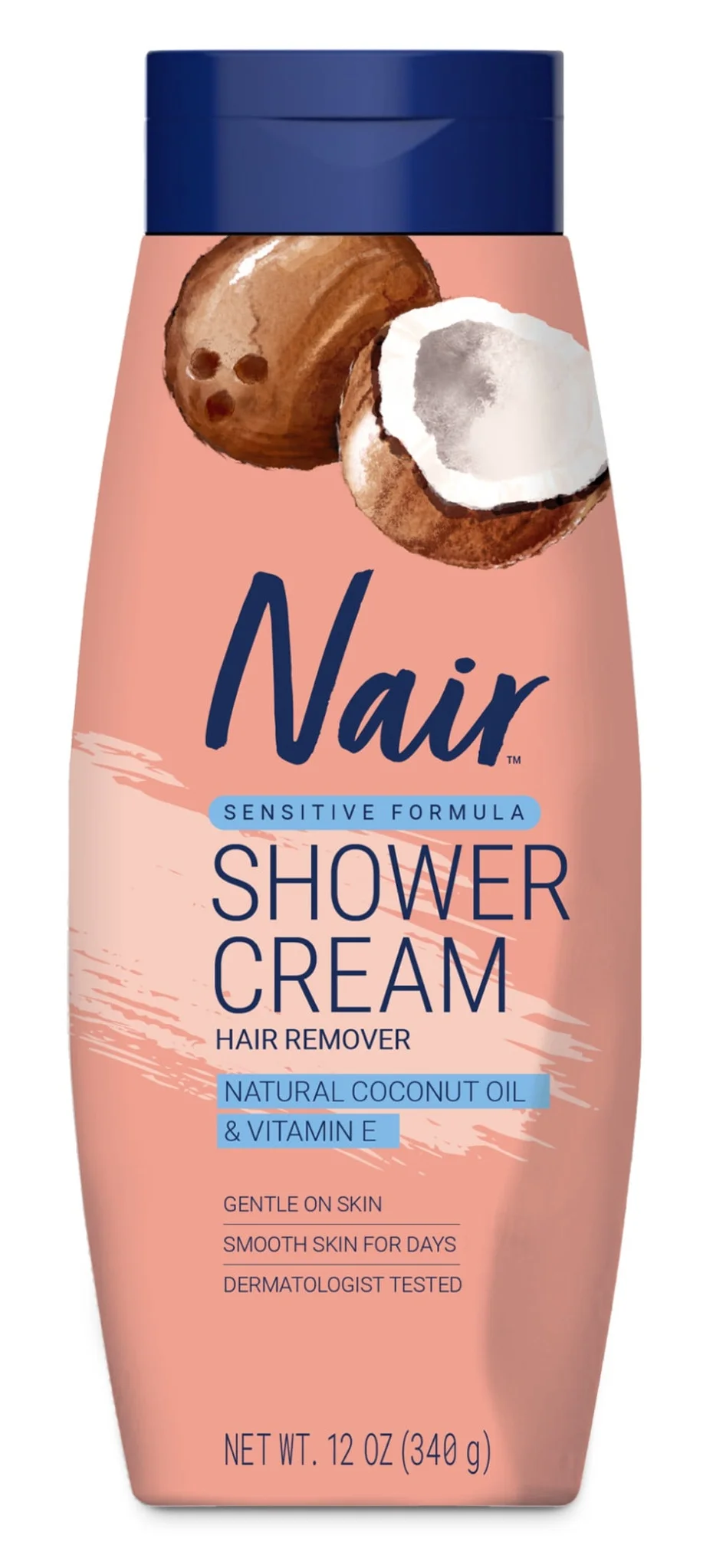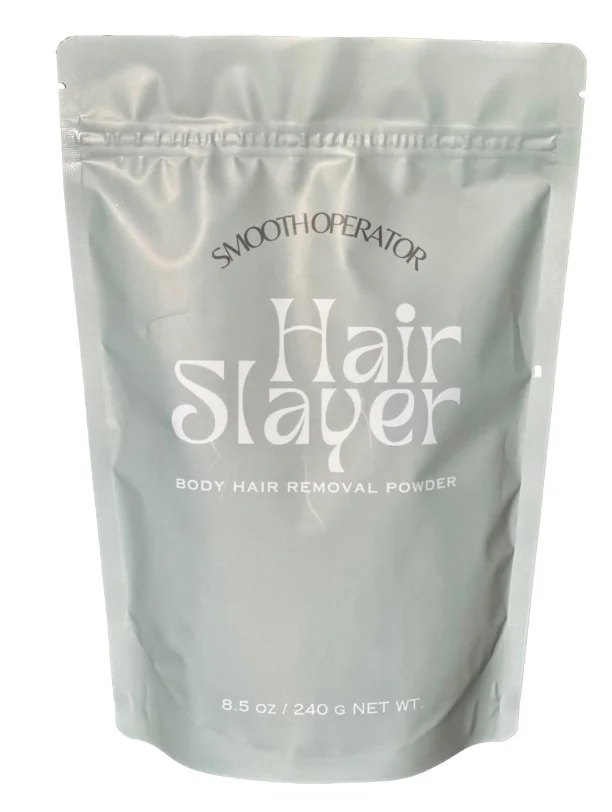
Ingredients
Analysis results of Ingredients



Ingredient List
| EWG | CIR | Ingredient Name & Cosmetic Function | Notes |
|---|---|---|---|
| - | - | Kaolin Clay | |
| 2 4 | B | (Reducing, Exfoliant, Keratolytic, Depilatory) | |
| 1 4 | B | (pH adjusting agent, pH adjusting agent) | |
| 1 3 | A | (Skin Conditioning, Humectant, Antistatic Agent, pH adjusting agent) | |
Hair Slayer - Ingredient Explanation
Kaolin Clay
Ingredient data is being updated. Please check back later.
Calcium Thioglycolate
1. Definition Calcium Thioglycolate:
Calcium Thioglycolate is a chemical compound commonly used in cosmetic products as a hair removal agent. It works by breaking down the disulfide bonds in the hair, allowing it to be easily removed from the skin.2. Use:
Calcium Thioglycolate is primarily used in depilatory creams and lotions to remove unwanted hair from the body. It is often found in products designed for sensitive areas such as the face, underarms, and bikini line. The compound is effective in weakening the hair structure, making it easier to wipe or wash away without the need for shaving or waxing.3. Usage Calcium Thioglycolate:
When using products containing Calcium Thioglycolate, it is important to follow the instructions provided on the packaging carefully. Apply the cream or lotion to the desired area, making sure to cover all the hair you wish to remove. Leave the product on for the recommended amount of time, typically between 5-10 minutes, before wiping or rinsing it off. It is essential to perform a patch test before using the product to check for any potential allergic reactions or skin sensitivities.4. References:
- R. K. Chaudhuri, M. Bojanowski, and D. G. Bakker, "Calcium Thioglycolate: A Novel Agent for Hair Removal," Journal of Cosmetic Science, vol. 61, no. 4, pp. 315-324, 2010.
- M. R. Kaur and S. K. Sharma, "Depilatory Agents: A Review," International Journal of Cosmetic Science, vol. 36, no. 5, pp. 455-465, 2014.
- M. S. Sarwar, M. A. Siddiqui, and A. M. A. Khan, "Formulation and Evaluation of Calcium Thioglycolate-Based Depilatory Cream," Journal of Applied Pharmaceutical Science, vol. 7, no. 4, pp. 159-164, 2017.
Calcium Hydroxide
1. Definition Calcium Hydroxide:
Calcium Hydroxide, also known as slaked lime or hydrated lime, is a white powder derived from calcium oxide. It is commonly used in various industries, including cosmetics, due to its alkaline properties and ability to react with acids.2. Use:
In cosmetics, Calcium Hydroxide is primarily used as a pH adjuster and neutralizer. It helps to stabilize the pH levels of skincare products, ensuring they are safe and effective for use on the skin. Additionally, it can act as a preservative in some formulations, extending the shelf life of the product.3. Usage Calcium Hydroxide:
When using Calcium Hydroxide in cosmetics, it is important to follow recommended guidelines and precautions. It is typically used in small concentrations to avoid potential skin irritation or sensitization. Additionally, it is important to ensure proper mixing and dispersion of the ingredient to prevent any uneven distribution in the final product. As with any cosmetic ingredient, patch testing is recommended to check for any adverse reactions before widespread use.4. References:
- "Calcium Hydroxide." Cosmetics Info, www.cosmeticsinfo.org/ingredient/calcium-hydroxide.
- "Hydrated Lime." Personal Care Council, www.personalcarecouncil.org/ingredient-info/hydrated-lime.
- Lee, Soo-Jin, et al. "Safety Assessment of Calcium Hydroxide as Used in Cosmetics." International Journal of Toxicology, vol. 34, no. 3, 2015, pp. 276-292.
Urea
1. Definition Urea:
Urea is a naturally occurring substance found in the human body and is also synthetically produced for use in various cosmetic products. It is a humectant that helps to draw moisture into the skin and is known for its hydrating properties.2. Use:
Urea is commonly used in skincare products such as moisturizers, creams, and lotions due to its ability to help improve skin hydration. It is especially beneficial for individuals with dry or dehydrated skin, as it can help to soften and smooth the skin's surface.3. Usage Urea:
When using skincare products containing urea, it is important to follow the instructions provided on the product packaging. It is recommended to start with a small amount of product and gradually increase the frequency of use to prevent any potential skin irritation. Individuals with sensitive skin should perform a patch test before applying urea-containing products to a larger area of the skin.4. References:
- Draelos, Z. D. (2010). Cosmeceuticals. Elsevier Health Sciences.
- Baumann, L. (2009). Cosmetic dermatology: principles and practice. McGraw-Hill Medical.
- Loden, M., & Maibach, H. I. (2005). Dry skin and moisturizers: chemistry and function. CRC Press.