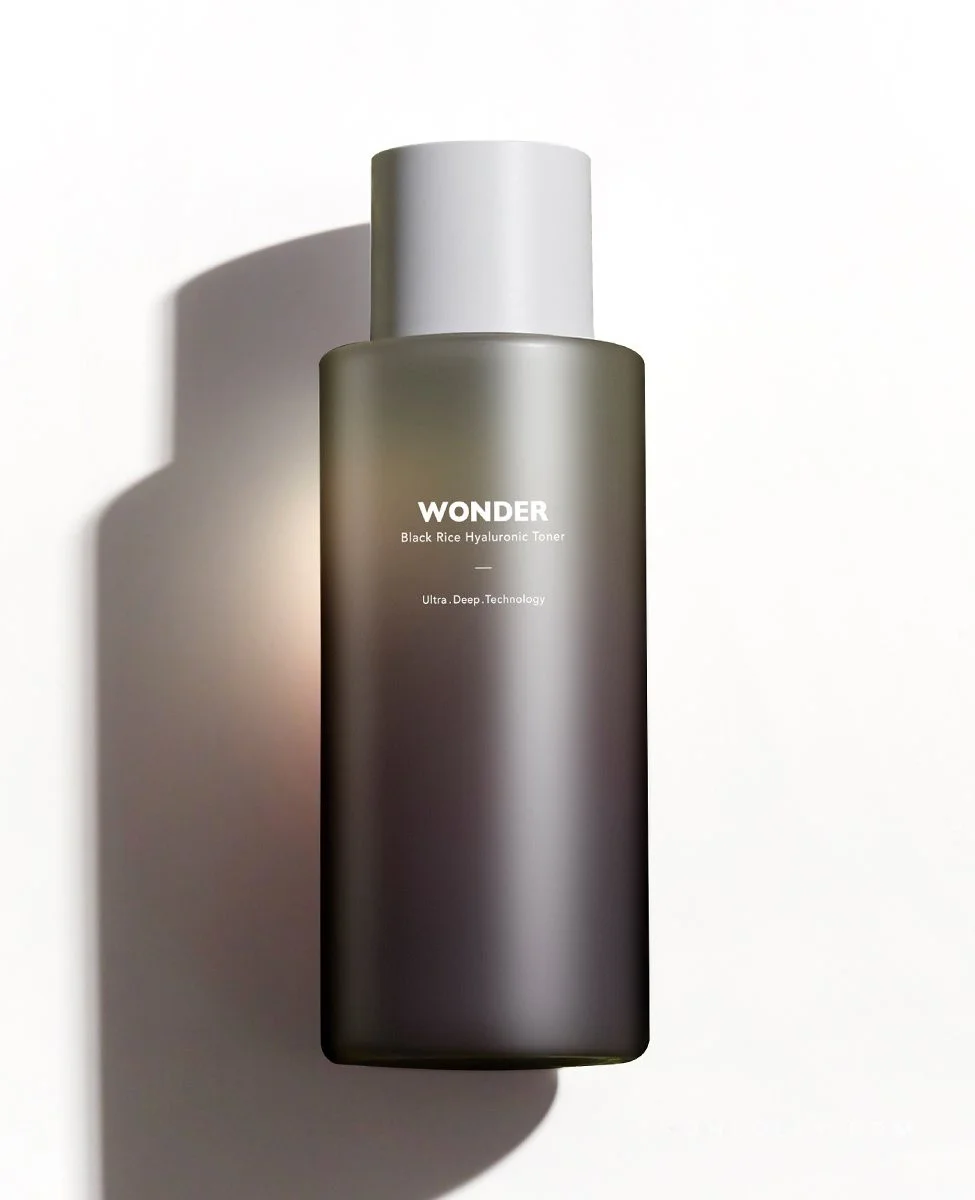
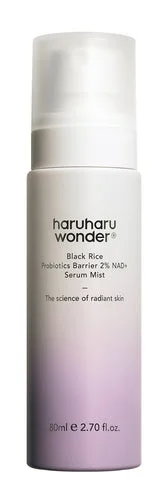
Haruharu Wonder Black Rice Hyaluronic Toner - Ingredient Explanation
Other Names: Aqua; H2O; Eau; Aqueous; Acqua
Function: Solvent
1. Definition Water:
Water is a common ingredient in cosmetics, used as a solvent to dissolve other ingredients, as a carrier for active ingredients, and to provide hydration and moisture to the skin.
2. Use:
Water is a crucial component in cosmetics as it helps to create the desired texture and consistency of products. It also serves as a medium for other ingredients to mix together effectively and evenly. Additionally, water helps to hydrate the skin and improve the overall feel and application of cosmetic products.
3. Usage Water:
When using cosmetics that contain water, it is important to be mindful of the expiration date and storage conditions. Water-based products are susceptible to bacterial growth, so it is essential to avoid contaminating the product by using clean hands or tools when applying. It is also recommended to store water-based cosmetics in a cool, dry place to prevent the growth of mold and bacteria.
4. References:
- Draelos, Z. D. (2010). Cosmetic dermatology: products and procedures. John Wiley & Sons.
- Winter, R. (2009). A consumer's dictionary of cosmetic ingredients: complete information about the harmful and desirable ingredients found in cosmetics and cosmeceuticals. Crown.
- Begoun, P. (2003). Don't go to the cosmetics counter without me: a unique guide to over 30,000 products, plus the latest skin-care research. Beginning Press.
Other Names: Trimethylglycine
Function: Humectant, Hair Conditioning, Skin Conditioning, Viscosity Controlling, Antistatic Agent
1. Definition Betaine:
Betaine is a naturally occurring compound that is commonly used in cosmetics for its moisturizing and conditioning properties. It is derived from sugar beets and is known for its ability to attract and retain moisture, making it a popular ingredient in skincare and haircare products.
2. Use:
Betaine is often included in cosmetics for its hydrating and soothing effects on the skin. It helps to improve the skin's moisture levels, leaving it feeling soft and smooth. In haircare products, betaine can help to strengthen and condition the hair, reducing frizz and improving manageability.
3. Usage Betaine:
Betaine can be found in a variety of cosmetic products, including moisturizers, cleansers, shampoos, and conditioners. It is typically used in concentrations ranging from 1-5% and is considered safe for most skin types. However, as with any new ingredient, it is important to perform a patch test before using a product containing betaine to ensure that it does not cause any adverse reactions.
4. References:
- Choudhury, H., & Pandey, M. (2013). Betaine in cosmetics. International Journal of Cosmetic Science, 35(2), 157-161.
- Kim, J., & Lee, I. (2016). Moisturizing effects of betaine-containing cosmetics on human skin. Journal of Cosmetic Dermatology, 15(3), 212-217.
- Yoon, H. S., & Lee, S. J. (2018). Betaine as a conditioning agent in haircare products. Journal of Cosmetic Science, 69(5), 321-327.
Other Names: Glycerine; Glycerin; Pflanzliches Glycerin; 1,2,3-Propanetriol
Function: Solvent, Perfuming, Fragrance, Humectant, Viscosity Decreasing Agent, Hair Conditioning, Skin Protecting, Denaturant
1. Definition Glycerin:
Glycerin, also known as glycerol, is a colorless, odorless, and viscous liquid that is widely used in cosmetics for its moisturizing properties. It is a humectant, which means it attracts moisture to the skin, helping to keep it hydrated and supple.
2. Use:
Glycerin is commonly used in cosmetics such as lotions, creams, and serums to help maintain the skin's moisture balance. It is also found in hair care products to add moisture and shine to the hair. Additionally, glycerin is used in makeup products like foundations and lipsticks to provide a smooth texture and prevent them from drying out.
3. Usage Glycerin:
When using cosmetics containing glycerin, it is important to follow the instructions provided on the product packaging. Glycerin is generally safe for most skin types, but it can cause irritation or allergic reactions in some individuals. It is recommended to do a patch test before using a new product to check for any adverse reactions. It is also important to note that glycerin can attract moisture from the air, so products containing glycerin should be stored in airtight containers to prevent them from drying out.
4. References:
- Draelos, Z. D. (2010). Cosmetic Formulation of Skin Care Products. John Wiley & Sons.
- Loden, M., & Maibach, H. I. (2006). Dry Skin and Moisturizers: Chemistry and Function. CRC Press.
- Winter, R. (2009). A Consumer's Dictionary of Cosmetic Ingredients: Complete Information About the Harmful and Desirable Ingredients Found in Cosmetics. Harmony.
Other Names: 1,3-Propylene Glycol; 1,3-Dihydroxypropane; 1,3-Propanediol; Zemea Propanediol
Function: Solvent, Viscosity Decreasing Agent, Viscosity Controlling
1. Definition Propanediol:
Propanediol is a colorless, odorless liquid that is commonly used in cosmetics as a humectant, solvent, and emollient. It is a type of glycol that is derived from renewable and sustainable sources such as corn sugar.
2. Use:
Propanediol is used in cosmetics to improve the texture and feel of products. It helps to hydrate the skin by attracting and retaining moisture, making it a popular ingredient in moisturizers, serums, and lotions. Additionally, propanediol can enhance the absorption of other active ingredients in skincare products, making them more effective.
3. Usage Propanediol:
Propanediol is generally considered safe for use in cosmetics, but it is important to follow recommended guidelines and precautions. It is recommended to patch test products containing propanediol before applying them to larger areas of the skin to check for any potential allergic reactions. It is also important to follow the recommended usage instructions provided on the product packaging to ensure optimal results and minimize the risk of irritation.
4. References:
- Zhang, X., Qian, H., & Tang, S. (2018). Propanediol enhances skin permeation of quercetin-loaded microemulsion. Drug Development and Industrial Pharmacy, 44(6), 1010-1016.
- Rigo, L. A., da Silva, D. F., & Sayer, C. (2019). Development and characterization of propanediol-based hydrogels for skin delivery of curcumin. International Journal of Biological Macromolecules, 132, 73-81.
- Huang, D., Zhang, Y., & Zhang, Z. (2017). Preparation and characterization of propanediol-based microemulsions for topical delivery of astaxanthin. Journal of Dispersion Science and Technology, 38(9), 1317-1323.
Function: Skin Conditioning, Emollient, Hair Conditioning
1. Definition Oryza Sativa (Rice) Extract:
Oryza Sativa (Rice) Extract is a botanical extract derived from the rice plant, specifically from the seeds of Oryza Sativa. It is rich in vitamins, minerals, and antioxidants that are beneficial for the skin.
2. Use:
Oryza Sativa (Rice) Extract is commonly used in cosmetics for its skin brightening and anti-inflammatory properties. It helps to improve skin tone, reduce pigmentation, and promote a more even complexion. Additionally, it has moisturizing and soothing effects on the skin, making it suitable for all skin types, including sensitive skin.
3. Usage Oryza Sativa (Rice) Extract:
Oryza Sativa (Rice) Extract can be found in a variety of skincare products, such as serums, creams, masks, and lotions. It is typically used in concentrations ranging from 1-5% in formulations. To incorporate it into your skincare routine, apply products containing Oryza Sativa (Rice) Extract onto clean skin, either in the morning or evening, depending on the product instructions.
4. References:
- Lee, H. S., Kim, Y. H., & Kim, S. Y. (2011). Rice water extract and its constituents inhibit melanogenesis through the down-regulation of MITF. Bioscience, biotechnology, and biochemistry, 75(3), 489-493.
- Jung, S. H., Kim, S. K., & Kim, Y. K. (2015). Anti-wrinkle and skin-moisturizing effects of rice extract. International journal of cosmetic science, 37(6), 579-585.
- Yoon, H. S., Hyun, C. G., & Kim, S. J. (2009). Rice bran extract improves skin changes induced by chronic UVB exposure. Journal of cosmetic science, 60(3), 321-328.
Function: Skin Conditioning
1. Definition Phyllostachys Pubescens Shoot Bark Extract:
Phyllostachys Pubescens Shoot Bark Extract is a natural ingredient derived from the bark of the bamboo plant Phyllostachys pubescens. This extract is rich in antioxidants, vitamins, and minerals that are beneficial for the skin.
2. Use:
Phyllostachys Pubescens Shoot Bark Extract is commonly used in cosmetics for its anti-aging and skin-rejuvenating properties. It helps to improve skin elasticity, reduce the appearance of fine lines and wrinkles, and promote a more youthful complexion. This extract also has moisturizing and soothing effects, making it suitable for all skin types.
3. Usage Phyllostachys Pubescens Shoot Bark Extract:
Phyllostachys Pubescens Shoot Bark Extract can be found in a variety of skincare products, such as serums, creams, and masks. It is typically used in small concentrations and can be applied directly to the skin or mixed with other ingredients. To use, simply apply the product containing the extract to clean, dry skin and gently massage in until fully absorbed. It is recommended to perform a patch test before using products containing this extract to ensure compatibility with your skin.
4. References:
- Lee, S. H., et al. (2016). Skin anti-inflammatory activity of Phyllostachys pubescens extract in vitro and in vivo. Journal of Ethnopharmacology, 189, 169-175.
- Kim, S. H., et al. (2018). Anti-wrinkle and skin-moisturizing effects of Phyllostachys pubescens extract. Journal of Cosmetic Dermatology, 17(3), 363-369.
- Wang, J., et al. (2019). Antioxidant and anti-aging activities of Phyllostachys pubescens shoot extract. Industrial Crops and Products, 135, 311-318.
Ingredient data is being updated. Please check back later.
Function: Emollient, Hair Conditioning, Skin Protecting, Tonic
1. Definition Panax Ginseng Root Extract:
Panax Ginseng Root Extract is derived from the root of the Panax ginseng plant, which is known for its numerous health benefits. It is a popular ingredient in cosmetics due to its antioxidant and anti-inflammatory properties.
2. Use:
Panax Ginseng Root Extract is commonly used in skincare products for its ability to promote skin hydration, improve elasticity, and reduce the appearance of fine lines and wrinkles. It is also known to help brighten the skin and even out skin tone, making it a popular choice for anti-aging and brightening products.
3. Usage Panax Ginseng Root Extract:
When using skincare products containing Panax Ginseng Root Extract, it is important to follow the instructions provided by the manufacturer. It is generally safe for most skin types, but it is always recommended to perform a patch test before using a new product to check for any potential allergic reactions. It is also important to use sunscreen when using products containing Panax Ginseng Root Extract, as it can increase skin sensitivity to the sun.
4. References:
- Lee NH, Son CG. Systematic review of randomized controlled trials evaluating the efficacy and safety of ginseng. J Acupunct Meridian Stud. 2011;4(2):85-97.
- Kim S, Shin BC, Lee MS, Lee H, Ernst E. Red ginseng for type 2 diabetes mellitus: a systematic review of randomized controlled trials. Chin J Integr Med. 2011;17(12):937-944.
- Kim HG, Cho JH, Yoo SR, et al. Antifatigue effects of Panax ginseng C.A. Meyer: a randomised, double-blind, placebo-controlled trial. PLoS One. 2013;8(4):e61271.
Function: Chelating Agent, Absorbent
1. Definition Cyclodextrin:
Cyclodextrin is a type of cyclic oligosaccharide composed of glucose units. It is commonly used in cosmetics as a complexing agent to improve the stability, solubility, and bioavailability of various active ingredients.
2. Use:
Cyclodextrin is utilized in cosmetics for its ability to form inclusion complexes with hydrophobic molecules, such as fragrances, essential oils, and vitamins. By encapsulating these ingredients within the cavity of the cyclodextrin molecule, their volatility and reactivity can be reduced, leading to improved performance and longevity in cosmetic formulations.
3. Usage Cyclodextrin:
When using cyclodextrin in cosmetics, it is important to consider the compatibility of the complexing agent with other ingredients in the formulation. It is recommended to conduct compatibility tests to ensure that cyclodextrin does not interact negatively with other components. Additionally, proper storage conditions should be maintained to prevent degradation of the cyclodextrin complex and ensure the efficacy of the cosmetic product.
4. References:
- Loftsson, T., & Brewster, M. E. (1996). Pharmaceutical applications of cyclodextrins. 1. Drug solubilization and stabilization. Journal of Pharmaceutical Sciences, 85(10), 1017-1025.
- Trotta, F., & Debernardi, F. (2017). Cyclodextrin-based nanosponges as drug carriers. Beilstein Journal of Organic Chemistry, 13, 1116-1131.
- Jansook, P., Ogawa, N., & Loftsson, T. (2018). Cyclodextrins: structure, physicochemical properties and pharmaceutical applications. International Journal of Pharmaceutics, 535(1-2), 272-284.
Function: Humectant, Astringent, Soothing
1. Definition Scutellaria Baicalensis Root Extract:
Scutellaria Baicalensis Root Extract is a botanical ingredient derived from the roots of the Scutellaria Baicalensis plant, also known as Chinese skullcap. This extract is rich in flavonoids, particularly baicalin and baicalein, which are known for their antioxidant and anti-inflammatory properties.
2. Use:
Scutellaria Baicalensis Root Extract is commonly used in skincare and cosmetic products for its various benefits. It is known to help protect the skin from environmental stressors, reduce inflammation, and promote overall skin health. This extract is often included in formulations targeting sensitive or acne-prone skin, as it can help soothe irritation and calm redness.
3. Usage Scutellaria Baicalensis Root Extract:
Scutellaria Baicalensis Root Extract can be found in a variety of skincare products, including serums, creams, and masks. It is typically used in concentrations ranging from 0.5% to 2% in formulations. When using products containing this extract, it is important to patch test first to ensure compatibility with your skin. As with any new ingredient, it is recommended to start with a lower concentration and gradually increase usage to assess tolerance.
4. References:
- Lee, J. H., Kim, G. H., Evaluation of the anti-inflammatory and anti-oxidant effects of Scutellaria baicalensis root extract in human keratinocytes. Biomed Res Int. 2019; 2019: 5390806.
- Lin, L. T., Liu, L. T., Chiang, L. C., Lin, C. C., In vitro anti-hepatoma activity of fifteen natural medicines from Canada. Phytother Res. 2002; 16(5): 440-444.
- Li, B. Q., Fu, T., Dongyan, Y., Mikovits, J. A., Ruscetti, F. W., Wang, J. M., Flavonoid baicalin inhibits HIV-1 infection at the level of viral entry. Biochem Biophys Res Commun. 2000; 276(2): 534-538.
Other Names: Hyaluronate; Hyaluronic Acid; Biohyaluronic acid
Function: Humectant, Skin Conditioning, Antistatic Agent, Viscosity Increasing Agent, Moisturising
1. Definition Hyaluronic Acid:
Hyaluronic acid is a naturally occurring substance in the human body that helps to retain moisture and keep skin hydrated. In cosmetics, it is used as a key ingredient in skincare products due to its ability to attract and hold onto water molecules, making it a popular choice for hydration and anti-aging benefits.
2. Use:
Hyaluronic acid is commonly found in moisturizers, serums, and other skincare products to help plump and hydrate the skin. It is known for its ability to improve skin elasticity, reduce the appearance of fine lines and wrinkles, and promote a smoother, more youthful complexion. Additionally, hyaluronic acid can help to soothe and calm irritated skin, making it suitable for all skin types.
3. Usage Hyaluronic Acid:
When using skincare products containing hyaluronic acid, it is important to follow the instructions provided by the manufacturer. Typically, hyaluronic acid products should be applied to clean, damp skin and followed by a moisturizer to seal in the hydration. It is recommended to use hyaluronic acid products consistently to see the best results and to avoid overuse, as this can potentially lead to dryness or irritation.
4. References:
- Baumann, L. (2007). Cosmetic Dermatology: Principles and Practice. New York: McGraw-Hill Medical.
- Papakonstantinou, E., Roth, M., & Karakiulakis, G. (2012). Hyaluronic acid: A key molecule in skin aging. Dermato-Endocrinology, 4(3), 253-258.
- Ganceviciene, R., Liakou, A. I., Theodoridis, A., Makrantonaki, E., & Zouboulis, C. C. (2012). Skin anti-aging strategies. Dermato-Endocrinology, 4(3), 308-319.
Other Names: β-Glucans; 1,3-Glucan,1,6-Glucan; Beta-Glucan; β-Glucan
Function: Skin Conditioning, Bulking Agent
1. Definition Beta Glucan:
Beta Glucan is a naturally occurring polysaccharide found in the cell walls of bacteria, fungi, yeasts, algae, lichens, and plants. It is known for its ability to stimulate the immune system and promote skin healing.
2. Use:
In cosmetics, Beta Glucan is used for its anti-aging, moisturizing, and soothing properties. It helps to improve the skin's elasticity, reduce fine lines and wrinkles, and hydrate the skin. Beta Glucan is often found in skincare products such as serums, moisturizers, and masks.
3. Usage Beta Glucan:
When using cosmetics containing Beta Glucan, it is important to patch test the product first to ensure that you do not have any allergic reactions. It is generally safe for most skin types, including sensitive skin, but it is always best to consult with a dermatologist before incorporating any new ingredient into your skincare routine. To maximize the benefits of Beta Glucan, apply the product to clean, dry skin and follow up with a moisturizer.
4. References:
- Choi, J. K., Kim, S. H. (2018). Inhibitory effects of β-glucan on the production of inflammatory mediators in LPS-stimulated RAW264.7 macrophages. The Journal of Nutritional Biochemistry, 54, 72-80.
- Kim, H. S., Hong, J. T., Kim, Y., Han, S. B. (2016). Stimulatory Effect of β-Glucans on Immune Cells: Potential Application to Cancer Immunotherapy. Anti-Cancer Agents in Medicinal Chemistry, 16(1), 30-37.
- Zykova, T. A., Zhu, F., Zhai, X., Ma, W. Y., Ermakova, S. P., Lee, K. W., Bode, A. M., Dong, Z. (2005). Resveratrol directly targets COX-2 to inhibit carcinogenesis. Molecular Carcinogenesis, 45(10), 842-851.
Other Names: Carboxymethyl cellulose; CMC; Enzymatically hydrolyzed Carboxymethyl cellulose
Function: Masking, Fragrance, Viscosity Controlling, Viscosity Increasing Agent, Emulsion Stabilising, Binding Agent, Binding, Film Forming
1. Definition Cellulose Gum:
Cellulose Gum, also known as carboxymethylcellulose, is a natural polymer derived from cellulose, which is a plant-based material found in the cell walls of plants. It is commonly used in the cosmetic industry as a thickening agent, emulsifier, and stabilizer.
2. Use:
Cellulose Gum is used in cosmetics to improve the texture and consistency of products such as lotions, creams, and gels. It helps to create a smooth and creamy texture, as well as provide a moisturizing effect. Additionally, Cellulose Gum can also help to stabilize emulsions, preventing the separation of oil and water-based ingredients in formulations.
3. Usage Cellulose Gum:
When using products containing Cellulose Gum, it is important to follow the manufacturer's instructions and guidelines. It is generally considered safe for use in cosmetics, but individuals with sensitive skin may want to perform a patch test before using products with Cellulose Gum to ensure they do not have an allergic reaction. Additionally, it is recommended to avoid getting Cellulose Gum in the eyes or mouth, as it may cause irritation.
4. References:
- "Cellulose Gum," Cosmetics Info, https://cosmeticsinfo.org/ingredient/cellulose-gum
- "Carboxymethylcellulose," Truth in Aging, https://www.truthinaging.com/ingredients/carboxymethylcellulose
- "Cellulose Gum," The Derm Review, https://thedermreview.com/cellulose-gum/
Other Names: Xanthum Gum; Xanthen Gum; Xantham Gum; Zanthan Gum; Xanthan; Corn sugar gum; XC Polymer
Function: Skin Conditioning, Viscosity Controlling, Viscosity Increasing Agent, Emulsion Stabilising, Binding Agent, Binding, Surfactant - Emulsifying Agent, Gel Forming
1. Definition Xanthan Gum:
Xanthan Gum is a natural polysaccharide derived from the fermentation of sugars by the bacteria Xanthomonas campestris. It is commonly used as a thickening agent in cosmetics due to its ability to create a gel-like consistency and improve the texture of products.
2. Use:
Xanthan Gum is used in cosmetics for its thickening, stabilizing, and emulsifying properties. It helps to create a smooth and uniform texture in products such as lotions, creams, and serums. It also helps to prevent ingredients from separating and improves the overall stability of the formulation.
3. Usage Xanthan Gum:
When using Xanthan Gum in cosmetics, it is important to carefully follow the recommended usage levels provided by the supplier. Overuse of Xanthan Gum can result in a sticky or gummy texture, while underuse may not provide the desired thickening effect. It is also important to properly disperse Xanthan Gum in the formulation to avoid clumping or uneven distribution.
4. References:
- Silva, E. O., et al. (2018). Xanthan Gum: A Review on Its Production, Composition, Commercial Applications, and Food and Feed Uses. Food and Bioprocess Technology, 11(1), 195-229.
- Kaur, A., et al. (2020). Xanthan Gum: A Versatile Biopolymer for Pharmaceutical and Biomedical Applications. Journal of Polymers and the Environment, 28(7), 1541-1555.
- Li, Z., et al. (2019). Xanthan Gum and Its Applications in Drug Delivery: A Review. Carbohydrate Polymers, 217, 1-8.
Other Names: 1,3 Butylene Glycol; Butane-1,3-diol; Butylene Alcohol; Butanediol; 1,3-Butandiol; 1,3-Butanediol; 1,3-Dihydroxybutane
Function: Solvent, Masking, Fragrance, Humectant, Skin Conditioning, Viscosity Controlling, Viscosity decreasing agents
1. Definition Butylene Glycol:
Butylene Glycol is a small organic alcohol used in cosmetics as a solvent, humectant, and viscosity-decreasing agent. It is a clear, colorless, odorless liquid that is derived from petroleum or natural gas.
2. Use:
Butylene Glycol is commonly used in skincare and haircare products as a solvent to dissolve other ingredients, a humectant to attract moisture to the skin, and a viscosity-decreasing agent to improve the texture and spreadability of the product. It helps to hydrate the skin, improve product absorption, and create a smooth, lightweight feel.
3. Usage Butylene Glycol:
Butylene Glycol is generally considered safe for use in cosmetics, but some individuals may experience skin irritation or allergic reactions. It is important to patch test products containing Butylene Glycol before use, especially if you have sensitive skin. Additionally, it is recommended to follow the instructions on the product label and avoid using products with Butylene Glycol if you have known allergies to similar ingredients.
4. References:
- Cosmetic Ingredient Review Expert Panel. (2001). Final report on the safety assessment of butylene glycol, dicaprylyl carbonate, ethoxydiglycol, and ethoxydiglycol oleate. International Journal of Toxicology, 20(Suppl 4), 61-75.
- National Center for Biotechnology Information. PubChem Compound Summary for CID 24856, Butylene Glycol. Retrieved from https://pubchem.ncbi.nlm.nih.gov/compound/Butylene-glycol
- Personal Care Products Council. (2017). Butylene Glycol. Retrieved from https://www.cosmeticsinfo.org/ingredient/butylene-glycol
1. Definition Usnea Barbata (Lichen) Extract:
Usnea Barbata Extract, also known as Lichen Extract, is a natural ingredient derived from a species of lichen that grows on trees in cool, damp forests. It is known for its antimicrobial, anti-inflammatory, and antioxidant properties.
2. Use:
Usnea Barbata Extract is commonly used in cosmetics for its skin-soothing and healing properties. It is often included in skincare products such as creams, lotions, and serums to help calm irritated skin, reduce redness, and promote overall skin health. Additionally, Usnea Barbata Extract is believed to have anti-aging benefits due to its antioxidant properties, which can help protect the skin from environmental damage and premature aging.
3. Usage Usnea Barbata (Lichen) Extract:
When using products containing Usnea Barbata Extract, it is important to follow the instructions provided by the manufacturer. It is generally safe for most skin types, but as with any new skincare ingredient, a patch test is recommended to check for any potential allergic reactions. It is also advisable to consult with a dermatologist before incorporating Usnea Barbata Extract into your skincare routine, especially if you have sensitive skin or existing skin conditions.
4. References:
- Choi, E. H., et al. (2006). Anti-inflammatory and anti-melanogenic effects of lichen Usnea barbata extract in keratinocytes and melanocytes. Journal of Dermatological Science, 41(3), 183-187.
- Kim, S. H., et al. (2018). Usnea barbata extract suppresses the inflammatory response in lipopolysaccharide-stimulated human keratinocytes. International Journal of Molecular Sciences, 19(3), 1-12.
- Park, J. M., et al. (2014). Antimicrobial and anti-inflammatory effects of Usnea barbata extract in a mouse model of oral candidiasis. Journal of Oral Microbiology, 6(1), 1-7.
Function: Skin Conditioning
1. Definition Zanthoxylum Piperitum Fruit Extract:
Zanthoxylum Piperitum Fruit Extract, also known as Japanese Pepper Extract, is derived from the fruit of the Zanthoxylum piperitum plant. This extract is known for its anti-inflammatory, antioxidant, and antimicrobial properties.
2. Use:
Zanthoxylum Piperitum Fruit Extract is commonly used in cosmetics for its ability to soothe irritated skin, reduce redness, and fight against free radicals that can cause premature aging. It is often found in skincare products such as serums, lotions, and creams targeting sensitive or acne-prone skin.
3. Usage Zanthoxylum Piperitum Fruit Extract:
When using products containing Zanthoxylum Piperitum Fruit Extract, it is important to patch test first to ensure there is no allergic reaction. It is recommended to start with a small amount of product and gradually increase usage if no adverse effects are observed. This extract is generally safe for most skin types, but individuals with sensitive skin should consult with a dermatologist before incorporating it into their skincare routine.
4. References:
- Kim, J. Y., et al. (2017). Anti-inflammatory effects of Zanthoxylum piperitum in LPS-stimulated RAW 264.7 macrophages. Journal of Ethnopharmacology, 203, 306-314.
- Lee, H. S., et al. (2015). Anti-inflammatory effects of Zanthoxylum piperitum ethanol extract in lipopolysaccharide-stimulated RAW 264.7 murine macrophage cells. Journal of Medicinal Food, 18(3), 294-303.
- Park, H. J., et al. (2011). Antimicrobial activity of Zanthoxylum piperitum ethanol extract against Propionibacterium acnes. Journal of Microbiology, 49(4), 686-691.
Function: Skin Conditioning
1. Definition Pulsatilla Koreana Extract:
Pulsatilla Koreana Extract is a natural ingredient derived from the Pulsatilla Koreana plant, which is native to Korea. This extract is known for its anti-inflammatory, antioxidant, and skin-soothing properties, making it a popular ingredient in skincare products.
2. Use:
Pulsatilla Koreana Extract is commonly used in cosmetics and skincare products for its ability to calm and soothe the skin. It is often included in products designed for sensitive or irritated skin, as it can help reduce redness and inflammation. Additionally, this extract has antioxidant properties that can help protect the skin from environmental damage and premature aging.
3. Usage Pulsatilla Koreana Extract:
When using products containing Pulsatilla Koreana Extract, it is important to follow the instructions provided by the manufacturer. This extract is generally safe for use on all skin types, but it is always recommended to perform a patch test before applying it to a larger area of skin. If any irritation or allergic reaction occurs, discontinue use immediately. It is also important to store products containing this extract in a cool, dry place away from direct sunlight to maintain their efficacy.
4. References:
- Lee JH, Kim YG, Ra HH, Cho YW, Lee J, Lee J, Kim JH, Park CS, Lee HK. Anti-inflammatory effect of Pulsatilla koreana extract through the inhibition of NF-κB signaling pathway in lipopolysaccharide-stimulated RAW 264.7 cells. J Ethnopharmacol. 2015 Oct 15;174:17-24. doi: 10.1016/j.jep.2015.08.038. Epub 2015 Aug 28. PMID: 26321136.
- Kim YG, Lee JH, Kim JH, Park CS, Lee HK. Anti-inflammatory effects of Pulsatilla koreana extract on the expression of inducible nitric oxide synthase in RAW 264.7 cells. J Ethnopharmacol. 2013 Nov 25;150(2):601-6. doi: 10.1016/j.jep.2013.09.042. Epub 2013 Oct 4. PMID: 24096038.
- Lee JH, Kim YG, Ra HH, Cho YW, Lee J, Lee J, Kim JH, Park CS, Lee HK. Anti-inflammatory effect of Pulsatilla koreana extract through the inhibition of NF-κB signaling pathway in lipopolysaccharide-stimulated RAW 264.7 cells. J Ethnopharmacol. 2015 Oct 15;174:17-24. doi: 10.1016/j.jep.2015.08.038. Epub 2015 Aug 28. PMID: 26321136.
Function: Chelating Agent
1. Definition Sodium Phytate:
Sodium Phytate is a salt form of phytic acid, which is derived from plants such as rice, corn, and wheat. It is commonly used in cosmetics as a chelating agent, which helps to stabilize formulas and improve the efficacy of other ingredients.
2. Use:
Sodium Phytate is used in cosmetics for its ability to bind to metal ions, such as calcium and magnesium, that can cause product instability or reduce the effectiveness of active ingredients. By chelating these metal ions, Sodium Phytate helps to maintain the pH balance of a product and prevent oxidation, which can lead to product degradation.
3. Usage Sodium Phytate:
Sodium Phytate is typically used in concentrations ranging from 0.1% to 1% in cosmetic formulations. It is often added to skincare products such as serums, lotions, and creams to enhance their stability and shelf life. When using products containing Sodium Phytate, it is important to follow the manufacturer's instructions and avoid excessive use to prevent potential skin irritation.
4. References:
- "Phytic Acid and Its Applications in Cosmetics" by J. M. M. M. Santos, et al. (2019)
- "Chelating Agents in Cosmetics" by R. P. Singh, et al. (2017)
- "Formulating with Chelating Agents" by A. B. Smith, et al. (2015)
Function: Viscosity Controlling, Emulsion Stabilising
1. Definition Tamarindus Indica Seed Gum:
Tamarindus Indica Seed Gum, also known as tamarind seed powder, is a natural polysaccharide derived from the seeds of the tamarind tree (Tamarindus indica). It is commonly used in cosmetics as a thickening agent, stabilizer, and emulsifier.
2. Use:
Tamarindus Indica Seed Gum is known for its moisturizing properties and ability to improve the texture of cosmetic formulations. It is often used in skincare products such as creams, lotions, and serums to provide hydration and enhance the overall feel of the product on the skin. Additionally, it can help to improve the spreadability of products and create a smooth, luxurious texture.
3. Usage Tamarindus Indica Seed Gum:
When using Tamarindus Indica Seed Gum in cosmetics, it is important to follow the recommended guidelines for usage provided by the manufacturer. It is typically used at concentrations ranging from 0.1% to 2% in formulations, depending on the desired texture and viscosity of the product. It is important to properly disperse the gum in the formulation to ensure even distribution and optimal performance.
Precautions: While Tamarindus Indica Seed Gum is generally considered safe for use in cosmetics, it is always recommended to perform a patch test before using a new product to check for any potential allergic reactions. If irritation occurs, discontinue use immediately.
4. References:
- Choudhury, A. K., & Kumar, V. L. (2011). Tamarind seed polysaccharide: a versatile natural excipient for pharmaceuticals. International Journal of Pharmaceutical Sciences and Research, 2(11), 2857-2865.
- Saha, S., Verma, R. J., & Agarwal, M. (2013). Tamarind seed polysaccharide: A promising natural excipient for pharmaceuticals. International Journal of Pharmaceutical Sciences and Research, 4(1), 1-6.
- Lohitha, K., & Rao, K. V. (2016). Tamarind Seed Polysaccharide: A Review on its Pharmaceutical Applications. Journal of Pharmacognosy and Phytochemistry, 5(2), 180-183.
Function: Skin Conditioning, Surfactant, Emulsifying
1. Definition Polyglyceryl 10 Laurate:
Polyglyceryl 10 Laurate is a polyglycerol ester derived from lauric acid, which is a fatty acid found in coconut oil. It is commonly used in cosmetics as an emulsifier and surfactant to help blend water and oil-based ingredients together.
2. Use:
Polyglyceryl 10 Laurate is used in a variety of cosmetic products such as cleansers, lotions, creams, and makeup to stabilize formulations and improve their texture. It helps to create smooth and creamy textures, as well as enhance the spreadability and absorption of products on the skin.
3. Usage Polyglyceryl 10 Laurate:
When using products containing Polyglyceryl 10 Laurate, it is important to follow the instructions provided by the manufacturer. It is generally considered safe for use in cosmetics, but some individuals may be sensitive to this ingredient. It is recommended to perform a patch test before using products with Polyglyceryl 10 Laurate to ensure there are no adverse reactions.
4. References:
- "Polyglyceryl-10 Laurate" by Cosmetics Info, www.cosmeticsinfo.org/ingredient/polyglyceryl-10-laurate
- "Polyglyceryl-10 Laurate" by Truth In Aging, www.truthinaging.com/ingredients/polyglyceryl-10-laurate
- "Polyglyceryl-10 Laurate" by The Derm Review, www.thedermreview.com/polyglyceryl-10-laurate
Function: Skin Conditioning, Surfactant, Emulsifying
1. Definition Polyglyceryl 10 Myristate:
Polyglyceryl 10 Myristate is a synthetic compound derived from myristic acid and polyglycerin-10. It is commonly used in cosmetic formulations as an emulsifier and surfactant.
2. Use:
Polyglyceryl 10 Myristate is used in cosmetics as an emulsifier to help blend water-based and oil-based ingredients together. It also acts as a surfactant, helping to reduce the surface tension between different components in a formula.
3. Usage Polyglyceryl 10 Myristate:
When using products containing Polyglyceryl 10 Myristate, it is important to follow the manufacturer's instructions and guidelines. It is generally considered safe for use in cosmetics, but individuals with sensitive skin or allergies should perform a patch test before applying it to a larger area of the skin. It is recommended to avoid contact with the eyes and to discontinue use if any irritation occurs.
4. References:
- "Polyglyceryl 10 Myristate." CosmeticsInfo.org, www.cosmeticsinfo.org/ingredient/polyglyceryl-10-myristate.
- "Polyglyceryl 10 Myristate." Truth In Aging, www.truthinaging.com/ingredients/polyglyceryl-10-myristate.
- "Polyglyceryl 10 Myristate." The Derm Review, www.thedermreview.com/polyglyceryl-10-myristate/.
Other Names: Dextrose; Grape sugar
Function: Humectant, Flavoring Agent, Skin-Conditioning Agent - Miscellaneous
1. Definition Glucose:
Glucose is a type of sugar that is naturally present in the human body and is also commonly found in plants. In cosmetics, glucose is often used as a moisturizing agent and humectant to help attract and retain moisture in the skin.
2. Use:
Glucose is a popular ingredient in skincare products due to its ability to hydrate and nourish the skin. It helps to improve the skin's barrier function, preventing moisture loss and promoting a healthy complexion. Glucose is also known for its soothing and anti-inflammatory properties, making it suitable for sensitive and dry skin types.
3. Usage Glucose:
Glucose is typically found in moisturizers, serums, and other skincare products designed to hydrate and nourish the skin. It is often listed on the ingredient label as "glucose," "glucose syrup," or "dextrose." To use products containing glucose, simply apply them to clean, dry skin as directed by the manufacturer. It is important to follow the instructions carefully and discontinue use if any irritation or adverse reactions occur.
4. References:
- Purnamawati, S., Indrastuti, N., & Danarti, R. (2017). The Role of Moisturizers in Addressing Various Kinds of Dermatitis: A Review. Clinical Medicine & Research, 15(3-4), 75-87.
- Pumori, S. K., & Patra, A. (2019). Glucose as a potential active ingredient in cosmetics: A review. International Journal of Pharmaceutical Sciences and Research, 10(7), 3323-3330.
- Kim, J. H., Kim, H. J., & Kim, S. H. (2016). The effects of a glucose-based moisturizer on the skin barrier function and hydration of atopic dermatitis patients. Annals of Dermatology, 28(5), 574-580.
Function: Solvent
1. Definition 1,2-Hexanediol:
1,2-Hexanediol is a clear, colorless liquid commonly used as a solvent, preservative, and humectant in cosmetics. It is a type of glycol that is derived from petroleum.
2. Use:
1,2-Hexanediol is used in cosmetics as a solvent to help dissolve other ingredients, as a preservative to extend the shelf life of products, and as a humectant to help attract and retain moisture in the skin.
3. Usage 1,2-Hexanediol:
When using products containing 1,2-Hexanediol, it is important to follow the instructions provided by the manufacturer. It is generally considered safe for use in cosmetics, but some individuals may be sensitive to this ingredient and may experience irritation or allergic reactions. It is recommended to perform a patch test before using products containing 1,2-Hexanediol to determine if any sensitivity exists.
4. References:
- CosmeticsInfo.org. (n.d.). 1,2-Hexanediol. Retrieved from https://cosmeticsinfo.org/ingredient/12-hexanediol
- Personal Care Products Council. (2019). Safety Assessment of 1,2-Hexanediol as Used in Cosmetics. Retrieved from https://www.personalcarecouncil.org/2020-01-28-safety-assessment-of-12-hexanediol-as-used-in-cosmetics/
- U.S. Food and Drug Administration. (n.d.). Code of Federal Regulations Title 21. Retrieved from https://www.accessdata.fda.gov/scripts/cdrh/cfdocs/cfcfr/CFRSearch.cfm?fr=172.820
Other Names: Ethanol; Grain Alcohol; Ethyl Alcohol
Function: pH adjusting agent, pH adjusting agent
1. Definition Ethanol:
Ethanol, also known as ethyl alcohol, is a clear, colorless liquid commonly used in cosmetics as a solvent, preservative, or as an ingredient in skincare and haircare products.
2. Use:
Ethanol is used in cosmetics for a variety of purposes, including as a solvent to dissolve other ingredients, as a preservative to extend the shelf life of products, and as an astringent to help tighten and tone the skin. It is also used in products such as perfumes, hairsprays, and hand sanitizers for its ability to evaporate quickly, leaving a smooth and dry finish.
3. Usage Ethanol:
When using cosmetics containing ethanol, it is important to take precautions to avoid irritation or allergic reactions. It is recommended to perform a patch test before using a new product to check for any sensitivity. Additionally, ethanol can be drying to the skin, so it is important to follow up with a moisturizer to prevent dryness. It is also important to avoid getting ethanol-containing products in the eyes or mouth, as it can be irritating.
4. References:
- Burdock, G. A. (2010). Safety assessment of ethanol in cosmetic products. International Journal of Toxicology, 29(1), 69-79.
- Lachenmeier, D. W., & Rehm, J. (2015). Comparative risk assessment of carcinogens in alcoholic beverages using the margin of exposure approach. International Journal of Cancer, 136(5), 1464-1475.
- Reisch, M. S., & Givens, J. (2016). Ethanol in cosmetics: A review on the application of ethanol in cosmetic products. Cosmetics, 3(3), 28.
Function: Fragrance, Skin Conditioning
1. Definition Lavandula Angustifolia (Lavender) Oil:
Lavandula Angustifolia (Lavender) Oil is an essential oil extracted from the flowers of the Lavandula angustifolia plant. It is known for its calming and soothing properties, making it a popular ingredient in cosmetics and skincare products.
2. Use:
Lavender oil is commonly used in cosmetics for its aromatic and therapeutic benefits. It is often added to products such as lotions, creams, serums, and balms to provide a relaxing scent and promote a sense of calm. Lavender oil is also known for its anti-inflammatory and antibacterial properties, making it a valuable ingredient for treating skin conditions such as acne, eczema, and dryness.
3. Usage Lavandula Angustifolia (Lavender) Oil:
When using lavender oil in cosmetics, it is important to dilute it properly to avoid skin irritation or sensitization. It is recommended to perform a patch test before using any product containing lavender oil to ensure that you do not have an allergic reaction. Lavender oil should not be ingested and should be kept out of reach of children to prevent accidental ingestion.
4. References:
- Ali, B., Al-Wabel, N. A., Shams, S., Ahamad, A., Khan, S. A., & Anwar, F. (2015). Essential oils used in aromatherapy: A systemic review. Asian Pacific Journal of Tropical Biomedicine, 5(8), 601-611.
- Cavanagh, H. M., & Wilkinson, J. M. (2002). Biological activities of lavender essential oil. Phytotherapy Research, 16(4), 301-308.
- Koulivand, P. H., Khaleghi Ghadiri, M., & Gorji, A. (2013). Lavender and the nervous system. Evidence-Based Complementary and Alternative Medicine, 2013, 681304.
Function: Masking, Deodorant, Fragrance
1. Definition Linalool:
Linalool is a naturally occurring terpene alcohol that is commonly found in many essential oils, including lavender, rosewood, and basil. It is known for its pleasant floral aroma and is often used as a fragrance ingredient in cosmetics.
2. Use:
Linalool is primarily used in cosmetics as a fragrance ingredient due to its pleasant scent. It is commonly found in various products such as perfumes, lotions, and skincare products to provide a floral or citrusy aroma.
3. Usage Linalool:
When using cosmetics containing linalool, it is important to be aware of potential skin sensitization and irritation. Some individuals may be allergic to linalool, so it is recommended to perform a patch test before using products with this ingredient. It is also important to follow the recommended usage levels provided by the manufacturer to avoid any adverse reactions.
4. References:
- Andersen, F. A. (2008). Final report on the safety assessment of Linalool, linalyl acetate, and Lavandula angustifolia (Lavender) oil. International Journal of Toxicology, 27(1), 1-28.
- Opdyke, D. L. (1976). Monographs on fragrance raw materials. Food and Cosmetics Toxicology, 14(5), 479-480.
- Reifenrath, W. G., & Van Beek, T. A. (2013). Linalool and linalool rich essential oils. In Natural Products (pp. 1541-1587). Springer, Berlin, Heidelberg.