


Analysis locked
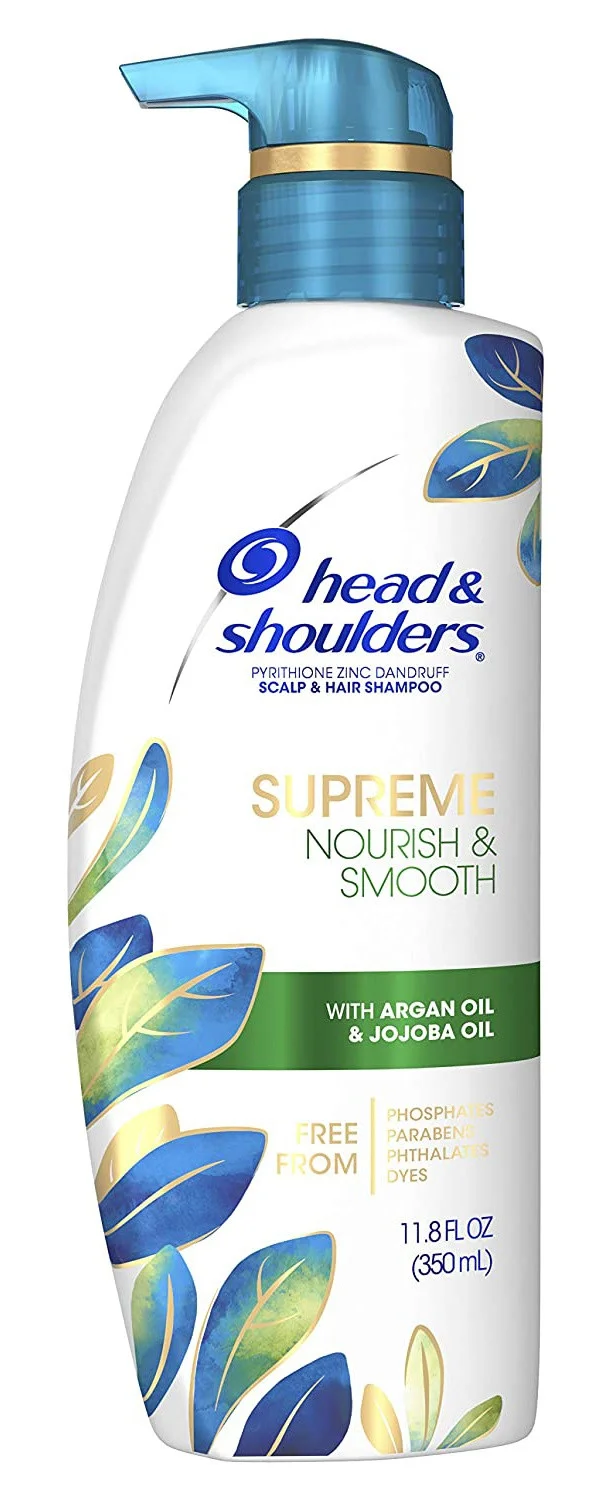
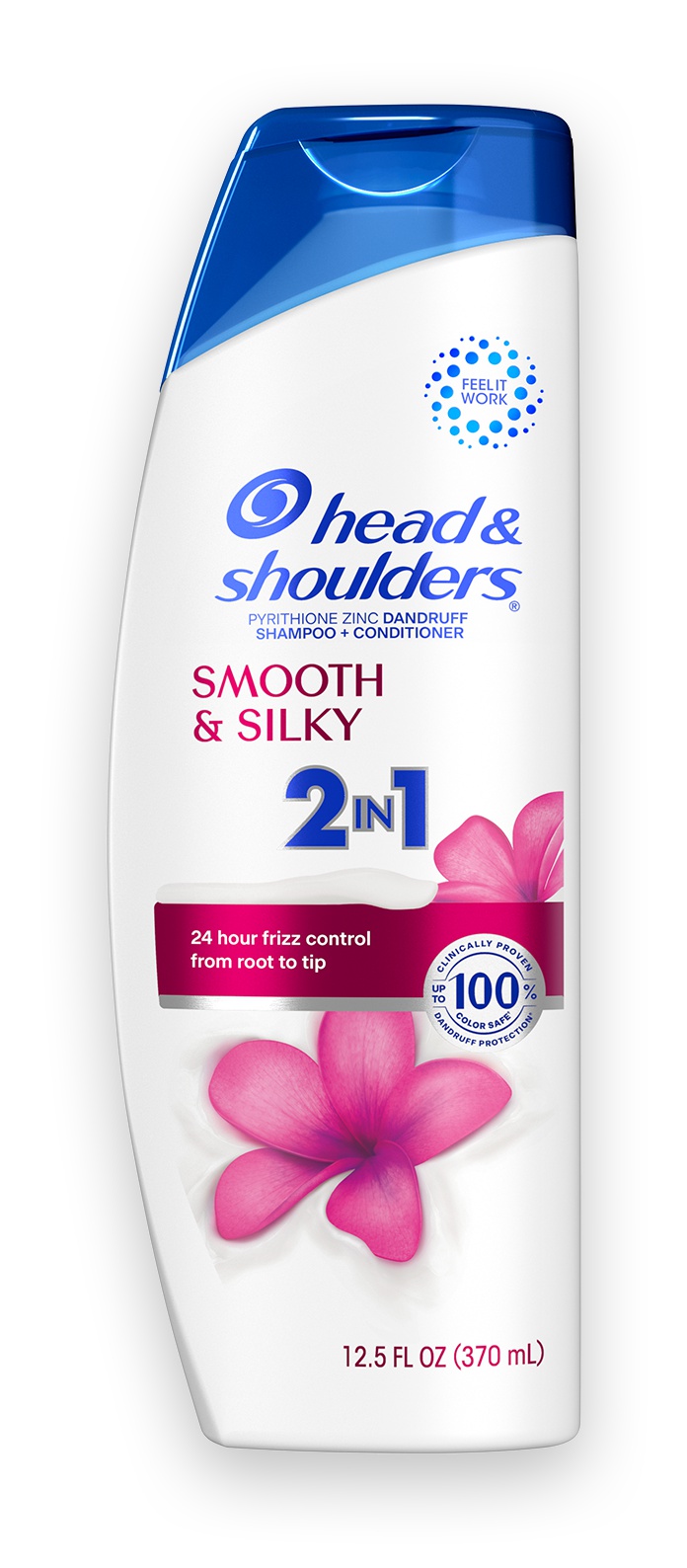
How well does your skin match with Head & Shoulders Supreme Nourish & Smooth Hair & Scalp Shampoo?
Login to see detailsOr continue via
Quick 1-minute survey • Completely free
Ingredients
Analysis results of Ingredients


Ingredient List
| EWG | CIR | Ingredient Name & Cosmetic Function | Notes |
|---|---|---|---|
| - | - | Pyrithione Zinc (1%) | |
| 1 | - | (Solvent) | |
| 1 3 | - | (Emulsifying, Surfactant, Cleansing, Foaming) |   |
| 2 | - | (Skin Protecting, Opacifying) | |



Head & Shoulders Supreme Nourish & Smooth Hair & Scalp Shampoo - Ingredient Explanation
Pyrithione Zinc (1%)
Ingredient data is being updated. Please check back later.
Water
1. Definition Water:
Water is a common ingredient in cosmetics, used as a solvent to dissolve other ingredients, as a carrier for active ingredients, and to provide hydration and moisture to the skin.2. Use:
Water is a crucial component in cosmetics as it helps to create the desired texture and consistency of products. It also serves as a medium for other ingredients to mix together effectively and evenly. Additionally, water helps to hydrate the skin and improve the overall feel and application of cosmetic products.3. Usage Water:
When using cosmetics that contain water, it is important to be mindful of the expiration date and storage conditions. Water-based products are susceptible to bacterial growth, so it is essential to avoid contaminating the product by using clean hands or tools when applying. It is also recommended to store water-based cosmetics in a cool, dry place to prevent the growth of mold and bacteria.4. References:
- Draelos, Z. D. (2010). Cosmetic dermatology: products and procedures. John Wiley & Sons.
- Winter, R. (2009). A consumer's dictionary of cosmetic ingredients: complete information about the harmful and desirable ingredients found in cosmetics and cosmeceuticals. Crown.
- Begoun, P. (2003). Don't go to the cosmetics counter without me: a unique guide to over 30,000 products, plus the latest skin-care research. Beginning Press.
Sodium Laureth Sulfate
1. Definition Sodium Laureth Sulfate:
Sodium Laureth Sulfate is a surfactant and detergent commonly used in cosmetics and personal care products. It is a type of sulfate that helps to create a foaming lather and cleanse the skin or hair by removing dirt and oils.2. Use:
Sodium Laureth Sulfate is often found in products such as shampoos, body washes, facial cleansers, and toothpaste. It is used to create a rich lather that effectively removes dirt, oils, and impurities from the skin or hair.3. Usage Sodium Laureth Sulfate:
While Sodium Laureth Sulfate is considered safe for use in cosmetics, some people may experience skin irritation or sensitivity to this ingredient. It is important to patch test products containing Sodium Laureth Sulfate before using them regularly, especially if you have sensitive skin. Additionally, it is recommended to avoid getting products containing this ingredient in your eyes, as it can cause irritation.4. References:
- National Center for Biotechnology Information. PubChem Compound Summary for CID 23665879, Sodium Laureth Sulfate. https://pubchem.ncbi.nlm.nih.gov/compound/Sodium-laureth-sulfate
- Environmental Working Group. Sodium Laureth Sulfate. https://www.ewg.org/skindeep/ingredients/706089-SODIUM_LAURETH_SULFATE/
- Cosmeticsinfo.org. Sodium Laureth Sulfate. http://cosmeticsinfo.org/ingredient/sodium-laureth-sulfate
Zinc Carbonate
1. Definition Zinc Carbonate:
Zinc Carbonate is a white, odorless, and tasteless powder that is commonly used in cosmetics as a colorant and skin protectant. It is a mineral-based compound that is formed by the reaction of zinc oxide with carbon dioxide.2. Use:
Zinc Carbonate is primarily used in cosmetics as a pigment to provide a white color to products such as powders, foundations, and creams. It is also used as a skin protectant due to its soothing and calming properties, making it ideal for sensitive or irritated skin.3. Usage Zinc Carbonate:
When using Zinc Carbonate in cosmetics, it is important to follow the recommended guidelines and usage levels provided by the manufacturer. It should be incorporated into formulations carefully to ensure even distribution and proper color payoff. Precautions should be taken to avoid inhaling the powder or getting it in contact with the eyes or mucous membranes.4. References:
- "Zinc Carbonate." Cosmetics Info, www.cosmeticsinfo.org/ingredient/zinc-carbonate.
- "Zinc Carbonate." Personal Care Council, www.personalcarecouncil.org/ingredient/zinc-carbonate/.
- "Zinc Carbonate in Cosmetics." The Derm Review, www.thedermreview.com/zinc-carbonate/.
Review

Didn't find
the information you need?




Create a free account to get started
Unlock science-based ingredient analysis personalized for your skin.
Already have an account? Log in
We protect your privacy. We never send spam.